ALTOONA HEALTH & REHAB
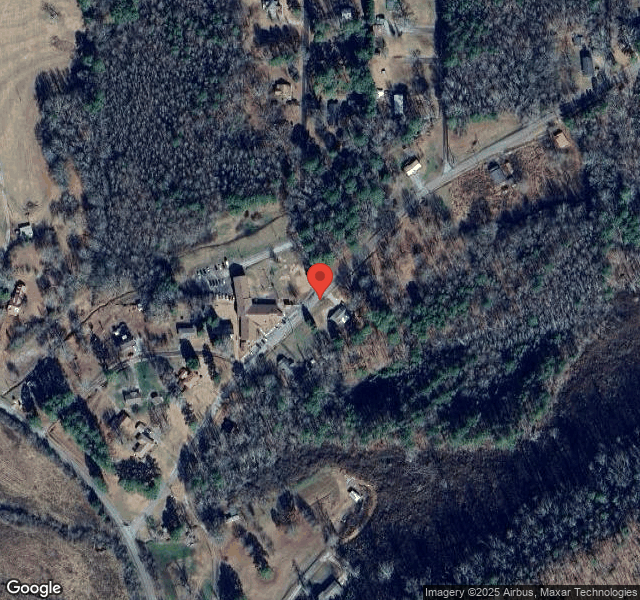

6532 WALNUT GROVE ROAD, ALTOONA, AL 35952 (205) 589-6394
For profit - Corporation 50 Beds TRINITY MANAGEMENT, INC. Data: November 2025
Trust Grade
60/100
#138 of 223 in AL
Last Inspection: June 2022

Over 2 years since last inspection. Current conditions may differ from available data.

Overview

Altoona Health & Rehab has a Trust Grade of C+, which means it is slightly above average but not particularly impressive. It ranks #138 out of 223 nursing homes in Alabama, placing it in the bottom half of facilities in the state, and #5 out of 6 in Etowah County, indicating that only one local option is better. The facility is improving, with issues decreasing from 6 in 2022 to 2 in 2023, and it has a good staffing rating of 4 out of 5 stars, with a turnover rate of 40%, which is lower than the state average. While there have been no fines, which is a positive sign, there have been concerning incidents, such as a failure to perform routine COVID-19 testing according to guidelines and a serious case of physical abuse involving a staff member pinching and slapping a resident. Overall, while the facility has strengths in staffing and recent improvements, families should be aware of these incidents when considering care options.

Trust Score
C+
60/100
In Alabama
#138/223
Bottom 39%
Safety Record
Low Risk
No red flags
Inspections
Getting Better
6 → 2 violations
Staff Stability
○ Average
40% turnover. Near Alabama's 48% average. Typical for the industry.
Penalties
✓ Good
No fines on record. Clean compliance history, better than most Alabama facilities.
Skilled Nurses
✓ Good
Each resident gets 49 minutes of Registered Nurse (RN) attention daily — more than average for Alabama. RNs are trained to catch health problems early.
Violations
○ Average
9 deficiencies on record. Average for a facility this size. Mostly minor or procedural issues.
★★☆☆☆
2.0
Overall Rating
★★★★☆
4.0
Staff Levels
★★★☆☆
3.0
Care Quality
★★☆☆☆
2.0
Inspection Score
Stable
2022: 6 issues
2023: 2 issues

The Good

  • 4-Star Staffing Rating · Above-average nurse staffing levels
  • Full Sprinkler Coverage · Fire safety systems throughout facility
  • No fines on record
  • Staff turnover below average (40%)

    8 points below Alabama average of 48%

Facility shows strength in staffing levels, fire safety.

The Bad

2-Star Overall Rating

Below Alabama average (2.9)

Below average - review inspection findings carefully

Staff Turnover: 40%

Near Alabama avg (46%)

Typical for the industry

Chain: TRINITY MANAGEMENT, INC.

Part of a multi-facility chain

Ask about local staffing decisions and management

The Ugly 9 deficiencies on record

Jun 2023 2 deficiencies
CONCERN (D) 📢 Someone Reported This

A family member, employee, or ombudsman was alarmed enough to file a formal complaint

Potential for Harm - no one hurt, but risky conditions existed

Free from Abuse/Neglect (Tag F0600)

Could have caused harm · This affected 1 resident

**NOTE- TERMS IN BRACKETS HAVE BEEN EDITED TO PROTECT CONFIDENTIALITY** Based on interviews, resident record review, review of an online report submitted to the State Survey Agency, review of the faci...

Read full inspector narrative →
**NOTE- TERMS IN BRACKETS HAVE BEEN EDITED TO PROTECT CONFIDENTIALITY** Based on interviews, resident record review, review of an online report submitted to the State Survey Agency, review of the facility's abuse investigation, and review of a facility policy titled, ADMINISTRATIVE ABUSE, the facility failed to protect Resident Identifier (RI) #1's right to be free from physical abuse on 01/31/2023 when Employee Identifier (EI) #5 Licensed Practical Nurse (LPN), was witnessed pinching and slapping RI #1. Physical abuse was witnessed by EI #3 Registered Nurse (RN) and EI #4 RN. This deficient practice affected RI #1, one of three residents reviewed for abuse concerns. Findings include: On 02/01/2023 at 6:27 AM, the State Survey Agency received an initial report from the facility regarding an allegation that EI #5, LPN, physically abused RI #1. This report indicated EI #4, witnessed EI #5 pinch and then slap RI #1's arm/hand. A facility policy titled ADMINISTRATIVE ABUSE, with a revised date of 10/2017, documented: Policy Residents have the right to be free from abuse . Residents must not be subject to abuse by anyone, including, but not limited to; facility staff . IDENTIFICATION OF ABUSE . 1. The facility defines types of abuse as follows: . PHYSICAL ABUSE includes, but is not limited to, hitting, slapping, pinching and kicking. RI #1 was re-admitted to the facility on [DATE] with diagnoses to include Dementia. RI #1's significant change Minimum Data Set (MDS) assessment with an Assessment Reference Date (ARD) of 12/26/2022 documented RI #1 had a Brief Interview for Mental Status (BIMS) score of six, which indicated RI #1 had severe cognitive impairment. A facility document titled VERIFICATION OF INVESTIGATION with an incident date of 01/31/2023 documented the following: . DETAILED DESCRIPTION OF INCIDENT . On Wednesday, February 1, 2023, at approximately 4:34 am, SSD (Social Service Director EI #2) was called by employee (EI #4) RN to report an allegation of physical abuse. The abuse happened on January 31, 2023 at approximately 10:00 pm. Resident (RI #1) was . in the front of the nurses station and had pulled his/her pants down. Employee (EI #4), RN, and employee (EI #3), RN, went to (RI #1) and took him/her to his/her room in an attempt to take him/her to the bathroom. Resident did not want to go to the bathroom or have his/her pants pulled up. (EI #4) . stepped to the doorway and asked for help. (EI #5), LPN, came to the room and stood at the door to observe the situation. Nurse, (EI #4) then stated that (RI #1) became combative and pinched and slapped at Nurse, (EI #5). Nurse, (EI #4) then stated that Nurse, (EI #5) pinched (RI #1) back and slapped his/her hand/arm and causing it to hit the wall. SUMMARY AND OUTCOME OF INVESTIGATION: . Tuesday, February 7, 2023 . After reviewing all pertinent information, the facility will conclude this investigation as substantiated. The eye-witnessed account from (EI #4), RN, is reliable evidence to support physical abuse occurred. The facility will terminate the employer-employee relationship with (EI #5) effective 02/07/23. The facility will communicate findings to the Alabama Board of Nursing . A handwritten statement from the facility's investigative file, signed by EI #4 RN documented the following: At approximately 10pm on 01/31/2023 resident (RI #1) attempted to get up from (his/her) gerichair while resident was in hallway by the nurse's station. This nurse, (EI #4), and Nurse (EI #3) attempted to redirect resident. Resident at this point pulled (his/her) pant/brief down. we went with resident to (his/her) resident bathroom to let resident have bathroom privileges. this nurse stepped to hallway and asked (EI #5) Nurse to help . thinking a familiar face would make resident feel more comfortable. (EI #5) stepped up and this nurse stepped back and (EI #5) forcefully and loudly called resident's name. (EI #5) attempted to redirect resident long enough to allow staff to pull up residents brief/pants. Once resident sat down (he/she) pinched (EI #5) so (EI #5) pinched (RI #1) back. Resident then slapped (EI #5) so (EI #5) slapped resident's hand/arm back and when this happened resident's hand hit the wall and it made a loud noise. A handwritten statement from the facility's investigative file, signed by EI #3 RN and dated 02/01/2023 documented the following: . This nurse was assisting resident to the restroom with (EI #4). Rsd (Resident) was agitated . refused to let us take (him/her) to restroom. (EI #5) walked in and helped us pull (his/her) pants back up. Rsd sat back down, this nurse walked thru bathroom to go around and finish helping rsd. Rsd was hitting . (EI #5) and (EI #5) tapped him/her on his/her right hand . An interview was conducted with EI #3 RN on 06/07/2023 at 9:05 AM. EI #3 was asked to recall the incident involving RI #1. EI #3 explained, RI #1 was at the nursing desk around 10:00 PM and pulled his/her pants down. EI #3 and EI #4 took RI #1 to his/her room and attempted to assist RI #1 to the bathroom. Once in the room RI #1 became agitated and refused to go in the bathroom. While attempting to care for RI #1, EI #5, LPN came in the room to assist. EI #3 stated she left the room for a moment and when she re-entered the room, she saw RI #1 slapping at EI #5. EI #3 saw EI #5 tap RI #1's hand. EI #3 said, RI #1 did not cry out or have any marks or bruises. EI #3 stated after the incident RI #1 consented to leave the room and was calm the rest of the night. EI #3 said, if abuse was observed it was supposed to be reported immediately to protect the resident. An interview was conducted with EI #4 on 06/07/2023 at 10:50 AM. EI #4 was asked to recall the incident involving RI #1 on 01/31/2023. EI #4 said, around 10:00 PM, RI #1 attempted to get up from his/her chair while in the hallway near the nurses desk. EI #4 said, she and EI #3 attempted to redirect RI #1, RI #1 pulled his/her pants down, then they took RI #1 to his/her room to use the bathroom. Once in the room RI #1 refused to allow EI #4 and EI #3 to assist him/her. EI #5 then came to the room to assist with redirecting RI #1. EI #4 said, she observed RI #1 pinch EI #5 and EI #5 then pinched RI #1. RI #1 then slapped EI #5 and EI #5 slapped RI #1's arm causing it to hit the wall. EI #4 stated she did not see any injury. EI #4 said, she did not say anything to EI #5 because she was in shock and felt intimidated by EI #5. EI #4 said, at that point she left the room to go take care of another resident. EI #4 said, shortly after the incident her shift ended and she left the facility a little after 10:30 PM without reporting the incident. EI #4 was asked why she did not report the incident. EI #4 replied, she was in shock. EI #4 said, the incident should have been reported to the abuse coordinator immediately to prevent it from happening again and to protect the resident. After leaving the building that night, EI #4 said, she called EI #6, RN, and left a message about the incident. EI #4 said, EI #6 did not immediately get the message but called her back around 4:00 AM on 02/01/2023. After talking to EI #6, EI #4 called the abuse coordinator EI #2 and reported the incident. An interview was completed with EI #5 on 06/07/2023 at 10:00 AM. EI #5 was asked about the incident involving RI #1. EI #5 said, she was asked to help EI #3 and EI #4 with RI #1 because RI #1 was confused and would not stand up or allow them to assist him/her to the bathroom. EI #5 said, after she, EI #3 and EI #4 pulled up RI #1's pants, RI #1 started hitting and pinching. EI #5 said, she grabbed RI #1's right wrist/arm to keep RI #1 from getting hurt. EI #5 said, she was trying to protect RI #1 when she grabbed RI #1's arm. EI #5 was asked why she was terminated from the facility. EI #5 replied, because of the abuse accusation involving RI #1. An interview was conducted with EI #1, Regional Administrator on 06/07/2023 at 1:00 PM. EI #1 was asked the outcome of the investigation related to physical abuse involving RI #1. EI # 1 said, the investigation was substantiated due to a believable eyewitness account of the incident. This deficient practice was cited as a result of the investigation of complaint/report number AL00043217. ********************************************************* The facility took immediate action to correct the noncompliance by: 1. Reported the incident to the Alabama Department of Public Health (ADPH) on 2/1/2023 and conducted an investigation. 2. Reported an incident of possible physical abuse to local police department on 2/1/2023. 3. Completed an in-service with all staff on the abuse policy from 2/1/2023 - 2/3/2023. 4. Completed one on one education with Registered Nurse (EI #3) on 2/1/2023. 5. Completed one on one education with Registered Nurse (EI #4) on 2/3/2023. 6. Quality Assurance (QA) meeting held on 2/1/2023 to create plan of correction (POC). 7. Weekly abuse monitoring form initiated by Social Services/Abuse Coordinator. The weekly monitoring begin on 02/01/23 for a period of 6 weeks, or longer if deemed necessary by the QA committee. Start date 2/1/2023 - Ongoing. After review of documentation supporting the corrective actions, including in-service records, employee files, education records, and interviews with staff, the survey team verified the facility had implemented corrective actions from 02/01/2023 through 02/03/2023 and had an ongoing monitoring system in place; thus, past non-compliance was cited.
CONCERN (D) 📢 Someone Reported This

A family member, employee, or ombudsman was alarmed enough to file a formal complaint

Potential for Harm - no one hurt, but risky conditions existed

Abuse Prevention Policies (Tag F0607)

Could have caused harm · This affected 1 resident

**NOTE- TERMS IN BRACKETS HAVE BEEN EDITED TO PROTECT CONFIDENTIALITY** Based on resident record review, interviews, review of an online report submitted to the State Survey Agency, review of the faci...

Read full inspector narrative →
**NOTE- TERMS IN BRACKETS HAVE BEEN EDITED TO PROTECT CONFIDENTIALITY** Based on resident record review, interviews, review of an online report submitted to the State Survey Agency, review of the facility's investigation file, and review of a facility policy titled ADMINISTRATIVE ABUSE, the facility failed to ensure staff implemented one of the seven components of the abuse policy. Employee Identifier (EI) #3 Registered Nurse (RN) and EI #4 RN failed to immediately report physical abuse to the abuse coordinator after they witnessed EI #5 Licensed Practical Nurse (LPN) physically abuse Resident Identifier (RI) #1 on 01/31/2023, in accordance with the facility policy. This affected RI #1 one of three residents sampled for abuse. Cross reference F600. Findings include: On 02/01/2023 at 6:27 AM, the State Survey Agency received an initial report from the facility regarding an allegation that EI #5, LPN, physically abused RI #1. This report indicated EI #4, witnessed EI #5 pinch and then slap RI #1's arm/hand. A facility policy titled, ADMINISTRATIVE ABUSE with a revised date of 10/2017 documented Policy: Residents have the right to be free from abuse . Residents must not be subject to abuse by anyone, including, but not limited to; facility staff . The facility defines types of abuse as follows: .PHYSICAL ABUSE includes, but is not limited to, hitting, slapping, pinching and kicking. REPORTING/RESPONSE OF ABUSE . Facility personnel are to report allegations or suspected abuse . immediately to the Administrator, or facility appointed designee. RI #1 was re-admitted to the facility on [DATE] with diagnoses to include: Dementia. RI #1's significant change Minimum Data Set (MDS) assessment with an Assessment Reference Date (ARD) of 12/26/2022 documented the resident had a Brief Interview for Mental Status (BIMS) score of six which indicated RI #1 had severe cognitive impairment. A facility document titled VERIFICATION OF INVESTIGATION with an incident date of 01/31/2023 documented the following: . DETAILED DESCRIPTION OF INCIDENT . On Wednesday, February 1, 2023, at approximately 4:34 am, SSD (Social Service Director EI #2) was called by employee (EI #4) RN to report an allegation of physical abuse. The abuse happened on January 31, 2023 at approximately 10:00 pm. Employee (EI #4), RN, and employee (EI #3), RN, went to (RI #1) and took (him/her) to (his/her) room in an attempt to take (him/her) to the bathroom. (EI #4) . stepped to the doorway and asked for help. (EI #5), LPN, came to the room and stood at the door to observe the situation. Nurse, (EI #4) then stated that (RI #1) became combative and pinched and slapped at Nurse, (EI #5). Nurse, (EI #4) then stated that Nurse, (EI #5) pinched (RI #1) back and slapped (his/her) hand/arm and causing it to hit the wall. SUMMARY AND OUTCOME OF INVESTIGATION: . Tuesday, February 7, 2023 . After reviewing all pertinent information, the facility will conclude this investigation as substantiated. The eye-witnessed account from (EI #4), RN, is reliable evidence to support physical abuse occurred. Review of the facility's timeline of events revealed the following: On 01/31/2023 at 10:00 PM EI #4 witnessed EI #5 physically abuse RI #1. On 01/31/2023 at 11:13 PM EI #4 placed a call to EI #6 RN, Assistant Director of Nursing (ADON). On 02/1/2023 at 4:11 AM EI #6 became aware of numerous missed calls from EI #4, returned her call, and she informed him of the allegation of physical abuse. On 02/01/2023 at 4:34 AM EI #4 contacted EI #2 Social Services Director/Abuse Coordinator, to report the allegation of abuse, as instructed by EI #6. On 02/01/2023 at 5:45 AM EI #6 arrived at the facility and notified EI #5 of the allegation of abuse, placed her on administrative leave and escorted her from the facility. An interview was conducted with Employee Identifier (EI) #3, Registered Nurse (RN) on 06/07/2023 at 9:05 AM. EI #3 explained, while attempting to care for RI #1, EI #5, LPN came in the room to assist. EI #3 stated she left the room for a moment and when she came back in the room she saw RI #1 slapping at EI #5. EI #3 then saw EI #5 tap RI #1's hand. EI #3 said if abuse was observed it was supposed to be reported immediately to protect the resident. EI #3 said she did not realize what she witnessed was abuse. An interview was conducted with EI #4 on 06/07/2023 at 10:50 AM. EI #4 was asked to recall the incident involving RI #1 on 01/31/2023. EI #4 said around 10:00 PM EI #4 and EI #3 took RI #1 to his/her room to use the bathroom. Once in the room RI #1 refused. EI #5 then came in the room to assist. EI #4 said she observed RI #1 pinch EI #5 and EI #5 then pinched RI #1. RI #1 then slapped EI #5 and EI #5 slapped RI #1's arm causing it to hit the wall. EI #4 said, she did not report this incident prior to leaving the building around 10:30 PM. EI #4 was asked why she did not report the incident, to which she replied, she was in shock. EI #4 said the incident should have been reported to the abuse coordinator immediately to protect the resident. After leaving the building EI #4 said she called EI #6, RN, and left a message about the incident. EI #4 said EI #6 did not immediately get the message but called her back around 4:00 AM on 02/01/2023. After talking to EI #6, EI #4 called the Abuse Coordinator EI #2 and reported the incident. An interview was conducted with EI #2, Abuse Coordinator on 06/07/2023 at 11:34 AM. EI #2 said she was the person staff should report abuse to. She stated staff were told who to call during training and her name and number was posted in the facility. EI #2 said, if staff witnessed abuse they should make sure the resident was safe and report the abuse immediately. When asked why EI #4 did not report the abuse she witnessed involving RI #1, EI #2 said she was not sure, but EI #4 was trained to report abuse immediately. EI #2 said EI #4 reported the abuse after she left the building and when she was notified she began the investigation. A follow up interview was conducted with EI #2 on 06/08/2023 at 11:53 AM. EI #2 said the abuse policy instructed staff to report abuse immediately to the administrator or designee. EI #2 stated she was the designee in the facility. EI #2 was asked if EI #4 followed the abuse policy when she witnessed abuse involving RI #1. EI #2 said no, she did not follow the policy. EI #2 further stated the problem with not reporting immediately was the resident was not protected from further possible abuse. This deficient practice was cited as a result of the investigation of complaint/report number AL00043217. ********************************************************* The facility took immediate action to correct the noncompliance by: 1. Reported the incident to the Alabama Department of Public Health (ADPH) on 2/1/2023 and conducted an investigation. 2. Reported an incident of possible physical abuse to local police department on 2/1/2023. 3. Completed an in-service with all staff on the abuse policy from 2/1/2023 - 2/3/2023. 4. Completed one on one education with Registered Nurse (EI #3) on 2/1/2023. 5. Completed one on one education with Registered Nurse (EI #4) on 2/3/2023. 6. Quality Assurance (QA) meeting held on 2/1/2023 to create plan of correction (POC). 7. Weekly abuse monitoring form initiated by Social Services/Abuse Coordinator. The weekly monitoring begin on 02/01/23 for a period of 6 weeks, or longer if deemed necessary by the QA committee. Start date 2/1/2023 - Ongoing. After review of documentation supporting the corrective actions, including in-service records, employee files, education records, and interviews with staff, the survey team verified the facility had implemented corrective actions from 02/01/2023 through 02/03/2023 and had an ongoing monitoring system in place; thus, past non-compliance was cited.
Nov 2022 2 deficiencies
CONCERN (D) 📢 Someone Reported This

A family member, employee, or ombudsman was alarmed enough to file a formal complaint

Potential for Harm - no one hurt, but risky conditions existed

Comprehensive Care Plan (Tag F0656)

Could have caused harm · This affected 1 resident

**NOTE- TERMS IN BRACKETS HAVE BEEN EDITED TO PROTECT CONFIDENTIALITY** Based on interviews, record review, review of a facility policy titled, NURSING COMPREHENSIVE CARE PLAN (DEVELOPING), and review...

Read full inspector narrative →
**NOTE- TERMS IN BRACKETS HAVE BEEN EDITED TO PROTECT CONFIDENTIALITY** Based on interviews, record review, review of a facility policy titled, NURSING COMPREHENSIVE CARE PLAN (DEVELOPING), and review of the facility's investigation regarding Resident Identifier (RI) #1's fall, facility staff failed to implement the fall care plan for transfers on 9/29/22, when RI #1 had a fall while being transferred from his/her bed. This affected one of three residents reviewed for care plan concerns. Findings Include: A review of a policy titled NURSING COMPREHENSIVE CARE PLAN (DEVELOPING), Revised 7/14, documented: . Plans of care are developed by the interdisciplinary team, to coordinate and communicate care approaches and goals for the resident related to clinical diagnosis or identified concerns . RI #1 was admitted to the facility on [DATE] and readmitted on [DATE] with diagnoses to include Cerebrovascular Disease. A review of RI #1's most recent Quarterly Minimum Data Set (MDS) with an Assessment Reference Date (ARD) of 8/21/22, documented a Brief Interview for Mental Status (BIMS) score of 15/15 which indicated RI #1 was cognitively intact. A review of a document titled Resident Incident Report documented: . 9/29/22 09:27AM . Resident was sitting in floor of room facing his/her bed . Legs were in front of resident . Certified Nursing Assistant (CNA) notified . nurse. Upon entering room assessment was completed . Vital signs taken, resident assessed for pain and injury. Body audit completed. Resident assisted in wheelchair after assessment . A review of RI #1's care plan documented: . I require modified stand and pivot extensive x 2 with my transfers when getting out of bed . start date 2/14/22 . An interview was completed with RI #1 on 11/15/22 at 11:40 AM. RI #1 was asked about the fall that he/she sustained on 9/29/22. RI #1 stated he/she rang the call bell, and a CNA came in the room, and he/she told the CNA he/she wanted to get out of bed. RI #1 stated the CNA never left the room to find assistance with his/her transfer. RI #1 then explained the CNA attempted to transfer him/her to the chair and during this process he/she became top heavy and fell to the floor. RI #1 explained he/she normally received assistance from two CNAs when transferring from the bed to the chair. An interview was completed with Employee Identifier (EI) #3 on 11/15/22 at 9:21 AM. EI #3 explained that on 9/29/22 she answered RI #1's call light. She stated when she entered the room RI #1 requested to be gotten out of bed. EI #3 stated she left the room to find another staff member to assist with the transfer but could not find anyone on the hall. EI #3 stated RI #1 told her they could do the transfer if she would help him/her stand. EI #3 stated she moved the wheelchair by the bed and attempted to transfer him/her by holding onto his/her pants. EI #3 stated when she was holding RI #1's pants he/she went to the floor. EI #3 was asked if RI #1 was a two-person assist. EI #3 stated yes when getting out of bed. EI #3 was asked if she should have waited until another staff member came in the room to assist before attempting to transfer RI #1. EI #3 responded she should have waited but RI #1 was demanding and said he/she would get up without any assistance. EI #3 was asked if she followed RI #1's care plan for a two-person assist when getting him/her out of bed on 9/29/22. EI #3 stated no, she did not follow the care plan. EI #3 was asked why RI #1 was a two-person assist. EI #3 stated to prevent him/her from falling. An interview was completed with EI #1, Registered Nurse (RN) on 11/15/22 at 12:30 PM. EI #1 was asked about RI #1's fall status. EI #1 stated RI #1 was a fall risk prior to 9/29/22 and was still currently a fall risk. EI #1 was asked about the fall sustained by RI #1 on 9/29/22. EI #1 stated the CNA (EI # 3) was attempting to transfer RI #1 when his/her knee gave out and he/she fell to the floor. EI #1 stated RI #1's care plan on 9/29/22 was for a two-person assist when getting out of bed. EI #1 was asked if the care plan was followed on 9/29/22 when the CNA transferred RI #1 without another staff member present. EI #1 stated the CNA did not follow the care plan and the outcome was RI #1 had a fall. An interview was completed with EI #2, Care Plan Coordinator, on 11/16/22 at 11:43 AM. EI #2 was asked about the fall care plan for RI #1. EI #2 stated on 9/29/22 a CNA attempted to transfer RI #1 from the bed to the chair without assistance. She further stated the CNA did not follow the care plan requiring two people to assist with RI #1's transfers. EI #2 stated the CNA should have followed the care plan. EI # 2 was asked how a CNA would know what kind of care to provide a resident. EI #2 stated the care guides were posted inside the closet door in the resident's room. This deficient practice was cited as a result of the investigation of complaint/report number AL00042223. ********************************************************* The facility took immediate action to correct the noncompliance by: 1. Reported the incident to Alabama Department of Public Health (ADPH) 9/30/22 and conducted an investigation. 2. Reported an incident of possible neglect to local police department on 9/30/22. 3. Completed in-service with staff on following care guides with transfer on 9/30/22. 4. Completed one on one education with Certified Nursing Assistant (EI #3) on 10/5/22. 5. Issued final warning to EI #3 concerning not following care guides on 10/5/22. 6. Quality Assurance (QA) meeting held on 10/5/22 to create plan of correction (POC). 7. Monitoring for two-person assist compliance . The RN Supervisor or designated quality assurance representative will observe CNA's/Staff three (3) times a week for a period of eight (8) weeks, to ensure compliance with resident care guides. Start date 10/3/22 - Ongoing. After review of documentation supporting the corrective actions, including in-service records, employee files, education records, and interviews with staff, the survey team verified the facility had implemented corrective actions from 9/29/2022 through 10/5/2022 and had an ongoing monitoring system in place; thus, past non-compliance was cited.
CONCERN (D) 📢 Someone Reported This

A family member, employee, or ombudsman was alarmed enough to file a formal complaint

Potential for Harm - no one hurt, but risky conditions existed

Accident Prevention (Tag F0689)

Could have caused harm · This affected 1 resident

**NOTE- TERMS IN BRACKETS HAVE BEEN EDITED TO PROTECT CONFIDENTIALITY** Based on interviews, record review, review of a facility policy titled, RESIDENTS THESE ARE YOUR RIGHTS, and review of the facil...

Read full inspector narrative →
**NOTE- TERMS IN BRACKETS HAVE BEEN EDITED TO PROTECT CONFIDENTIALITY** Based on interviews, record review, review of a facility policy titled, RESIDENTS THESE ARE YOUR RIGHTS, and review of the facility's investigation regarding Resident Identifier (RI) #1's fall, the facility failed to ensure two staff were present during a transfer on 9/29/22 that resulted in RI #1 sustaining a fall. This affected one of three residents reviewed for fall concerns. Findings Include: A review of a policy titled RESIDENTS THESE ARE YOUR RIGHTS, 10/17, documented: . Federal law requires us to . provide . a safe . environment . RI #1 was admitted to the facility on [DATE] and readmitted on [DATE] with diagnoses to include Cerebrovascular Disease. A review of RI #1's most recent Quarterly Minimum Data Set (MDS) with an Assessment Reference Date (ARD) of 8/21/22, documented a Brief Interview Mental Status (BIMS) score of 15/15 which indicated RI #1 was cognitively intact. A review of a document titled Resident Incident Report documented: . 9/29/22 09:27AM . Resident was sitting in floor of room facing his/her bed . Legs were in front of resident . Certified Nursing Assistant (CNA) notified . nurse. Upon entering room assessment was completed .Vital signs taken, resident assessed for pain and injury. Body audit completed. Resident assisted in wheelchair after assessment . A review of RI #1's care plan documented: . I require modified stand and pivot extensive x 2 with my transfers when getting out of bed . start date 2/14/22 . An interview was completed with RI #1 on 11/15/22 at 11:40 AM. RI #1 was asked about the fall he/she sustained on 9/29/22. RI #1 stated he/she rang the call bell, and a CNA came in the room. He/she told the CNA he/she wanted to get out of bed. RI #1 stated the CNA never left the room to get assistance with his/her transfer. RI #1 then explained the CNA attempted to transfer him/her to the chair and during this process he/she became top heavy and fell to the floor. RI #1 explained he/she normally received assistance from two CNAs when transferring from the bed to the chair. An interview was completed with Employee Identifier (EI) #3 on 11/15/22 at 9:21 AM. EI #3 explained that on 9/29/22 she answered RI #1's call light. She stated when she entered the room RI #1 requested to be gotten out of bed. EI #3 stated she left the room to find another staff member to assist with the transfer but could not find anyone on the hall. EI #3 stated RI #1 told her they could do the transfer if she would help him/her stand. EI #3 stated she moved the wheelchair to the bed and attempted to transfer him/her by holding on to his/her pants. EI #3 stated when she was holding RI #1's pants he/she went to the floor. EI #3 was asked if RI #1 was a two-person assist. EI #3 stated yes when getting out of bed. EI #3 was asked if she should have waited until another staff member came in the room to assist before attempting to transfer RI #1. EI #3 responded she should have waited. EI #3 was asked why RI #1 was a two-person assist. EI #3 stated to prevent him/her from falling. EI #3 further stated the fall could have probably been prevented if two people had been present during the transfer. An interview was completed with EI #1, Registered Nurse (RN) on 11/15/22 at 12:30 PM. EI #1 was asked about RI #1's fall status. EI #1 stated RI #1 was a fall risk prior to 9/29/22 and was still currently a fall risk. EI #1 stated RI #1's fall care plan on 9/29/22 stated RI #1 was a two-person assist when getting out of bed. EI #1 was asked about the fall sustained by RI #1 on 9/29/22. EI #1 stated the CNA was attempting to transfer RI #1 when his/her knee gave out and he/she fell to the floor. EI #1 was asked what could have prevented RI #1 from falling on 9/29/22. EI #1 stated she did not feel the fall could have been prevented with two people because RI #1's knee gave out. She further stated it would have been safer with two people trying to stop the fall rather than one person. This deficient practice was cited as a result of the investigation of complaint/report number AL00042223. ********************************************************* The facility took immediate action to correct the noncompliance by: 1. Reported the incident to the Alabama Department of Public Health (ADPH) on 9/30/2022 and conducted an investigation. 2. Reported an incident of possible neglect to local police department on 9/30/22. 3. Completed an in-service with staff on following care guides with transfers on 9/30/22. 4. Completed one on one education with Certified Nursing Assistant (EI #3) on 10/5/22. 5. Issued final warning to EI #3 concerning not following care guides on 10/5/22. 6. Quality Assurance (QA) meeting held on 10/5/22 to create plan of correction (POC). 7. Monitoring for two-person assist compliance . The RN Supervisor or designated quality assurance representative will observe CNA's/Staff three (3) times a week for a period of eight (8) weeks, to ensure compliance with resident care guides. Start date 10/3/22 - Ongoing. After review of documentation supporting the corrective actions, including in-service records, employee files, education records, and interviews with staff, the survey team verified the facility had implemented corrective actions from 9/29/2022 through 10/5/2022 and had an ongoing monitoring system in place; thus, past non-compliance was cited.
Jun 2022 4 deficiencies
CONCERN (D)

Potential for Harm - no one hurt, but risky conditions existed

Comprehensive Care Plan (Tag F0656)

Could have caused harm · This affected 1 resident

**NOTE- TERMS IN BRACKETS HAVE BEEN EDITED TO PROTECT CONFIDENTIALITY** Based on record review, interview, and review of the policy titled NURSING COMPREHENSIVE CARE PLAN (DEVELOPING), the facility fa...

Read full inspector narrative →
**NOTE- TERMS IN BRACKETS HAVE BEEN EDITED TO PROTECT CONFIDENTIALITY** Based on record review, interview, and review of the policy titled NURSING COMPREHENSIVE CARE PLAN (DEVELOPING), the facility failed to develop a care plan for Resident Identifier (RI) #29's use of an anticoagulant medication. This had the potential to affect 1 of 23 residents reviewed for care plans. Findings included: A review of the facility's policy titled, NURSING COMPREHENSIVE CARE PLAN (DEVELOPING), revised October 2017, revealed . Plans of Care are developed and implemented by the interdisciplinary team, to coordinate and communicate care approaches and goals for the resident related to clinical diagnosis or identified concerns. A review of RI #29's Face Sheet revealed the resident had diagnoses that included Cardiovascular Disease, Early Onset Cerebellar Ataxia, Chronic Embolism and Deep Vein Thrombus (DVT) of the right lower extremity (blood clot), Polyneuropathy, Peripheral Vascular Disease, and Osteoarthritis. A review of a quarterly Minimum Data Set (MDS), dated [DATE], revealed RI #29 had a Brief Interview for Mental Status (BIMS) score of 9, indicating moderate cognitive impairment. RI #29 required two staff for bed mobility, was totally dependent on staff for transfers and locomotion, and was not ambulatory. The MDS revealed the resident was taking an anticoagulant. A review of RI #29's Physician Orders revealed the resident had an order for Eliquis (an anticoagulant; blood thinner medication) five milligrams (mg) one tablet twice daily for DVT (blood clots) with an order date of 10/19/2021. A review of RI #29's care plans revealed no documented evidence the facility developed a care plan to address the resident's use of Eliquis and monitoring for complications related to the use of the medication and the resident's diagnosis of DVT. On 06/12/2022 at 6:08 PM, an interview with Employee Identifier (EI) #21, the MDS nurse, revealed the facility would complete a care plan for any resident that was on an anticoagulant medication. While reviewing the care plan for RI #29, EI #21 confirmed the resident was receiving Eliquis and that a care plan had not been developed. EI #21 stated, I must have overlooked it. On 06/13/2022 at 4:53 PM, EI #2, the Director of Nursing (DON), stated in an interview that it was her expectation that if a resident was receiving an anticoagulant medication, it should be addressed on the care plan. EI #2 indicated EI #21 was responsible for developing care plans and care plans were reviewed during weekly meetings when a resident's care plan came due. EI #2 stated during the meetings, care plans were compared to residents' medications to determine what medications needed to be on the care plan. EI #2 stated she would have expected to have caught that the medication was not on RI #29's care plan. EI #2 stated, it would be surprising if we missed something like an anticoagulant. Honestly, I do not know how that got missed.
CONCERN (D)

Potential for Harm - no one hurt, but risky conditions existed

Unnecessary Medications (Tag F0759)

Could have caused harm · This affected 1 resident

Based on record review, interviews, observations, review of facility policies titled NURSING MEDICATION ADMINISTRATION, and NURSING GASTROSTOMY TUBE/ADMINISTERING MEDICATIONS, and manufacturer's instr...

Read full inspector narrative →
Based on record review, interviews, observations, review of facility policies titled NURSING MEDICATION ADMINISTRATION, and NURSING GASTROSTOMY TUBE/ADMINISTERING MEDICATIONS, and manufacturer's instructions for NovoLog and Humalog insulin, the facility failed to have a medication administration error rate less than 5%. Specifically, the facility had four errors out of 27 opportunities for error resulting in a medication error rate of 14.81%. Errors were observed during medication administration for four [Resident Identifier (RI) #18, RI #3, RI #4, and RI #31] of eight residents and the medications were administered by two different nurses. Findings included: A review of the facility's policy titled NURSING MEDICATION ADMINISTRATION last revised 11/2017 indicated .Medication will be given as ordered by a physician . THE SEVEN 'RIGHTS' OF DRUG ADMINISTRATION 1. The right drug: Is the ordered drug the same? 2. The right resident: Is the resident's name the same? 3. The right time: Is the time and frequency of administration the same? 4. The right dose: Is the ordered dose the same? 5. The right route: Is the ordered route the same? 6. The residents right to know: Does the resident know the reason for receiving the medication and what side effects to expect. 7. The resident's right to refuse medication. On 06/11/2022 at 7:57 AM, Employee Identifier (EI) #10, Registered Nurse (RN), was observed preparing and administering medications for RI #18. These medications included clonazepam 0.5 milligrams, one-half tablet, which would make the dose 0.25 milligrams. The label on the card of the clonazepam indicated the tablets were 0.5 milligrams and the tablets were half tablets. EI #10 administered the medication along with other morning medications to RI #18. A review of the June 2022 Physician Orders for RI #18 included clonazepam 0.5 milligrams, give one tablet by mouth every day, dated 05/31/2022. During an interview on 06/11/2022 at 8:25 AM, EI #10 stated she read the order wrong and thought she was only supposed to give a half of a 0.5 milligram tablet of clonazepam to RI #18. During an interview on 06/11/2022 at 8:25 AM, EI #2, Director of Nursing (DON), stated after reading the label on the medication, if the nurse followed the direction on the label, he/she would only be giving 0.25 milligrams. She stated she would obtain clarification from the physician. During an interview on 06/11/2022 at 9:45 AM, EI #2 stated staff were giving the wrong dose of clonazepam to RI #18. EI #2 stated the facility had done a dose reduction of RI #18's clonazepam to 0.25 milligrams prior to the resident being sent to a psychiatric hospital and, while at the hospital, the clonazepam was increased back to 0.5 milligrams but the facility staff did not catch the order change when the resident was readmitted to the facility and resumed the previous order of only giving 0.25 milligrams. A review of the manufacturer's recommendations for the NovoLog FlexPen, last revised 03/2021, indicated . Before each injection small amounts of air may collect in the cartridge during normal use. To avoid injecting air and to ensure proper dosing: E. Turn the dose selector to select two units. F. Hold the NovoLog FlexPen with the needle pointing up. Tap the cartridge gently with you finger a few times to make any air bubbles collect at the top of the cartridge. G. Keep the needle pointing upwards, press the push-button all the way in. The dose selector returns to 0. A drop of insulin should appear at the needle tip. On 06/11/2022 at 10:46 AM, Employee Identifier (EI) #10, Registered Nurse (RN), was observed preparing and administering medications for RI #3. The medications included Novolog 12 units via a FlexPen. EI #10 administered the insulin subcutaneously (SQ) in the right upper arm. EI #10 did not prime the needle prior to dialing up the dose of 12 units. A review of the June 2022 Physician Orders for RI #3 included Novolog FlexPen give 12 units SQ 30 minutes prior to meals three times a day, During an interview on 06/11/2022 at 10:50 AM, EI #10 stated she was not aware the insulin pen needed to be primed first. During an interview on 06/11/2022 at 6:11 PM, EI #18, Licensed Practical Nurse (LPN), stated he learned that day that the needle on insulin pens needed to be primed before each dose. EI #18 stated he originally thought it needed to be primed only when the pen was first opened. During an interview on 06/13/2022 at 9:03 PM, EI #14, Pharmacy Consultant, stated that insulin pens should definitely be primed on the first dose. EI #14 stated staff should be following manufacturer's recommendations. A review of the manufacturer's instructions for Humalog KwikPen, revised 04/2020, revealed Priming your Pen Prime before each injection. Priming your Pen means removing the air from the Needle and Cartridge that may collect during normal use and ensure that the pen is working correctly. If you do not prime before each injection, you may get too much or too little insulin. Step 6: To prime your Pen, turn the Dose Knob to select 2 units. Step 7: Hold your Pen with the Needle pointing up. Tap the Cartridge Holder gently to collect air bubbles at the top. Step 8: Continue holding your Pen with the Needle pointing up. Push the Dose Knob in until it stops and 0 is seen in the Dose Window. Hold the Dose Knob in and count to 5 slowly. You should see insulin at the tip of the Needle. Step 11: Inject the needle into your skin. Push the Dose Knob all the way in. Continue to hold the dose knob in and slowly count to 5 before removing the Needle. On 06/11/2022 at 10:57 AM, Employee Identifier (EI) #16, Licensed Practical Nurse (LPN), was observed preparing and administering medications to RI #4. EI #16 checked RI #4's blood sugar (231) and administered lispro insulin 12 units via a SoloStar injection pen. EI #16 administered the insulin subcutaneously in the left upper quadrant of the abdomen. EI #16 did not prime the needle prior to dialing up the dose of 12 units and only held the needle in place for less than three seconds. A review of the June 2022 Physician Orders for RI #4 included Humalog lispro insulin 100 units per milliliter via KwikPen, administer 12 units for blood sugars between 181 and 240. During an interview on 06/11/2022 at 11:05 AM, EI #16 stated she was not aware an insulin pen needed to be primed first. During an interview on 06/13/2022 at 9:03 PM, EI #14, Pharmacy Consultant, stated that insulin pens should definitely be primed on the first dose. EI #14 stated staff should be following manufacturer's recommendations. On 06/11/2022 at 11:18 AM, Employee Identifier (EI) #16, Licensed Practical Nurse (LPN), was observed preparing and administering medications for RI #31. The medications included Depakote 125 milligrams two capsules. EI #16 opened the capsules and emptied the contents into a plastic medication cup. EI #16 checked placement of RI #31's percutaneous endoscopic gastrostomy (PEG) tube (feeding tube) with the use of a stethoscope pushing 30 milliliters of air into the tube with a syringe and then pulled back on the syringe to check for residual (contents left in the resident's stomach). EI #16 added 30 milliliters of water to the medication cup and poured it into the tube. EI #16 did not flush the tube prior to putting the medication in the tube but did flush it with 30 milliliters of water after. A review of the June 2022 Physician Orders for RI #31 included Depakote DR (delayed release) 125 milligrams sprinkles, give two capsules to equal 250 milligrams twice a day, dated 04/29/2022. Check tube placement before medications. Flush tube with 30 milliliters of water before and after medications. Flush tube with five to ten milliliters of water between each medication. During an interview on 06/11/2022 at 11:18 AM, EI #16 she stated she forgot to flush the tube first before administering the medications. She stated she should have flushed it with 30 milliliters of water first. During an interview on 06/13/2022 at 7:34 PM, EI #2, Director of Nursing (DON), stated when administering medication through a tube, a nurse should flush the tube with 30 milliliters of water, mix each medication individually with five to ten milliliters of water before putting them in the tube, and then flush the tube with 30 milliliters of water after.
CONCERN (E)

Potential for Harm - no one hurt, but risky conditions existed

Food Safety (Tag F0812)

Could have caused harm · This affected multiple residents

Based on observations and interviews the facility failed to ensure temperatures were taken of all six bowls of soup heated in the microwave prior to serving to residents. This had the potential to af...

Read full inspector narrative →
Based on observations and interviews the facility failed to ensure temperatures were taken of all six bowls of soup heated in the microwave prior to serving to residents. This had the potential to affect 6 of 6 residents receiving soup from the kitchen. Findings included: 1. On 06/10/2022 at 4:23 PM, during observations of the tray line, Employee Identifier (EI) #6, a Cook, was observed making four cups of chicken broth using chicken base that was put in an insulated cup and hot water. The cups were stirred, lids placed on them, and set aside. At 5:05 PM, EI #6 placed two of the four cups of chicken broth in the microwave oven. Once heated, the cups were removed and placed on a resident's dinner tray and served. The staff member did not take a temperature of the chicken broth prior to serving it to a resident. Further observation at 5:07 PM revealed EI #6 placed the other two cups of chicken broth in the microwave oven. Once heated, the cups were removed, and placed on a resident's dinner tray and served. Again, EI #6 did not take a temperature of the chicken broth prior to serving to a resident. During an observation on 06/10/2022 at 5:20 PM, EI #6 was observed pouring thick, condensed tomato soup into two bowls and adding tap water to each bowl. EI #6 placed a lid on the bowls, placed them in the microwave oven, and then placed a bowl on two different residents' trays at 5:31 PM, without taking a temperature of the soup prior to serving. An interview on 06/10/2022 at 5:47 PM with EI #6 revealed temperatures should be taken of every food served prior to leaving the kitchen. EI #6 acknowledged a temperature was not obtained on the four cups of chicken broth nor the two cups of tomato soup before they were served to residents. On 06/10/2022 at 5:48 PM, an interview with EI #5, EI #6's supervisor, revealed a temperature should be taken of everything before it left the kitchen. On 06/10/2022 at 6:01 PM, an interview with EI #1 revealed he/she expected staff to obtain a temperature of all food items before leaving the kitchen.
CONCERN (F)

Potential for Harm - no one hurt, but risky conditions existed

Deficiency F0886 (Tag F0886)

Could have caused harm · This affected most or all residents

**NOTE- TERMS IN BRACKETS HAVE BEEN EDITED TO PROTECT CONFIDENTIALITY** Based on record review, interviews, and review of the facility's policy titled Coronavirus Testing the facility failed to perfor...

Read full inspector narrative →
**NOTE- TERMS IN BRACKETS HAVE BEEN EDITED TO PROTECT CONFIDENTIALITY** Based on record review, interviews, and review of the facility's policy titled Coronavirus Testing the facility failed to perform routine COVID-19 testing for all staff per the Centers for Disease Control and Prevention (CDC) and the Centers for Medicare and Medicaid Services (CMS) guidance. This had the potential to affect 43 of 43. Findings included: A review of the facility's policy titled, Coronavirus Testing, revised 03/14/2022, indicated . Expanded screening testing of asymptomatic healthcare personnel (HCP) should be as follows: HCP who are up to date with all recommended COVID-19 vaccine doses may be exempt from expanded screening testing. HCP who are not up to date with all recommended COVID-19 vaccine doses should continue expanded screening testing. Continued review of the policy revealed a table for, Routine Testing Intervals by County COVID-19 Level of Community Transmission which indicated the minimum testing frequency of staff who were not up to date. The minimum testing frequency in counties with a high (red) transmission rate was twice a week. CMS memorandum, QSO-20-38-NH, revised 03/10/2022, revealed, Up-to-date indicated a person who had received all recommended COVID-19 vaccines, including any booster dose(s) when eligible. Per the memorandum, routine testing should be completed two times a week for any staff not up to date with all recommended COVID-19 vaccination doses when the community transmission level was substantial (orange) or high (red). A review of the COVID-19 Community Transmission Level for the county where the facility was located revealed the transmission level was high. A review of the COVID-19 Staff Vaccination Status for Providers revealed the facility had 79 staff members, 63 of whom were vaccinated, but only 12 of whom had received the booster doses for which they were eligible. This left 51 staff members who were not up-to-date with all COVID-19 vaccination doses. Sixteen staff members had exemptions. A review of the Record of COVID-19 Testing of unvaccinated staff revealed six of the 16 unvaccinated staff members were not being tested as per the guidelines. Records revealed Employee Identifier (EI) #12 was last tested on [DATE]. EI #23 was last tested on [DATE]. EI #22 was last tested on [DATE]. EI #25 had not been tested. EI #9 had not been tested. EI #24 was last tested on [DATE]. A review of the June 2022 working schedule from 06/01/2022 through 06/12/2022 for the above staff members revealed the following: - EI #12 was on the schedule and worked four days (06/01/2022, 06/02/2022, 06/03/2022 and 06/06/2022). - EI #23 was on the schedule and worked seven days (06/01/2022, 06/04/2022, 06/05/2022, 06/06/2022, 06/08/2022, 06/09/2022 and 06/10/2022). - EI #22 was on the schedule and worked seven days (06/02/2022, 06/03/2022, 06/04/2022, 06/07/2022, 06/08/2022 and 06/09/2022). - EI #25 was on the schedule and worked seven days (06/01/2022, 06/02/2022, 06/04/2022, 06/05/2022, 06/06/2022, 06/08/2022 and 06/09/2022). - EI #9 was on the schedule and worked nine days (06/01/2022, 06/02/2022, 06/04/2022, 06/05/2022, 06/06/2022, 06/07/2022, 06/08/2022, 06/11/2022 and 06/12/2022). - EI #24 was on the schedule and worked eight days (06/01/2022, 06/03/2022, 06/04/2022, 06/05/2022, 06/08/2022, 06/10/2022, 06/11/2022 and 06/12/2022). During an interview with EI #2 on 06/13/2022 at 11:26 AM, she stated the facility was not up to date with their policy and their testing. EI #2 stated she did not realize the facility needed to test based on staff being up to date with all COVID-19 vaccine doses. EI #2 stated she had not been keeping up with all the changes with COVID-19 restrictions. EI #2 stated the facility was re-evaluating the infection control program.
Feb 2020 1 deficiency
CONCERN (D)

Potential for Harm - no one hurt, but risky conditions existed

Food Safety (Tag F0812)

Could have caused harm · This affected 1 resident

Based on observations, interviews and a review of a facility policy titled, FOOD AND NUTRITION SERVICES DISHWASHING MACHINE, the facility failed to ensure trays were allowed to air dry before use duri...

Read full inspector narrative →
Based on observations, interviews and a review of a facility policy titled, FOOD AND NUTRITION SERVICES DISHWASHING MACHINE, the facility failed to ensure trays were allowed to air dry before use during meal service on 2/26/2020. This had the potential to affect up to 12 of 46 residents who received meals from the kitchen. Findings Include: A review of a policy titled, FOOD AND NUTRITION SERVICES DISHWASHING MACHINE, with a revised date of 10/17, revealed: Policy The following procedure will be used when using the dishwashing machine. Procedure .9. Air-dry dishes. On 2/26/2020 at 4:39 p.m., the surveyor observed staff using wet trays during meal service. 12 trays were utilized for meal service with water inside of them and/or on the sides of the trays. On 2/26/20 at 5:40 p.m., an interview was conducted with EI #4, Dietary Aide. EI #4 was asked what she saw on the residents' trays. EI #4 replied water drips. EI #4 was asked why there was water in the residents' trays. EI #4 said they did not have time to dry. EI #4 was asked why wet trays should not be used during meal service. EI #4 said it was unsanitary. On 2/26/20 at 5:48 p.m., an interview was conducted with EI #3, a Cook. EI #3 was asked what she observed on trays during meal service/tray line. EI #3 replied, there were water drops. EI #3 was asked why trays should be dry during meal service. EI #3 replied, so other things did not get stuck to them.
Understanding Severity Codes (click to expand)
Life-Threatening (Immediate Jeopardy)
J - Isolated K - Pattern L - Widespread
Actual Harm
G - Isolated H - Pattern I - Widespread
Potential for Harm
D - Isolated E - Pattern F - Widespread
No Harm (Minor)
A - Isolated B - Pattern C - Widespread

Questions to Ask on Your Visit

  • "Can I speak with families of current residents?"
  • "What's your RN coverage like on weekends and overnight?"

Our Honest Assessment

Strengths
  • • No major safety red flags. No abuse findings, life-threatening violations, or SFF status.
  • • No fines on record. Clean compliance history, better than most Alabama facilities.
  • • 40% turnover. Below Alabama's 48% average. Good staff retention means consistent care.
Concerns
  • • No major red flags. Standard due diligence and a personal visit recommended.
Bottom line: Mixed indicators with Trust Score of 60/100. Visit in person and ask pointed questions.

About This Facility

What is Altoona Health & Rehab's CMS Rating?

CMS assigns ALTOONA HEALTH & REHAB an overall rating of 2 out of 5 stars, which is considered below average nationally. Within Alabama, this rating places the facility higher than 0% of the state's 100 nursing homes. A rating at this level reflects concerns identified through health inspections, staffing assessments, or quality measures that families should carefully consider.

How is Altoona Health & Rehab Staffed?

CMS rates ALTOONA HEALTH & REHAB's staffing level at 4 out of 5 stars, which is above average compared to other nursing homes. Staff turnover is 40%, compared to the Alabama average of 46%. This relatively stable workforce can support continuity of care.

What Have Inspectors Found at Altoona Health & Rehab?

State health inspectors documented 9 deficiencies at ALTOONA HEALTH & REHAB during 2020 to 2023. These included: 9 with potential for harm.

Who Owns and Operates Altoona Health & Rehab?

ALTOONA HEALTH & REHAB is owned by a for-profit company. For-profit facilities operate as businesses with obligations to shareholders or private owners. The facility is operated by TRINITY MANAGEMENT, INC., a chain that manages multiple nursing homes. With 50 certified beds and approximately 45 residents (about 90% occupancy), it is a smaller facility located in ALTOONA, Alabama.

How Does Altoona Health & Rehab Compare to Other Alabama Nursing Homes?

Compared to the 100 nursing homes in Alabama, ALTOONA HEALTH & REHAB's overall rating (2 stars) is below the state average of 2.9, staff turnover (40%) is near the state average of 46%, and health inspection rating (2 stars) is below the national benchmark.

What Should Families Ask When Visiting Altoona Health & Rehab?

Based on this facility's data, families visiting should ask: "Can I visit during a mealtime to observe dining assistance and food quality?" "How do you handle medical emergencies, and what is your hospital transfer rate?" "Can I speak with family members of current residents about their experience?"

Is Altoona Health & Rehab Safe?

Based on CMS inspection data, ALTOONA HEALTH & REHAB has a clean safety record: no substantiated abuse findings (meaning no confirmed cases of resident harm), no Immediate Jeopardy citations (the most serious violation level indicating risk of serious injury or death), and is not on the Special Focus Facility watch list (a federal program monitoring the lowest-performing 1% of nursing homes). The facility has a 2-star overall rating and ranks #100 of 100 nursing homes in Alabama. While no facility is perfect, families should still ask about staff-to-resident ratios and recent inspection results during their visit.

Do Nurses at Altoona Health & Rehab Stick Around?

ALTOONA HEALTH & REHAB has a staff turnover rate of 40%, which is about average for Alabama nursing homes (state average: 46%). Moderate turnover is common in nursing homes, but families should still ask about staff tenure and how the facility maintains care continuity when employees leave.

Was Altoona Health & Rehab Ever Fined?

ALTOONA HEALTH & REHAB has no federal fines on record. CMS issues fines when nursing homes fail to meet care standards or don't correct problems found during inspections. The absence of fines suggests the facility has either maintained compliance or corrected any issues before penalties were assessed. This is a positive indicator, though families should still review recent inspection reports for the full picture.

Is Altoona Health & Rehab on Any Federal Watch List?

ALTOONA HEALTH & REHAB is not on any federal watch list. The most significant is the Special Focus Facility (SFF) program, which identifies the bottom 1% of nursing homes nationally based on persistent, serious quality problems. Not being on this list means the facility has avoided the pattern of deficiencies that triggers enhanced federal oversight. This is a positive indicator, though families should still review the facility's inspection history directly.