CLAY COUNTY NURSING HOME
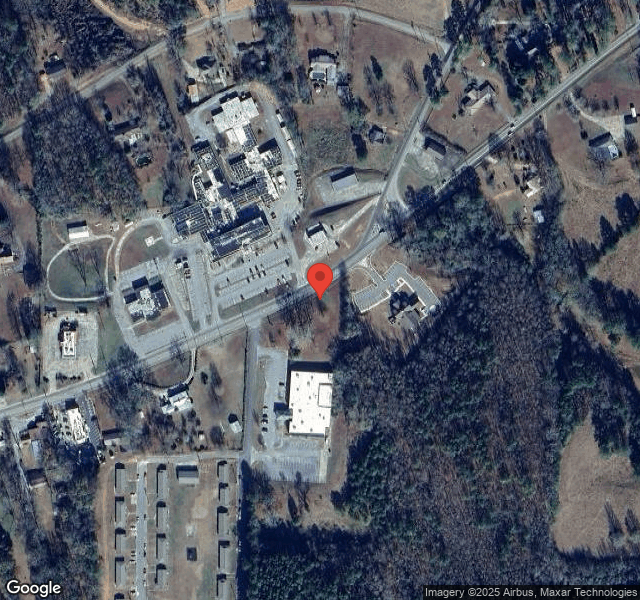

83825 HIGHWAY 9, ASHLAND, AL 36251 (256) 354-2131
Non profit - Other 83 Beds Independent Data: November 2025
Trust Grade
80/100
#41 of 223 in AL
Last Inspection: March 2022

Over 2 years since last inspection. Current conditions may differ from available data.

Overview

Clay County Nursing Home in Ashland, Alabama, has a Trust Grade of B+, indicating it is above average and generally recommended for families considering care options. It ranks #41 out of 223 facilities in Alabama, placing it in the top half, but is only #2 out of 2 in Clay County, meaning there’s only one other local option that ranks higher. The facility's trend is stable, with a consistent number of issues reported over the past few years. Staffing is rated at 4 out of 5 stars, with a turnover rate of 44%, which is better than the state average, suggesting that staff are experienced and familiar with the residents. While the home has not faced any fines, indicating good compliance, there have been concerning incidents, such as staff failing to wash hands after wound care and improper handling of food, which could pose health risks to residents. Overall, while there are strengths in staffing and compliance, families should be aware of the reported concerns.

Trust Score
B+
80/100
In Alabama
#41/223
Top 18%
Safety Record
Low Risk
No red flags
Inspections
Holding Steady
2 → 2 violations
Staff Stability
○ Average
44% turnover. Near Alabama's 48% average. Typical for the industry.
Penalties
✓ Good
No fines on record. Clean compliance history, better than most Alabama facilities.
Skilled Nurses
○ Average
Each resident gets 38 minutes of Registered Nurse (RN) attention daily — about average for Alabama. RNs are the most trained staff who monitor for health changes.
Violations
○ Average
8 deficiencies on record. Average for a facility this size. Mostly minor or procedural issues.
★★★★☆
4.0
Overall Rating
★★★★☆
4.0
Staff Levels
★★★☆☆
3.0
Care Quality
★★★★☆
4.0
Inspection Score
Stable
2019: 2 issues
2022: 2 issues

The Good

  • 4-Star Staffing Rating · Above-average nurse staffing levels
  • Full Sprinkler Coverage · Fire safety systems throughout facility
  • No fines on record
  • Staff turnover below average (44%)

    4 points below Alabama average of 48%

Facility shows strength in staffing levels, fire safety.

The Bad

Staff Turnover: 44%

Near Alabama avg (46%)

Typical for the industry

The Ugly 8 deficiencies on record

Mar 2022 2 deficiencies
CONCERN (D)

Potential for Harm - no one hurt, but risky conditions existed

Deficiency F0679 (Tag F0679)

Could have caused harm · This affected 1 resident

**NOTE- TERMS IN BRACKETS HAVE BEEN EDITED TO PROTECT CONFIDENTIALITY** Based on record review, observations, interviews, review of a Facility Assessment and Activity Calendars, and review of an Activ...

Read full inspector narrative →
**NOTE- TERMS IN BRACKETS HAVE BEEN EDITED TO PROTECT CONFIDENTIALITY** Based on record review, observations, interviews, review of a Facility Assessment and Activity Calendars, and review of an Activities policy, the facility failed to provide adequate facility-sponsored group or individual/independent activities to meet the interests of and support the physical, mental, and psychosocial well-being of Resident Identifier (RI) #65, one of two residents reviewed for activities in the secured Memory Care Unit (MCU). Findings included: A review of a policy titled Activities, last reviewed in June of 2021, revealed, . It is the policy of [the facility] to provide an activities program that is appropriate to the needs and interests of each resident that shall encourage self-care, resumption of normal activities, maintenance of optimal self-functioning and contact with the environment .Procedure .The planned activities program shall be suited to the needs, abilities, and interests of each resident .A variety of supplies and equipment shall be available to satisfy the activities needs and interests of the residents . A review of a Facility Assessment, dated 10/31/2021, indicated Activities .A. Special consideration is given to offer activities according to the resident population in order to meet their cultural needs, religious needs and their preferences .Activities may be offered on an in-room basis or as doorway activities during times of infectious outbreaks. Under section 2.1 regarding the general care provided, the assessment directed staff to provide person-centered/directed care and psychosocial/spiritual support, noting staff should .find out what resident's preferences and routines are; what makes a good day for the resident; what upsets him/her and incorporate this information into the care planning process. The facility assessment also directed staff to Provide opportunities for social activities/life enrichment (individual, small group, community. RI #65 was admitted to the facility on [DATE] with diagnoses including Anxiety, Depression, Parkinson's Disease, Parkinson's Tremor, Alzheimer's Disease, Senile Psychosis with Dementia, and Paranoid Delusional Disorder. A review of a Social History, dated 08/03/2013, revealed RI #65's recreational and leisure time interests included flowers, singing, religious music/music from certain [NAME], and sewing. Per the form, the resident was no longer able to engage in sewing. The form indicated the resident now mostly spoke on the phone and watched television, with particular television programs listed. A review of an Annual Minimum Data Set (MDS), dated [DATE], indicated RI #65 had moderate cognitive impairment as evidenced by a Brief Interview for Mental Status (BIMS) score of ten out of fifteen. A Preferences for Customary Routine and Activities section was completed, with the primary respondent identified as RI #65. Per the MDS responses, it was very important for the resident to listen to music that they liked, be around animals such as pets, do things with groups of people, do their favorite activities, go outside to get fresh air when the weather was good, and participate in religious services or practices. According to the MDS, it was somewhat important to the resident to keep up with the news and not very important for the resident to have books, newspapers, or magazines to read. Per the Care Area Assessment (CAA) Summary area, the care area for Activities did not trigger and no activities care plan resulted from the assessment. Review of RI #65's Long Term Care Plan, with an original date of 07/02/2019, revealed the document was last modified and printed on 02/24/2022. The plan contained a problem area regarding the resident's impaired ability to communicate related to cognitive loss secondary to a diagnosis of dementia and unclear jabbering secondary to Parkinson's disease. Interventions directed staff to use simple, direct wording and to present one question, instruction, or statement at a time when speaking to the resident. The care plan also directed staff to play instrumental music for the resident to sing along to. A review of a Quarterly MDS assessment, dated 02/24/2022, indicated RI #65 now had severe cognitive impairment as evidenced by a (BIMS) score of three out of fifteen. According to the MDS, RI #65's hearing and vision were adequate and speech was unclear. Per the assessment, RI #65 could sometimes make themselves understood and sometimes understood others, had continuously present disorganized thinking and delusions, and had behaviors including wandering that occurred one to three days of the lookback period. The MDS indicated RI #65 was able to walk in their room, in the corridor, and on the secured unit independently with the use of a walker, but had not moved to and returned from an off-unit location during the 7-day lookback period for activities of daily living (ADLs). The MDS identified that RI #65's lifetime occupation was business office. A review of March 2022 NH [Nursing Home] Monthly Orders revealed RI #65 May participate in individual activity/social plan of care. A review of hospital Patient Progress Notes, dated 03/02/2022, revealed a Nursing Activities & Physical Assessment care plan conference summary section. The section indicated, Resident .wears a [WanderGuard] bracelet [departure alert system bracelet typically worn on the ankle] and wants to leave often and goes to the doors shaking them and gets very upset because [they] can't get out. A review of a January 2022 calendar, February 2022 [Facility name] Activities Calendar, and 'March 2022 calendar revealed 0-2 activities per day were planned for residents, with two days in January 2022 having no activities planned. On the February 2022 calendar, the facility listed an activity for Unit 1 [long-term care (LTC) unit] and the same activity for Unit 2 (MCU), such as Bingo, with Unit 2 activities offered in the morning and Unit 1 activities offered in the afternoon. The March 2022 calendar showed that activities were offered at 10:00 AM and 2:00 PM only. A review of the calendars revealed there were no evening activities offered and there was no activity calendar tailored for residents on the MCU. A review of a January 2022 Activity Participation Record revealed RI #65 attended a new year's party on 01/04/2022, bean bag on 01/07/2022, and, on 01/16/2022, the resident was in the dining room sitting at the piano and singing with staff. Per the record, the resident also attended a birthday party on 01/26/2022 and played corn hole on 1/30/2022. A review of a February 2022 Activity Participation Record revealed RI #65 played bingo on 02/01/2022 and attended a Valentine's Party on 02/14/2022. Per the review, on 02/23/2022, a family member came to visit, and the resident went to church with their family member. The record also revealed the came into the dining room, where music was playing, for a snack on 02/27/2022 and attended a flea market on 02/28/2022. A review of a March 2022 Activity Participation Record revealed RI #65 participated in spa day on 03/02/2022 and had their nails painted. Per the record, the resident participated in church on 03/06/2022 and, on 03/09/2022, attended bible study in the dining room and had nail care provided. According to the review, the resident had their picture taken (called mug shots) and a snack on 03/10/2022 and socialized in the lobby and was present for a St. Patrick's Story Time (trivia) event on 03/15/2022. An observation on 03/14/2022 at 9:45 AM revealed the memory care secured common area/lobby had a television mounted to the wall approximately 18 inches from the ceiling and approximately 2.5 feet above the chair rail height, which was noted to be well above eye level. The area contained four padded chairs in the room and a small portable music player. The nurses' station was near the center of the room and was surrounded on all four sides with acrylic sheets (Plexiglas). There were two rooms to the rear of the nurses' station where nurses and certified nurse aides (CNAs) were behind closed doors. One resident was sitting against the nurses' station turned towards the television, but the television volume was not loud enough for the surveyor to hear the news station. During an observation on 03/14/2022 at 9:45 AM, RI #65 was observed asleep in a chair in the corner of the common area. During an interview on 03/15/2022 at 11:27 AM, Employee Identifier (EI) #6, Licensed Practical Nurse (LPN), stated she hoped the surveyor could give staff some ideas regarding, .what to do with these people. During an observation on 03/15/2022 at 11:43 AM, RI #65 was observed banging on the nurses' station window and then trying to open the hook-and-eye latch on a half door entrance into the enclosed nurses' station. EI #6 brought RI #65 into the nurses' station, sat the resident down on a rolling desk chair, and relatched the hook-and-eye latch. EI #6 said to the surveyor, We don't know what to do with [the resident]. At that time, there were no activities going on in the secured unit. During an observation on 03/15/2022 at 12:49 PM, the lunch meal was in RI #65's room. At that time, RI #65 was standing at the secure unit door rattling the doors. On 03/15/2022 at 12:50 PM, EI #6 brought the resident back to the bedroom to eat lunch. EI #6 sat in the bedroom with RI #65 and redirected them to eat lunch and, at times, fed the resident bites of food. During an observation on 03/15/2022 at 2:05 PM, RI #65 was observed alone in the unsecured dining room (a transition area between Units 1 and 2; used as a dining room for Unit 1 residents plus activities for all residents), sitting in a chair with the television on a classic movie station. No staff or other residents were in the area despite previous assessments revealing the resident liked to be around groups of people. During an interview on 03/15/2022 at 2:36 PM, EI #6 and EI #9, LPN, stated RI #65 previously worked at the facility in the Admissions Department. During an observation on 03/15/2022 at 2:50 PM, there were five residents in the unsecured dining room, including RI #65. At the same time, EI #11, Activity Assistant, and EI #12, Occupational Therapist/Activity Director, were reading stories and asking trivia questions. On 03/15/2022 at 2:54 PM, RI #65 stood up from a chair, left their walker behind, walked up to the speaker at the table, and began touching things on the table. RI #65 did not answer any of the complex questions asked by staff during the activity. During an interview on 03/15/2022 at 3:42 PM, EI #9 stated EI #11 and EI #12 worked the whole building and did activities for the secured unit. EI #9 stated EI #12 started in the position about two months prior. EI #9 stated, It tickles [residents] to death to do activities. They did puzzles [in the secured unit] together before [COVID-19]. During an observation on 03/15/2022 at 3:50 PM, RI #65 entered an unlocked nurse's office looking for their baby. EI #6 redirected the resident to sit in the common area, stating she would look for RI #65's baby doll. During an interview on 03/16/2022 at 9:35 AM, EI #13, CNA who had been working in the unit for three years, said staff conducted reading and puzzles in the dining room, noting staff had to provide access to residents to the dining room or outside. EI #13 reported she had not seen anyone in the common area in groups lately. Per EI #13, RI #65 liked activities, such as crocheting and beading activities in the dining room. EI #13 stated EI #11 sometimes invited and escorted residents to go outside for snacks and fresh air. EI #13 stated activities staff needed to retrieve RI #65 for activities, stating RI #65 had an ankle WanderGuard and went to activities as often as the facility had them, maybe once a day. EI #13 stated that, for about three years, RI #65 had many baby dolls and usually carried them around and fed them. EI #13 noted she no longer saw the dolls as much, stating she thought staff took them away because RI #65 was putting food in the mouths of the dolls. During an interview on 03/16/2022 at 9:48 AM, EI #8, RN, said the facility had tables in the common area/lobby prior to COVID-19. Regarding activities, EI #8 stated staff took residents out to the dining room at 10:00 AM and 2:00 PM, noting residents had activities calendars in their rooms, but there was no posted calendars in the lobby. During an interview on 03/16/2022 at 11:55 AM, EI #11, who had worked at the facility for several years, said the present Activity Director, EI #12, was an Occupational Therapist who worked at the adjacent hospital's wellness center, noting the facility hired an Activity Manager who would start on 03/24/2022. EI #11 said activities included nails, bingo, bible study, games, and church, stating church services started two weeks prior. EI #11 stated Unit 2 (secured unit) residents were mixed in with more alert residents from Unit 1 for activities, noting the residents from Unit 2 wanted to do more activities than the residents from Unit 1. EI #11 noted that COVID-19 took a toll on the residents in the secured unit. EI #11 reported when she first started, the residents in Unit 2 loved to paint, do puzzles, watch television, listen to music to entertain themselves, and in the spring, they went outside to see a planter. EI #11 noted resident activities were important, stating Unit 2 residents now played bingo and went outside, stating the residents still had to maintain social distance. EI #11 confirmed the facility combined LTC and dementia residents in group activities. During an interview on 03/16/2022 at 12:07 PM, EI #12 said Unit 2 residents liked activities all the time, noting staff could conduct socially-distanced activities but the activity staff were the staff who transported residents to group activities. EI #12 stated that, before COVID-19, residents were more active and went to the dining room for activities. Per EI #12, RI #65 participated in either group or one-to-one activities an average of a couple of times a week, stating the resident liked to sing and dance, but could not participate in higher-functioning group activities. EI #12 noted activities staff did not have lower-functioning groups that would be appropriate for RI #65 or other residents on the Unit 2 secured memory care. During an interview on 03/16/2022 at 2:00 PM, EI #14, RN Infection Preventionist who had worked at the facility since 2014, explained that only residents who could remember to keep on their masks could go to group activities in the main dining room, noting residents who could not remember to wear a mask stayed in the lobby in the secured unit. EI #14 stated that any activities that occurred in the main dining room could also be conducted in the lobby in the secure unit. During an interview on 03/16/2022 at 2:37 PM, EI #15, Assistant Director of Nursing, stated the prior Activity Director left near the end of December 2021. EI #15 stated the expectation and goals were for residents to be involved in activities all the time. EI #15 stated, We could do so much more to increase the quality of care (sic - life) down there. We had tables down in the lobby too and had activities [in the MCU]. We [previously] had tables down in the lobby, too, and had activities down there. Now we do two activities a day for the whole building, at 10:00 AM and 2:00 PM, and they are mixed for the whole building. During an interview on 03/16/2022 at 3:23 PM, EI #5 stated her goal was for the secured unit low-functioning residents to attend one activity a day, noting they liked activities in the lobby. EI #5 stated, We prefer [MCU residents] come in and participate with the whole nursing home. EI #5 said that, over the last month, activities had been slow and the facility could only have fifteen residents in the dining room. EI #5 stated the facility was slowly getting back there, but was worried about getting things cleaned. EI #5 stated RI #65 needed to attend activities twice a day, but had previously gotten into other people's belongings, so the facility took RI #65 back into Unit 2 to listen to music. EI #5 noted that RI #65 liked to be active, but agitated other residents, so staff did things with RI #65 on the MCU. During an interview on 03/16/2022 at 4:05 PM, EI #4, Administrator, reported his expectation on the secured MCU was for the residents to do activities two times a day, stating, We need to make sure they are involved as much as possible, noting staff should check back with a resident if they refused an activity and have residents participate to the best of their abilities.
MINOR (B)

Minor Issue - procedural, no safety impact

Deficiency F0582 (Tag F0582)

Minor procedural issue · This affected multiple residents

Based on interviews, review of SNF Beneficiary Protection Notification Review forms, and review of a policy titled Skilled Nursing Facility Advance Beneficiary Notice of Coverage (SNFABN), the facilit...

Read full inspector narrative →
Based on interviews, review of SNF Beneficiary Protection Notification Review forms, and review of a policy titled Skilled Nursing Facility Advance Beneficiary Notice of Coverage (SNFABN), the facility failed to provide SNFABN forms to Resident Identifier (RI) #36, RI #66, or RI #216, three of three residents reviewed for proper SNFABN. Findings included: A review of the facility policy titled Skilled Nursing Facility Advance Beneficiary Notice of Coverage (SNFABN), last reviewed in June of 2021, indicated the facility would . issue SNFABN to beneficiaries as required by CMS [Centers for Medicare & Medicaid Services] . The facility will issue the SNFABN when a resident goes off Medicare days .The beneficiary or their authorized representative must sign the signature box to acknowledge that they read and understood the notice . On 03/14/2022 at 1:44 PM, RI #36, RI #66, and RI #216 were selected for review for provision of an ABN. Blank SNF Beneficiary Protection Notification Review forms were provided to Employee Identifier (EI) #16, Business Office Manager, to fill out. Amongst other requested information, the form asked if a SNFABN form was provided to a resident and, if not, why the form was not provided. On 03/16/2022 at 3:07 PM, EI #16 returned the SNF Beneficiary Protection Notification Review forms for RI #36, RI #66, and RI #216. A review of the forms revealed RI #36, RI #66, and RI #216 had been discharged from physical therapy/occupational therapy and were required to receive a SNFABN. On the forms, EI #16 confirmed that SNFABNs should have been issued for RI #36, RI #66, and RI #216, but were not. EI #16 stated that no one ever told her she had to issue SNFABNs. During an interview on 03/16/2022 at 3:32 PM, EI #5, Director of Nursing, said her expectation was for the SNFABN paperwork to be completed appropriately. During an interview on 03/16/2022 at 4:08 PM, EI #4, Administrator, said his expectation was for EI #16 to fill out the proper paperwork. He said EI #16 did not know about filling out the SNFABN and noted that EI #16 had proclaimed the billing office filled out SNFABNs.
May 2019 2 deficiencies
CONCERN (E)

Potential for Harm - no one hurt, but risky conditions existed

Pressure Ulcer Prevention (Tag F0686)

Could have caused harm · This affected multiple residents

**NOTE- TERMS IN BRACKETS HAVE BEEN EDITED TO PROTECT CONFIDENTIALITY** Based on observations, interviews, and review of [NAME] and [NAME], FUNDAMENTALS OF NURSING, Ninth Edition, Chapter 48 Skin Inte...

Read full inspector narrative →
**NOTE- TERMS IN BRACKETS HAVE BEEN EDITED TO PROTECT CONFIDENTIALITY** Based on observations, interviews, and review of [NAME] and [NAME], FUNDAMENTALS OF NURSING, Ninth Edition, Chapter 48 Skin Integrity and Wound Care, the facility failed to ensure: 1) a Registered Nurse (RN) cleaned Resident Identifier (RI) #57's wound and washed hands and changed gloves prior to applying treatment (Venelex ointment); and 2) an RN removed gloves and washed hands after cleaning RI #169's wound, prior to applying the treatment. This affected two of two sampled residents reviewed for pressure ulcers and two of two wound care observations. Findings include: Review of [NAME] and [NAME], FUNDAMENTALS OF NURSING, Ninth Edition, copyright 2017, Chapter 48 Skin Integrity and Wound Care, pages 1224-1225, revealed the following: . SKILL 48-2 TREATING PRESSURE ULCERS . Implementation 1. Perform hand hygiene . 2.expose ulcer and surrounding skin . apply clean gloves. 3. Clean ulcer thoroughly with normal saline or cleaning agent . 4. Remove gloves, perform hand hygiene, and apply clean or sterile gloves. 5. Apply topical agents as prescribed . 7. Remove gloves and dispose of soiled supplies. Perform hand hygiene. 1) RI # 57 was admitted to the facility on [DATE]. Review of RI #57's quarterly Minimum Data Set (MDS) assessment, with an Assessment Reference Date (ARD) of 4/23/19, revealed RI #57 had one stage 2 pressure ulcer at the time of the assessment. A review of RI # 57's Physician's Orders dated May 2019 documented: .Venelex ointment to left heel BID (two times a day) . On 05/15/19 at 8:50 AM, the surveyor observed Employee Identifier (EI) #1, RN/Wound Care Nurse, performing RI #57's wound treatment. Prior to beginning, EI #1 washed hands and put on gloves. She then adjusted the resident's bed, removed the heel booty, measured the wound, and then applied the Venelex ointment. EI #1 did not clean RI #57's wound prior to applying the ointment, nor did she wash hands or change gloves during the treatment. On 05/16/19 at 10:35 AM, an interview was completed with EI #1. EI #1 was asked what was the facility protocol on cleaning a stage 2 pressure ulcer. EI#1 replied, clean with normal saline. EI #1 was asked if she cleaned RI #57's wound prior to applying the treatment. EI #1 said no. The surveyor asked what was the potential negative outcome of not cleaning a wound prior to applying treatment. EI#1 replied, you would spread germs in the wound and it could cause infection. EI #1 was also asked when she washed hands and changed gloves during RI #57's wound treatment. EI #1 said before she started the treatment, and after it was complete. EI #1 explained, she should have washed the wound, then washed hands and changed gloves before applying the medicine to prevent cross contamination. 2) RI #169 was readmitted to facility 3/6/2019. A review of RI #169's May 2019 Physician's Orders revealed an order to apply Venelex ointment to coccyx BID until healed. On 05/15/19 at 4:31 PM, the surveyor observed EI#1 performing wound care on RI #169. EI cleaned RI #169's wound using gauze and normal saline and discarded the soiled gauze in waste bag. Without washing hands or changing gloves, EI #1 then measured RI #169's wound and applied the Venelex ointment using her gloved finger. On 05/16/19 at 11:22 AM, an interviewed was completed with EI #1. EI #1 was asked if she washed her hands and changed gloves while performing RI #169's wound care. EI #1 replied, before and after, but not during. EI #1 said she should have washed her hands and changed gloves, but she was trying to hurry and finish and she forgot. On 05/15/19 at 12:08 PM, an interview was completed with EI #2, Infection Control Nurse. EI #2 was asked what would be the harm in not washing hands and changing gloves between clean and dirty. EI # 2 replied it could contaminate the wound and cause an infection.
CONCERN (E)

Potential for Harm - no one hurt, but risky conditions existed

Infection Control (Tag F0880)

Could have caused harm · This affected multiple residents

**NOTE- TERMS IN BRACKETS HAVE BEEN EDITED TO PROTECT CONFIDENTIALITY** Based on observation, interviews, and review of the facility's policies titled Medication Administration Route: Nebulizers and I...

Read full inspector narrative →
**NOTE- TERMS IN BRACKETS HAVE BEEN EDITED TO PROTECT CONFIDENTIALITY** Based on observation, interviews, and review of the facility's policies titled Medication Administration Route: Nebulizers and Infection Control Hand Hygiene, the facility failed to ensure: 1) Licensed staff washed and dried a nebulizer cup prior to placing it in a plastic bag after completing the nebulizer treatment for Resident Identifier (RI) # 5; 2) a Registered Nurse (RN) washed hands prior to applying gloves after completing wound care for RI # 169; and 3) an RN washed hands after completing wound care for RI # 57. These failures affected RI # 5, one of one resident observed for a nebulizer treatment, and RI #s 169 and 57, two of two residents observed for wound care. Findings Include: 1) A review of a facility Policy Titled : Medication Administration Route: Nebulizers, with a revised date of July 22, 2014, documented: . 9. Clean . nebulizer cup with a clean paper towel. When dry, store in a plastic bag . RI# 5 was readmitted to the facility 3/19/2019 with a diagnosis of Chronic Obstructive Pulmonary Disease (COPD). A review of RI #5's Physician's Orders for May 2019 revealed an order for Albuterol nebulizer treatments four times a day for a diagnosis of COPD. On 5/15/19 at 10:14 AM, the surveyor observed Employee Identifier (EI) #3, Licensed Practical Nurse (LPN), administer a nebulizer treatment to RI # 5. After the treatment was completed, EI #3 placed the nebulizer cup in a plastic bag on the nebulizer machine without cleaning and drying the cup. An interview was completed with EI #3 on 5/15/19 at 11:33 AM. EI #3 was ask if she cleaned and dried the cup after the nebulizer treatment for RI #5 was completed. EI # 3 replied no. An interview was completed with EI # 2, Infection Control Nurse, on 5/15/19 at 5:44 PM. EI #2 was asked what was the potential harm of not cleaning the nebulizer cup prior to placing it in a plastic bag after completing a treatment. EI # 2 stated there was a risk of growing bacteria in the moist environment, which could cause a respiratory or oral infection. 2) A review of a policy titled Infection Control Hand Hygiene, with an effective date of June 5, 2014, documented: . B. Hand Hygiene with Hand Sanitizer . b. Before donning gloves . c. Before and After direct patient contact d. After contact with inanimate objects; and/or e. Before and after removing gloves . RI #169 was readmitted to the facility on [DATE]. A review of RI #169's May 2019 Physician's Orders revealed an order to apply Venelex ointment to coccyx BID (twice a day) until healed. The surveyor observed EI #1, RN, complete wound care for RI #169 on 5/15/19 at 4:31 PM. EI #1 cleaned RI #169's wound using gauze and normal saline and discarded the soiled gauze in a waste bag. Without washing hands or changing gloves, EI #1 then measured RI #169's wound, applied the Venelex ointment using her gloved finger, and secured RI #169's brief. EI #1 then removed dirty gloves and applied new gloves, without washing or sanitizing her hands, and proceeded to seal the bag of waste, reposition RI #169, and lower the bed using the resident's bed controls. On 5/16/19 at 11:22 AM, an interview was completed with EI #1. EI #1 was asked if she washed her hands or changed her gloves during wound care for RI #169. EI # 1 replied before and after, but not during. EI #1 confirmed she had touched objects in the room, including bed linens and said this could result in cross contamination. An interview was completed with EI # 2, Infection Control Nurse, on 5/15/19 at 5:44 p.m. EI # 2 was asked should you remove gloves and wash your hands after wound care before touching any other surfaces. EI # 2 replied yes. EI#2 was asked what was the potential harm. EI #2 replied cross contamination and risk for infection. 3) A review of a policy titled Infection Control Hand Hygiene, with an effective date of June 5, 2014, documented: . B. Hand Hygiene with Hand Sanitizer . b. Before donning gloves . c. Before and After direct patient contact d. After contact with inanimate objects; and/or e. Before and after removing gloves . RI # 57 was admitted to the facility on [DATE]. A review of RI # 57's Physician's Orders dated May 2019 documented: .Venelex ointment to left heel BID (two times a day) . On 5/15/19 at 8:50 AM, the surveyor observed EI #1 perform wound care for RI #57. After the wound care was completed, EI #1 removed her gloves, but did not wash her hands. EI #1 then touched other objects in the room, to include RI #57's bed linens, foot booty, bed control, and a pen. On 5/16/19 at 10:35 AM, an interview was completed with EI#1, Wound Care Nurse. EI # 1 was asked when should she have washed your hands during RI #57's wound care. EI #1 replied when she removed her gloves and before touching anything. EI#1 was asked what was the possible negative outcome of not washing her hands after removing gloves after wound care, prior to touching items in the resident's room. EI#1 replied cross contamination. An interview was completed with EI # 2, Infection Control Nurse, on 5/15/19 at 5:44 p.m. EI # 2 was asked should you remove gloves and wash your hands after wound care before touching any other surfaces. EI # 2 replied yes. EI#2 was asked what was the potential harm. EI #2 replied cross contamination and risk for infection.
Jun 2018 4 deficiencies
CONCERN (D)

Potential for Harm - no one hurt, but risky conditions existed

Accident Prevention (Tag F0689)

Could have caused harm · This affected 1 resident

**NOTE- TERMS IN BRACKETS HAVE BEEN EDITED TO PROTECT CONFIDENTIALITY** Based on observation, interview, medical record review and a review of the facility's policy titled, SAFETY FROM SKIN TEARS, the...

Read full inspector narrative →
**NOTE- TERMS IN BRACKETS HAVE BEEN EDITED TO PROTECT CONFIDENTIALITY** Based on observation, interview, medical record review and a review of the facility's policy titled, SAFETY FROM SKIN TEARS, the facility failed to ensure Resident Identifier (RI) #31's geri-chair bilateral armrest did not have tattered, torn and exposed areas. This affected one of 1 resident observed in a gerichair. Findings Include: A review of the facility's policy titled, SAFETY FROM SKIN TEARS with a review date of June 2017, revealed the following: POLICY . It is the policy of (name of facility) to attempt to keep residents safe from skin tears and bruising. PROCEDURE 1. Residents . at risk for skin tears or bruising will have protective padding applied to sharp/hard edges of devices that may cause harm. ( . side rails, arm rests .) RI #31 was admitted to the facility on [DATE] with diagnoses including: Senile Dementia With Psychosis, Osteoarthritis, Dementia With confusion and Hypertension. a review of RI #31's current Quarterly Minimum Data Set (MDS) dated [DATE], revealed RI #31's Brief Interview for Mental Status score of 3, indicating severe impairment in cognition. A review of RI #31's care plan for problem/concern revealed the following: . 5/3/2018 . Interventions: . Monitor and assess skin for rash, redness, broken skin areas On 6/19/18 at 11:20 AM, RI #31 was observed up to geri-chair in hallway confused, reclined, resident left arm positioned on left armrest. RI #31 was observed moving the left upper extremity without difficulty, bilateral geri-chair armrests, torn and tattered areas to bilateral armrests and exposed area to left outer armrest. On 06/19/18 11:25 AM, during an interview with Employee Identifier (EI) #5, Licensed Practical Nurse/LPN, she observed RI #31's geri-chair with the surveyor. The surveyor asked EI #5 to describe RI #31's geri-chair's bilateral armrests. EI #5 stated, Plastic black cover, see the threads, cover coming off on both sides. The surveyor asked what did the torn areas feel like. EI #5 stated, Rough. The surveyor asked EI #5 to describe the area at the front outer aspect on the left armrest. EI #5 stated, I can see the wood, it's hard. The surveyor asked what was the potential harm for RI #31 regarding the the armrests. EI #5 stated, Splinter from the wood, could get skin tear or a bruise.
CONCERN (D)

Potential for Harm - no one hurt, but risky conditions existed

Deficiency F0761 (Tag F0761)

Could have caused harm · This affected 1 resident

**NOTE- TERMS IN BRACKETS HAVE BEEN EDITED TO PROTECT CONFIDENTIALITY** Based on observation, interview, medical record review and a review of the facility's policy titled, MEDICATION ADMINISTRATION, ...

Read full inspector narrative →
**NOTE- TERMS IN BRACKETS HAVE BEEN EDITED TO PROTECT CONFIDENTIALITY** Based on observation, interview, medical record review and a review of the facility's policy titled, MEDICATION ADMINISTRATION, the facility failed to ensure licensed staff did not leave the medication cart unlocked, unattended and out of staff's view at all times. This affected one of 8 residents and one of 4 nurses observed during medication pass. Findings Include: A review of the facility's policy titled, MEDICATION ADMINISTRATION with a revised date of May 2018, revealed the following: . PROCEDURES; . 4. Medication carts should be in sight of nurse during preparation time and locked when unattended. RI # 8 was admitted to the facility on [DATE] with diagnoses including: Diabetes, Dementia, Anxiety Disorder and Parkinson's Disease. A review of RI #8's Quarterly Minimum Data Set, dated [DATE] revealed RI #8's Brief Interview for Mental Status score of 8, indicating moderately impairment in cognition. On 06/20/18 at 11:05 AM, the following was observed during medication pass: Employee Identifier (EI) #6, Registered Nurse/RN dispensed the following medications for administration to RI #8. 1. Sinemet 25/100 mg one po (by mouth) QID (four times a day) 2. K-Dur (potassium) 20 meq (milliequivalents) 3. Neurontin 300 mg one po QID 4. Xanax 0.5 mg one po TID (three times a day) 5. Novolog 100 units/ml (milliliter) 5 Units sq (subcutaneous) @ (at) 12 noon EI #6 entered the resident's room, medication cart unlocked. EI #6 back was to the resident's doorway and out of sight and view of the EI #6. EI # administered the resident's po medication with water and administered the insulin. On 06/20/18 at 11:12 AM, during an interview with EI #12, the surveyor asked what was wrong with the medication cart. EI #6 stated, Unlocked. the surveyor asked was the medication cart in her view at all times. EI #6 stated, No ma'am. The surveyor asked what was the facility's policy and procedure for medication cart when the car is not in the nurses' view. EI #6 stated, To be locked. The surveyor asked what was the potential harm when the medication cart is left unlocked and out of the nurses' visual/view. EI #6 stated, Someone could get in the cart and into the medications they do not need, anybody or the residents. The surveyor asked were there ambulatory or mobile residents on the hall. EI #6 stated, Yes ma'am.
CONCERN (D)

Potential for Harm - no one hurt, but risky conditions existed

Medical Records (Tag F0842)

Could have caused harm · This affected 1 resident

**NOTE- TERMS IN BRACKETS HAVE BEEN EDITED TO PROTECT CONFIDENTIALITY** Based on interviews, medical record review, and a review of the facility's policy titled NOTIFICATION OF CONDITION/ORDER CHANGES...

Read full inspector narrative →
**NOTE- TERMS IN BRACKETS HAVE BEEN EDITED TO PROTECT CONFIDENTIALITY** Based on interviews, medical record review, and a review of the facility's policy titled NOTIFICATION OF CONDITION/ORDER CHANGES, the facility failed to ensure a licensed nurse documented Resident Identifier (RI) #29's left heel wound status and measurements were documented. This affected RI #29, one of 23 sampled resident reviewed documentation. Findings Include: A review of the facility's policy titled, NOTIFICATION OF CONDITION/ORDER CHANGES, with a revised date of November 2016, revealed the following: POLICY . E. The nurse . shall document changes on the resident's medical record. RI #29 was admitted to the facility on [DATE] with diagnoses including: Diabetic Type II, Left Hemiparesis, Cerebrovascular Accident and Degenerative Arthritis. A review of the RI #29's pressure ulcer wound measurements for 06/12/18 and 06/15/18 revealed the left inner aspect of heel measured 2 x (by) 3 cm (centimeter) x 3 cm, and depth not measurable. On 06/20/18 at 4:25 PM, during an observation of RI #29's wound/pressure ulcer to the left heel with Employee Identifier (EI) #3 Registered Nurse/RN, RI #29's bilateral heels were floated and bilateral booties to feet. RI #29's left heel pressure wound measured 4.0 cm x 2.6 cm. On 06/20/18 at 4:28 PM, the surveyor asked EI #3 to describe RI #29's pressure wound. EI #3 stated, Stage II, dry, firm tissue, blanchable, peri-wound closed and pink, upper aspect of the wound with scabbed areas. On 06/21/18 at 8:53 AM, during an interview with EI #3, the surveyor asked where was the documentation to reflect the observation of the wound on Wednesday, 6/20/18. EI #3 stated, I didn't document. The surveyor asked why not. EI #3 stated, Because I usually measure on Friday. The surveyor asked what was policy regarding documentation, because the measurements had changed, according to previous measurements and the wound status had change. EI #3 stated, We document on the wounds once a week, because we measure on Friday. The surveyor asked by general nursing standard, when a change occurs regarding resident's status, and it is observed by a nurse, what should be done regarding documentation. EI #3 stated, You document any abnormal findings. The surveyor asked by general nursing standard, is that the only time you document is when there is an abnormal finding. EI #3 stated, No, several reasons we document. The surveyor asked what do you document when there is an improvement in a resident or when there was a decline. EI #3 stated, I don't know, I would document on the weekly sheet (points to the resident's wound sheet) the improvement. The surveyor asked was that what she did. EI #3 stated, No ma'am,. On 06/21/18 at 6:45 AM, during an interview with EI #4, Director or Nursing/DON, the surveyor asked when there was a change in a resident's wound status, what should be done. EI #4 stated, If there is a decline, we notify the family and the doctor. The surveyor asked what if measurements have increased in size, what should be done. EI #4 stated, we notify the doctor if the treatment is not working and notify the family. The surveyor asked what should be done regarding documentation of the increased wound size. EI #4 stated, We document the increase in size when the measurements are done.
CONCERN (F)

Potential for Harm - no one hurt, but risky conditions existed

Food Safety (Tag F0812)

Could have caused harm · This affected most or all residents

**NOTE- TERMS IN BRACKETS HAVE BEEN EDITED TO PROTECT CONFIDENTIALITY** Based on observations, interview, review of facility policies titled DEFROSTING MEATS and MIGHTY SHAKES, and review of the 2017 ...

Read full inspector narrative →
**NOTE- TERMS IN BRACKETS HAVE BEEN EDITED TO PROTECT CONFIDENTIALITY** Based on observations, interview, review of facility policies titled DEFROSTING MEATS and MIGHTY SHAKES, and review of the 2017 Food Code, the facility failed to ensure: 1) frozen raw chicken was not thawed under running water exceeding 70 degrees Fahrenheit (F). Further, at the time staff was preparing the chicken for the meal, the chicken measured 75.6 degrees F; and 2) thawed nutritional health shakes were labeled in a manner such that the use by date was evident. These failures had the potential to affect all 72 residents receiving meals from the dietary department. Findings include: 1) Review of the facility policy titled DEFROSTING MEATS, reviewed March 2017, revealed the following: POLICY: A. Meats must be handled in a safe and sanitary manner. Since bacteria growth is not killed by freezing, then care must be taken in defrosting meats. 1. Remove frozen meat to be defrosted from freezer two days in advance. 3. All frozen meat is to be defrosted under refrigeration, unless cooking is to be done from frozen state. Review of the 2017 Food Code, Chapter3 Food, revealed the following: . 3-501.13 Thawing. . TIME/TEMPERATURE CONTROL FOR SAFETY FOOD shall be thawed: . (B) Completely submerged under running water: (1) At a water temperature of 21 (degrees) C (Celcius) (70 degrees Fahrenheit) or below . On 6/19/18 at 9:49 AM , raw chicken was observed in a pan with water. Employee Identifier (EI) #2, Dietary Staff, said she just pulled the chicken from the cooler. EI #2 further explained she thawed the chicken in the sink under running water from about 8:00 AM until 9:15 AM, then placed it in the cooler. At the time of this observation, EI #2 said she had just removed the chicken from the cooler. The raw chicken was being battered by EI #2 for the lunch meal and measured 75.6 degrees F. The cold water side of the sink used to thaw the chicken was then checked, and would only get down to a temperature of 78 degrees F. EI #1, Supervisor for Dietary, was interviewed on 6/20/18 at 2:18 PM. EI #1 stated chicken should be thawed by pulling from the freezer and putting it in the cooler. When asked how it should be thawed if utilizing the sink, EI #1 said it should be thawed under cold water at a temperature of 64 degrees F. EI #1 was then asked how they monitored the temperature of the water in the sink staff use to thaw meat. EI #1 said, We don't monitor that. When asked how they could ensure the meat was safely thawed if they did not monitor the temperature of the water used to thaw the meat, EI #1 said she did not know how to answer that. After discussing the temperature of the chicken (75.6 degrees F when being battered by EI #2, EI #1 said the concern with that was that the chicken could cause harm to the residents. When asked if Maintenance does any water temperature checks in the kitchen, EI #1 said they only come if she calls them. EI #1 said they had not realized that sink was not getting cold enough until yesterday (6/19/18). EI #1 said had they checked the water temperature, they would have realized. 2) Review of the facility policy titled MIGHTY SHAKES, reviewed June 2018, revealed the following: POLICY: When taking Mighty Shakes out of the freezer, the box must be labeled with date it is removed from the freezer and the thaw date when it is placed in the refrigerator. The thaw date is 14 days from the day the box is removed from the freezer. On 6/19/18 at 9:54 AM, a tray containing six thawed nutritional shakes was observed in the walk-in cooler. The shakes were labeled with residents' names and the current date, but did not indicate the thaw date or the use by date. During an interview with EI #1 (Jan [NAME]), Supervisor for Dietary, on 6/20/18 at 2:18 PM, EI #1 said Mighty Shakes/nutritional shakes should be labeled once they are thawed with the pull date and a 14 day use by date. EI #1 explained the shakes go out of date 14 days from the date they are thawed. EI #1 said if the thawed shakes were not labeled with that information, they were not labeled properly. When asked why it was important to ensure the shakes were labeled properly, EI #1 said it was important so that residents will not get sick.
Understanding Severity Codes (click to expand)
Life-Threatening (Immediate Jeopardy)
J - Isolated K - Pattern L - Widespread
Actual Harm
G - Isolated H - Pattern I - Widespread
Potential for Harm
D - Isolated E - Pattern F - Widespread
No Harm (Minor)
A - Isolated B - Pattern C - Widespread

Questions to Ask on Your Visit

  • "Can I speak with families of current residents?"
  • "What's your RN coverage like on weekends and overnight?"

Our Honest Assessment

Strengths
  • • Grade B+ (80/100). Above average facility, better than most options in Alabama.
  • • No major safety red flags. No abuse findings, life-threatening violations, or SFF status.
  • • No fines on record. Clean compliance history, better than most Alabama facilities.
  • • 44% turnover. Below Alabama's 48% average. Good staff retention means consistent care.
Concerns
  • • No significant concerns identified. This facility shows no red flags across CMS ratings, staff turnover, or federal penalties.
Bottom line: Generally positive indicators. Standard due diligence and a personal visit recommended.

About This Facility

What is Clay County's CMS Rating?

CMS assigns CLAY COUNTY NURSING HOME an overall rating of 4 out of 5 stars, which is considered above average nationally. Within Alabama, this rating places the facility higher than 99% of the state's 100 nursing homes. This rating reflects solid performance across the metrics CMS uses to evaluate nursing home quality.

How is Clay County Staffed?

CMS rates CLAY COUNTY NURSING HOME's staffing level at 4 out of 5 stars, which is above average compared to other nursing homes. Staff turnover is 44%, compared to the Alabama average of 46%. This relatively stable workforce can support continuity of care.

What Have Inspectors Found at Clay County?

State health inspectors documented 8 deficiencies at CLAY COUNTY NURSING HOME during 2018 to 2022. These included: 7 with potential for harm and 1 minor or isolated issues.

Who Owns and Operates Clay County?

CLAY COUNTY NURSING HOME is owned by a non-profit organization. Non-profit facilities reinvest revenue into operations rather than distributing to shareholders. The facility operates independently rather than as part of a larger chain. With 83 certified beds and approximately 70 residents (about 84% occupancy), it is a smaller facility located in ASHLAND, Alabama.

How Does Clay County Compare to Other Alabama Nursing Homes?

Compared to the 100 nursing homes in Alabama, CLAY COUNTY NURSING HOME's overall rating (4 stars) is above the state average of 3.0, staff turnover (44%) is near the state average of 46%, and health inspection rating (4 stars) is above the national benchmark.

What Should Families Ask When Visiting Clay County?

Based on this facility's data, families visiting should ask: "Can I visit during a mealtime to observe dining assistance and food quality?" "How do you handle medical emergencies, and what is your hospital transfer rate?" "Can I speak with family members of current residents about their experience?"

Is Clay County Safe?

Based on CMS inspection data, CLAY COUNTY NURSING HOME has a clean safety record: no substantiated abuse findings (meaning no confirmed cases of resident harm), no Immediate Jeopardy citations (the most serious violation level indicating risk of serious injury or death), and is not on the Special Focus Facility watch list (a federal program monitoring the lowest-performing 1% of nursing homes). The facility has a 4-star overall rating and ranks #1 of 100 nursing homes in Alabama. While no facility is perfect, families should still ask about staff-to-resident ratios and recent inspection results during their visit.

Do Nurses at Clay County Stick Around?

CLAY COUNTY NURSING HOME has a staff turnover rate of 44%, which is about average for Alabama nursing homes (state average: 46%). Moderate turnover is common in nursing homes, but families should still ask about staff tenure and how the facility maintains care continuity when employees leave.

Was Clay County Ever Fined?

CLAY COUNTY NURSING HOME has no federal fines on record. CMS issues fines when nursing homes fail to meet care standards or don't correct problems found during inspections. The absence of fines suggests the facility has either maintained compliance or corrected any issues before penalties were assessed. This is a positive indicator, though families should still review recent inspection reports for the full picture.

Is Clay County on Any Federal Watch List?

CLAY COUNTY NURSING HOME is not on any federal watch list. The most significant is the Special Focus Facility (SFF) program, which identifies the bottom 1% of nursing homes nationally based on persistent, serious quality problems. Not being on this list means the facility has avoided the pattern of deficiencies that triggers enhanced federal oversight. This is a positive indicator, though families should still review the facility's inspection history directly.