ARBOR LAKE HEALTH AND REHAB
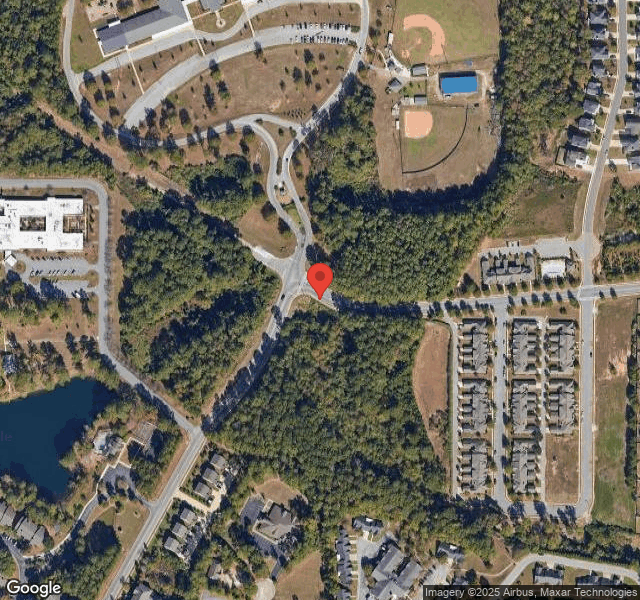

1365 GATEWOOD DRIVE, AUBURN, AL 36830 (334) 826-7200
For profit - Limited Liability company 87 Beds TRAYLOR PORTER HEALTHCARE Data: November 2025
Trust Grade
65/100
#86 of 223 in AL
Last Inspection: August 2023

Over 2 years since last inspection. Current conditions may differ from available data.

Overview

Families researching Arbor Lake Health and Rehab in Auburn, Alabama, will find a facility with a Trust Grade of C+, indicating it is slightly above average but not exceptional. It ranks #86 out of 223 nursing homes in Alabama, which places it in the top half of facilities, and it holds the #1 position out of 2 in Lee County. However, the facility's trend is worsening, with issues increasing from 2 in 2019 to 5 in 2023, and staffing turnover is concerning at 59%, higher than the state average. Although there have been no fines recorded, which is a positive sign, the RN coverage is lower than 90% of state facilities, meaning there might be less oversight from registered nurses. Specific incidents include failures to provide proper meal portions, unclean kitchen and storage areas, and neglected shower cleanliness for a resident, which raises potential health concerns. Overall, while there are strengths, such as no fines and a decent quality measure rating, the facility has notable weaknesses in staffing stability and cleanliness that families should consider.

Trust Score
C+
65/100
In Alabama
#86/223
Top 38%
Safety Record
Low Risk
No red flags
Inspections
Getting Worse
2 → 5 violations
Staff Stability
⚠ Watch
59% turnover. Above average. Higher turnover means staff may not know residents' routines.
Penalties
✓ Good
No fines on record. Clean compliance history, better than most Alabama facilities.
Skilled Nurses
⚠ Watch
Each resident gets only 24 minutes of Registered Nurse (RN) attention daily — below average for Alabama. Fewer RN minutes means fewer trained eyes watching for problems.
Violations
○ Average
7 deficiencies on record. Average for a facility this size. Mostly minor or procedural issues.
★★★☆☆
3.0
Overall Rating
★★★☆☆
3.0
Staff Levels
★★★★★
5.0
Care Quality
★★☆☆☆
2.0
Inspection Score
Stable
2019: 2 issues
2023: 5 issues

The Good

  • 5-Star Quality Measures · Strong clinical quality outcomes
  • Full Sprinkler Coverage · Fire safety systems throughout facility
  • No fines on record

Facility shows strength in quality measures, fire safety.

The Bad

3-Star Overall Rating

Near Alabama average (2.9)

Meets federal standards, typical of most facilities

Staff Turnover: 59%

13pts above Alabama avg (46%)

Frequent staff changes - ask about care continuity

Chain: TRAYLOR PORTER HEALTHCARE

Part of a multi-facility chain

Ask about local staffing decisions and management

Staff turnover is elevated (59%)

11 points above Alabama average of 48%

The Ugly 7 deficiencies on record

Aug 2023 5 deficiencies
CONCERN (D) 📢 Someone Reported This

A family member, employee, or ombudsman was alarmed enough to file a formal complaint

Potential for Harm - no one hurt, but risky conditions existed

Safe Environment (Tag F0584)

Could have caused harm · This affected 1 resident

Based on observations, interviews and review of a facility policy Shower Cleaning Policy, the facility failed to ensure the shower in Resident Identifier (RI) #20's room was free of orange/yellow and ...

Read full inspector narrative →
Based on observations, interviews and review of a facility policy Shower Cleaning Policy, the facility failed to ensure the shower in Resident Identifier (RI) #20's room was free of orange/yellow and brown discoloring in the shower and on the shower curtain. This was observed on 8/6/23 and again on 8/8/23. This affected one of one resident shower room. Findings Include: A review of facility policy Shower Cleaning Policy dated 8/9/23 revealed, 1. Showers are cleaned and disinfected daily. 3. Spray Broad-Cide 128 onto shower walls, shower curtains and shower floors. RI #20 was admitted to the facility 12/23/21. A review of RI #20's Quarterly Minimal Data Set (MDS) with an Assessment Reference Date of 05/18/2023 revealed RI #20 was independent for bathing and walking. On 08/06/2023 at 4:38 PM during observation and interview with RI #20, RI #20 stated the bathroom floor was dirty with mold in the shower and on the shower curtain. RI #20 said look at my shower. RI #20 stated he/she had asked them to clean it and they have not. On 08/06/2023 at 4:50 PM the surveyor observed a brownish discolored stain around the shower drain, faucet, grab bar, floor, and shower curtain. The surveyor asked RI #20 how often he/she used the shower. RI #20 responded daily. On 08/06/2023 at 5:00 PM during an interview with Employee Identifier (EI) #10, Maintenance Director, while observing RI #20's shower, he was asked what was on the shower floor, and he responded, that is mold. On 08/08/2023 at 2:34 PM, the surveyor observed RI #20's shower. In the shower observed was a orange/yellow colored stain on seat, dark brownish discoloring on shower curtain and around area where hand rail attached to the wall. On 08/08/2023 at 5:46 PM, EI #9, Housekeeping Supervisor was interviewed while observing RI #20's shower with the surveyor. EI #9 was asked to describe what she observed on the seat, said a stain. EI #9 was asked if the stain should be there; she said it should not. When EI #9 was asked how often showers were cleaned; she said every day. EI #9 was asked what she saw on the grab bar; she said mold. EI #9 was asked when mold should be on grab bars, EI #9 said never. She was asked what she saw on the shower curtain and said mildew. EI #9 was asked when the shower curtain should have mildew on it, she said never. When asked why there was mildew and mold in the shower, EI #9 said it was not being cleaned properly. EI #9 was asked what the concern could be with mold and mildew in the shower; she said the resident breathing in the mold could cause problems. EI #9 was asked how often RI #20 used his/her shower; she said every day.
CONCERN (D) 📢 Someone Reported This

A family member, employee, or ombudsman was alarmed enough to file a formal complaint

Potential for Harm - no one hurt, but risky conditions existed

Pharmacy Services (Tag F0755)

Could have caused harm · This affected 1 resident

**NOTE- TERMS IN BRACKETS HAVE BEEN EDITED TO PROTECT CONFIDENTIALITY** Based on interview, record review and review of a facility policy titled Destruction of Unused Drugs, the facility failed to ens...

Read full inspector narrative →
**NOTE- TERMS IN BRACKETS HAVE BEEN EDITED TO PROTECT CONFIDENTIALITY** Based on interview, record review and review of a facility policy titled Destruction of Unused Drugs, the facility failed to ensure the Non-Controlled Medication Destruction Sheets contained the two required signatures. This affected two of eight months ([DATE] and [DATE]) of Non-Controlled Medication Destruction Sheets reviewed. Findings Include: A facility policy titled Destruction of Unused Drugs, with a revised date of [DATE], revealed the following: Policy: All unused, contaminated, or expired prescription drugs shall be disposed of in accordance with state laws and regulations. Policy Explanation and Compliance Guidelines: . 4. The actual destruction of drugs conducted by our facility must be witnessed by the consultant pharmacist and one of the following individuals: a. An agent of the State Board of Pharmacy; b. The facility administrator; or c. The director of Nursing Services. 5. A Non-Controlled Medication Destruction Record must be maintained . The following information shall be included on this record: .j. The signature of the consultant pharmacist destroying the medications; and k. The signature of the person(s) witnessing the destruction of the medications. On [DATE] at 9:41 AM, the surveyor reviewed the Non-Controlled Medication Destruction Sheets for [DATE] through [DATE]. On the [DATE]. 2022 Non-Controlled Medication Destruction Sheets there was only one signature on the sheet: and on the [DATE]. 2023 Non-Controlled Medication Destruction Sheet there were no signatures on the sheet. On [DATE] at 11:47 AM, Employee Identifier (EI) #1, the Assistant Director of Nursing was interviewed. When asked how many signatures there should be on the Non-Controlled Medication Destruction Sheet. EI #1 said two. The surveyor showed the Non-Controlled Medication Destruction Sheets to EI #1 then asked which months did not have the required signatures. EI #1 said [DATE], and [DATE]. EI #1 was asked who was responsible for signing the sheets. EI #1 said usually the Director of Nursing (DON) and the pharmacist, if the DON was not available, a nurse and the pharmacist should, it should have two signatures. When EI #1 was asked if the proper signatures were on those destruction sheets, she said no, there should be the two signatures.
CONCERN (F) 📢 Someone Reported This

A family member, employee, or ombudsman was alarmed enough to file a formal complaint

Potential for Harm - no one hurt, but risky conditions existed

Menu Adequacy (Tag F0803)

Could have caused harm · This affected most or all residents

Based on observation, interview, the facility's policies for Menu Planning and Accuracy and Quality of Tray Line Service, the facility's 2023 Spring/Summer Menu, Week 3, Tuesday, and the facility's po...

Read full inspector narrative →
Based on observation, interview, the facility's policies for Menu Planning and Accuracy and Quality of Tray Line Service, the facility's 2023 Spring/Summer Menu, Week 3, Tuesday, and the facility's posted alternate menu for supper Week 3, Tuesday; the facility failed to provide Oatmeal in 6-ounce portions at breakfast and Country Fried Steak in 3-ounce portions at supper on Tuesday, August 8, 2023. This had the potential to affect 74 of 74 residents receiving meals from the kitchen. Findings Include: The facility's policy for Menu Planning, dated 2013, included the following: Policy: Nutritional needs of individuals will be provided in accordance with the recommended dietary allowances of the food and Nutrition Board of the National Research Council, National Academy of Sciences (adjusted for age, gender, activity level and disability), through nourishing, well-balanced diets, unless contraindicated by medical needs. Procedure: 1. Regular and therapeutic menus are written to provide a variety of foods served on different days of the week, adjusted for seasonal changes, and in adequate amounts at each meal to satisfy recommended daily allowances. 4. Menus are written to include at least three meals daily at regular times, in amounts consistent with nutritional needs. The facility's policy for Accuracy and Quality of Tray Line Service, undated, included the following: Policy: Tray line positions and set up procedures are planned for efficient and orderly delivery. All meals are checked by food service personnel for accuracy, and by the employees serving the meals prior to serving to the individual. Procedure: 1. The menu extension sheet displays food items and amounts for each regular or therapeutic diet. 4. The meal is checked against the therapeutic diet spread sheet to assure that foods are served as listed on the menu. 7. Each meal will be checked for: . Proper portion sizes . On 08/07/23 at 5:30 PM, during a meeting with EI #2, the Dietary Manager, and EI #3, the Registered Dietitian, it was revealed that daily menus with alternates were generated by the menu system and then those menus were posted for resident review. The facility's 2023 Spring/Summer Menu, Week 3, for Tuesday as served on Tuesday, August 8, 2023, included the following for breakfast: 6 oz (ounces) Oatmeal for the Regular, Mechanical Soft, Puree, Low Concentrated Sweet, and No Added Salt diets. On 08/08/2023, breakfast preparation and tray line were observed from 6:05 AM to 8:14 AM. Employee Identifier (EI) #6, the AM Cook, placed cooked oatmeal on the serving line at 6:34 AM. At 7:05 AM, EI #6 identified the serving utensil in the oatmeal as a 4-ounce spoodle. At 7:27 AM, the AM [NAME] (EI #6) started plating breakfast for trays to be delivered to the residents' rooms and dining rooms. Three staff were on the serving line; the AM Cook, the Dietary Manager (EI #2), and the AM Aide. The serving sizes were adequate except for the 4-ounce serving of oatmeal, which was listed as 6 oz on the menu. On 08/08/2023 at 2:11 PM, EI #6, the AM Cook, was interviewed. When asked how she knew how much to serve of each food item, EI #6 said it is on the menu and you should know the standard serving sizes. EI #6 confirmed the Spring/Summer Menu, Week 3, Tuesday was the correct menu for today. EI #6 was given the menu and asked what amount of oatmeal should be served according to the menu. EI #6 said six ounces. EI #6 further said I thought it would be four ounces like the grits. EI #6 said she should have used the 6-ounce spoodle and the insulated soup bowls to serve the oatmeal. On 08/08/2023 at 4:01 PM, EI #2, the Dietary Manager, was interviewed. EI #2 said six ounces of oatmeal should have been served at breakfast according to the menu. EI #2 further said the white, side bowls, which were used, will only hold three to four ounces. EI #2 said the residents were not getting the calories they should with the proper amount of food. On 08/08/2023 at 5:01 PM, EI #3, the Registered Dietitian, was interviewed. EI #3 was asked to identify the concern about four ounces of oatmeal being served instead of six ounces. EI #3 said less calories for the resident. The facility's posted alternate menu for Tuesday supper of Week 3, as served on Tuesday, August 8, 2023, included the following: Country Fried Steak. On 08/08/2023 at 5:45 PM, the alternate menu item for supper, Country Fried Steak, was observed. The portion looked small. EI #4, the PM Cook, provided the box the meat came in. The information on the box included the following: 2.25-ounce Beef Breaded Country Fried Steak (beef fritter), Raw, one portion, 71 portions per box. On 08/08/2023 at 5:50 PM, EI #8, the District Manager for the facility's contract food service, observed the meat portion of Country Fried Steak. EI #8 said the menu portion should be three ounces protein at lunch and at supper. EI #8 told EI #4, the PM Cook, that two pieces of the Country Fried Steak (2.25 ounces per piece) would have to be served; because you could go higher than three ounces, but not lower than that for a serving. On 08/08/2023 at 5:54 PM, EI #2, the Dietary Manager, said she heard and agreed with the exchange between EI #8 and EI #4 about the minimum 3-ounce protein serving for lunch and supper.
CONCERN (F) 📢 Someone Reported This

A family member, employee, or ombudsman was alarmed enough to file a formal complaint

Potential for Harm - no one hurt, but risky conditions existed

Food Safety (Tag F0812)

Could have caused harm · This affected most or all residents

Based on observation, interview, the 2022 United States (U.S.) Food and Drug Administration (FDA) Food Code, the facility's policies for Cleaning and Sanitation of Dining and Food Service Areas, Clean...

Read full inspector narrative →
Based on observation, interview, the 2022 United States (U.S.) Food and Drug Administration (FDA) Food Code, the facility's policies for Cleaning and Sanitation of Dining and Food Service Areas, Cleaning Dishes/Dish Machine, Dish Machine Temperature Log, Food Storage, Use and Storage of Food Brought in by Family or Visitors, and Cleaning Instructions: Food Carts, the Dishwasher Temperature/Chemical Record for August 2023, the Sanitizing Sink Temperature/Chemical Record for August 2023, and the posted Cleaning Assignments; the facility failed to ensure the kitchen and storage room floors were clean, kitchen equipment was clean, food safety logs were accurate, food and paper products were properly stored, interior of drawers were not rusted, and leftovers were labeled with Use-By dates so as to prevent the potential for cross contamination and to ensure food safety. This had the potential to affect 74 of 74 residents receiving meals from the kitchen. Finding Include: The facility's policy for Cleaning and Sanitation of Dining and Food Service Areas, undated, included the following: Policy: The food and nutrition services staff will maintain the cleanliness and sanitation of the dining and food service areas through compliance with a written, comprehensive cleaning schedule. Procedure: 1. The director of food and nutrition services will determine all cleaning and sanitation tasks needed for the department. 2. Tasks shall be designated to be the responsibility of specific positions in the department. 5. A cleaning schedule will be posted for all cleaning tasks, and staff will initial the tasks as completed. The facility's policy for Cleaning Dishes/Dish Machine, dated 2021, included the following: Policy: All flatware, serving dishes, and cookware will be cleaned, rinsed, and sanitized after each use. The dish machines will be checked prior to meals to assure proper functioning and appropriate temperatures for cleaning and sanitizing. Procedure: Staff will follow these procedures for washing dishes: 1. Prior to use, proper temperatures and/or chemical concentrations and machine function should be verified. The facility's policy for Dish Machine Temperature Log, dated 2021, included the following: Policy: Dishwashing staff will monitor and record dish machine temperatures to assure proper sanitizing of dishes. Procedure: . 2. Staff will record dish machine temperatures for the wash and rinse cycles at each meal. The facility's policy for Food Storage, dated 2021, included the following: Policy: Sufficient storage facilities will be provided to keep foods safe, wholesome, and appetizing. Food will be stored in an area that is clean, dry, and free from contaminants. Food will be stored, at appropriate temperatures and by methods designed to prevent contamination or cross contamination. Procedure: . 10. Food should be stored a minimum of 6 inches above the floor. 11. Refrigerators should maintain food temperatures at or below 41° (degrees) F (Fahrenheit) . 12. Leftover food should be . clearly labeled and dated before being refrigerated. Leftover food must be used within 7 days or discarded . 13. Refrigerated food storage: . d. Refrigerators/freezers on nursing units should be supplied with thermometers and monitored for appropriate temperatures. f. All foods should be covered, labeled, and dated and routinely monitored to assure that foods (including leftovers) will be consumed by their safe use by dates, . or discarded. The facility's policy for Use and Storage of Food Brought in by Family or Visitors, dated June 2018, included the following: Policy: It is the right of the residents of this facility to have food brought in by family or other visitors, however, the food must be handled in a way to ensure the safety of the resident. Policy Explanation and Compliance Guidelines: . 2. b. All refrigeration units will have internal thermometers to monitor temperatures. All units must be maintained at internal temperatures that are deemed safe for food storage according to sate (sp: state) and federal standards. The facility's policy for Cleaning Instructions: Food Carts, undated, included the following: Policy: Food carts will be cleaned and sanitized immediately after each use. Procedure: 1. Clean and sanitize the inside and outside of each food cart daily. If the cart has removable shelves, remove them so the interior can be cleaned. Use hot soapy water, rinse, and then sanitize. The 2022 U.S. FDA Food Code included the following: . 3-304.11 Food Contact with Equipment and Utensils. FOOD shall only contact surfaces of: (A) EQUIPMENT and UTENSILS that are cleaned . and SANITIZED . 3-305.11 Food Storage. (A) . FOOD shall be protected from contamination by storing the FOOD: (1) In a clean, dry location; (2) Where it is not exposed to splash, dust, or other contamination; and (3) At least 15 cm [centimeters] (6 inches) above the floor. 3-307.11 Miscellaneous Sources of Contamination. FOOD shall be protected from contamination that may result from a factor or source not specified under Subparts 3-301 - 3-306. 3-501.16 Time/Temperature Control for Safety Food, Hot and Cold Holding. (A) Except during preparation, cooking, or cooling, or when time is used as the public health control . TIME/TEMPERATURE CONTROL FOR SAFETY FOOD shall be maintained: . (2) At 5°C [Centigrade] (41°F) or less. 3-501.17 Ready-to-Eat, Time/Temperature Control for Safety Food, Date Marking. (A) . refrigerated, READY-TO-EAT, TIME/TEMPERATURE CONTROL FOR SAFETY FOOD prepared and held in a FOOD ESTABLISHMENT for more than 24 hours shall be clearly marked to indicate the date or day by which the FOOD shall be consumed on the PREMISES, sold, or discarded when held at a temperature of 5ºC (41ºF) or less for a maximum of 7 days. The day of preparation shall be counted as Day 1. 4-501.116 Warewashing Equipment, Determining Chemical Sanitizer Concentration. Concentration of the SANITIZING solution shall be accurately determined by using a test kit or other device. 4-601.11 Equipment, Food-Contact Surfaces, Nonfood-Contact Surfaces, and Utensils. (A) EQUIPMENT FOOD-CONTACT SURFACES and UTENSILS shall be clean to sight and touch. (B) The FOOD-CONTACT SURFACES of cooking EQUIPMENT and pans shall be kept free of encrusted grease deposits and other soil accumulations. (C) NonFOOD-CONTACT SURFACES of EQUIPMENT shall be kept free of an accumulation of dust, dirt, FOOD residue, and other debris. 4-903.11 Equipment, Utensils, Linens, and Single-Service and Single-Use Articles. (A) . cleaned EQUIPMENT and UTENSILS, laundered LINENS, and SINGLE-SERVICE and SINGLE-USE ARTICLES shall be stored: (1) In a clean, dry location; (2) Where they are not exposed to splash, dust, or other contamination; and (3) At least 15 cm (6 inches) above the floor. 6-501.11 Repairing. PHYSICAL FACILITIES shall be maintained in good repair. 6-501.12 Cleaning, Frequency and Restrictions. (A) PHYSICAL FACILITIES shall be cleaned as often as necessary to keep them clean. 6-501.111 Controlling Pests. The PREMISES shall be maintained free of insects, rodents, and other pests. The presence of insects, rodents, and other pests shall be controlled to eliminate their presence on the PREMISES by: . (D) Eliminating harborage conditions. During the initial kitchen observation on 08/06/2023 at 1:15 PM, Employee Identifier (EI) #5, a PM Dietary Aide, was washing dishes on the clean side of the dishwashing machine. EI #5 said he worked the 11 AM to 8 PM shift. EI #5 checked the chlorine concentration of the dishwashing machine with a test strip, which read 50 ppm (parts per million). EI #5 recorded this and the temperature of the dishwashing machine on the August 2023 Dishwasher Temperature/Chemical Record for Lunch on August 6, 2023. This log had no entries recorded from August 4, 2023 Breakfast until EI #5 recorded the chlorine ppm and temperature for Lunch on August 6, 2023. The 3-Compartment Sink's Sanitizing Sink Temperature/Chemical Record for August 2023, also had no record after August 4, 2023 Breakfast. EI #5 started to fill in the log with information for Breakfast, but when he admitted to not working that morning and not being there; it was explained that he should not record the information for Breakfast if he was not there to check it at that time. At 1:40 PM, trash was observed under the dishwashing machine. Also a build-up of grime was seen on the floor beneath the ice machine and the tea brewing machine table. In addition, there was a build-up of residue inside the tea urn (brew container). A build-up of residue was also observed on the frame of the standing floor mixer and all along the bowl holder; it was a thick, black, sticky residue with a sprinkling of what appeared to be freshly spilled white flour. At 1:45 PM, the Heat on Demand activator was observed to have residue upon it, along with white and brown particles all over it. At 1:46 PM, the stove's drip tray was seen to have dried grease residue. The grill drip tray was full of greasy liquid and a pile of food residue. There was also a heavy amount of food and grease residue behind the stove and the fryer that appeared to be much more than 24 hours old. At 1:55 PM, the dry storage room was observed with EI #2, the Dietary Manager. The tiled floor looked stained and dirty. Two empty cardboard boxes were seen on the floor underneath the shelving. EI #2 said the floor was swept and mopped once or twice a week, usually after the food truck delivery days on Tuesday and Friday. Two 35-pound boxes of Canola oil and one box of 16-ounce foam cups, each with a delivery tag dated 8/4/2023, were observed directly on the floor. There were also two opened boxes of hinged foam containers directly on the floor. When EI #2 was asked why food and paper goods should not be stored on the floor, EI #2 said, Items can get dirty. At 2:00 PM the Walk-in Cooler was observed with EI #2. Five blue plastic, rectangular trays/boards were seen stacked haphazardly on a bottom shelf and these trays/boards were stained with a residue of brown spillage. EI #2 said the blue trays were cooling trays for food. Also observed were leftover breakfast items (bacon, biscuits) with the date of 8/6/23 on the identity labels. There was also a pan of Au Gratin Sliced Potatoes with a date of 8/5/23. EI #2 was asked if these were the Use-By dates. EI #2 said no, the staff was incorrectly using the preparation date. When asked why it was important to record the Use-By date on each leftover food, EI #2 said because you would not know when it was prepared and when to throw it out. At 2:16 PM, the preparation table with the attached can opener was observed. The shelf beneath where the can opener was located had a build-up of residue, apparently from spillage due to opening cans. At 2:22 PM, three in-use storage drawers were observed. The drawer handles had an oily feel, as though they were soiled with grease. The drawer interiors were rusted and contained debris along with the stored contents. On 08/06/23 at 2:24 PM, documents were requested from EI #2. At 4:00 PM, the documents received from EI #2 included the 3-Compartment Sink and the Dishwashing Machine August 2023 logs, the Sanitizing Sink Temperature/Chemical Record and Dishwasher Temperature/Chemical Record. Each of these logs had been filled in with data for 8/4/2023 Lunch through 8/6/2023 Breakfast, when those spaces had been blank on 8/6/2023 at 1:20 PM. On 08/07/23 at 5:30 PM, during a meeting with EI #2, the Dietary Manager, and EI #3, the Registered Dietitian, it was revealed that nourishments were provided for the three resident units as needed and that there was only one nourishment refrigerator, which was located in the Courtyard DR. On 08/07/23 at 5:50 PM, EI #2, the Dietary Manager, was interviewed and EI #3, the Registered Dietitian, was allowed to attend. When asked who entered the data from August 4, 2023, Lunch through 8/6/2023 Breakfast on the 3-Compartment Sink and Dishwashing Machine logs; EI #2 said the initials belonged to EI #5, a PM Aide. EI #5 was not currently on duty. EI #2 said EI #5 did it after I had the staff correcting the kitchen issues. Upon being asked why it was important to check the ppm values and the temperatures, EI #2 said the temperatures and the ppm of the sanitizer are important to kill the bacteria that could contaminate food. When asked if the data from August 4, 2023, Lunch through 8/6/2023 Breakfast for the 3-Compartment Sink and Dishwashing Machine logs could be considered true and correct; EI #2 said probably not. When asked the concern about the documentation; EI #2 said for those three days, we don't know if it is real information or not. On 08/08/2023, breakfast preparation and tray line were observed from 6:05 AM to 8:14 AM. At 6:45 AM, the five enclosed carts for serving and returning resident trays were observed. All five carts had residual stains and dried drip residue inside and also had small food particles on the bottom of the interior floors. The #5 cart had an unwrapped, bent straw on the interior floor. At 7:27 AM, the AM [NAME] (EI #6) started plating breakfast for trays to be delivered to the residents' rooms and dining rooms. Three staff were on the serving line; the AM Cook, the Dietary Manager (EI #2), and the AM Aide. At 7:34 AM, the AM Aide exited kitchen with serving cart #1. At 7:35 AM, serving cart #2 was being filled with resident trays. At 7:38 AM, EI #2, the Dietary Manager, confirmed that all five carts were for the nursing home residents; carts #1 through #3 were for one side and carts #4 and #5 were for the back halls. At 7:40 AM, the AM Aide exited kitchen with serving cart #2. EI #2 began filling cart #3 with resident trays. At 7:49 AM, the AM Aide exited kitchen with serving cart #3. Serving cart # 4 began to be loaded. At 7:58 AM, the AM Aide exited kitchen with serving cart #4. Serving cart # 5 began to be loaded. At 8:14 AM, the AM Aide exited kitchen with serving cart #5. At 8:15 AM, the AM Aide delivered serving cart #5 for service to Hall 3 and Hall 2. Breakfast service was observed on 08/08/2023 from 8:15 AM to 8:41 AM for the Outback dining room, Hall 2, and Hall 3. At 8:16 AM, a CNA took possession of the cart. The CNA pushed the cart and stopped in front of the nursing station between Hall 2 and Hall 3 by the Outback DR. Trays were served to residents in the Outback dining room. At 8:19 AM, CNAs began serving trays to residents in their rooms. At 8:38 AM, serving cart #5 was observed to still have the opened, bent straw inside on the floor of the cart. At 8:41 AM, all trays had been served. At 8:53 AM, dirty trays were being placed back on serving cart #5. On 08/08/2023 at 11:54 AM, the one Nourishment Refrigerator was observed in the Courtyard Dining Room. There was a temperature log posted on the refrigerator with the heading Refrigerator Temperature Log and with the following directions: Safe Range: 36º to 46º. If temperature is out of range, complete the comments/actions taken section and recheck temperature at a later time. If temperature remains out of range, notify maintenance. On 08/08/2023 at 2:11 PM, EI #6, the AM Cook, was interviewed. When asked what cleaning duties the AM [NAME] had, EI #6 said keeping everything clean; the cook surface area, the work serving area, and the prep sink area near the hand washing sink. EI #6 said she used the can opener and preferred to send it through the dishwasher to keep build-up from collecting on it; however, she further said I don't always wipe under there. When asked if she used the grill; EI #6 said I don't like that grill, if I can avoid it, I will. EI #6 further said I will avoid using the mixer if I can. Upon being asked if there was a cleaning check off list/schedule to follow; EI #6 said no, I don't think I have seen one since I have been here. On 08/08/23 at 4:01 PM, EI #2, the Dietary Manager, was interviewed. When asked if there was an established cleaning schedule/check-off for the kitchen posted; EI #2 said it was posted on the board by the schedule, but there was no check-off or sign-off list. EI #2 further said upon hire staff were given duties to perform each day for cleaning. EI #2 said the accumulation of food/grease residue, trash, and grime on the floor can cause accidents. EI #2 said food and paper goods should not be stored on the floor due to the cross contamination concern. EI #2 said food and supplies should be stored six inches from the floor to protect from possible rodents. EI #2 said cross contamination would be the problem with residue build-up on the inside of the tea urn and on the frame of the standing floor mixer. EI #2 said the stove drip tray should be clean of accumulated grease/food residue to prevent roaches. EI #2 said the problem with the cooling trays stained with brown residue/spillage was that they were dirty. EI #2 said the greasy drawer handles and interior drawers with rust and debris could be a potential cause for bugs. EI #2 said the potential problem with Heat on Demand activator not being clean was that the stuff could be transferred to the bases (the heated bases placed under the resident's meal plates). EI #2 said bacteria and dirt cross contamination was the problem with tray delivery carts #1 through #5 having residue build-up and food particles inside, including the unwrapped, bent straw in the #5 cart at breakfast. EI #2 said Use-By dates needed to be recorded on refrigerated left-overs so we will know when they expire and when to throw them out. When asked the problem with the posted safe temperature range of 36 to 46 degrees Fahrenheit on the nourishment refrigerator log, EI #2 said the refrigerator temperature could be in the food danger zone and it might not be reported. EI #2 was asked to make a copy of the posted cleaning duties. The provided copy of Cleaning Assignments, as posted on the Kitchen Bulletin Board, listed the following tasks with employee names for standing assignment: Dry Storage, Cooler/Freezer, Dish Area and Other Kitchen Areas, and Equipment with no other instructions or direction included.
MINOR (C) 📢 Someone Reported This

A family member, employee, or ombudsman was alarmed enough to file a formal complaint

Minor Issue - procedural, no safety impact

Resident Rights (Tag F0550)

Minor procedural issue · This affected most or all residents

Based on observation, interview, the facility's policies for The Person Centered Dining Approach, Dining and Meal Service, and Dining Room Service, and the facility's Resident Rights; the facility fai...

Read full inspector narrative →
Based on observation, interview, the facility's policies for The Person Centered Dining Approach, Dining and Meal Service, and Dining Room Service, and the facility's Resident Rights; the facility failed to ensure disposable Styrofoam cups were not used for serving coffee at breakfast on Tuesday, August 8, 2023, although re-usable insulated coffee mugs were available. This had the potential to affect 74 of 74 residents receiving meals from the kitchen. Findings Include: The facility's policy for The Person Centered Dining Approach, undated, included the following: Policy: Person centered care allows individuals to live as normal a life as possible. To that end, person centered care and hospitality services are adapted as much as possible into the everyday living arrangement, including dining. Procedure: . 4. All individuals are treated with the utmost courtesy, respect and dignity. Each person is treated as if they were the most special guest. The facility's policy for Dining and Meal Service, undated, included the following: Policy: The dining experience will be person centered with the purpose of enhancing each individual patient's/resident's quality of life . The facility's policy for Dining Room Service, undated, included the following: Policy: . Effective equipment shall be provided, . A review of the facility Resident Rights, Appendix L in the facility's Resident Handbook, dated 11/01/2022 revealed the following: . The resident has a right to a dignified existence . Breakfast service was observed on 08/08/2023 from 8:15 AM to 8:41 AM for the Outback dining room, Hall 2, and Hall 3. On 08/08/2023 at 8:29 AM, coffee was observed being obtained from a one-cup service coffee machine located in the staff/unit kitchen on Hall 2. Styrofoam cups were being used for serving the coffee to the residents. A Certified Nursing Assistant (CNA) was observed serving hot coffee, two Styrofoam cups at a time, from the staff/unit kitchen, while another CNA was serving trays from the delivery cart on Hall 3. At 8:40 AM, Employee Identifier (EI) #7, a CNA/Supply Clerk, was observed serving the last resident tray. EI #7 was asked why coffee was being served in Styrofoam cups. EI #7 said, Because they did not send coffee cups. On 08/08/2023 at 8:51 AM in the Hall 2 staff/unit kitchen, EI #1, the Assistant Director of Nursing, was asked if actual coffee cups were ever provided for the residents instead of Styrofoam. EI #1 said, sometimes. On 08/08/2023 at 4:01 PM, EI #2, the Dietary Manager, was interviewed. EI #2 was asked why no reusable coffee cups were available for the resident breakfast service that morning. EI #2 said she ordered 12-ounce Styrofoam cups for the halls to use. EI #2 further said that at one time there were insulated coffee cups, which Nursing got from the kitchen and Dietary then washed after receiving them from the dirty tray carts. EI #2 said she was not sure when the complete change to Styrofoam was made and was unsure of how many insulated coffee cups were available in the main kitchen and storage area. On 08/08/2023 at 5:01 PM, EI #3, the Registered Dietitian, was interviewed. The observation of the service of coffee in Styrofoam cups at breakfast was discussed. EI #3 said a reusable coffee cup was more like home than a Styrofoam cup. On 08/08/2023 at 5:38 PM, EI #2 said she had found some insulated coffee cups in storage. 19 blue, insulated mugs (cups), which matched the insulated domes used for meal service, were observed in the kitchen.
Jul 2019 2 deficiencies
CONCERN (D)

Potential for Harm - no one hurt, but risky conditions existed

Deficiency F0661 (Tag F0661)

Could have caused harm · This affected 1 resident

**NOTE- TERMS IN BRACKETS HAVE BEEN EDITED TO PROTECT CONFIDENTIALITY** Based on observations, interview, record review and a review of a facility's policy titled, Discharges for Long Term Care the fa...

Read full inspector narrative →
**NOTE- TERMS IN BRACKETS HAVE BEEN EDITED TO PROTECT CONFIDENTIALITY** Based on observations, interview, record review and a review of a facility's policy titled, Discharges for Long Term Care the facility failed to ensure a discharge summary was completed for RI (Resident Identifier) #84, who discharged from the facility on 05/02/2019. This affected one of three sampled residents for closed record review. Findings include: The facility's policy titled Discharges for Long Term Care, issued 10/90, last revised 11/17, and last reviewed 11/18 stated: . The facility provides appropriate transfers and discharges per facility requirements. Procedures: . 4. f. The necessary information, including a copy of the resident's discharge summary, and any other documentation needed to ensure a safe and effective transition of care. RI #84 was admitted to the facility on [DATE] with admitting diagnosis unspecified Sequelae of cerebral infarction. Other diagnoses included Parkinson's disease, Hyperlipidemia, essential primary hypertension, occlusion and stenosis of right carotid artery. RI #84 was discharged home on 5/02 2019 at 3:30 PM. A review of RI #84's medical record revealed no documentation of a discharge summary. On 7/24/19 at 4:40 PM an interview was conducted with EI (Employee Identifier) #1, the Director of Nursing. EI #1 was given RI #84's medical record to locate the resident's discharge summary. When asked if there was a discharge summary, EI #1 replied, No, we do not have a discharge summary form in the chart that I can see. EI #1 was asked who was responsible for completing the discharge summary. EI #1 responded the nurse that was discharging the resident. EI #1 was also asked what the discharge summary should include. EI #1 answered the facility's discharge summary included: name, date of birth , medical record number, the physician, date admitted , date discharge, where discharged to, transportation, who accompanied the resident, status on discharge, skin condition, vital signs on discharge, weight on discharge, and discharge instructions with nurses' signature.
CONCERN (D)

Potential for Harm - no one hurt, but risky conditions existed

Infection Control (Tag F0880)

Could have caused harm · This affected 1 resident

**NOTE- TERMS IN BRACKETS HAVE BEEN EDITED TO PROTECT CONFIDENTIALITY** Based on observation, interview, record review and review of facility policy titled, Hand Hygiene for Long Term Care the facilit...

Read full inspector narrative →
**NOTE- TERMS IN BRACKETS HAVE BEEN EDITED TO PROTECT CONFIDENTIALITY** Based on observation, interview, record review and review of facility policy titled, Hand Hygiene for Long Term Care the facility failed to ensure: 1. a medication nurse did not put on gloves and a gown, then enter the resident's room and move the floor mat, then with the same gloves, administer Resident Identifier (RI) #7's tube feeding and medications; 2. a Certified Nursing Assistant (CNA) did not touch RI #60's bun with her bare hands while serving the supper meal on 7/22/19 and 3. a CNA did not provide pericare for RI #60, without washing her hands between glove changes. This affected one of one resident observed for medication and tube feeding, one of one resident observed for meal assistance and one of two residents observed for pericare. Findings Include: 1. RI#7 was admitted to the facility on [DATE] with diagnoses to include Cerebral Vascular Accident (CVA) and Intracerebral Hemorrhage. A review of RI#7's Physicians Orders revealed . Amlodipine 10 mg (milligram) . per tube .Aspirin 81 mg .per tube .Lisinopril 20 mg .per tube .Baclofen 10 mg .per tube .Carvedilol 25 mg . per tube .Osmolite 1.5 . On 7/24/19 at 9:00 AM Employee Identifier (EI) #2, Licensed Practical Nurse, prepared the medications and tube feeding for RI#7. EI#2 put on gloves and a gown before entering the room. She placed the medications, syringe and cups on a clean surface on the overbed table. EI#2 stepped on the floor mat beside the bed then bent over and picked up floor mat moving it out of the way. Wearing the same gloves she touched the floor mat with, EI#2 then took cups into the bathroom and filled them with water. At the bedside, she poured water into five cups containing medications, picked up five straws and stirred the medications, touched the gastrostomy tube and verified the placement of the tube. EI#2 then picked up the can of tube feeding and administered it via the gastrostomy tube. She then picked up each medication cup containing medications and administered them and the water, all the while wearing the same gloves she touched the floor mat with. On 7/24/19 at 9:30 AM an interview was conducted with EI#2. EI#2 was asked, did she move the floor mat while wearing clean gloves, then continue with tube feeding and medications wearing the same gloves she touched the floor mat with. EI#2 replied, yes. EI#2 was asked, when should she use clean gloves to move a floor mat, then use the same gloves to administer tube feeding and medications. EI#2 replied, never. EI#2 was asked, what was the harm in touching the floor mat, then proceeding with administration of tube feeding and medications, while wearing the same gloves. EI#2 replied, contamination. EI#2 was asked, after moving the floor mat, what items did she touch with the same gloves. EI#2 replied, table, stethoscope, bed, syringe, medication cups and G-tube. On 7/25/19 at 8:25 AM an interview was conducted with EI #8, Registered Nurse, Infection Control Nurse. EI #8 was asked how should staff handle moving a floor mat then administering a resident tube feeding and medication. EI #8 replied, remove the mat as needed with hands or feet, but before performing the tube feeding or medications, they should wash their hands and put on new gloves. EI #8 was asked when should the medication nurse move a floor mat, then with same gloves administer a resident's tube feeding and medication. EI #8 replied, they should not ever do that. EI #8 was asked what was the harm in the medication nurse moving a floor mat then continuing with the same gloves and administering a tube feeding and medications. EI #8 replied, transfer of germs from the mat to the feeding, medications and the resident. 2. RI #60 was admitted to the facility on [DATE] with diagnoses to include Legal Blindness and Dementia. On 7/22/19 at 5:32 PM, the surveyor observed the supper meal service for RI #60. The CNA, Employee Identifier (EI ) #3 placed the plate on the table. The plate contained corn, a Philly steak sandwich and potatoes. EI #3 used the fork to open the sandwich placing the top bun on the plate beside the bottom bun. EI #3 put mustard, ketchup and mayonnaise on the sandwich. EI #3 then picked up the top bun with her bare hand and placed it on top of the bottom bun. EI #3 then picked up the fork and knife and cut the sandwich in half. On 7/23/19 at 4:45 PM, an interview was conducted with EI #3 regarding the observation made the evening before. EI #3 was asked when should she handle resident food with her bare hands. EI #3 replied, never. When asked what food she touched with her bare hand, she replied the resident's bun to the sandwich. EI #3 was asked what was the harm in touching resident food with a bare hand. EI #3 replied, cross contamination. In 7/25/19 at 8:25 AM, an interview was conducted with EI #8 Registered Nurse, Infection Control Nurse. EI #8 was asked when should a CNA touch a resident's bun/bread with their bare hand. EI #3 replied, they should not touch food with their bare hands. EI #8 was asked how should the staff handle a resident's bun or bread. EI #8 replied, with gloves or with utensils. EI #8 was asked what was the harm in a CNA touching a resident's bun/bread with their bare hand. EI #8 replied, their bare hand contaminates the resident's food. 3. A review of a facility policy titled, Hand Hygiene for Long Term Care, with a last revised date of 8/17 revealed: . Indications for Hand Hygiene: Before: . donning gloves, . After: .removing gloves, . RI #60 was admitted to the facility on [DATE] with diagnoses to include Legal Blindness and Dementia without Behavioral disturbance. On 7/23/19 at 11:20 AM, a staff member took RI #60 to the room for toileting and pericare. During the task of providing pericare in the bathroom, the CNA, EI #5 changed her gloves after wiping the frontside and after wiping the buttock area of the resident. After providing the pericare task of RI #60, EI #5 removed her gloves, put on new gloves and placed a clean brief on the resident. EI #5 did not wash her hands at anytime between the glove changes. On 7/23/19 at 11:30 AM, an interview was conducted with CNA, EI #5. EI #5 was asked what was the policy on washing hands with glove changes. EI #5 replied, before starting and when finished. EI #5 was asked when are you to wash your hands during pericare. EI #5 replied, before they start and when they finish, only in between if resident had bowel movement. EI #5 added the resident did not. EI #5 was asked if she washed her hands when she changed gloves. EI #5 replied, no they were not supposed to. EI #5 was asked what was the harm in not washing hands between glove changes. EI #5 replied, there was no harm. On 7/25/19 at 8:25 AM, an interview was conducted with EI #8, Infection Control Nurse. EI #8 was asked when should staff wash hands during pericare. EI #8 replied, before starting, between back to front and when gloves are visibly soiled and when changing gloves. EI #8 was asked when should staff wash hands with glove changes. EI #8 replied, if removing gloves they should do hand hygiene. EI #8 was asked when would it be acceptable for a CNA to change gloves during pericare and not wash their hands before putting on clean gloves. EI #8 replied, it should not be acceptable, if they need to change their gloves they need to do some type of hand hygiene. EI #8 was asked what was the harm in staff changing gloves during pericare, but not washing their hands between the glove changes. EI #8 replied, contamination of the clean gloves they are putting on.
Understanding Severity Codes (click to expand)
Life-Threatening (Immediate Jeopardy)
J - Isolated K - Pattern L - Widespread
Actual Harm
G - Isolated H - Pattern I - Widespread
Potential for Harm
D - Isolated E - Pattern F - Widespread
No Harm (Minor)
A - Isolated B - Pattern C - Widespread

Questions to Ask on Your Visit

  • "Why is there high staff turnover? How do you retain staff?"
  • "Can I speak with families of current residents?"
  • "What's your RN coverage like on weekends and overnight?"

Our Honest Assessment

Strengths
  • • No major safety red flags. No abuse findings, life-threatening violations, or SFF status.
  • • No fines on record. Clean compliance history, better than most Alabama facilities.
Concerns
  • • 59% turnover. Above average. Higher turnover means staff may not know residents' routines.
Bottom line: Mixed indicators with Trust Score of 65/100. Visit in person and ask pointed questions.

About This Facility

What is Arbor Lake Health And Rehab's CMS Rating?

CMS assigns ARBOR LAKE HEALTH AND REHAB an overall rating of 3 out of 5 stars, which is considered average nationally. Within Alabama, this rating places the facility higher than 99% of the state's 100 nursing homes. This mid-range rating indicates the facility meets federal standards but may have areas for improvement.

How is Arbor Lake Health And Rehab Staffed?

CMS rates ARBOR LAKE HEALTH AND REHAB's staffing level at 3 out of 5 stars, which is average compared to other nursing homes. Staff turnover is 59%, which is 13 percentage points above the Alabama average of 46%. High turnover can affect care consistency as new staff learn residents' individual needs.

What Have Inspectors Found at Arbor Lake Health And Rehab?

State health inspectors documented 7 deficiencies at ARBOR LAKE HEALTH AND REHAB during 2019 to 2023. These included: 6 with potential for harm and 1 minor or isolated issues.

Who Owns and Operates Arbor Lake Health And Rehab?

ARBOR LAKE HEALTH AND REHAB is owned by a for-profit company. For-profit facilities operate as businesses with obligations to shareholders or private owners. The facility is operated by TRAYLOR PORTER HEALTHCARE, a chain that manages multiple nursing homes. With 87 certified beds and approximately 75 residents (about 86% occupancy), it is a smaller facility located in AUBURN, Alabama.

How Does Arbor Lake Health And Rehab Compare to Other Alabama Nursing Homes?

Compared to the 100 nursing homes in Alabama, ARBOR LAKE HEALTH AND REHAB's overall rating (3 stars) is above the state average of 2.9, staff turnover (59%) is significantly higher than the state average of 46%, and health inspection rating (2 stars) is below the national benchmark.

What Should Families Ask When Visiting Arbor Lake Health And Rehab?

Based on this facility's data, families visiting should ask: "How do you ensure continuity of care given staff turnover, and what is your staff retention strategy?" "Can I visit during a mealtime to observe dining assistance and food quality?" "How do you handle medical emergencies, and what is your hospital transfer rate?" "Can I speak with family members of current residents about their experience?" These questions are particularly relevant given the facility's high staff turnover rate.

Is Arbor Lake Health And Rehab Safe?

Based on CMS inspection data, ARBOR LAKE HEALTH AND REHAB has a clean safety record: no substantiated abuse findings (meaning no confirmed cases of resident harm), no Immediate Jeopardy citations (the most serious violation level indicating risk of serious injury or death), and is not on the Special Focus Facility watch list (a federal program monitoring the lowest-performing 1% of nursing homes). The facility has a 3-star overall rating and ranks #1 of 100 nursing homes in Alabama. While no facility is perfect, families should still ask about staff-to-resident ratios and recent inspection results during their visit.

Do Nurses at Arbor Lake Health And Rehab Stick Around?

Staff turnover at ARBOR LAKE HEALTH AND REHAB is high. At 59%, the facility is 13 percentage points above the Alabama average of 46%. High turnover means new staff may not know residents' individual needs, medications, or preferences. It can also be disorienting for residents, especially those with dementia who rely on familiar faces. Families should ask: What is causing the turnover? What retention programs are in place? How do you ensure care continuity during staff transitions?

Was Arbor Lake Health And Rehab Ever Fined?

ARBOR LAKE HEALTH AND REHAB has no federal fines on record. CMS issues fines when nursing homes fail to meet care standards or don't correct problems found during inspections. The absence of fines suggests the facility has either maintained compliance or corrected any issues before penalties were assessed. This is a positive indicator, though families should still review recent inspection reports for the full picture.

Is Arbor Lake Health And Rehab on Any Federal Watch List?

ARBOR LAKE HEALTH AND REHAB is not on any federal watch list. The most significant is the Special Focus Facility (SFF) program, which identifies the bottom 1% of nursing homes nationally based on persistent, serious quality problems. Not being on this list means the facility has avoided the pattern of deficiencies that triggers enhanced federal oversight. This is a positive indicator, though families should still review the facility's inspection history directly.