ARABELLA HEALTH & WELLNESS OF BUTLER
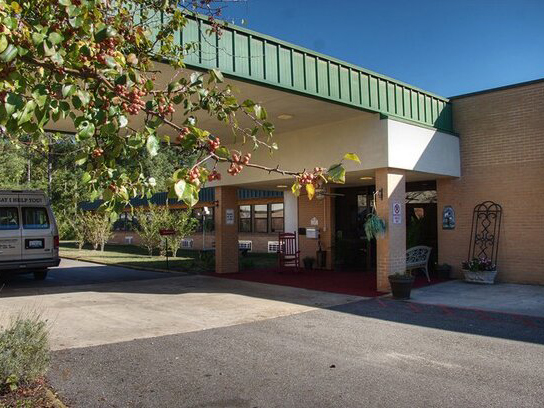
1406 EAST PUSHMATAHA STREET, BUTLER, AL 36904 (205) 459-5506
For profit - Limited Liability company 120 Beds ARABELLA HEALTHCARE MANAGEMENT Data: November 2025
Trust Grade
90/100
#3 of 223 in AL
Last Inspection: March 2021

Over 2 years since last inspection. Current conditions may differ from available data.

Overview

Arabella Health & Wellness of Butler has received a Trust Grade of A, indicating it is considered excellent and highly recommended among nursing homes. It ranks #3 out of 223 facilities in Alabama, placing it in the top tier, and is the only option available in Choctaw County. The facility is improving, with reported issues decreasing significantly from five in 2018 to none in 2021. Staffing is strong, with a perfect 5-star rating and RN coverage exceeding 95% of state facilities, although the staff turnover rate is average at 52%. While there have been no fines, which is a positive sign, there were five concerns noted during inspections, including issues with food safety practices and the failure to report an incident of physical abuse within the required timeframe, highlighting areas that need attention.

Trust Score
A
90/100
In Alabama
#3/223
Top 1%
Safety Record
Low Risk
No red flags
Inspections
Getting Better
5 → 0 violations
Staff Stability
⚠ Watch
52% turnover. Above average. Higher turnover means staff may not know residents' routines.
Penalties
✓ Good
No fines on record. Clean compliance history, better than most Alabama facilities.
Skilled Nurses
✓ Good
Each resident gets 58 minutes of Registered Nurse (RN) attention daily — more than average for Alabama. RNs are trained to catch health problems early.
Violations
✓ Good
Only 5 deficiencies on record. Cleaner than most facilities. Minor issues only.
★★★★★
5.0
Overall Rating
★★★★★
5.0
Staff Levels
★★★☆☆
3.0
Care Quality
★★★★★
5.0
Inspection Score
Stable
2018: 5 issues
2021: 0 issues

The Good

  • 5-Star Staffing Rating · Excellent nurse staffing levels
  • Full Sprinkler Coverage · Fire safety systems throughout facility
  • No fines on record

Facility shows strength in staffing levels, fire safety.

The Bad

Staff Turnover: 52%

Near Alabama avg (46%)

Higher turnover may affect care consistency

Chain: ARABELLA HEALTHCARE MANAGEMENT

Part of a multi-facility chain

Ask about local staffing decisions and management

The Ugly 5 deficiencies on record

Mar 2018 5 deficiencies
CONCERN (D)

Potential for Harm - no one hurt, but risky conditions existed

Resident Rights (Tag F0550)

Could have caused harm · This affected 1 resident

**NOTE- TERMS IN BRACKETS HAVE BEEN EDITED TO PROTECT CONFIDENTIALITY** Based on observation and interview, the facility failed to ensure a Certified Nursing Assistant (CNA) did not stand while feedin...

Read full inspector narrative →
**NOTE- TERMS IN BRACKETS HAVE BEEN EDITED TO PROTECT CONFIDENTIALITY** Based on observation and interview, the facility failed to ensure a Certified Nursing Assistant (CNA) did not stand while feeding Resident Identifier (RI) #33 the lunch meal on 02/28/18. This affected RI #33, one of one residents observed being fed during the survey. Findings Include: RI #33 was admitted to the facility on [DATE], and readmitted on [DATE], with a diagnosis to include Unspecified Dementia without Behavior Disturbance. A review of RI #33's Quarterly Minimum Data Set with an Assessment Reference Date of 01/10/18, revealed RI #33 had a Brief Interview for Mental Status (BIMS) score of 6 indicating severely impaired cognitive status and was totally dependant on staff for eating. On 02/28/18 at 12:20 p.m., Employee Identifier (EI) #4, a CNA was observed feeding RI #33 the lunch meal. EI #4 was standing on the left side of the bed. EI #4 stood the entire time while feeding the resident. At 12:40 p.m., the CNA completed the task of feeding RI #33. On 02/28/18 at 12:45 p.m., an interview was conducted with EI #4. EI #4 was asked what was the facility's policy on how staff should be positioned when feeding a resident. EI #4 replied, she should be sitting. EI #4 was asked if she stood the entire time while she fed RI #33. EI #4 replied, yes. EI #4 was asked what was the harm in standing while feeding a resident. EI #4 replied, there really was no harm but if could be a dignity issue. On 03/01/18 at 2:45 p.m., an interview was conducted with EI #1, the Director of Nursing. EI #1 was asked what was the facility's policy for staff when they fed a resident. EI #1 replied, they should be at eye level and sitting. EI #1 was asked what was the harm in staff not sitting while feeding a resident. EI #1 replied, it would be dignity.
CONCERN (D)

Potential for Harm - no one hurt, but risky conditions existed

Report Alleged Abuse (Tag F0609)

Could have caused harm · This affected 1 resident

**NOTE- TERMS IN BRACKETS HAVE BEEN EDITED TO PROTECT CONFIDENTIALITY** Based on interview, record review, review of a facility policy titled ABUSE/REPORTING and review of the Alabama Department of P...

Read full inspector narrative →
**NOTE- TERMS IN BRACKETS HAVE BEEN EDITED TO PROTECT CONFIDENTIALITY** Based on interview, record review, review of a facility policy titled ABUSE/REPORTING and review of the Alabama Department of Public Health Online Incident Reporting System, the facility failed to ensure an allegation of physical abuse was reported to the State Survey Agency within a two hour time frame when RI #76 hit RI #41 on 12/27/17. This deficient practice affected Resident Identifier (RI) #41 and RI #76, two of two residents reviewed for Facility Reported Incidents. Finding Include: A facility policy titled ABUSE/REPORTING, dated December 2017, documented . Reporting/Documentation Requirements Ensure that all alleged violations involving abuse . are reported to the administrator of the center and to other officials (including to the State Survey Agency .) in accordance with State law through established procedures in these timeframes: • If the event that cause the allegation involve abuse . the event must be reported immediately, but no later than 2 hours after the allegation is made . RI #41 was admitted to the facility on [DATE], with a diagnosis of Adjustment Disorder with Depressed Mood. A Quarterly Minimum Data Set (MDS) assessment, with an Assessment Reference Date (ARD) of 01/17/18, assessed RI #41 to score a 6 on the Brief Interview for Mental Status (BIMS) indicating RI #41 had severely impaired cognition. RI #76 was admitted to the facility on [DATE], and readmitted on [DATE], with diagnoses of Vascular Dementia with Behavioral Disturbance and Recurrent Major Depressive Disorder. A Significant Change MDS assessment, with an ARD of 01/21/18, assessed RI #76 to score a 3 on the BIMS indicating RI #76 also had severely impaired cognition. A review of the Alabama Department of Public Health Online Incident Reporting System documented: . Date/Time Submitted: Wednesday, December 27, 2017 5:42 . PM . Incident Type . Physical Abuse . Date and time of incident or alleged incident: 12/27/2017 Time: 02:17 PM Narrative summary of incident: (RI #76) hit (RI #41) due to becoming agitated when (RI #41) did not move his/her w/c (wheelchair) fast enough . On 03/01/18 at 2:56 p.m., the surveyor conducted an interview with Employee Identifier (EI) #2, the RN (Registered Nurse)/Risk Manager. The surveyor asked EI #2 when was she made aware RI #41 and RI #76 were involved in an altercation. EI #2 said it was within five to ten minutes of the altercation. The surveyor asked EI #2 did she remember the date of the altercation. EI #2 said, December 27, 2017 at approximately 2:17 p.m. The surveyor asked EI #2 when was this incident reported to the State Survey Agency. EI #2 replied, December 27, 2017 at 5:42 p.m. The surveyor asked EI #2 what was the time frame for reporting abuse to the State Survey Agency. EI #2 said within two hours. When asked if the incident was reported in that time frame, EI #2 said no.
CONCERN (D)

Potential for Harm - no one hurt, but risky conditions existed

Deficiency F0761 (Tag F0761)

Could have caused harm · This affected 1 resident

Based on observation and interview, the facility failed to ensure the controlled box containing the refrigerated Lorazepam (Ativan) in the Station 2 Medication Room was permanently affixed to the refr...

Read full inspector narrative →
Based on observation and interview, the facility failed to ensure the controlled box containing the refrigerated Lorazepam (Ativan) in the Station 2 Medication Room was permanently affixed to the refrigerator. This was observed on 03/01/18, during the medication room observation and affected one of two medication rooms observed. Findings Include: On 03/01/18 at 11:30 a.m., the surveyor and Employee Identifier (EI) #3, a Licensed Practical Nurse, did an observation of the Medication Room on station 2. The medications in the room were checked for availability and expiration dates. EI #3 was asked to open the refrigerator for observation of the medications inside the refrigerator. After unlocking the refrigerator and verifying the temperature the surveyor asked if there was a secured box for controlled refrigerated medications. EI #3 replied, yes and removed the complete box which was locked but not permanently affixed to the refrigerator. There was a locked box with the label Controlled Substance E-Kit Refrigerated Items . Lorazepam Injection . 3 Lorazepam Intensol (ORAL) . 30 ml (milliliters) . Inside the box was three injections of Lorazepam and a 30 ml bottle of oral Lorazepam. On 03/01/18 at 11:30 a.m., EI #3 was asked if the locked box was permanently affixed to the refrigerator. EI #3 replied, no it was not. EI #3 was asked if the locked box should be permanently affixed. EI #3 replied, she thought so. On 03/01/18 at 11:42 a.m., an interview was conducted with EI #1, the Director of Nursing (DON). EI #1 was asked if the locked box for controlled medications inside the refrigerator was permanently affixed. EI #1 replied no. EI #1 was asked if the locked box should be permanently affixed inside of the refrigerator. EI #1 replied, yes. EI #1 was asked why was the locked box not permanently secured to the inside of the refrigerator. EI #1 replied, she was not sure. EI #1 was asked what was in the box. EI #1 replied, 3 Ativan injectable's and a 30 ml bottle of oral Ativan. EI #1 was asked what was the risk of the box not being permanently affixed inside the refrigerator. EI #1 replied, anyone could take the box out of the refrigerator.
CONCERN (D)

Potential for Harm - no one hurt, but risky conditions existed

Infection Control (Tag F0880)

Could have caused harm · This affected 1 resident

Based on observation, interview and review of a facility policy titled Linen and Laundry Orientation Checklist, the facility failed to ensure: 1) clean laundry was covered as it was delivered to the ...

Read full inspector narrative →
Based on observation, interview and review of a facility policy titled Linen and Laundry Orientation Checklist, the facility failed to ensure: 1) clean laundry was covered as it was delivered to the unit; and 2) Employee Identifier (EI) #6 and EI #7 did not have clean linen and resident clothes touching their uniforms. This was observed on 02/27/18 at 3:30 p.m., during the initial tour of the facility, and affected one of six units in the facility. Findings Include: A review of a facility policy titled Linen with a effective date of Nov (November) 2017 revealed: . Purpose The purpose of this procedure is to provide guidelines for the proper handling, washing, transporting, . Procedure Guidelines In resident rooms 1. Do not allow . to touch uniform. An undated facility document titled Laundry Orientation Checklist revealed: . FOLDING AND TRANSPORTING OF CLEAN LINEN .Transport clean linens: Covered clean carts, bags, . On 02/27/18 at 3:30 p.m., upon arriving to the 800 hall, the surveyor observed two laundry aides delivering clothes and blankets to the unit. EI #6 was holding three blankets in her left arm and up against her upper body touching her uniform. EI #7 was leaning over a rolling basket of uncovered clothing reaching for clothing on the top of the pile. Her uniform was observed to be touching the clothes piled in the basket as she leaned. On 02/27/18 at 3:45 p.m., an interview was conducted with both employees. EI #6 was asked if the blankets should be touching her uniform EI #6 replied, no. EI #6 was asked when did she come to work today. EI #6 replied, at 8:00 a.m. this morning. EI #6 was asked if her uniform was considered clean or dirty. EI #6 replied, dirty I guess. On 02/27/18 at 3:50 p.m., an interview was conducted with EI #7. EI #7 was asked if the laundry cart should be covered. EI #7 did not reply. EI #7 was asked if her uniform should be touching the clean clothes. EI # 7 replied, there was nothing wrong with it. EI #7 was asked what time did she report to work that day. EI #7 replied, 8:00 a.m. EI #7 was asked if there was a risk that her uniform could have become contaminated when she loaded the washers with soiled clothing and linens. EI #7 replied no. EI #7 was asked what was the potential harm in her uniform touching the clean clothing. EI #7 replied, nothing her clothes were clean. On 02/28/18 at 12:35 p.m., an interview was conducted with EI #5, the Housekeeping Supervisor. EI #5 was asked what was the facility's policy on transporting clothes. EI #5 replied they should be covered with a sheet. EI #5 replied, yes, and her staff told her they did not have it covered. EI #5 was asked if the staffs clothes should touch clean clothes and linens. EI #5 replied, no, not at any time. EI #5 was asked why staff clothes should not come into contact with clean linens and resident clean clothes. EI #5 replied, there was germs and bacteria on staffs clothes that could get on the clean clothes and linens. On 03/01/18 at 2:45 p.m., EI #11, the RN (Registered Nurse)/Infection Control Nurse was interviewed. EI #11 was asked how should clothes or linens be transported on the units. EI #11 replied, covered. EI #11 was asked what was the potential for harm if clean clothes and linens were not covered while transporting to the units. EI #11 replied, possible contamination. EI #11 was asked if clean resident clothes or linen should touch employees clothes or uniform. EI #11 replied, no. EI #11 was asked if employee uniforms were considered clean or dirty. EI #11 replied dirty. EI #11 was asked what was the harm in employees uniforms coming into contact with clean resident clothes and linens. EI #11 replied, contamination from what may be on their uniform to the clean clothes.
CONCERN (F)

Potential for Harm - no one hurt, but risky conditions existed

Food Safety (Tag F0812)

Could have caused harm · This affected most or all residents

**NOTE- TERMS IN BRACKETS HAVE BEEN EDITED TO PROTECT CONFIDENTIALITY** Based on observations, interviews, and review of facility polices titled Meal Temperature Log, Meal Temperature Record, Sanitati...

Read full inspector narrative →
**NOTE- TERMS IN BRACKETS HAVE BEEN EDITED TO PROTECT CONFIDENTIALITY** Based on observations, interviews, and review of facility polices titled Meal Temperature Log, Meal Temperature Record, Sanitation and Leftovers, the facility failed to ensure: 1) the temperature of carrots were taken and recorded after being placed back on the steam table; 2) food debris was not in a sectional plate; and 3) orange juice and cranberry juice in the refrigerator was labeled with an open and use by date. This had the potential to affect 85 of 89 residents who received meals from the kitchen. Findings Include: 1) A review of a facility policy titled Meal Temperature Log with no revised date revealed: Policy Temperature of all potentially hazardous foods being served to the residents and staff will be recorded on a meal by meal basis to ensure food are served in a safe and sanitary manner . 1. A log will be maintained on a daily basis for all foods served from the dietary department. Temperatures will be recorded for all potentially hazardous foods. A review of a document titled Meal Temperature Record with the month of Feb (February)/March listed at the top of the form. The lunch meal temperatures was recorded in the middle of the form and on a blank sheet of typing paper attached to the form. On 02/28/18 at 11:05 a.m., Employee Indentifer (EI) #8, the morning Cook, took the carrots off the steam table and placed them back on the stove. At 11:32 a.m. the carrots were brought back to the steam table. No one took the temperature of the carrots. On 03/01/18 at 11:46 a.m., the surveyor conducted an interview with EI #8. EI #8 was asked what was the temperature of the carrots when they were placed back on the trayline. EI #8 replied, she did not take the temperature of the carrots when they were placed back on the steam table. EI #8 was asked who recorded the temperatures of the carrots. EI #8 replied, nobody. EI #8 was asked why the temperature of the carrots was not taken when brought back to tray line. EI #8 replied, they got caught up in their work. EI #8 was asked what was the facility's policy regarding taking food temperatures on the tray line and writing them down. EI #8 replied, they should take temperatures of all foods on the line and record temperatures as they take them. EI #8 was asked what was the potential harm when food temperatures were not taken or written down. EI #8 replied, if food temperatures were not taken or written down, there was a chance of food poisoning and food borne illness. On 03/01/18 at 04:14 p.m., an interview was conducted with EI #10, the Dietary Manager. EI #10 was asked what was the temperature of the carrots when they were placed back on the tray line. EI #10 replied, she had no idea. EI #10 was asked what was the potential harm when food temperatures were not taken or written down. EI #10 replied, a food borne illness can break out and bacteria can grow if it was not at the correct temperature. 2) A review of a facility policy titled Sanitation with a date of Nov (November) 2017, revealed: . Policy Interpretation and Implementation . 3. china . that cannot be sanitized . shall be discarded . On 02/28/18 at 11:43 a.m., eight sectional plates were observed stacked on top of each other. The top sectional plate had food debris in it. The surveyor observed EI #8 putting food in the plate. On 03/01/18 at 12:15 p.m., the surveyor conducted an interview with EI #8. EI #8 was asked what was in the sectional plate that she placed food in. EI #8 replied, food particles. EI #8 was asked why was food particles in the plate. EI #8 replied, the dishwasher washed it but she did not scrub it out. EI #8 was asked what was the facility's policy on putting food in dirty plates. EI #8 replied, they were not suppose to put food in dirty plates. EI #8 was asked who was responsible for making sure plates that residents were to be served from were clean. EI #8 replied, the dishwasher, the tray aide and the cook. EI #8 was asked why did she place food in a sectional plate that was dirty. EI #8 said she did not see the food in the plate. EI #8 was asked what was the potential harm to the resident when food was placed in a dirty plate. EI #8 replied, it was not clean and could cause illness. On 03/01/18 at 04:19 p.m., the surveyor conducted an interview with EI #10. EI #10 was asked what food debris was in the sectional plate. EI #10 replied, grits. EI #10 was asked what was the potential harm to the residents when food was placed in a dirty plate. EI #10 replied, contamination. 3) A review of a facility policy titled Leftover with a date of [DATE] revealed: . Policy Interpretation and Implementation . 5. Cover, label and date all containers with the date that the food was first prepared . On 02/27/18 at 3:29 p.m., the surveyor observed three pitchers of orange juice and one pitcher of cranberry juice in the refrigerator with no open or use by date on the containers. On 03/01/18 at 4:25 p.m., the surveyor conducted an interview with EI #9, the evening cook. EI #9 was asked what was in the pitchers in the refrigerator with no use by dates on them. EI #9 replied, orange juice and cranberry juice. EI #9 was asked why was there no use by date on the containers. EI #9 replied, they forgot to put a date on the containers. EI #9 was asked who was responsible for putting use by dates on food items. EI #9 replied, the morning dishwashers. EI #9 was not sure who was responsible for labeling. EI #9 was asked why should food items be labeled. EI #9 replied, so they would know when they went in and when they should come out. EI #9 was asked how should food items be labeled. EI #9 replied, put the open date and use by date on the container. EI #9 was asked what was the potential harm when food items were not labeled. EI #9 replied, they would not know how long it had been there and there was a possibility for bacteria build up. On 03/01/18 at 4:33 p.m., an interview was conducted with EI #10. EI #10 was asked who was responsible for putting use by dates on food items. EI #10 replied, everybody who puts food items in the cooler. EI #10 stated anything that was open should have a use by date on it. EI #10 was asked why should food items be labeled. EI #10 replied, so the next person will know what it was, how long it has been there and when to discard it. EI #10 was asked what was the potential harm when food items were not labeled. EI #10 replied, the next person who comes in would not know how long it had been there and bacteria can grow.
Understanding Severity Codes (click to expand)
Life-Threatening (Immediate Jeopardy)
J - Isolated K - Pattern L - Widespread
Actual Harm
G - Isolated H - Pattern I - Widespread
Potential for Harm
D - Isolated E - Pattern F - Widespread
No Harm (Minor)
A - Isolated B - Pattern C - Widespread

Questions to Ask on Your Visit

  • "Can I speak with families of current residents?"
  • "What's your RN coverage like on weekends and overnight?"

Our Honest Assessment

Strengths
  • • Grade A (90/100). Above average facility, better than most options in Alabama.
  • • No major safety red flags. No abuse findings, life-threatening violations, or SFF status.
  • • No fines on record. Clean compliance history, better than most Alabama facilities.
  • • Only 5 deficiencies on record. Cleaner than most facilities. Minor issues only.
Concerns
  • • No significant concerns identified. This facility shows no red flags across CMS ratings, staff turnover, or federal penalties.
Bottom line: Generally positive indicators. Standard due diligence and a personal visit recommended.

About This Facility

What is Arabella Health & Wellness Of Butler's CMS Rating?

CMS assigns ARABELLA HEALTH & WELLNESS OF BUTLER an overall rating of 5 out of 5 stars, which is considered much above average nationally. Within Alabama, this rating places the facility higher than 99% of the state's 100 nursing homes. This rating reflects solid performance across the metrics CMS uses to evaluate nursing home quality.

How is Arabella Health & Wellness Of Butler Staffed?

CMS rates ARABELLA HEALTH & WELLNESS OF BUTLER's staffing level at 5 out of 5 stars, which is much above average compared to other nursing homes. Staff turnover is 52%, compared to the Alabama average of 46%.

What Have Inspectors Found at Arabella Health & Wellness Of Butler?

State health inspectors documented 5 deficiencies at ARABELLA HEALTH & WELLNESS OF BUTLER during 2018. These included: 5 with potential for harm.

Who Owns and Operates Arabella Health & Wellness Of Butler?

ARABELLA HEALTH & WELLNESS OF BUTLER is owned by a for-profit company. For-profit facilities operate as businesses with obligations to shareholders or private owners. The facility is operated by ARABELLA HEALTHCARE MANAGEMENT, a chain that manages multiple nursing homes. With 120 certified beds and approximately 67 residents (about 56% occupancy), it is a mid-sized facility located in BUTLER, Alabama.

How Does Arabella Health & Wellness Of Butler Compare to Other Alabama Nursing Homes?

Compared to the 100 nursing homes in Alabama, ARABELLA HEALTH & WELLNESS OF BUTLER's overall rating (5 stars) is above the state average of 3.0, staff turnover (52%) is near the state average of 46%, and health inspection rating (5 stars) is much above the national benchmark.

What Should Families Ask When Visiting Arabella Health & Wellness Of Butler?

Based on this facility's data, families visiting should ask: "Can I visit during a mealtime to observe dining assistance and food quality?" "How do you handle medical emergencies, and what is your hospital transfer rate?" "Can I speak with family members of current residents about their experience?"

Is Arabella Health & Wellness Of Butler Safe?

Based on CMS inspection data, ARABELLA HEALTH & WELLNESS OF BUTLER has a clean safety record: no substantiated abuse findings (meaning no confirmed cases of resident harm), no Immediate Jeopardy citations (the most serious violation level indicating risk of serious injury or death), and is not on the Special Focus Facility watch list (a federal program monitoring the lowest-performing 1% of nursing homes). The facility has a 5-star overall rating and ranks #1 of 100 nursing homes in Alabama. While no facility is perfect, families should still ask about staff-to-resident ratios and recent inspection results during their visit.

Do Nurses at Arabella Health & Wellness Of Butler Stick Around?

ARABELLA HEALTH & WELLNESS OF BUTLER has a staff turnover rate of 52%, which is 5 percentage points above the Alabama average of 46%. Moderate turnover is common in nursing homes, but families should still ask about staff tenure and how the facility maintains care continuity when employees leave.

Was Arabella Health & Wellness Of Butler Ever Fined?

ARABELLA HEALTH & WELLNESS OF BUTLER has no federal fines on record. CMS issues fines when nursing homes fail to meet care standards or don't correct problems found during inspections. The absence of fines suggests the facility has either maintained compliance or corrected any issues before penalties were assessed. This is a positive indicator, though families should still review recent inspection reports for the full picture.

Is Arabella Health & Wellness Of Butler on Any Federal Watch List?

ARABELLA HEALTH & WELLNESS OF BUTLER is not on any federal watch list. The most significant is the Special Focus Facility (SFF) program, which identifies the bottom 1% of nursing homes nationally based on persistent, serious quality problems. Not being on this list means the facility has avoided the pattern of deficiencies that triggers enhanced federal oversight. This is a positive indicator, though families should still review the facility's inspection history directly.