CHEROKEE COUNTY HEALTH AND REHABILITATION CENTER
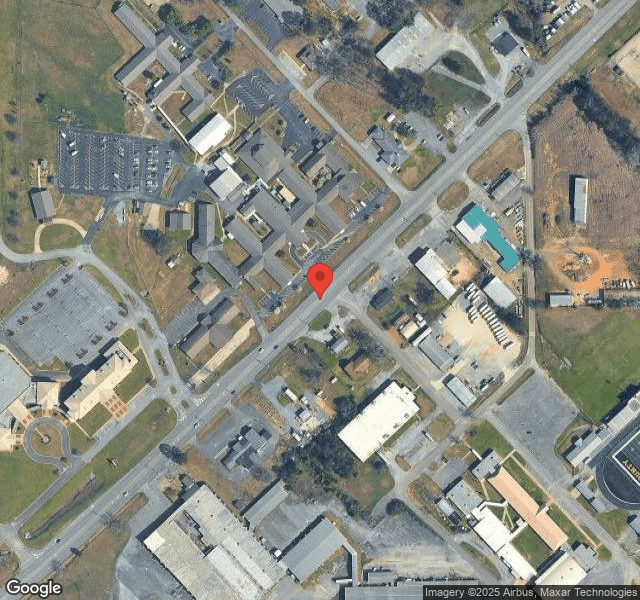
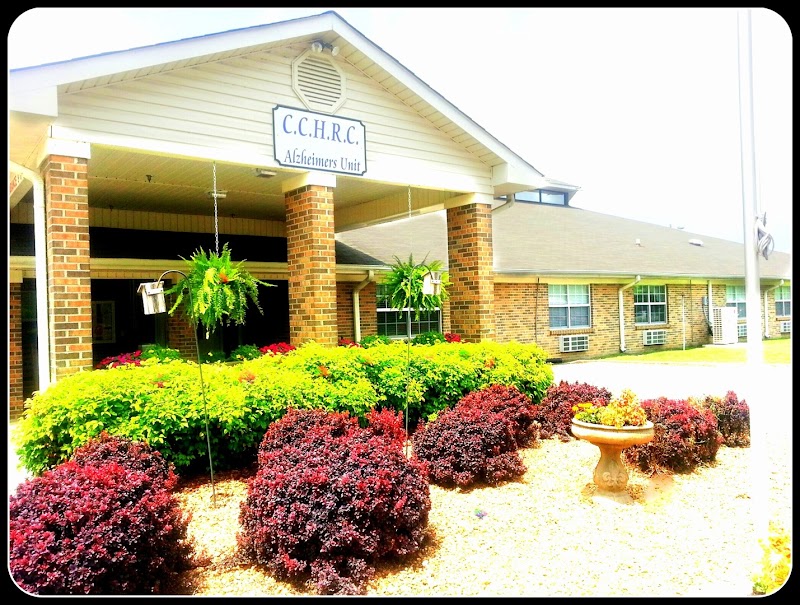
877 CEDAR BLUFF ROAD, CENTRE, AL 35960 (256) 927-5778
Government - County 185 Beds Independent Data: November 2025
Trust Grade
90/100
#8 of 223 in AL
Last Inspection: November 2019

Over 2 years since last inspection. Current conditions may differ from available data.

Overview

Cherokee County Health and Rehabilitation Center has received a Trust Grade of A, which indicates that it is excellent and highly recommended. It ranks #8 out of 223 facilities in Alabama, placing it in the top half of nursing homes in the state, and is the only option in Cherokee County. The facility's trend is stable, with one issue reported in both 2018 and 2019, and it has no fines on record, which is a positive sign. However, the nursing home has less RN coverage than 76% of Alabama facilities, which could impact the quality of care. Recent inspections revealed several concerns, such as improper food storage practices that could affect residents and a lack of proper sanitization protocols during meal service, highlighting areas for improvement despite the overall positive ratings.

Trust Score
A
90/100
In Alabama
#8/223
Top 3%
Safety Record
Low Risk
No red flags
Inspections
Holding Steady
1 → 1 violations
Staff Stability
○ Average
34% turnover. Near Alabama's 48% average. Typical for the industry.
Penalties
✓ Good
No fines on record. Clean compliance history, better than most Alabama facilities.
Skilled Nurses
○ Average
Each resident gets 36 minutes of Registered Nurse (RN) attention daily — about average for Alabama. RNs are the most trained staff who monitor for health changes.
Violations
✓ Good
Only 5 deficiencies on record. Cleaner than most facilities. Minor issues only.
★★★★★
5.0
Overall Rating
★★★★★
5.0
Staff Levels
★★☆☆☆
2.0
Care Quality
★★★★☆
4.0
Inspection Score
Stable
2018: 1 issues
2019: 1 issues

The Good

  • 5-Star Staffing Rating · Excellent nurse staffing levels
  • Full Sprinkler Coverage · Fire safety systems throughout facility
  • No fines on record
  • Staff turnover below average (34%)

    14 points below Alabama average of 48%

Facility shows strength in staffing levels, fire safety.

The Bad

Staff Turnover: 34%

12pts below Alabama avg (46%)

Typical for the industry

The Ugly 5 deficiencies on record

Nov 2019 1 deficiency
CONCERN (D)

Potential for Harm - no one hurt, but risky conditions existed

Accident Prevention (Tag F0689)

Could have caused harm · This affected 1 resident

**NOTE- TERMS IN BRACKETS HAVE BEEN EDITED TO PROTECT CONFIDENTIALITY** Based on record reviews and interviews, the facility failed to ensure two Certified Nursing Assistants (CNAs) assisted (Resident...

Read full inspector narrative →
**NOTE- TERMS IN BRACKETS HAVE BEEN EDITED TO PROTECT CONFIDENTIALITY** Based on record reviews and interviews, the facility failed to ensure two Certified Nursing Assistants (CNAs) assisted (Resident Identifier) RI #120 with toileting needs on 10/15/19 which resulted in an avoidable fall. This had the potential to affect one of three sampled residents whose falls were reviewed. Findings Included: RI #120 was readmitted to the facility on [DATE] with diagnoses that included Personal History of Traumatic Brain Injury and Contracture of the Left Hand. On 11/18/19 pm, during the initial tour of the facility, RI #120 revealed to the surveyor falling off the bed when the bed pan was being removed on 10/15/19. A review of a fall incident report dated 10/15/2019 at 6:28 PM revealed: . resident on the floor . The fall incident report further revealed: TYPE of Injury Abrasion, Redness and Pain to right Knee . 2 cm x 1 cm abrasion to left great toe, redness noted to top of right foot, redness noted to bilateral knees . A review of a facility document titled, Activities of Daily Living (ADL) Assistance Legend, ADL Support Provided, with a print date of 11/21/19 revealed, RI #120 was a 3, which indicated a Two+ person physically assist. A review of RI #120's Quarterly (Minimum Data Set) MDS with an Assessment Reference Date of 10/08/2019 revealed under section G011012, Toilet use: support provided 3, Two+ persons physical assist. On 11/20/19 at 3:39 p.m., an interview was conducted with Employee Identifier (EI) #3, CNA. EI #3 was asked what happened when RI #120 had a fall on 10/15/19. EI #3 replied, she went to assist RI #120 off the bed pan. EI #3 added, when she went to get the resident off the bed pan, the resident slid off the bed. EI #3 was asked, what happened next. EI #3 replied, she made sure RI #120's head was not on the floor and that RI #120 was comfortable on the floor. EI #3 pulled the emergency light in the resident's bathroom. EI #3 stated that she did not leave the resident in the room alone. EI #3 was asked what happened next. EI #3 stated that she stuck her head out the resident's doorway and called for other CNAs to help her. EI #3 stated that the resident was assessed before being lifted from the floor. EI #3 was asked, how many CNAs normally assisted the resident to use the bed pan. EI #3 replied, two. EI #3 was asked, why did RI #120 need two people to assist him/her on the bed pan. EI #3 replied he/she was assessed to need two people. EI #3 was asked, when she put RI #120 on the bed pan on October 15, was this a two person assist or one person assist. EI #3 replied, one. EI #3 was asked, why did only one person assist RI #120 with the bed pan when it required two. EI #3 replied, they were very busy and her mind was saying one person would be faster and the other CNAs could be helping someone else. EI #3 was asked what part of RI #120's body was hurt. EI #3 replied, RI #120's foot and knee. EI #3 was asked, what did RI #120's care plan say, one or two person assist. EI #3 replied, two. EI #3 was asked what was the potential harm to the resident when the resident was a two person assist and one person provided care. EI #3 replied, they could fall, get hurt, or cut. EI #3 added, a lot of things could happen. EI #3 was asked, was RI #120's fall avoidable or unavoidable. EI #3 replied, avoidable. EI #3 was asked when should residents be free from falls. EI #3 replied, at all times. EI #3 was asked, why was it important that residents be free from falls. EI #3 replied, because they can get hurt or injured. EI #3 added, it was better for their well-being if they did not fall. On 11/21/19 at 8:42 a.m., an interview was conducted with EI #4, CNA. EI #4 was asked to tell the surveyor what happened regarding RI #120's fall on 10/15/19. EI #4 replied, she did not know much about the fall. EI #4 stated, she was taking a cart back to the kitchen and as she returned and opened the front door at station five she saw EI #5 hollering to get the nurse. EI #4 was asked, what did she do next. EI #4 stated that she called a supervisor for help. EI #4 was asked, how often did she take care of RI #120. EI #4 replied, everyday when she was at work. EI #4 was asked, when putting RI #120 on and off the bed pan, how many staff should assist RI #120. EI #4 replied, two. EI #4 was asked how did she know RI #120 required two person assist. EI #4 replied, it was in the care plan. EI #4 was asked what was the potential harm to the resident when RI #120 was a two person assist and only one person assisted him/her. EI #4 replied, the resident could get hurt or injured. EI #4 was asked why should RI #120 be free of an avoidable fall. EI #4 replied, because of the resident's rights. On 11/21/19 at 9:03 a.m., an interview was conducted with EI #5, CNA. EI #5 was asked to tell the surveyor what happen the day of RI #120's fall. EI #5 stated that she and another CNA came out of a room into the hall. EI #5 stated, a resident came out of the room and said they need help down there. EI #5 went into RI #120's room and observed RI #120 off the bed on the floor between the bed and wall. EI #5 said RI #120 could turn on the call light if he/she needed toileting. EI #5 was asked, what was the potential harm to the resident when RI #120, a two-person assist, was assisted by one person. EI #5 replied, the resident could be injured. EI #5 was asked, why should RI #120 be free from any avoidable fall. EI #5 replied, because of RI #120's right as a resident was for us to follow RI #120's Plan of Care. On 11/21/19 at 10:37 a.m., an interview was conducted with RI #120. RI #120 was asked, what happened on 10/15/19 when the fall occurred. RI #120 stated he/she was getting off the bedpan and there was just one CNA assisting him/her, and he/she was a two person assist. RI #120 was asked did she/he know the CNA's name. RI #120 replied, EI #3. RI #120 was asked, who were the CNAs on the day of the fall. RI #120 replied, EI #3 and EI #4. RI #120 was asked, how did it make him/her feel when one person assisted her/him and she/he required two for assistance. RI #120 replied, it did not make him/her feel good. RI #120 was asked, how many people normally assisted him/her now when using the bed pan. RI #120 replied, two. RI #120 was asked how often did one staff member assist him/her off the bed pan before the fall. RI #120 replied, once. RI #120 was asked, what had the facility done to prevent another fall. RI #120 replied, fall mats and two people assist him/her. RI #120 was asked when staff assisted he/she on and off the bed pan was he/ she afraid. RI #120 replied, no because there were two doing it. On 11/21/19 at 11:00 a.m., a telephone interview was conducted with EI #2, Registered Nurse Supervisor. EI #2 was asked, how many people should assist RI #120 getting on and off the bed pan. EI #2 replied, two. EI #2 was asked, how did she know it took two. EI #2 replied, the care plan. EI #2 was asked, how did staff know whether RI #120 was a one or two person assist. EI #2 replied, by their direction and training. EI #2 was asked to tell what happened the day of the fall. EI #2 stated that she was not in the room. EI #2 replied, a CNA assisted the resident off the bedpan by herself, and RI #120 rolled off the bed. EI #2 was asked, what did she do. EI #2 stated that they assessed the resident and told other staff to write a report. On 11/21/19 at 11:50 a.m., the surveyor conducted an interview with EI #1, Director of Nursing. EI #1 was asked, how many CNAs should assist RI #120 when putting RI #120 on and off the bed pan. EI #1 replied, two. EI #1 was asked, how many assisted RI #120 on the day of the fall. EI #1 replied, one. EI #1 was asked, what type of assistance did RI #120's MDS say under toileting. EI #1 replied, extensive. EI #1 was asked, what has been put in place since the fall for RI #120. EI #1 replied, education, training, and check-off with EI #3. EI #1 was asked, why was it important that the MDS toileting needs be followed. EI #1 replied, for safety and to prevent injuries. EI #1 was asked if RI #120's MDS toileting needs were followed. EI #1 replied, no. EI #1 was asked, how many staff normally help RI #120 with getting on and off the bed pan. EI #1 replied, two.
Sept 2018 1 deficiency
CONCERN (F)

Potential for Harm - no one hurt, but risky conditions existed

Food Safety (Tag F0812)

Could have caused harm · This affected most or all residents

Based on observations, interviews and review of facility's policies titled Dietary _ Food Storage, Dietary Dish Machine, and Date Marking for Food Safety, the facility failed to ensure: 1. chicken bre...

Read full inspector narrative →
Based on observations, interviews and review of facility's policies titled Dietary _ Food Storage, Dietary Dish Machine, and Date Marking for Food Safety, the facility failed to ensure: 1. chicken breasts and biscuits were wrapped properly in the freezer; 2. a loaf of bread was not expired on a counter; 3. a scoop was not left in the corn meal and; 4. bowls were not wet nesting at the tray line. This had the potential to affect 164 of 164 residents who received meals from the kitchen. Findings include; 1. A review of a facility policy titled, Dietary_Food Storage, with a Revised date of 9-15-15 revealed; .19. Freezer Temperature: g . Wrap product so it is airtight . On 9/18/18 at 10:55 a.m., the surveyor observed twenty three chicken breasts and 20 biscuits were in a medium size box in a plastic bag in the outside freezer. The plastic bag were opened in each box exposing the chicken breasts and biscuits. On 9/20/2018 at 9:37 a.m., the surveyor conducted an interview with (Employee Identifier) EI #1, Certified Dietary Manager. EI #1 was asked what items were not properly sealed in the freezer. EI #1 replied, biscuits were not tied up and chicken patties. EI #1 was asked why were the biscuits and chicken breasts not sealed properly. EI #1 replied, the bags was not tied. EI #1 was asked what was the facility policy on sealing food items in the freezer. EI #1 replied, they have to make sure that it was sealed. EI #1 was asked who was responsible for sealing food items in the kitchen. EI #1 replied, the last one that had the box of biscuits opened and herself. EI #1 was asked how should bags be sealed in the freezer. EI #1 replied, they tied them with the corners and closed the box. EI #1 was asked when biscuits and chicken breasts were not sealed properly what was this the potential harm for. EI #1 replied, something could get into the food and freezer burn. EI #1 was asked when biscuits and chicken breasts were left opened in the freezer was this a good quality food. EI #1 replied, no. 2. A review of a facility policy titled, Date Marking for Food Safety, with a revised date of 9/12/2018, revealed: II: Policy Explanation and Compliance Guidelines: 2. The food shall be clearly marked to indicate the date or day by which the food shall be consumed or discarded. On 9/17/2018 at 6:04 p.m., the surveyor observed a loaf of wheat bread on a counter top with a use by date of 9/8/2018. On 9/20/18 at 9:46 a.m.,the surveyor conducted an interview with EI #1. EI #1 was asked what was on the table expired. EI #1 replied, a half loaf of whole wheat bread. EI #1 was asked why was the bread expired on the table. EI #1 replied, she did not know. EI #1 was asked was it a whole loaf . EI #1 replied, no. EI #1 was asked were residents served bread from the loaf of bread. EI #1 replied, possible, it was a half of a loaf. EI #1 was asked who was responsible for removing expired food items such as bread in the kitchen. EI #1 replied, the bread company. EI #1 was asked what was the facility policy on expired food items. EI #1 replied, throw it out. EI #1 was asked when was the bread inspected last for an expired date. EI #1 replied, on Friday by the bread man 9/14/18. EI #1 was asked what was the expiration date on the bread. EI #1 replied, 9/8/2018. EI #1 was asked why should residents not be given expired food items. EI #1 replied, possible illness. 3. A review of a facility policy titled, Dietary_Food Storage, with a revised of date of 9-15-15 revealed: Policy .Food is stored, prepared and transported at an appropriate temperature and by methods designed to prevent contamination. Procedures: . 6.Scoops are not to be stored in the food containers, but are kept covered in a protected area near the containers On 9/17/2018 at 6:04 p.m., the surveyor observed a scoop left in the corn meal bag. The scoop was touching the corn meal. 4. A review of a facility policy titled, Dietary Dish Machine with an revised date of 10-30-17 revealed: .Procedure: .10. Allow the dishes to air dry on the dish racks. On 9/19/2018 at 11:20 a.m., the surveyor observed water in a small bowl and water in three large bowls with water in them. There was a large amount of water on top of bowls which were turned down. The surveyor observed the bowls holder with a large amount of water dripping to the floor. On 09/20/2018 at 10:00 a.m., EI #2 was asked why were bowls wet at the tray line. EI#2 replied, she did not know. EI #2 was asked what was the facility policy on wet dishes. EI #2 replied, they were supposed to air dried until they were fully dried. EI #2 was asked did she inspect the bowls for dryness before she used them. EI #2 replied, no. EI #2 was asked why she did not inspect the bowls before using them. EI #2 replied, she did not think they were going to be wet. EI #2 was asked were the bowls wet. EI #2 replied, the top ones were. EI #2 was asked how should bowls be allowed to dried. EI #2 replied, air dried. EI #2 was asked who was responsible for making sure bowls were dry at the tray line. EI #2 replied, the dish washing staff were supposed to make sure they were dried before they stack them up and the servers were supposed to look to make sure they are dried. EI #2 was asked why should food not be placed in wet bowls. EI #2 replied, she was not sure. On 9/20/18 10:04 a.m., the surveyor conducted an interview with EI #1. EI #1 was asked why were bowls wet at the tray line. EI #1 replied, she did not know. EI #1 was asked how should bowls be allow to dry. EI #1 replied, air dried. EI #1 was asked why should food not be placed in wet bowls. EI #1 replied, due to bacterial growth.
Sept 2017 3 deficiencies
CONCERN (D)

Potential for Harm - no one hurt, but risky conditions existed

Deficiency F0281 (Tag F0281)

Could have caused harm · This affected 1 resident

Based on observation, interview, record review and review of facility policy Oxygen Administration - Nasal Cannula, the facility failed to ensure continuous Oxygen was provided as ordered on 9/3/17 fo...

Read full inspector narrative →
Based on observation, interview, record review and review of facility policy Oxygen Administration - Nasal Cannula, the facility failed to ensure continuous Oxygen was provided as ordered on 9/3/17 for Resident Identifier (RI) #19 while the resident was in the dining room for meals. This was observed on 9/6/17 at lunch and supper and on 9/7/17 at breakfast. This affected one of five residents observed using Oxygen. Findings Include: A review of facility policy Oxygen Administration-Nasal Cannula with a revised date of 1/12/2011 revealed: .Preparation: 1. Verify that there is a physician's order for this procedure. Review the physician's order . RI #19 was admitted to the facility 4/9/12 with diagnoses to include Dementia and Peripheral Vascular Disease. A review of RI #19's Physician Orders dated August 2017 revealed: .start date 7/14/16 OXYGEN @ (at) 2 - 4 L/M (liters per minute) PER N/C (nasal cannula) PRN (as needed) . A review of a facility form titled PHYSICIAN ORDER FORM revealed: .9-3-17 Change prn Oxygen to Continuous. On 9/6/17 from 11:30 a.m., until 12:00 p.m., RI #19 was observed at the dining room being fed the lunch meal. No oxygen was observed to be in use. RI #19 did not appear in any respiratory distress. On 9/6/17 from 5:15 p.m., until 5:45 p.m., RI #19 was observed in the dining area being fed the supper meal. No oxygen was observed being used. RI #19 did not appear in any respiratory distress. On 9/7/17 at 8:10 a.m., RI #19 was observed in the dining area being fed the breakfast meal. No oxygen was observed being used. RI #19 did not appear in any respiratory distress. On 9/7/17 at 9:20 a.m., an interview was conducted with Employee Identifier (EI) #3, Registered Nurse. EI #3 was asked what RI #19's current Oxygen order was. EI #3 replied, it was now continuous, the prn order was changed to continuous on 9/3/17. EI #3 was asked when RI #19 was at meals in the dining area was oxygen being used. EI #3 replied, RI #19 had not been having oxygen on while eating in the dining room. EI #3 was asked if a resident had a continuous order of oxygen should the resident have the oxygen during meals when out of the resident room. EI #3, replied yes. EI #3 was asked if the continuous order was being followed if the resident did not have the oxygen when out of the room for meals. EI #3 replied, no. EI #3 was asked if the physician's orders was being followed. EI #3 replied, no. EI #3 was asked what the harm was in not following physician's orders. EI #3 replied, possible insufficient oxygenation.
CONCERN (F)

Potential for Harm - no one hurt, but risky conditions existed

Deficiency F0371 (Tag F0371)

Could have caused harm · This affected most or all residents

Based on observation, interviews with staff, and a review of the dish machine policy Operating Parameters, the facility failed to ensure the chlorine concentration was monitored and met specifications...

Read full inspector narrative →
Based on observation, interviews with staff, and a review of the dish machine policy Operating Parameters, the facility failed to ensure the chlorine concentration was monitored and met specifications of 50 parts per million (ppm) and wash water temperatures were greater than 120 degrees Fahrenheit/F to consistently sanitize dishes and utensils processed through the dishmachine. This affected all 173 residents for whom meals were prepared and served at the time of this survey. Findings Included: The facility's Operating Parameters for the chemical sanitizing dish machine specifies a minimum wash temperature of 120 degrees Fahrenheit (F). Directives from the service technician for the dish machine (received 09/06/17) specified a minimum (chlorine) chemical sanitizing concentration of 50 ppm. During the initial tour of the kitchen on 09/05/17 at 4:50 p.m., the Dishwasher Temperature/Chemical Record contained no documentation of the chemical concentration for the first five days of September. Neither had staff monitored the chlorine concentration during the months of August or July, 2017. On 09/06/17 at 9:45 a.m., the surveyor observed staff in the process of washing dishes. Wash water temperatures registered 110, 111 and 111 degrees F for three racks of dishes observed. Staff continued to remove and put away the clean dishes despite the suboptimal wash temperatures. The surveyor requested a staff member handling the processed dishes, Employee Identifier (EI) #1, to check the concentration of chemical sanitizer on the surface of a Dinex lid; it registered 0 ppm on the test strip. A check of a second utensil processed through the machine likewise registered 0 ppm, at which time, EI #1 primed the container of sanitizer. Following this, a third test strip registered significantly less than 50 ppm. On 09/06/17 at 9:50 a.m., staff continued to process dishes and utensils through the machine and place them into storage. Another (fourth) test strip registered less than 50 ppm on the surface of a bowl as it emerged from the machine. EI #1 again primed the container of chlorine sanitizer, holding the release button approximately 10 seconds. On 09/06/17 at 9:54 a.m., the Certified Dietary Manager (EI #2) checked the concentration of chemical sanitizer with two different test strips for two cycles of the machine. Both test strips registered 0 ppm chlorine. The specifications (print) on the dish machine data plate affixed to the lower side of the machine was illegible due to wear. EI #2 affirmed the goal concentration of chlorine was 50 ppm. A seventh check of the chlorine concentration was made by EI #1, using a test strip on a droplet of water on the surface of a meal tray processed through the machine. It registered less than 25 ppm. Staff continued to put away dishes. The pump of the chemical sanitizer was again primed, for nearly 2 minutes. The next rack of utensils (Dinex lids) registered 200 ppm, at 10:00 a.m. EI #2 directed EI #1 to document the chlorine concentration--the first documentation for this day. On 09/06/17 at 10:00 a.m., the surveyor asked EI #1 if she checked the chemical concentration very often. EI #1 explained a space had not been given on the previous documentation sheets for this value. When asked what was the purpose of checking the chlorine concentration, EI #1 stated it was to ensure the sanitizer worked. On 09/06/17 at 5:10 p.m., the surveyor asked the Dietary Manager, EI #2, what potential hazard could result from the inadequate (less than 120 degree F) wash water temperatures in the dish machine, as well as low or no concentration of chlorine. EI #2 explained the dishes would not be sanitized. When asked why dish room staff had not been monitoring the chlorine concentration over the past two months, EI #2 stated it had not been requested on the previous documentation logs.
CONCERN (F)

Potential for Harm - no one hurt, but risky conditions existed

Deficiency F0441 (Tag F0441)

Could have caused harm · This affected most or all residents

Based on observation, interview, record review and review of facility policy CONTAMINATED LAUNDRY PPE (personal protective equipment) USAGE the facility failed to ensure: 1. staff did not feed Reside...

Read full inspector narrative →
Based on observation, interview, record review and review of facility policy CONTAMINATED LAUNDRY PPE (personal protective equipment) USAGE the facility failed to ensure: 1. staff did not feed Resident Identifier (RI) #19 and RI #20 at the same time, touching both residents' personal items, utensils, cups and straws without sanitizing or washing her hands between the two residents. This was observed on 9/6/17 during the lunch meal and affected two of five residents being fed by staff. 2. Laundry staff wore personal protective equipment (ppe)/aprons while sorting soiled clothing and linens. This was observed on 9/6/17 and had the potential to affect 176 residents residing at the facility. Findings Include: 1. RI #19 was admitted to the facility 4/9/12 with a diagnosis to include Dementia. A review of RI #19's Quarterly Minimum Data Set (MDS) with an Assessment Reference Date (ARD) date of 8/8/2017 revealed RI #19 totally dependent with assistance of one for eating. RI #20 was admitted to the facility 1/11/12 with a diagnosis to include Dementia. A review of RI #20's Quarterly MDS with an ARD date of 6/20/2017 revealed RI #20 totally dependent for eating. On 9/6/17 from 11:30 a.m., until 12:00 p.m., Employee Identifier (EI) #5, Licensed Practical Nurse was observed feeding both RI #19 and RI #20 the lunch meal. EI #5 was sitting between the two residents. EI #5 was observed giving RI #20 food then picking up RI #20's cup with her left hand and holding the straw with her right hand and gave fluids to RI #20. EI #5 finished with RI #20 then turned to RI #19 giving a mouthful of food. EI #5 was observed touching the clothing protector and lap cover of RI #19, then giving RI #19 fluids holding the cup and straw. EI #5 then turned back to RI #20 and gave a spoonful of food. EI #5 then stood and held RI #20's cup with her left hand and the straw with her right hand and gave RI #20 fluids. No hand sanitizing was noted between the two residents after EI #5 had touched the clothing protector and lap cover, cup and straw for RI #19 and the cup and straw for RI #20. On 9/6/17 at 3:00 p.m., an interview was conducted with EI #5. EI #5 was asked if she should touch RI #20's straw then touch RI #19's clothing protector and lap cover, cup and straw without sanitizing her hands. EI #5 replied, no she should have washed her hands in between. EI #5 was asked what the harm was in touching the straws and clothing covers for one resident then turning to touch the straw for another resident. EI #5 replied infection, contamination. On 9/7/17 at 9:30 a.m., an interview was conducted with EI #4, Infection Control Nurse. EI #4 was asked how should staff handle the residents' utensils, cups and straws when feeding two residents at the same time. EI #4 replied, they should not touch the same equipment for both residents without washing their hands. EI #4 was asked what the harm could be in feeding two residents at the same time. EI #4 replied, cross contamination if they do not sanitize or wash their hands between handling each one's equipment or items. 2. A review of facility policy CONTAMINATED LAUNDRY PPE (Personal Protective Equipment) USAGE revealed: . RULES .The use of thick chemical resistant aprons are required when handling contaminated laundry . On 9/6/16 at 2:30 p.m., an observation was made of the laundry area. EI #6 and EI #8, laundry aides, were observed sorting laundry from rolling carts to barrels. Both were removing soiled linens and clothing both had on gloves but no aprons covering their clothing. As they were pulling the soiled clothing and linens from the carts and placing in the barrels the soiled clothing and linens were observed touching their uniforms/clothing. Both staff then went to the dryers and were observed removing the linens from the dryers with the clean linens observed touching their uniform/clothing. On 9/6/17 at 2:45 p.m., an interview was conducted with the laundry aide, EI #6. EI #6 was asked if her uniform was considered clean or dirty. EI #6 replied, dirty. EI #6 was asked what the risk was when she sorted clothes and linens without an apron. EI #6 replied, the soiled clothes and linens could touch her clothing then the clean clothes could touch her clothes which would contaminate them. On 9/6/17 at 3:00 p.m., an interview conducted with EI #7, Environmental Services Manager. EI #7 was asked what was the policy on sorting laundry. EI #7 replied, they should have on aprons and gloves. EI #7 was asked if the staff had on aprons. EI #7 replied, no. EI #7 was asked if aprons were available. EI #7 replied, yes. EI #7 was asked what was the harm in not wearing the aprons while sorting the laundry. EI #7 replied, transferring could soil their clothing, then the soiled from their clothing could get on the clean clothes and linens. On 9/7/17 at 9:30 a.m., an interview was conducted with EI #4, Infection Control Registered Nurse. EI #4 was asked how should the laundry staff handle sorting clothing and linens. EI #4 replied, they should wear gloves and a gown or apron and they should not have dirty touching their clothing. EI #4 was asked if laundry staff uniforms would be considered clean or dirty. EI #4 replied, dirty. EI #4 was asked what was the risk if while sorting dirty laundry the laundry touched the staffs uniform, then handling the clean laundry the clean touched the staff uniform. EI #4 replied, spreading of infection and cross contamination.
Understanding Severity Codes (click to expand)
Life-Threatening (Immediate Jeopardy)
J - Isolated K - Pattern L - Widespread
Actual Harm
G - Isolated H - Pattern I - Widespread
Potential for Harm
D - Isolated E - Pattern F - Widespread
No Harm (Minor)
A - Isolated B - Pattern C - Widespread

Questions to Ask on Your Visit

  • "Can I speak with families of current residents?"
  • "What's your RN coverage like on weekends and overnight?"

Our Honest Assessment

Strengths
  • • Grade A (90/100). Above average facility, better than most options in Alabama.
  • • No major safety red flags. No abuse findings, life-threatening violations, or SFF status.
  • • No fines on record. Clean compliance history, better than most Alabama facilities.
  • • Only 5 deficiencies on record. Cleaner than most facilities. Minor issues only.
Concerns
  • • No significant concerns identified. This facility shows no red flags across CMS ratings, staff turnover, or federal penalties.
Bottom line: Generally positive indicators. Standard due diligence and a personal visit recommended.

About This Facility

What is Cherokee County Center's CMS Rating?

CMS assigns CHEROKEE COUNTY HEALTH AND REHABILITATION CENTER an overall rating of 5 out of 5 stars, which is considered much above average nationally. Within Alabama, this rating places the facility higher than 99% of the state's 100 nursing homes. This rating reflects solid performance across the metrics CMS uses to evaluate nursing home quality.

How is Cherokee County Center Staffed?

CMS rates CHEROKEE COUNTY HEALTH AND REHABILITATION CENTER's staffing level at 5 out of 5 stars, which is much above average compared to other nursing homes. Staff turnover is 34%, compared to the Alabama average of 46%. This relatively stable workforce can support continuity of care.

What Have Inspectors Found at Cherokee County Center?

State health inspectors documented 5 deficiencies at CHEROKEE COUNTY HEALTH AND REHABILITATION CENTER during 2017 to 2019. These included: 5 with potential for harm.

Who Owns and Operates Cherokee County Center?

CHEROKEE COUNTY HEALTH AND REHABILITATION CENTER is owned by a government entity. Government-operated facilities are typically run by state, county, or municipal agencies. The facility operates independently rather than as part of a larger chain. With 185 certified beds and approximately 153 residents (about 83% occupancy), it is a mid-sized facility located in CENTRE, Alabama.

How Does Cherokee County Center Compare to Other Alabama Nursing Homes?

Compared to the 100 nursing homes in Alabama, CHEROKEE COUNTY HEALTH AND REHABILITATION CENTER's overall rating (5 stars) is above the state average of 3.0, staff turnover (34%) is significantly lower than the state average of 46%, and health inspection rating (4 stars) is above the national benchmark.

What Should Families Ask When Visiting Cherokee County Center?

Based on this facility's data, families visiting should ask: "Can I visit during a mealtime to observe dining assistance and food quality?" "How do you handle medical emergencies, and what is your hospital transfer rate?" "Can I speak with family members of current residents about their experience?"

Is Cherokee County Center Safe?

Based on CMS inspection data, CHEROKEE COUNTY HEALTH AND REHABILITATION CENTER has a clean safety record: no substantiated abuse findings (meaning no confirmed cases of resident harm), no Immediate Jeopardy citations (the most serious violation level indicating risk of serious injury or death), and is not on the Special Focus Facility watch list (a federal program monitoring the lowest-performing 1% of nursing homes). The facility has a 5-star overall rating and ranks #1 of 100 nursing homes in Alabama. While no facility is perfect, families should still ask about staff-to-resident ratios and recent inspection results during their visit.

Do Nurses at Cherokee County Center Stick Around?

CHEROKEE COUNTY HEALTH AND REHABILITATION CENTER has a staff turnover rate of 34%, which is about average for Alabama nursing homes (state average: 46%). Moderate turnover is common in nursing homes, but families should still ask about staff tenure and how the facility maintains care continuity when employees leave.

Was Cherokee County Center Ever Fined?

CHEROKEE COUNTY HEALTH AND REHABILITATION CENTER has no federal fines on record. CMS issues fines when nursing homes fail to meet care standards or don't correct problems found during inspections. The absence of fines suggests the facility has either maintained compliance or corrected any issues before penalties were assessed. This is a positive indicator, though families should still review recent inspection reports for the full picture.

Is Cherokee County Center on Any Federal Watch List?

CHEROKEE COUNTY HEALTH AND REHABILITATION CENTER is not on any federal watch list. The most significant is the Special Focus Facility (SFF) program, which identifies the bottom 1% of nursing homes nationally based on persistent, serious quality problems. Not being on this list means the facility has avoided the pattern of deficiencies that triggers enhanced federal oversight. This is a positive indicator, though families should still review the facility's inspection history directly.