BIBB MEDICAL CENTER NURSING HOME
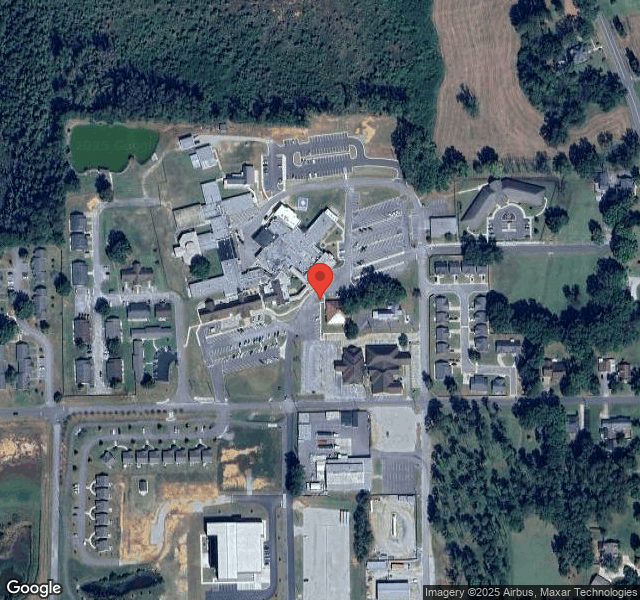
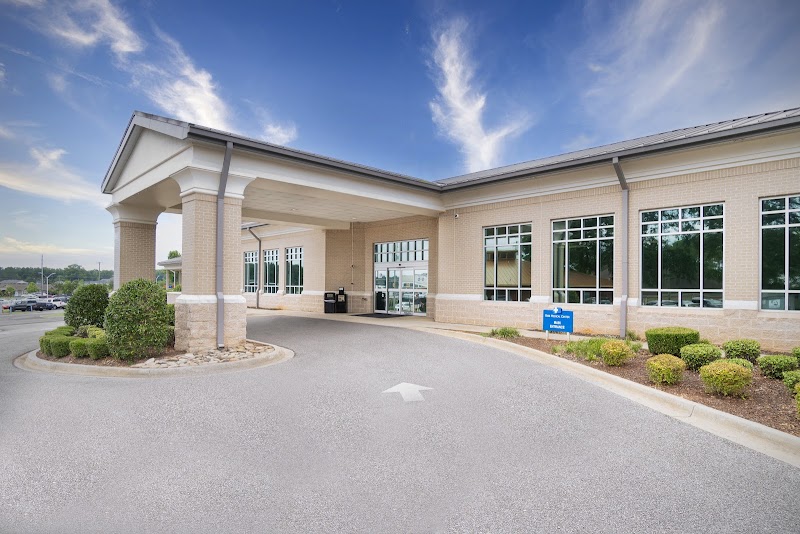
208 PIERSON AVE, CENTREVILLE, AL 35042 (205) 926-3308
Government - County 131 Beds Independent Data: November 2025
Trust Grade
50/100
#187 of 223 in AL
Last Inspection: November 2023

Within standard 12-15 month inspection cycle. Federal law requires annual inspections.

Overview

Bibb Medical Center Nursing Home has received a Trust Grade of C, which means it is average and falls in the middle of the pack among nursing homes. It ranks #187 out of 223 facilities in Alabama, placing it in the bottom half, but it is the only facility available in Bibb County. Unfortunately, the trend is worsening, as the number of issues found has increased from three in 2019 to five in 2023. While staffing is rated average with a turnover rate of 50%, which is close to the state average, the facility has no fines on record, indicating a lack of serious compliance issues. However, there are some concerning findings, such as cold food being frequently served to residents, improper food storage practices, and staff not consistently following hand hygiene procedures, which could pose health risks. Overall, while there are strengths in staffing stability and a lack of fines, the facility has significant areas needing improvement.

Trust Score
C
50/100
In Alabama
#187/223
Bottom 17%
Safety Record
Low Risk
No red flags
Inspections
Getting Worse
3 → 5 violations
Staff Stability
⚠ Watch
50% turnover. Above average. Higher turnover means staff may not know residents' routines.
Penalties
✓ Good
No fines on record. Clean compliance history, better than most Alabama facilities.
Skilled Nurses
⚠ Watch
Each resident gets only 27 minutes of Registered Nurse (RN) attention daily — below average for Alabama. Fewer RN minutes means fewer trained eyes watching for problems.
Violations
○ Average
9 deficiencies on record. Average for a facility this size. Mostly minor or procedural issues.
★☆☆☆☆
1.0
Overall Rating
★★★☆☆
3.0
Staff Levels
★★☆☆☆
2.0
Care Quality
★☆☆☆☆
1.0
Inspection Score
Stable
2019: 3 issues
2023: 5 issues

The Good

  • Full Sprinkler Coverage · Fire safety systems throughout facility
  • No fines on record

Facility shows strength in fire safety.

The Bad

1-Star Overall Rating

Below Alabama average (2.9)

Significant quality concerns identified by CMS

Staff Turnover: 50%

Near Alabama avg (46%)

Higher turnover may affect care consistency

The Ugly 9 deficiencies on record

Nov 2023 5 deficiencies
CONCERN (D)

Potential for Harm - no one hurt, but risky conditions existed

Assessment Accuracy (Tag F0641)

Could have caused harm · This affected 1 resident

**NOTE- TERMS IN BRACKETS HAVE BEEN EDITED TO PROTECT CONFIDENTIALITY** Based on interviews, resident record reviews, and review of the Centers for Medicare & (and) Medicaid Services Long-Term Care Fa...

Read full inspector narrative →
**NOTE- TERMS IN BRACKETS HAVE BEEN EDITED TO PROTECT CONFIDENTIALITY** Based on interviews, resident record reviews, and review of the Centers for Medicare & (and) Medicaid Services Long-Term Care Facility Resident Assessment Instrument 3.0 User's Manual Version 1.18.11, the facility failed to ensure Resident Identifier (RI) #64's annual Minimum Data Set (MDS) with an Assessment Reference Date (ARD) of 11/15/2023 was accurately coded for weight loss or gain and RI #114's quarterly MDS assessment with an ARD of 10/24/2023 was accurately coded to reflect RI #114 did not receive an anticoagulant medication during the assessment period. This had the potential to affect two of 29 sampled residents whose MDS assessments were reviewed. Findings include: The Long-Term Care Facility Resident Assessment Instrument User's Manual documented: . Steps for Assessment for K0200B, Weight 1. Base weight on the most recent measure in the last 30 days. K0300: Weight Loss . Code 2, yes, .: if the resident has experienced a weight loss of 5% or more in the past 30 days or 10% or more in the last 180 days, . K0310: Weight Gain . Code 2, yes, .: if the resident has experienced a weight gain of 5% or more in the past 30 days or 10% or more in the last 180 days, . N0415: High-Risk Drug Classes: Use and Indication . E. Anticoagulant ( . warfarin, heparin, or low-molecular weight heparin) . Do not code antiplatelet medications such as aspirin . as N0415E, Anticoagulant . 1.) RI #64 was admitted to the facility on [DATE] and readmitted on [DATE]. RI #64's annual MDS assessment with an ARD of 11/15/2023 reflected RI #64 had experienced both weight loss and weight gain. RI #64's weights were reviewed and from June 2023 to November 2023 RI #64 gained five percent or more from October to November and had not lost five percent in one month or 10 percent in six months. On 11/30/2023 at 2:18 PM an interview was conducted with the MDS Coordinator. The MDS Coordinator said, the annual MDS with an ARD of 11/15/2023 for RI #64 should not have been coded for both weight loss and weight gain. The MDS Coordinator said, when the MDS was completed RI #64 had a weight gain and the MDS was not coded accurately and the significance of accurately coding the MDS was to reflect the resident's current condition. 2.) RI #114 was admitted to the facility on [DATE]. RI #114's quarterly MDS assessment with an ARD of 10/24/2023 documented the use of anticoagulant medication. Review of RI #114's October 2023 physician orders revealed an order for aspirin but no orders were found for anticoagulants that would need to be coded on the MDS assessment. On 11/30/2023 at 2:25 PM, an interview was conducted with the MDS Coordinator who said, the quarterly MDS with an ARD of 10/24/2023 for RI #114 was coded for the use of anticoagulant medication. The MDS Coordinator stated, RI #114 was not actually receiving anticoagulant medication and the MDS assessment was coded incorrectly. The MDS Coordinator said, RI #114 was prescribed aspirin, which was not classified as an anticoagulant medication and the significance of accurately coding the MDS was to reflect the resident's current condition.
CONCERN (E)

Potential for Harm - no one hurt, but risky conditions existed

Resident Rights (Tag F0550)

Could have caused harm · This affected multiple residents

**NOTE- TERMS IN BRACKETS HAVE BEEN EDITED TO PROTECT CONFIDENTIALITY** Based on observations, interviews, resident record review, and review of the facility policy Promoting/Maintaining Resident Dign...

Read full inspector narrative →
**NOTE- TERMS IN BRACKETS HAVE BEEN EDITED TO PROTECT CONFIDENTIALITY** Based on observations, interviews, resident record review, and review of the facility policy Promoting/Maintaining Resident Dignity During Mealtimes, the facility failed to ensure Resident Identifier (RI) #38's lunch meal was not served on Styrofoam on 11/27/2023 and the staff delivering laundry gained permission to enter residents' rooms before entering on 11/27/2023. This had the potential to affect RI #38, one of 10 sampled residents observed at mealtime and residents residing on the 200 hall. Findings include: On 11/27/2023 at 12:53 PM, Laundry Aide (LA) #18 was observed delivering resident's clothing to room numbers 213, 211, 210, 208, 207, 204, 203, and 202, entering each room without knocking, announcing herself, or waiting for permission before entering. On 11/28/2023 at 8:40 AM during an interview with LA #18, she said, she should knock or ask to enter a resident room before going in. When the laundry aide was asked if she knocked on residents' doors before entering, she said, she did not. When asked why she did not knock or announce herself, she said she did not think about it. When the LA #18 was asked what was the harm in not knocking or asking for entry to residents rooms, she said, it would be a dignity issue. On 11/29/2023 at 9:40 AM the Laundry Supervisor #8 said, before staff enter resident rooms they should knock on the door and the concern of not knocking before entering was that it was disrespectful. A facility policy titled Promoting/Maintaining Resident Dignity During Mealtimes, with a review date of 5/2021, documented: Policy: It is the practice of this facility to treat each resident with respect and dignity and care for each resident in a manner and in an environment that maintains or enhances his or her quality of life, recognizing each resident's individuality and protecting the rights of each resident. RI #38 was admitted to the facility on [DATE]. During the lunch observation on 11/27/2023 at 12:15 PM, RI #38's meal was served on Styrofoam or plastic. RI #38 explained, they had previously switched to Styrofoam or plastic due to a recent medical diagnoses, but it was supposed to have been temporary. RI #38 expressed a preference for having meals served on a regular plate and using plastic utensils could sometimes be challenging. On 11/29/2023 at 10:00 AM the Director of Nursing (DON) was interviewed and she said RI #38's lunch meal on 11/27/2023 should have been served on a regular plate instead of an isolation tray. The DON said, the isolation tray should have ended on 11/21/2023 and it could be a dignity issue for residents to receive meals on Styrofoam instead of plates.
CONCERN (F)

Potential for Harm - no one hurt, but risky conditions existed

Deficiency F0804 (Tag F0804)

Could have caused harm · This affected most or all residents

**NOTE- TERMS IN BRACKETS HAVE BEEN EDITED TO PROTECT CONFIDENTIALITY** Based on observation, interviews, the Resident Council Meeting on 11/29/2023, a test tray on 11/29/2023, and a facility policy t...

Read full inspector narrative →
**NOTE- TERMS IN BRACKETS HAVE BEEN EDITED TO PROTECT CONFIDENTIALITY** Based on observation, interviews, the Resident Council Meeting on 11/29/2023, a test tray on 11/29/2023, and a facility policy titled, Food Service, the facility failed to ensure food was served warm, palatable and enjoyable. This had the potential to affect 114 of 114 residents receiving meals from the kitchen. Findings include: The facility's undated policy, Food Service documented: . PROCEDURES: . 4. A conscientious effort is made to make the food, trays, and service as attractive as possible. Resident Identifier (RI) #22 was admitted to the facility on [DATE]. During tour of the facility on 11/27/2023 at 12:06 PM, RI #22 stated, most of the time food was cold, especially breakfast. RI #27 was admitted to the facility on [DATE]. On 11/28/2023 at 5:15 PM RI #27 was eating dinner in his/her room. When asked about the food, RI #27 said, the food was cold but he/she was going to eat it because of being hungry. RI #27 said, the food was served cold frequently. During the Resident Council Meeting, held on 11/29/2023 10:00 AM, three of 15 residents in attendance stated food was cold by the time it got to the units. A tray line observation on 11/29/2023 revealed the following: At 12:30 PM kitchen staff started plating cart one of seven. At 1:25 PM the last tray was placed on Cart seven and the test tray was placed on the cart. At 1:35 PM the last tray was served from the cart. Temperatures on the test tray were as follows: Regular: fish 103° (degrees) Farnehiet (F), Corn 110°F hushpuppies 88°F Mechanical soft meal: fish 88° F, Corn 113° F, hushpuppies 88°F Puree meal: Roast beef 114° F, Carrots 116° F, mashed potatoes 102° F. The meals were tasted and were not warm. An interview was conducted with the Dietary Manager (DM) on 11/30/2023 at 9:45 AM. The DM stated food should be served at a temperature of at least 135°. The DM stated the concern of serving cold food was it could allow bacteria to grow. A telephone interview was conducted with Registered Dietitian (RD) on 11/30/2023 at 11:50 AM. The RD stated the concern of serving cold food was the food was less palatable, less enjoyable, and there may be less intake of food if not warm.
CONCERN (F)

Potential for Harm - no one hurt, but risky conditions existed

Food Safety (Tag F0812)

Could have caused harm · This affected most or all residents

Based on observations, interviews, the facility policy Proper Labeling of Food items , and the 2022 Food Code from the United State (U.S.) Food and Drug Administration (FDA); the facility failed to en...

Read full inspector narrative →
Based on observations, interviews, the facility policy Proper Labeling of Food items , and the 2022 Food Code from the United State (U.S.) Food and Drug Administration (FDA); the facility failed to ensure: 1) food stored in the freezer was covered and sealed properly, outdated food was discarded and; 2) the temperature of blended (puree) foods was measured before serving to residents. This had the potential to affect 114 of 114 resident receiving food from kitchen. Findings Include: 1. The 2022 U.S. FDA Food Code included the following: 3-305.11 Food Storage. (A) . FOOD shall be protected from contamination by storing the FOOD: . (2) Where it is not exposed to splash, dust, or other contamination . On 11/27/2023 at 10:45 AM, during the initial kitchen tour an observation was made of food stored in the freezer. Salisbury steak was exposed to the air in an unsealed aluminum container. The lid to the container was not sealed properly and there was ice observed on the meat. The freezer contained roast beef in a plastic eight-quart container with use by 11/26/2023 date and four-quart plastic container of plain pork with use by date of 10/25/2023. An interview was conducted with Dietary Aide (DA) #20 on 11/27/2023 during the initial tour. DA #20 stated the Salisbury steak should have been covered with lid sealed. DA #20 stated the concern of the Salisbury steak not being sealed was freezer burn and further said the food had ice on it. DA #20 stated the pork with the use by date of 10/25/2023, should have been discarded before 10/25/2023 and the roast beef with the use by date of 11/26/2023 should have been discarded on 11/26/2023. DA #20 stated both foods items should not have been in the freezer beyond the use by dates. DA #20 stated the concern of outdated food being in freezer was staff could use it and food could make residents sick. An interview was conducted with the Dietary Manager (DM) on 11/30/2023 at 9:45 AM. The DM stated Salisbury steak should have been stored in its original container and properly sealed. The DM stated the concern of lid not being sealed was food poisoning and freezer burn. The DM stated outdated food should have been discarded. The DM stated the concern of outdated food being in freezer was staff could not look at date and serve food to residents. A telephone interview was conducted with the Registered Dietitian (RD) on 11/30/2023 at 11:50 AM. The RD stated food should be stored in sealed intact container. The RD stated the concern of stored food not being sealed was a reduced quality of food and opened to the risk of contamination. She stated it could be a food safety issue. The RD stated food should be discarded by use by date. RD stated the concern of outdated food being in freezer was risk of foodborne illness. 2. The 2022 U.S. FDA Food Code included the following: . 3-501.16 Time/Temperature Control for Safety Food, Hot and Cold Holding. (A) . TIME/TEMPERATURE CONTROL FOR SAFETY FOOD shall be maintained: (1) At 57°C [Centigrade/Celsius] (135°F [Fahrenheit]) or above . During the tray line observation on 11/29/2023 at 11:20 AM the surveyor observed that the temperature was not measured for the prepackaged blended items on the steam bar. An interview was conducted with the Dietary Manager (DM) on 11/30/2023 at 9:45 AM. The DM stated food should be served with a temperature of at least 135 degrees Fahrenheit (F). He stated the concern of serving cold food was it could allow for bacteria to grow. The DM stated the reason the temperature for blended food was not measured was because it was prepackaged, and staff were not to pierce the containers. A telephone interview was conducted with Registered Dietitian (RD) on 11/30/2023 at 11:50 AM. RD stated prepackaged food temperature should be checked by piercing the package immediately before serving. RD stated the concern of not checking the temperature on prepackaged food is food safety, staff did not know if food was heated properly.
CONCERN (F)

Potential for Harm - no one hurt, but risky conditions existed

Infection Control (Tag F0880)

Could have caused harm · This affected most or all residents

Based on observations, interviews, and review of a facility policy titled Hand Hygiene, Laundry/Linen Distribution, and Handling Clean Linen the facility failed to ensure: 1) staff performed hand hygi...

Read full inspector narrative →
Based on observations, interviews, and review of a facility policy titled Hand Hygiene, Laundry/Linen Distribution, and Handling Clean Linen the facility failed to ensure: 1) staff performed hand hygiene when a Certified Nursing Assistant (CNA) delivered meal trays, picked an item off the floor, and touched a resident's food, when a Laundry Aid (LA) delivered clean linen to eight different resident's rooms on the 200 hall, and before a Laundry Assistant (LAS) handled clean linen; 2) a LAS did not hold clean linens against her personal clothing; and 3) clean linen was covered while being transported on the 200 hall. These failure had the potential to affect Resident Identifier (RI) #53, RI #25, residents on the 200 hall, and all residents in the facility who received linen from the laundry room. Findings include: The facility policy with an effective date of 02/2001 and a review/revision date of 05/2021 titled Hand Hygiene revealed . POLICY: All staff will perform proper hand hygiene procedures to prevent the spread of infection to other personnel, residents, and visitors. This applies to all staff working in all locations within the facility. PROCEDURE: . 2. Hand hygiene is indicated and will be performed under the conditions listed in, but not limited to, the attached hand hygiene table. An undated facility document titled Hand Hygiene Table revealed . Condition . Either Soap and Water or Alcohol Based Hand Rub (ABHR is preferred) . Between resident contacts . After handling contaminated objects . Before applying and after removing personal protective equipment (PPE), including gloves . Before and after handling clean or soiled . linens . An undated facility policy titled Laundry/Linen Distribution revealed . PURPOSE: To provide guidelines for the proper distribution of laundry, linen, and resident clothing to appropriate areas . POLICY: All laundry, linen and resident clothing will be distributed and stored appropriately . PROCEDURE: 1. Use only clean laundry hampers to transport clean laundry, linen, etc. 3. Keep clean laundry carts covered with covers at all times. A facility policy with a revised date of 05/2021 titled Handling Clean Linen revealed .POLICY: It is the policy of this facility to handle, store, process, and transport clean linen in a safe and sanitary method to prevent contamination of the linen, which can lead to infection. DEFINITIONS . Linen includes sheets . and similar items . PROCEDURE: . 2. Linen can become contaminated with pathogens from contact with intact skin . or contaminated hands. 3. Separate carts will be used for transporting clean and contaminated linen. Carts will be cleaned when visibly soiled, and routinely according to facility schedule. 6. Carry clean linen with clean hands away from your body. On 11/27/2023 at 12:28 PM an observation was made of CNA #13 delivering meal trays. After CNA #13 delivered a meal tray to RI #42 and without performing hand hygiene, he entered RI #53's room, picked up a chip from the floor, picked up a blanket from a wheelchair, placed the blanket over the RI #53, and then positioned the bedside table in front of RI# 53. CNA #13 then walked to the meal tray cart, did not perform hand hygiene, picked up tray for RI #25, and then delivered and set up the meal tray for RI #25. While setting up the tray for RI #25, CNA #13 took the cover off of the plate, touched the cornbread on the tray with his bare hands, and then exited the room without performing hand hygiene. On 11/27/2023 at 12:35 PM an interview was conducted with CNA #13. CNA #13 stated that he did not perform hand hygiene by sanitizing or washing his hands after picking up the chip that was on the floor, after leaving RI #53's room, or before picking up and setting up RI #25's tray. CNA #13 stated that there was a risk for infection control for not washing or sanitizing his hands after picking up the chip off of the floor. CNA #13 stated that he should have washed his hands in between each resident. On 11/29/2023 at 08:50 AM during an observation of the laundry room, LAS #17 picked up a pillowcase from the floor and placed on a cart with cleaned linen and designated for clean linen. LAS #17 removed the pillowcase from the cart, took the pillowcase to the dirty linen room, and cleaned the linen cart. After cleaning the linen cart LAS #17 did not perform hand hygiene before she began handling clean clothing from the dryer. LAS #17 began folding sheets without gloves and without performing hand hygiene. While folding the sheets LA #17 held the sheets against her body and clothing. LA #17 folded eight flat sheets and two fitted sheets by holding the clean sheets against her clothing and without performing hand hygiene. On 11/29/2023 at 09:09 AM during an interview with LA #17 she stated she should wash or sanitize her hands between each load especially if she handled something that was dirty. LA #17 said, she did not wash or sanitize her hands after cleaning the contaminated linen cart. LA #17 stated, her gloves were considered to be dirty after cleaning the contaminated linen cart and she should have washed her hands. LA #17 stated, when folding linen, the linen should be held away from her body. LA #17 stated, clean linen should never be held against her clothing because it was a risk for germs. LA #17 stated, a pillowcase that was on the floor should not have been placed on the clean linen cart. LA #17 stated, there was a risk for spreading germs by putting the dirty pillowcase on the clean linen cart. LA #17 stated, she should have washed or sanitized her hands after picking up the pillowcase from the floor and after cleaning the linen cart. On 11/29/2023 at 09:24 AM an interview was conducted with the Housekeeping and Laundry Service Manager (HSM). The HSM stated, staff should wash or sanitize their hands before taking clothes or linen out of the dryer, and after they touched something dirty or something on the floor. The HSM stated staff should wash or sanitize hands after taking off gloves because there was a risk of infection control. The HSM stated, staff should hold clean linen at least a foot away from their body and linen should not touch their body. The HSM stated there was a risk of infection control issues if staff held clean linen against staff clothing. The HSM said staff should not pick up linen off of the floor and put it on the clean cart because there was a risk for infection. The HSM stated, clean linens should be transported covered with plastic. On 11/27/2023 at 12:53 PM, Laundry Aid (LA) #18, was observed staff bringing an uncovered clothing rack (or cart) inside the building. The front flap was up leaving the clothing uncovered. LA #18 distributed resident's clean clothing by entering residents' rooms, using hands to open the closet doors, and placing the clothing in their closets. LA #18 entered four resident's rooms without performing hand hygiene. After the fourth delivery, LA #18 returned clothes hangers from the resident's closet to the clean clothing rack. LA #18 delivered clothing to two more resident's rooms without performing hand hygiene. LA #18 returned clothes hangers from a resident's room to the clean clothing rack and then delivered clothing to two more resident's rooms without performing hand hygiene. During the surveyor's observations, LA #18 did not perform hand hygiene and did not cover the clean clothing rack. LA #18 delivered clothing to resident rooms 213, 211, 210, 208, 207, 204, 203, and 202, a total of eight residents' rooms without performing hand hygiene. On 11/28/2023 at 08:40 AM during an interview with LA #18, she said while distributing resident's clothing, she touched the closet doors and clothes hangers. LA #18 said she should have sanitized her hands before and after touching dirty items. LA #18 said carts should be covered when transported to the units and the front flap was up while she transported and distributed residents' clothing 11/27/23. The laundry aide said the harm in transporting clothing uncovered was a risk for contaminating the clean laundry. On 11/29/2023 at 09:40 AM during an interview with the Laundry Supervisor (LS), she said the laundry staff should use hand sanitizer when they entered or exited a resident's room. The LS said linens and clothing should be covered when on the hall. The LS said the risk of not washing or sanitizing hands was infection control issues, and the risk of not covering the laundry in the hallways was concerns of germs. On 11/29/2023 at 04:45 PM during an interview with the Infection Preventionist (IP), she stated, clean laundry should be held away from the staff's body and with clean hands. The IP stated, the risk of holding laundry against the body was cross-contamination. The IP said, laundry staff should perform hand hygiene before they touch laundry, after and in-between doing the laundry, and after taking off the gloves, because there was a risk for infection. The IP stated staff not washing or sanitizing their hands after cleaning a linen cart created a risk of contaminating laundry with chemicals and dirt. The IP said staff should never pick something up from the floor and put it on a clean cart while clean linen was on the cart, because it was a risk of contamination. The IP stated staff should wash their hands before and after entering a room, because there was a risk of contamination. The IP stated while serving meal trays staff should perform hand hygiene before they picked up the tray and after exiting a resident's room. The IP said staff should wash their hands when they picked up anything from the floor, because cross-contamination.
Aug 2019 3 deficiencies
CONCERN (F)

Potential for Harm - no one hurt, but risky conditions existed

Deficiency F0730 (Tag F0730)

Could have caused harm · This affected most or all residents

Based on interview, document review and a facility policy titled, Continuing Education, the facility failed to ensure 27 CNA's (Certified Nursing Assistants) had the required 12 hours of CEUs ( Contin...

Read full inspector narrative →
Based on interview, document review and a facility policy titled, Continuing Education, the facility failed to ensure 27 CNA's (Certified Nursing Assistants) had the required 12 hours of CEUs ( Continuing Education Units) training per year. This deficient practice affected 27 out 29 CNA's whose training records were reviewed. Findings Include: A review of a facility policy titled, Continuing Education, with an review/revision dated of 6/2001 documented: PURPOSE: To maintain sufficient continuing competence of Nurses Aides. POLICY: All Nurses Aides will be offered twelve (12) hours of continuing education per year .PROCEDURE: .3. Each must receive .twelve(12) hours .training per year . On 8/22/19 at 11:00 a.m, the Surveyor reviewed the CEU's training records for the CNA's employed by the facility from the last twelve months between their hire date (month/date). There was no documentation of the required 12 hours of CEU's, during a twelve month span, for 27 CNAs. On 8/22/18 at 11:23 a.m., an interview was conducted with EI (Employee Identifier) #1, DON (Director of Nurses). EI #1 was asked who was responsible for ensuring the CNA's had the required 12 hours of CEUS. EI #1 said the DON. EI #1 was asked what was the facility's policy regarding the CNA's having 12 hours of CEUs. EI #1 said they(CNA's) are required to have 12 hours of CEU's per year. EI #1 was asked how many of CNA's did not have the required 12 hours of CEU's. EI #1 said 26 EI #1 was asked if she had any documentation of the CNA's having the required 12 hours of CEU's. EI #1 said, No Ma'am. EI #1 was asked what was the potential concern with CNA's not having required 12 hours of CEU's per year. EI #1 said, Failure of the CNA's to provide appropriate up to date care.
MINOR (B)

Minor Issue - procedural, no safety impact

Deficiency F0806 (Tag F0806)

Minor procedural issue · This affected multiple residents

**NOTE- TERMS IN BRACKETS HAVE BEEN EDITED TO PROTECT CONFIDENTIALITY** Based on observation, interviews and review of meal tray slips, the facility failed to honor each resident's specified food pref...

Read full inspector narrative →
**NOTE- TERMS IN BRACKETS HAVE BEEN EDITED TO PROTECT CONFIDENTIALITY** Based on observation, interviews and review of meal tray slips, the facility failed to honor each resident's specified food preferences. This affected Resident Identifier (RI) #72 and #85, two of 15 residents observed during meals. Findings included: 1) RI #72 was re-admitted to the facility on [DATE]. This resident was assessed on the 06/24/19 Quarterly Review Minimum Data Set (MDS) as cognitively intact with a score of 15 of a possible 15. On 08/21/19, during the 12 noon lunch meal, the surveyor observed RI #72 receive a lunch meal which included Spaghetti with Meat Sauce (not eaten), as well as a slice of toasted, buttered French Bread (not eaten), and a spinach salad, among other food items. The tray slip designated in the Notes section: Send crackers with salads.No bread as side item. The resident did not eat the bread sent on the tray, and no crackers had been included with the meal. 2) RI #85 was admitted to the facility on [DATE]. The most current Annual MDS assessment, date 7/20/10, documented this resident to have a BIMS of 15 of a possible 15, indicating intact cognition. On 08/21/19 at 5:35 PM, RI #85 received a supper tray. The tray slip specified (hand-written on the slip) Grilled Cheese, Vegetable Soup, and a Bag of Chips. A bowl of Tomato Soup was served instead of the Vegetable Soup, and no Chips were provided. Rather than a 3-Compartment Plate, as specified on the tray slip's FEEDING ASSISTANCE DEVICES, the meal was served on an plate with no divided sections. On 08/22/19 at 10:32 AM, the surveyor interviewed the tray line starter, Employee Identifier (EI) #6, who was responsible for calling out the orders on each tray slip to the tray line staff. When asked who checked behind her to ensure the accuracy of each tray, EI #6 stated no one checked behind her, except when the Dietary Manager occasionally did spot checks. On 08/22/19 at 10:50 AM, the surveyor questioned the Dietary Manager, Employee Identifier (EI) #5 about the monitoring of meal trays for accuracy in complying with resident preferences. EI #5 explained the previous evening that had new people in training on the line.
MINOR (B)

Minor Issue - procedural, no safety impact

Deficiency F0808 (Tag F0808)

Minor procedural issue · This affected multiple residents

**NOTE- TERMS IN BRACKETS HAVE BEEN EDITED TO PROTECT CONFIDENTIALITY** Based on observations, interviews and a review of residents' tray slips, the facility failed to ensure the salt or sodium restri...

Read full inspector narrative →
**NOTE- TERMS IN BRACKETS HAVE BEEN EDITED TO PROTECT CONFIDENTIALITY** Based on observations, interviews and a review of residents' tray slips, the facility failed to ensure the salt or sodium restricted diets were followed. This affected two of three residents, Resident Identifier (RI) #72 and RI #62 for whom a salt restricted diet was ordered. Findings Included: The facility's Low Sodium Diet or 2300 mg Sodium (undated) included the following: Use . This diet is useful in preventing or controlling edema or hypertension. Diet Principles include: 1. Prepare all foods without salt and do not add salt at the table. Avoid all processed and prepared foods and beverages high in sodium . 1) RI #72 was re-admitted to the facility on [DATE]. RI #72 diagnoses included Essential Hypertension and Atherosclerotic Heart Disease. The most recent Quarterly Minimum Data Set (MDS) assessment, date 6/24/19, identified this resident to have a cognitive (Brief Interview for Mental Status) score of 15 of a possible 15, indicating intact cognition. The Physician Order List specified a No Sweets, No Added Salt, No Fried Foods diet, per resident request, on 06/26/19. On 08/21/19 during the 12 noon meal, the surveyor observed RI #72's lunch tray as it was served. The tray included a package of salt on the tray. When questioned, RI #72 stated a packet of salt was sent on every tray. The surveyor observed RI #72's 08/22/19 breakfast tray. The tray included a packet of salt, in contrast to the Specified Diet Order on the tray slip of .No Added Salt. 2) RI #62 was admitted to the facility on [DATE]. RI #62'2 diagnoses included Essential Hypertension, Sequelae of Cerebrovascular Disease and Localized Edema. The Physician Order List included a Low Salt Diet resumed on 07/02/19. On 08/21/19 at 5:54 PM, the surveyor observed RI #72 eating a supper tray in the resident's room. The tray slip indicated Low Sodium however, the tray included: 1 bowl of Chicken Noodle Soup (which the resident said was delicious), a sandwich, diet soft drink, and three packages of salt. When the surveyor asked the resident if he/she used the salt, RI #62 said, Sometimes. At this point, the surveyor called into the room one of the Certified Nursing Assistants, responsible for the care of this resident. CNA (Employee Identifier/EI #7) confirmed the presence of the salt, and stated, I don't think he/she's supposed to have it (the salt). On 08/22/19 at 8:20 AM, the surveyor again observed the tray of RI #62, which included a package of salt.
Jul 2018 1 deficiency
CONCERN (F)

Potential for Harm - no one hurt, but risky conditions existed

Food Safety (Tag F0812)

Could have caused harm · This affected most or all residents

Based on observations, interviews and a review of facility policies titled, Steamtable temperatures, Cleaning of food carts, and Handwashing Guidelines-Dietary Employees, the facility failed to ensure...

Read full inspector narrative →
Based on observations, interviews and a review of facility policies titled, Steamtable temperatures, Cleaning of food carts, and Handwashing Guidelines-Dietary Employees, the facility failed to ensure: 1) the temperatures were taken of all foods on the tray line; 2) food carts used to transport residents meals were not dirty and; 3) staff washed their hands when entering the kitchen. This had the potential to affect 113 of 113 residents who received meals from the kitchen. Findings Include: 1) Review of a facility policy titled, Steamtable temperatures, with no date revealed: .POLICY: All steamtable temperature will be checked and documented prior to food service. PROCEDURES: 1. All foods held on the steamtable will be checked and all temperature will be documented by the assigned dietary personnel prior to service. On 7/11/18 at 11:54 rice was brought to the steam table by (Employee Identifier) EI #4. Dietetic Assistant. EI #4 did not take the temperature of the rice, nor did EI #1, the Cook. On 7/11/2018 at 2:46 p.m., the surveyor conducted an interview with EI #1, the Productive Supervisor/Cook. EI #1 was asked who took the temperature of the second pan of rice. EI #1 replied, no one. EI #1 was asked how often were temperatures taken on the tray line. EI #1 replied, every time they ran out of something and had to get something else. EI #1 was asked why was it important to take food temperatures. EI #1 replied, to make sure the food was hot for the residents. EI #1 was asked what did the facility policy say regarding taking food temps on the tray line. EI #1 replied, make sure they are at the right temperature and serve the proper way. EI #1 was asked when they replenished food on the tray line should the food temperature be taken. EI #1 replied, yes ma'am. EI #1 was asked what was the potential harm to the residents when all food temperature were not taken on the tray line. EI #1 replied, she would not know the temperature of the foods. On 7/12/18 at 10:12a.m., an interview was conducted with EI #4, Dietetic Assistant. EI #4 was asked who was responsible for taking the temperatures of foods that were placed on the tray line. EI #4 replied, the cook and production supervisor. EI #4 was asked who checked the rice temperature before placing it on the steamtable on 7/11/18. EI #4 replied, EI #6, Dietary Cook. EI #4 was asked what was the potential harm to the residents when food temperatures were not taken. EI #4 replied, it would make the residents sick. EI #4 was asked did she take the temperature of the second pan of rice. EI #4 replied, no she did not. On 7/12/18 at 10:57 a.m. an interview was conducted with EI #6, dietary cook. EI #6 was asked who took the temperature of the second pan of rice when it came out of the steamer. EI #6 replied, no one took it. EI #6 was asked when foods were brought from the warmer to the tray line who took the temperatures. EI #6 replied, the cook. EI #6 was asked should food temperatures be taken when foods were brought from the steamer to the tray line. EI #6 replied, yes ma'am. EI #6 was asked why was it important that food temperature be taken. EI#6 replied, because she did not want to make anyone sick. EI #6 was asked when should food temperatures be taken. EI #6 replied, after it come out of the steamer/oven, before you get to the tray line, and every time you bring it out of the warmer, the temperatures need to be taken. 2) A review of a policy titled, Cleaning of food carts, with no date, revealed: PURPOSE: To ensure food carts are cleaned properly.PROCEDURES: Daily: 1. Clean all spills right away . On 7/10/2018 at 12:17 p.m., the surveyor observed dirty carts with food debris on them. EI #2 tray hostess, wiped food debris from the cart and a brown like substance. EI #5 wiped food debris from the cart and a white looking substance. The resident trays were being placed on the carts. After leaving the kitchen and going to the 200 hall, the surveyor observed a dirty cart with died white food substance on the hall. On 7/11/18 at 3:01 p. m., an interview was conducted with EI #2, tray hostess. EI #2 was asked what was on the food cart that she wiped down on 7/10 and 7/11. EI #2 replied, food. EI #2 was asked why was it there. EI #2 replied, they did not have time to wipe them off. EI #2 was asked how often were carts cleaned. EI #2 replied, after breakfast they washed them, after lunch they washed them and the evening shift were supposed to wash them off. EI #2 was asked why was it important that carts were cleaned. EI #2 replied, so the residents would not get sick or get germs. EI #2 was asked who was responsible for making sure carts were cleaned. EI #2 replied, the person who washed pots and pans and the 3-7 staff. EI #2 was asked were resident trays being placed on the carts. EI #2 replied, yes. EI #2 was asked where was the food debris located on the carts. EI #2 replied, on the shelves and on the side of the carts. On 7/11/18 at 3:18 p.m., the surveyor conducted an interview with EI #3, CNA (Certified Nursing Assistant). EI #3 was asked what did she observe on the carts on 7/10/18. EI #3 replied, a lot of different spots and dried food. EI #3 was asked were the carts clean. EI #3 replied, no ma'am. EI #3 was asked should resident trays be on dirty carts. EI #3 replied, no ma'am. EI #3 was asked what was the potential harm to the residents when food carts were dirty. EI #3 replied, cross contamination and germs. EI #3 was asked were the carts with resident trays on them dirty. EI #3 replied,yes ma'am. On 7/12/18 at 10:43 a.m., an interview was conducted with EI #5 Dietary Manager/Dietician. EI #5 was asked what did she observe on the carts on 07/10 and 7/11. EI #5 replied, it looked like they missed some spots of food when they cleaned it. EI #5 was asked how often were carts cleaned. EI #5 replied, after each meal service. EI #5 was asked who was responsible for cleaning carts. EI #5 replied, tray hostess', ladies who did the beverages. EI #5 was asked why was it important that food carts were cleaned. EI #5 replied, a risk of cross contamination. 3) A review of a policy titled, Handwashing Guidelines-Dietary Employees, with a date of 5/8/2017 revealed: Policy: Handwashing is necessary to prevent the spread of bacteria that may cause foodborne illnesses.1. Frequency of Handwashing: Hands should be washed in the following situations: a. Every time an employee enters the kitchen; . On 7/9/2018 at 5:02 p.m., the surveyor met the Dietary Manager (DM) EI #5, in the hallway. When entering the kitchen the DM did not wash her hands. The following observations were made of EI #7, tray hostess, on 07/10/18: 12:12 p.m., EI #7, was observed leaving the kitchen with gloves on. 12:17 p.m., EI #7 returned to the kitchen pulling carts in. She did not wash her hands when coming back in the kitchen. 12:19 p.m., EI #7 left the kitchen again. 12:20 p.m., EI #7 returned to the kitchen and did not wash her hands. On 7/12/18 at 10:49 a.m., an interview was conducted with EI #5, DM. EI #5 was asked when coming into the kitchen on 7/9/18, did she wash her hands. EI #5 replied she did not remember if she did. EI #5 was asked why was it important that she wash her hands in the kitchen . EI #5 replied, for infection control purposes. EI #5 was asked what did the facility policy say on washing hands when entering the kitchen. EI #5 replied, hands should be washed every time an employee entered the kitchen. EI #5 was asked who should wash their hand when entering the kitchen. EI #5 replied, everyone. On 7/12/18 at 11:10 a.m., an interview was conducted with EI #7, tray hostess. EI #7 was asked when going in and out of the kitchen to deliver carts to the hall did she wash her hands when returning to the kitchen. EI #7 replied, no ma'am. EI #7 was asked why she did not wash her hands when entering the kitchen after returning from the hall. EI #7 replied, she did not know she was suppose to wash her hands. EI #7 was asked did she turn the kitchen door knob to get to the hallway with gloves on. EI #7 replied, yes ma'am. EI #4 was asked what did the facility policy say regarding washing hands in the kitchen. EI #7 replied, scrub them, use warm water, make sure you wash for 15 second, do not touch the paper towel box, use paper towel to turn water off and use a paper towel to open the door and put the paper towel in the trash. EI #7 was asked what was the potential harm to the residents when you touch dirty carts and kitchen doors with gloved hands and do not change your gloves or wash your hands. EI #7 replied, cross contamination.
Understanding Severity Codes (click to expand)
Life-Threatening (Immediate Jeopardy)
J - Isolated K - Pattern L - Widespread
Actual Harm
G - Isolated H - Pattern I - Widespread
Potential for Harm
D - Isolated E - Pattern F - Widespread
No Harm (Minor)
A - Isolated B - Pattern C - Widespread

Questions to Ask on Your Visit

  • "Can I speak with families of current residents?"
  • "What's your RN coverage like on weekends and overnight?"

Our Honest Assessment

Strengths
  • • No major safety red flags. No abuse findings, life-threatening violations, or SFF status.
  • • No fines on record. Clean compliance history, better than most Alabama facilities.
Concerns
  • • Grade C (50/100). Below average facility with significant concerns.
Bottom line: Mixed indicators with Trust Score of 50/100. Visit in person and ask pointed questions.

About This Facility

What is Bibb Medical Center's CMS Rating?

CMS assigns BIBB MEDICAL CENTER NURSING HOME an overall rating of 1 out of 5 stars, which is considered much below average nationally. Within Alabama, this rating places the facility higher than 0% of the state's 100 nursing homes. A rating at this level reflects concerns identified through health inspections, staffing assessments, or quality measures that families should carefully consider.
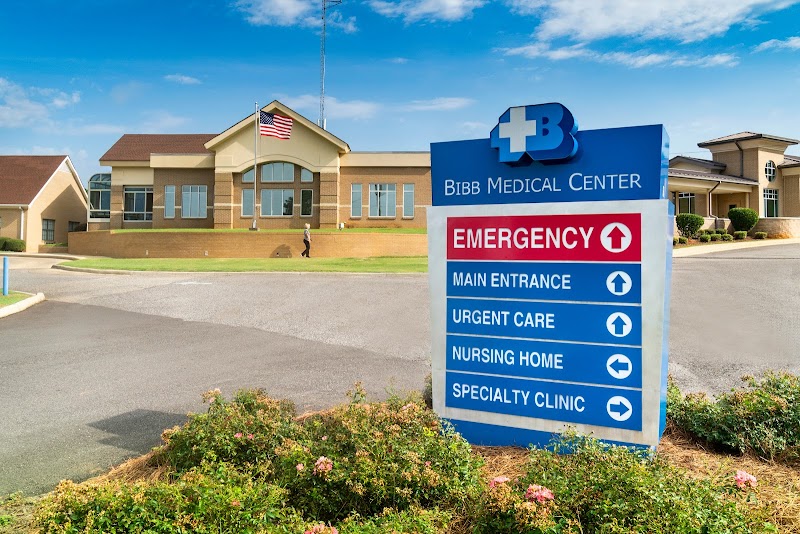
How is Bibb Medical Center Staffed?

CMS rates BIBB MEDICAL CENTER NURSING HOME's staffing level at 3 out of 5 stars, which is average compared to other nursing homes. Staff turnover is 50%, compared to the Alabama average of 46%.

What Have Inspectors Found at Bibb Medical Center?

State health inspectors documented 9 deficiencies at BIBB MEDICAL CENTER NURSING HOME during 2018 to 2023. These included: 7 with potential for harm and 2 minor or isolated issues.
Who Owns and Operates Bibb Medical Center?

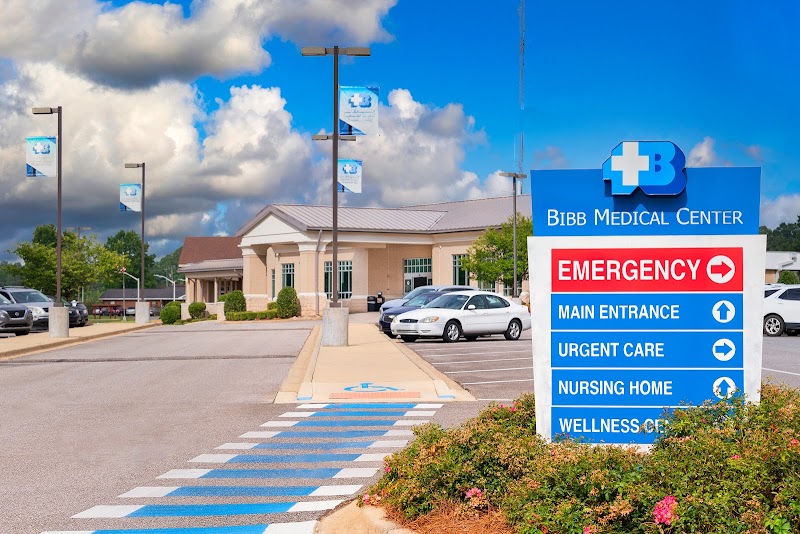
BIBB MEDICAL CENTER NURSING HOME is owned by a government entity. Government-operated facilities are typically run by state, county, or municipal agencies. The facility operates independently rather than as part of a larger chain. With 131 certified beds and approximately 112 residents (about 85% occupancy), it is a mid-sized facility located in CENTREVILLE, Alabama.
How Does Bibb Medical Center Compare to Other Alabama Nursing Homes?

Compared to the 100 nursing homes in Alabama, BIBB MEDICAL CENTER NURSING HOME's overall rating (1 stars) is below the state average of 2.9, staff turnover (50%) is near the state average of 46%, and health inspection rating (1 stars) is much below the national benchmark.

What Should Families Ask When Visiting Bibb Medical Center?

Based on this facility's data, families visiting should ask: "Can I visit during a mealtime to observe dining assistance and food quality?" "How do you handle medical emergencies, and what is your hospital transfer rate?" "Can I speak with family members of current residents about their experience?"

Is Bibb Medical Center Safe?

Based on CMS inspection data, BIBB MEDICAL CENTER NURSING HOME has a clean safety record: no substantiated abuse findings (meaning no confirmed cases of resident harm), no Immediate Jeopardy citations (the most serious violation level indicating risk of serious injury or death), and is not on the Special Focus Facility watch list (a federal program monitoring the lowest-performing 1% of nursing homes). The facility has a 1-star overall rating and ranks #100 of 100 nursing homes in Alabama. While no facility is perfect, families should still ask about staff-to-resident ratios and recent inspection results during their visit.

Do Nurses at Bibb Medical Center Stick Around?

BIBB MEDICAL CENTER NURSING HOME has a staff turnover rate of 50%, which is about average for Alabama nursing homes (state average: 46%). Moderate turnover is common in nursing homes, but families should still ask about staff tenure and how the facility maintains care continuity when employees leave.

Was Bibb Medical Center Ever Fined?

BIBB MEDICAL CENTER NURSING HOME has no federal fines on record. CMS issues fines when nursing homes fail to meet care standards or don't correct problems found during inspections. The absence of fines suggests the facility has either maintained compliance or corrected any issues before penalties were assessed. This is a positive indicator, though families should still review recent inspection reports for the full picture.

Is Bibb Medical Center on Any Federal Watch List?

BIBB MEDICAL CENTER NURSING HOME is not on any federal watch list. The most significant is the Special Focus Facility (SFF) program, which identifies the bottom 1% of nursing homes nationally based on persistent, serious quality problems. Not being on this list means the facility has avoided the pattern of deficiencies that triggers enhanced federal oversight. This is a positive indicator, though families should still review the facility's inspection history directly.