HATLEY HEALTH CARE INC
300 MEDICAL CENTER DRIVE, CLANTON, AL 35045 (205) 755-4960
For profit - Corporation 201 Beds Independent Data: November 2025
Trust Grade
80/100
#57 of 223 in AL
Last Inspection: June 2023

Over 2 years since last inspection. Current conditions may differ from available data.

Overview

Hatley Health Care Inc in Clanton, Alabama has a Trust Grade of B+, which means it is above average and generally recommended for families considering care options. It ranks #57 out of 223 nursing homes in Alabama, placing it in the top half, and is the top-rated facility in Chilton County. However, the facility's trend is worsening, with issues increasing from 3 in 2019 to 4 in 2023. While staffing is a weakness with a rating of 2 out of 5 stars and a turnover rate of 47%, it does have good RN coverage, exceeding 93% of Alabama facilities. Notably, there have been incidents such as staff administering incorrect dosages of medication and failing to maintain proper catheter care, raising concerns about resident safety. On a positive note, the facility has no fines on record, indicating compliance with regulations.

Trust Score
B+
80/100
In Alabama
#57/223
Top 25%
Safety Record
Low Risk
No red flags
Inspections
Getting Worse
3 → 4 violations
Staff Stability
⚠ Watch
47% turnover. Above average. Higher turnover means staff may not know residents' routines.
Penalties
✓ Good
No fines on record. Clean compliance history, better than most Alabama facilities.
Skilled Nurses
✓ Good
Each resident gets 43 minutes of Registered Nurse (RN) attention daily — more than average for Alabama. RNs are trained to catch health problems early.
Violations
○ Average
7 deficiencies on record. Average for a facility this size. Mostly minor or procedural issues.
★★★★☆
4.0
Overall Rating
★★☆☆☆
2.0
Staff Levels
★★★☆☆
3.0
Care Quality
★★★★☆
4.0
Inspection Score
Stable
2019: 3 issues
2023: 4 issues

The Good

  • Full Sprinkler Coverage · Fire safety systems throughout facility
  • No fines on record

Facility shows strength in fire safety.

The Bad

Staff Turnover: 47%

Near Alabama avg (46%)

Higher turnover may affect care consistency

The Ugly 7 deficiencies on record

Jun 2023 4 deficiencies
CONCERN (D) 📢 Someone Reported This

A family member, employee, or ombudsman was alarmed enough to file a formal complaint

Potential for Harm - no one hurt, but risky conditions existed

Deficiency F0658 (Tag F0658)

Could have caused harm · This affected 1 resident

**NOTE- TERMS IN BRACKETS HAVE BEEN EDITED TO PROTECT CONFIDENTIALITY** Based on record reviews, interviews, review of the State Agency's Online Incident Reporting System Report, and a facility policy...

Read full inspector narrative →
**NOTE- TERMS IN BRACKETS HAVE BEEN EDITED TO PROTECT CONFIDENTIALITY** Based on record reviews, interviews, review of the State Agency's Online Incident Reporting System Report, and a facility policy Medication Administration, the facility failed to ensure licensed staff clarified medication orders for Paxlovid for Resident Identifier (RI) #182. The resident received an order for Paxlovid on [DATE], the Medication Administration Record (MAR) did not match the medication pharmacy label instructions as to give two tablets twice a day; three nurses administered the medication at the incorrect dose for two days before it was determined to be incorrect dose. This affected one of one resident reviewed for receiving Paxlovid. This deficient practice was cited as a result of investigation for complaint/number AL00042087. Findings Include: On [DATE] the facility submitted an incident through the Alabama Department of Public Health (ADPH) Online Incident Reporting System. The report of the incident documented . Name of staff member alleged to be involved: (Names of Employee Identifier's (EI) #10, EI #9 and EI #11) . Date and time of occurrence: [DATE] . Narrative summary of the incident: Resident tested positive for COVID-19 on [DATE]. On [DATE] an order for Paxlovid was written. When medication arrived from the pharmacy, the directions on the box were different from the Medication Administration Record (MAR). The above nurses failed to clarify order with pharmacy/MD. I was notified on [DATE] around 10am that resident had received incorrect doses of Paxlovid (under-dosed) from Friday-Monday. Resident on Paxlovid for COVID-19. Nurse Practitioner (NP) was made aware and saw resident at 11:33AM. Resident was sent to emergency room (ER) on [DATE] at 1pm due to decline in status. Facility received phone call on [DATE] around 2am stating that resident had expired around 12:52am. A review of the facility policy Medication Administration, dated [DATE], revealed . 11. Compare medication source (bubble pack, vial, .) with the MAR to verify resident name, medication name, form, dose, route, and time. 20. report any discrepancies to nurse manager immediately. A review of the medication order on [DATE] read Paxlovid 150/100 Milligram (mg) by mouth BID (Two times a day) x (times) 5 days (reduced dose due to CKD (chronic kidney disease)) GFR 44. This was verbal order by EI #13, the NP written by EI #8. RN. A review of the MAR revealed, Paxlovid (150/100) Tablet Therapy Pack 10 x 150 MG & 10 x 100MG (Nimatrelvir & Ritonavir 150/100) Give 1 tablet by mouth two times a day for COVID 19 . A review of the pharmacy label of the medication revealed, Paxlovid 150-100MG . GIVE 2 TABLETS BY MOUTH 2 TIMES A DAY X 5 DAYS. RI #182 admitted [DATE] DX congestive heart failure, Malignant neoplasm of kidney, acquired absence of Kidney, and Pacemaker. On [DATE] at 9:03 AM an interview was conducted with EI #8, Registered Nurse (RN) who said she wrote the order but could not recall much about the resident other than what unit the resident was on and that the resident had tested positive for COVID. EI #8 said EI #13, the NP, gave the order, she wrote it as he said which was a reduced dose due to CKD. EI #8 said she did not know anything about the medication nor what a usual dose was. On [DATE] at 9:58 AM and 11:31 AM the surveyor was unable to reach EI #10, Licensed Practical Nurse (LPN), she no longer worked at the facility. EI #10 was the nurse to administer the first dose of paxlovid. On [DATE] at 10:00 AM during an interview with EI #9, LPN said she recalled RI #182's medication label on the medication was different than the MAR but was not and still not familiar with that medication. EI #9 said she gave it as the MAR directed which was one tablet two times a day. EI #9 said it was started the evening before by EI #10. EI #9 said the medication label from the Pharmacy had Paxlovid 150/100 mg give 2 tablets two times a day for 5 days. When EI #9 was asked how did she verify the medication, she said by the MAR, and she did see it said different on the medication pack but she thought since EI #10 had started it the night before she may had forgotten to place a change in directions label on the medication. EI #9 said she should have called the doctor or the pharmacy to clarify the order when it did not match. EI #9 said she did not do that because she thought EI #10 had already done that and forgot to place a label change on the package. EI #9 said she had never given paxlovid before and was not familiar with how to give it, so she gave it how it read on the MAR. EI #9 was asked what the outcome could be if the medication was not given correctly and she stated symptoms may not improve or could worsen. When EI #9 was asked what was the policy related to medication administration. EI #9 said pull up the MAR, get medication from the cart, match medication from cart to the MAR if they do not match, you should clarify any discrepancies and report it to the DON, which she did not do because she thought EI #10 forgot to change the label. On [DATE] at10:56 AM an interview was conducted with EI #15, Pharmacist. During the interview EI #15, said the order for RI #182 was paxlovid 150/100 mg twice a day for five days a reduced dose due to CKD. EI #15 said the usual dose was 300mg and 100 mg which was two tablets twice day. EI #15 said the reduced dose was 150/100 mg also two tablets twice a day for five days. On [DATE] at 11:30 AM during an interview with EI #11, LPN, she recalled RI #182 had paxlovid ordered, and the MAR had one tablet and the package had two tablets. EI #11 said in report EI #10 said it was the reduced dose to give one tablet. EI #11 said she later found out two tablets should have been given and that was the reduced dose. EI #11 said the incorrect dose was given for two days. EI #11 was asked what should she have done to make sure the correct dose was given. EI #11 said when the MAR said one tablet and package said two she should have either called the doctor or the pharmacy for clarification. EI #11 said they should follow the rules of giving medication, which were right resident, right dose, right medication. EI #11 said the concern with RI #182 not receiving the correct dose of medication was RI #182 may not have received the full dose. On [DATE] at 9:49 AM EI #12, LPN was interviewed. she said the order for paxlovid was 150/100 mg twice a day. EI #12 said she was not sure how many tablets were to be given; she recalled the package, and the MAR did not match so she notified the Director of Nursing (DON) and got clarification of the order. EI #12 said she discovered the medication had not been given as ordered when the package said give two tablets and the MAR said give one. EI #12 said this was an error because the wrong dose was given. EI #12 said the first nurse that gave the medication should have clarified the order, she was unsure who that nurse was. EI #12 was asked what was not done that may have prevented giving the incorrect dose. EI #12 said clarifying the order. On [DATE] at 2:08 PM during an interview EI #2, DON, who recalled the Paxlovid order for RI #182 was 150/100mg by mouth twice a day for five days. She did not know the usual dose and said the order was determined by the NP and doctor. EI #2 said EI #10 noticed it Saturday morning and did not do anything to clarify the order. EI #2 said the MAR said one tablet and the package said two, the medication was supposed to be two tablets twice a day for five days. EI #2 said the concern with the Paxlovid not given as medication package directed was that the correct dose was not given for two days. EI #2 said the outcome of the investigation was the medication was ordered, two tablets should have been given, only one was given and nurses did not realize two tablets were the correct dose. The nurse entered in quantity one tablet not realizing it was to be two tablets verses one. The pharmacy did not call facility to verify two tablets verse one. It was the fault of the nurse for not clarifying when she saw one tablet on MAR and two tablets on the Pharmacy package. EI #2 said the nurse EI #10 should have clarified the order, and nurses after her that noticed it should have verified it when they noticed it too. EI #2 was asked what was the policy for staff medication administration. EI #2 said compare MAR to resident with their name, medication name, drug strength to medication package or card. EI #2 said to validate nurses should be sure right resident, right medication, and right dose. EI #2 said three nurses gave the medication without clarifying and they noticed one tablet on MAR and two tablets on medication package label. EI #2 said the medication should be validated before giving medication to a resident, and anytime they noticed a discrepancy they should verify the order. EI #2 said if the MAR and the medication label did not match the nurse should verify or clarify the order which could be done by looking in the resident chart at the orders or call the NP or doctor to get clarification. EI #2 said a concern of the nurses giving medication with the MAR and the medication package not matching would be the accurate dose could not be given.
CONCERN (D)

Potential for Harm - no one hurt, but risky conditions existed

Incontinence Care (Tag F0690)

Could have caused harm · This affected 1 resident

Based on observations, interviews, review of the medical record and review of the facility policy titled, CATHETER CARE the facility failed to ensure that Resident Identifier (RI) #36's urinary cathet...

Read full inspector narrative →
Based on observations, interviews, review of the medical record and review of the facility policy titled, CATHETER CARE the facility failed to ensure that Resident Identifier (RI) #36's urinary catheter drainage bag was not hanging above the level of the bladder. This affected RI #36 one of two residents sampled for Catheter care. Findings include: A facility policy titled, CATHETER CARE with a revision date of 04/14/2020, revealed: . Policy: To prevent the spread of infection. To promote quality resident personal care. Policy Explanation and Compliance Guidelines: . 10. Catheter tubing should lay across the resident's leg and the bad (bag) should hang below the level of the bladder. On 06/13/2023 at 11:13 AM RI #36's urinary drainage bag was observed hooked and hanging on a cup-holder in the arm of their recliner. The drainage tubing was above the level of the bladder. On 06/13/2023 at 05:30 PM RI #36's urinary drainage bag was still hanging on the cup holder on the arm of the recliner. The tubing at the top of the drainage bag was approximately 4 inches above where the resident's bladder was as he/she was seated in the recliner seat. On 06/15/2023 at 10:56 AM an interview was conducted Employee Identifier (EI) #14, a Certified Nursing Assistant (CNA). EI #14 was asked who got RI #36 up Tuesday to the recliner. EI #14 said she did. EI #14 was asked where she hung the urinary drainage bag. She said she had threaded the tubing through his/her pants and had nowhere to hang it. EI #14 added it was supposed to be below the level of the bladder. EI #14 was asked where the urinary drainage bag should have been. She answered on the wheelchair. EI #14 was asked if the wheelchair was not there, where was the drainage bag hanging. She said on the recliner. EI #14 was asked where on the recliner. She said in the cup holder on the arm of the recliner. EI #14 was asked why she hung it in the cup holder if she knew it should be below the level of the bladder. She responded, I don't know. EI #14 was asked when the drainage bag was hanging in the cup holder, was the tubing above the level of the bladder. She said yes. EI #14 said she had hung it there before. EI #14 was asked what was the concern of the tubing to the urinary drainage bag hanging above the level of the bag. She said it may not drain or it might back up. EI #14 was asked what was the concern of the urine not draining or maybe backing up. She said an infection can happen. On 06/15/2023 at 12:08 PM an interview was conducted with EI #9, the Licensed Practical Nurse (LPN) for RI #36 on Tuesday 6/13/2023. EI #9 was asked on Tuesday when she observed RI #36 in his/her recliner, where was the urinary drainage bag hanging. EI #9 said the cupholder on the arm of his/her recliner. EI #9 was asked who identified the drainage bag was hanging in the cupholder on the arm of RI #36's recliner. EI #9 said she went in to help rehab (rehabilitation) staff that was helping the resident that day. She said that she took it off of the cup-holder on the arm of the recliner and lowered it to the side of the wheelchair. EI #9 was asked why she lowered it. She said she saw that it was high up above the bladder and knew it needed to go down. EI #9 was asked why it needed to be lowered. She said so it would drain and empty the bladder. EI #9 was asked what was the concern of the urinary drainage bag tubing being above the level of RI #36's bladder for over 6 hours. She said no drainage, the risk of holding the urine in that bladder and risk for a Urinary Tract Infection. On 06/15/23 at 2:01 PM an interview was conducted with EI #2, the Director of Nursing. EI #2 was asked what was the concern of the urinary drainage bag tubing being above the level of the bladder. She answered it could cause back-flow of urine back into the bladder and potentially cause a Urinary Tract Infection.
MINOR (C)

Minor Issue - procedural, no safety impact

Resident Rights (Tag F0550)

Minor procedural issue · This affected most or all residents

**NOTE- TERMS IN BRACKETS HAVE BEEN EDITED TO PROTECT CONFIDENTIALITY** Based on observations, interviews, the Nursing Home Residents' Rights from the facility's admission packet, and the facility's p...

Read full inspector narrative →
**NOTE- TERMS IN BRACKETS HAVE BEEN EDITED TO PROTECT CONFIDENTIALITY** Based on observations, interviews, the Nursing Home Residents' Rights from the facility's admission packet, and the facility's policies for SERVING OF MEALS POLICY and RESIDENT DINING POLICY; the facility failed to ensure resident dignity by regularly serving meals on disposable dinnerware with disposable cutlery. This affected Resident Identifier (RI) #39 and RI #64 and had the potential to affect 81 of 81 residents receiving meals in the facility. Findings include: Nursing Home Residents' Rights, undated, from the facility's admission packet included the following: Residents of nursing homes have rights that are guaranteed to them under Federal and State laws. The laws require nursing homes to treat each resident with dignity and respect and care for each resident in an environment that promotes and protects their rights. Right to a Dignified Existence * Be treated with consideration, respect and dignity, recognizing each resident's individuality, wishes and preferences . * Quality of life is maintained or improved . * A home-like environment . * Equal access to quality care . The facility's SERVING OF MEALS POLICY, dated May 2003, included the following: Purpose: . To enhance the resident's quality of life. The facility's RESIDENT DINING POLICY, dated 3/30/2016, included the following: Purpose: To provide an environment that promotes a pleasant dining experience, . I. Environment . 9. Plastic silverware will be used for residents of Memory Lane (A-Wing/Dementia Unit) for safety. Interdisciplinary team will discuss and review appropriate use of plastic silverware for any resident outside of Memory Lane. Dining observations for lunch on 06/13/2023 included the following: At 11:13 AM, unit staff were observed passing trays to residents. The lunch meals were served in Styrofoam dinnerware. General interviews revealed Styrofoam dinnerware had been used for a while. At 11:39 AM, observed all residents on A-Wing were served on Styrofoam dinnerware. An observation of the resident tray line for supper on 06/13/2023 beginning at 4:50 PM revealed the following: Puree Banana Pudding, Puree Bread, and Regular Banana Pudding were all portioned in Styrofoam cups with plastic lids. At 5:01 PM, Foodservice staff were on the tray line preparing meals to be served in Styrofoam clam shells with plastic silverware wrapped in a paper napkin. Three people were serving on the tray line: two on hot line and one on cold line. The first person on the hot line was the starter: getting the Styrofoam containers and serving alternate meal items and puree trays. The second person served all remaining hot food items. The third person placed desserts, puree bread, water, and tea on the trays and then placed trays in the insulated cart for delivery to the floor (Wing/Unit/Hall). Observed an Alternative Meal prepared for service in Styrofoam Clam Shell with a Styrofoam cup with plastic lid. Observed a Chopped Mechanical Meal prepared for service in Styrofoam Clam Shell with a Styrofoam cup with plastic lid. Observed a Regular Meal prepared for service in Styrofoam Clam Shell with a Styrafoam cup with a plastic lid. Observed a Puree Meal prepared for service in Styrofoam Clam Shell with a Styrofoam cup with a plastic lid. Dining observations for lunch on 06/14/2023 included the following: At 11:05 AM, Dietary staff observed on tray line assembling trays with Styrofoam clam shell containers. At 11:09 AM, RI #19 was observed in his/her room eating lunch from a Styrofoam container. At 11:28 AM, residents on A-Wing were all observed to be served lunch on Styrofoam dinnerware. RI #39 was readmitted to the facility on [DATE] with a diagnosis of Depression. On 06/13/2023 at 11:38 AM, RI #39 was observed eating lunch, while in bed with the head of bed up. The meal was served in a hinged Styrofoam container. On 06/14/2023 at 8:10 AM, RI #39 was observed in bed with the breakfast tray on top of the over bed table in front of the resident. The meal was served in a hinged Styrofoam container. RI #39 said he/she had been eating off of Styrofoam ever since he/she had been at facility. When asked how did that make him/her feel, RI #39 stated he/she did not like it. RI #39 said his/her preference was eating food off of a regular plate. RI #39 said no one had ever asked him/her the type of plate he/she would like to eat off of. RI #64 was admitted to the facility on [DATE] with a diagnosis of depression. On 06/13/2023 at 5:22 PM, the resident was asked how long meals had been served on Styrofoam plates and cups with disposable silverware. RI #64 said it had been a while, since he/she has been here. RI #64 said he/she had been served food on plates with silverware a couple of times. When asked which would he/she prefer to be served on, Styrofoam plates or real plates (China), RI #64 said it would be nice to have real silverware and plates. Upon being asked if he/she had told anyone about his/her preference, RI #64 said they know about it. On 06/14/2023 at 11:38 AM, RI #64's lunch meal was served on Styrofoam dinnerware with disposable silverware. On 06/14/2023 at 9:46 AM, it was noted that C-wing had no residents. On 06/15/2023 at 11:18 AM, the Director of Nursing, Employee Identifier (EI) #2, was interviewed. EI #2 was asked why were disposable silverware/flatware (plastic knives, forks, and spoons) and dinnerware (Styrofoam clam shells, cups, and bowls) being used for all resident meals. EI #2 said it went back to COVID, short staffing, and staff leaving. EI #2 said we probably started around March or April 2020. Upon being asked when COVID started to decline in the facility and restrictions were lifted, EI #2 said we stopped screening visitors and employees in April 2023 and the last COVID case was at least a few months ago. EI #2 said the concerns with using Styrofoam were that the food may get cold or soggy. EI #2 said disposable dinnerware and flatware did not create a homelike environment for the residents. n 06/15/23 at 11:34 AM, the Administrator, EI #1, was interviewed. EI #1 was asked how long disposable dinnerware and flatware had been continuously used for resident meals. EI #1 said since COVID. EI #1 said we used normal plates until August 2020 and at the first COVID case we started using disposable. Upon being asked what the concerns would be for residents repeatedly receiving meals served with disposable flatware and dinnerware; EI #1 said it could be a home-like environment issue and someone could say a dignity issue.
MINOR (C)

Minor Issue - procedural, no safety impact

Safe Environment (Tag F0584)

Minor procedural issue · This affected most or all residents

Based on observation, interview, NURSING HOME RESIDENTS' RIGHTS from the facility's admission packet, and the facility's policies for RESIDENT DINING and SERVING OF MEALS; the facility failed to ensur...

Read full inspector narrative →
Based on observation, interview, NURSING HOME RESIDENTS' RIGHTS from the facility's admission packet, and the facility's policies for RESIDENT DINING and SERVING OF MEALS; the facility failed to ensure a homelike environment by not regularly providing a communal dining experience for residents. This had the potential to affect 81 of 81 residents receiving meals in the facility. Findings include: NURSING HOME RESIDENTS' RIGHTS, undated, from the facility's admission packet included the following: Residents of nursing homes have rights that are guaranteed to them under Federal and State laws. The laws require nursing homes to treat each resident with dignity and respect and care for each resident in an environment that promotes and protects their rights. Right to a Dignified Existence * Be treated with consideration, respect and dignity, recognizing each resident's individuality, wishes and preferences . * Quality of life is maintained or improved . * A home-like environment . * Equal access to quality care . The facility's SERVING OF MEALS POLICY, dated May 2003, included the following: Purpose: To ensure that each resident is served each meal in a timely manner. To enhance the resident's quality of life. 1. Residents scheduled to eat in the dining room will be served first . 2. Residents not scheduled to eat in the dining room must wait for their tray until all scheduled residents are served. The facility's RESIDENT DINING POLICY, dated 3/30/2016, included the following: Purpose: To provide an environment that promotes a pleasant dining experience, to promote an enhanced nutritional status for all residents, to provide quality care to enhance the resident's quality of care. I. Environment . 5. Residents should be seated at tables with friends, residents with similar mental status, . During the initial kitchen tour on 06/13/2023 at 11:25 AM, Employee Identifier (EI) #4, the Registered Dietitian (RD), was asked about residents' dining times. EI #4 stated they were not serving dining room meals, just meals in the room. Dining observations for lunch on 06/13/2023 included the following: At 11:13 AM, staff was observed passing trays. No residents took meals in the dining rooms. At 11:39 AM, no residents were observed to be served lunch in the A-Wing dining room. At 5:15 PM, supper service was observed. No residents ate the supper meal in the dining rooms. On 06/14/2023 at 9:46 AM, it was noted that C-wing had no residents. A Resident Council Meeting was held on 06/14/2023 at 10:00 AM with seven members present. All the residents said they eat meals in their rooms and none of them could ever remember eating a meal in the dining room. Dining observations for lunch on 06/14/2023 included the following: At 11:02 AM, the main dining room on B-wing was observed. No residents were present in the dining room. The dining room contained 14 square tables with 21 chairs. At 11:08 AM, D-Wing (600,700, and 800 room numbers) was observed. At 11:09 AM on D-Wing, Resident Identifier (RI) #19 was seen in his/her room eating lunch on side of the bed. RI #19 was eating independently and alone in a quiet room. At 11:11 AM on D-Wing, RI #8 was observed in a wheelchair in his/her room eating independently and alone. At 11:12 AM on D-Wing, RI #70 was observed in a chair in his/her room eating independently and alone in a quiet room. At 11:14 AM, the D-Wing dining room was observed to be empty of residents and the lights were turned off. The dining room contained six square tables, ten chairs, a piano, a television, and four large windows. At 11:17 AM on D-Wing, RI #50 was observed in a chair in his/her room eating lunch alone with the television on. At 11:24 AM, the dining room on A-Wing (Memory Care) was observed. The dining room was empty of residents and the lights were turned off. The dining room included four square tables and three windows. At 11:28 AM on A-Wing, a staff member was heard to say to RI #45, (Name of RI #45) it is time for lunch. RI #45 asked the staff member, Where are we eating at? The staff member responded, In your room. The staff member assisted RI #45 to his/her room. Dining observations for supper on 06/14/2023 included the following: At 4:47 PM, no residents were present in the main dining room on B-wing for dinner. At 4:50 PM, the D-Wing was observed with two staff members passing out dinner trays from a food cart in the hallway and a third staff member pushing the food cart. RI #36 was observed in his/her room eating independently after set-up. At 4:55 PM, the D-Wing dining room was observed. The dining room was empty of residents with the door open and the lights off. Three male residents were in hallway socializing with one another by the dining room. Observed staff serving meals to resident rooms. At 5:03 PM, the A-Wing dining room was observed with the door closed. On 06/15/2023 at 11:18 AM, the Director of Nursing, EI #2, was interviewed. EI #2 said we had residents eat in their rooms when COVID came along; then we had some staffing issues for a while. EI #2 said we plan to start getting them back in the dining room now that COVID is over. EI #2 did not have any documentation of meetings or plans to resume resident dining room meals. EI #2 said they were getting staff levels back up and that staffing was not an issue for resident dining room meals. EI #2 said psychosocial issues were a concern when residents are limited to eating meals in their room. EI #2 said the advantage to residents eating in the dining rooms was more socialization. EI #2 further said she would not expect the residents to always eat in their rooms. Upon being asked when COVID start to decline in the facility and restrictions were lifted, EI #2 said we stopped screening visitors and employees in April 2023 and the last COVID case was at least a few months ago. On 06/15/23 at 11:34 AM, the Administrator, EI #1, was interviewed. EI #1 said isolation, depression, and lack of social interaction would be the concerns for residents limited to eating meals in their rooms. EI #1 further said social activity and social interaction would be the advantages to residents eating in the dining rooms. On 06/15/23 at 2:22 PM, the Dietary Manager, EI #3, was interviewed. When asked how he was notified of residents who were scheduled to eat in the dining room, EI #3 said he was not. EI #3 said I really do not know where they are eating; we just send the carts down to the hall. EI #3 further said we have five carts; three go to D-Wing and two go to A-Wing. EI #3 said the trays are organized by room numbers for service on halls.
May 2019 3 deficiencies
CONCERN (D)

Potential for Harm - no one hurt, but risky conditions existed

Report Alleged Abuse (Tag F0609)

Could have caused harm · This affected 1 resident

Based on interviews, medical record reviews, review of facility policies titled, ABUSE, NEGLECT AND EXPLOITATION and REPORTING ALLEGATIONS OF ABUSE, NEGLECT AND EXPLOITATION and review of a document t...

Read full inspector narrative →
Based on interviews, medical record reviews, review of facility policies titled, ABUSE, NEGLECT AND EXPLOITATION and REPORTING ALLEGATIONS OF ABUSE, NEGLECT AND EXPLOITATION and review of a document titled, Alabama Department of Public Health Online Incident Reporting System, the facility failed to timely report 13 allegations of abuse to the State Agency after the incidents occurred. This affected 14 of 71 facility reported incidents that were reviewed and affected Resident Identifier's (RI) #434, #74, #79, #47, #8, #69, #115, #22, #21, #104, #46, #38, #109, #70 and two unsampled, discharged residents. Findings Include: A review of the facility policy titled ABUSE, NEGLECT AND EXPLOITATION, with no date, revealed the following: .The facility must: .13. In response to allegations of abuse, neglect, exploitation or mistreatment, the facility must: a. Ensure that all alleged violations involving abuse, neglect, exploitation or mistreatment, including injuries of unknown source and misappropriation of resident property, are reported immediately, but not later than 2 hours after the allegation is made, . A review of the facility's policy titled, REPORTING ALLEGATIONS OF ABUSE, NEGLECT AND EXPLOITATION, with no date, documented: Policy: It is the policy of this facility to report all allegations of abuse/neglect/exploitation to appropriate agencies in accordance with current state and federal regulations. Review of the Alabama Department of Public Health Online Incident Reporting System, revealed the following: 1) An incident of mistreatment was reported by a Certified Nursing Assistant (CNA), regarding another CNA being abnormally rough with Resident Identifier (RI) #434 on 04/25/2019 at 10:30 AM. This incident was not reported to the State Agency until 04/25/2019 at 3:29 PM. 2) An incident of verbal abuse was reported occurring on 01/12/2019 at 6:57 PM where RI #79 was fussing at other residents and staff and RI #74 threatened to kill RI #79. This incident was not reported to the State Agency until 01/14/2019 at 8:04 AM. 3) An incident of physical abuse was reported occurring on 01/08/2019 at 10:00 AM where RI #47 reported that a CNA, was rough and jerked RI #47 in the bathroom. This incident was not reported to the State Agency until 01/09/19 at 1:37 PM. 4) An incident of physical abuse was reported occurring when RI #8 reported that a CNA, was rough when giving a shower on 11/22/2018 at 5:00 p.m. This incident was not reported to the State Agency until 11/23/2018 at 10:02 AM. 5) An incident of physical abuse was reported occurring on 10/31/18 at 5:54 PM where RI #115 hit RI #69 on the shoulder and RI #69 pushed RI #115 onto the bed. This incident was not reported to the State Agency until 11/01/18 at 7:22 AM. 6) An incident of neglect was reported occurring on 10/31/18 at 6:00 PM where a CNA, refused to change RI #22 and talked hateful to RI #22. This incident was not reported to the State Agency until 11/01/18 at 9:02 AM. 7) An incident of physical abuse was reported occurring on 10/30/18 at 8:30 PM where RI #104 stated that RI #21 grabbed and bent his/her hand back. This incident was not reported to the State Agency until 10/31/18 at 7:36 AM. 8) An incident of physical abuse was reported occurring on 10/30/18 at 8:30 PM where RI #115 went up to RI #79 and started slapping RI #79's hands. This incident was not reported to the State Agency until 10/31/18 at 7:47 AM. 9) An incident of physical abuse was reported occurring on 10/27/18 at 5:00 PM where RI #115 walked into RI #46's room and hit RI #46 on the left shoulder. This incident was not reported to the State Agency until 10/29/18 at 7:08 AM. 10) An incident of physical abuse was reported occurring on 10/23/18 at 12:00 AM where RI #38 went into RI #46's room and RI #46 twisted RI #38's arm. This incident was not reported to the State Agency until 10/25/18 at 4:27 PM. 11) An incident of physical abuse was reported occurring on 09/16/18 at 8:45 AM where RI #79 came around the corner of the nurse's station where RI #109 was sitting in a wheelchair and RI #109 kicked RI #79's wheelchair and RI #79 grabbed RI #109's lower leg and squeezed it. This incident was not reported to the State Agency until 09/16/18 at 2:31 PM. 12) an incident of physical abuse on 09/10/18 at 1:15 PM where a unsampled, discharged resident came in to the activity room and tapped RI #70 on the arm and told RI #70 to move because it was his/her spot. This incident was not reported until 09/12/18 at 1:43 PM, 13) An incident of injuries of unknown source was identified on 08/28/18 at 9:30 PM when RI #88 was noted to be guarding his/her right arm per EI #12, Licensed Practical Nurse (LPN), and xrays revealed a fracture of the right distal humerus and elbow joint. The incident was not reported to the State Agency until 08/29/18 at 12:26 PM. 14) An incident of physical abuse was reported occurring on 07/14/18 at 10:00 PM where another unsampled, discharged resident complained that RI #69 (spouse) was hitting him/her in the chest. This incident was not reported to the State Agency until 07/15/18 at 6:16 AM. On 05/09/19 at 2:45 p.m., an interview was conducted with EI #2, Registered Nurse (RN)/Assistant Director of Nursing (ADON)Abuse Coordinator. EI #2 was asked, when should an allegation of abuse be reported to the State Agency. EI #2 said within two hours. EI #2 was then asked to individually review the 14 incidents listed and asked whether they were reported to the State Agency within the designated two hour time frame. EI #2 answered no, to all 14 incidents and explained that some of the incidents had been slid underneath her office door and she found them on her return to work. She further stated that she had found one of the incidents written on a 24 hour report form. On 05/09/19 at 4:08 p.m., an interview was conducted with EI #1, Administrator. EI #1 was asked if he had been made aware of the facility not reporting incidents timely to the State Agency. EI #1 said yes. EI #1 was asked what was the reason identified for the reports being submitted late. EI #1 stated they had been doing education with the employees identified for not reporting timely and that all employees receive abuse training twice a year. This citation resulted from the investigation of complaint/report # AL00036246.
CONCERN (D)

Potential for Harm - no one hurt, but risky conditions existed

Deficiency F0761 (Tag F0761)

Could have caused harm · This affected 1 resident

**NOTE- TERMS IN BRACKETS HAVE BEEN EDITED TO PROTECT CONFIDENTIALITY** Based on a review of a facility policies titled, STORAGE OF MEDICATIONS AND BIOLOGICALS and CONTROLLED MEDICATION STORAGE, obser...

Read full inspector narrative →
**NOTE- TERMS IN BRACKETS HAVE BEEN EDITED TO PROTECT CONFIDENTIALITY** Based on a review of a facility policies titled, STORAGE OF MEDICATIONS AND BIOLOGICALS and CONTROLLED MEDICATION STORAGE, observations and interviews, the facility failed to ensure: 1. the A Wing medication storage room / cabinet did not contain expired medications, including five unopened bags of normal saline intravenous fluids, along with eight other medication including creams, ointments, gel, liquid and tablets and 2. the Medication Cart for the 600 hall did not include a medication (narcotic) labeled with an unreadable expiration (discard) date. This affected one of two medication rooms observed and one of four medication carts observed. Findings include 1. A review of the facility's policy titled, 3.1: STORAGE OF MEDICATIONS AND BIOLOGICALS, with a date of 3/11, revealed: . Procedure . 11. Outdated, contaminated, or deteriorated medications and . are removed from stock, disposed of according to procedures for medication disposal, . The Surveyor reviewed another facility policy titled, 4.3: Disposal of Medication Non-Controlled Medication Destruction, with a date of 3/11, . Policy . expired medications, .are destroyed or disposed of per federal/state regulations. On 05/08/19 at 04:29 pm, the Surveyor observed, with Employee Identifier (EI) # 5, the A Wing Medication Storage Room. Observations were made of the following items: One of the lower cabinets contained a paper bag with expired intravenous fluids (see the expiration dates below). The Surveyor observed with EI# 5, a total of five unopened bags of normal saline 0.9 Sodium Chloride injection, labeled for a resident,t one bag with an expiration of [DATE], one bag with an expiration date of September 2018 and three bags with an expiration date of April 2018. The Surveyor also observed, with EI# 5, an upper cabinet containing the following: 1. one opened bottle of Icy Hot Arthritis pain relief lotion 5.5 ounces with a handwritten first name on it, expired 6/14; 2. one opened tube of Preparation H ointment 2 ounces with Resident Identifier # 32 hand written name on it, expired 6/2017; 3. one opened tube of Capzasin HP Arthritis Pain relief topical analgesic cream 1.5 ounces, expired 7/17; 4. one opened tube of Risamine Ointment with a label for a resident, expired 3/18; 5. one opened Hydrocortisone 1 percent Iodoquinol 1 percent cream with label for a resident, expired 7/17; 6. one opened bottle of Allergy Tablets Chlorpheniramine Maleate 4 mg tablets 1000 tablets with a resident's name hand written on it expires 3/18; 7. one opened bottle of Pepto Bismol Max Bismuth Subsalicylate 4 ounce bottle, expired 2/16 and 8. one tube of Orajel maximum tooth ache get unopened instant pain relief .42 ounces, expired 2018, with a resident's name handwritten on the box. On 05/08/19 at 05:37 pm, the Surveyor interviewed EI #5. EI #5 was asked if she observed expired intravenous fluids with the surveyor in the Medication Storage Room cabinet. EI # 5 replied, yes ma'am. She was asked, how many bags of expired fluids were in the cabinet. EI# 5 replied, to be honest it was four or five. EI #5 was asked, did she observe eight medications including, tubes of ointments,creams, lotion, liquid medication and tablets that had expired, with the surveyor in the medication storage room cabinet. EI#5 replied, yes ma'am. She was asked, what was the facility policy regarding expired medication in the medication storage room/cabinet. EI# 5 replied, expired medications are supposed to be turned in to the Director Of Nursing (DON) to be destroyed. EI #5 was asked, according to the policy what was the correct time frame expired medication should be turned in to the DON. EI# 5 replied, she could not tell the exact time frame, but in a timely manner. EI #5 was asked, what was the potential harm for having expired medications including, intravenous fluids, creams, liquids and tablets in the medication storage room cabinets. EI# 5 replied, the potential harm was it could be used on another resident. 2. A review for the facility policy titled, 3.2 CONTROLLED MEDICATION STORAGE revealed: . 10. Controlled medication expiration dates and storage dates are periodically monitored by the consultant staff. On 05/08/19 at 08:38 am, the Surveyor observed with EI# 6, the Medication Cart for the 600 hall and found: 1. Label -Resident # 92 Lorazepam 0.5 mg total 27 verified, 3/8/19 date on top right corner of the label. Part of the label was cut off bottom of card, was unreadable. The Surveyor and EI #6 were unable to read the Discard after date. The Surveyor asked EI #6 how did she know what the expiration date was for that medication. EI# 6 replied, you don't positively know. On 05/09/19 at 08:10 am, the Surveyor interviewed EI# 6. EI #6 was asked, on May 8th 2019 did she observe an Ativan card of medication that had an unreadable discard date, on the medication cart in the locked narcotic box. EI# 6 replied, yes she did and she did correct that. EI #6 was asked was medication signed out off on the card that had an unreadable expiration date. EI# 6 replied, yes there were three or four of them. EI #6 was asked what was the potential harm with a medication on the cart with an unreadable expiration date. EI# 6 replied, it could have been expired, the medication strength may not have been as potent. And EI# 6 continued, they should not be giving out dated medications.
CONCERN (D)

Potential for Harm - no one hurt, but risky conditions existed

Infection Control (Tag F0880)

Could have caused harm · This affected 1 resident

Based on observation, interviews and a review of a facility policy titled, Infection Prevention and Control Program, the facility failed to ensure EI (Employee Identifier) #4 folding laundry, did not ...

Read full inspector narrative →
Based on observation, interviews and a review of a facility policy titled, Infection Prevention and Control Program, the facility failed to ensure EI (Employee Identifier) #4 folding laundry, did not allow the laundry to touch the floor or her clothing. This affected 1 of 1 laundry staff observed folding clean laundry. Findings include: A facility policy titled, Infection Prevention and Control Program, date implemented, 11/28/17, revealed, Policy: It is a policy of this facility to establish and maintain an infection prevention and control program designed to provide a safe, sanitary, and comfortable environment and to help prevent the development and transmission of communicable diseases and infections. Policy Explanation and Compliance Guidelines: .10. Linens: a. Laundry and direct care staff shall handle, store, process and transport linens so as to prevent spread of infection. d. Never place linen on floor . An observation was made on 05/09/19 at 10:11 a.m. of the laundry area. EI #4 was observed folding sheets, gowns, and under pads. Two sheets were observed touching the floor while being folded. Multiple sheets, gowns and under pads were observed touching EI #4 's clothing as he/she folded. On 05/09/19 at 10:38 AM, an interview was conducted with EI #4 , laundry staff. EI #4 was asked, should laundry touch your clothing while folding. EI #4 replied, she did not think so. EI #4 was asked, should the laundry touch the floor while folding. EI #4 replied, no. EI #4 was asked, did the laundry touch her clothing, or the floor, when she was folding clothes. EI #4 replied, if so, it was by accident, the fans were blowing everywhere. EI #4 was asked, where was that load of laundry going, that she was folding. EI #4 replied, each wing, it was divided up. EI #4 was asked, what was the potential concern of the laundry touching she clothing or touching the floor. EI #4 replied, it would be considered dirty. On 05/09/19 at 10:48 AM, an interview was conducted with EI #3 Assistant Director Of Nursing (ADON)/ Infection Control. EI #3 was asked, should laundry touch the floor while being folded. EI #3 replied, no. EI #3 was asked, should laundry touch an employee's clothing while being folded. EI #3 replied, no. EI #3 was asked, what was the potential concern of the laundry touching the floor or the employee's clothing. EI #3 replied, infection control.
Understanding Severity Codes (click to expand)
Life-Threatening (Immediate Jeopardy)
J - Isolated K - Pattern L - Widespread
Actual Harm
G - Isolated H - Pattern I - Widespread
Potential for Harm
D - Isolated E - Pattern F - Widespread
No Harm (Minor)
A - Isolated B - Pattern C - Widespread

Questions to Ask on Your Visit

  • "Can I speak with families of current residents?"
  • "What's your RN coverage like on weekends and overnight?"

Our Honest Assessment

Strengths
  • • Grade B+ (80/100). Above average facility, better than most options in Alabama.
  • • No major safety red flags. No abuse findings, life-threatening violations, or SFF status.
  • • No fines on record. Clean compliance history, better than most Alabama facilities.
Concerns
  • • No significant concerns identified. This facility shows no red flags across CMS ratings, staff turnover, or federal penalties.
Bottom line: Generally positive indicators. Standard due diligence and a personal visit recommended.

About This Facility

What is Hatley Health Care Inc's CMS Rating?

CMS assigns HATLEY HEALTH CARE INC an overall rating of 4 out of 5 stars, which is considered above average nationally. Within Alabama, this rating places the facility higher than 99% of the state's 100 nursing homes. This rating reflects solid performance across the metrics CMS uses to evaluate nursing home quality.
How is Hatley Health Care Inc Staffed?

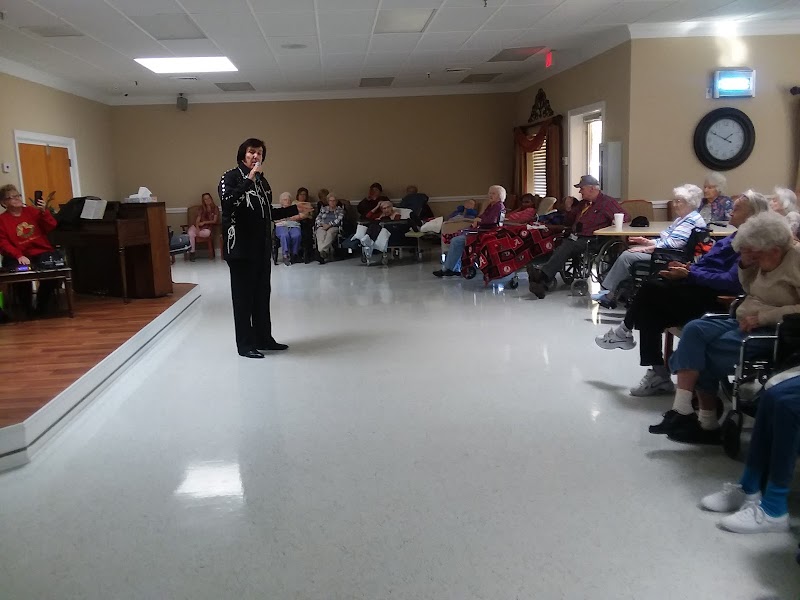
CMS rates HATLEY HEALTH CARE INC's staffing level at 2 out of 5 stars, which is below average compared to other nursing homes. Staff turnover is 47%, compared to the Alabama average of 46%.

What Have Inspectors Found at Hatley Health Care Inc?

State health inspectors documented 7 deficiencies at HATLEY HEALTH CARE INC during 2019 to 2023. These included: 5 with potential for harm and 2 minor or isolated issues.
Who Owns and Operates Hatley Health Care Inc?

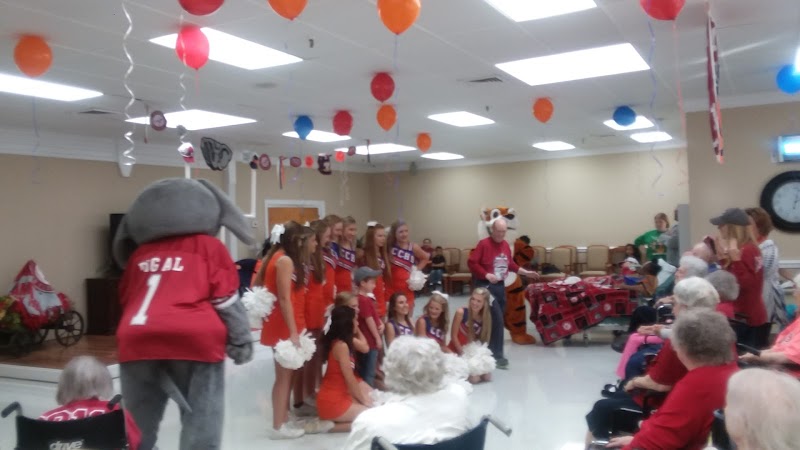
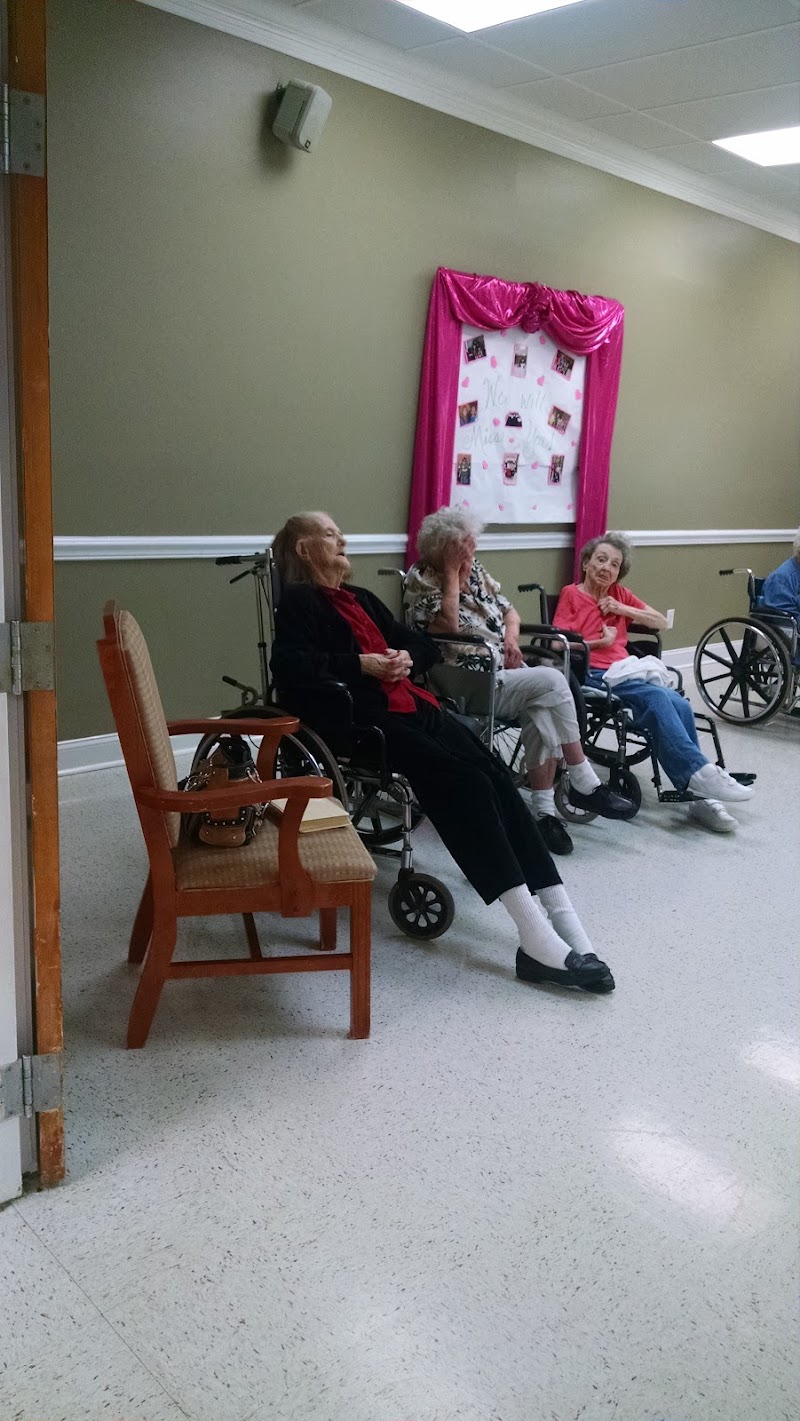
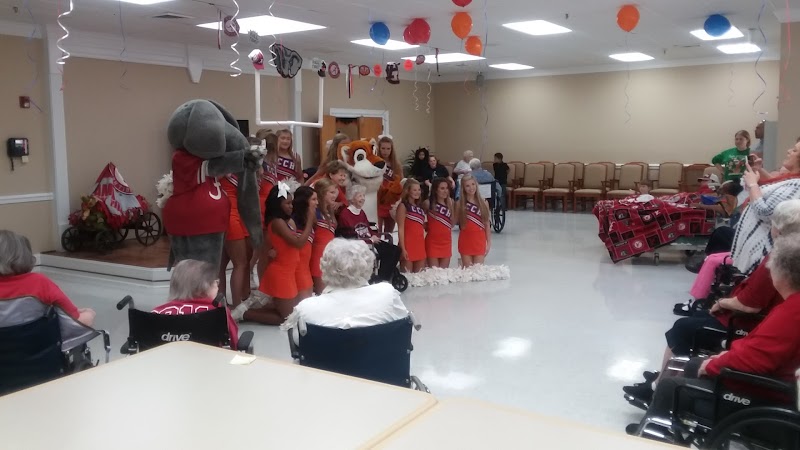
HATLEY HEALTH CARE INC is owned by a for-profit company. For-profit facilities operate as businesses with obligations to shareholders or private owners. The facility operates independently rather than as part of a larger chain. With 201 certified beds and approximately 89 residents (about 44% occupancy), it is a large facility located in CLANTON, Alabama.

How Does Hatley Health Care Inc Compare to Other Alabama Nursing Homes?

Compared to the 100 nursing homes in Alabama, HATLEY HEALTH CARE INC's overall rating (4 stars) is above the state average of 3.0, staff turnover (47%) is near the state average of 46%, and health inspection rating (4 stars) is above the national benchmark.

What Should Families Ask When Visiting Hatley Health Care Inc?

Based on this facility's data, families visiting should ask: "Can you walk me through typical staffing levels on day, evening, and night shifts?" "Can I visit during a mealtime to observe dining assistance and food quality?" "How do you handle medical emergencies, and what is your hospital transfer rate?" "Can I speak with family members of current residents about their experience?" These questions are particularly relevant given the below-average staffing rating.

Is Hatley Health Care Inc Safe?

Based on CMS inspection data, HATLEY HEALTH CARE INC has a clean safety record: no substantiated abuse findings (meaning no confirmed cases of resident harm), no Immediate Jeopardy citations (the most serious violation level indicating risk of serious injury or death), and is not on the Special Focus Facility watch list (a federal program monitoring the lowest-performing 1% of nursing homes). The facility has a 4-star overall rating and ranks #1 of 100 nursing homes in Alabama. While no facility is perfect, families should still ask about staff-to-resident ratios and recent inspection results during their visit.

Do Nurses at Hatley Health Care Inc Stick Around?

HATLEY HEALTH CARE INC has a staff turnover rate of 47%, which is about average for Alabama nursing homes (state average: 46%). Moderate turnover is common in nursing homes, but families should still ask about staff tenure and how the facility maintains care continuity when employees leave.

Was Hatley Health Care Inc Ever Fined?

HATLEY HEALTH CARE INC has no federal fines on record. CMS issues fines when nursing homes fail to meet care standards or don't correct problems found during inspections. The absence of fines suggests the facility has either maintained compliance or corrected any issues before penalties were assessed. This is a positive indicator, though families should still review recent inspection reports for the full picture.

Is Hatley Health Care Inc on Any Federal Watch List?

HATLEY HEALTH CARE INC is not on any federal watch list. The most significant is the Special Focus Facility (SFF) program, which identifies the bottom 1% of nursing homes nationally based on persistent, serious quality problems. Not being on this list means the facility has avoided the pattern of deficiencies that triggers enhanced federal oversight. This is a positive indicator, though families should still review the facility's inspection history directly.