COLUMBIANA HEALTH AND REHABILITATION, LLC
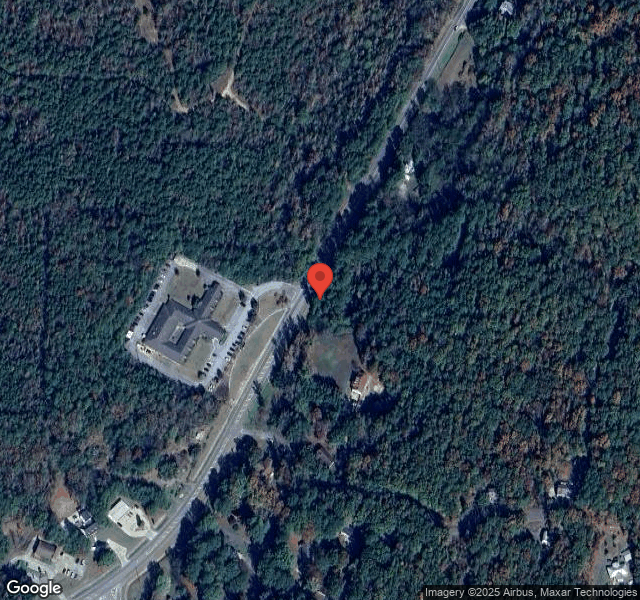

22969 HIGHWAY 25, COLUMBIANA, AL 35051 (205) 669-1712
For profit - Corporation 63 Beds NHS MANAGEMENT Data: November 2025
Trust Grade
73/100
#43 of 223 in AL
Last Inspection: August 2022

Over 2 years since last inspection. Current conditions may differ from available data.

Overview

Columbiana Health and Rehabilitation, LLC has a Trust Grade of B, indicating it is a good choice among nursing homes. It ranks #43 out of 223 facilities in Alabama, placing it in the top half, and is the best option among three local facilities in Shelby County. However, the facility is experiencing a worsening trend, with issues increasing from one in 2022 to two in 2024. Staffing is a mixed bag; while the overall rating is average at 3 out of 5 stars and turnover is at 55%, which is similar to the state average, there is less RN coverage than 85% of Alabama facilities, which raises concerns. Additionally, the facility has accrued $8,018 in fines, which is concerning as it is higher than 85% of other facilities in Alabama, suggesting potential compliance issues. Specific incidents noted include a serious medication error where a resident missed critical anticonvulsant medication, leading to seizures and an ER visit. Another incident involved a staff member not performing proper hand hygiene after providing care, risking infection spread, and a third case where a resident was not given adequate privacy during an injection. Overall, while the facility has some strengths, such as its good trust grade and ranking, there are significant weaknesses that families should consider.

Trust Score
B
73/100
In Alabama
#43/223
Top 19%
Safety Record
Moderate
Needs review
Inspections
Getting Worse
1 → 2 violations
Staff Stability
⚠ Watch
55% turnover. Above average. Higher turnover means staff may not know residents' routines.
Penalties
⚠ Watch
$8,018 in fines. Higher than 93% of Alabama facilities. Major compliance failures.
Skilled Nurses
⚠ Watch
Each resident gets only 26 minutes of Registered Nurse (RN) attention daily — below average for Alabama. Fewer RN minutes means fewer trained eyes watching for problems.
Violations
✓ Good
Only 4 deficiencies on record. Cleaner than most facilities. Minor issues only.
★★★★☆
4.0
Overall Rating
★★★☆☆
3.0
Staff Levels
★★☆☆☆
2.0
Care Quality
★★★★☆
4.0
Inspection Score
Stable
2022: 1 issues
2024: 2 issues

The Good

  • Full Sprinkler Coverage · Fire safety systems throughout facility
  • No fines on record

Facility shows strength in fire safety.

The Bad

Staff Turnover: 55%

Near Alabama avg (46%)

Higher turnover may affect care consistency

Federal Fines: $8,018

Below median ($33,413)

Minor penalties assessed

Chain: NHS MANAGEMENT

Part of a multi-facility chain

Ask about local staffing decisions and management

The Ugly 4 deficiencies on record

1 actual harm
Apr 2024 2 deficiencies 1 Harm
SERIOUS (G) 📢 Someone Reported This

A family member, employee, or ombudsman was alarmed enough to file a formal complaint

Actual Harm - a resident was hurt due to facility failures

Deficiency F0760 (Tag F0760)

A resident was harmed · This affected 1 resident

**NOTE- TERMS IN BRACKETS HAVE BEEN EDITED TO PROTECT CONFIDENTIALITY** Based on interviews, resident record review, review of the facility's investigative file, review of a facility policy titled, Me...

Read full inspector narrative →
**NOTE- TERMS IN BRACKETS HAVE BEEN EDITED TO PROTECT CONFIDENTIALITY** Based on interviews, resident record review, review of the facility's investigative file, review of a facility policy titled, Medication Error ., the facility failed to ensure Resident Identifier (RI) #1, a resident with a history of seizures, received his/her Oxcarbazepine 300 mg (milligrams) QID (four times a day) as ordered. On 05/11/2023 at 10 PM, on 05/12/2023 at 4 AM, 10 AM and 4 PM, RI #1 did not receive the Oxcarbazepine as ordered by the physician; and on 05/13/2023, RI #1 began to have seizures and was sent to ER (Emergency Room) for evaluation. This medication error was significant due to the drug's classification as an anticonvulsant. This deficient practice affected RI #1, one of three residents sampled for the use of anticonvulsant medications. Findings include: Review of a facility policy titled, Medication Error ., dated 04/2020 revealed the following: . Definitions Medication Error/Discrepancy: . an omission of a vital medication due to a . administering error . Significant: Medication errors . 2. Require hospitalization . 4. Require treatment with a prescription medication . Procedures 1. In the event of a significant medication error . immediate action is taken, as necessary, to protect the resident's safety and welfare. RI #1 was admitted to the facility on [DATE] with a diagnosis of Unspecified Convulsions. A review of RI #1's digitally signed Physicians Orders, dated 05/10/2023, revealed RI #1 had a physicians order for Valproic Acid 250/5 ml (milliliters) to be administered 10 ml by way of his/her PEG (Percutaneous Endoscopic Gastrostomy) tube twice a day, Levetiracetam Oral Solution 100 mg/ml to be administered 6 ml by way of his/her PEG tube twice a day and Oxcarbazepine 300 mg to be administered by way of his/her PEG tube four times a day. RI #1's May 2023 eMAR (electronic Medication Administration Record) documentation did not have the required check mark and initials that would indicate the Oxcarbazepine 300 mg had been administered to RI #1 on 05/11/2023 at 10 PM; and on 05/12/2023 at 4 AM, 10 AM and 4 PM. RI #1's Departmental Notes revealed the following: . 5/11/2023 4:43 PM . will be here for 5 days for Respite . 5/13/2023 10:38 AM . At 0755 (7:55 AM), rsident (resident) was observed resting in bed with seizure activity noted. Resident assisted to left side . Resident has a history of seizures. 5/13/2023 10:45 AM . 0820 (8:20) a.m., call placed to (name of Hospice agency) to notify of continued seizure activity . Awaiting further orders. Responsible party notified of current condition . 5/13/2023 10:47 AM . 0840 (8:40 AM), order received from (name of Hospice agency) Medical Director to administer Ativan 2mg x (times) 4 doses every 15 minutes as needed for seizure activity . Resident continues with seizure activity . 5/13/2023 10:49 AM . 0915 (9:15 AM)-family arrives to facility. Resident continues with seizure activity . 5/13/2023 10:50 AM . 0945 (9:45 AM) Resident continues with seizure activity. Ativan x 4 doses has been administered. (Name of Hospice agency) updated on resident's status. Family wishes for resident to be sent to (name of hospital) for further evaluation . 5/13/2023 10:53 AM . 1012 (10:12) am (a.m.) resident picked up by EMS (Emergency Medical Services) for transport to (name of hospital) and further evaluation . 5/13/2023 3:37 PM . UPON TRANSPORT TO ACUTE CARE, RESIDENT CONTINUED WITH SEIZURE ACTIVITY . E.R. REPORTS RESIDENT WILL BE admitted TO HOSPITAL FOR UNCONTROLLED SEIZURES . A review of RI #1's ED (Emergency Department) Notes, dated 05/13/2023, revealed the following: . HISTORY OF PRESENT ILLNESS . Patient transported by EMS from the nursing home for evaluation after experiencing seizures this morning. (He/She) does have a history of seizures . The paramedic was concerned that (he/she) had had continued seizures and that (he/she) had received Ativan and Versed . ED Clinical Impression Seizures . Assessment & (and) Plan: Seizure disorder . Chief Complaint Patient presents with • Seizures HPI (History of Present Illness): Patient . with a history of . Seizures . who presented to the ED via (by way of) EMS d/t (due to) seizures at (his/her) nursing home. Per EMS there were concerns for continued seizures en route to hospital, and (he/she) received ativan and versed . Discussed in detail with (family member) . (family member) also states that she was concerned the nursing home was not giving . seizure meds (medications) . Past Medical History: Diagnosis . • Unspecified convulsions . On 05/15/2023, the State Agency received a FRI that stated RI #1's anti-seizure medications were not administered; and substantiated RI #1's Oxcarbazepine 300 mg to be given four times a day was not given as ordered. Review of the facility's investigative file revealed a form titled VERIFICATION OF INVESTIGATION, dated 05/15/2023, which documented the following: . PROVIDE SUMMARY AND OUTCOME OF INVESTIGATION: . Review would indicate that Oxcarbazepine 300 MG was entered into facility system on 5/11/2023 at 4:45 PM. When the order was activated the start date was entered as 5/18/2023 at 10:00 PM. The clerical error was identified on 5/12/2023 . at 7:24 PM . the clerical error resulted in missed does of Oxcarbazepine . Facility is able to verify allegation that medications were missed. Missed medications were a result of a simple clerical error . On 05/18/2024 at 8:45 AM, a telephone interview was conducted with RI #1's responsible party who said RI #1 was admitted to the facility on [DATE] (a Thursday) for respite care. RI #1's responsible said she found out RI #1 was not receiving his/her seizure medications as ordered by the physician when she went to the nursing home to pick up RI #1's belongings. The responsible party said when she was given RI #1's bubble packs of medications, she noticed not enough pills were missing from the pack. RI #1's responsible party said one of the nurses called her two days after RI #1 had been in the facility and informed her RI #1 was seizing. RI #1's responsible party said when she got to the facility, RI #1 was shaking and his/her eyes were rolling in the back of his/her head. RI #1's responsible party said they kept giving RI #1 some kind of medication to help stop the seizures but RI #1 continued to seize, and she finally asked them to send RI #1 out. On 04/18/2024 at 11:49 AM, an interview was conducted with Registered Nurse (RN) #3, the nurse providing care for RI #1 on 05/13/2023. RN #3 said RI #1 was admitted on the anticonvulsant medication Oxcarbazepine. RN #3 said RI #1 did not receive the Oxcarbazepine at 10 PM on the 11th (05/11/2023), and at 4 AM, 10 AM and 4 PM on the 12th (05/12/2023). RN #1 said it looked like the order was put in incorrectly. RN #3 said on 05/13/2023, RI #1 was observed with seizure activity, RI #1's Hospice agency staff (HAS) and RI #1's responsible party were notified, and RI #1 was sent to the hospital for further evaluation. RN #3 said finding from the facility's investigation revealed RI #1 did not receive a couple of doses of his/her anticonvulsant medications. When asked what harm could occur when a resident is not administered their anticonvulsant medications, RN #3 said they could experience seizure activity. On 04/18/2023 at 2:14 PM, a telephone interview was conducted with a member of RI #1's HAS. The HAS member said a facility nurse called one of the on-call HAS members over the weekend and informed them RI #1 had a seizure. The HAS said the harm in RI #1 not receiving his/her anticonvulsant medications as prescribed by the physician would probably be RI #1 was going to have a seizure. On 04/18/2024 at 3:30 PM, a telephone interview was conducted with the Medical Director (MD). The MD said from his understanding when RI #1 was admitted to the facility the person who entered the orders clicked on the calendar on the date for the 11th and the cursor may have dropped to the line below, so the order went in for the start of the seizure medication to start on the 18th instead of the 11th. The MD said the harm in not receiving your seizure medications is the risk of having a seizure and that sounds like that was what happened. The MD said there was an error in putting the order in. The MD said the date was put in incorrectly. On 04/18/2024 at 4:03 PM, the surveyor conducted an interview with the Director of Nursing (DON). The DON said RI #1 was admitted to the facility on [DATE] for Respite care. The DON said RI #1 was admitted on Oxcarbazepine 300 mg to be given QID and the anticonvulsant medications was not transcribed to RI #1's MAR correctly. The DON said the Oxcarbazepine was missed at 10 PM on 05/11/2023 and missed on 05/12/2023 at 4 AM, 10 AM, and 4 PM. The DON said RI #1 did experience a seizure while a resident at the facility and was sent out. The DON said finding from the facility's investigation revealed a clerical error occurred. When asked what harm could occur when a resident is not administered their anticonvulsant medications as ordered, the DON said the resident could have seizures. On 04/18/2024 at 5:02 PM, a telephone interview was conducted with the Consultant Pharmacist (CP). When asked what type error it would be when medications are not administered as ordered by the physician, the CP said a medication error. This deficiency was cited as result of the investigation of complaint/report #AL00044229. ******************************************************* The facility took immediate action: 5/11/23 4:43 PM Resident admitted to facility. Assessment completed per RN. Medication orders entered into electronic medical record. 5/12/23 - New orders reviewed. Noted start date for Oxcarbazepine entered as 5/18/23 in error. Medication order corrected with start date of 5/12/23. 5/13/23 7:55 AM - Resident noted with seizure activity. Assisted to left side. TF (Tube Feeding) placed on hold. Oral secretions noted, suction provided. 5/13/23 8:20 AM - Seizure activity continues. Sponsor notified. Expect Care Hospice notified. 5/13/23 8:40 AM - Expect Care Hospice MD gave orders to administer Ativan 2mg every 15 minutes x 4 doses. 5/13/23 9:15 AM - Seizure activity continues. Resident vomiting. Family arrived at facility. Expect Care Hospice enroute to facility. 5/13/23 9:45 AM - Seizure activity continues. Bleeding noted from mouth. Ativan administered. Hospice notified of current status, still enroute to facility. Sponsor requested resident be sent to ER. 5/13/23 10:12 AM - Resident left facility via EMS to hospital. 5/15/23 - Expect Care Social Worker called facility admissions coordinator to report that family did not wish for resident to return to facility. DON and SW called family to discuss concerns. After discussion, an allegation was reported to ADPH. 5/15/23 - An investigation was initiated regarding the allegations made by family. 5/16/23 - An emergency QAPI meeting was held to discuss the allegation and the ongoing investigation. 5/16/23 - Education was initiated to nursing management regarding medication order input, peer review and submission to pharmacy and clinical meeting guidelines. 5/16/23 - All new medication orders that were obtained between 5/11/23 - 5/15/23 were reviewed to ensure that all were entered into the electronic record correctly. (No other issues were identified.) 5/16/23 - Nurses notes entered between 5/11/23 - 5/15/23 were reviewed for identification of any noted change in the resident' condition with noted seizure activity or medication not available. (No other issues were identified.) **************************************************************** After review and verification of the information provided in the facility's corrective action plan, in-service education records, monitoring tools, and the facility's investigation, as well as staff interviews, the survey team determined the facility implemented corrective actions from 05/12/2023 through 05/16/2023 with ongoing monitoring implemented; thus, past noncompliance was cited.
CONCERN (D) 📢 Someone Reported This

A family member, employee, or ombudsman was alarmed enough to file a formal complaint

Potential for Harm - no one hurt, but risky conditions existed

Infection Control (Tag F0880)

Could have caused harm · This affected 1 resident

**NOTE- TERMS IN BRACKETS HAVE BEEN EDITED TO PROTECT CONFIDENTIALITY** Based on observations, interviews, resident record review, and review of a facility policy titled, Hand Hygiene, the facility fa...

Read full inspector narrative →
**NOTE- TERMS IN BRACKETS HAVE BEEN EDITED TO PROTECT CONFIDENTIALITY** Based on observations, interviews, resident record review, and review of a facility policy titled, Hand Hygiene, the facility failed to ensure Certified Nursing Assistant (CNA) #9, performed hand hygiene and used Personal Protective Equipment (PPE) in a manner to prevent cross-contamination. On 04/17/2024 CNA #9 failed to perform hand hygiene after removing contaminated gloves, and before handling clean linens while providing incontinent care for Resident Identifier (RI) #5. This deficient practice affected RI #5; one of one resident observed receiving incontinent care. Findings include: Review of a facility policy titled, Hand Hygiene, with an effective date of 06/11/2020, revealed the following: PURPOSE: To provide guidelines to employees for proper and appropriate hand washing techniques that will aide in the prevention of the transmission of infections. STANDARD: Handwashing should be performed between procedures with residents . based upon the principle that . body fluids, secretions, excretions . may contain transmissible infectious agents. PROCESS: . III. Hand Hygiene Hand hygiene continues to be the primary means of preventing the transmission of infection. The following is a list of some situations that require hand hygiene. • Before and after assisting a resident/guest with toileting . • After handling soiled or used linens Consistent use by staff of proper hygienic practices and techniques is critical to preventing the spread of infections. RI #5 was originally admitted to the facility on [DATE]. On 04/17/2024 at 2:38 PM, CNA #8 and CNA #9 were observing providing incontinent care for RI #5. CNA #9 while wearing gloves, wiped bowel movement from RI #5's right buttocks, disposed of the incontinence wipe, and disposed of RI #5's wet brief. CNA #9 then straightened the clean linen and secured RI #5's clean brief while wearing the soiled gloves. On 04/17/2024 at 5:45 PM, CNA #9 was asked about hand hygiene and glove use. CNA #9 said, staff were supposed to change gloves and put on a new pair of gloves before touching clean items such as linen. CNA #9 was asked what was the risk of handling clean materials (such as linen) while wearing contaminated gloves. CNA #9 replied, spreading germ and body fluids. CNA #9 was asked when she performed incontinent care on RI #5, did she perform care the correct way. CNA #9 replied no, she did not change her gloves as often as she should have. On 04/18/2024 at 9:15 AM, the Infection Control Preventionist (IP) was interviewed. The IP was asked, according to the facility's policy, when was staff supposed to wash their hands. The IP replied, anytime hands were visibly soiled and before and after patient care. The IP was asked when should staff remove soiled gloves. The IP replied, between residents, before entering a hallway, and during and after perineal care. The IP was asked if staff should wear contaminated gloves when handling clean linen. The IP replied, no. The IP was asked what was the risk of picking up clean linen with dirty/soiled gloves on. The IP replied, spread of infection. On 04/18/2024 at 9:30 AM, the Staff Development Coordinator (SDC) was interviewed. The SDC was asked, according to the facility's policy, when was staff supposed to wash their hands. The SDC replied, before entering a resident room, after glove removal, and staff should sanitize their hands after leaving a resident's room. The SDC was asked what could be the risk of not washing your hands before entering a resident's room. The SDC replied, the spread of infection. The SDC was asked when should staff remove soiled gloves. The SDC replied, before touching clean linens, after perineal care and anytime staff touches a clean surface. The SDC was asked should staff be wearing contaminated gloves when handling clean linen. The SDC replied no. The SDC was asked what was the risk of picking up clean linen with dirty/soiled gloves on. The SDC replied, the linen becomes contaminated, and you could spread infection when placing it on the resident.
Aug 2022 1 deficiency
CONCERN (D)

Potential for Harm - no one hurt, but risky conditions existed

Deficiency F0583 (Tag F0583)

Could have caused harm · This affected 1 resident

Based on observation, record review, interviews, and review of a facility policy titled Intramuscular Medications the facility failed to ensure Employee Identifier (EI) #2 Licensed Practical Nurse (LP...

Read full inspector narrative →
Based on observation, record review, interviews, and review of a facility policy titled Intramuscular Medications the facility failed to ensure Employee Identifier (EI) #2 Licensed Practical Nurse (LPN), provided privacy when administering intramuscular medication to Resident Identifier (RI) #15 during morning medication administration on 8/23/22. This deficient practice had the potential to affect RI #15, one of one resident observed receiving intramuscular medication. Findings Include: A facility policy titled Intramuscular Medications with a review date of 4/20 documented .Intramuscular medications are administered in a safe and accurate manner. Procedures . 6. Provide privacy. 7. Select an appropriate site for injection. RI #15 was admitted to the facility 12/7/18. On 8/23/22 at 9:05 AM, EI #2 LPN entered RI #15's room. RI #15 was in bed and RI #15's roommate was observed sitting in the middle of the room watching the nurse. Without closing the privacy curtain around RI #15's bed and between RI #15 and the roommate, EI #2 pulled back the covers and RI #15's gown, exposing RI #15's right leg. EI #2 cleaned the area on RI #15's right upper thigh with an alcohol prep and gave RI #15 an injection. The surveyor asked EI #2 how she should provide for privacy when administering intramuscular medication. EI #2 said, she should pull the privacy curtain. On 8/24/22 at 2:31 PM, the surveyor conducted an interview with EI #1, the Interim Director of Nursing. The surveyor asked EI #1 how should the nurse provide for privacy when administering intramuscular medication. EI #1 said by pulling the privacy curtains.
Oct 2019 1 deficiency
CONCERN (D)

Potential for Harm - no one hurt, but risky conditions existed

Deficiency F0761 (Tag F0761)

Could have caused harm · This affected 1 resident

**NOTE- TERMS IN BRACKETS HAVE BEEN EDITED TO PROTECT CONFIDENTIALITY** Based on observation, interviews and review of the facility's policies titled NON-CONTROLLED MEDICATION DESTRUCTION, and STORAGE...

Read full inspector narrative →
**NOTE- TERMS IN BRACKETS HAVE BEEN EDITED TO PROTECT CONFIDENTIALITY** Based on observation, interviews and review of the facility's policies titled NON-CONTROLLED MEDICATION DESTRUCTION, and STORAGE OF MEDICATIONS AND BIOLOGICALS, the facility failed to ensure one medication card containing seven capsules labeled Ramipril/ Altace with an expiration date of 10/12/19 for Resident Identifier (RI) # 2 was not stored on the Medication Cart Two on 10/17/2019. The deficient practice affected one of two medication carts. Findings Include: Review of the facility policies titled, NON-CONTROLLED MEDICATION DESTRUCTION, dated 03/11, revealed, . expired medications . are destroyed or disposed of . and a facility policy titled, STORAGE OF MEDICATIONS AND BIOLOGICALS, dated 3/11, revealed . Procedure . 11. Outdated . medications . are removed from stock, disposed of . RI#2 was admitted to the facility on [DATE]. A diagnosis included Hypertensive Heart Disease with Heart Failure. A Physician Order, dated 08/08/17, revealed on the October 1, 2019- October 31, 2019 orders, Altace 10 mg (milligram) capsule give one capsule by mouth daily. On 10/17/19 at 08:53 AM, the Surveyor observed a medication cart ( a binder labeled Cart Two) with Employee Identifier Number (EI)# 2 that revealed the following: 1. Ramipril / (Altace) 10 mg medication card (with 7 capsules remaining) labeled RI #2 with an expiration date of 10/12/19. On 10/17/19 at 9:00 AM, the Surveyor conducted an interview with EI #2, Licensed Practical Nurse. EI #2 was asked, what was the expiration date on the Ramipril card. EI #2 replied, 10/12/19. EI #2 was asked, where should the expired medication be stored. EI #2 replied, in the expired bin that the facility had in the medication storage room. EI #2 was asked, why was the expired medication stored in the medication cart. EI #2 replied, she was not sure; she had not been at the facility in a few days. EI #2 was asked, what was the potentially harm with the expired medication being stored on the medication cart with the resident's unexpired medication. EI #2 replied, the expired medication could be less effective or not as effective as the original dose if it were given. EI #2 was asked, what was the the facility's policy with storing expired medication on the medication cart. EI #2 replied, the expired medication was not to be stored on the medication cart. EI #2 continued, the policy was to remove the expired medication from the medication cart and destroy the expired medication. 10/17/19 04:05 PM, the Surveyor conducted an interview with EI #1, Director of Nursing. EI #1 was asked, where were expired medications stored. EI #1 replied, expired medication were stored in the destruction bin in the medication room. EI #1 was asked, what medications were stored on the medication carts, expired or unexpired. EI #1 replied, unexpired medications for current residents. EI# 1 was asked, why was an expired medication observed on Station Two medication cart on 10/17/19. EI #1 replied, it was previously unobserved by staff and identified that day as an expired medication and removed it from the cart. EI #1 continued, then the medication was replaced with a dose from the back up pharmacy. EI #1 was asked, what was the name of the expired medication observed on Station Two medication cart on 10/17/19. EI #1 replied, she was told the expired medication observed on Medication Cart Two was Altace and she was present when a replacement dose was requested from the backup pharmacy for RI #2 on 10/17/2109. EI #1 was asked, what was the potential harm with the expired medication stored on Station Two medication cart on 10/17/19. EI #1 replied, the potential for uncontrolled blood pressures if the expired medication was given to RI #2.
Understanding Severity Codes (click to expand)
Life-Threatening (Immediate Jeopardy)
J - Isolated K - Pattern L - Widespread
Actual Harm
G - Isolated H - Pattern I - Widespread
Potential for Harm
D - Isolated E - Pattern F - Widespread
No Harm (Minor)
A - Isolated B - Pattern C - Widespread

Questions to Ask on Your Visit

  • "Can I speak with families of current residents?"
  • "What's your RN coverage like on weekends and overnight?"

Our Honest Assessment

Strengths
  • • Licensed and certified facility. Meets minimum state requirements.
Concerns
  • • 4 deficiencies on record, including 1 serious (caused harm) violation. Ask about corrective actions taken.
Bottom line: Mixed indicators with Trust Score of 73/100. Visit in person and ask pointed questions.

About This Facility

What is Columbiana, Llc's CMS Rating?

CMS assigns COLUMBIANA HEALTH AND REHABILITATION, LLC an overall rating of 4 out of 5 stars, which is considered above average nationally. Within Alabama, this rating places the facility higher than 99% of the state's 100 nursing homes. This rating reflects solid performance across the metrics CMS uses to evaluate nursing home quality.

How is Columbiana, Llc Staffed?

CMS rates COLUMBIANA HEALTH AND REHABILITATION, LLC's staffing level at 3 out of 5 stars, which is average compared to other nursing homes. Staff turnover is 55%, compared to the Alabama average of 46%. RN turnover specifically is 69%, which is notably high. RNs provide skilled clinical oversight, so turnover in this role can affect medical care quality.

What Have Inspectors Found at Columbiana, Llc?

State health inspectors documented 4 deficiencies at COLUMBIANA HEALTH AND REHABILITATION, LLC during 2019 to 2024. These included: 1 that caused actual resident harm and 3 with potential for harm. Deficiencies causing actual harm indicate documented cases where residents experienced negative health consequences.

Who Owns and Operates Columbiana, Llc?

COLUMBIANA HEALTH AND REHABILITATION, LLC is owned by a for-profit company. For-profit facilities operate as businesses with obligations to shareholders or private owners. The facility is operated by NHS MANAGEMENT, a chain that manages multiple nursing homes. With 63 certified beds and approximately 59 residents (about 94% occupancy), it is a smaller facility located in COLUMBIANA, Alabama.

How Does Columbiana, Llc Compare to Other Alabama Nursing Homes?

Compared to the 100 nursing homes in Alabama, COLUMBIANA HEALTH AND REHABILITATION, LLC's overall rating (4 stars) is above the state average of 3.0, staff turnover (55%) is near the state average of 46%, and health inspection rating (4 stars) is above the national benchmark.

What Should Families Ask When Visiting Columbiana, Llc?

Based on this facility's data, families visiting should ask: "Can I visit during a mealtime to observe dining assistance and food quality?" "How do you handle medical emergencies, and what is your hospital transfer rate?" "Can I speak with family members of current residents about their experience?"

Is Columbiana, Llc Safe?

Based on CMS inspection data, COLUMBIANA HEALTH AND REHABILITATION, LLC has a clean safety record: no substantiated abuse findings (meaning no confirmed cases of resident harm), no Immediate Jeopardy citations (the most serious violation level indicating risk of serious injury or death), and is not on the Special Focus Facility watch list (a federal program monitoring the lowest-performing 1% of nursing homes). The facility has a 4-star overall rating and ranks #1 of 100 nursing homes in Alabama. While no facility is perfect, families should still ask about staff-to-resident ratios and recent inspection results during their visit.

Do Nurses at Columbiana, Llc Stick Around?

COLUMBIANA HEALTH AND REHABILITATION, LLC has a staff turnover rate of 55%, which is 9 percentage points above the Alabama average of 46%. Moderate turnover is common in nursing homes, but families should still ask about staff tenure and how the facility maintains care continuity when employees leave.

Was Columbiana, Llc Ever Fined?

COLUMBIANA HEALTH AND REHABILITATION, LLC has been fined $8,018 across 1 penalty action. This is below the Alabama average of $33,159. While any fine indicates a compliance issue, fines under $50,000 are relatively common and typically reflect isolated problems that were subsequently corrected. Families should ask what specific issues led to these fines and confirm they've been resolved.

Is Columbiana, Llc on Any Federal Watch List?

COLUMBIANA HEALTH AND REHABILITATION, LLC is not on any federal watch list. The most significant is the Special Focus Facility (SFF) program, which identifies the bottom 1% of nursing homes nationally based on persistent, serious quality problems. Not being on this list means the facility has avoided the pattern of deficiencies that triggers enhanced federal oversight. This is a positive indicator, though families should still review the facility's inspection history directly.