CHARLTON PLACE REHAB AND HEALTHCARE CENTER
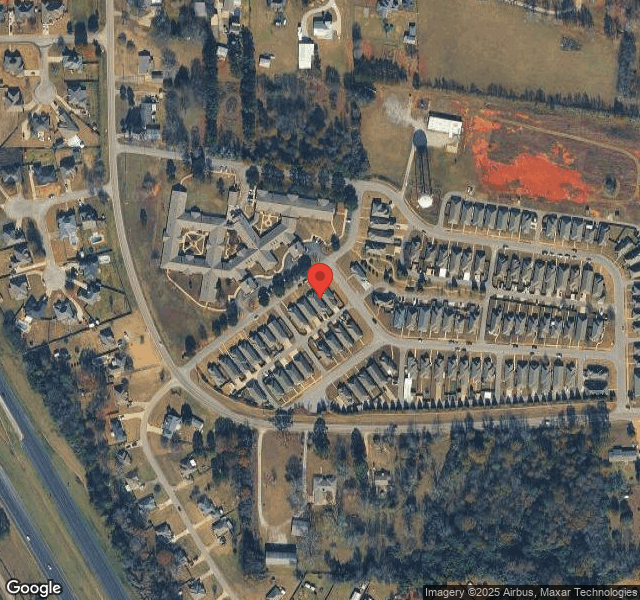
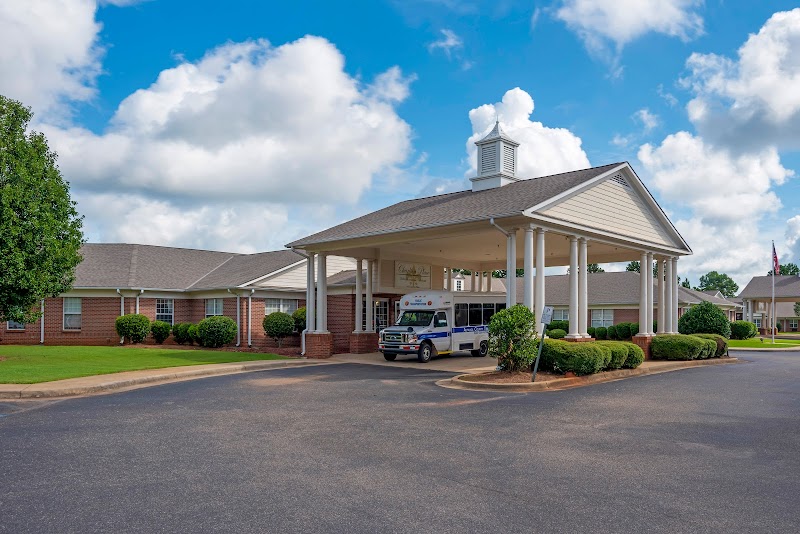
65 CHARLTON PLACE, DEATSVILLE, AL 36022 (334) 263-0618
For profit - Corporation 65 Beds TUTERA SENIOR LIVING & HEALTH CARE Data: November 2025
Trust Grade
90/100
#7 of 223 in AL
Last Inspection: December 2020

Over 2 years since last inspection. Current conditions may differ from available data.

Overview

Charlton Place Rehab and Healthcare Center has received a Trust Grade of A, which means it is considered excellent and highly recommended for families seeking care. Ranked #7 out of 223 facilities in Alabama, it is in the top tier, and it holds the #1 position among four facilities in Elmore County, indicating it is the best local option. The facility's trend is stable, with only two issues reported in the last few years, reflecting consistent care levels. Staffing is rated average at 3 out of 5 stars, with a 51% turnover rate, which is comparable to the state average, suggesting some staff consistency. Although there are no fines on record, which is a positive sign, there have been concerns regarding medication errors and personal care; for instance, they had an 8% medication error rate and failed to assist some residents with facial hair grooming. Overall, while the facility has strong points, including excellent health inspections and no fines, families should be aware of the areas needing improvement.

Trust Score
A
90/100
In Alabama
#7/223
Top 3%
Safety Record
Low Risk
No red flags
Inspections
Holding Steady
1 → 1 violations
Staff Stability
⚠ Watch
51% turnover. Above average. Higher turnover means staff may not know residents' routines.
Penalties
✓ Good
No fines on record. Clean compliance history, better than most Alabama facilities.
Skilled Nurses
✓ Good
Each resident gets 42 minutes of Registered Nurse (RN) attention daily — more than average for Alabama. RNs are trained to catch health problems early.
Violations
✓ Good
Only 2 deficiencies on record. Cleaner than most facilities. Minor issues only.
★★★★★
5.0
Overall Rating
★★★☆☆
3.0
Staff Levels
★★★★☆
4.0
Care Quality
★★★★★
5.0
Inspection Score
Stable
2019: 1 issues
2020: 1 issues

The Good

  • 4-Star Quality Measures · Strong clinical quality outcomes
  • Full Sprinkler Coverage · Fire safety systems throughout facility
  • No fines on record

Facility shows strength in quality measures, fire safety.

The Bad

Staff Turnover: 51%

Near Alabama avg (46%)

Higher turnover may affect care consistency

Chain: TUTERA SENIOR LIVING & HEALTH CARE

Part of a multi-facility chain

Ask about local staffing decisions and management

The Ugly 2 deficiencies on record

Mar 2020 1 deficiency
CONCERN (D)

Potential for Harm - no one hurt, but risky conditions existed

Unnecessary Medications (Tag F0759)

Could have caused harm · This affected 1 resident

**NOTE- TERMS IN BRACKETS HAVE BEEN EDITED TO PROTECT CONFIDENTIALITY** Based on observations, interviews, medical record reviews, and review of the facility policy titled Administering Medications, t...

Read full inspector narrative →
**NOTE- TERMS IN BRACKETS HAVE BEEN EDITED TO PROTECT CONFIDENTIALITY** Based on observations, interviews, medical record reviews, and review of the facility policy titled Administering Medications, the facility failed to ensure the medications error rate was less than five percent. During medication administration observations from 3/11/20 through 3/12/20 two errors were observed out of twenty-five total opportunities, equaling a medication error rate of eight percent. This affected Resident Identifier (RI) #4 and RI #59, two of three residents observed for medication pass. Findings Include: A facility policy titled Administering Medications, revised December 2012, revealed: Policy Statement Medications shall be administered . as prescribed. 3. Medications must be administered in accordance with the orders . 7. The individual administering the medication must . verify the . right medication .before giving the medication. RI #4 was admitted to the facility on [DATE] and had diagnoses that included Unspecified Combined Systolic (Congestive) and Diastolic (Congestive) Heart Failure. On 3/11/20 at 9:40 a.m., an observation was made of Employee Identifier (EI) #5, Licensed Practical Nurse (LPN), administering medication to RI #4 from the Station Two Medication Cart. EI #5 administered Senna Plus, containing 50 milligrams (mg) docusate sodium and 8.6 mg sennosides, to RI #4. However, when reconciling the medications administered to RI #4 by EI #5 with the physician's orders, it was noted that RI #4's Order Summary Report listed an active order with a Start Date of 9/14/2019 for Senokot Tablet 8.6 milligrams (mg) (Sennosides) Give 8.6 mg by mouth one time a day for constipation. There was no order for the Senna Plus. RI #59 was admitted to the facility on [DATE] and had diagnoses that included Unspecified Fracture of Shaft of Right Tibia, Subsequent Encounter for Closed Fracture with Routine Healing. On 3/11/20 at 4:28 p.m., an observation was made of EI #6, LPN, administering medications to RI #59 from the Rehab Medication Cart. EI #6 administered Senna Plus, containing 50 mg docusate sodium and 8.6 mg sennosides, to RI #59. However, when reconciling the medications administered to RI #59 by EI #6 with the physician's orders, it was noted RI #59's Order Summary Report listed an active order with a Start date of 2/22/2020 for Senna Tablet 8.6 MG (Sennosides) Give one (1) tablet via PEG-Tube (Percutaneous Endoscopic Gastrostomy Tube) two times a day for Constipation. There were no active orders for Senna Plus or docusate sodium. On 3/12/20 at 12:09 p.m., an interview was conducted with EI #7, Registered Nurse (RN). EI #7 was asked, what the active ingredients listed on the bottle of medication in which Sennosides or Senna was administered. EI #7 found the bottle and stated, the bottle was labeled Senna Plus and contains sennosides 8.6 mg and docusate 50 mg. EI #7 was asked, when sennosides 8.6 mg and docusate 50 mg were administered when sennosides 8.6 mg tablet was ordered, what did she call that. EI #7 replied, it was a medication error. On 3/12/20 at 12:19 PM, EI #8, LPN, was asked to check the Rehabilitation Medication Cart. EI #8 was asked, when Sennosides 8.6 mg is ordered, what bottle was used. EI #8 replied, Senna Plus. EI #8 was asked, what were the active ingredients in Senna Plus. EI #8 replied, sennosides 8.6 mg and docusate 50 mg. EI #8 was asked, when sennosides 8.6 mg and docusate 50 mg were administered when sennosides 8.6 mg tablet was ordered, what did she call that. EI #8 replied, it would be a medication error. On 3/12/20 at 12:27 PM, an interview was conducted with EI #2, RN/Director of Nursing. EI #2 was asked, what was docusate sodium. EI #2 replied, in a facility like this it was a medication. EI #2 was asked, did administration of docusate sodium at a skilled nursing facility require a physician's order. EI #2 replied, yes. EI #2 was asked, when sennosides 8.6 mg was ordered, and then docusate sodium 50 mg with sennosides 8.6 mg was administered, what was that called. EI #2 replied, a medication error. EI #2 was asked, why was that a medication error. EI #2 replied, because something was being administered that was not ordered. EI #2 was asked, who was responsible for administering medications as ordered. EI #2 replied, the nurses.
Mar 2019 1 deficiency
CONCERN (D)

Potential for Harm - no one hurt, but risky conditions existed

ADL Care (Tag F0677)

Could have caused harm · This affected 1 resident

**NOTE- TERMS IN BRACKETS HAVE BEEN EDITED TO PROTECT CONFIDENTIALITY** Based on observations, interviews, review of medical records, review of Certified Nursing Assistant job description and review o...

Read full inspector narrative →
**NOTE- TERMS IN BRACKETS HAVE BEEN EDITED TO PROTECT CONFIDENTIALITY** Based on observations, interviews, review of medical records, review of Certified Nursing Assistant job description and review of a facility training document, the facility failed to ensure staff provided Activities of Daily (ADLs) assistance to ensure facial hair was removed for Resident Identifier (RI) #s 11 and 22. This affected RI #s 11 and 22, two of five residents sampled for ADLs. Findings Include: A review of an undated Certified Nursing Assistant job description revealed, . Purpose of Your Job Position The primary purpose of you job position is to provide each of your assigned residents with routine daily nursing care and services in accordance with the resident's assessment and care plan . Job Functions . Duties and Responsibilities . Personal Nursing Care Functions . Keep hair on female residents clean shaven (i.e., facial hair, under arms, on legs, etc.) . A review of an undated (Name of Corporation) training manual revealed, . Resident Hygiene . SHAVING - All male residents are to be shaved daily unless they have a trimmed beard. This includes facial hair on female residents. RI #11 was admitted to the facility on [DATE] with diagnoses of Alzheimer's Disease, Glaucoma, and Lack of Coordination. RI #11's quarterly Minimum Data Set (MDS) assessment, with an Assessment Reference Date (ARD) of 12/24/18, indicated RI #11 had severely impaired cognition and required limited assistance of one person for personal hygiene, including shaving. An observation was made on 3/12/19 at 11:32 AM of RI #11 in the activities room in a wheelchair positioned at a table. A moderate to heavy amount of hair was observed on this/her upper lip and chin. Most hairs were approximately 1/2 inch long and light colored. There were three dark brown ones on his/her chin and one dark hair on the right side of RI #11's mouth that was approximately one inch long. On 3/12/19 at 6:09 PM, RI #11's facial hair was visible from approximately four feet away, during observations in the Dining Room. Another observation was made on 3/13/19 at 11:08 AM. RI #11's facial hair remained unchanged and visible. An interview was conducted on 3/13/19 at 2:45 PM with Employee Identifier (EI) #6, a Certified Nursing Assistant (CNA). EI #6 was asked to observe the facial hair on RI #11's face. EI #6 was asked what she saw on RI #11's upper lip, and she answered hair. EI #6 was asked to please describe what she saw. EI #6 described the hair as being about a half an inch long across the upper lip and a patch on the right side of RI #11's mouth. EI #6 was asked what she noticed on RI #11's chin. EI #6 answered the hairs were shorter than a half inch and were all the way across the bottom of the chin. EI #6 was asked who was supposed to remove the facial hair for RI #11. EI #6 answered RI #11's showers were on the 11-7 shift and they were supposed to do all the grooming care at that time. EI #6 was asked if staff do not do it at that time, who should do it. EI #6 answered anyone that sees it. EI #6 said she was assigned to RI #11 on 3/13/19. When asked why RI #11 was not shaved, EI #6 answered she was busy and did not notice it. An interview was conducted on 3/14/19 at 7:42 AM with EI #4, a CNA. EI #4 was asked when did RI #11 get a shower. EI #4 answered on the 11-7 shift on Tuesday, Thursday, and Saturday. EI #4 was asked who should remove RI #11's facial hair. EI #4 answered it should be done by whoever notices it, but it would usually be done with their shower. EI #4 was asked who cared for RI #11 on Tuesday night. EI #4 answered she thought she did. EI #4 was asked why was RI #11's facial hair not removed. EI #4 answered she did not remember seeing any, but said it was hard for her to see the hairs. EI #4 was asked if she had shaved RI #11 last night or Tuesday night. EI #4 answered no. RI #22 was readmitted to the facility on [DATE] with diagnoses of Parkinson's Disease, Lack of Coordination, and Muscle Weakness. RI #22's Significant Change MDS assessment,, with an ARD of 1/12/19, documented RI #22 had severe cognitive impairment and required extensive assistance of one person for personal hygiene, including shaving. An observation was made on 3/12/19 at 10:55 AM of RI #22 in a recliner in his/her room, dressed, with white facial hair across his/her upper lip and three white hairs observed on his/her chin. The hair was approximately 1/2 inch long. On 3/12/19 at 10:57 AM, RI #22 was asked if staff were supposed to take care of his/her facial hair. RI #22 answered, Yes. An observation was made on 3/12/19 at 6:34 PM during the evening meal observation. RI #22's facial hair was visible from approximately three feet away from the resident. An observation was made on 3/13/19 at 11:14 AM of RI #22. RI #22's facial hair remained visible, and there were numerous hairs that were dark black and more noticeable at this time. An interview was conducted on 3/13/19 at 2:22 PM with EI #8, a CNA. EI #8 was asked to observe the facial hair on RI #22's face. EI #8 was asked to describe what she saw on RI #22's lip and chin. EI #8 answered she saw fuzzy hairs that were black on the top and the bottom. EI #8 was asked approximately how long were the hairs on the lip. EI #8 answered about one quarter of an inch. EI #8 was asked approximately how long were the hairs on RI #22's chin, and she answered about the same. EI #8 was asked who was supposed to remove the facial hair for RI #22. EI #8 answered the CNA working with him/her on the day that it (facial hair) was noticed. EI #8 was asked when should it be done. EI #8 answered in the morning when RI #22 was being groomed to get up. EI #8 was asked why was that not done this morning (3/13/19). EI #8 answered the 11-7 shift gets RI #22 dressed and they should have done the hair removal. EI #8 was asked if they don't do it, who should. EI #8 answered the first shift CNA or whoever notices it. EI #8 said she was assigned to RI #22. When asked why she had not shaved RI #22's facial hair, EI #8 said she had not noticed it. During a follow-up interview with RI #22 on 3/14/19 at 2:18 PM, RI #22 said he/she expected staff to remove facial hair. RI #22 indicated he/she did not want visible facial hair. An interview was conducted on 3/14/19 at 2:48 PM with EI #9, a CNA. When asked what should be done for residents with facial hair, EI #9 answered if they have facial hair, staff should shave them with shaving cream and a razor. EI #9 said facial hair should be removed as needed. EI #9 was asked who was supposed to groom RI #22's facial hair. EI #9 answered the CNA, anytime, even if it is not shower day. EI #9 added if they (residents) have facial hair, that is when you do it. EI #9 was asked why RI #22's facial hair was long and highly visible Tuesday and Wednesday. EI #9 answered she did not notice. EI #9 was asked should a CNA notice long white hairs on a residents upper lip and or chin. EI #9 answered yes. EI #9 was asked what was the concern of not providing ADL assistance for residents dependent for that care. EI #9 answered it would be a problem because the ADL care is supposed to be done. An interview was conducted on 3/14/19 at 3:21 PM with EI #2, a Licensed Practical Nurse (LPN). EI #2 was asked if she was the nurse caring for RI #22 on 3/12, 3/13, and 3/14/19. EI #2 answered yes. When asked what the concern was of staff not providing ADL assistance for residents dependent on staff for that care, EI #2 answered the concern was the residents not being able to do it for themselves, especially the nonverbal ones. EI #2 was asked who was responsible for ensuring ADL care was provided for dependent residents. EI #2 answered the CNAs, then the LPNs and on up the chain of command. An interview was conducted on 3/14/19 at 3:34 PM with EI #1, the Director of Nursing (DON). EI #1 was asked what were staff trained about grooming of facial hair of residents. EI #1 answered whenever they (staff) give care, they are to provide that grooming as it is needed. EI #1 was asked what was the concern of residents found with facial hair 1/2 to 1 inches long on their lips and/or chins. EI #1 answered it should have been cut. EI #1 was asked what was the facility's expectations for staff to provide ADL assistance for dependent residents. EI #1 answered all residents will be treated equally and make sure the residents do not have hair on their face. EI #1 was asked who was responsible for ensuring residents receive ADL care that they require. EI #1 answered the charge nurses and up the chain of command.
Understanding Severity Codes (click to expand)
Life-Threatening (Immediate Jeopardy)
J - Isolated K - Pattern L - Widespread
Actual Harm
G - Isolated H - Pattern I - Widespread
Potential for Harm
D - Isolated E - Pattern F - Widespread
No Harm (Minor)
A - Isolated B - Pattern C - Widespread

Questions to Ask on Your Visit

  • "Can I speak with families of current residents?"
  • "What's your RN coverage like on weekends and overnight?"

Our Honest Assessment

Strengths
  • • Grade A (90/100). Above average facility, better than most options in Alabama.
  • • No major safety red flags. No abuse findings, life-threatening violations, or SFF status.
  • • No fines on record. Clean compliance history, better than most Alabama facilities.
  • • Only 2 deficiencies on record. Cleaner than most facilities. Minor issues only.
Concerns
  • • No significant concerns identified. This facility shows no red flags across CMS ratings, staff turnover, or federal penalties.
Bottom line: Generally positive indicators. Standard due diligence and a personal visit recommended.

About This Facility

What is Charlton Place Rehab And Healthcare Center's CMS Rating?

CMS assigns CHARLTON PLACE REHAB AND HEALTHCARE CENTER an overall rating of 5 out of 5 stars, which is considered much above average nationally. Within Alabama, this rating places the facility higher than 99% of the state's 100 nursing homes. This rating reflects solid performance across the metrics CMS uses to evaluate nursing home quality.
How is Charlton Place Rehab And Healthcare Center Staffed?

CMS rates CHARLTON PLACE REHAB AND HEALTHCARE CENTER's staffing level at 3 out of 5 stars, which is average compared to other nursing homes. Staff turnover is 51%, compared to the Alabama average of 46%.

What Have Inspectors Found at Charlton Place Rehab And Healthcare Center?

State health inspectors documented 2 deficiencies at CHARLTON PLACE REHAB AND HEALTHCARE CENTER during 2019 to 2020. These included: 2 with potential for harm.
Who Owns and Operates Charlton Place Rehab And Healthcare Center?

CHARLTON PLACE REHAB AND HEALTHCARE CENTER is owned by a for-profit company. For-profit facilities operate as businesses with obligations to shareholders or private owners. The facility is operated by TUTERA SENIOR LIVING & HEALTH CARE, a chain that manages multiple nursing homes. With 65 certified beds and approximately 59 residents (about 91% occupancy), it is a smaller facility located in DEATSVILLE, Alabama.
How Does Charlton Place Rehab And Healthcare Center Compare to Other Alabama Nursing Homes?

Compared to the 100 nursing homes in Alabama, CHARLTON PLACE REHAB AND HEALTHCARE CENTER's overall rating (5 stars) is above the state average of 3.0, staff turnover (51%) is near the state average of 46%, and health inspection rating (5 stars) is much above the national benchmark.

What Should Families Ask When Visiting Charlton Place Rehab And Healthcare Center?

Based on this facility's data, families visiting should ask: "Can I visit during a mealtime to observe dining assistance and food quality?" "How do you handle medical emergencies, and what is your hospital transfer rate?" "Can I speak with family members of current residents about their experience?"

Is Charlton Place Rehab And Healthcare Center Safe?

Based on CMS inspection data, CHARLTON PLACE REHAB AND HEALTHCARE CENTER has a clean safety record: no substantiated abuse findings (meaning no confirmed cases of resident harm), no Immediate Jeopardy citations (the most serious violation level indicating risk of serious injury or death), and is not on the Special Focus Facility watch list (a federal program monitoring the lowest-performing 1% of nursing homes). The facility has a 5-star overall rating and ranks #1 of 100 nursing homes in Alabama. While no facility is perfect, families should still ask about staff-to-resident ratios and recent inspection results during their visit.

Do Nurses at Charlton Place Rehab And Healthcare Center Stick Around?

CHARLTON PLACE REHAB AND HEALTHCARE CENTER has a staff turnover rate of 51%, which is about average for Alabama nursing homes (state average: 46%). Moderate turnover is common in nursing homes, but families should still ask about staff tenure and how the facility maintains care continuity when employees leave.

Was Charlton Place Rehab And Healthcare Center Ever Fined?

CHARLTON PLACE REHAB AND HEALTHCARE CENTER has no federal fines on record. CMS issues fines when nursing homes fail to meet care standards or don't correct problems found during inspections. The absence of fines suggests the facility has either maintained compliance or corrected any issues before penalties were assessed. This is a positive indicator, though families should still review recent inspection reports for the full picture.

Is Charlton Place Rehab And Healthcare Center on Any Federal Watch List?

CHARLTON PLACE REHAB AND HEALTHCARE CENTER is not on any federal watch list. The most significant is the Special Focus Facility (SFF) program, which identifies the bottom 1% of nursing homes nationally based on persistent, serious quality problems. Not being on this list means the facility has avoided the pattern of deficiencies that triggers enhanced federal oversight. This is a positive indicator, though families should still review the facility's inspection history directly.