WESTSIDE TERRACE HEALTH & REHABILITATION CENTER
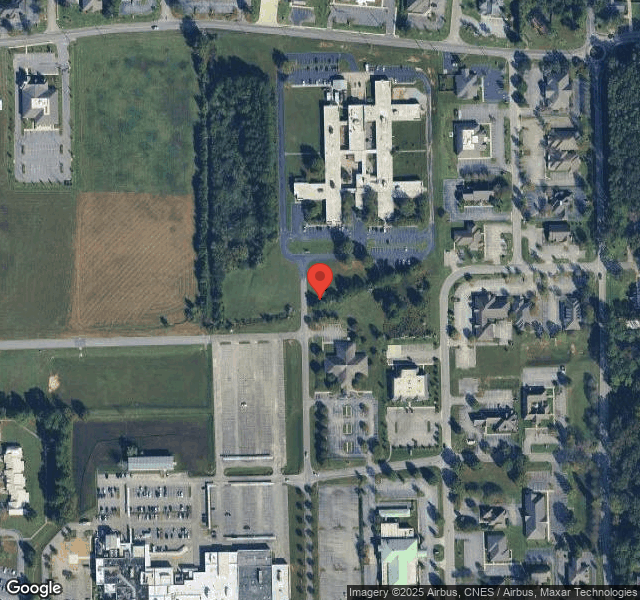
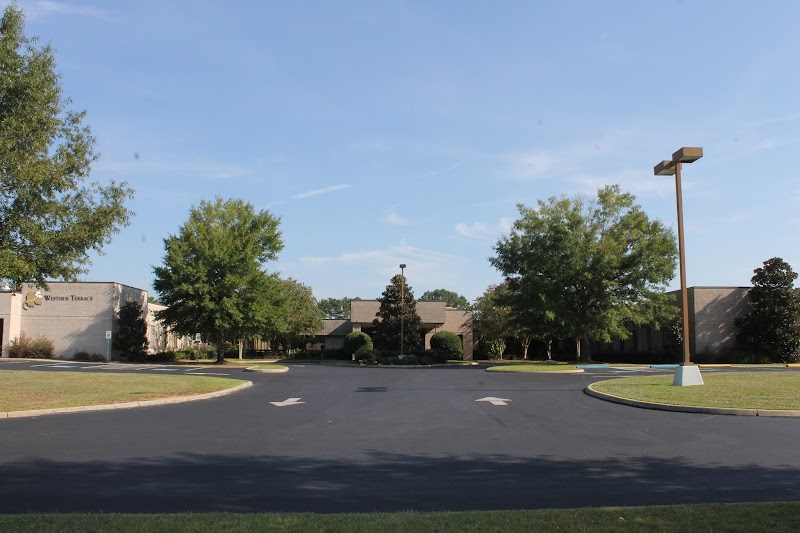
501 NORTH WOODBURN DRIVE, DOTHAN, AL 36303 (334) 794-1000
For profit - Corporation 165 Beds Independent Data: November 2025
Trust Grade
80/100
#75 of 223 in AL
Last Inspection: July 2022

Over 2 years since last inspection. Current conditions may differ from available data.

Overview

Westside Terrace Health & Rehabilitation Center has a Trust Grade of B+, which means it is above average and recommended for families considering care options. It ranks #75 out of 223 nursing homes in Alabama, placing it in the top half, and is the top facility among the three in Houston County. The facility has a stable trend with only one issue reported in both 2019 and 2022, indicating consistent performance over time. Staffing is a strong point with a 4/5 star rating and a turnover rate of 37%, which is better than the state average of 48%, suggesting that staff members are experienced and familiar with the residents. However, there are concerns regarding RN coverage, as the facility has less coverage than 84% of Alabama facilities. Recent inspection findings highlighted areas for improvement, including concerns about food handling practices that could potentially lead to health risks, such as not labeling opened food items properly and staff not changing gloves after contamination. Another issue noted was a failure to check on a resident's hygiene needs before assisting them, which could affect their comfort and dignity. While the facility has no fines on record, these incidents indicate that there are important areas needing attention to ensure resident safety and well-being.

Trust Score
B+
80/100
In Alabama
#75/223
Top 33%
Safety Record
Low Risk
No red flags
Inspections
Holding Steady
1 → 1 violations
Staff Stability
○ Average
37% turnover. Near Alabama's 48% average. Typical for the industry.
Penalties
✓ Good
No fines on record. Clean compliance history, better than most Alabama facilities.
Skilled Nurses
○ Average
Each resident gets 30 minutes of Registered Nurse (RN) attention daily — about average for Alabama. RNs are the most trained staff who monitor for health changes.
Violations
✓ Good
Only 4 deficiencies on record. Cleaner than most facilities. Minor issues only.
★★★★☆
4.0
Overall Rating
★★★★☆
4.0
Staff Levels
★★★☆☆
3.0
Care Quality
★★★★☆
4.0
Inspection Score
Stable
2019: 1 issues
2022: 1 issues

The Good

  • 4-Star Staffing Rating · Above-average nurse staffing levels
  • Full Sprinkler Coverage · Fire safety systems throughout facility
  • No fines on record
  • Staff turnover below average (37%)

    11 points below Alabama average of 48%

Facility shows strength in staffing levels, fire safety.

The Bad

Staff Turnover: 37%

Near Alabama avg (46%)

Typical for the industry

The Ugly 4 deficiencies on record

Jul 2022 1 deficiency
CONCERN (D)

Potential for Harm - no one hurt, but risky conditions existed

ADL Care (Tag F0677)

Could have caused harm · This affected 1 resident

**NOTE- TERMS IN BRACKETS HAVE BEEN EDITED TO PROTECT CONFIDENTIALITY** Based on observations, record review, and interviews the facility failed to ensure staff checked and changed Resident Identifier...

Read full inspector narrative →
**NOTE- TERMS IN BRACKETS HAVE BEEN EDITED TO PROTECT CONFIDENTIALITY** Based on observations, record review, and interviews the facility failed to ensure staff checked and changed Resident Identifier (RI) #41 before ambulating the resident in the hallway. This deficient practice affected one of two sampled residents who were reviewed for personal hygiene/incontinence care. Findings included: RI #41 was admitted to the facility on [DATE]. RI #41 has diagnosis to include Urinary Tract Infection (UTI), Chronic Kidney Disease, and Dementia without Behavioral Disturbance. Review of a significant change Minimum Data Set (MDS), with an assessment reference date (ARD) of 05/15/2022, revealed RI #41 scored 4 on a Brief Interview for Mental Status, which indicated severe cognitive impairment. Per the MDS, the resident required extensive assistance of one person for transfers and toilet use. A review of a Care Plan, dated 05/13/2022 revealed RI #41 was incontinent of urine and bowel. The goal was for the resident to be clean, dry and odor free. Interventions included: - Incontinence checks every two hours and as needed. - Provide prompt incontinent care. - Ask resident if s(he) needs to have a bowel movement when capable of responding. - Ensure the resident is clean, dry and odor free. - Assist as needed for toileting and/or incontinence care. - Resident wears incontinence pads/briefs. - Cleanse perineal-area and apply barrier cream after incontinent episodes and as needed. - Maintain resident dignity. Observations on 07/28/2022 at 1:36 PM revealed an unidentified staff member brought RI #41 out of the dining room to a group exercise. At 1:56 PM, Employee Identifier (EI) #11, a Restorative Aide (RA), put a gait belt on RI #41 and assisted him/her to stand with a walker and ambulate down the hallway. EI #4 followed the resident down the hallway with the resident's wheelchair, which had a towel in the seat that was urine-stained and wet and had a strong urine odor. The resident's pants were wet on the back. EI #11 and EI #4 ambulated RI #41 down to the end of the hallway and back. EI #4 took RI #41 to his/her room and stated she was going to take the resident to the bathroom. EI #4 started to gather items she would need in the bathroom and excused herself from the room. On 07/28/2022 at 1:58 PM, EI #10, a Certified Nurse Aide (CNA), entered the room and offered to take RI #41 to the bathroom. The resident declined but the resident stated his/her pants did feel wet and agreed to go in the bathroom. EI #10 took RI #41 into the bathroom, where the resident stood up, using the handrail for support. EI #10 pulled down the resident's pants and removed the adult brief, which was saturated with urine and soiled with feces. EI #10 started providing incontinent care with toilet paper, then EI #9, a CNA, entered the room with wipes and assisted EI #10 to finish providing incontinent care. During an interview on 07/28/22 at 2:08 PM, EI #9 stated residents should be toileted or checked every two hours and as needed. She stated she did not know when RI #41 had last been toileted, but it looked like it had been a while. During an interview on 07/28/2022 at 2:22 PM, EI #12, a Licensed Practical Nurse (LPN), stated RI #41 would need to be offered to toilet every two hours and checked for incontinence. EI #12 stated RI #41 would tell staff at times when he/she needed to use the restroom but was mostly incontinent. EI #12 stated she was not sure when the resident had last been toileted. During an interview on 07/29/2022 at 3:36 PM, EI #2, the Director of Nursing (DON), stated dependent residents should be checked for incontinence every two hours and changed if needed. EI #2 stated the staff should have taken RI #41 to his/her room and changed the resident prior to having the resident ambulate down the hall. During an interview on 07/29/2022 at 4:01 PM, EI #1, the Administrator, stated residents should be checked and changed every two hours and should not be left sitting wet and soiled. EI #1 stated the staff should have changed RI #41 prior to ambulating him/her.
Aug 2019 1 deficiency
CONCERN (E)

Potential for Harm - no one hurt, but risky conditions existed

Food Safety (Tag F0812)

Could have caused harm · This affected multiple residents

Based on observations, interviews and reviews of policies titled Dietary Meal Service, Dietary Sanitation Flatware Washing and Sanitation, Dietary Sanitation Food Storage and a facility document title...

Read full inspector narrative →
Based on observations, interviews and reviews of policies titled Dietary Meal Service, Dietary Sanitation Flatware Washing and Sanitation, Dietary Sanitation Food Storage and a facility document titled Lunch Meal, dated 8-14-19 week 2, the facility failed to ensure: 1. two packs containing 36 hot dogs in the freezer, with ice crystal on them, were labeled with an opened and use by date; 2. the temperatures of six milks and sweet peas were taken at the lunch tray line on 8/14/19 and; 3. six spoons and one fork were not wet in silverware bags. This had the potential to affect the residents who would receive the hotdogs from the kitchen, the six residents who received the milk during the lunch meal from the kitchen and six residents who would have received wet utensils during the lunch meal on 8/14/19. The facility served 155 residents from dietary. Findings Include: 1) A review of a facility policy titled, DIETARY Sanitation Food Storage, with an effective date of 7/10/03 revealed: .Procedure: .4) . vi) Opened foods will be dated and labeled upon storage. On 8/12/19 at 1:56 p.m., the surveyor toured the kitchen with (Employee Identifier) EI #1, Dietician and EI #2 Dietary Manager. The surveyor observed in the freezer two packages of hotdogs wrapped in saran wrap with no opened or use by date label on the package. There were 25 hotdogs in the first package and 11 hotdogs in the second package of hotdogs. Ice crystals were observed on the saran wrap covering the hotdogs. On 8/14/2019 at 4:00 p.m., an interview was conducted with EI #2. EI #2 was asked what was the opened and use by date on the hot dogs in the freezer. EI #2 replied, they did not have anything on them. EI #2 was asked what label was on the hot dogs. EI #2 replied, no label. EI #2 was asked what was the facility policy on labeling food items once out of the original container. EI #2 replyed, properly wrap, label, date, initial and put in the proper place. EI #2 was asked when should food items be labeled. EI #2 replied, all the times when going in and out of the cooler or freezer. EI #2 was asked who was responsible for labeling food items. EI #2 replied, all kitchen staff. EI #2 was asked why was it important that food items were labeled. EI #2 replied, because, if it is not done right, possibly someone could get sick. EI #2 was asked what was on the hot dog wrapping. EI #2 replied, ice crystals. 2) A review of a facility policy titled, DIETARY Meal Service with a effective date of 7/10/03 revealed: .Procedure .13. The Tray line Log and Temperature Record will be completed when food is prepared and prior to meal service . A review of the Lunch Meal form, dated 8/14/19, revealed no temperatures for the sweet peas and milk were documented. On 8/14/19 at 10:19 a.m., during the lunch tray line the surveyor observed EI #1 taking temperatures of all foods on the tray line. EI #1 took the temperature of all the foods on the tray line except the sweet peas. The surveyor observed no one taking the temperature of the milk. The surveyor observed six milk carton leaving the kitchen without any temperature being taken. On 08/14/2019 at 3:46 p.m., an interview was conducted with EI # 1. EI #1 was asked who took the temperatures of the Milk and English peas. EI #1 replied, no one. EI #1 was asked what foods temperature should be taken at the tray line. EI #1 replied, all foods that are served to residents. EI #1 was asked what was the facility policy on taking food temperature at the tray line. EI #1 replied, all food temperatures be taken prior to distribution to residents. EI #1 was asked why should food temperature be taken at the tray line. EI #1 replied, in order to prevent food borne illness and bacteria growth. EI #1 was asked where was the recording temperatures for the English peas and milk. EI #1 replied, it was not recorded. EI #1 was asked what was the temperature for the English peas. EI #1 replied, they did not know. EI #1 was asked what was the temperature for the milk. EI #1 replied, unknown. 3) A review of a facility policy titled, DIETARY Sanitation Flatware Washing and Sanitation revealed: Policy: Follow the steps below when washing flatware. Procedures: 9. Allow to air dry. On 8/14/19 at 10:19 a.m., the surveyor observed in the food preparation area staff putting utensils in bags. EI #3 was asked if the utensil was ready to go out to the residents. EI #3 replied, yes. The surveyor put on a pair of gloves and pulled silverware out of the utensil bag. The surveyor pulled 10 bags. In six of the bags there were six spoons and one fork wet in utensils bags and ready to go out to the residents. There were five forks in the utensil holder wet. On 8/14/19 at 4:24 p.m., an interview was conducted with EI #3. dietary aide. EI #3 was asked what did she see on spoons in the utensil bags. EI #3 replied, speck of water. EI #3 was asked why were they wet. EI #3 replied, they suppose to be dry. EI #3 was asked how should utensil be allowed to dry. EI #3 replied, air dry. EI #3 was asked how many spoons were wet. EI #3 replied, three. EI #3 was asked how many forks were wet. EI #3 replied, one. EI #3 was asked why should utensil be dry before giving them to the residents. EI #3 replied, make sure they are clean and dry before giving them to the residents. EI #3 was asked what was wet in the blue utensil crate. EI #3 replied, silverware. EI #3 was asked why were they wet in the blue silverware crate. EI #3 replied so they could air dry. EI #3 was asked did they air dry. EI #3 replied some did and some were still wet. EI #3 was asked did she see the wet spoons prior to putting them in the bag. EI #3 replied, no she did not. EI #3 was asked why did she bag them. EI #3 replied, she did not see them wet. EI #3 was asked did she normally bag silverware. EI #3 replied, no.
Aug 2018 2 deficiencies
CONCERN (D)

Potential for Harm - no one hurt, but risky conditions existed

Infection Control (Tag F0880)

Could have caused harm · This affected 1 resident

**NOTE- TERMS IN BRACKETS HAVE BEEN EDITED TO PROTECT CONFIDENTIALITY** Based on observation, interview and review of facility policies Hand Hygiene and Med Pass Tips, the facility failed to ensure: 1...

Read full inspector narrative →
**NOTE- TERMS IN BRACKETS HAVE BEEN EDITED TO PROTECT CONFIDENTIALITY** Based on observation, interview and review of facility policies Hand Hygiene and Med Pass Tips, the facility failed to ensure: 1. licensed staff did not pull gloves from her uniform pocket then change a dressing covering Resident Identifier (RI) #10's trach site and touch the clean packaging of 4 x 4 gauze and packed abd (abdominal) pads with the same gloves 2. the same licensed staff washed her hands when she changed gloves; 3. licensed staff did not pick up a tablet she dropped on the top of the medication cart and place it in the medication cup with the other medications and then give to RI #142 and; 4. the same licensed staff did not use the same gloves she had on to administer RI #142's by mouth medication to administer the prescribed eye drops. This was observed on 8/7/18 and affected one of four licensed staff and two of six residents observed for medication pass. Findings Include: (1 & 2) A review of facility policy titled, Hand Washing with a revised date of 5/20/14 revealed, Policy: Hand washing shall be regarded by this facility as the single most important means of preventing the spread of infections. 2) Employees must perform . d) Before handling clean or soiled dressings, gauze pads, etc., e) After handling used dressings, .f) after contact with blood, body fluids, excretions, secretions .i) After removing gloves: . RI # 10 was admitted to the facility on [DATE] with diagnoses of Gastrostomy status and Pyrothorax with Fistula. On 8/07/18 at 10:00 AM Employee Identifier (EI) #2, Licensed Practical Nurse was observed giving RI #10 the AM medication. EI #2 got Ativan 1 milligram tablet from the medication cart, crushed the medication and placed it in a medication cup. EI #2 took gloves from a glove box on the medication cart and placed them in her right uniform pocket. EI #2 entered RI #10's room washed her hands removed gloves from her uniform pocket and put them on. EI #2 moved the trash can next to RI #10's wheelchair then with the same gloves removed a dressing covering the resident's trach site and chest area. EI #2 took a package of 4 x 4 gauze and abd pads from the shelf and placed them on the resident's over bed table. EI #2 removed a roll of tape from RI #10's bedside cabinet drawer with the same gloves on. EI #2 removed 4x4's from the multi pack and sprayed wound cleaner to a small stack and cleaned the mucus from RI #10's chest and trach site. EI #2 removed her gloves and got more from a box in the room and put them on. EI #2 did not wash her hands between glove changing EI #2 returned the supplies to the shelf and drawer with the same gloves on. EI #2 then removed her gloves and washed her hands. On 8/07/18 at 11:15 AM, an interview was conducted with EI #2. EI #2 was asked what was the policy on where she should put gloves when she removed them from a glove box. EI #2 replied she put them on the tray. EI #2 was asked if she should place gloves she removed from a glove box in her uniform pocket. EI #2 replied, no. EI #2 was asked if she used gloves she pulled from her uniform pocket to provide care for RI #10. EI #2 replied yes. EI #2 was asked what was the harm in using gloves from her uniform pocket. EI #2 replied, risk of spreading germs from her to a resident. EI #2 was asked if she should have the same gloves on to clean up the area and return the supplies to the shelf. EI #2 replied, no. EI #2 was asked what would the risk be. EI #2 replied, she could spread germs to the clean items and back to the resident. EI #2 was asked what should she have done. EI #2 replied, she should have removed the soiled gloves washed her hands and put on clean gloves then put the package of 4 x 4's and abd pads back on the shelf. EI #2 was asked what was the policy on when to wash hands after removing gloves. EI #2 replied, they should wash after each time they take gloves off. EI #2 was asked if she washed her hands when she changed her gloves. EI #2 replied, no. (3&4) A review of a facility policy Med Pass Tips with a revised date of 7/5/7 revealed: Procedure: .5. Apply gloves .11. Wash hands RI #142 was admitted to the facility on [DATE] with diagnoses of adjustment disorder with depressed mood and gastro-esophageal reflux disease. A review of RI #142's August 2018 Physicians Orders revealed .Paroxetine 20 Mg (milligram) tablet .Tamsulosin 0.4 mg .Colace 100 mg .Zantac 75 mg .Lorazepam 0.5 mg . Miralaz 17 grams .Combigan Brimonidine 1 drop left eye twice a day . On 8/07/18 at 10:50 AM EI #2, was observed giving RI #142's morning medication. EI #2 prepared the medications. As she was removing the tablets from the packaging she dropped the Paroxetine on top of the medication cart. EI #2 put on a glove and picked up the Paroxetine tablet and placed it in the medication cup. EI #2 entered RI #142's room with the prepared medication. EI #2 put on gloves and gave RI #142's by mouth medications and cup of water. EI #2 then with same gloves administered the Combigan eye drop to the left eye. On 8/7/18 at 11:15 AM an interview was conducted with EI #2. EI #2 was asked, if she recalled dropping the Paroxetine tablet on top of the medication cart. EI #2 replied, yes. EI #2 was asked what was the policy on dropping a medication. EI #2 replied she should have discarded it and got another. EI #2 was asked if she discard it. EI #2 replied no, she was not thinking. EI #2 was asked what was the risks of giving a medication that had dropped on top of the medication cart. EI #2 replied, risk of transferring germs. EI #2 was asked what was the policy on giving eye drops. EI #2 replied, the nurse should wash their hands put on gloves and administer the eye drops, then take the gloves off and wash their hands. EI #2 was asked how she administered the eye drops. EI #2 replied, she had on the gloves she gave the by mouth medications with then put the eye drop in. EI #2 was asked what was the risk of using same gloves for by mouth meds then giving an eye drop. EI #2 replied, could spread germs or cause an eye infection. On 8/09/18 at 9:02 AM an interview was conducted with EI #1, Director of Nursing. EI #1 was asked what was the policy on where staff should get gloves from to use while on medication pass. EI #1 replied, from a glove box. EI #1 was asked when should staff use gloves for care that they have removed from their uniform pocket. EI #1 replied, never. EI #1 was asked what was the harm in using gloves pulled from a uniform pocket. EI #1 replied, they are not clean, the inside of a pocket was not clean. EI #1 was asked what was the policy on washing hands when changing gloves. EI #1 replied, wash hands immediately when removing gloves. EI #1 was asked what was the harm when staff did not wash hands between glove changes. EI #1 replied, there was a risk for transmitting germs. EI #1 was asked what was the policy on hand hygiene during a dressing change. EI #1 replied, change the dressing then remove the gloves, wash the hands and put up the supplies. EI #1 was asked when should staff change a dressing then with same gloves put up supplies. EI #1 replied, never. EI #1 was asked what would the risk be of doing a dressing change, then with same gloves touch the packages of supplies and placing them back on shelf. EI #1 replied, transmitting germs. EI #1 was asked what was the policy if a nurse dropped a medication while preparing it. EI #1 replied, it should be discarded and get another. EI #1 was asked what was the risks of using a tablet that was dropped on the medication cart. EI#1 replied, it could be contaminated. EI #1 was asked what was the policy on administering eye drops. EI #1 replied, wash hands put on gloves give the eye drop then remove the gloves and wash their hands. EI #1 was asked when should a nurse use the same gloves she had on to administer by mouth medications then administer an eye drop. EI #1 replied never, the nurse should give the by mouth medication then remove the gloves and wash their hands and put on clean gloves and administer the eye drops. EI #1 was asked what would the harm be in a nurse using the same gloves she had on to administer the by mouth medications then instill an eye drop. EI #1 replied, the risk of transmitting germs from the mouth to the eyes.
CONCERN (F)

Potential for Harm - no one hurt, but risky conditions existed

Food Safety (Tag F0812)

Could have caused harm · This affected most or all residents

Based on observations, interviews and a review of a facility policy titled Dietary/Food Handling and the Food and Drug Administration, 2017 Food Code, the facility failed to ensure: 1. a package of ha...

Read full inspector narrative →
Based on observations, interviews and a review of a facility policy titled Dietary/Food Handling and the Food and Drug Administration, 2017 Food Code, the facility failed to ensure: 1. a package of hamburger buns was not left opened and labeled with a use by date; 2. a 46 fluid ounce supplement in the supplement refrigerator was not expired and; 3. a cook changed her gloves after wiping gravy off the floor and wiping gravy off another worker's pant leg. This was observed on one of three days of the survey and had the potential to affect 157 of 157 residents who received meals from the kitchen. Finding Include: 1) A review of a facility policy titled, Dietary/Food Handling with a revision date of 11/28/16, addressed .POLICIES AND PROCEDURES . 11) Food handlers must wash their hands.g) After engaging in other activities that contaminate the hands. On 8/7/2018 at 8:36 a.m., the surveyor observed buns in a package opened and not sealed. There were four hamburger buns in the package. The Surveryor was unable to see the open and use by date on the package. The surveyor also observed a roach crawling on top of the warmer located near the buns. On 8/09/18 at 9:09 a.m., an interview was conducted with EI #3, Director of Dietary Services. EI #3 was asked what food item was opened and not sealed properly. EI #3 replied, four hamburger buns. EI #3 was asked why were the buns opened. EI #3 replied, they had used some out of them. EI #3 was asked what did the facility policy say regarding opened food items. EI #3 replied, when opening bread they should tie it back up. EI #3 was asked who was responsible for making sure food items were sealed. EI #3 replied, the supervisor or the certified dietary manager. EI #3 was asked what type of bug was in the kitchen crawling on top of the warmer. EI #3 replied, a roach. EI #3 was asked what was the potential harm to the residents when a food item was opened and a bug potentially got in the hamburger buns. EI #3 replied, they could get sick. EI #3 was asked when should food items be sealed. EI #3 replied, at all times. 2) A record review of the 2017 Food Codeby United State Public Health Service (USPHS), and the Food and Drug Administration (FDA) included the following: 3-501-17 Ready-to-Eat, Time/Temperature Control for Safety Food, Date Marking. (B) .(G) of this section, refrigerated, READY-TO-EAT-TIME/TEMPERATURE CONTROL FOR SAFETY FOOD prepared and packaged by a FOOD PROCESSING PLANT shall be clearly marked (2) The day or date marked by the FOOD ESTABLISHMENT may not exceed a manufacturer's use by-by date on FOOD SAFETY. On 8/07/18 at 9:03 a.m., the surveyor and dietary manager toured the nurses unit supplement refrigerators. In one of the refrigerator there was a thickened nectar consistency 46 fluid ounces supplement. The use by date on the container was 8/1/18. On 8/9/2018 at 9:31 a.m., an interview was conducted with EI #3. EI #3 was asked what food item on the hall was in the supplement refrigerator and expired. EI #3 replied, thickened tea dated 8/1/18. EI #3 was asked why was it expired in the refrigerator. EI #3 replied, because it was not checked on grand rounds (checking refrigerator thoroughly weekly of resident's personal items and expired items). EI #3 was asked who was responsible for making sure food items were not expired in the hall supplement refrigerator. EI #3 replied, the floor administrator/nurse. EI #3 was asked why was it important that food items were not expired in the supplement refrigerator on the hall. EI #3 replied, because they did not want to make anyone sick. EI #3 was asked when should food items in the hall unit supplement refrigerator be discarded. EI #3 replied, when they were out of date. EI #3 was asked what was the potential harm to the residents when a food item was expired in the supplement refrigerator. EI #3 replied, potential harm to get sick. On 8/9/18 at 1:41 p.m., an interview was conducted with EI #6, Clinical Nurse Manager. EI #6 was asked who was responsible for checking the unit supplement refrigerator. EI #6 replied, dietary in the morning, they replenish the refrigerator and Tuesday they (nurses) do make rounds of the refrigerator, and the floor administrator. EI #6 was asked why was it important that expired food items were not in the refrigerator. EI #6 replied, to prevent residents from getting sick. EI #6 was asked how often did she check the supplement refrigerator. EI #6 replied, it was supposed to be checked daily and weekly. EI #6 was asked what was the potential harm to the residents if they were given an expired food item. EI #6 replied, gastric upset. 3) A review of a document titled, Food Code 2017 3-202-15 Package Integrity. Food package shall be in good condition and protect the integrity of the content so that the food is not exposed to ADULTERATION or potential contaminants. On 8/7/ 2018 at 10:37 a.m., the surveyor observed the cook, EI #4, drop gravy on the floor. She wiped the floor with a cloth that she retrieved from under the steam table . The cook also wiped EI #5's pants with the cloth. She then put the cloth on the floor and used her foot to continue wiping the floor. She picked up the cloth and put it on a cart. She did not change her gloves. She continue serving food. On 8/09/18 at 9:47 a.m., the surveyor conducted an interview with EI #4, [NAME] II. EI #4 was asked what food item fell to the floor from the warmer. EI #4 replied, gravy. EI #4 was asked what did she do when the gravy fell to the floor. EI #4 replied, she got a towel and she did not remember what she did. EI #4 was asked where did she get the cloth/towel to wipe the worker's pant legs and floor. EI #4 replied she thought it was on the cart. EI #4 was asked did she change her gloves. EI #4 replied, no ma'am. EI #4 was asked why she did not change her gloves. EI #4 replied, she was not thinking at the time. EI #4 was asked what did she do after wiping EI #5 clothes and floor. EI #4 replied, she continued serving the line/serving food. EI #4 was asked should she have changed her gloves. EI #4 replied, yes. EI #4 was asked why should she have changed gloves. EI #4 replied, because the gloves were not clean. EI #4 was asked what did the facility policy say regarding changing gloves. EI #4 replied, change gloves at all times when you touch something. EI #4 replied, they were suppose to change gloves, wash hand and put on more clean gloves when going back to serving or touching food. EI #4 was asked why was it important to change gloves when working on the tray line. EI #4 replied, for food safety, everything was supposed to be clean. On 8/09/18 at 2:19 p.m., the surveyor conducted an interview with EI #7, Infection Control, RN (Register Nurse) Risk Manager. EI #7 was asked when should staff wash their hands in the kitchen. EI #7 replied, when they were soiled. EI #7 was asked should staff change their gloves and wash their hands after dropping a pan of gravy on the floor and wiping another staff's pant leg and wiping the floor. EI #7 replied, yes. EI #7 was asked should EI #4 have changed her gloves. EI #7 replied, yes it would have been a good idea to change her gloves. EI #7 was asked why should she have changed gloves. EI #7 replied, to prevent contamination of the food that she was serving.
Understanding Severity Codes (click to expand)
Life-Threatening (Immediate Jeopardy)
J - Isolated K - Pattern L - Widespread
Actual Harm
G - Isolated H - Pattern I - Widespread
Potential for Harm
D - Isolated E - Pattern F - Widespread
No Harm (Minor)
A - Isolated B - Pattern C - Widespread

Questions to Ask on Your Visit

  • "Can I speak with families of current residents?"
  • "What's your RN coverage like on weekends and overnight?"

Our Honest Assessment

Strengths
  • • Grade B+ (80/100). Above average facility, better than most options in Alabama.
  • • No major safety red flags. No abuse findings, life-threatening violations, or SFF status.
  • • No fines on record. Clean compliance history, better than most Alabama facilities.
  • • Only 4 deficiencies on record. Cleaner than most facilities. Minor issues only.
Concerns
  • • No significant concerns identified. This facility shows no red flags across CMS ratings, staff turnover, or federal penalties.
Bottom line: Generally positive indicators. Standard due diligence and a personal visit recommended.

About This Facility

What is Westside Terrace Health & Rehabilitation Center's CMS Rating?

CMS assigns WESTSIDE TERRACE HEALTH & REHABILITATION CENTER an overall rating of 4 out of 5 stars, which is considered above average nationally. Within Alabama, this rating places the facility higher than 99% of the state's 100 nursing homes. This rating reflects solid performance across the metrics CMS uses to evaluate nursing home quality.

How is Westside Terrace Health & Rehabilitation Center Staffed?

CMS rates WESTSIDE TERRACE HEALTH & REHABILITATION CENTER's staffing level at 4 out of 5 stars, which is above average compared to other nursing homes. Staff turnover is 37%, compared to the Alabama average of 46%. This relatively stable workforce can support continuity of care.

What Have Inspectors Found at Westside Terrace Health & Rehabilitation Center?

State health inspectors documented 4 deficiencies at WESTSIDE TERRACE HEALTH & REHABILITATION CENTER during 2018 to 2022. These included: 4 with potential for harm.
Who Owns and Operates Westside Terrace Health & Rehabilitation Center?

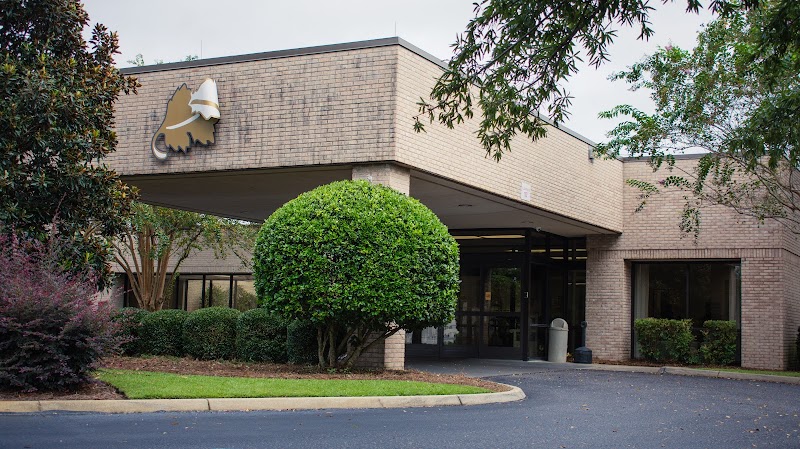
WESTSIDE TERRACE HEALTH & REHABILITATION CENTER is owned by a for-profit company. For-profit facilities operate as businesses with obligations to shareholders or private owners. The facility operates independently rather than as part of a larger chain. With 165 certified beds and approximately 155 residents (about 94% occupancy), it is a mid-sized facility located in DOTHAN, Alabama.
How Does Westside Terrace Health & Rehabilitation Center Compare to Other Alabama Nursing Homes?

Compared to the 100 nursing homes in Alabama, WESTSIDE TERRACE HEALTH & REHABILITATION CENTER's overall rating (4 stars) is above the state average of 3.0, staff turnover (37%) is near the state average of 46%, and health inspection rating (4 stars) is above the national benchmark.

What Should Families Ask When Visiting Westside Terrace Health & Rehabilitation Center?

Based on this facility's data, families visiting should ask: "Can I visit during a mealtime to observe dining assistance and food quality?" "How do you handle medical emergencies, and what is your hospital transfer rate?" "Can I speak with family members of current residents about their experience?"

Is Westside Terrace Health & Rehabilitation Center Safe?

Based on CMS inspection data, WESTSIDE TERRACE HEALTH & REHABILITATION CENTER has a clean safety record: no substantiated abuse findings (meaning no confirmed cases of resident harm), no Immediate Jeopardy citations (the most serious violation level indicating risk of serious injury or death), and is not on the Special Focus Facility watch list (a federal program monitoring the lowest-performing 1% of nursing homes). The facility has a 4-star overall rating and ranks #1 of 100 nursing homes in Alabama. While no facility is perfect, families should still ask about staff-to-resident ratios and recent inspection results during their visit.

Do Nurses at Westside Terrace Health & Rehabilitation Center Stick Around?

WESTSIDE TERRACE HEALTH & REHABILITATION CENTER has a staff turnover rate of 37%, which is about average for Alabama nursing homes (state average: 46%). Moderate turnover is common in nursing homes, but families should still ask about staff tenure and how the facility maintains care continuity when employees leave.

Was Westside Terrace Health & Rehabilitation Center Ever Fined?

WESTSIDE TERRACE HEALTH & REHABILITATION CENTER has no federal fines on record. CMS issues fines when nursing homes fail to meet care standards or don't correct problems found during inspections. The absence of fines suggests the facility has either maintained compliance or corrected any issues before penalties were assessed. This is a positive indicator, though families should still review recent inspection reports for the full picture.

Is Westside Terrace Health & Rehabilitation Center on Any Federal Watch List?

WESTSIDE TERRACE HEALTH & REHABILITATION CENTER is not on any federal watch list. The most significant is the Special Focus Facility (SFF) program, which identifies the bottom 1% of nursing homes nationally based on persistent, serious quality problems. Not being on this list means the facility has avoided the pattern of deficiencies that triggers enhanced federal oversight. This is a positive indicator, though families should still review the facility's inspection history directly.