HENDRIX HEALTH AND REHABILITATION
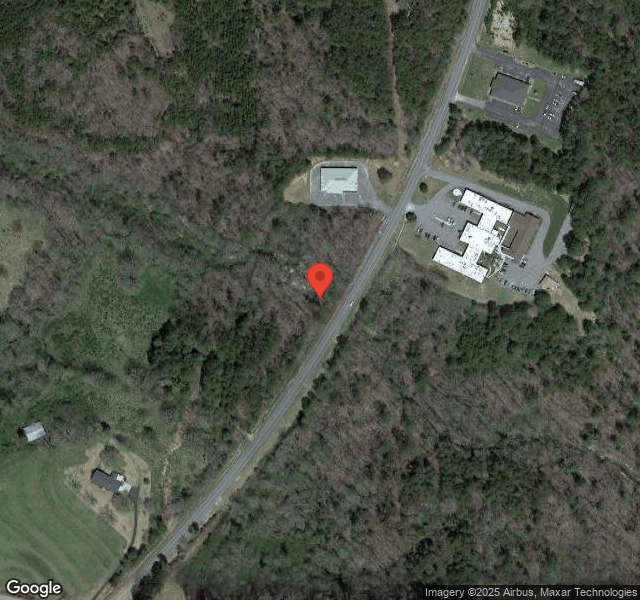

1000 HIGHWAY 33, DOUBLE SPRINGS, AL 35553 (205) 489-2136
For profit - Individual 110 Beds Independent Data: November 2025
Trust Grade
60/100
#162 of 223 in AL
Last Inspection: September 2023

Over 2 years since last inspection. Current conditions may differ from available data.

Overview

Hendrix Health and Rehabilitation in Double Springs, Alabama has a Trust Grade of C+, indicating it's slightly above average but not particularly strong. It ranks #162 out of 223 nursing homes in Alabama, placing it in the bottom half of facilities statewide, and #2 out of 2 in Winston County, meaning there is only one other option nearby that performs better. The facility's situation is worsening, with reported issues increasing from 2 in 2019 to 3 in 2023. Staffing is average with a 3/5 rating and a turnover rate of 50%, which is about the state average, but it has concerning RN coverage, as it has less than 83% of other facilities, which may affect the quality of care. While there have been no fines, which is a positive sign, there are notable incidents, such as inadequate food storage practices that could lead to contamination and overflowing garbage dumpsters, indicating potential hygiene and safety concerns. Overall, families should weigh these strengths and weaknesses when considering this facility for their loved ones.

Trust Score
C+
60/100
In Alabama
#162/223
Bottom 28%
Safety Record
Low Risk
No red flags
Inspections
Getting Worse
2 → 3 violations
Staff Stability
⚠ Watch
50% turnover. Above average. Higher turnover means staff may not know residents' routines.
Penalties
✓ Good
No fines on record. Clean compliance history, better than most Alabama facilities.
Skilled Nurses
⚠ Watch
Each resident gets only 26 minutes of Registered Nurse (RN) attention daily — below average for Alabama. Fewer RN minutes means fewer trained eyes watching for problems.
Violations
○ Average
7 deficiencies on record. Average for a facility this size. Mostly minor or procedural issues.
★★☆☆☆
2.0
Overall Rating
★★★☆☆
3.0
Staff Levels
★★★★☆
4.0
Care Quality
★★☆☆☆
2.0
Inspection Score
Stable
2019: 2 issues
2023: 3 issues

The Good

  • 4-Star Quality Measures · Strong clinical quality outcomes
  • Full Sprinkler Coverage · Fire safety systems throughout facility
  • No fines on record

Facility shows strength in quality measures, fire safety.

The Bad

2-Star Overall Rating

Below Alabama average (2.9)

Below average - review inspection findings carefully

Staff Turnover: 50%

Near Alabama avg (46%)

Higher turnover may affect care consistency

The Ugly 7 deficiencies on record

Sept 2023 3 deficiencies
CONCERN (D)

Potential for Harm - no one hurt, but risky conditions existed

Resident Rights (Tag F0550)

Could have caused harm · This affected 1 resident

**NOTE- TERMS IN BRACKETS HAVE BEEN EDITED TO PROTECT CONFIDENTIALITY** Based on observations, interviews, and resident record review, the facility failed to ensure staff did not stand while feeding R...

Read full inspector narrative →
**NOTE- TERMS IN BRACKETS HAVE BEEN EDITED TO PROTECT CONFIDENTIALITY** Based on observations, interviews, and resident record review, the facility failed to ensure staff did not stand while feeding Resident Identifier (RI) #8 the breakfast meal on 09/06/2023. This deficient practice had the potential to affect RI #8, one of one resident sampled for dignity. Findings include: RI #8 was admitted to the facility on [DATE]. RI #8's quarterly Minimum Data Set (MDS) assessment with an Assessment Reference Date (ARD) of 06/28/2023 documented RI #8 had a Brief Interview for Mental Status (BIMS) score of zero, which indicated RI #8 had severely impaired cognitive skills for daily decision making; and RI #8 required one person assistance with eating. On 09/06/2023 at 8:51 AM, RI #8 was observed being fed the breakfast meal by Employee Identifier (EI) #10, a Nursing Assistant (NA). EI #10 was standing while feeding RI #8 the breakfast meal. An interview was conducted with EI #10 on 09/06/2023 at 09:15 AM. EI #10 stated, she was standing while she fed RI #8 breakfast and said, she should have been seated. An interview was conducted with EI #2, Director of Nursing (DON) on 09/07/2023 at 5:25 PM. EI #2 stated, staff should be seated at eye level when feeding residents. EI #2 stated, her concern of staff standing while feeding a resident is them standing over the top of the resident.
CONCERN (F)

Potential for Harm - no one hurt, but risky conditions existed

Food Safety (Tag F0812)

Could have caused harm · This affected most or all residents

Based on observations, interviews, the facility's policies for Food Receipt and Storage, Insect and Rodent Control, Hand Sanitation During Dishwashing, and Hand-washing Guidelines, the facility's Pest...

Read full inspector narrative →
Based on observations, interviews, the facility's policies for Food Receipt and Storage, Insect and Rodent Control, Hand Sanitation During Dishwashing, and Hand-washing Guidelines, the facility's Pest Elimination Services Agreement, the facility's Pest Elimination Scope of Service, the facility's pest control service reports, and the 2022 United States (U.S.) Food and Drug Administration (FDA) Food Code; the facility failed to prevent potential cross contamination by not ensuring: • food was stored a minimum of six inches from the floor and a cut watermelon was covered and dated in the refrigerator, • insects were not present in the kitchen and receiving harbor from cracked/missing tile and pooled water, • an employee washed hands when going from handling dirty dishes to clean dishes, and • an Air Gap existed between the end of the Cook's Preparation Sink drain pipe and the top of the floor drain. This had the potential to affect 101 of 101 residents receiving meals from the facility's kitchen. Findings include: 1.) The facility's policy for Food Receipt and Storage, dated 08/23/2017, included the following: . Purpose: Foods should be received and stored properly to prevent food borne illnesses. Standard: Foods should be . stored in accordance with FDA Food Code . Process: . II. Storage of Foods . c. Items in storage rooms . should be kept at least 6 inches from the floor. k. Open food items should be covered, labeled, and dated . The 2022 U.S. FDA Food Code included the following: . 3-302 Preventing food and ingredient contamination 3-302.11 Packaged and Unpackaged Food - Separation, Packaging, and Segregation. (A) FOOD shall be protected from cross contamination by: . (4) . storing the food in packages, covered containers, or wrappings; . 3-305 Preventing contamination from the premises 3-305.11 Food Storage. (A) . FOOD shall be protected from contamination by storing the FOOD: (1) In a clean, dry location; (2) Where it is not exposed to splash, dust, or other contamination; and (3) At least 15 cm [centimeters] (6 inches) above the floor. 3-501.17 Ready-to-Eat, Time/Temperature Control for Safety Food, Date Marking. (A) . refrigerated, READY-TO-EAT, TIME/TEMPERATURE CONTROL FOR SAFETY FOOD prepared and held in a FOOD ESTABLISHMENT for more than 24 hours shall be clearly marked to indicate the date or day by which the FOOD shall be consumed on the PREMISES, sold, or discarded when held at a temperature of 5ºC [Centigrade/Celsius] (41º [degrees] F [Fahrenheit]) or less for a maximum of 7 days. The day of preparation shall be counted as Day 1. During the initial tour of the kitchen on 09/05/2023 at 4:05 PM, an observation of the Six-door Reach-in Refrigerator revealed half of a watermelon, which was missing some of its interior content, was not covered or dated. At 4:18 PM, an observation of the Dry Storage Room revealed a bottom storage shelf severely bent at the back; so that the canned goods, cookies, and dry rice stored on it were slanted downwards and were not six inches from the floor. On 09/07/2023 at 12:06 PM, Employee Identifier (EI) #4, the Registered Dietitian, was interviewed. EI #4 said proper cleaning cannot occur beneath food stored less than six inches from the floor. EI #4 also said the uncovered watermelon might have something spill on it and, without a date, there was no way of knowing when it had been put in the refrigerator. On 09/07/2023 at 12:30 PM, EI #1, the Administrator and acting Dietary Manager, was interviewed. EI #1 said the problem with food being stored less than six inches from the floor was that one could not clean underneath it well and there was a potential for water splattering upon it. EI #1 also said the uncovered and undated watermelon could have gotten contaminated and you don't know how long it had been in the refrigerator. 2.) The facility's policy for Insect and Rodent Control, dated 02/01/2002, included the following: . Purpose: To prevent the spread of bacteria that may cause food borne illnesses. Standard: A contract with a pest control agency, licensed to utilize pesticides, should be in place at the facility. Process: . f. Cracks in walls, floors, along baseboards or ceilings should be reported to maintenance for repair. i. Signs of insects or rodents in the dietary department should be reported to the maintenance supervisor. The 2022 U.S. FDA Food Code included the following: . 6-501.11 Repairing. PHYSICAL FACILITIES shall be maintained in good repair. 6-501.111 Controlling Pests. The PREMISES shall be maintained free of insects, rodents, and other pests. The presence of insects, rodents, and other pests shall be controlled to eliminate their presence on the PREMISES by: . (B) Routinely inspecting the PREMISES for evidence of pests; (C) Using methods, if pests are found, . or other means of pest control . and (D) Eliminating harborage conditions. During the initial tour of the kitchen on 09/05/2023 at 4:06 PM, the entry to the dishwashing area was observed to be an open doorway with broken ceramic tile at the base of entry on the right side and with additional broken and cracked ceramic tile about 1.5 feet from the floor on the right side. Small insects with wings (Sewer Flies) were observed on the right-hand side of the entry wall. There were 15 winged insects resting on the wall and many more on the floor by the entry. The grout space between the floor tiles was filled with water and had hundreds of moving insects (Sewer Flies) by the entry. Water was flowing in a thin stream from the dishroom entry wall near where the flies were resting. The dishroom was missing seven floor tiles in the middle of the dishroom floor and dirty water was pooled in the missing floor tile spaces. On 09/05/2023 at 4:09 PM, EI #6, a Dietary staff member, was asked how long had the ceramic tiles been like this and the flies been present. EI #6 said, It's been a while. When asked if it had been over a month, EI #6 said, Yes. When asked if anyone had been told, EI #6 said, They know. When further questioned, EI #6 said the Administrator knew. When asked if the exterminator had been out, EI #6 said, Yes, but it has been a while. EI #6 said the situation had gotten worse over time. EI #6 further said we try to spray with bleach every few days, but that doesn't stop them. On 09/05/2023 at 4:10 PM, EI #7, a Dietary staff member, agreed the flies and tiles had gotten worse with time. EI #7 said it had been a problem for over 3 years. When asked if the Administrator knew about this, EI #7 said he knows. During a kitchen observation on 09/06/2023 at 10:17 AM, there were at least 40 small insects with wings (Sewer Flies) seen resting on the right-side of the dishroom entry wall; while a Dietary staff member was in the dishroom operating the dishwashing machine. Additional insects (Sewer Flies) were observed on the floor in the wet grout between the tiles, but there were too many to count as they were moving and crawling constantly. Dirty water was still standing in the middle of the dishroom floor where tiles were missing and the area was covered by a rubber mat. At 10:24 AM, EI #4, the Registered Dietitian, entered the kitchen. When asked about the small flies, EI #4 said they were Sewer Flies or what are sometimes called Drain Flies. EI #4 further stated, I have never seen this, this is new to me. On 09/06/2023 at 10:31 AM, EI #3, the Maintenance Director, was interviewed in the kitchen by the dishroom entry. EI #3 said the small insects with wings were called Sewer Flies and that he had not seen them here before. When asked where the flowing water was coming from, EI #3 said it was overflow from staff washing the dishes. EI #3 said the pest control company sprayed outside monthly; but they really can not do much in the kitchen, unless they call them. EI #3 also said he was aware of the broken tiles in the kitchen and that he planned to replace missing floor and wall tiles. EI #3 further said, he did not have a quote for the work to be done, because he would be doing it himself. In addition, EI #3 said, he did not have an estimate of the cost or have a planned schedule of when the work would be done. At this time, the pest control contract and any records of pest control service visits were requested for review. On 09/06/2023 at 12:09 PM, EI #5, the Environmental Services Director, was interviewed in the kitchen by the dishroom entry. EI #5 said he was not aware of the Sewer Flies. When asked the problem with Sewer Flies in the Kitchen; EI #5 said, It's way too many and they could get in the food. EI #5 was told that a review of the pest control service receipts had revealed only prevention service for cockroaches was being provided in the kitchen. EI #5 was further told the pest control service receipt review revealed the service technician (EI #9) had documented addressing cockroaches in the kitchen during visits on 08/22/2023, 06/29/2023, 05/22/2023, 03/22/2023, 02/27/2023, and 01/26/2023. When asked if the pest control service technician should be looking for other pests; EI #5 said, Yes. On 09/06/2023 at 12:21 PM, EI #5, the Environmental Services Director, was reviewing the pest control contract, dated 11/2/2016. EI #5 confirmed he did not see where Sewer Flies were addressed in the contract. Other than Large Flies, only Small (Fruit) Flies were mentioned and those (Fruit Flies) would be treated at an additional charge according to the contract. On 09/06/2023 at 12:43 PM, EI #9, the Pest Control Service Technician, was interviewed by phone. EI #9 said he usually provided service to the facility monthly or at least every other month. EI #9 said when he sprayed for cockroaches in the kitchen, he looked for rodents also. EI #9 further said, if Sewer Flies were present during the service visit, he would treat for them. When asked if he charged extra for treating Sewer Flies; EI #9 said it would depend, he would just spray if there were only a few, but he would need to notify the staff in order to charge for it if there were a lot. EI #9 said he does not remember seeing Sewer Flies here, but, if he had, he would have mentioned it on his report. EI #9 also said he would have notified the facility and treated them with permission from the facility. On 09/07/2023 at 12:06 PM, EI #4, the Registered Dietitian, was interviewed. EI #4 said the problem with Sewer Flies in the broken tile and floor grout crevices by the dishwasher machine was the potential for pest infestation in the kitchen. EI #4 further said they could wind up on the dishes. When asked the problem with missing floor tiles allowing the pooling of dirty water in the dishwasher room, EI #4 said the potential for things to live and harbor in there. On 09/07/2023 at 12:30 PM, EI #1, the Administrator and acting Dietary Manager, was interviewed. EI #1 said he was not aware of the Sewer Flies in the kitchen until this State survey. EI #1 further said the Dietary staff will be inserviced about reporting anything they may see. EI #1 said the problem with Sewer Flies harboring within broken tile in the kitchen was that they could get in the food. When asked the problem with missing floor tiles allowing the pooling of dirty water in the dishwasher room, EI #1 said it could harbor the bugs and it could also lead to mold and mildew. 3.) The facility's policy for Hand Sanitation During Dishwashing, dated 09/05/2017, included the following: . Purpose: To prevent the spread of bacteria that may cause food borne illnesses. Standard: Hands should be washed between the handling of soiled dishes and utensils, the handling of clean dishes and utensils, and when leaving the dishwashing area, and during the dishwashing procedure. The facility's policy for Hand-washing Guidelines, dated 02/01/2002, included the following: . Purpose: To prevent the spread of bacteria that may cause food borne illnesses. Process: I. Frequency of Hand-washing: Hands should be washed in the following situations: . • After hands have touched anything unsanitary, i.e., garbage, soiled utensils or equipment, dirty dishes, etc, . II. Hand-washing Procedure: a. Turn on water to a comfortable warm temperature b. Moisten hands with water and apply soap to hands c. Cover hands with soap well beyond the area of contamination d. Wash well under running water for 20 - 30 seconds e. Pay attention to areas between fingers, around nail beds and under nails . f. Rinse hands well under running water . g. Dry hands and turn water off with paper towels touching faucet handles h. Dispose of paper towels in a pedal opening trash can The 2022 U.S. FDA Food Code included the following: . 2-3 Personal Cleanliness 2-301 Hands and Arms 2-301.11 Clean Condition. FOOD EMPLOYEES shall keep their hands and exposed portions of their arms clean. 2-301.12 Cleaning Procedure. (A) . FOOD EMPLOYEES shall clean their hands and exposed portions of their arms, including surrogate prosthetic devices for hands or arms for at least 20 seconds, using a cleaning compound in a HANDWASHING SINK . (B) FOOD EMPLOYEES shall use the following cleaning procedure in the order stated to clean their hands and exposed portions of their arms, including surrogate prosthetic devices for hands and arms: (1) Rinse under clean, running warm water; . (2) Apply an amount of cleaning compound recommended by the cleaning compound manufacturer; . (3) Rub together vigorously for at least 10 to 15 seconds while: (a) Paying particular attention to removing soil from underneath the fingernails during the cleaning procedure, . and (b) Creating friction on the surfaces of the hands and arms or surrogate prosthetic devices for hands and arms, finger tips, and areas between the fingers; . (4) Thoroughly rinse under clean, running warm water; . and (5) Immediately follow the cleaning procedure with thorough drying . 2-301.14 When to Wash. FOOD EMPLOYEES shall clean their hands and exposed portions of their arms as specified under . 2-301.12 immediately before engaging in FOOD preparation including working with . clean EQUIPMENT and UTENSILS, . and: . (E) After handling soiled EQUIPMENT or UTENSILS; . During a kitchen observation on 09/06/2023 at 10:17 AM, one Dietary staff member (EI #8) was in the dishroom pre-rinsing dirty dishes and loading them into the dishwashing machine. At 10:19 AM, EI #8 was observed rinsing her hands under the running water at the hand sink and rubbing her hands together, but EI #8 did not use any soap and was not drying her hands. With bare (ungloved) hands, EI #8 was going from handling, spraying, and loading dirty dishes onto racks for entry into the dishwashing machine to unloading, handling, and stacking clean dishes without washing her hands with soap. This was observed four times. At 10:24 AM, EI #4, the Registered Dietitian, entered kitchen and was given the opportunity to observe EI #8 rinsing, but not washing her hands when going from dirty to clean dishes. At 10:26 AM, EI #8 was asked who taught her to rinse/wash her hands like that. EI #8 said, a Dietary employee, who is now retired, trained her to rub her hands under the water. When asked if she used soap; EI #8 said, sometimes a little bit, but her hands were constantly wet. EI #8 said, the purpose of washing one's hands between dirty to clean was to sanitize. On 09/07/2023 at 10:00 AM, EI #8 was observed working in the Dishroom washing breakfast dishes by herself. There was another Dietary staff person outside the pass-through window, who was breaking down the tray carts and putting dishes on the dishtable for EI #8 to pre-rinse/spray and load onto dishwashing racks. At 10:07 AM, EI #8 was observed not washing her hands with soap. EI #8 was observed merely rinsing her hands as she went from handling dirty to clean dishes. On 09/07/2023 at 12:06 PM, EI #4, the Registered Dietitian, was interviewed. EI #4 said the problem with an employee going from handling dirty dishes to handling clean dishes without proper hand washing was cross contamination. EI #4 further said soap needs to be used for proper handwashing. On 09/07/2023 at 12:30 PM, EI #1, the Administrator and acting Dietary Manager, was interviewed. EI #1 said the problem with an employee going from handling dirty dishes to clean dishes without proper hand washing was cross contamination. 4.) The 2022 U.S. FDA Food Code included the following: . 5-402.11 Backflow Prevention. (A) . a direct connection may not exist between the SEWAGE system and a drain originating from EQUIPMENT in which FOOD, portable EQUIPMENT, or UTENSILS are placed. During a kitchen observation on 09/07/2023 at 10:13 AM, the drain pipe of the Cook's Preparation Sink was seen to be extending down into the floor drain. At 11:10 AM, EI #3, the Maintenance Director, measured the distance from the floor to the bottom of the Cook's Preparation Sink drain pipe. The Cook's Preparation Sink drain pipe extended into the floor drain by 3/4 inch. EI #3 agreed there was not an air gap to prevent the potential back-up of sewage. On 09/07/2023 at 12:06 PM, EI #4, the Registered Dietitian, was interviewed. EI #4 said there should be an air gap between the top of the floor drain and the end of the Cook's Preparation Sink drain pipe to prevent back flow.
CONCERN (F)

Potential for Harm - no one hurt, but risky conditions existed

Garbage Disposal (Tag F0814)

Could have caused harm · This affected most or all residents

Based on observation, interview, the facility's policy for Garbage and Refuse, a waste management invoice for the facility, and the 2022 United States (U.S.) Food and Drug Administration (FDA) Food Co...

Read full inspector narrative →
Based on observation, interview, the facility's policy for Garbage and Refuse, a waste management invoice for the facility, and the 2022 United States (U.S.) Food and Drug Administration (FDA) Food Code; the facility failed to ensure three of three dumpsters were not filled to overflowing with plastic bags of garbage/trash, with the dumpster lids open, and with four plastic bags of garbage/trash on the pavement beside the dumpsters on 09/05/2023 at 4:23 PM. This had the potential to affect 103 of 103 residents residing in the facility. Findings include: The facility's policy for Garbage and Refuse dated 02/01/2002, included the following: Purpose: To prevent the spread of bacteria that may cause food borne illnesses. Process: . e. Refuse containers and dumpsters kept outside the facility should have tightly fitting lids and should be kept covered when not being loaded. f. Dumpsters should be emptied according to the facility contract; garbage should not accumulate or be left outside the dumpster. g. The schedule for garbage pick-up should be revised, as needed, based on the volume of refuse. The facility's waste management invoice, dated 03/31/2023, included the following: . 3 Waste Container 8 Cu (Cubic) Yd (Yards), 6 Lifts Per Week . The 2022 U.S. FDA Food Code included the following: . 5-5 Refuse, Recyclables, and Returnables 5-501 Facilities on the Premises . Operation and maintenance . 5-501.112 Outside Storage Prohibitions. (A) . unprotected plastic bags . that contain materials with FOOD residue may not be stored outside. 5-501.113 Covering Receptacles. Receptacles and waste handling units for REFUSE . shall be kept covered: . (B) With tight-fitting lids or doors if kept outside the FOOD ESTABLISHMENT. 5-502 Removal 5-502.11 Frequency. REFUSE . shall be removed from the PREMISES at a frequency that will minimize the development of objectionable odors and other conditions that attract or harbor insects and rodents. On 09/05/2023 at 4:23 PM, three dumpsters were observed. All three dumpsters had their lids open and were overflowing with tied plastic bags of garbage/trash. In addition, there were four plastic bags full of garbage/trash directly on the pavement beside the dumpsters. On 09/06/2023 at 10:31 AM, Employee Identifier (EI) #3, the Maintenance Director, was interviewed. EI #3 said the contracted waste management company usually does a pick-up on Monday, but last Monday was a holiday. EI #3 further said they (the dumpsters) usually are pretty full even then. EI #3 then said he thought they were going to pick up yesterday, Tuesday, but they did not. EI #3 said, the garbage could attract things that could carry diseases that might affect the residents. On 09/06/2023 at 2:28 PM, EI #5, the Environmental Services Director, provided a waste management invoice, dated 03/31/2023, which documented: three waste dumpsters with 6 Lifts Per Week. According to EI #5, there were two lifts per week for each dumpster. EI #5 further explained there were two pick-ups each week, on Monday and on Thursday, with exceptions for holidays. In an interview on 09/07/2023 at 11:23 AM, EI #5, the Environmental Services Director, was asked the problem with bags of garbage/trash piled into dumpsters without the lids being closed and with four bags of garbage/trash on the ground beside the dumpsters. EI #5 said, Animals could get into the trash. EI #5 further said animals, such as raccoons could get into the outdoor space where the residents do activities and could be a danger to the residents who might get bitten or get rabies. On 09/07/2023 at 12:06 PM, EI #4, the Registered Dietitian, was interviewed. EI #4 said the concern with the exposed bags of garbage/trash was the potential for pest infestation, such as rodents or insects. EI #4 said if pests were drawn close to the dumpsters, then they might be drawn closer to the building (facility). In an interview on 09/07/23 at 12:30 PM, EI #1, the Administrator, said it could be a safety issue to get it (bags of garbage/trash) up that high.
Oct 2019 2 deficiencies
CONCERN (D)

Potential for Harm - no one hurt, but risky conditions existed

Infection Control (Tag F0880)

Could have caused harm · This affected 1 resident

**NOTE- TERMS IN BRACKETS HAVE BEEN EDITED TO PROTECT CONFIDENTIALITY** Based on observation, interviews, record review, and a facility policy titled Respiratory Therapy, the facility failed to ensure...

Read full inspector narrative →
**NOTE- TERMS IN BRACKETS HAVE BEEN EDITED TO PROTECT CONFIDENTIALITY** Based on observation, interviews, record review, and a facility policy titled Respiratory Therapy, the facility failed to ensure Employee Identifier (EI) #1, a Registered Nurse (RN), rinsed with water and dried Resident Identifier (RI) #33's nebulizer facemask and attached reservoir, prior to placing it in a plastic bag on the bedside table. This deficient practice affected RI #33, one of three residents observed during the medication pass, and EI #1, one of three nurses observed during the medication pass. Findings Include: A review of a facility policy titled, Respiratory Therapy, with a date of 03/2011, revealed . Nebulizers . C. After completion of therapy: (1) Remove nebulizer container. (2) Rinse container with fresh tap water. (3) Dry appropriately . RI #33 was re-admitted to the facility on [DATE] with diagnosis of Shortness of Breath On 10/28/2019 at 12:49 p.m., the surveyor observed EI #1, a RN, during the medication administration pass. During the medication pass, EI #1 removed RI #33's nebulizer facemask with the attached reservoir and placed it in the plastic bag on the bedside table, after she gave RI #33's breathing treatment. EI #1 did not rinse with water, or dry the facemask with the attached reservoir, prior to placing it in the plastic bag on the bedside table. The surveyor observed clear liquid drops on RI #33's facemask and the attached reservoir in the plastic bag on the bedside table. On 10/29/19 at 2:00 p.m., the surveyor conducted an interview with EI #2, an Infection Control Preventionist/Licensed Practical Nurse. EI #2 was asked what would be the concern if a licensed nurse placed RI #33's facemask with the attached reservoir, with clear liquid drops on both items, in the plastic bag on the bedside table, after administering RI #33's breathing treatment. EI #2 stated it could have caused bacteria from the moisture in the reservoir and facemask. EI #2 further stated this could have caused an infection to the resident. EI #2 was asked what was the facility policy on what a licensed nurse should do with the facemask and reservoir of the nebulizer after giving a resident a breathing treatment. EI #2 stated you should remove the nebulizer container, rinse the container with fresh tap water, and dry appropriately. On 10/29/2019 at 2:12 p.m., the surveyor conducted an interview with EI #1, a RN. EI #1 was asked to describe what was in RI #33's nebulizer reservoir and facemask, after she gave RI #33's breathing treatment, and placed it in the plastic bag on the bedside table. EI #1 stated there were clear liquid drops in RI #33's reservoir and facemask of the nebulizer after she gave RI #33's breathing treatment. EI #1 was asked what should she have done prior to placing RI #33's nebulizer facemask with the attached reservoir in the plastic bag on the bedside table. EI #1 stated she should have removed the nebulizer container, rinsed it with water, and dried it appropriately. EI #1 was asked why did she not rinse and dry the facemask with the attached reservoir of the nebulizer after she gave RI #33's breathing treatment, and prior to placing both in the plastic bag on the bedside table. EI #1 stated she was nervous and forgot. EI #1 was asked what was the facility policy on what a licensed nurse should do with the facemask and reservoir of the nebulizer after she gave a resident a breathing treatment. EI #1 stated the policy stated after you gave the nebulizer treatment, you should remove the nebulizer container, rinse the container with fresh tap water, and dry appropriately. EI #1 was asked was the facility policy followed. EI #1 stated no. EI #1 was asked what would be the concern if a licensed nurse did not clean and dry the reservoir and facemask, prior to placing it back in the plastic bag, with clear liquid drops on the facemask and reservoir. EI #1 stated it could cause a respiratory infection to the resident.
CONCERN (F)

Potential for Harm - no one hurt, but risky conditions existed

Food Safety (Tag F0812)

Could have caused harm · This affected most or all residents

Based on observations, interviews and a review of a facility policy titled, Leftover Food Storage and Use, the facility failed to ensure: 1. outdated food was not stored in the walk-in cooler, and 2....

Read full inspector narrative →
Based on observations, interviews and a review of a facility policy titled, Leftover Food Storage and Use, the facility failed to ensure: 1. outdated food was not stored in the walk-in cooler, and 2. food items were labeled with a receive date or use by date prior to storage in the walk-in cooler/walk-in freezer. These failures had the potential to affect 99 residents receiving meals from the kitchen out of 103 total residents residing in the facility. Findings Include: The facility policy titled, Leftover Food Storage and Use, with an effective date of 9/12/19, included . PURPOSE: To assure that food borne illnesses are avoided . Leftover foods should be . labeled and dated . should be used within 72 hours . If not used within 72 hours . foods should be discarded . On 10/27/19 at 10:22 a.m., the surveyor observed food items in the walk-in cooler. There were two clear plastic bags of Pancakes with no received date or use by date, one container of Hamburger Steak Puree Meat prepared on 10/23/19 and labeled with a use by date of 10/25/19, one container of Sliced Tomatoes with no prepared date or use by date, one container of Boiled Eggs prepared on 10/24/19 and labeled with a use by date 10/26/19, and one box of Breakfast Pork Patties with no received date or use by date. On 10/27/19 at 10:31 a.m., the surveyor observed food items in the walk-in freezer. There were two clear plastic bags of Diced Potatoes with no received date or use by date and one open bag of Yeast Rolls with no received date or use by date. On 10/28/19 at 03:20 p.m., the surveyor conducted an interview with EI (Employee Identifier) #3, the Lunch Cook. The surveyor asked EI #3, what does a use by date mean. EI #3 stated, it had to be used by that date or it had to be discarded. The surveyor asked EI #3 why the following items were observed in the walk-in cooler on 10/27/19 at 10:22 a.m.: in two clear plastic bags of Pancakes with no receive date or use by date, one container of Hamburger Steak Puree Meat prepared on 10/23/19 with a use by date of 10/25/19, one container of Sliced Tomatoes with no prepared date or use by date, one container of Boiled Eggs prepared on 10/24/19 with a use by date of 10/26/19, and one open box of Breakfast Pork Patties with no received date or use by date. EI #3 stated it was overlooked by the staff. The surveyor asked EI #3 why the following items were observed in the walk-in freezer on 10/27/19: two clear plastic bags of Diced Potatoes with no received date or use by date and one open bag of yeast rolls with no received date or use by date. EI #3 stated it was overlooked by the staff. EI #3 stated you should discard food items by their use by dates. EI #3 was asked, what was the facility policy on labeling food items prior to storage. EI #3 stated the food items should be labeled and dated with a prepared date and used by date. The surveyor asked EI #3, what was the potential concern of storing foods not labeled with use by dates and storing items past their use by dates. EI #3 stated it could cause bacteria which could be harmful to the residents. On 10/29/19 at 10:21 a.m., the surveyor conducted an interview with EI #4, the Dietary Manager. The surveyor asked EI #4, who was responsible for ensuring the food items were discarded when out of date in the walk-in cooler/refrigerator/freezer. EI #4 stated, all staff were responsible. The surveyor asked EI #4, what was the potential concern of storing foods not labeled with use by dates and storing items past their use by dates. EI #4 stated, it could cause food borne illness or cross contamination.
Sept 2018 2 deficiencies
CONCERN (D)

Potential for Harm - no one hurt, but risky conditions existed

Deficiency F0657 (Tag F0657)

Could have caused harm · This affected 1 resident

**NOTE- TERMS IN BRACKETS HAVE BEEN EDITED TO PROTECT CONFIDENTIALITY** Based on interview, medical record review and the Resident Assessment Instrument User [NAME] Version 3.0, Chapter 4, the facilit...

Read full inspector narrative →
**NOTE- TERMS IN BRACKETS HAVE BEEN EDITED TO PROTECT CONFIDENTIALITY** Based on interview, medical record review and the Resident Assessment Instrument User [NAME] Version 3.0, Chapter 4, the facility flied to ensure RI (Resident Identifier) #77, #29, and #4 attended their care plan meetings so that they were allowed to be involved with making decisions about their care and treatment. This deficient practice affected three of three sample residents whose care plan attendance form was reviewed. Findings Include: A review of a document, Resident Assessment Instrument User [NAME] Version 3.0, revealed: Chapter 4: .CARE PLANNING .4.7 Care Planning .A well developed .care plan, Reflects the resident/resident representative input for goals for health care; .The overall care plan should be oriented towards .Involving resident, resident's family . On 9/11/18 at 8:36 AM, RI #77 reported to the surveyor that he/she had not been to any care plan meeting to the resident's knowledge. RI #77 was readmitted to the facility on [DATE]. The resident had a Brief Interview for Mental Status (BIMS) of 12/15, indicating the resident's cognition to be intact. A review of RI # 77's care plan attendance form revealed one documentation of the resident's attendance of a meeting for 2018. Resident Care Plan meetings are conducted at a minimum of one every three months. On 09/11/18 at 9:22 AM, RI #29 reported to the surveyor that he/she did not know about care plan meetings or that the resident had been to any meetings. RI #29 was admitted to the facility on [DATE]. The resident had a BIMS of 15/15, indicating cognition intact. A review of RI #29's care plan attendance form revealed no documentation of the resident's attendance to any meetings for 2018. RI #4 was readmitted to the facility on [DATE]. The resident had a BIMS of 15/15, indicating the resident's cognition to be intact. A review of RI #4's care plan attendance form revealed no documentation of the resident's attendance for 2018 care plan meetings. On 09/13/18 an interview was conducted with Employee Identifier (EI)#2, the Social Worker. EI #2 was asked if RI #4, RI #29 and RI # 77 attended his/her care plan meeting according to the attendance form. EI #2 said, No. EI #2 was asked if residents should attend his/her care plan meeting. EI #2 said, Yes. EI # 2 was asked why was it important for residents to be involved in decisions about his/her care. EI #2 said, So they can direct their care and if they have any issues the staff could re-evaluate or assess those issues.
CONCERN (E)

Potential for Harm - no one hurt, but risky conditions existed

Food Safety (Tag F0812)

Could have caused harm · This affected multiple residents

Based on observations, interviews, and facility policies titled, Nursing Pantry foods, and Food Storage Temperature Logs, the facility failed to ensure: 1. unit refrigerator temperatures were being mo...

Read full inspector narrative →
Based on observations, interviews, and facility policies titled, Nursing Pantry foods, and Food Storage Temperature Logs, the facility failed to ensure: 1. unit refrigerator temperatures were being monitored and 2. food items brought in from outside of the facility were dated. This effected 2 of 3 unit refrigerators. 1. A review of the facility policy titled, Food Storage Temperature Logs, with an effective date of 04/29/2015, revealed, Purpose: In order to prevent food borne illnesses, foods should be stored at proper temperatures. STANDARD: The FDA (Food and Drug Administration) Food Code guidelines should be used for the storage of food items. Temperatures should be monitored and recorded on a food temperature log. Process . Refrigerators 33-40 degrees F . An observation was made on 09/11/18 11:42 AM of the resident refrigerator on Station 2. The temperature of the refrigerator was 54 degrees. The refrigerator had several sandwiches and bottles of liquid thickener. There was a sign on the resident refrigerator that the temperature should be between 33 and 40 degrees. A second observation was made on 09/11/18 5:36 PM of the thermometer in the refrigerator on Station 2. The temperature was 43 degrees. On 9/13/18 at 9:18 AM, an interview was conducted with Employee Identifier (EI) #1, Director of Nursing (DON). EI#1 was asked, how were the temperatures of the unit refrigerators monitored. EI#1 replied, they were monitored by the nursing staff, there should be a log. EI#1 was asked, was there a log for the Station Two refrigerator. EI #1 replied, not to her knowledge. EI #1 was asked, what was the potential harm. EI #1 replied, food not being kept cool enough . 2. A review of the facility policy titled, Nursing Pantry Foods, effective date 2/1/2002, revealed, PURPOSE: Foods are made available at each nursing station for residents who may feel hungry between meals. STANDARD: The Dietary Manager, for each nursing station, should establish a par level of foods and beverages. Dietary staff should replenish nursing units to maintain the established par levels, each day. PROCESS: c. Any temperature dependent foods should be . sealed containers, marked with the date. An observation on 09/11/18 12:06 PM was made of the Station Three's unit refrigerator. Two Tupperware containers were observed with a resident's name on them and no date. On 9/13/18 at 10:11 AM, an interview was conducted with EI #1. She was asked, how were items brought in from outside of the facility to be stored in the unit refrigerators. EI #1 replied, they were given to a staff member and they needed to have the resident's name and the date they were brought in on them. EI #1 was asked, what was the potential harm for not dating a food item. EI #1 replied, you can not tell how long it has been there, if it is past the freshness date.
Understanding Severity Codes (click to expand)
Life-Threatening (Immediate Jeopardy)
J - Isolated K - Pattern L - Widespread
Actual Harm
G - Isolated H - Pattern I - Widespread
Potential for Harm
D - Isolated E - Pattern F - Widespread
No Harm (Minor)
A - Isolated B - Pattern C - Widespread

Questions to Ask on Your Visit

  • "Can I speak with families of current residents?"
  • "What's your RN coverage like on weekends and overnight?"

Our Honest Assessment

Strengths
  • • No major safety red flags. No abuse findings, life-threatening violations, or SFF status.
  • • No fines on record. Clean compliance history, better than most Alabama facilities.
Concerns
  • • No major red flags. Standard due diligence and a personal visit recommended.
Bottom line: Mixed indicators with Trust Score of 60/100. Visit in person and ask pointed questions.

About This Facility

What is Hendrix's CMS Rating?

CMS assigns HENDRIX HEALTH AND REHABILITATION an overall rating of 2 out of 5 stars, which is considered below average nationally. Within Alabama, this rating places the facility higher than 0% of the state's 100 nursing homes. A rating at this level reflects concerns identified through health inspections, staffing assessments, or quality measures that families should carefully consider.

How is Hendrix Staffed?

CMS rates HENDRIX HEALTH AND REHABILITATION's staffing level at 3 out of 5 stars, which is average compared to other nursing homes. Staff turnover is 50%, compared to the Alabama average of 46%.

What Have Inspectors Found at Hendrix?

State health inspectors documented 7 deficiencies at HENDRIX HEALTH AND REHABILITATION during 2018 to 2023. These included: 7 with potential for harm.

Who Owns and Operates Hendrix?

HENDRIX HEALTH AND REHABILITATION is owned by a for-profit company. For-profit facilities operate as businesses with obligations to shareholders or private owners. The facility operates independently rather than as part of a larger chain. With 110 certified beds and approximately 97 residents (about 88% occupancy), it is a mid-sized facility located in DOUBLE SPRINGS, Alabama.

How Does Hendrix Compare to Other Alabama Nursing Homes?

Compared to the 100 nursing homes in Alabama, HENDRIX HEALTH AND REHABILITATION's overall rating (2 stars) is below the state average of 2.9, staff turnover (50%) is near the state average of 46%, and health inspection rating (2 stars) is below the national benchmark.

What Should Families Ask When Visiting Hendrix?

Based on this facility's data, families visiting should ask: "Can I visit during a mealtime to observe dining assistance and food quality?" "How do you handle medical emergencies, and what is your hospital transfer rate?" "Can I speak with family members of current residents about their experience?"

Is Hendrix Safe?

Based on CMS inspection data, HENDRIX HEALTH AND REHABILITATION has a clean safety record: no substantiated abuse findings (meaning no confirmed cases of resident harm), no Immediate Jeopardy citations (the most serious violation level indicating risk of serious injury or death), and is not on the Special Focus Facility watch list (a federal program monitoring the lowest-performing 1% of nursing homes). The facility has a 2-star overall rating and ranks #100 of 100 nursing homes in Alabama. While no facility is perfect, families should still ask about staff-to-resident ratios and recent inspection results during their visit.

Do Nurses at Hendrix Stick Around?

HENDRIX HEALTH AND REHABILITATION has a staff turnover rate of 50%, which is about average for Alabama nursing homes (state average: 46%). Moderate turnover is common in nursing homes, but families should still ask about staff tenure and how the facility maintains care continuity when employees leave.

Was Hendrix Ever Fined?

HENDRIX HEALTH AND REHABILITATION has no federal fines on record. CMS issues fines when nursing homes fail to meet care standards or don't correct problems found during inspections. The absence of fines suggests the facility has either maintained compliance or corrected any issues before penalties were assessed. This is a positive indicator, though families should still review recent inspection reports for the full picture.

Is Hendrix on Any Federal Watch List?

HENDRIX HEALTH AND REHABILITATION is not on any federal watch list. The most significant is the Special Focus Facility (SFF) program, which identifies the bottom 1% of nursing homes nationally based on persistent, serious quality problems. Not being on this list means the facility has avoided the pattern of deficiencies that triggers enhanced federal oversight. This is a positive indicator, though families should still review the facility's inspection history directly.