ENTERPRISE HEALTH & REHABILITATION CENTER
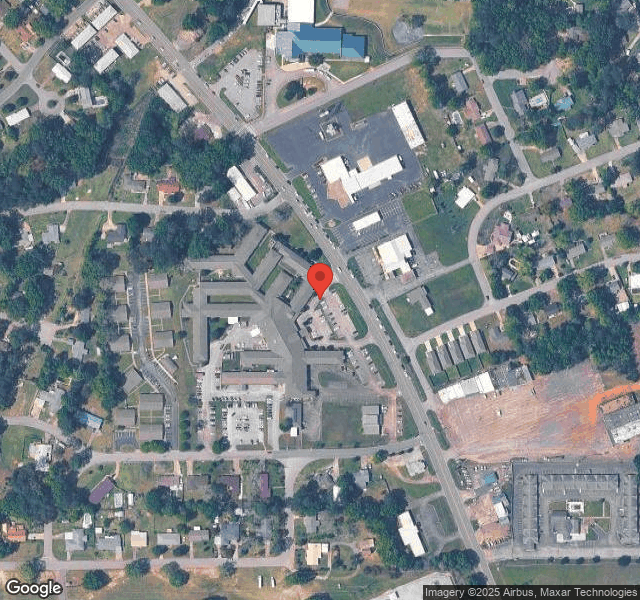
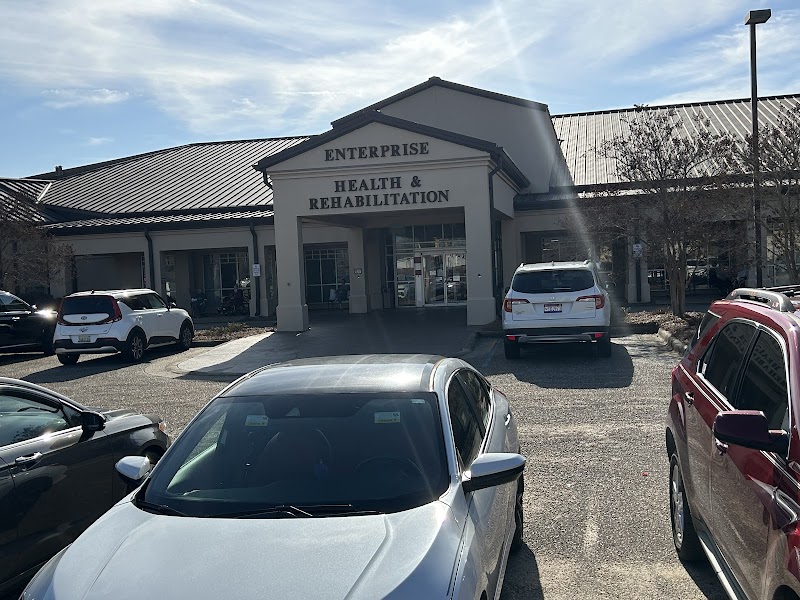
300 PLAZA DRIVE, ENTERPRISE, AL 36331 (334) 347-9541
For profit - Corporation 257 Beds Independent Data: November 2025
Trust Grade
65/100
#103 of 223 in AL
Last Inspection: November 2019

Over 2 years since last inspection. Current conditions may differ from available data.

Overview

Enterprise Health & Rehabilitation Center has a Trust Grade of C+, indicating it is slightly above average but still has room for improvement. It ranks #103 out of 223 nursing homes in Alabama, placing it in the top half, and #1 out of 2 facilities in Coffee County, meaning it is the best local option available. Unfortunately, the facility's performance trend is worsening, with issues increasing from 3 in 2018 to 4 in 2019. Staffing is a strong point, as it receives a 5-star rating with a turnover rate of 37%, which is well below the state average of 48%. However, the facility has concerning incidents, such as failing to properly clean a resident’s perineal area, which could lead to infections, and not ensuring food safety by neglecting to check food temperatures and labeling, potentially affecting all residents who receive meals. While there are strengths in staffing, the facility's health inspection scores and specific incidents highlight significant weaknesses that families should consider.

Trust Score
C+
65/100
In Alabama
#103/223
Top 46%
Safety Record
Low Risk
No red flags
Inspections
Getting Worse
3 → 4 violations
Staff Stability
○ Average
37% turnover. Near Alabama's 48% average. Typical for the industry.
Penalties
✓ Good
No fines on record. Clean compliance history, better than most Alabama facilities.
Skilled Nurses
○ Average
Each resident gets 34 minutes of Registered Nurse (RN) attention daily — about average for Alabama. RNs are the most trained staff who monitor for health changes.
Violations
⚠ Watch
15 deficiencies on record. Higher than average. Multiple issues found across inspections.
★★★☆☆
3.0
Overall Rating
★★★★★
5.0
Staff Levels
★★☆☆☆
2.0
Care Quality
★★☆☆☆
2.0
Inspection Score
Stable
2018: 3 issues
2019: 4 issues

The Good

  • 5-Star Staffing Rating · Excellent nurse staffing levels
  • Full Sprinkler Coverage · Fire safety systems throughout facility
  • No fines on record
  • Staff turnover below average (37%)

    11 points below Alabama average of 48%

Facility shows strength in staffing levels, fire safety.

The Bad

3-Star Overall Rating

Near Alabama average (2.9)

Meets federal standards, typical of most facilities

Staff Turnover: 37%

Near Alabama avg (46%)

Typical for the industry

The Ugly 15 deficiencies on record

Nov 2019 4 deficiencies
CONCERN (D)

Potential for Harm - no one hurt, but risky conditions existed

Incontinence Care (Tag F0690)

Could have caused harm · This affected 1 resident

**NOTE- TERMS IN BRACKETS HAVE BEEN EDITED TO PROTECT CONFIDENTIALITY** Based on observation, interviews, review of a lab report and review of a facility policy titled, PERINEAL CARE POLICY AND PROCED...

Read full inspector narrative →
**NOTE- TERMS IN BRACKETS HAVE BEEN EDITED TO PROTECT CONFIDENTIALITY** Based on observation, interviews, review of a lab report and review of a facility policy titled, PERINEAL CARE POLICY AND PROCEDURE, the facility failed to ensure the Certified Nursing Assistant (CNA) cleaned Resident Identifier (RI) #63 in a manner to assure the perineal area was thoroughly cleaned of bowel movement and in a manner to reduce the potential for urinary tract infection. This was observed on 11/3/19 and affected one of two residents observed for incontinent care. Findings Include: A review of a facility policy titled, PERINEAL CARE POLICY AND PROCEDURE with a revised date of 10/24/12 revealed Purpose: To maintain skin integrity, reduce opportunity for urinary tract infection, promote comfort. B. Performance of Perineal Care . 2. Continue procedure until perineal area thoroughly cleaned. A review of a lab report document for RI #63 revealed . specimen CLEAN CATCH URINE (collected 9/16/19) . Organism Identified . Escherichia coli . RI #63 was admitted to the facility on [DATE] and readmitted on [DATE]. RI #63's diagnoses included a personal history of urinary tract infections, per departmental notes. On 11/03/19 at 5:15 PM, the surveyor observed the staff provide incontinent care for RI #63. Employee Identifier (EI) #6, CNA and EI #7, CNA gathered some supplies, washed their hands, and put on gloves. EI #7 told the surveyor that RI #63 did not wear a disposable brief; however, RI #63 used the cloth pads. Both CNAs turned RI #63 to the right side and EI #7 cleaned the buttock and anal area. EI #7 removed her gloves, washed her hands, put on clean gloves, and removed the top cover bedding. EI #7 removed the bottom sheet, the draw sheet, and the cloth pad rolling toward the center of the bed. EI #7 placed the clean bottom sheet, draw sheet, and clean cloth pad on the bed. Both CNAs assisted RI #63 to turn to the left side. EI #6 removed the soiled linens and placed them on the floor beside the bed. EI #6 rolled the clean sheets and cloth pad on the bed. EI #6 and EI #7 assisted RI #63 into position and placed the top covers. After the top covers were placed, the surveyor asked how should they clean a resident during incontinent care. EI #7 replied, clean the front then turn to the side and clean the back. The surveyor asked EI #7 if she cleaned RI #63's front area. EI #7 replied, no. EI #7 was asked why not. EI #7 replied, she was not sure. The surveyor asked EI #6 and EI #7 to turn RI #63 to the side and was then asked if the bowel movement had been removed on the first cleaning. EI #7 replied, no, she should have made sure it was cleaned the first time. EI #7 cleaned RI #63's front then the buttock area until all bowel movement was removed. The surveyor asked EI #7 what was the harm in the resident not being cleaned in the front area during incontinent care. EI #7 replied, infection. On 11/06/19 at 8:58 AM, an interview was conducted with EI #1, Staff Education. EI #1 was asked what was the policy on how staff should clean a resident during incontinent care. EI #1 replied, clean the front side first in a front to back direction using a clean wipe each time, use a minimal of three times or until wipes return clean. EI #1 said once the front was completed turn the resident to the side and clean the back side cleaning until thoroughly clean with no visible sign of bowel movement. EI #1 was asked when should the staff not clean the front area of a resident during incontinent care. EI #1 replied, never. EI #1 was asked when should the staff leave bowel movement on a resident. EI #1 replied, never. EI #1 was asked what would the harm be in the staff not assuring all the bowel movement was removed from a resident during incontinent care. EI #1 replied, skin breakdowns, infection and comfort.
CONCERN (D)

Potential for Harm - no one hurt, but risky conditions existed

Menu Adequacy (Tag F0803)

Could have caused harm · This affected 1 resident

**NOTE- TERMS IN BRACKETS HAVE BEEN EDITED TO PROTECT CONFIDENTIALITY** Based on observations, interviews, review of residents meal tray cards and review of facility policies titled, Main Dining Room ...

Read full inspector narrative →
**NOTE- TERMS IN BRACKETS HAVE BEEN EDITED TO PROTECT CONFIDENTIALITY** Based on observations, interviews, review of residents meal tray cards and review of facility policies titled, Main Dining Room Protocol and Resident Meal Tray Preparation, the facility failed to ensure residents received foods that were listed on their tray cards matched foods received on their meal trays. This was observed on 11/3/19 lunch and supper meals and affected three of 15 residents whose trays cards were reviewed for meals. This deficient practice was cited as a result of the investigation of complaint # AL00036218, and affected (Resident Identifier) RI #128, RI #132 and RI #139. Findings Include: A review of a facility document titled, Main Dining Room Protocolwith a revised date of 7/25/13, revealed . 3. Nutrition Services will place all food and beverage on meal try, following tray cards and selective menus for accuracy. A review of a facility policy titled, Resident Meal Tray Preparation with a date of 11/6/09 revealed 1. Read the tray card. a. Right resident b. Right food/liquid consistency c. Correct level of assistance provided d. Correct assistive devices available e. Likes/dislikes honored . 1) RI #128 was admitted to the facility 4/11/18 and readmitted [DATE]. A diagnosis included age related physical disability. A review of RI #128's tray card for 11/3/19 supper meal revealed . 2 oz (ounces) Chicken Salad Sandwich . 1 ea (each) Grilled Pimento Cheese Sandwich . A review of RI #128's November 2019 Physician Orders revealed . REGULAR DIET WITH WEIGHT GAIN INTERVENTIONS . On 11/3/19 at 4:21 PM the surveyor observed RI #128's supper meal delivered. The surveyor compared the items on the tray to the tray card which revealed RI #128 not receiving a 2 oz (ounce) chicken salad sandwich and did not receive the grilled pimento cheese sandwich. The surveyor heard the resident telling the Certified Nursing Assistant (CNA) that if he/she did not get the sandwich he/she would not have much to eat because he/she did not want that egg thing. The CNA asked the resident if the grilled pimento sandwich would be ok. RI #128 replied, yes and the CNA went to the kitchen to get it. On 11/3/19 at 5:05 PM, a brief interview was conducted with Employee Identifier (EI) #8, CNA. EI #8 was asked what was supposed to be on the tray for supper. EI #8 replied, a chicken salad sandwich, soup, grilled pimento cheese sandwich, mashed potatoes, crackers, fruit cup, jello, cookie, tea, water and soda. EI #8 was asked what was on the tray. EI #8 replied, soup, quiche (egg thing), crackers, fruit cup, jello, tea, water and the soda. EI #8 was asked why were the sandwiches and mashed potatoes not on the tray. EI #8 replied, she did not know. EI #8 was asked how did she know which foods were to be on the resident tray. EI #8 replied, she looked at the tray card. EI #8 was asked what did she do if there were foods not on the tray that were on the tray card. EI #8 replied she would take the card to the kitchen and get the items. EI #8 was asked what was the harm in not having the foods on the plate that were on the tray card. EI #8 replied, not following diet and resident wants, resident could be losing weight and need those foods. EI #8 was asked what was the resident's status when the sandwich was not on the tray. EI #8 replied, RI #128 was upset and said he/she needed the sandwich or he/she would not have much to eat. On 11/5/19 at 11:58 AM, an interview was conducted with EI #5, Licensed Practical Nurse (LPN). EI #5 was asked how did he verify food on the tray was what the resident should get. EI #5 replied, they matched food listed on the tray card to that on the tray. EI #5 was asked if there were times when food or items were missing. EI #5 replied, yes. EI #5 was asked what was missing. EI #5 replied, silverware, sip cups, sandwichs and boiled eggs. EI #5 was asked who was responsible for putting items on the trays that were on the tray card. EI #5 replied, dietary. EI #5 was asked what should come from dietary. EI #5 replied, anything on the card should come on the tray. 2) RI #132 was admitted to the facility on [DATE] with diagnoses to include primary generalized (osteo)arthritis and muscle weakness (generalized). A review of the tray cards revealed, (RI #132's name) . Lunch: Sunday, Nov. 3 2019 Soup 3/4 C (cup) Soup of the Day Entree 3oz Pork Roast . Supper: Sunday, Nov. 3 2019 Bread 3oz Chp Half Sandwich . On 11/3/19 at 12:34 PM, an observation of RI #132's lunch tray was performed. Food items on the meal tray were compared to the items listed on the tray card. RI #132 did not receive 3/4 C Soup of the Day. RI #132 received a slice of Ham instead of Pork Roast. On 11/3/19 at 5:30 PM, an observation of RI #132's supper meal was performed. Food items on the meal tray were compared to the items listed on the tray card. RI #132 did not receive 3oz (ounce) Pimento Cheese Half Sandwich. At that time an interview was conducted with EI #4, CNA. She was asked did items on the tray match the tray card. EI #4 replied, all except the Pimento Cheese Sandwich, that was the only thing missing. On 11/5/19 at 3:30 PM, a follow-up interview was conducted with EI #4. EI #4 was asked how did she know what was suppose to be on the tray. EI #4 replied, she looked at the tray card. EI #4 was asked who was responsible for making sure what was on the tray card was on the meal tray. EI #4 replied, before it left the kitchen, dietary was. EI #4 was asked who was responsible for making sure what was on the tray card was on the meal tray after it left the kitchen. EI #4 replied, the CNA. EI #4 was asked what was the procedure when a food item listed on tray card was not on the meal tray. EI #4 replied, she took the tray card to the kitchen and got the missing item. EI #4 was asked how often did that happen. EI #4 replied, quite often. EI #4 was asked how many times a week did that occur. EI #4 replied, three to four times a week. EI #4 was asked why was RI #132's pimento cheese sandwich not on the meal tray. EI #4 replied, she did not know. EI #4 was asked what was the potential harm to the resident when he/she did not get the food items listed on the tray card. EI #4 replied, sometimes he/she did not like what was being served and he/she requested items that he/she would eat; if it was not there he/she may not eat. 3) RI #139 was readmitted to the facility on [DATE]. A diagnosis included Vascular Dementia with Behavioral Disturbance. On 11/3/19 at 12:39 PM, the surveyor observed on RI #139's tray card to have ham instead of pork roast, as listed on the tray card. The tray did not have 1/2 cup tomato soup. The tray card revealed: whipped sweet potato , 1/2 cup seasoned zucchini, 1 roll, a slice hummingbird cake, 16 oz (ounce) milk, 8 oz water and 8 oz tea. The surveyor asked RI #139's family member if there was any tomato soup on the tray. The family member stated, No, it was always like this not having what it says on the card. On 11/6/19 at 9:10 a.m., an interview was conducted with EI #10, CNA. EI #10 was asked how did she know what should be on the resident tray. EI #10 replied, by checking the book to see what type of diet the resident was on. EI #10 was asked how often did they have to go to kitchen for missing items on the tray. EI #10 replied, about twice a week. EI #10 was asked who was responsible for making sure that items on the tray and the card matched. EI #10 replied, they, the CNAs were when the trays came on the hall. EI #10 was asked what was the harm in the items not being on trays. EI #10 replied, the resident could be allergic to something or it could be something that the resident can not swallow. On 11/6/19 at 8:22 AM, an interview was conducted with EI #2, the Dietary Manager. EI #2 was asked who was responsible for putting foods on trays. EI #2 replied, the tray caller called out tray diet and requests, the cook plated the food and the end person or checker assured everything on the plate matched the card, then placed the tray on the cart. This person could be different for each meal. EI #2 was asked who placed tray cards on the trays. EI #2 replied, the tray caller. EI #2 was asked why were tray cards on trays. EI #2 replied, to identify the resident's diet by the physician orders. EI #2 was asked what was the benefits of the tray cards. EI #2 replied, to assure the resident was getting the accurate diet. EI #2 was asked when should items on the tray not match items on the tray card. EI #2 replied, food and items should match all the time. EI #2 was asked why should items on the tray card matched items on the resident tray. EI #2 replied, to assure residents were getting the correct diet, likes and dislikes were honored and everything needed was on the tray for that meal. EI #2 was told on 11/3/19 that the surveyors had observations at the lunch and supper meals of items listed on tray card that were not on the resident trays; she was then asked why would that happen. EI #2 replied, new employees, oversite and staff rushing through. EI #2 was asked who was responsible for making sure items on trays match items on the tray card. EI #2 replied, the last person, the checker. EI #2 was asked what was the harm in some foods on tray cards not being on the trays. EI #2 replied, not following special requests and honoring preferences.
CONCERN (D)

Potential for Harm - no one hurt, but risky conditions existed

Infection Control (Tag F0880)

Could have caused harm · This affected 1 resident

**NOTE- TERMS IN BRACKETS HAVE BEEN EDITED TO PROTECT CONFIDENTIALITY** Based on observation, interviews and review of a facility policy titled, Proper Linen Handling, the facility failed to ensure th...

Read full inspector narrative →
**NOTE- TERMS IN BRACKETS HAVE BEEN EDITED TO PROTECT CONFIDENTIALITY** Based on observation, interviews and review of a facility policy titled, Proper Linen Handling, the facility failed to ensure the Certified Nursing Assistant (CNA) did not place soiled linen she removed from Resident Identifier (RI) #63's bed, during incontinent care on the floor beside the bed. This was observed on 11/3/19 and affected one of two residents observed for incontinent care. Findings Include: A review of a facility policy titled, Proper Linen Handling with a revised date of 10/2017 revealed Purpose: To provide guidelines for handling of resident's soiled linens. In resident rooms: . 3. Deposit soiled laundry/linens . sheets . under pads in clear plastic bag . RI #63 was admitted to the facility on [DATE] and readmitted on [DATE]. Per departmental notes RI #63 had a personal history of urinary tract infections. On 11/03/19 at 5:15 PM, Employee Identifier (EI) #6 and EI #7 entered RI #63's room to provide incontinent care. EI #6 removed the soiled linens from the bed and placed the soiled linens on the floor beside the bed. On 11/3/19 at 5:40 PM, during an interview with EI #6, she was asked where was staff to place soiled linen when removed from the bed. EI #6 replied, in a plastic trash bag. EI #6 was asked where did she put the soiled linen. EI #6 replied, on the floor beside the bed. EI #6 was asked how were the linens soiled. EI #6 replied with bowel movement. EI #6 was asked what was the harm in placing the soiled linens on the floor. EI #6 replied, spread germs and what was on the pads and linens could get on the floor, then they step in it and track it to other areas. On 11/6/19 at 8:57 AM, an interview was conducted with EI #3 the Infection Control Registered Nurse (RN). EI #3 was asked what was the policy on where staff should place soiled linens when removing them from a resident's bed during incontinent care. EI #3 replied, in a plastic bag then in trash can. EI #3 was asked when should staff roll up soiled linens and place them on the floor beside the resident's bed. EI #3 replied, never. EI #3 was asked what was the harm in the CNA rolling up the soiled laundry then placing it on the floor beside the bed. EI #3 replied, infection control.
CONCERN (F)

Potential for Harm - no one hurt, but risky conditions existed

Food Safety (Tag F0812)

Could have caused harm · This affected most or all residents

Based on observations, interviews, and a review of facility policies titled: STORAGE OF FOOD AND SUPPLIES, DRYING OF DISHES & UTENSILS, TEMPERATURE OF WALK-IN FREEZER, WALK-IN COOLER, AND ICE CREAM FR...

Read full inspector narrative →
Based on observations, interviews, and a review of facility policies titled: STORAGE OF FOOD AND SUPPLIES, DRYING OF DISHES & UTENSILS, TEMPERATURE OF WALK-IN FREEZER, WALK-IN COOLER, AND ICE CREAM FREEZER and a TEMPERATURE LOG document, the facility failed to ensure: 1. meats in the freezer were labeled and sealed; 2. the temperatures of the freezer and cooler were recorded on the temperature log; and 3. utensils were not wet in utensil bags and in a silverware holder. This had the potential to affect 184 of 184 residents who received meals from the kitchen. Findings Include: 1) A review of a policy titled, STORAGE OF FOOD AND SUPPLIES with a last revised date of 2/16 revealed: . PROCEDURE . G. Cover all cooked foods with plastic wrap or other covering prior to storage to protect from dripping or contamination. H. All left overs are to be labeled with the contents and date. On 11/3/2019 at 9:34 a.m., the surveyor toured the freezer with (Employee Identifier). EI #11, [NAME] number one. The surveyor observed some type of cooked meat in the freezer. The meat was labeled with a date of 9/23/2019 and a use by date of 10/23/19. The foil paper was torn and the meat was exposed in the freezer. There was another type of meat in a large zip lock bag with clear plastic wrap around it. The meat had no opened or use by date on it. On 11/3/2019 at 3:02 p.m., the surveyor conducted an interview with EI #11, Cook, number one. EI #11 was asked what was wrapped in clear plastic wrap in the freezer. EI #11 replied, chicken. EI #11 was asked what was the opened and use by date on the food item wrapped in clear plastic wrap. EI #11 replied, it did not have a date on it. EI #11 replied, normally they label when they put something in there for 24-hours to three days. EI #11 was asked why was the food item not labeled. EI #11 replied, it was supposed to be labeled. EI #11 said she was not there everyday and different stock boys normally checked it when they put stuff up in the freezer. EI #11 was asked what was opened in a pan in the freezer. EI #11 replied, pork. EI #11 was asked how was the foil on the pork. EI #11 replied, it was opened on the corners. EI #11 was asked how far was the foil opened on the pan. EI #11 replied, it was enough to be noticed. EI #11 was asked how should food items be sealed. EI #11 replied, put clear plastic wrap around the food item and then foil all the way around it. EI #11 continue to say sign and date it. EI #11 was asked what was the facility policy on labeling food items and sealing food items in the freezer. EI #11 replied, they were not suppose to save food in the freezer. They can only keep food for one day or three days; it depended on what the food was. EI #11 was asked why was it important that food items were sealed and labeled. EI #11 replied, the food needed to be sealed so the food would not get freezer burned and labeled so the next cook or manager who checked it would know that the food was dated the proper way. On 11/6/2019 at 8:22 a.m., the surveyor conducted an interview with EI #2, Dietary Manager. EI #2 was asked what was the facility policy on sealing foods in the freezer. EI #2 replied, it should be properly sealed, labeled and dated. EI #2 was asked why was it important that food in the freezer be sealed. EI #2 replied, so it would not get freezer burn due to exposure, sanitation, and could cause harm. EI #2 was asked how should food be labeled in the freezer. EI #2 replied, sealed, labeled and dated. EI #2 was asked what should be on the label. EI #2 replied, the items name, the date it was stored, and the discard date. 2. A review of a policy titled, TEMPERATURE OF WALK-IN FREEZER, WALK-IN COOLER AND ICE CREAM FREEZER with a last revised date of 09/13 revealed: . PROCEDURE 1. Designated dietary staff members will check the temperature of the walk-in cooler, walk-freezer . twice per day (AM and PM) . A review of a facility document titled, TEMPERATURE LOG Walk-in Cooler, Walk-In Freezer, and Ice Cream Freezer MONTH Nov YEAR 2019. Cooler AM, Freezer AM, revealed no temperatures were documented for the morning shift on 11/2/19. On 11/5/2019 at 4:51 p.m., the surveyor conducted an interview with EI #11. EI #11 was asked why was there no temperatures recorded for 11/2/19 on the cooler and freezer log. EI #11 replied, it would have been between her and the second cook because they went into there as well. EI #11 was asked what was the facility policy regarding documenting the cooler and freezer temperatures. EI #11 replied,it should be documented by the morning cook and there were two cooks that morning, cook one and cook two. EI #11 continue too say they make sure they document it every day. EI #11 was asked what temperatures were documented on 11/2/19 log for the morning shift. EI #11 replied, nothing was recorded. EI #11 was asked why was it important that the cooler and freezer temperatures be recorded. EI #11 replied, for the safety of the food. On 11/6/2019 at 8:22 a.m., the surveyor conducted an interview with EI #2 Dietary Manager. EI #2 was asked who was responsible for recording the morning cooler and freezer temperatures on 11/2/19. EI #2 replied, the a.m., cook, cook number one, EI #11. EI #2 continue to say EI #11 was the head cook and the one in charge and she would be responsible. EI #2 was asked when should staff record the morning temperatures for the cooler. EI #2 replied, upon arrival of duty. On 11/6/2019 at 9:22 a.m., the surveyor conducted an interview with EI #13, Second Cook. EI #13 was asked who was responsible for checking temperatures in the cooler and freezer. EI #13 replied, she thought EI #11 checked the temperatures. EI #13 said she did not. EI #13 was asked why was it important to check the cooler and freezer temperatures daily. EI #13 replied, to make sure it had the right temperatures for the residents. EI #13 was asked what did the facility policy say regarding checking the cooler and freezer temperature daily. EI #13 replied, the temperatures must be checked daily. 3) A review of a facility policy titled, DRYING OF DISHES & UTENSILS with a last revised date of 1/15, revealed PURPOSE To ensure that all dishes, utensils, etc. are completely air dried . PROCEDURE 1. Any dishes, utensils, etc. coming from the dish room must be completely air dried with no water or wetness. On 11/5/2019 at 10:22 a.m, the surveyor observed six bags of silverware wet in the bags. There were spoons, forks, and knives in the bags to be placed on the residents trays. There was an adaptive spoon and fork with food debris on it in the silverware holder. Also noted, were numerous spoons, forks, and knives in one compartment of the silverware holder. On 11/5/2019 at 1:57 p.m., an interview was conducted with EI #12, tray caller. EI #12 was asked what was she putting in silverware bags. EI #12 replied, knives, spoons, and forks. EI #12 was asked was the silverware wet or dry. EI #12 replied, wet. EI #12 was asked why was the silverware wet. EI #12 replied they did not air dry fully. EI #12 was asked who was responsible for making sure silverware was dry before placing them in bags. EI #12 replied, the tray people. EI #12 was asked what was on a spoon and fork, pointed out by the surveyor. EI #12 replied, food debris. EI #12 was asked how should silverware be allowed to dry. EI #12 replied, air dry. EI #12 was asked why was it important not to give residents wet utensils. EI #12 replied, utensils have to be fully dried for them to eat off of it. EI #12 was asked to tell the surveyor about the silverware in the silverware holder. EI #12 replied, it was wet with food debris. EI #12 continue to say partial wet and partial food debris on the silverware. On 11/6/2019 at 8:22 a.m., the surveyor conducted an interview with EI #2. EI #2 was asked what did she observe in the silverware holder. EI #2 replied, too many stored in there to air dry. EI #2 continue to say the utensils packages had spots, wet spots, which would be consider wet nesting. EI #2 was asked who was responsible for bagging utensils on 11/5/19 at the lunch meal. EI #2 replied, the tray caller, EI #12. EI #2 was asked why was it important that residents not receive wet utensils. EI #2 replied, because of sanitation reason and bacteria. EI #2 was asked why was staff bagging wet utensils on 11/5/2019. EI #2 replied, she should not have been putting them in there, she should have waited until they were dry.
Nov 2018 3 deficiencies
CONCERN (D)

Potential for Harm - no one hurt, but risky conditions existed

Resident Rights (Tag F0550)

Could have caused harm · This affected 1 resident

Based on observation, interview, record review and review of a facility policy Maintaining/ Promoting Resident Dignity and Respect, the facility failed to ensure Resident Identifier (RI) #19 was not o...

Read full inspector narrative →
Based on observation, interview, record review and review of a facility policy Maintaining/ Promoting Resident Dignity and Respect, the facility failed to ensure Resident Identifier (RI) #19 was not on the porch, in the facility halls and in the dining area with the suprapubic catheter, drain tubing and catheter drain bag visible to residents and visitors. This was observed on 10/30/18 and 10/31/18 and affected three unsampled residents who preferred the catheter tubing and bag not be exposed. Findings Include: A review of facility policy titled, Maintaining/ Promoting Resident Dignity and Respect with a revised date of 3/2017 revealed: Policy Statement . Residents are appropriately covered by clothing/covers to avoid inappropriate exposure . RI #19 was admitted to the facility 11/7/17 with a diagnosis of Retention of Urine. On 10/30/18 at 4:10 PM, RI #19 was observed on the front porch of the facility with other residents smoking. RI #19 finished smoking and walked back in the facility. While RI #19 was on the porch the surveyor observed RI #19's catheter, catheter tubing to the drain bag and the drainage bag exposed hanging from the waist of RI #19's pants. The catheter, catheter drain tubing and the drain bag were visible for other residents out on the porch, as well as visitors entering the facility. Yellow urine was visible in the drainage tubing and the drain bag. RI #19 then walked to the dining room for the supper meal. On 10/31/18 at 9:16 AM, a brief interview was conducted with RI #19 who revealed she/he liked it that way and it did not bother her/him. RI #19 was asked how it may make other residents feel. RI #19 replied, she/he did not care how others felt. On 10/31/18 at 12:00 PM, an interview was conducted with Unsampled Resident (UR) #1, who wished to remain anonymous. UR #1 was on the porch when RI #19 was out smoking on 10/30/18. UR #1 was asked how did they feel about the resident walking with the catheter and the catheter tubing visible. UR #1 replied, it was visible and would prefer to not see it hanging out from under the clothing. When UR #1 was asked how it made them feel. UR #1 replied, embarrassed. UR #1 was asked if they had discussed the concern with any staff. UR #1 replied, no, did not want to cause trouble. On 10/31/18 at 12:15 PM UR #2, who preferred to not be named, was observed in the main dining room. The surveyor observed this resident looking at RI #19. An interview was conducted with UR #2 who revealed they would prefer to not see the catheter tubing and drain bag because it made them think that resident's private area was out. On 10/31/18 at 12:30 PM, an interview with UR #3, a resident who wished to remain anonymous, who was in the dining room. UR #3 was asked if they noticed RI #19 with the catheter tubing exposed. UR #3 replied, yes and would try to avoid being around that resident because it was embarrassing to see. On 10/31/18 at 1:00 PM, an interview was conducted with Employee Identifier (EI) #3, Certified Nursing Assistant. EI #3 was asked what care RI #19 required. EI #3 replied, catheter care, help with shower and help with toileting. EI #3 was asked how RI #19 wore the catheter. EI #3 replied, out of the pants. EI #3 was asked how much of the catheter was visible. EI #3 replied, the catheter, the drain tubing and the drain bag. EI #3 reported RI #19 would not allow them to cover the catheter, tubing or the bag. EI #3 was asked if the nurse was made aware. EI #3 replied, yes. EI #3 was asked who could see the catheter, drain tubing and drain bag. EI #3 replied, anyone in the hall, on the porch or in the dining room, RI #19 walked everywhere. EI #3 was asked what was the harm in RI #19's foley catheter, drain tubing and drain bag being visible to residents and visitors. EI #3 replied, it was a dignity concern. On 11/1/18 at 8:30 AM, interview was conducted with EI #2, Registered Nurse. EI #2 was asked if RI #19 had a catheter. EI #2 replied, yes a suprapubic catheter. EI #2 was asked how should the catheter, tubing and drain bag be maintained. EI #2 replied, inside the clothing, a leg band for the tubing and the drain bag in a privacy bag. EI #2 was asked was the catheter, drain tubing and drain bag covered. EI #2 replied, no, RI #19 will have all out over the waistband of the pants. EI #2 was asked who could see the catheter, the drain tubing and drain bag. EI #2 replied, anyone RI #19 met in the hall, on the porch or in the dining room, other residents, or visitors. EI #2 was asked what was the harm in the catheter, drain tubing and drain bag being visible for all to see. EI #2 replied, it was visually unappealing and a dignity issue.
CONCERN (D)

Potential for Harm - no one hurt, but risky conditions existed

Accident Prevention (Tag F0689)

Could have caused harm · This affected 1 resident

**NOTE- TERMS IN BRACKETS HAVE BEEN EDITED TO PROTECT CONFIDENTIALITY** Based on observation, interview, record review and review of a facility policy titled, Resident Smoking, the facility failed to ...

Read full inspector narrative →
**NOTE- TERMS IN BRACKETS HAVE BEEN EDITED TO PROTECT CONFIDENTIALITY** Based on observation, interview, record review and review of a facility policy titled, Resident Smoking, the facility failed to ensure a safe smoking assessment was completed for Resident Identifier (RI) #145 in a timely manner. Findings Include: A review of a facility policy titled, Resident Smoking, with a revised date of 7/2/18 revealed: .Policy: .6. All residents will be asked about tobacco use during the admission process, during each quarterly or comprehensive MDS (Minimum Data Set) assessment process. 7. Residents who smoke will be further assessed, using the Resident Safe Smoking Assessment, . RI #145 was admitted to the facility 1/8/18 with a diagnosis of Nicotine dependence. A review of RI #145's care plan dated 1/15/18 revealed, .is a smoker . Reassess residents' safety with smoking as indicated. A review of RI #145's Safe Smoking Assessment form, dated 10/11/18, revealed the form was completed. A form on the electronic health record dated 6/14/18 was reviewed which revealed a blank form, no date and no signature. On 10/31/18 at 11:15 AM, the surveyor observed RI #145 on the porch smoking with another resident. RI #145 was observed picking up an extinguished cigarette butt from the butt can on the porch. RI #145 placed the extinguished butt on the smoking apron. On 10/31/18 at 2:00 PM, a review of RI #145's Safe Smoking Assessments and Care Plan was conducted. A Safe Smoking Assessment, dated 6/14/18, on the Electronic Health Record was observed not completed. A Safe Smoking Assessment, dated 10/11/18, was completed. The surveyor asked for a printed copy of assessment dated [DATE] from the electronic record, which was not completed. On 10/31/18 at 5:15 PM an interview was conducted with Employee Identifier (EI) #1, Registered Nurse (RN). EI #1 reviewed the copy of the Safe Smoking Assessment that was not completed on the Electronic Health Record. EI #1 was asked if the assessment had been done. EI #1 replied, it appeared someone pulled it up but did not complete it. EI #1 was asked who was responsible for completing the smoking assessment. EI #1 replied, the RN on the unit or the RN on the resident admission would sometimes do it. EI #1 was asked how often smoke assessments were done. EI #1 replied, every quarter, and if there was a change in the resident status or if staff felt the resident to be unsafe. EI #1 was asked what were indicators to determine if residents were safe to independently smoke. EI #1 replied, the resident's short and long term memory should be ok, if the resident could verbalize what to do while smoking, how to light, and what to do with the equipment when finished smoking. EI #1 was asked what was the policy on resident cognitive status for independent smoking. EI #1 replied, the resident must be alert, know who they are, where they are, be able to light and dump ashes. EI #1 was asked what was the policy on resident smoking equipment. EI #1 replied, the resident was to return it to the nurse when finished. EI #1 was asked if RI #145 returned cigarettes and lighter promptly. EI #1 replied, yes. EI #1 was asked what were safe smoking measures. EI #1 replied, residents wear smoking aprons, return equipment, and staff to do assessments quarterly. If residents have a change, more often. EI #1 was asked when was RI #145's Smoking Assessment due. EI #1 replied, January, April, June and one for October, after a change in status. EI #1 was asked if the June Assessment was completed. EI #1 replied, no. EI #1 was asked if accurate assessments were completed. EI #1 replied, no. EI #1 was asked what was the risk of an assessment not being completed timely. EI #1 replied, the resident could have had a change, which could result in injury to self or another resident and the resident was not accurately assessed.
CONCERN (F)

Potential for Harm - no one hurt, but risky conditions existed

Food Safety (Tag F0812)

Could have caused harm · This affected most or all residents

Based on observation, interview and review of the facility policy titled, FOOD TEMPERATURES, the facility failed to ensure the temperature of Brussels sprouts was taken prior to serving for lunch on 1...

Read full inspector narrative →
Based on observation, interview and review of the facility policy titled, FOOD TEMPERATURES, the facility failed to ensure the temperature of Brussels sprouts was taken prior to serving for lunch on 10/30/2018. This had the potential to effect 130 residents who received Brussels sprouts for the lunch meal. Finding Include: A review of the facility policy titled, FOOD TEMPURATURES, with a last revised date of 07/2014, revealed, . PROCEDURE .B. Temperature of foods must be taken from the stream table 10 minutes before the first tray assembly and must be recorded. The acceptable temperature of hot food is greater than 135 degrees Fahrenheit . On 10/30/18 at 11:04 AM, the surveyor observed Employee Indentifier EI #4, the cook, remove the Brussels sprouts from the warmer, stating, I forgot my Brussels spouts, and put them on the tray line and starting serving them without taking the temperature. On 10/30/18 at 2:47 PM, an interview was conducted with EI #4, the cook. EI #4 was asked, who was responsible for checking the temperatures on the tray line. EI #4 replied, she was. EI #4 was asked, when did she check the temperature on the Brussels sprouts on the tray line. EI #4 stated, When I took them out of the steamer. EI #4 was asked if she checked the temperature of the Brussels spouts when she removed them from the warmer. EI #4 stated, No, I did not. EI #4 was asked why did she not check the temperature on the Brussels sprouts. EI #4 replied, she was in a hurry trying to get the line started so the early trays would not be late. EI #4 was asked what was the temperature of the Brussels sprouts on the tray line. EI #4 stated, she did not check the temperature on the tray line; I checked the temperature on the steamer. EI #4 was asked what was the facility policy on checking the temperature of the food on the tray line. EI #4 stated, you are suppose to check the temps when it hits the tray line. EI #4 was asked, what was the potential harm in not checking the temperature of food on the tray line. EI #4 stated, it could cause bacterial build up and could cause harm to persons that eat them, or make them sick. On 10/30/18 at 3:04 PM, an interview was conducted with EI #5, the Dietary Manager. EI#5 was asked when was the Brussels sprouts temperature checked. EI #5 stated the temperature was taken when she took them out of the streamer, not the warmer. EI #5 was asked what was the facility policy on checking the temperatures of food on the tray line. EI #5 stated within 10 minutes before it was served.
Nov 2017 8 deficiencies
CONCERN (D)

Potential for Harm - no one hurt, but risky conditions existed

Deficiency F0157 (Tag F0157)

Could have caused harm · This affected 1 resident

**NOTE- TERMS IN BRACKETS HAVE BEEN EDITED TO PROTECT CONFIDENTIALITY** Based on record review, staff interviews, a record review of the facility's policy and procedure titled, Notification of Changes...

Read full inspector narrative →
**NOTE- TERMS IN BRACKETS HAVE BEEN EDITED TO PROTECT CONFIDENTIALITY** Based on record review, staff interviews, a record review of the facility's policy and procedure titled, Notification of Changes in Resident Status, the facility failed to ensure licensed staff notified Resident Identifier (RI) #1's physician and family that the resident had some bleeding after being toileted by staff. This affected RI #1, one of one resident sampled for a change in condition. Findings Include: A review of the facility's policy and procedure titled, Notification of Changes in Resident Status dated 03/01, revealed the following: . Policy: The residents family and/or attending . physician will be notified of any event . that might possibly require medical intervention . This notification should take place as soon as possible after the incident. 1. Attend to the immediate needs of the resident. 2. Alert MD (Medical Doctor) in regards to the incident and assessment findings, as indicated. 3. Alert the family or sponsor in regards to the incident and assessment findings . RI #1 was re-admitted to the facility on [DATE] with diagnoses including: Unspecified Dementia Without Behavioral Disturbance, Essential Hypertension, Weakness and Alzheimer's Disease. A review of RI #1's Quarterly Minimum Data Set (MDS) assessment dated [DATE] revealed RI #1 had short and long term memory problems and was moderately impaired in cognitive skills for daily decision making. The MDS also assessed RI #1 as requiring extensive assistant with toileting and was frequently incontinent of bowel and bladder. On 11/14/17 at 4:00 PM, during an interview with Employee Identifier (EI) #8, Certified Nursing Assistant/CNA, EI #8 stated on 10/19/17, she reported to EI #7, Licensed Practical Nurse/LPN, after toileting RI #1 three times, she observed blood in the toilet and in the resident's brief. On 11/14/17 at 5:25 PM, during an interview with EI #9, LPN, EI #9 stated EI #8 informed her on 10/19/17 that RI #1 had some blood in the toilet and in RI #1's brief after being toileted. The surveyor asked when was the physician and the resident's family/sponsor notified. EI #9 stated she did not know when the family or the physician was notified. On 11/15/17 at 3:20 PM, during an interview with EI #7, stated on 10/19/17, EI #8, informed her that she (EI) #8 saw blood in the toilet and in RI #1's brief after the resident was toileted. EI #7 stated she did assess the resident, but did not document her assessment. EI #8 also stated she did not notify RI #1's doctor or RI #1's sponsor/family regarding EI #8's report of the resident's bleeding.
CONCERN (D)

Potential for Harm - no one hurt, but risky conditions existed

Deficiency F0164 (Tag F0164)

Could have caused harm · This affected 1 resident

Based on observation, a review of a facility's policy, without a title, and staff interview, the facility failed to ensure licensed staff did not leave privacy screen up and open to public view. This ...

Read full inspector narrative →
Based on observation, a review of a facility's policy, without a title, and staff interview, the facility failed to ensure licensed staff did not leave privacy screen up and open to public view. This affected one of five nurses observed during medication administration and one of four halls. Findings Include: A review of a facility policy, without a title, dated 11/16/2017 documented: . Policy: (name of facility) will keep residents Protected Health Information private and confidential. Procedure: Prior to leaving the area of the medication cart nurses will push the privacy screen button at the bottom of the computer causing the computer screen to lock and black out, no longer displaying resident health information. On 11/14/17 at 12:29 PM, the following was observed on the hall: Employee Identifier (EI) #6, Licensed Practical Nurse/LPN. EI #6 left the medication cart with the medication administration record screen up displaying twelve residents names and room location up and open to public view. Other facility staff observed on the hall. An interview was conducted with EI #6 on 11/14/2017 at 12:30 p.m. EI #6 was asked what did she do when she stepped away from the medication cart. EI #6 said she did not close the privacy screen. EI #6 was asked what should she have done prior to leaving the medication cart. EI #6 said ensure the privacy screen was on due to resident confidentiality. EI #6 also stated the medication the cart was not in her view at all times.
CONCERN (D)

Potential for Harm - no one hurt, but risky conditions existed

Deficiency F0225 (Tag F0225)

Could have caused harm · This affected 1 resident

**NOTE- TERMS IN BRACKETS HAVE BEEN EDITED TO PROTECT CONFIDENTIALITY** Based on staff interviews and a review of the facility's policy and procedure titled, Abuse, Neglect, and Exploitation Prohibiti...

Read full inspector narrative →
**NOTE- TERMS IN BRACKETS HAVE BEEN EDITED TO PROTECT CONFIDENTIALITY** Based on staff interviews and a review of the facility's policy and procedure titled, Abuse, Neglect, and Exploitation Prohibition Policy, the facility failed to ensure licensed staff reported and an investigation was completed regarding an allegation of physical and verbal abuse. This affected Resident Identifier (RI) #32, one of two residents sampled for Abuse. Findings Include: A review of the facility's policy and procedure titled, Abuse, Neglect, and Exploitation Prohibition Policy revealed the following: . III. Procedure for Reporting Alleged Abuse & (and) Neglect a) Report any suspected abuse and/or neglect to your direct supervisor, . IMMEDIATELY. b) The facility has 2 hours to report allegations of abuse, neglect, . or mistreatment . to ADPH (Alabama Department of Public Health) . a) Abuse, Neglect, & . b) All allegations of abuse and/or neglect MUST be reported to your immediate supervisor; . IMMEDIATELY. A review of the facility's investigation submitted to the State Agency on 10/23/17, regarding mistreatment of RI #1 contained an interview from Employee Identifier (EI) #10, Licensed Practical Nurse/LPN, revealed the following: 10/24/17 (EI #10) . On Sunday night in the dining room, [EI #7 (LPN)], was hollering at the residents and sat down by (RI #32) and began poking food in (RI #32) mouth, saying take it, eat it, you could here (hear) her down the hall. I told (EI #7) to leave resident alone that I would feed her in a few minutes. RI #32 was re-admitted to the facility on [DATE] with diagnoses to include: Dementia, Gastro-Esophageal Reflux Disease and Acquired Absence of Other Specified Parts of Digestive Tract. A review of RI #32's Quarterly Minimum Data Set (MDS) with an Assessment Reference Date (ARD) of 09/10/2017 revealed RI #32's Brief Interview for Mental Status (BIMS) score of 3, indicating severe impairment in cognition. The MDS also assessed RI #32 as requiring total assistance for all Activities of Daily Living (ADL) and was assessed as having a swallowing disorder. In an interview on 11/15/2017 at 11:13 a.m., EI #10 said on 10/22/2017, she observed EI #7, LPN, in the dining room feeding RI #32. EI #7 was hollering at the resident while feeding the resident. RI #32 had food coming out the sides of her/him mouth because EI #7 was putting too much food in RI #32's mouth. EI #10 also stated the resident was turning him/her head away when EI #7 was packing food in the resident's mouth and saying to the resident in a loud voice, take it and eat it. EI #10 was asked if she reported this incident and she said she did not because she was busy. EI #10 was asked what would this be considered as. EI #10 said putting too much food in someone's mouth would be considered abuse.
CONCERN (D)

Potential for Harm - no one hurt, but risky conditions existed

Deficiency F0226 (Tag F0226)

Could have caused harm · This affected 1 resident

**NOTE- TERMS IN BRACKETS HAVE BEEN EDITED TO PROTECT CONFIDENTIALITY** Based on medical record review, review of a facility policy titled Abuse, Neglect, and Exploitation Prohibition Policy and staff...

Read full inspector narrative →
**NOTE- TERMS IN BRACKETS HAVE BEEN EDITED TO PROTECT CONFIDENTIALITY** Based on medical record review, review of a facility policy titled Abuse, Neglect, and Exploitation Prohibition Policy and staff interview the facility failed to ensure Licensed staff reported an investigate of physical and verbal abuse. This affected Resident Identifier (RI) #32, one of two residents sampled for abuse. Findings Include: A review of a facility policy titled Abuse, Neglect, and Exploitation Prohibition Policy with a review and revised date of 11/2016 documented: . Policy: It is the policy of this facility to report all allegations of abuse/neglect/exploitation to appropriate agencies in accordance with current state and federal regulations.7. Reporting/Response: The facility will report all alleged violations and all substantiated incidents to the state agency . RI #32 was readmitted to the facility on [DATE] with diagnoses to include Dementia, Gastro-esophageal reflux disease and Acquired absence of other specified parts of digestive tract. A review of RI #32's Quarterly Minimum Data Set (MDS) with an Assessment Reference Date (ARD) of 09/10/2017 revealed RI #32 Brief Interview for Mental Status (BIMS) score of 3, indicating severe impairment in cognition. The MDS further revealed RI #32 was totally dependent for all Activities of Daily Living (ADL) and was checked for having a swallowing disorder. In an interview on 11/14/2017 at 5:25 p.m., Employee Identifier (EI) #9 Licensed Practical Nurse (LPN) was asked when were you aware that RI #32 had some bleeding after catherization had been attempted. EI #9 said I did not know about the bleeding but Employee Identifier (EI) #8 Certified Nursing Assistant (CNA) had told me that the nurse was rough and the resident had stated he/she was hurting and crying when the nurse had attempted the catherization and the nurse had continued to try and catherize RI #32. EI #9 said she had not reported this incident to anyone because I was not thinking this way. EI #9 was asked when did she assess the resident. EI #9 said I did not assess the resident and the doctor and family were not notified. In an interview on 11/15/2017 at 11:13 a.m., EI #10 LPN said that EI #8 CNA had made her aware of the catherization that was attempted several times by the nurse and EI #8 had seen some bleeding, but she never assessed RI #32's peri-area I did report this to EI #11 Registered Nurse (RN) Supervisor. EI #10 said on 10/22/2017 the same nurse was in the dining room feeding RI #32, and was hollering at the resident while feeding the resident. RI #32 had food coming out the sides of her/him mouth because she was putting to much food in RI #32's mouth at a time. EI #10 was asked if she reported this incident and she said she did not because she was busy. EI #10 was asked what was, or might be considered abuse. EI #10 said putting to much food in someone's mouth would be abuse. EI #10 said she did not report this incident. Based on staff interviews and record review of the facility's policy and procedure titled, Abuse, Neglect, and Exploitation Prohibition Policy, the facility failed to ensure an allegation of abuse were reported to the State Agency within two hours. This affected RI #1, one of two residents sampled for Abuse. The facility further failed to ensure licensed staff reported an observation of staff being physically and verbally abusive to RI #32. This affected RI #32, one of two residents sampled for Abuse. Findings Include: A review of the facility's policy and procedure titled, Abuse, Neglect, and Exploitation Prohibition Policy revealed the following: . III. Procedure for Reporting Alleged Abuse & (and) Neglect a) Report any suspected abuse and/or neglect to your direct supervisor, . IMMEDIATELY. b) The facility has 2 hours to report allegations of abuse, neglect, exploitation or mistreatment . to ADPH (Alabama Department of Public Health) . a) Abuse, Neglect, & . b) All allegations of abuse and/or neglect MUST be reported to your immediate supervisor; . IMMEDIATELY. A review of ADPH Online Incident Reporting System revealed the following: . Date/Time Submitted: Monday, October 23, 2017 . Incident Type . Mistreatment . Names of resident(s) involved: (RI #1) . Narrative summary of incident: Report received today 10/23/17 that on 10/17/17 (10/19/17) at 04:40 p.m., (EI #7) LPN was considered to be rough as observed by (EI#8), CNA when attempting to obtain an in and out catheter on this resident. 1. RI #1 was re-admitted to the facility on [DATE] with diagnoses including: Unspecified Dementia Without Behavioral Disturbance, Essential Hypertension, Weakness and Alzheimer's Disease. A review of RI #1's Quarterly Minimum Data Set (MDS) assessment dated [DATE] revealed RI #1 had short and long term memory problems and was moderately impaired in cognitive skills for daily decision making. The MDS also assessed RI #1 as requiring extensive assistant with toileting and was frequently incontinent of bowel and bladder. On 11/14/17 at 4:00 PM, during an interview with Employee Identifier (EI) #8, Certified Nursing Assistant/CNA, EI #8 stated on 10/19/17, she reported to EI #9, LPN, that during an in and out cath on RI #1, EI #7 had pulled RI #1's perineal area and the resident started screaming. EI #8 also stated that she informed EI #9 that EI #7 had been verbally abusive to the resident during the catheter procedure. EI #8 also stated on 10/21/17 she reported the same incident to EI #11, Registered Nurse/RN Supervisor. On 11/14/17 at 5:25 PM, during an interview with EI #9, EI #9 stated EI #8, CNA, informed her that during a catheter procedure on RI #1, EI #7, LPN, was rough and the resident was complaining that he/she was hurting. EI #9 stated she told EI #7 that EI #8 had done wrong and that she needed to report the information to the RN Supervisor. EI #9 stated she did not report this information to no one. When asked why she did not report this information to any one. EI #9 replied, I was not thinking this way. On 11/16/17 at 8:30 AM, during an interview with EI #11, EI #11 stated on 10/21/17, EI #8 did report to her the incident regarding EI #7 catheterizing RI #1. EI #11 stated she did not report the above incident because she felt like EI #8 had already reported the incident. EI #11 also stated she did not follow up on the information received by EI #8 to ensure the report had been done. EI #11 also stated she should have made administration aware as soon as the report was given to her from EI #8, because this was an allegation of abuse. EI #11 stated it was the responsibility of the shift supervisor to ensure residents care was provided as ordered and to ensure residents are safe, but that was not done during her shift.
CONCERN (D)

Potential for Harm - no one hurt, but risky conditions existed

Deficiency F0248 (Tag F0248)

Could have caused harm · This affected 1 resident

**NOTE- TERMS IN BRACKETS HAVE BEEN EDITED TO PROTECT CONFIDENTIALITY** Based on record reviews, staff and residents interviews, the facility failed to meet residents' interest on weekends with a vari...

Read full inspector narrative →
**NOTE- TERMS IN BRACKETS HAVE BEEN EDITED TO PROTECT CONFIDENTIALITY** Based on record reviews, staff and residents interviews, the facility failed to meet residents' interest on weekends with a variety of activities. This affected two of nine residents, Resident Indentifer (RI) #20 and RI #22, two of nine residents present during resident council. Findings Include: On 11/16/2017 at 10:45 a.m., a review of residents activity calendars for the weekend activities revealed the following: September 2017 9/3/2017-all religious activities 9/10/2017-all religious activities 9/24/2017-all religious activities November 2017 11/04/2017-all religious activities 11/05/2017-all religious activities 11/12/2017-all religious activities 11/26/2017-all religious activities On 11/14/2017 at 3:30 p.m., a Group Meeting was held. During the Group meeting there were nine residents in attendance. Residents voiced that the quality of the activities had declined. On weekends there was nothing but religious activities. Residents voiced they would like to have more than just religious activities on the weekend. 1. RI #20 was admitted to the facility 09/05/2012 with a diagnoses including: Multiple Sclerosis, Dementia and Hypertension. A review of RI #20's Quarterly Minimum Data Set (MDS) assessment dated [DATE] revealed RI #20 had a Brief Interview for Mental Status (BIMS) score of 15, indicating cognition intact. A review of a facility's interview obtained from RI #20 documented RI #20 would like to go on shopping trips to the mall. On 11/15/2017 at 5:05 p.m., an interview was conducted with RI #20. RI #20 was asked how he/she felt that there were no activities besides church functions on the weekends. RI #20 stated he/she felt there were not enough activities stimulating to him/her. RI #20 was asked what he/she would enjoy doing on Saturdays and Sundays that was currently not available. RI #20 stated that Bingo would be fun. RI #20 was asked if he/she felt there should be more activities than church activities on Saturdays and Sundays. RI #20 answered, Yes. RI #20 was asked if he/she told anyone about him/her concerns related to activities. RI #20 replied that he/she had told Activities personnel. 2. RI #22 was admitted to the facility on [DATE] with a diagnoses including: Major Depression, Schizoaffective Disorder and Bipolar Disorder. A review of the RI #22's Quarterly Minimum Data Set (MDS) assessment dated [DATE] revealed RI #22 had a Brief Interview for Mental Status (BIMS) score of 15, indicating cognition intact. A review of a facility's interview obtained from RI #22 documented RI #22 would like to go on bowling trips. On 11/16/2017 at 7:57 a.m., an interview was conducted with RI #22. RI #22 was asked should there be more activities than church on Saturdays and Sundays. RI #22 said yes. RI #22 was asked if she had told anyone about her activity concerns. RI #22 stated he/she had informed the Activities Director a few weeks ago. When asked if there was some activity he/she would like to do on Saturdays and Sundays other than what was offered or available. RI #22 stated yes, fishing trips, eating out and shopping trips. On 11/16/2017 at 2:02 p.m., an interview was conducted with Employee Identifier (EI) #3, Activity Assistant. EI #3 was asked who was responsible for providing activities per resident's request. EI #3 replied the Activity Director. According to EI #3, there had been no request from the residents since the Activity Director left the position. EI #3 was asked if she had received any complaints regarding the quality of the activities. EI #3 stated that she was not aware of any complaints. EI #3 stated that most singing and Bible activities are enjoyed by the residents, as well as arts and crafts. EI #3 was asked if she was aware of complaints regarding too much religious activities. EI #3 said she was not aware of any concerns of too many religious activities. The surveyor reviewed the facility calendars with EI #3. The surveyor showed EI #3 the activities on the weekends and asked what was available on the weekends. EI #3 stated church was offered, singing and devotional. EI #3 was asked if there were any activities besides singing, devotional and church. EI #3 responded nothing was available other than these activities. EI #3 was asked should there be more activities available on weekends besides devotion, singing and church. EI #3 replied yes it should be. EI #3 was asked what was the responsibility of the Activities Department regarding residents and activities. EI #3 stated to provide activities based on residents' preferences.
CONCERN (D)

Potential for Harm - no one hurt, but risky conditions existed

Deficiency F0278 (Tag F0278)

Could have caused harm · This affected 1 resident

**NOTE- TERMS IN BRACKETS HAVE BEEN EDITED TO PROTECT CONFIDENTIALITY** Based on interview, a record review of the facility's policy and procedure titled, Notification of Changes in Resident Status, t...

Read full inspector narrative →
**NOTE- TERMS IN BRACKETS HAVE BEEN EDITED TO PROTECT CONFIDENTIALITY** Based on interview, a record review of the facility's policy and procedure titled, Notification of Changes in Resident Status, the facility failed to ensure licensed staff assessed Resident Identifier (RI) #1 after staff reported the resident had bleeding after being toileted three times. This affected RI #1, one of one resident sampled for a change in condition. Findings Include: A review of the facility's policy and procedure titled, Notification of Changes in Resident Status dated 03/01, revealed the following: . Policy: 1. Attend to the immediate needs of the resident. RI #1 was re-admitted to the facility on [DATE] with diagnoses including: Unspecified Dementia Without Behavioral Disturbance, Essential Hypertension, Weakness and Alzheimer's Disease. A review of RI #1's Quarterly Minimum Data Set (MDS) assessment dated [DATE] revealed RI #1 had short and long term memory problems and was moderately impaired in cognitive skills for daily decision making. The MDS also assessed RI #1 as requiring extensive assistant with toileting and was frequently incontinent of bowel and bladder. On 11/14/17 at 4:00 PM, during an interview with Employee Identifier (EI) #8, Certified Nursing Assistant/CNA, EI #8 stated on 10/19/17, she reported to EI #7, Licensed Practical Nurse/LPN, that after toileting RI #1 three times, she observed blood in the toilet and in the resident's brief. EI #8 also stated she reported this information to EI #9, LPN on 10/19/17 and EI #11, Registered Nurse/RN Supervisor, on 10/21/17. On 11/14/17 at 5:25 PM, during an interview with EI #9, EI #9 stated EI #8 informed her on 10/19/17, that RI #1 had some blood in the toilet and in RI #1's brief after being toileted. The surveyor asked when did she (EI #9) assess the resident. EI #9 replied she did not assess the resident. On 11/15/17 at 3:20 PM, during an interview with (EI) #7, LPN, stated on 10/19/17, EI #8, ,CNA, informed her that she (EI) #8 saw blood in the toilet and in RI #1's brief after the resident was toileted. EI #7 stated she did assess the resident, but did not document her assessment. On 11/16/17 at 8:30 AM, during an interview with EI #11, RN Supervisor, EI #11 stated on 10/21/17, EI #8 reported to her the incident regarding EI #7 catheterizing RI #1. The surveyor asked when did she assess the resident after EI #8 informed her that the resident had some bleeding episodes on 10/19/17 after being toileted three times. EI #11 stated she did not assess the resident. When asked what was her responsibility as shift supervisor. EI #11 replied to ensure resident care is provided as ordered and residents are safe. EI #11 stated but that was not what she had done during her shift.
CONCERN (D)

Potential for Harm - no one hurt, but risky conditions existed

Deficiency F0315 (Tag F0315)

Could have caused harm · This affected 1 resident

**NOTE- TERMS IN BRACKETS HAVE BEEN EDITED TO PROTECT CONFIDENTIALITY** Based on observation, interviews and record review, the facility failed to ensure Resident Identifier (RI) #8 had a medical diag...

Read full inspector narrative →
**NOTE- TERMS IN BRACKETS HAVE BEEN EDITED TO PROTECT CONFIDENTIALITY** Based on observation, interviews and record review, the facility failed to ensure Resident Identifier (RI) #8 had a medical diagnosis to warrant the continued use of an indwelling Foley catheter following re-admission on [DATE]. This affected one of five residents sampled with the use of a catheter. Findings Include: RI #8 was readmitted to the facility on [DATE] with an indwelling Foley Catheter. Admitting diagnoses included: Pressure Ulcer of Sacral Region, Stage 2; Pressure Ulcer of Right Buttock, Stage 2: Morbid Obesity and Chronic Pain Syndrome. A wound assessment completed on 10/31/17 identified the Stage 2 areas to both the right and left inner buttocks had resolved, with one remaining open area, 0.2 x 0.2 (centimeter/cm) related to yeast. Bowel status was identified as incontinent. The care plan dated 10/24/17 remained in place for the use of the indwelling catheter, due to WCM (Wound Care Management). The Wound Assessment Form dated 11/13/17 included the following: (IDENTIFIED 11/9/2017 IN HOUSE) STAGE 2 ACROSS MID SACRUM DOWN RIGHT BUTTOCKS A 14.0 CM RAISED RED AREA WITH MULTIPLE <0.1 (less than 0.1 cm) MOIST PINK AREAS WITHIN, NO DRAINAGE, TENDER TO TOUCH, PERIWOUND SKIN INTACT NORMAL FOR RESIDENT.RESIDENT HAS HAD FOLEY CATH IN PLACE FOR WCM D/T (due to) EXCORIATION AND OPEN AREAS R/T (related to) YEAST. On 11/14/17 at 11:00 a.m., perineal care was provided by a Nursing Assistant and observed by the surveyor. No skin irritation was noted in the perineal, buttocks, or thigh areas. On 11/14/17 at 11:05 a.m., wound care was provided by Licensed Nursing staff in the presence of a surveyor. One Stage 2 area 13.6 cm X (by) 1.3 cm (no depth), which included multiple open areas each less than 0.1 cm was observed on RI #8's coccyx and right buttock. The Unit Manager (Employee Identifier/EI #4) responsible for RI #8 was asked on 11/15/17 at 1:15 p.m., what diagnosis warranted the use of the Foley catheter. EI #4 stated, Wound Care Management, excoriation with yeast in the abdominal folds and thighs, and a 0.2 cm open area to the left buttock. EI #4 also clarified the resident had never had a Stage 3 or greater pressure area on this admission or any previous admission. On 11/15/17 at 3:11 p.m., the Medical Director (EI #5) affirmed RI #8 had a skin irritation caused by yeast from the use of oral antibiotics. When asked if he was aware that Federal guidelines required the presence of a Stage 3 or greater pressure ulcer prior to the use of a Foley catheter, EI #5 replied, Yes. The surveyor explained the observation of perineal care earlier that morning, finding no skin irritation in the perineal area, and asked whether that would justify the continued use of the catheter. EI #5 responded the resident still had an area on the sacrum and right buttocks.
CONCERN (D)

Potential for Harm - no one hurt, but risky conditions existed

Deficiency F0441 (Tag F0441)

Could have caused harm · This affected 1 resident

**NOTE- TERMS IN BRACKETS HAVE BEEN EDITED TO PROTECT CONFIDENTIALITY** Based on observations, staff interviews and a record review of a facility's policy titled, Blood Glucose Monitoring- Fingerstick...

Read full inspector narrative →
**NOTE- TERMS IN BRACKETS HAVE BEEN EDITED TO PROTECT CONFIDENTIALITY** Based on observations, staff interviews and a record review of a facility's policy titled, Blood Glucose Monitoring- Fingerstick (Germicidal Cleaning of Glucose Monitor), the facility failed to ensure: 1. A Licensed Practical Nurse (LPN) wore gloves while performing a fingerstick blood sugar check on Resident Identifier (RI) #31 during observation of medication administration; This affected one of one resident's sampled who received a finger stick blood sugar, and 2. A hospice CNA (Certified Nursing Assistant) did not transport soiled bed linens down the hall in a plastic bag. This affected one of four residents sampled for activities of daily living and one of three residents observed during incontinent care Findings Include: A review of the facility's policy and procedure titled, Blood Glucose Monitoring - Fingerstick (Germicidal Cleaning of Glucose Monitor) dated 04/26/10, revealed the following: . Procedure: . 5 . DON gloves, . 1. RI #31 was admitted to the facility on [DATE] with diagnoses including: Type 2 Diabetes With Diabetic Chronic Kidney Disease, Peripheral Vascular Disease, and Iron Deficiency Anemia, Unspecified. An admission Minimum Data Set (MDS) with an Assessment Reference Date (ARD) of 10/17/17 revealed RI # 31 had a Brief Interview for Mental Status (BIMS) score of 3, indicating severe impairment in cognition. On 11/14/2017 at 3:40 p.m., the following was observed: Employee Identifier (EI) #1, LPN washed her hands and obtained a fingerstick blood sugar check on RI # 31. EI #1 did not wear gloves prior to and during the blood sugar check for RI # 31. On 11/14/17 at 3:42 p.m., an interview was conducted with EI # 1. EI #1 was asked why should she wear gloves when checking blood glucose levels. EI#1 replied for my own protection and to protect the resident. EI #1 was asked did she wear gloves when she check RI #31's blood sugar. EI #1 answered no. EI #1 was asked what the potential for harm is in not wearing gloves when checking blood sugar levels. EI #1 stated cross contamination. EI #1 was asked what the facility's policy was for wearing gloves when checking blood sugars. EI #1 responded we are supposed to wear gloves every time we check it. On 11/16/17 at 8:00 a.m., an interview was conducted with the Infection Control Nurse, EI #2. EI #2 was asked to describe how nurses should check blood sugar levels. EI #2 replied, they should gather equipment and clean items, all supplies, barrier down, and wear gloves. EI #2 was asked should nurses wear gloves during blood sugar checks. EI #2 replied yes. EI# 2 was asked what was the potential for harm when a nurse does not wear gloves to perform blood sugar checks. EI# 2 stated risk of spreading bacteria or germs from one resident to another. 2. A review of the Hospice Services Agreement with an effective date of 2/18/2009 revealed: . 2A. Responsibilities of HOSPICE . 2.08A Hospice Services. HOSPICE will provide services at the same level and to the same extent as those services would be provided if the FACILITY . 2.12A Policies and Procedures. HOSPICES established policies and patient care procedures . RI #12 was admitted to the facility on [DATE] with diagnosis to include Adult Failure To Thrive. On 11/14/17 at 4:30 p.m., Hospice CNA was observed transporting soiled bed linens from RI #12's room down the hall to the soiled utility room. The linens were not in a plastic bag. On 11/14/17 at 4:40 p.m., an interview was conducted with the Hospice Aide. She was asked, how was she trained to transport soiled linens to the soiled utility room. The Hospice Aide replied in a plastic bag. The Hospice Aide was asked if she had the soiled linens in a plastic bag. She replied no. The Hospice Aide was asked what the harm was in carrying soiled linens not in a plastic bag down the hall. Hospice Aide replied contamination. On 11/15/17 at 3:55 p.m., a phone interview was conducted with the Hospice Nurse supervising the hospice CNA. She was asked how should the hospice aide transport soiled bed linens down the hall to the soiled utility room. The Hospice Nurse replied in a plastic bag. She was asked who trained the Hospice CNA's. The Hospice Nurse replied the Hospice staff had quarterly training by the Hospice facility. The Hospice Nurse was asked what the harm was in a hospice CNA transporting soiled linens down the hall not in a plastic bag. The hospice nurse replied it would be an infection control issue. On 11/15/17 at 4:30 p.m., an interview was conducted with EI #2, Infection Control Nurse. EI #2 was asked if Hospice services was contracted by the facility and if so who trained them. EI #2 replied the Hospice staff was trained through the Hospice company. EI #2 was asked how should soiled linens be transported down the hall. EI #2 replied in a plastic bag. EI #2 was asked what was the harm in transporting soiled linens down the hall not in a plastic bag. EI #2 replied the possibility of transmitting germs to other residents.
Understanding Severity Codes (click to expand)
Life-Threatening (Immediate Jeopardy)
J - Isolated K - Pattern L - Widespread
Actual Harm
G - Isolated H - Pattern I - Widespread
Potential for Harm
D - Isolated E - Pattern F - Widespread
No Harm (Minor)
A - Isolated B - Pattern C - Widespread

Questions to Ask on Your Visit

  • "Can I speak with families of current residents?"
  • "What's your RN coverage like on weekends and overnight?"

Our Honest Assessment

Strengths
  • • No major safety red flags. No abuse findings, life-threatening violations, or SFF status.
  • • No fines on record. Clean compliance history, better than most Alabama facilities.
  • • 37% turnover. Below Alabama's 48% average. Good staff retention means consistent care.
Concerns
  • • 15 deficiencies on record. Higher than average. Multiple issues found across inspections.
Bottom line: Mixed indicators with Trust Score of 65/100. Visit in person and ask pointed questions.

About This Facility

What is Enterprise Health & Rehabilitation Center's CMS Rating?

CMS assigns ENTERPRISE HEALTH & REHABILITATION CENTER an overall rating of 3 out of 5 stars, which is considered average nationally. Within Alabama, this rating places the facility higher than 99% of the state's 100 nursing homes. This mid-range rating indicates the facility meets federal standards but may have areas for improvement.

How is Enterprise Health & Rehabilitation Center Staffed?

CMS rates ENTERPRISE HEALTH & REHABILITATION CENTER's staffing level at 5 out of 5 stars, which is much above average compared to other nursing homes. Staff turnover is 37%, compared to the Alabama average of 46%. This relatively stable workforce can support continuity of care.

What Have Inspectors Found at Enterprise Health & Rehabilitation Center?

State health inspectors documented 15 deficiencies at ENTERPRISE HEALTH & REHABILITATION CENTER during 2017 to 2019. These included: 15 with potential for harm.

Who Owns and Operates Enterprise Health & Rehabilitation Center?

ENTERPRISE HEALTH & REHABILITATION CENTER is owned by a for-profit company. For-profit facilities operate as businesses with obligations to shareholders or private owners. The facility operates independently rather than as part of a larger chain. With 257 certified beds and approximately 163 residents (about 63% occupancy), it is a large facility located in ENTERPRISE, Alabama.

How Does Enterprise Health & Rehabilitation Center Compare to Other Alabama Nursing Homes?

Compared to the 100 nursing homes in Alabama, ENTERPRISE HEALTH & REHABILITATION CENTER's overall rating (3 stars) is above the state average of 2.9, staff turnover (37%) is near the state average of 46%, and health inspection rating (2 stars) is below the national benchmark.

What Should Families Ask When Visiting Enterprise Health & Rehabilitation Center?

Based on this facility's data, families visiting should ask: "Can I visit during a mealtime to observe dining assistance and food quality?" "How do you handle medical emergencies, and what is your hospital transfer rate?" "Can I speak with family members of current residents about their experience?"

Is Enterprise Health & Rehabilitation Center Safe?

Based on CMS inspection data, ENTERPRISE HEALTH & REHABILITATION CENTER has a clean safety record: no substantiated abuse findings (meaning no confirmed cases of resident harm), no Immediate Jeopardy citations (the most serious violation level indicating risk of serious injury or death), and is not on the Special Focus Facility watch list (a federal program monitoring the lowest-performing 1% of nursing homes). The facility has a 3-star overall rating and ranks #1 of 100 nursing homes in Alabama. While no facility is perfect, families should still ask about staff-to-resident ratios and recent inspection results during their visit.

Do Nurses at Enterprise Health & Rehabilitation Center Stick Around?

ENTERPRISE HEALTH & REHABILITATION CENTER has a staff turnover rate of 37%, which is about average for Alabama nursing homes (state average: 46%). Moderate turnover is common in nursing homes, but families should still ask about staff tenure and how the facility maintains care continuity when employees leave.

Was Enterprise Health & Rehabilitation Center Ever Fined?

ENTERPRISE HEALTH & REHABILITATION CENTER has no federal fines on record. CMS issues fines when nursing homes fail to meet care standards or don't correct problems found during inspections. The absence of fines suggests the facility has either maintained compliance or corrected any issues before penalties were assessed. This is a positive indicator, though families should still review recent inspection reports for the full picture.

Is Enterprise Health & Rehabilitation Center on Any Federal Watch List?

ENTERPRISE HEALTH & REHABILITATION CENTER is not on any federal watch list. The most significant is the Special Focus Facility (SFF) program, which identifies the bottom 1% of nursing homes nationally based on persistent, serious quality problems. Not being on this list means the facility has avoided the pattern of deficiencies that triggers enhanced federal oversight. This is a positive indicator, though families should still review the facility's inspection history directly.