EVERGREEN NURSING HOME
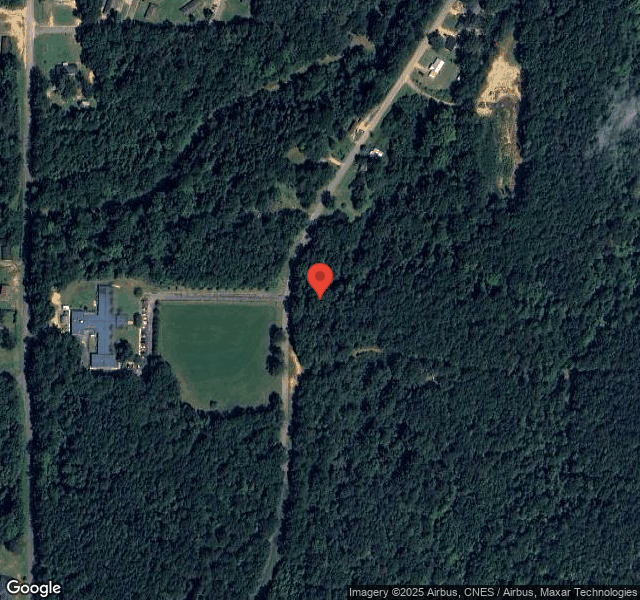

100 SANDERS DRIVE, EVERGREEN, AL 36401 (251) 578-3783
For profit - Corporation 61 Beds CROWNE HEALTH CARE Data: November 2025
Trust Grade
80/100
#53 of 223 in AL
Last Inspection: March 2020

Over 2 years since last inspection. Current conditions may differ from available data.

Overview

Evergreen Nursing Home has a Trust Grade of B+, which means it is recommended and above average compared to other facilities. It ranks #53 out of 223 nursing homes in Alabama, placing it in the top half, and is the only option in Conecuh County. However, the facility is experiencing a worsening trend, with issues increasing from 1 in 2019 to 2 in 2020. Staffing is a strength here, with a 4/5 rating and a turnover rate of 30%, significantly lower than the state average of 48%, indicating staff retention. Although there are no fines on record, which is positive, the nursing home has less RN coverage than 80% of facilities in Alabama, which raises some concerns about the level of nursing care. Specific incidents noted include a dietary worker failing to wash hands after handling soiled dishes, a CNA not following proper protocol while feeding a resident, and the absence of an isolation sign outside a resident's room, which could lead to infection risks. Overall, while Evergreen Nursing Home has solid staffing and no fines, there are notable concerns regarding infection control practices and adherence to care protocols.

Trust Score
B+
80/100
In Alabama
#53/223
Top 23%
Safety Record
Low Risk
No red flags
Inspections
Getting Worse
1 → 2 violations
Staff Stability
○ Average
30% turnover. Near Alabama's 48% average. Typical for the industry.
Penalties
✓ Good
No fines on record. Clean compliance history, better than most Alabama facilities.
Skilled Nurses
○ Average
Each resident gets 31 minutes of Registered Nurse (RN) attention daily — about average for Alabama. RNs are the most trained staff who monitor for health changes.
Violations
○ Average
6 deficiencies on record. Average for a facility this size. Mostly minor or procedural issues.
★★★★☆
4.0
Overall Rating
★★★★☆
4.0
Staff Levels
★★★☆☆
3.0
Care Quality
★★★★☆
4.0
Inspection Score
Stable
2019: 1 issues
2020: 2 issues

The Good

  • 4-Star Staffing Rating · Above-average nurse staffing levels
  • Full Sprinkler Coverage · Fire safety systems throughout facility
  • No fines on record
  • Staff turnover below average (30%)

    18 points below Alabama average of 48%

Facility shows strength in staffing levels, fire safety.

The Bad

Staff Turnover: 30%

16pts below Alabama avg (46%)

Typical for the industry

Chain: CROWNE HEALTH CARE

Part of a multi-facility chain

Ask about local staffing decisions and management

The Ugly 6 deficiencies on record

Mar 2020 2 deficiencies
CONCERN (D)

Potential for Harm - no one hurt, but risky conditions existed

Resident Rights (Tag F0550)

Could have caused harm · This affected 1 resident

**NOTE- TERMS IN BRACKETS HAVE BEEN EDITED TO PROTECT CONFIDENTIALITY** Based on observation, interview, a facility policy titled, Assisting the Impaired Resident with In-Room Meals and a facility doc...

Read full inspector narrative →
**NOTE- TERMS IN BRACKETS HAVE BEEN EDITED TO PROTECT CONFIDENTIALITY** Based on observation, interview, a facility policy titled, Assisting the Impaired Resident with In-Room Meals and a facility document titled, Inservice Dignity and Respect, the facility failed to ensure a CNA (Certified Nursing Assistant) did not stand while feeding RI (Resident Identifier) #46 the lunch meal on 03/10/20. This deficient practice affected RI #46, one of four sampled residents who required assistance with feedings. Findings Include: A review of a facility policy titled, Assisting the Impaired Resident with In-Room Meals, with no date revealed the following: Policy: The purpose of this procedure is to provide a well-balanced meal to the resident who needs assistance with eating . Procedure: . 3 . be seated during the feeding, position a chair where it will be convenient for you and the resident, providing resident dignity . A review of a facility document titled, Inservice Dignity and Respect, with no date, revealed the following: . the facility must promote care for residents in a manner . that maintains or enhances each resident's dignity . Promoting resident . dignity in dining such as avoidance of: . Staff standing over residents while assisting them to eat: . RI #46 was admitted to the facility on [DATE] and readmitted to the facility on [DATE] with diagnoses to include Dysphasia, oral phase. RI #46's Care Plan revealed the following: Problem Onset 10/3/14 . ADL's (activities of daily living) Resident requires assist w/(with) . eating . Approaches .* Provide assistance with meals . On 03/10/20 at 12:20 p.m., the surveyor observed EI (Employee Identifier) #1 standing up while feeding RI #46, while the resident was sitting on the side of the bed. On 03/10/20 at 12:39 p.m., an interview was conducted with EI #1, a CNA. EI #1 was asked did she feed EI #46 his/her lunch meal. EI #1 said yes. EI #1 was asked what position was she feeding RI #46. EI #1 said she was standing. EI #1 was asked what was she taught about feeding residents. EI #1 said to sit down on the side of them (resident), pay attention to them and make sure they are offered everything on the tray. EI #1 was asked what position should she have been in when feeding the resident. EI #1 said she should have been sitting in front of, or on the side of RI #46. EI #1 was asked why was she standing feeding RI #46. EI #1 said there was no chair so she just stood up. EI #1 was asked what was the concern with standing up feeding a resident, would it be a dignity concern. EI #1 said yes it would be a dignity issue. On 03/12/20 at 2:25 p.m., an interview was conducted with EI #2, RN (Registered Nurse), Staff Development Coordinator. EI #2 was asked how were CNAs trained to assist the residents with feeding. EI #2 said they were trained to sit down to feed residents, for safety purposes of the residents. EI #2 was asked what position should the CNA be in when feeding residents. She said sitting down facing the resident. EI #2 was asked should staff be standing feeding a resident. She said no. EI #2 was asked what was the concern with the CNA standing while feeding a resident. EI #2 said it is a dignity concern.
CONCERN (D)

Potential for Harm - no one hurt, but risky conditions existed

Infection Control (Tag F0880)

Could have caused harm · This affected 1 resident

**NOTE- TERMS IN BRACKETS HAVE BEEN EDITED TO PROTECT CONFIDENTIALITY** Based on observations and interviews, the facility failed to ensure Resident Identifier (RI) #6 had an isolation sign outside of...

Read full inspector narrative →
**NOTE- TERMS IN BRACKETS HAVE BEEN EDITED TO PROTECT CONFIDENTIALITY** Based on observations and interviews, the facility failed to ensure Resident Identifier (RI) #6 had an isolation sign outside of the door. This affected RI #6, one of one resident observed on isolation. Findings include: RI #6 was admitted to the facility on [DATE] and readmitted on [DATE]. RI # 6 had a diagnosis of Extended spectrum beta lactamase (ESBL) resistance. On 03/10/20 at 3:29 p.m., an observation was made of RI #6's room, an isolation cart containing gloves, mask, and gowns were outside of the room. No observed isolation sign on the door indicating the type of isolation such as contact, airborne, or droplett the resident was on, or what staff/visitors should do before entering the room. On 03/11/20 at 9:09 a.m., an observation was made of RI #6's room, an isolation cart (remained) outside of the room. Still no observed isolation sign on the door indicating the type of isolation the resident was on, or what staff/visitors should do before entering the room. On 03/12/20 at 8:09 a.m., an observation was made of RI #6's room, an isolation cart remained outside of the room. No observed isolation sign on the door indicating the type of isolation the resident was on, or what staff/visitors should do before entering the room. On 03/12/20 at 1:29 p.m., an interview was conducted with Employee Identifier (EI) #3, Unit Manager. EI #3 was asked, who was the unit manager on the hall where RI #6 was. EI #3 replied, she was. EI #3 was asked, what kind of precautions was RI #6 on. EI #3 replied, on contact isolation. EI #3 was asked, why was the resident on these precautions. EI #3 replied, the resident had ESBL positive urine. EI #3 was asked how staff knew what precautions the resident was on. EI #3 replied there was a sign, it was on the care plan, it was in the books. The resident had a door hanger and they changed it out, she thought that they must have taken it off when they took it because it was attached to it. EI #3 was asked, how do visitors know what to do. EI #3 replied, usually the only visitor the resident had was her/his sister and she came once or twice a week and has been told what to do. EI #3 was asked, was there a sign on the door. EI #3 replied, no. EI #3 was asked, where was the sign for the door. EI #3 replied she did not know but it had been there. EI #3 was asked, should there be a sign. EI #3 replied, yes. EI #3 was asked, why was there not a sign for the door. EI #3 replied it obviously came off the door. EI #3 was asked, who was responsible for ensuring there was a sign on the door. EI # 3 replied that would be every personnel in this building. EI #3 was asked what was the potential concern of not having a sign outside of a resident's room that was on transmission-based precautions. EI #3 replied, that someone may come in and get contaminated and expose it to someone else. On 03/12/20 at 1:46 p.m., an interview was conducted with EI #4, Infection Control Nurse. EI #4 was asked, what kind of precautions was RI #6 on. EI #4 replied, on contact isolation. EI #4 was asked, why was the resident on these precautions. EI #4 replied the resident had ESBL in the wound and urine. EI #4 was asked, how did staff know what precautions the resident was on. EI #4 replied it was posted on the door, and every time they put residents on precautions they did in-services. EI #4 was asked, how did visitors know what precautions the resident was on. EI #4 replied when they first put the resident on precautions they contacted them and let them know. EI #4 was asked, where was the sign for the door. EI #4 replied usually they put it on the door and it was under the resident's name. EI #4 was asked, should there be a sign. EI #4 replied yes. EI #4 was asked, why was there not a sign for the door. EI #4 replied, she did not know if it fell off, she really did not know, but there was a sign on the door. EI #4 was asked, who was responsible for ensuring there was a sign on the door. EI #4 replied all staff really, she was the infection control person, so she initiated it. EI #4 was asked, what was the potential concern of not having a sign outside of a resident's room that was on transmission-based precautions. EI #4 replied that someone entering into that room without the proper Personal Protective Equipment (PPE) could cause a visitor or another resident to get what that resident had.
Jan 2019 1 deficiency
CONCERN (D)

Potential for Harm - no one hurt, but risky conditions existed

Infection Control (Tag F0880)

Could have caused harm · This affected 1 resident

**NOTE- TERMS IN BRACKETS HAVE BEEN EDITED TO PROTECT CONFIDENTIALITY** Based on observation, interview, and review of the facility's policy titled, Medication Administration - General Guidelines, the...

Read full inspector narrative →
**NOTE- TERMS IN BRACKETS HAVE BEEN EDITED TO PROTECT CONFIDENTIALITY** Based on observation, interview, and review of the facility's policy titled, Medication Administration - General Guidelines, the facility failed to ensure a licensed nurse washed her hands after returning to the medication cart to continue preparing medication for Resident Identifier (RI) #21. Further, the facility failed to ensure a licensed nurse did not place a contaminated blister medication card into the medication cart after it had fallen on the floor. This affected one of four residents and one of three nurses observed during medication pass administration. Findings Include: A review of the facility's policy titled, Medication Administration - General Guidelines, dated 01/12 revealed: . Procedures . 6. Cleanse hands with soap and water before handling medication . RI #21 was admitted to the facility on [DATE] with a diagnosis to include Type 2 Diabetes Mellitus without complications. On 1/16/19 at 8:14 a.m., the surveyor observed Employee Identifier (EI ) #1, Licensed Practical Nurse, leave the medication cart to go to the medication room to retrieve more insulin. EI #21 was observed touching items in the medication room, such as the door handle, the refrigerator, and the emergency medication box. EI #1 did not wash her hands when she returned to the medication cart to continue preparing RI #21's medication. EI #1 then placed a medication blister card that had fallen on the floor into the medication cart. An interview was conducted on 1/16/19 at 4:04 p.m. EI #1 was asked, what should be done after returning to the medication cart and before continuing to prepare medication. EI #1 stated, I should have . washed my hands in the sink at the nursing station. EI #1 was asked, what should be done after the nurse picked up the medication blister pack off the floor and handed it to you. EI #1 stated, I should have used a kleenex to take the blister pack from her. EI #1 was asked, should the blister pack have been placed into the medication cart. EI #1 stated, No, it should have been placed in the drug destruction box. EI #1 was asked, what was the potential for harm. EI #1 stated, Germs, . can cause other residents to get sick. An interview was conducted on 1/16/19 at 4:12 p.m. with EI #2, Registered Nurse/ Quality Assurance, Infection Control. EI #2 was asked, what should be done after a nurse returns to the medication cart to continue preparing medications. EI #2 stated, Wash her hands. EI #2 was asked, if a blister pack of medications falls on the floor, what should the nurse do. EI #2 stated, She must throw the medication away after it hits the floor because it is contaminated.
Feb 2018 3 deficiencies
CONCERN (D)

Potential for Harm - no one hurt, but risky conditions existed

Assessment Accuracy (Tag F0641)

Could have caused harm · This affected 1 resident

**NOTE- TERMS IN BRACKETS HAVE BEEN EDITED TO PROTECT CONFIDENTIALITY** Based on observation, interviews, and a review of a smoking assessment, the facility failed to ensure a smoking assessment was a...

Read full inspector narrative →
**NOTE- TERMS IN BRACKETS HAVE BEEN EDITED TO PROTECT CONFIDENTIALITY** Based on observation, interviews, and a review of a smoking assessment, the facility failed to ensure a smoking assessment was accurately completed for RI (Resident Identifier) #157. This affected RI #157, one of twenty-one sampled residents. Findings Include: A review of a facility policy titled, NURSING PROCEDURES MANUAL, with an effective date of 03/08, revealed: PURPOSE: The resident has the right to smoke, if desired. However, smoking is generally supervised to protect the resident from fire hazards. PROCESS: 1. Upon admission, quarterly, and a significant change, the resident's smoking desires should be determined, along with their ability to smoke unattended. A review of the medical record revealed RI #157 was re-admitted to the facility on [DATE] with diagnoses to include Chronic Obstructive Pulmonary Disease, Hemiplegia following Cerebral Infarct, and Nicotine Dependence. A review of the care plan for RI #157 revealed, . Problem/Need . SMOKER Res (Resident) has the potential for injury r/t (related to) smoking due to CVA (Cerebrovascular Accident) w/(with) right-sided wkns (weakness) . Apply smoking apron whenever smoking . A review of a facility document titled, Smoker's Assessment, revealed a section for Cognitive Assessment, Motor Skills Assessment, and Safety Assessment. In the Safety Assessment section, the following abilities were to be assessed: .Wears apron when smoking Put ashes in proper container Lights cigarette on right end Knows when cigarette is finished Puts cigarette in proper container when finished. A review of the Smoking Assessment for RI #157 was dated 1/25/18, and revealed the ability, Wears apron when smoking, had not been checked. An observation was made on 02/01/18 at 2:33 PM of EI (Employee Identifier) #4, a CNA (Certified Nursing Assistant), asking if RI #157 was ready to go out to smoke. EI #4 got a storage bag with cigarettes and a smoking apron and walked down the hallway with RI #157. EI #4 put the smoking apron on RI #157. EI #4 passed a cigarette and lighter to RI #157. RI #157 lit the cigarette with a steady hand. At 2:52 PM, RI #157 extinguished their second cigarette, stood up, and EI #4 detached the smoking apron. An interview was conducted on 02/01/18 at 3:30 PM with EI #5, the Social Services Director. EI #5 was asked who completed the smoking assessment for RI #157. EI #5 answered a trainee and herself. EI #5 was asked what the assessment indicated related to RI #157 needing a smoking apron. EI # 5 answered it was not checked, EI #5 was asked what it meant when the line by need for apron was left blank. EI #5 answered that would say there was no need for an apron. EI #5 was asked what did the care plan indicate related to RI #157's use of a smoking apron and she answered to apply a smoking apron whenever smoking. EI #5 was asked should the plan of care match the assessment and she answered it should. EI #5 was asked which one was correct and she answered the care plan. EI #5 was asked what was the facility policy regarding the assessment and plan of care correlating and she answered they should match. EI #5 was asked what was the concern of the plan of care not matching the assessment. EI #5 answered she would be concerned that it may not match what the resident needs. An interview was conducted with EI #1, the Administrator, on 02/01/18 at 3:39 PM. EI #1 was asked if the care plan and assessment should match and she answered yes. EI #1 was asked what was the facility's policy regarding the assessment and plan of care correlating and she answered they should match. EI #1 was asked what was the concern of the plan of care not matching the assessment. EI #1 answered staff might not meet a resident's needs.
CONCERN (F)

Potential for Harm - no one hurt, but risky conditions existed

Food Safety (Tag F0812)

Could have caused harm · This affected most or all residents

Based on observations, interviews, and a review of the 2013 Food Code, the facility failed to ensure a dietary worker washed her hands after handling soiled dishes and prior to handling clean dishes. ...

Read full inspector narrative →
Based on observations, interviews, and a review of the 2013 Food Code, the facility failed to ensure a dietary worker washed her hands after handling soiled dishes and prior to handling clean dishes. This had the potential to affect all fifty-seven residents that were served meals from the kitchen. Findings Include: A review of the 2013 FDA (Food and Drug Administration) Food Code revealed: 2-301.14 When to Wash. FOOD EMPLOYEES shall clean their hands and exposed portions of their arms . immediately before engaging in FOOD preparation including working with exposed FOOD, clean EQUIPMENT and UTENSILS, and . (E) After handling soiled EQUIPMENT or UTENSILS; . (I) After engaging in other activities that contaminate the hands . An observation was made on 01/31/18 at 9:18 AM of EI (Employee Identifier) #3, a Dietary Aide, washing silverware. EI #3 was observed to send the silverware through the dishwasher flat, then removed the washed silverware and stacked the silverware in holders with the tines up without washing her hands between handling the soiled silverware then the clean silverware. EI #3 then removed a clean rack and changed tines to down and re-washed silverware without her hands being washed. EI #3 washed and wiped multiple surfaces in the dirty dish-washing area with a wash cloth. Without washing her hands, EI #3 then gripped the rack of clean utensils, shook it, and continued to clean the dirty side of the dish-washing area. EI #3 had not washed her hands. At 9:30 AM, EI #3 wiped her hands on her apron and retrieved a cart from the dining room with her unwashed hands. At that time, EI #3 washed her hands and put her hands back on the bar she handled with unwashed hands. An interview was conducted with EI #3 on 01/31/18 at 9:47 AM. EI #3 was asked how should clean dishes and silverware be handled and she answered with her hands. EI #3 was asked when should hands be washed during dishwashing and she answered before washing the dirty silverware and after. EI #3 was asked if she did that. EI #3 initially answered yes then added she had washed them before handling the dirty. EI #3 was asked what was the concern of handling clean dishes or silverware with unwashed hands and she answered bacteria contamination. EI #3 was asked if she usually worked both the clean and dirty side of dishwashing and she answered yes. An interview was conducted with EI #2, the Dietary Manager, on 02/01/18 at 1:32 PM. EI #2 was asked when should hands be washed during dishwashing and she answered after contact with dirty dishes. EI #2 was asked what was the facility's policy regarding staff handling both soiled and clean dishes and silverware. EI #2 answered after staff handled the soiled, they were supposed to go wash their hands before they handled the clean. EI #2 was asked what was the concern of staff handling soiled dishes or silverware, then handling the clean dishes without washing their hands. EI #2 answered it could cause germs to be transferred.
MINOR (C)

Minor Issue - procedural, no safety impact

Safe Environment (Tag F0584)

Minor procedural issue · This affected most or all residents

Based on observations, interviews, and a review of the manufacturer's descriptions of the divided plates residents' were served on, the facility failed to ensure residents were not served meals on div...

Read full inspector narrative →
Based on observations, interviews, and a review of the manufacturer's descriptions of the divided plates residents' were served on, the facility failed to ensure residents were not served meals on divided plates that did not appear homelike. This affected all fifty-seven residents who were served meals from the kitchen. Findings Include: A review of the description of the Three-Compartment Plate, from the manufacturer's website revealed: . Item Details An excellent addition to any restaurant or food service establishment . A review of the description of the 3-Compartment Deep Plate, from the manufacturer's website revealed: . For use indoors and outside; dress up a table for everyday entertaining or use worry free for school, church, parties, poolside or barbecues . An observation was made on 01/30/18 at 12:04 PM of trays being served to residents in the dining room. The plates served to the residents were divided plates. An observation was made on 01/30/18 at 12:19 PM of seventeen residents who had been served meals on divided plates. An observation was made on 01/31/18 at 8:02 AM of residents on the hallways eating in their rooms. The residents' meals were served in divided plates and deep divided plates. An observation was made on 01/31/18 at 12:27 PM of all residents in the dining room being served in divided plates. An interview was conducted with EI (Employee Identifier) #2, the Dietary Manager, on 02/01/18 at 01:32 PM. EI #2 was asked why were residents served meals in divided plates. EI #2 answered she could only answer that those were the plates they had been using. EI #2 was asked were divided plates consistently used in a home setting and she answered that she did not use them at home. EI #2 was asked if that meant the divided plates were not homelike. EI #2 answered they were not like the ones she used at home. EI #2 was asked what were the expectations of the facility to provide a homelike atmosphere. EI #2 answered to make it look like things used at home. EI #2 was asked what was the policy for providing a homelike atmosphere for the residents. EI #2 answered they try to make it comfortable, quiet, and more like home, as if they were dining at home. EI #2 was asked what was the concern of residents being served meals in plastic divided plates and she stated one would wonder if they were satisfied. An interview was conducted with EI #1, the Administrator, on 02/01/18 at 3:39 PM. EI #1 was asked why were residents served meals in divided plates. EI #1 stated to prevent spillage, food juices mixing with other foods. EI #1 was asked were residents always served on divided plates. EI #1 answered yes, except for a period of time ceramic dinnerware was used, a more home-like type. EI #1 was asked if divided plates were consistently used in home settings and she answered no. EI #1 was asked what were the expectations of the facility to provide a homelike atmosphere. EI #1 answered they wanted to provide a homelike atmosphere. EI #1 was asked what was the policy for providing a homelike atmosphere for the residents and she answered none.
Understanding Severity Codes (click to expand)
Life-Threatening (Immediate Jeopardy)
J - Isolated K - Pattern L - Widespread
Actual Harm
G - Isolated H - Pattern I - Widespread
Potential for Harm
D - Isolated E - Pattern F - Widespread
No Harm (Minor)
A - Isolated B - Pattern C - Widespread

Questions to Ask on Your Visit

  • "Can I speak with families of current residents?"
  • "What's your RN coverage like on weekends and overnight?"

Our Honest Assessment

Strengths
  • • Grade B+ (80/100). Above average facility, better than most options in Alabama.
  • • No major safety red flags. No abuse findings, life-threatening violations, or SFF status.
  • • No fines on record. Clean compliance history, better than most Alabama facilities.
  • • 30% turnover. Below Alabama's 48% average. Good staff retention means consistent care.
Concerns
  • • No significant concerns identified. This facility shows no red flags across CMS ratings, staff turnover, or federal penalties.
Bottom line: Generally positive indicators. Standard due diligence and a personal visit recommended.

About This Facility

What is Evergreen's CMS Rating?

CMS assigns EVERGREEN NURSING HOME an overall rating of 4 out of 5 stars, which is considered above average nationally. Within Alabama, this rating places the facility higher than 99% of the state's 100 nursing homes. This rating reflects solid performance across the metrics CMS uses to evaluate nursing home quality.

How is Evergreen Staffed?

CMS rates EVERGREEN NURSING HOME's staffing level at 4 out of 5 stars, which is above average compared to other nursing homes. Staff turnover is 30%, compared to the Alabama average of 46%. This relatively stable workforce can support continuity of care.

What Have Inspectors Found at Evergreen?

State health inspectors documented 6 deficiencies at EVERGREEN NURSING HOME during 2018 to 2020. These included: 5 with potential for harm and 1 minor or isolated issues.

Who Owns and Operates Evergreen?

EVERGREEN NURSING HOME is owned by a for-profit company. For-profit facilities operate as businesses with obligations to shareholders or private owners. The facility is operated by CROWNE HEALTH CARE, a chain that manages multiple nursing homes. With 61 certified beds and approximately 52 residents (about 85% occupancy), it is a smaller facility located in EVERGREEN, Alabama.

How Does Evergreen Compare to Other Alabama Nursing Homes?

Compared to the 100 nursing homes in Alabama, EVERGREEN NURSING HOME's overall rating (4 stars) is above the state average of 3.0, staff turnover (30%) is significantly lower than the state average of 46%, and health inspection rating (4 stars) is above the national benchmark.

What Should Families Ask When Visiting Evergreen?

Based on this facility's data, families visiting should ask: "Can I visit during a mealtime to observe dining assistance and food quality?" "How do you handle medical emergencies, and what is your hospital transfer rate?" "Can I speak with family members of current residents about their experience?"

Is Evergreen Safe?

Based on CMS inspection data, EVERGREEN NURSING HOME has a clean safety record: no substantiated abuse findings (meaning no confirmed cases of resident harm), no Immediate Jeopardy citations (the most serious violation level indicating risk of serious injury or death), and is not on the Special Focus Facility watch list (a federal program monitoring the lowest-performing 1% of nursing homes). The facility has a 4-star overall rating and ranks #1 of 100 nursing homes in Alabama. While no facility is perfect, families should still ask about staff-to-resident ratios and recent inspection results during their visit.

Do Nurses at Evergreen Stick Around?

EVERGREEN NURSING HOME has a staff turnover rate of 30%, which is about average for Alabama nursing homes (state average: 46%). Moderate turnover is common in nursing homes, but families should still ask about staff tenure and how the facility maintains care continuity when employees leave.

Was Evergreen Ever Fined?

EVERGREEN NURSING HOME has no federal fines on record. CMS issues fines when nursing homes fail to meet care standards or don't correct problems found during inspections. The absence of fines suggests the facility has either maintained compliance or corrected any issues before penalties were assessed. This is a positive indicator, though families should still review recent inspection reports for the full picture.

Is Evergreen on Any Federal Watch List?

EVERGREEN NURSING HOME is not on any federal watch list. The most significant is the Special Focus Facility (SFF) program, which identifies the bottom 1% of nursing homes nationally based on persistent, serious quality problems. Not being on this list means the facility has avoided the pattern of deficiencies that triggers enhanced federal oversight. This is a positive indicator, though families should still review the facility's inspection history directly.