ARABELLA HEALTH AND WELLNESS OF FAIRHOPE
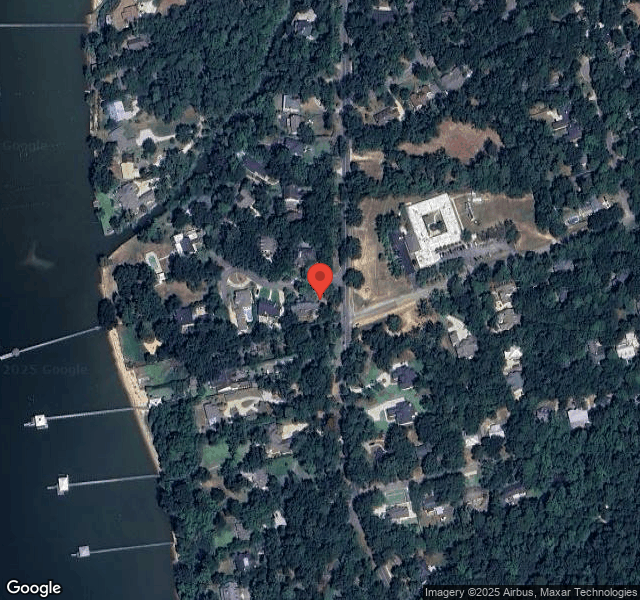

22670 MAIN STREET, FAIRHOPE, AL 36532 (251) 928-2177
For profit - Limited Liability company 83 Beds ARABELLA HEALTHCARE MANAGEMENT Data: November 2025
Trust Grade
65/100
#85 of 223 in AL
Last Inspection: March 2023

Over 2 years since last inspection. Current conditions may differ from available data.

Overview

Arabella Health and Wellness of Fairhope has a Trust Grade of C+, which means it is considered decent and slightly above average among nursing homes. It ranks #85 out of 223 facilities in Alabama, placing it in the top half, and #2 out of 7 in Baldwin County, indicating that it is one of the better options locally. However, the facility is experiencing a worsening trend, with reported issues increasing from 2 in 2021 to 4 in 2023. Staffing is a concern, with a turnover rate of 63%, significantly higher than the Alabama average of 48%, although they do have more RN coverage than 98% of other state facilities, which is a strength. Notably, the inspectors found issues such as improper food storage and a failure to ensure proper hand hygiene when staff moved between clean and dirty areas, both of which could pose health risks to residents.

Trust Score
C+
65/100
In Alabama
#85/223
Top 38%
Safety Record
Low Risk
No red flags
Inspections
Getting Worse
2 → 4 violations
Staff Stability
⚠ Watch
63% turnover. Above average. Higher turnover means staff may not know residents' routines.
Penalties
✓ Good
No fines on record. Clean compliance history, better than most Alabama facilities.
Skilled Nurses
✓ Good
Each resident gets 57 minutes of Registered Nurse (RN) attention daily — more than average for Alabama. RNs are trained to catch health problems early.
Violations
○ Average
8 deficiencies on record. Average for a facility this size. Mostly minor or procedural issues.
★★★☆☆
3.0
Overall Rating
★★★☆☆
3.0
Staff Levels
★★★☆☆
3.0
Care Quality
★★★☆☆
3.0
Inspection Score
Stable
2021: 2 issues
2023: 4 issues

The Good

  • Full Sprinkler Coverage · Fire safety systems throughout facility
  • No fines on record

Facility shows strength in fire safety.

The Bad

3-Star Overall Rating

Near Alabama average (2.9)

Meets federal standards, typical of most facilities

Staff Turnover: 63%

17pts above Alabama avg (46%)

Frequent staff changes - ask about care continuity

Chain: ARABELLA HEALTHCARE MANAGEMENT

Part of a multi-facility chain

Ask about local staffing decisions and management

Staff turnover is elevated (63%)

15 points above Alabama average of 48%

The Ugly 8 deficiencies on record

Jun 2023 1 deficiency
CONCERN (D) 📢 Someone Reported This

A family member, employee, or ombudsman was alarmed enough to file a formal complaint

Potential for Harm - no one hurt, but risky conditions existed

Resident Rights (Tag F0550)

Could have caused harm · This affected 1 resident

**NOTE- TERMS IN BRACKETS HAVE BEEN EDITED TO PROTECT CONFIDENTIALITY** Based on interviews, resident record reviews, and review of the facility Resident Rights policy, the facility failed to honor th...

Read full inspector narrative →
**NOTE- TERMS IN BRACKETS HAVE BEEN EDITED TO PROTECT CONFIDENTIALITY** Based on interviews, resident record reviews, and review of the facility Resident Rights policy, the facility failed to honor the rights of Resident Identifier (RI) #1 and RI #2, to communicate with and have access to each other with privacy. This affected RI #1 and RI #2, 2 of 5 residents sampled for residents rights. Findings include: The facility policy titled Resident Rights dated 2001 documented 1. Federal and state laws guarantee certain basic rights to all residents of this facility. These rights include the resident's right to: f. communicate with and access to people and services, both inside and outside the facility; . h. be supported by the facility in exercising his or her rights; dd. communicate in person . with privacy . RI #1 was re-admitted to the facility on [DATE]. RI #1's quarterly Minimum Data Set (MDS) assessment dated [DATE] coded RI #1 with a Brief Interview for Mental Status (BIMS) score of 15 which indicated RI #1 had intact cognition for daily decision-making skills. RI #2 was admitted to the facility on [DATE]. RI #2's quarterly MDS assessment dated [DATE] coded RI #2 with a BIMS score of 15 which indicated RI #2 had intact cognition for daily decision-making skills. RI #1's Progress Notes were reviewed and an entry dated 04/25/2023 documented the following: . Note Text: Care Plan meeting held today 04/25/23 @ (at) 10am with administrative staff. Meeting covered a plan of care for (name of RI #1) to only meet and socialize with (name of RI #2) in dining room only per request from (RI #2's) family. Staff has spoken with (RI #1) about situation and decided to call (name of local Ombudsman) to come and speak with RI #1) as well. A facility form used to document a Care Plan meeting for RI #1 dated 04/25/2023 was reviewed and revealed the following: . Resident Name: (name of RI #1) Plan of care regarding issue/concern of Resident. What do we do to make sure Resident only visits in dining room instead of room . Spoke with (RI #2's) Family & (and) family requests for the two to only visit in dining room and not to visit (in) room. (RI #1) says (he/she) has the right to visit. The following facility staff signed as having attended the meeting: Employee Identifier (EI) #1, the Administrator; EI #2, the Director of Nursing (DON); EI #3, the Social Service Director; EI #4, the Activities Director; and EI #5, a Unit Manager. On 06/07/2023 at 3:11 PM an interview was conducted with Employee Identifier (EI) #3, the Social Services Director. EI #3 was asked about the BIMS scores for RI #1 and RI #2. She said they were both 15. EI #3 was asked about the care plan meeting note dated 04/25/2023 for RI #1. EI #3 claimed the daughter said they could visit outside of RI #2's room and EI #1 had concluded for them to visit in the dining room. EI #3 was asked what was done to assess the right of RI #1 and RI #2 to visit where they pleased. EI #3 answered, they were given the Resident Rights handout and told they had the right to visit. EI #3 said, the plan was for RI #1 to meet and socialize with RI #2 in the dining room only, per request from RI #2's family. EI #3 was asked if residents with a BIMS score of 15 have the right to choose how and where they socialize, and EI #3 answered, yes. RI #1's Progress Notes were reviewed and revealed the following: An entry dated 04/26/2023 documented: . AD (Activity Director) found resident in (RI #2's) room, after administrator and nurses told resident that (he/she) was not to enter (his/her) room. Resident became angry and intimidating towards AD. Resident claimed that it is (his/her) right to be in anyone's room. AD agreed with resident but stated that (RI #2's) POA does not want (him/her) in the room with (him/her). An entry dated 05/18/2023 as follows: Note Text: . AD found resident had (another resident) in (his/her) room alone. They were sitting together on the bed listening to (his/her) radio. AD reminded the two residents that the (other) resident's POA does not want them to be in each other's rooms alone. (The) resident reacted with a lot of anger towards the AD. On 06/08/2023 at 8:11 AM an interview was conducted with EI #4 Activities Director. EI #4 was asked what she was aware of regarding a care plan for RI #1 to only socialize with RI #2 in the dining room per the request of family. EI #3 said, she was told RI #2's daughter did not want them alone together in each others room. EI #4 said, she thought it was because the daughter was Power of Attorney (POA) for RI #2 and she was told by a nurse they had to honor what the POA said. EI #4 was asked about 05/18/2023 when she found RI #1 sitting on the bed with RI #2 listening to the radio and why she intervened. EI #4 said, she thought the POA had the final say. EI #4 was asked why were they told not to socialize as they chose. She answered she was still under the impression that the POA's request had to be honored. On 06/08/2023 at 11:22 AM an interview was conducted with EI #5, a Unit Manager. EI #5 was asked about the residents with BIMS scores of 15 not being able to socialize. EI #5 said, they had rights to visit and socialize and that was not an appropriate intervention. On 06/08/2023 at 1:50 PM an interview was conducted with RI #2. RI #2 was asked what she could tell the surveyor about the POA/daughter saying who RI #2 could visit with and where. RI #2 said, he/she did not know the daughter could decide that, and the daughter could not tell RI #2 what to do and where to go. RI #2 said, he/she can make his/her own decisions. RI #2 was asked what facility staff had done or said to keep him/her and RI #1 from socializing as they both choose. RI #2 said he/she was in RI #1's room and sitting on the bed listening to television and somebody that worked there came in and said they were not supposed to do that. RI #2 was asked if he/she had spoken with his/her daughter about RI #1 visiting in their room. RI #2 said no, but guessed he/she should. On 06/08/2023 at 2:30 PM an interview was conducted with RI #1. RI #1 said the Administrator said they (RI #1 and RI #2) could watch television (TV) in his/her room because RI #2 had a small TV and they like to watch ball games and cheer them on. RI #1 said, they were treating him/her like a pervert. RI #1 stated he/she knew his/her rights and it was about companionship and that was all it was about. RI #1 said, the people at the facility did not respect his/her right to Communicate privately and freely with any person. RI #1 read the quote from the Resident Rights flyer with the Ombudsman's name on it. RI #1 said the Ombudsman had not called him/her back, adding he/she had been calling him/her for two weeks. RI #1 said, the Administrator had lied three times by saying they could watch TV in his/her room, then said they had to sit in a chair by the bed to watch TV, then said they could not be together at all in their rooms. RI #1 was asked what reason the Administrator had given. RI #1 said about a week ago, RI #2's daughter did not want them in rooms alone together. On 06/09/2023 at 3:31 PM an interview was conducted with EI #2, the DON. EI #2 was asked about RI #1 and #2. EI #2 said, RI #1 loved their friendship. EI #2 reported she spoke to the daughter of RI #2, the responsible party. She told the daughter that her family member and RI #1 had a great friendship and they cared about each other. She informed RI #2's daughter of this because she wanted her to know that RI #2 was happy. EI #2 told the daughter they ate in the dining room together, went to activities together, have great conversations, and laugh a lot. The daughter was thrilled and she thanked EI #2 for letting her know and giving her an update. EI #2 was asked what restrictions the daughter requested of RI #1 and RI #2. She said none, except she did not want them to move into a room together this early in the relationship. EI #2 was asked regarding about residents with a BIMS of 15 not going to each others rooms to socialize if they wanted. EI #2 responded, they have a right to have their own privacy. EI #2 said, she was not aware that RI #1 and RI #2 were being told that they could not socialize in private because that was not the daughter's wishes. EI #2 added, she knew people's rights, because all human beings have the same rights. She said she was unaware of the plan to keep them from visiting as they wished. On 06/08/2023 at 4:15 PM a call was placed to RI #2's daughter. She recalled being told by the DON that her parent and RI #1 went to things together and were great friends. She reported the DON called her first to inform her of the friendship and the social worker called her and said they had told RI #1 that he/she should not be going in RI #2's room and she agreed with them. It was not her suggestion that RI #1 not go in RI #2s' room. The daughter was told that it was documented that she was the one who asked for them not to be alone and she declared, that was not true. She said the social worker said they had suggested that they only hang out in the dining room/common area. The daughter understood the residents have the right to choose. She recalled telling the DON that she was happy that her parent had the friendship. On 6/9/23 at 4:37 PM a follow up interview with EI #3, the Social Services Director. EI #3 was asked who had the idea to do the care plan meeting to make RI #1 comply with their plan to keep RI #1 and RI #1 from socializing alone. She said she did not remember. On 06/09/2023 at 5:10 PM an interview was conducted with EI #1, the Administrator. EI #1 was asked about residents with a BIMS score of 15 socializing. EI #1 said, they can make decisions as to who can they visit. EI #1 said, the meeting had been about another subject regardless of what was documented. EI #1 believed the documentation was done after he had signed and the meeting concluded. EI #1 was asked why were restrictions put on RI #1 and RI #2 as to where they could socialize. He said it was staff not understanding their right to do that. EI #1 was asked who were the staff. He answered, the social service director and activities director. EI #1 was asked why he did not ensure the residents rights to communicate privately and freely with any person were honored. EI #1 said, he was told the POA requested it. EI #1 was asked why were the residents told that the POA suggested they not be in the room alone together. He said that came from the social service director. EI #1 was asked who's idea was it to do the care plan meeting to make RI #1 comply with their plan to keep them from socializing alone. He answered EI #3, the Social Services Director.
Mar 2023 3 deficiencies
CONCERN (D) 📢 Someone Reported This

A family member, employee, or ombudsman was alarmed enough to file a formal complaint

Potential for Harm - no one hurt, but risky conditions existed

Deficiency F0914 (Tag F0914)

Could have caused harm · This affected 1 resident

**NOTE- TERMS IN BRACKETS HAVE BEEN EDITED TO PROTECT CONFIDENTIALITY** Based on observations, interviews, and review of the facility's, Facility Information & (and) Reference Guide, the facility fail...

Read full inspector narrative →
**NOTE- TERMS IN BRACKETS HAVE BEEN EDITED TO PROTECT CONFIDENTIALITY** Based on observations, interviews, and review of the facility's, Facility Information & (and) Reference Guide, the facility failed to ensure that a resident had a ceiling suspended curtain to provide total visual privacy, in combination with adjacent walls and curtains, in Room Locator (RL) #1. This deficient practice affected one of 58 residents residing in a semi-private room at the facility. Findings Include: A review of the facility's Facility Information & Reference Guide, undated, revealed, . The Resident's Rights *YOU have the right to be treated with dignity, privacy, respect, and to live in a safe, clean, comfortable and homelike environment. Resident Identifier (RI) #7 was admitted to the facility on [DATE] and readmitted on [DATE] with diagnosis to include Post-Traumatic Hydrocephalus and Paraplegia. On 03/07/2023 at 9:27 AM, RL #1 observed, no privacy curtain for RI #7. On 03/08/2023 at 8:28 AM, RL #1 observed, no privacy curtain for RI #7. On 03/08/2023 at 3:48 PM, an interview was conducted with Employee Identifier (EI) #7, Director of Plant Operations. EI #7 stated the track for the privacy curtain was not broke and there should be a privacy curtain there. EI #7 did not know why there was not a privacy curtain on the track for RI #7. EI #7 stated the resident could not have proper privacy without a curtain. EI #7 did not know how long RI #7 had been without a curtain. On 03/08/2023 at 4:08 PM, an interview was conducted with EI #8 Licensed Practical Nurse (LPN) who has worked at the facility since October of 2022. EI #8 said there had not been a privacy curtain for RI #7 since she had worked at the facility. EI #8 stated there should be a privacy curtain and that it would be a dignity issue for RI #7.
CONCERN (F) 📢 Someone Reported This

A family member, employee, or ombudsman was alarmed enough to file a formal complaint

Potential for Harm - no one hurt, but risky conditions existed

Food Safety (Tag F0812)

Could have caused harm · This affected most or all residents

Based on observation, interview, the 2022 United States (U.S.) Public Health Service Food and Drug Administration (FDA) Food Code, and the facility's policies for FOOD STORAGE, and Handwashing/Hand Hy...

Read full inspector narrative →
Based on observation, interview, the 2022 United States (U.S.) Public Health Service Food and Drug Administration (FDA) Food Code, and the facility's policies for FOOD STORAGE, and Handwashing/Hand Hygiene; the facility failed to ensure: 1. foods were properly stored in the reach-in freezer; 2. a dietary staff member washed her hands between going from the dirty side to the clean side of the dish machine during dishwashing and; 3. there was not heavy dust accumulation on a ceiling air vent and overhead pipes. This had the potential to affect 65 of 65 residents receiving meals from the facility kitchen. Findings Include: 1.) The facility's policy for Food Storage, undated, included the following: Policy Sufficient storage facilities are provided to keep foods safe, wholesome, and appetizing. 17. Freezer Temperatures: a. Temperatures for freezer should be 0 degrees or below and must be recorded daily. c. Holding temperature for frozen foods is 0 degrees or below. f. Do not refreeze food which has been thawed. The 2022 U.S. Public Health Service FDA Food Code included the following: . 3-501.11 Frozen Food. Stored frozen FOODS shall be maintained frozen. and . Freezing prevents microbial growth in foods, but usually does not destroy all microorganisms. Improper thawing provides an opportunity for surviving bacteria to grow to harmful numbers and/or produce toxins. If the food is then refrozen, significant numbers of bacteria and/or all preformed toxins are preserved. Annex 3 - (page) 112 . During the initial tour of the kitchen on 03/07/2023 at 8:27 AM, the Reach-in Freezer temperature was 6 degrees Fahrenheit (F). Onion rings in clear bag were observed to be soft and not frozen when touched. Other items, specifically Field Peas and Sliced Okra, were semi-frozen. Employee Identifier (EI) #4, the Dietary Manager, said sometimes the night shift leaves a freezer door cracked open. EI #4 then checked with EI #5, the AM Cook. EI #5 said, when she came in that morning, one of the freezer doors was cracked open from last night. On 03/07/2023 at 8:44 AM, EI #3, the Maintenance/Plant Operations Director, was observed checking on the Reach-in Freezer. EI #3 said they needed some new door seals/gaskets for the freezer doors. On 03/08/2023 at 10:12 AM, the previously thawed bag of Onion Rings in the Reach-in Freezer was observed to have refrozen so that the contents were solid to touch. The Reach-in Freezer was observed to have three doors. EI #4, the Dietary Manager was interviewed on 03/09/2023 at 2:23 PM. EI #4 said the Reach-in Freezer doors had not been closing tightly for less than a month. EI #4 further said there were three doors on the Reach-in Freezer and the middle door was the problem. EI #4 said she had twice found one of the Reach-in Freezer doors left open all night. EI #4 said the problem with food not being solidly frozen due to a freezer door being left open was that it caused a loss of nutrition value from the product. 2.) The facility's policy for Handwashing/Hand Hygiene, revised August 2015, included the following: Policy Statement This facility considers hand hygiene the primary means to prevent the spread of infections. Policy Interpretation and Implementation . 2. All personnel shall follow the handwashing/hand hygiene procedures to help prevent the spread of infections to other personnel, residents, and visitors. 6. Wash hands with soap (antimicrobial or non-antimicrobial) and water . 8. Hand hygiene is the final step after removing and disposing of personal protective equipment. 9. The use of gloves does not replace hand washing/hand hygiene. The 2022 U.S. Public Health Service FDA Food Code included the following: . 2-301.11 Clean Condition. FOOD EMPLOYEES shall keep their hands and exposed portions of their arms clean. 2-301.12 Cleaning Procedure. (A) . FOOD EMPLOYEES shall clean their hands and exposed portions of their arms . using a cleaning compound in a HANDWASHING SINK . 2-301.14 When to Wash. FOOD EMPLOYEES shall clean their hands and exposed portions of their arms . immediately before engaging in FOOD preparation including working with . clean EQUIPMENT and UTENSILS, and . (E) After handling soiled EQUIPMENT or UTENSILS; . (H) Before donning gloves to initiate a task that involves working with FOOD; . 2-301.16 Hand Antiseptics (A) A hand antiseptic used as a topical application . shall: . (3) Be applied only to hands that are cleaned as specified under . 2-301.12. On 03/07/23 at 9:42 AM, the dishwashing of the breakfast trays was observed. The Dietary Aide, EI #11 was loading the dirty dishes onto racks and sending them through the dish machine. EI #11 then took off her gloves, went to the clean side of the dish machine, and unloaded lids and silverware. EI #11 did not wash her hands prior to touching the clean lids and silverware. At 9:44 AM, EI #11 put on gloves and started reloading racks of dirty dishes to send through the dish machine. At 9:48 AM, EI #11 took off her gloves and went to the clean side of the dish machine. EI #11 did not wash her hands. EI #11 unloaded clean dishes from the racks. At 9:49 AM, EI #11 returned to the dirty side of the dish machine as she put on gloves. At 9:52 AM, the Dietary Manager, EI #4, was present when EI #11 went to the clean side of the dish machine after taking off her gloves. At 9:53 AM, EI #11 was asked if just removing her dirty gloves and going to unload the clean dishes was what she had been taught. EI #11 first pointed to the sanitizer wall pump saying it was out. When told that sanitizer alone was unacceptable, EI #11 said she was supposed to wash her hands. At 9:55 AM, EI #4, the Dietary Manager, was asked to identify the problem with working on the dirty side of the dish machine and then going to the clean side after only removing one's dirty gloves and not washing one's hands. EI #4 said the Dietary Aide's hands were dirty with germs. EI #4, the Dietary Manager was interviewed on 03/09/2023 at 2:23 PM. EI #4 said she expected staff to wash their hands when they went from working on the dirty side of the dish machine to perform tasks on the clean side of the dish machine. Upon being asked to identify the problem with staff not washing their hands when going from a dirty task to a clean task, EI #4 said cross-contamination. 3.) The 2022 U.S. Public Health Service FDA Food Code included the following: . 3-305 Preventing contamination from the premises 3-305.11 Food Storage. (A) . FOOD shall be protected from contamination by storing the FOOD: . (2) Where it is not exposed to . dust . 3-305.14 Food Preparation. During preparation, UNPACKAGED FOOD shall be protected from environmental sources of contamination. During the initial tour of the kitchen on 03/07/2023 at 8:20 AM, the ceiling air vent over the entryway to the Walk-in Cooler was observed to have a heavy build-up of dark dust. EI #4, the Dietary Manager agreed there was a dust build-up on the vent and said Maintenance usually cleaned it. On 03/07/2023 at 8:35 AM, EI #3, the Maintenance/Plant Operations Director, was asked how often the ceiling vents in the kitchen were cleaned. EI #3 said once or twice a year. EI #3 said he had seen the vent last week, when they were painting the ceiling, and had meant to get it down to clean it, but he forgot about it. On 03/08/2023 at 4:26 PM, dust build-up was observed on overhead pipes throughout the kitchen, specifically over the Dishwashing Area, the Cooks' Area, and the Preparation Area between the microwave and the coffee maker. EI #4, the Dietary Manager was interviewed on 03/09/2023 at 2:23 PM. EI #4 said dust particles from the ceiling air vent could blow into the Walk-in Cooler and bacteria attached to the dust could cause cross-contamination. EI #4 further said dust particles from the overhead pipes could fall into the food being prepared for the residents and that would also be cross-contamination.
MINOR (C) 📢 Someone Reported This

A family member, employee, or ombudsman was alarmed enough to file a formal complaint

Minor Issue - procedural, no safety impact

Staffing Information (Tag F0732)

Minor procedural issue · This affected most or all residents

Based on observations, interviews and review of the facility's policy titled, Posting Direct Care Daily Staffing Numbers, the facility failed to ensure the staff posting reflected the name of the faci...

Read full inspector narrative →
Based on observations, interviews and review of the facility's policy titled, Posting Direct Care Daily Staffing Numbers, the facility failed to ensure the staff posting reflected the name of the facility and the actual hours staff were scheduled to work for the shifts on four of four days of the survey. This deficient practice had the potential to affect all 65 residents residing in the facility. Findings include: A review of the facility's policy titled, Posting Direct Care Daily Staffing Numbers, with a revised date of 07/2016, revealed the following: Policy Statement Our facility will post, on a daily basis for each shift, the number of nursing personnel responsible for providing direct care to residents. Policy Interpretation and Implementation . 3. Shift staffing information shall be recorded on the Nursing Staff Directly Responsible for Resident Care form for each shift. The information recorded on the form shall include: a. The name of the facility. b. The date for which the information is posted. c. The resident census at the beginning of the shift for which information is posted. e. The shift for which the information is posted. f. Type (RN [Registered Nurse], LPN [Licensed Practical Nurse], LVN [Licensed Vocational Nurse], or CNA [Certified Nursing Assistant]) and category (licensed or non-licensed) of nursing staff working during that shift. g. The actual time worked during that shift for each category and type of nursing staff. A review of the RESIDENT CENSUS AND CONDITIONS OF RESIDENTS form dated 03/07/2023 revealed there were 65 residents residing in the facility during the survey. On 03/07/2023 at 7:56 AM, the surveyor observed the nurse staff posting at the nurses' station on the South wing. There was no facility name or total actual hours worked for the 6 AM - 2 PM staff on the form. On 03/07/2023 at 2:59 PM, the surveyor observed the nurse staff posting at the nurses' station on the South wing. There was no facility name or total actual hours worked for the 2 PM - 10 PM staff on the form. On 03/08/2023 at 8:08 AM, the surveyor observed the nurse staff posting at the nurses' station on the South wing. There was no facility name or total actual hours worked for the 6 AM - 2 PM staff on the form. On 03/08/2023 at 3:33 PM, the surveyor observed the nurse staff posting at the nurses' station on the South wing. There was no facility name or total actual hours worked for the 2 PM - 10 PM staff on the form. On 03/09/2023 at 8:15 AM, the surveyor observed the nurse staff posting at the nurses' station on the South wing. There was no facility name or total actual hours worked for the 6 AM - 2 PM staff on the form. On 03/09/2023 at 11:04 AM, the surveyor conducted an interview with Employee Identifier (EI) #6, the Staffing Coordinator. When asked what information was missing from the nurse staff postings for 03/07/2023, 03/08/2023 and 03/09/2023, EI #6 said the facility name and the hours that staff were working. On 03/09/2023 at 2:36 PM, the surveyor conducted an interview with EI #2, the DON (Director of Nursing). EI #2 said the name of the facility and the total hours staff worked should be on the daily nurse staff form. When asked why it would be important to ensure the correct information was on the form, EI #3 said the information would give a total picture of what was going on in the facility as far as staffing.
Sept 2021 2 deficiencies
CONCERN (D)

Potential for Harm - no one hurt, but risky conditions existed

Deficiency F0583 (Tag F0583)

Could have caused harm · This affected 1 resident

**NOTE- TERMS IN BRACKETS HAVE BEEN EDITED TO PROTECT CONFIDENTIALITY** Based on observation, interviews and review of a facility policy titled, Confidentiality of Information and Personal Privacy, th...

Read full inspector narrative →
**NOTE- TERMS IN BRACKETS HAVE BEEN EDITED TO PROTECT CONFIDENTIALITY** Based on observation, interviews and review of a facility policy titled, Confidentiality of Information and Personal Privacy, the facility failed to ensure Employee Identifier (EI) #4 did not park her medication cart in front of Resident Identifier (RI) #3's room, walk away from her computer into RI #3's room, leaving RI #3's personal and private information open and exposed. This deficiency had the potential to affect one of five residents observed during medication administration. Findings Includes: A review of a facility policy titled, Confidentiality of Information and Personal Privacy with a revised date of 10/2017, revealed the following: . 1. The facility will safeguard the personal privacy and confidentiality of all resident personal and medical records . RI #3 was admitted to the facility on [DATE] and readmitted on [DATE], with diagnoses to include Acute Atopic Conjunctivitis Left Eye, Unspecified Glaucoma and Dry Eye Syndrome of Bilateral Lacrimal Glands. On 9/16/2021 at 9:05 a.m., the surveyor conducted an interview with EI #4, the Registered Nurse (RN) Unit Manager. The surveyor asked RI #4 how did she leave her computer. EI #4 stated she did not close the screen. The surveyor asked how should the computer have been left while in RI #3's room. EI #4 stated the screen should have been closed down. The surveyor asked EI #4 what are the concerns with not closing the computer screen while in the resident's room. EI #4 stated it was a HIPAA (Health Insurance Portability and Accountability Act) violation where someone could come along and read something about the patient that was their private business. On 9/16/2021 at 6:26 p.m., the surveyor conducted an interview with EI #2, the Director of Nursing (DON). The surveyor asked EI #2 should a nurse leave the computer open with resident's private information exposed when they leave the cart to give medications. EI #2 stated no ma'am. The surveyor asked EI #2 how should a nurse leave the computer when they go into a resident's room to give medications. EI #2 stated the computer should be closed or closed out. There should not be any resident's information showing. The surveyor asked EI #2 what are the concerns when a nurse leaves the computer screen open and exposing resident's private information. EI #2 stated we do not want to violate HIPAA and we want to protect the patient's privacy.
CONCERN (D)

Potential for Harm - no one hurt, but risky conditions existed

Report Alleged Abuse (Tag F0609)

Could have caused harm · This affected 1 resident

**NOTE- TERMS IN BRACKETS HAVE BEEN EDITED TO PROTECT CONFIDENTIALITY** Based on an interview, review of the facility GRIEVANCE/COMPLAINT LOG, the accompanying CONCERN form and a facility policy title...

Read full inspector narrative →
**NOTE- TERMS IN BRACKETS HAVE BEEN EDITED TO PROTECT CONFIDENTIALITY** Based on an interview, review of the facility GRIEVANCE/COMPLAINT LOG, the accompanying CONCERN form and a facility policy titled, Abuse Investigation and Reporting, the facility failed to report an allegation of abuse. This affected Resident Identifier (RI) #111, one of four residents sampled for dignity. Findings include: A review of the facility policy with a revision date of April 2019, titled, Abuse Investigation and Reporting revealed, Policy Statement All reports of resident abuse, neglect, . shall be reported within two (2) hours to local, state, and federal agencies (as defined by current regulations) . A review of the facility form titled, GRIEVANCE/COMPLAINT QA (Quality Assurance) & A (Answer) LOG, dated June 2021, revealed, Date 6/4 . RI #111 Issue/Concern Neglect/hygiene . A review of the facility form titled, CONCERN FORM, dated 6/4/21, revealed, . Resident feels neglected. RI #111 was admitted to the facility on [DATE] with diagnoses to include Aftercare Following Joint Replacement Surgery, Specified Anxiety Disorder, and Rheumatoid Arthritis. RI #111's admission Minimum Data Set (MDS) assessment indicated RI #111 had a Brief Interview for Mental Status (BIMS) score of 15 out of a possible 15. This score indicated RI #111 was cognitively intact for daily decision making skills. On 9/16/2021 at 6:09 p.m., an interview was conducted with Employee Identifier (EI) #1, the Administrator. EI #1 was asked according to the facility document titled, CONCERN FORM, what concerns had RI #111 voiced on 06/04/2021. He answered, according to the document, RI #111 had voiced the concern that he/she felt neglected. EI #1 was asked what actions should have been taken on 6/04/2021. He answered what he would have done, if he had been the Administrator at the time, was to investigate fully and report in the appropriate timeframe according to regulation. EI #1 was asked what the abuse policy indicated he was supposed to do when potential neglect has been alleged. He answered, it said to investigate and report timely. EI #1 was asked what was the time frame for reporting allegations of abuse. He answered two hours. EI #1 was asked if the 6/04/2021 allegation had been reported to the state. He answered the system did not allow him to go back and look. EI #1 was asked what was documented as the Issue/Concern on the June 2021 GRIEVANCE/COMPLAINT QA & A LOG form. EI #1 answered what was listed was neglect and hygiene. EI #1 was asked what the concern of not reporting and investigating allegations of abuse was. He answered it could continue.
Apr 2019 2 deficiencies
CONCERN (F)

Potential for Harm - no one hurt, but risky conditions existed

Food Safety (Tag F0812)

Could have caused harm · This affected most or all residents

Based on observation, review of the facility's policy titled, Proper Hand Washing and Glove Use and interviews with staff, the facility failed to ensure staff routinely washed hands before putting on ...

Read full inspector narrative →
Based on observation, review of the facility's policy titled, Proper Hand Washing and Glove Use and interviews with staff, the facility failed to ensure staff routinely washed hands before putting on new gloves. This occurred during the preparation and service of food at the 04/17/19 supper tray line. This had the potential to affect all 62 residents for whom meals were prepared and served at the time of this survey. Findings Include: The facility's policy, Proper Hand Washing and Glove Use (2016), revealed: All employees will use proper hand washing procedures and glove usage in accordance with State and Federal Sanitation Guidelines Procedure: .3. All employees will wash hands . between all tasks. 4. Employees will wash hands before and after handling foods . 6. Hands are washed before donning gloves and after removing gloves. 9. When gloves must be changed, they are removed, hand washing procedure is followed, and a new pair of gloves is applied. Gloves are never placed on dirty hands; the procedure is always wash, glove, remove, rewash, and re-glove. On 04/17/19, the surveyor observed the supper tray line. The evening cook, Employee Identifier (EI) #2, received a resident request for soup at 5:19 PM. EI #2 removed her gloves, went to the pantry and came back with two small cans of soup. EI #2 put on a new pair of gloves without first washing her hands, and prepared two bowls of soup. At 5:20 PM, EI #2 threw the cans away, pushing them down into the full garbage can (through a lid with a circular hole). EI #2 removed one glove and reapplied a new glove, again without first washing her hand(s). At 5:35 PM, after the completion of the tray line, the surveyor described to EI #2 the above observation. EI #2 was asked what she should have done. EI #2 replied, Washed hands. The surveyor described EI #2's action of pushing the soup can down into the garbage can, removing her glove and reapplying a new glove (her second glove change) and failing to wash her hand again. The surveyor asked what was the potential problem. EI #2 did not know it was potential cross-contamination.
MINOR (C)

Minor Issue - procedural, no safety impact

Room Equipment (Tag F0908)

Minor procedural issue · This affected most or all residents

Based on observations, the 2017 Food Code, and interviews with staff, the facility failed to ensure the temperature gauge of the final rinse water of the dish machine was functioning properly to ensur...

Read full inspector narrative →
Based on observations, the 2017 Food Code, and interviews with staff, the facility failed to ensure the temperature gauge of the final rinse water of the dish machine was functioning properly to ensure dishes were effectively sanitized. This had the potential to affect 62 residents for whom meals were prepared and served. Findings Include: The 2017 Food & (and) Drug Administration Food Code revealed: .4-501.112 Mechanical Warewashing Equipment, Hot Water Sanitization Temperatures. (A) .in a mechanical operation, the temperature of the fresh hot water SANITIZING rinse as it enters the manifold may not be more than . (194 (degrees) (Fahrenheit) F), or less than: .(180 degrees F) . On 04/16/19 at 8:30 AM, a Dietary Aide, Employee Identifier (EI) #1, processed a rack of dishes through the dish machine. The minimum recommended rinse temperature of the machine was listed as 180 degrees F (with no maximum temperature listed). During three of four rinse cycles, the thermostat registered: 203, 200 and 204 degrees F. The surveyor asked EI #1 if the final rinse temperature went above 200 degrees very often. EI #1 responded, It does. On 04/17/19 at 5:40 PM, two staff members processed racks of assorted trays and utensils through the dish machine. The final rinse temperature of four cycles of dish washing displayed final rinse temperatures of : 198, 196, 194 and 210 degrees F. Three of these four cycles registered final rinse temperatures in excess of the Food Code recommendations (of no greater than 194 degrees F). Following this observation, the surveyor asked the Dietary Manager, EI #3, if the final rinse water could be too hot. EI #3 responded, I've never known of a problem if the temperature gets too high. Neither staff member were aware the rinse water temperatures could get too hot to effectively sanitize the dishes. On 04/18/19 at 10:53 AM, the surveyor interviewed the Ecolab Service Representative (EI #4). EI#4 serviced the dish machine on 04/17/19, after staff were made aware of the excessively hot rinse temperatures. EI #4 stated the final rinse temperature gauge was malfunctioning; it would not go below 190 to 195 degrees F. When asked how he verified the gauge was giving inaccurate readings, EI #4 explained he turned off the dish machine and waited awhile and the rinse water temperature would not go down. EI #4 installed another thermostat. When he changed the gauge, the new gauge read 178 degrees F with the first cycle, rather than 200 degrees F. When he called, it was 210 degrees F and the wash temperature was not greater than 150 degrees F. At a temperature of 200 degrees F or higher, the wash water gauge should have read about 170 degrees F. (The final rinse water is re-cycled through the machine to be used as the wash water in the next cycle). The surveyor asked EI #4 when he had last checked the rinse water gauge. EI #4 could not recall, but stated the gauge could go bad at any time. The surveyor commented the staff were unaware that the final rinse temperature could be too high, and asked what Ecolab's recommendations were regarding the maximum rinse temperatures and why had he not previously discussed this with the staff. EI #4 stated he recommends temperatures between 180 and 190 degrees F. He was not aware of a maximum temperature unless it was posted on the machine (none was posted on this dish machine). EI #4 had never heard of temperatures greater than 194 degrees F being a problem.
Understanding Severity Codes (click to expand)
Life-Threatening (Immediate Jeopardy)
J - Isolated K - Pattern L - Widespread
Actual Harm
G - Isolated H - Pattern I - Widespread
Potential for Harm
D - Isolated E - Pattern F - Widespread
No Harm (Minor)
A - Isolated B - Pattern C - Widespread

Questions to Ask on Your Visit

  • "Why is there high staff turnover? How do you retain staff?"
  • "Can I speak with families of current residents?"
  • "What's your RN coverage like on weekends and overnight?"

Our Honest Assessment

Strengths
  • • No major safety red flags. No abuse findings, life-threatening violations, or SFF status.
  • • No fines on record. Clean compliance history, better than most Alabama facilities.
Concerns
  • • 63% turnover. Above average. Higher turnover means staff may not know residents' routines.
Bottom line: Mixed indicators with Trust Score of 65/100. Visit in person and ask pointed questions.

About This Facility

What is Arabella Health And Wellness Of Fairhope's CMS Rating?

CMS assigns ARABELLA HEALTH AND WELLNESS OF FAIRHOPE an overall rating of 3 out of 5 stars, which is considered average nationally. Within Alabama, this rating places the facility higher than 99% of the state's 100 nursing homes. This mid-range rating indicates the facility meets federal standards but may have areas for improvement.
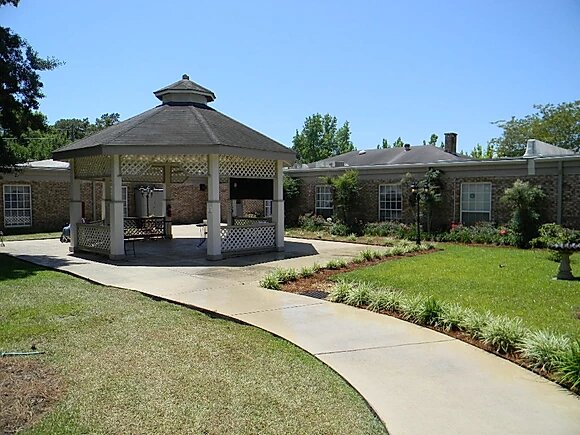
How is Arabella Health And Wellness Of Fairhope Staffed?

CMS rates ARABELLA HEALTH AND WELLNESS OF FAIRHOPE's staffing level at 3 out of 5 stars, which is average compared to other nursing homes. Staff turnover is 63%, which is 17 percentage points above the Alabama average of 46%. High turnover can affect care consistency as new staff learn residents' individual needs.

What Have Inspectors Found at Arabella Health And Wellness Of Fairhope?

State health inspectors documented 8 deficiencies at ARABELLA HEALTH AND WELLNESS OF FAIRHOPE during 2019 to 2023. These included: 6 with potential for harm and 2 minor or isolated issues.
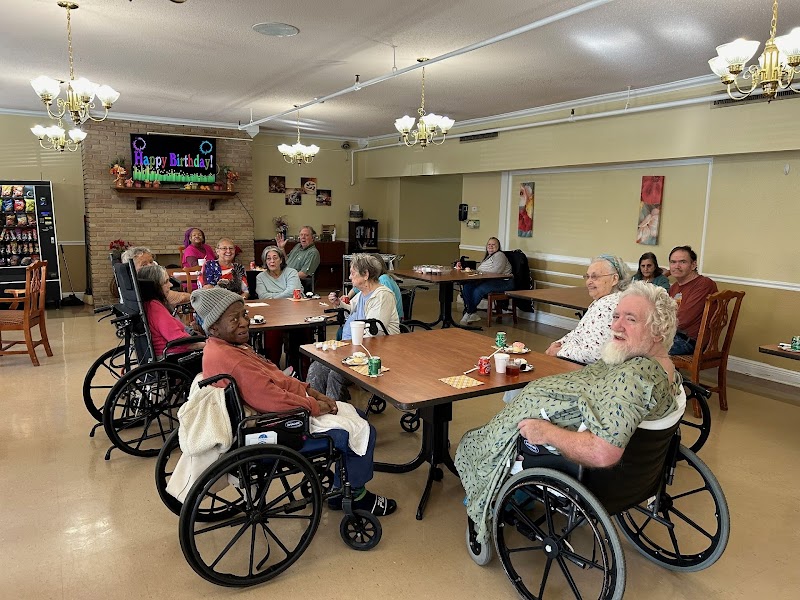
Who Owns and Operates Arabella Health And Wellness Of Fairhope?

ARABELLA HEALTH AND WELLNESS OF FAIRHOPE is owned by a for-profit company. For-profit facilities operate as businesses with obligations to shareholders or private owners. The facility is operated by ARABELLA HEALTHCARE MANAGEMENT, a chain that manages multiple nursing homes. With 83 certified beds and approximately 64 residents (about 77% occupancy), it is a smaller facility located in FAIRHOPE, Alabama.
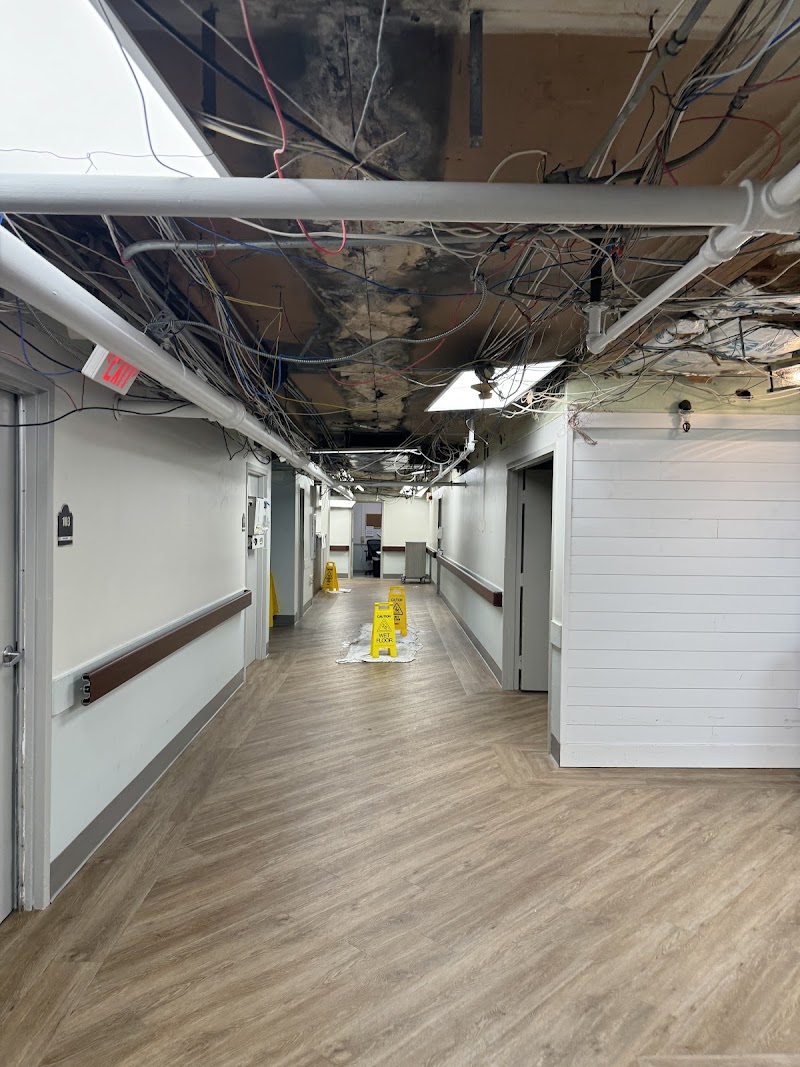
How Does Arabella Health And Wellness Of Fairhope Compare to Other Alabama Nursing Homes?

Compared to the 100 nursing homes in Alabama, ARABELLA HEALTH AND WELLNESS OF FAIRHOPE's overall rating (3 stars) is above the state average of 2.9, staff turnover (63%) is significantly higher than the state average of 46%, and health inspection rating (3 stars) is at the national benchmark.

What Should Families Ask When Visiting Arabella Health And Wellness Of Fairhope?

Based on this facility's data, families visiting should ask: "How do you ensure continuity of care given staff turnover, and what is your staff retention strategy?" "Can I visit during a mealtime to observe dining assistance and food quality?" "How do you handle medical emergencies, and what is your hospital transfer rate?" "Can I speak with family members of current residents about their experience?" These questions are particularly relevant given the facility's high staff turnover rate.

Is Arabella Health And Wellness Of Fairhope Safe?

Based on CMS inspection data, ARABELLA HEALTH AND WELLNESS OF FAIRHOPE has a clean safety record: no substantiated abuse findings (meaning no confirmed cases of resident harm), no Immediate Jeopardy citations (the most serious violation level indicating risk of serious injury or death), and is not on the Special Focus Facility watch list (a federal program monitoring the lowest-performing 1% of nursing homes). The facility has a 3-star overall rating and ranks #1 of 100 nursing homes in Alabama. While no facility is perfect, families should still ask about staff-to-resident ratios and recent inspection results during their visit.

Do Nurses at Arabella Health And Wellness Of Fairhope Stick Around?

Staff turnover at ARABELLA HEALTH AND WELLNESS OF FAIRHOPE is high. At 63%, the facility is 17 percentage points above the Alabama average of 46%. High turnover means new staff may not know residents' individual needs, medications, or preferences. It can also be disorienting for residents, especially those with dementia who rely on familiar faces. Families should ask: What is causing the turnover? What retention programs are in place? How do you ensure care continuity during staff transitions?

Was Arabella Health And Wellness Of Fairhope Ever Fined?

ARABELLA HEALTH AND WELLNESS OF FAIRHOPE has no federal fines on record. CMS issues fines when nursing homes fail to meet care standards or don't correct problems found during inspections. The absence of fines suggests the facility has either maintained compliance or corrected any issues before penalties were assessed. This is a positive indicator, though families should still review recent inspection reports for the full picture.

Is Arabella Health And Wellness Of Fairhope on Any Federal Watch List?

ARABELLA HEALTH AND WELLNESS OF FAIRHOPE is not on any federal watch list. The most significant is the Special Focus Facility (SFF) program, which identifies the bottom 1% of nursing homes nationally based on persistent, serious quality problems. Not being on this list means the facility has avoided the pattern of deficiencies that triggers enhanced federal oversight. This is a positive indicator, though families should still review the facility's inspection history directly.