FAYETTE MEDICAL CENTER LONG TERM CARE UNIT
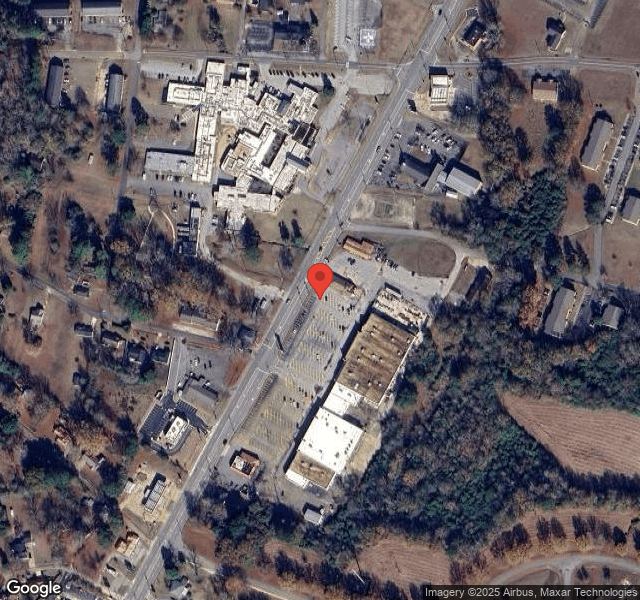
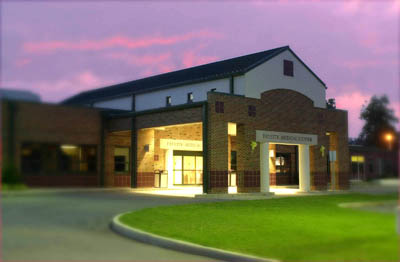
1653 TEMPLE AVENUE NORTH, FAYETTE, AL 35555 (205) 932-5966
Government - County 122 Beds Independent Data: November 2025
Trust Grade
93/100
#16 of 223 in AL
Last Inspection: May 2021

Over 2 years since last inspection. Current conditions may differ from available data.

Overview

Fayette Medical Center Long Term Care Unit has an excellent Trust Grade of A, indicating a high level of care and reliability. It ranks #16 out of 223 facilities in Alabama, placing it in the top half, and it is the only option in Fayette County, meaning it is the best local choice available. The facility is improving, having gone from three issues in 2019 to none reported in 2021. Staffing is a strong point, boasting a 5/5 star rating with a turnover rate of only 30%, which is significantly lower than the state average. However, past inspections revealed concerns, including a failure to ensure proper hand hygiene in the kitchen and a lack of monitoring during food preparation, which could pose health risks for residents. Despite these weaknesses, the overall lack of fines and strong RN coverage suggests that the facility is committed to maintaining a safe environment for its residents.

Trust Score
A
93/100
In Alabama
#16/223
Top 7%
Safety Record
Low Risk
No red flags
Inspections
Getting Better
3 → 0 violations
Staff Stability
✓ Good
30% annual turnover. Excellent stability, 18 points below Alabama's 48% average. Staff who stay learn residents' needs.
Penalties
✓ Good
No fines on record. Clean compliance history, better than most Alabama facilities.
Skilled Nurses
✓ Good
Each resident gets 60 minutes of Registered Nurse (RN) attention daily — more than 97% of Alabama nursing homes. RNs are the most trained staff who catch health problems before they become serious.
Violations
○ Average
10 deficiencies on record. Average for a facility this size. Mostly minor or procedural issues.
★★★★★
5.0
Overall Rating
★★★★★
5.0
Staff Levels
★★★★☆
4.0
Care Quality
★★★★☆
4.0
Inspection Score
Stable
2019: 3 issues
2021: 0 issues

The Good

  • 5-Star Staffing Rating · Excellent nurse staffing levels
  • 4-Star Quality Measures · Strong clinical quality outcomes
  • Low Staff Turnover (30%) · Staff stability means consistent care
  • Full Sprinkler Coverage · Fire safety systems throughout facility
  • No fines on record
  • Staff turnover is low (30%)

    18 points below Alabama average of 48%

Facility shows strength in staffing levels, quality measures, staff retention, fire safety.

The Bad

No Significant Concerns Identified

This facility shows no red flags. Among Alabama's 100 nursing homes, only 1% achieve this.

The Ugly 10 deficiencies on record

Apr 2019 3 deficiencies
CONCERN (D)

Potential for Harm - no one hurt, but risky conditions existed

Deficiency F0583 (Tag F0583)

Could have caused harm · This affected 1 resident

**NOTE- TERMS IN BRACKETS HAVE BEEN EDITED TO PROTECT CONFIDENTIALITY** Based on observation, interviews, medical record review, and a review of the facility's policy titled, Resident Dignity, the fac...

Read full inspector narrative →
**NOTE- TERMS IN BRACKETS HAVE BEEN EDITED TO PROTECT CONFIDENTIALITY** Based on observation, interviews, medical record review, and a review of the facility's policy titled, Resident Dignity, the facility failed to ensure Resident Identifier (RI) #53 was provided privacy during the a Percutaneous Endoscopic Gastrostomy (PEG) Tube medication administration by a licensed nurse. This affected RI #53, one of one resident observed during PEG Tube medication administration, and by one of four licensed nurses observed during medication administration. Findings Include: A review of a facility policy titled, Resident Dignity, with a revised date of 11/16/2009, revealed, .Guidelines .,12. Maintain resident privacy . RI #53 was admitted to the facility on [DATE] with diagnoses to include Dysphagia following Cerebral Infarction, Cognitive Communication Deficit, Aphasia following Cerebral Infarction, Gastrostomy Status, and Dry Eye Syndrome of Bilateral Lacrimal Glands. On 04/10/19 at 5:05 p.m., Employee Identifier (EI) #1 was observed during a PEG Tube medication administration for RI #53. EI #1 exited RI #53's room to go to the medication cart to get supplies. After EI #1 came back in RI #53's room, she left the door open and RI #53's curtain was left open for public view, and visible for RI #53's roommate, who was sitting in a wheelchair across from RI #53's bed. EI #1 gelled her hands and put on gloves. EI #1 pulled back RI #53's bedcovers and gown, exposing RI #53's middle abdomen area and peg tube site for roommate and public view. The Surveyor observed one resident in the hallway carrying an oxygen tank walking up the hallway and RI #53's roommate sitting in a wheelchair across the room in front of RI #53's bed. EI #1 began administering RI #53's medication per peg tube with door left open and curtain open for roommate and public view. 04/10/19 at 6:25 p.m., the surveyor conducted an interview with Employee Identifier (EI) #1, a Licensed Practical Nurse. EI #1 was asked what should a nurse ensure is done prior to administering a medication per PEG tube to a resident. EI #1 stated you should pull the resident's curtain around the resident's bed area and close the resident's door. EI #1 was asked did you pull RI #53's curtain around the bed and close RI #53's door when administering the PEG tube medication. EI #1 stated no. EI #1 was asked why did you not pull RI #53's curtain around the bed and close RI #53's door when administering the PEG tube medication. EI #1 stated she was focused on giving the medication and she forgot. EI #1 was asked what position was the RI #53's door when administering the PEG tube medication. EI #1 stated the door was wide open for public view and the roommate was in the room sitting in a wheelchair in view of RI #53. EI #1 was asked what was exposed of RI #53 when she left the curtain and door open for public view. EI #1 stated RI #53's peg tube site area. EI #1 was asked what would be the concern with a license nurse leaving a resident's door and curtain open during a PEG tube medication administration to a resident. EI #1 stated it could expose their body parts. EI #1 further stated that this is a resident right and affects the resident's privacy.
CONCERN (D)

Potential for Harm - no one hurt, but risky conditions existed

Infection Control (Tag F0880)

Could have caused harm · This affected 1 resident

**NOTE- TERMS IN BRACKETS HAVE BEEN EDITED TO PROTECT CONFIDENTIALITY** Based on observation, interviews, and review of a facility policy titled, Hand Hygiene, the facility failed to ensure a licensed...

Read full inspector narrative →
**NOTE- TERMS IN BRACKETS HAVE BEEN EDITED TO PROTECT CONFIDENTIALITY** Based on observation, interviews, and review of a facility policy titled, Hand Hygiene, the facility failed to ensure a licensed nurse washed her hands after she picked up alcohol swabs and paper off the floor, prior to putting on gloves to administer an eye drop medication to Resident Identifier (RI) #53. This affected one of four licensed nurses observed during medication administration pass and RI #53, one of four residents observed during medication administration pass. Findings Include: A review of a policy titled, Hand Hygiene, with a revised date of 12/2009 revealed, Decontaminate hands - To reduce bacterial counts on hands by performing antiseptic hand rub or antiseptic handwash . 4. Decontaminate hands before having direct patient contact . 9. Decontaminate hands after contact with inanimate objects . RI #53 was admitted to the facility on [DATE] with diagnoses to include Dysphagia following Cerebral Infarction, Cognitive Communication Deficit, Aphasia following Cerebral Infarction, Gastrostomy Status, and Dry Eye Syndrome of Bilateral Lacrimal Glands. On 4/10/2019 at 4:40 p.m., the surveyor observed Employee Identifier (EI) #1, a Licensed Practical Nurse (LPN), during a medication administration pass for RI #53. The surveyor observed EI #1 drop pieces of alcohol swabs and paper onto the floor, pick up the alcohol swabs and paper from the floor and put in the garbage can. Then, EI #1 did not wash or gel her hands prior to putting on gloves to administer an eye drop medication to RI #53. 04/10/19 at 6:25 p.m., the surveyor conducted an interview with EI #1. EI #1 was asked if she washed or gelled her hands after she picked the alcohol swabs and paper up off the floor, prior to putting on gloves to administer RI #53's eye drop medication. EI #1 stated no. EI #1 was asked why she had not. EI #1 stated she was concentrating on giving the medications to RI #53 and forgot. EI #1 was asked what would be the concern in not washing your hands after you picked up alcohol swabs and paper from the floor prior to putting on gloves to administer an eye drop medication. EI #1 stated it could cause contamination or infection to a resident. .
CONCERN (F)

Potential for Harm - no one hurt, but risky conditions existed

Food Safety (Tag F0812)

Could have caused harm · This affected most or all residents

Based on observation, interview, and review of a facility policy titled, Hand Washing Guidelines- Food Service Employees, the facility failed to ensure Employee Identifier (EI) # 4, a Kitchen Assistan...

Read full inspector narrative →
Based on observation, interview, and review of a facility policy titled, Hand Washing Guidelines- Food Service Employees, the facility failed to ensure Employee Identifier (EI) # 4, a Kitchen Assistant, washed hands and changed gloves after leaving the work area, touching a contaminated item, then returning to the meal service line. This deficiency had the potential to affect all residents receiving meals from the kitchen. Findings include: Review of the facility policy titled Hand Washing Guidelines- Food Service Employees, revised 5/2018, revealed the following: . Compliance Guidelines: . 6. Frequency of Hand Washing: Nutritional Service employees shall clean their hands and exposed portions of their arms immediately before engaging in food preparation including working with exposed food, clean equipment and utensils, and unwrapped single service and single use articles and also in the following situations: . b. After hands have touched anything unsanitary . c. After hands have touched bare human body parts other than clean hands . On 4/11/19 at 12:01 p.m., EI# 4, Kitchen Assistant, was observed wearing gloves to set up plates. She then touched her clothing and her face and answered the phone wearing those gloves. EI #4 then returned to the food service line, without washing her hands and wearing the same gloves. On 4/11/19 at 12:20 p.m., an interview was conducted with EI# 4. EI #4 was asked to explain what happened during the trayline service. EI #4 said she left the service line to answer the phone. EI# 4 was asked if she washed her hands or changed gloves after answering the phone. EI# 4 stated no. EI# 4 was asked what would be the potential harm in leaving the tray line, touching a contaminated item, then returning to food service while wearing the same gloves and not washing hands. EI# 4 stated, that there would be the potential for cross contamination or spreading germs. On 04/11/19 at 12:42 p.m., an interview with the Contracted Assistant Director of Nutritional Services was conducted. The Contracted Assistant Director of Nutritional Services was asked what would be the potential harm in leaving the tray line and answering the phone without changing gloves and/or washing hands. The Contracted Assistant Director of Nutritional Services replied that there would be the potential to spread germs to the residents.
Apr 2018 7 deficiencies
CONCERN (D)

Potential for Harm - no one hurt, but risky conditions existed

Deficiency F0658 (Tag F0658)

Could have caused harm · This affected 1 resident

**NOTE- TERMS IN BRACKETS HAVE BEEN EDITED TO PROTECT CONFIDENTIALITY** Based on observation, interview, medical record review, and a review of [NAME] and [NAME]'s FUNDAMENTALS OF NURSING, the facilit...

Read full inspector narrative →
**NOTE- TERMS IN BRACKETS HAVE BEEN EDITED TO PROTECT CONFIDENTIALITY** Based on observation, interview, medical record review, and a review of [NAME] and [NAME]'s FUNDAMENTALS OF NURSING, the facility failed to ensure physician orders for RI #100 were followed for a divided plate and no straws with meals were followed. Findings Include: A review of [NAME] and [NAME] FUNDAMENTALS OF NURSING Eight Edition, Chapter 23, page 305, revealed the following: Health Care Providers' Orders . Nurses follow health care providers' orders . RI #100 was readmitted to the facility on [DATE] with diagnoses including Gastro-Esophageal Reflux Disease Without Esophagitis and Hemiplegia Following Cerebral Infarc Affected Right Dominant Side. A review of RI #100 Care Area Triggers (CAT) dated 02/19/18 revealed the following: .Cognitive Loss/Dementia . BIMs (Brief Interview for Mental Status score) is 8 (indicating cognition was moderately impaired . ADL (Activities of Daily Living) Function/Rehabilitation Pot (Potential) . left (him/her) with right sided weakness . A review of the facility's Physician's Order Form revealed the following: . d/c (discontinue) divided red plate with meals . Provide regular divided plate with regular meals Date 4/2/18 11:53 am . (physician's name per [Employee Identifier (EI) #6/RD . A review of RI #100's April 2018 Physician's Orders revealed the following: Order Date . 4/02/18 . Start Date 4/02/18 . Orders . REGULAR MEALS AND THIN LIQUIDS WITH NO STRAWS MEALS TO BE SERVED ON REGULAR DIVIDED PLATE . A review of RI #100's dietary tray card revealed NO STRAWS and an orange sticker (per Registered Dietitian/Employee Identifier (EI) #6) indicated a regular divided plate. On 04/11/18 at 11:45 AM resident observed during lunch meal, tray card corresponded to meal, served on a regular plate. RI #100 had a straw in the tea and the water. RI #100 was observed to use the straw with the tea and the water. EI #100 consumed 100% of fluids, 100% of steak, 50% of turnip greens, 25% of yams, no % of roll, chocolate pudding-0%. Responsible party at bedside and brought resident two pork chops and resident consumed 75% of both pork chops. Sign observed above bed - NO STRAWS. RI #100 did not have a divided plate. On 04/11/18 at 5:00 PM, during supper meal observation, RI #100 was served fish, french fries, roll, cold slaw, water, tea on a regular plate. RI #100 did not have a divided plate. On 4/11/18 at 5:15 PM, during an interview with EI #6, Registered Dietitian/RD she was asked what was the order from the physician that was dated 4/2/18 at 11:53 AM. EI #6 said a regular divided plate with meals. The surveyor asked what was the difference between a red divided plate and regular divided plate. EI #6 stated,Just the color. The surveyor asked why was RI #100's plate changed. EI #6 replied this was actually an order clarification. EI #6 said Occupational Therapy/(OT), had recommended a regular divided plate to help with the resident's self-feeding. EI #6 said she did not know how red got attached to the order. The surveyor asked what was the difference with the assistance of the divided plate with a regular and/or a red plate. EI #6 said the red was used for someone who was visually impaired. The surveyor asked was RI #100 visually impaired. EI #6 stated, No, not that I've observed. On 4/12/18 at 12:40 PM, during an interview(EI) #9, Minimum Data Set Coordinator, the surveyor provided a copy of Occupational Orders for RI #100 was given for review. The surveyor asked what type of plate should RI #100 have. EI #9 stated the resident should receive a divided plate at each meal. The surveyor asked what did the orders document. EI #9 stated on 4/2/18 the divided red plate with meals was discontinued and to provide a regular divided plate with regular meals.
CONCERN (D)

Potential for Harm - no one hurt, but risky conditions existed

ADL Care (Tag F0677)

Could have caused harm · This affected 1 resident

**NOTE- TERMS IN BRACKETS HAVE BEEN EDITED TO PROTECT CONFIDENTIALITY** Based on observation of incontinent care, review of a facility policy titled, Perineal Care and staff interviews the facility fa...

Read full inspector narrative →
**NOTE- TERMS IN BRACKETS HAVE BEEN EDITED TO PROTECT CONFIDENTIALITY** Based on observation of incontinent care, review of a facility policy titled, Perineal Care and staff interviews the facility failed to ensure certified staff cleaned Resident Identifier (RI) #30's buttock area from front to back. This affected one of one incontinent care observations made during the survey. Findings Include: A review of a facility's policy titled, Perineal Care with a revised date of 11/2017, documented the following: . Standard Perineal care is provided to clean the perineum and provide comfort. Procedure for a . Resident . 5. Help the resident turn onto . side. Wash, . the anal area, moving upward toward the back. RI #30 was readmitted to the facility on [DATE] with diagnoses to include: Diarrhea and Chronic Kidney Disease, Stage 3. A review of RI #30's Annual Minimum Data Set (MDS) with an Assessment Reference Date (ARD) of 01/24/2018 revealed RI #30's Brief Interview for Mental Status score of 15, indicating cognition intact. Section H of the MDS for Bladder and Bowel, revealed RI #30 was frequently incontinent of urine and bowel and required extensive assistance with toileting. On 04/12/2018 at 8:49 a.m., an observation of incontinent care on RI #30, was made with Employee Identifier (EI) #5. RI #30 gave verbal permission for the surveyor to observe incontinent care. EI #5 wet three bath cloths with water, sanitized her hands and put gloves on. RI #30 turned to her/his left side, EI #5 removed the bedpan and placed it on the bed. EI #5 wiped a large amount of stool with a bath cloth from the right buttock. EI #5 wiped from the anal area towards the urethra in an upward motion. EI #5 then changed to a clean area of the cloth and wiped the left buttock, which was also covered in a large amount of stool. EI #5 again wiped from the anal area towards the urethra in a downward motion. EI #5 obtained a clean bath cloth and wiped downward, from the back of the buttocks to the middle of the buttocks. No redness was observed to the area. On 04/12/2018 at 8:55 a.m., an interview was conducted with EI #5 CNA. The surveyor asked EI #5 what was the facility's policy and procedure on incontinent care. EI #5 said wipe front to back. The surveyor asked EI #5 which direction did she wipe when cleaning RI #30. EI #5 said she wiped front to back at first and then she wiped back to front, and downward three times. EI #5 said RI #30 had a large amount of stool. The surveyor asked EI #5 what was the potential harm in wiping from back to front. EI #5 said infection. On 04/12/2018 at 10:55 a.m., an interview was conducted with EI #1, Registered Nurse (RN), Infection Control. The surveyor asked EI #1 what was the facility's policy and procedure on incontinent care. EI #1 said to wipe from front to back. The surveyor asked EI #1 why should staff wipe from front to back. EI #1 said risk of infection.
CONCERN (D)

Potential for Harm - no one hurt, but risky conditions existed

Tube Feeding (Tag F0693)

Could have caused harm · This affected 1 resident

**NOTE- TERMS IN BRACKETS HAVE BEEN EDITED TO PROTECT CONFIDENTIALITY** Based on observation, interviews, medical record review, and a review of the facility's policy titled, ENTERAL NUTRITION GUIDELI...

Read full inspector narrative →
**NOTE- TERMS IN BRACKETS HAVE BEEN EDITED TO PROTECT CONFIDENTIALITY** Based on observation, interviews, medical record review, and a review of the facility's policy titled, ENTERAL NUTRITION GUIDELINES, the facility failed to ensure licensed staff waited in between gentle pushes to unclog Resident Identifier (RI) #265's Gastrostomy Tube (GT). This affected one of one resident observed with a GT during medication administration. Findings Include: A review of the facility's policy titled, ENTERAL NUTRITION GUIDELINES without a date, revealed the following : . L. If a tube becomes clogged, instill 10 mL (milliliter) of warm water as close to the clog as possible for 1 (one) minute, and then using a back and forth motion with a 30-50 mL syringe plunger to help dislodge the clog. If the tube does not clear, clamp the tube for 5-15 minutes. Fill the syringe with 10mL of warm water and try again . RI #265 was admitted to the facility on [DATE] with diagnoses including Muscle Weakness and Gastrostomy Status. A review of RI #265's Quarterly Minimum Data Set (MDS) dated [DATE] revealed RI #265 was severely impaired in cognitive skills for daily decision making and had short and long term memory problems. The MDS also revealed RI #265 had a Gastrostomy Tube. A review of RI #265's care plan with a problem onset date of 10/17/17 revealed the following: . (RI #265) has potential for complications R/T (related to) PEG (percutaneous esophageal gastrostomy) tube placement. Approaches . 3-13-18 Gentle push (with) flushes . On 04/11/18 at 12:30 PM, the following observation was made during medication administration: EI #7, Licensed Practical Nurse, prepared Hydrocodone-Acetaminophen 5-325 mg (milligram) (1/2) tab (tablet) /(per) tube) for administration. EI #7 removed a tray from the medication cart and placed on top of the medication cart. EI #7 obtained three medications cups and placed her fingers inside each cup as she labeled the cups with a marker. EI #7 poured 30 cc (cubic centimeters) of water in each medication cup after labeling. EI #7 crushed the Hydrocodone medications and poured in a labeled medication cup. EI #7 entered the resident's room with the tray containing the medication cups with the water and the crushed medication. EI #7 checked placement and residual with a 60 cc syringe and plunger. EI #7 removed the plunger and administered the 30 cc water flush, water ran out because of the position of the stop cock on the luer lock was open. EI #7 administered the medication mixed with 5 cc of water by gravity. The medication mix did not flow by gravity. EI #7 obtained the plunger and placed in the barrel of the syringe and pushed the plunger inward. Medication did not flow. EI #7 repeated this process 3 times and the medication did not flow. EI #7 immediately pushed the plunger in and out, repeatedly 3 times, medication was administered. EI #7 removed the plunger, syringe still attached. EI #7 poured 10 cc of water into the syringe. Water did not flow in. EI #7 used the same process with the plunger 4 times, no waiting in between plunger pushes, until water administered. On 04/11/18 at 4:00 PM, during an interview with EI #8, RN Supervisor, the surveyor provided a copy of RI #265's physician's orders and care plan regarding tube feeding and asked EI #8 to explain gentle pressure. EI #8 demonstrated with a 60 cc syringe and said if she had a syringe on the valve and medications were not going in by gravity, she would take the plunger and apply gentle pressure and push the plunger to see if she could get the medication to go in. The surveyor asked how much pressure and how far should the plunger be inserted into the syringe. EI #8 said to start at the 60 cc, at the top of the syringe, if the syringe tip is connected to the gastrostomy tube. EI #8 said she would attempt to push 10 cc of air and if medication still did not go in, her next option would be to question if the tube was clogged, since the gentle push was not working. The surveyor asked how many times would she apply gentle pressure. EI #8 said only push with gentle pressure once, because more than that would put excessive pressure on the tube. The surveyor asked when staff repeatedly applies gentle pressure more than once, what was the potential harm. EI #8 said it could tear the tubing from where the pressure was applied, or all the way down to the end point where the tube is in the stomach. The surveyor asked when should a plunger be used in an in and out motion in a syringe connected to a GT. EI #8 said never, and that she would never do that.
CONCERN (D)

Potential for Harm - no one hurt, but risky conditions existed

Pharmacy Services (Tag F0755)

Could have caused harm · This affected 1 resident

**NOTE- TERMS IN BRACKETS HAVE BEEN EDITED TO PROTECT CONFIDENTIALITY** Based on observations, interview, medical record reviews, and a review of the facility's policy titled, Oral Medication - Admini...

Read full inspector narrative →
**NOTE- TERMS IN BRACKETS HAVE BEEN EDITED TO PROTECT CONFIDENTIALITY** Based on observations, interview, medical record reviews, and a review of the facility's policy titled, Oral Medication - Administration, the facility failed to ensure Licensed staff did not leave Resident Identifier (RI) #264's and RI #265's medications unattended and out of visual sight. This affected two of two residents observed during medication administration. Findings Include: A review of the facility's policy titled, Oral Medication -- Administration without a date, revealed the following: . Special Points: . G. Never leave medication on top of cart unless cart is in view of staff . 1. RI #264 was readmitted to the facility on [DATE] with diagnoses including Type II Diabetes, Cerebrovascular Disease and Anxiety Disorder. A review of RI #264's Quarterly Minimum Data Set (MDS) dated [DATE], revealed RI #264's Brief Interview for Mental Status score of 15, indicating cognition was intact. On 04/11/18 at 8:50 AM, the following was observed during medication administration: Employee Identifier (EI) #7 prepared the following medications for administration to RI #264: 1. Klor-Con 20 mg (milligram) one po TID (three times a day 2. Lisinopril 20 mg one p every morning (QAM) 3. Brimodine eye drops 0.2 (percent) 4. Carbamazepine ER (extended release) 200 mg q (every) 12 hours 5. Oxybutin CL ER 5 mg one po bid 6. Clonidine HCL 0.1 mg one po bid 7. Klonopine 0.5 mg (1/2) tab bid 8. Hydrocodone 5-325 mg one po bid 9. Atenolol 50 mg one po bid. EI #7 dispensed medications from the pill cards, placed the Klonopine and the Hydrocodone pill card back in the locked box in the medication cart and locked the medication cart. EI #7 leaves the resident's Klor-Con, Lisinopril, ,Carbamazepine, Oxybutin, Clonidine,and the Atenolol medication pill cards on top of the medication cart. Staff and other residents observed on the hall way. EI #7 entered RI #264's room and closed the door. The medication cart with the pill cards are out of sight of EI #7. EI #7 administered the medications. EI #7 opened RI #264's door, exited the room and the medication pill cards were on top of the medication cart. On 04/11/18 at 9:00 AM, during an interview with EI #7, the surveyor asked what was left on the medication cart. EI #7 said medications. The surveyor asked was the medications within her sight at all times. EI #7 stated, No ma'am. The surveyor asked what was the facility's policy and procedure for leaving medications unattended and out of nurses' sight. EI #7 replied medications should always be in eyesight of the nurse or put away in the medication cart and locked. The surveyor asked what other staff and ambulatory residents were on the hall. EI #7 stated ambulatory residents and Certified Nursing Assistants were on the hall. The surveyor asked was policy and procedure followed for not leaving medications unattended and out of nurses sight. EI #7 stated, No. The surveyor asked what was the potential when medications were left unattended and out of nurses sight. EI #7 stated, Other residents or staff could get the medications and take them. 2. RI #265 was admitted to the facility on [DATE] with diagnoses including Muscle Weakness and Gastrostomy Status. A review of RI #265's Quarterly Minimum Data Set (MDS) dated [DATE] revealed RI #265 was severely impaired in cognitive skills for daily decision making and had short and long term memory problems. The MDS also revealed RI #265 had a Gastrostomy Tube. On 04/11/18 at 12:30 PM, the following was observed during medication administration: EI #7 prepared medication for administration to RI #265. EI #7 entered the resident's room and placed the tray, containing the residents medications on the resident's bedside table. EI #7 placed RI #265's tube feeding infusion on hold and exited the resident's room. EI #7 closed RI #265's door, leaving the resident's medication unattended and out of visual sight. EI #7 re-entered the resident's room. On 04/11/18 at 9:00 AM, during an interview with EI #7 regarding a prior medication pass, the surveyor asked what was the facility's policy and procedure for leaving medications unattended and out of nurses' sight. EI #7 replied at that time that medications should always be in eyesight of the nurse or put away in the medication cart and locked.
CONCERN (D)

Potential for Harm - no one hurt, but risky conditions existed

Deficiency F0810 (Tag F0810)

Could have caused harm · This affected 1 resident

**NOTE- TERMS IN BRACKETS HAVE BEEN EDITED TO PROTECT CONFIDENTIALITY** Based on observation, interviews, medical record review, the facility failed to ensure Resident Identifier (RI) #100 was provide...

Read full inspector narrative →
**NOTE- TERMS IN BRACKETS HAVE BEEN EDITED TO PROTECT CONFIDENTIALITY** Based on observation, interviews, medical record review, the facility failed to ensure Resident Identifier (RI) #100 was provided a divided plate with meals. This affected one of 24 residents whose meals were observed. Findings Include: 1. RI #100 was readmitted to the facility on [DATE] with diagnoses including Gastro-Esophageal Reflux Disease Without Esophagitis and Hemiplegia Following Cerebral Infarct Affected Right Dominant Side. A review of RI #100 Care Area Triggers (CAT) dated 02/19/18 revealed the following: .Cognitive Loss/Dementia . BIMS (Brief Interview for Mental Status score) is 8 (indicating cognition was moderately impaired . ADL (Activities of Daily Living) Function/Rehabilitation Pot (Potential) . left (him/her) with right sided weakness . A review of RI #100's April 2018 Physician's Orders revealed the following: Order Date . 4/02/18 . Start Date 4/02/18 . Orders . REGULAR MEALS AND THIN LIQUIDS WITH NO STRAWS MEALS TO BE SERVED ON REGULAR DIVIDED PLATE . A review of RI #100's Occupational Therapy Orders dated 01/23/18 revealed the following: . Patient to receive divided plate (at) each meal to increase (Intake) with self-feeding tasks . A review of RI #100's care plan with a problem onset date of 02/27/18 revealed the following: . (RI #100) has ADL mobility . CVA (Cerebrovascular Accident) with right sided weakness .Approaches . Set up meals and snacks, normally feeds self using left hand . Divided plate. A review of RI #100's dietary tray card revealed NO STRAWS and an orange sticker (per Registered Dietitian/Employee Identifier (EI) #6) indicated a regular divided plate. On 04/11/18 at 11:45 AM resident observed during lunch meal, tray card corresponded to meal, served on a regular plate. RI #100 had a straw in the tea and the water. RI #100 was observed to use the straw with the tea and the water. EI #100 consumed 100% of fluids, 100% of steak, 50% of turnip greens, 25% of yams, no % of roll, chocolate pudding-0%. Responsible party at bedside and brought resident two pork chops and resident consumed 75% of both pork chops. Sign observed above bed - NO STRAWS. RI #100 did not have a divided plate On 04/11/18 at 5:00 PM, during supper meal observation, RI #100 was served fish, french fries, roll, cold slaw, water, tea on a regular plate. RI #100 did not have a divided plate with meals. On 4/11/18 at 5:15 PM, during an interview with EI #6, the surveyor asked was the order she had received from the physician that was dated 4/2/18 at 11:53 AM. EI #6 said a regular divided plate with meals. The surveyor asked what was the difference between a red divided plate and regular divided plate. EI #6 stated,Just the color. The surveyor asked why was RI #100's plate changed. EI #6 replied it was actually an order clarification. EI #6 said Occupational Therapy/(OT), had recommended a regular divided plate to help with the resident's self-feeding. EI #6 said she did not know how red got attached to the order. The surveyor asked what was the difference with the assistance of the divided plate with a regular and/or a red plate. EI #6 said the red was used for someone who was visually impaired. The surveyor asked was RI #100 visually impaired. EI #6 stated, No, not that I've observed. On 04/12/18 at 12:40 PM, during an interview with EI #9, Minimum Data Set Coordinator/MDS, the surveyor asked what does the care plan document. EI #9 said the care plan was revised on 4/2/18 to reflect the meals were to be served on a divided plate. The surveyor informed EI #9 on 4/11/19 for the lunch and supper meal, the resident received meals on a regular plate, was the care plan followed for a divided plate for meals. EI #9 stated if the resident did not get a divided plate for meals, then the care plan was not followed. The surveyor provided a copy of RI #100's tray card and asked, where was the documentation to reflect the resident should have a divided plate with all meals. EI #9 stated she did not see anything on the tray card that stated regular divided plate. On 04/12/18 at 12:55 PM, during an interview with EI #6, RD, the surveyor provided a copy of a tray card for RI #100 and asked where was the documentation to reflect the resident was to have a regular divided plate with all meals. EI #6 said that information was on the clear sleeve of the tray card. The surveyor requested a copy of the tray card. EI #6 provided a copy of the tray card with an orange sticker that indicated RI #100 was to have a divided plate. The surveyor informed EI #6 of the observations on 04/11/18 for lunch and supper meal; and RI #100 did not have a divided plate. The surveyor asked what should RI #100 have for meals. EI #6 said per the order, a regular divided plate.
CONCERN (D)

Potential for Harm - no one hurt, but risky conditions existed

Infection Control (Tag F0880)

Could have caused harm · This affected 1 resident

**NOTE- TERMS IN BRACKETS HAVE BEEN EDITED TO PROTECT CONFIDENTIALITY** 2. A review a facility policy titled, Policy Bedpan/Urinal with a revised date of 3/06 revealed the following: Standard: Residen...

Read full inspector narrative →
**NOTE- TERMS IN BRACKETS HAVE BEEN EDITED TO PROTECT CONFIDENTIALITY** 2. A review a facility policy titled, Policy Bedpan/Urinal with a revised date of 3/06 revealed the following: Standard: Resident's who are unable to go to the bathroom independently, are .offered the bed/pan . Process: s. Empty the bedpan .rinse pan . t. Store .bedpan in plastic bag and tie to .if resident requests .rail in bathroom . RI #30 was readmitted to the facility on [DATE] with diagnoses to include: Diarrhea and Chronic Kidney Disease, Stage 3. A review of RI #30's Annual Minimum Data Set (MDS) with an Assessment Reference Date (ARD) of 01/24/2018 revealed RI #30's Brief Interview for Mental Status score of 15, indicating cognition intact. Section H of the MDS for Bladder and Bowel, documented RI #30 was frequently incontinent of urine and bowel. On 4/12/18 at 9:12 AM, the surveyor observed two housekeeping staff cleaning RI #30's mattress in the resident's room. One of the cleaning staff went into the resident's bathroom and found a bedside pan (bedpan) with a brown substance on the inside. The plastic bag, where the bedpan was stored, was hanging from the towel rack(rail), which was observed with a very strong odor. The cleaning staff cut the plastic bag off of the towel rack (rail) and placed it on the floor. On 04/12/18 at 9:20 AM, EI #2, the DON (Director of Nursing), was asked by the surveyor to observe the plastic bag with the brown substance, which contained the bedpan. An interview was conducted on 4/12/18 at 9:22 AM with EI #2. EI #2 was asked how were bedpans to be stored after use. EI #2 said the bedpans were to be cleaned and placed in a plastic bag and tied to a safety rail in the resident's bathroom. EI #2 was asked, when she observed the bedpan inside of the plastic bag in RI #30's bathroom, what did she observe inside the plastic bag along with the bedpan. EI #2 said the bag (on the inside) was soiled. EI #2 was asked should there have been evidence of a brown substance appearing to be bowel movement inside of a plastic bag that was used to store the bedpan. EI #2 said no. EI #2 was asked, why should bedpans be cleaned after usage especially after a bowel movement. EI #2 said, to prevent it from having bowel movement on it. EI #2 was asked, what could happen if a soiled bag with a bedpan was left hanging on a safety rail in a resident's bathroom. EI #2 explained, cross contamination and someone could get their hands soiled if they touched it. EI #2 was asked who was responsible for ensuring bedpans were cleaned thoroughly after use and stored in a clean plastic bag after resident care. EI #2 said, the CNA's or whoever assisted the resident on the bedpan. EI #2 was asked, what should have been done. EI #2 explained, after the bedpan was soiled, both should have been thrown away. Based on observations, interviews, medical record reviews and a review of the facility's policy titled, Hand Hygiene, the failed to ensure: 1. Licensed staff did not place her fingers inside three medication cups; pour 30 cc (cubic centimeters) of water into the medication cup and then administer the water via RI #265's Gastrostomy Tube (GT); and 2. A CNA(Certified Nursing Assistant) did not store a soiled bedpan in RI #30's bathroom. This was observed 4/12/18 and had the potential to affect RI#30, a resident requiring assistance with toileting. These deficient practices affected 2 of 2 sampled residents. Findings Include: A review of the facility's policy titled, Hand Hygiene without a date, revealed the following: Purpose: to reduce the risk of transmission of pathogenic microorganisms to patients, . Definition: Decontaminate hands - To reduce bacterial counts on hands by performing antiseptic hand rub or antiseptic handwash . 10. Decontaminate hands after contact with inanimate objects (including medical equipment) . RI #265 was admitted to the facility on [DATE] with diagnoses including Muscle Weakness and Gastrostomy Status. A review of RI #265's Quarterly Minimum Data Set (MDS) dated [DATE] revealed RI #265 was severely impaired in cognitive skills for daily decision making and had short and long term memory problems. The MDS also revealed RI #265 had a Gastrostomy Tube. A review of RI #265's care plan with a problem onset date of 10/17/17 revealed the following: . (RI #265) has potential for complications R/T (related to) PEG (percutaneous esophageal gastrostomy) tube placement. Approaches . 3-13-18 Gentle push (with) flushes . On 04/11/18 at 12:30 PM, the following observation was made during medication administration: EI #7, Licensed Practical Nurse prepared Hydrocodone-Acetaminophen 5-325 mg (milligram) (1/2) tab /(per) tube) for administration. Removed a tray from the medication cart and placed on top of the medication cart. EI #7 obtained three medications cups and placed her fingers inside each cup as she labeled the cups with a marker. EI #7 poured 30 cc (cubic centimeters) of water in each medication cup after labeling. The Hydrocodone medications was crushed and poured in a labeled medication cup. EI #7 entered the resident's room with the tray containing the medication cups with the water and the crushed medication. EI #7 administered the medications and the water flush via RI #265's GT. On 04/11/18 at 12:50 PM, during an interview with EI #7, the surveyor asked when should fingers be placed inside of a medication cup. EI #7 stated never. The surveyor asked what did she do when she was labeling the medication cups for the water. EI #7 stated she did not realize that was what she had done, but she did remember placing her fingers inside of the medication as she was labeling the medication cups. The surveyor asked what could be a potential harm. EI #7 stated infection to the resident because the resident received the water that was in the medication cup, that she had touched with her fingers. The surveyor asked when she removed the tube feeding tubing from the gastrostomy tube (GT), where did she place the tubing. EI #7 stated on a towel. The surveyor asked was the towel clean, EI #7 replied it was not. EI #7 also stated after the resident received the medications, she reconnected the feeding tube to the GT and restarted the resident's infusing. EI #7 replied that could also be a cause for infection.
CONCERN (F)

Potential for Harm - no one hurt, but risky conditions existed

Food Safety (Tag F0812)

Could have caused harm · This affected most or all residents

Based on observations, a review of the 2017 Food Code, a review of the Quat Sanitizer Technical Data Sheet, well as interviews with facility staff, the facility failed to ensure: 1. staff air dried th...

Read full inspector narrative →
Based on observations, a review of the 2017 Food Code, a review of the Quat Sanitizer Technical Data Sheet, well as interviews with facility staff, the facility failed to ensure: 1. staff air dried the Robot Coupe mixer prior to storing; 2. staff cleaned the tea urn spigot every 24 hours; 3. staff took corrective action when the temperature in the dishwashing machine exceeded 194 degrees Fahrenheit; (temps higher than 194 result in ineffective sanitizing) 4. during manual dishwashing, the staff monitored the water temperature in the final rinse sink to ensure accuracy of the test strip when determining chemical concentration. This had the potential to affect all 111 residents who received meals from dining service. Findings include: 1. A review of Food Code, U.S. (United States) Public Health Service and FDA (Food and Drug Administration) 2017 revealed the following: .4-901.11 Equipment and Utensils, Air-Drying Required. After cleaning and SANITIZING, EQUIPMENT and UTENSILS; (A) Shall be air-dried . On 4/10/18 at 6:00 PM, the Robot Coupe blender was observed to be stored on a stand and covered. The blender was removed from the stand, turned on the side and water was visible beneath the blade. At this time, the Certified Dietary Manager (CDM), Employee Identifier (EI) #3, was asked, was the blender air dried. EI #3 said , No and there was a potential for mold and bacterial build-up. 2. A review of Food Code, U.S. (United States) Public Health Service and FDA (Food and Drug Administration) 2017 revealed the following: .Frequency 4-602.11 Equipment Food-Contact Surfaces and Utensils. (A) EQUIPMENT FOOD-CONTACT SURFACES and UTENSILS shall be cleaned: . (E) Except when dry cleaning methods are used as specified under § 4-603.11, surfaces of UTENSILS and EQUIPMENT contacting FOOD that is not TIME/TEMPERATURE CONTROL FOR SAFETY FOOD shall be cleaned: . (2) At least every 24 hours for iced tea dispensers . On 4/11/18 at 9:28 AM, an observation was made of a tea urn spigot which was disassembled by the CDM, EI #3. The plunger was observed with a brown colored solid build-up. EI #3 was asked, has this been cleaned in the last 24 hours. EI #3 stated, no it did not look like it. The CDM, EI #3 was asked by the surveyor to view the cleaning schedule. None was provided. EI #3 was asked, what was the potential risk. EI #3 responded, bacteria can begin to grow on soiled equipment. 3. A review of Food Code, U.S. (United States) Public Health Service and FDA (Food and Drug Administration) 2017 revealed the following: .501.112 Mechanical Warewashing Equipment, Hot Water Sanitization Temperatures. (A) Except as specified in ¶ (B) of this section, in a mechanical operation, the temperature of the fresh hot water SANITIZING rinse as it enters the manifold may not be more than 90(degree)C(Celsius) (194(degree)F (Fahrenheit), or less than: .(2) For all other machines, 82oC (degrees Centigrade) (180oF) . An observation on 4/10/18 at 5:54 PM, of the dishmachine data plate revealed wash 150 and rinse at 180 degrees Fahrenheit. On 4/11/18 at 8:50 AM. the dishmachine temperature monitoring log was reviewed. Documented data for the evening meal on 4/07/18 was recorded as 198 for the final rinse. On 4/11/18 at 9:15 AM, the operation of the dishmachine was observed. At this time the CDM, EI #3 was asked about the 198 rinse temperature documented on 4/07/18. EI #3 said that he was unaware of the 194 requirement and further stated that the facility had no policy/procedure for corrective action to take. 4. A review of a undated document titled, Quat Sanitizer Technical Data Sheet revealed the following: . General Information: .Quat test strips should be read at room temperature (75 degrees F) Fahrenheit, higher temperatures will result in inaccurate readings. On 4/11/18 at 9:50 AM, the manual dishwashing was observed to use a chemical (Quaternary Ammonia) for sanitizing. A demonstration of monitoring by the Cook, EI #7, revealed a failure to use the test strip according to direction on product container. A review of the facility Pots/pan sink temperature log revealed the data was not monitored/documented. Staff failed to ensure the water temperature had met the standard by monitoring/recording data. A review of the current Pot and Pan Temperature Log revealed no water temperature was recorded for 33 opportunities or 11 days at three times daily. The CDM EI #3 stated that he was unaware of the need to monitor the water temperature.
Understanding Severity Codes (click to expand)
Life-Threatening (Immediate Jeopardy)
J - Isolated K - Pattern L - Widespread
Actual Harm
G - Isolated H - Pattern I - Widespread
Potential for Harm
D - Isolated E - Pattern F - Widespread
No Harm (Minor)
A - Isolated B - Pattern C - Widespread

Questions to Ask on Your Visit

  • "Can I speak with families of current residents?"
  • "What's your RN coverage like on weekends and overnight?"

Our Honest Assessment

Strengths
  • • Grade A (93/100). Above average facility, better than most options in Alabama.
  • • No major safety red flags. No abuse findings, life-threatening violations, or SFF status.
  • • No fines on record. Clean compliance history, better than most Alabama facilities.
  • • 30% annual turnover. Excellent stability, 18 points below Alabama's 48% average. Staff who stay learn residents' needs.
Concerns
  • • No significant concerns identified. This facility shows no red flags across CMS ratings, staff turnover, or federal penalties.
Bottom line: Generally positive indicators. Standard due diligence and a personal visit recommended.

About This Facility

What is Fayette Medical Center Long Term Care Unit's CMS Rating?

CMS assigns FAYETTE MEDICAL CENTER LONG TERM CARE UNIT an overall rating of 5 out of 5 stars, which is considered much above average nationally. Within Alabama, this rating places the facility higher than 99% of the state's 100 nursing homes. This rating reflects solid performance across the metrics CMS uses to evaluate nursing home quality.

How is Fayette Medical Center Long Term Care Unit Staffed?

CMS rates FAYETTE MEDICAL CENTER LONG TERM CARE UNIT's staffing level at 5 out of 5 stars, which is much above average compared to other nursing homes. Staff turnover is 30%, compared to the Alabama average of 46%. This relatively stable workforce can support continuity of care.

What Have Inspectors Found at Fayette Medical Center Long Term Care Unit?

State health inspectors documented 10 deficiencies at FAYETTE MEDICAL CENTER LONG TERM CARE UNIT during 2018 to 2019. These included: 10 with potential for harm.

Who Owns and Operates Fayette Medical Center Long Term Care Unit?

FAYETTE MEDICAL CENTER LONG TERM CARE UNIT is owned by a government entity. Government-operated facilities are typically run by state, county, or municipal agencies. The facility operates independently rather than as part of a larger chain. With 122 certified beds and approximately 95 residents (about 78% occupancy), it is a mid-sized facility located in FAYETTE, Alabama.

How Does Fayette Medical Center Long Term Care Unit Compare to Other Alabama Nursing Homes?

Compared to the 100 nursing homes in Alabama, FAYETTE MEDICAL CENTER LONG TERM CARE UNIT's overall rating (5 stars) is above the state average of 3.0, staff turnover (30%) is significantly lower than the state average of 46%, and health inspection rating (4 stars) is above the national benchmark.

What Should Families Ask When Visiting Fayette Medical Center Long Term Care Unit?

Based on this facility's data, families visiting should ask: "Can I visit during a mealtime to observe dining assistance and food quality?" "How do you handle medical emergencies, and what is your hospital transfer rate?" "Can I speak with family members of current residents about their experience?"

Is Fayette Medical Center Long Term Care Unit Safe?

Based on CMS inspection data, FAYETTE MEDICAL CENTER LONG TERM CARE UNIT has a clean safety record: no substantiated abuse findings (meaning no confirmed cases of resident harm), no Immediate Jeopardy citations (the most serious violation level indicating risk of serious injury or death), and is not on the Special Focus Facility watch list (a federal program monitoring the lowest-performing 1% of nursing homes). The facility has a 5-star overall rating and ranks #1 of 100 nursing homes in Alabama. While no facility is perfect, families should still ask about staff-to-resident ratios and recent inspection results during their visit.

Do Nurses at Fayette Medical Center Long Term Care Unit Stick Around?

Staff at FAYETTE MEDICAL CENTER LONG TERM CARE UNIT tend to stick around. With a turnover rate of 30%, the facility is 16 percentage points below the Alabama average of 46%. Low turnover is a positive sign. It means caregivers have time to learn each resident's needs, medications, and personal preferences. Consistent staff also notice subtle changes in a resident's condition more quickly. Registered Nurse turnover is also low at 14%, meaning experienced RNs are available to handle complex medical needs.

Was Fayette Medical Center Long Term Care Unit Ever Fined?

FAYETTE MEDICAL CENTER LONG TERM CARE UNIT has no federal fines on record. CMS issues fines when nursing homes fail to meet care standards or don't correct problems found during inspections. The absence of fines suggests the facility has either maintained compliance or corrected any issues before penalties were assessed. This is a positive indicator, though families should still review recent inspection reports for the full picture.

Is Fayette Medical Center Long Term Care Unit on Any Federal Watch List?

FAYETTE MEDICAL CENTER LONG TERM CARE UNIT is not on any federal watch list. The most significant is the Special Focus Facility (SFF) program, which identifies the bottom 1% of nursing homes nationally based on persistent, serious quality problems. Not being on this list means the facility has avoided the pattern of deficiencies that triggers enhanced federal oversight. This is a positive indicator, though families should still review the facility's inspection history directly.