FLORENCE NURSING AND REHABILITATION CTR, LLC
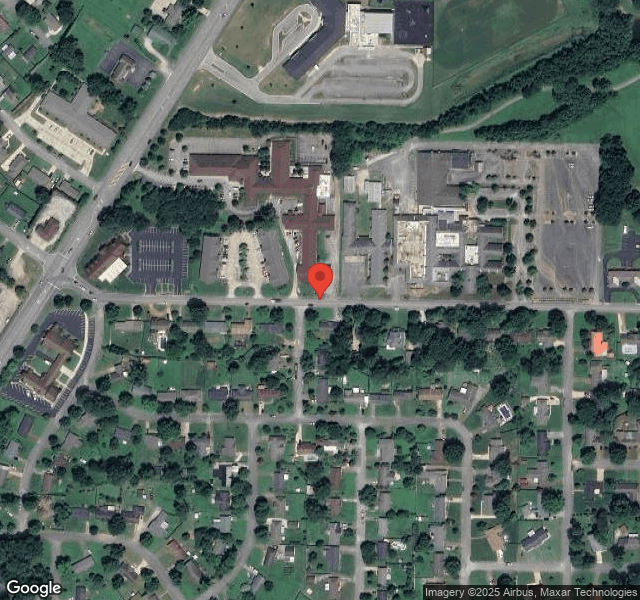

2107 CLOYD BLVD, FLORENCE, AL 35630 (256) 766-5771
For profit - Individual 147 Beds NORBERT BENNETT & DONALD DENZ Data: November 2025
Trust Grade
70/100
#106 of 223 in AL
Last Inspection: January 2020

Over 2 years since last inspection. Current conditions may differ from available data.

Overview

Florence Nursing and Rehabilitation Center has a Trust Grade of B, indicating it is a good choice for families looking for nursing care. It ranks #106 out of 223 facilities in Alabama, placing it in the top half, and #3 out of 5 in Lauderdale County, meaning there are only two local options rated higher. The facility is improving, with issues decreasing from 8 in 2018 to just 2 in 2020. Staffing is a strength here, with a rating of 4 out of 5 stars and a turnover rate of 49%, which is average for the state but indicates some stability. Notably, there have been no fines, which is a positive sign, and the center has better RN coverage than 90% of Alabama facilities, ensuring that residents receive attentive care. However, there are some weaknesses to consider. The facility received 10 concerns during inspections, with issues related to food safety, such as outdated food items and cleanliness of food preparation equipment, which could pose health risks. These findings highlight areas that need improvement, particularly related to the kitchen's management of food safety. Overall, while the nursing home shows promise with its staffing and improvement trend, families should be aware of the food safety concerns during their decision-making process.

Trust Score
B
70/100
In Alabama
#106/223
Top 47%
Safety Record
Low Risk
No red flags
Inspections
Getting Better
8 → 2 violations
Staff Stability
⚠ Watch
49% turnover. Above average. Higher turnover means staff may not know residents' routines.
Penalties
✓ Good
No fines on record. Clean compliance history, better than most Alabama facilities.
Skilled Nurses
✓ Good
Each resident gets 49 minutes of Registered Nurse (RN) attention daily — more than average for Alabama. RNs are trained to catch health problems early.
Violations
○ Average
10 deficiencies on record. Average for a facility this size. Mostly minor or procedural issues.
★★★☆☆
3.0
Overall Rating
★★★★☆
4.0
Staff Levels
★★☆☆☆
2.0
Care Quality
★★★☆☆
3.0
Inspection Score
Stable
2018: 8 issues
2020: 2 issues

The Good

  • 4-Star Staffing Rating · Above-average nurse staffing levels
  • Full Sprinkler Coverage · Fire safety systems throughout facility
  • No fines on record

Facility shows strength in staffing levels, fire safety.

The Bad

3-Star Overall Rating

Near Alabama average (2.9)

Meets federal standards, typical of most facilities

Staff Turnover: 49%

Near Alabama avg (46%)

Higher turnover may affect care consistency

Chain: NORBERT BENNETT & DONALD DENZ

Part of a multi-facility chain

Ask about local staffing decisions and management

The Ugly 10 deficiencies on record

Jan 2020 2 deficiencies
CONCERN (D)

Potential for Harm - no one hurt, but risky conditions existed

Infection Control (Tag F0880)

Could have caused harm · This affected 1 resident

**NOTE- TERMS IN BRACKETS HAVE BEEN EDITED TO PROTECT CONFIDENTIALITY** Based on observation, interviews, medical review, and a facility document titled Hand Hygiene in Healthcare Settings, the facili...

Read full inspector narrative →
**NOTE- TERMS IN BRACKETS HAVE BEEN EDITED TO PROTECT CONFIDENTIALITY** Based on observation, interviews, medical review, and a facility document titled Hand Hygiene in Healthcare Settings, the facility failed to ensure: 1. a Licensed Practical Nurse (LPN), Employee Identifier (EI) #1, washed or sanitized her hands after she gave Resident Identifier (RI) #87's oral medication, and prior to administering (RI) #87's eye drop medication, and 2. a Registered Nurse (RN), EI #2, did not wash or sanitize her hands after she removed her gloves from giving RI #110's oral medications, and prior to opening RI #110's door, and placing RI #110's inhalation medications in the medication cart drawer. This affected two of six residents observed during medication pass and two of six nurses observed during medication pass. Findings Include: A review of a facility document titled Hand Hygiene in Healthcare Settings, with last reviewed date of 4/29/2019, revealed . When to Perform Hand Hygiene . After touching a patient or a patient's immediate environment . Immediately after glove removal . 1. RI #87 was readmitted to the facility on [DATE] with diagnoses to include Dry Eyes and Conjunctivitis. On 01/13/2020 at 8:40 a.m., the surveyor observed EI #1, a LPN, during the medication administration pass. EI #1 gave RI #87's oral medications with her gloved hands. EI #1 did not remove her gloves and wash or sanitize her hands, prior to administering an eye drop medication to RI #87's right and left eye. On 01/13/2020 at 2:39 p.m., an interview was conducted with EI #1, LPN. EI #1 was asked what did you do after you gave RI #87's oral medications with your gloved hands during the medication pass. EI #1 stated she administered RI #87's eye drop medication with the same gloves and did not wash or sanitize her hands prior to giving RI #87 the eye drop medications, but she should have. EI #1 was asked what would be the concern in not washing or sanitizing your hands after you gave RI #87's oral medication with both gloved hands, and prior to administered RI #87's eye drop medication. EI #1 stated this could cause an infection to the residents. On 01/13/2020 at 5:43 p.m., an interview was conducted with EI #3, Infection Control Preventionist, Registered Nurse. EI #3 was asked what would be the concern if a licensed nurse did not wash or sanitize her hands after she gave RI #87's oral medication with both gloved hands, and prior to administering RI #87's eye drop medication. EI #3 stated there could be bacteria on the licensed nurse's gloves or her hands. EI #3 stated this could have transferred germs to RI #87 and could cause an infection to RI #87. 2. RI #110 was readmitted to the facility on [DATE] with diagnoses to include Chronic Obstruction Pulmonary Disease (COPD) and Rhinitis. On 01/13/2020 at 9:00 a.m., the surveyor observed EI #2, RN, during medication administration pass. EI #2 removed her gloves after she administered RI #110's inhalation, nasal, and oral medications. EI #2 did not wash or sanitize her hands prior to leaving RI #110's room. EI #2 left RI #110's room, closed the door with both ungloved hands, opened the medication cart drawer with both ungloved hands, and placed RI #87's inhalation and nasal medication in the medication drawer. On 01/13/2020 at 2:15 p.m., an interview was conducted with EI #2, RN. EI #2 was asked what did you do after you gave RI #110's oral medications and removed your gloves. EI #2 stated she opened RI #110's door without washing or using hand sanitizer before leaving RI #110's room. EI #2 stated she went to the medication cart, opened the drawer to the medication cart, and placed RI #110's inhalation medication in the drawer. EI #2 stated she signed out RI #110's medication that was given on the computer using the keyboard with her ungloved hands. EI #2 was asked what she should have done after she gave RI #110's oral medications, prior to leaving the room. EI #2 stated she should have washed or sanitized her hands before she left RI #110's room. EI #2 was asked what would be the concern in not washing or sanitizing your hands after you removed your gloves from giving RI #110's oral medications and prior to opening RI #110's door and placing RI #110's inhalation medications in the medication cart drawer. EI #2 stated it could cause cross contamination between residents. EI #2 stated this could cause an infection to a resident. On 01/13/2020 at 5:43 p.m., an interview was conducted with EI #3, Infection Control Preventionist, RN. EI #3 was asked what would be the concern if a licensed nurse did not wash or sanitize her hands after she removed her gloves from giving RI #110's oral medications, and prior to opening RI #110's door, and placing RI #110's inhalation medications in the medication cart drawer. EI #3 stated if the licensed nursed picked up any bacteria from RI #87's room, this could have transferred germs to the medication cart. EI #3 stated this could cause an infection to other residents.
CONCERN (F)

Potential for Harm - no one hurt, but risky conditions existed

Food Safety (Tag F0812)

Could have caused harm · This affected most or all residents

Based on observations, interview, review of a facility policy titled, Labeling and Dating Foods (Date Marking), Cleaning Instructions: Ice Machine and Equipment, Cleaning Instructions: Slicer, and rev...

Read full inspector narrative →
Based on observations, interview, review of a facility policy titled, Labeling and Dating Foods (Date Marking), Cleaning Instructions: Ice Machine and Equipment, Cleaning Instructions: Slicer, and review of the 2017 U.S. (United States) Public Health Service Food Code, the facility failed to ensure: 1. outdated food was not stored in the walk-in cooler; 2. the ice machine was clean and free of a build-up of black substance; and 3. the meat slicer was clean and free from food particles between uses. These failures had the potential to affect 135 of 135 residents who received meals from the kitchen. Findings Include: 1)The facility policy titled, Labeling and Dating Foods (Date Marking), dated 2016, . Prepared food or opened food items should be discarded when: The food item is leftover for more than 3 days . A record review of the 2017 Food Codeby United State Public Health Service (USPHS), and the Food and Drug Administration (FDA) included the following: 3-501-17 Ready-to-Eat, Time/Temperature Control for Safety Food, Date Marking. (B) .(G) of this section, refrigerated, READY-TO-EAT-TIME/TEMPERATURE CONTROL FOR SAFETY FOOD prepared and packaged by a FOOD PROCESSING PLANT shall be clearly marked (2) The day or date marked by the FOOD ESTABLISHMENT may not exceed a manufacturer's use by-by date on FOOD SAFETY. A review of the 2017 U.S. Public Health Service Food Code revealed: . 3-5 LIMITATION OF GROWTH OF ORGANISMS OF PUBLIC HEALTH CONCERN . 3-501.17 Ready-to-Eat, Time/Temperature Control for Safety Food, Date Marking . (B) . FOOD prepared and PACKAGED by a FOOD PROCESSING PLANT shall be clearly marked, at the time the original container is opened in a FOOD ESTABLISHMENT and if the FOOD is held for more than 24 hours, to indicate the date or day by which the FOOD shall be consumed on the PREMISES . On 01/12/20 at 12:17 p.m., the surveyor and Employee Identifier (EI) #4, Dietary Cook, observed the following food items in the walk-in-cooler: - four heads of cabbage with black leaves on the outer layer with a discard date of 12/25/19 and - prepared fruit cobbler covered and labeled with a discard date of 1/10/20. On 01/12/20 at 12:17 a.m., an interview was conducted with EI #4, the Dietary Cook. EI #4 was asked what was the discard date on the four heads of cabbage. EI #4 stated 12/25/19. EI #4 was asked what was the discard date on the prepared fruit cobbler. EI #4 stated 01/10/20. EI #4 was then asked should these out dated food items be in the walk-in cooler. EI #4 stated no. EI #4 was then asked what was the potential harm in having outdated food items in the walk in cooler. EI #4 stated it could possibly be served to the resident and make someone ill. On 01/14/20 at 10:42 a.m., an interview was conducted with Employee Identifier (EI) #5, Certified Dietary Manager (CDM). Surveyor went over the items observed on 1/12/20 by surveyor and cook in the walk in cooler with the CDM: - four heads of cabbage with black leaves on the outer layer with a discard date of 12/25/19 and - prepared fruit cobbler covered and labeled with a discard date of 1/10/20. EI #5 was asked should these food items be in the walk in cooler. EI #5 stated no; they should have been discarded. EI #5 was asked what was the potential harm in having these items in the walk in cooler. EI #5 stated if it had been used it could have caused a resident to become sick. 2) A review of the facility policy titled Cleaning Instructions: Ice Machine and Equipment, dated 2016, documented: Guideline: Ice machine and equipment will be kept clean . 3. Wash inside . On 01/12/20 at 12:55 p.m., during the initial kitchen tour, the surveyor and EI #5, CDM, observed the inside of the ice machine. A black substance inside the top right side of the ice machine was observed. The surveyor observed EI #5 use her bare hand to wipe black substance off the ice machine. EI #5 was asked what was the black substance on the ice machine. EI #5 stated it may be dirt. EI #5 was asked do you serve ice out of the machine to the residents. EI #5 stated yes. EI #5 was then asked what was the potential harm of the black substance being inside the ice machine. EI #5 stated it could get into the ice and be served to the resident. 3) A review of the facility policy titled Cleaning Instructions: Slicer, dated 2016, documented: Guideline: Slicer will be cleaned and sanitized after each use . On 01/12/20 at 01:01 p.m., during the initial kitchen tour, the surveyor and EI #5, CDM, observed the meat slicer covered with a plastic wrap. Surveyor asked EI #5 if the meat slicer was clean. EI #5 stated yes. The Surveyor then asked EI #5 to remove the plastic wrap covering. Surveyor and EI #5 observed a food particle (a piece of meat) on the slicer near the blade and food debris on the top inner side of meat slicer. Surveyor pointed to the item/substance on the meat slicer and asked EI #5 what it looked like. EI #5 stated it was a piece of meat. EI # 5 was then asked should the piece of meat be there. EI #5 stated no. EI #5 was then asked if the meat slicer was clean. EI #5 stated no. EI #5 was asked what was the potential harm in the piece of meat being left there and the meat slicer not being cleaned properly. EI #5 stated it could make someone sick. EI #5 was asked what was your policy regarding cleaning and sanitizing the meat slicer. EI #5 stated the policy was to clean and sanitize after each use.
Oct 2018 4 deficiencies
CONCERN (D)

Potential for Harm - no one hurt, but risky conditions existed

Deficiency F0655 (Tag F0655)

Could have caused harm · This affected 1 resident

**NOTE- TERMS IN BRACKETS HAVE BEEN EDITED TO PROTECT CONFIDENTIALITY** Based on interview, medical record review and review of a facility policy titled, COMPREHENSIVE PERSON CENTERED CARE PLANS, the ...

Read full inspector narrative →
**NOTE- TERMS IN BRACKETS HAVE BEEN EDITED TO PROTECT CONFIDENTIALITY** Based on interview, medical record review and review of a facility policy titled, COMPREHENSIVE PERSON CENTERED CARE PLANS, the facility failed to ensure: 1. Resident Identifier (RI) #112's baseline care plans addressed smoking and 2. RI #186's baseline care plans addressed the use of a foley catheter and antipsychotic medications. This affected RI #112 and RI #186, two of 25 sampled residents. Findings Include: A review of a facility policy titled, COMPREHENSIVE PERSON CENTERED CARE PLANS, with a history date of 3/18, documented: POLICY: Each resident will have a person centered plan of care to identify problems, needs, strengths, preferences, and goals that will identify how the interdisciplinary team will provide care. Baseline Care Plan - initial plan of care to be used upon admission . PROCEDURE: .3. A Baseline Care Plan is to be developed within 48 hours. Develop initial goals based upon admission orders/resident's input and record on the Baseline Care plan. 1.) RI #112 was admitted to the facility on [DATE]. A review of RI #112's medical record revealed a document titled, Baseline Care Plan, dated 10/1/18, did not reflect RI #112 being a smoker. A review of RI #112's admission Minimum Data Set (MDS) with an Assessment Reference Date (ARD) of 09/28/18, documented: . Section J1300: Current tobacco use 1.Yes . On 10/24/18 at 5:20 p.m., an interview was conducted with Employee Identifier (EI) #1, Director of Nursing (DON). EI #1 was asked, what was the purpose of baseline care plans. EI #1 said, to provide the staff an initial care guide on providing care for the residents. EI #1 was asked who was responsible for initiating the baseline care plans. EI #1 stated the admitting nurse initiates and all other disciplines add anything pertinent to their discipline. EI #1 was asked what were some things that should be addressed on baseline care plans. EI #1 replied, medication and any additional needs like if they have a foley (catheter), wound, how they transfer, if they are a smoker and anything that would address their care to be provided. EI #1 was asked did RI #112's baseline care plan address him/her being a smoker. EI #1 said, no. EI #1 was asked should the care plan address his/her smoking. EI #1 replied, yes. EI #1 was asked what was the concern with smoking not being addressed on the baseline care plan. EI #1 answered, to ensure he/she was going out safely and not having problems and was following the smoking policy. 2.) RI #186 was admitted to the facility on [DATE]. A review of RI #186's medical record revealed a document titled, Baseline Care Plan, dated 10/18/18, did not reflect RI #186's use of a foley catheter and psychotropic medications. On 10/24/18 at 5:20 p.m., during an interview with EI #1, DON, the surveyor asked EI #1 was RI #186 admitted with a foley catheter. EI #1 replied yes, it is documented in the admission note. EI #1 was asked, did RI #186's baseline care plans address the use of his/her foley catheter. EI #1 said, it was updated 10/24/18 to include the foley catheter. EI #1 was asked, should it have been addressed prior to 10/24/18. EI #1 said, if the resident was admitted with the catheter it should have been. EI #1 was asked what was the concern with not having a plan of care for the catheter. EI #1 replied, risk of infection. EI #1 was asked, was RI #186's psychotropic medications addressed on his baseline careplans. EI #1 stated, not until it was updated 10/24/18. EI #1 was asked should those have been addressed prior to 10/24/18. EI #1 said, yes. EI #1 was asked what was the concern with antipsychotic medications not being careplanned. EI #1 answered, not knowing to monitor the behaviors, effectiveness and any side effects.
CONCERN (D)

Potential for Harm - no one hurt, but risky conditions existed

Deficiency F0658 (Tag F0658)

Could have caused harm · This affected 1 resident

**NOTE- TERMS IN BRACKETS HAVE BEEN EDITED TO PROTECT CONFIDENTIALITY** Based on interview and medical record review, the facility failed to obtain physician orders for the use of Resident Identifier ...

Read full inspector narrative →
**NOTE- TERMS IN BRACKETS HAVE BEEN EDITED TO PROTECT CONFIDENTIALITY** Based on interview and medical record review, the facility failed to obtain physician orders for the use of Resident Identifier (RI) #186's foley catheter and foley catheter care after admission to the facility on [DATE]. This affected RI #186, one of three residents sampled with catheters. Findings Include: RI #186 was admitted to the facility on [DATE] with the following diagnoses: Aftercare Following Joint Replacement Surgery, Presence of Right Artificial Hip Joint, History of Falling, Paroxysmal Atrial Fibrillation, Unspecified Chronic Ischemic Heart Disease, Unspecified Heart Failure, Other Specified Hypothyroidism, Unspecified Dementia Without Behavioral Disturbance and Unspecified Hyperlipidemia. A review of RI #186's medical record revealed no orders for a foley catheter or cath care until 10/23/18, seven days after admission to the facility. On 10/24/18 at 5:20 p.m., an interview was conducted with Employee Identifier (EI) #1, Director of Nursing (DON). EI #1 was asked, was RI #186 admitted with a catheter. EI #1 stated, yes it was documented in the admission note. EI #1 was asked, was there an order for a foley catheter on admission. EI #1 said, no. EI #1 was asked, when was the order written. EI #1 replied, 10/23/18. EI #1 was asked, what orders should be obtained when a resident was admitted with a catheter. EI #1 answered, an order with size of catheter and bulb size, how often to change, one for the bag and one for care. EI #1 was asked, what was the concern with catheter care not being ordered. EI #1 replied, risk of infection.
CONCERN (D)

Potential for Harm - no one hurt, but risky conditions existed

Incontinence Care (Tag F0690)

Could have caused harm · This affected 1 resident

**NOTE- TERMS IN BRACKETS HAVE BEEN EDITED TO PROTECT CONFIDENTIALITY** Based on interview and medical record review, the facility failed to ensure Resident Identifier (RI) #186's medical record conta...

Read full inspector narrative →
**NOTE- TERMS IN BRACKETS HAVE BEEN EDITED TO PROTECT CONFIDENTIALITY** Based on interview and medical record review, the facility failed to ensure Resident Identifier (RI) #186's medical record contained an appropriate medical diagnosis to justify the continued use of a foley catheter after admission to the facility on [DATE]. The facility further failed to ensure catheter care was provided for RI #186 on 10/16, 10/17, 10/18, 10/19, 10/20 and 10/22/18. This affected RI #186, one of three residents sampled with catheters. Findings Include: RI #186 was admitted to the facility on [DATE] with the following diagnoses: Aftercare Following Joint Replacement Surgery and Presence of Right Artificial Hip Joint. A review of RI #186's medical record revealed no diagnosis to justify the continued use of a foley catheter. Further review of the medical record revealed, no documentation of catheter care being provided on 10/16, 10/17, 10/18, 10/19, 10/20 and 10/22/18. On 10/24/18 at 5:20 p.m., an interview was conducted with Employee Identifier (EI) #1, Director of Nursing (DON). EI #1 was asked, what was the diagnosis for RI #186's catheter. EI #1 said, there was no diagnosis on the orders written 10/23/18. EI #1 said she would rather see a diagnosis of Urinary Retention or Neurogenic Bladder. EI #1 was asked, how often should catheter care be provided for a resident. EI #1 said, every shift and as needed. EI #1 was asked, was there documentation that RI #186's catheter care was provided since admission. EI #1 stated, she saw documentation on 10/21/18 at 12:41 a.m., 10/23/18 at 9:47 p.m. and 10/24/18 at 12:04 a.m., 12:31 p.m. and 5:03 p.m. EI #1 was asked, what was the concern with catheter care not being performed. EI #1 answered, risk of infection.
CONCERN (F)

Potential for Harm - no one hurt, but risky conditions existed

Food Safety (Tag F0812)

Could have caused harm · This affected most or all residents

Based on observations, interviews, and review of a facility policy titled, Labeling and Dating Foods, the facility failed to ensure: 1. no outdated hot dog buns were on open shelving in the facility k...

Read full inspector narrative →
Based on observations, interviews, and review of a facility policy titled, Labeling and Dating Foods, the facility failed to ensure: 1. no outdated hot dog buns were on open shelving in the facility kitchen; 2. no outdated lettuce and sweet and sour sauce were stored in kitchen walk-in cooler and 3. no outdated bacon bits were stored in a facility unit nourishment room refrigerator. These failures had the potential to affect 127 of 127 residents receiving meals from dietary and one of one unit refrigerator observed with outdated bacon bits. Findings Include: 1. The facility's policy titled, Labeling and Dating Food,' 2016 Edition documented: . Procedure . 4. Prepared food or opened food items should be discarded when: . the food item is leftover for more than 3 days . the food item is older than the expiration date. On 10/22/18 at 3:45 PM, during the initial tour of facility kitchen with the Employee Identifier (EI) #2, Certified Dietary Manager (CDM) and EI # 3, the Kitchen Manager, the following observations were made: A package of hot dog buns was stored on an open shelving. The package had a use by date of 9/30/18 and and expiration date of 10/18/18. In the walk in cooler, heads of lettuce were in a box with a received date of 10/10/18. Two of three heads of lettuce in the box were noted with brown leaves, with moisture noted in the bag. Also, in the cooler was a clear container of sweet and sour sauce, labeled with a discard date of 10/20/18. On 10/23/18 at 09:00 AM, observations of the facility nourishment refrigerators, located on the units, were conducted with EI #3. In one of the refrigerators a package of ready made bacon bits was found with a use by date of 10/9/18. On 10/24/18 at 9:45 AM, an interview was conducted with EI #2, CDM. EI #2 was asked how should hot dog buns be stored, used and discarded. EI #2 stated, employees had placed an incorrect use by date on the sticker. EI #2 was asked when should have the hot dog buns with a use by date of 10/18/18 and an expiration date of 9/30/18 been discarded. EI #2 stated, they should have already been discarded. EI #2 was asked what was the potential harm, or risk of not discarding hot dog buns by use by/ expiration date. EI #2 stated, bacteria can grow on them. EI #2 was asked how long after lettuce is delivered should it be discarded if not used. EI #2 stated, seven days. EI #2 was asked when should lettuce that was delivered and received on 10/10/18 been discarded. EI #2 stated, 10/17/18. EI #2 was asked when should leftover sweet and sour sauce in the cooler be stored, used and discarded. EI #2 stated, should be discarded within 3 days. EI #2 was asked when left over sweet and sour sauce with a use by date of 10/20/18 should be discarded. EI #2 stated, that day. EI #2 was asked what was the potential harm, or risk of not discarding the sweet and sour sauce by the use by/ expiration date. EI #2 stated, bacteria can grow and get sour. EI #2 was asked how should bacon bits in the nourishment refrigerator on the unit be stored, used and discarded. EI #2 stated, should be labeled and dated and used within 3 days. EI #2 was asked what was the potential harm or risk of not discarding the bacon bits by use by/ expiration date. EI #2 stated, bacteria can grow. On 10/24/18 at 10:15 AM, an interview was conducted with EI #3. EI #3 was asked how should hot dog buns be stored, used and discarded. EI #3 stated, staff should check expiration date. EI #3 was asked when should have the hot dog buns with a use by date of 10/18/18 and an expiration date of 9/30/18 been discarded. EI #3 stated, on 9/30/18. EI #3 was asked what was the potential harm, or risk of not discarding hot dog buns by use by/ expiration date. EI #3 stated, taste would not have been palatable and they could have made someone sick. EI #3 was asked how should lettuce be stored, used and discarded. EI #3 stated, should have been discarded a week after the received date. EI #3 was asked how long after lettuce is delivered should it be discarded, if not used. EI #3 stated, one week. EI #3 was asked when should lettuce that was delivered and received on 10/10/18 have been discarded. EI #3 stated, 10/17/18. EI #3 was asked what was the potential harm, or risk of not discarding lettuce by use by/ expiration date. EI #3 stated, could cause harm, make someone sick. EI #3 was asked when should leftover sweet and sour sauce in the cooler be stored, used and discarded. EI #3 stated, sweet and sour sauce is cooled and stored in sealed and discarded after three days. EI #3 was asked when left over sweet and sour sauce with, a use by date of 10/20/18,should be discarded. EI #3 stated, 10/20/18. EI #3 was asked what was the potential harm, or risk of not discarding the sweet and sour sauce by use by/ expiration date. EI #3 stated, it would have been soured. EI #3 was asked how should bacon bits in the nourishment refrigerator on the unit be stored, used and discarded. EI #3 stated, if it was an employee's it should have been in the employee refrigerator, it should have been discarded on the expiration date regardless. EI #3 was asked what was the potential harm, or risk of not discarding the bacon bits by use by/ expiration date. EI #3 stated, could make someone sick.
Jan 2018 4 deficiencies
CONCERN (D)

Potential for Harm - no one hurt, but risky conditions existed

Safe Environment (Tag F0584)

Could have caused harm · This affected 1 resident

**NOTE- TERMS IN BRACKETS HAVE BEEN EDITED TO PROTECT CONFIDENTIALITY** Based on observation and interviews, the facility failed to ensure RI (Resident Identifier) #109's pillowcase was free of a brow...

Read full inspector narrative →
**NOTE- TERMS IN BRACKETS HAVE BEEN EDITED TO PROTECT CONFIDENTIALITY** Based on observation and interviews, the facility failed to ensure RI (Resident Identifier) #109's pillowcase was free of a brown colored substance. This was observed on 01/24/2018. This affected one of 28 sampled residents whose bed linens were observed. Findings Include: RI #109 was admitted to the facility on [DATE], with a diagnosis of Hypertension. On 01/24/2018, during a Resident Council meeting, RI #109 stated his/her bed was never made and his/her pillowcase had dried blood on it for two weeks. On 01/24/2018 at 4:08 p.m., the surveyor went to RI #109's room and with permission observed a brown substance on the pillowcase. On 01/24/2018 at 4:15 p.m., RN (Registered Nurse) Unit manager, EI (Employee Identifier) #4 observed RI #109's pillowcase. EI #4 was asked did RI #109's bed linens and pillowcase look clean. EI #4 said RI #109's pillowcase did not look clean. EI #4 was asked who was responsible for ensuring resident's bed linens were clean as well as pillowcases. EI #4 said CNA's (Certified Nursing Assistants) were responsible. On 01/25/2018 at 7:42 a.m., an interview was conducted with EI #5, CNA. EI #5 was asked if she was familiar with RI #109. EI #5 said yes. EI #5 was asked how often was RI #109's bed linens changed and his/her bed made. EI #5 explained she usually changed RI #109's bed linens and pillowcases on the resident's shower days. EI #5 explained she provided care to RI #109 on 01/23/2018. EI #5 explained she had changed RI #109's bed linens on 01/23/2018, but did not change his/her pillowcase on that date. On 01/25/2018 at 8:09 a.m., an interview was conducted with EI #6, CNA. EI #6 was asked if she was familiar with RI #109. EI #5 said yes. EI #6 explained she provided care to RI #109 on 01/24/2018. EI #5 was asked on 01/24/2018 did she change RI #109's pillowcase. EI #5 said she could not recall.
CONCERN (D)

Potential for Harm - no one hurt, but risky conditions existed

Accident Prevention (Tag F0689)

Could have caused harm · This affected 1 resident

**NOTE- TERMS IN BRACKETS HAVE BEEN EDITED TO PROTECT CONFIDENTIALITY** Based on a review of a facility policy titled, Smoking Policy, and a facility document titled, SMOKING SAFETY EVALUATION, record...

Read full inspector narrative →
**NOTE- TERMS IN BRACKETS HAVE BEEN EDITED TO PROTECT CONFIDENTIALITY** Based on a review of a facility policy titled, Smoking Policy, and a facility document titled, SMOKING SAFETY EVALUATION, record reviews and interviews, the facility failed to complete a smoking evaluation on RI (Resident Identifier) #95, a resident identified as a smoker. This affected one of two sampled residents identified as smokers. Findings Include: RI #95 was admitted to the facility on [DATE] with diagnoses to include Specified Surgical Aftercare, Type 2 Diabetes and Hypertension. A review of RI #95's admission Minimum Data Set (MDS) with an Assessment Reference Date (ARD) of 12/02/2017, revealed the resident had a BIMS (Brief Interview for Mental Status) score of 15, which indicated RI #95 was cognitively intact. Further review of RI #95's MDS revealed the resident was assessed as a current tobacco user. A review of a facility policy titled, Smoking Policy with a revised date of 01/2017, revealed the following: .Procedure: 1 .all residents who wish to smoke will be assessed upon admission and as necessary to determine whether the resident is able to smoke safely. A review of RI #95's Care Plan with an onset date of 12/04/2017 revealed the following: .Problem/Need . Problem Onset: 12/04/2017 Potential for injury d/t (due to) cigarette smoking . Approaches . Complete smoking assessment . A review of a facility document titled, SMOKING SAFETY EVALUATION with a date of 11/25/2017 revealed RI #95 was evaluated as a none smoker. RI #95 did not receive another smoking safety evaluation until 01/25/2018. An interview was conducted with RI # 95 on 01/23/2018 at 4:09 p.m. RI #95 was asked about his/her smoking. RI #95 stated he/she smoked occasionally. On 01/25/2018 at 11:46 a.m., an interview was conducted with EI (Employee Identifier) # 3, RN (Registered Nurse) Unit Manager. EI #3 was asked when was RI #95 identified as a smoker. EI #3 stated she was made aware on 01/25/2018. EI #3 was asked who was responsible for completing a smoking evaluation on residents who smoke. EI #3 said any of the nurses. EI #3 was asked when RI #95's care plan was developed to reflect his/her smoking should there have been communication for the nurse to complete a smoking evaluation. EI #3 said yes. On 01/25/2018 at 1:57 p.m., an interview was conducted with EI #1, DON (Director of Nursing). EI #1 was asked was EI #95 a smoker. EI #1 said yes. EI #1 was asked when was RI #95 identified as a smoker. EI #1 explained RI #95 was identified as a smoker when his/her MDS was completed on 12/02/2017. EI #1 was asked, did RI #95 have an accurate smoking assessment prior to the assessment completed on 01/25/2018. EI #1 said no. EI #1 was asked why RI #95 did not receive a smoking evaluation prior to 01/25/2018. EI #1 explained there may have been a breakdown in communication. EI #1 was asked should RI # 95 have received an updated smoking evaluation prior to 01/25/2018. EI #1 said yes. EI #1 was asked what was the potential harm of a resident who smoked not to receive a smoking evaluation. EI #1 explained the resident could sustain an injury.
CONCERN (D)

Potential for Harm - no one hurt, but risky conditions existed

Infection Control (Tag F0880)

Could have caused harm · This affected 1 resident

**NOTE- TERMS IN BRACKETS HAVE BEEN EDITED TO PROTECT CONFIDENTIALITY** Based on observations, interviews and review of facility policies titled, HAND WASHING, NASAL INHALATION ADMINISTRATION PROCEDUR...

Read full inspector narrative →
**NOTE- TERMS IN BRACKETS HAVE BEEN EDITED TO PROTECT CONFIDENTIALITY** Based on observations, interviews and review of facility policies titled, HAND WASHING, NASAL INHALATION ADMINISTRATION PROCEDURES and STANDARD PRECAUTIONS and review of POTTER AND [NAME], FUNDAMENTALS OF NURSING, NINTH EDITION, the facility failed to ensure a licensed nurse: 1. changed gloves and washed her hands after administration of nasal spray and before administration of an inhaler to Resident Identifier (RI) #72, 2. cleaned RI #72's nasal spray container after contact with resident's nares and 3. washed her hands after cleaning RI #72's nebulizer reservoir and removing her gloves and before obtaining RI #72's vital signs. The facility further failed to ensure a Certified Nursing Assistant: 1. did not place clean gloves on an unclean counter for use during incontinence care and catheter care for RI #93, 2. washed her hands when removing gloves and before applying clean gloves during incontinence care for RI #93 and 3. washed her hands after providing incontinence care and removing gloves before picking up a clean sheet for RI #93. These deficient practices affected one of four licensed nurses observed during medication pass observations and two of 27 sampled residents. Findings Include: A review of a facility policy titled, HAND WASHING, dated 8/17 revealed: POLICY: Staff will use proper hand washing technique to prevent the spread of infection. A review of a facility policy titled, NASAL INHALATION ADMINISTRATION PROCEDURES dated 8/16 documented: . 4. Clean inhaler . 5. Wash hands . A review of a facility policy titled, STANDARD PRECAUTIONS dated 10/09 revealed: POLICY: Standard Precautions will be utilized to provide a primary strategy for the prevention of healthcare-associated infectious (HAI) agents among patients and healthcare personnel. .Standard Precautions applies to: .b. All body fluids, secretions and excretions . d. Mucous membranes . PROCEDURE: .2. Wash hands .after contact with .body fluids,secretions, excretions, .immediately after removing gloves .If hands move from a contaminated site to clean body site during care, wash hands .Wash hands before direct contact with patients. A review of POTTER AND [NAME], FUNDAMENTALS OF NURSING, NINTH EDITION, CHAPTER 32, Medication Administration, BOX 32-16 PROCEDURAL GUIDELINES, Administering Nasal Medications, documented: 16. Administer nasal spray: .18. Wipe tip of bottle with clean, dry tissue and replace the cap, .remove and dispose of gloves and perform hand hygiene. 1.) RI #72 was readmitted to the facility on [DATE] with diagnoses including, Acute and Chronic Respiratory Failure with Hypercapnia, Obstructive Sleep Apnea and Chronic Obstructive Pulmonary Disease, Unspecified. On 01/23/18 at 4:12 p.m., during observation of medication pass for RI #72, Employee Identifier (EI) #7, a Licensed Practical Nurse (LPN) was observed and the following was not done: 1. change gloves and wash her hands after administration of nasal spray and before administration of an inhaler to RI #72, 2. clean RI #72's nasal spray container after contact with resident's nares before recapping and 3. wash her hands after cleaning RI #72's nebulizer reservoir and removing her gloves and before obtaining RI #72's vital signs. On 01/23/18 at 5:51 p.m., an interview was conducted with EI #7, a LPN. EI #7 was asked, when should she wash her hands during administration of a nasal spray and an inhalation medication. EI #7 said, before and after contact with the resident. EI #7 was asked, did she change gloves and wash her hands after she administered the nasal spray for RI #72, prior to administration of RI #72's inhaler. EI #7 answered, no. EI #7 was asked, did she clean the nasal inhaler container after administering it to the resident. EI #7 responded, no. The surveyor asked EI #7, what was the concern with not removing her gloves and washing her hands and not cleaning the nasal inhaler container. EI #7 replied, Infection Control. EI #7 was asked, after she cleaned the nebulizer reservoir, did she wash her hands when she removed her gloves and before obtaining RI #72's vital signs. EI #7 said, no. The surveyor asked EI #7, what was the concern with not washing her hands after she cleaned the reservoir and removed her gloves. EI #7 answered, Infection Control. 2.) RI #93 was readmitted to the facility on [DATE] with diagnoses including, Retention of Urine, Unspecified, Morbid (severe) Obesity due to Excess Calories and Diabetes due to Underlying Condition with Diabetic Polyneuropathy. On 01/25/18 at 10:50 a.m., during an observation of incontinence care and catheter care for RI #93, EI #8, CNA: 1. placed clean gloves on an unclean counter, 2. did not wash her hands when removing gloves and before applying clean gloves during incontinence care and 3. did not wash her hands after providing incontinence care and removing gloves before picking up a clean sheet. On 01/25/18 at 3:15 p.m., an interview was conducted with EI #8. EI #8 was asked, what type of surface should gloves be placed on. EI #8 replied, on a clean surface. EI #8 was asked, where did she place the gloves she used during incontinence care and catheter care for RI #93. EI #8 said, on the counter by the sink. EI #8 was asked, was the counter by the sink cleaned prior to her placing the gloves there. EI #8 said, no. The surveyor asked, what was the concern with placing clean gloves on an unclean surface. EI #8 answered, Infection Control. EI #8 was asked, did she wash her hands after getting the perineal spray from the nightstand and removing her gloves. EI #8 said, no. EI #8 was asked, did she pick up a clean sheet after providing incontinence care for RI #93 without washing her hands. EI #8 answered, yes. EI #8 was asked, what was the concern of obtaining potentially contaminated items from a nightstand and of picking up a clean sheet after performing incontinence care without washing her hands. EI #8 said, Infection Control.
CONCERN (F)

Potential for Harm - no one hurt, but risky conditions existed

Food Safety (Tag F0812)

Could have caused harm · This affected most or all residents

Based on observations, record review of The 2013 Food Code, Food & Nutritional Services' policy/procedure manual and staff interviews, the facility failed to assure: 1. holding temperature of hot foo...

Read full inspector narrative →
Based on observations, record review of The 2013 Food Code, Food & Nutritional Services' policy/procedure manual and staff interviews, the facility failed to assure: 1. holding temperature of hot foods were maintained at 135 degrees or above when served from the trayline, 2. the tea urn spigot was cleaned every 24 hours and 3. utensils (flatware) were cleaned and air dried to prevent cross-contamination and food-borne illness. The above practices posed the potential for food contamination and compromised food safety. This had the potential to affect all 141 residents on the diet list who received food from dining services. Findings include: 1. The 2013 Food Code by the United States Public Health (USPH) and the Food and Drug Administration (FDA) included the following: 3-501.16 Time/Temperature Control for Safety Food, Hot and Cold Holding. (A) Except during preparation, cooking, or cooling, or when time is used as the public health control as specified under §3-501.19, and except as specified under ¶ (B) and in ¶ (C ) of this section, TIME/TEMPERATURE CONTROL FOR SAFETY FOOD shall be maintained: (1) At 57oC (135oF) or above . On 1/24/18 at 11:00 AM, an observation was made of hot holding temperatures on the trayline in the kitchen prior to plating for the noon meal service. Temperatures of 119 degrees Fahrenheit (F) were identified for four items; two meats and pureed vegetables. Poor technique was observed to be used by the Food Service Worker (FSW). Scoops remained in foods during testing and the thermometer was placed next to the side of the serving container and not in the middle. The FSW was identified as being in training and was not monitored by staff during performance of the assigned task. An observation on 1/24/2018 at 12:00 PM, food served from a steamtable in the resident dining room. A record review of the temperature log documented by staff revealed 145 degrees F. At 12:20 PM. four of 14 residents had not been served. Fried Steak on the steamtable measured at 120 F. The Certified Dietary Manager (CDM), Employee Identifier (EI) #2, was interviewed on 1/25/2018 at 8:45 AM related to hot holding food temperatures. EI #2 was asked, why the holding temperature on the tray line was not at 135 degrees F. EI #2 gave said it was probably due to the use of the oven, not the steamer for holding and a failure to monitor the end of cooking time. EI # 2 was asked, what were the risk factors. EI #2 said, a potential for bacterial growth and food borne illness. 2. The 2013 Food Code by the United States Public Health (USPH) and the Food and Drug Administration (FDA) included the following: Cleaning of Equipment and Utensils .Frequency 4-602.11 Equipment Food-Contact Surfaces and Utensils. (E)(2) At least every 24 hours for iced tea dispensers . On 1/24/2018 at 9:35 AM the CDM, EI #2, was requested to disassemble tea urn spigot. The technique observed would not expose all parts. When taken apart, the spigot plunger was observed with a brown build-up encircling the internal plunger. An interview with EI #2 revealed there was a risk for potential bacterial growth. EI #2 was asked, why the spigot was not clean. EI #2 said, it was because the spigot was not completely disassembled. On 1/25/2018 at 8:48 AM, EI # 2 said the facility had no established policy/procedure describing how to disassemble the tea urn spigot for cleaning. 3. The 2013 Food Code by the United States Public Health (USPH) and the Food and Drug Administration (FDA) included the following: Drying 4-901.11 Equipment and Utensils, Air-Drying Required. After cleaning and SANITIZING, EQUIPMENT and UTENSILS: (A) Shall be air-dried or . On 1/24/2018 at 9:30 AM Flatware was observed on the trayline. Three spoons were taken from a cylinder and fanned out. Three were wet and not air dried. Two spoons contained food debris. EI #2 was asked about the risks. EI #2 stated there was a potential for bacterial growth. EI #2 said, the problem was probably due to there being too many items in the cylinder.
Understanding Severity Codes (click to expand)
Life-Threatening (Immediate Jeopardy)
J - Isolated K - Pattern L - Widespread
Actual Harm
G - Isolated H - Pattern I - Widespread
Potential for Harm
D - Isolated E - Pattern F - Widespread
No Harm (Minor)
A - Isolated B - Pattern C - Widespread

Questions to Ask on Your Visit

  • "Can I speak with families of current residents?"
  • "What's your RN coverage like on weekends and overnight?"

Our Honest Assessment

Strengths
  • • No major safety red flags. No abuse findings, life-threatening violations, or SFF status.
  • • No fines on record. Clean compliance history, better than most Alabama facilities.
Concerns
  • • No major red flags. Standard due diligence and a personal visit recommended.
Bottom line: Mixed indicators with Trust Score of 70/100. Visit in person and ask pointed questions.

About This Facility

What is Florence Nursing And Rehabilitation Ctr, Llc's CMS Rating?

CMS assigns FLORENCE NURSING AND REHABILITATION CTR, LLC an overall rating of 3 out of 5 stars, which is considered average nationally. Within Alabama, this rating places the facility higher than 99% of the state's 100 nursing homes. This mid-range rating indicates the facility meets federal standards but may have areas for improvement.

How is Florence Nursing And Rehabilitation Ctr, Llc Staffed?

CMS rates FLORENCE NURSING AND REHABILITATION CTR, LLC's staffing level at 4 out of 5 stars, which is above average compared to other nursing homes. Staff turnover is 49%, compared to the Alabama average of 46%.

What Have Inspectors Found at Florence Nursing And Rehabilitation Ctr, Llc?

State health inspectors documented 10 deficiencies at FLORENCE NURSING AND REHABILITATION CTR, LLC during 2018 to 2020. These included: 10 with potential for harm.

Who Owns and Operates Florence Nursing And Rehabilitation Ctr, Llc?

FLORENCE NURSING AND REHABILITATION CTR, LLC is owned by a for-profit company. For-profit facilities operate as businesses with obligations to shareholders or private owners. The facility is operated by NORBERT BENNETT & DONALD DENZ, a chain that manages multiple nursing homes. With 147 certified beds and approximately 132 residents (about 90% occupancy), it is a mid-sized facility located in FLORENCE, Alabama.

How Does Florence Nursing And Rehabilitation Ctr, Llc Compare to Other Alabama Nursing Homes?

Compared to the 100 nursing homes in Alabama, FLORENCE NURSING AND REHABILITATION CTR, LLC's overall rating (3 stars) is above the state average of 2.9, staff turnover (49%) is near the state average of 46%, and health inspection rating (3 stars) is at the national benchmark.

What Should Families Ask When Visiting Florence Nursing And Rehabilitation Ctr, Llc?

Based on this facility's data, families visiting should ask: "Can I visit during a mealtime to observe dining assistance and food quality?" "How do you handle medical emergencies, and what is your hospital transfer rate?" "Can I speak with family members of current residents about their experience?"

Is Florence Nursing And Rehabilitation Ctr, Llc Safe?

Based on CMS inspection data, FLORENCE NURSING AND REHABILITATION CTR, LLC has a clean safety record: no substantiated abuse findings (meaning no confirmed cases of resident harm), no Immediate Jeopardy citations (the most serious violation level indicating risk of serious injury or death), and is not on the Special Focus Facility watch list (a federal program monitoring the lowest-performing 1% of nursing homes). The facility has a 3-star overall rating and ranks #1 of 100 nursing homes in Alabama. While no facility is perfect, families should still ask about staff-to-resident ratios and recent inspection results during their visit.

Do Nurses at Florence Nursing And Rehabilitation Ctr, Llc Stick Around?

FLORENCE NURSING AND REHABILITATION CTR, LLC has a staff turnover rate of 49%, which is about average for Alabama nursing homes (state average: 46%). Moderate turnover is common in nursing homes, but families should still ask about staff tenure and how the facility maintains care continuity when employees leave.

Was Florence Nursing And Rehabilitation Ctr, Llc Ever Fined?

FLORENCE NURSING AND REHABILITATION CTR, LLC has no federal fines on record. CMS issues fines when nursing homes fail to meet care standards or don't correct problems found during inspections. The absence of fines suggests the facility has either maintained compliance or corrected any issues before penalties were assessed. This is a positive indicator, though families should still review recent inspection reports for the full picture.

Is Florence Nursing And Rehabilitation Ctr, Llc on Any Federal Watch List?

FLORENCE NURSING AND REHABILITATION CTR, LLC is not on any federal watch list. The most significant is the Special Focus Facility (SFF) program, which identifies the bottom 1% of nursing homes nationally based on persistent, serious quality problems. Not being on this list means the facility has avoided the pattern of deficiencies that triggers enhanced federal oversight. This is a positive indicator, though families should still review the facility's inspection history directly.