

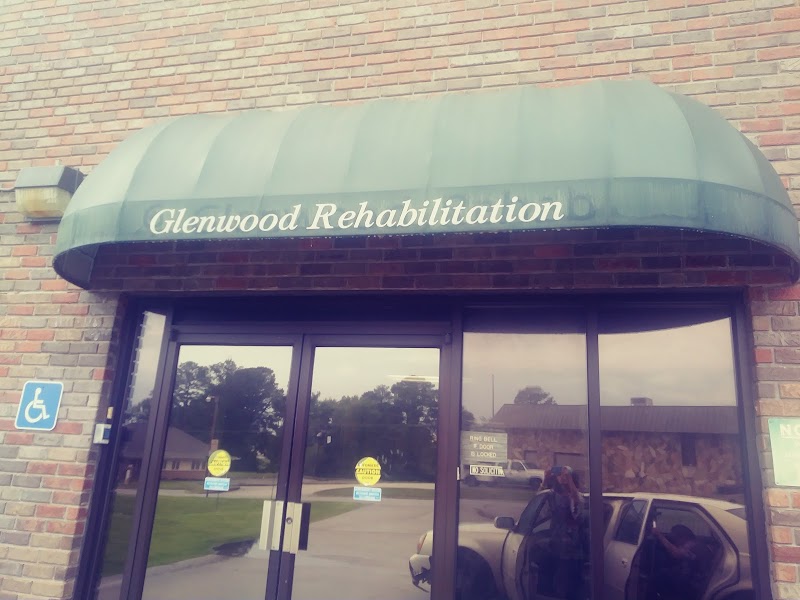
GLENWOOD CENTER

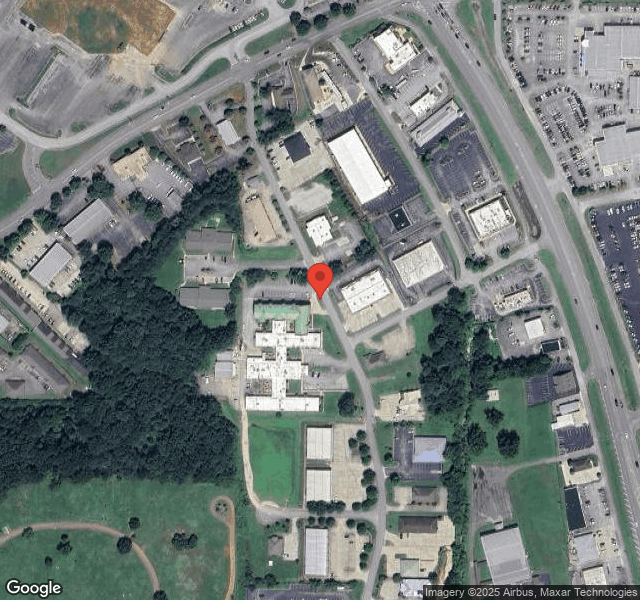
211 ANA DRIVE, FLORENCE, AL 35630 (256) 766-8963
For profit - Corporation 125 Beds GENESIS HEALTHCARE Data: November 2025
Trust Grade
45/100
#203 of 223 in AL
Last Inspection: February 2024

Within standard 12-15 month inspection cycle. Federal law requires annual inspections.

Overview

Glenwood Center in Florence, Alabama, has a Trust Grade of D, indicating below average quality and raising some concerns about care. The facility ranks #203 out of 223 nursing homes in Alabama, placing it in the bottom half, and is last among five local options in Lauderdale County. Unfortunately, the facility is worsening, with issues increasing from 1 in 2020 to 11 in 2024. Staffing is rated average with a 3/5 star rating and a turnover rate of 47%, which is slightly below the state average. While the center has no fines, it has had several concerning incidents, including the failure to properly label nutritional shakes and maintain food storage equipment, which could potentially affect all residents receiving meals. Overall, while there are some strengths, such as good RN coverage, the numerous health and safety concerns present significant weaknesses for families to consider.

Trust Score
D
45/100
In Alabama
#203/223
Bottom 9%
Safety Record
Low Risk
No red flags
Inspections
Getting Worse
1 → 11 violations
Staff Stability
⚠ Watch
47% turnover. Above average. Higher turnover means staff may not know residents' routines.
Penalties
✓ Good
No fines on record. Clean compliance history, better than most Alabama facilities.
Skilled Nurses
✓ Good
Each resident gets 45 minutes of Registered Nurse (RN) attention daily — more than average for Alabama. RNs are trained to catch health problems early.
Violations
⚠ Watch
15 deficiencies on record. Higher than average. Multiple issues found across inspections.
★☆☆☆☆
1.0
Overall Rating
★★★☆☆
3.0
Staff Levels
★★★☆☆
3.0
Care Quality
★☆☆☆☆
1.0
Inspection Score
Stable
2020: 1 issues
2024: 11 issues

The Good

  • Full Sprinkler Coverage · Fire safety systems throughout facility
  • No fines on record

Facility shows strength in fire safety.

The Bad

1-Star Overall Rating

Below Alabama average (2.9)

Significant quality concerns identified by CMS

Staff Turnover: 47%

Near Alabama avg (46%)

Higher turnover may affect care consistency

Chain: GENESIS HEALTHCARE

Part of a multi-facility chain

Ask about local staffing decisions and management

The Ugly 15 deficiencies on record

Feb 2024 11 deficiencies
CONCERN (D) 📢 Someone Reported This

A family member, employee, or ombudsman was alarmed enough to file a formal complaint

Potential for Harm - no one hurt, but risky conditions existed

Safe Environment (Tag F0584)

Could have caused harm · This affected 1 resident

**NOTE- TERMS IN BRACKETS HAVE BEEN EDITED TO PROTECT CONFIDENTIALITY** Based on observations, interviews, and a facility document titled RESIDENT RIGHTS UNDER FEDERAL LAW the facility failed to provi...

Read full inspector narrative →
**NOTE- TERMS IN BRACKETS HAVE BEEN EDITED TO PROTECT CONFIDENTIALITY** Based on observations, interviews, and a facility document titled RESIDENT RIGHTS UNDER FEDERAL LAW the facility failed to provide necessary maintenance services to maintain Resident Identifier (RI) #26's bathroom and a chair in the sitting area of the 300 hall in good repair. This had the potential to affect RI #26 one of 24 sampled residents and residents residing on the 300 hall. Findings include: A review of the RESIDENT RIGHTS UNDER FEDERAL LAW, dated 11/28/2016 revealed . 9. Safe Environment. The resident has the right to a safe, clean, comfortable, and homelike environment, . 9.2 Housekeeping and maintenance services necessary to maintain a sanitary, orderly, and comfortable interior. RI #26 was admitted to the facility on [DATE] with diagnoses to include Age Related Physical Debility. On 02/25/2024 at 03:22 PM an observation was made of RI #26's bathroom floor tiles that were brown, white, and light brown in color with approximately 10 percent of the floor tiles cracked with pieces missing. On 02/28/2024 at 12:10 PM an observation was made with the MD and he was asked about the floor tiles. He stated there were cracked tiles on RI #26's bathroom floor. The MD stated that the tiles should not be cracked because they could be a tripping hazard and the appearance was not good. On 02/25/2024 at 04:48 PM an observation was made in the sitting area on the 300 hall of a tan leather chair that had worn areas on both arms, the seat cushion, and the back of the chair. The worn areas on the chair had a different appearing texture that was a blackish gray color. On 02/28/2024 at 12:21 PM interview was conducted with the Maintenance Director (MD). The MD stated that the brown leather chair in the sitting area of the 300 hall by the nurses station looked like the leather was coming off of the chair. The MD stated that the chair should not be that way because it did not look like a homelike environment.
CONCERN (D) 📢 Someone Reported This

A family member, employee, or ombudsman was alarmed enough to file a formal complaint

Potential for Harm - no one hurt, but risky conditions existed

Comprehensive Care Plan (Tag F0656)

Could have caused harm · This affected 1 resident

**NOTE- TERMS IN BRACKETS HAVE BEEN EDITED TO PROTECT CONFIDENTIALITY** Based on resident record review, interview, and review of a facility policy titled Person-Centered Care Plan, the facility faile...

Read full inspector narrative →
**NOTE- TERMS IN BRACKETS HAVE BEEN EDITED TO PROTECT CONFIDENTIALITY** Based on resident record review, interview, and review of a facility policy titled Person-Centered Care Plan, the facility failed to develop a care plan specific for Urinary Tract Infection (UTI), when Resident Identified (RI) #16 was admitted to the facility with a UTI and antibiotic treatment. This had the potential to affect RI #16, one of three residents sampled for UTI. Findings include: A facility policy titled Person-Centered Care Plan with a revision date of 10/24/2022 documented . POLICY . Care plan includes measurable objectives and timetables to meet a patient's medical, nursing, nutrition, mental and psychosocial needs that are identified in the comprehensive assessments. RI #16 was admitted to the facility 01/24/2024 with a diagnosis of Urinary Tract Infection. RI #16 had a physician order dated 01/24/2024 to receive Keflex Oral Capsule, one capsule, three times a day for UTI for seven days. RI #16 had a care plan with a created date of 01/24/2024 for Nutritional Risk related to a history of Malnutrition, Depression, UTI, Chronic Kidney Disease and Weakness, but it was not specific to address the UTI or RI #16 receiving antibiotics. RI #16's January 2024 Medication Administration Record documented RI #16 received Keflex from 01/24/2024 through 01/31/2024 for a UTI. On 02/27/2024 at 1:00 PM during an interview with Minimum Data Set (MDS) Coordinator/ Licensed Practical Nurse (LPN) #18, she said RI #16 received Keflex for a UTI for seven days when admitted on [DATE]. When asked where the care plan was, she said, she did not see one and it was possibly an oversight. When asked who was responsible for completing the care plans, she said, the MDS office. LPN #18 said the care plan for the UTI should have been done when the UTI occurred which was 01/24/2024.
CONCERN (D)

Potential for Harm - no one hurt, but risky conditions existed

Deficiency F0658 (Tag F0658)

Could have caused harm · This affected 1 resident

**NOTE- TERMS IN BRACKETS HAVE BEEN EDITED TO PROTECT CONFIDENTIALITY** Based on interviews and review of resident records, and a facility policy titled Skin Integrity and Wound Management, the facili...

Read full inspector narrative →
**NOTE- TERMS IN BRACKETS HAVE BEEN EDITED TO PROTECT CONFIDENTIALITY** Based on interviews and review of resident records, and a facility policy titled Skin Integrity and Wound Management, the facility failed to ensure Licensed Practical Nurse (LPN) #21 did not apply an Opti-foam dressing to Resident Identifier (RI) #13's sacral wound without a physician's order. On 02/27/2024 an Opti-foam dressing was observed being removed from RI #13's sacrum. The physician's order for wound care directed staff to apply moisture barrier cream to the wound. This had the potential to affect RI #13, one of two residents observed for wound care. Findings include: A facility policy titled Skin Integrity and Wound Management dated 02/01/2023 documented: . 6.13 Implement special wound care treatments/techniques, as indicated and ordered . RI #13 was admitted to the facility on [DATE] with diagnoses of Muscle Weakness and Dependence on Wheelchair. RI #13's Order Summary Report documented an order dated 02/23/2024 as follows . Cleanse unstageable to sacrum with wound cleanser and apply moisture barrier cream every day and night shift . On 02/27/2024 at 10:26 AM Registered Nurse (RN) #20 removed RI #13's brief revealing an Opti-foam dressing dated 02/27/2024 on the resident's sacrum. RN #20 removed the Opti-foam dressing from RI #13's sacrum. On 02/27/2024 at 10:53 AM an interview with RN #20 was conducted. RN #20 stated the order for RI #13 was to cleanse with wound cleanser and apply moisture barrier to the sacrum daily. RN #20 stated that there was an Opti-foam dressing with a date of 02/27 and initials on his/her sacrum when she removed his/her brief. RN #20 stated that the initials that were written on the Opti-foam dressing were LPN #21. RN #20 stated that there was not an order for the Opti-foam dressing for RI #13's sacrum. RN #20 stated that there was not a physician order for the Opti-foam dressing and nothing should be done without an order. On 02/27/2024 at 11:01 AM an interview with LPN #21 was conducted. LPN #21 stated that she had applied an Opti-foam dressing to RI #13's sacrum that morning. LPN #21 stated the order for RI #13's sacrum, was to clean the wound with cleanser and moisture barrier cream. LPN #21 stated that there was no order for the Opti-foam dressing, and she did not look at the order before applying the Opti-foam dressing. On 02/28/2024 at 12:37 PM an interview with the Director of Nursing (DON) was conducted. The DON stated there would need to be an order to apply an Opti-foam dressing. She stated that RI #13's current wound order was barrier cream and RI #13 did not have an order for an Opti-foam dressing. She stated that applying a wound dressing that was not ordered by the physician could cause the wound to worsen.
CONCERN (D) 📢 Someone Reported This

A family member, employee, or ombudsman was alarmed enough to file a formal complaint

Potential for Harm - no one hurt, but risky conditions existed

ADL Care (Tag F0677)

Could have caused harm · This affected 1 resident

**NOTE- TERMS IN BRACKETS HAVE BEEN EDITED TO PROTECT CONFIDENTIALITY** Based on observations, interviews, resident record review, and review of a facility policy titled Activities of Daily Living (AD...

Read full inspector narrative →
**NOTE- TERMS IN BRACKETS HAVE BEEN EDITED TO PROTECT CONFIDENTIALITY** Based on observations, interviews, resident record review, and review of a facility policy titled Activities of Daily Living (ADLs), the facility failed to provide a shower and clean clothes for Resident Identifier (RI) #26, as observed during the survey. RI #26 was observed wearing the same clothing on 4 of 4 days of the survey, 02/25/2024 through 02/28/2024. This had the potential to affect one of ten residents sampled for activities of daily living. Findings include: Review of the policy titled Activities of Daily Living (ADLs) with a revision date of 05/01/2023 revealed .PURPOSE To ensure ADLs are provided in accordance with accepted standards of practice, the care plan, and the patient's choices and preferences. RI #26 was admitted to the facility on [DATE] with a diagnosis of Hemiplegia and Hemiparesis following Cerebrovascular Disease Affecting Left Non-Dominant Side and Age-Related Physical Debility. RI #26's care plan created on 09/23/2019 with a focus area of . requires assistance with ADL care in bathing, grooming, personal hygiene, dressing, eating, bed mobility, transfer, locomotion, toileting related to: Age related debility, self care deficit, impaired cognition and limited mobility . documented an intervention for staff to provide appropriate level of assistance as needed for ADL care, A review of RI #26's Quarterly Minimum Data Set (MDS) with a Assessment Reference Date of 12/17/2023 revealed RI #26 had a Brief Interview Mental Status (BIMS) score of 13. Additionally, RI #26 was coded as having upper and lower extremity impairment on one side and was coded as needing partial/moderate assistance with shower/bath and upper body dressing. RI #26's quarterly Minimum Data Set (MDS) with an Assessment Reference Date of 12/17/2023 coded RI #26 with a Brief Interview for Mental Status (BIMS) score of 13, upper and lower extremity impairment on one side, and RI #26 was coded as requiring partial/moderate assistance with shower/bath and upper body dressing. A facility Shower/Bath Schedule documented RI #26 was to receive a Shower/Bath on Tuesday, Thursday, and Saturday. On 02/25/2024 at 3:22 PM an observation was made of RI #26 in a white flannel shirt with blue and brown stripes. RI #26 said, his/her shower days were Saturday, Tuesday, and Thursday. RI #26 said, he/she did not get a bath or shower on Saturday (yesterday) and had on the same clothing since yesterday. On 02/26/2024 at 03:08 PM an observation was made of RI #26 in blue jeans and a white flannel shirt with brown and blue stripes. On 02/27/2024 at 09:41 AM an observation was made of RI #26 in blue jeans and a white flannel shirt with brown and blue stripes. RI #26 said, he/she had not had a bath in six days. On 02/28/2024 at 08:49 AM an observation was made of RI #26 in blue jeans and the same white flannel shirt with blue and brown stripes. On 02/28/2024 at 09:33 AM RI #26 stated that he/she did not get a bath on 02/27/2024 (yesterday/Tuesday) or 02/28/2024 (today). RI #26 stated, he/she had been taking off his/her clothing at night and putting them back on in the morning and had not received assistance from staff. On 02/28/2024 at 09:07 AM Certified Nursing Assistance (CNA) #19 stated she did not assist with RI #26's clothing on 02/28/2024. CNA #19 stated, she did not give a bath to RI #26 on 02/27/2024. CNA #19 said, there was a risk of infection, sores, rashes, and breakdown if residents did not get a bath on their scheduled days. On 02/28/2024 at 12:37 PM an interview with Director of Nursing (DON) was conducted. The DON #2 stated bath/showers are given to residents three times a week. The DON stated, the last documented bath/shower for RI #26 was on 02/22/2024. She stated, that was five days RI #26 was without a bath. The DON stated, residents clothing was to be changed daily and as needed. The DON stated, wearing the same clothing would be bad hygiene and could cause skin breakdown.
CONCERN (D) 📢 Someone Reported This

A family member, employee, or ombudsman was alarmed enough to file a formal complaint

Potential for Harm - no one hurt, but risky conditions existed

Incontinence Care (Tag F0690)

Could have caused harm · This affected 1 resident

On 02/28/2024 at 9:07 AM, CNA #12 and CNA #13 were observed working together to perform incontinent care for RI #73 and used disposable wipes to clean bowel movement from RI #73's perineum. On 02/28/...

Read full inspector narrative →
On 02/28/2024 at 9:07 AM, CNA #12 and CNA #13 were observed working together to perform incontinent care for RI #73 and used disposable wipes to clean bowel movement from RI #73's perineum. On 02/28/2024 at 9:25 AM, when CNA #12 and CNA #13 had completed perineal care for RI #73, the surveyor asked CNA #13 to open the brief and observe the perineal area. CNA #12 said, there was bowel movement on the inside of RI #73's right thigh. CNA #12 said, the policy for performing pericare was to wash her hands, put on gloves, wipe the front until clean, change gloves after washing hands, put on new gloves, turn the resident, clean the back until clean, and remove the brief. CNA #12 said, wash hands, put on new gloves, place the clean brief, secure it, and make sure the resident was clean of bowel movement before placing the clean brief. When CNA #12 was asked if RI #73 was clean of bowel movement before the brief was secured, she said, no. CNA #12 said, she should have looked closer to make sure RI #73 was clean with no visible bowel movement before placing and securing the clean brief. CNA #12 stated, the concern with bowel movement being left on a resident was skin break down and infections like a UTI. CNA #12 said, it could be avoided by making sure all bowel movement was removed before placing the clean brief. On 02/28/2024 at 12:10 PM during an interview with the Infection Prevention Nurse (IPN), she said, staff should clean the entire area to include in the creases and inner thighs. They should use a final wipe to ensure it comes clean with no visible sign of bowel movement (BM). The IPN said, staff should make sure the resident was clean and free of BM before placing and securing the clean brief. The IPN said, the concern when staff did not make sure a resident was clean of BM before placing and securing a clean brief was skin breakdown and infection such as a UTI. The IPN said, a resident's catheter bag should be placed toward the end of the bed with privacy bag facing out, not touching floor or the overbed table. The IPN said, a resident's catheter bag should never be resting on the over bed table legs or touching anything that increased the risk for contamination. The IPN said, the concern with RI #73's catheter bag touching the overbed table legs was contamination. Based on observations, interviews, resident record review, and review of Fundamentals of Nursing Tenth Edition and review of facility procedures titled CATHETER: INDWELLING URINARY-CARE OF and PERINEAL CARE, the facility failed to ensure Resident Identifier (RI) #73, a resident with a history of Urinary Tract Infection (UTI), had a urinary catheter and drainage bag maintained in a manner to prevent infection and received incontinent care in a manner to prevent infection. On 02/27/2024, RI #73's catheter tubing was observed twisted and touching the bottom of the overbed table and bed; and on 02/28/2024 Certified Nursing Assistant (CNA) #12 and CNA #13 left bowel movement on RI #73's perineum after care had been provided. This had the potential to affect RI #73, one of five residents sampled for catheter use. Findings include: A review of Fundamentals of Nursing Tenth Edition documented: . Chapter 46 Urinary Elimination .Maintain an unobstructed flow of urine through the catheter, drainage tubing and drainage bag . Prevent the urinary drainage bag from touching or dragging on the floor . A review of a facility policy titled CATHETER: INDWELLING URINARY- CARE OF with a revision date of 02/01/2023 documented .13. Secure catheter tubing to keep the drainage bag below the level of the patient's bladder and off the floor. Position catheter for straight drainage and keep catheter and tubing free from kinks . A review of a facility policy with a revised date of 06/01/2021 documented PERINEAL CARE . 15. Cleanse the rectal area with cleanser cleansing from front to back. Rinse and dry well. RI #73 was admitted to the facility 01/19/2024 and had diagnoses to include: Urinary Tract Infection and Neurogenic Bladder. RI #73's most recent quarterly Minimum Data Set (MDS) with an Assessment Reference Date (ARD) of 02/04/2024 indicated RI #73 used an indwelling catheter and was always incontinent of bowel. A review of RI #73's February 2024 Physician's Orders documented: .Continue Indwelling catheter 16 French (FR) with 10cc balloon to bedside straight drainage for diagnosis of Neurogenic Bladder . On 02/27/2024 at 9:43 AM RI #73 was observed lying in bed with the urinary catheter bag, touching the bedside table leg and the leg of the bed, and the urinary catheter tubing was twisted in places. On 02/27/2024 at 4:30 PM an interview was conducted with the Director of Nursing (DON). The DON said, RI #73 had a catheter for Neurogenic Bladder diagnoses and had a history of UTI. The DON was asked about the observation on 02/27/2024, where RI #73's catheter bag was twisted and made contact with the overbed table and bed near the floor. The DON said, the catheter bag should always be secured and should not come into contact with the overbed table or bed, and the tubing should not be twisted. When asked about the concern, the DON stated, it was an infection control concern. To prevent the catheter bag from being twisted or touching the overbed table or bed, the DON said, staff should secure the bag whenever they are in the room, and this should be done at least every two hours.
CONCERN (D)

Potential for Harm - no one hurt, but risky conditions existed

Respiratory Care (Tag F0695)

Could have caused harm · This affected 1 resident

**NOTE- TERMS IN BRACKETS HAVE BEEN EDITED TO PROTECT CONFIDENTIALITY** Based on observations, interviews, and record review, the facility failed to ensure Resident Identifier (RI) #90's nebulizer mou...

Read full inspector narrative →
**NOTE- TERMS IN BRACKETS HAVE BEEN EDITED TO PROTECT CONFIDENTIALITY** Based on observations, interviews, and record review, the facility failed to ensure Resident Identifier (RI) #90's nebulizer mouthpiece was stored in a covering on three of four days of the survey. This deficient practice had the potential to affect one of one resident sampled for nebulizer administration. Findings include: RI #90 was admitted to the facility on [DATE] and had diagnosis of Chronic Obstruction Pulmonary Disease (COPD). RI #90's Order Summary Report documented, . Ipratropium-Albuterol Solution 0.5-2.5 (3) Milligrams (MG)/3 Milliliters (ML) . inhale orally via nebulizer two times a day for COPD Order Date 01/02/2024 Start Date 01/02/2024 . On 02/25/2024 at 5:15 PM, RI #90's nebulizer was observed on the bedside table with the mouthpiece connected to it. The nebulizer was not in a bag or covered. On 02/26/2024 at 9:32 AM, RI #90's nebulizer was observed on the bedside table with the mouthpiece connected to it. The nebulizer was not in a bag or covered. On 02/27/2024 at 8:04 AM, RI #90's nebulizer was observed on the bedside table with the mouthpiece connected to it. The nebulizer was not in a bag or covered. An interview was conducted with Registered Nurse (RN) #17 on 02/28/2024 at 9:17 AM. RN #17 stated RI #90's nebulizer's mouthpiece should be stored in a bag that was labeled when it was not in use. She stated the concern of not being stored in a bag was infection control and not staying clean. An interview was conducted with the Director of Nursing (DON) on 02/28/2024 at 11:31 AM. The DON stated RI #90's nebulizer's mouthpiece should be stored in a bag when it was not in use. She stated the concern of the mouthpiece not being stored in a bag when not in use was it would be dirty and it needed to stay clean.
CONCERN (D) 📢 Someone Reported This

A family member, employee, or ombudsman was alarmed enough to file a formal complaint

Potential for Harm - no one hurt, but risky conditions existed

Infection Control (Tag F0880)

Could have caused harm · This affected 1 resident

Based on observation, interviews and review of a facility policy titled Linen Handling, the facility failed to ensure a Certified Nursing Assistant (CNA) #11 did not place soiled linens on the floor w...

Read full inspector narrative →
Based on observation, interviews and review of a facility policy titled Linen Handling, the facility failed to ensure a Certified Nursing Assistant (CNA) #11 did not place soiled linens on the floor while providing morning care and pericare. This was observed on 02/28/2024 and had the potential to affect Resident Identifier (RI) #44 one of 24 sampled residents. Findings include: A facility policy titled Linen Handling with a revision date of 05/01/2023 documented . PURPOSE To provide effective containment and reduce potential for cross-contamination from soiled linen. PROCESS . 7.4 Soiled linen should be bagged or directly placed in covered container at the location where removing linen . RI #44 was admitted to the facility 04/26/2017 with a diagnosis of Vascular Dementia. On 02/28/2024 at 10:40 AM, CNA #11 exited RI #44's room leaving a pile of soiled linens on the floor at the foot of the beds and a plastic trash bag with the trash in it on the floor beside the linens. On 02/28/2024 at 10:49 AM CNA #11 returned to RI #44's room and she was asked what was on the floor. She said, RI #44's soiled linens. CNA #11 said, she should have taken bags for linen and trash when she entered the room to provide care. CNA #11 said, she put them in the floor because she was in a hurry to change RI #44, she did not have a bag, so she put them on the floor. CNA #11 said, she had received training and was told she should bring bags with her in the room and place the soiled linen in the bag. CNA #11 said, the concern in placing soiled linens on the floor was contamination and she had contaminated the floor. On 02/28/2024 at 12:19 PM the Infection Prevention Nurse (IPN) was asked where should staff place linens when they are removed from a resident's bed. The IPN said, in a bag, not on the floor, bed or bedside table, they are to take bags in the rooms with them. The IPN said, staff should never place soiled linens on the floor, they were trained to take bags in with them for soiled linens and trash. The IPN said, the concern with the CNA putting soiled linens on the floor was contamination and tracking it from room to room.
CONCERN (E)

Potential for Harm - no one hurt, but risky conditions existed

Menu Adequacy (Tag F0803)

Could have caused harm · This affected multiple residents

Based on observation, interview, the facility's Diet Type Report, the facility's Tuesday, Week 2 Menu, the facility's Portion Control Chart, and the facility's policy, Menus; the facility failed to en...

Read full inspector narrative →
Based on observation, interview, the facility's Diet Type Report, the facility's Tuesday, Week 2 Menu, the facility's Portion Control Chart, and the facility's policy, Menus; the facility failed to ensure 4-ounce portions of Applesauce were prepared for service to the Dysphagia Advanced Diets and the Pureed Diets prior to Lunch on 02/27/2024. This had the potential to affect 35 of 117 residents receiving meals from the kitchen. Findings include: The facility's Menus policy, dated October 2022, included the following: . Policy Statement Menus will be planned in advance to meet the nutritional needs of the residents/patients in accordance with established national guidelines. Procedures . 6. Menus will be served as written . The facility's Tuesday, Week 2, Fall/Winter 2023-2024 Menu for Lunch listed the following for all Dysphagia Advanced diets and Puree diets: . Applesauce 1/2 Cup The facility's Portion Control Chart, undated, documented the capacity of a #8 size disher/scoop to be 4 ounces or 1/2 cup. The facility's Diet Type Report, dated 02/25/2024, listed 117 residents receiving meals; 35 of those were receiving either Dysphagia Advanced or Puree textured diets. During the Resident Council Meeting held on 02/27/2024 at 9:50 AM, residents said they had a food concern about portion size. Preparations for the lunch meal were observed on Tuesday, 02/27/2024. At 10:00 AM, the Diet Aide was observed to repeatedly fill a scoop half-full of applesauce and then empty each portion into a small bowl for individual service. When asked why she was not completely filling the scoop, the Diet Aide said it was because they only get a half a serving. When asked what size scoop she was using, the Diet Aide turned and asked the AM Cook, who was working nearby. The AM [NAME] said it was a #8 scoop, because the residents were to get a 4-ounce (1/2 cup) serving. The Dietary Manager (DM) was interviewed on 02/27/2024 at 5:20 PM. The DM said the #8 scoop not being filled when portioning the applesauce meant the residents would not get the proper nutritional value for the portion size they were supposed to receive.
CONCERN (F)

Potential for Harm - no one hurt, but risky conditions existed

Food Safety (Tag F0812)

Could have caused harm · This affected most or all residents

Based on observation, interview, the facility's Diet Type Report, the 2022 Food Code, the facility's Labeling and Dating Inservice, and the facility's policies for Food Storage: Cold Foods and Meal Di...

Read full inspector narrative →
Based on observation, interview, the facility's Diet Type Report, the 2022 Food Code, the facility's Labeling and Dating Inservice, and the facility's policies for Food Storage: Cold Foods and Meal Distribution; the facility failed to ensure thawed nutritional shakes had Use By dates, two shelves in the Walk-in Freezer were at least six inches from the floor, cups being used for Dinner service on 02/25/2024 were not placed rim down directly atop a cart with spillage upon it, and two gallons of milk, with a manufacturer's date of 02/26/2024, were not labeled with a Use By date of 02/29/2024, This had the potential to affect 117 of 117 residents receiving meals from the facility kitchen. Findings include: The facility's Diet Type Report, dated 02/25/2024, listed 117 residents receiving meals. 1.) Nutritional Shakes The United States (U.S.) Food and Drug Administration (FDA) 2022 Food Code included the following: . 3-501.17 Ready-to-Eat, Time/Temperature Control for Safety Food, Date Marking . (B) . refrigerated, READY-TO-EAT TIME/TEMPERATURE CONTROL FOR SAFETY FOOD prepared and PACKAGED by a FOOD PROCESSING PLANT shall be clearly marked . to indicate the date or day by which the FOOD shall be consumed on the PREMISES . or discarded . The facility's Labeling and Dating Inservice, undated, included the following: . Guidelines for Labeling and Dating . • Items that are removed from a labeled case in the freezer and placed in the refrigerator for thawing should be labeled with the date of removal from the freezer and an appropriate 'use by' date . During the initial tour of the kitchen with the Dietary Manager (DM) on 02/25/24 at 3:26 PM, two 4-ounce Sysco Imperial Chocolate Shakes (nutritional shakes) were observed in the reach-in refrigerator. There was not a Use By date on either carton. The DM said he did not know why the cartons were not dated. The DM said the nutritional shakes had to be discarded within fourteen days of thawing. Two additional 4-ounce Sysco Imperial Chocolate Shakes without Use By dates were observed in Walk-in Cooler #2. Manufacturer instructions for thawing and dating were requested from the DM. On 02/26/2024 at 8:52 AM, the DM said the manufacturer instructions were on each carton of Sysco Imperial Chocolate Shake. The following was documented on the Sysco Imperial Chocolate Shake carton: HANDLING INSTRUCTIONS: Store frozen. Thaw under refrigeration (40 F or below). Use within 14 days after thawing. On 02/27/2024 at 5:20 PM, the Dietary Manager (DM) was interviewed. When asked the problem with undated Sysco Imperial Chocolate Shakes in the refrigerators on 02/25/2024, the DM said we do not know when it was thawed, and it must be used within fourteen days. The DM further said it could have gone bad and possibly have been sent out and it could make a resident sick. The DM also said 22 to 24 Sysco Imperial Shakes were served to residents each meal. 2.) Shelving The U.S. FDA 2022 Food Code included the following: . 3-305.11 Food Storage. (A) . FOOD shall be protected from contamination by storing the FOOD: . (3) At least 15 cm (6 inches) above the floor. The facility's policy for Food Storage: Cold Foods, dated February 2023, included the following: . Policy Statement All Time/Temperature Control for Safety (TCS) foods, frozen and refrigerated, will be appropriately stored in accordance with guidelines of the FDA Food Code. Procedures 1. All food items will be stored 6 inches above the floor . During the initial tour of the kitchen on 02/25/24 at 3:44 PM, the Walk-in Freezer was observed with the Dietary Manager (DM) and the Contract Foodservice District Manager (District Mgr.). The freezer door was ajar. Inside the Walk-in Freezer, two bottom shelves were each broken from the frame at one corner. These shelves each had food stored on them and appeared to be less than 6 inches from the floor. One shelf had two boxes of potatoes on it and the other shelf had a small, wrapped packet of potatoes stored on it. On 02/26/2024 at 4:57 PM, the Maintenance Director measured the shortest distance from the floor to the top of each of the two, broken bottom shelves in the Walk-in Freezer. One shelf was five inches from the floor, this was the shelf holding two cases of frozen potatoes on 02/25/2024. The other shelf was four inches from the floor. On 02/27/2024 at 5:20 PM, the Dietary Manager (DM) was interviewed. The DM said problems with storing food less than six inches from the floor included chemicals splashing on the food during cleaning, low shelves are hard to properly clean under, and allows easier access to the food by rodents. 3.) Cups The U.S. FDA 2022 Food Code included the following: . 4-601.11 Equipment, Food-Contact Surfaces, Nonfood-Contact Surfaces, and Utensils. (A) EQUIPMENT FOOD-CONTACT SURFACES and UTENSILS shall be clean to sight and touch. 4-602.11 Equipment Food-Contact Surfaces and Utensils. (A) Equipment food-contact surfaces and utensils shall be cleaned: . (5) At any time during the operation when contamination may have occurred. 4-903.11 Equipment, Utensils, Linens, and Single-Service and Single-Use Articles. (A) . cleaned EQUIPMENT and UTENSILS, . shall be stored: (1) In a clean, dry location; (2) Where they are not exposed to splash, dust, or other contamination; . The facility's policy for Meal Distribution, dated February 2023, included the following: . Policy Statement Meals are transported to the dining locations in a manner that . protects against contamination . Procedures . 6. Proper food handling techniques to prevent contamination . will be used for point-of-service. dining. On 02/25/2024 at 4:49 PM, Dinner service was observed on the 300 Hall. Licensed Practical Nurse (LPN) #9 was preparing beverages for the resident trays as needed. Clear plastic cups were observed to be separately placed on a tray, which was on the bottom shelf of the drink cart. While pouring beverages into the clear plastic cups, LPN #9 spilled orange drink and tea onto the top of the drink cart. LPN #9 removed four clear cups from the tray on the bottom shelf, stacked them upside down, and put them on the top of the drink cart. After filling two clear cups with tea, LPN #9 removed the last three clear cups from the tray and stacked them upside down. On 02/25/2024 at 5:04 PM, LPN #9 was interviewed. LPN #9 said his job was to pour drinks during the tray pass (delivery). When asked where he put the clear plastic cups after pulling them off the tray on the bottom of the drink cart, LPN #9 said he stacked them up and put them face down on the top of the drink cart. LPN #9 said he placed the stack of clear plastic cups face down on top of the drink cart; because they were already face down, so face down was the first thing that came to mind. LPN #9 said he did not clean the top of the drink cart before placing the clear plastic cups on top of it. 4.) Milk The U.S. FDA 2022 Food Code included the following: . 3-501.17 Ready-to-Eat, Time/Temperature Control for Safety Food, Date Marking . (B) . refrigerated, READY-TO-EAT TIME/TEMPERATURE CONTROL FOR SAFETY FOOD prepared and PACKAGED by a FOOD PROCESSING PLANT shall be clearly marked . to indicate the date or day by which the FOOD shall be consumed on the PREMISES . or discarded . (2) The day or date marked by the FOOD ESTABLISHMENT may not exceed a manufacturer's use-by date if the manufacturer determined the use-by date based on FOOD safety. The facility's Labeling and Dating Inservice, undated, included the following: . 'Use By' Dating Guidelines • The manufacturer's expiration date, when available, is the 'use by' for unopened items. During an observation of the Residents' Nourishment Refrigerator in the Station A Pantry on 02/26/2024 at 3:32 PM, two partially filled gallon jugs of Whole Milk were observed; each with a manufacturer's Use By date of 02/26/2024 and a handwritten Use By date of 02/29/2024. On 02/26/2024 at 4:30 PM, the Dietary Manager (DM) was shown the jugs of Whole Milk with the handwritten, extended Use By dates in the Station A Pantry. The DM said they cannot date it past the manufacturer's Use By date, since it is a dairy product, and the milk could be bad by that date. The DM further said it could get served to a resident and they might get sick.
CONCERN (F)

Potential for Harm - no one hurt, but risky conditions existed

Room Equipment (Tag F0908)

Could have caused harm · This affected most or all residents

Based on observation, interview, the facility's Diet Type Report, the 2022 Food Code, and the facility's maintenance work orders; the facility failed to maintain the Walk-in Freezer door in working or...

Read full inspector narrative →
Based on observation, interview, the facility's Diet Type Report, the 2022 Food Code, and the facility's maintenance work orders; the facility failed to maintain the Walk-in Freezer door in working order. This had the potential to affect 117 of 117 residents receiving meals from the facility kitchen. Findings include: The United States (U.S.) Food and Drug Administration (FDA) 2022 Food Code included the following: . 4-501.11 Good Repair and Proper Adjustment. (A) EQUIPMENT shall be maintained in a state of repair . (B) EQUIPMENT components such as doors . shall be kept intact, tight, and adjusted . A facility maintenance service request for the Walk-in Freezer, dated 07/02/2023, resulted in the following service report from a visit on 07/12/2023: . Found door handle has be (been) broken off since last time here, not letting door latch and bottom of door is now warped. we cannot guarantee that it will freeze properly. A maintenance work order request (Work Order #10019) from the Dietary Manager for Walk-in Freezer repair, dated 02/20/2024, stated the freezer door will not shut properly. The facility's Diet Type Report, dated 02/25/2024, listed 117 residents receiving meals. During the initial tour of the kitchen on 02/25/24 at 3:44 PM, the Walk-in Freezer was observed with the Dietary Manager (DM) and the Contract Foodservice District Manager (District Mgr.). There was a sign on the freezer door with instructions to make sure to close the freezer door completely. The freezer door was ajar. Multiple ice droplets had formed on the ceiling of the Walk-in Freezer and there were knobs (small hills) of ice on the floor. The long edge of the door (by the lock/handle and away from the hinges) was badly bent. Three-fourths upward along this long edge, there was visible space between the metal veneer on the interior side of the door and the door core. In addition, the space between the metal veneer and the door core had sections of built-up ice, which was at least one inch thick. Near the bottom of this long edge, the metal veneer on the exterior side of the door was pulled away from the door core and the core itself was splintering. The freezer door was not closing properly. The District Mgr. was seen to forcibly push the freezer door several times before the door closed. The DM said he had put in a maintenance request to get the freezer door repaired but had not heard any response from Maintenance. The DM was able to provide a printed copy of the high priority maintenance request, Work Order #10019, dated 02/20/2024, which was assigned to the Director of Maintenance. On 02/25/24 at 5:06 PM, the Dietary Manager (DM) was asked how long the Walk-in Freezer door had been a problem. The DM said they had been trying different things with it for a while now. On 02/26/24 at 4:35 PM, the Maintenance Director was interviewed. The Maintenance Director said the Walk-in Freezer was building up ice all along the door and he had to sometimes go clean it off. The Maintenance Director further said heat strips had been put around the door, but they did not seem to be working to keep the ice from building up. When asked if the freezer door was in good repair, the Maintenance Director said the door probably needed to be replaced. The Maintenance Director further said the bottom of the door was starting to come apart and the ice building up in the space under the metal veneer was just tearing the door up more. When asked what was keeping him from replacing the freezer door, the Maintenance Director said nothing; that he probably just needed to find a new door. The Maintenance Director said the Walk-in Freezer door had been a problem since he started working at the facility about a year ago. On 02/27/24 at 5:20 PM, the Dietary Manager (DM) was interviewed. The DM was asked what problems the Dietary Department had encountered due to the condition of the Walk-in Freezer door. The DM said the Walk-in Freezer door has often been frozen shut and the staff cannot get into it. The DM further said the staff has called me early in the morning before breakfast saying they cannot get into the freezer. The DM also said we have had to pour hot water on it to just break the ice to get in. Additionally, the DM said normally, we must kick it (donkey-style kick) four or five times to break the ice to get into the freezer.
MINOR (C)

Minor Issue - procedural, no safety impact

Deficiency F0809 (Tag F0809)

Minor procedural issue · This affected most or all residents

Based on interview, the facility's Diet Type Report, the 02/27/2024 Resident Council Meeting, and the facility's Meal Times schedule; the facility failed to ensure the period of time between Dinner an...

Read full inspector narrative →
Based on interview, the facility's Diet Type Report, the 02/27/2024 Resident Council Meeting, and the facility's Meal Times schedule; the facility failed to ensure the period of time between Dinner and Breakfast did not exceed 14 hours. This had the potential to affect 117 of 117 residents receiving meals from the facility's kitchen. Findings include: The facility's Meal Times schedule, undated, listed the following: Breakfast: 7:00 AM Dining Room 7:15 AM LTC (Long Term Care) Rooms 320 through 331-B 7:30 AM Rehab (Rehabilitation Unit/100 Hall) 7:45 AM LTC Rooms 300 through 308 8:00 AM TCU (Transitional Care Unit/200 Hall) 8:20 AM LTC Rooms 309 through 319 . Dinner (Supper): 4:15 PM LTC Rooms 320 through 331-B 4:30 PM Rehab (100 Hall) 4:45 PM Dining Room 5:00 PM LTC Rooms 300 through 308 5:15 PM TCU (200 Hall) 5:35 PM LTC Rooms 309 through 319. The facility's Diet Type Report, dated 02/25/2024, listed 117 residents receiving meals. On 02/27/2024 at 9:30 AM, the Resident Council Minutes for the last six months (August 2023 through January 2024) were reviewed. There was no record of a discussion for the Resident Council to approve a time span greater than 14 hours between Dinner and Breakfast. A Resident Council Meeting was held on 02/27/2024 at 9:50 AM with nine residents attending. The residents said they had never been asked to approve a period of over 14 hours between Supper (Dinner) and Breakfast. When asked if they got hungry between Supper (Dinner) and Breakfast, all nine residents said yes. The residents said snacks like Oatmeal Pies and Fudge Rounds were given to them. The residents also said they used to get sandwiches, but they did not get them anymore. The residents said they would like to have Pimento Cheese and Cottage Cheese. The residents further said one had to be in the Dining Room by 7 AM for Breakfast, 11 AM for Lunch, and 4 PM for Supper (Dinner). On 02/27/2024 at 10:30 AM, the available monthly Dining/Food Committee minutes (July 2023 through January 2024) were reviewed with the Dietary Manager (DM). There was no record of a discussion for the Dining/Food Committee to approve a time span of greater than 14 hours between Dinner and Breakfast. The DM said individually packaged Oatmeal Cream Pies, Fudge Rounds, and things like that were sent to the halls for snacks each evening. The DM also said the kitchen did not prepare labeled snacks for the residents. On 02/27/2024 at 5:20 PM, the Dietary Manager (DM) was interviewed further. When asked if the residents were served a substantial evening snack, the DM said they have Peanut Butter Crackers, Fudge Rounds, Oatmeal Cream Pies, Whole Milk, and Chocolate Milk available. The DM further said he wanted to start providing sandwiches for the residents to have available at night. The DM said he was not aware of a resident group approving a time span of over 14 hours between Dinner (Supper) and Breakfast. Using the information on the facility's Meal Times, the DM was asked to review the period of time between: • the service of Dinner (Supper) for the LTC 300 Hall (320-331B) at 4:15 PM and the service of Breakfast at 7:15 AM would be 15 hours, • the service of Dinner for the Rehab Hall at 4:30 PM and the service of Breakfast at 7:30 AM would be 15 hours, • the service of Dinner for the Dining Room at 4:45 PM and the service of Breakfast at 7 AM would be 14 hours and 15 minutes, • the service of Dinner for the LTC 300 Hall (300-308) at 5:00 PM and the service of Breakfast at 7:45 AM would be 14 hours and 45 minutes, • the service of Dinner for the TCU 200 Hall at 5:15 PM and the service of Breakfast at 8 AM would be 14 hours and 45 minutes, and • the service of Dinner for the LTC 300 Hall (309-319) at 5:35 PM and the service of Breakfast at 8:20 AM would be 14 hours and 45 minutes. The DM said the established service times for resident meals exceeded the regulatory 14-hour period allowed between the dinner (supper) meal and the next day breakfast meal. When asked how this could this affect residents, the DM said they are going to get hungry.
Jan 2020 1 deficiency
CONCERN (F)

Potential for Harm - no one hurt, but risky conditions existed

Food Safety (Tag F0812)

Could have caused harm · This affected most or all residents

Based on observations, interview, review of facility documents titled, Use By Dating Guideline and Cleaning Procedure Mixer, the facility failed to ensure: 1. outdated thickened apple juice was not s...

Read full inspector narrative →
Based on observations, interview, review of facility documents titled, Use By Dating Guideline and Cleaning Procedure Mixer, the facility failed to ensure: 1. outdated thickened apple juice was not stored in the emergency food supply and 2. the food mixer was clean and free from food particles between uses. These failures had the potential to affect 108 of 108 residents who received meals from the kitchen. Findings Include: 1)The facility policy titled, Use By Dating Guidelines, dated 05/01/11, . The manufacturer's expiration date, when available, is the use by for unopened items . On 01/21/20 at 02:19 p.m., the surveyor and Employee Identifier (EI) #1, Dietary Account Manager, observed the following food items in the emergency food supply five honey like consistency thickened apple juice 46 ounce boxes with a use by date of 12/25/19. On 01/21/20 at 02:19 a.m., an interview was conducted with EI #1. EI #1 was asked what was the use by date date on the five honey like consistency thickened apple juice 46 ounce boxes. EI #1 stated 12/25/19. EI #1 was then asked should the out dated food items be in the emergency food supply. EI #1 stated no. EI #1 was then asked what was the potential harm in having outdated food items in the emergency food supply. EI #4 stated it could make the resident sick. 2) A review of the facility document titled Cleaning Procedure, documented: Cleaning Procedure Mixer When: After each use . 4. Scrub all stationary parts of mixer . Give special attention to : underside of head, corners, cord, handles, underneath rolled rims, and walls around area . On 01/21/20 at 02:33 p.m., the surveyor and EI #1 observed the mixer. The surveyor asked EI #1 did covering the mixer mean it was clean. EI #1 stated yes, that meant it was clean. The surveyor asked EI #1 to take the cover off the mixer. The surveyor observed the top of the mixer to have a white thick substance (food particles). EI #1 was asked what was that on the top of the mixer. EI #1 stated food. EI #1 was then asked what was the potential harm in the food particles being left on the mixer. EI #1 stated bacteria could grow on it.
Nov 2018 3 deficiencies
CONCERN (D)

Potential for Harm - no one hurt, but risky conditions existed

Deficiency F0657 (Tag F0657)

Could have caused harm · This affected 1 resident

**NOTE- TERMS IN BRACKETS HAVE BEEN EDITED TO PROTECT CONFIDENTIALITY** Based on interview, medical record review and review of a facility policy titled, Person-Centered Care Plan, the facility failed...

Read full inspector narrative →
**NOTE- TERMS IN BRACKETS HAVE BEEN EDITED TO PROTECT CONFIDENTIALITY** Based on interview, medical record review and review of a facility policy titled, Person-Centered Care Plan, the facility failed to ensure Resident Identifier (RI) #61 and RI #65's care plans regarding code status were revised to reflect RI #61 and RI #65's DNR (Do Not Resuscitate) decision. This affected RI #61 and RI #65, two of 32 residents whose care plans were reviewed for code status. Findings Include: A review of a facility policy titled, Person-Centered Care Plan, with a Revision Date 03/01/18, documented: .7. Care plans will be: .7.2 Reviewed and revised by the interdisciplinary team after each assessment, including both the comprehensive and quarterly review assessments, and as needed to reflect the response to care and changing needs and goals; . 1.) RI #61 was readmitted to the facility on [DATE]. On 11/07/18 at 3:22 p.m., a review of RI #61's medical record revealed a DNR order was written on readmission on [DATE] and was noted on RI #61's facesheet. Further review revealed a Full Code Care Plan initiated on 11/02/18 did not reflect RI #61's decision for DNR and no advanced directive form was found on RI #61's chart as per facility policy. On 11/07/18 at 4:15 p.m., an interview was conducted with Employee Identifier (EI) #3, Registered Nurse (RN)/Minimum Data Set (MDS) Coordinator. EI #3 was asked how should RI #61's care plan reflect the current code status. EI #3 said RI #61's care plan should reflect his/her most current code status which was a DNR. EI #3 was asked if a resident returned from the hospital with a new DNR order, when should the care plan reflect the new updated code status. EI #3 stated upon readmission to the facility. EI #3 was asked to review RI #61's medical record and was then asked if a signed advanced directive was in RI #61's chart. EI #3 stated, no. EI #3 was asked should there be a signed advanced directive on the chart. EI #3 answered, yes. 2.) RI #65 was readmitted to the facility on [DATE]. On 11/07/18 at 6:38 p.m., a review of RI #65's medical record revealed a Full Code order was written on 01/13/18 (readmission) and was noted on RI #65's facesheet. Further review revealed a DNR Care Plan (initiated 6/03/2016 and revised 6/30/2017) was not revised to reflect RI #65's decision on 01/13/18 for Full Code and no advanced directive form was found on RI #65's chart as per facility policy. On 11/07/18 at 6:50 p.m., an interview was conducted with EI #3, RN/MDS Coordinator. EI #3 was asked what code status care plan should RI #65 have. EI #3 said he/she should have a full code care plan, per the orders. EI #3 was asked when gathering information for the MDS, where did she get the information for the MDS and care plans. EI #3 stated she was only responsible for what triggered on the MDS. EI #3 was asked where did she get the information for advanced directives. EI #3 said from the orders.
CONCERN (D)

Potential for Harm - no one hurt, but risky conditions existed

Deficiency F0658 (Tag F0658)

Could have caused harm · This affected 1 resident

**NOTE- TERMS IN BRACKETS HAVE BEEN EDITED TO PROTECT CONFIDENTIALITY** Based on observation, interview, medical record review and review of Potter and [NAME], Fundamentals of Nursing, the facility fa...

Read full inspector narrative →
**NOTE- TERMS IN BRACKETS HAVE BEEN EDITED TO PROTECT CONFIDENTIALITY** Based on observation, interview, medical record review and review of Potter and [NAME], Fundamentals of Nursing, the facility failed to ensure Resident Identifier (RI) #27's physician's order was followed to change his/her oxygen tubing weekly. This affected RI #27, one of 32 residents whose orders were reviewed. Findings Include: A review of Potter and [NAME], Fundamentals of Nursing, Ninth Edition, Chapter 23, Legal Implications in Nursing Practice, page 311, revealed: .Health Care Providers' Orders .Nurses follow health care providers' orders unless they believe that the orders are in error . RI #27 was readmitted to the facility on [DATE] with diagnoses including, Dependence on Supplemental Oxygen. A review of RI #27's physician's orders revealed: .11/2/2017 Change oxygen circuit weekly every night shift every Sunday . On 11/05/18 at 5:48 p.m., the surveyor observed RI #27's oxygen tubing dated 10/27/18. On 11/06/18 at 11:07 a.m. the surveyor observed RI #27's oxygen tubing was still dated 10/27/18. On 11/08/18 at 8:02 a.m., an interview was conducted with Employee Identifier (EI) #2, Licensed Practical Nurse (LPN). EI #2 was asked who was responsible for changing the tubing on the oxygen concentrators. EI #2 said it was changed every Sunday night on night shift and it was on the Medication Administration Record (MAR) as an order. EI #2 was asked what was the concern with oxygen tubing not being changed every week as ordered. EI #2 replied, bacterial growth in the tubing and also the tubing will go soft, bend and crack.
CONCERN (D)

Potential for Harm - no one hurt, but risky conditions existed

Deficiency F0761 (Tag F0761)

Could have caused harm · This affected 1 resident

Based on observation, interview and review of a facility policy titled, Storage and Expiration Dating of Medications, Biologicals, Syringes and Needles, the facility failed to ensure expired medicatio...

Read full inspector narrative →
Based on observation, interview and review of a facility policy titled, Storage and Expiration Dating of Medications, Biologicals, Syringes and Needles, the facility failed to ensure expired medications and medical supplies were not stored in a medication room on the long term care unit. This deficient practice affected one of three medication storage rooms in the facility. Findings Include: A review of a facility policy titled, Storage and Expiration Dating of Medications, Biologicals, Syringes and Needles, with a Revision Date 10/31/16, revealed: .4. Facility should ensure that medications and biologicals that: (1) have an expired date on the label; (2) have been retained longer than recommended by the manufacturer or supplier guidelines; .are stored separate from other medications until destroyed or returned to the pharmacy or supplier. On 11/06/18 at 10:19 a.m., the surveyor observed the medication storage room on the long term care unit with Employee Identifier (EI) #2, Licensed Practical Nurse (LPN). The following expired medication and medical supplies were observed: 1. one 30 ML (milliliter) vial filled with Sodium Chloride 0.9% with an expiration date of 07/2016, 2. three syringes with expiration date of 01/2018, five tuberculin syringes with expiration date of 06/2018, 3. one 25 G (gauge) hypodermic needle with an expiration date 07/2018, and 4. 13 red top blood specimen lab tubes with an expiration date 09/30/18. EI #2, LPN, verified with surveyor that all above medication/supplies observed were expired and should not have been present in medication room. On 11/08/18 at 11:41 a.m., an interview was conducted with Employee Identifier (EI) #1, Registered Nurse (RN)/Director of Nursing (DON). EI #1 was asked who was responsible for ensuring all medications and supplies in the medication rooms were within date and not expired. EI #1 said, usually the central supply clerk stocked the supplies in the medication rooms, the RN is responsible for ordering the over the counter medications and then the medication nurses were responsible for checking the dates on the medications before use. EI #1 was asked should expired supplies have been in the medication room. EI #1 replied, no. EI #1 was asked why were expired supplies in the medication room. EI #1 stated they were left in there when a nurse cleaned up the medication room a few weeks ago. EI #1 was asked what was the concern with expired medication/supplies being stored in the medication room. EI #1 answered, they could potentially be used.
Understanding Severity Codes (click to expand)
Life-Threatening (Immediate Jeopardy)
J - Isolated K - Pattern L - Widespread
Actual Harm
G - Isolated H - Pattern I - Widespread
Potential for Harm
D - Isolated E - Pattern F - Widespread
No Harm (Minor)
A - Isolated B - Pattern C - Widespread

Questions to Ask on Your Visit

  • "Can I speak with families of current residents?"
  • "What's your RN coverage like on weekends and overnight?"

Our Honest Assessment

Strengths
  • • No major safety red flags. No abuse findings, life-threatening violations, or SFF status.
  • • No fines on record. Clean compliance history, better than most Alabama facilities.
Concerns
  • • 15 deficiencies on record. Higher than average. Multiple issues found across inspections.
  • • Grade D (45/100). Below average facility with significant concerns.
Bottom line: Trust Score of 45/100 indicates significant concerns. Thoroughly evaluate alternatives.

About This Facility

What is Glenwood Center's CMS Rating?

CMS assigns GLENWOOD CENTER an overall rating of 1 out of 5 stars, which is considered much below average nationally. Within Alabama, this rating places the facility higher than 0% of the state's 100 nursing homes. A rating at this level reflects concerns identified through health inspections, staffing assessments, or quality measures that families should carefully consider.

How is Glenwood Center Staffed?

CMS rates GLENWOOD CENTER's staffing level at 3 out of 5 stars, which is average compared to other nursing homes. Staff turnover is 47%, compared to the Alabama average of 46%.

What Have Inspectors Found at Glenwood Center?

State health inspectors documented 15 deficiencies at GLENWOOD CENTER during 2018 to 2024. These included: 14 with potential for harm and 1 minor or isolated issues.

Who Owns and Operates Glenwood Center?

GLENWOOD CENTER is owned by a for-profit company. For-profit facilities operate as businesses with obligations to shareholders or private owners. The facility is operated by GENESIS HEALTHCARE, a chain that manages multiple nursing homes. With 125 certified beds and approximately 100 residents (about 80% occupancy), it is a mid-sized facility located in FLORENCE, Alabama.

How Does Glenwood Center Compare to Other Alabama Nursing Homes?

Compared to the 100 nursing homes in Alabama, GLENWOOD CENTER's overall rating (1 stars) is below the state average of 2.9, staff turnover (47%) is near the state average of 46%, and health inspection rating (1 stars) is much below the national benchmark.

What Should Families Ask When Visiting Glenwood Center?

Based on this facility's data, families visiting should ask: "Can I visit during a mealtime to observe dining assistance and food quality?" "How do you handle medical emergencies, and what is your hospital transfer rate?" "Can I speak with family members of current residents about their experience?"

Is Glenwood Center Safe?

Based on CMS inspection data, GLENWOOD CENTER has a clean safety record: no substantiated abuse findings (meaning no confirmed cases of resident harm), no Immediate Jeopardy citations (the most serious violation level indicating risk of serious injury or death), and is not on the Special Focus Facility watch list (a federal program monitoring the lowest-performing 1% of nursing homes). The facility has a 1-star overall rating and ranks #100 of 100 nursing homes in Alabama. While no facility is perfect, families should still ask about staff-to-resident ratios and recent inspection results during their visit.

Do Nurses at Glenwood Center Stick Around?

GLENWOOD CENTER has a staff turnover rate of 47%, which is about average for Alabama nursing homes (state average: 46%). Moderate turnover is common in nursing homes, but families should still ask about staff tenure and how the facility maintains care continuity when employees leave.

Was Glenwood Center Ever Fined?

GLENWOOD CENTER has no federal fines on record. CMS issues fines when nursing homes fail to meet care standards or don't correct problems found during inspections. The absence of fines suggests the facility has either maintained compliance or corrected any issues before penalties were assessed. This is a positive indicator, though families should still review recent inspection reports for the full picture.

Is Glenwood Center on Any Federal Watch List?

GLENWOOD CENTER is not on any federal watch list. The most significant is the Special Focus Facility (SFF) program, which identifies the bottom 1% of nursing homes nationally based on persistent, serious quality problems. Not being on this list means the facility has avoided the pattern of deficiencies that triggers enhanced federal oversight. This is a positive indicator, though families should still review the facility's inspection history directly.