CROWNE HEALTH CARE OF FT PAYNE
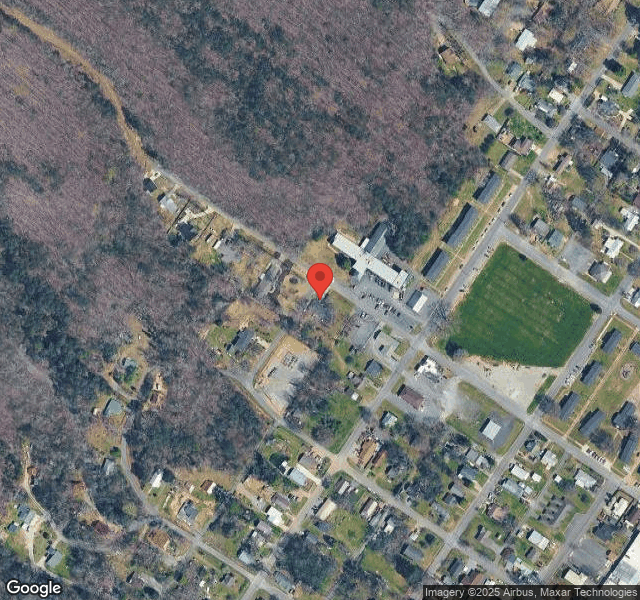
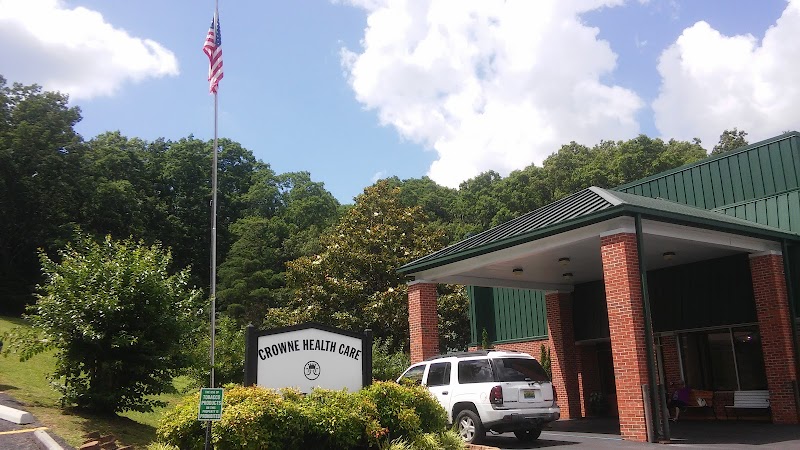
403 13TH STREET NORTHWEST, FORT PAYNE, AL 35967 (256) 845-5990
For profit - Corporation 123 Beds CROWNE HEALTH CARE Data: November 2025
Trust Grade
90/100
#12 of 223 in AL
Last Inspection: November 2019

Over 2 years since last inspection. Current conditions may differ from available data.

Overview

Crowne Health Care of Fort Payne has earned an impressive Trust Grade of A, indicating it is considered excellent and highly recommended among nursing facilities. It ranks #12 out of 223 facilities in Alabama, placing it in the top half, and is the best option of the three facilities in De Kalb County. The facility's trend is stable, as it has consistently reported two issues in both 2017 and 2019. Staffing is a strong point, with a perfect 5-star rating and a turnover rate of 31%, which is significantly below the state average, suggesting staff are dedicated and familiar with the residents. On the downside, there were four issues noted during inspections, including concerns about proper dish sanitization and failure to notify a resident about a discharge, which indicates some room for improvement in operational procedures. However, it is worth noting that the facility has not incurred any fines, reflecting a strong compliance record overall.

Trust Score
A
90/100
In Alabama
#12/223
Top 5%
Safety Record
Low Risk
No red flags
Inspections
Holding Steady
2 → 2 violations
Staff Stability
○ Average
31% turnover. Near Alabama's 48% average. Typical for the industry.
Penalties
✓ Good
No fines on record. Clean compliance history, better than most Alabama facilities.
Skilled Nurses
✓ Good
Each resident gets 45 minutes of Registered Nurse (RN) attention daily — more than average for Alabama. RNs are trained to catch health problems early.
Violations
✓ Good
Only 4 deficiencies on record. Cleaner than most facilities. Minor issues only.
★★★★★
5.0
Overall Rating
★★★★★
5.0
Staff Levels
★★☆☆☆
2.0
Care Quality
★★★★☆
4.0
Inspection Score
Stable
2017: 2 issues
2019: 2 issues

The Good

  • 5-Star Staffing Rating · Excellent nurse staffing levels
  • Full Sprinkler Coverage · Fire safety systems throughout facility
  • No fines on record
  • Staff turnover below average (31%)

    17 points below Alabama average of 48%

Facility shows strength in staffing levels, fire safety.

The Bad

Staff Turnover: 31%

15pts below Alabama avg (46%)

Typical for the industry

Chain: CROWNE HEALTH CARE

Part of a multi-facility chain

Ask about local staffing decisions and management

The Ugly 4 deficiencies on record

Nov 2019 2 deficiencies
CONCERN (D)

Potential for Harm - no one hurt, but risky conditions existed

Transfer Notice (Tag F0623)

Could have caused harm · This affected 1 resident

**NOTE- TERMS IN BRACKETS HAVE BEEN EDITED TO PROTECT CONFIDENTIALITY** Based on interviews, review of Resident Identifier (RI) #87's medical record and the facility's policy titled Notice of Discharg...

Read full inspector narrative →
**NOTE- TERMS IN BRACKETS HAVE BEEN EDITED TO PROTECT CONFIDENTIALITY** Based on interviews, review of Resident Identifier (RI) #87's medical record and the facility's policy titled Notice of Discharge to Ombudsman, the facility failed to issue a 30-day notice of discharge to RI #87 and/or RI #87's representative when the facility determined they could no longer meet the needs of the resident. This deficient practice affected RI #87, one of one sampled resident reviewed for facility-initiated discharges. Findings include: The facility's policy titled Notice of Discharge to Ombudsman with a revised date of November 2017, documented Policy: To comply with Federal regulations before a facility transfers or discharges a resident the facility must notify the resident and the resident's representative of the transfer or discharge and the reasons for the move in writing and in a language and in a manner they understand . Policy Explanation and Guidelines: . 2. Facility-initiated transfers and discharges - In situations where the facility has decided to discharge the resident while the resident is still hospitalized ; the facility must send a notice of discharge to the resident and resident representative . RI #87 was admitted to the facility on [DATE]. RI #87's PHYSICIAN'S ORDERS dated 10/27/2019, documented Send to (local hospital) for treatment and evaluation. RI #87's Minimum Data Set with an assessment reference date of 10/27/2019 indicated the resident had an unplanned discharge with return anticipated to an acute hospital on [DATE]. An email dated 10/30/2019 at 3:47 PM, from Employee Identifier (EI) #1, the facility's Social Worker Director to the Local Ombudsman regarding RI #87 documented Ms. (Local Ombudsman), (RI #87) discharged to (local hospital) on 10-27-2019. The hospital was planning on discharging (RI #87) back to the facility today . (EI #7), (RI #87's) attending her (here) at the facility came into the facility this afternoon . (EI #7) stated she would not accept (RI #87) back . We have notified the hospital that we would not be able to accept (RI #87) back into the facility due to there not being an attending physician for (RI #87). We wanted to make you aware of this situation. In an interview on 11/14/2019 at 9:51 AM, EI #1, the facility's Social Worker Director, explained on 10/30/2019, the hospital's Case Manager notified the facility that RI #87 was ready to be discharged from the hospital. When asked who was responsible for providing the resident and/or the resident's representative the 30-day notice of discharge, EI #1 stated she was. When asked if RI #87 and/or RI #87's representative was given a 30-day notice of discharge, EI #1 said no. EI #1 explained a written notice of discharge to the resident and resident's representative was to ensure the resident would have suitable accommodations available upon discharge. During an interview on 11/14/2019 at 10:42 AM, RI #87's representative acknowledged that she did not receive a 30-day discharge notice from the facility when it was determined the facility could no longer meet the resident's needs. During an interview on 11/14/2019 at 4:54 PM, EI #4, the Administrator stated he became aware on 10/30/2019 that RI #87's Primary (Attending) Physician, EI #7, could no longer meet the needs of RI #87. EI #4 was asked was RI #87 and/or RI #87's representative provided with a written 30-day notice of discharge. EI #4 answered, no. When asked why not, EI #4 stated he was under the impression that arrangements and placement had already been secured for RI #87 at another skilled nursing facility. In an interview on 11/14/2019 at 3:08 PM, EI #7, RI #87's Primary Physician acknowledged he informed the facility's Administrator, EI #4, on 10/30/2019 that he could no longer meet the needs of RI #87. EI #7 stated it would have been the responsibility of the facility to issue the resident a written 30-day discharge notice. In an interview on 11/14/2019 at 2:30 PM, the Case Manager at the local hospital stated RI #87 was discharged from the hospital to another skilled nursing facility on 11/4/2019.
CONCERN (D)

Potential for Harm - no one hurt, but risky conditions existed

Deficiency F0625 (Tag F0625)

Could have caused harm · This affected 1 resident

**NOTE- TERMS IN BRACKETS HAVE BEEN EDITED TO PROTECT CONFIDENTIALITY** Based on interviews, review of Resident Identifier (RI) #87's medical record and the facility's policy titled Crowne Healthcare ...

Read full inspector narrative →
**NOTE- TERMS IN BRACKETS HAVE BEEN EDITED TO PROTECT CONFIDENTIALITY** Based on interviews, review of Resident Identifier (RI) #87's medical record and the facility's policy titled Crowne Healthcare of Fort Payne Bed Hold Policy and Procedure, the facility failed to ensure Resident Identifier (RI) #87 and/or RI #87's representative was provided written notice of the facility's bed-hold policy when RI #87 was transferred to the local hospital on [DATE]. This deficient practice affected RI #87, one of one sampled resident whose closed record was reviewed for discharge to the hospital. Findings include: The facility's policy titled Crowne Healthcare of Fort Payne Bed Hold Policy and Procedure dated November 2018, documented I. Purpose To inform every resident or resident representative of the opportunity to hold a bed in the event of temporary, medically necessary, hospitalization or therapeutic leave. II. Policy Each resident or resident representative will be given a written copy of our bed hold policy upon admission, changes to the policy, at the time of transfer of a resident for hospitalization or therapeutic leave. In cases of emergency transfer, at the time of transfer means the Social Services Department or designee will provide the family, surrogate, or representative written notification of our bed hold policy within 24 hours of the transfer . RI #87 was admitted to the facility on [DATE]. RI #87's PHYSICIAN'S ORDERS dated 10/27/2019, documented Send to (local hospital) for treatment and evaluation. RI #87's Minimum Data Set with an assessment reference date of 10/27/2019 indicated the resident had an unplanned discharge with return anticipated to an acute hospital on [DATE]. In an interview on 11/14/2019 at 9:51 AM, Employee Identifier (EI) #1, the facility's Social Worker Director, was asked when was RI #87's transferred to the hospital. EI #1 answered, the resident was sent out on 10/27/2019 by way of ambulance because of a medical reason. When asked who was responsible for ensuring the resident or resident's representative received written bed-hold policy information, EI #1 replied she was. EI #1 stated the facility's policy indicated the written notification should be given to the resident or the resident's representative within 24 hours of transfer. EI #1 further stated the nurse on the floor usually gave the written bed-hold policy information and a copy of paperwork would be given to her. When asked if she received a copy of the paperwork, EI #1 said no. When asked if RI #87 and/or RI #87's representative was provided written notification of the facility's bed-hold policy when the resident was transferred to the local hospital on [DATE], EI #1 said not that she was aware of. During an interview on 11/14/2019 at 10:42 AM, RI #87's representative was asked if she received written notification of the facility's bed-hold policy when RI #87 was transferred to the local hospital on [DATE]. RI #87's representative said no. RI #87's representative explained the facility usually held the resident's bed for three days and she paid the difference if she wanted the resident to come back to the facility. RI #87's representative stated the resident had been in the facility for eight years and she wanted to hold the resident's bed. On 11/14/2019 at 11:44 AM, a telephone interview was conducted with EI #2, a Licensed Practical Nurse (LPN). EI #2 was asked who was the nurse that took care of RI #87 prior to the resident being sent to the local hospital on [DATE]. EI #2 stated she was. When asked if she provided RI #87 or RI #87's representative bed hold policy information, EI #2 stated she did not give any bed hold policy information. EI #2 stated she forgot to give a copy to the family representative. EI #2 was asked what would be the concern of not providing RI #87 or RI #87's representative written bed-hold policy information, EI #2 stated the resident may not have a bed to come back to at the facility. According to EI #2, she notified the Director of Nursing (DON) the next day that she had forgot to give RI #87's representative bed hold policy information. In an interview on 11/14/2019 at 2:50 PM, EI #3, the DON stated one to two later after RI #87 was transferred to the hospital, EI #2, a LPN informed her that she (EI #2) had forgot to send the bed hold policy information with the ambulance attendants and RI #87's representative. EI #3 stated it was on 10/31/2019 when she first saw RI #87's representative and by then it had been communicated to RI #87's representative that RI #87's Primary Physician, EI #7, could no longer meet the needs of the resident. When asked should RI #87 and/or RI #87's representative have received written information on the facility's bed-hold policy when the resident was transferred to the hospital on [DATE], EI #3 answered yes. During an interview on 11/14/2019 at 4:54 PM, EI #4, the Administrator was asked if RI #87 and/or RI #87's representative received bed hold policy notification after the resident was transferred to the hospital on [DATE]. EI #4 stated no. When asked why not, EI #4 stated it was an oversight on the discharging nurse.
Aug 2017 2 deficiencies
CONCERN (F)

Potential for Harm - no one hurt, but risky conditions existed

Deficiency F0371 (Tag F0371)

Could have caused harm · This affected most or all residents

Based on observations, interviews, a review of the 2013 Food Code, and a review of a facility document titled, DISH MACHINE TEMPERATURE LOG SANITIZER (DISH ROOM), the facility failed to assure: 1. di...

Read full inspector narrative →
Based on observations, interviews, a review of the 2013 Food Code, and a review of a facility document titled, DISH MACHINE TEMPERATURE LOG SANITIZER (DISH ROOM), the facility failed to assure: 1. dishes and utensils were effectively sanitized to destroy potential food borne organisms. (Staff failed to follow correct dishwashing procedures by monitoring the chemical concentration with a test strip) and 2. the iced tea urn dispenser spigot was broken down and cleaned at least every 24 hours, as evidenced by an observed build-up around the plunger. These deficient practices had the potential to affect all 102 residents receiving meal trays from dining services. Findings Include: 1. A review of the Food Code U.S. Public Health Service and FDA (Food and Drug Administration) 2013 revealed the following: . 4-501.114 Manual and Mechanical Warewashing Equipment, Chemical Sanitization . (A) A chlorine solution shall have .Concentration Range MG/L .50-99 . A review of the facility form titled, DISH MACHINE TEMPERATURE LOG SANITIZER (DISH ROOM) for the month of August 2017, revealed the method used for sanitizing was achieved by the chemical concentration. The monitoring data had been recorded on the log for the Breakfast meal. A request was made to the Dietary Manager (Employee Identifier) EI #2, for a Dietary Aide, EI #4 to demonstrate the test strip monitoring technique. Documentation revealed EI #4 had documented chemical concentrations of 50 ppm (parts per million) on 8/14, 8/17 and 8/21. On 8/23/2017 at 9:30 a.m., EI #4 was requested to demonstrate how she got 50 ppm. EI #4's response was that she looked at (the) tempt (temperature) gauge. Chemical concentration is monitored using test strips. On 8/23/2017 at 10:00 a.m, EI #4 told EI #2 that she failed to receive training for monitoring chemical concentration. 2. The Food Code U.S. Public Health Service and FDA (Food and Drug Administration) 2013 revealed the following: Frequency 4-602.11 Equipment Food-Contact Surfaces and Utensils. (A) EQUIPMENT FOOD-CONTACT SURFACES and UTENSILS shall be cleaned: . (E) . surfaces of UTENSILS and EQUIPMENT contacting FOOD that is not TIME/TEMPERATURE CONTROL FOR SAFETY FOOD shall be cleaned: (1) At any time when contamination may have occurred; (2) At least every 24 hours for iced tea dispensers . An observation of an iced tea urn was made on 8/22/2017 at 3:18 p.m. The spigot assembly was broken apart by staff to reveal a build-up of solid matter with a dark color. EI #2 was asked if the spigot had been cleaned daily. EI #2 said No. A review of the facility Shift Daily/Weekly Cleaning Schedule revealed documentation for Tea Equipment was initialed for both first and second shifts for August 20, 21, and 22.
MINOR (C)

Minor Issue - procedural, no safety impact

Deficiency F0363 (Tag F0363)

Minor procedural issue · This affected most or all residents

Based on observations, interviews and a review of the facility Diet Spreadsheet (pre-planned menu) and the recipe used to prepare Ham & Beans, the facility failed to ensure the recipe and preparation ...

Read full inspector narrative →
Based on observations, interviews and a review of the facility Diet Spreadsheet (pre-planned menu) and the recipe used to prepare Ham & Beans, the facility failed to ensure the recipe and preparation corresponded with the designed quantity of meat (Ham) to use for the lunch meal on 8/23/2017. This had the potential to affect 102 residents who received meal trays in the facility on 8/23/2017. Findings Include: A document review of the Diet Spreadsheet (pre-planned menu) and corresponding recipe revealed staff should use 19 pounds and 13 ounces (oz.) of diced buffet Ham to serve 90 portions of Ham & Beans using an 8 oz. spoodle portion size. The menu plan was to serve Ham & Beans on all meal trays. An observation on 8/23/2017 at 10:15 a.m., during the preparation for the lunch meal, an observation was made of the prepared Ham & Beans in the oven. The amount of Ham appeared sparse. The Cook, (Employee Identifier), EI #1 was asked, how had she prepared the Ham & Beans. EI #1 responded she used four cans of beans and one package (10 pounds) of Diced Ham. The Dietary Manager, EI #2 said the amount of Ham included in preparation was only one-half of that planned per the recipe. On 8/23/2017 at 10:40 a.m., EI #2 phoned the Consultant Dietitian, EI #3, who stated that she was unaware of discrepancies between the spread sheet, menu and recipe.
Understanding Severity Codes (click to expand)
Life-Threatening (Immediate Jeopardy)
J - Isolated K - Pattern L - Widespread
Actual Harm
G - Isolated H - Pattern I - Widespread
Potential for Harm
D - Isolated E - Pattern F - Widespread
No Harm (Minor)
A - Isolated B - Pattern C - Widespread

Questions to Ask on Your Visit

  • "Can I speak with families of current residents?"
  • "What's your RN coverage like on weekends and overnight?"

Our Honest Assessment

Strengths
  • • Grade A (90/100). Above average facility, better than most options in Alabama.
  • • No major safety red flags. No abuse findings, life-threatening violations, or SFF status.
  • • No fines on record. Clean compliance history, better than most Alabama facilities.
  • • Only 4 deficiencies on record. Cleaner than most facilities. Minor issues only.
Concerns
  • • No significant concerns identified. This facility shows no red flags across CMS ratings, staff turnover, or federal penalties.
Bottom line: Generally positive indicators. Standard due diligence and a personal visit recommended.

About This Facility

What is Crowne Health Care Of Ft Payne's CMS Rating?

CMS assigns CROWNE HEALTH CARE OF FT PAYNE an overall rating of 5 out of 5 stars, which is considered much above average nationally. Within Alabama, this rating places the facility higher than 99% of the state's 100 nursing homes. This rating reflects solid performance across the metrics CMS uses to evaluate nursing home quality.

How is Crowne Health Care Of Ft Payne Staffed?

CMS rates CROWNE HEALTH CARE OF FT PAYNE's staffing level at 5 out of 5 stars, which is much above average compared to other nursing homes. Staff turnover is 31%, compared to the Alabama average of 46%. This relatively stable workforce can support continuity of care.

What Have Inspectors Found at Crowne Health Care Of Ft Payne?

State health inspectors documented 4 deficiencies at CROWNE HEALTH CARE OF FT PAYNE during 2017 to 2019. These included: 3 with potential for harm and 1 minor or isolated issues.

Who Owns and Operates Crowne Health Care Of Ft Payne?

CROWNE HEALTH CARE OF FT PAYNE is owned by a for-profit company. For-profit facilities operate as businesses with obligations to shareholders or private owners. The facility is operated by CROWNE HEALTH CARE, a chain that manages multiple nursing homes. With 123 certified beds and approximately 101 residents (about 82% occupancy), it is a mid-sized facility located in FORT PAYNE, Alabama.

How Does Crowne Health Care Of Ft Payne Compare to Other Alabama Nursing Homes?

Compared to the 100 nursing homes in Alabama, CROWNE HEALTH CARE OF FT PAYNE's overall rating (5 stars) is above the state average of 3.0, staff turnover (31%) is significantly lower than the state average of 46%, and health inspection rating (4 stars) is above the national benchmark.

What Should Families Ask When Visiting Crowne Health Care Of Ft Payne?

Based on this facility's data, families visiting should ask: "Can I visit during a mealtime to observe dining assistance and food quality?" "How do you handle medical emergencies, and what is your hospital transfer rate?" "Can I speak with family members of current residents about their experience?"

Is Crowne Health Care Of Ft Payne Safe?

Based on CMS inspection data, CROWNE HEALTH CARE OF FT PAYNE has a clean safety record: no substantiated abuse findings (meaning no confirmed cases of resident harm), no Immediate Jeopardy citations (the most serious violation level indicating risk of serious injury or death), and is not on the Special Focus Facility watch list (a federal program monitoring the lowest-performing 1% of nursing homes). The facility has a 5-star overall rating and ranks #1 of 100 nursing homes in Alabama. While no facility is perfect, families should still ask about staff-to-resident ratios and recent inspection results during their visit.

Do Nurses at Crowne Health Care Of Ft Payne Stick Around?

CROWNE HEALTH CARE OF FT PAYNE has a staff turnover rate of 31%, which is about average for Alabama nursing homes (state average: 46%). Moderate turnover is common in nursing homes, but families should still ask about staff tenure and how the facility maintains care continuity when employees leave.

Was Crowne Health Care Of Ft Payne Ever Fined?

CROWNE HEALTH CARE OF FT PAYNE has no federal fines on record. CMS issues fines when nursing homes fail to meet care standards or don't correct problems found during inspections. The absence of fines suggests the facility has either maintained compliance or corrected any issues before penalties were assessed. This is a positive indicator, though families should still review recent inspection reports for the full picture.

Is Crowne Health Care Of Ft Payne on Any Federal Watch List?

CROWNE HEALTH CARE OF FT PAYNE is not on any federal watch list. The most significant is the Special Focus Facility (SFF) program, which identifies the bottom 1% of nursing homes nationally based on persistent, serious quality problems. Not being on this list means the facility has avoided the pattern of deficiencies that triggers enhanced federal oversight. This is a positive indicator, though families should still review the facility's inspection history directly.