NORTHSIDE HEALTH CARE


700 HUTCHINS AVENUE, GADSDEN, AL 35901 (256) 543-7101
For profit - Corporation 115 Beds VENZA CARE MANAGEMENT Data: November 2025
Trust Grade
65/100
#127 of 223 in AL
Last Inspection: October 2019

Over 2 years since last inspection. Current conditions may differ from available data.

Overview

Northside Health Care in Gadsden, Alabama has a Trust Grade of C+, indicating it's slightly above average but not without its issues. It ranks #127 out of 223 facilities in Alabama, placing it in the bottom half, and #4 out of 6 in Etowah County, meaning there are only a few local options that are better. The facility is showing improvement, with reported issues decreasing from 4 in 2018 to 2 in 2019. Staffing is a relative strength, rated at 4 out of 5 stars, but the turnover rate at 65% is concerning, significantly higher than the state average of 48%. While there have been no fines, which is a positive sign, recent inspections revealed several critical concerns, including food handling practices that risked contamination and temperature violations that could affect resident health.

Trust Score
C+
65/100
In Alabama
#127/223
Bottom 44%
Safety Record
Low Risk
No red flags
Inspections
Getting Better
4 → 2 violations
Staff Stability
⚠ Watch
65% turnover. Above average. Higher turnover means staff may not know residents' routines.
Penalties
✓ Good
No fines on record. Clean compliance history, better than most Alabama facilities.
Skilled Nurses
○ Average
Each resident gets 41 minutes of Registered Nurse (RN) attention daily — about average for Alabama. RNs are the most trained staff who monitor for health changes.
Violations
⚠ Watch
12 deficiencies on record. Higher than average. Multiple issues found across inspections.
★★★☆☆
3.0
Overall Rating
★★★★☆
4.0
Staff Levels
★★★☆☆
3.0
Care Quality
★★★☆☆
3.0
Inspection Score
Stable
2018: 4 issues
2019: 2 issues

The Good

  • 4-Star Staffing Rating · Above-average nurse staffing levels
  • Full Sprinkler Coverage · Fire safety systems throughout facility
  • No fines on record

Facility shows strength in staffing levels, fire safety.

The Bad

3-Star Overall Rating

Near Alabama average (2.9)

Meets federal standards, typical of most facilities

Staff Turnover: 65%

19pts above Alabama avg (46%)

Frequent staff changes - ask about care continuity

Chain: VENZA CARE MANAGEMENT

Part of a multi-facility chain

Ask about local staffing decisions and management

Staff turnover is elevated (65%)

17 points above Alabama average of 48%

The Ugly 12 deficiencies on record

Oct 2019 2 deficiencies
CONCERN (D)

Potential for Harm - no one hurt, but risky conditions existed

Infection Control (Tag F0880)

Could have caused harm · This affected 1 resident

**NOTE- TERMS IN BRACKETS HAVE BEEN EDITED TO PROTECT CONFIDENTIALITY** Based on observation, interviews, record review and review of the Assure Platinum Glucometer Study Guide, the facility failed to...

Read full inspector narrative →
**NOTE- TERMS IN BRACKETS HAVE BEEN EDITED TO PROTECT CONFIDENTIALITY** Based on observation, interviews, record review and review of the Assure Platinum Glucometer Study Guide, the facility failed to ensure a medication nurse, Employee Identifier (EI) #1, wore gloves while performing a finger stick blood glucose test on Resident Identifier (RI) #61 on 10/16/19, during the evening medication pass observation. Findings Include: Review of an undated Assure Platinum Glucometer Study Guide, revealed the following: BLOOD GLUCOSE TESTING Obtaining a Drop of Blood Note . We advise healthcare professionals to wear gloves during blood testing . RI #61 was admitted to the facility on [DATE], with a diagnosis of Type 2 Diabetes Mellitus. RI #61's Order Summary Report for 10/2019, revealed RI #61 was to receive blood glucose testing before meals and at bedtime. On 10/16/19 at 3:50 p.m., the surveyor observed EI #1 gather supplies to check RI #61's blood sugar. After washing her hands, EI #1 wiped the third finger on RI #61's left hand with an alcohol prep. EI #1 removed a glucometer from a plastic bag, placed a glucometer strip in the glucometer, pricked RI #61's finger with the lancet, then placed the blood on the strip. EI #1 did not wear gloves during this procedure. On 10/16/19 at 4:09 p.m., the surveyor conducted an interview with EI #1. The surveyor asked EI #1 what should she have done before pricking RI #61's finger with the lancet. EI #1 said she should have put gloves on. The surveyor asked EI #1 why should she have gloved. EI #1 said to protect herself and RI #61. On 10/17/19 at 12:45 p.m., the surveyor conducted an interview with EI #2, the RN (Registered Nurse)/Director of Clinical Education. The surveyor asked EI #2 how should the nurses perform a finger stick blood sugar. EI #2 said the nurse would wash her hands, apply gloves and explain to the resident what was going on and what the nurse was about to perform. The surveyor asked EI #2 why should gloves be applied. EI #2 said blood borne pathogens could be transmitted to others. The surveyor asked EI #2 what kind of concern would that be when gloves were not worn. EI #2 said infection control.
CONCERN (F)

Potential for Harm - no one hurt, but risky conditions existed

Food Safety (Tag F0812)

Could have caused harm · This affected most or all residents

Based on observations, interviews, review of the 2017 Food Code, and a facility policy titled, Tray Line and Meal Service Temperatures, dietary staff failed to ensure: 1) the temperatures of food item...

Read full inspector narrative →
Based on observations, interviews, review of the 2017 Food Code, and a facility policy titled, Tray Line and Meal Service Temperatures, dietary staff failed to ensure: 1) the temperatures of food items on the tray line were checked prior to service; 2) thermometers were accurately calibrated prior to use; 3) staff did not handle ready-to-eat food with bare hands; 4) staff washed their hands prior to the application of gloves; and 5) food found to be below recommended temperatures, was reheated to 165 degrees Fahrenheit (F) prior to service. These deficient practices had the potential to affect 87 residents for whom meals were prepared and served at the time of this survey. According to the facility's RESIDENT CENSUS AND CONDITIONS OF RESIDENTS form, the census at the time of the survey was 90. Findings Include: 1) A facility policy titled, Tray Line and Meal Service Temperatures, with an effective date of 08/01/12, specifies: .Temperatures of food items held on the service line will be recorded . All hot food must be held at temperatures above 135 degrees F; . All cold foods will be held at or below 41 degrees F . PROCEDURE 1. Food temperatures will be taken prior to the start of each meal at the service line . On 10/16/19 at 5:10 p.,m., the temperature of the pureed, and alternate food items had not been checked. The surveyor questioned the staff about the temperatures of the pureed food items. The pureed Chicken Cordon Bleu was 80 degrees, pureed broccoli was 105 degrees, and the pureed yams were 120 degrees. Each pureed food item was below the recommended levels. On 10/16/19 at 5:15 p.m., the pureed food was returned to the stove top for reheating, as were individual portions of Chicken Cordon Bleu. The temperature of one pan of broccoli without cheese (which the evening Cook, Employee Identified (EI) #3, said was for a lactose-free resident) was not checked, nor was a carton of milk, chopped chicken, or the alternatives of beef patties with gravy, rice and green beans. On 10/16/19 at 5:45 p.m., EI #3, began serving the alternative food items (beef patties with gravy, rice and green beans) without having checked the temperatures. On 10/16/19 at 5:50 p.m., the surveyor asked the facility's Certified Dietary Manager (CDM), EI #5, which foods should have been checked for temperatures prior to the meal service. EI #5 responded, everything. When asked why staff should have checked all the food temperatures, EI #5 stated the milk might not be cold enough, and the food might not be hot enough. On 10/17/19 at 9:44 a.m., the surveyor asked the evening Cook, EI #3, how often she checked food temperatures on the tray line. EI #3 said she checked the food items once every night before serving the food. EI #3 stated she was nervous last night, and upset because the foods were not hot enough. 2) A facility policy titled, Tray Line and Meal Service Temperatures, dated 08/01/12, directs staff as follows: .PROCEDURE: . 2. Each facility must have a pocket thermometer to utilize for taking food temperatures. Thermometers may be tested for accuracy of hot foods by immersing in boiling water (212 degrees F) . Immersing in a 50/50 ice and water slush until the reading stabilizes tests accuracy for cold foods. Adjust the unit to 32 degrees F . On 10/16/19 at 4:50 p.m., the surveyor observed three thermometers sitting in a glass of water with a small amount of ice. The dial heads on the thermometers registered 22 degrees F, 22 degrees F, and 32 degrees F. On 10/16/19 at 5:00 p.m., EI #3 removed the three thermometers from the ice water and inserted them into three pans of food on the steam table. The surveyor questioned EI #3 about the two thermometers registering only 22 degrees, however EI #3 continued to use them. On 10/16/19 at 5:10 p.m., EI #3 replaced the thermometers into the glass of melted ice water. EI #3 commented, They're only 60 degrees F. I have to let them go down. The temperature on each of the three thermometers did not reach 32 degrees, but registered a variety of temperatures when EI #3 pulled them out of the water and inserted each into three pans of pureed food. EI #4, the Consultant CDM, checked the temperature of the reheated Chicken Cordon Bleu. EI #5 commented she thought the thermometer was broken. EI #4 adjusted the thermometer in the melted ice water to 32 degrees F. On 10/16/19 at 5:34 p.m., EI #4, sanitized each of three additional thermometers obtained, and placed them into the glass of water without ice. A calibration to 32 degrees F in a 50/50 mix of ice and water to ensure accuracy was not observed by the surveyor. On 10/17/19 at 9:10 a.m., the surveyor asked EI #5 how was staff to calibrate the thermometers. EI #5 explained the staff was to place thermometers in ice water, and ensure it was 32 degrees F. 3) The 2017 FOOD CODE mandates the following: 3-301.11 Preventing Contamination from Hands . (B) . FOOD EMPLOYEES may not contact exposed, READY-TO-EAT FOOD with their bare hands and shall use suitable UTENSILS such as deli tissue, spatulas, tongs, single-use gloves, or dispensing EQUIPMENT . On 10/16/19 at 4:55 p.m., the evening Cook, EI #3, positioned left-over biscuits inside the Robot Coupe blender, contacting the biscuits using her ungloved (bare) hand. EI #3 then placed her ungloved fingers inside a clean Dinex bowl before portioning the pureed bread into the bowl. On 10/16/19 at 5:50 p.m., the surveyor asked EI #5 what potential problem could result from the handling of biscuits with bare hands, as EI #3 did when she pureed them tonight. EI #5 responded, contamination. On 10/17/19 at 9:44 a.m., the surveyor questioned EI #3 about the handling of the biscuits with her bare hand, and asked EI #3 how she was supposed to handle ready-to-eat food. EI #3 responded, they were supposed to wear gloves. When asked why gloves should be worn, EI #3 stated they were told to do it. In response to the surveyor's comment about the placement of her bare fingers inside the bowl in which she placed the pureed bread, EI #3 stated, she guess her hand went inside the bowl when she picked it up. 4) The 2017 FOOD CODE mandates the following: .2-301.14 When to Wash. FOOD EMPLOYEES shall clean their hands and exposed portions of their arms . immediately before engaging in FOOD preparation including working with exposed FOOD . and: . (H) Before donning gloves to initiate a task that involves working with FOOD; . On 10/16/19 at 5:36 p.m., the Consultant CDM, EI #4, removed a pan of reheated Chicken Cordon Bleu from the convection oven. EI #4 removed her left glove, and applied a new glove without first washing her hand. EI #4 then picked up several portions of Chicken (with her left hand) and checked the temperatures of each (150 degrees F). On 10/16/19 at 5:55 p.m., the surveyor asked EI #4 what she should do when she regloved. EI #4 responded, wash hands. 5) The 2017 Food Code mandates the following: .3-403.11 Reheating for Hot Holding. (A) . TIME/TEMPERATURE CONTROL FOR SAFETY FOOD that is cooked, cooled, and reheated for hot holding shall be reheated so that all parts of the FOOD reach a temperature of at least .(165 F) for 15 seconds . During the 10/16/19 supper tray line observation, several pans of food were found to be less than 135 degrees F, including Chicken Cordon Bleu, Pureed Chicken, Pureed Yams and Pureed Broccoli and Cheese. Each pan of food was reheated but failed to reach 165 degrees F. On 10/16/19 at 5:21 p.m., the CDM (EI #5) removed pureed broccoli from the gas burner. The temperature was 100 degrees F. At 5:22 p.m., EI #5 removed pureed yams from the gas burner. The temperature was 125 degrees F. The temperature of the reheated pureed chicken was 110 degrees F. At 5:27 p.m., EI #4 removed a pan of Chicken Cordon Bleu from the convection oven. The temperature registered 160 degrees F. The cook. EI #3, served the chicken. At 5:31 p.m., EI #4 checked the reheated pureed broccoli, finding it to be 148 degrees F. At 5:32 p.m., EI #4 checked the reheated pureed yams, at 150 degrees F. At 5:34 p.m., the temperature of the reheated pureed chicken was 150 degrees. On 10/16/19 at 5:50 p.m., the surveyor asked the facility CDM, EI #5, at what temperature was the food supposed to be served. EI #5 explained food was to be served above 135 degrees F and reheated to 165 degrees.
Sept 2018 4 deficiencies
CONCERN (D)

Potential for Harm - no one hurt, but risky conditions existed

Assessment Accuracy (Tag F0641)

Could have caused harm · This affected 1 resident

**NOTE- TERMS IN BRACKETS HAVE BEEN EDITED TO PROTECT CONFIDENTIALITY** Based on observation, interviews and record review, the facility failed to ensure Resident Identifier (RI) #55's Quarterly Minim...

Read full inspector narrative →
**NOTE- TERMS IN BRACKETS HAVE BEEN EDITED TO PROTECT CONFIDENTIALITY** Based on observation, interviews and record review, the facility failed to ensure Resident Identifier (RI) #55's Quarterly Minimum Data Set (MDS) assessment, with an Assessment Reference Date (ARD) of 08/20/18, reflected RI #55 was receiving Dialysis services. This deficient practice affected RI #55, one of 40 residents whose MDS assessments were reviewed. Findings Include: RI #55 was admitted to the facility on [DATE], and readmitted on [DATE], with diagnoses to include End Stage Renal Disease and Dependence on Renal Dialysis. A review of RI #55's Quarterly MDS assessment, with an ARD of 08/20/18, did not identify RI #55 as having received Dialysis services during this assessment period. A review of RI #55's September 2018 Physician Orders documented: . Dialysis @ (at) (name of Dialysis center) Tues (Tuesday)/Thur (Thursday)/Sat (Saturday) . 09/05/18 at 08:45 a.m., the surveyor conducted an interview with RI #55. RI #55 shared with the surveyor he/she went to Dialysis on Tuesdays, Thursdays and Saturdays. At this time, the surveyor observed an AV (Arteriovenous) graft to RI #55's left upper arm. 09/06/18 at 02:38 p.m., the surveyor conducted an interview with Employee Identifier (EI) #9, a Registered Nurse/MDS Coordinator. The surveyor asked EI #9 how long had RI #55 been a resident at the facility. EI #9 said for four years. When asked if RI #55 was receiving Dialysis services, EI #9 said RI #55 was. The surveyor asked EI #9 how long had RI #55 been receiving Dialysis services. EI #9 said as far as she remembered RI #55 had been receiving Dialysis services. When the surveyor asked EI #9 if RI #55 was coded as receiving Dialysis services on his/her Quarterly MDS assessment with the ARD of 8/20/18, EI #9 replied RI #55 was not. The surveyor asked EI #9 should RI #55 be coded as receiving Dialysis services. EI #9 replied yes. When asked if the Quarterly 08/20/18 MDS assessment was accurate, EI #9 replied no.
CONCERN (D)

Potential for Harm - no one hurt, but risky conditions existed

Comprehensive Care Plan (Tag F0656)

Could have caused harm · This affected 1 resident

**NOTE- TERMS IN BRACKETS HAVE BEEN EDITED TO PROTECT CONFIDENTIALITY** Based on observation, interview, and medical record review, the facility failed to ensure a care plan was developed for RI (Resi...

Read full inspector narrative →
**NOTE- TERMS IN BRACKETS HAVE BEEN EDITED TO PROTECT CONFIDENTIALITY** Based on observation, interview, and medical record review, the facility failed to ensure a care plan was developed for RI (Resident Indentifier) #241, a resident who required the use of Oxygen (O2). This deficient practice affected RI #241, one of three sampled residents who required the use of O2. Findings include: RI # 241 was re-admitted to the facility on [DATE] with a diagnosis of Respiratory Failure, Unspecified with Hypoxia. On 09/6/18 at 7:55 a.m., the surveyor observed the resident with O2 on. On 0 9/6/18 at 3:11 p.m., a review of RI #241's care plans revealed the facility had not developed a care plan to address RI #241's O2 use. On 09/06/2018 at 4:08 p.m., an interview was conducted with EI (Employee Identifier) #5, Director of Nurses (DON). EI #5 was asked if RI #241 used O2. EI #5 said, Yes. EI #5 was asked if RI #241 had a care for the use of O2. EI #5 said, No. EI #5 was asked what was the rationale for having a care plan. EI #5 said, To provided the care (he/she) requires.
CONCERN (D)

Potential for Harm - no one hurt, but risky conditions existed

Infection Control (Tag F0880)

Could have caused harm · This affected 1 resident

**NOTE- TERMS IN BRACKETS HAVE BEEN EDITED TO PROTECT CONFIDENTIALITY** Based on observation, interviews, record review, and review of PERRY & [NAME], 9th Edition, Clinical Nursing Skills & Techniques...

Read full inspector narrative →
**NOTE- TERMS IN BRACKETS HAVE BEEN EDITED TO PROTECT CONFIDENTIALITY** Based on observation, interviews, record review, and review of PERRY & [NAME], 9th Edition, Clinical Nursing Skills & Techniques, the facility failed to ensure Resident Identifier (RI) #3's nebulizer face mask and reservoir cup were rinsed and dried after receiving a nebulizer treatment from a Licensed Practical Nurse (LPN). This affected 1 of 1 resident observed receiving a nebulizer treatment and 1 of 6 nurses observed during medication administration pass. Findings Include: A review of PERRY & [NAME] 9th Edition, Clinical Nursing Skills & Techniques, Chapter 21, Page 564, documented .When medication is completely nebulized .Rinse nebulizer cup .Dry completely .Proper storage reduces transfer of microorganisms . RI #3 was admitted to the facility on [DATE]. RI #3's Order Review Report for September 2018 documented a diagnosis of Pnuemonitis Due To Inhalation Of Food and Vomit. RI #3's September 2018 Medication Administration Record documented orders for Duoneb nebulizer treatments every six hours. On 09/05/2018 at 08:01 a.m., Employee Identifier (EI) #1, an LPN, was observed administering RI #3's nebulizer treatment. The surveyor observed EI #1 place RI #3's nebulizer face mask and reservoir cup in a plastic bag without rinsing or drying it. On 09/05/2018 at 02:41 p.m., an interview was conducted with EI #1, a LPN. EI #1 was asked what she did with the nebulizer face mask and reservoir cup after RI #3 finished the breathing treatment. EI #1 replied that she placed the nebulizer face mask and reservoir cup in a plastic bag without rinsing and cleaning. EI #1 was asked what the facility's standard of practice of care for the nebulizer face mask and reservoir cup was, after giving a resident a breathing treatment. EI #1 stated that you should rinse and dry the nebulizer face mask and reservoir cup prior to placing it in the plastic bag. EI #1 was asked why she did not rinse and dry the nebulizer face mask and reservoir cup after giving the nebulizer breathing treatment to RI #3. EI #1 stated that she forgot to do it. EI #1 was asked if there was wet moisture in the nebulizer face mask and reservoir cup that was placed in the plastic bag. EI #1 replied yes. EI #1 was asked how this could affect the resident if the nebulizer face mask and cup were put back in a plastic bag, without rinsing and drying. EI #1 stated that it could cause an infection or make the resident sick. On 09/05/2018 at 03:09 p.m., an interview was conducted with EI #2, an LPN, Infection Control Preventionist. EI #2 was asked what standard of practice does the facility follow regarding care of the nebulizer face mask and reservoir cup, after a resident has finished with a breathing treatment. EI #2 stated that you should rinse and dry the nebulizer face mask and reservoir cup, prior to placing it in the plastic bag. EI #2 was asked why you should rinse and dry the nebulizer face mask and reservoir cup prior to putting both items back in a plastic bag. EI #2 replied that it could cause bacteria and microorganisms to grow on the face mask or in the nebulizer cup. EI #2 further stated that this could cause the resident to contract an infection.
CONCERN (F)

Potential for Harm - no one hurt, but risky conditions existed

Food Safety (Tag F0812)

Could have caused harm · This affected most or all residents

Based on observations, interviews, review of the 2017 U.S. (United States) Public Health Service Food Code and review of facility policies titled Dry Storage, Dietary Food Handling and Water Temperatu...

Read full inspector narrative →
Based on observations, interviews, review of the 2017 U.S. (United States) Public Health Service Food Code and review of facility policies titled Dry Storage, Dietary Food Handling and Water Temperature for Dishwashing Machines, the facility failed to ensure: (1) dented cans were not stored with other canned goods; (2) an opened jar of jelly had a use by date on it; (3) a container of barbeque sauce did not have sauce on the outside of the container; (4) the tips of the thermometers were not touching the bottom of the glass and the thermometer was not submerged under water during calibration; (5) a cook did not place the handle of the tong on top of a pan of rolls after she touched the handle with her bare hands; (6) grease was not on top of the oven; (7) dust like particles were not on the back of the oven fan and on a book above the toaster; (8) plate warmers and covers were air dried; and (9) a cook did not place her bare hands on the inside of plate covers. These deficient practices were observed on two of three days of the survey, and had the potential to affect all 88 residents receiving meals from the dietary department. Findings Include: (1) Review of a facility policy titled Dry Storage, with an effective date of 01/01/17, documented: . PROCEDURE . 9. Damaged cans will be identified for removal . On 09/04/18 at 4:30 p.m., the surveyor observed the following dented can goods on a rack in the dry storage area with other canned foods: 1) Four, 6.56 pound cans of Spaghetti sauce. One of the four cans had a dent on the side of the can; 2) 11, 48 ounce cans of chicken and dumplings. One of the 11 cans had a dent on the side of the can; 3) Six, seven pound five ounce cans of baked beans. Two of the six cans had a dent on the side of the can; and 4) Three, 6.56 pound cans of Marinara sauce. One of the three cans had a dent on the side of the can. On 09/04/18 at 5:26 p.m., the surveyor shared with Employee Identifier (EI) #8, the Dietary Manager (DM) the observations of the dented canned goods stored with the other canned goods. The surveyor asked EI #8 where should the dented cans be stored. EI #8 said on the bottom shelf in the pantry. On 09/06/18 at 12:12 p.m., the surveyor conducted an interview with EI #8. The surveyor asked EI #8 what was the potential for harm when dented cans were stored with the other canned food items. EI #8 said you do not want to use the dented canned goods because it could be hazardous to the food, depending on where the dent in the can was. (2) A review of the 2017 U.S. Public Health Service Food Code documented: . 3-5 LIMITATION OF GROWTH OF ORGANISMS OF PUBLIC HEALTH CONCERN . 3-501.17 Ready-to-Eat, Time/Temperature Control for Safety Food, Date Marking . (B) . FOOD prepared and PACKAGED by a FOOD PROCESSING PLANT shall be clearly marked, the the time the original container is opened in a FOOD ESTABLISHMENT and if the FOOD is held for more than 24 hours, to indicate the date or day by which the FOOD shall be consumed on the PREMISES . On 09/04/18 at 4:25 p.m., the surveyor observed a four pound jar of opened grape jelly with the date of 8/28/18 on the jar. There was no use by date on the jar. On 09/04/18 at 5:26 p.m., the surveyor asked EI #8 what did the date of 08/28/18 on the jelly represent. EI #8 said the date it was opened. The surveyor asked EI #8 should there be a use by date on the jelly. EI #8 replied yes. On 09/06/18 at 12:12 p.m., the surveyor conducted an interview with EI #8. The surveyor asked EI #8 why should there be a use by date on opened food items. EI #8 said so employees would know when the food item was opened and the food item would not get reused after the date that was on the food item. (3) On 09/04/18 at 5:17 p.m., the surveyor observed in the Walk-in-Cooler. A container of barbeque sauce with sauce on the outside of the container. On 09/05/18 at 10:23 a.m., the surveyor observed the sauce to remain on the outside of the container of barbeque sauce. On 09/06/18 at 11:54 a.m., the surveyor asked EI #8 what was on the outside of the barbeque sauce container. EI #8 said sauce. The surveyor asked EI #8, when placed back in the cooler how should the container be. EI #8 said wiped down and clean. When asked why should the container be wiped down and cleaned, EI #8 said if there was stuff on the outside of the container, it could contaminate the other products if they were rubbed up against the container of barbeque sauce. (4) On 09/05/18 at 10:38 a.m., the surveyor observed five thermometers in a glass of ice water. Two of the thermometer tips were touching the bottom of the glass and one thermometer was submerged under water. On 09/05/18 at 11:08 a.m., the surveyor conducted an interview with EI #6, the morning cook. The surveyor asked EI #6 how should the thermometers be positioned when in the glass of ice water. EI #6 said on the calibrator/wrench. The surveyor asked EI #6 should the tip of the thermometer be touching the bottom of the glass. EI #6 said no. The surveyor asked EI #6 should the thermometer be submerged under the water. EI #6 said no. On 09/06/18 at 12:12 p.m., the surveyor conducted an interview with EI #8, the DM. The surveyor asked EI #8 how should the dietary staff calibrate the thermometer before it is used. EI #8 said with the little wrench. EI #8 said the thermometers should not be submerged in the ice water nor touching the bottom of the glass. The surveyor asked EI #8 what was there a potential for when the thermometer is not calibrated correctly and the tip of the thermometer touches the bottom of the glass. EI #8 said the thermometer would not read the food temperatures correctly. (5) Review of a facility policy titled Dietary Food Handling, with an effective date of 01/01/ 17, documented: . PROCEDURE . 12. Utensils . must be handled in such a way as to avoid touching surfaces with which food . will come in contact . On 09/05/18 at 11:40 a.m. - 11:55 a.m., the surveyor observed EI #6, the morning cook, using a red handled tongs to pick up rolls and place the rolls on the residents' plates. Each time EI #6 placed the tongs back in the bowl of rolls, the handle of the tongs, which EI #6 handled with her bare hands, was placed on top of the rolls in the bowl. On 09/05/18 at 11:58 a.m., the surveyor conducted an interview with EI #6. The surveyor asked EI #6 how should the handle of the tongs being used to pick up rolls be positioned when it is place back in the bowl of rolls. EI #6 said down in the bowl. The surveyor asked EI #6 should the handle of the tongs be touching the rolls in the bowl. EI #6 said no. The surveyor asked EI #6 what would that be considered when the handle that has been touched is placed back in the bowl touching the rolls. EI #6 said contamination. On 09/06/18 at 12:12 p.m., the surveyor conducted an interview with EI #8, the DM. The surveyor asked EI #8 how should the handle of the tongs being used to serve rolls be positioned when placed back in the bowl/container of rolls. EI #8 said you would place the tongs on the side of the bowl, where it is not touching the rolls. The surveyor asked EI #8 what would there a potential for when the handle of the tongs touched the rolls. EI #8 replied contaminating the food. (6) On 09/05/18 at 11:29 a.m., the surveyor observed the top of the oven with grease on it. On 09/06/18 at 7:45 a.m., the grease remained on top of the oven. On 09/06/18 at 11:59 a.m., the surveyor asked EI #8 what was on top of the oven. EI #8 said grease from the fryer. On 09/06/18 at 12:12 p.m., the surveyor conducted an interview with EI #8. The surveyor asked EI #8 how often was the top of the oven cleaned. EI #8 said it should be wiped down every evening or night. The surveyor asked EI #8 what was there a potential for when grease was left on top of the oven. EI #8 said the grease could be hazardous and if the fans came on, the grease would blow off. (7) On 09/05/18 at 12:00 p.m., the surveyor observed dust looking particles on the fan on the back of the oven. On 09/05/18 at 12:01 p.m., the surveyor observed dust looking particles on top of a book above the area where the toaster was located. On 09/06/18 at 7:46 a.m., the dust looking particles remained on the fan on the back of oven. On 09/06/18 at 07:47 a.m., the dust looking particles remained on the book above the area where the toaster was located. On 09/06/18 at 12:00 p.m., the surveyor asked EI #8 what did it look like was on the fan on the back of the oven. EI #8 said dust or it might be grease. On 09/06/18 at 12:01 p.m., the surveyor asked EI #8 what did it look like was on the book above the area where the toaster was located. EI #8 replied dust from the ceiling. On 09/06/18 at 12:12 p.m., the surveyor conducted an interview with EI #8. The surveyor asked EI #8 what was there a potential for when dust is on the fan on the back of the oven and on other items in the kitchen. EI #8 said the dust could blow off and get in anything, such as clean pans. (8) A review of the 2017 U.S. Public Health Service Food Code documented: . 4-9 PROTECTION OF CLEAN ITEMS . 4-901.11 Equipment and Utensils, Air-Drying Required. After cleaning and SANITIZING, EQUIPMENT and UTENSILS: (A) Shall be air-dried . On 09/06/18 at 8:53 a.m., the surveyor observed EI #7, another cook, remove 10 lid covers from the dish rack and stacked the covers on the drying rack. On 09/06/18 at 8:59 a.m., the surveyor observed EI #7 remove nine lid covers from dish rack and stack the covers on the drying rack. On 09/06/18 at 09:02 a.m., the surveyor observed EI #7 stack 18 plate holders on the drying rack. On 09/06/18 at 09:04 a.m., the surveyor observe EI #7 stack 10 lid covers on the drying rack. On 09/06/18 at 9:12 a.m., the surveyor observed EI #7 stack 18 plate holders on the drying rack. On 09/06/18 at 09:16 a.m., the surveyor observed EI #7 stack 10 lid covers on the drying rack. On 09/06/18 at 9:35 a.m., the surveyor showed EI #8, the DM, the plate holders and lid covers that had been stacked by EI #7. The surveyor asked EI #8 was that considered air drying. EI #8 replied no ma'am On 09/06/18 at 12:12 p.m., the surveyor conducted an interview with EI #8. The surveyor asked EI #8 how were items in the kitchen air dried. EI #8 said items are placed on a drying rack, left there until they were dry, then stacked. The surveyor asked EI #8 should items be stacked before being air dried. EI #8 said items should be dried before they were stacked. The surveyor asked EI #8 what was there a potential for when items were stacked before air dried. EI #8 said a lid that was not air dried could drip water in the food. (9) On 09/06/18 at 8:59 a.m., the surveyor observed EI #7, remove nine lid covers from the dish rack. EI #7's hands touched the inside of the lid covers. On 09/06/18 at 9:04 a.m., the surveyor observed EI #7 removed 10 lid covers from the dish rack. EI #7's hands touched the inside of the lid covers. On 09/06/18 at 9:16 a.m., the surveyor observed EI #7 remove 10 lid covers from the dish rack. EI #7's hands touched the inside of the lid covers. On 09/06/18 at 12:03 p.m., the surveyor conducted an interview with EI #7. The surveyor shared with EI #7 that the surveyor observed, when she removed the lid covers from the dish rack, her hands touched the inside of the lid covers. The surveyor asked EI #7 what was that a potential for. EI #7 replied cross contamination. On 09/06/18 at 12:12 p.m., the surveyor conducted an interview with EI #8, the DM. The surveyor asked EI #8, how should the lid covers be handled when being removed from the dish rack. EI #8 said the lid covers should be touched from the back. The surveyor asked EI #8, when touched on the inside, what was that considered. EI #8 said staffs hands would be contaminating the inside of the lid covers.
Aug 2017 6 deficiencies
CONCERN (D)

Potential for Harm - no one hurt, but risky conditions existed

Deficiency F0279 (Tag F0279)

Could have caused harm · This affected 1 resident

**NOTE- TERMS IN BRACKETS HAVE BEEN EDITED TO PROTECT CONFIDENTIALITY** Based on record review and interviews, the facility failed to ensure individualized care plan approaches were developed to addre...

Read full inspector narrative →
**NOTE- TERMS IN BRACKETS HAVE BEEN EDITED TO PROTECT CONFIDENTIALITY** Based on record review and interviews, the facility failed to ensure individualized care plan approaches were developed to address Resident Identifier (RI) #2's need for 3/4 (three quarter) side rails up times two. This affected one of 17 residents for whom care plans were reviewed. Findings include: RI #2 was readmitted to the facility on [DATE] with diagnoses of Unspecified Osteoarthritis and Pressure Ulcer. RI #2's quarterly Minimum Data Set (MDS) Assessment, with an Assessment Reference Date of 06/05/2017, indicated RI #2 was cognitively intact and was totally dependent on one person for bed mobility and transfers. RI #2's EVALUATION FOR USE OF SIDE RAILS(S) ., dated 06/05/2017, indicated RI #2 required 3/4 side rails up times two at all times when in the bed due to weakness, balance deficit, and to improve bed mobility. However, RI #2's undated Care Guide, did not indicate RI #2's need for side rails. RI #2's falls care plan, with an onset date of 12/23/2011, included an intervention of . May use bedside rails to promote independence with bed mobility .; however, this care plan did not address what size side rail RI #2 required or when the side rails should be used. During an interview with Employee Identifier (EI) #4, the Director of Nursing Services, on 08/16/2017 at 3:20 p.m., EI #4 said for the majority of residents with side rails, the care plans were more generalized, not individualized. EI #3, the Care Plan Coordinator, was interviewed on 08/17/2017 at 4:27 p.m EI #3 said neither RI #2's Care Guide or Care Plan indicated the size of side rail the resident required. When asked why not, EI #3 said she did not know, but explained the purpose of the care plans was to provide individual care for the residents.
CONCERN (D)

Potential for Harm - no one hurt, but risky conditions existed

Deficiency F0280 (Tag F0280)

Could have caused harm · This affected 1 resident

**NOTE- TERMS IN BRACKETS HAVE BEEN EDITED TO PROTECT CONFIDENTIALITY** Based on observation, record review and interviews, the facility failed to ensure Resident Identifier (RI) #8's Care Guide was u...

Read full inspector narrative →
**NOTE- TERMS IN BRACKETS HAVE BEEN EDITED TO PROTECT CONFIDENTIALITY** Based on observation, record review and interviews, the facility failed to ensure Resident Identifier (RI) #8's Care Guide was updated to reflect the need for 3/4 (three quarter) side rails up times two per the resident assessment. This affected one of 17 residents for whom care plans were reviewed. Findings include: RI #8 was readmitted to the facility on [DATE] with diagnoses of Muscle Weakness, Age-Related Osteoporosis, Unspecified Dementia, and History of Falling. RI #8's Significant Change in Status Minimum Data Set Assessment, with an Assessment Reference Date of 05/03/2017, indicated RI #8 had moderately impaired cognition and required limited assistance of one person for bed mobility. RI #8's most recent EVALUATION FOR USE OF SIDE RAIL(S) ., dated 05/08/2017, indicated RI #8 required the use of 3/4 side rails up times two at all times when in bed related to weakness, balance deficits, and to improve bed mobility. However, RI #8's current Care Guide (used by staff to know what care is needed) indicated RI #8 required 1/2 (one half) rails. During the initial tour of the facility on 08/15/2017 beginning at 7:03 p.m., RI #8 was observed in bed with one full side rail up on the room side of the bed. Employee Identifier (EI) #2, Licensed Practical Nurse (LPN), was interviewed on 08/15/2017 at 7:47 p.m When asked why RI #8 had a full side rail, EI #2 said RI #8's bed was provided by hospice , and added that the facility did not normally use full side rails. EI #2 was unsure how long RI #8 had been using a full side rail. When asked what RI #8's Care Guide said in regards to side rails, EI #2 said 1/2 (one half) side rails. On 08/17/2017 at 8:40 a.m., EI #3, the Care Plan Coordinator, said RI #8's care guide should have been updated after the EVALUATION FOR USE OF SIDE RAIL(S) . was completed, indicating the need for 3/4 side rails times two. EI #3 said it was important to update care guides to provide the best care for the residents.
CONCERN (D)

Potential for Harm - no one hurt, but risky conditions existed

Deficiency F0282 (Tag F0282)

Could have caused harm · This affected 1 resident

**NOTE- TERMS IN BRACKETS HAVE BEEN EDITED TO PROTECT CONFIDENTIALITY** Based on observations, record review, and interviews, the facility failed to ensure Resident Identifier (RI) #8's interventions ...

Read full inspector narrative →
**NOTE- TERMS IN BRACKETS HAVE BEEN EDITED TO PROTECT CONFIDENTIALITY** Based on observations, record review, and interviews, the facility failed to ensure Resident Identifier (RI) #8's interventions of 3/4 (three quarter) side rails up times two and a fall mat at bedside were implemented. This affected one of six residents sampled for falls and side rails and one of 17 residents for whom care plans were reviewed. Findings include: RI #8 was readmitted to the facility on [DATE] with diagnoses of Muscle Weakness, Age-Related Osteoporosis, Unspecified Dementia, and History of Falling. RI #8's Significant Change in Status Minimum Data Set Assessment, with an Assessment Reference Date of 05/03/2017, indicated RI #8 had moderately impaired cognition and required limited assistance of one person for bed mobility. RI #8's comprehensive care plans included an intervention dated 01/11/2016 for .fall mat to right side of bed . due to risk of falls. RI #8's most recent EVALUATION FOR USE OF SIDE RAIL(S) ., dated 05/08/2017, indicated RI #8 required the use of 3/4 side rails up times two at all times when in bed related to weakness, balance deficits, and to improve bed mobility. During the initial tour of the facility on 08/15/2017 beginning at 7:03 p.m., RI #8 was observed in bed with one full side rail up on the room side of the bed; no fall mat was noted. Employee Identifier (EI) #2, Licensed Practical Nurse (LPN), was interviewed on 08/15/2017 at 7:47 p.m When asked what RI #8's Care Guide said, EI #2 said fall mat at bedside. When asked if the fall mat was in place, EI #2 went to RI #8's room and located the fall mat under the bed, instead of beside it. EI #5, RI #8's Certified Nursing Assistant , was interviewed on 08/15/2017 at 8:20 p.m EI #5 said she had been assigned to RI #8 for the last two nights and admitted that while she cared fro RI #8 the full side rail was used and the mat was not placed at bedside. EI #5 said RI #8's care plan was not followed. When asked why it was important to follow the resident's care plan, EI #5 said if the care plan was not followed, things could happen, such as a fall or climbing over the side rail. EI #3, the Care Plan Coordinator, was interviewed on 08/17/2017 at 8:40 a.m EI #3 confirmed RI #8 required the use of 3/4 side rails per the resident assessment, and said if a full rail was being used, the care plan was not followed. EI #3 also stated RI #8 should have a mat at bedside to help prevent injury in the event of a fall. EI #3 said the care plan was not followed if the fall mat was not at the bedside.
CONCERN (E)

Potential for Harm - no one hurt, but risky conditions existed

Deficiency F0323 (Tag F0323)

Could have caused harm · This affected multiple residents

**NOTE- TERMS IN BRACKETS HAVE BEEN EDITED TO PROTECT CONFIDENTIALITY** Based on observations, record review, and interviews, the facility failed to ensure: 1) the residents and/or their representativ...

Read full inspector narrative →
**NOTE- TERMS IN BRACKETS HAVE BEEN EDITED TO PROTECT CONFIDENTIALITY** Based on observations, record review, and interviews, the facility failed to ensure: 1) the residents and/or their representatives were informed of the risks and benefits related to the use of side rails prior to installation; and 2) Resident Identifier (RI) #8 did not have a full side rail up on the room/exit side of the bed on 08/15/2017 and a fall mat was placed at the bedside. These failures affected RI #s 1, 2, 3, 8, 10, and 11, six of six residents reviewed for side rail use, and had the potential to affect all 57 of 92 residents residing in the facility, identified by the facility as using side rails. Findings include: 1) A facility-provided list identified 57 residents in the facility utilizing side rails. When asked for a facility policy related to the use of side rails, Employee Identifier (EI) #4, the Director of Nursing Services, provided a signed document indicating the facility did not have a policy on side rails. This document also indicated the facility did not obtain informed consent/authorization prior to using side rails, unless it was considered a restraint. RI #1 was admitted to the facility on [DATE] with diagnoses of Intervertebral Disc Disorders and Unspecified Dementia. RI #1's Annual Minimum Data Set (MDS) assessment, with an Assessment Reference Date (ARD) of 08/29/2016, indicated RI #1 had short and long term memory problems with moderately impaired skills for daily decision making. This assessment also indicated RI #1 was totally dependent on one person for bed mobility and transfers. RI #1's EVALUATION FOR USE OF SIDE RAIL(S) ., dated 08/29/2016, indicated RI #1 required 3/4 side rails up times two at all times when in bed due to weakness, balance deficit, and to improve bed mobility. RI #1's medical record did not contain documentation of informed consent for the use of side rails. There was no evidence the risks and benefits of side rail use were discussed. During an interview with Employee Identifier (EI) #4, the Director of Nursing Services, on 08/16/2017 at 3:20 p.m., EI #4 said RI #1's side rail had been implemented in October 2012. When asked if any alternatives had been attempted prior to using the side rails, EI #4 said they had started RI #1 with a 1/2 rail. EI #4 also said they did not have an informed consent/authorization for RI #1's side rail because she was under the impression they only needed that if it was a full rail or a restraint. RI #2 was readmitted to the facility on [DATE] with diagnoses of Unspecified Convulsions and Unspecified Osteoarthritis. RI #2's quarterly MDS Assessment, with an ARD of 06/05/2017, indicated RI #2 was cognitively intact and was totally dependent on one person for bed mobility and transfers. RI #2's EVALUATION FOR USE OF SIDE RAILS(S) ., dated 06/05/2017, indicated RI #2 required 3/4 side rails up times two at all times when in the bed due to weakness, balance deficit, and to improve bed mobility. RI #2's medical record did not contain documentation of informed consent for the use of side rails. There was no evidence the risks and benefits of side rail use were discussed. On 08/15/2017 at 7:05 p.m., RI #2 was observed in bed with side rails up times two. RI #3 was readmitted to the facility on [DATE] with diagnoses of Dementia and History of Falling. RI #3's yearly MDS, with an ARD of 08/04/2017, indicated RI #3 had short and long term memory impairment and moderately impaired daily decision making skills. This assessment also indicated RI #3 was totally dependent on one person for bed mobility and transfers. RI #3's EVALUATION FOR USE OF SIDE RAILS(S) ., dated 08/09/2017, indicated RI #3 required the use of 3/4 side rails up times two at all times when in the bed due to weakness and balance deficit. RI #3's medical record did not contain documentation of informed consent for the use of side rails. There was no evidence the risks and benefits of side rail use were discussed. RI #3 was observed in bed with 3/4 side rails up times two on 08/16/2017 at 8:15 a.m RI #8 was readmitted to the facility on [DATE] with diagnoses of Muscle Weakness, Age-Related Osteoporosis, Unspecified Dementia, and History of Falling. RI #8's Significant Change in Status Minimum Data Set Assessment, with an Assessment Reference Date of 05/03/2017, indicated RI #8 had moderately impaired cognition and required limited assistance of one person for bed mobility. RI #8's most recent EVALUATION FOR USE OF SIDE RAIL(S) ., dated 05/08/2017, indicated RI #8 required the use of 3/4 side rails up times two at all times when in bed related to weakness, balance deficits, and to improve bed mobility. RI #8's medical record did not contain documentation of informed consent for the use of side rails. There was no evidence the risks and benefits of side rail use were discussed. During the initial tour of the facility on 08/15/2017 beginning at 7:03 p.m., RI #8 was observed in bed with one full side rail up on the room side of the bed. During an interview with Employee Identifier (EI) #4, the Director of Nursing Services, on 08/16/2017 at 3:20 p.m., EI #4 said RI #8's side rails had been implemented upon admission on [DATE]. EI #4 also said they did not have an informed consent/authorization for RI #8's side rail. RI #10 was re-admitted to the facility on [DATE] with diagnoses of Muscle Weakness and Unspecified Convulsions. RI #10's quarterly MDS, with an ARD of 07/17/2017, indicated RI #10 had severely impaired cognition and required extensive assistance of one person for bed mobility and transfers. RI #10's most recent EVALUATION FOR USE OF SIDE RAIL(S) ., dated 07/17/2017, indicated RI #10 required the use of 3/4 side rails up times two at all times when in bed related to weakness, balance deficits, and to improve bed mobility. RI #10's medical record did not contain documentation of informed consent for the use of side rails. There was no evidence the risks and benefits of side rail use were discussed. RI #11 was re-admitted to the facility on [DATE] with diagnoses of Unspecified Dementia and Muscle Weakness. RI #11's yearly MDS, with an ARD of 06/12/2017, indicated RI #11 had short and long term memory impairments and moderately impaired daily decision making skills. This assessment also documented RI #11 was totally dependent on one person for bed mobility and transfers. RI #11's most recent EVALUATION FOR USE OF SIDE RAIL(S) ., dated 06/12/2017, indicated RI #11 required the use of 3/4 side rails up times two at all times when in bed related to weakness, balance deficits, and to improve bed mobility. RI #11's medical record did not contain documentation of informed consent for the use of side rails. There was no evidence the risks and benefits of side rail use were discussed. On 08/15/2017 at 7:05 p.m. and on 08/16/2017 at 8:05 a.m. RI #11 was observed in bed with full side rails up times two. EI #8, Licensed Practical Nurse, was interviewed on 08/17/2017 at 8:05 a.m EI #8 said she was responsible for completing all side rail evaluations in the facility. When asked if she discussed side rail use with family, EI #8 said they discuss what was used when in the hospital. When asked if she discussed the risks involved in the use of side rails, EI #8 said they did not get that detailed when discussing it. When asked if she obtained informed consent prior to initiating side rails for residents, EI #8 said she was not informed of the need for that. In a follow-up interview with EI #8 on 08/17/2017 at 1:50 p.m., EI #8 was asked to clarify what she did discuss with residents and/or representatives related to side rails. EI #8 said they just discuss how to use the side rail and why it was needed. She further stated she had never discussed the risks involved with using side rails. During an interview with EI #6, the Director of Clinical Operations, on 08/17/2017 at 2:00 p.m., informed consents were requested for the use of RI #s 1, 2, 3, 8, 10 and 11's side rails. The facility failed to provide this as requested prior to the end of the survey on 08/17/2017 at 5:15 p.m 2) RI #8 was readmitted to the facility on [DATE] with diagnoses of Muscle Weakness, Age-Related Osteoporosis, Unspecified Dementia, and History of Falling. RI #8's Significant Change in Status Minimum Data Set Assessment, with an Assessment Reference Date of 05/03/2017, indicated RI #8 had moderately impaired cognition and required limited assistance of one person for bed mobility. RI #8's comprehensive care plans included an intervention dated 01/11/2016 for .fall mat to right side of bed . due to risk of falls. RI #8's most recent EVALUATION FOR USE OF SIDE RAIL(S) ., dated 05/08/2017, indicated RI #8 required the use of 3/4 side rails up times two at all times when in bed related to weakness, balance deficits, and to improve bed mobility. During the initial tour of the facility on 08/15/2017 beginning at 7:03 p.m., RI #8 was observed in bed with one full side rail up on the room side of the bed; no fall mat was noted. Employee Identifier (EI) #2, Licensed Practical Nurse (LPN), was interviewed on 08/15/2017 at 7:47 p.m When asked why RI #8 had a full side rail, EI #2 said RI #8's bed was provided by hospice, and added that the facility did not normally use full side rails. EI #2 was unsure how long RI #8 had been using a full side rail. When asked what RI #8's Care Guide said , EI #2 said fall mat at bedside. When asked if the fall mat was in place, EI #2 went to RI #8's room and located the fall mat under the bed, instead of beside it. EI #5, RI #8's Certified Nursing Assistant, was interviewed on 08/15/2017 at 8:20 p.m EI #4 said she had been assigned to RI #8 for the last two nights and admitted while she cared for RI #8 the full side rail was used and the mat was not place at bedside. When asked why it was important to follow the resident's care plan, EI #5 said if the care plan was not followed, things could happen, such as a fall or climbing over the side rail. During an interview with EI #4, the Director of Nursing Services, on 08/16/2017 at 3:20 p.m., EI #4 said per the resident assessment, RI #8 should have had 3/4 side rails. EI #8 also stated per the care plan, a fall mat should have been placed at the bedside when in bed. When asked why that was important, EI #4 said safety from a fall. EI #4 went on to explain they did not generally use full side rails, but hey must have missed RI #8's because the rails were adjustable.
CONCERN (E)

Potential for Harm - no one hurt, but risky conditions existed

Deficiency F0493 (Tag F0493)

Could have caused harm · This affected multiple residents

Based on record review, interviews, and review of the job description for the [NAME] President of Quality Management and Clinical Services, corporate staff failed to ensure a policy was developed and/...

Read full inspector narrative →
Based on record review, interviews, and review of the job description for the [NAME] President of Quality Management and Clinical Services, corporate staff failed to ensure a policy was developed and/or the facility procedure was revised for side rail use. This had the potential to affect all 57 of 92 residents in the facility, identified as utilizing side rails. Findings include: Cross Reference F323. Review of an undated job description for the [NAME] President of Quality Management and Clinical Services, Corporate Office, revealed the following: . KEY RESPONSIBILITIES . 4. Develops policies and procedures . A facility-provided list identified 57 residents in the facility utilizing side rails. When asked for a facility policy related to the use of side rails, Employee Identifier (EI) #4, the Director of Nursing Services, provided a signed document indicating the facility did not have a policy on side rails. This document also indicated the facility did not obtain informed consent/authorization prior to using side rails, unless it was considered a restraint. During an interview with EI #6, the Director of Clinical Operations (corporate), on 08/17/2017 at 2:00 p.m., EI #6 said they only obtained informed consent for side rails if it was considered a restraint. When asked if the facility had a policy addressing side rails and the requirements related to side rail use, EI #6 said no, not unless it was a restraint. When asked why not, EI #6 said she did not know what to say, and that it must have slipped by them with the recent regulatory changes. EI #6 said the Support Center was responsible for developing facility policies. EI #7, Senior Support Staff/Vice President of Quality Management and Clinical Services, was interviewed on 08/17/2017 at 2:35 p.m When asked who was responsible for developing policies, EI #7 said the committee (corporate level) was responsible for completing a lot of the policy development. EI #7 said they were in the process of addressing all the recent regulatory changes. EI #7 said she did see where the regulatory changes related to side rail use were currently effective, but said they must have missed it. When asked how staff would know what should be done if there was no policy related to side rail use, EI #7 said the facility's procedure needed to be revised to add more steps to address entrapment and informed consent requirements.
CONCERN (F)

Potential for Harm - no one hurt, but risky conditions existed

Deficiency F0371 (Tag F0371)

Could have caused harm · This affected most or all residents

Based on observation, interview, and review of the facility policy titled Refrigerated Storage, the facility failed to ensure raw beef shoulder, raw pork tenderloin, and open sandwich meat were not st...

Read full inspector narrative →
Based on observation, interview, and review of the facility policy titled Refrigerated Storage, the facility failed to ensure raw beef shoulder, raw pork tenderloin, and open sandwich meat were not stored in the same container in the walk-in cooler, creating the potential for cross-contamination. This had the potential to affect 89 of 92 residents in the facility, identified by the facility as receiving meals from the dietary department. Findings include: Review of the facility's policy titled Refrigerated Storage, effective 06/01/2013, revealed the following: .PROCEDURE . 3. If it is necessary to store fresh and cooked food in the same refrigerator, the cooked foods should be . stored above the fresh foods. 4. Raw meats, poultry, and fish . each type of meat placed in a separate pan . On 08/15/2017, during the initial tour of the kitchen at 6:37 p.m., a plastic bin containing multiple types of meat was observed in the walk-in cooler. Dietary staff identified the meats as an uncooked beef shoulder, uncooked pork tenderloin, and multiple packages of luncheon meat. Two of the luncheon meat packages were loosely wrapped in an open paper sandwich bag. On 08/17/2017 at 10:25 a.m., Employee Identifier (EI) #1, the Dietary Manager, said raw meats should be stored on the bottom shelf of the walk-in cooler in a pan. She explained the raw beef and pork should have been in separate containers to prevent potential contamination. EI #1 also said the luncheon meat should be stored in a separate container because if it was open, it could make someone sick.
Understanding Severity Codes (click to expand)
Life-Threatening (Immediate Jeopardy)
J - Isolated K - Pattern L - Widespread
Actual Harm
G - Isolated H - Pattern I - Widespread
Potential for Harm
D - Isolated E - Pattern F - Widespread
No Harm (Minor)
A - Isolated B - Pattern C - Widespread

Questions to Ask on Your Visit

  • "Why is there high staff turnover? How do you retain staff?"
  • "Can I speak with families of current residents?"
  • "What's your RN coverage like on weekends and overnight?"

Our Honest Assessment

Strengths
  • • No major safety red flags. No abuse findings, life-threatening violations, or SFF status.
  • • No fines on record. Clean compliance history, better than most Alabama facilities.
Concerns
  • • 12 deficiencies on record. Higher than average. Multiple issues found across inspections.
  • • 65% turnover. Above average. Higher turnover means staff may not know residents' routines.
Bottom line: Mixed indicators with Trust Score of 65/100. Visit in person and ask pointed questions.

About This Facility

What is Northside Health Care's CMS Rating?

CMS assigns NORTHSIDE HEALTH CARE an overall rating of 3 out of 5 stars, which is considered average nationally. Within Alabama, this rating places the facility higher than 99% of the state's 100 nursing homes. This mid-range rating indicates the facility meets federal standards but may have areas for improvement.
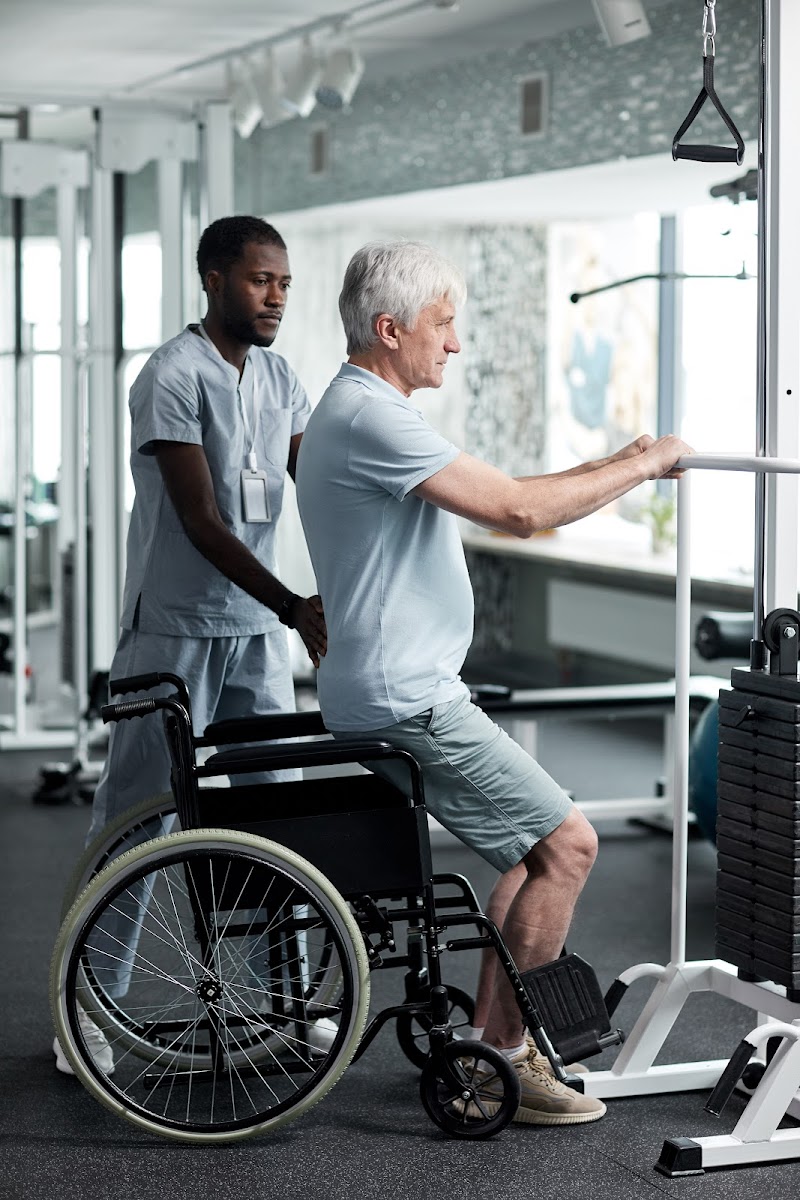
How is Northside Health Care Staffed?

CMS rates NORTHSIDE HEALTH CARE's staffing level at 4 out of 5 stars, which is above average compared to other nursing homes. Staff turnover is 65%, which is 19 percentage points above the Alabama average of 46%. High turnover can affect care consistency as new staff learn residents' individual needs.

What Have Inspectors Found at Northside Health Care?

State health inspectors documented 12 deficiencies at NORTHSIDE HEALTH CARE during 2017 to 2019. These included: 12 with potential for harm.

Who Owns and Operates Northside Health Care?

NORTHSIDE HEALTH CARE is owned by a for-profit company. For-profit facilities operate as businesses with obligations to shareholders or private owners. The facility is operated by VENZA CARE MANAGEMENT, a chain that manages multiple nursing homes. With 115 certified beds and approximately 109 residents (about 95% occupancy), it is a mid-sized facility located in GADSDEN, Alabama.

How Does Northside Health Care Compare to Other Alabama Nursing Homes?

Compared to the 100 nursing homes in Alabama, NORTHSIDE HEALTH CARE's overall rating (3 stars) is above the state average of 2.9, staff turnover (65%) is significantly higher than the state average of 46%, and health inspection rating (3 stars) is at the national benchmark.

What Should Families Ask When Visiting Northside Health Care?

Based on this facility's data, families visiting should ask: "How do you ensure continuity of care given staff turnover, and what is your staff retention strategy?" "Can I visit during a mealtime to observe dining assistance and food quality?" "How do you handle medical emergencies, and what is your hospital transfer rate?" "Can I speak with family members of current residents about their experience?" These questions are particularly relevant given the facility's high staff turnover rate.

Is Northside Health Care Safe?

Based on CMS inspection data, NORTHSIDE HEALTH CARE has a clean safety record: no substantiated abuse findings (meaning no confirmed cases of resident harm), no Immediate Jeopardy citations (the most serious violation level indicating risk of serious injury or death), and is not on the Special Focus Facility watch list (a federal program monitoring the lowest-performing 1% of nursing homes). The facility has a 3-star overall rating and ranks #1 of 100 nursing homes in Alabama. While no facility is perfect, families should still ask about staff-to-resident ratios and recent inspection results during their visit.

Do Nurses at Northside Health Care Stick Around?

Staff turnover at NORTHSIDE HEALTH CARE is high. At 65%, the facility is 19 percentage points above the Alabama average of 46%. High turnover means new staff may not know residents' individual needs, medications, or preferences. It can also be disorienting for residents, especially those with dementia who rely on familiar faces. Families should ask: What is causing the turnover? What retention programs are in place? How do you ensure care continuity during staff transitions?

Was Northside Health Care Ever Fined?

NORTHSIDE HEALTH CARE has no federal fines on record. CMS issues fines when nursing homes fail to meet care standards or don't correct problems found during inspections. The absence of fines suggests the facility has either maintained compliance or corrected any issues before penalties were assessed. This is a positive indicator, though families should still review recent inspection reports for the full picture.

Is Northside Health Care on Any Federal Watch List?

NORTHSIDE HEALTH CARE is not on any federal watch list. The most significant is the Special Focus Facility (SFF) program, which identifies the bottom 1% of nursing homes nationally based on persistent, serious quality problems. Not being on this list means the facility has avoided the pattern of deficiencies that triggers enhanced federal oversight. This is a positive indicator, though families should still review the facility's inspection history directly.