WIREGRASS REHABILITATION CENTER & NURSING HOME
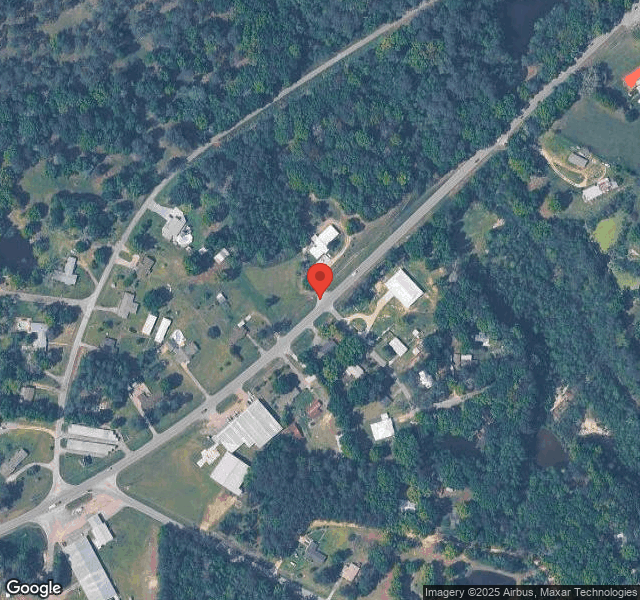

1200 MAPLE AVENUE WEST, GENEVA, AL 36340 (334) 684-3655
Government - County 96 Beds Independent Data: November 2025
Trust Grade
80/100
#78 of 223 in AL
Last Inspection: March 2022

Over 2 years since last inspection. Current conditions may differ from available data.

Overview

Wiregrass Rehabilitation Center & Nursing Home in Geneva, Alabama has a Trust Grade of B+, indicating it is above average and recommended for families considering care options. It ranks #78 out of 223 nursing homes in Alabama, placing it in the top half of facilities in the state, but it is the only option in Geneva County. The facility shows an improving trend in care, having reduced issues from three to two over the past few years. Staffing is a strength with a rating of 4 out of 5 stars and a turnover rate of 46%, which is slightly below the state average, suggesting that staff members are consistent and familiar with residents. However, there were some concerns, such as failing to properly label food items in the kitchen and not ensuring hand hygiene among dietary staff, which could pose health risks for residents. Despite these weaknesses, the facility has no fines on record, which is a positive sign of compliance.

Trust Score
B+
80/100
In Alabama
#78/223
Top 34%
Safety Record
Low Risk
No red flags
Inspections
Getting Better
3 → 2 violations
Staff Stability
⚠ Watch
46% turnover. Above average. Higher turnover means staff may not know residents' routines.
Penalties
✓ Good
No fines on record. Clean compliance history, better than most Alabama facilities.
Skilled Nurses
○ Average
Each resident gets 35 minutes of Registered Nurse (RN) attention daily — about average for Alabama. RNs are the most trained staff who monitor for health changes.
Violations
○ Average
10 deficiencies on record. Average for a facility this size. Mostly minor or procedural issues.
★★★★☆
4.0
Overall Rating
★★★★☆
4.0
Staff Levels
★★★★★
5.0
Care Quality
★★★☆☆
3.0
Inspection Score
Stable
2020: 3 issues
2022: 2 issues

The Good

  • 4-Star Staffing Rating · Above-average nurse staffing levels
  • 5-Star Quality Measures · Strong clinical quality outcomes
  • Full Sprinkler Coverage · Fire safety systems throughout facility
  • No fines on record

Facility shows strength in staffing levels, quality measures, fire safety.

The Bad

Staff Turnover: 46%

Near Alabama avg (46%)

Higher turnover may affect care consistency

The Ugly 10 deficiencies on record

Mar 2022 2 deficiencies
CONCERN (D)

Potential for Harm - no one hurt, but risky conditions existed

Comprehensive Care Plan (Tag F0656)

Could have caused harm · This affected 1 resident

**NOTE- TERMS IN BRACKETS HAVE BEEN EDITED TO PROTECT CONFIDENTIALITY** Based on interviews, review of a Physician's Progress Note, and review of the facility Resident Assessment Instrument Policy, th...

Read full inspector narrative →
**NOTE- TERMS IN BRACKETS HAVE BEEN EDITED TO PROTECT CONFIDENTIALITY** Based on interviews, review of a Physician's Progress Note, and review of the facility Resident Assessment Instrument Policy, the facility failed to develop interventions to address Resident Identifier (RI) #2's identified skin condition. This affected RI #2, one of fifteen residents, who's care plans were reviewed. Findings Include: A review of the facility policy with a subject of . RAI (Resident Assessment Instrument) Policy . DATE (S) REVISED/REVIEWED . 10/2021 . XI. Care Plans . The care plan will be revised on an ongoing basis . in order to reflect changes in the resident and the care that the resident is receiving. RI #2 was admitted to the facility on [DATE] with diagnoses to include Schizoaffective Disorder and Generalized Anxiety Disorder. A review of a Progress note by the Medical Director of the facility dated 11/10/21 revealed, . SKIN: Extensive excoriations. They appear to be in areas where she can reach, along with some erythematous papules. A review of the most recent shower sheet assessment dated [DATE] revealed, . Any reddened areas? Yes (an X placed indicated as applicable) . Comments: All over body . A review of RI #2's Comprehensive Care Plan with a last review date of 11/12/21 revealed, . Care Plan Goal Remains free from skin breakdown through next review. On 03/22/22 at 12:10 PM an interview was conducted with RI #2. RI #2 stated he/she picks the scabs off of the sores on the leg. On 03/24/22 at 8:28 AM an interview was conducted with Employee Identifier (EI) #1, Unit Nursing Supervisor. EI #1 was asked how long had RI #2 had sores that had not healed. She answered off and on for 6 months. EI #1 was asked what the care plan indicated regarding RI #2 picking scabs from those sores. EI #1 answered there was not anything, adding they would have to rectify that. EI #1 was asked what was the concern of not implementing concerns individual to RI #2 in his/her plan of care. EI #1 answered RI #2 could have worsening condition of the sores and the potential for infection. EI #1 was asked what was the purpose of a resident's plan of care. She answered to guide the care of that resident so everyone was aware of that resident's needs. On 03/24/22 at 11:36 AM an interview was conducted with EI #2, a Licensed Practical Nurse/MDS Assistant Coordinator. EI #2 was asked what the purpose for a comprehensive plan of care was. She answered to provide care to best meet the problems and goals of the resident. EI #2 was asked if RI #2's plan of care included scratching the scabs from their left lower leg. She answered they updated it that day to reflect it more thoroughly. EI #2 was asked why they updated it. She answered to better provide interventions specific to his/her scratching of scabs. EI #2 was asked what was the potential concern of the care plan not identifying this concern that has been present for six months. She answered the risk for infection.
CONCERN (F)

Potential for Harm - no one hurt, but risky conditions existed

Food Safety (Tag F0812)

Could have caused harm · This affected most or all residents

**NOTE- TERMS IN BRACKETS HAVE BEEN EDITED TO PROTECT CONFIDENTIALITY** Based on observations, interviews and a review of facility policies titled, Food Storage: Cold Foods, Outside Food, and Hand Hyg...

Read full inspector narrative →
**NOTE- TERMS IN BRACKETS HAVE BEEN EDITED TO PROTECT CONFIDENTIALITY** Based on observations, interviews and a review of facility policies titled, Food Storage: Cold Foods, Outside Food, and Hand Hygiene, the facility failed to ensure: 1. Food items in the kitchen refrigerator were labeled with an open and use by date; 2. food items brought in from the outside and stored in the nourishment refrigerators on the unit were labeled with the resident's name and dated; 3. and dietary staff washed his/her hands when entering the kitchen on 03/23/22. This deficient practice affected 70 of 70 residents receiving meals from the kitchen. Findings Include: 1.) A review of a facility policy titled, Food Storage: Cold Foods, with a revised date of 4/2018 revealed: Policy Statement All . Temperature Control for Safety (TCS) foods, frozen and refrigerated, will be appropriately stored in accordance with guidelines of the FDA (Food and Drug Administration) Food Code. Procedures . 5. All foods will be stored wrapped or in a covered containers, labeled and dated, . On 03/22/22 at 8:41 AM, accompanied by EI (Employee Identifier) #3, the Dietary Manager, the surveyor observed (6) Sausage Links and (2) Muffins in the refrigerator with no open or use by date. On 03/24/22 at 9:04 AM an interview was conducted with EI #3. EI #3 was asked during the initial kitchen tour on 03/22/22 what food items were in the kitchen refrigerator without a label. EI #3 said six sausage links and two muffins. EI #3 was asked when should food be labeled. EI #3 said when we get ready to put it away, store it and before we put it in the refrigerator. EI #3 was asked what should be included on the label. EI #3 said the name of the item, date it was prepared/opened and then a use by date. EI #3 was asked should these food items have been labeled. EI #3 said yes, they should have been labeled. EI #3 was asked why should food items be labeled. EI #3 said to prevent spoilage, to know when something was going out of date and if not labeled, it was not safe for human consumption. 2.) A review of a facility policy titled, Outside Food, with a reviewed date of 1/2022 revealed: . POLICY: Safety considerations require that food brought into the facility from the outside is appropriately stored. PROCEDURE: 1. Foods or beverages brought in from the outside should be labeled with the resident's name, room number, and dated with the current date the item(s) brought to the facility and stored. On 03/24/22 at 9:29 AM, the surveyor observed the 100 hall Nourishment Refrigerator. The surveyor observed the following items in the freezer not labeled: a bag of fish sticks, two containers of [NAME] ice cream, one-pint size and a one and a half quart size. On 03/24/22 at 9:33 AM an interview was conducted with EI #1, Registered Nurse, Nursing Supervisor. EI #1 was asked what items in the freezer were not labeled. EI #1 said two containers of [NAME] ice cream, one-pint size and a one and a half quart size and a 60 ounce bag of fish sticks. EI #1 was asked was this a resident refrigerator. EI #1 said yes it was. EI #1 was asked should the food items in the freezer have been labeled. EI #1 said yes, they should have been labeled. EI #1 was asked what should be included on the label. EI #1 said the resident's name, the date it was brought in or opened. EI #1 was asked what was the harm with the food items in the resident nourishment refrigerators not being labeled. EI #1 said you do not know who it belongs to, when it was opened or when it needed to be thrown out. On 03/24/22 at 9:40 AM, the surveyor observed the 300 hall nourishment refrigerator accompanied by EI #1. The surveyor observed a box of Red [NAME] pizza in the freezer opened with no label. EI #1 was asked should the Red [NAME] pizza be labeled. EI #1 said yes. EI #1 was asked who was responsible for ensuring food items put in the nourishment refrigerator was labeled. EI #1 said whoever receives the food items from the family/visitor. EI #1 was asked what was the harm of the resident food items not being labeled. EI #1 said not knowing which resident it belongs to and when it needed to be thrown out. EI #1 was asked what harm would it cause the resident if eaten. EI #1 said the resident could become sick. 3.) A review of a facility policy titled, Hand Hygiene, with a revised/reviewed date of 4/2021 revealed: . Policy: All staff will perform hand hygiene procedures to prevent the spread of infection to other . residents . This applies to all staff working in all locations within the facility. On 03/23/22 at 11:05 AM, the surveyor observed EI #4, a Dietary Aide, coming back in the kitchen with a black cart, she pushed the cart into the dry storage area, went on the meal preparation side, then went and got a cart (food), and did not washed her hands. On 03/23/22 at 11:07 AM, an interview was conducted with EI #4. EI #4 was asked where did she go with the black cart. EI #4 said to empty the boxes. EI #4 was asked did she go outside to the dumpster. EI #4 said yes. EI #4 was asked when she returned to the kitchen did she wash her hands. EI #4 said no she did not. EI #4 was asked should she have washed her hands. EI #4 answered yes. EI #4 was asked what was the importance of washing hands. EI #4 said to prevent the spread of germs in the kitchen. On 03/24/22 at 09:15 AM an interview was conducted with EI #3. EI #3 was asked what was the policy/procedure for staff washing their hands when they come in the kitchen. EI #3 said when they (staff) return from outside, they are getting ready to perform a task, or preparing food, they should wash their hands. EI #3 was asked how often should the staff wash their hands. EI #3 said when they enter the kitchen, any time they are doing multi tasks, and when they are transitioning from one task to another. EI #3 was asked what was the harm of not washing your hands when entering the kitchen. EI #3 said food borne illness can be transferred from your hands to utensils, cups, plates or food.
Jan 2020 3 deficiencies
CONCERN (D)

Potential for Harm - no one hurt, but risky conditions existed

Quality of Care (Tag F0684)

Could have caused harm · This affected 1 resident

**NOTE- TERMS IN BRACKETS HAVE BEEN EDITED TO PROTECT CONFIDENTIALITY** Based on observation, record review and interview, the facility failed to ensure that: 1. Resident (RI) #41 had heel positioner ...

Read full inspector narrative →
**NOTE- TERMS IN BRACKETS HAVE BEEN EDITED TO PROTECT CONFIDENTIALITY** Based on observation, record review and interview, the facility failed to ensure that: 1. Resident (RI) #41 had heel positioner to bed, floated heels when in bed, and (specific named boot) on while in bed, as indicated by Physician orders and care plan, and 2. RI #62 had (name of specific) boots on at all times except when in shower as indicated by Physician orders and care plan. This affected two of four residents sampled for range of motion concerns. Findings include: 1. RI #41 was admitted to the facility on [DATE] and readmitted on [DATE]. RI #41 had a diagnosis of Hemiplegia following Cerebral Infarction affecting left non dominant side. On 01/08/2020 at 2:24 p.m., a record review of RI #41's Physician's orders revealed, . ORDER DATE 12/18/19 HEEL POSITIONER TO BED, CHECK PLACEMENT EVERY SHIFT, FLOAT HEELS WHEN IN BED. Review of the resident's care plan revealed, . Care Plan Goal Will have no decline in (Activities of Daily Living) ADL performance through next review. x 3 months . Intervention HEEL POSITIONER TO BED, CHECK PLACEMENT EVERY SHIFT, FLOAT HEELS WHEN IN BED. Status Active . Start Date 11/21/19 Intervention (name of specific ) boots on bilateral feet while in bed. Status Active . Start Date 12/18/19 . On 01/08/2020 at 2:51 p.m., an observation was made with Employee Identifier (EI) #4, Director of Nurses (DON), of RI #41. RI #41 was in bed there; were no heel positioner, the heals were not floated, and the resident did not have on the boots. On 01/08/2020 at 5:35 p.m., and interview was conducted with EI #4, DON. EI #4 was asked, did RI #41 have boots on. EI #4 replied, no. EI #4 was asked, did RI #41 have a heal positioner applied. EI #4 replied, no. EI #4 was asked were RI #41's heels floated. EI #4 replied, no. EI #4 was asked, why were these things not done. EI #4 replied, because the Certified Nursing Assistants (CNA's) and Charge Nurse failed to ensure that they were in place. EI #4 was asked, what was the potential concern of the resident not having the boots on, heal positioners applied, and not having the heals floated. EI #4 replied that the resident could get breakdown and have skin problems. 2. RI #62 was admitted to the facility on [DATE]. RI #62 had a diagnosis of hemiplegia following a cerebral infarction affecting the left non dominant side. On 01/08/2020 at 4:00 p.m., a review of RI #62's Physician's orders revealed, ORDER DATE 1/15/19 (specific named) BOOTS AT ALL TIMES EXCEPT WHEN IN SHOWER. A review of the resident's care plan revealed, . Category Skin . Intervention (name of specific named) Boots at all times except when in shower. Status Active . Start Date 1/15/19 . On 01/08/2020 at 4:18 p.m., RI #62 was observed sitting in the 200 hall in a wheel chair by the outside door. RI #62 did not have on the boots. On 01/08/2020 at 4:36 p.m., an observation was made with EI #4 of RI #62 not wearing the boots. On 01/08/2020 at 5:35 p.m., an interview was conducted with EI #4. EI #4 was asked, what was RI #62 supposed to have on his/her feet. EI #4 replied, the boots. EI #4 was asked, did RI #62 have them on. RI #4 replied, no. EI #4 was asked, why were the boots not on. EI #4 replied, because the CNA's and Charge nurse failed to follow through. EI #4 was asked, who was responsible for ensuring RI #62 had them on. EI #4 replied CNA's. EI #4 was asked, what was the potential concern with RI #62 not having on the boots. EI #4 replied, skin issues.
CONCERN (D)

Potential for Harm - no one hurt, but risky conditions existed

Infection Control (Tag F0880)

Could have caused harm · This affected 1 resident

**NOTE- TERMS IN BRACKETS HAVE BEEN EDITED TO PROTECT CONFIDENTIALITY** Based on observation, record reviews, interviews and a review of the facility policy titled, STANDARD POLICIES & PROCEDURES, the...

Read full inspector narrative →
**NOTE- TERMS IN BRACKETS HAVE BEEN EDITED TO PROTECT CONFIDENTIALITY** Based on observation, record reviews, interviews and a review of the facility policy titled, STANDARD POLICIES & PROCEDURES, the facility failed to ensure that Employee Identifier (EI) #3 put on gloves before giving an insulin injection to (Resident Identifier) RI #68. This had the potential to effect one of five sample residents for insulin injection. Findings Include: A review of a facility policy titled STANDARD POLICIES & PROCEDURES, with a reviewed date of 5/2019 revealed .Procedure: Using Gloves .Purpose .To prevent the spread of infection .to resident and employees .A. Gloves must be worn during all vascular procedures. RI #68 was admitted to the facility on [DATE] with Diagnosis of type 2 diabetes mellitus without complication. A review of RI # 68's doctor's order, dated 10/1/19, revealed .Humulin 70-30 vial. ADMINISTER 20 UNITS SUBQ (subcutaneous) EVERY MORNING . 01/08/2020 at 8:33 a.m., during the administration of medication, EI #3, Licensed Practical Nurse, knocked on RI #68's door and explained what she was going to be giving. The nurse gave the resident the po (by mouth) medication. EI #3 then gave RI #68 an injection of 20 units of insulin without putting on gloves. The nurse put the needle in a sharp's container, sanitized her hands and signed off the medication. On 01/08/2020 at 09:02 a.m., an interview was conducted with (Employee Identifier) EI #3, License Practical Nurse (LPN). EI #3 was asked, when did she put on gloves before giving the insulin. EI #3 replied, she put the gloves on when she opened the pill. EI #3 was asked, did she put gloves on before giving the insulin. EI #3 replied, the gloves are supposed to be put on; but the reason she did not was because of the skin reaction and her skin allergy was getting worst. EI #3 said she had a very bad reaction to nitrile, latex and vinyl gloves. EI #3 was asked, what was the potential harm in not putting on gloves before giving an injection. EI #3 replied, exposure to blood. EI #3 was asked, what was the facility's policy on putting on gloves before giving an insulin injection. EI #3 replied, put on gloves, before giving injections, when doing an accu-chek, during a dressing changing and all of that. On 01/08/2020 at 09:19 a.m., an interview was conducted with EI #4 (Director of Nursing) DON. EI #4 was asked, what were they doing about EI #3's allergy to latex gloves. EI #4 replied, she did not know about it but will address it immediately. EI #4 was asked, was she aware of the allergy to latex gloves. EI #4 replied, no she was not, but there were a couple of others that had allergy to latex, EI #3 was not in the mix. EI #4 was asked, what was the harm in a nurse not wearing gloves when giving an insulin injection. EI #4 replied, infection control. EI #4 was asked, what was the policy on wearing gloves. EI #4 replied, she would have to pull the policy to see.
CONCERN (F)

Potential for Harm - no one hurt, but risky conditions existed

Food Safety (Tag F0812)

Could have caused harm · This affected most or all residents

Based on observations, interviews and review of a facility policy titled, Food Storage: Cold Foods, the facility failed to ensure: 1. foods stored in the walk-in cooler were labeled with an open and/...

Read full inspector narrative →
Based on observations, interviews and review of a facility policy titled, Food Storage: Cold Foods, the facility failed to ensure: 1. foods stored in the walk-in cooler were labeled with an open and/or use by date; and 2. Enchilada Sauce with an open date of 1/2/2020 and the manufactures label with instructions to Refrigerate after opening was not stored in the dry storage area. This had the potential to affect 78 of 78 residents receiving meals from the facility kitchen. Findings include: A review of a facility policy titled, Food Storage: Cold Foods with a last revised date of 4/2018 revealed, Policy Statement All Time/Temperature Control for Safety (TCS) foods, frozen and refrigerated, will be appropriately stored in accordance with guidelines of the FDA (Food and Drug Administration) Food Code. Procedures . 5. All foods will be stored wrapped or in covered containers, labeled and dated, and arranged in a manner to prevent cross contamination. On 1/06/2020 at 4:15 PM, the surveyor conducted the initial kitchen tour with Employee Identifier (EI) #5, Assistant Dietary Manager. Observation of the main kitchen cooler revealed, one cardboard box labeled romaine lettuce. On the outside of the box was a label with a date of 12/19/19 written on it. Inside the cardboard box was five heads of wilted romaine lettuce. EI #5 was asked what did the date on the label signify. EI #5 replied, the date the romaine lettuce came in. EI #5 was asked was there a use by date (UBD) on the cardboard box of romaine lettuce. EI #5 replied, no. EI #5 was asked should there have been a UBD on the box of lettuce. EI #5 replied, yes. An observation was made of a full size, metal warming pan covered with plastic wrap and labeled with a date of 1/2/2020. The metal pan contained ground meat. EI #5 was asked what was in the metal warming pan. EI #5 replied, taco meat. EI #5 was asked what was the UBD on the label. EI #5 replied, there was not a UBD on the label. EI #5 was asked what the UBD should have been. EI #5 replied, 1/5/2020. EI #5 was asked what should have been done with the taco meat. EI #5 replied, it should have been thrown out. On 1/06/2020 at 4:35 PM EI #1, District Manager in Training took over for EI #5. Surveyor conducted the remainder of initial kitchen tour with EI #1. The surveyor observed a full size, metal warming pan on the bottom shelf of a storage rack in the cooler. The metal warming pan was covered with plastic wrap and a label identifying the contents of the pan as pepper steak with a preparation date of 1/1/2020. EI #1 was asked what was the UBD. EI #1 replied, there was not a UBD. EI #1 was asked if the pepper steak had been served since 1/1/2020. EI #1 replied, he did not know. The surveyor continued with an observation of the freezer with EI #1. In the freezer the surveyor observed an opened cardboard box labeled beef patties. The inside plastic packaging had been opened. EI #1 was asked what was the open date on the beef patties. After inspecting the box of beef patties EI #1 replied, there was no open date. EI #1 was asked how many beef patties remained in the box. EI #1 counted 30 remaining beef patties. On 1/06/2020 at 4:45 PM, an observation of the dry storage room was conducted with EI #1. On the top shelf of a metal storage rack the surveyor observed a 138 ounce bottle of Enchilada Sauce. The outside of the bottle contained a label with an open date of 1/2/2020. No UBD was on the label. In addition, the bottle of Enchilada Sauce contained a manufactures label with instructions to Refrigerate after opening. EI #1 was asked if the Enchilada Sauce had been refrigerated. EI #1 replied, no. EI #1 was asked how much Enchilada Sauce was left in the bottle. EI #1 replied, about three-fourths (3/4). On 1/09/2020 at 10:38 AM, an interview was conducted with EI #1, District Manager in Training. EI #1 was asked what was the policy regarding food storage. EI #1 replied, whenever food comes in it was labeled with a received by date and rotated. EI #1 was asked what was the policy regarding the storage of food that was prepared in the facility. EI #1 replied, food should be labeled with the date it was made and the date it should be disposed of. EI #1 was asked for foods prepared in the facility, what was the time frame from the date it was prepared to the date it should be disposed of. EI #1 replied, there was a different shelf life for different products. EI #1 was asked if the taco meat was prepared on 1/2/2020, when should it have been disposed of. EI #1 replied, it was his understanding it should be disposed of at the end of the day. EI #1 was asked who was responsible for labeling food items to be stored in the cooler. EI #1 replied, whoever handled the product or received the product. EI #1 was asked who was responsible for ensuring that food items in the cooler/freezer were labeled, stored and disposed of properly. EI #1 replied, the account supervisor. EI #1 was asked who was the account manager. EI #1 replied, with the name of the dietary manager. EI #1 was asked what was the potential risk to the residents if food in the cooler/freezer was expired or past the UBD or dispose of date. EI #1 replied, any type of food borne illness. EI #1 was asked if the Enchilada Sauce manufactures label instructed refrigerate after opening. EI #1 replied, yes it did. EI #1 was asked was that item refrigerated. EI #1 replied, no. EI #1 was asked should the manufactures label instructions be followed. EI #1 replied, yes. EI #1 was asked what was the risk to residents when food items needed refrigerating and was not. EI #1 replied, any type of food borne illness. EI #1 was asked when a box of romaine lettuce with a received date of 12/19/19 should be disposed of. EI #1 replied, five days. On 1/09/20 at 10:46 AM, an interview was conducted with EI #2, a cook. EI #2 was asked what was the policy on UBDs for food items stored in the facility cooler. EI #2 replied, first in first out. EI #2 was asked what was a UBD. EI #2 replied, anything that was not used was thrown out after three days. EI #2 was asked when should food items prepared in the facility be labeled. EI #2 replied, the day they were prepared. EI #2 was asked what information should the label contain. EI #2 replied, what the food item was, when it was made and the day it expired. EI #2 was asked what should be done with food items that are past the UBD. EI #2 replied, the food item should be thrown away. EI #2 was asked who was responsible for ensuring that food items in the facility cooler that were expired get thrown out. EI #2 replied, usually the cook, but everyone was responsible. EI #2 was asked who was responsible for labeling food before putting it in the cooler. EI #2 replied, the person that was putting the food in the cooler. EI #2 was asked what was the risk to residents when expired food items were in the cooler. EI #2 replied, it can make the residents sick and cross contamination. EI #2 was asked if a bottle of enchilada sauce with manufacture label containing the instruction to refrigerate after opening, where should this have been stored. EI #2 replied, in the cooler. EI #2 was asked what was the risk to the residents if it was not stored in the cooler. EI #2 replied, it could have molded and made people sick. EI #2 was asked if a box of romaine lettuce was received on 12/19/19 when should the romaine lettuce be disposed of. EI #2 replied, one week.
Dec 2018 5 deficiencies
CONCERN (D)

Potential for Harm - no one hurt, but risky conditions existed

Safe Environment (Tag F0584)

Could have caused harm · This affected 1 resident

Based on observations, interviews and review of a facility policy titled Storage of Equipment, the facility failed to ensure resident use equipment was not stored in the open area across from the resi...

Read full inspector narrative →
Based on observations, interviews and review of a facility policy titled Storage of Equipment, the facility failed to ensure resident use equipment was not stored in the open area across from the resident dining/activity room at the end of 300 hall. This was visible to residents and visitors and was noted to emit an urine odor. This was observed on three of four days of the survey and had the potential to affect 76 of 78 residents in the facility. Findings Include: A review of a facility policy titled Storage of Equipment, with a effective date of 11/2017 revealed: Policy: It is the policy of this facility for resident equipment to be stored in non-resident areas. On 12/17/18 at 1:21 PM, the surveyor observed stored equipment in an open area at the end of 300 hall, in front of the activities/dining room . The equipment was visible to residents and visitors. The stored equipment consisted of 3 shower beds, a stretcher, stand lift, Hoyer lift, shower chair and a 3 compartment soiled linen cart. The area was also noted with an urine odor. Three residents were observed in the dining/activity room, one still being fed lunch by the staff. On 12/17/18 5:15 PM, the equipment remained and the urine odor was still noted. Nine residents were observed in the dining/activity room waiting for the supper meal. On 12/18/18 at 9:17 AM, the equipment remained visible to residents and visitors in the area across from the dining/activity area. The area remained noted with the unpleasant odor of urine. On 12/18/18 at 12:30 PM, the surveyor observed the lunch meal in the dining/activity room. The surveyor observed nine residents in the dining room. The resident use equipment remained in the area across from the dining room and also noted was a 3 compartment soiled linen cart. The surveyor noted an odor in the area of the equipment. On 12/19/18 at 9:20 AM, an interview was conducted with Employee Identifier (EI) #6, Certified Nursing Assistant (CNA). EI #6 was asked what did she see in the area, across from the dining/activity room. EI #6 replied, shower beds, a stretcher, a shower chair and lifts. EI #6 was asked who used the equipment. EI #6 replied, they did for the residents. EI #6 was asked what hall used the equipment. EI #6 replied, all the halls. EI #6 was asked what hall used the activity/dining room. EI #6 replied, all the halls at times, most of the time residents from 100 and 300 hall go there for meals. EI #6 was asked who cleaned the equipment. EI #6 replied, the shower aides cleaned the shower beds and shower chair after each shower. EI #6 was asked what smell did she noticed. EI #6 replied, a urine odor. EI #6 was asked why was there a urine odor. EI #6 replied, she was not sure. EI #6 was asked should there be equipment and a urine odor in a resident area/near a resident area. EI #6 replied, no. EI #6 was asked what was a concern of a urine odor and equipment stored in a resident area. EI #6 replied, it was not homelike. On 12/19/18 at 9:26 AM, an interview was conducted with EI #5, a shower CNA. EI #5 was asked where was equipment stored. EI #5 replied, it was stored there at the end of the hall (300); the shower beds were to be returned to the shower room after showers were completed. EI #5 was asked what time were showers usually completed. EI #5 replied, around 1:45 PM most days. EI #5 was asked who was responsible for cleaning the equipment. EI #5 replied, they cleaned the shower bed and chair after each resident use. EI #5 was asked what smell did she notice. EI #5 replied, she was not sure, maybe a slight urine odor. EI #5 was asked if residents and visitors used the dining/activity room there where the equipment was stored. EI #5 replied, yes. On 12/19/18 at 9:30 AM, an observation and interview was conducted with EI #4, Maintenance staff. Upon the surveyor and EI #4 approaching the area across from the dining/activity room, the surveyor asked EI #4 what he saw. EI #4 replied, shower beds, a stretcher, a shower chair, a soiled cart and lifts. EI #4 was asked was that a storage area. EI #4 replied, it was, but it should not be. EI #4 was asked if the dining/activity room was used by residents and visitors. EI #4 replied, yes. EI #4 was asked where should equipment be stored. EI #4 replied, probably somewhere else. EI #4 was asked what did he smell. EI #4 replied, a slight urine odor. EI #4 was asked where was the odor from. EI #4 replied, it could be the shower beds. EI #4 was asked who was responsible for cleaning the equipment. EI #4 replied, he was not sure, the CNAs or housekeeping. EI #4 was asked what would the risks be in the equipment being stored in that area. EI #4 replied, it was a resident area and more of an eye sore.
CONCERN (D)

Potential for Harm - no one hurt, but risky conditions existed

Comprehensive Care Plan (Tag F0656)

Could have caused harm · This affected 1 resident

**NOTE- TERMS IN BRACKETS HAVE BEEN EDITED TO PROTECT CONFIDENTIALITY** Based on record review, interview and review of a facility policy RESIDENT ASSESSMENT INSTRUMENT POLICY, the facility failed to ...

Read full inspector narrative →
**NOTE- TERMS IN BRACKETS HAVE BEEN EDITED TO PROTECT CONFIDENTIALITY** Based on record review, interview and review of a facility policy RESIDENT ASSESSMENT INSTRUMENT POLICY, the facility failed to ensure that Resident Identifier (RI)#65, a resident receiving anticoagulation medication had a care plan. This affected one of 24 residents whose care plans were reviewed. Finding Include: A review of a facility policy titled Resident Assessment Instrument with a date of 11/2017 revealed: Policy: Resident Assessment Instrument . XI. On admission interim care plans will implemented based on nursing assessment, resident and/or representative input RI #65 was admitted on [DATE] and readmitted on [DATE] with a diagnosis of Unspecified Atrial Fibrillation. A review of RI #65's December 2018 Physician Orders revealed: . XARELTO 15 MG(milligram) TABLET GIVE ONE TABLET BY MOUTH. MONITOR FOR EXCESSIVE BLEEDING AND BRUISING . On 12/18/18 at 2:00 PM the surveyor reviewed RI #65 care plan which revealed no care plan for the Xarelto. On 12/18/18 at 2:15 PM an interview was conducted with Employer Identifier (EI) #8 License Practical Nurse (LPN), Minimum Data Set (MDS). EI #8 was asked where was the risk for bleeding care plan. EI #8 replied, she did not see the care plan there. EI #8 was asked what was the facility policy on a risk for bleeding care plan. EI #8 replied, if they were on an anticoagulant or aspirin medication they should have a care plan in place. EI #8 was asked what was the potential harm of not having a care plan in place. EI #8 replied, to ensure follow up with laboratory test so they (residents) could be monitored. EI #8 was asked who was responsible for doing the care plan. EI #8 replied, the MDS staff.
CONCERN (D)

Potential for Harm - no one hurt, but risky conditions existed

Deficiency F0761 (Tag F0761)

Could have caused harm · This affected 1 resident

Based on observation, interview and review a facility policy Medication Administration, the facility failed to ensure licensed staff locked the medication cart before walking away and leaving the cart...

Read full inspector narrative →
Based on observation, interview and review a facility policy Medication Administration, the facility failed to ensure licensed staff locked the medication cart before walking away and leaving the cart on the hall. This was observed on 12/17/18 and affected one of five nurses observed. Findings Include: A review of a facility policy titled Medication Administration with a reviewed date of 8/01 revealed: POLICY: .PROCEDURE: Medication carts must be kept locked when not in use (i.e. when the nurse is in the resident's room or whenever the nurse is away from the cart) during medication pass. On 12/17/18 at 3:36 PM, Employee Identifier (EI) #2, Licensed Practical Nurse, rolled the medication cart from the medication room to the hall. EI #2 left the medication cart in the hall and went into the charting room. At 3:42 PM, EI #2 returned to the medication cart with sanitation wipes. The surveyor asked EI #2 if the medication cart was locked. EI #2 replied, no. EI #2 was asked when should the medication cart be locked. EI #2 replied, anytime the nurse was not in front of it. EI #2 was asked if she was standing in front of the medication cart. EI #2 replied, no. EI #2 was asked what was the harm in the medication cart being left unattended and unlocked in the hall. EI #2 replied, a resident with dementia or other could get in the medication cart. EI #2 was asked if there were residents in the hall when she left the medication cart unlocked. EI #2 replied, yes. On 12/19/18 at 2:52 PM, an interview was conducted with EI #1, Assistant Director of Nursing (ADON). EI #1 was asked what was the policy for locking the medication cart when not in attendance. EI #1 replied, the medication cart should be locked at all times when the nurse was not in it giving medications. EI #1 was asked when should a nurse leave a medication cart in the hall being unlocked and unattended. EI #1 replied, never. EI #1 was asked what was the harm in a medication cart on a hall left unlocked and unattended. EI #1 replied, a resident or anyone could get in it.
CONCERN (D)

Potential for Harm - no one hurt, but risky conditions existed

Infection Control (Tag F0880)

Could have caused harm · This affected 1 resident

Based on observation, interview and review of facility policy SOILED BRIEF/UNDERPAD DISPOSAL, the facility failed to ensure a Certified Nursing Assistant (CNA) did not place a trash bag of soiled item...

Read full inspector narrative →
Based on observation, interview and review of facility policy SOILED BRIEF/UNDERPAD DISPOSAL, the facility failed to ensure a Certified Nursing Assistant (CNA) did not place a trash bag of soiled items on the floor in the hall as she exited a resident room. This was observed on 12/17/18 . Findings Include: A review of a facility policy titled SOILED BRIEF/UNDERPAD DISPOSAL with a revised date of 11/2018 revealed: Procedure: Soiled Brief/Underpad Disposal .STANDARD: Soiled briefs or underpads should be disposed of in specifically designated laundry hampers or waste containers. On 12/17/18 at 3:57 PM, Employee Identifier (EI) #3, CNA was observed placing a bag of soiled items on the floor in the hall as she exited a resident's room. EI #3 then went into another resident's room and closed the door. The soiled bag remained on the floor until EI #3 came out of the room approximately 10 minutes later. On 12/17/18 at 4:10 PM, an interview was conducted with EI #3. EI #3 was asked what was the policy on where to place soiled items when leaving a resident's room. EI #3 replied, in a trash bag then in the soiled cart. EI #3 was asked when should she place a bag of soiled items removed from resident's room on the floor. EI #3 replied, they were instructed to take it to a soiled cart. EI #3 was asked what was in the trash bag. EI #3 replied, a wet brief. EI #3 was asked what was the harm in placing it on the floor. EI #3 replied, cross contamination and another resident could have picked it up. On 12/19/18 at 2:45 PM, an interview was conducted with EI #1, Assistant Director of Nursing/Infection Control. EI #1 was asked what was the policy on where staff should place soiled items when leaving a resident's room. EI #1 replied, it should stay in the garbage receptacle then taken to the three section soiled cart, not on the floor. EI #1 was asked when should a CNA place a trash bag of soiled items on the floor in the hall. EI #1 replied, never. EI #1 was asked what was the harm in a CNA placing a bag trash bag of soiled items on the floor in the hall. EI #1 replied, it could spread infection, germs or bacteria.
CONCERN (F)

Potential for Harm - no one hurt, but risky conditions existed

Food Safety (Tag F0812)

Could have caused harm · This affected most or all residents

Based on observations, interview, and review of a facility policy titled FOOD AND SUPPLY STORAGE, the facility failed to ensure that a box of ice cream in the walk-in freezer was not spilled with 20 i...

Read full inspector narrative →
Based on observations, interview, and review of a facility policy titled FOOD AND SUPPLY STORAGE, the facility failed to ensure that a box of ice cream in the walk-in freezer was not spilled with 20 individual cups on the floor and the remainder of the box on the floor. This had the potential to affect 72 residents receiving meals from the kitchen. Findings Include: A review of a facility policy titled, FOOD AND SUPPLY STORAGE with a revision date of 8/2018 revealed, .FROZEN STORAGE store food items 6 inches above the floor . On 12/17/18 at 1:51 PM, during the initial tour of the kitchen with Employee Identifier (EI) #9 the surveyor observed 20 single cups of vanilla ice cream on the floor in a corner of the walk-in freezer. Also, the box containing the remainder of the ice cream cups was on the floor. On 12/19/18 at 10:25 AM, an interview was conducted with EI # 9, Executive Chef. EI #9 was asked what did they see in the walk-in freezer on Monday 12/17/18 during the initial tour of the kitchen. EI #9 stated a box of ice cream cups spilled to the floor. EI #9 was asked how many individual vanilla ice cream cups were on the floor. EI #9 replied, 15 to 20. EI # 9 was asked if the remainder of the ice cream cups in the box was on the floor. EI #9 replied, yes. EI #9 was asked who was responsible to maintain that area. EI #9 replied, the entirety of kitchen staff. EI #9 was asked why was that area not maintained properly. EI # 9 replied that the shelf had been overfilled and was unbalanced. EI #9 stated something like the door closing must have jostled them to cause them to fall off the shelf to the floor. EI #9 was asked what was the potential harm of food items being on the floor in storage areas, such as coolers and freezers. EI #9 stated the issue was contamination; either physical or biological. EI # 9 also stated it could cause a slip hazard.
Understanding Severity Codes (click to expand)
Life-Threatening (Immediate Jeopardy)
J - Isolated K - Pattern L - Widespread
Actual Harm
G - Isolated H - Pattern I - Widespread
Potential for Harm
D - Isolated E - Pattern F - Widespread
No Harm (Minor)
A - Isolated B - Pattern C - Widespread

Questions to Ask on Your Visit

  • "Can I speak with families of current residents?"
  • "What's your RN coverage like on weekends and overnight?"

Our Honest Assessment

Strengths
  • • Grade B+ (80/100). Above average facility, better than most options in Alabama.
  • • No major safety red flags. No abuse findings, life-threatening violations, or SFF status.
  • • No fines on record. Clean compliance history, better than most Alabama facilities.
Concerns
  • • No significant concerns identified. This facility shows no red flags across CMS ratings, staff turnover, or federal penalties.
Bottom line: Generally positive indicators. Standard due diligence and a personal visit recommended.

About This Facility

What is Wiregrass Rehabilitation Center &'s CMS Rating?

CMS assigns WIREGRASS REHABILITATION CENTER & NURSING HOME an overall rating of 4 out of 5 stars, which is considered above average nationally. Within Alabama, this rating places the facility higher than 99% of the state's 100 nursing homes. This rating reflects solid performance across the metrics CMS uses to evaluate nursing home quality.

How is Wiregrass Rehabilitation Center & Staffed?

CMS rates WIREGRASS REHABILITATION CENTER & NURSING HOME's staffing level at 4 out of 5 stars, which is above average compared to other nursing homes. Staff turnover is 46%, compared to the Alabama average of 46%.

What Have Inspectors Found at Wiregrass Rehabilitation Center &?

State health inspectors documented 10 deficiencies at WIREGRASS REHABILITATION CENTER & NURSING HOME during 2018 to 2022. These included: 10 with potential for harm.

Who Owns and Operates Wiregrass Rehabilitation Center &?

WIREGRASS REHABILITATION CENTER & NURSING HOME is owned by a government entity. Government-operated facilities are typically run by state, county, or municipal agencies. The facility operates independently rather than as part of a larger chain. With 96 certified beds and approximately 63 residents (about 66% occupancy), it is a smaller facility located in GENEVA, Alabama.

How Does Wiregrass Rehabilitation Center & Compare to Other Alabama Nursing Homes?

Compared to the 100 nursing homes in Alabama, WIREGRASS REHABILITATION CENTER & NURSING HOME's overall rating (4 stars) is above the state average of 3.0, staff turnover (46%) is near the state average of 46%, and health inspection rating (3 stars) is at the national benchmark.

What Should Families Ask When Visiting Wiregrass Rehabilitation Center &?

Based on this facility's data, families visiting should ask: "Can I visit during a mealtime to observe dining assistance and food quality?" "How do you handle medical emergencies, and what is your hospital transfer rate?" "Can I speak with family members of current residents about their experience?"

Is Wiregrass Rehabilitation Center & Safe?

Based on CMS inspection data, WIREGRASS REHABILITATION CENTER & NURSING HOME has a clean safety record: no substantiated abuse findings (meaning no confirmed cases of resident harm), no Immediate Jeopardy citations (the most serious violation level indicating risk of serious injury or death), and is not on the Special Focus Facility watch list (a federal program monitoring the lowest-performing 1% of nursing homes). The facility has a 4-star overall rating and ranks #1 of 100 nursing homes in Alabama. While no facility is perfect, families should still ask about staff-to-resident ratios and recent inspection results during their visit.

Do Nurses at Wiregrass Rehabilitation Center & Stick Around?

WIREGRASS REHABILITATION CENTER & NURSING HOME has a staff turnover rate of 46%, which is about average for Alabama nursing homes (state average: 46%). Moderate turnover is common in nursing homes, but families should still ask about staff tenure and how the facility maintains care continuity when employees leave.

Was Wiregrass Rehabilitation Center & Ever Fined?

WIREGRASS REHABILITATION CENTER & NURSING HOME has no federal fines on record. CMS issues fines when nursing homes fail to meet care standards or don't correct problems found during inspections. The absence of fines suggests the facility has either maintained compliance or corrected any issues before penalties were assessed. This is a positive indicator, though families should still review recent inspection reports for the full picture.

Is Wiregrass Rehabilitation Center & on Any Federal Watch List?

WIREGRASS REHABILITATION CENTER & NURSING HOME is not on any federal watch list. The most significant is the Special Focus Facility (SFF) program, which identifies the bottom 1% of nursing homes nationally based on persistent, serious quality problems. Not being on this list means the facility has avoided the pattern of deficiencies that triggers enhanced federal oversight. This is a positive indicator, though families should still review the facility's inspection history directly.