GEORGIANA HEALTH AND REHABILITATION, LLC
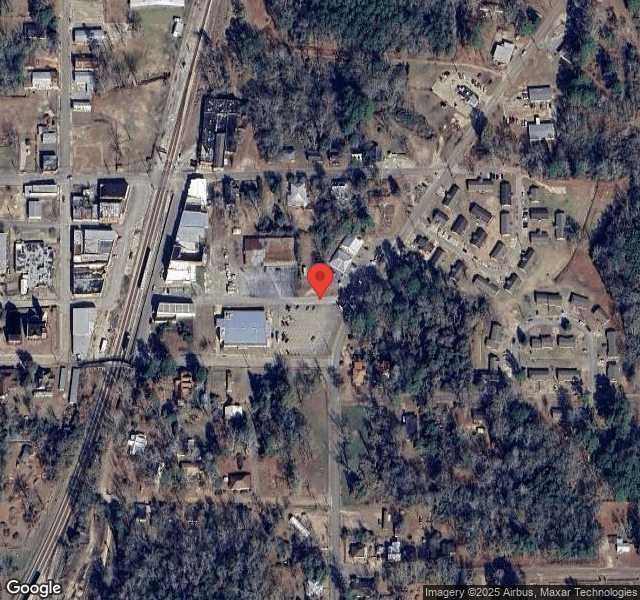

206 PALMER AVENUE, GEORGIANA, AL 36033 (334) 376-2267
For profit - Corporation 91 Beds NHS MANAGEMENT Data: November 2025
Trust Grade
80/100
#56 of 223 in AL
Last Inspection: December 2019

Over 2 years since last inspection. Current conditions may differ from available data.

Overview

Georgiana Health and Rehabilitation, LLC has received a Trust Grade of F, which indicates significant concerns and is considered poor overall. In terms of rankings, it is #56 out of 223 facilities in Alabama, placing it in the top half, but it ranks #2 out of 2 in Butler County, meaning there's only one other option nearby. The facility's trend is stable, with a consistent number of issues reported over recent years. Staffing is rated at 4 out of 5 stars, and the turnover rate of 44% is better than the state average, suggesting that staff tend to stay longer and build relationships with residents. However, there are concerns about RN coverage, which is lower than 93% of other Alabama facilities, potentially impacting the quality of care. Specific incidents noted during inspections include a failure to implement an effective behavior management program for a resident exhibiting aggressive behaviors towards others and a lack of proper hand hygiene by staff during resident care, which can increase the risk of infection. Additionally, there was a missed opportunity to develop a care plan addressing hospice services for a resident who had been admitted to hospice, indicating potential gaps in care coordination. While the facility has some strengths in staffing and its overall ratings, these concerning findings highlight the need for improvement in specific areas of resident care.

Trust Score
B+
80/100
In Alabama
#56/223
Top 25%
Safety Record
Low Risk
No red flags
Inspections
Holding Steady
1 → 1 violations
Staff Stability
○ Average
44% turnover. Near Alabama's 48% average. Typical for the industry.
Penalties
✓ Good
No fines on record. Clean compliance history, better than most Alabama facilities.
Skilled Nurses
⚠ Watch
Each resident gets only 25 minutes of Registered Nurse (RN) attention daily — below average for Alabama. Fewer RN minutes means fewer trained eyes watching for problems.
Violations
○ Average
6 deficiencies on record. Average for a facility this size. Mostly minor or procedural issues.
★★★★☆
4.0
Overall Rating
★★★★☆
4.0
Staff Levels
★★☆☆☆
2.0
Care Quality
★★★★☆
4.0
Inspection Score
Stable
2019: 1 issues
2022: 1 issues

The Good

  • 4-Star Staffing Rating · Above-average nurse staffing levels
  • Full Sprinkler Coverage · Fire safety systems throughout facility
  • No fines on record
  • Staff turnover below average (44%)

    4 points below Alabama average of 48%

Facility shows strength in staffing levels, fire safety.

The Bad

Staff Turnover: 44%

Near Alabama avg (46%)

Typical for the industry

Chain: NHS MANAGEMENT

Part of a multi-facility chain

Ask about local staffing decisions and management

The Ugly 6 deficiencies on record

Dec 2022 1 deficiency
CONCERN (D) 📢 Someone Reported This

A family member, employee, or ombudsman was alarmed enough to file a formal complaint

Potential for Harm - no one hurt, but risky conditions existed

Deficiency F0742 (Tag F0742)

Could have caused harm · This affected 1 resident

**NOTE- TERMS IN BRACKETS HAVE BEEN EDITED TO PROTECT CONFIDENTIALITY** Based on a facility policy titled, Behavior Management Program/Trauma Informed Care/Cultural Preferences, record review, State's...

Read full inspector narrative →
**NOTE- TERMS IN BRACKETS HAVE BEEN EDITED TO PROTECT CONFIDENTIALITY** Based on a facility policy titled, Behavior Management Program/Trauma Informed Care/Cultural Preferences, record review, State's online reporting system, facility investigations, and interviews, the facility failed to implement an effective behavior management program that resulted in Resident Identifier (RI) #1 exhibiting aggressive behaviors towards other residents. This affected RI #1, one of three residents sampled for behaviors. Findings Include: A review of a facility policy titled, Behavior Management Program/Trauma Informed Care/Cultural Preferences with an effective date of 10/25/2022, revealed, . STANDARD: Residents/guests who display mental or psychosocial adjustment difficulty should receive appropriate services, in an attempt to correct the problem. PROCESS: I. Assessment . b) Identified behaviors should be evaluated for frequency, duration and intensity for a pattern. RI #1 was admitted to the facility on [DATE], readmitted [DATE] and discharged [DATE]. The resident had diagnoses that included Unspecified Dementia with Agitation, Unspecified Psychosis, Other Mental Disorders, Anxiety Disorders, Pseudobulbar Affect, Alzheimer's Disorder, Delusional Disorders, Major Depressive Disorder, and Mood Disorder. RI#1 was care planned 05/04/2022 for Exhibits Behaviors: Hitting. Interventions included place resident in area where frequent observation possible, talk in calm voice, refer to social services for evaluation, remove from public place when disruptive, praise for demonstrating desired behavior, elicit family input, do not argue with resident, discuss options for appropriate channeling of anger, approach in positive, calm, accepting manner, allow opportunity to make choices, administer behavior medications as ordered, provide diversional activities, identify causes for behaviors and reduce factors that may provoke behaviors, observe target behaviors, leave and reapproach. The care plan also included monitor every hour for 72 hours starting 05/04/2022. On 06/21/2022 the care plan added monitor resident every hour for 72 hours again. On 09/07/2022, one on one monitoring while out of bed and consult from a psychiatric unit were added. On 10/16/22, one on one monitoring, monitoring every hour for 72 hours, move to another hall, move to unoccupied room, collect urinalysis and consult for psychiatric evaluation were added. On 11/17/2022, one on one monitoring during daylight and psychiatric evaluation were added. RI #1 was prescribed Lexapro 10mg (milligram), Trazadone HCL (Hydrochloride) 100mg, and Seroquel 50mg twice a day. The State's agency online reporting system revealed the following incidents with RI #1 as the offender in the facility's investigations: 1. 05/04/2022-RI #1 threw full soda can at another resident. Residents were separated. Investigation initiated. 2. 06/20/2022-RI #1 back-handed another resident. RI #1 escorted to room. 3. 07/03/2022-Another resident entered RI's room. RI #1 hit that resident. Residents separated. Investigation initiated. 4. 09/07/2022-RI #1 hit another resident when RI #1 passed the resident in the hallway. The resident hit RI #1 back resulting in two small scratches on the left side of RI #1's neck. Residents separated. 5. 10/16/2022-RI #1 propelled himself/herself down the hallway in his/her wheelchair to where another resident sat and slapped that resident in the face. Residents were separated. RI #1 was sent to private room with one on one monitoring. 6. 11/16/2022-RI #1 hit another resident and that resident hit RI #1 back while both residents were in the hallway. No injuries. No changes noted in RI #1's behaviors prior to the incident. Further review of the facility's investigations identified the following: 1. On 05/04/2022 another resident hit and kicked RI #1 and RI #1 threw the soda can at the other resident in response. The incident was witnessed. The residents were separated. The other resident was moved to another room on another hall. The allegation was substantiated. 2. On 06/20/2022 another resident tried to give assistance to RI #1 while they were in the hallway. RI #1 hit the other resident in the left upper arm. The residents were separated. No injuries noted. The incident was witnessed. The allegation was substantiated. 3. On 07/03/2022 another resident entered RI #1's room. RI #1 hit the other resident on the head. The incident was witnessed. The residents were separated. A stop sign was placed on RI #1's doorway. 4. The other resident was moved to a different hall. The allegation was substantiated. 4. On 09/07/2022 RI #1 hit another resident when the resident passed RI #1 in the hallway. The other resident hit RI #1 back and placed his/her hand around RI #1's neck. The residents were separated. RI #1 was placed on one on one monitoring before sent to a psychiatric unit on 09/08/2022. The allegation was substantiated. 5. On 10/16/2022 RI #1 was sitting beside another resident in the hallway when RI #1 slapped the other resident on the left side of his/her face. No injuries were noted. The two residents were separated. An order was received to send RI #1 for a psychiatric evaluation. The allegation was substantiated. 6. On 11/16/2022 RI #1 and another resident's wheelchair wheels locked in the hallway. The other resident asked RI #1 to back his/her wheelchair. RI #1 said, Fuck you and punched the other resident on the right side of his/her face. The other resident hit RI #1 in the head. The residents were separated. RI #1 was placed on one on one monitoring. No injuries were noted. The allegation was substantiated. On 09/08/2022, RI #1 was sent to a psychiatric unit for evaluation after his/her fourth incident involving other residents. In addition, the facility implemented one on one monitoring after the fourth incident but it was not reinstated upon his/her return from the psychiatric unit. Therefore, the fifth and sixth incidents occurred. Also there was no evidence that the facility followed their policy to evaluate for frequency, duration and intensity for a pattern of behaviors. In an interview on 12/07/2022 at 04:56PM, Employee Identifier (EI) #3, Social Services Director, reported she was instructed to work on a referral to IBH (Integrated Behavioral Health) for RI #1. EI #3 contacted IBH on 11/18/2022. EI #3 stated she did not contact IBH after her meeting with RI #1 on 11/04/2022 because the resident promised her he/she would not act out and she believed the resident. EI #3 also stated RI #1 refused counseling. EI #3 stated she did not know whether completing the referral to IBH earlier would have prevented the 11/16/2022 incident because the resident would leave the facility, come back and do the same things. RI #1 made a promise to EI #3, Social Services Director, that he/she would not act out and she believed him/her after the resident had exhibited multiple episodes of behaviors. EI #3 identified in her interview that RI #1 would repeat behaviors after his/her psychiatric evaluations. In an interview on 12/08/2022 at 10:12AM, EI #2, Director of Nursing, reported they needed to know their residents and their triggers in order to identify interventions. EI #2 stated they were not able to identify a trigger for RI #1. EI #2 stated her plan when RI #1 returned from his/her psychiatric stay would be to place the resident in a room closer to the lobby and away from other residents. In an interview on 12/08/2022 at 11:28AM, EI #1, Administrator, reported RI #1 was not referred to IBH before the 11/16/2022 incident because of the need for safety of all residents and to stabilize/evaluate RI #1's medications. In an additional interview on 12/08/2022 at 05:12PM, EI #1, Administrator, reported RI #1 was a part of the facility's behavior management program since his/her admission because the resident was on an antipsychotic medication. EI #1 stated the nurses and Social Services were responsible for the behavior management program. They would meet in the mornings to discuss resident behaviors and how the behaviors were addressed. They would try different interventions based on the resident's care plan. Interventions would include medications and non-pharmalogical interventions. EI #1 stated the interventions were effective because RI #1 did not have behaviors every day. RI #1 would do well for awhile and then he/she would have another behavior. EI #1 stated RI #1 was sent to the psychiatric units to determine if his/her medications could be adjusted to address his/her behaviors. EI #1 stated the non-pharmalogical interventions would work for awhile and then RI #1 would have another incident. This deficiency was cited as a result of the investigations of complaint/report numbers AL00042098 and AL00042481.
Dec 2019 1 deficiency
CONCERN (D)

Potential for Harm - no one hurt, but risky conditions existed

Infection Control (Tag F0880)

Could have caused harm · This affected 1 resident

**NOTE- TERMS IN BRACKETS HAVE BEEN EDITED TO PROTECT CONFIDENTIALITY** Based on observation, interviews, and review of a facility policy titled Hand Hygiene, the facility failed to ensure Certified N...

Read full inspector narrative →
**NOTE- TERMS IN BRACKETS HAVE BEEN EDITED TO PROTECT CONFIDENTIALITY** Based on observation, interviews, and review of a facility policy titled Hand Hygiene, the facility failed to ensure Certified Nursing Assistants (CNA)s did not clean Resident Identifier (RI) #70, then with the same soiled gloves touch the closet door and the clean brief during the provision of incontinent care. This was observed on 12/4/19 and affected one of two residents observed for incontinent care. Findings Include: A review of a facility policy titled Hand Hygiene with an effective date of 9/1/17 revealed: III. Hand Hygiene . The following is a list of some situations that require hand hygiene. After handling soiled . RI #70 was admitted to the facility on [DATE] and readmitted on [DATE] with a diagnosis to include Unspecified dementia with behavioral disturbance. On 12/03/19 at 11:40 AM, Employee Identifier (EI) #3, CNA and EI #4, CNA were observed providing incontinent care for RI #70. EI #3 and EI #4, gathered the needed supplies, washed their hands, and put on gloves. EI #4 loosened the soiled brief and folded it from the center down. EI #4 performed the incontinent care. Both assisted RI #70 to turn to the right side. EI #4 wiped the buttock area. EI #4 with the same gloves opened the resident's closet door and removed a clean brief. While the resident was turned to the right side, EI #4 folded the soiled brief in towards the center of the bed and placed the clean brief with the same soiled gloves. Both CNAs assisted the resident to turn towards the left side. EI #3, CNA, removed the soiled brief and discarded it in the trash bag. With the same gloves, EI #3 had touched the soiled brief with, she then unfolded the clean brief, and secured it. On 12/03/19 at 12:00 PM, an interview was conducted with EI #3. EI #3 was asked when should staff wash their hands and change gloves during incontinent care. EI #3 replied, before starting and after finishing. EI #3 was asked if she removed the soiled brief and then with the same gloves unfolded and secured the clean brief. EI #3 replied, yes. EI #3 was asked, when should staff touch a clean brief with soiled gloves. EI #3 replied, they should not. EI #3 was asked, why should staff not touch the clean brief after removing the soiled brief with the same gloves. EI #3 replied, infection control. On 12/03/19 at 12:05 PM, an interview was conducted with EI #4, CNA. EI #4 was asked to recap what she did after she cleaned RI #70 and needed a clean brief. EI #4 replied, after cleaning the resident she noticed she did not have a clean brief. EI #4 said she opened the closet, got a clean brief, and put it under the resident. EI #4 was asked, when should staff change gloves and wash hands during incontinent care. EI #4 replied, before starting, after cleaning, and before she put the clean brief on the resident. EI #4 was asked if she changed gloves and washed her hands before getting the clean brief from the closet and placing it under the resident. EI #4 replied, no. EI #4 was asked, if she touched the closet door and the clean brief with the soiled gloves. EI #4 replied, yes. EI #4 was asked, what would the harm be in touching the closet door and a clean brief with the same gloves worn to clean the resident. EI #4 replied, infection control. On 12/04/19 at 4:41 PM, an interview was conducted with EI #2, Licensed Practical Nurse, Infection Control/ Staff Education Nurse. EI #2 was asked, when should staff change gloves during incontinent care. EI #2 replied, any time staff touch anything dirty; the gloves become contaminated and staff should remove gloves, wash their hands, and put on clean gloves. EI #2 was asked when should the CNAs clean a resident and then with the same gloves touch the closet door, a clean brief, and place the clean brief under the resident. EI #2 replied, they should never do that. EI #2 was asked, what would the harm be in the staff cleaning a resident and with the same soiled gloves touching the closet door and a clean brief before placing the clean brief under a resident. EI #2 replied, infection control and spreading germs.
Dec 2018 3 deficiencies
CONCERN (D)

Potential for Harm - no one hurt, but risky conditions existed

Comprehensive Care Plan (Tag F0656)

Could have caused harm · This affected 1 resident

**NOTE- TERMS IN BRACKETS HAVE BEEN EDITED TO PROTECT CONFIDENTIALITY** Based on record review and interview, the facility failed to ensure a care plan was developed addressing hospice following Resid...

Read full inspector narrative →
**NOTE- TERMS IN BRACKETS HAVE BEEN EDITED TO PROTECT CONFIDENTIALITY** Based on record review and interview, the facility failed to ensure a care plan was developed addressing hospice following Resident Identifier (RI) #61's admission to hospice services on 8/19/18. This affected one of 21 sampled residents for whom care plans were reviewed. Findings Include : RI #61 was admitted to the facility on [DATE] with diagnoses of Chronic Obstructive Pulmonary Disease, Essential Hypertension, Alzheimer's Disease and Anxiety Disorder. Review of RI #61's December 2018 Physician Orders revealed an order to admit to hospice services, dated 8/19/2018. However, review of RI #61's current comprehensive care plans revealed no care plan addressing hospice services. On 12/13/18 at 10 :35 AM, Employee Identifier (EI) # 7, Registered Nurse (RN)/Minimum Data Set Assistant, was interviewed. EI #7 stated RI #61 was admitted to hospice on 8/19/18. She also confirmed this was reflected on RI #61's most recent assessment. When asked if RI #61's comprehensive care plans included a care plan specific to hospice services, EI #7 said no. When asked what the potential harm could be in not having care plans to address the resident's current status, EI #7 replied, the resident may not get the proper care they need.
CONCERN (D)

Potential for Harm - no one hurt, but risky conditions existed

Incontinence Care (Tag F0690)

Could have caused harm · This affected 1 resident

**NOTE- TERMS IN BRACKETS HAVE BEEN EDITED TO PROTECT CONFIDENTIALITY** Based on observation, interview and review of facility policies titled Perineal Care and Hand Hygiene, the facility failed to en...

Read full inspector narrative →
**NOTE- TERMS IN BRACKETS HAVE BEEN EDITED TO PROTECT CONFIDENTIALITY** Based on observation, interview and review of facility policies titled Perineal Care and Hand Hygiene, the facility failed to ensure a Certified Nursing Assistant (CNA) washed her hands between glove changes, wiped from front to back during incontinent care and did not touch a clean brief with soiled gloves while providing incontinent care to Resident Identifier (RI) #8. This affected one of one resident observed during the provision of incontinent care. Findings Include: A review of a facility policy titled Perineal Care, with an effective date of 10/1/10, revealed: . PROCESS: . II. a) wash the pubic area first . wash downward . Always wash downward toward the anus to prevent the spread of infection. A review of a facility policy titled Hand Hygiene, with an effective date of 9/1/17, revealed: Hand Hygiene . III. After removing gloves . RI #8 was admitted to the facility on [DATE] with a diagnosis of Alzheimer's Disease. On 12/11/18 at 10:45 AM, Employee Identifier (EI) #4, CNA, was observed assisting the nurse provide wound care to RI #8 by holding the resident. RI #8 was observed with BM (Bowel Movement) in the brief as the brief was removed for the treatment. EI #4 cleaned the BM from RI #8's buttocks only, then changed her gloves without washing her hands. EI #4 continued to hold RI #8 while the nurse completed the wound care. EI #4 placed and secured a clean brief under RI #8. The surveyor asked EI #4 if she had completed the brief change. EI #4 replied, yes. The surveyor asked EI #4 to pull the brief back and wipe the resident. The surveyor observed BM on the wipe. On 12/11/18 at 11:00 AM, an interview was conducted with EI #4. EI #4 was asked what was the policy on hand washing when changing gloves. EI #4 replied, they were supposed to wash their hands when they change gloves every time. EI #4 was asked what was the policy on the direction to wipe during incontinent care. EI #4 replied, wipe down. EI #4 was asked what direction did she wipe. EI #4 replied, up. EI #4 was asked if RI #8 had bowel movement. EI #4 replied, yes. EI #4 was asked what was the harm in wiping in the wrong direction. EI #4 replied, cross contamination. EI #4 was asked what was the harm in not washing hands between glove changes. EI #4 replied, could spread germs or BM. EI #4 was asked what was the harm in touching a clean brief with the same gloves she had on to clean BM from the resident. EI #4 replied, contamination. On 12/12/18 at 2:09 PM, an interview was conducted with EI #1, Director of Nursing. EI #1 was asked what was the policy on when to wash hands during glove changes while performing incontinent care. EI #1 replied, any time staff changes gloves they are to wash their hands. EI #1 was asked what was the policy on which direction to wipe a resident while performing incontinent care. EI #1 replied, they were to wipe in a front to back direction. EI #1 was asked when should a CNA wipe from the buttocks towards the front. EI #1 replied, never. EI #1 was asked what was the harm in staff wiping from the back to the front. EI #1 replied, could introduce bacteria into the urinary tract. EI #1 was asked when should staff touch a clean brief with soiled gloves they had on to clean BM from a resident. EI #1 replied, never. EI #1 was asked what was the harm in a CNA touching a clean brief with the same soiled gloves they had on to clean BM from a resident. EI #1 replied, could spread bacteria.
CONCERN (D)

Potential for Harm - no one hurt, but risky conditions existed

Infection Control (Tag F0880)

Could have caused harm · This affected 1 resident

**NOTE- TERMS IN BRACKETS HAVE BEEN EDITED TO PROTECT CONFIDENTIALITY** Based on observation, interview and review of a facility policy titled Contact Precautions, the facility failed to ensure a Cert...

Read full inspector narrative →
**NOTE- TERMS IN BRACKETS HAVE BEEN EDITED TO PROTECT CONFIDENTIALITY** Based on observation, interview and review of a facility policy titled Contact Precautions, the facility failed to ensure a Certified Nursing Assistant (CNA) wore the proper Personal Protective Equipment (PPE) while providing care for Resident Identifier (RI) #5, a resident on transmission based precautions. This affected one of two residents sampled for transmission based precautions. Findings Include: A review of a facility policy titled Contact Precautions, with an effective date of 9/1/17, revealed: PURPOSE: It is the intent of this facility to use contact precautions in addition to Standard Precautions for resident/guest(s) known or suspected to have serious illnesses easily transmitted by direct resident/guest contact or by contact with items in the resident/guest(s) environment . III. GOWNS A gown should be donned prior to entering the room . RI #5 was admitted to the facility 6/19/18 and readmitted on [DATE] with a diagnosis of Downs Syndrome. A review of a hand written order by the physician on a facility form titled Physician's Orders revealed the following order for RI #5: .12/7/18 culture right eye . Contact Isolation. On 12/11/18 at 8:40 AM Employee Identifier (EI) #3, Certified Nursing Assistant, was observed providing morning care for RI #5. EI #4 was observed to only have on gloves and no gown. On 12/11/18 at 9:00 AM an interview was conducted with EI #3. EI #3 was asked if RI #5 was on isolation. EI #3 replied, yes for eye infection. EI #3 was asked what PPE should she have on for this type of isolation. EI #3 replied, gown and gloves. EI #3 was asked why she did not have on a gown. EI #3 replied, she just did not put it on. EI #3 was asked what was the harm in not having the proper PPE on while performing care for a resident on isolation. EI #3 replied, spreading germs and infection. On 12/12/18 at 1:55 PM, an interview was conducted with EI #1, Director of Nursing. EI #1 was asked what was the facilty policy for contact isolation. EI #1 replied, staff should wear a gown and gloves. EI #1 was asked if a resident was on contact isolation for the right eye, what type PPE was required. EI #1 replied, a gown and gloves. EI #1 was asked what would the harm be in the staff not using the proper PPE for contact isolation. EI #1 replied, the staff could spread the infection.
Feb 2018 1 deficiency
CONCERN (D)

Potential for Harm - no one hurt, but risky conditions existed

Abuse Prevention Policies (Tag F0607)

Could have caused harm · This affected 1 resident

Based on interviews and review of the facility's policy titled Abuse, Neglect, Misappropriation of Resident/Guest Property, Suspicious Injuries of Unknown Source, Exploitation, the facility failed to ...

Read full inspector narrative →
Based on interviews and review of the facility's policy titled Abuse, Neglect, Misappropriation of Resident/Guest Property, Suspicious Injuries of Unknown Source, Exploitation, the facility failed to ensure staff implemented one of seven components of the abuse policy. Licensed staff failed to report Resident #23's allegation of physical abuse to the Administrator or designee in accordance with facility policy. This affected one of three residents reviewed for abuse concerns. Findings include: Review of the facility policy titled Abuse, Neglect, Misappropriation of Resident/Guest Property, Suspicious Injuries of Unknown Source, Exploitation, effective 03/24/2017, revealed the following: PURPOSE: . Certain incidents and accidents involving residents . must also be reported to the appropriate state agencies . VI. Investigations and Facility Response to Incidents or Accidents a) The facility will report all instances of alleged or suspected abuse . in the following manner: b) Investigation and Reporting Steps - Notify the Administrator of any unusual situation in the facility, whether reportable or not immediately. - The Administrator/Designee will report to state agency per regulations. All allegations of abuse . are to be reported immediately, but not later than 2 (two) hours after the allegation is made . On 2/21/18 at 11:52 AM Resident #23 reported that a curly-haired lady of medium height pulled the tendons in his/her leg the previous month. Resident #23 indicated he/she reported this to the nurse, Employee Indentifier (EI) #1, Registered Nurse (RN). Resident #23 said the incident made him/her feel belittled. On 2/21/18 at 4:57 PM, EI #1, RN, was asked if Resident #23 told her anything about being mistreated. EI #1 said she thought the day prior the resident reported he/she did not like a particular Certified Nursing Assistant (CNA), EI #2, because she drug him/her out of the bed and broke his/her legs. When asked who she had reported this allegation to, EI #1 said she thought she told EI #3, the Director of Nursing(DON)/Abuse Coordinator. EI #1 then went to discuss the allegation with EI #3. Upon her return, she said the DON was not aware of Resident # 23's allegation. EI #1 said she should have reported the allegation to EI #3 because she is the Abuse Coordinator, and is the one they are to report incidents of abuse to. EI #1 further explained that, even though Resident #23 sometimes says things that are not true, she should have reported it to the DON so she could determine how to handle it. On 2/21/18 at 5:27 PM EI #3, the DON/Abuse Coordinator said she was not aware of Resident #23's allegation of a CNA dragging him/her around and breaking his/her legs the previous day. EI #3 said she was unaware an allegation had been made until a surveyor asked her if they had any ongoing investigations into alleged abuse involving Resident #23.
Understanding Severity Codes (click to expand)
Life-Threatening (Immediate Jeopardy)
J - Isolated K - Pattern L - Widespread
Actual Harm
G - Isolated H - Pattern I - Widespread
Potential for Harm
D - Isolated E - Pattern F - Widespread
No Harm (Minor)
A - Isolated B - Pattern C - Widespread

Questions to Ask on Your Visit

  • "Can I speak with families of current residents?"
  • "What's your RN coverage like on weekends and overnight?"

Our Honest Assessment

Strengths
  • • Grade B+ (80/100). Above average facility, better than most options in Alabama.
  • • No major safety red flags. No abuse findings, life-threatening violations, or SFF status.
  • • No fines on record. Clean compliance history, better than most Alabama facilities.
  • • 44% turnover. Below Alabama's 48% average. Good staff retention means consistent care.
Concerns
  • • No significant concerns identified. This facility shows no red flags across CMS ratings, staff turnover, or federal penalties.
Bottom line: Generally positive indicators. Standard due diligence and a personal visit recommended.

About This Facility

What is Georgiana, Llc's CMS Rating?

CMS assigns GEORGIANA HEALTH AND REHABILITATION, LLC an overall rating of 4 out of 5 stars, which is considered above average nationally. Within Alabama, this rating places the facility higher than 99% of the state's 100 nursing homes. This rating reflects solid performance across the metrics CMS uses to evaluate nursing home quality.

How is Georgiana, Llc Staffed?

CMS rates GEORGIANA HEALTH AND REHABILITATION, LLC's staffing level at 4 out of 5 stars, which is above average compared to other nursing homes. Staff turnover is 44%, compared to the Alabama average of 46%. This relatively stable workforce can support continuity of care.

What Have Inspectors Found at Georgiana, Llc?

State health inspectors documented 6 deficiencies at GEORGIANA HEALTH AND REHABILITATION, LLC during 2018 to 2022. These included: 6 with potential for harm.

Who Owns and Operates Georgiana, Llc?

GEORGIANA HEALTH AND REHABILITATION, LLC is owned by a for-profit company. For-profit facilities operate as businesses with obligations to shareholders or private owners. The facility is operated by NHS MANAGEMENT, a chain that manages multiple nursing homes. With 91 certified beds and approximately 82 residents (about 90% occupancy), it is a smaller facility located in GEORGIANA, Alabama.

How Does Georgiana, Llc Compare to Other Alabama Nursing Homes?

Compared to the 100 nursing homes in Alabama, GEORGIANA HEALTH AND REHABILITATION, LLC's overall rating (4 stars) is above the state average of 3.0, staff turnover (44%) is near the state average of 46%, and health inspection rating (4 stars) is above the national benchmark.

What Should Families Ask When Visiting Georgiana, Llc?

Based on this facility's data, families visiting should ask: "Can I visit during a mealtime to observe dining assistance and food quality?" "How do you handle medical emergencies, and what is your hospital transfer rate?" "Can I speak with family members of current residents about their experience?"

Is Georgiana, Llc Safe?

Based on CMS inspection data, GEORGIANA HEALTH AND REHABILITATION, LLC has a clean safety record: no substantiated abuse findings (meaning no confirmed cases of resident harm), no Immediate Jeopardy citations (the most serious violation level indicating risk of serious injury or death), and is not on the Special Focus Facility watch list (a federal program monitoring the lowest-performing 1% of nursing homes). The facility has a 4-star overall rating and ranks #1 of 100 nursing homes in Alabama. While no facility is perfect, families should still ask about staff-to-resident ratios and recent inspection results during their visit.

Do Nurses at Georgiana, Llc Stick Around?

GEORGIANA HEALTH AND REHABILITATION, LLC has a staff turnover rate of 44%, which is about average for Alabama nursing homes (state average: 46%). Moderate turnover is common in nursing homes, but families should still ask about staff tenure and how the facility maintains care continuity when employees leave.

Was Georgiana, Llc Ever Fined?

GEORGIANA HEALTH AND REHABILITATION, LLC has no federal fines on record. CMS issues fines when nursing homes fail to meet care standards or don't correct problems found during inspections. The absence of fines suggests the facility has either maintained compliance or corrected any issues before penalties were assessed. This is a positive indicator, though families should still review recent inspection reports for the full picture.

Is Georgiana, Llc on Any Federal Watch List?

GEORGIANA HEALTH AND REHABILITATION, LLC is not on any federal watch list. The most significant is the Special Focus Facility (SFF) program, which identifies the bottom 1% of nursing homes nationally based on persistent, serious quality problems. Not being on this list means the facility has avoided the pattern of deficiencies that triggers enhanced federal oversight. This is a positive indicator, though families should still review the facility's inspection history directly.