MARION REGIONAL NURSING HOME
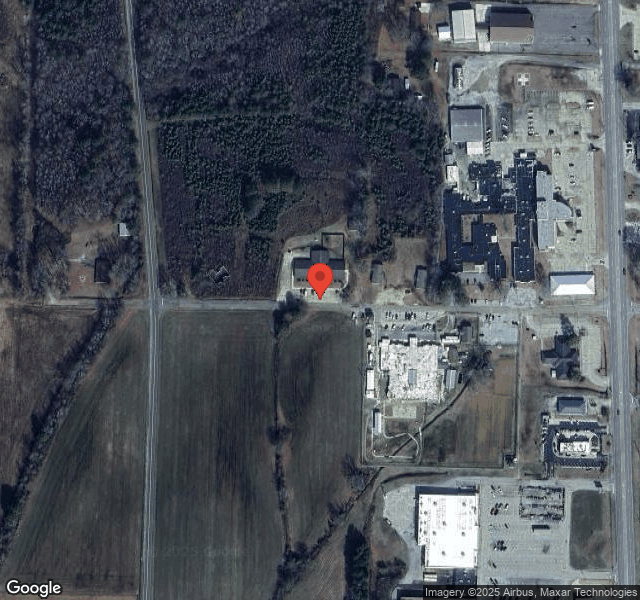
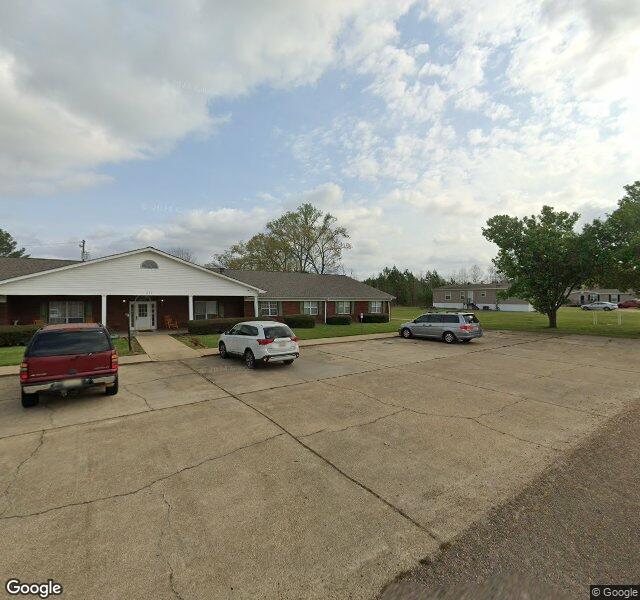
184 SASSER DRIVE, HAMILTON, AL 35570 (205) 921-6340
Non profit - Corporation 79 Beds NORTH MISSISSIPPI HEALTH SERVICES Data: November 2025
Trust Grade
70/100
#121 of 223 in AL
Last Inspection: February 2025

Within standard 12-15 month inspection cycle. Federal law requires annual inspections.

Overview

Marion Regional Nursing Home in Hamilton, Alabama has a Trust Grade of B, which means it is considered a good choice but not among the very best options available. It ranks #121 out of 223 facilities in Alabama, placing it in the bottom half, and #3 out of 3 in Marion County, indicating that only one local facility is rated higher. Unfortunately, the trend is worsening, with the number of issues found increasing from 3 in 2019 to 7 in 2025. Staffing is a strong point for this facility, boasting a 5-star rating and a turnover rate of 24%, significantly lower than the state average of 48%. There have been no fines, which is a positive sign, and the facility offers more registered nurse coverage than 92% of similar facilities in Alabama, enhancing resident care. However, there were notable concerns during inspections, including failures to properly label food items, which could affect residents' safety, and instances where staff did not respect residents' privacy rights by entering rooms without knocking. Overall, while there are strengths in staffing and no fines, families should be aware of the increasing number of compliance issues.

Trust Score
B
70/100
In Alabama
#121/223
Bottom 46%
Safety Record
Low Risk
No red flags
Inspections
Getting Worse
3 → 7 violations
Staff Stability
✓ Good
24% annual turnover. Excellent stability, 24 points below Alabama's 48% average. Staff who stay learn residents' needs.
Penalties
✓ Good
No fines on record. Clean compliance history, better than most Alabama facilities.
Skilled Nurses
✓ Good
Each resident gets 61 minutes of Registered Nurse (RN) attention daily — more than 97% of Alabama nursing homes. RNs are the most trained staff who catch health problems before they become serious.
Violations
⚠ Watch
13 deficiencies on record. Higher than average. Multiple issues found across inspections.
★★★☆☆
3.0
Overall Rating
★★★★★
5.0
Staff Levels
★★★★☆
4.0
Care Quality
★★☆☆☆
2.0
Inspection Score
Stable
2019: 3 issues
2025: 7 issues

The Good

  • 5-Star Staffing Rating · Excellent nurse staffing levels
  • 4-Star Quality Measures · Strong clinical quality outcomes
  • Low Staff Turnover (24%) · Staff stability means consistent care
  • Full Sprinkler Coverage · Fire safety systems throughout facility
  • No fines on record
  • Staff turnover is low (24%)

    24 points below Alabama average of 48%

Facility shows strength in staffing levels, quality measures, staff retention, fire safety.

The Bad

3-Star Overall Rating

Near Alabama average (2.9)

Meets federal standards, typical of most facilities

Chain: NORTH MISSISSIPPI HEALTH SERVICES

Part of a multi-facility chain

Ask about local staffing decisions and management

The Ugly 13 deficiencies on record

Feb 2025 7 deficiencies
CONCERN (D) 📢 Someone Reported This

A family member, employee, or ombudsman was alarmed enough to file a formal complaint

Potential for Harm - no one hurt, but risky conditions existed

Resident Rights (Tag F0550)

Could have caused harm · This affected 1 resident

**NOTE- TERMS IN BRACKETS HAVE BEEN EDITED TO PROTECT CONFIDENTIALITY** Based on observations, interviews, resident record review, and review of a facility policy titled Resident's Rights: Privacy and...

Read full inspector narrative →
**NOTE- TERMS IN BRACKETS HAVE BEEN EDITED TO PROTECT CONFIDENTIALITY** Based on observations, interviews, resident record review, and review of a facility policy titled Resident's Rights: Privacy and Confidentiality the facility failed to honor resident privacy rights when Certified Nursing Assistant (CNA) #10 failed to knock on doors and gain permission to enter, before entering resident rooms on 02/18/2025 during the evening dining observation. This affected Resident Identifier (RI) #28 and RI #32, two of 19 sampled residents. Findings include: Review of a facility policy titled Resident's Rights: Privacy and Confidentiality with a review date of 03/2020, revealed the following: . Policy: It is the policy of [NAME] Regional Nursing Home that residents' confidentiality and privacy should be protected. Procedure: 1. Residents . have the right to- . b) Privacy while in their rooms. Staff should respectfully knock on doors or verbally announce the request to enter the room prior to entry. RI #32 was admitted to the facility on [DATE]. RI #28 was admitted to the facility on [DATE]. On 02/18/2025 at 5:11 PM, CNA #10 was observed removing a meal tray from the meal cart, and without knocking on the door or gaining permission to enter the room, CNA #10 entered RI #28's and RI #32's room and set up RI #28's meal tray. CNA #10 exited the room, removed RI #32's meal tray from the meal cart and reentered the room again, without knocking on the door or gaining permission to enter. After setting up RI #32's meal tray, CNA #10 exited the residents' room. On 02/18/2025 at 5:13 PM, CNA #10 reentered RI #28's and RI #32's room, without knocking on the door, or gaining permission to enter the residents' room. On 02/18/2025 at 5:14 PM, the surveyor conducted an interview with CNA #10. When asked what she should do before entering a resident's room, CNA #10 said knock on the door before entering the room. When asked why this was not done before she entered RI #28's and RI #32's room when passing out the residents' meal trays, CNA #10 said, she did not realize she had not knocked on the residents' door. On 02/20/2025 at 11:52 AM, the surveyor conducted an interview with the Clinical Nurse Educator (CNE). The CNE said, staff were taught they were supposed to knock on the resident's door and introduce themselves before entering the resident's room. When asked what type of concern this would be when not done, the CNE said, this would be an invasion of the resident's privacy, it may startle the resident, and it could be a dignity concern.
CONCERN (D) 📢 Someone Reported This

A family member, employee, or ombudsman was alarmed enough to file a formal complaint

Potential for Harm - no one hurt, but risky conditions existed

Free from Abuse/Neglect (Tag F0600)

Could have caused harm · This affected 1 resident

**NOTE- TERMS IN BRACKETS HAVE BEEN EDITED TO PROTECT CONFIDENTIALITY** Based on resident record review, interviews, review of a facility policy titled Protecting Residents from Abuse, Neglect and Exp...

Read full inspector narrative →
**NOTE- TERMS IN BRACKETS HAVE BEEN EDITED TO PROTECT CONFIDENTIALITY** Based on resident record review, interviews, review of a facility policy titled Protecting Residents from Abuse, Neglect and Exploitation, review of the facility investigative file, and review of a Facility Reported Incident (FRI) to the State Agency, the facility failed to protect Resident Identifier (RI) #25's right to be free from abuse on 09/14/2024 when RI #313, a resident with unmanaged behaviors, hit RI #25 in the face. RI #25 described the incident as abusive. This deficient practice was cited as a result of the investigation of the complaint/report number AL00048923 and affected RI #25, one of two residents sampled for abuse. Cross Reference F740 Findings include: A facility policy titled, Protecting Residents from Abuse, Neglect, and Exploitation documented: . Policy: It is the policy of [NAME] Regional Nursing Home to protect residents from abuse. This includes but is not limited to verbal, physical, mental/emotional, . Procedure: . When protecting residents from abuse, utilizes the following prevention/intervention strategies: . D) Ongoing assessment, care planning and monitoring of residents with needs or behaviors that may lead to inadequate care, including abuse/neglect. E) Assessing residents with signs and symptoms of behavioral issues with the development of targeted care plans that can assist in resolving behavioral issues. On 09/14/2024 at 8:11 PM the State Agency received an Online Incident Report (FRI) from the facility alleging physical abuse occurred at 6:29 PM that evening after RI #313 took a book from RI #25's side of the room, RI #25 took the book away from RI #313, and then RI #313 slapped RI #25 on the left side of the face. RI #313 was admitted to the facility on [DATE] and had diagnoses to include: Alzheimer's Disease and Mood Disorder. RI #313's annual Minimum Data Set (MDS) with an Assessment Reference Date (ARD) of 08/07/2024 documented a Brief Interview of Mental Status (BIMS) score of four of 15 which indicated severe cognitive impairment. The MDS also documented RI #313 was able to walk independently without assistance of a wheelchair or walker. RI #25 was admitted to the facility on [DATE]. On 02/20/2025 at 9:36 AM a telephone interview was conducted with LPN #13 who said around 6:30 PM on 09/14/2024 while charting at the desk, she heard RI #25 say, help, help. LPN #13 said, she responded and found RI #313 had hit RI #25 on the face and RI #25 had redness on his/her cheek. LPN #13 said, RI #313 was confused, had Dementia, and would pick up items. LPN #13 said, RI #25 had been physically abused. RI #313's Nursing Note dated 09/13/2024 at 3:15 PM, was signed by LPN #13 who documented: . Resident has been exhibiting some hostile behavior, resisting care, taking others belongings and becoming very agitated when request are made. Hospice physician ordered Depakote . TID which should begin this evening. On 02/20/2025 at 1:00 PM a follow up interview was conducted with LPN #13 regarding the incident on 09/13/2024 and RI #313's rummaging behavior. LPN #13 said, RI #25 had a lot of items around and RI #313 would go and pick up the personal items. LPN #13 said on 09/13/2024, RI #313 required staff redirection. When asked what level of supervision RI #313 required, LPN #13 said, RI #313 was monitored visually and redirected as needed and did not require one-on-one. On 02/20/2025 at 12:20 PM, an interview was conducted with the Director of Nursing (DON) who said, RI #313 was confused and had advanced Dementia. The DON was asked about RI #313's documented behaviors on 09/13/2024 of agitation and taking others personal belongings. The DON said, RI #313 would plunder through RI #25's personal items and required redirection. The DON said, the staff were visually monitoring RI #313 for behaviors but there was no documentation of monitoring. The DON said, the incident on 09/14/2024 when RI #313 hit RI #25 was considered abuse. The facility did not provide any evidence of RI #313 being monitored for behaviors. On 02/20/2025 at 10:06 AM an interview was conducted with the Administrator (ADM) who said, she was notified by the Social Worker and the DON of the incident around 7:00 pm on 09/14/2024. The ADM said, RI #313 and RI #25 shared a room, RI #313 was confused, walked to RI #25's side of the room pilfering, picked up a book of RI #25's, and when RI #25 tried to get the book back, RI #313 hit RI #25 in the left side of the cheek. The ADM said, redness was noted to RI #25's cheek, the roommates were separated, notifications were made, and an investigation was initiated. When asked what the investigation revealed, the ADM said, based on RI #25's testament and the redness on RI #25's cheek, the incident was substantiated. The ADM said, the incident was reported as resident on resident physical abuse.
CONCERN (D) 📢 Someone Reported This

A family member, employee, or ombudsman was alarmed enough to file a formal complaint

Potential for Harm - no one hurt, but risky conditions existed

Assessment Accuracy (Tag F0641)

Could have caused harm · This affected 1 resident

**NOTE- TERMS IN BRACKETS HAVE BEEN EDITED TO PROTECT CONFIDENTIALITY** Based on interviews, record review, and the Centers for Medicare & Medicaid Services (CMS) Long-Term Care Resident Assessment In...

Read full inspector narrative →
**NOTE- TERMS IN BRACKETS HAVE BEEN EDITED TO PROTECT CONFIDENTIALITY** Based on interviews, record review, and the Centers for Medicare & Medicaid Services (CMS) Long-Term Care Resident Assessment Instrument 3.0 Manual, the facility failed to ensure: 1) Resident Identified (RI) #23's annual Minimum Data Set (MDS) assessment dated [DATE] section A1500 was coded accurately to reflect RI #23's Preadmission Screening and Resident Review (PASRR) Level II. 2) RI #25's annual MDS assessment dated [DATE] section A1500 was coded accurately to reflect RI #25's PASRR Level II. This deficient practice affected two of 19 sampled residents whose MDS was reviewed. Findings include: Review of the Centers for Medicare & Medicaid Services (CMS) Long-Term Care Facility Resident Assessment Instrument 3.0 User's Manual, dated October 2024, revealed the following: . A1500: Preadmission Screening and Resident Review (PASRR) . Code 1, yes: if PASRR Level II screening determined that the resident has a serious mental illness and/or ID/DD or related condition 1) RI #23 was admitted to the facility on [DATE] with a diagnosis of Major Depressive Disorder, Anxiety Disorder, and Dementia with Behavioral Problem. RI #23's medical record contained a PASRR Level II Service Determination dated 10/12/2023. RI #23's annual MDS dated [DATE] documented: . A1500 Preadmission Screening and Resident Review (PASRR) . Is the resident currently considered by the state level II PASRR . was marked 0 indicating No. On 02/20/2025 at 11:02 AM an interview was conducted with the MDS Coordinator. When asked if RI #23 was marked on the MDS as a Level II, she said no. In referencing RI #23's Level II document, the MDS Coordinator noted where RI #23's document revealed he/she was a Level II. When asked what the importance of the MDS being marked correctly, she said to ensure accuracy of the MDS data. 2) RI #25 was admitted to the facility on [DATE] with a diagnosis of Mood Disorder. RI #25's medical record contained a PASRR Level II Service Determination dated 03/04/2024. RI #25's annual MDS dated [DATE] documented: . A1500 Preadmission Screening and Resident Review (PASRR) . Is the resident currently considered by the state level II PASRR . was marked 0 indicating No. On 02/20/2025 at 11:13 AM a follow up interview was conducted with the MDS Coordinator. When asked if RI #25 was marked on the MDS as a Level II, she said no. In referencing RI #25's Level II document, the MDS Coordinator noted that RI #25's document revealed he/she was a Level II. When asked why RI #25's MDS was not marked as being a Level II, she said this was miss coded and it would be corrected right away. When asked what the importance of the MDS being marked correctly, she said to ensure accuracy of the MDS data.
CONCERN (D) 📢 Someone Reported This

A family member, employee, or ombudsman was alarmed enough to file a formal complaint

Potential for Harm - no one hurt, but risky conditions existed

Deficiency F0740 (Tag F0740)

Could have caused harm · This affected 1 resident

**NOTE- TERMS IN BRACKETS HAVE BEEN EDITED TO PROTECT CONFIDENTIALITY** Based on interviews, resident record review, and review of the facility's investigative file, the facility failed to develop and...

Read full inspector narrative →
**NOTE- TERMS IN BRACKETS HAVE BEEN EDITED TO PROTECT CONFIDENTIALITY** Based on interviews, resident record review, and review of the facility's investigative file, the facility failed to develop and implement immediate interventions to prevent other residents from being affected by Resident Identifier (RI) #313's behaviors. The facility failed to develop targeted care plans to assist in resolving RI #313's behaviors, failed to monitor RI #313 for behaviors that led to abuse, and failed to assess RI #313's required level of supervision to protect other residents. On 09/13/2024, RI #313's Nurses' Notes documented that RI #313 was exhibiting hostile behavior, resisting care, taking others' belongings, and becoming very agitated when requests were made. On 09/14/2024, RI #313 continued to have behaviors including taking RI #25's, his/her roommate's, belongings which resulted in RI #313 hitting RI #25 in the face. This deficiency was cited as a result of the investigation of complaint/report number AL00048923 and affected RI #25 one of six residents sampled for behavior concerns. Cross Reference F600 Findings include: RI #25 was admitted to the facility on [DATE]. RI #313 was admitted to the facility on [DATE] and had diagnoses to include: Alzheimer's Disease and Mood Disorder. RI #313's annual Minimum Data Set (MDS) with an Assessment Reference Date (ARD) of 08/07/2024 documented a Brief Interview of Mental Status (BIMS) score of four out of 15 which indicated severe cognitive impairment. RI #313 had a care plan dated 08/09/2024 that documented . Problem onset: I have a diagnosis of dementia, I am becoming increasingly more confused, and anxious. I have difficulty comprehending conversations . Approaches . Monitor resident for . behaviors, including wandering and aggressiveness. RI #313's Nursing Note dated 09/13/2024 at 1:48 PM documented: . New order per hospice start Depakote . TID (three times a day). RI #313's Nursing Note dated 09/13/2024 at 3:15 PM, signed by LPN #13 documented: . Resident has been exhibiting some hostile behavior, resisting care, taking others belongings and becoming very agitated when request are made. Hospice physician ordered Depakote . TID which should begin this evening. RI #313's Nursing Note dated 09/14/2024 at 7:00 PM, signed by LPN #13 documented: . At approximately 1820 (6:20 PM) resident's roommate began yelling help me, help me. When staff entered room resident was standing in her room holding a book that apparently belonged to (his/her) roommate. The roommate took the book away from the resident at which point resident slapped roommate in the face (left cheek). Slight erythema observed but roommate denies any pain at this time. Resident's were immediately separated. Resident is at nurses' station at this time, . DON . notified and orders received for Ativan (by mouth or intramuscular every six hours as needed) . for agitation. On 02/20/2025 at 9:36 AM a telephone interview was conducted with LPN #13, and she was asked about the incident on 09/14/2024 between RI #313 and RI #25. LPN #13 said, she was at the desk charting and she heard RI #25 say help, help. RI #313 had picked up a book belonging to RI #25, and when RI #25 tried to get the book back and RI #313 slapped RI #25 in the face. LPN #13 said, RI #313 had Advanced Dementia and was confused. LPN #13 said, at that time RI #313 was at the stage of Dementia where he/she picked things up. On 02/20/2025 at 1:00 PM in a follow up interview, LPN #13 was asked about RI #313 having hostile behavior as noted on 09/13/2025. LPN #13 stated, RI #25, RI #313's roommate had a lot of things around the room and RI #313 would go pick up the items and RI #313 required redirection. LPN #13 said, interventions that were used were staff would redirect RI #313 and one day there were medication changes. LPN #13 was asked what level of supervision RI #313 required. LPN #13 said, she did not think RI #313 required one on one supervision and RI #313 was just monitored visually and redirected as needed. On 02/20/2025 at 12:20 PM the Director of Nursing (DON) was asked about RI #313's Nursing Note dated 09/13/2024. The DON said, the note documented concerns of resisting care, taking others' belongings, and agitation. The DON said, RI #313 had Dementia that was pretty severe, RI #313 would be in the hallway and try to pick up something in the hallway and plundered through RI #25's side of the room. The DON said, RI #313 fiddled with stuff mostly in their room but also in the hallway. The DON gave an example of RI #313 picking up a bracelet and saying it was his/hers and then RI #313 would become resistive when redirection was attempted. The DON said, RI #313 would say it was his/hers and others could not have it. When asked how RI #313 was monitored, the DON said, they were watching RI #313. The DON said, they did not have monitoring sheets or documentation of the monitoring. When asked about what level of supervision RI #313 required after the incident of increased behaviors on 09/13/2024 the DON said, she did not think they did one-on-one, but they watched RI #313. The DON did not believe the incident could have been prevented because RI #313 was so Demented. On 02/20/2025 at 2:29 PM an interview was conducted with RI #25 who said, RI #313 would get into his/her personal items a bunch of times. When asked if this behavior was reported to staff, RI #25 said yes, he/she had notified staff of the behavior several times. When asked what staff did in response to the behavior, RI #25 said, staff would retrieve the item, tell RI #313 the item did not belong to him/her, and give the personal item back to RI #25.
CONCERN (D) 📢 Someone Reported This

A family member, employee, or ombudsman was alarmed enough to file a formal complaint

Potential for Harm - no one hurt, but risky conditions existed

Medication Errors (Tag F0758)

Could have caused harm · This affected 1 resident

Based on interviews, review of Resident Identifier (RI) #34's medical record, and a facility policy titled Psychotropic Medication Utilization the facility failed to ensure RI #34 was not ordered and ...

Read full inspector narrative →
Based on interviews, review of Resident Identifier (RI) #34's medical record, and a facility policy titled Psychotropic Medication Utilization the facility failed to ensure RI #34 was not ordered and administered a PRN (as needed) antipsychotic medication, Haldol, for greater than 14 days, without documented rationale in the resident's medical record for the continued use of the PRN antipsychotic medication. This deficient practice affected RI #34, one of six residents sampled for unnecessary medications. Findings include: A review of a policy titled Psychotropic Medication Utilization documented: Rationale: To provide guidelines for the utilization of psychotropic medications. 10. Psychotropic medications used on a PRN (as needed) basis should have a specific condition and indication for the PRN use documented in the resident's medical record and is subject to limitations as noted: . a. PRN orders for psychotropic medications, excluding antipsychotics should be limited to no more than 14 days, unless the attending physician or prescribing practitioner believes it is appropriate to extend the order beyond the 14 days. The medical record should include documentation from the physician or prescriber for the rationale for the extended time period and indicate a specific duration. b. PRN orders for antipsychotic medications only, should be limited to 14 days. If the attending Physician or prescribing practitioner believes it is appropriate to write a new order for the PRN antipsychotic, they should evaluate the resident to determine if the new order for the PRN antipsychotic is appropriate . RI #34 was admitted to the facility 01/15/2025 with diagnoses to include anxiety and agitation. A review of RI #34's medication orders revealed an order dated 01/24/2025 for two (2) milligrams of haloperidol (Haldol), an antipsychotic medication, every 4 hours by mouth as needed for agitation. The order did not include a duration or end date. RI #34's Medication Administration Report from 01/26/2025 through 02/14/2025 documented that Haldol 2 milligrams was administered 20 times during that time period. On 02/20/2025 at 12:52 PM an interview was conducted with the Director of Nursing (DON). The DON said that the order for PRN Haldol for RI #34 started on 01/24/2025 and ended on 02/18/2025 (24 days). The DON said it was the Registered Nurses' responsibility to track the start and end dates of psychotropic medications. According to the DON, facility policy permitted a PRN psychotropic medication to remain on the physician's order for fourteen days. The DON said that RI #34 had not been reevaluated for the continued appropriateness of the medication. The DON said that the PRN psychotropic order for RI #34 should have been discontinued by day fourteen.
CONCERN (D) 📢 Someone Reported This

A family member, employee, or ombudsman was alarmed enough to file a formal complaint

Potential for Harm - no one hurt, but risky conditions existed

Infection Control (Tag F0880)

Could have caused harm · This affected 1 resident

**NOTE- TERMS IN BRACKETS HAVE BEEN EDITED TO PROTECT CONFIDENTIALITY** Based on observations, interviews, record review, and review of the facility's Procedure for Passing Meal Trays, the facility fa...

Read full inspector narrative →
**NOTE- TERMS IN BRACKETS HAVE BEEN EDITED TO PROTECT CONFIDENTIALITY** Based on observations, interviews, record review, and review of the facility's Procedure for Passing Meal Trays, the facility failed to ensure Certified Nursing Assistant (CNA) #10 distributed residents' meal trays in a manner to prevent the spread of infection between himself and residents. CNA #10 failed to perform hand hygiene before handling and delivering dinner meal trays for Resident Identifier (RI) #28 and RI #32 from the meal cart on 02/18/2025 during the evening dining observation. This deficient practice affected RI #28 and RI #32, two of 19 sampled residents. Findings Include: Review of an undated procedure form titled, Procedure for Passing Meal Trays, revealed the following: . 5. Staff should perform hand hygiene between each resident . RI #32 was admitted to the facility on [DATE]. RI #28 was admitted to the facility on [DATE]. On 02/18/2025 at 5:11 PM the surveyor observed CNA #10 removed RI #32's dinner meal tray from the meal cart without performing hand hygiene. CNA #10 entered RI #32's room, set up the meal tray for RI #32, exited the room, removed RI #28's meal tray from the dinner meal cart without performing hand hygiene, and re-entered the room with RI #28's meal tray. On 02/18/2025 at 5:14 PM, the surveyor conducted an interview with CNA #10 who said, she should sanitize her hands before she entered a resident's room. CNA #10 said staff not sanitizing their hands before they took a resident's food tray into the room could cause food borne illness. CNA #10 said she should have sanitized her hands before touching the residents' meal trays. On 02/20/2025 at 9:33 AM, the surveyor conducted an interview the Registered Nurse (RN)/Infection Preventionist (IP). The IP said, before removing a resident's meal tray from the meal cart staff should perform hand hygiene. The IP said, there was a potential for cross-contamination if hand hygiene was not performed. The IP said, staff should perform hand hygiene after providing any service for the resident. On 02/20/2025 at 11:52 AM, the surveyor conducted an interview with the Clinical Nurse Educator (CNE). The CNE said, in orientation staff were taught to perform hand hygiene before removing a residents meal tray from the food cart. The CNE said, when hand hygiene was not performed there was a potential for cross-contamination.
CONCERN (E) 📢 Someone Reported This

A family member, employee, or ombudsman was alarmed enough to file a formal complaint

Potential for Harm - no one hurt, but risky conditions existed

Respiratory Care (Tag F0695)

Could have caused harm · This affected multiple residents

**NOTE- TERMS IN BRACKETS HAVE BEEN EDITED TO PROTECT CONFIDENTIALITY** Based on observations, interviews, record review, and review of a facility policy titled, Nebulizer Masks, Tubing and Bag Protoc...

Read full inspector narrative →
**NOTE- TERMS IN BRACKETS HAVE BEEN EDITED TO PROTECT CONFIDENTIALITY** Based on observations, interviews, record review, and review of a facility policy titled, Nebulizer Masks, Tubing and Bag Protocol, the facility failed to ensure Resident Identifier (RI) #13's oxygen tubing was labeled/dated; and further failed to ensure RI #34, RI #37, and RI #263's nebulizer masks were covered when not in use. This deficient practice affected four of five residents sampled for respiratory care. Findings Include: A review of a facility policy titled, Nebulizer Masks, Tubing and Bag Protocol, with a last modified date of 02/12/2025, documented: . Rationale: To provide infection control and protection for residents using nebulizer treatments. Policy: It is the policy . that nebulizer masks and tubing should be dried and stored when not in use. Procedure: . 2. The residents name . and the date should be written on the bag, tubing and mask . RI #13 was admitted to the facility on [DATE] with a diagnosis of Chronic Obstructive Pulmonary Disease. RI #13's physicians orders dated 11/20/2024 documented: . Continuous; Oxygen Delivery Method: Nasal Cannula . On 02/18/2025 at 04:10 PM, the surveyor observed RI #13's oxygen concentrator with tubing by bedside. There was no date noted on the tubing. On 02/18/2025 at 4:25 PM an interview was conducted with Licensed Practical Nurse (LPN) #11. LPN #11 said there should be a date on the tubing. RI #34 was admitted to the facility on [DATE] with a diagnosis of Chronic Obstructive Pulmonary Disease. RI #34's physicians orders dated 01/15/2025 documented: . ipratropium-albuterol (DUO-NEB) . 3 mL (milliliters) NEBULIZATION Every 4 hours PRN (as needed) . On 02/18/2025 at 4:03 PM, RI #34's nebulizer mask was observed laying face side down on bedside table. The mask was not in a bag and no date was observed on the mask or the tubing. On 02/19/2025 at 3:44 PM, RI #34's nebulizer mask was observed laying face side down on the dresser and was not in a bag or dated. RI #37 was admitted to the facility on [DATE] with a diagnosis of Chronic Obstructive Pulmonary Disease. RI #37's physician's orders dated 01/23/2025 documented: . ipratropium-albuterol (DUO-NEB) . 3 mL NEBULIZATION Every 2 hours PRN . On 02/19/2025 at 3:48 PM, RI #37's nebulizer mask was observed laying face side down on the dresser and not in a bag. RI #263 was admitted to the facility on [DATE] with diagnosis of Congestive Heart Failure. RI #263's physician orders dated 02/14/2025, documented: . ipratropium-albuterol (DUO-NEB) . 3 mL (milliliters) NEBULIZATION Every 6 hours . On 02/18/2025 at 3:55 PM, RI #263's nebulizer face mask was observed laying face down on the bedside table and not in a bag. On 02/19/2025 at 3:48 PM, RI #263's nebulizer mask was observed laying on the nebulizer machine and not in a bag. Neither the nebulizer mask nor the tubing were dated. On 02/19/2025 at 4:51 PM, LPN #12 accompanied the surveyor to RI #34, RI #37, and RI #263's room and observed that the residents' nebulizer masks were not covered or in a bag. On 02/19/2025 at 5:15 PM, an interview was conducted with LPN #12 who said nebulizer mask should be labeled with the resident's name and date and stored in a bag. LPN #12 the night shift nurse was responsible for changing the nebulizer mask and bag monthly. LPN #12 said germs could get on the mask when not covered. LPN #12 said uncovered nebulizer mask was an infection control issue. On 02/20/2025 at 9:33 AM, an interview was conducted with the Infection Preventionist (IP) who was a Registered Nurse (RN). The IP said resident's oxygen tubing was changed every 30 days or as needed, because bacteria could build up on the tubing. The IP said the oxygen tubing should be dated. The IP said when not in use, nebulizer mask should be stored in a Ziploc bag with the resident's name on it. She further stated that if there was no name on it, someone else could use it and that would be cross-contamination. During an interview on 02/20/2025 at 12:34 PM with the Director of Nursing (DON), who stated nebulized mask should be stored in a bag labeled with the date. The DON said uncovered nebulizer mask could get contaminated. The DON said oxygen tubing should be dated and the concern with it not being dated would be staff would not know when it was last changed.
Sept 2019 3 deficiencies
CONCERN (D)

Potential for Harm - no one hurt, but risky conditions existed

Deficiency F0655 (Tag F0655)

Could have caused harm · This affected 1 resident

**NOTE- TERMS IN BRACKETS HAVE BEEN EDITED TO PROTECT CONFIDENTIALITY** Based on interviews, medical record reviews and review of a facility policy titled, Care Plan Policy, the facility failed to ens...

Read full inspector narrative →
**NOTE- TERMS IN BRACKETS HAVE BEEN EDITED TO PROTECT CONFIDENTIALITY** Based on interviews, medical record reviews and review of a facility policy titled, Care Plan Policy, the facility failed to ensure baseline care plans were developed within 48 hours of admission for the following Resident Identifier (RI) #'s and investigated care areas: 1. RI #36, tube feeding, risk for falls, nutrition, range of motion, 2. RI #30, Dementia, psychotropic medications, 3. RI #12, oxygen use, 4. RI #18, risk for falls, Dementia, psychotropic medication, 5. RI #21, Dementia, psychotropic medications, and 6. RI #34, tube feeding and insulin use. This deficient practice affected RI #36, 30, 12, 18, 21 and 34, six of 16 residents whose care plans were reviewed. Findings Included: A review of a facility policy titled, Care Plan Policy, with a Revised Date: 9/19, revealed: . Procedure: . A baseline care plan should be developed within 48 hours of a resident's admission . Must provide the resident and their representative with a summary of the baseline care plan. All assessment and care plan documentation should be completed as required by both State and Federal regulations. 1.) RI #36 was admitted to the facility on [DATE], with diagnoses including, Encephalopathy, Other Paralytic Syndrome Following Cerebral Infarction, Bilateral and Muscle Weakness (Generalized). A review of RI #36's medical record revealed admission medication orders dated 07-25-2019, for RI #36's medications to be given per PEG (Percutaneous Endoscopic Gastrostomy) Tube. Further review of RI #36's medical record revealed no baseline care plans were developed within 48 hours of admission for RI #36's peg tube, nutrition, risk for falls or range of motion. Care plans for each of these care areas were developed on 08/13/19, 19 days after RI #36's admission to the facility. 2.) RI #30 was admitted to the facility on [DATE], with diagnoses including, Unspecified Dementia with Behavioral Disturbance. A review of RI #30's medical record revealed medication orders for psychotropic medications; Seroquel and Trazodone. Further review of RI #30's medical record revealed no baseline care plans were developed within 48 hours of admission for RI #30's diagnosis of Unspecified Dementia with Behavioral Disturbance or for the use of psychotropic medications. Care plans for these care areas were developed on 05/06/2019, 13 days after RI #30's admission to the facility. 3.) RI #12 was admitted to the facility on [DATE], with a diagnosis of Chronic Ischemic Heart Disease, Unspecified. A review of RI #12's medical record revealed an order for Oxygen Therapy at 2 LPM (liters per minute) per nasal cannula dated 12-27-2018. Further review of RI #12's medical record revealed no baseline care plan was developed within 48 hours of admission for RI #12's oxygen therapy. 4.) RI #18 was admitted to the facility on [DATE]. RI #18's diagnoses included, Unspecified Dementia Without Behavioral Disturbance and History of Falling. A review of RI #18's medical record revealed medication orders for psychotropic medications; Citalopram, Lorazepam and Seroquel. Further review of RI #18's medical record revealed no baseline care plans were developed within 48 hours of admission for RI #18's diagnosis of Unspecified Dementia Without Behavioral Disturbance, History of Falling or for the use of psychotropic medications. Care plans for these care areas were developed on 07/10/2019, 19 days after RI #18's admission to the facility. 5.) RI #21 was admitted to the facility on [DATE], with diagnoses including, Unspecified Dementia With Behavioral Disturbance. A review of RI #21's medical record revealed medication orders for psychotropic medications; Lorazepam and Seroquel. Further review of RI #21's medical record revealed no baseline care plans were developed within 48 hours of admission for RI #21's diagnosis of Unspecified Dementia with Behavioral Disturbance or for the use of psychotropic medications. 6.) RI #34 was admitted to the facility on [DATE], with diagnoses including, Encounter for Attention to Gastrostomy and Type 2 Diabetes Mellitus With Other Specified Complication. A review of RI #34's medical record revealed admission medication orders, dated 07-25-2019, for RI #34's medications to be given per PEG Tube. Further review of RI #34's medical record revealed no baseline care plans were developed within 48 hours of admission for RI #34's peg tube or diagnosis of Type 2 Diabetes Mellitus with other Specified Complication. Care plans for each of these care areas were developed on 07/18/19, seven days after RI #34's admission to the facility. On 09/19/19 at 4:16 p.m., an interview was conducted with Employee Identifier (EI) #4, Registered Nurse (RN) Supervisor. EI #4 was asked who was responsible for developing baseline care plans. EI #4 stated whomever did the admission, usually RN Supervisors, developed the (IPOC) initial plan of care. EI #4 was asked what was the purpose of the IPOC. EI #4 said it let the nurses and Certified Nursing Assistants (CNAs) know how to care for the resident and if they needed a bedtime snack, oral care, turned and vital signs, the basics. EI #4 was asked what was the purpose of the baseline care plan. EI #4 replied to know how to care for the residents, their plan of care. EI #4 was asked did she do fall risk assessments on admission. EI #4 stated she did not, but she thought Minimum Data Set (MDS) did. EI #4 was asked did she use any assessment to score the resident for risk for falls so the staff would know how to observe them. EI #4 stated she did not and that everybody could be at risk for falls. EI #4 was asked did she do an assessment for pressure ulcer risk. EI #4 said they did a Braden scale in the computer. EI #4 was asked what she did with that information from the Braden scale. EI #4 replied it was available for the nurses to see and the doctors as well. EI #4 was asked if she did a care plan for a resident's risk for developing pressure ulcers. EI #4 answered not upon admission, no. On 09/19/19 at 4:51 p.m., an interview was conducted with EI #3, RN/MDS Coordinator. EI #3 was asked what role did she have in developing baseline care plans. EI #3 said when she began doing MDS in March, the process was already in place for RN Supervisors to do them. EI #3 was asked what should baseline care plans address. EI #3 stated, the most basic needs: fall risk, elopement, wounds on admission, risk for pressure ulcers; anything that puts the resident at risk; medications that need monitoring, diabetes and other things like dialysis. EI #3 was asked, after reviewing the IPOC being filled out by the RNs on admission, should it be considered a baseline care plan. EI #3 answered, no, it should not because it did not address fall risk, elopement risk or pressure ulcer development. EI #3 further stated they were attaching a medication list with diagnoses but there was nothing to address concerns related to the diagnoses or risks of the medications.
CONCERN (D)

Potential for Harm - no one hurt, but risky conditions existed

Respiratory Care (Tag F0695)

Could have caused harm · This affected 1 resident

**NOTE- TERMS IN BRACKETS HAVE BEEN EDITED TO PROTECT CONFIDENTIALITY** Based on observations, interview, medical record review and review of a facility policy titled, Oxygen Concentrator Humidifier B...

Read full inspector narrative →
**NOTE- TERMS IN BRACKETS HAVE BEEN EDITED TO PROTECT CONFIDENTIALITY** Based on observations, interview, medical record review and review of a facility policy titled, Oxygen Concentrator Humidifier Bottles, Tubing and Filter Care, the facility failed to ensure Resident Identifier (RI) #12 had water in his/her humidifier bottle during three of three days of the survey. This deficient practice affected RI #12, one of three residents sampled for oxygen (O2) use. Findings Included: A review of a facility policy titled, Oxygen Concentrator Humidifier Bottles, Tubing, and Filter Care, with a last reviewed date of 9/19, revealed: . Procedure: 1. O2 concentrator humidifier bottles will be checked each 12 hr (hour) shift by the LPN (Licensed Practical Nurse) for adequate water levels. Task will be verified by a Long Term Task Order. RI #12 was admitted to the facility on [DATE], with a diagnosis to include, Chronic Ischemic Heart Disease, unspecified. A review of RI #12's medical record document titled, Order List By Department, revealed: . Respiratory Care . Oxygen Therapy . Date 12-27-2018 Status Active . Nasal Cannula, O2 (LPM [Liters per minute]): 2 Maintain SaO2 (oxygen saturation) (%): >90 O2 Indication: Shortness of Breath . On 09/17/19 at 9:47 a.m., the surveyor observed RI #12's oxygen infusing at 2 LPM, with no water in the humidifier bottle at that time. On 09/18/19 at 8:37 a.m., the surveyor observed RI #12's humidifier bottle still empty at that time. Resident's breakfast tray on overbed table. Stated he/she was going to put oxygen on when he/she finished breakfast. On 09/19/19 at 9:00 a.m., the surveyor observed RI #12's O2 infusing with humidifier bottle still empty at that time. On 09/19/19 at 9:05 a.m., the surveyor asked Employee Identifier (EI) #8, Registered Nurse (RN)/Director of Nursing to accompany the surveyor to RI #12's room. The surveyor asked EI #8 to look at RI #12's oxygen and tell the surveyor what she saw. EI #8 began uncoiling RI #12's oxygen tubing. She explained to RI #12 that she was going to turn the concentrator off to uncoil the tubing. EI #8 was asked what was in RI #12's humidifier bottle. EI #8 stated it was empty and should have water in it. EI #8 then unhooked the bottle from the concentrator. The surveyor asked what was the white substance at the bottom of the bottle. EI #8 stated she did not know, but she was replacing it any way. She left the room and brought back a new humidifier bottle filled with water. EI #8 was asked should RI #12 have had water in her humidifier bottle. EI #8 said yes. The surveyor informed EI #8 that RI #12 had not had any water observed in his/her humidifier bottle all three days of the survey. On 09/19/19 at 10:12 a.m., a second interview was conducted with EI #8, RN/DON. EI #8 was asked where did nurses document the administration of O2, including the humidifier bottles. EI #8 said it was in the computer for Q (every)12 hr (hour) charting. The DON then instructed the surveyor where to go in computer. There was no documentation found by surveyor or DON. The DON left the room and then returned and stated RI #12 did not have the Q 12 hr documentation on his/her Medication Administration Record (MAR), but it was added for future documentation because they were supposed to have been checking. EI #8 was asked what was the concern with not checking the humidifier bottle. EI #8 answered, RI #12's bottle not having water in it.
CONCERN (D)

Potential for Harm - no one hurt, but risky conditions existed

Deficiency F0730 (Tag F0730)

Could have caused harm · This affected 1 resident

Based on interview, record review, and a facility document titled Annual Training Protocol, the facility failed to ensure Employee Identifier (EI) #1, a Certified Nursing Assistant (CNA), received the...

Read full inspector narrative →
Based on interview, record review, and a facility document titled Annual Training Protocol, the facility failed to ensure Employee Identifier (EI) #1, a Certified Nursing Assistant (CNA), received the mandatory 12 hours of Continuing Education Units (CEUs) for annual training, to include dementia and abuse training, from 7/25/2018 to 7/25/2019. This affected one of five CNA's whose mandatory 12 hours of CEUs for annual training to include dementia and abuse training that were reviewed. Finding include: A review of a facility document, titled Annual Training Protocol with no date, revealed . 3. Annual Education Topics: * Abuse * Dementia . 4. Training for Nurse Aides will be 12 hours per rolling year from hire date. A review of EI #1's mandatory annual 12 CEU training, which was to include Dementia and Abuse Training, revealed that EI #1 was hired to the facility on 7/25/2016. From 7/25/2018 to 7/25/2019 she had received only 7.5 CEU hours, which did not include Dementia and Abuse training. EI #1 did not meet the required mandatory annual 12 CEUs, to include with Dementia and Abuse training. On 9/19/19 at 2:32 p.m., an interview was conducted with EI #2, Staff Development Coordinator/Licensed Practical Nurse (LPN). EI #2 was asked who was responsible for ensuring mandatory training of Continuing Education Units (CEUs) for the CNAs at the facility. EI #2 stated she was. EI #2 was asked how many mandatory CEUs/training hours were required for the CNAs per year by their hire date. EI #2 stated the CNAs should have 12 hours, including Dementia and Abuse training. EI #2 was asked how many mandatory CEU hours did EI #1 have of the required annual 12 hours of CEUs. EI #2 stated EI #1 had 7.5 hours. EI #2 was asked why did EI #1 not have the mandatory 12 hours of CEUs. EI #2 stated she did not notice that EI #1 did not have what she needed from 7/25/2018 to 7/25/2019. EI #2 was asked why should EI #1 have the required 12 hours of CEUs. EI #2 stated that the CEUs help the CNA to keep up with the changes in how to take care of the residents. EI #2 was asked how many CEU hours of Dementia and Abuse training did EI #1 have for the required CEUs by their hire date. EI #2 stated EI #1 did not have any CEUs for Dementia or Abuse. EI #2 was asked why did EI #1 not have the required annual CEU hours of Dementia and Abuse training. EI #2 stated she did not notice that EI #1 did not have the Dementia or Abuse training. EI #2 was asked why should EI # 1 have the required mandatory annual CEU hours, to include Dementia and Abuse training. EI #2 stated EI #1 needed these CEUs for Dementia and Abuse to adequately take care of her residents.
Aug 2018 3 deficiencies
CONCERN (D)

Potential for Harm - no one hurt, but risky conditions existed

Deficiency F0583 (Tag F0583)

Could have caused harm · This affected 1 resident

**NOTE- TERMS IN BRACKETS HAVE BEEN EDITED TO PROTECT CONFIDENTIALITY** Based on observation, interview and a facility policy titled, Resident Rights :Privacy and Confidentiality, the facility failed ...

Read full inspector narrative →
**NOTE- TERMS IN BRACKETS HAVE BEEN EDITED TO PROTECT CONFIDENTIALITY** Based on observation, interview and a facility policy titled, Resident Rights :Privacy and Confidentiality, the facility failed to ensure RI (Resident Indentifer) #213 MAR ( Medication Administration Record) computer screen was not left up/unlocked and open for public view. This deficient practice affected RI #213 one of 16 sampled residents. Findings Include: A review of a facility policy titled, Resident Rights :Privacy and Confidentially, with a revised date of 10/17 revealed: Rationale: To provide guidelines to help preserve and protect residents confidentiality and privacy Procedure: .(B) Confidentiality for his/her personal and clinical records. Ensure that Med cart lab top screens are not easily viewed by anyone other than Nurse administering medications and that screen is neutral or top is closed when exiting workstation. Ensure that .computers are logged off before exiting workstation. RI #213 was readmitted to the facility on [DATE]. Diagnoses included major depressive disorder, recurrent severe without psychotic features, unspecified intellectual disability and unspecified dementia without behavioral disturbances. RI #213's medications included Seroquel for depression, Zoloft for depression and Trazodone for depression. On 8/7/18 at 2:46 p.m., the surveyor observed RI #213's MAR screen up/unlocked and open for public view and asked staff the nurses who left the MAR screen up EI (Employee Identifier) #3, LPN( License Practical Nurses) stated she left RI #213's screen up/unlocked. EI #3 was asked if RI #213's screen should have been left unlocked and open for public view. EI #3 said no RI #213's MAR screen should be locked. On 8/7/18 at 5:15 p.m. an interview was conducted with EI #3, Licensed Practical Nurse. EI #3 was asked what was the facilities policy regarding the MAR screen when administering medications. EI #3 said when you pull the MAR screen up, prepare the medications and then click the screen off. EI #3 was asked if RI #213's MAR screen was left up and open for public view for anyone walking by to see it. EI #3 said, Yes. EI #3 was aked what was the potential harm with RI #213's MAR screen being left up/unlocked and open for pubic view. EI #3 said, Privacy Issues
CONCERN (D)

Potential for Harm - no one hurt, but risky conditions existed

Infection Control (Tag F0880)

Could have caused harm · This affected 1 resident

**NOTE- TERMS IN BRACKETS HAVE BEEN EDITED TO PROTECT CONFIDENTIALITY** Based on observation, interview and a review of a facility policy titled Medication Administration, the facility failed to ensur...

Read full inspector narrative →
**NOTE- TERMS IN BRACKETS HAVE BEEN EDITED TO PROTECT CONFIDENTIALITY** Based on observation, interview and a review of a facility policy titled Medication Administration, the facility failed to ensure a Licensed Practical Nurse (LPN), did not touch inside the medication cup, water cup, and pill crush bag with her bare finger when administering medication to Resident Identifier (RI) #61. This affected one of two residents observed during medication administration who received medication by Percutaneous Endoscopic Gastrostomy (PEG) Tube. Finding Include: RI #61 was readmitted to the facility on [DATE] with diagnoses to include Unspecified Dementia with Behavioral Disturbance, Gastro-Esophageal Reflux Disease, Esophageal Obstruction, and Encounter for Attention to Gastrostomy. Review of a facility policy titled Medication Administration last revised date September 2015, revealed, . Procedure: . Medication Administration: . 5. Medications should be given maintaining aseptic technique. Inside the medicine souffle cup, plastic med cup, or crush pouch should not be touched. On 8/7/18 at 3:10 p.m., an observation was made of Employee Identifier (EI) #3 LPN setting up medications for RI #61. EI #3 was observed to put her bare finger into the medication cup, water cup, and pill crush bag when setting up medication for RI #61, a resident who received medication per PEG Tube. An interview was conducted on 8/7/18 at 3:35 p.m. with EI #3. EI #3 was informed that she was observed putting her bare finger into RI #61 medication cup, water cup, and pill crush bag. She was asked what was that considered. EI #3 said contamination. EI #3 was asked what potential affect could that have on the resident. EI #3 replied, contamination is passing germs to the resident. EI #3 was asked when germs are passed to the resident what can happen. EI #3 said sickness flu, or viruses. EI #3 was asked what should she do when giving medication. EI #3 said, wash your hands and wear gloves. EI #3 was asked was she wearing gloves when setting up RI #61 medication. EI #3 said not when she was setting up the medication. An interview was conducted on 7/8/18 at 4:30 p.m. with EI #4, an Certified Licensed Practical Nurse (CLPN)/Infection Control Nurse. EI #4 was informed that during medication administration a nurse was observed putting her ungloved/bare finger into a medication cup, water cup, and pill crush bag. She was asked what was that considered. EI #4 said contamination. EI #4 was asked what affect could contamination have on the resident. EI #4 said, any germ she (the nurse) had on her finger could be transferred to the medication, and when the resident swallowed the medication it exposed them to the bacteria. EI #4 was asked when the resident is exposed to the bacteria what affect could it have on the resident. EI #4 said it could make them sick, resulting into infection.
CONCERN (F)

Potential for Harm - no one hurt, but risky conditions existed

Food Safety (Tag F0812)

Could have caused harm · This affected most or all residents

Based on observation, interview, and review of a facility policy titled FOOD AND SUPPLY STORAGE and REFRIGERATED STORAGE LIFE OF FOODS, the facility failed to ensure chicken salad in a black plastic c...

Read full inspector narrative →
Based on observation, interview, and review of a facility policy titled FOOD AND SUPPLY STORAGE and REFRIGERATED STORAGE LIFE OF FOODS, the facility failed to ensure chicken salad in a black plastic container and 4 pieces of toffee cake in a disposable plate, with no date documented for date opened and no use by date, were dated. This had a potential to affect sixty-three out of sixty-five residents receiving meals from dietary. Findings Include: A review of the facility policy titled FOOD AND SUPPLY STORAGE, with a revised date of 1/18, documented: .PROCEDURES: .The words .use-by . should precede the date .Foods past the use by .date should be discarded .label and date unused portions . A review of the facility policy titled REFRIGERATED STORAGE LIFE OF FOODS, with a date of January, 2018, documented: .Label when product is opened. The time listed is added to today's date . Food Item . Commercially Prepared Salads .OPENED .+3 days . On 08/06/18 at 4:30 p.m., during the kitchen tour with Employee Identifier (EI) #1, an Interim Dietary Manager, the surveyor observed the following item in the refrigerator cooler 3: Chicken Salad, in a black plastic container, with no date documented for date opened and no use by date. On 08/06/18 at 4:35 p.m., during the kitchen tour with EI #1, the surveyor observed the following items in the refrigerator cooler 2: 4 pieces of toffee cake, in a disposable plate, with no date documented for date opened and no use by date. On 08/07/18 at 3:45 p.m., an interview was conducted with EI #1, an Interim Dietary Manager. EI #1 was asked did the chicken salad, in a black plastic container in refrigerator 3, and the 4 pieces of toffee cake, in a disposable plate in refrigerator 2, have a label with a use by date. EI #1 stated, no. EI #1 was asked should the chicken salad, in a black plastic container in refrigerator cooler 3, and the 4 pieces of toffee cake, in a disposable plate in refrigerator 2, have a label with a use by date. EI #1 stated, yes. EI #1 was asked why did the chicken salad, in a black plastic container in refrigerator cooler 3, and the 4 pieces of toffee cake, in a disposable plate in refrigerator 2, not have a label with a use by date. EI #1 replied the staff just missed labeling and dating the chicken salad and toffee cakes. EI #1 was asked did the facility have a policy on labeling and dating refrigerator items in the refrigerator. EI #1 stated yes. EI #1 was asked what was the facility policy on labeling and dating refrigerator items. EI #1 stated you should put an orange label with the food name, current date, use by date, and staff initials. EI #1 was asked if the facility policy was followed. EI #1 stated no. EI #1 was asked what the potential harm of not labeling food items with a use by date in a refrigerator. EI #1 stated the food not being labeled and not having a use by date could make a resident sick. On 08/07/18 at 3:50 p.m., an interview was conducted with EI #2, a Registered Dietitian. EI #2 was asked should food items, placed in the refrigerator, have a label with a use by date on the food items. EI #2 stated, yes. EI #2 was asked did the facility have a policy on labeling and dating refrigerator items in the refrigerator. EI #2 stated yes. EI #2 was asked what was the facility policy on labeling and dating refrigerator items. EI #2 stated after you open the refrigerated food item, you should label and date with a use by date. EI #2 was asked what was the potential harm of not labeling food items with a use by date in a refrigerator. EI #2 stated that a resident could obtain a food borne illness.
Understanding Severity Codes (click to expand)
Life-Threatening (Immediate Jeopardy)
J - Isolated K - Pattern L - Widespread
Actual Harm
G - Isolated H - Pattern I - Widespread
Potential for Harm
D - Isolated E - Pattern F - Widespread
No Harm (Minor)
A - Isolated B - Pattern C - Widespread

Questions to Ask on Your Visit

  • "Can I speak with families of current residents?"
  • "What's your RN coverage like on weekends and overnight?"

Our Honest Assessment

Strengths
  • • No major safety red flags. No abuse findings, life-threatening violations, or SFF status.
  • • No fines on record. Clean compliance history, better than most Alabama facilities.
  • • 24% annual turnover. Excellent stability, 24 points below Alabama's 48% average. Staff who stay learn residents' needs.
Concerns
  • • 13 deficiencies on record. Higher than average. Multiple issues found across inspections.
Bottom line: Mixed indicators with Trust Score of 70/100. Visit in person and ask pointed questions.

About This Facility

What is Marion Regional's CMS Rating?

CMS assigns MARION REGIONAL NURSING HOME an overall rating of 3 out of 5 stars, which is considered average nationally. Within Alabama, this rating places the facility higher than 99% of the state's 100 nursing homes. This mid-range rating indicates the facility meets federal standards but may have areas for improvement.

How is Marion Regional Staffed?

CMS rates MARION REGIONAL NURSING HOME's staffing level at 5 out of 5 stars, which is much above average compared to other nursing homes. Staff turnover is 24%, compared to the Alabama average of 46%. This relatively stable workforce can support continuity of care.

What Have Inspectors Found at Marion Regional?

State health inspectors documented 13 deficiencies at MARION REGIONAL NURSING HOME during 2018 to 2025. These included: 13 with potential for harm.

Who Owns and Operates Marion Regional?

MARION REGIONAL NURSING HOME is owned by a non-profit organization. Non-profit facilities reinvest revenue into operations rather than distributing to shareholders. The facility is operated by NORTH MISSISSIPPI HEALTH SERVICES, a chain that manages multiple nursing homes. With 79 certified beds and approximately 63 residents (about 80% occupancy), it is a smaller facility located in HAMILTON, Alabama.

How Does Marion Regional Compare to Other Alabama Nursing Homes?

Compared to the 100 nursing homes in Alabama, MARION REGIONAL NURSING HOME's overall rating (3 stars) is above the state average of 2.9, staff turnover (24%) is significantly lower than the state average of 46%, and health inspection rating (2 stars) is below the national benchmark.

What Should Families Ask When Visiting Marion Regional?

Based on this facility's data, families visiting should ask: "Can I visit during a mealtime to observe dining assistance and food quality?" "How do you handle medical emergencies, and what is your hospital transfer rate?" "Can I speak with family members of current residents about their experience?"

Is Marion Regional Safe?

Based on CMS inspection data, MARION REGIONAL NURSING HOME has a clean safety record: no substantiated abuse findings (meaning no confirmed cases of resident harm), no Immediate Jeopardy citations (the most serious violation level indicating risk of serious injury or death), and is not on the Special Focus Facility watch list (a federal program monitoring the lowest-performing 1% of nursing homes). The facility has a 3-star overall rating and ranks #1 of 100 nursing homes in Alabama. While no facility is perfect, families should still ask about staff-to-resident ratios and recent inspection results during their visit.

Do Nurses at Marion Regional Stick Around?

Staff at MARION REGIONAL NURSING HOME tend to stick around. With a turnover rate of 24%, the facility is 22 percentage points below the Alabama average of 46%. Low turnover is a positive sign. It means caregivers have time to learn each resident's needs, medications, and personal preferences. Consistent staff also notice subtle changes in a resident's condition more quickly. Registered Nurse turnover is also low at 9%, meaning experienced RNs are available to handle complex medical needs.

Was Marion Regional Ever Fined?

MARION REGIONAL NURSING HOME has no federal fines on record. CMS issues fines when nursing homes fail to meet care standards or don't correct problems found during inspections. The absence of fines suggests the facility has either maintained compliance or corrected any issues before penalties were assessed. This is a positive indicator, though families should still review recent inspection reports for the full picture.

Is Marion Regional on Any Federal Watch List?

MARION REGIONAL NURSING HOME is not on any federal watch list. The most significant is the Special Focus Facility (SFF) program, which identifies the bottom 1% of nursing homes nationally based on persistent, serious quality problems. Not being on this list means the facility has avoided the pattern of deficiencies that triggers enhanced federal oversight. This is a positive indicator, though families should still review the facility's inspection history directly.