DIVERSICARE OF BIG SPRINGS
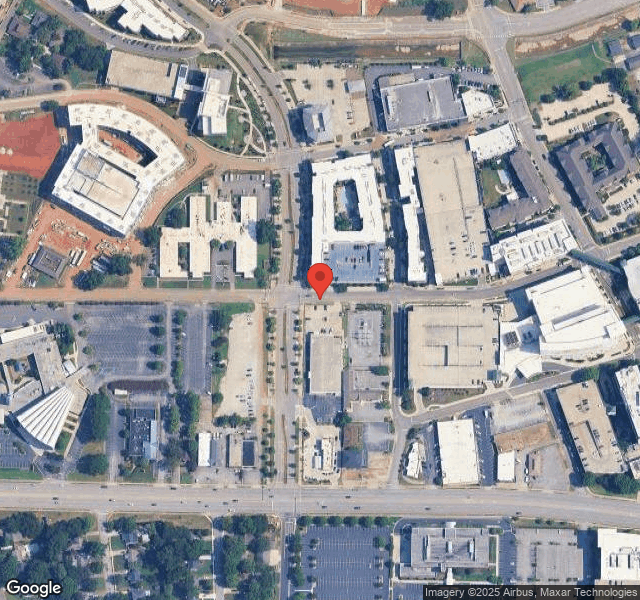

500 ST. CLAIR AVENUE SOUTHWEST, HUNTSVILLE, AL 35801 (256) 539-5111
For profit - Corporation 145 Beds DIVERSICARE HEALTHCARE Data: November 2025
Trust Grade
80/100
#49 of 223 in AL
Last Inspection: January 2022

Over 2 years since last inspection. Current conditions may differ from available data.

Overview

Diversicare of Big Springs in Huntsville, Alabama has a Trust Grade of B+, indicating it is recommended and above average compared to other facilities. It ranks #49 out of 223 statewide, placing it in the top half of Alabama nursing homes, and #1 out of 12 in Madison County, meaning it has no local competition better than it. However, the facility's trend is worsening, with reported issues increasing from 2 in 2022 to 3 in 2023. Staffing is rated average with a 3 out of 5 stars and a turnover rate of 49%, which is about the state average. There have been no fines recorded, which is a positive sign, but the facility has been cited for concerns such as failing to ensure air conditioning vents were clean and not providing a scheduled shower for a dependent resident. While there are strengths like good health inspection ratings, these weaknesses raise questions about the quality of care.

Trust Score
B+
80/100
In Alabama
#49/223
Top 21%
Safety Record
Low Risk
No red flags
Inspections
Getting Worse
2 → 3 violations
Staff Stability
⚠ Watch
49% turnover. Above average. Higher turnover means staff may not know residents' routines.
Penalties
✓ Good
No fines on record. Clean compliance history, better than most Alabama facilities.
Skilled Nurses
○ Average
Each resident gets 34 minutes of Registered Nurse (RN) attention daily — about average for Alabama. RNs are the most trained staff who monitor for health changes.
Violations
⚠ Watch
12 deficiencies on record. Higher than average. Multiple issues found across inspections.
★★★★☆
4.0
Overall Rating
★★★☆☆
3.0
Staff Levels
★★★★☆
4.0
Care Quality
★★★★☆
4.0
Inspection Score
Stable
2022: 2 issues
2023: 3 issues

The Good

  • 4-Star Quality Measures · Strong clinical quality outcomes
  • Full Sprinkler Coverage · Fire safety systems throughout facility
  • No fines on record

Facility shows strength in quality measures, fire safety.

The Bad

Staff Turnover: 49%

Near Alabama avg (46%)

Higher turnover may affect care consistency

Chain: DIVERSICARE HEALTHCARE

Part of a multi-facility chain

Ask about local staffing decisions and management

The Ugly 12 deficiencies on record

May 2023 3 deficiencies
CONCERN (D) 📢 Someone Reported This

A family member, employee, or ombudsman was alarmed enough to file a formal complaint

Potential for Harm - no one hurt, but risky conditions existed

ADL Care (Tag F0677)

Could have caused harm · This affected 1 resident

**NOTE- TERMS IN BRACKETS HAVE BEEN EDITED TO PROTECT CONFIDENTIALITY** Based on interviews and record review, the facility failed to ensure Resident Identifier (RI) #10, a resident dependent on staff...

Read full inspector narrative →
**NOTE- TERMS IN BRACKETS HAVE BEEN EDITED TO PROTECT CONFIDENTIALITY** Based on interviews and record review, the facility failed to ensure Resident Identifier (RI) #10, a resident dependent on staff for bathing, was provided a shower as scheduled. This deficient practice affected RI #10; one of nine residents sampled for Activity of Daily Living (ADL) care. Findings include: RI #10 was admitted to the facility on [DATE] and readmitted on [DATE], with diagnoses to include Parkinson's Disease and Generalized Muscle Weakness. RI #10's Quarterly Minimum Data Set (MDS) assessment, with an Assessment Reference Date (ARD) of 02/09/2023, coded RI #10 as being totally dependent on staff for bathing. A review of the shower schedule for the unit RI #10 resides on revealed RI #10 was scheduled a shower on the 2 PM - 10 PM shift on Tuesdays, Thursdays, and Saturdays. A review of RI #10's Task: ADL - Bathing sheet revealed on Tuesday, 05/09/2023, RI #10 was provided a Partial Bath. On 05/10/2023 at 5:04 PM, RI #10 informed the surveyor he/she had not received a shower on yesterday evening (05/09/2023). On 05/11/2023 at 12:20 PM, the surveyor conducted an interview with Employee Identifier (EI) #7, the Certified Nursing Assistant (CNA) assigned to care for RI #10 on 05/09/2023 on the 2 PM - 10 PM shift. When asked when the residents showers were provided, EI #7 said there was a schedule the CNA's used. When looking at the shower assignment sheet, EI #7 said RI #10 was scheduled a shower on 05/09/2023 on the 2 PM - 10 PM shift. EI #7 said he did not offer to shower EI #10 on his shift because EI #10 refused a shower that morning. The surveyor asked EI #7; if RI #10 was scheduled a shower on the 2 PM - 10 PM shift, should RI #10 have been provided a shower at that time. EI #7 said yes. On 05/11/2023 at 1:57 PM, the surveyor conducted an interview with EI #2, the Director of Nursing (DON). EI #2 said residents should be provided showers on their shower days and when they request one. The surveyor asked EI #2 why it would be important to provide a resident a shower on their shower day or when they request one, EI #2 said because it was the resident's right to have a shower and it would be a part of their ADL care. The deficiency was cited as a result of the investigation of complaint/report #AL00043277.
CONCERN (D) 📢 Someone Reported This

A family member, employee, or ombudsman was alarmed enough to file a formal complaint

Potential for Harm - no one hurt, but risky conditions existed

Deficiency F0806 (Tag F0806)

Could have caused harm · This affected 1 resident

**NOTE- TERMS IN BRACKETS HAVE BEEN EDITED TO PROTECT CONFIDENTIALITY** Based on observation, interviews and record review, the facility failed to honor Resident Identifier (RI) #10's food preference ...

Read full inspector narrative →
**NOTE- TERMS IN BRACKETS HAVE BEEN EDITED TO PROTECT CONFIDENTIALITY** Based on observation, interviews and record review, the facility failed to honor Resident Identifier (RI) #10's food preference of no noodles when RI #10 was served spaghetti and meat sauce on 05/09/2023. This deficient practice affected RI #10; one of one resident sampled for food preferences. Finding include: RI #10 was admitted to the facility on [DATE] and readmitted on [DATE], with diagnoses to include Parkinson's Disease and Generalized Muscle Weakness. A review of a Customer Concern/Grievance Communication Form for RI #10, dated 02/09/2023, documented the following: . Actions to resolve: . no seafood, no spicy food, no pasta, no peas no rice . Date received: 2-14-23 . On 05/09/2023 at 12:21 PM, the surveyor observed a plate of spaghetti and meat sauce, with a roll on it in RI #10's room. RI #10 stated he/she could not eat the spaghetti or foods that were spicy. On 05/11/2023 at 12:02 PM, the surveyor conducted an interview with Employee Identifier (EI) #8, the Dietary Manager. The surveyor asked EI #8, looking at RI #10's Customer Concern Form dated 02/09/2023, what date was the action resolved for RI #10's dislikes of no seafood, no spicy food, no pasta, no peas an no rice. EI #8 stated on 04/14/2023. When asked were RI #10's preferences honored if he/she made the facility aware he/she did not like noodles and received spaghetti, EI #8 said no. EI #8 said spaghetti was a noodle. On 05/11/2023 at 1:57 PM, the surveyor conducted an interview with EI #2, the Director of Nursing (DON). When asked if a resident requested to be served no noodles should they receive spaghetti, EI #2 said no. EI #2 said if served spaghetti, the resident's preferences were not being honored. EI #2 said it would be important to honor a resident's preference of food because it was the resident's right to get the food they prefer.
CONCERN (E) 📢 Someone Reported This

A family member, employee, or ombudsman was alarmed enough to file a formal complaint

Potential for Harm - no one hurt, but risky conditions existed

Safe Environment (Tag F0584)

Could have caused harm · This affected multiple residents

Based on observations, interviews, a facility policy, Resident's Rights and Quality of Life, and a review of the Maintenance Supervisor's POSITION DESCRIPTION, the facility failed to ensure air condit...

Read full inspector narrative →
Based on observations, interviews, a facility policy, Resident's Rights and Quality of Life, and a review of the Maintenance Supervisor's POSITION DESCRIPTION, the facility failed to ensure air conditioner vents were not found with an accumulation of dust-like debris, food particles and other foreign objects. This affected Area Locators (AL) #'s 1-8, eight of twelve rooms of observed. Findings include: A review of a facility policy titled, Resident's Rights and Quality of Life dated May 1, 2012, revealed: . POLICY STATEMENT It is the policy . that all residents have the right to a dignified existence, . A resident has the right: . To receive service in a facility environment that is safe, clean, and comfortable . A review of the Maintenance Supervisor's POSITION DESCRIPTION dated 02/01/2023, revealed: POSITION TITLE: Maintenance Supervisor . REPORTS TO: Administrator . KEY RESPONSIBILITIES . Administrative Functions Supervise, repair, plan, organize, and conduct the day-to-day activities of the physical plant and operations department. On 05/08/2023 at 5:54 PM, an observation was made of (AL) #8's air conditioner filter. There were pieces of debris observed on the air conditioner vent. On 05/10/2023 at 7:55 AM, the pieces of debris remained on AL #8's air conditioner vent. On 05/10/2023 at 8:00 AM, the surveyor observed pieces of debris on AL #7's air conditioner vent. An observation was made on 05/1020/23 at 10:32 AM of Area Locator (AL) #3 with an air conditioner filter and outer vents with a heavy accumulation of gray/black/beige/white pieces of debris from one side of the vent to the other. An observation was made on 05/11/2023 at 8:58 AM of AL #5 with an accumulation of a dark substance on the air conditioner vents. On 05/11/2023 at 9:41 AM an observation tour was conducted with Employee Identifier (EI) #3, the Maintenance Supervisor. He was asked to observe the following Area Locations and describe what he saw. AL #3: he described what he saw as the vent and behind it needed to be cleaned because of crumbs behind the vent and dark dust build-up on the vents. AL #5: he described what he saw as dirty buildup on the vents. AL #4: he described what he saw as dark buildup on the vents. AL #7: he described what he saw as food crumbs and paper behind the vents. AL #8: he described what he saw as behind the vents on top was a heavy accumulation of what appeared to be food crumbs and the front vents had a heavy accumulation of dust-like substance. AL #1: he described what he saw as pieces of paper and 2 end-caps for tube feeding line. AL #2: he described what he saw as food crumbs, paper and dust from one side to the other. AL #6: he described what he saw as food crumbs, paper and dust from one side to the other. On 05/11/2023 at 10:08 AM an interview was conducted with EI #3, the Maintenance Supervisor. EI #3 was asked what the concern of dirt/dust-like debris and foreign objects being behind and on the vents that air flows past to enter resident rooms was. He answered it should not be in the air that residents breathe. EI #3 was asked what was the policy of a clean, comfortable and homelike environment. He answered that was how it was supposed to be kept up for residents. EI #3 was asked how would he describe what he saw in the air conditioner vents related to being clean, comfortable and homelike. He answered it was not clean. EI #3 was asked whose responsibility was it to ensure the air conditioners are kept free from a heavy build-up. He answered the maintenance department. EI #3 was asked why was that not done. He answered he did not have any help and he had to take care of the higher priority concerns first. On 05/11/2023 at 11:13 AM an interview was conducted with EI #1, the Administrator. EI #1 was asked what the concern of air conditioners with a build-up of dust-like debris, food particles and foreign objects behind the vents where air flows over them was. She answered for the cleanliness and breathing clean air. EI #1 was asked whose responsibility was it to keep these air conditioners free of a build-up of dust-like debris, food particles and foreign objects. She answered the Maintenance Supervisor. EI #1 was asked why were 8 air conditioner units in the rooms of sampled residents found with a build-up of dust-like debris, food particles and foreign objects. She answered it was an oversight. EI #1 was asked what was the facility's policy regarding the resident's environment. She answered to provide a clean, safe, comfortable and homelike environment. The deficiency was cited as a result of the investigation of complaint/report #AL00042602.
Jan 2022 2 deficiencies
CONCERN (D)

Potential for Harm - no one hurt, but risky conditions existed

Grievances (Tag F0585)

Could have caused harm · This affected 1 resident

**NOTE- TERMS IN BRACKETS HAVE BEEN EDITED TO PROTECT CONFIDENTIALITY** Based on interviews, record review, a review of the, Grievance Log and a facility policy titled, Customer Concern (Grievance) Po...

Read full inspector narrative →
**NOTE- TERMS IN BRACKETS HAVE BEEN EDITED TO PROTECT CONFIDENTIALITY** Based on interviews, record review, a review of the, Grievance Log and a facility policy titled, Customer Concern (Grievance) Policy, the facility failed to ensure the grievance process was followed when RI (Resident Identifier) #149's sponsor filed a grievance on 07/30/21. This deficient practice affected RI #149 one of three residents whose grievances were reviewed. Findings include: On 11/03/21, the State Agency received a complaint which alleged RI #149's missing clothes would be replacement and mailed to the complainant, however, the complainant had not received them. A review of a facility policy titled, Customer Concern (Grievance ) Policy, with an effective date of July 2018 revealed: .PURPOSE Support each customer's (patient's/resident's) right to voice concerns (grievances) and to ensure after receiving a concern, the center actively seeks a resolution and keeps the customer appropriately apprised of its progress toward resolution. PROCESS: . It is best practice for the Administrator to follow up with the customer after a period of time to ensure the customer remains satisfied with the concern resolution. A review of the Customer Concern/Grievance Communication Form document: . Dated 07/30/21 . RI #149's sponsor stated RI #149 was missing some black jogging pants .Was concern resolved, SS (Social Service) purchased black jogging pants to replace lost pants with company funds . There was no documented that the Administrator followed up with RI#149's sponsor. RI #149 was admitted to the facility on [DATE] and was discharged on 07/29/2021. On 01/26/22 at 10:51 AM, an interview was conducted per phone with RI #149's sponsor. She stated RI #149 was missing two pair of jogging pants and this concern was reported to EI (Employee Identifier) # 4, Former Administrator. RI #149's sponsor stated she talked with EI #4 about her concern twice. EI #4 told her the facility had replaced the clothes and would mail them to her, but she never received the clothes. On 01/26/22 at 5:15 PM, an interview was conducted with EI #3, Social Services Director. EI #3 was asked, if RI #149's sponsor voiced any concerns to her about his/her missing clothes. EI #3 said, yes. EI #3 was asked what was missing. EI #3 said two pair of jogging pants. EI #3 was asked did the facility replace the jogging pants. EI #3 said, yes, she went to Walmart to purchase the jogging pants. EI #3 was asked did she send the jogging pants to RI #149's sponsor. EI # 3 said, she was instructed to give them to EI #4. EI #3 was asked, if EI #4 sent the jogging pants to the sponsor. EI #3 said, she did not know, EI #4 told her he was going to take care of it and notify the family. On 01/27/22 at 3:23 PM, an interview was conducted with EI #1, Director of Nursing. EI #1 was asked was a grievance filed about RI #149's clothes missing. EI #1 said, yes on July 30, 2021. EI #1 was asked was the grievance resolved. EI #1 stated, it appeared to have been resolved because there were receipts for the jogging pants. EI #1 was asked if the clothes were given to the family. EI #1 said he did not know. EI #1 was asked, if he knew if RI #4 mailed the clothes to the family. EI #1 said, he did not know. EI #1 was asked, if he did a customer contact or followed up to see if the family received the clothes and was satisfied. EI #1 said, no he did not. On 01/27/22 at 6:14 PM, an interview was conducted with EI #4. EI #4 was asked did he mail RI #149's jogging pants to the sponsor. EI #4 said, yes, he did. EI #4 was asked, if he mailed the clothes return receipt. EI #4 said no, he mailed it regular mail. EI #4 was asked if he followed up with the sponsor to see if she received the clothes in the mail. EI #4 said, no he did not call the sponsor.
CONCERN (D)

Potential for Harm - no one hurt, but risky conditions existed

Respiratory Care (Tag F0695)

Could have caused harm · This affected 1 resident

**NOTE- TERMS IN BRACKETS HAVE BEEN EDITED TO PROTECT CONFIDENTIALITY** Based on observations, interviews and record review, the facility failed to ensure Resident Identifier (RI) #45's 02 (Oxygen) tu...

Read full inspector narrative →
**NOTE- TERMS IN BRACKETS HAVE BEEN EDITED TO PROTECT CONFIDENTIALITY** Based on observations, interviews and record review, the facility failed to ensure Resident Identifier (RI) #45's 02 (Oxygen) tubing/humidifier water bottle was dated and labeled; and the resident's nebulizer mask was stored in a covering on three of three days of survey. These deficient practices affected RI #'s 45 one of four residents sampled for oxygen therapy. Findings include: (1) RI #45 was admitted to the facility on [DATE] and readmitted on [DATE] with diagnoses to include Acute and Chronic Respiratory Failure and Dependence on Supplemental Oxygen. RI #45's January 2022 Order Summary Report (Physician Orders) revealed RI #45 had physicians orders to apply oxygen at 3 liters via (by way) nasal cannula as needed for SOB (shortness of Breath), and Albuterol Sulfate Nebulization Solution 1 vial via nebulizer three times a day. On 01/25/2022 at 5:35 PM, the surveyor observed RI #45's 02 infusing by way of a nasal cannula/concentrator. RI #45's 02 tubing was not dated/labeled, and RI #45's nebulizer face mask was observed lying on top of the dresser drawer, not in covering On 01/26/2022 at 11:31 AM, the surveyor observed RI #45's 02 tubing remained undated/labeled, and the nebulizer face mask remained uncovered on top of the dresser drawer. On 01/27/2022 at 9:38 AM, RI #45's face mask was observed on the floor, not in a covering, and RI #45's 02 tubing remained undated/labeled. On 01/27/2022 at 10:46 AM, the surveyor conducted an interview with the LPN (Licensed Practical Nurse) assigned to care for RI #45 on the 6 AM - 2 PM shift on 01/27/2022. The surveyor asked EI #2 how often should the oxygen tubing and humidified water bottles be changed. EI #2 said weekly. When asked by the surveyor where would there be evidence that the tubing had been changed, EI #2 said usually the humidifier water bottle would be dated. The surveyor asked EI #2 why would it be important to date the humidifier water bottle and 02 tubing. EI #2 said so the nurses would know when they needed to be changed again, and they would not set up and get mold and infection in the water. When asked how should RI #45's nebulizer mask be stored, EI #2 said in a bag. The surveyor asked EI #2 what was the rationale for storing the nebulizer mask in a bag, EI #2 said for infection control and keeping dust and stuff off of the nebulizer mask. On 01/27/22 at 10:55 AM, the surveyor accompanied EI #2 to RI #45's room. The surveyor asked EI #2 was RI #45's 02 tubing and humidifier water bottle dated. EI #2 said no. EI #2 acknowledged RI #45's nebulizer mask was on the floor, and not in a covering, at this time. On 01/27/2022 at 4:54 PM, the surveyor conducted an interview with EI #1, the Director of Nursing/Infection Preventionist. The surveyor asked EI #1 how often should the residents 02 tubing and water humidifier bottles be changed. EI #1 said typically every seven days. When asked where there would be evidence that this had been done, EI #1 said primarily the 02 tubing and humidifier bottle would be labeled and dated. EI #1 said the rationale behind labeling and dating 02 tubing would be to let the nurse know the time it was to be changed again. The surveyor asked EI #1 what could there be a potential concern for when the 02 tubing was not changed in a timely manner. EI #1 said it increases the risk of infection. When the surveyor asked EI #1 where should the nebulizer mask be stored when not in use, EI #1 said normally in a bag at the bedside. The surveyor asked EI #1 what was there a potential for when not stored this way. EI #1 said infection.
Mar 2021 1 deficiency
CONCERN (D)

Potential for Harm - no one hurt, but risky conditions existed

Deficiency F0947 (Tag F0947)

Could have caused harm · This affected 1 resident

Based on interviews and facility documents titled Team Member In-Service Record the facility failed to include DementiaTraining in the required 12 hour annual training for CNAs (Certified Nursing Assi...

Read full inspector narrative →
Based on interviews and facility documents titled Team Member In-Service Record the facility failed to include DementiaTraining in the required 12 hour annual training for CNAs (Certified Nursing Assistants), Employee Identifiers' (EI) EI #1 and EI #2. This deficient practice affected 2 of 9 CNA's whose training records were reviewed for Dementia Training. Findings Include: Review of EI #1 and EI #2 Team Member In-Service Record revealed the CNAs had not received Dementia Training as required to be included in their annual training for the year 2020. EI #1 was hired 01/04/2018. EI #2 was hired 01/07/2020. On 03/26/21 at 10:40 AM, an interview was conducted with EI #9, Director of Clinical Operations. EI #9 was asked what Dementia Training have EI #1 and EI #2 received. EI #9 said they had not received any. EI #9 was asked why was there no CEU (Continue Education Units) training for EI #1and EI #2. EI #9 said because their corporate office called back and stated that the 2020 training had dropped off for 2020 and they did not complete the program. EI #9 was asked who was responsible for making sure CNAs had their training in Dementia. EI #9 said the Director of Clinical Education. EI #9 was asked why was it important for CNAs to have training in Dementia. EI #9 said because they have a large population of Dementia in their stations and it helped them to take care of the residents appropriately. EI #9 was asked when should CNAs have 12 hours of training in Dementia. EI #9 said every year. EI #9 was asked did she look for training for Dementia for EI #1 and EI #2. EI # 9 said yes she did. EI #9 was asked what she found for Dementia Training for EI #1 and EI #2. EI #9 said she found a lack of training for Dementia for EI #1 and EI #2. On 03/26/21 at 11:00 AM, an interview was conducted with EI #10, DNS (Director of Nursing Services). EI #10 was asked, what Dementia Training had EI #1 and EI #2 received. EI #10 said when he reviewed the sheet, he did not find any. EI #10 was asked, why was it important that CNAs to receive training in Dementia. EI #10 said so they could properly provide care for Dementia patient and so they would have updated information. EI #10 was asked who was responsible for making sure CNAs have their training for Dementia. EI #10 said his understanding was the Clinical Educator. On 03/26/21 at 12:01 PM, an interview was conducted with EI #1. EI #1 was asked when did she receive Dementia training for 2020. EI #1 said she did not remember. EI #1 was asked who was responsible for making sure she had training in Dementia. EI #1 said the Director of Education. EI #1 was asked what was the importance of receiving Dementia training yearly. EI #1 said so they could see if they have the education to take care of a Dementia patient. On 3/26/21 at 1:49 PM, a telephone interview was conducted with EI #2. EI #2 was asked when did she receive her Dementia training. EI #2 said she did not because the web site was giving them trouble when she was suppose to have done it. EI #2 said everyone was trying to get their training done, this was when the web site was down. EI #2 was asked who was responsible for making sure she received Dementia training. EI #2 said the RN (Registered Nurse) on the unit, the Education person and they did not have one, she left. EI #2 was asked when was the CEU for Dementia due. EI #2 said in January.
Jul 2019 6 deficiencies
CONCERN (D)

Potential for Harm - no one hurt, but risky conditions existed

Deficiency F0638 (Tag F0638)

Could have caused harm · This affected 1 resident

**NOTE- TERMS IN BRACKETS HAVE BEEN EDITED TO PROTECT CONFIDENTIALITY** Based on record review, interview, and review of the document titled, Resident Assessment Instrument User's Manual Version 3.0,t...

Read full inspector narrative →
**NOTE- TERMS IN BRACKETS HAVE BEEN EDITED TO PROTECT CONFIDENTIALITY** Based on record review, interview, and review of the document titled, Resident Assessment Instrument User's Manual Version 3.0,the facility failed to ensure a timely Minimal Data Set (MDS) quarterly assessment was completed for Resident Identifier (RI) #2. This affected one of twenty-four sampled residents. Findings Include: A review of a document titled, Facility Resident Assessment Instrument (RAI) 3.0 User's Manual Version 1.16 , with a revised date of October 2018, page 2-17, revealed: RAI OBRA (Omnibus Budget Reconciliation Act)-required Assessment Summary .Quarterly (Non-comprehensive) . Assessment Reference Date (ARD) .No later than .ARD of Previous OBRA assessment of any type + 92 calendar days .Regulatory Requirement .(every 3 months) . RI #2 was admitted to the facility on [DATE] with a diagnosis of heart failure, unspecified. On 7/18/19 at 11:13 AM a review of RI #2's MDS revealed no MDS assessments were completed since the 3/07/2019 Significant Change in Status MDS. On 7/18/19 at 11:43 AM an interview was conducted with Employee Identifier (EI) #9, MDS Coordinator, Registered Nurse. EI #9 was asked what was the date on the most recent completed MDS for EI #2. EI #9 replied the Assessment Reference Date (ARD) date was 3/7/2019. EI #9 was asked when should the next quarterly MDS assessment have been dated as complete. EI #9 replied, the next quarterly should have had an ARD date 92 days after the previous ARD date of 3/7/2019, which would put the date 6/9/2019. EI #9 was asked did the facility assure RI #2 was assessed using the standardized Quarterly Review assessment tool no less than once every 3 months between comprehensive assessments. EI #9 replied, No. EI #9 was asked was RI #2's quarterly MDS assessment late. EI #9 replied, Yes. EI #9 was asked what was the concern with the resident's MDS assessments not being completed timely. EI #9 replied the concern was that the facility was unable to properly assess the resident's needs. EI #9 was asked what was the facility's policy regarding timely MDS assessments. EI #9 replied the facility followed the RAI manual.
CONCERN (D)

Potential for Harm - no one hurt, but risky conditions existed

Respiratory Care (Tag F0695)

Could have caused harm · This affected 1 resident

**NOTE- TERMS IN BRACKETS HAVE BEEN EDITED TO PROTECT CONFIDENTIALITY** Based on observation, interview and record review, the facility failed to ensure that Oxygen cannula tubing was provided with a ...

Read full inspector narrative →
**NOTE- TERMS IN BRACKETS HAVE BEEN EDITED TO PROTECT CONFIDENTIALITY** Based on observation, interview and record review, the facility failed to ensure that Oxygen cannula tubing was provided with a date when changed out by nursing. This affected Resident Identifier (RI) #6, one of two residents who were observed with utilizing oxygen therapy. Findings include: RI #6 was admitted to the facility on [DATE]. Diagnoses included chronic respiratory failure and chronic obstructive pulmonary disease. A review of RI #6's physician's orders included Oxygen 3 liter per nasal cannula . On 07/17/19 at 03:38 PM, an observation was made of RI #6's oxygen in use per nasal cannula with oxygen concentrator. The oxygen concentrator machine was set on 3 liters per nasal cannula. The water bottle was dated 7/15/19, however, the nasal cannula tubing was not dated. On 07/18/19 at 09:33 AM, a second observation was made of the oxygen in use by nasal cannula with oxygen concentrator. The oxygen concentrator machine was set on 3 liters per nasal cannula. The water bottle was dated 7/15/19, however, the nasal cannula tubing was not dated. The Surveyor interviewed Employee Identifier (EI) #6 Registered Nurse/Unit Manager, on 07/18/19 at 09:42 AM. EI #6 was asked, when was the nasal cannula tubing changed. EI# replied, they change them weekly. EI# 6 was asked, who was responsible for changing the nasal cannula tubing. EI# replied, the nurses or her. EI #6 was asked, where was the change of nasal cannula tubing documented. EI#6 replied, they date and initial it on the bag and the oxygen bottle, also the nasal cannula tubing should be dated. EI #6 was asked, what was the potential harm when the dates are not written on the nasal cannula tubing. EI #6 replied, they could be out of date and used too long past when it should be changed, which could cause them to be nasty and residents get a respiratory infection. On 07/18/19 at 03:56 PM, the Surveyor interviewed EI #12, Assistant Director Of Nursing. EI #12 was asked, what was the facility's policy regarding the changing of oxygen tubing, specifically nasal cannula's. EI #12 replied, they change them weekly and as needed. EI #12 was asked, who was responsible for changing the nasal cannula's. EI #12 replied, the nurse. EI #12 was asked, what nurse. EI #12 replied, the medication nurse on the specific unit. EI #12 was asked, who was responsible for writing the date on the nasal cannula tubing. EI #12 replied, the nurse. EI #12 was asked, should the nasal cannula tubing have a date written on it when it was changed. EI #12 replied, yes. EI #12 was asked, how did the staff ensure the nasal cannula tubing was changed weekly. EI #12 replied, they would look at the date written on the nasal cannula tubing. EI #12 was asked, if there were no date on the nasal cannula tubing how can the change be verified. EI #12 replied, if it was not documented it was not done. EI #12 was asked, what would be the concern be if the nasal cannula tubing was not dated. EI #12 replied, staff would not know when it had been changed. EI #12 was asked, what would be the concern if the nasal cannula tubing was not changed per facility policy. EI #12 replied, risk of infection for the resident.
CONCERN (D)

Potential for Harm - no one hurt, but risky conditions existed

Deficiency F0760 (Tag F0760)

Could have caused harm · This affected 1 resident

**NOTE- TERMS IN BRACKETS HAVE BEEN EDITED TO PROTECT CONFIDENTIALITY** Based on medical record review, interview and review of a facility document titled, Medication error, the facility failed to ens...

Read full inspector narrative →
**NOTE- TERMS IN BRACKETS HAVE BEEN EDITED TO PROTECT CONFIDENTIALITY** Based on medical record review, interview and review of a facility document titled, Medication error, the facility failed to ensure Resident Identifier (RI) #107's order for Eliquis 5 milligrams (MG) by mouth (PO) twice a day (BID) with no end date was not discontinued in error by a licensed nurse on 07/08/19. The medication error was significant due to the drug's classification as an anticoagulant. This affected RI #107, one of 24 sampled residents whose medications were reviewed. Findings Included: A review of a facility document titled, Medication error, with the Date: 7/17/2019, documented: .Incident Description Nursing Description: Resident's eliquis was discontinued in error by nursing caring for (him/her) on 7/8/19 . Immediate Action Taken Description: Contacted M.D., received verbal order for eliquis 5mg, 2 tabs(tablets) PO BID x (times) 7 days, then eliquis 5mg PO BID x 6 months . RI #107 was admitted to the facility on [DATE]. A review of RI #107's medical record revealed a Doppler Report with a Date of Service: 06/28/2019, revealed: .Conclusion: Deep vein thrombosis (DVT) involving the left profunda femoral vein. Further review of RI #107's medical record disclosed a Physician's Order with Date Ordered 6/28/19 . (2) Eliquis 5MG 1 tab twice a day by mouth . On 07/17/19 at 6:12 p.m., an interview was conducted with Employee Identifier (EI) #16, Registered Nurse (RN)/Director of Nursing. EI #16 was asked, to please look at RI #107's July Medication Administration Record (MAR) and tell the surveyor if the resident received Eliquis 5MG PO BID. EI #16 said no, it was discontinued on 07/08/19. EI #16 was asked to look at RI #107's physician's orders to determine if RI #107 should have still been receiving Eliquis 5MG PO BID. EI #16 stated yes. EI #16 was asked what was the concern with RI #107 not receiving Eliquis as ordered by the physician after being diagnosed with a DVT. EI #16 replied it could be very critical and could cause a pulmonary embolism.
CONCERN (D)

Potential for Harm - no one hurt, but risky conditions existed

Medical Records (Tag F0842)

Could have caused harm · This affected 1 resident

**NOTE- TERMS IN BRACKETS HAVE BEEN EDITED TO PROTECT CONFIDENTIALITY** Based on interview, and review of Resident Identifier (RI) #260's medical record, the facility failed to ensure that the Code St...

Read full inspector narrative →
**NOTE- TERMS IN BRACKETS HAVE BEEN EDITED TO PROTECT CONFIDENTIALITY** Based on interview, and review of Resident Identifier (RI) #260's medical record, the facility failed to ensure that the Code Status for RI #260 matched through-out the medical record. This deficiency affected one of one resident reviewed for accurate code status. Findings include: RI #260 was admitted to the facility on [DATE] with diagnosis to include small cell lung cancer. On [DATE] at 4:06 PM a more thorough investigation of RI #260's medical record revealed that the code status differed in multiple areas. The first page of the medical record had a page with a stop sign and DNR, the second page was the resuscitation order depicting No Cardiopulmonary resuscitation (CPR), and the third page noted was a bright green paper with big bold letters spelling Full Code. The Care Plan revealed that RI #260 was care planned for full code, while the Physicians orders dated [DATE] included Do not resuscitate (DNR) On [DATE] at 04:50 PM, an interview with Employee identifier (EI) #6 Registered Nurse, Unit Manager was conducted. EI #6 was asked, how and where should the code status be documented in the medical record. EI #6 responded they have orders and they have it inside the chart. EI #6 was further asked, what would be important regarding code status being documented in multiple areas in the medical record. EI #6 replied that all of the areas should be the same. EI #6 was then asked what would be the concern with all areas of the medical record not matching regarding code status. EI #6 answered that if someone was a DNR, they could code them and that would be against there wishes. EI #6 was asked, to look at the medical record for RI #260, and explain what the page, that read Stop/DNR, should mean to staff. EI #6 stated it tells the staff to pay attention that the resident is a DNR. EI #6 was then asked what the third page, that was bright green and read Full Code, should mean to staff. EI #6 stated that meant the resident is a full code. EI #6 was asked what the care plan for RI #260 reflected as code status. EI #6 responded that the care plan for RI #260 reflected a full code status. EI #6 was asked what the physician's orders for RI # 260 reflected as code status. EI #6 replied that RI #260 had a physician's order for DNR. EI #6 was then asked if RI #260's medical record matched in all areas regarding code status. EI #6 responded, no, it did not match. EI #6 was further asked who was responsible for checking the charts for accuracy. EI #6 answered that the Nurse on every 3rd shift performed a chart check and there should be a 24 hour chart check sheet on the chart. EI #6 was asked if there was a 24 hour chart check sheet on RI #260's medical record. EI #6 replied no. EI #6 was asked if they checked just the physician's orders or do they check the whole chart. EI #6 replied that they should check the whole chart.
CONCERN (D)

Potential for Harm - no one hurt, but risky conditions existed

Infection Control (Tag F0880)

Could have caused harm · This affected 1 resident

**NOTE- TERMS IN BRACKETS HAVE BEEN EDITED TO PROTECT CONFIDENTIALITY** 2. RI #34 was admitted to the facility on [DATE]. Diagnosis included Alzheimer's disease. On 07/17/19 at 11:40 AM, EI #8 CNA wa...

Read full inspector narrative →
**NOTE- TERMS IN BRACKETS HAVE BEEN EDITED TO PROTECT CONFIDENTIALITY** 2. RI #34 was admitted to the facility on [DATE]. Diagnosis included Alzheimer's disease. On 07/17/19 at 11:40 AM, EI #8 CNA was observed providing incontinence care to RI #34. EI #8 entered RI #34's room, placed a package of wipes and a brief on the dresser. EI #8 then placed gloves on, adjusted the bed and informed RI #34 that they needed to check him/her. EI #8 then placed a plastic bag at the foot of the bed, along with the package of wipes and the clean brief. EI #8 then removed the blanket from RI #34, rolled RI #34 to their back, obtained several wipes, and wiped RI #34 from front to back. EI #8 then removed her gloves and placed cleaned gloves on without washing or using hand sanitizer. EI #8 then rolled RI #34 to their right side, wiped the backside of the resident, which was soiled. EI #8 then pulled more clean wipes from the package with the same soiled gloves on. EI #8 then pulled the soiled brief out from under the resident and placed a clean brief under RI #34 and affixed the brief. EI #8 rolled the resident to their left side and placed the soiled items in the plastic bag and put into the trash can in the room. EI #8 then removed her gloves and placed clean gloves on, without washing or using hand sanitizer. EI #8 adjusted the resident in the bed and turned RI #34 back to their right side. After washing her hands, EI #8 left the room. On 07/17/19 at 11:54 AM, an interview with EI #8 was conducted. EI #8 was asked, when should she wash her hands when providing incontinence care to a resident. EI #8 replied, before and after the care. EI #8 was asked how many times she changed her gloves with RI #34. EI #8 answered three times. EI #8 was asked if she should wash or gel her hands after removing gloves and before applying clean gloves. EI #8 replied, yes. EI #8 was then asked if she washed her hands or used hand sanitizer each time after removing her gloves and applying new gloves. EI #8 replied, no. EI #8 was further asked, how she was in-serviced on providing Peri care. EI #8 stated that as far as washing after removing gloves, it is not that they can't, they wash their hands, but they are kind of rushed. Based on observations, interviews, medical record reviews and review of a facility policy titled, Handwashing/Hand Hygiene, the facility failed to ensure: 1. a Certified Nursing Assistant (CNA) changed gloves after providing incontinence care for Resident Identifier (RI) #107 before touching the resident's bed covers and washed her hands after removing her gloves before leaving RI #107's room; and 2. a CNA washed her hands after removing her gloves and applying clean gloves during incontinence care for RI #34. These deficient practices affected RI #107 and #34, two of 24 sampled residents. Findings Included: A review of a facility policy titled, Handwashing/Hand Hygiene, with an Effective Date: November 1, 2017, documented: . Policy Interpretation And Implementation . 2. All team members shall follow the handwashing/hand hygiene procedures to help prevent the spread of infections to other team members, residents, and visitors.5. Use an alcohol-based hand rub or, alternatively, soap . and water for the following situations: . b. Before and after direct contact with residents; . h. Before moving from a contaminated body site to a clean body site during resident care; . k. After removing gloves; . General Infection Control Practices . 7. The use of gloves does not replace hand washing/hand hygiene. 1.) RI #107 was admitted to the facility on [DATE] with a diagnosis of Unspecified Dementia without Behavioral Disturbance. On 07/17/19 at 9:48 a.m., the surveyor observed Employee Identifier (EI) #8, CNA, enter RI #107's room, apply gloves (without washing her hand), assist the resident from the wheelchair to the bed, remove the resident's sweatpants, check the brief and provide incontinence care for the resident. Then without changing her gloves, EI #8 repositioned the resident, pulled up the covers, removed her gloves and left the room, without washing her hands. The CNA was observed to not wash her hands until she went into the ice room, where she washed her hands. On 07/18/19 at 3:39 p.m., a telephone interview was conducted with EI #8, CNA. EI #8 was asked did she remove her gloves and wash her hands and apply clean gloves after providing incontinence care for RI #107 before repositioning and adjusting the resident's covers. EI #8 said, no she did not. EI #8 was asked should she have, she replied, yes. EI #8 was asked what was the concern with not changing gloves and washing hands after providing incontinence care and before touching other items. EI #8 answered cross contamination and infection control. On 07/18/19 at 7:31 p.m., an interview was conducted with EI #16, Registered Nurse (RN)/Director of Nursing/Infection Control. EI #16 was asked when should CNAs wash their hands when using gloves. EI #16 said when they remove them, in between residents or if they are soiled. EI #16 was asked should a CNA change gloves and wash her hands after providing incontinence care before positioning the resident and pulling up the covers. EI #16 replied yes. EI #16 was asked should a CNA wash her hands when changing gloves before applying clean gloves. EI #16 stated yes. EI #16 was asked what was the concern with those things. EI #16 answered infection control and cross contamination.
CONCERN (F)

Potential for Harm - no one hurt, but risky conditions existed

Food Safety (Tag F0812)

Could have caused harm · This affected most or all residents

Based on observations, interviews, and the Food and Drug Administration (FDA) 2017 Food Code, the facility failed to ensure: 1. the three-compartment sink and the food preparation sink drain pipes di...

Read full inspector narrative →
Based on observations, interviews, and the Food and Drug Administration (FDA) 2017 Food Code, the facility failed to ensure: 1. the three-compartment sink and the food preparation sink drain pipes did not extend into the floor drains to create potential for backflow; 2. condensation from an air conditioning ventilation duct did not drip onto the surface of a food assembly area and onto individually wrapped ready-to-eat food; and 3. milk in the milk cooler was not expired. This had the potential to affect 108 residents receiving meals from the kitchen, 108 of 112 residents. Findings Include: 1. A review of the FDA 2017 Food Code revealed: . 5-402.11 Backflow Prevention. (A) . a direct connection may not exist between the SEWAGE system and a drain originating from EQUIPMENT in which FOOD, portable EQUIPMENT, or UTENSILS are placed. An observation made on 7/15/19 at 4:19 PM, revealed the food preparation sink's drain pipe descending into the floor drain. The pipe descended below the floor grade. An observation on 7/16/19 at 9:13 AM, was made of the three-compartment sink. The drain pipe from the three-compartment sink extended into the floor drain beneath the 3-compartment sink. On 7/16/19 at 9:15 AM, Employee Identifier (EI) #3, the Maintenance Assistant, measured the drain pipe from the three-compartment sink to determine the length of the pipe descending below the top of the floor drain. The drain pipe was found to be 1/2 inch down into the floor drain. At that time EI #3 was asked what would happen if the floor drain backed up from the sewer. EI #3 replied the waste-water could back up into the drain pipe and then backflow into the three-compartment sink. EI #3 was asked if there was an air gap between the three-compartment sink's drain pipe and the floor drain to prevent backflow. EI #3 replied, No. An interview was conducted on 7/17/19 at 3:31 PM, with EI #1, the Dietary Manager. EI #1 was asked where was the lack of an air gap observed. EI #1 replied the three-compartment sink and the food preparation sink drain pipes did not have air gap. EI #1 was asked when she first became aware of this and EI #1 replied she became aware on Monday, July 15, 2019 for the food preparation sink and Tuesday, July 16, 2019 for the three-compartment sink. When asked why was it important for food preparation and ware washing sinks to have air gap, EI #1 replied the air gap was important to prevent possible backflow from the sewer. Upon being asked who was responsible for ensuring food preparation and ware washing sinks were protected from potential backflow, EI #1 replied, Maintenance and myself. EI #1 was asked what was the potential concern for residents if the three-compartment or food preparation sink did not have the appropriate air gap to prevent sewage back-flow into the three-compartment sink or the food preparation sink. EI #1 replied the concern was contamination of food items or dishware if it were to backflow. 2. A review of the FDA 2017 Food Code revealed: . 4-204.11 Ventilation Hood Systems, Drip Prevention. Exhaust ventilation hood systems in FOOD preparation . areas including components such as hoods, fans, guards, and ducting shall be designed to prevent . condensation from draining or dripping onto FOOD, EQUIPMENT, UTENSILS, LINENS, and SINGLE-SERVICE and SINGLE-USE ARTICLES. An observation was made on 7/16/19 at 9:22 AM, of water dripping from an air conditioning ventilation duct box above the food tray line assembly area. The water dripped on top of the resident's food tray assembly table. An observation on 7/16/19 at 11:16 AM revealed puddles of water and splattered water on the resident's food tray assembly table from water dripping from the air conditioning ventilation duct box. Observed beneath the area where the water was dripping were individual bowls of mandarin orange sections covered with plastic wrap. An observation on 7/17/19 at 8:20 AM, revealed water dripping from the air conditioning ventilation duct box onto a plastic meal tray containing ready-to-eat covered bowls of dry cereal. An observation on 7/17/19 at 10:38 AM, revealed water dripping from the air conditioning ventilation duct box onto the plastic wrap of ready-to-eat food, which was labeled as angel food cake with fruit. An interview was conducted on 7/17/19 at 3:31 PM, with EI #1, the Dietary Manager. EI #1 was asked when she was first aware of water dripping from the air conditioning ventilation duct box onto the resident tray assembly table. EI #1 replied the drip was identified on Tuesday, July 9, 2019, and a work order was placed by EI #2, the Registered Dietitian to Maintenance. EI #1 was asked what was the concern or potential harm for residents with water dripping from an air conditioning ventilation duct onto surfaces in the kitchen. EI #1 replied if the water were to make direct contact with food, then it could be contamination. EI #1 was asked when should water from the ceiling or air conditioning ventilation duct box drip onto any surface in the kitchen. EI #1 replied, Never. 3. A review of the FDA 2017 Food Code revealed: . 3-501.17 Ready-to-Eat, Time/Temperature Control for Safety Food, Date Marking. (B) . READY-TO-EAT TIME/TEMPERATURE CONTROL FOR SAFETY FOOD prepared and PACKAGED by a FOOD PROCESSING PLANT shall be clearly marked . to indicate the date or day by which the FOOD shall be consumed on the PREMISES, sold, or discarded . 3-501.18 Ready-to-Eat, Time/Temperature Control for Safety Food, Disposition. (A) A FOOD specified in ¶ 3-501.17(A) or (B) shall be discarded if it: . (2) Is in a container or PACKAGE that does not bear a date or day . 6-404.11 Segregation and Location. Products that are . spoiled . shall be segregated and held in designated areas that are separated from FOOD . An observation on 7/15/19 at 4:00 PM, was made of the milk cooler. The milk cooler contents included the following: - two individual cartons of whole milk with no labeled expiration date, - twenty-one individual cartons of fat free milk were labeled with a sell by date of 7/13/19, and - one individual carton of 2% milk was labeled with a sell by date of 7/9/19. - In addition, the walk-in cooler contained four individual cartons of fat free milk with a sell by date of 7/13/19. An interview was conducted on 7/17/19 at 3:31 PM, with EI #1, the Dietary Manager. When asked what was the potential harm to residents when milk was kept up to six days beyond the sell by date, EI #1 said residents could receive expired milk.
Understanding Severity Codes (click to expand)
Life-Threatening (Immediate Jeopardy)
J - Isolated K - Pattern L - Widespread
Actual Harm
G - Isolated H - Pattern I - Widespread
Potential for Harm
D - Isolated E - Pattern F - Widespread
No Harm (Minor)
A - Isolated B - Pattern C - Widespread

Questions to Ask on Your Visit

  • "Can I speak with families of current residents?"
  • "What's your RN coverage like on weekends and overnight?"

Our Honest Assessment

Strengths
  • • Grade B+ (80/100). Above average facility, better than most options in Alabama.
  • • No major safety red flags. No abuse findings, life-threatening violations, or SFF status.
  • • No fines on record. Clean compliance history, better than most Alabama facilities.
Concerns
  • • 12 deficiencies on record. Higher than average. Multiple issues found across inspections.
Bottom line: Generally positive indicators. Standard due diligence and a personal visit recommended.

About This Facility

What is Diversicare Of Big Springs's CMS Rating?

CMS assigns DIVERSICARE OF BIG SPRINGS an overall rating of 4 out of 5 stars, which is considered above average nationally. Within Alabama, this rating places the facility higher than 99% of the state's 100 nursing homes. This rating reflects solid performance across the metrics CMS uses to evaluate nursing home quality.

How is Diversicare Of Big Springs Staffed?

CMS rates DIVERSICARE OF BIG SPRINGS's staffing level at 3 out of 5 stars, which is average compared to other nursing homes. Staff turnover is 49%, compared to the Alabama average of 46%.

What Have Inspectors Found at Diversicare Of Big Springs?

State health inspectors documented 12 deficiencies at DIVERSICARE OF BIG SPRINGS during 2019 to 2023. These included: 12 with potential for harm.

Who Owns and Operates Diversicare Of Big Springs?

DIVERSICARE OF BIG SPRINGS is owned by a for-profit company. For-profit facilities operate as businesses with obligations to shareholders or private owners. The facility is operated by DIVERSICARE HEALTHCARE, a chain that manages multiple nursing homes. With 145 certified beds and approximately 120 residents (about 83% occupancy), it is a mid-sized facility located in HUNTSVILLE, Alabama.

How Does Diversicare Of Big Springs Compare to Other Alabama Nursing Homes?

Compared to the 100 nursing homes in Alabama, DIVERSICARE OF BIG SPRINGS's overall rating (4 stars) is above the state average of 3.0, staff turnover (49%) is near the state average of 46%, and health inspection rating (4 stars) is above the national benchmark.

What Should Families Ask When Visiting Diversicare Of Big Springs?

Based on this facility's data, families visiting should ask: "Can I visit during a mealtime to observe dining assistance and food quality?" "How do you handle medical emergencies, and what is your hospital transfer rate?" "Can I speak with family members of current residents about their experience?"

Is Diversicare Of Big Springs Safe?

Based on CMS inspection data, DIVERSICARE OF BIG SPRINGS has a clean safety record: no substantiated abuse findings (meaning no confirmed cases of resident harm), no Immediate Jeopardy citations (the most serious violation level indicating risk of serious injury or death), and is not on the Special Focus Facility watch list (a federal program monitoring the lowest-performing 1% of nursing homes). The facility has a 4-star overall rating and ranks #1 of 100 nursing homes in Alabama. While no facility is perfect, families should still ask about staff-to-resident ratios and recent inspection results during their visit.

Do Nurses at Diversicare Of Big Springs Stick Around?

DIVERSICARE OF BIG SPRINGS has a staff turnover rate of 49%, which is about average for Alabama nursing homes (state average: 46%). Moderate turnover is common in nursing homes, but families should still ask about staff tenure and how the facility maintains care continuity when employees leave.

Was Diversicare Of Big Springs Ever Fined?

DIVERSICARE OF BIG SPRINGS has no federal fines on record. CMS issues fines when nursing homes fail to meet care standards or don't correct problems found during inspections. The absence of fines suggests the facility has either maintained compliance or corrected any issues before penalties were assessed. This is a positive indicator, though families should still review recent inspection reports for the full picture.

Is Diversicare Of Big Springs on Any Federal Watch List?

DIVERSICARE OF BIG SPRINGS is not on any federal watch list. The most significant is the Special Focus Facility (SFF) program, which identifies the bottom 1% of nursing homes nationally based on persistent, serious quality problems. Not being on this list means the facility has avoided the pattern of deficiencies that triggers enhanced federal oversight. This is a positive indicator, though families should still review the facility's inspection history directly.