HUNTSVILLE HEALTH & REHABILITATION, LLC
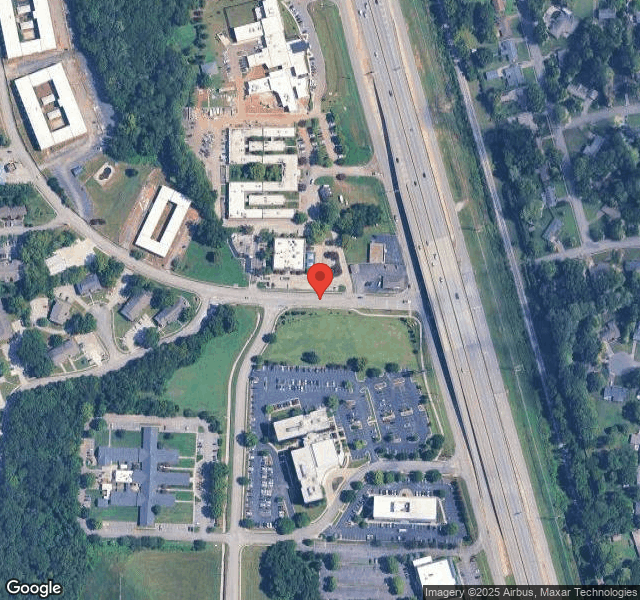

4010 CHRIS DRIVE, HUNTSVILLE, AL 35802 (256) 883-8656
For profit - Corporation 105 Beds NHS MANAGEMENT Data: November 2025
Trust Grade
65/100
#114 of 223 in AL
Last Inspection: January 2022

Over 2 years since last inspection. Current conditions may differ from available data.

Overview

Huntsville Health & Rehabilitation, LLC has a Trust Grade of C+, which indicates that the facility is slightly above average but still has room for improvement. It ranks #114 out of 223 nursing homes in Alabama, placing it in the bottom half of the state's facilities, and #4 out of 12 in Madison County, meaning only three local options are better. The facility's trend is worsening, with issues increasing from 1 in 2019 to 2 in 2022, highlighting some concerns about quality. Staffing is a weakness, with a turnover rate of 63%, which is higher than the state average of 48%, though there are no fines on record, which is a positive sign. Specific incidents include issues with sanitation, such as an open dumpster area which could lead to the spread of bacteria, and failures in meal service, where residents did not receive the proper pureed foods as planned, potentially affecting their nutrition. Overall, while there are some strengths, such as no fines, the facility has significant areas that need attention.

Trust Score
C+
65/100
In Alabama
#114/223
Bottom 49%
Safety Record
Low Risk
No red flags
Inspections
Getting Worse
1 → 2 violations
Staff Stability
⚠ Watch
63% turnover. Above average. Higher turnover means staff may not know residents' routines.
Penalties
✓ Good
No fines on record. Clean compliance history, better than most Alabama facilities.
Skilled Nurses
○ Average
Each resident gets 40 minutes of Registered Nurse (RN) attention daily — about average for Alabama. RNs are the most trained staff who monitor for health changes.
Violations
○ Average
6 deficiencies on record. Average for a facility this size. Mostly minor or procedural issues.
★★★☆☆
3.0
Overall Rating
★★★☆☆
3.0
Staff Levels
★★★☆☆
3.0
Care Quality
★★★☆☆
3.0
Inspection Score
Stable
2019: 1 issues
2022: 2 issues

The Good

  • Full Sprinkler Coverage · Fire safety systems throughout facility
  • No fines on record

Facility shows strength in fire safety.

The Bad

3-Star Overall Rating

Near Alabama average (2.9)

Meets federal standards, typical of most facilities

Staff Turnover: 63%

16pts above Alabama avg (46%)

Frequent staff changes - ask about care continuity

Chain: NHS MANAGEMENT

Part of a multi-facility chain

Ask about local staffing decisions and management

Staff turnover is elevated (63%)

15 points above Alabama average of 48%

The Ugly 6 deficiencies on record

Jan 2022 2 deficiencies
CONCERN (D)

Potential for Harm - no one hurt, but risky conditions existed

Incontinence Care (Tag F0690)

Could have caused harm · This affected 1 resident

**NOTE- TERMS IN BRACKETS HAVE BEEN EDITED TO PROTECT CONFIDENTIALITY** Based on observation, interviews, resident record review and review of a facility policy titled Perineal Care the facility faile...

Read full inspector narrative →
**NOTE- TERMS IN BRACKETS HAVE BEEN EDITED TO PROTECT CONFIDENTIALITY** Based on observation, interviews, resident record review and review of a facility policy titled Perineal Care the facility failed to ensure Employee Identifier (EI) #2 Certified Nursing Assistant (CNA) provided incontinent care for Resident Identifier (RI) #76, a resident with a history of Urinary Tract Infections (UTI), in a manner to prevent UTI. During the survey on 1/11/22 EI #2 was observed wiping bowel movement from RI #76's buttocks, wiping RI #76's perineum from back to front, all while wearing he same pair of soiled gloves for the entire process of incontinent care. This affected one of five residents sampled for bowel and bladder incontinence. Findings include: The facility policy titled Perineal Care with an effective date of 10/1/2010, documented: . I. c) Remove and fecal matter or urine wiping . from front to back . RI #76 was readmitted to the facility on [DATE] with diagnoses to include: Personal History of Urinary Tract Infections (UTI). On 1/11/22 at 4:15 PM Employee Identifier (EI) #2 CNA was observed performing perineal care for RI #76 using wipes to remove bowel movement from RI #76's buttocks while wiping from the back toward the front. Without changing gloves or performing hand hygiene, EI #2 took new wipes to clean the front of RI #76's perineum. EI #2 also placed a new brief under RI #76 while wearing the same soiled gloves and without performing hand hygiene. EI #2 was not observed to remove soiled gloves or perform hand hygiene during the process of perineal care provided for RI #76. On 1/12/2022 at 8:23 AM EI #2 CNA, was asked to tell how she provided the incontinent care for RI #76. EI #2 said she started from the back. EI #2 was asked if she should have removed her gloves. EI #2 replied, yes. EI #2 was asked if she placed a new brief without changing her gloves. EI #2 replied, yes. EI #2 was asked if she was taught to change gloves. EI #2 replied, yes. EI #2 was asked, why did she not change her gloves. EI #2 replied, she was in a hurry. On 1/14/22 at 1:04 PM, EI #3, Director of Nursing (DON) was questioned about the perineal care RI #2 provided for RI #76. EI #2 was asked what EI #2 did that could cause a negative outcome to RI #76. EI #3 replied, not doing perineal care properly could cause an infection like a UTI. EI #3 was asked what did EI #2 do that could cause a UTI. EI #3 replied, going from the dirty side to the clean side. EI #3 was asked what did EI #2 mean by starting from the back. EI #3 replied, she did not know, but perineal care starts from the front and goes toward the back. EI #3 was asked why perineal care should be performed from front to back. EI #3 replied, to not spread bowel movement from the rectum to the front of the perineal area, it could cause a bladder infection. EI #3 was asked what was the potential harm to the resident if perineal care was done from back to front. EI #3 replied, the resident could get a UTI.
CONCERN (F)

Potential for Harm - no one hurt, but risky conditions existed

Garbage Disposal (Tag F0814)

Could have caused harm · This affected most or all residents

Based on observations, interviews, review of a facility policy titled Sanitation Principles and review of the facility Resident Census and Condition report, the facility failed to ensure one of two du...

Read full inspector narrative →
Based on observations, interviews, review of a facility policy titled Sanitation Principles and review of the facility Resident Census and Condition report, the facility failed to ensure one of two dumpster doors were closed and that there was no overflowing trash containers around the dumpster area and that gloves and paper were not laying on the ground outside the dumpster. This was observed on 1/10/2022 during the initial tour of the facility and had the potential to affect all 103 residents residing in the facility. Findings include: A facility policy titled Sanitation Principles with an effective date of 8/10/18 documented . PURPOSE: To prevent the spread of bacteria that may cause food borne illness. PROCESS: . d. (f.) Refuse containers and dumpsters outside the nursing facility should have tight fitting lids, and should be kept covered when not actually being loaded. The areas around the dumpster should be kept free of debris. On 1/10/22 at 4:57 PM during initial tour of the facility, the dumpster area was observed. One of two dumpsters was open. There were also two garbage with overflow of trash. There were two open bags of trash on the ground in white trash bags and a wheelchair arm on the ground. There were used gloves on the ground around one of the dumpsters. On 1/11/22 at 8:09 AM, an observation was made of the dumpster area. The door to dumpster #2 was closed, however, the overflowing trash cans and the white plastic bags were still on the ground. There was a third larger dumpster with overflowing trash noted. On 1/13/22 at 2:54 PM Employee Identifier (EI) #1, Certified Dietary Manager was asked what was going on Monday 1/10/22 when the surveyor came in. EI #1 answered, she was plating and unable to tour with the surveyor. EI #1 was asked how many dumpsters were there. EI #1 answered, there was a cardboard dumpster and a trash dumpster. EI #1 was asked if she was aware of the two trash bins. EI #1 answered, yes. EI #1 was asked, if she was aware there were two white trash bags on the ground, open and over flowing with trash. EI #1 replied, no. EI #1 was asked if she was aware they were over flowing with trash and used gloves were on the ground around the dumpster. EI #1 answered, no. EI #1 was asked, what was the policy concerning the dumpster and the area around it. EI #1 answered, it should be free of debris and the dumpster should be closed to contain the garbage and not get water in them. EI #1 continued by saying there were coyotes and raccoons around. EI #1 was asked, what was the harm in having the dumpster door open. EI #1 answered, it was an infection control problem, it should always be closed, her staff knew that, but nursing and housekeeping used it also. EI #1 was asked, who was responsible for monitoring that area. EI #1 answered, they all did including environmental services, housekeeping, and maintenance.
Oct 2019 1 deficiency
CONCERN (D)

Potential for Harm - no one hurt, but risky conditions existed

Infection Control (Tag F0880)

Could have caused harm · This affected 1 resident

**NOTE- TERMS IN BRACKETS HAVE BEEN EDITED TO PROTECT CONFIDENTIALITY** Based on observations, interviews, record review, and a facility policy titled Hand Hygiene, the facility failed to ensure a Lic...

Read full inspector narrative →
**NOTE- TERMS IN BRACKETS HAVE BEEN EDITED TO PROTECT CONFIDENTIALITY** Based on observations, interviews, record review, and a facility policy titled Hand Hygiene, the facility failed to ensure a Licensed Practical Nurse (LPN) washed her hands: 1. after she gave Resident Identifier (RI) #13's oral medications, and prior to putting on gloves to both of her hands, and 2. after she gave RI #13's nasal medication, remove her gloves, prior to have putting on another pair of gloves, clean the nasal medication top, and place the nasal medication in the drawer of the medication cart. This deficient practice affected RI #13, one of three residents observed during medication pass, and Employee Identifier (EI) #1, one of three nurses observed during medication pass. Findings Include: A review of a facility policy titled Hand Hygiene, with an effective date of 9/01/2017, revealed Purpose: . To provide guidelines to employees for . hand washing . that will aide in the prevention of the transmission of infections . III. Hand Hygiene . after direct resident . contact . After removing gloves . Resident Identifier (RI) #13 was admitted to the facility on [DATE] with a diagnosis to include Chronic Obstructive Pulmonary Disease, Unspecified. RI #13 had a Brief Interview for Mental Status (BIMS) score of 15, indicating cognitively intact. On 10/23/2019 at 7:39 a.m. during the observation of a medication pass for RI #13, EI #1 was observed to not have washed her hands: 1. after she gave RI #13's oral medications in a plastic cup with both ungloved hands, and prior to applying gloves to both of her hands, and 2. after giving RI #13's nasal medication and removing her gloves from both hands, prior to applying another pair of gloves, cleaning the nasal medication top, and placing the nasal medication in the drawer of the medication cart. On 10/23/2019 at 1:55 p.m., an interview was conducted with EI #1, a LPN. EI #1 was asked what should she have done after she gave RI #13's oral medications, and prior to applying gloves to both of her hands. EI #1 stated she should have washed or gelled her hands. EI #1 was asked what should she have done after she gave RI #13's nasal medication, remove her gloves, and prior to applying another pair of gloves. EI #1 stated she should have washed or gelled her hands. EI #1 was asked why did she not wash her hands after she gave the oral and nasal medication to RI #13. EI #1 replied, she forgot to wash her hands. EI #1 was asked what would be the concern in a LPN not washing her hands after giving RI #13's oral medications, and prior to applying gloves to both of her hands. EI #1 stated it could cause an infection to the resident or other residents. EI #1 was asked what would be the concern in a LPN not washing her hands after giving RI #13's nasal medication, removing her gloves, and prior to applying another pair of gloves, cleaning the nasal medication with an alcohol wipe, and placing the nasal medication in the drawer of the medication cart. EI #1 stated it could cause an infection to the resident and any other residents with medications in the medication drawer. EI #1 further stated it could have contaminated herself, and she could have passed germs or bacteria to other residents. EI #1 was asked what the facility policy was on hand hygiene after contact with a resident and removing gloves. She replied, you should wash your hands. On 10/23/2019 at 2:14 p.m., an interview was conducted with EI #2, Infection Control Preventionist/Register Nurse. EI #2 was asked what would be the concern in a LPN not washing her hands after she gave a resident oral medications, and prior to applying gloves to both of her hands. EI #2 stated her hands could be contaminated under the gloves, and she could spread contamination of infection to other residents. EI #2 was asked what would be the concern in a LPN not washing her hands after she gave a resident a nasal medication, removing her gloves, and prior to applying another pair of gloves, cleaning the nasal medication with an alcohol wipe, and placing the nasal medication in the drawer of the medication cart. EI #2 stated it could cause infection to the resident and any other residents with medications in the medication drawer. EI #2 was asked what was the facility policy on hand hygiene on a licensed nurse prior to and after he/she applied gloves to their hands. EI #2 stated you should use hand sanitizer or wash your hands.
Sept 2018 3 deficiencies
CONCERN (D)

Potential for Harm - no one hurt, but risky conditions existed

Incontinence Care (Tag F0690)

Could have caused harm · This affected 1 resident

**NOTE- TERMS IN BRACKETS HAVE BEEN EDITED TO PROTECT CONFIDENTIALITY** Based on observation, interviews, record review and review of a facility policy titled, Perineal Care, the facility failed to en...

Read full inspector narrative →
**NOTE- TERMS IN BRACKETS HAVE BEEN EDITED TO PROTECT CONFIDENTIALITY** Based on observation, interviews, record review and review of a facility policy titled, Perineal Care, the facility failed to ensure a Certified Nursing Assistant (CNA) wiped Resident Identifier (RI) #68's buttocks in an upward direction towards his/her back during the provision of perineal care. This was observed on 9/12/18 and affected RI #68, a resident with a history of Urinary Tract Infection, one of one resident observed for perineal care. Findings Include: A review of a facility policy titled Perineal Care, with an effective date of October 1, 2010, revealed the following: PURPOSE: Good perineal care helps prevent infection . Process: .II. b) Wash the anal area moving upward toward the back. RI #68 was admitted to the facility on [DATE] and readmitted on [DATE] with a diagnosis of Urinary Tract Infection. On 9/12/18 at 11:28 AM Employee Identifier (EI) #2, CNA, was observed performing perineal care for RI #68. EI #2 cleaned the front side of RI #68 then assisted to turn to the resident to the right side. EI #2 wiped the buttocks area of RI #68 in a downward direction. While cleaning stool, EI #2 wiped RI #68's buttocks going from the back towards the urinary opening. On 9/12/18 at 2:05 PM, an interview was conducted with EI #2, CNA. EI #2 was asked how she wiped the stool off RI #68's buttocks area during perineal care. EI #2 replied from back to front. EI #2 was asked how should she have wiped off the stool. EI #2 stated from front to back. EI #2 was asked what the potential harm was in wiping back to front. EI #2 replied infection. On 9/12/18 at 2:20 PM, an interview was conducted with EI #1, Director of Nursing. EI #1 was asked how should staff remove fecal matter during incontinence care. EI #1 stated from front to back. EI #1 was asked what the potential harm was in wiping back to front. EI #1 replied an increased risk for infection.
CONCERN (F)

Potential for Harm - no one hurt, but risky conditions existed

Menu Adequacy (Tag F0803)

Could have caused harm · This affected most or all residents

Based on observation, interview and a review of facility documents titled Menu Changes, Dietary Service Manual, Section: Meal Service and Menus, and . Diet Guide Sheet . Week 4 ., the facility failed ...

Read full inspector narrative →
Based on observation, interview and a review of facility documents titled Menu Changes, Dietary Service Manual, Section: Meal Service and Menus, and . Diet Guide Sheet . Week 4 ., the facility failed to ensure fruit pie puree dessert was prepared and served to residents as planned. Further, the facility failed to ensure residents were served two ounces of pureed dinner roll as specified on the 09/11/18 lunch menu. This had the potential to affect all eight of eight residents in the facility with orders for a regular pureed diet. Findings Include: A review of a facility document titled Menu Changes, Dietary Service Manual, Section: Meal Service and Menus documented the following: .The cycle menu should be followed . menu changes should be indicated on the menu, prior to meal service . A review of a facility document titled . Diet Guide Sheet .Week 4 - Tuesday . documented the following: . Lunch Day 24 .Pureed Dinner Roll . 2oz (ounce) . Pureed Fruit Snack Pie . 4oz . On 09/11/18 at 10:49 a.m., the Surveyor entered the kitchen to watch the lunch tray line. At 11:35 a.m., the Surveyor observed kitchen staff serving pureed meals without pureed dinner roll or pureed fruit snack pie to residents who received a pureed diet. The Surveyor observed staff serving pureed meat with a 4oz (ounce) serving utensil. An interview was conducted with Employee Identifier (EI) # 3, Dietary Manger on 09/11/18 at 03:05 p.m. EI # 3 was asked if staff prepared the pureed dessert for the lunch meal. EI # 3 said she thought they did, but she had not observed it. EI # 3 was asked if staff prepared the pureed bread for the lunch meal. EI # 3 again stated she had not observed it. EI #3 was asked if the menu for the pureed diet dessert and bread were followed for the lunch meal on 9/11/18. EI #3 responded no. EI #3 was asked what is the potential harm in not following the menu. EI #3 responded it could definitely cause weight loss if residents do not receive enough calories. An interview was conducted with Employee Identifier (EI) #4, Registered Dietician, on 09/12/18 at 11:05 a.m. EI #4 was asked if staff should have prepared pureed dessert and bread on 9/11/18. EI #4 responded yes, the pureed desert should have been prepared and served. EI #4 then stated the pureed bread had been pureed into the meat, but staff should have served 6 oz (ounces) of pureed meat containing pureed bread (instead of the 4 oz portion observed). EI #4 was asked what is the potential harm of residents not receiving all items on menus, such as bread and dessert, in appropriate serving portions. EI #4 responded their nutritional needs were not being met as the menus were written to provide adequate nutrition.
CONCERN (F)

Potential for Harm - no one hurt, but risky conditions existed

Food Safety (Tag F0812)

Could have caused harm · This affected most or all residents

Based on observations, interviews and review of facility policies titled, Cleaning of Miscellaneous Equipment and Utensils, Food Preparation Guidelines and Leftover Food Storage and Use, the facility ...

Read full inspector narrative →
Based on observations, interviews and review of facility policies titled, Cleaning of Miscellaneous Equipment and Utensils, Food Preparation Guidelines and Leftover Food Storage and Use, the facility failed to ensure: 1. food items were labeled/dated and no outdated food was stored in refrigerators; 2. sherbet snacks stored in ice cream freezer were frozen solid; 3. thawing sausage patties were not stored above ready to drink juices in the walk-in cooler; and 4. pans were not stack together wet with debris present These failures had the potential to affect all 90 of 90 residents who received meals from the kitchen. Findings Include: 1. The facility's policy for Leftover Food Storage and Use dated August 15, 2009 included: .leftover foods should be covered, labeled and dated .should be used within 72 hours (three days) . The facility's policy for Cleaning of Miscellaneous Equipment and Utensils, dated August 23, 2017 documented: .34 .throw away food not usable or past the storage period .leftovers should be dated. The following was observed on 09/10/18 at 05:35 p.m. during the initial tour of the facility kitchen made with the Employee Identifier (EI) #3, the Dietary Manager: In the walk in refrigerator a plastic bag was noted containing three blueberry muffins. The bag was dated 8/30/18. A bag of lettuce, leaves brown with moisture/liquid in bag, was not labeled or dated. Another bag of shredded lettuce was noted with used by date of 9/8/18. In the reach in refrigerator opened luncheon meat was observed sitting on shelving, not bagged or dated. On 09/11/18 11:45 a.m., an observation of the walk-in refrigerator was made with EI #3, Dietary Manager, and EI #4, Registered Dietician. The plastic bag containing lettuce with no label/use by date remained in the refrigerator. EI #3 and #4 both agreed that these items should have been dated. 09/11/18 at 03:05 p.m., an interview was conducted with EI #3. EI #3 was asked how should lettuce be stored, used and discarded. EI #3 stated it should have been dated. EI #3 was asked what is the harm of not dating items in the cooler. EI #3 responded they can cause potential illness if items are not dated. EI #3 said the lettuce dated 9/8/18 should have been discarded on 9/8/18. EI #3 was asked how lunch meat should be stored in the reach-in cooler. EI #3 responded it should be labeled and dated and wrapped in a plastic bag. When asked what is the potential harm in luncheon meat being stored unopened, EI #3 responded not knowing how long it has been in there, can lead to illness. EI #3 was asked when the bag containing three blueberry muffins that were observed in the walk in cooler dated 8/30/18 should have been discarded. EI #3 responded there should have been a used by date on the bag. On 09/12/18 at 11:05 AM, an interview was conducted with EI #4. When asked when left over food in the walk in cooler should be discarded, EI #4 responded for time temperature controlled foods, the facility policy states three days. EI #4 was asked when a plastic bag containing three blueberry muffins dated 8/30/18 observed in the walk-in refrigerator should be discarded. EI #4 responded they should have been discarded after 7 days. EI #4 was asked what is the potential harm of these foods being in the walk in cooler on this date and time, EI #4 stated they could grow bacteria and cause illness. 2. The facility's policy for Food Preparation Guidelines, dated August 15, 2009, documented: .Attached as an exhibit to this policy is a guide for critical control points of safe food handling. Critical Control Points - Safe Food Handling Guide . Storage of Frozen Foods . Store at 0 (degrees) F (Fahrenheit) or below . On 09/10/18 at 05:35 p.m. during the initial tour of the facility kitchen, made with EI #3, the Dietary Manager, the reach in freezer was noted to contain twelve of twenty-four sherbet snacks that were soft/not frozen solid. 09/11/18 at 03:05 p.m., an interview was conducted with EI #3. EI #3 was asked how frozen sherbet snacks should be stored. EI #3 stated they should be stored in a freezer below zero degrees and hard, not squishy. 3. The facility's policy for Food Preparation Guidelines, dated August 15, 2009, documented: .Attached as an exhibit to this policy is a guide for critical control points of safe food handling. Critical Control Points - Safe Food Handling Guide . Storage of Refrigerated Foods . Raw food covered and stored below cooked food . On 09/10/18 at 05:35 p.m. during the initial tour of the facility kitchen, made with EI #3, the Dietary Manager, sausage patties were observed in the refrigerator on a baking sheet, covered with parchment paper. The sausage patties were sitting on top of single serving juice containers. 09/11/18 at 03:05 p.m., an interview was conducted with EI #3. EI #3 was asked how uncooked meat should be thawed. EI #3 responded it should be thawed on the bottom shelf, not over any other ready to serve foods. 4. The facility's policy titled Cleaning of Miscellaneous Equipment and Utensils, effective August 23, 2017, documented: . 33. Pots and Pans: * Prescrub pots and pans and discard any food particles . * Wash pots and pans thoroughly . * Place pots and pans on drain sink to air dry * Invert pots and pans placed on shelves and assure all are air dried . On 09/10/18 at 05:35 p.m. during the initial tour of the facility kitchen, made with EI #3, the Dietary Manager, two of twelve pans stored on open shelving underneath the food service bar were noted to be stored together, wet with debris noted on the pans. 09/11/18 at 03:05 p.m., EI #3 was asked how pans should be dried and stored. EI #3 responded they should be cleaned and dried on a drying rack and put away clean of debris. EI #3 was asked what the potential harm was of drying pans stacked together with debris present. EI #3 responded bacteria can build up.
Understanding Severity Codes (click to expand)
Life-Threatening (Immediate Jeopardy)
J - Isolated K - Pattern L - Widespread
Actual Harm
G - Isolated H - Pattern I - Widespread
Potential for Harm
D - Isolated E - Pattern F - Widespread
No Harm (Minor)
A - Isolated B - Pattern C - Widespread

Questions to Ask on Your Visit

  • "Why is there high staff turnover? How do you retain staff?"
  • "Can I speak with families of current residents?"
  • "What's your RN coverage like on weekends and overnight?"

Our Honest Assessment

Strengths
  • • No major safety red flags. No abuse findings, life-threatening violations, or SFF status.
  • • No fines on record. Clean compliance history, better than most Alabama facilities.
Concerns
  • • 63% turnover. Above average. Higher turnover means staff may not know residents' routines.
Bottom line: Mixed indicators with Trust Score of 65/100. Visit in person and ask pointed questions.

About This Facility

What is Huntsville Health & Rehabilitation, Llc's CMS Rating?

CMS assigns HUNTSVILLE HEALTH & REHABILITATION, LLC an overall rating of 3 out of 5 stars, which is considered average nationally. Within Alabama, this rating places the facility higher than 99% of the state's 100 nursing homes. This mid-range rating indicates the facility meets federal standards but may have areas for improvement.

How is Huntsville Health & Rehabilitation, Llc Staffed?

CMS rates HUNTSVILLE HEALTH & REHABILITATION, LLC's staffing level at 3 out of 5 stars, which is average compared to other nursing homes. Staff turnover is 63%, which is 16 percentage points above the Alabama average of 46%. High turnover can affect care consistency as new staff learn residents' individual needs. RN turnover specifically is 73%, which is notably high. RNs provide skilled clinical oversight, so turnover in this role can affect medical care quality.

What Have Inspectors Found at Huntsville Health & Rehabilitation, Llc?

State health inspectors documented 6 deficiencies at HUNTSVILLE HEALTH & REHABILITATION, LLC during 2018 to 2022. These included: 6 with potential for harm.

Who Owns and Operates Huntsville Health & Rehabilitation, Llc?

HUNTSVILLE HEALTH & REHABILITATION, LLC is owned by a for-profit company. For-profit facilities operate as businesses with obligations to shareholders or private owners. The facility is operated by NHS MANAGEMENT, a chain that manages multiple nursing homes. With 105 certified beds and approximately 95 residents (about 90% occupancy), it is a mid-sized facility located in HUNTSVILLE, Alabama.

How Does Huntsville Health & Rehabilitation, Llc Compare to Other Alabama Nursing Homes?

Compared to the 100 nursing homes in Alabama, HUNTSVILLE HEALTH & REHABILITATION, LLC's overall rating (3 stars) is above the state average of 2.9, staff turnover (63%) is significantly higher than the state average of 46%, and health inspection rating (3 stars) is at the national benchmark.

What Should Families Ask When Visiting Huntsville Health & Rehabilitation, Llc?

Based on this facility's data, families visiting should ask: "How do you ensure continuity of care given staff turnover, and what is your staff retention strategy?" "Can I visit during a mealtime to observe dining assistance and food quality?" "How do you handle medical emergencies, and what is your hospital transfer rate?" "Can I speak with family members of current residents about their experience?" These questions are particularly relevant given the facility's high staff turnover rate.

Is Huntsville Health & Rehabilitation, Llc Safe?

Based on CMS inspection data, HUNTSVILLE HEALTH & REHABILITATION, LLC has a clean safety record: no substantiated abuse findings (meaning no confirmed cases of resident harm), no Immediate Jeopardy citations (the most serious violation level indicating risk of serious injury or death), and is not on the Special Focus Facility watch list (a federal program monitoring the lowest-performing 1% of nursing homes). The facility has a 3-star overall rating and ranks #1 of 100 nursing homes in Alabama. While no facility is perfect, families should still ask about staff-to-resident ratios and recent inspection results during their visit.

Do Nurses at Huntsville Health & Rehabilitation, Llc Stick Around?

Staff turnover at HUNTSVILLE HEALTH & REHABILITATION, LLC is high. At 63%, the facility is 16 percentage points above the Alabama average of 46%. Registered Nurse turnover is particularly concerning at 73%. RNs handle complex medical decisions and coordinate care — frequent RN changes can directly impact care quality. High turnover means new staff may not know residents' individual needs, medications, or preferences. It can also be disorienting for residents, especially those with dementia who rely on familiar faces. Families should ask: What is causing the turnover? What retention programs are in place? How do you ensure care continuity during staff transitions?

Was Huntsville Health & Rehabilitation, Llc Ever Fined?

HUNTSVILLE HEALTH & REHABILITATION, LLC has no federal fines on record. CMS issues fines when nursing homes fail to meet care standards or don't correct problems found during inspections. The absence of fines suggests the facility has either maintained compliance or corrected any issues before penalties were assessed. This is a positive indicator, though families should still review recent inspection reports for the full picture.

Is Huntsville Health & Rehabilitation, Llc on Any Federal Watch List?

HUNTSVILLE HEALTH & REHABILITATION, LLC is not on any federal watch list. The most significant is the Special Focus Facility (SFF) program, which identifies the bottom 1% of nursing homes nationally based on persistent, serious quality problems. Not being on this list means the facility has avoided the pattern of deficiencies that triggers enhanced federal oversight. This is a positive indicator, though families should still review the facility's inspection history directly.