WILLOWBROOKE CT SKILLED CARE CTR AT MAGNOLIA TRACE
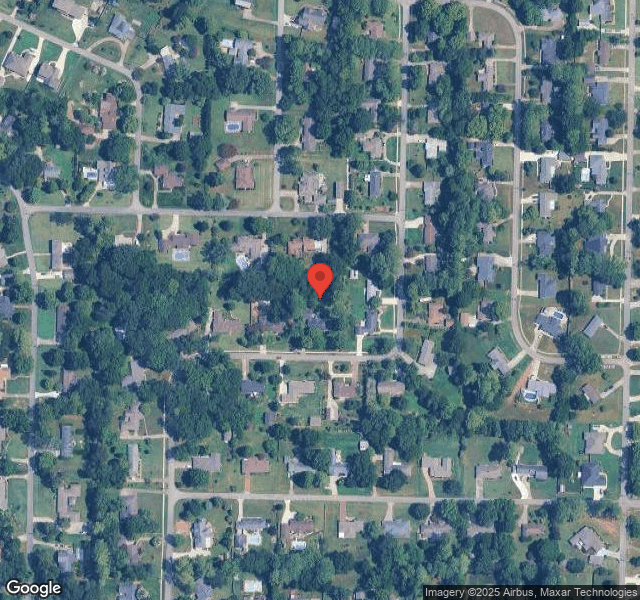

ONE CROWN CIRCLE, HUNTSVILLE, AL 35802 (256) 261-1602
Non profit - Corporation 59 Beds ACTS RETIREMENT-LIFE COMMUNITIES Data: November 2025
Trust Grade
85/100
#76 of 223 in AL
Last Inspection: May 2022

Over 2 years since last inspection. Current conditions may differ from available data.

Overview

Willowbrooke Court Skilled Care Center at Magnolia Trace in Huntsville, Alabama, has a Trust Grade of B+, which means it is above average and recommended for potential residents. It ranks #76 out of 223 facilities in Alabama and #3 out of 12 in Madison County, placing it in the top half for both state and county rankings. However, the facility's trend is worsening, with reported concerns increasing from 1 in 2019 to 4 by 2022. Staffing is a strong point, with a 5-star rating and only 19% turnover, well below the state average of 48%, indicating that staff members are experienced and familiar with residents. Notably, there have been no fines, which is a positive sign, and the facility has more RN coverage than 99% of Alabama facilities, ensuring that registered nurses are available to catch potential issues. However, there are some weaknesses to consider. Recent inspections revealed concerns such as staff not properly washing hands after handling potentially contaminated items, which could pose infection risks to residents. Another finding indicated a failure to accurately record a resident's diagnoses, which could impact their care plan. Overall, while Willowbrooke provides strong staffing and RN coverage, families should be aware of the increasing compliance issues that need addressing.

Trust Score
B+
85/100
In Alabama
#76/223
Top 34%
Safety Record
Low Risk
No red flags
Inspections
Getting Worse
1 → 3 violations
Staff Stability
✓ Good
19% annual turnover. Excellent stability, 29 points below Alabama's 48% average. Staff who stay learn residents' needs.
Penalties
✓ Good
No fines on record. Clean compliance history, better than most Alabama facilities.
Skilled Nurses
✓ Good
Each resident gets 84 minutes of Registered Nurse (RN) attention daily — more than 97% of Alabama nursing homes. RNs are the most trained staff who catch health problems before they become serious.
Violations
✓ Good
Only 4 deficiencies on record. Cleaner than most facilities. Minor issues only.
★★★★☆
4.0
Overall Rating
★★★★★
5.0
Staff Levels
★★★☆☆
3.0
Care Quality
★★★☆☆
3.0
Inspection Score
Stable
2019: 1 issues
2022: 3 issues

The Good

  • 5-Star Staffing Rating · Excellent nurse staffing levels
  • Low Staff Turnover (19%) · Staff stability means consistent care
  • Full Sprinkler Coverage · Fire safety systems throughout facility
  • No fines on record
  • Staff turnover is low (19%)

    29 points below Alabama average of 48%

Facility shows strength in staffing levels, staff retention, fire safety.

The Bad

Chain: ACTS RETIREMENT-LIFE COMMUNITIES

Part of a multi-facility chain

Ask about local staffing decisions and management

The Ugly 4 deficiencies on record

May 2022 3 deficiencies
CONCERN (D)

Potential for Harm - no one hurt, but risky conditions existed

Assessment Accuracy (Tag F0641)

Could have caused harm · This affected 1 resident

**NOTE- TERMS IN BRACKETS HAVE BEEN EDITED TO PROTECT CONFIDENTIALITY** Based on interview, record review, and review of Centers for Medicare & Medicaid Services (CMS) Long-Term Care Facility Resident...

Read full inspector narrative →
**NOTE- TERMS IN BRACKETS HAVE BEEN EDITED TO PROTECT CONFIDENTIALITY** Based on interview, record review, and review of Centers for Medicare & Medicaid Services (CMS) Long-Term Care Facility Resident Assessment Instrument 3.0 User ' s Manual, the facility failed to ensure Resident Identifier (RI) #32's admission Minimum Data Set (MDS), with an Assessment Reference Date (ARD) of 4/29/22 was accurately coded to reflect RI #32's active diagnoses. This affected one of 13 sampled residents for whom MDS assessments were reviewed. Findings Include: A review of the Centers for Medicare & Medicaid Services Long-Term Care Facility Resident Assessment Instrument 3.0 User ' s Manual, dated October 2019, revealed: . SECTION I: ACTIVE DIAGNOSES Intent: The items in this section are intended to code diseases that have a direct relationship to the resident's current functional status, cognitive status, mood or behavior status, medical treatments, nursing monitoring, or risk of death. One of the important functions of the MDS assessment is to generate an updated, accurate picture of the resident's current health status. RI # 32 was admitted to the facility on [DATE]. A review of RI #32's admission MDS with an ARD of 4/29/22 documented RI #32 had active diagnoses of pneumonia and septicemia within the prior seven days. However, review of RI #32's medical record and diagnoses list revealed RI #32 was not admitted with a diagnosis of pneumonia or Septicemia. On 5/17/22 at 12:00 PM an interview was conducted with Employee Identifier (EI) #1, Registered Nurse (RN)/Director of Nursing (DON). EI #1 was asked if RI #32 was admitted to the facility with diagnoses of pneumonia and septicemia. EI #1 stated no. EI #1 was asked why it was marked on RI #32's admission MDS that he/she had pneumonia and septicemia. EI #1 stated she was unsure why it was marked. EI #1 further stated the admission MDS was not correct because RI #32 did not have pneumonia or septicemia. EI #1 was asked why an MDS should reflect a resident's correct medical diagnoses. EI #1 stated for an accurate reflection of the resident's condition. An interview was conducted with EI #2, RN/MDS Coordinator, on 5/17/22 at 12:08 PM. EI #2 was asked when the admission MDS was completed for RI #32. EI #2 stated the ARD was 4/29/22. EI #2 was asked if RI #32's admission MDS indicated he/she had pneumonia and septicemia on admission. EI #2 stated yes, it was an error. EI #2 was asked if RI #32 had pneumonia or septicemia when admitted to the facility on [DATE]. EI #2 stated no, he/she did not. EI #2 was asked what the importance of accurate diagnoses on the MDS was. EI #2 stated to show what the resident was being treated for and to ensure the resident received quality care and services.
CONCERN (D)

Potential for Harm - no one hurt, but risky conditions existed

Infection Control (Tag F0880)

Could have caused harm · This affected 1 resident

**NOTE- TERMS IN BRACKETS HAVE BEEN EDITED TO PROTECT CONFIDENTIALITY** Based on observation, staff interviews, review of facility policies titled, GLOVES AND EYE DROPS, INSTILLATION, the facility fai...

Read full inspector narrative →
**NOTE- TERMS IN BRACKETS HAVE BEEN EDITED TO PROTECT CONFIDENTIALITY** Based on observation, staff interviews, review of facility policies titled, GLOVES AND EYE DROPS, INSTILLATION, the facility failed to ensure: 1. Employee Identifier (EI) #6, a Recreational Assistant, changed gloves and sanitized hands after touching Resident Identifier (RI) #2's wheelchair handles while wearing gloves before she retrieved a plate from the steam table and served it to RI #12 while wearing the same gloves, and 2. EI #7, a Registered Nurse (RN), placed a barrier on the over-bed table before placing a container of eye drops on the table, and changed her gloves and sanitized hands before administering eye drops to RI #8. This affected RI #2 and RI #12, two of 22 residents observed during dining observations, and RI #8, one of five residents observed during medication pass. Findings include: 1) A review of an undated facility policy titled, GLOVES documented: . POLICY: To strive to ensure that gloves are worn . when handling or touching contaminated items or surfaces. PROCEDURE: . 3. Disposable gloves shall be replaced as soon as possible when contaminated. On 5/14/22 at 12:22 PM, EI #6, a Recreational Assistant, was observed serving meals to residents in the main dining room. While wearing gloves, EI #6 was observed placing both hands on the handles of RI #2's wheelchair to reposition the resident closer to the table. Then, while wearing those same gloves, EI #6 went back to the steam table to retrieve a plate for RI #12 and placed it on the table in front of him/her. On 5/14/22 at 12:48 PM, an interview was conducted with EI #6, Recreational Assistant. EI #6 was asked what she should do when wearing gloves if she touched wheelchairs or any other potentially contaminated object. EI #6 said change gloves and wash her hands. EI #6 was asked did she change her gloves and wash her hands after she moved RI #2's wheelchair closer to the table before getting RI #12's plate from the steam table. EI #6 said no. When asked what the concern was with not changing gloves and washing hands after touching potentially contaminated objects and serving another resident's plate, EI #6 said spreading germs. 2) A review of a facility policy titled, EYE DROPS, INSTILLATION, revised 12/2018, revealed: . PROCEDURE: 1. Wash your hands and apply gloves. 3. Remove the cap from the medication bottle and place it upright on a barrier . RI #8 was readmitted to the facility on [DATE]. On 5/15/2022 at 4:57 PM, EI #7, Registered Nurse (RN), was observed donning gloves at medication cart, entering RI #8's room and placing a med cup containing Tylenol and applesauce, and a container of eye drops on an over-bed table without a barrier. EI #7 administered RI #8's Tylenol and applesauce with a spoon, pulled a Kleenex from the box and handed it to resident, and while still wearing the same gloves, she administered RI #8's eye drops, removed her gloves, walked back to the medication cart and placed the eye drops back in the box without wiping off the container and placed it in the cart. On 5/15/2022 at 5:06 PM, an interview was conducted with EI #7, RN. EI #7 was asked when she should change gloves and sanitize her hands during medication pass. EI #7 said if they were soiled. EI #7 was asked if she changed her gloves and sanitized her hands after she administered RI #8's Tylenol with applesauce before she administered his/her eye drops. EI #7 said no. When asked if she placed a barrier on the table before she placed the eye drops container on it, EI #7 said no, but she should have. EI #7 was asked if she wiped the bottle of eye drops off before placing them back in the box after they were on the table. EI #7 said no, but she should have. When asked what the concern was with not changing gloves and sanitizing her hands after touching potentially contaminated objects before administering RI #8's eye drops, EI #7 said cross contamination. On 5/17/2022 at 8:12 AM, an interview was conducted with EI #3, RN/Assistant Director of Nursing (ADON)/Infection Control Preventionist (ICP). EI #3 was asked when nurses should change gloves and sanitize hands during medication pass. EI #3 said when they are visibly soiled or contaminated and before and after and in between each different route. EI #3 was asked should a nurse administer eye drops wearing the same gloves worn to administer by mouth medications. EI #3 said no. EI #3 was asked should an eye drop container be placed on an over-bed table without a barrier. EI #3 said no. When asked why not, EI #3 stated cross contamination.
CONCERN (F)

Potential for Harm - no one hurt, but risky conditions existed

Food Safety (Tag F0812)

Could have caused harm · This affected most or all residents

Based on observations, staff interviews, and review of a facility policy titled, Culinary Services Manual . HAND WASHING PROCEDURE, the facility failed to ensure two Dietary Aides practiced proper han...

Read full inspector narrative →
Based on observations, staff interviews, and review of a facility policy titled, Culinary Services Manual . HAND WASHING PROCEDURE, the facility failed to ensure two Dietary Aides practiced proper handwashing/glove changes when going from touching potentially contaminated objects such as such as the hot box handle to retrieving hamburger buns from a plastic bag and placing them on residents' plates during the lunch meal on 5/14/22. This had the potential to affect 22 of 22 residents receiving meals from the dining room. Findings include: A review of a facility policy titled, HAND WASHING PROCEDURE, with a revised date of 12/07, documented: . POLICY: Each employee will wash their hands frequently to eliminate visible dirt and to reduce bacterial load and cross contamination. 1. Hands will be washed at the following times: . After: . U. Touching equipment . On 5/14/22 at 12:22 PM, Employee Identifier (EI) #4 and EI #5, Dietary Aides, were plating food from the steam table in the dining room. EI #4's and EI #5's hands were gloved. EI #4 and EI #5 were both observed leaving the steam table while still wearing their gloves, going to the hot box, opening the door by pulling the handle, and then going to the counter and getting hamburger buns from a plastic bag and placing them on residents' plates while still wearing the same gloves. On 5/15/22 at 3:04 PM, an interview was conducted with EI #4, Dietary Aide. EI #4 was asked when should gloves be changed when plating meals. EI #4 said before and after serving the meal and if they touched anything. When asked if she changed her gloves after she touched the potentially contaminated hot box handle and before she got hamburger buns out of the plastic bag on the counter, EI #4 said no, but she should have because that was cross contamination and residents could get sick. On 5/15/22 at 3:15 PM, an interview was conducted with EI #5, Dietary Aide. EI #5 was asked what did the policy say about changing gloves. EI #5 said any time she touched a contaminated surface she should take off her gloves, wash her hands, and put on clean gloves. EI #5 was asked if she changed gloves and washed her hands on 5/14/22 when she opened the hot box with the handle while wearing gloves and then took hamburger buns from the plastic bag on the counter wearing the same gloves. EI #5 said no, but now she realized that the hot box handle was a contaminated surface and that touching it and then getting hamburger buns from the plastic bag would contaminate the buns, and she should have changed her gloves. When asked what the concern was with not changing her gloves and washing her hands after touching the potentially contaminated hot box handle, EI #5 said cross contamination that could possibly cause food poisoning or infection. On 5/17/22 at 8:12 AM, an interview was conducted with EI #3, Registered Nurse (RN)/Assistant Director of Nursing (ADON)/Infection Control Preventionist (ICP). EI #3 was asked when staff should wear gloves when serving meals in the dining room. EI #3 said when preparing meals behind the steam table. EI #3 was asked should a dietary aide that was plating meals touch the hot box handle while wearing gloves and then get hamburger buns from a plastic bag while still wearing those same gloves. EI #3 said no, that was cross contamination, and they could introduce bacteria to the residents.
Oct 2019 1 deficiency
CONCERN (E)

Potential for Harm - no one hurt, but risky conditions existed

Infection Control (Tag F0880)

Could have caused harm · This affected multiple residents

**NOTE- TERMS IN BRACKETS HAVE BEEN EDITED TO PROTECT CONFIDENTIALITY** 2.) RI #178 was admitted to the facility on [DATE] with a Brief Interview for Mental Status (BIMS) score of 11, moderately impai...

Read full inspector narrative →
**NOTE- TERMS IN BRACKETS HAVE BEEN EDITED TO PROTECT CONFIDENTIALITY** 2.) RI #178 was admitted to the facility on [DATE] with a Brief Interview for Mental Status (BIMS) score of 11, moderately impaired, and with diagnoses including, Chronic Diastolic (Congestive) Heart Failure, Hypertensive Heart Disease with Heart Failure and Nonrheumatic Aortic (Valve) Stenosis. On 10/17/19 at 09:06 a.m., during observation of medication pass for RI #178, Employee Identifier (EI) #3, a Registered Nurse (RN) was observed and the following was not done: 1. rinsed and dried out the facemask of the nebulizer of RI #178's breathing treatment, and 2. washed her hands after she placed RI #178's facemask in a plastic bag, and prior to setting up RI #178's breakfast meal tray. On 10/17/19 at 09:26 a.m., an interview was conducted with EI #3. EI #3 was asked, what happened after she removed the nebulizer mask off of RI #178. EI #3 replied she took the mask off RI #178, put it in a clear plastic bag, and placed it in the bedside drawer. The surveyor asked EI #3, what should have been done after taking the mask off RI #178. EI #3 replied, rinse the mask out and dry it with a clean towel before placing it in the plastic bag. EI #3 was asked, after she removed her gloves what should have been done before she gave RI #178's breakfast meal tray. EI #3 replied that she should have washed her hands or sanitized them. The surveyor asked EI #3, what did the facility policy say you are to do after you give a resident a breathing treatment. EI #3 answered, you should wash your hands. EI #3 was asked, did she follow the facility policy. EI #3 stated, no. EI #3 was asked, what was the potential concern of hands not washed after you give a breathing treatment. EI #3 stated it could cause an infection to the resident and she could spread a respiratory infection to another resident. On 10/17/19 at 10:20 a.m., a second interview was conducted with EI #3. EI #3 was asked, what was in the nebulizer mask in RI #178's room in the bedside drawer. EI #3 replied, several clear little fluids in facemask. EI #3 was asked, did she clean the facemask before putting in plastic bag and placing in bedside drawer. EI #3 said, no. EI #3 was asked, what should have been done after the breathing treatment was completed. EI #3 replied, clean the facemask, and rinse the nebulizer cup and let both dry completely before storing. The surveyor asked EI #3, was that done. EI #3 replied, no. EI #3 was asked, what was the potential concern of not rinsing out the nebulizer facemask before storing in a plastic bag. EI #3 replied, the risk of spreading infection. On 10/17/19 at 1:01 p.m., an interview was conducted with EI #2. EI #2 was asked, what would be the concern in a licensed staff nurse not washing hands after finishing a breathing treatment prior to setting up a breakfast meal tray for a resident. EI #2 replied, it could cause contamination. EI #2 was asked, what was the facility policy on hand hygiene after you give a resident a breathing treatment. EI #2 replied, you should perform hand hygiene with soap and water or use a alcohol based gel. The surveyor asked EI #2, what would be the concern in a licensed staff nurse not rinsing the facemask of the nebulizer under running water and air dry both prior to placing in a plastic bag. EI #2 replied, it could possibly cause an infection to the resident. EI #2 was asked, when should a licensed staff nurse wash their hands with soap and water. EI #2 replied, you should wash your hands with soap and water before and after contact with a resident. Based on observations, interviews, record review, and facility policies titled HAND WASHING AND HAND HYGIENE and NEBULIZER TREATMENT, the facility failed to ensure Employee Indentifer (EI) #1, a License Practical Nurse (LPN),: 1. washed her hands after she placed the oxygen finger probe, with both ungloved hands, on the fourth finger of Resident Indentifer (RI) #12's right hand, and prior to placing the inhalation vial medication in the reservoir of RI #12's breathing machine, and 2. rinsed and dried out the facemask of the nebulizer after RI #12's breathing treatment. The facility further failed to ensure EI #3, a Registered Nurse (RN),: 1. rinsed and dried out the facemask of the nebulizer of RI #178's breathing treatment, and 2. washed her hands after she placed RI #178's facemask in a plastic bag, and prior to setting up RI #178's breakfast meal tray. These deficient practice affected two of two residents observed with breathing treatments during medication pass, and two of two licensed nurses observed during medication pass. Findings Include: A review of a facility policy titled HAND WASHING AND HAND HYGIENE, with no date, revealed . POLICY: To strive to prevent infections through adequate hand washing . Procedure: . c. After contact with a resident's intact skin . After contact with inanimate objects (including medical equipment) in the immediate vicinity of the resident . A review of a facility policy titled NEBULIZER TREATMENT, with no date, revealed . Procedure: . 10. After the treatment . b. Open up the nebulizer and thoroughly rinse the nebulizer under running water. c. Air dry the nebulizer on a clean towel d. When the nebulizer is thoroughly dry store in a plastic baggie. 1.) RI #12 was readmitted to the facility on [DATE] with a Brief Interview for Mental Status (BIMS) score of 11, moderately impaired, and with diagnosis to include Chronic Obstructive Pulmonary Disease. On 10/17/2019 at 9:30 a.m., during observation of medication pass for RI #12, EI #1, a LPN, was observed and the following was not done: 1. wash her hands after she placed the oxygen finger probe, with both ungloved hands, on the fourth finger of RI #12's right hand, and prior to placing the inhalation vial medication in the reservoir of RI #12's breathing machine, and 2. rinse and dry RI #12's facemask of the nebulizer after RI #12's breathing treatment, prior to placing the facemask in the plastic bag on RI #12's bedside table. On 10/17/2019 at 12:33 p. m., an interview was conducted with EI #1. EI #1 was asked what should she have done after she put the oxygen finger probe, with both ungloved hands, on the fourth finger of RI #12's right hand. EI #1 stated she should have washed her hands. EI #2 was asked why did she not wash her hands after she put the oxygen finger probe on RI #12's fourth finger with both of her ungloved hands. EI #1 stated she was nervous. EI #1 was asked what would be the concern of a licensed nurse not having washed her hands after she came in contact with RI #12's skin. EI #1 stated RI #12 or herself could contact germs and become sick. EI #1 was asked what was the facility policy on hand hygiene after you touched a resident's skin with both ungloved hands. EI #1 stated you should wash your hands. EI #1 was then asked what should she have done after she removed RI #12's face mask of the nebulizer prior to having placed the face mask in the plastic bag on the bedside table. EI #1 stated she should have disconnected the facemask with the attached reservoir cup of the nebulizer, rinsed the facemask under running water, and air dried the facemask on a paper towel, prior to putting it in a plastic bag. EI #1 was asked why she did not rinse the facemask of the nebulizer under running water and air dry the nebulizer prior to have placed the face mask in the plastic bag. EI #1 stated she was nervous. EI #1 was asked what was the facility policy on care of the facemask after a resident had a breathing treatment. EI #1 stated you should disconnect the facemask with the attached reservoir cup of the nebulizer, rinse the facemask under running water, and air dry it on a paper towel prior to putting the facemask in a plastic bag. EI #1 was asked what would be the concern in a licensed nurse not rinsing the facemask of the nebulizer under running water, and air dry the nebulizer prior to placing the facemask in a plastic bag. EI #1 stated it could spread germs, and could cause a respiratory infection to the resident. On 10/17/2019 at 12:50 p.m., an interview was conducted with EI #2, the Infection Control Preventionist/Register Nurse. EI #2 was asked what would be the concern in a licensed staff nurse not washing their hands after she came in contact with a resident's skin. EI #2 stated it could spread infection to other residents. EI #2 was asked what was the facility policy on hand hygiene after a licensed nurse touched a resident's skin with both ungloved hands. EI #2 stated you should perform hand hygiene by hand washing or use of an alcohol based gel. EI #2 was asked what was the facility policy on care of the facemask after a resident had a breathing treatment. EI #2 stated you should rinse the nebulizer under running water, air dry on a clean towel, and once it was dry, store it in a plastic bag. EI #2 was asked what would be the concern in a licensed nurse not rinsing the facemask of the nebulizer under running water, and air dry both prior to have placed in a plastic bag. EI #2 stated it could cause an infection to the resident.
Understanding Severity Codes (click to expand)
Life-Threatening (Immediate Jeopardy)
J - Isolated K - Pattern L - Widespread
Actual Harm
G - Isolated H - Pattern I - Widespread
Potential for Harm
D - Isolated E - Pattern F - Widespread
No Harm (Minor)
A - Isolated B - Pattern C - Widespread

Questions to Ask on Your Visit

  • "Can I speak with families of current residents?"
  • "What's your RN coverage like on weekends and overnight?"

Our Honest Assessment

Strengths
  • • Grade B+ (85/100). Above average facility, better than most options in Alabama.
  • • No major safety red flags. No abuse findings, life-threatening violations, or SFF status.
  • • No fines on record. Clean compliance history, better than most Alabama facilities.
  • • Only 4 deficiencies on record. Cleaner than most facilities. Minor issues only.
Concerns
  • • No significant concerns identified. This facility shows no red flags across CMS ratings, staff turnover, or federal penalties.
Bottom line: Generally positive indicators. Standard due diligence and a personal visit recommended.

About This Facility

What is Willowbrooke Ct Skilled Care Ctr At Magnolia Trace's CMS Rating?

CMS assigns WILLOWBROOKE CT SKILLED CARE CTR AT MAGNOLIA TRACE an overall rating of 4 out of 5 stars, which is considered above average nationally. Within Alabama, this rating places the facility higher than 99% of the state's 100 nursing homes. This rating reflects solid performance across the metrics CMS uses to evaluate nursing home quality.

How is Willowbrooke Ct Skilled Care Ctr At Magnolia Trace Staffed?

CMS rates WILLOWBROOKE CT SKILLED CARE CTR AT MAGNOLIA TRACE's staffing level at 5 out of 5 stars, which is much above average compared to other nursing homes. Staff turnover is 19%, compared to the Alabama average of 46%. This relatively stable workforce can support continuity of care.

What Have Inspectors Found at Willowbrooke Ct Skilled Care Ctr At Magnolia Trace?

State health inspectors documented 4 deficiencies at WILLOWBROOKE CT SKILLED CARE CTR AT MAGNOLIA TRACE during 2019 to 2022. These included: 4 with potential for harm.

Who Owns and Operates Willowbrooke Ct Skilled Care Ctr At Magnolia Trace?

WILLOWBROOKE CT SKILLED CARE CTR AT MAGNOLIA TRACE is owned by a non-profit organization. Non-profit facilities reinvest revenue into operations rather than distributing to shareholders. The facility is operated by ACTS RETIREMENT-LIFE COMMUNITIES, a chain that manages multiple nursing homes. With 59 certified beds and approximately 16 residents (about 27% occupancy), it is a smaller facility located in HUNTSVILLE, Alabama.

How Does Willowbrooke Ct Skilled Care Ctr At Magnolia Trace Compare to Other Alabama Nursing Homes?

Compared to the 100 nursing homes in Alabama, WILLOWBROOKE CT SKILLED CARE CTR AT MAGNOLIA TRACE's overall rating (4 stars) is above the state average of 3.0, staff turnover (19%) is significantly lower than the state average of 46%, and health inspection rating (3 stars) is at the national benchmark.

What Should Families Ask When Visiting Willowbrooke Ct Skilled Care Ctr At Magnolia Trace?

Based on this facility's data, families visiting should ask: "Can I visit during a mealtime to observe dining assistance and food quality?" "How do you handle medical emergencies, and what is your hospital transfer rate?" "Can I speak with family members of current residents about their experience?"

Is Willowbrooke Ct Skilled Care Ctr At Magnolia Trace Safe?

Based on CMS inspection data, WILLOWBROOKE CT SKILLED CARE CTR AT MAGNOLIA TRACE has a clean safety record: no substantiated abuse findings (meaning no confirmed cases of resident harm), no Immediate Jeopardy citations (the most serious violation level indicating risk of serious injury or death), and is not on the Special Focus Facility watch list (a federal program monitoring the lowest-performing 1% of nursing homes). The facility has a 4-star overall rating and ranks #1 of 100 nursing homes in Alabama. While no facility is perfect, families should still ask about staff-to-resident ratios and recent inspection results during their visit.

Do Nurses at Willowbrooke Ct Skilled Care Ctr At Magnolia Trace Stick Around?

Staff at WILLOWBROOKE CT SKILLED CARE CTR AT MAGNOLIA TRACE tend to stick around. With a turnover rate of 19%, the facility is 26 percentage points below the Alabama average of 46%. Low turnover is a positive sign. It means caregivers have time to learn each resident's needs, medications, and personal preferences. Consistent staff also notice subtle changes in a resident's condition more quickly. Registered Nurse turnover is also low at 25%, meaning experienced RNs are available to handle complex medical needs.

Was Willowbrooke Ct Skilled Care Ctr At Magnolia Trace Ever Fined?

WILLOWBROOKE CT SKILLED CARE CTR AT MAGNOLIA TRACE has no federal fines on record. CMS issues fines when nursing homes fail to meet care standards or don't correct problems found during inspections. The absence of fines suggests the facility has either maintained compliance or corrected any issues before penalties were assessed. This is a positive indicator, though families should still review recent inspection reports for the full picture.

Is Willowbrooke Ct Skilled Care Ctr At Magnolia Trace on Any Federal Watch List?

WILLOWBROOKE CT SKILLED CARE CTR AT MAGNOLIA TRACE is not on any federal watch list. The most significant is the Special Focus Facility (SFF) program, which identifies the bottom 1% of nursing homes nationally based on persistent, serious quality problems. Not being on this list means the facility has avoided the pattern of deficiencies that triggers enhanced federal oversight. This is a positive indicator, though families should still review the facility's inspection history directly.