RIDGEVIEW HEALTH SERVICES, INC
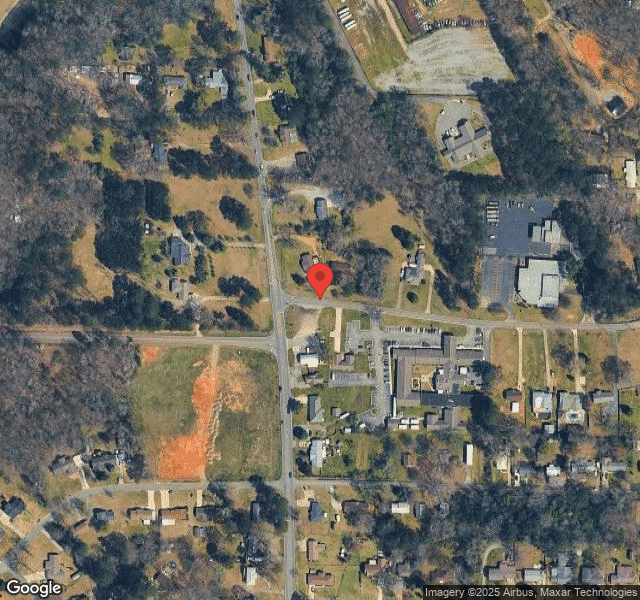
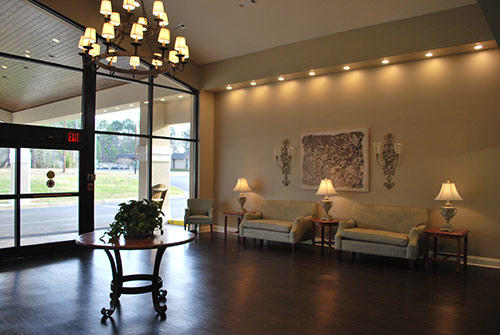
907 11TH STREET, NE, JASPER, AL 35504 (205) 221-9111
For profit - Individual 148 Beds Independent Data: November 2025
Trust Grade
55/100
#175 of 223 in AL
Last Inspection: August 2025

Inspected within the last 6 months. Data reflects current conditions.

Overview

Ridgeview Health Services, Inc. has a Trust Grade of C, indicating that it is average and situated in the middle of the pack among nursing homes. It ranks #175 out of 223 facilities in Alabama, placing it in the bottom half, but is #2 out of 5 in Walker County, meaning only one local option is better. The facility's trend is worsening, with the number of issues increasing from 2 in 2019 to 5 in 2023. Staffing is a strength, rated at 4 out of 5 stars, with a turnover rate of 54%, which is close to the state average. Although there have been no fines recorded, which is a positive sign, there are concerning incidents, such as a delay in providing a wound vacuum for a resident, leading to complications, and a failure to protect a resident from physical abuse by another resident, indicating the need for improved supervision and care protocols.

Trust Score
C
55/100
In Alabama
#175/223
Bottom 22%
Safety Record
Moderate
Needs review
Inspections
Getting Worse
2 → 5 violations
Staff Stability
⚠ Watch
54% turnover. Above average. Higher turnover means staff may not know residents' routines.
Penalties
✓ Good
No fines on record. Clean compliance history, better than most Alabama facilities.
Skilled Nurses
✓ Good
Each resident gets 45 minutes of Registered Nurse (RN) attention daily — more than average for Alabama. RNs are trained to catch health problems early.
Violations
○ Average
9 deficiencies on record. Average for a facility this size. Mostly minor or procedural issues.
★★☆☆☆
2.0
Overall Rating
★★★★☆
4.0
Staff Levels
★★☆☆☆
2.0
Care Quality
★★☆☆☆
2.0
Inspection Score
Stable
2019: 2 issues
2025: 5 issues

The Good

  • 4-Star Staffing Rating · Above-average nurse staffing levels
  • Full Sprinkler Coverage · Fire safety systems throughout facility
  • No fines on record

Facility shows strength in staffing levels, fire safety.

The Bad

2-Star Overall Rating

Below Alabama average (2.9)

Below average - review inspection findings carefully

Staff Turnover: 54%

Near Alabama avg (46%)

Higher turnover may affect care consistency

The Ugly 9 deficiencies on record

1 actual harm
Aug 2025 5 deficiencies 1 Harm
SERIOUS (G)

Actual Harm - a resident was hurt due to facility failures

Quality of Care (Tag F0684)

A resident was harmed · This affected 1 resident

**NOTE- TERMS IN BRACKETS HAVE BEEN EDITED TO PROTECT CONFIDENTIALITY** Based on interviews, record review, review of a facility policy titled, Negative Pressure Wound Therapy, review of Resident Iden...

Read full inspector narrative →
**NOTE- TERMS IN BRACKETS HAVE BEEN EDITED TO PROTECT CONFIDENTIALITY** Based on interviews, record review, review of a facility policy titled, Negative Pressure Wound Therapy, review of Resident Identifier (RI) #150's hospital records and review of a complaint received by the State Agency, the facility failed to provide, in a timely manner, a wound vacuum (vac) as prescribed by RI #150's hospital physician. On 11/10/2022 RI #150 was admitted to the facility with hospital physician orders for a wet-to-dry packing and a wound vac was to be placed to RI #150's right abdominal surgical wound once RI #150 was admitted to the facility. According to facility staff the wound vac was not placed until 11/14/2022, four days after RI #150 was admitted to the facility. RI #150 was discharged from the facility back to the hospital on [DATE] due to an elevated Creatinine laboratory result. When evaluated in the emergency room (ER), RI #150 was found to have dehiscence (a surgical complication where a closed incision reopens) of the right abdominal surgical wound site and a greenish purulent drainage was noted. RI #150 had to have two surgical debridement's to his/her right abdominal surgical wound site. This affected RI #150, one of one resident sampled for wound vac placement. This deficient practice was cited as a result of the investigation of complaint/report number AL00042527.Findings include:On 12/05/2022 at 6:10 PM, the State Agency received an intake alleging RI #150 was neglected and was not provided a wound vac as ordered for the five days RI #150 was at the facility. The complaint further alleged when RI #150 was transferred back to the hospital RI #150 required two surgical debridement's due to his/her wound worsening. Review of a facility policy titled, Negative Pressure Wound Therapy, with an implemented date of 01/15/2021, revealed the following: Policy:To promote wound healing of various types of wounds, it is the policy of this facility to provide evidence-based treatments in accordance with current standards of practice and physician orders. This policy addresses the use of negative wound therapy (NPWT) for the treatment and management of wounds.Definitions:Negative pressure wound therapy is an active wound care treatment that uses controlled sub-atmospheric (negative) pressure to assist and accelerate wound healing. The therapy may be gauze based, foam based, or peel and stick, and includes evacuation tube and computerized pump that applies negative pressure.Policy Explanation and Compliance Guidelines:1. Negative pressure wound therapy will be provided in accordance with physician orders .A review of RI #150's Discharge Summaries, with an electronic signed date of 11/10/2022 at 12:27 PM, documented the following: . Hospital Course .(He/She) will discharge with wet-to-dry packing, however will need wound VAC placed once in subacute rehab . Wound VAC will need to be changed 3 times per week .RI #150 was admitted to the facility on [DATE] at 3:39 PM with diagnoses to include Infection Following a Procedure, Organ and Space Surgical Site Subsequent Encounter and Kidney Transplant Status.RI #150's Skin Assessment, dated 11/11/2022, documented: . Narrative .Wound vac to be placed and changed x (times) 3 weekly .RI #150's Progress Notes, dated 11/13/2022 at 11:45 AM, documented: . Wound Vac not in place at this time .RI #150's November 2022 Treatment Administration Record revealed treatment to include wound vac to be changed three times a week on Monday, Wednesday, and Friday, with an order date of 11/11/2022 was not initialed as provided on Friday, 11/11/2022 and was not initiated until 11/14/2022.RI #150's Progress Notes, dated 11/14/2022 at 11:25 AM, documented: . CRNP (Certified Registered Nurse Practitioner) reviewed recent labs and Creatinine resulted 5.5 and GFR (Glomerular Filtration Rate) resulted 10. CRNP gave new order to send to (name of hospital) due to abnormal lab values at this time .RI #150's Emergency Department (ED) Provider Documentation, dated 11/14/2022 at 1:12 PM, documented: . History of Present IllnessThe onset was chronic. The course/duration of symptoms is worsening. Location is Abdomen. The character of symptoms is wound abscess/infection. The degree at present is moderate . recent . donor kidney transplant representing to the emergency department for evaluation of elevated creatinine. (He/She) is coming from (his/her) rehab facility today. (He/She) was just discharged 4 days ago on 11/10. (His/Her) postoperative course was completed . was also readmitted for surgical site infection with abdominal wall abscess. Today there is a packing present inside of the abscess site on the right lower abdominal wall. Patient (him/herself) does not appear to have any immediate complaints but rather was sent here out of concern for (his/her) elevated creatinine in the setting of (his/her) recent kidney transplant .Physical Examination .Gastrointestinal: Large abdominal wall incision in the right lower quadrant with purulent exudate and packing present., Tenderness: Mild, generalized .Medical Decision Making .Patient was sent from a rehab facility. (His/Her) abdominal wall surgical site abscess has significant purulent drainage as well and (his/her) abdomen is mildly tender . Anticipate patient will require readmission for further management . Impression and Plan Final DiagnosisSurgical site wound dehiscenceAbdominal abscessAbdominal pain .RI #150's History and Physicals, dated 11/14/2022, documented the following: . (He/She) presented to the ED today via (by way) ambulance from (his/her) SNF (Skilled Nursing Facility) for elevated creatinine and possible wound infection . After speaking with the nursing staff at (name of facility), it was discovered (he/she) has not had a wound vac placed yet. One has been ordered, but has not been delivered yet. (He/She) has been receiving wet to dry packing once daily. On exam, wound is foul smelling and has green purulent discharge with noted dark spots on facia . (He/She) is being admitted to Renal Transplant Surgery for further wound care management . Planned procedure: Abdominal wound washout and debridement, possible mesh closure, other indicated procedures.Pre Procedure Diagnosis: Dehiscence of wound .Pre Procedure History and Physical: . The proposed procedure is still indicated and/or necessary.Day of Procedure Patient EvaluatedDate/Time: 11/15/2022 00:34:00 (12:34 AM) .Surgical H & P (History and Physical) 24 hour Update Note .Pre ProcedurePlanned procedure: Transplant wound washout and debridement.Pre Procedure Diagnosis: Dehiscence of wound .Pre Procedure History and Physical: . The proposed procedure is still indicated and/or necessary.Day of Procedure Patient EvaluatedDate/Time: 12/01/2022 04:46:00 (4:46 PM) .Plan: Plan to proceed with surgery . On 08/07/2025 at 1:14 PM the surveyor conducted a telephone interview with RI #150's Responsible Party (RP). RI #150's RP said when RI #150 left the hospital RI #150 had to be put in rehab because RI #150 had a wound vac. The RP said the hospital could not send their wound vac and the doctor at the hospital put in an order for RI #150 to have a wound vac when RI #150 went to the facility. The RP said she visited almost every day and when she visited RI #150 did not have a wound vac. The RP said the following Monday when RI #150 was sent back to the hospital RI #150 had to have surgery because RI #150's surgical incision was infected.On 08/08/2025 at 10:23 AM the Director of Nursing (DON) was asked how many days RI #150 did not had a wound vac while at the facility. The DON said three. When asked what other suppliers the facility could have obtained a wound vac from since the one the facility used did not deliver the wound vac when RI #150 was initially admitted to the facility, the DON said she was not sure. The DON said the facility should have followed up to ensure RI #150 had a wound vac as ordered by the physician.On 08/08/2025 at 11:20 AM the surveyor conducted an interview with the Treatment Nurse. When asked why the doctor at the hospital would have ordered a wound vac to RI #150's surgical site, the treatment nurse said to help the wound heal faster. When asked were there any other supply companies the facility could have attempted to contact to secure a wound vac for RI #150, the treatment nurse said she did not know. The treatment nurse said the facility had pretty much always used the same company.On 08/08/2025 at 11:04 AM the Certified Registered Nurse Practitioner (CRNP) showed the surveyor the Discharge Summary from the hospital which stated RI #150 was to have wet to dry dressing, however a wound vac would be needed. When asked what the advantages were of having a wound vac, the CRNP said the wound vac helps the wound to heal quicker.On 08/08/2025 at 11:28 AM, the surveyor conducted an interview with Central Supply Staff (CCS) and she said she called the company the facility secures the wound vac from, and they did not have an arrival time for the wound vac. When asked was there another company the facility could have secured a wound vac from, the CCS said this was the only company the facility used. The CCS presented the surveyor with a Service Ticket, dated 11/10/2022, which revealed the wound vac was delivered to the facility on [DATE] at 9:40 AM, four days after RI #150 was admitted to the facility.
CONCERN (D) 📢 Someone Reported This

A family member, employee, or ombudsman was alarmed enough to file a formal complaint

Potential for Harm - no one hurt, but risky conditions existed

Free from Abuse/Neglect (Tag F0600)

Could have caused harm · This affected 1 resident

**NOTE- TERMS IN BRACKETS HAVE BEEN EDITED TO PROTECT CONFIDENTIALITY** Based on interviews, record review, review of a Facility Reported Incident (FRI), review of the facility investigative file and ...

Read full inspector narrative →
**NOTE- TERMS IN BRACKETS HAVE BEEN EDITED TO PROTECT CONFIDENTIALITY** Based on interviews, record review, review of a Facility Reported Incident (FRI), review of the facility investigative file and a facility policy titled Abuse, Neglect and Exploitation the facility failed to protect Resident Identifier (RI) #152's right to be free from physical abuse perpetrated by another resident, RI #151. On 03/31/2023, Certified Nursing Assistant (CNA) #12 witnessed RI #151 physically abuse RI #152, a cognitively impaired resident, when RI #151 was found in RI #152's room placing a pillow over RI #152's head while RI #152 was in bed. The facility failed to provide adequate supervision and interventions for RI #151, a resident with a history of wandering and aggressive behaviors, to prevent other residents from being abused by RI #151. The witness, CNA #12 said, someone who had a pillow placed over their head may feel smothered or that someone was trying to harm them.This affected one of nine residents sampled for abuse. Findings include: Cross-reference F740. On 03/31/2023 at 8:32 PM the State Agency received a FRI alleging physical abuse occurred when staff witnessed RI #151 in RI #152's room with a pillow placed over RI #152's head. A facility policy titled Abuse Prevention Policy, last revised 10/12/2022 documented: . The residents of Ridgeview Health Services, (Incorporated) have the right to be free from . physical . abuse, . ABUSE is defined as the willful infliction of injury, unreasonable confinement, intimidation, or punishment with resulting physical harm or pain or mental anguish, . This presumes that instances of abuse of all residents, even those in a coma, cause physical harm, or mental anguished. PHYSICAL ABUSE includes hitting, slapping, pinching and kicking. It also includes controlling behavior . IDENTIFICATION INTERPRETATION: . The admission process should strive to determine the identification of residents whose personal histories render them at risk for abusing other residents or for aggressive behavior with the staff. Development of appropriate intervention strategies to prevent occurrences. Monitoring of the resident for any changes that would trigger abusive behavior and assessment of strategies on a regular basis. The assessment should strive to determine the identification of residents who are at risk for being abused . RI #152 was admitted to the facility on [DATE] and readmitted on [DATE] and had diagnoses to include Alzheimer's Disease. RI #152's admission Minimum Data Set (MDS) assessment with an Assessment Reference Date (ARD) of 03/15/2023 documented a Brief Interview for Mental Status (BIMS) score of three which indicated severe cognitive impairment. RI #151 was admitted to the facility on [DATE] and had diagnosis to include Alzheimer's Disease. RI #151's admission MDS assessment with an ARD of 03/28/2023 documented RI #151 had long and short term memory problems and was severely impaired with cognitive skills. RI #151's Behavioral Care Plan for initiated on 03/17/2023, indicated RI #151 exhibited a potential for mood and behavior problems due to diagnoses of Alzheimer's/Dementia, along with behaviors such as aggression. The interventions directed staff to encourage activities of interest, provide materials as needed for independent activities, have activity staff to visit and provide assistance as necessary and communicate with resident in a calming voice during instances of disruptive behaviors. The facility investigative file contained a typed summary, dated 04/05/2023 signed by the DON that documented the facility substantiated the incident occurred between RI #151 and RI #152, however did not substantiate abuse as both residents had severe cognitive impairment. The facility investigative file contained a handwritten witness statement signed by CNA #12 dated 03/31/2023 that documented: “… I came in the room I saw (RI #151) over (RI #152) with a pillow over (his/her) face with (his/her) arm over the pillow. I removed (RI #151) taking (him/her) to (his/her) room and notified my charge nurse (immediately). On 08/07/2025 at 7:10 AM CNA #12 was asked about the incident involving RI #151 and RI #152. CNA #12 said that on 03/31/2023, during the 3PM - 11PM shift, she passed RI #152's room and observed RI #151 with a pillow placed over RI #152's face. She stated that she asked RI #151 what he/she was doing and he/she did not respond. CNA #12 removed RI #151 from the room and reported the incident to the nurse. CNA #12 said, prior to the incident RI #151 had been wandering and wandered all the time. CNA #12 said, it could have been prevented if someone was with RI #151 24/7 (24 hours a day/seven days a week). CNA #12 reported RI #151's behaviors included wandering, entering other resident's rooms, getting into other resident's beds and hitting at staff. When asked about interventions to address these behaviors CNA #12 said staff would offer activities or food but RI #151 was difficult to manage. CNA #12 was asked how a reasonable person may feel to have a pillow placed over their head and she said they would think someone was trying to smother or harm them. On 08/08/2025 at 10:54 AM the Administrator (ADM) was asked about the incident involving RI #151 and RI #152. The ADM said the facility unsubstantiated the incident as abuse. The ADM said, RI #151 was admitted to the facility with wandering behaviors. When asked about the level of supervision RI #151 required due to wandering behaviors, the ADM said, RI #151 was on a locked dementia unit. The ADM said, they were following the care plan when this happened, RI #151 was on the dementia unit and had the right to wander freely. On 08/08/2025 at 2:41 PM the Director of Nursing (DON) was asked about the incident involving RI #151 and RI #152. The DON stated RI #151 had a behavior care plan in place on 03/31/2023, which was initiated on 03/17/2023 upon admission. The DON said RI #151 exhibited behaviors including wandering and refusing care and medications. When asked about RI #151's wandering the DON said that RI #151 wandered constantly and would enter other residents rooms. The interventions for RI #151's behaviors included folding towels, redirection and offering snacks or drinks. The DON was asked what were the possible negative consequences of a resident entering another resident's room, she said the resident could become upset if someone was in their personal space. The DON said, she felt like they had done all they could to for prevention and they could not keep RI #151 from wandering freely. The DON also said, she did not feel like RI #151 knew what he/she was doing because RI #151 had dementia. The DON was asked if she felt this incident was abuse, she said she did not believe RI #151 had any intent to harm RI #152. When asked how a reasonable person would feel to have pillow over their head she said it would depend but may shock them.
CONCERN (D) 📢 Someone Reported This

A family member, employee, or ombudsman was alarmed enough to file a formal complaint

Potential for Harm - no one hurt, but risky conditions existed

Accident Prevention (Tag F0689)

Could have caused harm · This affected 1 resident

**NOTE- TERMS IN BRACKETS HAVE BEEN EDITED TO PROTECT CONFIDENTIALITY** Based on observations, record review, interviews and review of a facility policy titled, ACCIDENT/INCIDENT STAFF RESPONSIBILITY,...

Read full inspector narrative →
**NOTE- TERMS IN BRACKETS HAVE BEEN EDITED TO PROTECT CONFIDENTIALITY** Based on observations, record review, interviews and review of a facility policy titled, ACCIDENT/INCIDENT STAFF RESPONSIBILITY, the facility failed to ensure Resident Identifier (RI) #16's fall interventions to have mats on the floor on both sides of the bed; and for the bed to be lowered for safety was being implemented on three of four days of the survey. This affected RI #16, one of four residents sampled for accidents. Findings Include: Review of a facility policy titled, ACCIDENT/INCIDENT STAFF RESPONSIBILITY, with a revision date of 08/08/2022 revealed the following: . Accident refers to an unexpected or unintentional incident, which may result in injury or illness to a resident . RI #16 was admitted to the facility on [DATE] with diagnoses to include Dementia, Severity, with Agitation and Personal History of Transient Attack. RI #16's Incident Report, dated 12/07/2024, documented the following: . Incident Type . Found on floor (checked) .Note any injury to the head, extremities, or trunk . No injury Noted (checked) .EVALUATIONEvaluation Notes: Staff reported on 12/7/24 (RI #16) was found on floor in (his/her) room . Staff added fall mats to the floor on both sides of (his/her) bed . A review of RI #16's Resident Profile revealed the following: . Problem Category Start Date .Falls 12/07/2024 Fall mats beside bed .Falls 12/11/2024 . low bed for safety . RI #16's Fall care plan documented the following:Approaches . Approach Start Date: 12/11/2024 . low bed for safety .Approach Start Date: 12/07/2024 Fall mats beside bed . During the survey the following observations of RI #16 were made: On 08/05/2025 at 3:58 PM RI #16's bed was observed with a fall mat on the floor on the left side of RI #16's bed. RI #16's bed was not in a lowered position. On 08/06/2025 at 8:27 AM RI #16's bed was observed with a fall mat on the floor on the left side of RI #16's bed and RI #16's bed was again observed not to be in a lowered position. On 08/06/2025 at 3:22 PM RI #16 was observed to have a floor mat only on the floor on the left side of the bed and the bed was not in a lowered position. On 08/07/2025 at 7:52 AM the surveyor again observed a fall mat on the floor only on the left side of RI #16's bed and the bed was not in a lowered position. On 08/07/2025 at 11:43 AM a telephone interview was conducted with Registered Nurse (RN) #14, the nurse assigned to care for RI #16 on 12/07/2024, the evening RI #16 was observed on the floor. When asked what type of fall interventions were put in place after RI #16 was observed on the floor, RN #14 said fall mats were to be on both sides of the bed, and the bed was to be lowered when RI #16 was in the bed. On 08/07/2025 at 2:55 PM a telephone interview was conducted with Certified Nursing Assistant (CNA) #14, the CNA assigned to care for RI #16 on the evening RI #16 was observed on the floor. When asked what type of fall interventions were put in place after RI #16 was observed on the floor on 12/07/2025, CNA #14 said the bed was to be kept in the lowest position. On 08/08/2025 at 11:36 AM the surveyor conducted an interview with CNA #9, RI #16's assigned CNA for the morning of 08/08/2024. The surveyor shared with CNA #9 that the surveyor had observed on 08/05/2025, 08/06/2025 and on 08/07/2025 that RI #16 only had a mat on the left side of the bed and RI #16's bed was not lowered to the floor. CNA #9 said it would be important to ensure a resident's fall interventions were being implemented so the resident would not fall and hurt themselves. On 08/08/2025 at 2:17 PM the surveyor conducted an interview with RN #10, one of the Unit Managers for the hall RI #16 resided on. When asked how staff would know the type of fall interventions a resident had in place, RN #10 said it would be on the resident's profile. RN #10 said according to RI #16's plan of care, fall interventions were put in place after RI #16 had a fall on 12/07/2024. RN #10 said fall mats were to be at the bedside, and the bed was to be let down as far as it would go. RN #10 said the CNAs would be made aware of the fall interventions by looking at the resident's profile. RN #10 said whatever order was on RI #16's profile should have been in place on 08/05/2025, 08/06/2025 and on 08/07/2025. When asked why it would be important to ensure a resident's fall interventions were being implemented, RN #10 said to avoid injury.
CONCERN (D) 📢 Someone Reported This

A family member, employee, or ombudsman was alarmed enough to file a formal complaint

Potential for Harm - no one hurt, but risky conditions existed

Deficiency F0740 (Tag F0740)

Could have caused harm · This affected 1 resident

**NOTE- TERMS IN BRACKETS HAVE BEEN EDITED TO PROTECT CONFIDENTIALITY** Based on observations, interviews, resident record review, and review of a facility's policy titled Behavioral Health Services, ...

Read full inspector narrative →
**NOTE- TERMS IN BRACKETS HAVE BEEN EDITED TO PROTECT CONFIDENTIALITY** Based on observations, interviews, resident record review, and review of a facility's policy titled Behavioral Health Services, the facility failed to ensure Resident Identifier (RI) #151, a resident with behaviors that were difficult to manage, had interventions and supervision to prevent abuse of other residents and to protect other residents and ensure safety and privacy from RI #151's aggressive wandering behaviors. This deficient practice affected RI #151 and RI #152 two of four residents sampled for behaviors. This deficiency was cited as a result of the investigation of complaint/report number AL00043781/459160.Findings include:Cross-reference F600On 03/31/2023 at 8:32 PM, the State Agency received a Facility Incident Report (FRI) reporting that Resident Identifier (RI) #151 was found in RI #152's room and RI #151 had a pillow over RI #152's head. A facility policy titled Behavioral Health & (and) Management with a revised date of 10/13/2022 documented: . It is the policy Ridgeview Health Services to adhere to a behavioral health/management program.ProceduresResident will be placed on observation to closely monitor frequency of resident behavior.After observation period resident will be assessed to determine if the facility will proceed to behavior management program, or a Behavior maintenance program, for the severely, cognitively impaired. Assessment Considerations: The assessment should first identify, what causes the behavior, can the behavior be changed, and is there a history of behavioral problems .Consider the following: Behaviors, which pose a physical and/or emotional thread to another resident or staff member. New admissions. 4. Environmental changes. 5. illness, . 9. Disease processes. On 03/17/2023, RI #151 was admitted the facility with a diagnoses of Dementia, moderate with Agitation, Insomnia due to other Mental Disorders, and Depression. RI #151 was admitted to the facility with a documented history of behaviors that required constant supervision. On 03/17/2023, a behavior care plan was developed to address RI #151's behaviors such as aggression, wandering into other resident's room, sitting/climbing on other residents' beds. The interventions guiding staff responses included: Observe residents (RI #151) interactions with others for unacceptable behavior . 1:1 visits as needed .A review of RI #151's admission Minimum Data Set (MDS) with an Assessment Reference Date (ARD) of 03/28/2023 revealed RI #151 had severely impaired cognition, exhibited wandering behaviors, rejection of care, physical and verbal symptoms towards others. RI #152 was admitted to the facility on [DATE] and readmitted to the facility 03/09/2023 with a diagnosis of Alzheimer's Disease. RI #152's admission MDS with an ARD of 03/17/2023 documented RI #152 scored three out of 15 on the Brief Interview of Mental Status (BIMS) assessment which indicated severe cognitive deficits. An untitled facility record documented progress notes for RI #151 as follows: . 03/23/2023 09:42 AM (9:42 AM) . resident had taken breakfast tray from another resident. Minutes later . resident was sitting on roommates bed. tried to redirect resident away . started trying to stand up on roommates bed while roommate was in the bed. order received to give Ativan.RI #151's Departmental Notes dated 03/26/2023 at 4:39 AM documented the following: . Resident was sitting on another residents bed trying to take covers. Not easily redirected grabbed covers . grabbed hold (of) residents pajamas and (would not) turn loose. Aggressive behavior toward residents and staff .On 03/31/2023, a handwritten statement signed by Certified Nursing Assistant (CNA) #12 documented the following: I came in the room I saw (RI #151) over (RI #152) with a pillow over (his/her) face with (his/her) arm over the pillow. I removed (RI #151) taking (him/her) to (his/her) room and notified my charge nurse (immediately).On 08/07/2025 at 7:10 AM an interview was conducted with CNA #12 regarding the incident between RI #151 and RI #152 on 03/31/2023. CNA #12 said she was working that evening and recalled the incident. CNA #12 said RI #151 had been wandering prior to the incident which was his/her usual behavior pattern. CNA #12 said she was walking past the room of RI #152, looked in and saw RI #151 had the pillow over the face of RI #152. CNA #12 said RI #151 had both his/her hands on the pillow and was staring down; she immediately went into the room, intervened and removed RI #151 from the room and notified the supervisor. CNA #12 said, it could have been prevented if someone was with RI #151 24/7 (24 hours a day/seven days a week). When asked about RI #151's usual daily behavior pattern, CNA #12 said RI #151 would wander into other rooms constantly, get into other beds, and would fight back when staff attempted to provide redirection. CNA #12 said RI #151 required redirection out of others rooms frequently, and RI #151's behaviors were difficult to manage. On 08/08/2025 at 2:41 PM an interview was conducted with the Director of Nursing (DON) regarding RI #151's behaviors as identified on RI #151's behavioral care plan. DON said that RI #151 had behaviors such as wandering constantly, refusing care, spitting out meds, wandering into other residents room and requiring staff redirection. DON said specific goals identified on RI #151's behavioral care plan were; behaviors will not pose a danger to self or others, will not interfere with Activity of Daily Living and will be easily redirected. When asked why it was important to respond according to the care plan, DON said to help deescalate potential issues, and the care plan specifically targets interventions for that particular resident. The DON said residents wandering into others room could potentially upset other residents and interfere with other residents privacy. On 08/07/2025 at 3:00 PM the Social Worker (SW) was asked about RI #151's behaviors, and she said, RI #151 exhibited wandering behaviors, spitting out meds, taking other items. The SW said wandering was not uncommon for residents on the Dementia unit and staff would provide redirection. When asked what interventions were used to prevent RI #151 from wandering into other residents rooms, she said walking with RI #151, sitting/ talking and reminiscing or providing activity. When asked if these interventions were done the night of 03/31/2023 when RI #151 was wandering, she said she did not know. When asked if RI #151 was exhibiting wandering behavior the evening of 03/31/2023, what should staff have done, the SW said, walk with RI #151 or provided redirection. The SW said when staff became aware of the incident, they intervened, provided redirection, notified the supervisor and RI #151 was sent out to the behavioral unit. When asked what could have been done to prevent RI #151 from wandering into RI #152's room, she said she did not see how it could have been prevented as RI #151 was very unpredictable.
CONCERN (D)

Potential for Harm - no one hurt, but risky conditions existed

Menu Adequacy (Tag F0803)

Could have caused harm · This affected 1 resident

Based on observation, interview, the facility's 2025 Spring/Summer Menu for Wednesday - Day 11, the facility's Portioning Utensils document, and the facility's policies for Menu Planning and Menu Subs...

Read full inspector narrative →
Based on observation, interview, the facility's 2025 Spring/Summer Menu for Wednesday - Day 11, the facility's Portioning Utensils document, and the facility's policies for Menu Planning and Menu Substitution Lists, the facility failed to ensure the correct portions of pureed food were served at Dinner/Supper on 08/06/2025.This had the potential to affect three of eleven residents receiving a Pureed Diet. Findings Include: The facility's policy for Menu Planning, dated 2023, included the following: . Policy:Nutritional needs of individuals will be provided in accordance with the established national standards .Procedure:1. a. Regular and therapeutic menus will be written to provide a variety of foods served on different days of the week, adjusted for seasonal changes, and in adequate amounts at each meal to satisfy recommended daily allowances. The facility's policy for Menu Substitution Lists, dated 2023, included the following: . Vegetables . Amount Equivalent to 1/2 cup . The facility's 2025 Spring/Summer Menu for Week 2, Day 11, Wednesday, Dinner for 08/06/2025, included the following on the Diet Spreadsheet for Pureed Diets: . Pureed Cheeseburger Soup 2 x (times) # (number) 8 dip (scoop)Pureed Creamy Tomato & Onion Salad #8 dip . The facility's document titled Portioning Utensils, undated, included the following: . 1/4 cup #16 [scoop size] / 2 oz. [ounces] (Blue) 1/2 cup #8 / 4 oz. (Grey) . During a kitchen observation on 08/06/2025 at 4:45 PM, the Dinner trayline included the following:Cheeseburger SoupCreamy Onion and Tomato Salad Pureed Cheeseburger Soup Pureed Carrots (substituted for the Creamy Onion and Tomato Salad) Fortified Mashed Potatoes (with butter and sour cream added to increase calories) At 5:30 PM on 08/06/2025, the use of blue-handled scoops for the Pureed Cheeseburger Soup, Pureed Carrots, and Fortified Mashed Potatoes was questioned. The Nutrition Department Director checked the menu and the scoops being used. The three blue-handled scoops being used were verified to be size #16 scoops. The Nutrition Department Director instructed staff to get size #8 scoops and these were put in place for use. Three of eleven Puree diets had been served, because the Nutrition Aide counted eight Pureed Diet menu slips remaining to be served. On 08/06/2025 at 6:26 PM, the Relief [NAME] In-Training was interviewed. The Relief [NAME] In-Training said the scoops (blue-handled, #16 scoops) were already in the food pans on the trayline and he did not know who placed them there. On 08/06/2025 at 6:30 PM, the Nutrition Manager was interviewed. The Nutrition Manager said she did not know who placed the blue-handled, #16 scoops in the food pans. The Nutrition Manager further said the regular PM [NAME] had been helping the Relief [NAME] In-Training, but she had left before the trayline started. On 08/07/2025 at 11:45 AM, a follow-up interview was conducted with the Nutrition Manager. The Nutrition Manager said the Wednesday Dinner menu for S/S (Spring/Summer) Week 2, Day 11 specified a number eight (#8) dip, which is also called a number 8 scoop, be used twice for each serving of Pureed Cheeseburger Soup. The Nutrition Manager further said a number 8 dip (scoop) should have been used for the Pureed Carrots, which were substituted for the Pureed Creamy Tomato & Onion Salad. The Nutrition Manager additionally said a number 8 dip (scoop) was to be used for the Fortified Mashed Potatoes. The Nutrition Manager said there was a problem with using a #16 scoop (1/4 cup) instead of a #8 scoop (1/2 cup); as the nutrition value would be affected due to the residents not getting enough food. The Nutrition Manager further said it could result in weight loss. On 08/07/2025 at 11:45 AM, immediately following the interview with the Nutrition Manager, the Nutrition Department Director was interviewed. The Nutrition Department Director was asked the problem with using a size #16 scoop instead of a size #8 scoop to serve the Pureed Cheeseburger Soup (#8 scoop times two), the Pureed Carrots, and the Fortified Mashed Potatoes. The Nutrition Department Director said it was not enough food, it was an inadequate serving, and if continued over time the residents could lose weight.
Sept 2019 2 deficiencies
CONCERN (D)

Potential for Harm - no one hurt, but risky conditions existed

Infection Control (Tag F0880)

Could have caused harm · This affected 1 resident

**NOTE- TERMS IN BRACKETS HAVE BEEN EDITED TO PROTECT CONFIDENTIALITY** Based on observation, interview, record review and review of a facility policy titled Glucometer Cleaning, the facility failed t...

Read full inspector narrative →
**NOTE- TERMS IN BRACKETS HAVE BEEN EDITED TO PROTECT CONFIDENTIALITY** Based on observation, interview, record review and review of a facility policy titled Glucometer Cleaning, the facility failed to ensure that Employee Identifier (EI) #2 did not place the glucometer in her shirt pocket between use on multiple residents. This affected 1 of 2 licensed staff performing point-of-care glucometer testing and 2 of 2 residents who received blood sugar monitoring, Resident Identifier (RI) # 58 and #341. Findings Include: A facility policy titled GLUCOMETER CLEANING last revised on April 15, 2013. Policy . It is the policy of (name of facility) to clean the glucometer after each use. Procedure 1. After completing blood sugar testing, remove glucometer from resident's room. 2. Obtain germicidal sanitizing sheet from super Sani-cloth container (purple top), and wipe down glucometer. 3. Return glucometer to cart and allow to air dry for at least 2 minutes. RI #58 was admitted to the facility on [DATE] and readmitted on [DATE] with a diagnosis to include Diabetes Mellitus, Type 2. RI #341 was admitted to the facility on [DATE] with a diagnosis to include Diabetes Mellitus, Type 2. An observation was made on 9/17/19 beginning at 3:38 PM, of Employee Identifier (EI) #2, Licensed Practical Nurse (LPN), performing blood glucose monitoring for RI #58. EI #2 obtained a blood sample using a glucometer, lancet, and a glucometer test strip. After obtaining blood glucose results, EI #2 wiped the glucometer with an alcohol pad, placed the glucometer into her left uniform shirt pocket, and exited RI #58 's room. EI #2 returned to the medication cart and did not remove the glucometer from her pocket. EI #2 reported to the surveyor she was finished at the medication cart until around 5:00 PM. EI #2 was observed walking away from medication cart towards the nurse's desk. A second observation was made on 9/17/19 beginning at 4:58 PM, of EI #2 performing blood glucose monitoring for RI #341. EI #2 returned to the medication cart gathered supplies, placed 4 alcohol pads in her left uniform shirt pocket, retrieved a wipe from the Sani-Cloth purple topped box and cleaned the glucometer, and allowed it to air dry. EI #2 entered RI # 341's room and placed the glucometer directly on the bedside table. EI #2 placed a barrier and moved the glucometer to the barrier on the bedside table. EI #2 retrieved the glucometer test strip container from her left shirt pocket, removed a single test strip from the container, and placed the container back into the same pocket. EI #2 obtained blood sample using the glucometer, lancet, and a glucometer test strip. After obtaining blood glucose results, EI #2 wiped the glucometer with an alcohol pad, placed the glucometer into her left uniform shirt pocket, and exited RI #341's room. EI #2 returned to the med cart, removed the glucometer from her left uniform shirt pocket, and cleaned glucometer with a wipe from the Sani-Cloth purple topped box. EI #2 left the glucometer on top of the medication cart to air dry. An interview was conducted with EI #2 on 9/18/19 at 4:16 PM. EI #2 was asked, on 9/17/19 while being observed performing blood glucose monitoring, did she place the glucometer in her left uniform shirt pocket. EI #2 replied, yes. EI #2 was asked, should she put a glucometer in her uniform pocket. EI #2 replied, no. An interview was conducted with EI #1, Infection Control and Clinical Care Coordinator on 9/18/19 at 5:15 PM. EI #1 was asked, what should staff do with a glucometer after performing blood glucose check in a resident's room. EI #1 replied, staff should, wash down the glucometer with a wipe from the purple-top box and allow it to air dry for three to five minutes. EI #1 was asked, how should staff transport a glucometer. EI #1 replied staff should transport the glucometer on a barrier tray or in a cup to serve as a barrier. EI #1 was asked, when should staff put multiple resident use equipment, like a glucometer, or supplies in staff shirt's pocket. EI #1 replied, Never. EI #1 was asked, what was the harm in putting a glucometer in a pocket. EI #1 replied, cross contamination could occur with anything in the staff's pocket.
CONCERN (E)

Potential for Harm - no one hurt, but risky conditions existed

Food Safety (Tag F0812)

Could have caused harm · This affected multiple residents

Based on observations, interviews and a review of facility policies titled, Handwashing and Glove Use, Cleaning Dishes-Manual Dishwashing, Diet Spreadsheet, and Food Temperatures, The facility failed ...

Read full inspector narrative →
Based on observations, interviews and a review of facility policies titled, Handwashing and Glove Use, Cleaning Dishes-Manual Dishwashing, Diet Spreadsheet, and Food Temperatures, The facility failed to ensure: 1. the PPM (parts per million) in the sanitizer bucket reached 200; 2. the temperature of a pan of rice and hot dog were taken at the tray line and; 3. staff did not turn off the handwashing sink faucet with bare hand. This had the potential to affect 60 of 103 residents who may have received rice, and one resident who may have received a hotdog from the kitchen. Findings Include: 1) A review of a facility policy titled, Cleaning Dishes-Manual Dishwashing, with no date, revealed: . Procedure .5. Check sanitation sink often using a test strip to assure the level of sanitizing solution is appropriate. On 9/18/2019 at 3:02 p.m., the surveyor observed dietary staff (Employee Identifier) EI #3, nutrition worker, washing a cart off with a dirty looking cloth from the sanitizer bucket. EI #3 took a strip from a strip holder and dipped it in the bucket and brought it out. The water in the sanitizer bucket measured less than 150 ppm on the test strip. The color on the strip did not compare with any color on the test strip box. EI #4 told EI #3 to pour the water out of the bucket and fill the water in the bucket to the line. On 9/18/2019 at 3:36 p.m., an interview was conducted with EI#3. EI #3 was asked when dipping the test strip into the sanitizer bucket what was the ppm. EI #3 replied, it looked like 150 and 200. EI #3 was asked what should the ppm be. EI #3 replied, it should be 200. EI #3 was asked what did they use the sanitizer bucket for. EI #3 replied, the one in the dish room they use it to wipe the food carts out. EI #3 was asked what should the ppm in the sanitizer bucket be. EI #3 replied, 200. EI #3 was asked why was it important that the ppm in the sanitizer bucket be 200. EI #3 replied, to sanitize. EI #3 was asked when the ppm was less that 200 what problems can they have. EI #3 replied, things would not be sanitized. EI #3 was asked why did she changed the water in the sanitizer bucket. EI #3 replied, she wanted the strip to match up to the correct ppm. On 9/18/2019 at 3:48 p.m., an interview was conducted with EI #4, nutrition worker. EI #4 was asked what was the ppm when EI #3 tested the sanitized water. EI #4 replied, it looked like 150 and 200. EI #4 was asked what should it be. EI #4 replied, 200. EI #4 was asked why did EI #3 change the water in the bucket. EI #4 replied, it was not reading the correct ppm. EI #4 was asked why was it important that it read the correct ppm. EI #4 replied, to kill off the germs and airborne virus. EI #4 was asked did the ppm read up to 200. EI #4 replied, no. EI #4 was asked who was responsible for testing the ppm in the red bucket. EI #4 replied, whoever was in that position. 2) A review of a facility policy titled, Food Temperatures, with a date of 2017, revealed Policy: The temperature of all food items will be taken and properly recorded prior to service of each meal. A review of a document titled, Diet Spreadsheet, with a date of Day 25 Wednesday was conducted. There was no documentation of the second pan of rice or a hotdog temperature. 09/18/19 at 12:21 p.m., the surveyor observed EI #4 not taking the temperature of a hot dog that was served to a resident. The surveyor observed the cook, EI #6 pull a pan of rice from the steamer and did not take the temperature of the rice before putting it on the tray line. On 9/18/2019 at 3:53 p.m., an interview was conducted with EI #4. EI #4 was asked who took the temperature of the hot dog. EI #4 replied, she did. EI #4 was asked where did she record the temperature of the hotdog and hamburger. EI #4 replied, she did not record the temperature. EI #4 was asked what did the facility policy say regarding taking temperatures of foods at the tray line and recording them. EI #4 replied, record the temperature before they start serving. The temperature has to be 135 and they have to take the temperature again close to the end. EI #4 replied, the cook record them on the menu. On 9/19/2019 at 9:23 a.m., EI #6, the Cook, was asked what was the temperature of the hotdog. EI #6 replied, she never heard of a temperature for the hotdog. At that time EI #6 was asked what was the temperature of the second pan of rice. EI #6 replied, she did not take the temperature of the rice. EI #6 was asked what was the facility policy on taking temperatures of food at the tray line EI #6 replied, take the temperature before serving and again before starting the very last cart. EI #6 was asked what foods temperatures should be taken at the tray line. EI #6 replied, everything that they were serving. EI #6 was asked why should food temperatures be taken at the tray line. EI #6 replied, to make sure they were at a safe temperatures for the residents to eat. EI #6 was asked what was the temperature of the first pan of rice. EI #6 replied, 186. EI #6 was asked when should she record food temperatures on the Diet Spreadsheet/Menu Spreadsheet. EI #6 replied, right before you started serving and right before they start the very last hall. 3) A review of a facility document titled, Handwashing Flow Chart with no date, revealed, . Dry hands using paper towel (s) . 6 a. Use clean, disposable paper towels to turn off faucet valves . On 9/18/2019 at 11:15 a.m., the surveyor observed EI #5 turn the water faucet off with bare hands. On 9/19/19 at 9:07 a.m., the surveyor conducted an interview with EI #5. EI #5 was asked what was the facility policy on how to wash their hands. EI #5 replied, they were supposed to go to the sink, turn on the faucet, let it run for 20 seconds, get soap on there finger tips, wash their hands all the way down to the bottom and then rinse them. EI #5 stated they were supposed to use the paper towel to turn off the water. EI #5 was asked why did she turn the water faucet off with bare hands and then take a paper towel to dry hands. EI #5 replied, she missed a step and she was nervous on yesterday. EI #5 was asked why should she wash hands properly. EI #5 replied, to prevent cross contamination, prevent airborne illnesses and for sanitation. EI #5 was asked what was the potential harm to the residents when hands were not washed properly. EI #5 replied they can get extremely sick.
Aug 2018 2 deficiencies
CONCERN (D)

Potential for Harm - no one hurt, but risky conditions existed

Food Safety (Tag F0812)

Could have caused harm · This affected 1 resident

Based on observation and interview, the facility failed to ensure eight cups were air dried prior to use. This had the potential to affect eight residents who received meals from the kitchen. Finding...

Read full inspector narrative →
Based on observation and interview, the facility failed to ensure eight cups were air dried prior to use. This had the potential to affect eight residents who received meals from the kitchen. Findings Include: On 08/14/18 at 11:37 AM, while observing the tray line, the surveyor observed eight cups that were washed, then dried with paper towels. On 08/16/18 at 2:27 PM, an interview was conducted with EI (Employee Identifier) #1, CDM (Certified Dietary Manager). EI #1 was asked how were cups to be properly dried prior to use. EI #1 said they should be air dried. EI #1 was asked what was the concern with staff drying cups with paper towels. EI #1 said it was an infection control and cross contamination issue.
CONCERN (D)

Potential for Harm - no one hurt, but risky conditions existed

Infection Control (Tag F0880)

Could have caused harm · This affected 1 resident

**NOTE- TERMS IN BRACKETS HAVE BEEN EDITED TO PROTECT CONFIDENTIALITY** Based on observations, interviews and record review, the facility failed to ensure: 1) Resident Identifier (RI) #80 was supplied...

Read full inspector narrative →
**NOTE- TERMS IN BRACKETS HAVE BEEN EDITED TO PROTECT CONFIDENTIALITY** Based on observations, interviews and record review, the facility failed to ensure: 1) Resident Identifier (RI) #80 was supplied with a new feeding tube syringe after the syringe had been used for more than 24 hours; and 2) Certified Nursing Assistants (CNA's) did not transport linen up against their clothes on two of three days of the survey. These deficient practices affected RI #80, one of three residents observed with a feeding tube, and CNAs on one of four units at the facility. Findings Include: 1) RI #80 was admitted to the facility on [DATE], and readmitted on [DATE], with diagnoses to include Encounter for Attention to Gastrostomy and Dysphagia. An Annual Minimum Data Set (MDS) assessment with an Assessment Reference Date (ARD) of 07/11/18, revealed RI #80 had a feeding tube during this assessment period. RI #80's August 2018 Physician Orders documented: .Probiotic Acidophilus supplement give 1 tab (tablet) Per tube qd (every day . NAMENDA 5 MG (milligrams) TABLET Give 1 tab per (by way of) peg (percutaneous endoscopic gastrostomy) tube bid (twice a day) . On 08/15/18 at 8:09 a.m., the surveyor observed Employee Identifier (EI) #3 prepare RI #80's above medications. EI #3 entered RI #80's room and proceeded to remove a feeding syringe in a plastic bag from a drawer in RI #80's room. The surveyor observed the plastic bag was dated 08/14/18. EI #3 proceeded to administer RI #80's medication using the syringe then place the used syringe back in the plastic bag. The surveyor asked EI #3 who replaced the residents' syringes. EI #3 said it would be the night shift. On 08/15/18 at 4:32 p.m., the surveyor conducted an interview with EI #4, a Registered Nurse Unit Manager. The surveyor asked EI #4 how long were the feeding tube syringes used to administer medications to residents. EI #4 said the syringes should be changed every 24 hours. When asked why the syringes should be changed every 24 hours, EI #4 replied because of bacterial growth. The surveyor asked EI #4 what date should be on the feeding tube syringes that were being used that day (08/15/18). EI #4 replied 08/15. When asked what date was on RI #80's feeding tube syringe, EI #3 replied the date was the 14th. EI #4 said that date represented it was the night before when the feeding tube syringe was put out for use. On 08/16/18 at 2:55 p.m., the surveyor conducted an interview with EI #5, the Infection Preventist. The surveyor asked EI #5 how long were feeding tube syringes used to administer medications to a resident. EI #5 said feeding tube syringes should be changed every 24 hours. When asked why should they be changed every 24 hours, EI #5 said it decreased infection because of the bacteria that could grow on the syringe. 2) On 08/14/18 at 3:36 p.m., the surveyor observed EI #6, a CNA, walking down the hall with linen in her arms up against her clothes. When asked by the surveyor how linen should be transported, EI #6 informed the surveyor she would have to get back with the surveyor before answering that. The surveyor asked EI #6 how did the surveyor observe her to transport the linen. EI #6 said the linen was stacked in her arms. On 08/16/18 at 10:11 a.m., the surveyor observed another CNA, EI #7, with linen in her arms up against her clothing. On 08/16/18 at 2:18 p.m., the surveyor conducted an interview with EI #4. The surveyor asked EI #4 how should the CNAs transport clean linen. EI #4 said they get the linen out of the clean linen room and carry it to the residents' room, not up against their bodies. The surveyor asked EI #4, when the linen was transported up against their clothing, what could that be considered. EI #4 replied that would be contaminated linen. On 08/16/18 at 2:58 p.m., the surveyor conducted an interview with EI #5. The surveyor asked EI #5 how should linen be transported from the linen closet. EI #5 said the staff should hold it away from themselves. The surveyor asked EI #5, when held up against their clothes, what could that be considered. EI #5 replied, contamination.
Understanding Severity Codes (click to expand)
Life-Threatening (Immediate Jeopardy)
J - Isolated K - Pattern L - Widespread
Actual Harm
G - Isolated H - Pattern I - Widespread
Potential for Harm
D - Isolated E - Pattern F - Widespread
No Harm (Minor)
A - Isolated B - Pattern C - Widespread

Questions to Ask on Your Visit

  • "Can I speak with families of current residents?"
  • "What's your RN coverage like on weekends and overnight?"

Our Honest Assessment

Strengths
  • • No fines on record. Clean compliance history, better than most Alabama facilities.
Concerns
  • • 9 deficiencies on record, including 1 serious (caused harm) violation. Ask about corrective actions taken.
  • • Grade C (55/100). Below average facility with significant concerns.
Bottom line: Mixed indicators with Trust Score of 55/100. Visit in person and ask pointed questions.

About This Facility

What is Ridgeview Health Services, Inc's CMS Rating?

CMS assigns RIDGEVIEW HEALTH SERVICES, INC an overall rating of 2 out of 5 stars, which is considered below average nationally. Within Alabama, this rating places the facility higher than 0% of the state's 100 nursing homes. A rating at this level reflects concerns identified through health inspections, staffing assessments, or quality measures that families should carefully consider.
How is Ridgeview Health Services, Inc Staffed?

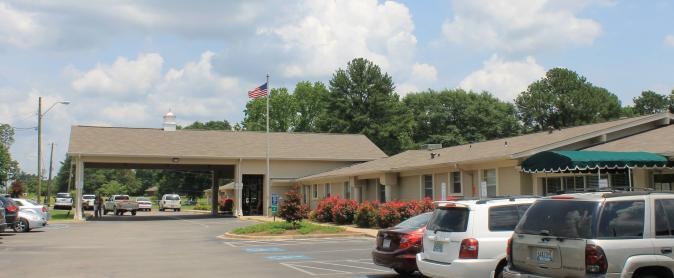
CMS rates RIDGEVIEW HEALTH SERVICES, INC's staffing level at 4 out of 5 stars, which is above average compared to other nursing homes. Staff turnover is 54%, compared to the Alabama average of 46%. RN turnover specifically is 57%, which is notably high. RNs provide skilled clinical oversight, so turnover in this role can affect medical care quality.

What Have Inspectors Found at Ridgeview Health Services, Inc?

State health inspectors documented 9 deficiencies at RIDGEVIEW HEALTH SERVICES, INC during 2018 to 2025. These included: 1 that caused actual resident harm and 8 with potential for harm. Deficiencies causing actual harm indicate documented cases where residents experienced negative health consequences.
Who Owns and Operates Ridgeview Health Services, Inc?

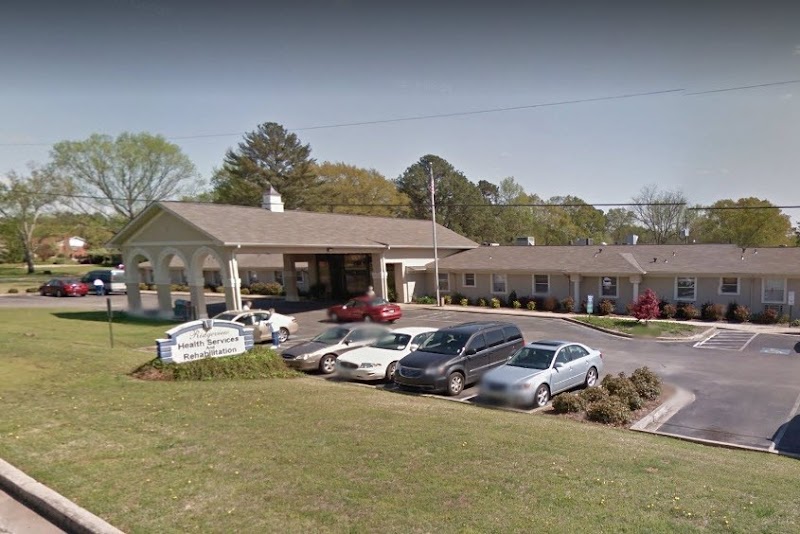
RIDGEVIEW HEALTH SERVICES, INC is owned by a for-profit company. For-profit facilities operate as businesses with obligations to shareholders or private owners. The facility operates independently rather than as part of a larger chain. With 148 certified beds and approximately 135 residents (about 91% occupancy), it is a mid-sized facility located in JASPER, Alabama.

How Does Ridgeview Health Services, Inc Compare to Other Alabama Nursing Homes?

Compared to the 100 nursing homes in Alabama, RIDGEVIEW HEALTH SERVICES, INC's overall rating (2 stars) is below the state average of 2.9, staff turnover (54%) is near the state average of 46%, and health inspection rating (2 stars) is below the national benchmark.

What Should Families Ask When Visiting Ridgeview Health Services, Inc?

Based on this facility's data, families visiting should ask: "Can I visit during a mealtime to observe dining assistance and food quality?" "How do you handle medical emergencies, and what is your hospital transfer rate?" "Can I speak with family members of current residents about their experience?"

Is Ridgeview Health Services, Inc Safe?

Based on CMS inspection data, RIDGEVIEW HEALTH SERVICES, INC has a clean safety record: no substantiated abuse findings (meaning no confirmed cases of resident harm), no Immediate Jeopardy citations (the most serious violation level indicating risk of serious injury or death), and is not on the Special Focus Facility watch list (a federal program monitoring the lowest-performing 1% of nursing homes). The facility has a 2-star overall rating and ranks #100 of 100 nursing homes in Alabama. While no facility is perfect, families should still ask about staff-to-resident ratios and recent inspection results during their visit.

Do Nurses at Ridgeview Health Services, Inc Stick Around?

RIDGEVIEW HEALTH SERVICES, INC has a staff turnover rate of 54%, which is 8 percentage points above the Alabama average of 46%. Moderate turnover is common in nursing homes, but families should still ask about staff tenure and how the facility maintains care continuity when employees leave.

Was Ridgeview Health Services, Inc Ever Fined?

RIDGEVIEW HEALTH SERVICES, INC has no federal fines on record. CMS issues fines when nursing homes fail to meet care standards or don't correct problems found during inspections. The absence of fines suggests the facility has either maintained compliance or corrected any issues before penalties were assessed. This is a positive indicator, though families should still review recent inspection reports for the full picture.

Is Ridgeview Health Services, Inc on Any Federal Watch List?

RIDGEVIEW HEALTH SERVICES, INC is not on any federal watch list. The most significant is the Special Focus Facility (SFF) program, which identifies the bottom 1% of nursing homes nationally based on persistent, serious quality problems. Not being on this list means the facility has avoided the pattern of deficiencies that triggers enhanced federal oversight. This is a positive indicator, though families should still review the facility's inspection history directly.