LINEVILLE HEALTH AND REHABILITATION, LLC
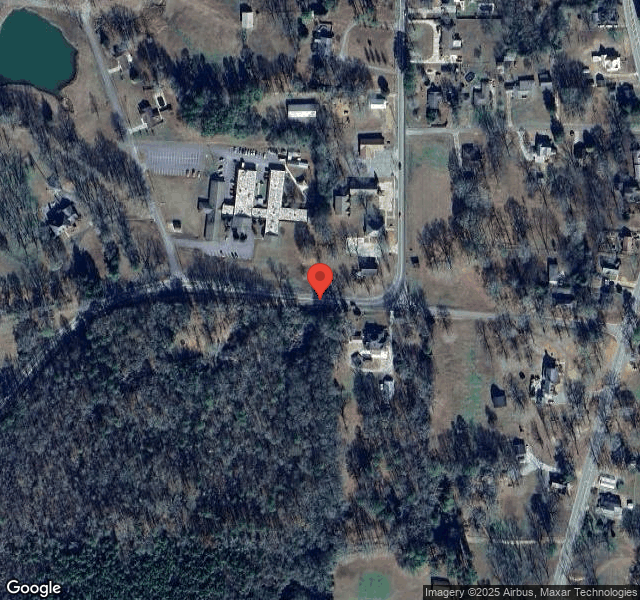

88073 HIGHWAY 9, LINEVILLE, AL 36266 (256) 396-2104
For profit - Corporation 101 Beds NHS MANAGEMENT Data: November 2025
Trust Grade
90/100
#23 of 223 in AL
Last Inspection: July 2021

Over 2 years since last inspection. Current conditions may differ from available data.

Overview

Lineville Health and Rehabilitation in Lineville, Alabama has received an excellent Trust Grade of A, indicating it is highly recommended among nursing homes. It ranks #23 out of 223 facilities in Alabama, placing it in the top half, and is the best option among two facilities in Clay County. The facility is improving its performance, having reduced reported issues from one in 2019 to zero in 2021. Staffing is average with a 3/5 rating and a turnover rate of 49%, which is in line with the state average, but it is concerning that RN coverage is lower than 90% of Alabama facilities, meaning residents may not receive as much oversight from registered nurses. Notably, there have been incidents such as expired food items being served and a staff member failing to wash their hands after medication administration, which highlights some areas needing improvement despite having no fines on record.

Trust Score
A
90/100
In Alabama
#23/223
Top 10%
Safety Record
Low Risk
No red flags
Inspections
Getting Better
1 → 0 violations
Staff Stability
⚠ Watch
49% turnover. Above average. Higher turnover means staff may not know residents' routines.
Penalties
✓ Good
No fines on record. Clean compliance history, better than most Alabama facilities.
Skilled Nurses
⚠ Watch
Each resident gets only 24 minutes of Registered Nurse (RN) attention daily — below average for Alabama. Fewer RN minutes means fewer trained eyes watching for problems.
Violations
✓ Good
Only 5 deficiencies on record. Cleaner than most facilities. Minor issues only.
★★★★★
5.0
Overall Rating
★★★☆☆
3.0
Staff Levels
★★★☆☆
3.0
Care Quality
★★★★★
5.0
Inspection Score
Stable
2019: 1 issues
2021: 0 issues

The Good

  • Full Sprinkler Coverage · Fire safety systems throughout facility
  • No fines on record

Facility shows strength in fire safety.

The Bad

Staff Turnover: 49%

Near Alabama avg (46%)

Higher turnover may affect care consistency

Chain: NHS MANAGEMENT

Part of a multi-facility chain

Ask about local staffing decisions and management

The Ugly 5 deficiencies on record

Jun 2019 1 deficiency
CONCERN (D)

Potential for Harm - no one hurt, but risky conditions existed

Infection Control (Tag F0880)

Could have caused harm · This affected 1 resident

**NOTE- TERMS IN BRACKETS HAVE BEEN EDITED TO PROTECT CONFIDENTIALITY** Based on observations, interviews and review of policy titled, Hand Hygiene, the facility failed to ensure a licensed staff memb...

Read full inspector narrative →
**NOTE- TERMS IN BRACKETS HAVE BEEN EDITED TO PROTECT CONFIDENTIALITY** Based on observations, interviews and review of policy titled, Hand Hygiene, the facility failed to ensure a licensed staff member sanitized her hands after administering medication to Resident Identifier (RI ) #63 and before entering the medication cart to retrieve additional medications. This deficient practice affected RI #63, one of seven residents observed during medication administration. Findings include: A review of the facility policy titled, Hand Hygiene, with an effective date of December 01, 2009, revealed the following: . PURPOSE: To provide guidelines to employees for proper and appropriate hand washing techniques that will aid in the prevention of the transmission of infections. II. Hand Sanitizer If hands are not visibly soiled, use an alcohol-based hand sanitizer for routinely decontaminating hands . RI #63 was admitted to the facility on [DATE], with a diagnosis of Depression. On 6/12/19 at 5:09 p.m., during medication administration, the surveyor observed Licensed Practical Nurse (LPN), Employer Identifier (EI) #3, take medications into RI #63's room and give him/her the medicine cup. RI #63 asked for a PRN (as needed) medication. RI #63 gave the medication cup back to EI #3 with the medication still in it. EI #3 returned to the medication cart and entered it to obtain the additional medication requested by RI #63 without sanitizing her hands. On 6/12/19 at 6:16 p.m., the surveyor conducted an interview with EI #3. The surveyor asked EI #3 why should hand sanitizer be used. EI #3 said for germs. The surveyor asked EI #3 when should hand sanitizer be used after giving medications. EI #3 said before going back into the medication cart. EI #3 said if hands were not sanitized, something (germs) could be spread from one person to another. On 6/13/19 at 10:51 a.m., the surveyor conducted an interview with EI #4, Registered Nurse (RN) Unit Manager and Infection Control Nurse. The surveyor asked what were the procedures for handwashing after giving a medication. EI #4 said wash hands prior to going into the room, depending on what medication was given and when coming out of the room. The surveyor asked EI #4 what were the procedures for handwashing when a nurse entered the resident's room with the medications, then left the room with the medications after a resident touched the medication cup, returned to the medication cart and opened it up to retrieve a medication. EI #4 said what she wished the nurse had done was allowed the resident to take the medications, then returned to the medication cart empty handed to retrieve the requested medication. EI #4 said the nurse was not to go back to the medication cart with something the resident touched and place it on the cart. The surveyor asked EI #4 when should hands have been sanitized. EI #4 said they should have been washed before going into the room, after leaving the room and before going into the medication cart. The surveyor asked EI #4 what were the concerns with this. EI #4 said if she touched anything in the medication cart, her hands were not clean and if the resident touched the cup, EI #3 should have sanitized her hands before entering the medication cart. The surveyor asked EI #4 would this be a way of spreading germs or an infection. EI #4 said it did have that potential.
Jul 2018 4 deficiencies
CONCERN (D)

Potential for Harm - no one hurt, but risky conditions existed

Comprehensive Care Plan (Tag F0656)

Could have caused harm · This affected 1 resident

**NOTE- TERMS IN BRACKETS HAVE BEEN EDITED TO PROTECT CONFIDENTIALITY** Based on record review and interviews, the facility failed to ensure Resident Indentifer (RI) #30's care plan approach to keep t...

Read full inspector narrative →
**NOTE- TERMS IN BRACKETS HAVE BEEN EDITED TO PROTECT CONFIDENTIALITY** Based on record review and interviews, the facility failed to ensure Resident Indentifer (RI) #30's care plan approach to keep the lift chair remote out of reach was implemented on 6/13/18. This affected one of 16 residents for whom care plans were reviewed. Findings include: RI #30 was readmitted to the facility on [DATE] with diagnoses of Dementia and Muscle Weakness. Review of a Resident Incident Report, dated 12/15/2017, indicated RI #30 was found on the floor in front of his/her lift chair. Review of RI #30's fall care plan, with a start date of 12/14/2016, revealed a new intervention was added to the care plan on 12/17/2017 to keep the lift chair remote out of the resident's reach to help prevent dumping him/herself onto the floor. Review of an undated document titled CERTIFIED NURSING ASSISTANT INFORMATION also revealed a care approach dated 12/17/2017 to keep the lift chair remote out of the resident's reach to help prevent dumping him/herself onto the floor. A second Resident Incident Report for RI #30, dated 06/13/2018, documented RI #30 was found on the floor in front of his/her lift chair. Departmental Notes included with the facility's fall investigation documented the following: . 6/13/2018 . RESIDENT WAS FOUND LYING ON THE FLOOR IN FRONT OF (his/her) RECLINER. REMOTE TO RECLINER IN CHAIR. Employee Identifier (EI) #1, Certified Nursing Assistant (CNA) was interviewed on 07/03/2018 at 8:41 AM. EI #1 recalled finding RI #30 on the floor in his/her room in June 2018. EI #1 said RI #30 had been in his/her recliner, but when she found RI #30, he/she was on the floor in front of the recliner with the remote control (to the lift chair) in his/her hand playing with it. According to EI #1, the recliner was tilted up and the resident slid out of it. When asked how CNAs know what care to provide to residents, such as keeping the chair remote out of the resident's reach, EI #1 said they have guides (CERTIFIED NURSING ASSISTANT INFORMATION) taped inside each resident's closet. When asked how long CNAs had been required to keep the remote away from RI #30 when in the recliner, EI #1 said she did not know the exact time frame, but pretty much since the resident had the recliner. EI #1 said that was already in place prior to the 6/2018 fall. EI #1 said it was important to follow the care guides for the safety of the residents. On 07/03/18 at 9:32 AM, EI #2, the Care Plan Coordinator was interviewed. When asked when the intervention to keep the lift chair remote out of resident's reach added to the care plan for RI #30, EI #2 stated 12/17/17. She stated the approach was added to the care plan after the resident sustained a fall. EI #2 explained staff should keep the remote out of the resident's reach. On 07/03/18 at 9:49 AM, EI #3, Registered Nurse (RN) Unit Manger, said she had updated RI #30's care plan after the 12/2017 fall to include an approach to keep the lift chair remote out of the resident's reach. EI #3 said RI #30 was forgetful and liked to play with the remote, and in reviewing the fall, it was determined the cause of the fall in December 2017 was that he/she lifted the chair too high and fell out of it. After reviewing the information for the 6/2018 fall, EI #3 said the fall occurred because RI # 30 raised the chair up with the remote and slid out of it. Based on information provided to EI #3, she determined the resident had the lift chair remote in his/her hand at the time he/she was found on the floor. EI #3 said if the CNA had reviewed the guide in the closet, she would have known to keep the remote out of the resident's reach, but that was not done. When asked why it was important for staff to follow the care plan/care guide, EI #3 said to make sure they know what they are doing; it is an instruction sheet for providing care to the resident.
CONCERN (D)

Potential for Harm - no one hurt, but risky conditions existed

Accident Prevention (Tag F0689)

Could have caused harm · This affected 1 resident

**NOTE- TERMS IN BRACKETS HAVE BEEN EDITED TO PROTECT CONFIDENTIALITY** Based on record review and interviews, the facility failed to ensure Resident Identifier (RI) #30 did not sustain an avoidable f...

Read full inspector narrative →
**NOTE- TERMS IN BRACKETS HAVE BEEN EDITED TO PROTECT CONFIDENTIALITY** Based on record review and interviews, the facility failed to ensure Resident Identifier (RI) #30 did not sustain an avoidable fall on 6/13/18 when staff placed his/her lift chair remote in reach. This affected one of four residents reviewed for falls. Findings include: RI #30 was readmitted to the facility on [DATE] with diagnoses of Dementia and Muscle Weakness. Review of a Resident Incident Report, dated 12/15/2017, indicated RI #30 was found on the floor in front of his/her lift chair. Departmental Notes included with the facility's fall investigation documented the following: . 12/15/2017 . RESIDENT IN FLOOR IN FRONT OF RECLINER ON (his/her) BACK WITH ELECTRIC CHAIR IN THE RAISED POSITION . Review of RI #30's fall care plan, with a start date of 12/14/2016, revealed a new intervention was added to the care plan on 12/17/2017 to keep the lift chair remote out of the resident's reach to help prevent dumping him/herself onto the floor. Review of an undated document titled CERTIFIED NURSING ASSISTANT INFORMATION also revealed a care approach dated 12/17/2017 to keep the lift chair remote out of the resident's reach to help prevent dumping him/herself onto the floor. A second Resident Incident Report for RI #30, dated 06/13/2018, documented RI #30 was found on the floor in front of his/her lift chair. Departmental Notes included with the facility's fall investigation documented the following: . 6/13/2018 . RESIDENT WAS FOUND LYING ON THE FLOOR IN FRONT OF (his/her) RECLINER. REMOTE TO RECLINER IN CHAIR. Employee Identifier (EI) #1, Certified Nursing Assistant (CNA) was interviewed on 07/03/2018 at 8:41 AM. EI #1 recalled finding RI #30 on the floor in his/her room in June 2018. EI #1 said RI #30 had been in his/her recliner, but when she found RI #30, he/she was on the floor in front of the recliner with the remote control (to the lift chair) in his/her hand playing with it. According to EI #1, the recliner was tilted up and the resident slid out of it. When asked how CNAs know what care to provide to residents, such as keeping the chair remote out of the resident's reach, EI #1 said they have guides (CERTIFIED NURSING ASSISTANT INFORMATION) taped inside each resident's closet. When asked how long CNAs have been required to keep the remote away from RI #30 when in the recliner, EI #1 said she did not know the exact time frame, but pretty much since the resident had the recliner. EI #1 said that was already in place prior to the 6/2018 fall. EI #1 said it was important to follow the care guides for the safety of the residents. On 07/03/18 at 9:49 AM, EI #3, Registered Nurse (RN) Unit Manger, said she had updated RI #30's care plan after the 12/2017 fall to include an approach to keep the lift chair remote out of the resident's reach. EI #3 said RI #30 was forgetful and liked to play with the remote, and in reviewing the fall, it was determined the cause of the fall in December 2017 was that he/she lifted the chair too high and fell out of it. After reviewing the information for the 6/2018 fall, EI #3 said the fall occurred because RI # 30 raised the chair up with the remote and slid out of it. Based on information provided to EI #3, she determined the resident had the lift chair remote in his/her hand at the time he/she was found on the floor. EI #3 said if the CNA had reviewed the guide in the closet, she would have known to keep the remote out of the resident's reach, but that was not done. When asked if this fall could have been avoided, EI #3 said yes, it could have been avoided by staff reading the sheet that was provided to to them and providing the care the resident required. When asked why it was important for staff to follow the care plan/care guide, EI #3 said to make sure they know what they are doing; it is an instruction sheet for providing care to the resident.
CONCERN (F)

Potential for Harm - no one hurt, but risky conditions existed

Food Safety (Tag F0812)

Could have caused harm · This affected most or all residents

Based on observations, interview, and review of the facility's policy titled Food Preparation Guidelines, the facility failed to ensure: 1) packaged lettuce was not stored past the manufacturers best ...

Read full inspector narrative →
Based on observations, interview, and review of the facility's policy titled Food Preparation Guidelines, the facility failed to ensure: 1) packaged lettuce was not stored past the manufacturers best by date; and 2) milk was not held at room temperature throughout meal service, resulting in a temperature exceeding 41 degrees F at the time it was served to residents. This had the potential to affect all 99 of 99 residents receiving meals in the facility. Findings include: 1) On 7/01/18 at 8:24 AM, an opened bag of lettuce stamped with a manufacturer's date of: Best if Used By 06/27/18 was observed in the walk-in cooler. Some of the lettuce leaves appeared wilted with a slight brown discoloration. A second unopened bag with the same date was also observed in the cooler. During an interview with Employee Identifier (EI) #4, the Dietary Manager (DM), on 07/03/2018 at 7:46 AM, EI #4 was asked what the facility's policy was in regard's to the manufacturer's best by dates. EI #4 said staff should be going by those dates and once exceeded discard them. EI #4 said the staff member that finds an item that exceeds the best by date would be responsible for discarding it. When asked what potential harm could occur if lettuce was stored past the best by date on the packaging, EI #4 said it would not taste good, look good, and could make some of the residents sick. 2) Review of the facility's policy titled Food Preparation Guideline, effective 08/15/2009, revealed the following: . PROCESS: . g. Food should be protected from contamination, while being stored, prepared and served to residents. To prevent growth of pathogenic organisms: . 1. Refrigerated at or below 41 (degrees) F (Fahrenheit) . On 07/02/2018 at 11:02 AM, it was noted cartons of milk were out on trays (at room temperature) without any ice during meal service. At 11:40 AM, a carton of milk on the counter measured 50 degrees F at the time of service. The DM verified the temperature of the milk, but continued to allow the dietary staff to serve it. Staff began plating the last cart at 11:50 AM and the last resident was served at 11:52 AM. At that time, EI #4 checked the milk temperature again, which measured 58 degrees F. During an interview with Employee Identifier (EI) #4, the Dietary Manager (DM), on 07/03/2018 at 7:46 AM, EI #4 said milk should be at a temperature of 41 degrees F or below at the time of meal service. When questioned about the milk sitting on the counter-top throughout meal service at room temperature, that measured 58 degrees while serving the last residents, EI #4 said drinking bad milk might make someone sick if it were to sour. EI #4 also said she would probably not want to drink milk at that temperature. When asked why they keep the milk out at room temperature throughout the meal service, EI #4 said they normally only pull out a tray at a time and put the milks over bags of ice, but they failed to do that.
MINOR (B)

Minor Issue - procedural, no safety impact

Deficiency F0804 (Tag F0804)

Minor procedural issue · This affected multiple residents

Based on observation, review of the facility's policy titled Food Taste Test, and concerns voiced by the resident's at the Resident Council Meeting on 07/02/2018, the facility failed to ensure grilled...

Read full inspector narrative →
Based on observation, review of the facility's policy titled Food Taste Test, and concerns voiced by the resident's at the Resident Council Meeting on 07/02/2018, the facility failed to ensure grilled cheese sandwiches were not hard. This affected 6 of 9 residents who attended resident council meeting on 07/02/2018. Findings include: Review of the facility policy titled Food Taste Test, effective 02/01/2002, revealed the following: . PURPOSE: Foods with a distinctively good taste and appearance help promote the resident's dietary intake. . PROCESS: . c. Check the food for: . Texture . During the Resident Council meeting held on 07/02/2018 at 9:00 AM, there were nine residents in attendance. One resident stated the grilled cheese sandwiches were too hard and the bread was stale sometimes. Six residents agreed. On 07/02/2018 at 11:54, a test tray was plated (including a grilled cheese). The cart left the kitchen at 11:55 AM. arrived on the hall at 11:56 AM. After the last resident was served, Employee Identifier (EI) #4, the Dietary Manager, began testing the tray. The grilled cheese sandwich was served wrapped in foil. One side was nicely browned, but the other side was not. EI #4 tasted the grilled cheese and said it was a little chewy. The surveyor also tasted it, and was in agreement that the sandwich was chewy. EI #4, the Dietary Manager, was interviewed on 07/03/18 at 7:46 AM. EI #4 said it was important to ensure food was palatable because the residents will not eat it if it is not palatable. When asked why the grilled cheese sandwiches were chewy, EI #4 said they put them in foil to keep them warm, but the bread sweats and makes it chewy.
Understanding Severity Codes (click to expand)
Life-Threatening (Immediate Jeopardy)
J - Isolated K - Pattern L - Widespread
Actual Harm
G - Isolated H - Pattern I - Widespread
Potential for Harm
D - Isolated E - Pattern F - Widespread
No Harm (Minor)
A - Isolated B - Pattern C - Widespread

Questions to Ask on Your Visit

  • "Can I speak with families of current residents?"
  • "What's your RN coverage like on weekends and overnight?"

Our Honest Assessment

Strengths
  • • Grade A (90/100). Above average facility, better than most options in Alabama.
  • • No major safety red flags. No abuse findings, life-threatening violations, or SFF status.
  • • No fines on record. Clean compliance history, better than most Alabama facilities.
  • • Only 5 deficiencies on record. Cleaner than most facilities. Minor issues only.
Concerns
  • • No significant concerns identified. This facility shows no red flags across CMS ratings, staff turnover, or federal penalties.
Bottom line: Generally positive indicators. Standard due diligence and a personal visit recommended.

About This Facility

What is Lineville, Llc's CMS Rating?

CMS assigns LINEVILLE HEALTH AND REHABILITATION, LLC an overall rating of 5 out of 5 stars, which is considered much above average nationally. Within Alabama, this rating places the facility higher than 99% of the state's 100 nursing homes. This rating reflects solid performance across the metrics CMS uses to evaluate nursing home quality.

How is Lineville, Llc Staffed?

CMS rates LINEVILLE HEALTH AND REHABILITATION, LLC's staffing level at 3 out of 5 stars, which is average compared to other nursing homes. Staff turnover is 49%, compared to the Alabama average of 46%. RN turnover specifically is 67%, which is notably high. RNs provide skilled clinical oversight, so turnover in this role can affect medical care quality.

What Have Inspectors Found at Lineville, Llc?

State health inspectors documented 5 deficiencies at LINEVILLE HEALTH AND REHABILITATION, LLC during 2018 to 2019. These included: 4 with potential for harm and 1 minor or isolated issues.

Who Owns and Operates Lineville, Llc?

LINEVILLE HEALTH AND REHABILITATION, LLC is owned by a for-profit company. For-profit facilities operate as businesses with obligations to shareholders or private owners. The facility is operated by NHS MANAGEMENT, a chain that manages multiple nursing homes. With 101 certified beds and approximately 91 residents (about 90% occupancy), it is a mid-sized facility located in LINEVILLE, Alabama.

How Does Lineville, Llc Compare to Other Alabama Nursing Homes?

Compared to the 100 nursing homes in Alabama, LINEVILLE HEALTH AND REHABILITATION, LLC's overall rating (5 stars) is above the state average of 3.0, staff turnover (49%) is near the state average of 46%, and health inspection rating (5 stars) is much above the national benchmark.

What Should Families Ask When Visiting Lineville, Llc?

Based on this facility's data, families visiting should ask: "Can I visit during a mealtime to observe dining assistance and food quality?" "How do you handle medical emergencies, and what is your hospital transfer rate?" "Can I speak with family members of current residents about their experience?"

Is Lineville, Llc Safe?

Based on CMS inspection data, LINEVILLE HEALTH AND REHABILITATION, LLC has a clean safety record: no substantiated abuse findings (meaning no confirmed cases of resident harm), no Immediate Jeopardy citations (the most serious violation level indicating risk of serious injury or death), and is not on the Special Focus Facility watch list (a federal program monitoring the lowest-performing 1% of nursing homes). The facility has a 5-star overall rating and ranks #1 of 100 nursing homes in Alabama. While no facility is perfect, families should still ask about staff-to-resident ratios and recent inspection results during their visit.

Do Nurses at Lineville, Llc Stick Around?

LINEVILLE HEALTH AND REHABILITATION, LLC has a staff turnover rate of 49%, which is about average for Alabama nursing homes (state average: 46%). Moderate turnover is common in nursing homes, but families should still ask about staff tenure and how the facility maintains care continuity when employees leave.

Was Lineville, Llc Ever Fined?

LINEVILLE HEALTH AND REHABILITATION, LLC has no federal fines on record. CMS issues fines when nursing homes fail to meet care standards or don't correct problems found during inspections. The absence of fines suggests the facility has either maintained compliance or corrected any issues before penalties were assessed. This is a positive indicator, though families should still review recent inspection reports for the full picture.

Is Lineville, Llc on Any Federal Watch List?

LINEVILLE HEALTH AND REHABILITATION, LLC is not on any federal watch list. The most significant is the Special Focus Facility (SFF) program, which identifies the bottom 1% of nursing homes nationally based on persistent, serious quality problems. Not being on this list means the facility has avoided the pattern of deficiencies that triggers enhanced federal oversight. This is a positive indicator, though families should still review the facility's inspection history directly.