LUVERNE HEALTH AND REHABILITATION, LLC
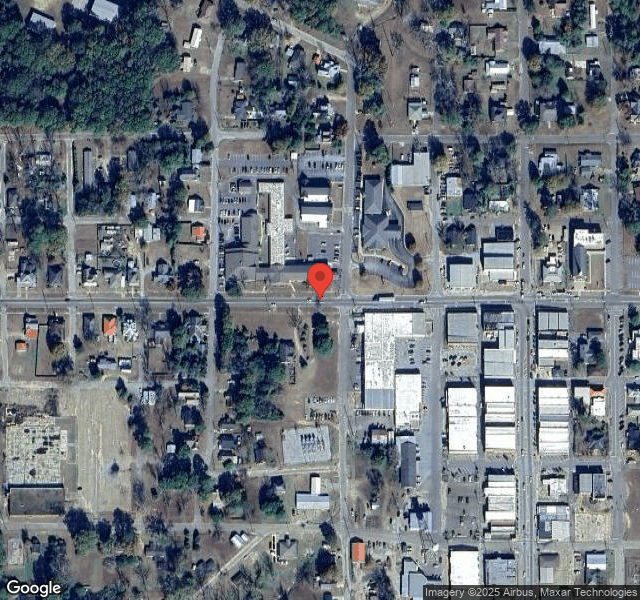

142 WEST THIRD STREET, LUVERNE, AL 36049 (334) 335-6528
For profit - Corporation 151 Beds NHS MANAGEMENT Data: November 2025
Trust Grade
80/100
#62 of 223 in AL
Last Inspection: July 2021

Over 2 years since last inspection. Current conditions may differ from available data.

Overview

Luverne Health and Rehabilitation, LLC has a Trust Grade of B+, indicating it is above average and recommended for families seeking care. It ranks #62 out of 223 facilities in Alabama, placing it in the top half, and is the only nursing home in Crenshaw County. The facility is improving, with issues decreasing from six in 2019 to just two in 2021. Staffing is a strength, with a 4 out of 5-star rating and a 37% turnover rate, which is lower than the state average of 48%. However, the nursing coverage is concerning, as it is less than 86% of Alabama facilities, which could affect patient care. Recent inspections noted several cleanliness issues, such as dust on ceilings and improperly stored utensils, which could impact all residents receiving meals. Additionally, one resident was found with unclean nails, indicating potential lapses in personal hygiene care. While the facility does not have any fines on record, these concerns highlight areas that need improvement alongside its positive aspects like good staffing levels and a stable trend in operational issues.

Trust Score
B+
80/100
In Alabama
#62/223
Top 27%
Safety Record
Low Risk
No red flags
Inspections
Getting Better
6 → 2 violations
Staff Stability
○ Average
37% turnover. Near Alabama's 48% average. Typical for the industry.
Penalties
✓ Good
No fines on record. Clean compliance history, better than most Alabama facilities.
Skilled Nurses
⚠ Watch
Each resident gets only 26 minutes of Registered Nurse (RN) attention daily — below average for Alabama. Fewer RN minutes means fewer trained eyes watching for problems.
Violations
○ Average
8 deficiencies on record. Average for a facility this size. Mostly minor or procedural issues.
★★★★☆
4.0
Overall Rating
★★★★☆
4.0
Staff Levels
★★★★☆
4.0
Care Quality
★★★★☆
4.0
Inspection Score
Stable
2019: 6 issues
2021: 2 issues

The Good

  • 4-Star Staffing Rating · Above-average nurse staffing levels
  • 4-Star Quality Measures · Strong clinical quality outcomes
  • Full Sprinkler Coverage · Fire safety systems throughout facility
  • No fines on record
  • Staff turnover below average (37%)

    11 points below Alabama average of 48%

Facility shows strength in staffing levels, quality measures, fire safety.

The Bad

Staff Turnover: 37%

Near Alabama avg (46%)

Typical for the industry

Chain: NHS MANAGEMENT

Part of a multi-facility chain

Ask about local staffing decisions and management

The Ugly 8 deficiencies on record

Jul 2021 2 deficiencies
CONCERN (D)

Potential for Harm - no one hurt, but risky conditions existed

ADL Care (Tag F0677)

Could have caused harm · This affected 1 resident

**NOTE- TERMS IN BRACKETS HAVE BEEN EDITED TO PROTECT CONFIDENTIALITY** Based on observations, interviews, record review, and review of facility policies titled, Documentation of Routine ADL Care, and...

Read full inspector narrative →
**NOTE- TERMS IN BRACKETS HAVE BEEN EDITED TO PROTECT CONFIDENTIALITY** Based on observations, interviews, record review, and review of facility policies titled, Documentation of Routine ADL Care, and Hygiene and Grooming, the facility failed to ensure a resident did not have brown substance under three finger nails on the left hand. This affected Resident Identifier (RI) #76 one of one resident sampled for Activities of Daily Living (ADL's), and was observed on 7/27/21 and 7/28/21. Findings Include: A review of a facility policy titled Documentation of Routine ADL Care with an effective date of October 1, 2010 revealed . STANDARD: Activities of Daily Living are considered routine care services . Routine ADL care may include: .nail and hair care . A review of a facility policy titled Hygiene and Grooming with an effective date of October 1, 2010 revealed PURPOSE Good hygiene and grooming help prevent the spread of infection and promote the resident's feelings of self worth and dignity. PROCESS: VI. Essential Points . e) Nail care is a part of grooming. RI #76 was admitted to the facility on [DATE] and readmitted [DATE] with diagnoses of Cerebral infarction and Hemiplegia following unspecified cerebral vascular disease affecting right dominant side. A review of RI #76 admission Minimum Data Set (MDS) with an Assessment Reference Date (ARD) of 6/20/21 Section G revealed RI #76 was total dependent for personal hygiene. On 7/27/21 at 9:34 AM, RI #76 was observed in the bed. The surveyor observed three fingers on RI #76's left hand with a brown substance under the nails. The brown substance was visible under the first, second, and third fingernails. On 7/27/21 at 4:50 PM, RI #76 was observed in bed. The surveyor observed RI #76 with a brown substance under the first, second, and third fingernails on the left hand. On 7/28/21 at 8:36 AM, RI #76 was observed in the bed. The surveyor observed RI #76's three fingers on the left hand with a brown substance under the nails. On 7/28/21 at 10:29 AM, the surveyor observed RI #76's first, second, and third fingers with a brown substance under nails. Employee Identifier (EI) #2, Licensed Practical Nurse (LPN) came in RI #76's room. The surveyor asked her to look at RI #76's nails. EI #2 looked at the nails and said she would clean them. An interview was conducted at that time with EI #2, LPN, the nurse that came in the room. The surveyor asked EI #2, how many of RI #76's nails were observed with a brown substance under them. EI #2 replied, three. EI #2 was asked who should clean nails. EI #2 replied, the CNAs (Certified Nursing Assistants) with the bath and should look at them every shift when giving care. EI #2 was asked if RI #76 had had a bath already today. EI #2 replied she was not sure would need to ask the CNA. The CNA assigned to RI #76, EI #4, entered the room. On 7/28/21 at 10:36 AM EI #4 was interviewed. EI #4 was asked if RI #76 had already had a bath. EI #4 replied not yet. EI #4 was asked what was under RI #76's fingernails on the left hand. EI #4 replied she did not know. EI #4 was asked how many times she had already checked RI #76 today. EI #4 replied, once. EI #4 was asked if she looked at RI #76's nails; she replied no. EI #4 was asked if nail care was included in ADL care. EI #4 replied, yes. EI #4 was asked why she did not look at RI #76's nails when she gave care earlier. EI #4 replied she did not think about it. On 7/28/21 at 10:37 AM, another CNA, EI #3, came in RI #76's room, she said she took care of RI #76 the day before. An interview was conducted. EI #3 was asked if she looked at RI #76's nails yesterday, 7/27/21. EI #3 replied, no she did not, she just changed RI #76, because RI #76 did have a bowel movement. EI #3 was asked if looking at the nails was included when taking care of a resident. EI #3 replied, it was part of ADL care, like doing peri care and incontinent care. EI #3 was asked when she had noticed the resident scratching the anal area. EI #3 replied she had seen it sometimes when RI #76 had a bowel movement. EI #3 was asked, what was under RI #76's nails. EI #3 replied, it may have been bowel movement. EI #3 was asked how often nail care was done. EI #3 replied it was usually done with baths; RI #76 got a bath on the 2:00 PM to 10:00 PM shift, but they should look at the nails when giving care. EI #3 was asked when had RI #76's nails been noticed before today (7/28/21). EI #3 replied, she should have looked at them yesterday (7/27/21) when she cleaned RI #76 and she did not. EI #3 was asked when had she saw bowel movement on RI #76's fingers before. EI #3 replied, when RI #76 had a bowel movement sometimes RI #76 had put his/her hands in the brief and she had to clean it from RI #76's hand before. EI #3 was asked what would the harm be with the brown substance under RI #76's nails. EI #3 replied it could cause infection and the resident may put his/her fingers in his/her mouth. On 7/28/21 at 10:44 AM EI #2, LPN, was asked to look at RI #76's nails on the left hand and describe what she saw. EI #2 replied something brown under three fingernails on the left hand. EI #2 took a nail stick and cleaned out under the nails. EI #2 described the substance as brown and dried. EI #2 was asked what it appeared to look like. EI #2 replied she could not say for sure what it was; it could have been bowel movement. EI #2 was asked how often should nails be looked at. EI #2 replied every shift and if dirty should be cleaned.
CONCERN (D)

Potential for Harm - no one hurt, but risky conditions existed

Tube Feeding (Tag F0693)

Could have caused harm · This affected 1 resident

**NOTE- TERMS IN BRACKETS HAVE BEEN EDITED TO PROTECT CONFIDENTIALITY** Based on observation, interview, record review, and review of facility policy titled Tube Feeding -Bolus and through review of i...

Read full inspector narrative →
**NOTE- TERMS IN BRACKETS HAVE BEEN EDITED TO PROTECT CONFIDENTIALITY** Based on observation, interview, record review, and review of facility policy titled Tube Feeding -Bolus and through review of information contained in the Fundamentals of Nursing, Ninth Edition, Chapter 45, Nutrition, the facility failed to ensure Resident Identifier (RI) #22's head of bed was elevated above 20 degrees while tube feeding was administered by feeding pump. This was observed on one of four residents on sample who received tube feeding by feeding pump. Findings Include: A review of facility policy titled Tube Feeding - Bolus with an effective date of May 1, 2018 revealed . PURPOSE: To provide liquid nourishment . through a tube into alimentary tract. PROCESS: . a. Keep the head of the bed elevated in the Semi-Fowler's position . The Fundamentals of Nursing Textbook, Ninth Edition, Chapter 45, page 1090 under Skill 45-3, titled, ADMINISTERING ENTERAL FEEDINGS VIA NASOENTERIC, GASTROSTOMY, OR JEJUNOSTOMY TUBES directs staff to Elevate the head of the bed to a minimum of 30 degrees . RI #22 was admitted to the facility on [DATE] and re-admitted on [DATE] and had diagnoses that included: Dysphagia following nontraumatic intracerebral hemorrhage, Encounter for attention to gastrostomy, and Gastro-esophageal reflux disease without esophagitis. Physician's Orders for the month of July 2021 revealed . 10/16/20 . Tube feeding per pump pole only . Jevity 1.5 at 65 mL/hr (milliliter/hour) per g-tube (gastric-tube) . On 7/27/21 at 11:34 AM an observation was made of RI #22's tube feeding being administered at a rate of 65 mL/hr and RI #22's head of bed was elevated 20 degrees. On 7/27/21 at 11:38 AM an interview was conducted with Employee Identifier (EI) #5 at bedside of RI #22. EI #5 was asked, how high was the head of the bed. EI #5 replied, not high enough, 15 to 20 degrees and it should be 35 to 45 degrees. EI #5 was asked, who changed the head of the bed elevation. EI #5 replied, the CNAs (Certified Nursing Assistants) when they come into reposition the resident. EI #5 was asked, were there any signs or visuals in the room indicating head of the bed elevation. EI #5 replied, no. EI #5 was asked, why was it important for the head of the bed to be elevated 35 to 45 degrees. EI #5 replied, to prevent aspiration. On 7/28/21 at 4:03 PM an interview was conducted with EI #1, Registered Nurse, Director of Nursing. EI #1 was asked, what training was provided to Certified Nursing Assistants (CNAs) regarding positioning of residents with tube feeding. EI #1 replied, they did an in-service on hire and educated staff that head of the bed needs to be at 45 degrees and then we do monthly in-service on infection control and other items. EI #1 was asked, what was facility's policy for elevating the head of bed for residents who received tube feeding via pump. EI #1 replied, the head of the bed should be positioned semi-Fowlers positions. EI #1 was asked, what was semi-Fowlers position. EI #1 replied, 45 degrees. EI #1 was asked, when should a resident receiving tube feeding via pump have head of the bed less than 20 degrees. EI #1 replied, the head of the bed needed to be up at all times. EI #1 was asked, who was responsible to ensure residents with tube feeding have head of bed elevated per policy. EI #1 replied, the charge nurse or unit managers. On 7/29/21 at 9:44 AM a follow-up interview was conducted with EI #1. EI #1 was asked, what was the potential harm when a resident received tube feeding via pump and had the head of bed lower than 20 degrees. EI #1 replied, risk of aspiration pneumonia.
Dec 2019 2 deficiencies
CONCERN (D)

Potential for Harm - no one hurt, but risky conditions existed

Respiratory Care (Tag F0695)

Could have caused harm · This affected 1 resident

**NOTE- TERMS IN BRACKETS HAVE BEEN EDITED TO PROTECT CONFIDENTIALITY** Based on observations, interviews, record review, and review of a facility policy titled Oxygen Administration, the facility fai...

Read full inspector narrative →
**NOTE- TERMS IN BRACKETS HAVE BEEN EDITED TO PROTECT CONFIDENTIALITY** Based on observations, interviews, record review, and review of a facility policy titled Oxygen Administration, the facility failed to ensure the oxygen tubing and nebulizer mask for Resident Identifier (RI) #57 was changed weekly. This affected one of two residents sampled for respiratory care. Findings Include: A review of a facility policy titled Oxygen Administration with an effective date of December 8, 2005 revealed, . PROCESS: .11. Cannulas and masks should be changed weekly . RI #57 was admitted to the facility on [DATE]. A diagnosis included of Chronic Obstructive Pulmonary Disease (COPD). A review of RI #57's Physician Orders for the month of December 2019 revealed, . IPRATROPIUM BROMIDE-ALBUTEROL . give one every six hours . oxygen (O2) at two liters (2L) per nasal cannula (NC) as needed for shortness of breath (SOB) . On 12/17/19 at 9:55 AM, the surveyor observed the humidification bottle and oxygen tubing for RI #57 had no date on them. The nebulizer mask for RI #57 was in a plastic bag dated 12/9/19. On 12/17/19 at 3:15 PM, an observation was made of the oxygen humidification bottle being empty. On 12/17/19 at 4:42 PM, an interview was conducted with Employee Identifier (EI) #5, Licensed Practical Nurse (LPN). EI #5 was asked how did she you know when the humidification bottle and tubing and masks have been changed. EI #5 replied, there should be a date on them. EI #5 was asked what was missing from the humidification bottle. EI #5 replied, it was empty, there was no water in it. EI #5 was asked what was the date on the plastic bag containing the nebulizer mask. EI #5 replied, 12/9/19. EI #5 was asked what was the potential risk to the resident when oxygen tubing and nebulizer masks were not changed. EI #5 replied, bacteria. On 12/18/19 at 4:20 PM, an interview was conducted with EI #2, LPN and Infection Control Nurse. EI #2 was asked who was responsible for changing the oxygen tubing, nebulizer masks and humidification bottles. EI #2 replied, the LPN charge nurses. EI #2 was asked when was oxygen tubing, nebulizer masks and humidification bottles changed. EI #2 replied, the oxygen tubing and nebulizer masks are changed every Monday, the humidification bottles were to be changed as it runs out. EI#2 was asked how do you know if the oxygen tubing and nebulizer masks have been changed. EI #2 replied, it should have a date on it. EI #2 was asked should oxygen tubing, nebulizer masks and humidification bottles be dated. EI #2 replied, yes. EI #2 was asked what was the purpose of putting a date on the oxygen tubing, nebulizer masks and humidification bottles. EI #2 replied, so you would know when they were changed. EI #2 was asked what was the potential risk to the resident if oxygen tubing, nebulizer mask and humidification bottle were not changed. EI #2 replied, infection. On 12/19/19 at 11:38 AM, an interview was conducted with EI #9, LPN. EI #9 was asked how often were oxygen tubing and nebulizer masks changed. EI #9 replied, every Monday. EI #9 was asked where was this documented. EI #9 replied, every resident should have an order for it; on the MAR. EI #9 was asked if she put a date on the oxygen tubing and nebulizer mask when she changed them. EI #9 replied, yes. EI #9 was asked how often were humidification bottles changed. EI #9 replied, it varied because some residents use it up faster then others; but usually every Monday. EI #9 was asked when she changed a humification bottle, did she put a date on it. EI #9 replied, yes. EI #9 was asked to read RI #57's orders and find the order to change the oxygen tubing and nebulizer mask. EI #9 replied, no.
CONCERN (D)

Potential for Harm - no one hurt, but risky conditions existed

Infection Control (Tag F0880)

Could have caused harm · This affected 1 resident

**NOTE- TERMS IN BRACKETS HAVE BEEN EDITED TO PROTECT CONFIDENTIALITY** 2. A review of a facility policy titled Laundry-Storage, Collection & Transport with no effective date revealed . POLICY : All l...

Read full inspector narrative →
**NOTE- TERMS IN BRACKETS HAVE BEEN EDITED TO PROTECT CONFIDENTIALITY** 2. A review of a facility policy titled Laundry-Storage, Collection & Transport with no effective date revealed . POLICY : All linens will be stored, handled, transported and processed in a manner that prevents the transmission of microorganisms to other patients and areas. Clean linen: Clean linens shall be transported to patient care areas by use of covered carts with solid bottoms by the Laundry staff . On 12/17/19 at 3:55 PM, the surveyor observed laundry staff distributing clothing on the dementia unit. The laundry cart with residents' personal clothing on both sides of the rack was observed in the hallway. The clothes on the cart were not covered. The cart was totally uncovered. The employee was taking clothes for two residents into a room on the secured unit. The staff member left the secured section of Unit Three and distributed clothing to a room off the secured unit. The laundry staff, EI #6, was then asked what was the process for distribution of clean laundry. EI #6 stated distrubution was started on the dementia unit as it was the first unit she arrived to after leaving the laundry. EI #6 then leaves the secured section of unit 3 to enter the other side of unit three for distribution. EI #6 was asked how were she trained to distribute the clothes. EI #6 stated to cover the rack with a sheet. EI #6 was asked was the cart covered with a sheet or anything. EI #6 stated no. EI #6 was asked why was it important to cover the clothes on the clothes rack when distributing residents' personal clothing. EI #6 stated it was important to keep residents' clothing covered so the clothing would stay clean and not get contaminated during the delivery. On 12/18/19 at 2:57 PM, an interview was conducted with EI #7, Housekeeping/Laundry Manager. EI #7 was asked, if EI #6 was trained on transporting clean personal clothing items to rooms. EI #7 replied, yes she was. EI #7 was asked, what was the policy on transporting clean linens and residents' personal clothing. EI #7 replied, clothes were hung on the cart, covered and transported to the residents' rooms. EI #7 was asked, what was the potential harm in transporting residents' clean clothing to their rooms in a cart that was uncovered. EI #7 replied, the clothing could get dust or someone touches and contaminates them. On 12/19/19 at 10:37 AM an interview was conducted with EI #2, Staff Development/ Infection Control Director. EI #2 was asked what was the policy on transporting clean linens and clean residents' clothing from the laundry. EI #2 replied, they should be covered. EI #2 was asked, when should residents' clean clothing be transported from the laundry to the residents' rooms on an uncovered cart. EI #2 replied, never. EI #2 was asked, what would be the potential harm in transporting clean residents' clothes from the laundry to residents' rooms on an uncovered cart. EI #2 replied, contamination and germs. Based on observations, interviews and review of facility policies titled Urinary Catheter Care and Laundry-Storage, Collection & Transport, the facility failed to ensure: 1. Resident Identifier (RI) #135's Foley Catheter drainage bag was not on the floor and the Certified Nursing Assistant (CNA) did not step on it, and 2. Residents' personal clothing was not transported by laundry staff to the units uncovered. This affected one of three residents observed with Foley Catheters and one of one laundry cart observed. Findings Include: 1. A review of a facility policy titled Urinary Catheter Care with an effective date of 11/10/14 revealed .PROCESS: I.h) Catheter tubing and drainage bags are kept off the floor to prevent contamination . RI #135 was admitted to the facility on [DATE] with a diagnosis to include Overactive Bladder. A review of RI #135's December 2019 Physician Orders revealed . 12/08/19 . FOLEY CATHETER MAY USE LEG BAND. # (NUMBER) 16FR(French)/10 cc (cubic centimeter) BULB TO CLOSED URINARY DRAINAGE BAG . On 12/17/19 at 6:00 AM, the surveyor observed RI #135 sitting in the chair in the room. The surveyor observed the urinary catheter drainage bag on the floor in front of RI #135's chair. The surveyor observed the drainage bag on the floor from the hallway. A brief interview with RI #135 revealed he/she was assisted to the chair from the bed for the staff to change the linen. On 12/17/19 at 6:10 AM, the urinary catheter drainage bag remained on the floor. A CNA stepped into the doorway/threshold and said to RI #135 she would return with sheets to finish the bed change soon. As she left the doorway the catheter drainage bag remained on the floor. On 12/17/19 at 6:20 AM, the surveyor observed the catheter drainage bag remained on the floor. On 12/17/19 at 6:31 AM, Employee Identifier (EI) #3, CNA entered RI #135's room. EI #3 stated, Your bag is on the floor. EI #3 assisted RI #135 to stand, moved the chair back towards the wall and then transferred RI #135 back to the chair. During the transfer the catheter drainage bag was dragged across two and one half floor tiles. EI #3 was observed to step on the corner of the drainage bag with the front portion of the bottom of her shoe. After EI #3 assisted RI #135 to sit in the chair, EI #3 picked the catheter drainage bag up with a gloved hand and placed it on the bed frame. On 12/17/19 at 6:37 AM, an interview was conducted with EI #3, CNA. EI #3 was asked where was RI #135's catheter drainage bag when she entered the room. EI #3 replied, on the floor, but it was not on the floor after she assisted RI #135 from the bed to the chair. EI #3 added it was hanging on the chair. EI #3 was asked to demonstrate how it was hanging on the chair. EI #3 demonstrated the catheter drainage bag plastic hook was placed on the wooden chair leg. The surveyor observed the catheter plastic hook was too small to be placed over the wooden chair leg securely. EI #3 was asked if the catheter bag's hook was just propped up on the chair leg. EI #3 replied, yes. EI #3 was asked when should a catheter urinary drainage bag be on the floor. EI #3 replied, never. On 12/17/19 at 11:45 AM, an interview was conducted with EI #4, Registered Nurse (RN), Unit Manager. EI #4 revealed RI #135 was admitted with a catheter for overactive bladder, enlarged prostate, hydronephrosis and had a Urinary Tract Infection (UTI) on admission. EI #4 was asked when should a foley catheter drainage bag be on the floor in a resident's room. EI #4 replied, never. EI #4 was asked when should a foley catheter drainage bag be on the floor and stepped on by staff while staff assisted a resident to stand from the chair and sit back in the chair. EI #4 replied, never, the foley drainage bag should be secured at all times. EI #4 was asked what was the potential harm to a resident when a foley catheter drainage bag was on the floor, and while a resident was being transferred. EI #4 replied, infection and accidental dislodgement. On 12/18/19 at 4:20 PM, an interview was conducted with EI #2, Licensed Practical Nurse (LPN), Infection Control. EI #2 was asked where should the catheter drain bag be. EI #2 replied, hanging on the bed, above the floor, lower than the bladder. EI #2 was asked when should the catheter drainage bag be on the floor. EI #2 replied, never. EI #2 was asked what was the potential risk for the resident when the catheter drainage bag was on the floor. EI #2 replied, contamination, infection, and whatever germs were on the floor compromised the integrity of the drainage bag.
Jan 2019 4 deficiencies
CONCERN (D)

Potential for Harm - no one hurt, but risky conditions existed

Deficiency F0761 (Tag F0761)

Could have caused harm · This affected 1 resident

**NOTE- TERMS IN BRACKETS HAVE BEEN EDITED TO PROTECT CONFIDENTIALITY** Based on observation, interview, record review and review of a facility policy titled Infusion Therapy Products Label, the facil...

Read full inspector narrative →
**NOTE- TERMS IN BRACKETS HAVE BEEN EDITED TO PROTECT CONFIDENTIALITY** Based on observation, interview, record review and review of a facility policy titled Infusion Therapy Products Label, the facility failed to ensure an Intravenous (IV) medication that was being administered on 1/13/19 to Resident Identifier (RI) #86 was labeled. This was observed on 1/13/19 and affected one of two sampled residents receiving IV medications. Findings include: A review of a facility policy titled Infusion Therapy Products Label, with an effective date of 3/11, revealed: .Policy Infusion therapy products are labeled in accordance with facility requirements and applicable state and federal laws. The label includes sufficient additional information as required to assure safe and efficient administration to residents. Procedures .2. An auxiliary label is completed and affixed to each infusion therapy product container (when removed from outer packaging) .A. The nurse administering the infusion therapy product completes the following on the auxiliary label: (1) Resident name. (2) Infusion rate. (3) Number of bag or bottle if more than one . (4) Date and time started. (5) Name of nurse starting the bag or bottle. RI #86 was readmitted to the facility on [DATE] with a diagnosis of Urinary Tract Infection. A review of RI #86's Physician Orders List revealed Order Date 1/9/19 Start Date .2 PM QD (everyday) LEVOFLOXACIN 500 MG (milligrams)/100 ML(milliliters)-D5W INFUSE PER IV . On 1/13/19 at 3:15 PM, the surveyor observed an IV medication bag hanging and infusing on RI #86. The IV medication bag had manufactured writing on the bag indicating it was Levaquin 500 milligrams IV. The IV medication bag was not labeled with a resident name, nor a date and time the medication was hung or any initial or name of the person that administered the medication. On 1/13/19 at 3:30 PM, two nurses entered RI #86's room. The surveyor asked what was the concern. EI #1, Registered Nurse/Unit Manager, replied there was no label to indicate the resident's name, date, time and the nurse who hung it on the IV medication bag. The surveyor asked who hung the IV medication. EI #1 replied EI #3, Licensed Practical Nurse, who was already gone for the day. On 1/13/19 at 3:35 PM an interview was conducted with EI# 1. EI #1 was asked what time was the IV medication started. EI #1 replied it was scheduled for 2 PM and hung around 1:30 PM by EI #3,the first shift nurse who had already left for the day. EI #1 was asked what was the date the IV medication was hung. EI #1 replied today (1/13/19) but with no label she was not sure. EI #1 was asked where was the label for the IV medication. EI #1 replied it was not there. EI #1 was asked if IV medications should have a label. EI #1 replied yes, with the resident name, the time and the date on it. EI #1 was asked who prepared the IV medication. EI #1 replied it was already premixed so the LPN could hang it. EI #1 was asked what was the harm in the IV medication bag hung without a label to include resident name and time and date and the nurse's name that hung the medication. EI #1 replied the nurse needed to know what time and date it was hung to ensure the medication infused in appropriate time, and without the label you could not tell how long it had been hanging or infusing. On 1/15/19 at 10:10 AM an interview was conducted with EI #3, the LPN that hung the IV medication on 1/13/19. EI #3 was asked what was the policy when hanging an IV medication. EI #3 replied she should have placed a label on the IV medication bag before she hung it. EI #3 was asked what was to be on the label. EI #3 replied the resident name, room number, time, date, medication and nurse name or initials. EI #3 was asked if she had placed a label on the IV medication bag before she administered it. EI #3 replied no. EI #3 was asked why she did not place a label on the IV medication bag before administering the medication. EI #3 replied she did not think about it. EI #3 was asked what was the harm in the IV medication bag not having a label. EI #3 replied the next nurse would not know if it was the right resident, the right medication, the right time and date and the nurse that administered it.
CONCERN (F)

Potential for Harm - no one hurt, but risky conditions existed

Food Safety (Tag F0812)

Could have caused harm · This affected most or all residents

Based on observation, interviews and a review of facility policies titled, Cleaning of Miscellaneous Equipment and Utensils, Food Receipts and Storage and Handling Serviceware/Silverware, the facility...

Read full inspector narrative →
Based on observation, interviews and a review of facility policies titled, Cleaning of Miscellaneous Equipment and Utensils, Food Receipts and Storage and Handling Serviceware/Silverware, the facility failed to ensure: 1. the ceiling and walls were free of brown spots and a dust like substance: 2. vegetable sticks in the freezer were labeled and; 3. utensils in utensils bags were free of water and free of brown substance. This had the potential to affect 135 of 135 residents who received meals from the kitchen. Finding Include: 1) A review of a facility policy titled, Cleaning of Miscellaneous Equipment and Utensils, with an effective date of 8/23/2017, revealed: .40. walls and ceiling (as needed) .walls and ceilings should be washed thoroughly at least twice each year. Heavily soiled surfaces should be cleaned frequently and as required. On 01/13/2019 at 9:54 a.m., the surveyor observed dust (dust-like substance) on the ceiling, over the steam table and in the light fixtures. At the beginning of the steam table in the ceiling a vent had a large amount of dust. There was dust on the walls at the kitchen entrance. The surveyor observed brown spots on the ceiling and heavy dust in six ceiling lights. Two of the lights at the tray line had very heavy dust. There was dust around a clock at the kitchen entrance. On the wall next to the milk cooler were brown spots. There were also brown spots on the wall next to the three compartment sink. 01/13/19 at 10:48 a.m., the surveyor conducted an interview with Employee Identifier (EI) #5, Dietary Assistant. EI #5 was asked what did she see over the tray line in the vents and ceiling. EI #5 replied, dust. EI #5 was asked why was it there. EI #5 replied, an accumulation over a period of time. EI #5 was asked what was the facility policy on cleaning the ceiling vents in the kitchen. EI #5 replied, they were to be cleaned once a month by maintenance. EI #5 was asked how much dust did she see in the vents and ceiling near the steam table. EI replied, a medium amount. EI #5 was asked what can happen with the food when the ceiling was dusted and the steam table was located under the ceiling. EI #5 replied, dust can get inside the food, on the trays, and dust particles can fly around. EI #5 was asked what was on a vent at the beginning of the steam table. EI #5 replied, dust. EI #5 was asked how much dust. EI #5 replied, heavy amount of dust. EI #5 was asked what was on the lights fixture. EI #5 replied, dust. EI #5 was asked how many lights had dust on them. EI #5 replied, six .EI #5 was asked what was on the walls. EI #5 replied, dust and grease. EI #5 was asked why was it there. EI #5 replied, it was a build up. EI #5 was asked what was the brown spots in the ceiling. EI #5 replied, grease spots. EI #5 who was responsible for calling maintenance when the ceiling and walls were dusted. EI #5 replied she was. On 01/15/19 at 09:56 a.m., an interview was conducted with EI #9, Maintenance Assistant. EI #9 was asked if anyone from the kitchen informed him of the need for cleaning the kitchen ceiling and wall . EI #5 replied, no ma'am. EI #5 was asked when was the kitchen ceiling and wall cleaned last. EI #5 replied, about three months ago. EI #5 was asked how often should the ceiling and the walls be cleaned in the kitchen. EI #5 replied, every two months. EI #5 was asked who was responsible for cleaning the ceiling and the walls in the kitchen. EI #5 replied maintenance and the supervisor. EI #5 was asked what did the facility policy say regarding the cleaning of the kitchen ceiling and walls. EI #5 replied, if it was dirty clean it. On 1/16/19 at 09:24 a.m., an interview was conducted with EI #10, Maintenance Supervisor. EI #10 was asked who was responsible for cleaning the ceiling and walls in the kitchen. EI #10 replied, not sure about that. EI #10 was asked how often were the walls and ceiling cleaned in the kitchen. EI #10 replied, he did not know. EI #10 was asked what was the facility policy on cleaning the ceiling and walls. EI #10 replied, he did not know. EI #10 was asked should the walls and ceiling be free of brown spots and a dust substance, EI #10 replied, for a clean environment. 2) A review of a facility policy titled, Food Receipt and Storage, with an effective date of 8/23/2017, revealed: .PURPOSE: Foods should be .stored properly to prevent food borne illnesses.II. Storage Foods: .p. If food items with expiration dates are removed from the original containers, the expiration date should be transferred to the food item, and identified as the expiration date. On 01/13/2019 at 9:54 a.m., the surveyor observed vegetable sticks in the freezer in a medium bag out of original box with no use by date or no information on the bag. On 01/13/2019 at 11:02 the surveyor conducted an interview with EI #5. EI #5 was asked what was in the freezer with no name or date on it. EI #5 said vegetable sticks. EI #5 was asked if the vegetable sticks were out of the original box. EI #5 replied, yes they were. EI #5 was asked what was the facility policy on food items out of their original container. EI #5 replied, all food must be placed in the original container, and if not in the original container, must be labeled with the date and what it was. EI #5 was asked why should food items be labeled. EI #5 said so you will know what it was. EI #5 was asked what was the potential harm to the residents when food items are not labeled. EI #5 replied, if not labeled they would not know how long it has been there and it could be freezer burnt. 3) A review of facility policy titled, Handling Serviceware/Silverware, with an effective date of 2/1/2002, revealed: . STANDARD: Serviceware and silverware should be cleaned and handled according to method that reduce contamination. PROCESS: a. soiled silverware should be soaked in a pre-soak solution to loosen debris, in preparation to be washed and sanitized. h. Serviceware should be air dried 01/14/19 at 10:35 a.m., EI #7, Assistant Cook, was packaging silverware. Some bags were wet with utensils inside the plastic bag. The bags were placed in a plastic container. There were four bags wet. One bag with a knife and spoon had brown spots on the utensils. The brown spot was on the front and back side of the spoon. On 01/14/19 at 12:15 p.m., an interview was conducted with EI #7, Assistant Cook. EI #7 was asked what was on a spoon and knife in a utensil bag ready to go out to the residents. EI #7 replied the bags were wet. EI #7 was asked why were the bags wet. EI #7 replied, the silverware was not dry. EI #7 was asked who was responsible for washing utensils. EI #7 replied, she was. EI #7 was asked what was the facility policy of spots on utensil and wet utensils in resident silverware bags. EI #7 replied, they were not suppose to send utensils out like that. EI #7 replied, silverware was suppose to be fully dry. EI #7 also said if the silverware was dull or stained, it should be thrown away. EI #7 was asked if the utensils were wet in the bag with water on them. EI #7 replied yes ma'am. EI #7 was asked how many bags had water in them. EI #7 replied, 4. On 01/14/2019 at 12:46 p.m., the surveyor conducted an interview with EI #5. EI #5 was asked what did she see in the utensil bags. EI #5 replied water moisture. EI #5 was asked to describe the spots on the knife and spoon. EI #5 replied, it was rust on the handle of the knife and rust on the back of the spoon. EI #5 was asked did the rust come off when scraping it. EI #5 replied, it came off when she rubbed it. EI #5 was asked should residents be served utensils with rust on them. EI #5 replied, no. On 01/14/2019 at 01:02 p.m., an interview was conducted with EI # 4, Dietary Manager. EI #4 was asked what did she observe on the utensils. EI #4 replied, rust. EI #4 was asked why was it there. EI #4 replied, she did not know. EI #4 was asked should residents be served utensils with rust on them. EI #4 replied, no.
CONCERN (F)

Potential for Harm - no one hurt, but risky conditions existed

Garbage Disposal (Tag F0814)

Could have caused harm · This affected most or all residents

Based on observations, interviews and review of a facility policy titled, Garbage and Refuse, the facility failed to ensure the dumpsters' lids were closed. This had the potential to affect all 138 re...

Read full inspector narrative →
Based on observations, interviews and review of a facility policy titled, Garbage and Refuse, the facility failed to ensure the dumpsters' lids were closed. This had the potential to affect all 138 residents residing in the facility. Finding include: A review of a policy titled, Garbage and Refuse, with an effective date of 2/1/2002, revealed: .STANDARD: Garbage and refuse containers should be free from cracks or leaks and covered when not in use .PROCESS: .e. Refuse container and dumpsters kept outside the facility should have tightly fitting lids and should be kept covered when not being loaded. f.garbage should not accumulate or be left outside the dumpster. On 01/13/2019 at 10:07 a.m., the surveyor, along with Employee Identifier (EI) #5, Dietary Assistant, observed the dumpster area. Dumpster number one's lid on the right side was opened all the way back and seven trash bags were up out of the dumpster. At dumpster number two, both lids were opened. There were 4 trash bags hanging out on the left side. The surveyor observed a trash bag, gloves and papers on the ground next to the dumpster. 01/14/2019 at 4:58 p.m., the surveyor conducted an interview with EI #8, RN (Register Nurse). EI #8 was asked to describe what she saw at dumpster number one and number two. EI #8 replied, several pairs of gloves on the ground, lids partially opened. EI #8 was asked did she see trash bags hanging out of the dumpster. EI #8 replied, there was a white bags hanging out. EI #8 was asked why was it there. EI #8 replied, she did not know. EI #8 was asked who was responsible for making sure the dumpster lids were closed. EI #8 replied, whoever took the trash out. EI #8 was asked when should the dumpster be closed. EI #8 replied all the time. EI #8 was asked what can happen when the dumpster was not closed. EI #8 replied animals or people can get in there. EI #8 was asked should the dumpster lids have been closed on 1/13/19. EI #8 replied, yes. On 1/15/2019 at 3:58 p.m., the surveyor conducted an interview with Dietary Assistant, EI # 5. EI #5 was asked to tell the surveyor what she saw at the dumpster. EI #5 replied, gloves, the dumpster opened and trash. EI #5 was asked what was on the ground. EI #5 replied, trash. EI #5 was asked who was responsible for making sure the dumpster lids were closed. EI #5 replied, nursing. EI #5 was asked when should the dumpster lid be closed. EI #5 replied at all times.
MINOR (C)

Minor Issue - procedural, no safety impact

Staffing Information (Tag F0732)

Minor procedural issue · This affected most or all residents

Based on observation, record review and interview, the facility failed to ensure nurse staffing postings included all required information for 12 days of the 18 months reviewed. This had the potential...

Read full inspector narrative →
Based on observation, record review and interview, the facility failed to ensure nurse staffing postings included all required information for 12 days of the 18 months reviewed. This had the potential to affect all 138 residents residing in the facility and any visitors. Findings Include: On 1/13/19 at 09:30 AM the nurse staffing posting was observed without documentation of the facility's census. On 1/14/19 at 4:04 PM the surveyor reviewed 18 months of nurse staffing postings. The review of the postings revealed the following required information was omitted: On 12/19/17, the evening and night shift staffing information was blank. On 12/21/17, the evening and night shift staffing information was blank. On 2/2/18, the nurse staff posting did not indicate the number of Registered Nurse (RN) or Licensed Practical Nurse (LPN) staff working day shift or the total number of hours worked. On 4/23/18, the posting did not indicate the total number of Certified Nursing Assistant (CNA) hours worked for the evening shift. This form also did not indicate the number of CNAs working or the total number of CNA hours worked for the night shift. On 4/24/18, the nurse staff posting was not completed for evening or night shift. The areas for number of staff, total hours worked, and census were blank. On 7/13/18, the nurse staff posting did not include the number of RNs or the total number of RN hours worked for the day shift. On 8/16/18, the nurse staff posting did not include the census for evening or night shift. On 8/23/18, the nurse staff posting was not completed for the night shift. All areas were blank, and it did not include the number of staff, total number of hours worked, or the census. On 10/1/18, 10/16/18, 11/12/18, and 11/13/18, the nurse staff postings were not completed for the evening or night shift. All areas were blank, and it did not include the number of staff, total number of hours worked, or the census. On 1/14/19 at 5:10 PM, the surveyor and EI #2, Staff Development, Licensed Practical Nurse, conducted a review of the above nurse staff posting forms. An interview followed the review of the forms. EI #2 was asked what was the policy on nurse staff posting. EI #2 replied nurse staff posting should be posted every shift at the beginning of each shift with all the areas filled in. EI #2 was asked, from each form, what was missing. EI #2 replied, it varied. She indicated some forms were missing the number of RNs, LPNs, or CNAs, the actual hours worked, or the census. EI #2 was asked who was responsible for completing the nurse staff posting. EI #2 replied she was, when she was there, and an LPN on the hall when she was not. EI #2 was asked what was to be included on the nurse posting form. EI #2 replied it was to be done each shift and include the census, number of RNs, number of LPNs, number of CNAs, number of Nurse aide trainees, and the total number of hours each of those worked under total hours worked. EI #2 was asked, of the sheets she reviewed, were those areas completed. EI #2 replied no. EI #2 was asked why was it important for the nurse staff posting to be completed daily and for each shift. EI #2 replied so residents, visitors and anyone else will know there was adequate staff to care for the residents. EI #2 was asked what was the harm in the nurse staff posting form not being completed daily and for each shift. EI #2 replied residents and visitors would not know how many staff were working for the day and it was a regulation to have the nurse staff posting form posted daily and at the beginning of each shift and be completed. .
Understanding Severity Codes (click to expand)
Life-Threatening (Immediate Jeopardy)
J - Isolated K - Pattern L - Widespread
Actual Harm
G - Isolated H - Pattern I - Widespread
Potential for Harm
D - Isolated E - Pattern F - Widespread
No Harm (Minor)
A - Isolated B - Pattern C - Widespread

Questions to Ask on Your Visit

  • "Can I speak with families of current residents?"
  • "What's your RN coverage like on weekends and overnight?"

Our Honest Assessment

Strengths
  • • Grade B+ (80/100). Above average facility, better than most options in Alabama.
  • • No major safety red flags. No abuse findings, life-threatening violations, or SFF status.
  • • No fines on record. Clean compliance history, better than most Alabama facilities.
  • • 37% turnover. Below Alabama's 48% average. Good staff retention means consistent care.
Concerns
  • • No significant concerns identified. This facility shows no red flags across CMS ratings, staff turnover, or federal penalties.
Bottom line: Generally positive indicators. Standard due diligence and a personal visit recommended.

About This Facility

What is Luverne, Llc's CMS Rating?

CMS assigns LUVERNE HEALTH AND REHABILITATION, LLC an overall rating of 4 out of 5 stars, which is considered above average nationally. Within Alabama, this rating places the facility higher than 99% of the state's 100 nursing homes. This rating reflects solid performance across the metrics CMS uses to evaluate nursing home quality.

How is Luverne, Llc Staffed?

CMS rates LUVERNE HEALTH AND REHABILITATION, LLC's staffing level at 4 out of 5 stars, which is above average compared to other nursing homes. Staff turnover is 37%, compared to the Alabama average of 46%. This relatively stable workforce can support continuity of care.

What Have Inspectors Found at Luverne, Llc?

State health inspectors documented 8 deficiencies at LUVERNE HEALTH AND REHABILITATION, LLC during 2019 to 2021. These included: 7 with potential for harm and 1 minor or isolated issues.

Who Owns and Operates Luverne, Llc?

LUVERNE HEALTH AND REHABILITATION, LLC is owned by a for-profit company. For-profit facilities operate as businesses with obligations to shareholders or private owners. The facility is operated by NHS MANAGEMENT, a chain that manages multiple nursing homes. With 151 certified beds and approximately 130 residents (about 86% occupancy), it is a mid-sized facility located in LUVERNE, Alabama.

How Does Luverne, Llc Compare to Other Alabama Nursing Homes?

Compared to the 100 nursing homes in Alabama, LUVERNE HEALTH AND REHABILITATION, LLC's overall rating (4 stars) is above the state average of 3.0, staff turnover (37%) is near the state average of 46%, and health inspection rating (4 stars) is above the national benchmark.

What Should Families Ask When Visiting Luverne, Llc?

Based on this facility's data, families visiting should ask: "Can I visit during a mealtime to observe dining assistance and food quality?" "How do you handle medical emergencies, and what is your hospital transfer rate?" "Can I speak with family members of current residents about their experience?"

Is Luverne, Llc Safe?

Based on CMS inspection data, LUVERNE HEALTH AND REHABILITATION, LLC has a clean safety record: no substantiated abuse findings (meaning no confirmed cases of resident harm), no Immediate Jeopardy citations (the most serious violation level indicating risk of serious injury or death), and is not on the Special Focus Facility watch list (a federal program monitoring the lowest-performing 1% of nursing homes). The facility has a 4-star overall rating and ranks #1 of 100 nursing homes in Alabama. While no facility is perfect, families should still ask about staff-to-resident ratios and recent inspection results during their visit.

Do Nurses at Luverne, Llc Stick Around?

LUVERNE HEALTH AND REHABILITATION, LLC has a staff turnover rate of 37%, which is about average for Alabama nursing homes (state average: 46%). Moderate turnover is common in nursing homes, but families should still ask about staff tenure and how the facility maintains care continuity when employees leave.

Was Luverne, Llc Ever Fined?

LUVERNE HEALTH AND REHABILITATION, LLC has no federal fines on record. CMS issues fines when nursing homes fail to meet care standards or don't correct problems found during inspections. The absence of fines suggests the facility has either maintained compliance or corrected any issues before penalties were assessed. This is a positive indicator, though families should still review recent inspection reports for the full picture.

Is Luverne, Llc on Any Federal Watch List?

LUVERNE HEALTH AND REHABILITATION, LLC is not on any federal watch list. The most significant is the Special Focus Facility (SFF) program, which identifies the bottom 1% of nursing homes nationally based on persistent, serious quality problems. Not being on this list means the facility has avoided the pattern of deficiencies that triggers enhanced federal oversight. This is a positive indicator, though families should still review the facility's inspection history directly.