VALLEY VIEW HEALTH AND REHABILITATION, LLC
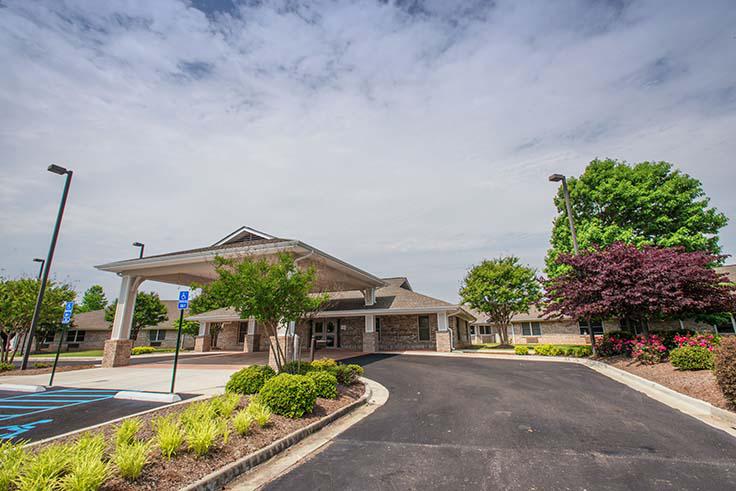
5968 WALL TRIANA HIGHWAY, MADISON, AL 35757 (256) 830-2316
For profit - Corporation 155 Beds NHS MANAGEMENT Data: November 2025
Trust Grade
53/100
#137 of 223 in AL
Last Inspection: April 2022

Over 2 years since last inspection. Current conditions may differ from available data.

Overview

Valley View Health and Rehabilitation in Madison, Alabama, has a Trust Grade of C, which means it is average and sits in the middle of the pack among nursing homes. It ranks #137 out of 223 facilities in Alabama and #7 out of 12 in Madison County, placing it in the bottom half for both state and county. The facility is improving, with a decline in reported issues from five in 2022 to four in 2023. However, staffing is a concern, with a turnover rate of 81%, significantly higher than the state average of 48%. Additionally, the facility has received $3,250 in fines, which is higher than 78% of Alabama facilities, indicating potential compliance issues. Notably, there were incidents where staff did not properly sanitize thermometers used for food, failed to follow infection control measures like hand hygiene, and did not notify a resident's family about a significant change in medication, which could be concerning for families considering this facility. Overall, while there are strengths, like some average RN coverage, the facility has notable weaknesses that families should weigh carefully.

Trust Score
C
53/100
In Alabama
#137/223
Bottom 39%
Safety Record
Low Risk
No red flags
Inspections
Getting Better
5 → 4 violations
Staff Stability
⚠ Watch
81% turnover. Very high, 33 points above average. Constant new faces learning your loved one's needs.
Penalties
⚠ Watch
$3,250 in fines. Higher than 86% of Alabama facilities, suggesting repeated compliance issues.
Skilled Nurses
✓ Good
Each resident gets 45 minutes of Registered Nurse (RN) attention daily — more than average for Alabama. RNs are trained to catch health problems early.
Violations
⚠ Watch
14 deficiencies on record. Higher than average. Multiple issues found across inspections.
★★★☆☆
3.0
Overall Rating
★★★☆☆
3.0
Staff Levels
★★★★☆
4.0
Care Quality
★★★☆☆
3.0
Inspection Score
Stable
2022: 5 issues
2023: 4 issues

The Good

  • 4-Star Quality Measures · Strong clinical quality outcomes
  • Full Sprinkler Coverage · Fire safety systems throughout facility
  • No fines on record

Facility shows strength in quality measures, fire safety.

The Bad

3-Star Overall Rating

Near Alabama average (2.9)

Meets federal standards, typical of most facilities

Staff Turnover: 81%

35pts above Alabama avg (46%)

Frequent staff changes - ask about care continuity

Federal Fines: $3,250

Below median ($33,413)

Minor penalties assessed

Chain: NHS MANAGEMENT

Part of a multi-facility chain

Ask about local staffing decisions and management

Staff turnover is very high (81%)

33 points above Alabama average of 48%

The Ugly 14 deficiencies on record

Jan 2023 4 deficiencies
CONCERN (D) 📢 Someone Reported This

A family member, employee, or ombudsman was alarmed enough to file a formal complaint

Potential for Harm - no one hurt, but risky conditions existed

Notification of Changes (Tag F0580)

Could have caused harm · This affected 1 resident

**NOTE- TERMS IN BRACKETS HAVE BEEN EDITED TO PROTECT CONFIDENTIALITY** Based on interviews, medical record review, and a review of a facility policy titled, Change in Medical Condition of Residents, ...

Read full inspector narrative →
**NOTE- TERMS IN BRACKETS HAVE BEEN EDITED TO PROTECT CONFIDENTIALITY** Based on interviews, medical record review, and a review of a facility policy titled, Change in Medical Condition of Residents, the facility failed to ensure Resident Identifier (RI) #1's sponsor/family was notified when RI #1 was prescribed the medication Macrobid on 08/31/2022. This deficient practice had the potential to affect RI #1; one of three sampled resident reviewed for notification. Findings include: A facility policy titled, Change in Medical Condition of Resident/Guest(s), with an effective date of 11/28/2016, documented, . Notification of . legal representative, or interested family member, should occur promptly, according to federal regulations, when there is a change in the resident/guest(s) condition. A need to alter treatment . or to commence a new form of treatment . RI #1 was admitted to the facility on [DATE] and readmitted on [DATE] and had diagnoses to include Urinary Tract Infections. RI #1's physician orders dated 08/31/2022 documented RI #1 was to receive Macrobid 100 mg (milligram) by mouth twice a day for seven days. A nurses note for RI #1 dated 09/01/2022 documented, . Charge nurse did dip stick urine. Positive results. NP . (Nurse Practitioner) notified and ordered Macrobid x 7 (for seven) days . This note was signed by Employee identifier (EI) #11, Registered Nurse, (RN). On 01/04/2023 at 3:24 PM, an interview was conducted with RI #1's sponsor who stated they had not been notified when RI #1 was prescribed Macrobid in early September of 2022. On 01/05/2023 at 11:17 AM, an interview was conducted with EI #11, RN. EI #11 was asked if RI #1's family was notified of the Macrobid order on 08/31/2022. EI #11 stated she recalled calling, but did not document the notification. EI #11 stated she would normally document the notification in the nurses notes but failed to do so. EI #11 stated it was important for the family to know about any added medication so they would know what was going on with the resident. She further stated notification should be documented so everyone who looked at the record would know the family was notified. EI #11 stated it was the facility policy to notify family of any changes and document the notification. This deficient practice was cited as a result of the investigation of complaint report number AL00042847.
CONCERN (D) 📢 Someone Reported This

A family member, employee, or ombudsman was alarmed enough to file a formal complaint

Potential for Harm - no one hurt, but risky conditions existed

Pressure Ulcer Prevention (Tag F0686)

Could have caused harm · This affected 1 resident

**NOTE- TERMS IN BRACKETS HAVE BEEN EDITED TO PROTECT CONFIDENTIALITY** Based on interviews, medical record review and review of a facility policy titled, Pressure Ulcers, the facility failed to ensur...

Read full inspector narrative →
**NOTE- TERMS IN BRACKETS HAVE BEEN EDITED TO PROTECT CONFIDENTIALITY** Based on interviews, medical record review and review of a facility policy titled, Pressure Ulcers, the facility failed to ensure Resident Identifier (RI) #3's pressure ulcer was assessed at the time of admission on [DATE] and appropriate treatment orders for the wound were obtained from the physician at that time. RI #3's pressure ulcer was not assessed and treatment orders obtained until 12/12/2022. This deficient practice had the potential to affect RI #3, one of four residents sampled for pressure ulcers. Findings include: Review of a facility policy titled, Pressure Ulcers, with an effective date of 10/01/2010 revealed: . PROCESS: I. The Wound Flow Record should be completed when pressure ulcers are found on admission II. Documentation a) The physician should be informed of the presence of a pressure ulcer, . physicians' orders for care should be recorded. e) Observations pertinent to the resident's skin status should be recorded in the nurses' notes, as appropriate. RI #3 was admitted to the facility on [DATE]. Review of RI #3's hospital discharge documentation dated 12/09/2022 revealed RI #3 had a Stage two pressure ulcer on the right lower back. Nurses notes for RI #3, on the day of admission to the facility, on 12/09/2022 documented . Patient arrived at facility . patient was then assessed for skin injuries or wounds via this writer. patient has a visible previous wound with a 2x2 (two by two) dressing covering on right buttocks. Which was left intact to be observed by wound or treatment nurse . This note was signed by Employee Identifier (EI) #12 Licensed Practical Nurse (LPN). Further review of RI #3's medical record revealed there was not any documentation of assessment or treatment for the pressure ulcer on RI #3's right buttock until three days after admission, 12/12/2022. Nurses notes for RI #3 dated 12/12/2022 documented .Pressure Ulcer//Right Buttock .admission WOUND ASSESSMENT COMPLETED, . RIGHT PROXIMAL BUTTOCKS AREA HAS AN OPEN WOUND, . TREATMENT ORDERS HAVE BEEN RECEIVED AND INITIATED. This note was signed by EI #4 Wound Care Nurse. RI #3's Wound Assessment Report with an assessment date of 12/12/2022 completed as an admission assessment documented RI #3 had a Stage two pressure ulcer that was identified on 12/12/2022 on the right buttock and the physician was notified on 12/12/2022. RI #3's physician orders for December 2022 documented an order dated 12/12/2022 for treatment to a Stage two pressure ulcer on RI #3's right buttock. A review of RI #3's December 2022 TAR (Treatment Administration Record) revealed treatment for a Stage two pressure ulcer to the right buttock with an order and start date of 12/12/2022. On 01/05/2023 at 5:09 PM, an interview was conducted with EI #4, RN (Registered Nurse), Wound Care Nurse. EI #4 was asked if she did the wound care assessment on RI #3. EI #4 said, yes she did the wound care assessment and it was done on 12/12/2022. EI #4 said when she did RI #3's wound care assessment, there was an area on RI #3's right buttock. EI #4 was asked when RI #3 was first treated for the pressure ulcer to the right buttock. EI #4 said when RI #3 first arrived to the facility there was a dressing on the right buttock and the nurse left the dressing on RI #3. EI #4 said, RI #3 was first treated for the pressure ulcer on 12/12/2022. EI #4 was asked if the admission nurse should have removed the dressing to RI #3's right buttock at the time of admission. EI #4 said yes, she should have because, it was a part of the skin assessment, to see the wound, described it, and order treatment. EI #4 also said she should have contacted the Nurse Practitioner or the Physician to see if any treatment was needed. EI #4 was asked what was the potential harm with the admission nurse not removing the dressing on the resident's right buttock. EI #4 said, you do not know what was under the dressing, the wound could have been infected or turn into an infection. On 01/05/2023 at 8:20 AM an interview was conducted with EI #10, Certified Registered Nurse Practitioner (CRNP). EI #10 was asked if RI #3 had a pressure ulcer on admission. EI #10 said yes, there was a Stage two pressure ulcer on the right buttock. EI #10 was asked when treatment for RI #3's pressure ulcer started. EI #10 said, according to the physician orders, on 12/12/2022. EI #10 was asked to review the nurses progress note dated 12/09/2022, where the nurse documented a two by two dressing to the right buttock, but did not remove the dressing. EI #10 was asked should the nurse have removed the dressing from the right buttock. EI #10 said, yes, she should have taken the dressing off to do a head to toe assessment, to make sure what kind of wound it was so it could be treated. EI #10 was asked if the nurse who admitted the resident should have obtained a treatment order for the pressure ulcer on 12/09/2022. EI #10 said, yes, she should have. EI #10 was asked if there was a delay in treatment to RI #3's pressure ulcer. EI #10 said, yes, there was a delay in treatment. EI #10 was asked what was the potential harm with delay of treatment to RI #3's pressure ulcer to the right buttock. EI #10 said, worsening of the wound. On 01/05/2023 and 01/06/2023 during the survey, attempts were made to contact EI #12 LPN, unsuccessfully.
CONCERN (D) 📢 Someone Reported This

A family member, employee, or ombudsman was alarmed enough to file a formal complaint

Potential for Harm - no one hurt, but risky conditions existed

Incontinence Care (Tag F0690)

Could have caused harm · This affected 1 resident

**NOTE- TERMS IN BRACKETS HAVE BEEN EDITED TO PROTECT CONFIDENTIALITY** Based on observation, interview, resident record review and review of a facility policy titled Hand Hygiene, the facility failed...

Read full inspector narrative →
**NOTE- TERMS IN BRACKETS HAVE BEEN EDITED TO PROTECT CONFIDENTIALITY** Based on observation, interview, resident record review and review of a facility policy titled Hand Hygiene, the facility failed to ensure Resident Identifier (RI) #2, a resident with a history of Urinary Tract Infection (UTI), was provided perineal care in a manner to prevent Urinary Tract Infections when on 01/05/2023 Employee Identifier (EI) #5 Certified Nursing Assistant (CNA), failed to change her gloves and wash her hands prior to applying barrier cream to RI #2's buttocks. EI #5 applied the barrier cream to RI #2's buttocks while wearing the same soiled gloves worn during the perineal care and worn while cleaning feces from RI #2's buttocks. This had the potential to affect RI #2, one of three residents observed during perineal care. Findings include: A facility policy titled Hand Hygiene with an effective date of 06/11/2020 documented the following: . STANDARD: Hand washing should be performed between procedures with resident/guest(s) based upon the principle that all blood, body fluids, secretions, excretions . may contain transmissible infectious agents. III. Hand hygiene continues to be the primary means of preventing the transmission of infection. The following is a list of some situations that require hand hygiene. After contact with a resident/guest(s) . body fluids or excretions . RI #2 was readmitted to the facility on [DATE]. A review of RI #2's hospital discharge documentation dated 11/03/2023 revealed discharge diagnoses to include Urinary Tract Infection (UTI). On 01/05/2023 at 5:03 PM EI #5 CNA was observed providing perineal care for RI #2 and changing gloves during the care without performing hand hygiene. EI #5, while wearing gloves, removed a wet brief from RI #2, threw it in the trash, and wiped feces from RI #2's buttocks with a disposable wipe. EI #5 then picked up a container of barrier cream, applied the cream on her right hand with the dirty glove and applied the barrier cream on RI #2's buttocks. On 01/06/2023 at 12:08 PM EI #5 was asked about changing gloves before applying the barrier cream. EI #5 said she did not. EI #5 said, she did not change gloves before applying the barrier cream because she was really nervous. When asked what the risk was of not changing gloves before applying the barrier cream, EI #5 said, infection control. EI #5 said, she should have changed gloves and washed her hands, then put on new gloves to apply the cream. On 01/06/2023 at 3:03 PM EI #2 Director of Nursing (DON) was asked about hand washing during perineal care. EI #2 said, it should be done before, after you finish, or if gloves are contaminated. EI #2 said, gloves should be changed during perineal care if they are visibly dirty and after cleaning the resident. EI #2 said, the risk of not changing gloves and washing/sanitizing hands during perineal care and when applying barrier cream was contamination.
CONCERN (D) 📢 Someone Reported This

A family member, employee, or ombudsman was alarmed enough to file a formal complaint

Potential for Harm - no one hurt, but risky conditions existed

Infection Control (Tag F0880)

Could have caused harm · This affected 1 resident

**NOTE- TERMS IN BRACKETS HAVE BEEN EDITED TO PROTECT CONFIDENTIALITY** Based on observations, interviews, resident record reviews and review of facility policies titled Dressings-Clean, Infection Pre...

Read full inspector narrative →
**NOTE- TERMS IN BRACKETS HAVE BEEN EDITED TO PROTECT CONFIDENTIALITY** Based on observations, interviews, resident record reviews and review of facility policies titled Dressings-Clean, Infection Prevention & Control Program Overview and Hand Hygiene, the facility failed to ensure Employee Identifier (EI) #3 Wound Nurse, disposed of items used to provide treatment for Resident Identifier (RI) #4's wound in a manner to prevent the spread of infection on 01/04/2023 when EI #3 disposed of gloves, gauze and other items used during the treatment of RI #4's open wound, in a garbage can that did not have a liner or a trash bag. The facility further failed to ensure RI #2 was provided perineal care in a manner to prevent the spread of infection on 01/05/2023 when EI #5, Certified Nursing Assistant (CNA) provided perineal care without sanitizing or washing her hands between glove changes, and wore soiled gloves while continuing care and touching clean items, such as a clean brief, a container of barrier cream, and RI #2's bed remote control. After the perineal care, facility staff failed to sanitize RI #2's bedside table before RI #2's meal tray was set on the bedside table, and failed to assist RI #2 with hand hygiene before the supper meal was provided and RI #2 was given the fork from the meal tray. This deficient practice had the potential to affect RI #2 and RI #4, two of 12 sampled residents. Findings include: A facility policy titled Dressings-Clean with an effective date of 12/20/2016 documented the following: . PROCESS: . 15. Discard disposable items and gloves into appropriate trash receptacle . RI #4 was readmitted to the facility on [DATE]. On 01/04/2023 at 12:14 PM an observation was made of EI #3, Wound Nurse, providing wound care for RI #4. EI #3 explained RI #4's wound had redness and an open area. EI #3, while wearing gloves, cleaned RI #4's wound with saline soaked gauze, then removed her gloves and threw the soiled gauze and soiled gloves in a plastic garbage can in RI #4's room. The trash can was not lined with anything and did not contain a trash bag. During the treatment to RI #4's wound, EI #3 washed her hands between glove changes but continued to throw items used during the treatment in the unlined trash can to include: more used gloves, skin prep (protective barrier wipe used around the wound), and an applicator used to apply ointment to the wound. On 01/04/2023 at 12:32 PM EI #3 was asked if the wound care was completed. EI #3 said, yes. EI #3 was asked where she threw the trash during the wound care. EI #3 said, in the trash can. EI #3 said, the trash can was not lined. EI #3 said, she did not know why she threw the trash in an unlined garbage can, but it should not have been done. EI #3 stated the risk of using an unlined garbage can for wound care trash, was bacteria spreading to other staff members. EI #3 said, she should have brought a bag in with her and lined the trash can in the beginning. A facility policy titled Infection Prevention & Control Program Overview with an effective date of 09/14/2020 documented the following: . I. GOALS . F. Provide a safe, sanitary, and comfortable environment. II. THE MAJOR ACTIVITIES OF THE PROGRAM ARE: A. Prevention of spread of infection is accomplished by use of standard precautions and other barriers, . Policies, procedures, and aseptic practices are followed by personnel in performing procedures and in disinfection of equipment. A facility policy titled Hand Hygiene with an effective date of 06/11/2020 documented the following: . STANDARD: Hand washing should be performed between procedures with resident/guest(s) based upon the principle that all blood, body fluids, secretions, excretions . may contain transmissible infectious agents. III. Hand hygiene continues to be the primary means of preventing the transmission of infection. The following is a list of some situations that require hand hygiene. Before and after eating or handling food . After contact with a resident/guest(s) . body fluids or excretions . After handling soiled or used linens . After handling soiled equipment . After removing gloves . RI #2 was readmitted to the facility on [DATE]. On 01/05/2023 at 5:03 PM EI #5 CNA was observed providing perineal care to RI #2. EI #5 said, RI #2's brief was wet. EI #5 removed RI #2's soiled brief and wiped RI #2's perineal area, removed her gloves and put on new gloves without sanitizing or washing her hands. EI #5 placed a clean brief under RI #2, and continued to wipe RI #2 with disposable wipes. EI #5 placed a used disposable wipe in the soiled brief. EI #5 removed the soiled gloves and touched RI #2's leg with her bare hand, moved the bedside table to the right side of the bed, and put on clean gloves without washing or sanitizing her hands. EI #5 removed the dirty brief from under the resident, threw it in the trash, cleaned feces from RI #2's bottom with a wipe, picked up the barrier cream while wearing the soiled gloves used to clean feces. and applied the barrier cream on RI #2's buttocks. EI #5 then removed the soiled glove from her right hand and discarded it. EI #5 then, with her left hand, still wearing a glove and right hand, without a glove, put a clean brief on RI #2. EI #5 touched the remote control to lower the bed and then removed the glove from her left hand, threw it away, and applied new gloves, out of a box from the bathroom, without washing or sanitizing her hands. EI #5 then assisted RI #2 to the side of the bed. A Nursing Assistant, EI #6, entered RI #2's room with a supper tray, placed it on the unsanitized bedside table with the barrier cream and the container of wipes that was used for perineal care. EI #6 placed the lid from the supper plate of the meal on the barrier cream that was just used in perineal care and the plastic bag that contained wipes. EI #5 and EI #6 were observed to assist RI #2 with the walker to a chair for the meal. EI #5 covered RI #2 with a blanket and used the bed remote to lower the bed, and turned on RI #2's light, all while wearing the same soiled gloves before removing the gloves and washing her hands. EI #6 set up RI #2's plate, removed the barrier cream and wipes, and pushed the bedside table with the meal tray to RI #2, without washing the residents hands. The surveyor stopped RI #2 from eating from the tray due to not sanitizing the bedside table. EI #6 took RI #2's meal tray out of the room to get a new tray. EI #5 began wiping the table down with a paper towel with a substance. EI #5 stated the substance was hand sanitizer on the paper towel. On 01/05/2023 at 5:33 PM, EI #7 Medication Technician, entered RI #2's room and cleaned the bedside table with a Clorox wipe and dried the table with a paper towel. On 01/05/2023 at 5:37 PM EI #7 brought RI #2 a new meal tray and set up the tray for RI #2. EI #7 handed the fork to RI #2 and encouraged RI #2 to eat. On 01/05/2023 at 6:21 PM EI #5 CNA was asked when she should wash her hands during perineal care. EI #5 said, before, during, and after, wash, rinse, and dry. When asked when she washed her hands during perineal care for RI #2, EI #5 said, before and after. EI #5 said, she should have washed her hands before, in between cleaning, and when she changed her gloves. EI #5 said, the risk of not washing her hands during perineal care, was infection control. EI #5 said, she placed supplies for perineal care on the bedside table. EI #5 said, she did not have the opportunity to clean the table before her coworker came in and placed the meal tray down. EI #5 stated, she should have told her coworker to give her a moment to clean off the table. EI #5 said, she should have cleaned the table after using it for perineal care and the risk of not cleaning the bedside table after using the table for perineal care was infection control. When asked when resident's hands should be washed before a meal, EI #5 said, right before the meal. EI #5 said, she did not wash RI #2's hands before the meal. On 01/06/2023 at 12:08 PM EI #5 was asked follow up questions. When asked when she changed gloves before applying the barrier cream, EI #5 said, she did not. EI #5 said, she was nervous. When asked what was the risk of not changing gloves before applying the barrier cream, EI #5 said, infection control. EI #5 said, she should have changed gloves and washed her hands, then put on new gloves and apply the cream. On 01/05/2023 at 6:14 PM EI #6 Nursing Assistant was asked where she placed the first tray brought in for RI #2. EI #6 said, on the bedside table. EI #6 said, wipes, a sippy cup, and barrier cream was on the bedside table. EI #6 said, spreading germs was the risk of setting down a meal tray on a dirty bedside table. EI #6 said, she did not wash RI #2's hands before giving providing the meal tray. EI #6 said, she was supposed to offer RI #2 a wipe or something for hand washing. EI #6 stated the spread of germs was the risk of not washing the resident's hands before a meal. On 01/05/2023 at 6:02 PM EI #7 was asked about RI #2's hands being washed prior to the meal. EI #7 said, whoever got RI #2 out of bed, should have washed RI #2's hands, she was just asked to clean the table and feed RI #2. EI #7 said, the risk of not washing a resident's hands before a meal was germs that could cause infection. On 01/06/2023 at 3:03 PM EI #2 DON was asked about a nurse placing contaminated wound dressing and supplies in the resident's garbage can without a liner. EI #2 said that should not happen at all. EI #2 said, they should have a plastic bag or a liner in the garbage can. EI #2 said, the risk of discarding contaminated wound supplies in the resident's garbage can unlined, was the spread of infection. When asked about hand washing during perineal care, EI #2 said, before, after you finish, or if gloves become contaminated. EI #2 stated, when changing gloves during perineal care hand hygiene should be completed after removal of gloves. EI #2 said, gloves should be changed during perineal care if they become visibly dirty and after cleaning the resident. When asked about the risk of not not changing gloves, EI #2 said, infection. When asked about the risk of not changing gloves and washing/sanitizing hands when applying barrier cream, EI #2 said, contamination. EI #2 said the risk of not washing hands or hand sanitizing during perineal care, was contamination. When asked about placing meal trays on bedside tables that were used for perineal care, EI #2 said, the tray should be placed after the table was cleaned. EI #2 said, the person providing perineal care should have stopped the staff from placing the tray down. When asked about hand hygiene for residents prior to meals, EI #2 said, the resident's should be offered hand hygiene before the meal and there was a potential for contamination if hand hygiene was not performed for the resident before the meal.
Apr 2022 5 deficiencies
CONCERN (D)

Potential for Harm - no one hurt, but risky conditions existed

ADL Care (Tag F0677)

Could have caused harm · This affected 1 resident

**NOTE- TERMS IN BRACKETS HAVE BEEN EDITED TO PROTECT CONFIDENTIALITY** Based on observations, interviews, record review and review of facility policies titled Hygiene and Grooming and Perineal Care, ...

Read full inspector narrative →
**NOTE- TERMS IN BRACKETS HAVE BEEN EDITED TO PROTECT CONFIDENTIALITY** Based on observations, interviews, record review and review of facility policies titled Hygiene and Grooming and Perineal Care, the facility failed to ensure Resident Identifier (RI) #5 received the necessary assistance for activities of daily living (ADLs) in accordance with the resident's assessed and care planned needs. This affected one (RI #5) of three sampled residents reviewed for ADLs. Specifically, the facility failed to ensure: 1) RI #5 was regularly provided with showers and other personal hygiene/grooming care, such as shampooing of hair and shaving of facial hair; and 2) RI #5 received perineal care promptly after incontinent episodes to promote good hygiene and prevent odors and potential skin breakdown. Findings included: Review of the facility policy titled, Hygiene and Grooming, dated 10/01/2010 indicated, Purpose: Good hygiene and grooming help prevent the spread of infection and promote the resident's feelings of self-worth and dignity. Standard: Guidelines for the provision of hygiene and grooming are: - Shower, tub or complete bed bath, as needed - Twice daily oral hygiene (AM and PM) - Hair and scalp shampoo, as needed - Shaving daily or as needed. The policy also indicated, Resident preferences for time of day, type of bath and frequency of bath should be honored, to the extent possible . Facial hair should be tended to as needed . AM [morning] care should include: .If the resident is incontinent of urine or stool, provide perineal care . PM [evening/night] care should include: .if resident is incontinent of urine or stool, provide perineal care. Review of the facility policy titled, Perineal Care, dated 10/01/2010, indicated, Purpose: Good perineal care helps prevent infection, irritation, and skin breakdown. Standard: Residents who are incontinent of urine or feces should receive perineal care as needed. Residents should receive perineal care during routine baths or showers. Review of the Face Sheet for RI #5 revealed the facility admitted the resident on 12/31/2012 with diagnoses which included Unspecified Dementia without Behavioral Disturbance, Morbid Obesity, Adjustment Disorder with Anxiety, and Essential Hypertension. Review of a quarterly Minimum Data Set (MDS), dated [DATE], revealed RI #5 scored 14 on a Brief Interview for Mental Status (BIMS), which indicated the resident was cognitively intact. The MDS indicated the resident required extensive assistance of two or more people for transfers and toilet use. The resident required extensive assistance of one person for personal hygiene. The resident required physical help of two or more people for part of the bathing activity. The MDS revealed the resident was always incontinent of bowel and bladder. 1. Review of the care plan, dated 02/09/2017, indicated RI #5 required assistance to complete daily activities of care safely. The interventions included: - Provide assistance to gather items for bathing and assist to bathing area as needed. - Make bathing process pleasant by ensuring non-hurried atmosphere; give assistance as needed. - Two person assist with repositioning in shower chair. - Bath per schedule. - Assist with hair. The Completed Care Tasks forms dated November 2021 through 04/21/2022 were reviewed. The resident was scheduled for baths on Tuesdays, Thursdays, and Saturdays. Baths/showers were documented as provided as follows: - From 11/01/2021 to 11/30/2021, the resident received 13 baths/showers out of 13 opportunities. - From 12/01/2021 to 12/31/2021, the resident received 11 baths/showers out of 13 opportunities. - From 01/01/2022 to 01/31/2022, the resident received 12 baths/showers out of 13 opportunities. - From 02/01/2022 to 02/28/2022, the resident received four baths/showers out 12 opportunities. - From 03/01/2022 to 03/31/2022, the resident received one bath/shower out of 14 opportunities. - From 04/01/2022 to 04/21/2022, the resident received two showers out of nine opportunities. On 04/19/2022 at 9:47 AM, RI #5 was observed lying in bed with eyes closed. The resident's hair had a greasy appearance and there were numerous hairs visible on the resident's chin. On 04/19/2022 at 3:07 PM, RI #5 was observed in bed with eyes closed. The resident's hair had a greasy appearance and the chin hairs remained as previously described. On 04/20/2022 at 9:45 AM, RI #5 was observed sitting in his/her room in a wheelchair. RI #5 stated he/she had an appointment and would be picked up at 12:30 PM. RI #5 stated he/she was supposed to have received a shower yesterday and did not get one because he/she did not trust the staff who were working yesterday. RI #5 stated staff cleaned me up but did not provide a shampoo. The resident's hair had a greasy appearance but was combed and had a headband in place. The chin hairs had been removed, and the resident indicated a family member had removed them. On 04/20/2022 at 11:21 AM, Employee Identifier (EI) #25, a Certified Nursing Assistant (CNA) entered RI #5's with a shampoo cap device to wash the resident's hair. On 04/21/2022 at 11:26 AM, EI #25 was interviewed. EI #25 stated the resident showered three times per week, on Tuesdays, Thursdays, and Saturdays. She indicated she provided the resident's showers as scheduled when she worked with the resident. EI #25 revealed the resident got up early today and had a shower, then was placed back in bed to keep warm. EI #25 indicated if a resident refused to shower, she reported the refusal to the nurse and then documented the refusal in the computer after asking the resident several times. EI #25 stated RI #5 did not trust anyone other than EI #25 to get him/her out of bed for showers. On 04/20/2022 at 11:29 AM, the resident was interviewed and stated a CNA had come to the room with a cap thing and washed his/her hair. The resident stated he/she felt better about his/her hair now. On 4/22/2022 at 9:47 AM, during a follow-up interview, EI #25 stated R#5 was not on the bath schedule on 4/20/2022 but that she had washed the resident's hair on that date. She indicated on the days the resident did not get a shower, a bed bath was provided. EI #25 stated bathing included shaving the resident's chin hairs. EI #25 stated she offered to shave R#5, but the family member would go in and shave the resident, at times. On 4/22/2022 at 8:54 AM, EI #1, the Administrator, stated RI #5's family member contacted the facility on 4/19/2022 to remind them that RI #5 had an appointment on 4/20/2022 and would be picked up about 12:15 PM for a 1:15 PM appointment that day. EI #1 indicated the family member requested that staff make sure the resident was clean, bathed and hair was washed. EI #1 stated she went to the hall at 8:00 AM to remind staff of RI #5's doctor appointment. EI #1 indicated R #5 was sitting in a wheelchair at that time and was clean. EI #1 stated she had asked EI #26 to have RI #5 bathed again, to include shampooing the resident's hair, and that EI #25 was also working that day. On 4/22/2022 at 12:38 PM, EI #1 and EI #2, the Director of Nursing, were interviewed. They both indicated the process for ADL care was that the residents were supposed to receive three showers a week, as scheduled. They indicated the CNAs were responsible for completing ADL care and, if a resident refused, the CNA was to notify the nurse, who was then supposed to speak to the resident and encourage ADL care. EI #1 stated if the resident continued to refuse, then the nurse documented the refusal in a progress note. EI #1 stated if a resident continued to refuse, then it was care planned and the family and nurse practitioner were notified. EI #2 indicated if the shower was not completed, then a bed bath was offered and completed. EI #2 stated ADL care included washing from head to toe unless the resident went to the beauty shop. The care also included shaving if the resident wanted it. EI #2 revealed RI #5 refused ADL care all the time because the resident did not like to get out of bed. EI #1 stated the facility had purchased shampoo caps to be used during bed baths or as needed. EI #1 and EI #2 both indicated ADL care was important because it gave a person the feeling of self-esteem, kept them clean, and decreased odors, risk for infection, and skin breakdown. 2. Review of RI #5's care plan, dated 02/09/2017, revealed the resident was totally incontinent of bowel and bladder. The goal was for the resident to have no complications related to incontinence for 90 days, as evidenced by no skin problems. The interventions included providing perineal care (peri care) after each incontinent episode. Review of the April 2022 Physician Orders sheet revealed an order dated 06/01/2016 for furosemide (a diuretic) 20 milligram (mg) tablets. The directions were to give one and a half tablets (30 mg) by mouth twice daily for hypertension. On 04/20/2022, the surveyor made continuous observations of RI #5 from 9:45 AM to 12:33 PM, as follows: - On 04/20/2022 at 9:45 AM, the resident was in sitting in a wheelchair in his/her room and stated he/she had an appointment and would be picked up at 12:30 PM. - On 04/20/2022 at 10:59 AM, the resident was sitting in a wheelchair by the window, with the television on. - On 04/20/2022 at 11:17 AM, the resident was sitting in a wheelchair by the window with the television on. - On 04/20/2022 at 12:33 PM, the resident left the facility for the scheduled appointment. The resident had been continuously observed sitting in the wheelchair for two hours and 48 minutes and had not been checked for incontinence. During an observation on 04/20/2022 at 3:56 PM, RI #5 had returned to the facility and had a family member in the room visiting. The resident was eating fast food items while sitting in a wheelchair. The resident's family member indicated they had returned to the facility at approximately 3:40 PM. RI #5 stated he/she had not been changed since early this morning. The family member indicated a CNA had told them she would come back and change the resident's brief after the resident finished eating and would get the resident ready for bed. On 04/20/2022 from 4:17 PM to 4:52 PM, two surveyors were in RI #5's room. The RN surveyor made observations of incontinent care, and the non-RN surveyor remained outside the privacy curtain to observe staff entering and exiting the room). The observations were as follows: - Upon entering the room at 4:17 PM, the surveyor observed EI #23, an RN Manager and EI #20, a CNA, covering the resident up in bed. The surveyor asked the resident's permission to observe incontinent care, and the resident agreed. The RN and CNA stated they had to go get wipes and would be right back. The resident's family member and two surveyors remained when the staff exited the room. The resident stated he/she had not been changed since getting out of bed at 7:30 AM. RI #5 stated he/she had been wet most of the day. There was no odor. - At 4:33 PM, the RN surveyor went to check with staff regarding the resident's incontinent care. - At 4:34 PM, EI #29, a CNA, entered the room and looked in RI #5's wardrobe closet, as well as the roommate's closet, then looked in the dresser near the resident's bed. EI #29 indicated she was looking for incontinence wipes but did not locate any. She exited the room. - At 4:36 PM, EI #29 re-entered the room with incontinent wipes. She proceeded to change the resident's adult brief. The family member asked EI #29 if she would put the side rail up for support, as EI #29 was providing the incontinence care without assistance. EI #29 pulled down RI #5's adult brief and cleaned the resident's front perineal area, then assisted the resident to turn onto the left side. EI #29 stated there was a little bit of BM (bowel movement) and that she would need to do a complete linen change on the bed. The resident's family member stood on the opposite side of the bed and held the resident's leg. The resident had a large amount of partially dried fecal material in the brief, on the buttocks, and extending up to the small of the resident's back. Fecal material was also on the draw sheet, incontinence pad, and fitted sheet. EI #29 had difficulty removing the dried BM from the resident's skin, using an entire package of wet wipes. The adult brief was saturated with urine. - At 4:41 PM, while the incontinent care as ongoing, EI #20 and EI #23 returned to the resident's room. EI #29 was just finishing with cleaning the resident's buttocks when EI #20 and EI #23 entered. EI #29 asked for a draw sheet and pad, so EI #20 left the room to retrieve the requested items. The family member was now assisting, so the resident would not roll off the bed. EI #29 asked for a fitted sheet, and EI #23 went to retrieve one, then returned. The family member asked the resident multiple times if she was okay. EI #29 apologized a few times for taking so long. EI #23 left the room for a bag and returned, saying she did not know they were right outside the door. EI #20 washed her hands, put gloves on, and then exchanged places with the resident's family member at the side of the bed and held the resident's leg. EI #29 and EI #20 then removed the soiled linens from the bed and replaced them with clean linens. On 04/21/2022 at 11:26 AM, EI #25, the CNA who had been assigned to RI #5 on the day shift on 4/20/2022, was interviewed. EI #25 stated the process was to take people to the bathroom or check and change their brief every two to four hours. She stated she followed the care plans. She indicated she did not always remember each resident's care plan but would do what she was used to doing and that she knew what to do. She indicated she was supposed to check the care plan every day but did not have time to check it every day. EI #25 also stated some residents were able to use the bathroom and others were changed while in bed. EI #25 stated some residents were checked and changed or toileted every two hours and others, every four hours. EI #25 said she was responsible for RI #5 when she worked and provided care for the resident. She indicated the resident was a heavy wetter and voided more often than other residents, so should be changed more often. EI #25 indicated she would get the resident out of bed about nine in the morning, change the resident, and transfer the resident to the wheelchair. She stated she would then transfer the resident back to bed after lunch and changed the brief again at that time. EI #25 stated if the resident was up at eight in the morning, then she would put the resident back to bed at about one o'clock in the afternoon so the brief could be changed. EI #25 indicated she assisted the resident out of bed and changed the brief on the morning of 04/20/2022 but did not remember what time. She stated she did not know or remember that the resident had an appointment on 04/20/2022. She stated she did not check or change the resident again before the resident left the facility for the appointment. EI #25 indicated RI #5 had been up for about three hours when the resident left for the appointment and should have been changed again before he/she left. On 04/22/2022 from 12:38 PM to 12:55 PM, the surveyor interviewed EI #1, the Administrator, and EI #2, the Director of Nursing. They both stated dependent residents were to be checked at a minimum of every two hours for incontinent care. They indicated ADL care was to include peri-care and gave the resident a feeling of positive self-esteem, kept them clean, and decreased odors and risk for infections and skin breakdown. EI #2 stated a delay in peri-care could be embarrassing if a resident was alert and knew what was going on. EI #2 stated the expectation was for staff to check on the residents, provide incontinent care, and follow the residents' care plans.
CONCERN (D)

Potential for Harm - no one hurt, but risky conditions existed

Deficiency F0679 (Tag F0679)

Could have caused harm · This affected 1 resident

**NOTE- TERMS IN BRACKETS HAVE BEEN EDITED TO PROTECT CONFIDENTIALITY** Based on observations, interviews, record review, and review of the facility policy titled, Activity Program Management, the fac...

Read full inspector narrative →
**NOTE- TERMS IN BRACKETS HAVE BEEN EDITED TO PROTECT CONFIDENTIALITY** Based on observations, interviews, record review, and review of the facility policy titled, Activity Program Management, the facility failed to ensure Resident Identifier (RI) #5 was regularly invited and assisted to attend scheduled activities. This affected one (RI #5) of three sampled residents reviewed for activities. Findings included: A review of the facility policy titled, Activity Program Management, dated 03/01/2008, indicated, Close coordination with other departments is critical, for the success of the activity program. For example, nursing staff should be consulted regarding appropriate times for activities, and transportation to activities, for residents who are not ambulatory . Because the activities program should occur within the context of each resident's comprehensive assessment and care plan, it should be multi-faceted and reflect each individual resident's needs . Activities should be designed to provide meaningful activity to each resident, consistent with their background and interests, every day. In planning activities, the staff should consider: Resident choice and abilities . Assistance for residents to get to activities. Review of the Face Sheet revealed RI #5 had diagnoses which included Unspecified Dementia without Behavioral Disturbance, Morbid Obesity, History of Falling, Adjustment Disorder with Anxiety, and Essential Hypertension. Review of the quarterly Minimum Data Set (MDS), dated [DATE], revealed RI #5 scored 14 on a Brief Interview for Mental Status (BIMS), which indicated the resident was cognitively intact. The resident required extensive assistance of two or more people for bed mobility and transfers. A review of the care plan, dated 02/09/2017, revealed RI #5 was independent with activity choices but needed assistance to activities. Interventions included: - Keep resident and responsible party informed. - Visit with resident. - Encourage family and friend visits. - Encourage to attend musical activities of choice. - Provide TV channel lineup for the news channels per resident's request. - Food related activities of choice. - Provide daily activity sheet. - Enjoys attending some group activities: assist as needed. - Encourage wheeling/sitting outside when weather permits. - Games: BINGO. Review of the Group Activity Participation Records, dated from November 2021 to 04/21/2022 revealed the following: - From 11/1/2021 to 11/30/2021, the resident participated in intellectual activities on four occasions, community-based activities (puzzles) on 13 occasions, a spiritual/religious activity on one occasion, physical activities on five occasions, and independent activities on 25 occasions. - From 12/01/2021 to 12/31/2021, the resident participated in reading time of This Day in History on 21 occasions and independent activities of reading and social contact on 22 occasions. - From 01/01/2022 to 01/31/2022, the resident participated in intellectual activities 21 times and independent activities 20 times. - From 02/01/2022 to 02/28/2022, the resident participated in intellectual activities 17 times and independent activities 20 times. - From 03/01/2022 to 03/31/2022, the resident participated in intellectual activities 18 times and independent activities 23 times. - From 04/01/2022 to 04/21/2022, the resident participated in intellectual activities 9 times and independent activities 16 times. Review of the activity calendar and the daily activity reminder sheets indicated the following activities were planned for 04/19/2022: - 10:30 AM: Social Time - 11:00 AM: Movie Time - 2:30 PM: On This Day in History Sheets (in-room) - 5:00 PM: Puzzle with Friends - 5:30 PM: Movie Time On 04/19/2022 at 3:19 PM, RI #5 was observed in his/her room, in bed. The resident's eyes were closed, and the television was on. Review of the activity calendar and the daily activity reminder sheets indicated the following scheduled activities for 4/20/2022: - 10:30 AM: Social Time - 11:00 AM: Movie Time - 2:30 PM: BINGO - 2:30 PM: On This Day in History Sheets (in-room) The surveyor made continuous observations of RI #5 on 04/20/2022 from 9:45 AM to 12:33 PM, as follows: - On 04/20/2022 at 9:45 AM, RI #5 was sitting in a wheelchair in his/her room. The resident stated he/she had an appointment and would be picked up at 12:30 PM. - On 04/20/22 10:59 AM, RI #5 was sitting in a wheelchair sitting by the window in his/her room with the television on. - On 04/20/2022 at 11:17 AM, RI #5 was sitting in a wheelchair by the window with the television on. - On 04/20/2022 at 11:21 AM, Employee Identifier (EI) #25, a Certified Nursing Assistant (CNA), entered RI #5's to wash the resident's hair, using a shampoo cap. When the CNA exited RI #5's room, she did not offer to take the resident to the activity in progress. - On 04/20/2022 at 12:33 PM, the resident left the facility for the scheduled appointment. RI #5 was not invited or taken to any of the scheduled activities prior to leaving the facility for an appointment at 12:33 PM. Review of the activity calendar and the daily activity reminder sheets indicated the following scheduled activities for 4/21/2022: - 10:30 AM: Social Time - 11:00 AM: Movie Time - 2:30 PM: Sit and be Fit - 3:30 PM: On This Day in History Sheets (in-room) On 04/21/2022 at 10:38 AM, RI #5 was in bed with a washcloth on top of his/her head. On 04/21/2022 at 11:12 AM, RI #5 stated he/she was feeling lazy. The resident was in bed. RI #5 stated he/she used to go play Bingo, but it took a long time for staff to assist the resident back to bed. RI #5 indicated the staff did not ask the resident to go to activities. The resident stated he/she would go if they could get me up and back down. RI #5 stated he/she used to play dominos too. RI #5 was not invited or assisted to the scheduled activities on 04/21/2022. On 04/22/2022 at 9:35 AM, RI #5 stated the staff did not give him/her things to do in the room. The resident stated he/she could do any of the activities, such as dominoes and that he/she liked Bingo. The resident again indicated it was hard for staff to put him/her back to bed after activities ended. The resident stated staff did not take him/her down there and do not bring me back. The resident stated this is what he/she had problems with, related to activities. The resident revealed he/she did not read very much but watched TV, all the time. On 04/22/2022 at 10:11 AM, the surveyor interviewed EI #27, the Activity Director. EI #27 stated the facility did not post the activity calendar because they had a TV channel available to the residents to inform them of the activities. She stated the residents had access to the channel on the televisions in their rooms and could access it at any time. She stated the channel had the activities for the day and pictures from previous activities. EI #27 stated she passed out the This Day in History packets on Monday for the entire week. She indicated she started printing that in January 2022 due to COVID. EI #27 indicated the activity staff would ask CNAs to help get residents to activities if they knew a resident wanted to attend certain activities. She stated they asked the CNAs for assistance to get the residents up. EI #27 revealed RI #5 loved BINGO and special events, and that the resident usually had a hairband for the holidays and would come out to the Sit and Be Fit/Stretch and Grow activities. EI #27 indicated the resident's number-one, favorite activity was Bingo. She stated RI #5 attended one activity in March 2022. EI #27 said she believed the resident declined or refused activities because the resident was up too long before being put back to bed. She stated RI #5 liked to go to an activity and then straight back to bed. EI #27 stated RI #5 was invited to Bingo that morning. She stated the Activity Assistant, EI #28, asked RI #5 if he/she wanted to go to Bingo, and RI #5 said no, he/she did not think so. EI #27 stated Bingo was at 2:30 PM. EI #27 stated she had seen the resident every day and she knew EI #28 invited the resident to activities, and RI #5 replied no 90% of time. EI #27 indicated the activity staff always checked, because Bingo was RI #5's favorite activity. The surveyor informed EI #27 of the resident's appointment on 04/21/2022, and EI #27 stated she did not know the resident was at an appointment during Bingo on 4/21/2022. She stated EI #28 told her RI #5 refused to attend. EI #27 stated it was important to attend activities because of quality of life. She expected the residents to be invited and attend. On 04/22/2022 at 11:16 AM, the surveyor interviewed EI #28. She stated she went to the residents' rooms to get the residents for activities. She stated, it is just me now. EI #28 stated she went to RI #5 to ask the resident to go to activities, but the resident would say no. EI #28 said RI #5 said the reason he/she refused was that because if he/she got up, he/she would have to wait too long to go back to bed. She stated the resident did not like to get up often. She said she offered activities when the resident was up and would offer to take the resident to Bingo, and sometimes the resident would go, and sometimes he/she would not. EI #28 indicated RI #5 had not attended for the last couple of weeks. EI #28 said RI #5 refused Bingo this week and that the resident was in bed when she went to RI #5's room to see if the resident wanted to attend. The surveyor informed EI #28 that the resident was up in the wheelchair awaiting an appointment on the morning of 04/21/2022. EI #28 did not know the resident had been in the wheelchair since early that morning and stated she told the CNA on the hall that they had Bingo. EI #28 stated activities were important for the residents because it kept their minds going and gave them exercise so they did not have to be in their room. On 04/21/2022 at 11:26 AM, the surveyor interviewed EI #25, a CNA. EI #25 stated the activities staff made sure the residents had what they liked in their rooms. She stated RI #5 did not like going out of the room. EI #25 stated she did not know if the resident was scared the staff would not put the resident back in bed. EI #25 stated she would tell the resident when they had Bingo on the schedule. She said the resident liked to watch TV. On 04/22/2022 at 1:04 PM, the surveyor interviewed EI #1, the Administrator, and EI #2, Director of Nursing. They both indicated the activity staff provided daily calendars and asked residents to go to activities, and that nursing staff helped when they were available. They stated the activity staff would tell the CNAs that the dependent residents wanted to go to activities, and the CNAs would get them up and ready. EI #1 stated the activity staff had a good feel for what the residents liked to do. EI #2 indicated it was important for residents to attend activities because of stimulation and that the activities kept residents socially involved and were fun. Her expectation was to have a variety of activities so the residents could choose what they wanted to attend. EI #1 indicated activities were important to keep the residents engaged and involved and promote overall well-being of the residents. Her expectation was to have a variety of activities to meet the needs for a variety of residents and to enable residents to participate as they desired.
CONCERN (D)

Potential for Harm - no one hurt, but risky conditions existed

Tube Feeding (Tag F0693)

Could have caused harm · This affected 1 resident

**NOTE- TERMS IN BRACKETS HAVE BEEN EDITED TO PROTECT CONFIDENTIALITY** Based on observations, record review, interviews, and review of the facility policy titled, Medication Administration Procedures...

Read full inspector narrative →
**NOTE- TERMS IN BRACKETS HAVE BEEN EDITED TO PROTECT CONFIDENTIALITY** Based on observations, record review, interviews, and review of the facility policy titled, Medication Administration Procedures Enteral Tube Administration, the facility failed to ensure the nurse checked for proper placement of Resident Identifier (RI) #37's gastrostomy tube (g-tube) prior to administering medications through the tube. This deficient practice affected one of one sampled resident reviewed for g-tube care. Findings included: A review of the facility's policy and procedure titled, Medication Administration Procedures Enteral Tube Administration, dated as reviewed 04/2020, indicated, Regardless of the type of tube, check for proper placement before administering medications or water. This is done in 2 ways: auscultation and aspiration of gastric contents. A review of the Face Sheet revealed RI #37 had diagnoses which included Hemiplegia (paralysis of one side of the body) Affecting the Right Dominant Side and Personal History of Cerebral Infarction (stroke). A review of the admission Minimum Data Set (MDS), dated [DATE], indicated RI #37 was unable to complete the Brief Interview for Mental Status and was severely impaired in cognitive skills for daily decision-making. The resident required extensive to total assistance of one to two people for all activities of daily living (ADLs) except eating. The resident had a swallowing disorder and had a feeding tube, through which the resident received 51% or more total calories and 501 cubic centimeters (cc) or more of fluid daily. Review of the care plan, dated 02/07/2022, revealed RI #37 had inadequate nutritional intake and had a percutaneous endoscopic gastrostomy (PEG) tube for nutritional support. Interventions included: - Administer formula at rate and duration as ordered. - Evaluate periodically for potential of restoration to oral feeding. - Head of bed elevated. A review of the April 2022 Physician Orders form revealed orders dated 04/08/2022 for RI #37 to receive bolus feedings, water flushes and medications via the g-tube. On 04/22/2022 at 9:05 AM, Employee Identifier (EI) #12, a Licensed Practical Nurse (LPN), was observed preparing and administering medications for RI #37. EI #12 prepared the medications by crushing them individually, then placing them in individual plastic medication cups. She added approximately five to ten milliliters (ml) of water to each cup. After donning gloves, EI #12 removed the g-tube stopper and unclamped the g-tube. EI #12 put the piston syringe in the end of the tube and flushed the tube with 80 ml of water, then poured each medication into the syringe/tube, flushing the tube with approximately 10 ml of water between each medication. After administering the medications, EI #12 flushed the tube with 80 ml of water, clamped the tube, and put the stopper back in the g-tube. EI #12 did not check the placement of the tube prior to flushing the tube or administering medications. During an interview on 04/22/2022 at 9:26 AM, EI #12 stated there were no orders to check for placement or to check for residual, so she did not do it. During an interview on 04/22/2022 at 9:31 AM, EI #6, an LPN, stated the placement of the g-tube should be checked prior to administering medication or food, by auscultating air pushed into the abdomen using the syringe and then using the syringe to pull gastric contents from the stomach to check for residual. She stated the procedure was a nursing procedure and did not require a physician's order. During an interview on 04/22/2022 at 10:57 AM, EI #1, the Administrator stated the nurse had been educated on the proper procedure for g-tube medication administration. During an interview on 04/22/2022 at 11:22 AM, EI #2, the Director of Nursing (DON), stated g-tube placement should be checked by auscultation of the abdomen and checking for residual gastric contents prior to using the tube to administer medications or food. She stated an order was not required to do this, as it was a routine nursing procedure. She stated EI #12 had been educated on the facility's policy and procedure.
CONCERN (D)

Potential for Harm - no one hurt, but risky conditions existed

Deficiency F0761 (Tag F0761)

Could have caused harm · This affected 1 resident

**NOTE- TERMS IN BRACKETS HAVE BEEN EDITED TO PROTECT CONFIDENTIALITY** Based on observations, record review, interviews, and review of the facility policy titled, Medication Storage - Storage of Medi...

Read full inspector narrative →
**NOTE- TERMS IN BRACKETS HAVE BEEN EDITED TO PROTECT CONFIDENTIALITY** Based on observations, record review, interviews, and review of the facility policy titled, Medication Storage - Storage of Medications and Biologicals, the facility failed to ensure medications were stored in a secure location and not left in Resident Identifier (RI) #126's room. This affected one (RI #126) of 40 sampled residents whose rooms were observed. Findings included: A review of the facility's policy and procedure titled, Medication Storage - Storage of Medications and Biologicals, dated as reviewed 04/2020, indicated, Medications and biologicals are stored safely, securely, and properly, following manufacturer's recommendations or those of the supplier. The medication supply is accessible only to licensed nursing personnel, pharmacy personnel or staff members lawfully authorized to administer medications. A review of the Face Sheet revealed RI #126 had diagnoses including Neuromuscular Dysfunction of the Bladder and Encounter for Attention to Cystostomy (surgical creation of an opening into the bladder from the abdomen). A review of the 5-day Minimum Data Set (MDS), dated [DATE], indicated RI #126 had a Brief Interview for Mental Status (BIMS) score of 15, which indicated the resident was cognitively intact. The resident required extensive assistance of one to two people for activities of daily living (ADLs) and had an indwelling urinary catheter. On 04/19/2022 at 12:27 PM, observations in RI #126's room revealed a bag on top of the resident's dresser, with a tube of triamcinolone cream and a bottle of nystatin powder inside the bag. Another bottle of nystatin powder was on the dresser and, on the nightstand on the other side of the bed, there was an empty tube of nystatin cream and another bottle of nystatin powder. During an observation on 04/20/2022 at 10:54 AM, the bottles of nystatin powder and tube of triamcinolone cream remained in the room on the dresser and nightstand. During observations on 04/21/2022 at 9:31 AM and 1:10 PM, the bottles of nystatin powder and tube of triamcinolone cream remained in the room on the dresser and nightstand. During an observation on 04/22/2022 at 8:55 AM, the triamcinolone cream was out of the bag and sitting on top of the dresser. A bottle of nystatin powder remained in the bag, and another bottle of nystatin powder was on top of the dresser. A third bottle of nystatin powder and an empty tube of nystatin cream remained on the nightstand. During an interview on 04/22/2022 at 9:31 AM, Employee Identifier (EI) #6, a Licensed Practical Nurse (LPN), stated medications should not be left at the bedside. She stated RI #126 was not capable of administering their own medications or doing their own treatments, and the creams and powder should not be left in the room. She removed the nystatin powder and the triamcinolone cream from the room. She stated the supplies should be kept on the treatment cart. During an interview on 04/22/2022 at 9:41 AM, EI #15, a Certified Nurse Aide (CNA), stated she did not think medications were supposed to be left in the resident's rooms, but the nurses left the powder and creams in RI #126's room, so she did not question it. During an interview on 04/22/2022 at 10:57 AM, EI #1, the Administrator, stated medications should not be left at the bedside. During an interview on 04/22/2022 at 11:22 AM, EI #2, the Director of Nursing (DON), stated medications should not be left at the bedside for any reason. They should be locked in the treatment cart.
CONCERN (E)

Potential for Harm - no one hurt, but risky conditions existed

Infection Control (Tag F0880)

Could have caused harm · This affected multiple residents

**NOTE- TERMS IN BRACKETS HAVE BEEN EDITED TO PROTECT CONFIDENTIALITY** Based on observations, interviews, and review of the facility policies titled, Hand Hygiene and Using Gloves, the facility faile...

Read full inspector narrative →
**NOTE- TERMS IN BRACKETS HAVE BEEN EDITED TO PROTECT CONFIDENTIALITY** Based on observations, interviews, and review of the facility policies titled, Hand Hygiene and Using Gloves, the facility failed to ensure staff followed infection control measures to prevent the spread of infections including COVID-19. Specifically, the facility failed to ensure: 1. housekeeping staff changed gloves and completed hand hygiene when cleaning resident rooms on one (100 Hall) of seven halls; and, 2. clean laundry was covered during transport and delivery on one (100 Hall) of seven halls. Findings included: A review of the facility's policy titled, Hand Hygiene, dated 06/11/2020, indicated, Hand hygiene continues to be the primary means of preventing the transmission of infection. Some situations that require hand hygiene: . - After handling soiled or used linens, dressings, bedpans, catheters, and urinals. - After handing soiled equipment or utensils. - After removing gloves. A review of the facility's policy titled, Using Gloves, dated 12/01/2009, indicated, Gloves should be worn when contact with feces or possibly infectious materials are anticipated. 1. During observations on 04/21/2022 at 10:25 AM, EI #9, a housekeeper, came out of room [ROOM NUMBER] wearing gloves, pushed the housekeeping cart to room [ROOM NUMBER], and started cleaning the room. She emptied the trash cans in the room and put several plastic bags back into the trash cans. She sprayed a urinal with a bleach cleaning solution and scrubbed it with a toilet brush. She sprayed the toilet, sink, and floor around the toilet with the bleach solution and wiped the toilet seat and rim with a cloth, then used the toilet brush on the inside of the toilet. EI #9 then poured water onto the floor around the toilet. She dry-mopped the room then wet-mopped the room. EI #9 then took the mop bucket down the hallway to change the water. EI #9 wore the same gloves the entire time. No hand hygiene was performed. During an interview on 04/22/2022 at 9:31 AM, EI #6, a Licensed Practical Nurse (LPN), stated hand hygiene should occur before and after providing any care for a resident and before and after putting on or taking off gloves. During an interview on 04/22/2022 at 9:43 AM, EI #9 stated she was unsure when she should be changing her gloves but would when they were dirty. She stated she did hand hygiene before and after using the restroom, eating, and when they were dirty. During an interview on 04/22/2022 at 10:31 AM with EI #10, the Registered Nurse (RN) Assistant Director of Nursing (ADON) and EI #2, the Director of Nursing (DON), EI #2 stated hand hygiene should occur before donning gloves and after doffing. She stated gloves should be changed when soiled and after handling contaminated items. She stated housekeeping should be changing their gloves in between each room that they clean. During an interview on 04/22/2022 at 10:57 AM, EI #1, the Administrator, stated hand hygiene should occur before putting on gloves and whenever they are removed. EI #1 stated gloves should be changed between rooms when cleaning them. 2. During observations on 04/20/2022 at 11:48 AM, EI #24, a laundry employee, pushed a rolling wire basket with clean folded clothes and clothes on hangers down the 100 Hall. The clothing was not covered as it was transported down the hall. EI #24 stopped between rooms [ROOM NUMBERS]. EI #24 then picked up and carried the uncovered clothes down the hall to the residents' rooms. During observations on 04/21/2022 at 11:51 AM, EI #24 pushed a rolling wire basket that contained bags of folded clothes down the 100 Hall. There were clothes on hangers that were lying on top of the bagged clothes and were not covered. During an interview on 04/22/2022 at 9:31 AM, EI #6, a Licensed Practical Nurse (LPN), stated she was unsure how laundry was supposed to be delivered. During an interview on 04/22/2022 at 9:45 AM, EI #24, a laundry employee, stated she put the folded clothes in bags but did not think about the hanging laundry. She stated it should all be covered when being delivered. During an interview on 04/22/2022 at 10:31 AM with EI #10, the Registered Nurse (RN) Assistant Director of Nursing (ADON), and EI #2, the Director of Nursing (DON), EI #2 stated the laundry cart should be covered when linens or clothing were being delivered on the halls. During an interview on 04/22/2022 at 10:57 AM, EI #1, the Administrator, stated clothes should be covered whenever they are being delivered.
Aug 2019 2 deficiencies
CONCERN (D)

Potential for Harm - no one hurt, but risky conditions existed

Deficiency F0685 (Tag F0685)

Could have caused harm · This affected 1 resident

**NOTE- TERMS IN BRACKETS HAVE BEEN EDITED TO PROTECT CONFIDENTIALITY** Based on interview, resident record review, review of a facility GRIEVANCE/COMPLAINT REPORT for Resident Identifier (RI) #364, a...

Read full inspector narrative →
**NOTE- TERMS IN BRACKETS HAVE BEEN EDITED TO PROTECT CONFIDENTIALITY** Based on interview, resident record review, review of a facility GRIEVANCE/COMPLAINT REPORT for Resident Identifier (RI) #364, and review of the facility admission AGREEMENT, the facility failed to assist RI #364 with locating resources for and making appointments to have hearing aids replaced that were lost during RI #364's stay at the facility. This affected one of two residents reviewed for sensory communication. Findings include: Review of a blank facility admission AGREEMENT dated 2/7/13 revealed the following: . 3. (e.) Social Services . The Social Services Director will use reasonable efforts within time limitations to identify the social and emotional needs of each resident and to intervene where feasible. Services may be arranged to attempt to meet your needs, either through staff at the Facility or by referral to appropriate prudent agencies or professionals. RI #364 was admitted to the facility on [DATE]. Review of RI #364's quality of life care plan with a start date of 7/24/19 described RI #364 as having impaired communication related to being hearing impaired and wearing hearing aides. Review of a facility GRIEVANCE/COMPLAINT REPORT dated 7/26/19 for RI #364, revealed the resident's hearing aid was missing and after searching RI #364's room and the facility laundry and kitchen, the hearing aid could not be located. The portion of the GRIEVANCE/COMPLAINT REPORT for resolution, revealed the sponsor was told the facility did not replace hearing aids. On 8/22/19 at 10:44 AM, the surveyor spoke with RI #364's sponsor/daughter, on the phone. The surveyor asked RI #364's sponsor if the resident had hearing aides upon admission to the facility. RI #364's sponsor said, yes. The surveyor asked her how the facility assisted her with locating the hearing aide. RI #364's sponsor said, the staff assisted her with looking for the device in RI #364's room, and the staff searched the facility kitchen and laundry area. She stated that RI #364 lost his/her hearing aide the day after being admitted to the facility on [DATE]. The surveyor asked the sponsor if the facility did anything specific to assist with attempting to locate funds for missing hearing aids and the sponsor replied no. The surveyor asked RI #364's sponsor if the facility offered her any assistance with arranging an appointment for replacement of the hearing aid and the sponsor said, no. The surveyor asked how RI #364 responded to his/her missing hearing aid and the sponsor replied, RI #364 was very agitated. On 8/22/19 at 12:19 PM Employee Identifier (EI) #5 Administrative Assistant, who had spoken with RI #364's sponsor to inform her that the facility did not replace hearing aids, was asked if there was an appointment made regarding following up on RI #364's missing hearing aid. EI #5 stated, she did not set up an appointment but she would ask the social services personnel if she did. On 8/22/19 at 12:25 PM EI #4 Social Services, was asked if there was an appointment made for RI #364 regarding his/her missing hearing aid. EI #4 stated, she did not make an appointment regarding the hearing aids. EI #4 was asked what services the facility provided to help residents with locating funding for missing hearing aids. EI #4 stated the facility will refer the residents to local audiologists. EI #4 was asked who usually assisted residents with appointments when they lost hearing aids, EI #4 stated, she would assist the families, if they asked. On 8/22/19 at 12:55 PM EI #1, Administrator, was asked why the facility did not assist RI #364 with transportation to an appointment. EI #1 replied he was unsure. EI #1 was asked if the facility should have arranged the appointment and assisted with locating funding for replacement of RI #364's lost hearing aid. EI #1 said, Yes, we should have offered. On 8/22/19 at 1:08 PM EI #4 Social Services was asked what was specifically done and what efforts were made by her for RI #364, to locate funds/resources for the lost hearing aid. EI #4 stated, I did not do anything. EI #4 was asked why she did not offer any assistance to RI #364 for resources or appointments for the lost hearing aid. EI #4 stated, I know (RI #364's) daughter personally. I don't mind assisting the family if they ask. EI #4 was asked if there was any documentation regarding any efforts to assist RI #364's family with the lost hearing aid, and she stated I did not document.
CONCERN (D)

Potential for Harm - no one hurt, but risky conditions existed

Infection Control (Tag F0880)

Could have caused harm · This affected 1 resident

Based on observation, interview, record review, review of CDC INFECTION PREVENTION DURING BLOOD GLUCOSE MONITORING AND INSULIN ADMINISTRATION, and review of a facility policy titled HAND HYGIENE, the ...

Read full inspector narrative →
Based on observation, interview, record review, review of CDC INFECTION PREVENTION DURING BLOOD GLUCOSE MONITORING AND INSULIN ADMINISTRATION, and review of a facility policy titled HAND HYGIENE, the facility failed to ensure licensed staff: 1. Did not place the glucose meter and vial of glucose test strips in his pocket while washing hands, 2. Did not open a vial of glucose test strips with a gloved hand, after performing a finger stick on Resident Identifier (RI) #19, and 3. Washed hands after removal of gloves, before touching the medication cart and preparing RI #19's medications. This was observed during medication administration on 8/21/2019 at 5:25 PM and affected one of four nurses observed during medication administration observation. Findings include: Review of a CDC (Centers for Disease Control and Prevention) article for Infection Prevention during Blood Glucose Monitoring and Insulin Administration, with a last reviewed date of 3/2/11, revealed the following: . Recommended Practices . General . Do not carry supplies and medications in pockets. Review of a facility policy titled, Hand Hygiene, with an effective date of 9/1/17, revealed the following: . PROCESS: . III. Hand Hygiene . continues to be the primary means of preventing the transmission of infection. some situations that require hand hygiene. Before and after performing any invasive procedure . finger stick blood sampling . After removing gloves . On 8/21/2019 at 5:25 PM Employee Identifier (EI) #2, Licensed Practical Nurse (LPN), was observed during Medication Administration. EI #2 gathered supplies to perform a blood glucose check and placed the glucometer and test strips in his pocket while washing his hands prior to putting on gloves. While performing the finger stick on RI #19, EI #2 held RI #19's hand with both of his gloved hands. EI #2 opened the test strips and touched the strips inside the bottle. EI #2, after completing the test, removed his gloves and left the room without washing his hands or performing hand hygiene. EI #2 returned to the Medication Cart and touched the screen on the laptop and unlocked the cart. EI #2 then prepared the rest of RI #19's medications and administered them. EI #2 again returned to the Medication Cart and charted the medications administered without washing his hands. On 8/21/19 at 6:34 PM, EI #2 was asked if there was a concern with using his left gloved hand to touch the glucometer strips from the container with the gloved hand used to touch RI #19 prior to the finger stick. EI #2 responded, the issue would be contamination. On 8/22/19 at 9:30 AM EI #2, LPN, was again interviewed. EI #2 was asked where he had placed the glucometer and the container of glucose testing strips while he washed his hands. EI #2 then asked the surveyor if he put them in his pocket. EI #2 was asked what the concern would be of placing those items in his pocket when they were used for invasive procedures on other residents. EI #2 replied, his pockets were not clean and the concern would be infection control. When asked why, after performing the blood sugar check, did he not wash his hands, EI #2 said, he should have and generally used the hand sanitizer on the cart, but did not because he forgot. When asked what was the concern of performing the invasive test in the resident's room and leaving without washing his hands before touching and working on the laptop on the medication cart, EI #2 said, infection control and the spread of germs. On 8/22/19 at 1:30 PM EI #3, Infection Control Nurse, was asked what was the concern with staff placing the glucometer and container of glucose strips in his pocket while washing his hands. EI #3 said, that was not a clean practice. When asked what the potential harm was, EI #3 said, any source of contamination was a possible source of infection to the patient. When asked what would be the concern of staff reaching into the container of glucose testing strips with gloves used during a finger stick, EI #3 said, the hand was potentially contaminated with blood borne diseases that could be passed on to any resident that received blood sugar checks. EI #3 was asked what was the concern of staff leaving the room after performing blood glucose checks and not washing their hands prior to preparing medications and using the laptop. EI #3 said, any contamination from that resident he/she performed the glucose check on is going to contaminate the next task he/she is working on, the medication cart, laptop, and possibly infect the rest of his/her patients.
Jul 2018 3 deficiencies
CONCERN (D)

Potential for Harm - no one hurt, but risky conditions existed

Incontinence Care (Tag F0690)

Could have caused harm · This affected 1 resident

**NOTE- TERMS IN BRACKETS HAVE BEEN EDITED TO PROTECT CONFIDENTIALITY** Based on observation, interview and review of a facility policy titled Perineal Care, the facility failed to ensure a Certified ...

Read full inspector narrative →
**NOTE- TERMS IN BRACKETS HAVE BEEN EDITED TO PROTECT CONFIDENTIALITY** Based on observation, interview and review of a facility policy titled Perineal Care, the facility failed to ensure a Certified Nursing Assistant (CNA) did not clean bowel movement from Resident Identifier (RI) #85, a resident with a history of Urinary Tract Infections (UTI)s, then handle a clean brief without changing her gloves or washing her hands. This was observed on 7/11/18 and affected one of one resident observed for perineal care. Findings Include: A review of a facility policy Perineal Care with an effective date of October 1, 2010 revealed: PURPOSE: Good perineal care helps prevent infection, irritation and skin breakdown. RI #85 was admitted to the facility 12/15/12 and readmitted on [DATE] with a diagnosis of Personal history of Urinary Tract Infections. A review of RI #85's five day Minimum Data Set (MDS) assessment, with an Assessment Reference Date (ARD) of 7/6/18, revealed RI #85 was totally dependent on staff for toileting and was always incontinent of bowel and bladder. On 7/11/18 at 9:14 AM Employee Identifier (EI) #6, CNA was observed providing perineal care for RI # 85. EI #6 prepared the resident then washed her hands and put on gloves. EI #6 removed the brief and wiped the front of RI #85. EI #6 removed her gloves washed her hands and put on clean gloves. EI #6 turned RI #85 to the right side and removed the brief from under the resident. EI #6 wiped RI #85's buttocks until the bowel movement (BM) was cleaned from RI #85. EI #6 reached into RI #85's closet for a clean brief with same gloves she cleaned the BM from RI #85. EI #6 placed the clean brief under RI #85 without changing her gloves or washing her hands. On 7/11/18 at 9:47 AM an interview was conducted with EI #6, CNA. EI #6 was asked what was the policy on when to change gloves during the provision of pericare. EI #6 replied, you should remove your gloves and wash your hands then put on clean gloves after going from dirty to clean. EI #6 was asked if RI #85 had a bowel movement. EI #6 replied, yes. EI #6 was asked if she changed her gloves after cleaning the bowel movement from RI #85. EI #6 replied, no. EI #6 was asked what were the risks for harm in not changing gloves before placing a clean brief under a resident after cleaning the bowel movement. EI #6 replied, cross contamination and it could cause a UTI. On 7/11/18 at 3:08 PM an interview was conducted with EI #5, Registered Nurse/Infection Control. EI #5 was asked what was the policy on glove use during pericare. EI #5 replied, any time gloves become soiled staff should change gloves; if cleaning fecal matter they must change gloves before going to or touching a clean surface. EI #5 was asked should staff change gloves after cleaning BM from a resident, before handling a clean brief. EI #5 replied, yes. EI #5 was asked what was the harm in staff not changing their gloves or washing their hands after cleaning bowel movement from a resident, then touching a clean brief. EI #5 replied, they could transmit bacteria to the resident. EI #5 was asked if RI #85 had a history of UTI's. EI #5 replied, yes.
CONCERN (F)

Potential for Harm - no one hurt, but risky conditions existed

Food Safety (Tag F0812)

Could have caused harm · This affected most or all residents

Based on observation, interviews and a review of the facility's policies related to thermometer sanitization, food holding temperatures, and therapeutic supplements, staff failed to ensure: 1) the the...

Read full inspector narrative →
Based on observation, interviews and a review of the facility's policies related to thermometer sanitization, food holding temperatures, and therapeutic supplements, staff failed to ensure: 1) the thermometer used to measure food temperatures on the 07/10/18 tray line (500/600 Hall) was effectively sanitized between uses; 2) meat was served from the above tray line was held and served at recommended safe and sanitary temperatures; and 3) commercially prepared milkshakes were discarded from one of three nursing pantry refrigerators in a once the use by date was exceeded. This had the potential to affect all 134 residents for whom meals were prepared and served at the time of this survey. Findings included: 1) The policy policy entitled: Calibrating and Sanitizing Thermometers (policy number DS.IV-18), dated 02/01/02, documented the purpose as follows: Accurate, clean thermometers should be used for the measurement of food storage, cooking and serving temperatures. The Standard included: Thermometers should be sanitized before being used to test food and beverage temperatures. The Sanitization Process (II.) directed staff to: a. Prepare a sanitizing solution or obtain several alcohol prep pads b. Obtain a cup of hot water c. Remove the cover from the thermometer probe d. Place the probe in sanitizing solution and agitate or wipe the probe with an alcohol prep pad e. Change the water as needed during the process f. Place the probe in hot water and rinse g. Take the temperature of a food item h. Record the temperature i. Wipe the food particles from the temperature probe j. Repeat steps above until all temperatures have been obtained k. Clean the probe after the last use, dry and store until the next use On 07/10/18 at 12:12 PM, the surveyor observed the Dietary Hostess, Employee Identifier (EI) #4 check food temperatures on the 500/600 Hall lunch tray line. EI #4 checked the first pan (of field peas), then used an alcohol swab to sanitize the thermometer probe. EI #4 put the thermometer back into the ice water. EI #4 next checked the temperature of sweet potato patties, using the same (soiled) alcohol swab to wipe the thermometer probe. EI #4 re-inserted the probe into the ice water (contaminating the water), and measured the temperature of the lima beans. After the lima beans, EI #4 got a new alcohol swab, wiped the probe and replaced the thermometer into the ice water. EI #4 checked the temperature of the sliced ham using the same, soiled alcohol swab, then placed the thermometer back into ice water. On 7/10/18 at 1:00 PM, EI #4 stated she always uses the same alcohol swab between multiple foods, but said she does have multiple swabs. On 7/11/18 at 10:40 AM, EI #7, the Registered Dietitian, said the thermometer should be placed in a sanitizing solution or wiped every time after each food is checked with a new alcohol swab. 2) Review of the facility policy titled Hot and Cold Food Holding (Policy Number DS.IV-9), dated 11/10/14, revealed the following: .PURPOSE To ensure optimal quality of foods held prior to and during meal service. PROCESS: 3. a. Food is held at 135F (Fahrenheit) or greater before removing it from the heat source. On 7/10/18 at 12:12 PM, during trayline observations of the 500/600 Hall lunch meal, EI #4, Dietary Hostess, obtained temperature readings of 134 degrees F for ground ham and 130 degrees F for ground turkey. At 12:23 PM, the tray line plating began. Neither the ground ham, nor the ground turkey were reheated. At 12:33 PM, the first serving of ground ham was plated and served to a resident in the Dining Room. The surveyor then requested a re-check of the temperature of the ground ham, by EI #8, the Dietary Manager. The ground ham registered 107 degrees F at the time of service to the resident. On 7/10/18 at 1:00 PM, EI #4 was asked at what temperature meats and hot foods should be when served. EI #4 said, Over 150 degrees F. I don't know what happened today. Several meats were below that. On 7/11/18 at 10:40 AM, the surveyor discussed the observation of EI #4 serving ground ham at a temperature less than 135 degrees F and the ground turkey that was also found to be less than 135 degrees F. EI #9, Certified Dietary Manager, explained the ham should have been micro-waved in the pantry kitchen near the line, if the temperatures were not hot enough. 3) Review of the facility policy titled Therapeutic Supplements (Policy Number DS.III-44), effective 8/23/17 revealed the following: . PROCESS: . b. Shakes/supplements should be removed from the freezer, as needed, and placed in the refrigerator to thaw . Shakes/supplements should be labeled with the date removed from the freezer or with a used-by date which is 14 days from thaw date. Any product remaining after ten days should be discarded. On 7/12/18 at 11:50 am the following commercially prepared Ready Care Milkshakes were found in the pantry refrigerator in the presence of EI #10, Registered Nurse/Unit Manager: 1 Vanilla Shake with (a use by) dated label of 7/9/18; 1 Strawberry Shake with (use by) dated label of 7/9/18 1 Vanilla Shake with (use by) dated label of 7/11/18 1 Vanilla Shake with NO DATED LABEL During an interview with EI #10 on 7/12/18 at 12:00 PM, EI #10 said she thought dietary stocked the pantry refrigerators once a day. When asked who was responsible for discarding outdated items, EI #10 said dietary. EI #10 said nursing staff also check dates, but they must have missed them. When asked what potential harm could occur if outdated shakes were not discarded, EI #10 said it could cause nausea and vomiting.
MINOR (C)

Minor Issue - procedural, no safety impact

Garbage Disposal (Tag F0814)

Minor procedural issue · This affected most or all residents

Based on observation, interviews and the policy, 'Garbage and Refuse, the facility failed to maintain the area surrounding the dumpsters in a condition free of debris. This had the potential to affect...

Read full inspector narrative →
Based on observation, interviews and the policy, 'Garbage and Refuse, the facility failed to maintain the area surrounding the dumpsters in a condition free of debris. This had the potential to affect all 140 residents in the facility. Findings include: The facility policy, Garbage and Refuse (Policy Number: DS.V-38, dated 02/01/02) directs staff as follows: PROCESS: .Dumpsters should be emptied according to the facility contract; garbage should not accumulate or be left outside the dumpster. On 07/10/18 at 10:45 AM, the surveyor observed the three facility dumpsters outside. A significant amount of debris was scattered on the cement pad and on the grass border behind the dumpsters, including: approximately 20 individual plastic gloves, a 16 oz plastic soda bottle, a small black plastic bag filled with trash. There was also a plastic lid and straw, a large and small styrofoam cup, a small clear plastic cup, one glove filled with brown matter, and another styrofoam cup with wadded paper inside, as well as numerous (six or more) paper towels. Assorted paper napkins and plastic cups were also included in the litter. A plastic barrel had been placed behind first dumpster, containing a tied plastic bag full of trash. A plastic cart was also behind the dumpsters, containing an empty cigarette pack, and several bags of paper and plastic gloves inside. Most of this garbage was lying in the grass perimeter, beyond the cement pad. Following this 7/10/18 observation, at 10:50 AM, the surveyor conducted an interview with two Dietary employees Employee Identifiers (EI) #1 and #2, who were in the vicinity. When asked whose responsibility it was for the maintenance of the dumpster area, EI #1 and #2 stated it was all of the staff's responsibility for keeping the dumpsters closed and the surrounding grounds, clear. On 07/11/18 at 10:25 AM, the surveyor revisited the dumpster area with the Environmental Supervisor (EI #3). No less than 1/2 or 2/3 of the debris had been removed from the area surrounding the three dumpsters, however extraneous plastic cups, lids papers, a strip of paper tape remained from the previous day. On 07/11/18 at 10:30 AM, the surveyor asked EI #3 how often the staff cleaned the area surrounding the dumpsters. EI #3 explained the area was cleaned every day, using a broom and dust pan, but the holidays had thrown them off. EI #3 affirmed the remaining presence of plastic cups, lid, gloves, a dark green metal strip about 3 ft long, and extraneous papers, as well as numerous plastic gloves on the grassy perimeter.
Understanding Severity Codes (click to expand)
Life-Threatening (Immediate Jeopardy)
J - Isolated K - Pattern L - Widespread
Actual Harm
G - Isolated H - Pattern I - Widespread
Potential for Harm
D - Isolated E - Pattern F - Widespread
No Harm (Minor)
A - Isolated B - Pattern C - Widespread

Questions to Ask on Your Visit

  • "Why is there high staff turnover? How do you retain staff?"
  • "Can I speak with families of current residents?"
  • "What's your RN coverage like on weekends and overnight?"

Our Honest Assessment

Strengths
  • • No major safety red flags. No abuse findings, life-threatening violations, or SFF status.
  • • $3,250 in fines. Lower than most Alabama facilities. Relatively clean record.
Concerns
  • • 14 deficiencies on record. Higher than average. Multiple issues found across inspections.
  • • Grade C (53/100). Below average facility with significant concerns.
  • • 81% turnover. Very high, 33 points above average. Constant new faces learning your loved one's needs.
Bottom line: Mixed indicators with Trust Score of 53/100. Visit in person and ask pointed questions.

About This Facility

What is Valley View, Llc's CMS Rating?

CMS assigns VALLEY VIEW HEALTH AND REHABILITATION, LLC an overall rating of 3 out of 5 stars, which is considered average nationally. Within Alabama, this rating places the facility higher than 99% of the state's 100 nursing homes. This mid-range rating indicates the facility meets federal standards but may have areas for improvement.
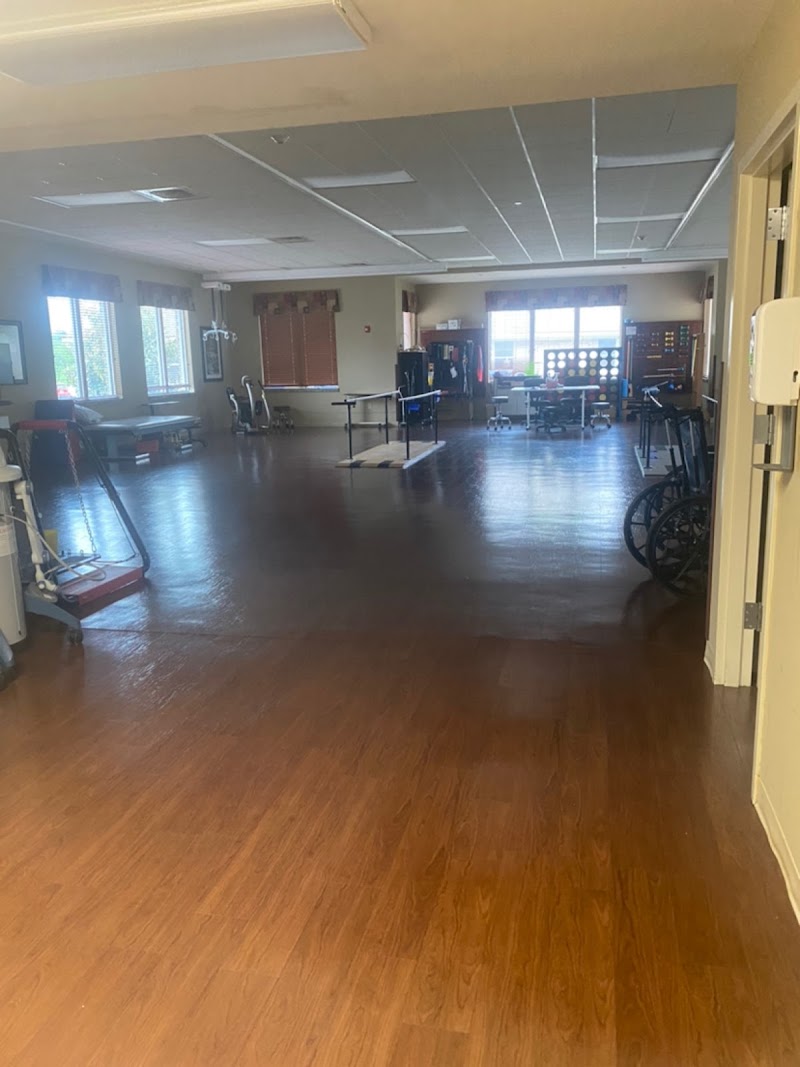
How is Valley View, Llc Staffed?

CMS rates VALLEY VIEW HEALTH AND REHABILITATION, LLC's staffing level at 3 out of 5 stars, which is average compared to other nursing homes. Staff turnover is 81%, which is 35 percentage points above the Alabama average of 46%. High turnover can affect care consistency as new staff learn residents' individual needs. RN turnover specifically is 68%, which is notably high. RNs provide skilled clinical oversight, so turnover in this role can affect medical care quality.

What Have Inspectors Found at Valley View, Llc?

State health inspectors documented 14 deficiencies at VALLEY VIEW HEALTH AND REHABILITATION, LLC during 2018 to 2023. These included: 13 with potential for harm and 1 minor or isolated issues.
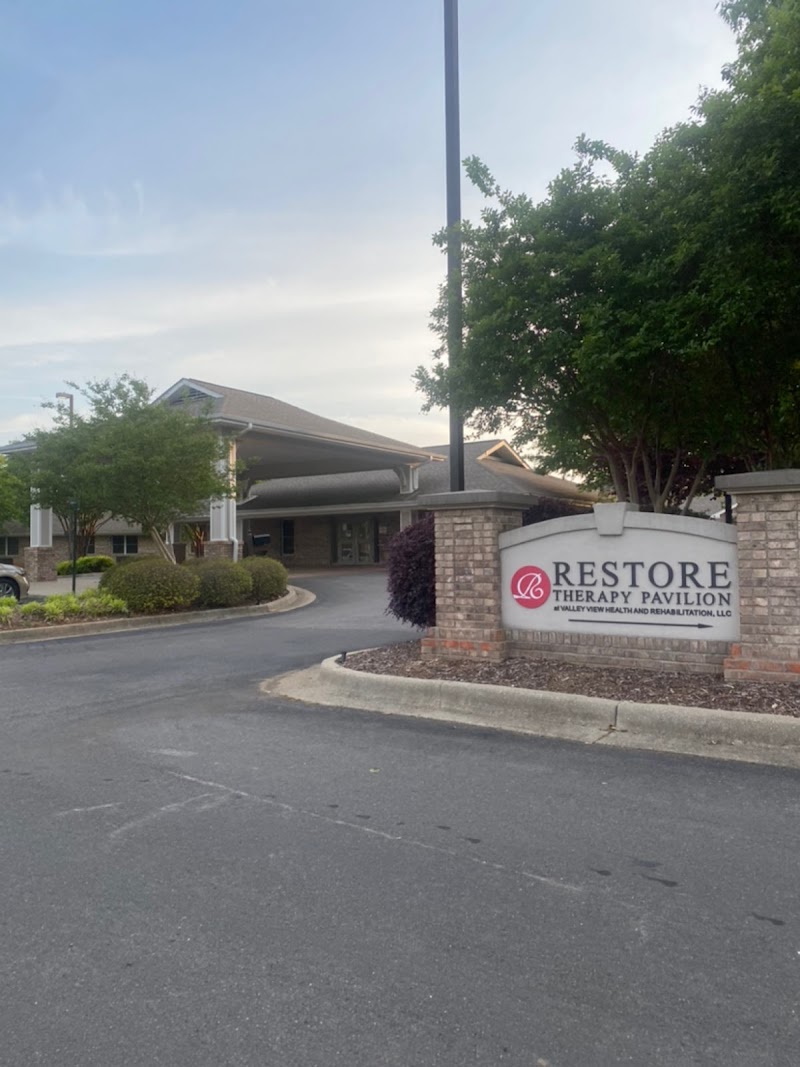
Who Owns and Operates Valley View, Llc?

VALLEY VIEW HEALTH AND REHABILITATION, LLC is owned by a for-profit company. For-profit facilities operate as businesses with obligations to shareholders or private owners. The facility is operated by NHS MANAGEMENT, a chain that manages multiple nursing homes. With 155 certified beds and approximately 133 residents (about 86% occupancy), it is a mid-sized facility located in MADISON, Alabama.

How Does Valley View, Llc Compare to Other Alabama Nursing Homes?

Compared to the 100 nursing homes in Alabama, VALLEY VIEW HEALTH AND REHABILITATION, LLC's overall rating (3 stars) is above the state average of 2.9, staff turnover (81%) is significantly higher than the state average of 46%, and health inspection rating (3 stars) is at the national benchmark.

What Should Families Ask When Visiting Valley View, Llc?

Based on this facility's data, families visiting should ask: "How do you ensure continuity of care given staff turnover, and what is your staff retention strategy?" "Can I visit during a mealtime to observe dining assistance and food quality?" "How do you handle medical emergencies, and what is your hospital transfer rate?" "Can I speak with family members of current residents about their experience?" These questions are particularly relevant given the facility's high staff turnover rate.

Is Valley View, Llc Safe?

Based on CMS inspection data, VALLEY VIEW HEALTH AND REHABILITATION, LLC has a clean safety record: no substantiated abuse findings (meaning no confirmed cases of resident harm), no Immediate Jeopardy citations (the most serious violation level indicating risk of serious injury or death), and is not on the Special Focus Facility watch list (a federal program monitoring the lowest-performing 1% of nursing homes). The facility has a 3-star overall rating and ranks #1 of 100 nursing homes in Alabama. While no facility is perfect, families should still ask about staff-to-resident ratios and recent inspection results during their visit.

Do Nurses at Valley View, Llc Stick Around?

Staff turnover at VALLEY VIEW HEALTH AND REHABILITATION, LLC is high. At 81%, the facility is 35 percentage points above the Alabama average of 46%. Registered Nurse turnover is particularly concerning at 68%. RNs handle complex medical decisions and coordinate care — frequent RN changes can directly impact care quality. High turnover means new staff may not know residents' individual needs, medications, or preferences. It can also be disorienting for residents, especially those with dementia who rely on familiar faces. Families should ask: What is causing the turnover? What retention programs are in place? How do you ensure care continuity during staff transitions?

Was Valley View, Llc Ever Fined?

VALLEY VIEW HEALTH AND REHABILITATION, LLC has been fined $3,250 across 1 penalty action. This is below the Alabama average of $33,111. While any fine indicates a compliance issue, fines under $50,000 are relatively common and typically reflect isolated problems that were subsequently corrected. Families should ask what specific issues led to these fines and confirm they've been resolved.

Is Valley View, Llc on Any Federal Watch List?

VALLEY VIEW HEALTH AND REHABILITATION, LLC is not on any federal watch list. The most significant is the Special Focus Facility (SFF) program, which identifies the bottom 1% of nursing homes nationally based on persistent, serious quality problems. Not being on this list means the facility has avoided the pattern of deficiencies that triggers enhanced federal oversight. This is a positive indicator, though families should still review the facility's inspection history directly.