SOUTHLAND NURSING HOME
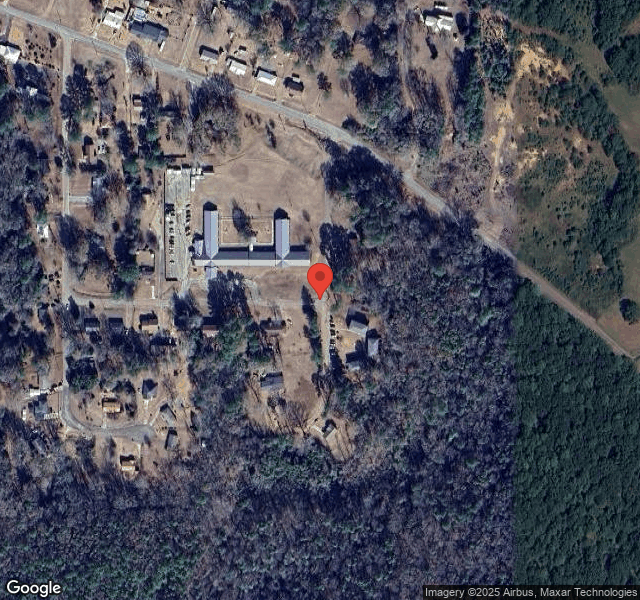
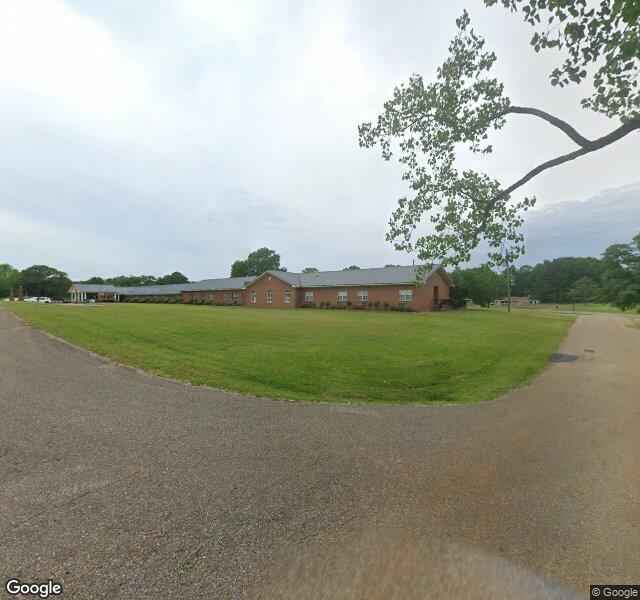
500 SHIVERS TERRACE, MARION, AL 36756 (334) 683-6141
For profit - Corporation 91 Beds Independent Data: November 2025
Trust Grade
88/100
#29 of 223 in AL
Last Inspection: April 2021

Over 2 years since last inspection. Current conditions may differ from available data.

Overview

Southland Nursing Home in Marion, Alabama, has a Trust Grade of B+, which means it is above average and recommended for families looking for care options. It ranks #29 out of 223 facilities in the state, placing it in the top half, but it is the second-best option in Perry County. The facility is experiencing a concerning trend, with issues increasing from 1 in 2019 to 2 in 2021, and it has received $5,244 in fines, which is higher than 80% of Alabama facilities, indicating potential compliance problems. Staffing is a weakness here, rated at 2 out of 5 stars and having less RN coverage than 82% of facilities in the state, although the turnover rate is excellent at 0%. Specific incidents include a resident's call light being out of reach, which could prevent them from calling for help, and a nurse failing to wash their hands after removing gloves, posing a risk for infection. While the home has strengths in overall quality ratings and a good environment, these concerns should be carefully considered by families.

Trust Score
B+
88/100
In Alabama
#29/223
Top 13%
Safety Record
Low Risk
No red flags
Inspections
Getting Worse
1 → 2 violations
Staff Stability
○ Average
Turnover data not reported for this facility.
Penalties
✓ Good
$5,244 in fines. Lower than most Alabama facilities. Relatively clean record.
Skilled Nurses
⚠ Watch
Each resident gets only 25 minutes of Registered Nurse (RN) attention daily — below average for Alabama. Fewer RN minutes means fewer trained eyes watching for problems.
Violations
○ Average
7 deficiencies on record. Average for a facility this size. Mostly minor or procedural issues.
★★★★★
5.0
Overall Rating
★★☆☆☆
2.0
Staff Levels
★★★★★
5.0
Care Quality
★★★★☆
4.0
Inspection Score
Stable
2019: 1 issues
2021: 2 issues

The Good

  • 5-Star Quality Measures · Strong clinical quality outcomes
  • Full Sprinkler Coverage · Fire safety systems throughout facility
  • No fines on record

Facility shows strength in quality measures, fire safety.

The Bad

Federal Fines: $5,244

Below median ($33,413)

Minor penalties assessed

The Ugly 7 deficiencies on record

Apr 2021 2 deficiencies
CONCERN (D)

Potential for Harm - no one hurt, but risky conditions existed

Deficiency F0558 (Tag F0558)

Could have caused harm · This affected 1 resident

**NOTE- TERMS IN BRACKETS HAVE BEEN EDITED TO PROTECT CONFIDENTIALITY** Based on observation, interviews, review of Resident Identifier (RI) #14's medical record and the facility's policy titled NURSE...

Read full inspector narrative →
**NOTE- TERMS IN BRACKETS HAVE BEEN EDITED TO PROTECT CONFIDENTIALITY** Based on observation, interviews, review of Resident Identifier (RI) #14's medical record and the facility's policy titled NURSE CALL SYSTEM, the facility failed to ensure RI #14's call light was in reach. This deficient practice affected RI #14, one of 19 sampled residents. Findings include: The facility's policy, titled, NURSE CALL SYSTEM, last updated on 4/30/2013, revealed, . Policy: . Call light cords in the resident rooms will be located within the resident's reach . RI #14 was readmitted to the facility on [DATE]. On 4/20/2021 at 3:29 PM, RI #14 was observed in bed. The resident's call light was behind the bed frame handing down to the floor. The call light was not in RI #14's reach. On 4/21/2021 at 5:03 PM, RI #14 was observed in bed. The resident's call light was pinned to the back of the mattress. When asked where the call light was, RI #14 stated on the back somewhere. When asked if he/she could reach the call light, RI #14 said no. On 4/21/2021 at 5:14 PM, Employee Identifier (EI) #3, the Activity Coordinator was asked to observe RI #14's call light. EI #3 was asked, where was RI #14's call light. EI #3 replied, it was at the head of the resident's bed. When asked if RI #14 was able to reach the call light, EI #3 said no. EI #3 was asked, what the potential concern was of RI #14 not being able to reach the call light. EI #3 replied, that RI #14 would need help and not be able to reach the call light.
CONCERN (D)

Potential for Harm - no one hurt, but risky conditions existed

Infection Control (Tag F0880)

Could have caused harm · This affected 1 resident

**NOTE- TERMS IN BRACKETS HAVE BEEN EDITED TO PROTECT CONFIDENTIALITY** Based on observation, interviews, review of Resident Identifier (RI) #46's medical record and the facility's policy titled, Hand...

Read full inspector narrative →
**NOTE- TERMS IN BRACKETS HAVE BEEN EDITED TO PROTECT CONFIDENTIALITY** Based on observation, interviews, review of Resident Identifier (RI) #46's medical record and the facility's policy titled, Hand Washing Policy & Procedure, the facility failed to ensure Employee Identifier (EI) #2, a Licensed Practical Nurse (LPN) performed hand hygiene after she removed her gloves during medication administration. This deficient practice affected RI #46, one of four residents observed for medication administration. Findings include: The facility's policy titled, Hand Washing Policy and Procedure, last updated April 2020, documented, POLICY: Hand hygiene practices will promote resident safety and prevent infections. Every member of the facility must perform proper hand-washing techniques. HAND WASHING IS TO BE DONE AS INDICATED: . After . Taking off gloves . RI #46 was readmitted to the facility on [DATE] with a medical history to include a diagnosis of: Diabetes Mellitus. During medication administration observation on 4/21/2021 at 3:34 PM, EI #2, an LPN washed her hands and applied gloves. EI #2 wiped RI #46's finger with an alcohol prep and pricked the resident's finger to obtain a blood sugar. After obtaining RI #46's fingerstick blood sugar, EI #2 removed her gloves and put on a new pair without performing hand hygiene. EI #2 then wiped RI #46's stomach with an alcohol prep and administered Insulin to the resident. In an interview on 4/21/2021 at 4:09 PM, EI #2, a LPN was asked, what should be done after gloves are removed. EI #2 replied, throw them in the garbage and wash your hands. EI #2 was asked, did she perform hand hygiene after taking the gloves off and putting on a new pair of gloves. EI #2 replied, no. When asked why not, EI #2 replied, she was supposed to wash her hands, but she was nervous and forgot. EI #2 was asked, what the potential harm was in not performing hand hygiene between changing gloves. EI #2 replied, germs. During an interview on 4/22/2021 at 2:01 PM, EI #1, the Infection Control Nurse was asked, what should be done after gloves are removed. EI #1 replied wash your hands. EI #1 was asked, what the potential concern was of not performing hand hygiene after removing gloves. EI #1 replied, possible transmission of infection.
Jun 2019 1 deficiency
CONCERN (D)

Potential for Harm - no one hurt, but risky conditions existed

Deficiency F0808 (Tag F0808)

Could have caused harm · This affected 1 resident

**NOTE- TERMS IN BRACKETS HAVE BEEN EDITED TO PROTECT CONFIDENTIALITY** Based on observation, record review, interviews, and a facility policy titled, PLANNED MENUS, the facility failed to ensure RI (...

Read full inspector narrative →
**NOTE- TERMS IN BRACKETS HAVE BEEN EDITED TO PROTECT CONFIDENTIALITY** Based on observation, record review, interviews, and a facility policy titled, PLANNED MENUS, the facility failed to ensure RI ( Resident Identifier ) #69 received a mechanical soft diet with chopped meat, as ordered by the physician. This was observed on 6/26/19 during the supper meal and affected one of four residents whose meals were observed. Findings include: A review of a facility policy titled, PLANNED MENUS, with an update of 2/21/2003 revealed: POLICY: . It is our intent to assure that the resident maintains acceptable parameters of nutritional status, . taking into account the resident's clinical condition or other appropriate intervention, . Planned Menus . A Therapeutic Diet is offered when ordered by a physician as part of treatment for a disease or clinical condition, . or to provide food the resident is able to eat. RI #69 was admitted to the facility on [DATE] with diagnoses to include: Unspecified protein-calorie malnutrition and Alzheimer's disease. RI #69's June 2019 Physicians Orders documented: . 3/14/19/ . MECH (Mechanical) SOFT WITH CHOPPED MEATS . On 06/26/19 at 5:15 p.m.,Surveyor observed EI (Employee Identifier) #1, CNA (Certified Nursing Assistant) feeding RI #69 his/her supper meal. RI #69's supper meal included a hamburger pattie, bun, french fries and super potatoes. EI #1 was asked what diet was RI #69 prescribed. EI #1 said, Her/His ticket says mechanical soft and chopped meat. EI #1 was asked if RI #69's meat was chopped. EI #1 said, No, it is not chopped. EI #1 was asked could the resident chew the meat. EI #1 said, No because she/he does not have any teeth, she/he gum it. On 6/26/19 at 5:40 p.m. EI #2, RN (Registered Nurse) accompanied the surveyor to RI #69's room. EI #2 was asked, according to the resident's meal ticket what diet should he/she be prescribed. EI #2 said, Mechanical soft, chopped meat. EI #2 was asked what type of meat was on the resident's tray. EI #2 said, whole meat, regular diet. EI #2 was asked why RI #69 was served regular meat instead of chopped meat. She replied she did not know, she would have to ask the kitchen. EI #2 was asked what was the potential concern with RI #69 receiving a regular diet instead mechanically soft diet with chopped meat. EI #2 said, the resident could get choked. On 6/27/19 at 1:09 p.m. an interview was conducted with EI #3, DM (Dietary Manager). EI #3 was asked what diet was RI #69 prescribed. EI #2 said regular with super potatoes he thought , he would have to look it up. EI #3 was asked to review RI #69 meal ticket which documented resident was prescribed a mechanical soft with chopped meat. EI #3 was asked if that was a regular diet or mechanical diet. EI #3 said, Yes, it is a mechanical diet. EI #3 was asked what was the menu for the supper meal on 6/26/19. EI #3 said hamburger patty, lettuce, tomato, and french fries. EI #3 was asked if the resident's hamburger patty should have been chopped. EI #3 said, Yes, it should have been chopped. EI #3 was asked should resident diet orders be followed. EI #3 said, Yes, it all times. EI #3 was asked what was the potential concern with RI #69 not receiving his/her prescribed diet of Mechanical Soft with chopped meat. EI #3 said possible choking.
Jul 2018 4 deficiencies
CONCERN (D)

Potential for Harm - no one hurt, but risky conditions existed

Deficiency F0583 (Tag F0583)

Could have caused harm · This affected 1 resident

**NOTE- TERMS IN BRACKETS HAVE BEEN EDITED TO PROTECT CONFIDENTIALITY** Based on observation, interview, medical record review,and a review of the facility's policy titled, RESIDENT PRIVACY POLICY & (...

Read full inspector narrative →
**NOTE- TERMS IN BRACKETS HAVE BEEN EDITED TO PROTECT CONFIDENTIALITY** Based on observation, interview, medical record review,and a review of the facility's policy titled, RESIDENT PRIVACY POLICY & (and) PROCEDURE, the facility failed to ensure a licensed nurse provided privacy while administering an injection to Resident Identifier (RI) #28. This affected one of five nurses observed during medication pass. Findings Include: A review of the facility's policy titled, RESIDENT PRIVACY POLICY & (and) PROCEDURE, updated 10/2011, revealed: . POLICY: It is the policy of this facility to care for residents in the manner and in an environment that maintains resident dignity and respect. PROCEDURE: . 4. Provide privacy by screening the resident. (The staff will examine and treat the resident in a manner that maintains the privacy of the resident's body) * Close all doors to the room (resident room door and bathroom door). RI #28 was re-admitted to the facility on [DATE] with a diagnosis of Type 2 Diabetes Mellitus with Hyperglycemia. On 7/10/18 at 4:44 p.m., Employee Identifier (EI) #4, a Registered Nurse, did not shut the resident's room door, leaving him/her exposed as she gave an insulin injection into his/her abdomen. An interview was conducted on 7/1/18 at 4:30 p.m EI #4 was asked, what should be done before performing an invasive procedure/care to a resident. EI #4 stated, Explain what I am doing and then provide privacy. EI #4 was asked if she had done that. EI #4 stated, No. An interview was conducted on 7/11/18 at 5:15 p.m. with EI #5, the Infection Control Nurse. EI #5 was asked, what should be done before performing an invasive procedure/care to a resident. EI #5 replied, knock on the door, explain the procedure and provide privacy, close blinds and door, pull the curtain and have supplies.
CONCERN (D)

Potential for Harm - no one hurt, but risky conditions existed

Deficiency F0761 (Tag F0761)

Could have caused harm · This affected 1 resident

Based on observation, interview, and a review of the facility's policy titled, Medication Storage, the facility failed to ensure that the locked medication box in the medication refrigerator was secur...

Read full inspector narrative →
Based on observation, interview, and a review of the facility's policy titled, Medication Storage, the facility failed to ensure that the locked medication box in the medication refrigerator was secured. This affected one of one of one medication refrigerator observed. Findings Include: A review of the facility's policy titled, Medication Storage, with an update of 1/2017, revealed: Policy: It is the policy of this facility to ensure all medications housed on our premises will be stored in the pharmacy and/or medication rooms according to the manufacturer's recommendations and sufficient to ensure proper sanitation, temperature, light, ventilation, moisture control, segregation, and security. Policy Explanation and Compliance Guidelines 1. Narcotics and Controlled Substances: Schedule II drugs and back-up stock of Schedule III, IV and V medications are stored under double-lock and key. On 7/11/18 at 2:37 p.m. the surveyor observed the locked box in the medication refrigerator in Medication Room One was not attached to the inside of the medication refrigerator. Stock supplies of Ativan were stored in the refrigerator locked box. An interview was conducted on 7/11/18 at 2:45 p.m. with Employee Identifier (EI) #6 ,a Registered Nurse/ the Director of Nursing. EI #6 was asked, besides being locked, what else should the locked box in the medication refrigerator be. EI #6 replied, attached. EI #6 was asked, what was the potential for harm. EI #6 replied, someone could get the medications.
CONCERN (D)

Potential for Harm - no one hurt, but risky conditions existed

Infection Control (Tag F0880)

Could have caused harm · This affected 1 resident

**NOTE- TERMS IN BRACKETS HAVE BEEN EDITED TO PROTECT CONFIDENTIALITY** Based on observation, interview, medical record review, a review of the facility's policy titled, HAND WASHING POLICY & (and) PR...

Read full inspector narrative →
**NOTE- TERMS IN BRACKETS HAVE BEEN EDITED TO PROTECT CONFIDENTIALITY** Based on observation, interview, medical record review, a review of the facility's policy titled, HAND WASHING POLICY & (and) PROCEDURE, and a review of the facility's policy titled, Infection Control Policy and Procedures, the facility failed to ensure: 1) A licensed nurse washed her hands after taking gloves off, prior to putting on new gloves while administering medications. Further she did not wash her hands after returning to the medication cart to prepare medications for other residents or use a paper towel to turn off the water faucet. This licensed nurse also placed the glucometer and supplies directly on Resident Identifier (RI) #28's over bed table; and 2) a Certified Nursing Assistant (CNA) did not touch items in the resident's room, as well as clean items in the linen bag while providing incontinence care to RI #45. This had the potential to affect RI #28, one of ten residents observed during medication pass administration and RI #45, one of one sampled resident observed for incontinence care. Findings Include: A review of the facility's policy titled,Infection Control Policy and Procedures, with an update of 1/20/2016, revealed, GENERAL INFECTION CONTROL: Within the health-care setting, GENERALIZED INFECTION CONTROL PROCEDURES have been developed to minimize the risk of residents acquiring infection from contact with contaminated devices, objects, or surfaces or of transmission of an infectious agent from health-care workers to the residents. GENERAL INFECTION CONTROL: The following practices are considered to be the minimum standard. B. GLOVES will be worn for contact with any body substance . Wash your hands before applying gloves. A review of the facility's policy titled, HAND WASHING POLICY & PROCEDURE, with an update of 10/2017, revealed: POLICY: Hand hygiene practices will promote resident safety and prevent infections. PURPOSE: To prevent the spread of infection. HAND WASHING IS TO BE DONE AS INDICATED: Before: a) Direct resident care b) Before leaving any area and beginning work c) Before starting any procedure . After: g) Taking off gloves. HANDWASHING TECHNIQUE: 8. Turn off water with a towel (remember that germs are now on sink). 1) RI #28 was re-admitted to the facility on [DATE] with a diagnosis of Type 2 Diabetes Mellitus with Hyperglycemia. On 7/10/18 at 4:03 p.m., Employee Identifier (EI) #5, a Registered Nurse, was observed putting on and removing gloves without washing her hands during medication pass administration. EI #5 was also observed returning to the medication cart after going into the medication room without washing her hands and then began preparing medications for the residents. EI #5 was observed laying the glucometer and other supplies directly on Resident Identifier (RI) #28's over bed table without using a barrier. EI #5 was also observed turning the water faucet off with her bare hands after washing her hands. An interview was conducted on 7/11/18 at 4:30 p.m. with EI #4. EI #4 was asked what should be done before putting gloves on and after taking gloves off. EI #4 stated, Wash your hands. EI #4 was asked if she had done that. EI #4 stated, No. EI #4 was asked what should be done before laying the glucometer and supplies on the resident's bedside table. EI #4 stated, Put a paper towel down or something. EI #4 was asked if she had done that. EI #4 stated, Not every time. EI #4 was asked, after going to the medication room and returning to the medication cart, what should be done before starting to prepare medications. EI #4 stated, I should have washed my hands. EI #4 was asked, in handwashing, how do you turn the water faucet off after washing your hands. EI #4 stated, With a paper towel. EI #4 was asked if she had done that. EI #4 stated, Not that I recall. An interview was conducted on 7/11/18 at 5:15 p.m. with EI #5, the Infection Control Nurse. EI #5 was asked, what should be done before putting gloves on and after taking gloves off. EI #5 replied, washing your hands. EI #5 was asked, what should be done before laying the glucometer and supplies on the resident's over bed table. EI #5 replied, placing a barrier. EI #5 was asked, in hand washing, how do you turn the faucet off after washing your hands. EI #5 replied, you get a paper towel to turn off the faucet. EI #5 was asked, after going elsewhere and returning to the medication cart, what should be done before starting to prepare medications for the residents. EI #5 replied, clean your hands. EI #5 was asked, what was the potential for harm. EI #5 replied, spreading bacteria. 2) EI #45 was re-admitted to the facility on [DATE] with a diagnosis of Hemiplegia following Cerebral Infarction affecting the Right Dominant Side. On 7/11/18 at 9:44 a.m. the surveyor observed EI #7, a Certified Nursing Assistant (CNA), touch the curtain and the bathroom door handle wearing the same gloves used to clean the buttocks of RI #45. EI #7 was also observed reaching into the clean linen bag wearing the same gloves use to clean RI #45's perineal area. An interview was conducted with EI #7 on 7/11/18 at 2:40 p.m. EI #7 was asked what should be done after cleaning the buttocks before touching the curtain or the door handle. EI #7 stated, Remove your gloves. EI #7 was asked if she had done that. EI #7 stated, No. EI #7 was asked, should you place a dirty, gloved hand into a bag of clean linen after cleaning the perineal area. EI #7 stated, No. EI #7 was asked if she had done that. EI #7 stated, Yes. EI #7 was asked what was the potential for harm. EI #7 stated, Contaminate it. An interview was conducted on 7/11/18 at 5:15 p.m. with EI #5, the Infection Control Nurse. EI #5 was asked, what should be done after cleaning the buttocks before touching the curtains and the door handle. EI #5 replied, take off gloves and wash hands. EI #5 was asked, should a dirty, gloved hand be placed in a bag of clean linen after cleaning the perineal area. EI #5 replied, no, of course not. EI #5 was asked what was the potential for harm. EI #5 replied, spreading bacteria.
CONCERN (F)

Potential for Harm - no one hurt, but risky conditions existed

Food Safety (Tag F0812)

Could have caused harm · This affected most or all residents

Based on observations, interviews and review of the facility's policy titled, Food and Beverage Labeling Policy, the facility failed to ensure bags of food items in the walk in cooler and the chest fr...

Read full inspector narrative →
Based on observations, interviews and review of the facility's policy titled, Food and Beverage Labeling Policy, the facility failed to ensure bags of food items in the walk in cooler and the chest freezer were labeled with an open and use by date after opening the bags. This had the potential to affect 52 of 52 residents receiving meals from dietary. Findings include: The facility's policy titled, Food and Beverage Labeling Policy, updated May 14, 2015, documented: . Procedure - . If It Is A . Opened Item It Will Have Two Dates - A . Open Date And Discard Date, which is the Use By Date (UBD) . EVERYTHING HAS TO HAVE . AN OPENED DATE AND A DISCARD / USE BY DATE! . On 07/09/18 at 5:30 PM, during the tour of the kitchen the following observations were made: 1) The two door stand up refrigerator was observed to have an open bag with 2 chicken patties in it. There was no open date or use by date label on the bag. 2) The chest freezer was observed with 3 bags of opened items with no opened date or use by date. The bags contained coffee cake pieces, 5 cornbread muffins and cheese biscuits. EI # 2, dietary staff said the labels probably fell off. No labels were observed in the freezer; and 3) The walk in cooler was observed with bags of mixed shredded cheese, a cheese block and pieces, parmesan cheese and shredded carrots without opened and use by dates. On 07/09/18 at 5:45 PM, Employee Identifier (EI) #3, Assistant Dietary Manager, was shown and asked about the opened bags that had no opened and use by date labels. EI #3 said the bags were supposed to have an open date label, all bags opened were suppose to have open date labels. EI#3 further reported perishable items were to be used within seven days of opening.
Understanding Severity Codes (click to expand)
Life-Threatening (Immediate Jeopardy)
J - Isolated K - Pattern L - Widespread
Actual Harm
G - Isolated H - Pattern I - Widespread
Potential for Harm
D - Isolated E - Pattern F - Widespread
No Harm (Minor)
A - Isolated B - Pattern C - Widespread

Questions to Ask on Your Visit

  • "Can I speak with families of current residents?"
  • "What's your RN coverage like on weekends and overnight?"

Our Honest Assessment

Strengths
  • • Grade B+ (88/100). Above average facility, better than most options in Alabama.
  • • No major safety red flags. No abuse findings, life-threatening violations, or SFF status.
Concerns
  • • No significant concerns identified. This facility shows no red flags across CMS ratings, staff turnover, or federal penalties.
Bottom line: Generally positive indicators. Standard due diligence and a personal visit recommended.

About This Facility

What is Southland's CMS Rating?

CMS assigns SOUTHLAND NURSING HOME an overall rating of 5 out of 5 stars, which is considered much above average nationally. Within Alabama, this rating places the facility higher than 99% of the state's 100 nursing homes. This rating reflects solid performance across the metrics CMS uses to evaluate nursing home quality.

How is Southland Staffed?

CMS rates SOUTHLAND NURSING HOME's staffing level at 2 out of 5 stars, which is below average compared to other nursing homes.

What Have Inspectors Found at Southland?

State health inspectors documented 7 deficiencies at SOUTHLAND NURSING HOME during 2018 to 2021. These included: 7 with potential for harm.

Who Owns and Operates Southland?

SOUTHLAND NURSING HOME is owned by a for-profit company. For-profit facilities operate as businesses with obligations to shareholders or private owners. The facility operates independently rather than as part of a larger chain. With 91 certified beds and approximately 62 residents (about 68% occupancy), it is a smaller facility located in MARION, Alabama.

How Does Southland Compare to Other Alabama Nursing Homes?

Compared to the 100 nursing homes in Alabama, SOUTHLAND NURSING HOME's overall rating (5 stars) is above the state average of 3.0 and health inspection rating (4 stars) is above the national benchmark.

What Should Families Ask When Visiting Southland?

Based on this facility's data, families visiting should ask: "Can you walk me through typical staffing levels on day, evening, and night shifts?" "Can I visit during a mealtime to observe dining assistance and food quality?" "How do you handle medical emergencies, and what is your hospital transfer rate?" "Can I speak with family members of current residents about their experience?" These questions are particularly relevant given the below-average staffing rating.

Is Southland Safe?

Based on CMS inspection data, SOUTHLAND NURSING HOME has a clean safety record: no substantiated abuse findings (meaning no confirmed cases of resident harm), no Immediate Jeopardy citations (the most serious violation level indicating risk of serious injury or death), and is not on the Special Focus Facility watch list (a federal program monitoring the lowest-performing 1% of nursing homes). The facility has a 5-star overall rating and ranks #1 of 100 nursing homes in Alabama. While no facility is perfect, families should still ask about staff-to-resident ratios and recent inspection results during their visit.

Do Nurses at Southland Stick Around?

SOUTHLAND NURSING HOME has not reported staff turnover data to CMS. Staff turnover matters because consistent caregivers learn residents' individual needs, medications, and preferences. When staff frequently change, this institutional knowledge is lost. Families should ask the facility directly about their staff retention rates and average employee tenure.

Was Southland Ever Fined?

SOUTHLAND NURSING HOME has been fined $5,244 across 1 penalty action. This is below the Alabama average of $33,131. While any fine indicates a compliance issue, fines under $50,000 are relatively common and typically reflect isolated problems that were subsequently corrected. Families should ask what specific issues led to these fines and confirm they've been resolved.

Is Southland on Any Federal Watch List?

SOUTHLAND NURSING HOME is not on any federal watch list. The most significant is the Special Focus Facility (SFF) program, which identifies the bottom 1% of nursing homes nationally based on persistent, serious quality problems. Not being on this list means the facility has avoided the pattern of deficiencies that triggers enhanced federal oversight. This is a positive indicator, though families should still review the facility's inspection history directly.