MONTGOMERY CHILDREN'S SPECIALTY CENTER
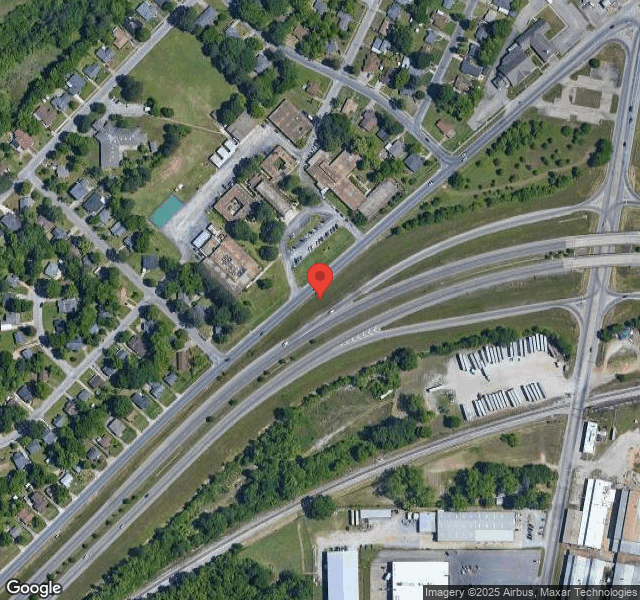

2853 FORBES DRIVE, MONTGOMERY, AL 36110 (334) 261-3445
For profit - Partnership 54 Beds Independent Data: November 2025
Trust Grade
70/100
#125 of 223 in AL
Last Inspection: May 2023

Over 2 years since last inspection. Current conditions may differ from available data.

Overview

Montgomery Children's Specialty Center has a Trust Grade of B, which means it is considered a good choice for families looking for care. However, it ranks #125 out of 223 nursing homes in Alabama, placing it in the bottom half of facilities in the state. The facility's trend is worsening, with reported issues increasing from 2 in 2019 to 4 in 2023. Staffing has a rating of 2 out of 5 stars, which is below average, and turnover is at 55%, slightly above the state average. While the center has not incurred any fines, there are concerns, including a failure to properly close dumpster doors, which could attract rodents, and issues with food portioning and safety that may affect residents' nutritional needs.

Trust Score
B
70/100
In Alabama
#125/223
Bottom 44%
Safety Record
Low Risk
No red flags
Inspections
Getting Worse
2 → 4 violations
Staff Stability
⚠ Watch
55% turnover. Above average. Higher turnover means staff may not know residents' routines.
Penalties
✓ Good
No fines on record. Clean compliance history, better than most Alabama facilities.
Skilled Nurses
○ Average
Each resident gets 38 minutes of Registered Nurse (RN) attention daily — about average for Alabama. RNs are the most trained staff who monitor for health changes.
Violations
⚠ Watch
12 deficiencies on record. Higher than average. Multiple issues found across inspections.
★★★☆☆
3.0
Overall Rating
★★☆☆☆
2.0
Staff Levels
★★★★★
5.0
Care Quality
★★☆☆☆
2.0
Inspection Score
Stable
2019: 2 issues
2023: 4 issues

The Good

  • 5-Star Quality Measures · Strong clinical quality outcomes
  • Full Sprinkler Coverage · Fire safety systems throughout facility
  • No fines on record

Facility shows strength in quality measures, fire safety.

The Bad

3-Star Overall Rating

Near Alabama average (2.9)

Meets federal standards, typical of most facilities

Staff Turnover: 55%

Near Alabama avg (46%)

Higher turnover may affect care consistency

The Ugly 12 deficiencies on record

May 2023 4 deficiencies
CONCERN (D)

Potential for Harm - no one hurt, but risky conditions existed

Assessment Accuracy (Tag F0641)

Could have caused harm · This affected 1 resident

**NOTE- TERMS IN BRACKETS HAVE BEEN EDITED TO PROTECT CONFIDENTIALITY** RI #29 was re-admitted to the facility on [DATE] with diagnoses to include Pneumonia. RI #29's quarterly MDS assessment with an ...

Read full inspector narrative →
**NOTE- TERMS IN BRACKETS HAVE BEEN EDITED TO PROTECT CONFIDENTIALITY** RI #29 was re-admitted to the facility on [DATE] with diagnoses to include Pneumonia. RI #29's quarterly MDS assessment with an ARD of 4/19/2023 documented RI #29 had an active diagnosis of Pneumonia, during the last seven days, at the time of the assessment. On 5/24/2023 at 12:06 PM EI #1 MDS Coordinator was asked when RI #29 was diagnosed with pneumonia. EI #1 stated RI #29 was admitted with the diagnosis of Pneumonia. EI #1 was asked if Pneumonia was a current diagnosis for RI #29. EI #1 stated no, it was not. EI #1 was asked if Pneumonia was coded on the MDS dated [DATE] and she stated that it was. EI #1 was asked why Pneumonia would be coded if Pneumonia was not a current diagnosis. EI #1 stated it transferred over. EI #1 stated she did not realize the historical diagnoses were transferring over. EI #1 said she would have to go in and edit them. EI #1 was asked how the MDS was accurate if Pneumonia was coded, and the resident did not have a current diagnosis of Pneumonia. EI #1 stated that it was not accurate. EI #1 was asked what the policy was for coding the MDS accurately. EI #1 said that they follow the RAI manual. EI #1 was asked what the concern was for an inaccurately coded MDS. EI #1 stated it could affect the funding and reimbursement. Based on resident record review, interviews, and review of the Centers for Medicare & Medicaid Services Long Term Care Facility Resident Assessment Instrument Manual, the facility failed to ensure Resident Identifier (RI) #7's quarterly Minimum Data Set (MDS) dated [DATE] and RI #29's quarterly MDS dated [DATE] were coded accurately to reflect current diagnosis. This affected two of 12 residents for whom MDS assessments were reviewed. Findings include: Review of the Centers for Medicare & Medicaid Services Long-Term Care Facility Resident Assessment Instrument (RAI) 3.0 User's Manual Version 1.17.1, dated October 2019, revealed: . SECTION I: ACTIVE DIAGNOSES Intent: The items in this section are intended to code diseases that have a direct relationship to the resident's current functional status, cognitive status, mood or behavior status, medical treatments, nursing monitoring, or risk of death. One of the important functions of the MDS assessment is to generate an updated, accurate picture of the resident's current health status . RI #7 was re-admitted to the facility on [DATE] with a diagnosis of Sepsis. RI #7's quarterly MDS assessment with an Assessment Reference Date (ARD) of 3/2/2023 documented RI #7 had an active diagnosis of Septicemia, during the last seven days, at the time of the assessment. On 5/24/2023 at 11:10 AM the MDS Coordinator, Employee Identifier (EI) #1 was asked when RI #7 was diagnosed with Sepsis. EI #1 said, RI #7 said, 5/14/2021. EI #1 said, Sepsis was not a current diagnosis. EI #1 said the MDS dated [DATE] was coded for active Sepsis and it should not have been. EI #1 said the diagnosis of Sepsis transferred and should not have. EI #1 was asked how was the MDS accurate if coded for Sepsis and the resident did not have a current diagnosis of Sepsis. EI #1 said, it would not be. When EI #1 was asked about the policy for coding the MDS accurately, she said they referred to the RAI manual. EI #1 said, the concern with the MDS not coded accurately was reimbursements, and it would not be accurate if there was no current diagnosis of Sepsis.
CONCERN (E)

Potential for Harm - no one hurt, but risky conditions existed

Menu Adequacy (Tag F0803)

Could have caused harm · This affected multiple residents

Based on observation, interview, review of the facility's policy for Menus, the facility's menu and diet guides for Week 1, Tuesday (Day 3) for Lunch on 5/23/2023, the residents' Diet Cards (sub-headi...

Read full inspector narrative →
Based on observation, interview, review of the facility's policy for Menus, the facility's menu and diet guides for Week 1, Tuesday (Day 3) for Lunch on 5/23/2023, the residents' Diet Cards (sub-heading: Category Information) for Lunch on 5/23/2023, and the residents' Tray Tickets for Lunch on 5/23/2023; the facility failed to ensure food was portioned as specified by the approved menu for lunch on 5/23/2023. The facility also failed to ensure nutritional adequacy and appropriate modification of texture by not consulting with the Registered Dietitian before making substitutions to the menu for lunch on 5/23/2023. This had the potential to affect 7 of 17 residents receiving meals from the kitchen at the facility. Findings include: The facility's policy for Menus, dated September 2017, included the following: Policy Statement Menus will be planned in advance to meet the nutritional needs of the residents/patients in accordance with established national guidelines. Menus will be developed to meet the criteria through the use of an approved menu planning guide. Procedures 1. Menu cycles will be developed and tailored to the needs and requirements of the facility. 4. Menu cycles will include nutrient analysis to ensure that all client (adolescent, adult, geriatric) nutritional needs are met in accordance with the most recent edition of the Food and Nutrition Board, Institute of Medicine, National Academies, and the Dietary Guidelines for Americans, 2015-2020 edition. 5. A Registered Dietitian/Nutritionist (RDN) or other clinically qualified nutrition professional reviews and approves the menus. The RDN or other clinically qualified nutrition professional will adjust the individual meal plan to meet the individual requests, including cultural, religious, or ethnic preferences, as appropriate. 6. Menus will be served as written, unless a substitution is provided in response to preference, unavailability of an item, or a special meal. 7. A menu substitution log will be maintained on file. On 5/23/2023 at 9:51 AM, the Dietary Manager, Employee Identifier (EI) #3. was asked for a copy of the menus with serving sizes, including the menus for therapeutic and texture modified diets. A Week-At-A-Glance menu was provided, but for the therapeutic/texture modified diets and serving sizes EI #3 printed individual tray tickets for Tuesday, Week 1, Day 3 (W1-D3). EI #3 highlighted the names of the residents on the lunch tray tickets who would be receiving the lunch meal. The other residents would be in school. However, EI #3 said these would not be the tickets on the resident trays. EI #3 then printed out and provided tickets for each resident for Tuesday Lunch 5/23/2023 with the sub-heading Category Information. When asked why the Category Information ticket was used for trayline, EI #3 said this was what they use and have always used. The Week-At-A-Glance menu for Week 1, Tuesday Lunch, dated 5/23/2023, listed the following: Cheeseburger on a Bun Lettuce & (and) Tomato Ketchup Pickle Spear Tater Tots Marinated Cucumber Salad Fruit Cocktail The tray tickets of the residents identified to be receiving lunch on 5/23/2023 were all modified consistency diets to include Dysphagia Pureed, Dysphagia Mechanical Soft, and Dysphagia Advanced. According to the provided tray tickets for Tuesday, Week 1, Day 3 (W1-D3), which were not to be used on the resident trays, but that identified the texture modified food items and serving sizes; the following information was included for the three modified consistency diets: Dysphagia Pureed Diet #8 scoop (equivalent to 1/2 cup) of Pureed Cheeseburger for Bun #8 scoop Pureed Hamburger Bun #10 Scoop (equivalent to 3/8 cup) of Pureed Marinated [NAME] Bean Salad 1/2 cup (equivalent to a #8 scoop) of Mashed Potatoes #10 scoop of Pureed Fruit Cocktail Dysphagia Mechanical Soft Diet 3/8 cup (equivalent to #10 scoop) of Ground Cheeseburger for Bun #8 scoop Pureed Hamburger Bun 1/2 cup Marinated [NAME] Bean Salad 1/2 cup of Mashed Potatoes #10 scoop Pureed Fruit Cocktail Dysphagia Advanced Diet 3/8 cup of Ground Cheeseburger for Bun Hamburger Bun 1/2 cup Marinated [NAME] Bean Salad 1/2 cup of Mashed Potatoes 1/2 cup of Ground Fruit Cocktail Lunch trayline was observed on 5/23/2023 beginning at 11:48 AM. The pureed items on the trayline were pureed beef patties, pureed bread, pureed sweet peas, and mashed potatoes. EI #2, the AM Cook, said the pureed sweet peas was the substitute for the cucumber salad and the lettuce/tomato on the sandwich. EI #2 was using a green-handled #12 scoop (equivalent to 1/3 cup) for serving the Pureed Beef, a yellow-handled #20 scoop (equivalent to 3 and one-fifth Tablespoons) for the Pureed Bread, a grey-handled #8 scoop (equivalent to 1/2 cup) for the Pureed Sweet Peas, and an ivory-handled #10 scoop (equivalent to 3/8 cup) for the Mashed Potatoes. Beef patties were ground for the Dysphagia Mechanical Soft and the Dysphagia Advanced diets. The Dysphagia Mechanical Soft and the Dysphagia Advanced diets received a regular two-piece hamburger bun, one slice of American cheese, and one green-handled #12 scoop of Ground Beef to make a sandwich, which was cut into quarters for four pieces. In addition, the Dysphagia Mechanical Soft and the Dysphagia Advanced diets received a grey-handled #8 scoop of Tater Tots, a 1/2 cup of diced Marinated Cucumber Salad, a relish assortment (tomato slice/lettuce/2 dill pickle chips), and Sliced Peaches. On 5/23/2023 at 12:40 PM, the AM [NAME] (EI #2) was interviewed. EI #2 said she had worked at the facility for almost two years. When asked how she knew which size scoops to use to serve the residents' food; EI #2 said she used the yellow (#20 scoop) for the bread and green (#12 scoop) for meat and ivory (#10 scoop) for veggies, the way she was taught. On 5/23/2023 at 12:46 PM, EI #3, the Dietary Manager was interviewed. When asked if there was anything that was written to tell the cooks what size scoops to use for resident meal service, EI #3 said, on the production sheets. A stack of production sheets on the counter in the kitchen, which included one titled, 2023 Diet Guide Sheet for Tuesday (Day 3) were reviewed. The production sheet did not include any information for Pureed or Dysphagia Pureed or Dysphagia Mechanical Soft or Dysphagia Advanced diets; therefore there were no serving sizes or scoop sizes for menu items on these diets. Regular and Consistent Carbohydrate Diabetic diets were referenced on the production sheet, but only measuring cup portions and ounces were used for serving sizes, not any scoop sizes. There was no conversion chart observed in the kitchen for exchanging ounces or cup portions for scoop sizes. When asked if there was anything posted or available to show the staff how to convert a 1/2 cup serving to the equivalent scoop size, EI #3 said, No. On 5/24/2023 at 9:45 AM, EI #3 provided a different version of the 2023 Diet Guide that included the Dysphagia Pureed, Dysphagia Mechanical Soft, and Dysphasia Advanced diets for Tuesday (Day 3), which had a print date of 5/24/2023 at 9:37 AM. EI #3 was asked if the cooks were aware of this version yesterday. EI #3 said, No. During a follow-up interview on 5/24/2023 at 12:17 PM, EI #3, the Dietary Manager, was asked if the consultant Registered Dietitian (EI #7) approved the following substitutions made for the lunch menu on Tuesday, May 23, 2023 (Menu #1, Day #3): Marinated Cucumber Salad for Marinated [NAME] Bean Salad on the Dysphagia Advanced and Dysphagia Mechanical Soft diets, Pureed Sweet Peas for Pureed Marinated [NAME] Bean Salad on the Dysphagia Pureed diet, Sliced Peaches for Ground Fruit Cocktail on the Dysphagia Advanced diet, Sliced Peaches for Pureed Fruit Cocktail on the Dysphagia Mechanical Soft diet, and Tater Tots for Mashed Potatoes on the on the Dysphagia Advanced and Dysphagia Mechanical Soft diets. EI #3 said the substitutions had not been approved by the Registered Dietitian, but usually the substitutions were okay when the Registered Dietitian reviewed the substitution log each week. The resident ticket with the subtitle Category Information, which was being used on the resident trays for meal preparation, was called the Diet Card by EI #3. EI #3 said the Diet Card identified what the resident liked and disliked along with allergy information and adaptive equipment needed, but it did not list the food or the portion sizes to be served for the meal. EI #3 said the cook would have to use the production sheet (2023 Diet Guide Sheet) to know what and how much to serve each resident. The other resident tray ticket, which was not used on the tray line, was called the Tray Ticket by EI #3. When asked what information the Tray Ticket provided, EI #3 said it included allergies, adaptive equipment, and the actual portion size of what the resident should be served. When asked which ticket would be more helpful to the cook for meal service, EI #3 said the Tray Ticket. Upon being asked why was the Diet Card being used instead of the Tray Ticket; EI #3 said she was trained on Diet Cards and that is what she had used for seven years, the Tray Ticket came with the new menus, which started a week ago. EI #3 said she had instructed staff to use the following when serving pureed food items on the resident trayline: a 3-ounce portion for pureed meat by using a grey-handled #8 scoop, a 2-ounce portion for pureed bread by using a red-handled scoop (unable to identify size number) or the spoon labeled with 2 oz. on the handle, and a grey-handled #8 scoop for vegetables. EI #3 further said a green-handled #12 scoop was sometimes used for vegetables, but did not think a yellow-handled #20 scoop was regularly used. On 5/24/23 at 4:15 PM, the facility's consultant Registered Dietitian (EI #7) was interviewed by phone. EI #7 said she had not approved the following substitutions for the lunch menu on Tuesday, May 23, 2023: Marinated Cucumber Salad for Marinated [NAME] Bean Salad on the Dysphagia Advanced and Dysphagia Mechanical Soft diets, Pureed Sweet Peas for Pureed Marinated [NAME] Bean Salad on the Dysphagia Pureed diet, Sliced Peaches for Ground Fruit Cocktail on the Dysphagia Advanced diet, Sliced Peaches for Pureed Fruit Cocktail on the Dysphagia Mechanical Soft diet, and Tater Tots for Mashed Potatoes on the on the Dysphagia Advanced and Dysphagia Mechanical Soft diets. When asked if the facility could check with her by phone about substitutions, EI #7 said, Yes. Also, by e-mail. I go in every week. It was shared with EI #7 that the AM [NAME] had said she was taught to use the yellow-handled scoop (#20) for bread, the green-handled scoop (#12) for meat, and the ivory-handled scoop (#10) for vegetables. When asked if these portions would meet the nutritional requirements for the residents per the established menu, EI #7 said the menus were not being followed as written. On 5/24/2023 at 5:18 PM, EI #6, the contract food service's Director of Operations, was interviewed. EI #6 said either she or a District Manager visited the facility two to four times a month. EI #6 said the staff received monthly inservices that were provided electronically, via either a tablet or EI #3's desktop computer. EI #6 further said the staff's proficiency was checked by monthly electronic inservices with test questions. EI #6 was asked why the Diet Card was being used instead of the Tray Ticket for meal preparation during trayline. EI #6 said normally they use tray tickets across their facilities and the diet cards were used as a back-up. EI #6 also said for the purposes of portion size they like to use the tray tickets. EI #6 further said the facility had just started using the new Spring menu and the Dietary Manager (EI #3) was supposed to have started using the tray tickets with the new menu.
CONCERN (E)

Potential for Harm - no one hurt, but risky conditions existed

Food Safety (Tag F0812)

Could have caused harm · This affected multiple residents

Based on observation, interview, the United States (U.S.) Food and Drug Administration (FDA) 2022 Food Code, the facility's policies for Food: Preparation and Equipment, and the facility's inservice i...

Read full inspector narrative →
Based on observation, interview, the United States (U.S.) Food and Drug Administration (FDA) 2022 Food Code, the facility's policies for Food: Preparation and Equipment, and the facility's inservice information for Time and Temperature Control and Recording Inservice; the facility failed to prevent possible cross-contamination from a soiled manual can opener and a food preparation sink drain without an air gap on 5/23/2023. The facility further failed to ensure the food thermometer was properly checked and calibrated to check food temperatures accurately on 5/23/2023. This had the potential to affect 17 residents receiving meals from the kitchen and 17 of 45 residents in the facility. Findings include: The facility's policy for Food: Preparation, dated September 2017, included the following: Policy Statement All foods are prepared in accordance with the FDA Food Code. The facility's policy for Equipment, dated September 2017, included the following: Policy Statement All foodservice equipment will be clean, sanitary, and in proper working order. Procedures 1. All equipment will be routinely cleaned and maintained in accordance with . training materials. 1.) Manual Can Opener The U.S. FDA 2022 Food Code included the following: . 3-304.11 Food Contact with Equipment and Utensils. FOOD shall only contact surfaces of: (A) EQUIPMENT and UTENSILS that are cleaned as specified under Part 4-6 of this Code and SANITIZED as specified under Part 4-7 of this Code; . 4-601.11 Equipment, Food-Contact Surfaces, Nonfood-Contact Surfaces, and Utensils. (A) EQUIPMENT FOOD-CONTACT SURFACES and UTENSILS shall be clean to sight and touch. 4-701.10 Food-Contact Surfaces and Utensils. Equipment food-contact surfaces and utensils shall be sanitized. The U.S. FDA 2022 Food Code, Annex 3, page 177 included the following: . 4-601.11 Equipment, Food-Contact Surfaces, Nonfood-Contact Surfaces, and Utensils. The objective of cleaning focuses on the need to remove organic matter from food-contact surfaces so that sanitization can occur . 4-602.11 Equipment Food-Contact Surfaces and Utensils. Microorganisms may be transmitted from a food to other foods by utensils, cutting boards, thermometers, or other food-contact surfaces. Surfaces of utensils and equipment contacting food that is not time/temperature control for safety food . must be cleaned on a routine basis to prevent the development of slime, mold, or soil residues that may contribute to an accumulation of microorganisms. During a tour of the kitchen on 5/23/2023 at 10:08 AM, the manual can opener was observed with a line of dark build-up on the cutting blade. Employee Identifier (EI) #3, the Dietary Manager, was asked how the can opener was cleaned. EI #3 pointed to the double preparation sink and said, We usually just run it through the water at the sink. When asked what was the problem with build-up on the can opener blade, EI #3 said, Cross contamination. On 5/24/2023 at 5:18 PM, EI #6, the contract food service's Director of Operations, was interviewed. Upon being asked about cleaning a manual can opener, EI #6 said they expected it to be run through the dishmachine after each meal so that cross contamination and physical contamination did not occur. 2.) Food Preparation Sink Drain The U.S. FDA 2022 Food Code included the following: . 5-402.11 Backflow Prevention. (A) . a direct connection may not exist between the SEWAGE system and a drain originating from EQUIPMENT in which FOOD, portable EQUIPMENT, or UTENSILS are placed. During a tour of the kitchen on 5/23/2023 at 10:10 AM, the drain pipe of the double sink used for food preparation was observed to be inside the floor drain, approximately a half-inch below floor level, without an air-gap. EI #3, the Dietary Manager, was asked what would be the problem if there was a back-up in sewage. EI #3 said, Cross contamination. On 5/23/2023 at 10:24 AM, EI #4, the Maintenance Supervisor, was asked to measure the drain from the Double Preparation Sink. EI #4 measured how far the drain extended down into the floor drain from the floor level. EI #4's measurement confirmed there was no air gap, as the drain extended 0.5 inch into the floor drain. 3.) Bimetallic Food Thermometer The facility's inservice information for Time and Temperature Control and Recording Inservice, undated, included the following: . Importance of Time and Temperature Control Bacteria and other foodborne pathogens can grow quickly in the temperature 'Danger Zone' of 41-135 (degrees) F (Fahrenheit). Proper thawing, cooking, cooling, reheating, holding, and transport of food is critical for resident safety and wellness. Thermometers The first step in avoiding temperature abuse is to maintain a properly calibrated thermometer. Calibration and Testing Using Ice-Point Method 1. Fill a large container with crushed ice. Add clean tap water until the liquid reaches the level of the ice. 2. Put the thermometer stem or probe into the ice water . 3. If the temperature is at 32 (degrees) F, remove the thermometer. It is now ready for use. 4. On a bimetallic thermometer, if the temperature is not at 32 (degrees) F, hold the calibration nut securely with a wrench or other tool and rotate the head of the thermometer until it reads 32 (degrees) F. The U.S. FDA 2022 Food Code included the following: . 4-502.11 Good Repair and Calibration. (B) FOOD TEMPERATURE MEASURING DEVICES shall be calibrated in accordance with manufacturer's specifications as necessary to ensure their accuracy. On 5/23/2023 at 11:19 AM, EI #5, the PM Cook, was assisting EI #2, the AM Cook, in the kitchen. At 11: 21 AM, EI #2 was asked how they calibrated the bi-metallic food thermometer. EI #2 said, We put it (the thermometer) in ice water so when we test the meat we know it is at the right temperature. When asked what should the temperature reading be in ice water, EI #2 said, Zero degrees. The bi-metallic food thermometer was observed to be marked with a F on the face of the dial to indicate it was a Fahrenheit thermometer. There were no markings in degrees Celsius observed on the bi-metallic food thermometer. At 11:29 AM, EI #2 and EI #5 were trying to check the temperature of the bi-metallic food thermometer with a cup of ice water. The surveyor requested the Policy and Procedure for Thermometer Calibration from EI #6, the contract food service's Director of Operations, and EI #3, the Dietary Manager, who were nearby in the foodservice office. At 11:31 AM, EI #7, the Consulting Registered Dietitian, came into kitchen and assisted by instructing EI #2 and EI #5, the AM and PM Cook, how to calibrate the bi-metallic food thermometer. Neither EI #2 nor EI #5 knew how to calibrate the bi-metallic food thermometer. On 5/24/23 at 12:17 PM, EI #3, the Dietary Manager, was interviewed. EI #3 said the bi-metallic food thermometer should be checked every day and calibrated as needed. EI #3 said the cook should check the bi-metallic food thermometer every day and, if it was not right, they should let her know. EI #3 further said the cook should be able to calibrate it as well. When asked if there were any calibration records for the bi-metallic food thermometer, EI #3 said, No. On 5/24/23 at 5:18 PM, EI #6, the contract food service's Director of Operations, was interviewed. EI #6 said either she or a District Manager visited the facility two to four times a month. EI #6 said the staff received monthly inservices that were provided electronically, via either a tablet or EI #3's desktop computer. When asked how did the facility ensure competency for calibration of a bi-metallic food thermometer, EI #6 said by return demonstration. EI #6 further said the staff's proficiency was checked by monthly electronic inservices with test questions.
CONCERN (F)

Potential for Harm - no one hurt, but risky conditions existed

Garbage Disposal (Tag F0814)

Could have caused harm · This affected most or all residents

Based on observation, interview, the facility's policy for Dispose of Garbage and Refuse, and the United States (U.S.) Food and Drug Administration (FDA) 2022 Food Code; the facility failed to ensure ...

Read full inspector narrative →
Based on observation, interview, the facility's policy for Dispose of Garbage and Refuse, and the United States (U.S.) Food and Drug Administration (FDA) 2022 Food Code; the facility failed to ensure the side door of the dumpster was closed on 5/22/2023 at 6:45 PM to prevent the potential for rodents being attracted to and possibly entering the facility. This had the potential to affect 45 of 45 residents in the facility. Findings include: The facility's policy for Dispose of Garbage and Refuse, dated August 2017, included the following: Policy Statement All garbage and refuse will be collected and disposed of in a safe and efficient manner. The U.S. FDA 2022 Food Code included the following: . 5-5 Refuse, Recyclables, and Returnables . 5-501.13 Receptacles. (A) . receptacles and waste handling units for REFUSE, recyclables, and returnables and for use with materials containing FOOD residue shall be durable, cleanable, insect- and rodent-resistant, leakproof, and nonabsorbent. 5-501.15 Outside Receptacles. (A) Receptacles and waste handling units for REFUSE, recyclables, and returnables used with materials containing FOOD residue and used outside the FOOD ESTABLISHMENT shall be designed and constructed to have tight-fitting lids, doors, or covers. (B) Receptacles and waste handling units for REFUSE and recyclables . shall be installed so that accumulation of debris and insect and rodent attraction and harborage are minimized . 5-501.110 Storing Refuse, Recyclables, and Returnables. REFUSE, recyclables, and returnables shall be stored in receptacles or waste handling units so that they are inaccessible to insects and rodents. 5-501.111 Areas, Enclosures, and Receptacles, Good Repair. Storage areas, enclosures, and receptacles for REFUSE, recyclables, and returnables shall be maintained in good repair. 5-501.113 Covering Receptacles. Receptacles and waste handling units for REFUSE, recyclables, and returnables shall be kept covered: . (B) With tight-fitting lids or doors if kept outside the FOOD ESTABLISHMENT. On 05/22/2023 at 6:45 PM, the facility's dumpster area was observed. One of one dumpster had one side door fully open. Food-related garbage and trash were observed inside the dumpster. On 5/23/2023 at 9:51 AM, Employee Identifier (EI) #3, the Dietary Manager, was interviewed. EI #3 said she was not aware that the dumpster was left open, but said it was a hard jam. The Dietary Manager further said the dumpster was not supposed to be open because it would cause a problem with rodents. During a follow-up interview on 5/24/2023 at 12:17 PM, EI #3 was asked how residents could be affected if rodents were attracted to the dumpster due to the door being left open. EI #3 said there was a possibility the rodents could enter the building.
Oct 2019 2 deficiencies
CONCERN (D)

Potential for Harm - no one hurt, but risky conditions existed

Pressure Ulcer Prevention (Tag F0686)

Could have caused harm · This affected 1 resident

**NOTE- TERMS IN BRACKETS HAVE BEEN EDITED TO PROTECT CONFIDENTIALITY** Based on observation, interview and review of a facility policy titled, CLEAN (ASEPTIC) TREATMENT TECHNIQUE, the facility failed...

Read full inspector narrative →
**NOTE- TERMS IN BRACKETS HAVE BEEN EDITED TO PROTECT CONFIDENTIALITY** Based on observation, interview and review of a facility policy titled, CLEAN (ASEPTIC) TREATMENT TECHNIQUE, the facility failed to ensure Employee Identifier (EI) #1, Registered Nurse (RN), Assistant Director of Nursing (ADN), Infection Control Nurse, did not place a clear plastic wound measuring tool that was lying on the resident's overbed table without a barrier, against the resident's skin to measure the resident's wound. This affected RI #6, one of two residents sampled with pressure ulcers in the facility. Findings Include: A facility policy titled, CLEAN (ASEPTIC) TREATMENT TECHNIQUE, with a revised date of 4/2018, stated: .II. Set up a clean field . e. Place a pad on the table, a water resistant pad or a clean towel on the table. f. Put all needed supplies (dressings, topical medications, cleansing solutions, etc.) on the clean field . RI #6 was readmitted to the facility on [DATE], with a diagnosis of Cerebral Palsy. On 10/08/2019 at 4:40 p.m., the surveyor observed wound care being provided by EI #1 to RI #6. During the observation, no barrier was placed on the overbed table. All items were opened and remained on packaging except for the wound measuring tool. The wound measuring tool was lying on the overbed table with no barrier. EI #1 measured the wound with the wound measuring tool that was lying on the overbed table. The wound measuring tool touched RI #6's open pressure ulcer on the right greater trochanter (hip area). On 10/08/19 at 5:00 p.m., the surveyor conducted an interview with EI #1. The surveyor asked EI #1 what would be the concern of the measuring tool laying on the overbed table, without a barrier then being placed on the wound to measure it. EI #1 replied contamination. On 10/09/19 at 4:13 p.m., a follow up interview was conducted with EI #1. The surveyor asked EI #1 what was the facility policy on wound dressing changes. EI #1 replied, explain procedures to the resident, identify the resident, wash hands, gather all equipment, place a shield or clean towel on the surface, set up supplies on the clean surface, wash hands and apply gloves. EI #1 was asked how did she measure the wound on RI #6, yesterday, during the dressing change observed by the surveyor. EI #1 replied, the measurement tool was on the bedside table and after the LPN (Licensed Practical Nurse) charge nurse had cleaned the wound, she used the measuring tool to measure the wound. EI #1 was asked if the wound measuring tool was lying on a clean barrier. EI #1 replied no. EI #1 was asked what the concern would be of placing the wound measuring tool that had been lying on the resident's overbed table on the wound to measure the wound. EI #1 replied, possible contamination.
CONCERN (D)

Potential for Harm - no one hurt, but risky conditions existed

Infection Control (Tag F0880)

Could have caused harm · This affected 1 resident

**NOTE- TERMS IN BRACKETS HAVE BEEN EDITED TO PROTECT CONFIDENTIALITY** Based on observation, medical record review and interview, the facility failed to ensure a licensed staff member did not pick up...

Read full inspector narrative →
**NOTE- TERMS IN BRACKETS HAVE BEEN EDITED TO PROTECT CONFIDENTIALITY** Based on observation, medical record review and interview, the facility failed to ensure a licensed staff member did not pick up a paper towel from the floor then touch the clean feeding syringe while returning it to the clean plastic bag. This deficient practice affected Resident Identifier (RI) #16, one of the four residents observed during medication administration. Findings include: RI #16 was admitted to the facility on [DATE], with diagnoses including but not limited to Other Feeding Problems of Newborn, Gastrostomy Status and Feeding Difficulties. On 10/10/19 at 8:19 a.m., the surveyor observed Employee Identifier (EI) #2, Licensed Practical Nurse (LPN) give RI #16 his/her medication. EI #2 rinsed the feeding syringe and gathered brown paper towels to dry the feeding syringe. EI #2, while drying the syringe, dropped one of the brown paper towels on the floor, picked the brown paper towel up, then placed the clean syringe into the plastic bag. While holding the contaminated brown paper towel, EI #2 touched the feeding syringe. On 10/10/19 at 10:22 a.m., the surveyor conducted an interview with EI #2. The surveyor asked EI #2 how did she clean the syringe after giving RI #16 the medications. EI #2 said with water then dried it. The surveyor asked EI #2 what did she use to dry the syringe. EI #2 said brown paper towels. The surveyor asked EI #2 what happened with one of the brown paper towels while drying the syringe. EI #2 said she dropped it on the floor. The surveyor asked EI #2 did she pick the brown paper towel up from the floor. EI #2 said yes, ma'am. EI #2 acknowledged after touching and picking up the brown paper towel from the floor, she put the syringe inside of the clean plastic bag. The surveyor asked EI #2 what were the issues with this. EI #2 said infection control. On 10/10/19 at 11:31 a.m., the surveyor conducted an interview with EI #1, Infection Control Nurse. The surveyor asked EI #1 when should a nurse pick up a brown paper towel from the floor and place it in her hand while holding a syringe that she returned to a clean plastic bag. EI #1 said she should not. The surveyor asked how should she have dried the syringe before returning it to the clean plastic bag. EI #1 said she should have dried the syringe by separating it from the plunger then she should have returned it to the plastic bag. The surveyor asked EI #1 what were the issues with this. EI #1 said possible contamination from the dirty paper towel.
Oct 2018 6 deficiencies
CONCERN (D)

Potential for Harm - no one hurt, but risky conditions existed

Free from Abuse/Neglect (Tag F0600)

Could have caused harm · This affected 1 resident

**NOTE- TERMS IN BRACKETS HAVE BEEN EDITED TO PROTECT CONFIDENTIALITY** Based on record reviews, interviews and a review of the facility's policy titled, ABUSE, PREVENTION AND PROHIBITION OF, the faci...

Read full inspector narrative →
**NOTE- TERMS IN BRACKETS HAVE BEEN EDITED TO PROTECT CONFIDENTIALITY** Based on record reviews, interviews and a review of the facility's policy titled, ABUSE, PREVENTION AND PROHIBITION OF, the facility failed to ensure a staff member did not verbally abuse Resident Identifier (RI) #39 on 8/28/18, during the provision of care. This affected RI #39, one of one sampled resident reviewed for abuse. Findings Include: A review of the facility's policy titled, ABUSE, PREVENTION AND PROHIBITION OF with a revised date of 8/13, revealed the following: Abuse means the willful infliction of injury, . intimidation, . with resulting . mental anguish . Verbal Abuse is defined as the use of oral . language that willfully includes disparaging and derogatory terms to residents . or within the hearing distance . RI #39 was admitted to the facility on [DATE], with diagnoses including Other Obesity Due to Excess Calories, Muscular Dystrophy, Heart Failure and Scoliosis. A review of RI #39's current Quarterly Minimum Data Set (MDS) with an Assessment Reference Date (ARD) of 09/12/18, revealed RI #39 had a Brief Interview for Mental Status (BIMS) score of 12, indicating cognition was intact. A review of a Facility Reported Incident revealed the following: Confirmation of Receipt of Online Incident Report . Date/Time Submitted: Thursday, September 06, 2018 7:22:38 PM . Incident Type . Mental Abuse Incident Detail . Name(s) of resident(s) involved: (RI #39) . Name of suspected offender(s): [Employee Identifier (EI) #2, Certified Nursing Assistant (CNA)] Date and time of alleged incident: 08/28/2018 Time: 2:00 AM Narrative summary of incident: Resident states that staff told (him/her) that (he/she) was too big and getting too heavy. Has this incident had a negative impact on the resident's mental, physical, or psychosocial status? Yes How has it negatively impacted the resident? Resident has lost way (weight) bc (because) (he/she) is not eating. A review of the facility's Conclusion to Investigation dated September 11, 2018, revealed the following: . During the investigation, it was noted that (EI #2,) was orienting (EI #3, CNA) . while assigned to (RI #39) on August 24, 2018. EI #3 confirmed that she was in the room with (EI #2) and that (EI #2) did indeed say that the resident was too big and needed to lose weight. (EI #3) .did feel that the comment was inappropriate and abusive. The facility feels that the allegation of mental abuse agaist (against) (EI #2) is substantiated . On 10/17/18 at 3:40 PM, during an interview with RI #39, the surveyor asked him/her what happened with the staff that made a statement regarding his/her weight. RI #39 stated, CNA that used to work here, (EI #2), said I was fat and I needed to lose weight. This happened about 2-3 months ago. I told (EI #1, Administrator). The surveyor asked who else did he/she tell. RI #39 stated, Some of the staff. I told (CNA) she recently left and another one, don't know her name, but she still works here. The surveyor asked what was done after he told the Administrator. RI #39 stated, Told me she would take care of it because she would not have nobody talking to us like that. The surveyor asked RI #39 how that made him/her feel. RI #39 stated, Bad, I stopped eating for a few weeks. The surveyor asked who did he/she talk to regarding the situation and how it made him/her feel. RI #39 stated, Staff and they told me to start back to eating and the administrator told me the same thing, The surveyor asked RI #39 did he/she start back eating. RI #39 stated, Yes. On 10/18/18 at 10:29 AM, during a telephone interview with EI #3, the surveyor asked EI #3 what happened. EI #3 said she was working night shift in orientation with EI #2 and they were providing care to RI #39. EI #3 said they were getting RI #39 dressed to get up out of bed for school that morning. EI #3 said EI #2 was trying to turn RI #39 and EI #2 said something about RI #39's weight. EI #3 said EI #2 said RI #39 was getting too big for staff to turn and that he/she needed to lose weight. The surveyor asked EI #3 where was staff positioned when EI #2 made the statement. EI #3 stated, At the resident's bedside. The surveyor asked EI #3 when did this happen. EI #3 stated, I don't remember, but I was in orientation with (EI #2) for about 4 days when this happened. The surveyor asked EI #3, looking back on the situation, what type of situation would she consider this as. EI #3 stated, Its abuse, verbal abuse. On 10/18/18 at 12:39 PM, during an interview with EI #1, Administrator, the surveyor asked asked when was she first made aware of the situation with RI #39. EI #1 stated, On September the 6th, when (RI #39) finally told the social worker. The surveyor asked what was done regarding staff after the facility was made aware of this allegation. EI #1 stated, All staff inserviced on abuse. The surveyor asked what was done regarding EI #2. EI #1 stated, She was terminated. The surveyor asked EI #1 what was EI #3's hire date. EI #1 said 8/22/18 was the first date of hiring and orientation for EI #3.
CONCERN (D)

Potential for Harm - no one hurt, but risky conditions existed

Abuse Prevention Policies (Tag F0607)

Could have caused harm · This affected 1 resident

**NOTE- TERMS IN BRACKETS HAVE BEEN EDITED TO PROTECT CONFIDENTIALITY** Based on record reviews, interviews and a review of the facility's policy titled, ABUSE, PREVENTION AND PROHIBITION OF, the faci...

Read full inspector narrative →
**NOTE- TERMS IN BRACKETS HAVE BEEN EDITED TO PROTECT CONFIDENTIALITY** Based on record reviews, interviews and a review of the facility's policy titled, ABUSE, PREVENTION AND PROHIBITION OF, the facility failed to ensure Employee Identifier (EI) #3, Certified Nursing Assistant (CNA), followed the reporting component of the abuse policy in order to report an allegation of abuse immediately to the facility Administrator, EI #1 and/or the Director of Nursing (DON) on 8/28/18. This affected Resident Identifier (RI) #39, one of one sampled resident reviewed for abuse. Findings Include: A review of the facility's policy titled, ABUSE, PREVENTION AND PROHIBITION OF with a revised date of 8/13, revealed the following: .Reporting/Response: The facility employee . who becomes aware of abuse . shall immediately report the matter to the facility Administrator and/or the Director of Nursing . Abuse means the willful infliction of injury, . intimidation, . with resulting . mental anguish .Verbal Abuse is defined as the use of oral . language that willfully includes disparaging and derogatory terms to residents .or within the hearing distance . RI #39 was admitted to the facility on [DATE], with diagnoses including Other Obesity Due to Excess Calories, Muscular Dystrophy, Heart Failure and Scoliosis. A review of RI #39's current Quarterly Minimum Data Set (MDS) with an Assessment Reference Date (ARD) of 09/12/18, revealed RI #39 had a Brief Interview for Mental Status (BIMS) score of 12, indicating cognition was intact. The State Agency received a Facility Reported Incident on 10/14/18, regarding a statement being made by EI #2, CNA to RI #39 about him/her needing to lose weight that made RI #39 upset. A review of the facility's Conclusion to Investigation dated September 11, 2018, revealed the following: . During the investigation, it was noted that (EI #2) was orienting (EI #3) . while assigned to (RI #39) on August 24, 2018. EI #3 confirmed that she was in the room with (EI #2) and that (EI #2) did indeed say that the resident was too big and needed to lose weight. (EI #3) .did feel that the comment was inappropriate and abusive. NHA (Nursing Home Administrator) inquired as to if the CNA knew the facility's policy and procedure on reporting abuse. CNA acknowledged that she did but did not report it because it was her first or second day. The facility feels that the allegation of mental abuse agaist (against) (EI #2) is substantiated . On 10/17/18 at 3:40 PM, during an interview with RI #39, the surveyor asked him/her what happened with the staff that made a statement regarding his/her weight. RI #39 stated, CNA that used to work here, (EI #2), said I was fat and I needed to lose weight. This happened about 2-3 months ago. I told (EI #1). The surveyor asked who else did he/she tell. RI #39 stated, Some of the staff. I told (CNA) she recently left and another one, don't know her name, but she still works here. The surveyor asked what was done after he told the Administrator. RI #39 stated, Told me she would take care of it because she would not have nobody talking to us like that. On 10/18/18 at 10:29 AM, during a telephone interview with EI #3, the surveyor asked what happened. EI #3 said she was working night shift in orientation with EI #2 and they were providing care to RI #39. EI #3 said they were getting RI #39 dressed to get up out of bed for school that morning. EI #3 said EI #2 was trying to turn RI #39 and EI #2 said something about RI #39's weight. EI #3 said EI #2 said RI #39 was getting too big for staff to turn and that he/she needed to lose weight. The surveyor asked EI #3 where were staff positioned when EI #2 made the statement. EI #3 stated, At the resident's bedside. The surveyor asked EI #3 when did this happen. EI #3 stated, I don't remember, but I was in orientation with (EI #2) for about 4 days when this happened. The surveyor asked EI #3 who did she report the statement that EI #2 made to. EI #3 stated, I did not report this to anyone .I heard her when she said it, but I did not report it. The surveyor asked EI #3 how long after the incident did the facility interview her. EI #3 said, They called me after my last day working The surveyor informed EI #3, according to her personnel file, her last day working was 9/9/18. EI #3 said, I think that's right. The surveyor asked EI #3, looking back on the situation, what type of situation would she consider this as. EI #3 stated, Its abuse, verbal abuse On 10/18/18 at 12:39 PM, during an interview with EI #1, Administrator, the surveyor asked asked when was she first made aware of the situation with RI #39. EI #1 stated, On September the 6, when (RI #39) finally told the social worker.
CONCERN (D)

Potential for Harm - no one hurt, but risky conditions existed

Report Alleged Abuse (Tag F0609)

Could have caused harm · This affected 1 resident

**NOTE- TERMS IN BRACKETS HAVE BEEN EDITED TO PROTECT CONFIDENTIALITY** Based on record reviews, interviews and a review of the facility's policy titled, ABUSE, PREVENTION AND PROHIBITION OF, the faci...

Read full inspector narrative →
**NOTE- TERMS IN BRACKETS HAVE BEEN EDITED TO PROTECT CONFIDENTIALITY** Based on record reviews, interviews and a review of the facility's policy titled, ABUSE, PREVENTION AND PROHIBITION OF, the facility failed to ensure an allegation of abuse was reported to the Administrator or the State Agency within a two hour time frame. This affected Resident Identifier (RI) #39, one of one sampled resident reviewed for abuse. Findings Include: A review of the facility's policy titled, ABUSE, PREVENTION AND PROHIBITION OF with a revised date of 8/13, revealed the following: .Reporting/Response The facility employee . who becomes aware of abuse . shall immediately report the matter to the facility Administrator and/or the Director of Nursing. An employee .may directly make a report to the state agency . The facility .employee .who has reasonable cause to believe any resident with whom they have direct contact has been subjected to abuse .or any allegation of abuse shall report or cause a report to be made to the mandated state agency per reporting criteria . Abuse means the willful infliction of injury, . intimidation, . with resulting . mental anguish . Verbal Abuse is defined as the use or oral . language that willfully includes disparaging and derogatory terms to residents .or within the hearing distance . RI #39 was admitted to the facility on [DATE], with diagnoses including Other Obesity Due to Excess Calories, Muscular Dystrophy, Heart Failure and Scoliosis. A review of RI #39's current Quarterly Minimum Data Set (MDS) with an Assessment Reference Date (ARD) of 09/12/18, revealed RI #39 had a Brief Interview for Mental Status (BIMS) score of 12, indicating cognition was intact. A review of the Facility Reported Incident revealed the following: Confirmation of Receipt of Online Incident Report . Date/Time Submitted: Thursday, September 06, 2018 7:22:38 PM . Incident Type . Mental Abuse Incident Detail . Name(s) of resident(s) involved: (RI #39) . Name of suspected offender(s): [Employee Identifier (EI) #2, Certified Nursing Assistant (CNA)] Date and time of alleged incident: 08/28/2018 Time: 2:00 AM . A review of the facility's Conclusion to Investigation dated September 11, 2018, revealed the following: . During the investigation, it was noted that (EI #2) was orienting (EI #3, CNA) . while assigned to (RI #39) on August 24, 2018. EI #3 confirmed that she was in the room with (EI #2) and that (EI #2) did indeed say that the resident was too big and needed to lose weight. (EI #3) .did feel that the comment was inappropriate and abusive. NHA (Nursing Home Administrator) inquired as to if the CNA knew the facility's policy and procedure on reporting abuse. CNA acknowledged that she did but did not report it because it was her first or second day. The facility feels that the allegation of mental abuse agaist (against) (EI #2) is substantiated . A review of a telephone statement taken by EI #1, Administrator from EI #3, revealed the following: 9/11/18 @ (at) 3:15 pm (1) Did (EI#2) orient you during the orientation process? (EI #3):Yes she did, the first two nights. (2) Do you remember being assigned to (RI #39)? (EI #3): Yes (3) Did (EI #2) say anything about (his/her) weight while you were present? (EI #3): Yes, she said that (RI #39) was getting to (too) big for the staff to turn & (and) that (he/she) needed to lose weight . (5) Do you think that it was inappropriate? (EI #3): Yes. (6) Do you think that it was abusive? (EI #3): Yes. (7) Do you think that it made (RI #39) feel bad? (EI #3): Yes, bc (because) it would make me feel bad. (8) Why didn't you report it? Were you aware that you were supposed to report it to me? (EI #3):Yes, I just didn't . (signature of EI #1/Administrator) On 10/17/18 at 3:40 PM, during an interview with RI #39, the surveyor asked him/her what happened with the staff that made a statement regarding his/her weight. RI #39 stated, CNA that used to work here, (EI #2), said I was fat and I needed to lose weight. This happened about 2-3 months ago. I told (EI #1). The surveyor asked who else did he/she tell. RI #39 stated, Some of the staff. I told (CNA) she recently left and another one, don't know her name, but she still works here. The surveyor asked what was done after he told the Administrator. RI #39 stated, Told me she would take care of it because she would not have nobody talking to us like that. On 10/18/18 at 10:29 AM, during a telephone interview with EI #3, the surveyor asked what happened. EI #3 said she was working night shift in orientation with EI #2 and they were providing care to RI #39. EI #3 said they were getting RI #39 dressed to get up out of bed for school that morning. EI #3 said EI #2 was trying to turn RI #39 and EI #2 said something about RI #39's weight. EI #3 said EI #2 said RI #39 was getting too big for staff to turn and that he/she needed to lose weight. The surveyor asked EI #3 where were staff positioned when EI #2 made the statement. EI #3 stated, At the resident's bedside. The surveyor asked EI #3 when did this happen. EI #3 stated, I don't remember, but I was in orientation with (EI #2) for about 4 days when this happened. The surveyor asked EI #3 who did she report the statement that EI #2 made to. EI #3 stated, I did not report this to anyone .I heard her when she said it, but I did not report it. The surveyor asked EI #3, looking back on the situation, what type of situation would she consider this as. EI #3 stated, Its abuse, verbal abuse. On 10/18/18 at 12:39 PM, during an interview with EI #1, Administrator, the surveyor asked asked when was she first made aware of the situation with RI #39. EI #1 stated, On September the 6, when (RI #39) finally told the social worker.
CONCERN (D)

Potential for Harm - no one hurt, but risky conditions existed

Deficiency F0655 (Tag F0655)

Could have caused harm · This affected 1 resident

**NOTE- TERMS IN BRACKETS HAVE BEEN EDITED TO PROTECT CONFIDENTIALITY** Based on observation, interview, record review and a review of a facility policy titled, Using the Care Plan, the facility faile...

Read full inspector narrative →
**NOTE- TERMS IN BRACKETS HAVE BEEN EDITED TO PROTECT CONFIDENTIALITY** Based on observation, interview, record review and a review of a facility policy titled, Using the Care Plan, the facility failed to develop and implement a baseline care plan for Resident Identifier (RI) #202 for the use of a divided plate and straw. This affected one of 14 residents observed during meals. Findings Include: A review of the facility's policy titled, Using the Care Plan with a revised date of August 2006, revealed the following: Policy Statement The care plan shall be used in developing the resident's daily care routines . RI #202 was admitted to the facility on [DATE], with diagnoses including Generalized Idiopathic Epilepsy and Epileptic Syndromes, Not Intractable with Status Epilepticus, and Dependence on Wheelchair. A review of RI #202's NURSING ADMISSION/readmission DATA COLLECTION form dated 10/11/18 revealed: .Eating Needs Focus: The resident has an ADL Self Care Performance Deficit .Intervention: EATING: The resident requires total assistance to eat. A review of RI #202's ADL(Activities of Daily Living) Self Care Performance Deficit care plan was initiated on 10/11/18, but the intervention of .EATING: . (RI #202) requires assistance with eating; provide a divided plate and straw with meals . was not initiated until 10/16/18. A review of RI #202's current October Order Summary Report dated 10/18/18, revealed the following: .Other Order Summary . Divided plate and straws with all meals . Order Status Active Order Date 10/15/2018 . On 10/16/18 at 5:15 PM, RI #202 was observed in the C-hall dining room. RI #202's tray did not have a divided plate nor did the the tray have a straw. RI #202 was observed to pick up a glass of lemonade several times and spill it onto the tray, himself/herself and the floor. On 10/16/18 at 5:45 PM, during an interview with Employee Identifier (EI) #4, Certified Nursing Assistant/CNA, the surveyor asked what type of plate should RI #202 have. EI #4 stated, Divided Plate. The surveyor asked what else should RI #202 have on his/her tray. EI #4 stated, A straw. The surveyor asked EI #4 how did she know what RI #202 should have on the tray. EI #4 stated, Because the tray cards says that. The surveyor asked when RI #202 received the tray, was there a divided plate and a straw on the tray. EI #4 stated, No.
CONCERN (D)

Potential for Harm - no one hurt, but risky conditions existed

Deficiency F0810 (Tag F0810)

Could have caused harm · This affected 1 resident

**NOTE- TERMS IN BRACKETS HAVE BEEN EDITED TO PROTECT CONFIDENTIALITY** Based on observations, interviews, record review and a review of the facility's policy titled, Assistive Devices, the facility f...

Read full inspector narrative →
**NOTE- TERMS IN BRACKETS HAVE BEEN EDITED TO PROTECT CONFIDENTIALITY** Based on observations, interviews, record review and a review of the facility's policy titled, Assistive Devices, the facility failed to ensure Resident Identifier (RI) #202 received a divided plate and a straw for the supper meal on 10/16/18. This affected one of 14 residents observed during meals. Findings Include: A review of the facility's policy titled, Assistive Devices with a revised date of 09/17, revealed the following: Policy Statement Assistive devices/utensils will be provided as identified in the individualized plan of care to maintain or improve a resident's/patient/s ability to eat or drink independently. RI #202 was admitted to the facility on [DATE], with diagnoses including Generalized Idiopathic Epilepsy and Epileptic Syndromes, Not Intractable with Status Epilepticus, and Dependence on Wheelchair. A review of RI #202's Tray Card revealed the following for Breakfast, Lunch and Dinner: .(RI #202) - C-Hall . DIVIDED PLATE STRAW . A review of RI #202's current October Order Summary Report dated 10/18/18, revealed the following: .Other Order Summary . Divided plate and straws with all meals . Order Status Active Order Date 10/15/2018 . A review of RI #202's care plan with a focus of : . has an ADL (Activities of Daily Living) Self Care Performance Deficit Date Initiated: 10/11/2018 . Interventions . EATING: . requires assistance with eating; provide a divided plate and straw with meals . On 10/16/18 at 5:15 PM, RI #202 was observed in the C-hall dining room. RI #202's tray did not have a divided plate nor did the the tray have a straw. RI #202 was observed to pick up a glass of lemonade several times and spill it onto the tray, himself/herself and the floor. On 10/16/18 at 5:45 PM, during an interview with Employee Identifier (EI) #4, Certified Nursing Assistant/CNA, the surveyor asked what type of plate should RI #202 have. EI #4 stated, Divided Plate. The surveyor asked what else should RI #202 have on his/her tray. EI #4 stated, A straw. The surveyor asked EI #4 how did she know what RI #202 should have on the tray. EI #4 stated, Because the tray cards says that. The surveyor asked when RI #202 received the tray, was there a divided plate and a straw on the tray. EI #4 stated, No.
CONCERN (D)

Potential for Harm - no one hurt, but risky conditions existed

Infection Control (Tag F0880)

Could have caused harm · This affected 1 resident

**NOTE- TERMS IN BRACKETS HAVE BEEN EDITED TO PROTECT CONFIDENTIALITY** Based on observation, interview and a review of [NAME] and Perry's FUNDAMENTALS OF NURSING, the facility failed to ensure a lice...

Read full inspector narrative →
**NOTE- TERMS IN BRACKETS HAVE BEEN EDITED TO PROTECT CONFIDENTIALITY** Based on observation, interview and a review of [NAME] and Perry's FUNDAMENTALS OF NURSING, the facility failed to ensure a licensed staff member washed her hands after removing unclean gloves and before applying clean gloves. This affected one of five nurses and RI (Resident Identifier) #49, one of six residents observed during medication administration. Findings Include: A review of [NAME] and Perry's FUNDAMENTALS OF NURSING Ninth Edition, Copyright 2017, page 458 revealed: .Hand Hygiene .3. If hands are not visibly soiled .use an alcohol based, waterless antiseptic agent for routinely decontaminating hands in the following clinical situations: Before, after, and between direct patient contact . After removing gloves . RI #49 was admitted to the facility on [DATE] with diagnoses of Depression and Diabetes. On 10/17/18 at 8:40 AM, the following was observed during medication administration: Employee Identifier (EI) #6, Licensed Practical Nurse/LPN, assisted RI #49 from the dining room to the therapy gym for privacy. EI #6 washed her hands, applied gloves, obtained a wipe and wiped RI #49's hands. EI #6 removed her gloves and applied clean gloves. EI #6 did not wash or sanitize her hands after the removal of the gloves. EI #6 obtained RI #49's fingerstick blood sugar. EI #6 removed her gloves, sanitized her hands and gloves were applied. EI #6 applied a Band-Aid to RI #49's finger, removed her gloves and applied clean gloves. EI #6 did not wash or sanitize her hands after the removal of the gloves. EI #6 opened several medication cart drawers, locked the medication cart and assisted RI #49 back to the dining room. EI #6 did not wash or sanitize her hands after she removed her gloves. On 10/17/18 at 8:45 AM, during an interview with EI #6, the surveyor asked what should be done after gloves were removed and before clean gloves were applied. EI #6 stated, Wash hands. The surveyor asked was that what she had done every time she removed her gloves. EI #6 stated, No ma'am. The surveyor asked what was the potential for harm. EI #6 stated, Infection.
Understanding Severity Codes (click to expand)
Life-Threatening (Immediate Jeopardy)
J - Isolated K - Pattern L - Widespread
Actual Harm
G - Isolated H - Pattern I - Widespread
Potential for Harm
D - Isolated E - Pattern F - Widespread
No Harm (Minor)
A - Isolated B - Pattern C - Widespread

Questions to Ask on Your Visit

  • "Can I speak with families of current residents?"
  • "What's your RN coverage like on weekends and overnight?"

Our Honest Assessment

Strengths
  • • No major safety red flags. No abuse findings, life-threatening violations, or SFF status.
  • • No fines on record. Clean compliance history, better than most Alabama facilities.
Concerns
  • • 12 deficiencies on record. Higher than average. Multiple issues found across inspections.
Bottom line: Mixed indicators with Trust Score of 70/100. Visit in person and ask pointed questions.

About This Facility

What is Montgomery Children'S Specialty Center's CMS Rating?

CMS assigns MONTGOMERY CHILDREN'S SPECIALTY CENTER an overall rating of 3 out of 5 stars, which is considered average nationally. Within Alabama, this rating places the facility higher than 99% of the state's 100 nursing homes. This mid-range rating indicates the facility meets federal standards but may have areas for improvement.
How is Montgomery Children'S Specialty Center Staffed?

CMS rates MONTGOMERY CHILDREN'S SPECIALTY CENTER's staffing level at 2 out of 5 stars, which is below average compared to other nursing homes. Staff turnover is 55%, compared to the Alabama average of 46%.

What Have Inspectors Found at Montgomery Children'S Specialty Center?

State health inspectors documented 12 deficiencies at MONTGOMERY CHILDREN'S SPECIALTY CENTER during 2018 to 2023. These included: 12 with potential for harm.
Who Owns and Operates Montgomery Children'S Specialty Center?

MONTGOMERY CHILDREN'S SPECIALTY CENTER is owned by a for-profit company. For-profit facilities operate as businesses with obligations to shareholders or private owners. The facility operates independently rather than as part of a larger chain. With 54 certified beds and approximately 47 residents (about 87% occupancy), it is a smaller facility located in MONTGOMERY, Alabama.
How Does Montgomery Children'S Specialty Center Compare to Other Alabama Nursing Homes?

Compared to the 100 nursing homes in Alabama, MONTGOMERY CHILDREN'S SPECIALTY CENTER's overall rating (3 stars) is above the state average of 2.9, staff turnover (55%) is near the state average of 46%, and health inspection rating (2 stars) is below the national benchmark.

What Should Families Ask When Visiting Montgomery Children'S Specialty Center?

Based on this facility's data, families visiting should ask: "Can you walk me through typical staffing levels on day, evening, and night shifts?" "Can I visit during a mealtime to observe dining assistance and food quality?" "How do you handle medical emergencies, and what is your hospital transfer rate?" "Can I speak with family members of current residents about their experience?" These questions are particularly relevant given the below-average staffing rating.

Is Montgomery Children'S Specialty Center Safe?

Based on CMS inspection data, MONTGOMERY CHILDREN'S SPECIALTY CENTER has a clean safety record: no substantiated abuse findings (meaning no confirmed cases of resident harm), no Immediate Jeopardy citations (the most serious violation level indicating risk of serious injury or death), and is not on the Special Focus Facility watch list (a federal program monitoring the lowest-performing 1% of nursing homes). The facility has a 3-star overall rating and ranks #1 of 100 nursing homes in Alabama. While no facility is perfect, families should still ask about staff-to-resident ratios and recent inspection results during their visit.

Do Nurses at Montgomery Children'S Specialty Center Stick Around?

MONTGOMERY CHILDREN'S SPECIALTY CENTER has a staff turnover rate of 55%, which is 9 percentage points above the Alabama average of 46%. Moderate turnover is common in nursing homes, but families should still ask about staff tenure and how the facility maintains care continuity when employees leave.

Was Montgomery Children'S Specialty Center Ever Fined?

MONTGOMERY CHILDREN'S SPECIALTY CENTER has no federal fines on record. CMS issues fines when nursing homes fail to meet care standards or don't correct problems found during inspections. The absence of fines suggests the facility has either maintained compliance or corrected any issues before penalties were assessed. This is a positive indicator, though families should still review recent inspection reports for the full picture.

Is Montgomery Children'S Specialty Center on Any Federal Watch List?

MONTGOMERY CHILDREN'S SPECIALTY CENTER is not on any federal watch list. The most significant is the Special Focus Facility (SFF) program, which identifies the bottom 1% of nursing homes nationally based on persistent, serious quality problems. Not being on this list means the facility has avoided the pattern of deficiencies that triggers enhanced federal oversight. This is a positive indicator, though families should still review the facility's inspection history directly.