CYPRESS COVE CARE CENTER
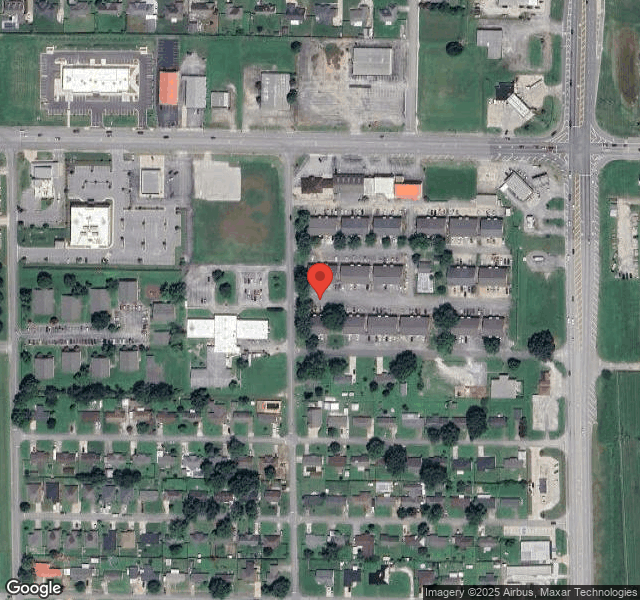

200 ALABAMA AVENUE, MUSCLE SHOALS, AL 35661 (256) 381-4330
For profit - Corporation 90 Beds GENESIS HEALTHCARE Data: November 2025
Trust Grade
80/100
#48 of 223 in AL
Last Inspection: January 2020

Over 2 years since last inspection. Current conditions may differ from available data.

Overview

Cypress Cove Care Center in Muscle Shoals, Alabama, has earned a Trust Grade of B+, indicating it is recommended and above average in quality. It ranks #48 out of 223 facilities in the state, placing it in the top half, and #2 out of 3 in Colbert County, meaning there is only one local option rated higher. Unfortunately, the facility is experiencing a worsening trend, with issues increasing from 1 in 2020 to 2 in 2023. Staffing is a mixed bag; it has a 3-star rating, indicating average performance and a turnover rate of 54%, similar to the state average. Notably, the center has had no fines, which is a positive sign, and boasts higher RN coverage than 97% of Alabama facilities, ensuring better oversight of resident care. However, there are concerning incidents to note. For example, the facility failed to label certain food items properly, which could affect the safety of meals for residents. Additionally, they did not accurately record the use of safety devices for wandering residents, potentially putting some at risk. Lastly, a resident's nutritional needs were not addressed according to the recommendations of a registered dietitian, which raises concerns about proper hydration and nutrition for residents. Overall, while there are strengths in staffing levels and no fines, the facility must address these specific concerns to improve care quality.

Trust Score
B+
80/100
In Alabama
#48/223
Top 21%
Safety Record
Low Risk
No red flags
Inspections
Getting Worse
1 → 2 violations
Staff Stability
⚠ Watch
54% turnover. Above average. Higher turnover means staff may not know residents' routines.
Penalties
✓ Good
No fines on record. Clean compliance history, better than most Alabama facilities.
Skilled Nurses
✓ Good
Each resident gets 53 minutes of Registered Nurse (RN) attention daily — more than average for Alabama. RNs are trained to catch health problems early.
Violations
○ Average
6 deficiencies on record. Average for a facility this size. Mostly minor or procedural issues.
★★★★☆
4.0
Overall Rating
★★★☆☆
3.0
Staff Levels
★★★★☆
4.0
Care Quality
★★★★☆
4.0
Inspection Score
Stable
2020: 1 issues
2023: 2 issues

The Good

  • 4-Star Quality Measures · Strong clinical quality outcomes
  • Full Sprinkler Coverage · Fire safety systems throughout facility
  • No fines on record

Facility shows strength in quality measures, fire safety.

The Bad

Staff Turnover: 54%

Near Alabama avg (46%)

Higher turnover may affect care consistency

Chain: GENESIS HEALTHCARE

Part of a multi-facility chain

Ask about local staffing decisions and management

The Ugly 6 deficiencies on record

Feb 2023 2 deficiencies
CONCERN (D) 📢 Someone Reported This

A family member, employee, or ombudsman was alarmed enough to file a formal complaint

Potential for Harm - no one hurt, but risky conditions existed

Assessment Accuracy (Tag F0641)

Could have caused harm · This affected 1 resident

**NOTE- TERMS IN BRACKETS HAVE BEEN EDITED TO PROTECT CONFIDENTIALITY** Based on interview, record reviews, and review of Centers for Medicare & Medicaid Services (CMS) Long-Term Care Facility Residen...

Read full inspector narrative →
**NOTE- TERMS IN BRACKETS HAVE BEEN EDITED TO PROTECT CONFIDENTIALITY** Based on interview, record reviews, and review of Centers for Medicare & Medicaid Services (CMS) Long-Term Care Facility Resident Assessment Instrument 3.0 User's Manual, the facility failed to ensure the most recent annual Minimum Data Set (MDS) assessments were coded to accurately reflect resident's status at the time of the assessment. Resident Identifier (RI) #3's MDS assessment dated [DATE] and RI #13's MDS assessment dated [DATE] did not reflect the use of wander guard devices. This had the potential to affect two of 13 residents for whom MDS assessments were reviewed. Findings Include: A review of the Centers for Medicare & Medicaid Services Long-Term Care Facility Resident Assessment Instrument 3.0 User's Manual Version 1.17.1, dated October 2019, revealed: . P0200: Alarms . Bracelets or devices worn by or attached to the resident and/or his or her belongings that signal a door to lock when the resident approaches should be coded in P0200E Wander/elopement alarm, whether or not the device activates a sound or alerts the staff. RI #3 was admitted to the facility on [DATE] and had a diagnosis of Dementia. RI #3's January 2023 orders documented an order dated 09/13/2022 to check RI #3's wander guard device every shift for placement. RI #3 had a care plan with a focus area documented for RI #3 being at risk for elopement related to Dementia, that was initiated on 06/09/2020, with an intervention that was created on 06/09/2020 and revised on 12/28/2022 to utilize and monitor a security bracelet per protocol. RI #3's annual MDS assessment with an Assessment Reference Date (ARD) of 11/02/2022 documented a 0 for E. in Section P0200 for Alarms, which indicated a wander/elopement alarm device was not used for RI #3. RI #13 was admitted to the facility on [DATE] and had diagnoses to include: Alzheimer's Disease, Dementia, and Cognitive Communication Deficit. RI #13's January 2023 orders documented an order dated 08/18/2022 to check RI #13's wander guard device every shift for placement. RI #13 had a care plan with a focus area documented, for RI #13 being at risk for elopement related to Cognitive Loss and Dementia, that was initiated on 11/15/2021, with an intervention that was created on 11/15/2021 and revised on 08/18/2022 to utilize and monitor a security bracelet per protocol. RI #13's annual MDS assessment with an ARD of 10/31/2022 documented a 0 for E. in Section P0200 for Alarms, which indicated a wander/elopement alarm device was not used for RI #13. On 02/01/2023 at 11:56 AM, an interview was conducted with Employee Identifier (EI) #3, Clinical Reimbursement Coordinator. EI #3 reported RI #3 and RI #13 both had a wander guard but the residents' current MDS was not coded accurately for wander/elopement alarms. EI #3 stated RI #3 had an order for a wander guard dated 09/13/2022 and RI #13 had an order for a wander guard dated 08/18/2022. EI #3 stated the concern with the residents' MDS not being coded accurately for wander/elopement alarm was it did not give an accurate description of the residents or their current status. This citation was cited as a result of the investigation on complaint/report number AL00042793.
CONCERN (D) 📢 Someone Reported This

A family member, employee, or ombudsman was alarmed enough to file a formal complaint

Potential for Harm - no one hurt, but risky conditions existed

Deficiency F0692 (Tag F0692)

Could have caused harm · This affected 1 resident

**NOTE- TERMS IN BRACKETS HAVE BEEN EDITED TO PROTECT CONFIDENTIALITY** Based on interviews, medical record review and a facility policy titled, Nutrition/Hydration Care and Services, the facility fai...

Read full inspector narrative →
**NOTE- TERMS IN BRACKETS HAVE BEEN EDITED TO PROTECT CONFIDENTIALITY** Based on interviews, medical record review and a facility policy titled, Nutrition/Hydration Care and Services, the facility failed to ensure nutritional recommendations made by Employee Identifier (EI) #4, Registered Dietitian (RD) on 11/28/2022, were addressed for Resident Identifier (RI) #10. This deficient practice had the potential to affect RI #10, one of three residents sampled for dehydration. Findings Include: A facility policy titled, Nutrition/Hydration Care and Services, with an effective date of 01/01/2004 and a revision date of 02/01/2023, documented . PURPOSE To provide . framework for nutritional and hydration care and services. PRACTICE STANDARDS . 4. Review Dietitian recommendations on Nutritional Care Recommendations Form. Obtain orders per recommendations. RI #10 was admitted to the facility on [DATE] with a diagnosis that included Dysphasia, Oropharyngeal Phase and was discharged from the facility on 12/01/2022. Review of RI #10's February 2023 physician orders revealed orders dated 11/23/2023 for RI #10 to receive enteral feeding by gastrostomy tube and water flushes to be given with medication administration 30 ml (milliliters) before and after medication administration and at least 15 ml of water between each medication. A review of RI #10's Nutritional assessment dated [DATE] and completed by EI #4, RD, revealed a recommendation to increase the free water flushes to 200 ml every four hours, totaling 1200 ml per 24 hours. A review of an email from EI #4 to EI #2, Director of Nursing (DON), dated 11/28/2022 at 5:43 PM, revealed EI #2 was notified, four days prior to RI #10's discharge, of EI #4's recommendation for free water flush order of 200 ml six times a day. In an interview on 02/03/2023 at 01:50 PM, EI #4, RD, stated she assessed RI #10 on 11/28/2022 and recommended the resident receive free water flushes 200 ml every four hours that equaled 1200 ml/24 hours. EI #4 stated she calculated the resident's fluid needs at 2129. EI #4 stated the resident discharged before she could follow-up on her recommendation. EI #4 stated the concern with her recommendation not being followed was the resident's body physiology could be on the dry side. In an interview on 02/03/2023 at 11:34 AM, EI #2, DON, reported the RD was to email her when she had a recommendation to send to the doctor. EI #2 stated she was unaware of the email dated 11/28/2022 from EI #4 regarding RI #10's water flushes because she did not see the email. EI #2 stated the concern with not acting on the RD recommendation timely was it could lead up to dehydration. In an interview on 02/03/2023 at 3:50 PM, EI #5, Medical Director (MD) reported he did not receive the recommendation from the RD for RI #10. EI #5 stated if he had received the recommendation, he would have followed the recommendation. This citation was cited as a result of the investigation on complaint/report number AL00042528.
Jan 2020 1 deficiency
CONCERN (D)

Potential for Harm - no one hurt, but risky conditions existed

Infection Control (Tag F0880)

Could have caused harm · This affected 1 resident

**NOTE- TERMS IN BRACKETS HAVE BEEN EDITED TO PROTECT CONFIDENTIALITY** Based on observation, interviews, medical record review, and review of a facility policy titled, Hand Hygiene, the facility fail...

Read full inspector narrative →
**NOTE- TERMS IN BRACKETS HAVE BEEN EDITED TO PROTECT CONFIDENTIALITY** Based on observation, interviews, medical record review, and review of a facility policy titled, Hand Hygiene, the facility failed to ensure: 1) a Registered Nurse (RN), Employee Identifier (EI) #1, washed her hands or used hand sanitizer after she checked Resident Identifier (RI) #34's oxygen saturation, prior to putting on gloves to administer RI #34's oral inhaler. Further, EI #1 did not wash hands or remove her gloves, prior to administering RI #34's inhalation medication via breathing pipe; and 2) a Certified Nursing Assistant (CNA), EI #3, washed or sanitized her hands while feeding two residents, RI #26 and RI #66, at the same time during a lunch observation on 1/9/2020. This affected one of four Licensed Nurses observed during medication administration pass, one of four residents observed during medication administration pass, and one of five dining room observations. Findings include: A review of a facility policy titled, Hand Hygiene, with a Revision Date of 11/28/2017, revealed . POLICY . hand hygiene practices is maintained by all Center personnel. This includes hand washing . and use of alcohol based hand rubs for routine decontamination in clinical situations . PROCESS 1. Perform hand hygiene . 1.4 After patient care; 1.5 after contact with the patient's environment . 1) RI #34 was readmitted to the facility on [DATE] with diagnoses to include Chronic Obstructive Pulmonary Disease with Acute Exacerbation, Respiratory Failure, Unspecified with Hypercapnia, and Respiratory Failure Unspecified Hypoxia. On 1/8/2020 at 8:00 a.m., the surveyor observed EI #1, a RN, during medication administration pass. EI #1 checked RI #34's oxygen saturation with a pulse oximetry with ungloved hands. EI #1 touched and and then placed the pulse oximetry on RI #34's bedside table with ungloved hands. EI #1 applied gloves to both hands, but did not wash her hands or use alcohol based hand rub prior to administering an oral inhaler to RI #34. After RI #34's oral inhaler treatment, EI #1 took RI #34's oral inhaler, with both gloved hands, and placed it on RI #34's bedside table. EI #1 did not remove her gloves, wash her hands or use alcohol based rub prior to administering RI #34's inhalation medication by the breathing pipe. On 1/8/2020 at 2:46 p.m., an interview was conducted with EI #1. EI #1 was asked what should have been done after she checked RI #34's oxygen saturation and placed the pulse oximetry on the bedside table, prior to applying gloves to administer RI #34's oral inhaler. EI #1 stated she should have sanitized with gel or washed her hands with soap and water. EI #1 was asked what would be the concern in not washing hands or using a hand sanitizer between those two tasks. EI #1 stated the resident or anyone could get an infection. E #1 was asked what should have been done after she gave RI #34's oral inhaler treatment, prior to administering RI #34's inhalation medication by the breathing pipe. EI #1 stated she should have removed her gloves and washed or sanitized her hands because the resident or anyone else could get an infection. On 1/8/2020 at 3:19 p.m., an interview was conducted with EI #2, an Infection Control Preventionist/RN. EI #2 was asked what would be the concern in not washing or sanitizing hands between checking an oxygen saturation and administering an oral inhaler to a resident. EI #2 stated it could cause cross contamination and this could cause an infection to the resident. EI #2 was asked what would be the concern in not removing your gloves and not washing or sanitizing your hands after administering an oral inhaler, prior to administering inhaled medication by the breathing pipe. EI #2 stated it could cause cross contamination and an infection to the resident. 2) On 1/9/2020 at 11:40 a.m., the surveyor observed Employee Identifier (EI) #3, CNA, sitting at a table in the dining room feeding Resident Identifier (RI) #26 and RI #66. EI #3 proceeded to feed both residents during the observation. EI #3 was observed touching the residents' eating utensils, clothes, hands and straw while feeding both residents. EI #3 did not wash or sanitize her hands between residents. EI #3 was observed removing a soiled clothing protector from RI #26 and then proceeded to feed RI #66 without washing or sanitizing her hands. An interview was conducted with EI #3 on 1/9/2020 at 12:42 p.m EI #3 was asked if she fed two residents at lunch. EI #3 stated yes, RI #26 and RI #66. EI #3 was asked if she washed or sanitized her hands between residents while feeding both residents. EI # 3 stated no, only if she got up from the table and returned. EI #3 was asked if she touched RI #26 and RI #66's clothes, hands, straw and clothing protector while feeding both residents. EI #3 stated she knew she had not washed her hands when she opened RI #26's straw. EI #3 was asked what was the potential harm of not washing or sanitizing your hands when feeding two residents. EI #3 stated germs from one resident to another resident. An interview was conducted with EI #2, RN/ Infection Control Preventionist, on 1/9/2020 at 1:00 p.m EI #2 was asked if staff should wash or sanitize their hands if they touch one resident's hands, straw, clothes, clothing protectors, or eating utensils before feeding another resident. EI #2 stated probably yes. EI #2 was asked what was the potential harm of not washing/sanitizing hands while feeding two residents a meal at the same time. EI #2 stated they could get sick or get an infection.
Mar 2018 3 deficiencies
CONCERN (D)

Potential for Harm - no one hurt, but risky conditions existed

ADL Care (Tag F0677)

Could have caused harm · This affected 1 resident

**NOTE- TERMS IN BRACKETS HAVE BEEN EDITED TO PROTECT CONFIDENTIALITY** Based on observation, interview and review of the Task List Report, the facility failed to ensure nail care was provided as need...

Read full inspector narrative →
**NOTE- TERMS IN BRACKETS HAVE BEEN EDITED TO PROTECT CONFIDENTIALITY** Based on observation, interview and review of the Task List Report, the facility failed to ensure nail care was provided as needed for Resident Identifier (RI) #187. This affected one of 20 sampled residents, dependent upon staff for the provision of nail and hygiene care. Findings Include: RI #187 was admitted to the facility on [DATE] with diagnoses including Cerebral Infarction, Ataxia, Dysphagia, and Unspecified Dementia without Behavioral Disturbance. The admission Minimum Data Set (MDS), with an Assessment Reference Date (ARD) of 03/09/18, identified RI #187 as being in need of supervision with the support of one staff member for personal hygiene needs, including hand care. The resident was acknowledged in the 03/02/18 care plan to require assistance with or/total dependence upon staff for care in personal hygiene due to generalized weakness and dementia. On 03/20/18 at 4:50 PM, RI #187, a visually impaired resident, received the supper tray, and with the direction of a staff nurse, fed self the meal with his/her fingers. On 03/22/18 at 8:49 AM, the surveyor observed RI #187's fingernails to be long (1/4 to 1/2' in length beyond the fingertips) with a significant amount of hardened debris beneath the nails. The breakfast tray had been completed and taken from the room. On 03/22/18 at 8:59 AM, a Registered Nurse (RN) Employee Identifier (EI) #10 entered the room with RI #187's medications. At the conclusion of the medication administration, the surveyor asked EI #10 to look at RI #187's fingernails. When asked, EI #10 explained the resident's contract aide provided baths twice a week, but did not specify who was responsible for the cleaning and trimming of fingernails. The surveyor asked EI #10 how she would describe the nails and what could be done. EI #10 did not describe the nails, but explained the resident ate with his/her hands frequently. EI #10 said she would take care of the matter. The Task List Report, initiated on 03/02/18, specified the provision of personal hygiene every day, every shift: Day, Night, Evening. On 03/22/18 at 2:26 PM, the Unit Supervisor, EI #11, was questioned regarding RI #187's response to personal care. EI #11 explained RI #187 used bad language at times, but was receptive to care. When asked why the resident's nails had not been trimmed and cleaned before this morning, EI #11 did not know.
CONCERN (D)

Potential for Harm - no one hurt, but risky conditions existed

Infection Control (Tag F0880)

Could have caused harm · This affected 1 resident

**NOTE- TERMS IN BRACKETS HAVE BEEN EDITED TO PROTECT CONFIDENTIALITY** Based on observations, interviews, medical record reviews and reviews of facility policies titled, Standard Precautions and Hand...

Read full inspector narrative →
**NOTE- TERMS IN BRACKETS HAVE BEEN EDITED TO PROTECT CONFIDENTIALITY** Based on observations, interviews, medical record reviews and reviews of facility policies titled, Standard Precautions and Hand Hygiene, the facility failed to ensure licensed staff: 1. washed hands before applying gloves for Resident Identifier (RI) #22, 2. washed hands before applying gloves for RI #180, 3. did not turn off faucet with bare hands after handwashing for RI #46, and 4. washed hands before applying gloves during RI #62's wound care and did not return a bottle of wound cleanser to the treatment cart that was placed on RI #62's bathroom sink. These deficient practices affected RI #22, RI #46, RI #180, three of six residents observed during the medication administration observation and RI #62, one of one residents observed during wound care. Findings Include: 1.) A review of a facility policy titled, Standard Precautions with a revision date of 11/28/17, revealed: .3. Change gloves .3.1 Between tasks and procedures on the same individual and after contact with material that may contain a high concentration of microorganisms; 3.2 After contact with patient and/or surrounding environment (including medical equipment); . A review of a facility policy titled, Hand Hygiene with a revision date of 11/28/17 documented: .1. Perform hand hygiene: 1.1 Before patient care; .1.5 After contact with the patient's environment. RI #22 was admitted to the facility on [DATE] and readmitted [DATE], with diagnoses including Pneumonia and Alzheimer's Disease. On 03/21/18 at 10:12 a.m., Employee Identifier (EI) #9, Registered Nurse (RN), was observed during medication pass observation for RI #22. The surveyor observed EI #9 put sanitizer gel on her hands then go through all the drawers in the medication cart picking up medications until the topical gel was located for RI #22. EI #9 then assisted RI #22 by pushing her/his wheelchair with her bare hands and applied gloves to administer a topical gel to RI #22's knees. On 03/21/18 at 10:25 a.m., an interview was conducted with EI #9. EI #9 was asked did she wash her hands before applying gloves after she went through the medication cart drawers to locate RI #22's topical medication and pushed her/his wheelchair with her bare hands. EI #9 said no. EI #9 was asked, what was the concern with not washing her hands after touching potentially contaminated objects before applying her gloves to administer RI #22's topical gel. EI #9 replied infection control. 2.) RI #180 was admitted to the facility on [DATE], with a diagnoses of Chronic Kidney Disease, Stage 5. On 03/21/18 at 10:27 a.m., EI #10, RN, was observed during medication administration observation for RI #180. The surveyor observed EI #10 wash her hands and move RI #180's wheelchair to the right side of the bed using her bare hands. Then EI #10 was observed applying gloves without washing her hands to obtain RI #180's Fingerstick Blood Sugar (FSBS). On 03/21/18 at 10:42 a.m., an interview was conducted with EI #10. The surveyor asked EI #10 did she wash her hands after she pushed RI #180's wheelchair to the other side of the bed before applying her gloves to check RI #180's FSBS. EI #10 said no she did not. EI #10 was asked should she have washed her hands before putting on her gloves. EI #10 replied yes. EI #10 was asked what was the concern with not washing her hands before applying gloves. EI #10 answered infection control. 3.) RI #46 was admitted to the facility on [DATE] and readmitted on [DATE] with diagnoses including, Type 2 Diabetes Mellitus Without Complications. On 03/22/18 at 9:31 a.m., EI #13, Licensed Practical Nurse, was observed during medication administration observation for RI #46. EI #13 was observed washing her hands and turning off the faucet with her bare hands. On 03/22/18 at 9:37 a.m., an interview was conducted with EI #13. EI #13 was asked how she turned off the faucet after washing her hands. EI #13 said with my hand. EI #13 was asked what was the concern in turning off the faucet with her bare hand after handwashing. EI #13 answered infection control. 4.) RI #62 was admitted to the facility on [DATE] and readmitted on [DATE] with a diagnoses of Type 2 Diabetes Mellitus. On 03/21/18 at 2:50 p.m., EI #14, RN/Assistant Director of Nursing/Treatment Nurse was observed performing wound care for RI #62. The surveyor observed EI #14 wash her hands in the bathroom, pick up a box of gloves and place them on the overbed table, pull RI #62's privacy curtain, and touched RI #62 on the left shoulder. EI #14 was then observed applying gloves to perform wound care without washing her hands. On 03/21/18 at 3:17 p.m., an interview was conducted with EI #14. EI #14 was asked when should she wash her hands when using gloves. EI #14 said before she puts the gloves on and when she takes them off. EI #14 was asked did she wash her hands before applying gloves after she picked up a box of gloves, pulled RI #62's privacy curtain and touched the resident on the left shoulder. EI #14 replied no because she thought it was still part of setting up the field and getting ready. EI #14 was asked should she touch any potentially contaminated object after washing her hands and prior to applying gloves. EI #14 said no. EI #14 was asked did she place the bottle of wound cleanser on the back of RI #62's sink without a barrier and then take the container back out to the treatment cart and put it in a drawer without cleaning it. EI #14 answered yes she did do that and she thought when she did that she should not have done it.
CONCERN (F)

Potential for Harm - no one hurt, but risky conditions existed

Food Safety (Tag F0812)

Could have caused harm · This affected most or all residents

Based on observation, interviews and record review, the facility failed to ensure staff: 1) labeled commercially prepared milkshakes with a use-by date after thawed; 2) labeled thickened juice after ...

Read full inspector narrative →
Based on observation, interviews and record review, the facility failed to ensure staff: 1) labeled commercially prepared milkshakes with a use-by date after thawed; 2) labeled thickened juice after opening with a use-by date, and discarded each in a timely manner; and 3) were able to accurately calibrate food thermometers prior to use. These findings had the potential to affect 82 residents who received meals and/or supplements from the facility at the time the survey. Findings Include: The facility policy regarding Labeling and Dating provides the following guidelines: All foods should be dated upon receipt before being stored. Food labels must include: The food item name The date of preparation/receipt/removal from freezer Items that are removed from a labeled case in the freezer and placed in the refrigerator for thawing should be labeled with the date of removal from the freezer. This policy then identified a refrigerated storage (40 degrees Fahrenheit) life of 14 days. 1) During the initial kitchen tour, on 03/20/18 at 2:35 PM, eight commercially prepared, four-ounce (oz) cartons of thawed milkshakes were stored in the reach-in refrigerator, with no use-by date. 2) On 03/21/18 at 9:45 AM, the Dietary Manager, Employee Identifier (EI) #4, accompanied the surveyor to the front hall nursing station's nourishment refrigerator. The refrigerator contained: a) three, four-oz commercially prepared (thawed) milkshakes in the door of the refrigerator, with no use-by date. EI #4 stated she did not know where the shakes came from, but affirmed the shakes were good for 14 days after thawed, and should be dated. b) One eight oz glass of clear, orange colored beverage, was stored uncovered, in the refrigerator. EI #4 immediately removed the beverage from the refrigerator. c) One carton of commercially prepared nectar-thickened orange juice was stored without an open date. The carton of juice was stamped as good until 4/11/18, but a date of 12/8 and DC (discard?) 12/23 was written on the side of the container. EI #4 was unsure if it was still good, and immediately discarded it. At 10:00 AM, the Consultant Licensed, Registered Dietitian (EI #5) examined the juice container at the nourishment refrigerator. EI #5 explained once opened, the instructions on the carton specified to discard the product within seven days, and pointed out the printed directions on the side of the carton. EI #5 affirmed the item was supposed to be labeled with a discard date after opened. EI #5 was not able to determine what the written dates on the side of the juice carton meant. The Dietary Manager (EI #4) explained that 12/8 was the delivery date, and 12/23 was possibly the discard date. 3) The facility's directions, and previous inservice education provided to staff on 10/04/17, regarding thermometer calibration, detailed the following: How to Calibrate a Thermometer 1. Fill a large container with crushed ice. Add clean tap water until the container is full. Stir the mixture well. 2. Put the thermometer stem or probe into the ice water . Wait 30 seconds or until the reading stays steady. 3. Adjust the thermometer so it reads 32 degrees Fahrenheit or F (0 degrees Centigrade). Hold the calibration nut securely with a wrench or other tool and rotate the head of the thermometer until it reads 32 degrees F (0 degrees C). On 03/21/18 at 3:45 PM, four thermometers were resting in a glass of ice water. The thermometers registered 60, 44, 28, and 28 degrees F. At this point the surveyor questioned the Cook/Aide, EI #6 as to the temperature she wanted each thermometer to read in the ice water (to calibrate). EI #6 explained the thermometer should read below 32 degrees. When asked why, EI #6 had no response. At this point, staff handed the [NAME] (EI #6) sanitizing pads. EI #6 proceeded to check the food temperatures on the tray line. On 3/21/18 at 4:05 PM, the surveyor questioned EI #6 as to what the reading of each thermometer should be when in ice water (to determine the thermometer's accuracy). EI #6 responded, 35 to 40 degrees (Fahrenheit), to kill bacteria.
Understanding Severity Codes (click to expand)
Life-Threatening (Immediate Jeopardy)
J - Isolated K - Pattern L - Widespread
Actual Harm
G - Isolated H - Pattern I - Widespread
Potential for Harm
D - Isolated E - Pattern F - Widespread
No Harm (Minor)
A - Isolated B - Pattern C - Widespread

Questions to Ask on Your Visit

  • "Can I speak with families of current residents?"
  • "What's your RN coverage like on weekends and overnight?"

Our Honest Assessment

Strengths
  • • Grade B+ (80/100). Above average facility, better than most options in Alabama.
  • • No major safety red flags. No abuse findings, life-threatening violations, or SFF status.
  • • No fines on record. Clean compliance history, better than most Alabama facilities.
Concerns
  • • No significant concerns identified. This facility shows no red flags across CMS ratings, staff turnover, or federal penalties.
Bottom line: Generally positive indicators. Standard due diligence and a personal visit recommended.

About This Facility

What is Cypress Cove's CMS Rating?

CMS assigns CYPRESS COVE CARE CENTER an overall rating of 4 out of 5 stars, which is considered above average nationally. Within Alabama, this rating places the facility higher than 99% of the state's 100 nursing homes. This rating reflects solid performance across the metrics CMS uses to evaluate nursing home quality.

How is Cypress Cove Staffed?

CMS rates CYPRESS COVE CARE CENTER's staffing level at 3 out of 5 stars, which is average compared to other nursing homes. Staff turnover is 54%, compared to the Alabama average of 46%.

What Have Inspectors Found at Cypress Cove?

State health inspectors documented 6 deficiencies at CYPRESS COVE CARE CENTER during 2018 to 2023. These included: 6 with potential for harm.
Who Owns and Operates Cypress Cove?

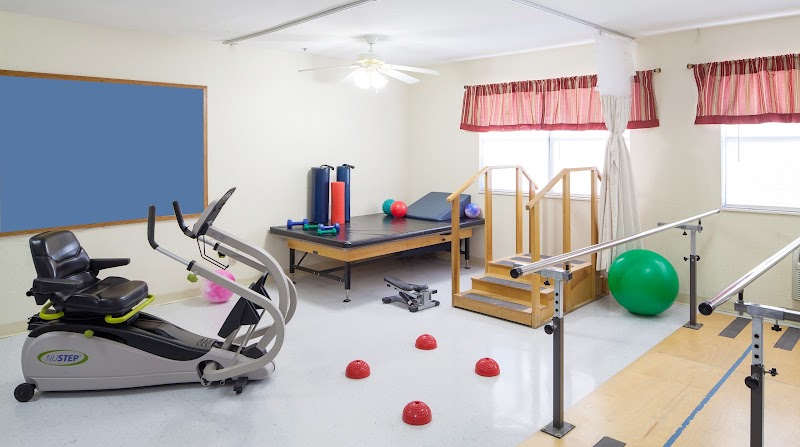
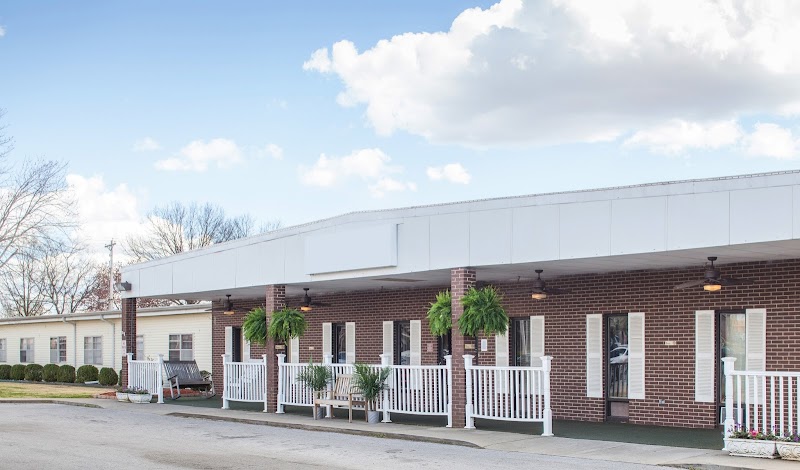
CYPRESS COVE CARE CENTER is owned by a for-profit company. For-profit facilities operate as businesses with obligations to shareholders or private owners. The facility is operated by GENESIS HEALTHCARE, a chain that manages multiple nursing homes. With 90 certified beds and approximately 74 residents (about 82% occupancy), it is a smaller facility located in MUSCLE SHOALS, Alabama.
How Does Cypress Cove Compare to Other Alabama Nursing Homes?

Compared to the 100 nursing homes in Alabama, CYPRESS COVE CARE CENTER's overall rating (4 stars) is above the state average of 3.0, staff turnover (54%) is near the state average of 46%, and health inspection rating (4 stars) is above the national benchmark.

What Should Families Ask When Visiting Cypress Cove?

Based on this facility's data, families visiting should ask: "Can I visit during a mealtime to observe dining assistance and food quality?" "How do you handle medical emergencies, and what is your hospital transfer rate?" "Can I speak with family members of current residents about their experience?"

Is Cypress Cove Safe?

Based on CMS inspection data, CYPRESS COVE CARE CENTER has a clean safety record: no substantiated abuse findings (meaning no confirmed cases of resident harm), no Immediate Jeopardy citations (the most serious violation level indicating risk of serious injury or death), and is not on the Special Focus Facility watch list (a federal program monitoring the lowest-performing 1% of nursing homes). The facility has a 4-star overall rating and ranks #1 of 100 nursing homes in Alabama. While no facility is perfect, families should still ask about staff-to-resident ratios and recent inspection results during their visit.

Do Nurses at Cypress Cove Stick Around?

CYPRESS COVE CARE CENTER has a staff turnover rate of 54%, which is 8 percentage points above the Alabama average of 46%. Moderate turnover is common in nursing homes, but families should still ask about staff tenure and how the facility maintains care continuity when employees leave.

Was Cypress Cove Ever Fined?

CYPRESS COVE CARE CENTER has no federal fines on record. CMS issues fines when nursing homes fail to meet care standards or don't correct problems found during inspections. The absence of fines suggests the facility has either maintained compliance or corrected any issues before penalties were assessed. This is a positive indicator, though families should still review recent inspection reports for the full picture.

Is Cypress Cove on Any Federal Watch List?

CYPRESS COVE CARE CENTER is not on any federal watch list. The most significant is the Special Focus Facility (SFF) program, which identifies the bottom 1% of nursing homes nationally based on persistent, serious quality problems. Not being on this list means the facility has avoided the pattern of deficiencies that triggers enhanced federal oversight. This is a positive indicator, though families should still review the facility's inspection history directly.