ASPIRE PHYSICAL RECOVERY CENTER OF WEST ALABAMA
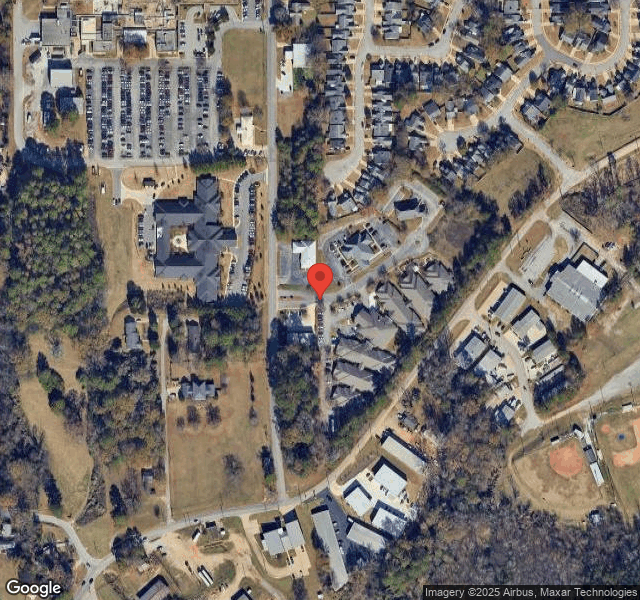

2400 HOSPITAL DRIVE, NORTHPORT, AL 35476 (205) 330-8412
For profit - Corporation 75 Beds NHS MANAGEMENT Data: November 2025
Trust Grade
75/100
#37 of 223 in AL
Last Inspection: May 2022

Over 2 years since last inspection. Current conditions may differ from available data.

Overview

Aspire Physical Recovery Center of West Alabama has a Trust Grade of B, indicating it is a good facility that offers solid care. It ranks #37 out of 223 nursing homes in Alabama, placing it in the top half of the state, and is the best option among 6 facilities in Tuscaloosa County. The facility is improving, having reduced the number of reported issues from 5 in 2019 to none in 2022. Staffing is an area of concern, with a 67% turnover rate, significantly higher than the state average of 48%, which may affect continuity of care. However, there are no fines on record, which is a positive sign, and there is more RN coverage than 81% of Alabama facilities, ensuring better oversight of resident care. Some specific incidents noted include failures in food safety practices, such as not ensuring that coffee cups were clean and that the outdoor dumpster was properly closed, which could potentially affect all residents. Additionally, there was a lapse in care planning for a resident requiring a catheter, which shows a need for improvement in individualized care plans. Overall, while the facility has strengths in RN coverage and a good trust grade, families should be aware of staffing challenges and certain compliance issues.

Trust Score
B
75/100
In Alabama
#37/223
Top 16%
Safety Record
Low Risk
No red flags
Inspections
Getting Better
5 → 0 violations
Staff Stability
⚠ Watch
67% turnover. Above average. Higher turnover means staff may not know residents' routines.
Penalties
✓ Good
No fines on record. Clean compliance history, better than most Alabama facilities.
Skilled Nurses
✓ Good
Each resident gets 51 minutes of Registered Nurse (RN) attention daily — more than average for Alabama. RNs are trained to catch health problems early.
Violations
○ Average
6 deficiencies on record. Average for a facility this size. Mostly minor or procedural issues.
★★★★☆
4.0
Overall Rating
★★★☆☆
3.0
Staff Levels
★★★☆☆
3.0
Care Quality
★★★★☆
4.0
Inspection Score
Stable
2019: 5 issues
2022: 0 issues

The Good

  • Full Sprinkler Coverage · Fire safety systems throughout facility
  • No fines on record

Facility shows strength in fire safety.

The Bad

Staff Turnover: 67%

21pts above Alabama avg (46%)

Frequent staff changes - ask about care continuity

Chain: NHS MANAGEMENT

Part of a multi-facility chain

Ask about local staffing decisions and management

Staff turnover is elevated (67%)

19 points above Alabama average of 48%

The Ugly 6 deficiencies on record

Jul 2019 5 deficiencies
CONCERN (D)

Potential for Harm - no one hurt, but risky conditions existed

Comprehensive Care Plan (Tag F0656)

Could have caused harm · This affected 1 resident

**NOTE- TERMS IN BRACKETS HAVE BEEN EDITED TO PROTECT CONFIDENTIALITY** Based on observation, interviews, record review, and a facility policy titled, Person Centered Care Plans, the facility failed t...

Read full inspector narrative →
**NOTE- TERMS IN BRACKETS HAVE BEEN EDITED TO PROTECT CONFIDENTIALITY** Based on observation, interviews, record review, and a facility policy titled, Person Centered Care Plans, the facility failed to ensure Resident Identifier (RI) #14 had a care plan for the use of a catheter from 6/26/19 to 7/10/19. This affected one of 16 sampled residents whose care plans were reviewed. Findings include: A facility policy titled, Person Centered Care Plans, with an effective date of August 15, 2018, revealed: PURPOSE: Person Centered plans of care are developed by the interdisciplinary team, to coordinate and communicate care approaches and goals of the resident/guest, consistent with the resident/guest(s) rights. STANDARD: .According to federal regulations, the facility develops a comprehensive person centered plan of care for each resident/guest that includes measurable objectives and timetables to meet a resident/guest(s) medical, nursing .needs . RI #14 was re-admitted to the facility on [DATE], with diagnoses to include Urinary Retention. RI #14 was observed on 07/08/19 at 4:59 PM with a catheter in a privacy bag hanging on the side of the bed. Record review revealed RI #14 did not have a care plan for a catheter from 6/26/19 through 7/10/19. On 07/10/19 at 5:11 PM, an interview was conducted with Employee Identifier (EI) #6, Director of Nursing (DON). EI #6 was asked, how did she determine what should have a care plan. EI #6 replied, it was based on the orders and the patients' needs. EI #6 was asked, should catheters be care planned. EI #6 replied, yes. EI #6 was asked, if she could show the surveyor where RI #14 had a care plan for a catheter between 5/10/19 and 7/8/19. EI #6 replied, EI #7, Licensed Practical Nurse (LPN ) had resolved the catheter on 6/26/19. EI #6 was asked, why EI #7 resolved it on 6/26/19. EI #6 replied, she did not know. On 07/11/19 at 9:18 AM, an interview was conducted with EI #7. EI #7 was asked, why was RI #14's care plan resolved on 6/26/19. EI #7 replied, she did not know, she did it. EI #7 said she had the sheet where she marked the foley out. EI #7 said she did not know if she got confused with something. EI #7 was asked, did RI #14 have a care plan for a catheter from 6/26/19 until 7/10/19. EI #7 said, she looked and did not see one. EI #7 said she guessed RI #14 did not have a care plan for that (catheter). EI #7 was asked what was the potential concern of not having a care plan for a catheter. EI #7 replied,they needed to have the care plan to alert the staff that he/she had a catheter. EI #7 was asked, what was the potential concern of the staff not being aware RI #14 had a catheter. EI #7 replied, the catheter getting care.
CONCERN (D)

Potential for Harm - no one hurt, but risky conditions existed

Respiratory Care (Tag F0695)

Could have caused harm · This affected 1 resident

**NOTE- TERMS IN BRACKETS HAVE BEEN EDITED TO PROTECT CONFIDENTIALITY** Based on medical record reviews, observations, interviews, and review of facility policies titled, Oxygen Administration, and Hu...

Read full inspector narrative →
**NOTE- TERMS IN BRACKETS HAVE BEEN EDITED TO PROTECT CONFIDENTIALITY** Based on medical record reviews, observations, interviews, and review of facility policies titled, Oxygen Administration, and Humidified Air Administration, the facility failed to ensure the oxygen tubing and humidifier bottles of Resident Identifier (RI) #21 and RI #28 were changed every seven days. The facility also failed to ensure the oxygen cannula of RI #21 and RI #28 were stored in a plastic bag when not in use. This affected RI #21 and RI #28, two of four sampled residents receiving oxygen. Findings include: Review of a facility policy titled, Oxygen Administration with an effective date of December 8, 2005, revealed: .PURPOSE: To administer high purity oxygen for the treatment of certain diseases or conditions . PROCESS: . 11. Cannulas and masks should be changed weekly . 14. O2 (oxygen) cannuala (cannula)/mask should be stored in a plastic bag when not in use . Review of a facility policy titled, Humidified Air Administration, with an effective date of April 6, 2009, revealed: PURPOSE: To administer humidified air properly .PROCESS: g. Change administration setup every 7 days. RI #21 was admitted to the facility on [DATE], with a diagnosis of Other Secondary Pulmonary Hypertension. A record review of RI #21's July 2019 Physician's orders revealed: .OXYGEN @ (at) 2L (liter)/MIN (minute) PER NC ( nasal cannula) PRN (as needed) FOR SHORTNESS OF BREATH . On 07/08/19 at 5:26 PM, an observation was made of RI #21's oxygen tubing laying on the floor in the resident's room. The tubing was not labeled and the humidifier bottle was dated 6/25/19. On 07/09/19 at 10:04 AM, an observation was made of RI #21's oxygen tubing lying on an oxygen machine, unlabeled and the humidifier bottle was dated 6/25/19. On 07/11/19 at 8:32 AM, an observation was made of RI #21's humidifier bottle, dated 6/25/19, and oxygen tubing that was not labeled. On 07/11/19 at 8:28 AM, an interview was conducted with RI #21. RI #21 was asked, if he/she ever used the oxygen. RI #21 replied, every once in a while when his/her chest got tight. RI #21 was asked, when was the last time he/she used the oxygen. RI #21 replied, maybe yesterday. RI #21 was asked, how often did they (staff) change his/her tubing. RI #21 replied, maybe twice since she had it. RI #21 said it did not happen often. On 07/11/19 at 8:43 AM, an interview was conducted with Employee Identifier (EI) #9, Registered Nurse (RN) Minimum Data Set (MDS) Coordinator. EI #9 was asked, what was the date on the humidifier bottle. EI #9 replied, 6/25/19. EI #9 was asked, what was the date on the oxygen tubing. EI #9 replied, there was no date. EI #9 was asked, how should the oxygen tubing be stored when it was not in use. EI #9 replied, in a zip lock bag with a date on it. EI #9 was asked, where was it at that time. EI #9 replied, it was laying on the concentrator. EI #9 was asked, was it in a bag. EI #9 replied, no. EI #9 was asked, did RI #21 use oxygen. EI #9 replied, yes. EI #9 was asked, what was the potential harm of oxygen tubing not being stored in a plastic bag when not in use. EI #9 replied, germs and an infection control issue. EI #9 was asked, how often should oxygen tubing be changed. EI #9 replied, weekly. EI #9 was asked, how often should a humidifier bottle be changed. EI #9 replied, it was changed with the oxygen tubing. EI #9 was asked, with that date on it would you say it had been changed within the last week. EI #9 replied, no. EI #9 was asked, what was the potential concern of not changing the oxygen tubing or humidifier bottle every seven days. EI #9 replied, an infection control issue. RI #28 was admitted to the facility on [DATE], with a diagnosis of Dependence on Supplemental Oxygen. A review of RI #28's July 2019 Physician's orders revealed: .OXYGEN @2L/MIN PER NC CONTINUOUS . On 07/09/19 at 3:45 PM, RI #28 was observed wearing oxygen. The oxygen tubing was checked and it was not dated. The humidifier bottle on the oxygen concentrator was dated 6/25/19. The oxygen was infusing at two liters per minute via (by way of) nasal cannula. On 07/10/19 at 3:05 PM, an observation was made of RI #28 lying in bed with oxygen @ 2L/min and a humidifier bottle dated 6/25/19. On 07/10/19 at 5:49 PM, an interview was conducted with EI #8, Licensed Practical Nurse (LPN). EI #8 was asked, what was the date on RI #28's oxygen tubing. EI #8 replied, she did not see a date on the oxygen tubing. EI #8 was asked, what was the date on RI #28's humidifier bottle. EI #8 replied, 6/25/19. EI #8 was asked, how often was oxygen tubing changed. EI #8 replied, every Thursday. EI #8 was asked, how often was the humidifier bottle changed. EI #8 replied, every Thursday. EI #8 was asked, who was responsible for changing the oxygen tubing and the humidifier bottle. EI #8 replied the 7 AM-3 PM shift on Thursdays. EI #8 was asked, how could she tell that it had been changed. EI #8 replied, by the date. EI #8 was asked, if the oxygen tubing had not been dated, how did she know it had been changed. EI #8 replied, she would not know. EI #8 was asked, by the date on the bottle and the oxygen tubing not being labeled, did she think it was changed this past Thursday. EI #8 replied, no. EI #8 was asked, what was the potential harm of not changing the oxygen tubing and humidifier bottle every seven days. EI #8 replied, probably residue build up or contamination
CONCERN (D)

Potential for Harm - no one hurt, but risky conditions existed

Deficiency F0730 (Tag F0730)

Could have caused harm · This affected 1 resident

Based on interview, document review and a review of a facility policy titled, Mandatory CEUs (Continuing Education Units), the facility failed to ensure Employee Identifier (EI) #5, a CNA (Certified N...

Read full inspector narrative →
Based on interview, document review and a review of a facility policy titled, Mandatory CEUs (Continuing Education Units), the facility failed to ensure Employee Identifier (EI) #5, a CNA (Certified Nursing Assistant), maintained 12 hours of CEU training per year. This deficient practice affected EI #5, one of 12 CNAs whose training records were reviewed for CEUs. Findings include: A review of a facility policy titled, Mandatory CEUs with an effective date of 11/07/05 revealed: .Policy: Annual Continuing Education Units (CEUs) are required of all licensed and .certified employees. will .provide CEUs for CNAs to maintain certification requirements. Employees are expected to meet the .requirements of their profession each year . A review of EI #5's CNA C.E.U. LOG revealed she was hired on 2/21/18. A review of a facility document revealed EI #5 obtained 10.50 hours of CEUs from 2/18-2/19. An interview was conducted with EI #4, Registered Nurse, Staff Development Coordinator on 7/11/19 at 9:54 a.m. EI #4 was asked did EI #5 have have the required 12 hours of CEU training for the year. EI #4 said she did not. EI #4 was asked if EI #5 should have had the required 12 hours of CEU training per year. EI #4 said, Yes, her hire date was in February so she should have had them in February of this year. EI #4 was asked why EI #5 did not have the required 12 hours of CEU training. EI #4 said,I don't know. EI #4 said, she needed to make sure she stayed on all staff, including the PRN (as needed) CNAs, to get their CEUs on the computer, because they all needed to know about patient care.
CONCERN (F)

Potential for Harm - no one hurt, but risky conditions existed

Food Safety (Tag F0812)

Could have caused harm · This affected most or all residents

Based on observations, interviews, the 2017 Food and Drug Administration (FDA) Food Code, and the facility's policies for Calibrating and Sanitizing Thermometers and Food Preparation Guidelines, the f...

Read full inspector narrative →
Based on observations, interviews, the 2017 Food and Drug Administration (FDA) Food Code, and the facility's policies for Calibrating and Sanitizing Thermometers and Food Preparation Guidelines, the facility failed to: 1.) ensure an employee responsible for calibrating a thermometer was able to do it correctly; 2.) ensure china coffee cups ready for service were free of dark stains inside the cups; and 3.) ensure the plate lowerator were heating plates to the optimal temperature for service to residents. This had the potential to affect 55 of 55 residents receiving meals at the facility. Findings include: 1.) The facility's policy for Calibrating and Sanitizing Thermometers, dated 02/01/2002, included the following: . PROCESS: I. Calibration: Thermometers can be calibrated using either of the following procedures: a. Prepare a 50/50 ice and water mixture. Submerge the sensor of the thermometer in the solution until the needle stops moving. Use a small wrench to turn the calibration nut until the thermometer reads 32 degrees Fahrenheit, . The 2017 FDA Food Code included the following: . 2-103.11 Person in Charge. The PERSON IN CHARGE shall ensure that: . (G) EMPLOYEES are . using appropriate temperature measuring devices properly scaled and calibrated . 4-203.11 Temperature Measuring Devices, Food. (B) FOOD TEMPERATURE MEASURING DEVICES that are scaled only in Fahrenheit shall be accurate to +-2 (degrees) F (Fahrenheit) . 4-502.11 Good Repair and Calibration. (B) FOOD TEMPERATURE MEASURING DEVICES shall be calibrated . to ensure their accuracy. On 07/09/19 at 4:50 PM, Employee Identifier (EI) #2, the Registered Dietitian (RD), was asked who was in charge of calibrating the food thermometer. EI #2 said the cook calibrated the thermometer. When asked how often this was done, EI #2 said before every meal. On 07/09/19 at 4:54 PM, EI #3, the Evening Cook, was asked who usually calibrated the food thermometer and he said, I do. EI #3 was then observed to attempt the calibration of a food thermometer. EI #3 initially placed the thermometer's probe into a cup of crushed ice, into which no water was added. The thermometer dial reading was 20 degrees F. EI #3 was asked if this was how he would normally calibrate a thermometer and he stated yes. EI #3 was unable to calibrate the thermometer correctly using this method. When the Dietary Manager (DM), EI #1, was asked if the procedure EI #3 was performing was correct, EI #1 stated no. An interview was conducted with EI #1 on 07/10/19 at 2:54 PM. When asked if it was correct to calibrate the thermometer in only crushed ice, EI #1 replied, no, you need ice and water. EI #1 was asked what would be the problem if a food thermometer was not calibrated correctly. EI #1 replied the food could be of an unsafe temperature and it could cause the residents' food to be unsafe. 2.) The 2017 FDA Food Code included the following: . 2-103.11 Person in Charge. The PERSON IN CHARGE shall ensure that: . (K) Employees are properly sanitizing cleaned multiuse EQUIPMENT and UTENSILS before they are reused, . 4-601.11 Equipment, Food-Contact Surfaces, Nonfood-Contact Surfaces, and Utensils. (A) EQUIPMENT FOOD-CONTACT SURFACES and UTENSILS shall be clean to sight and touch. An observation was made on 07/10/19 at 12:34 PM of white ceramic coffee cups stacked near the food service line. The initial observation revealed four of four cups checked for cleanliness were noted to have a dark, brown residue on the interior of each cup. A second observation made with EI #1, the DM, revealed eleven of sixteen coffee cups, upon being checked for cleanliness, had a dark brown residue on the interior of each cup. On 07/10/19 at 12:38 PM, EI #1 was asked if the white ceramic coffee cups stacked near the food service line were washed and ready to be used by residents. EI #1 replied, yes. EI #1 was asked if it was acceptable for the dark brown residue to be on the inside of the cup. EI #1 replied, No. EI #1 was asked what was the problem with the dark brown residue being on the interior of washed and ready-to-use coffee cups. EI #1 replied the cups were unsanitary and there was a possibility for contamination. EI #1 was asked if there was a regular schedule for scrubbing the coffee cups. EI #1 said no. EI #1 was asked if she would say that staff had been checking the coffee cups for cleanliness. EI #1 replied, no. 3.) The facility's policy for Food Preparation Guidelines, dated 08/10/2018, included: . PURPOSE: . Food should be . at the proper temperature, . The 2017 FDA Food Code included the following: . 4-501.11 Good Repair and Proper Adjustment. (A) EQUIPMENT shall be maintained in a state of repair and condition . (B) EQUIPMENT components . shall be kept . adjusted . On 07/09/19 at 5:04 PM, two plate heating lowerators were observed plugged in to an outlet with red indicator lights on and containing dinner plates. The surveyor held her hand approximately one inch from the edge of the plates in the lowerator heating tube, but felt no warmth or heat. At 5:05 PM, EI #1, the DM, was asked when were the plate heating lowerators turned on. EI #1 said right after lunch. When asked if the plates felt hot to her, EI #1 said no. At this time, EI #2, the RD, who was also present, said they (dietary staff) were complaining the plates were too hot to pick up. EI #2 was asked to check for plate warmth. EI #2 agreed the plates were not warm. When asked how cold plates would affect the meal, EI #2 said if the plates were not warm, the food would not hold temperature for 30 minutes as needed, when using the insulated bases and lids. On 07/10/19 at 10:32 AM, EI #2, the RD, told the surveyor the plate heating lowerators' dials had been reset to setting 4 from setting 1 (higher to lower). During an interview on 07/10/19 at 2:54 PM, EI #1 was asked what was the problem with the temperature of the plate heating lowerators. EI #1 replied the temperature was too low. When asked why it was important to ensure the plate heating lowerator were working properly, EI #1 replied the lowerators should work properly in order to have palatable food and help keep the temperature of the food warm. When asked why was it important to have a palatable temperature, EI #1 said in order to receive proper nutrition and to have no weight loss. EI #1 was asked if she was aware that staff had complained about the plate heating lowerator being too hot. EI #1 replied they complained two months ago about it being too hot. When asked if anyone worked on that, EI #1 replied no, she was okay with it. When asked why was the heat setting low on both of the plate heating lowerator, EI #1 said she thought it might be due to the dial being up against the metal and they may have jarred it and therefore caused it not to warm. EI #1 was asked why did no one notice the low temperatures on the plate heating lowerator. EI #1 replied because they had a new crew who needed more inservices because they were inexperienced. When asked what should the plate heating lowerator's dial be set on in order to warm the plates properly, EI #1 replied it should be set at four.
CONCERN (F)

Potential for Harm - no one hurt, but risky conditions existed

Garbage Disposal (Tag F0814)

Could have caused harm · This affected most or all residents

Based on observations, interviews, the facility policy titled, Garbage and Refuse, and a review of the Food and Drug Administration (FDA) 2017 Food Code, the facility failed to ensure an outdoor dumps...

Read full inspector narrative →
Based on observations, interviews, the facility policy titled, Garbage and Refuse, and a review of the Food and Drug Administration (FDA) 2017 Food Code, the facility failed to ensure an outdoor dumpster door was not left open and the lid to the outdoor grease refuse container was not bent in a manner that prevented the lid from fully closing. This was observed on one of two outdoor dumpsters and for one of one outdoor grease refuse container. This had the potential to affect 55 of 55 residents. Findings include: A review of the facility's policy, with an effective date of February 1, 2002, titled, Garbage and Refuse stated: . STANDARD: Garbage and refuse containers should be free from cracks . and covered when not in use. PROCESS: . e. Refuse containers and dumpsters kept outside the facility should have tightly fitting lids and should be kept covered when not being loaded. A review of the FDA 2017 Food Code included the following: . 5-501.13 Receptacles. (A) . receptacles and waste handling units for REFUSE . for use with materials containing FOOD residue shall be durable . insect- and rodent-resistant . 5-501.15 Outside Receptacles. (A) Receptacles and waste handling units for REFUSE . used with materials containing FOOD residue and used outside the FOOD ESTABLISHMENT shall . have tight-fitting lids, doors, or covers. An observation was made on 07/09/19 at 5:21 PM of the outdoor grease refuse container located between two dumpsters. The hinged lid to the grease refuse container would not close completely. An approximate one inch to one and one-half inch gap was observed between the lid and the top of the container. In addition, one of the doors on one of the outdoor dumpsters was left open. An interview was conducted with Employee Identifier (EI) #1, the Dietary Manager (DM), on 07/09/19 at 6:15 PM. EI #1 was asked what was the concern with the outdoor grease refuse container not being fully closed. EI #1 replied rodents could get into the container. EI #1 was asked if the gap between the hinged lid and the top of the grease refuse container was approximately one to one and one-half inches when the lid was supposed to be closed. EI #1 replied yes. When asked what was the concern with the dumpster door not being fully closed, EI #1 replied rodents could get into the dumpster. An interview was conducted with EI #2, the Registered Dietitian, on 07/10/19 at 8:16 AM. EI #2 was asked if the outdoor grease refuse container hinged lid was functioning properly. EI #2 replied no. EI #2 was asked if the outdoor grease refuse container's hinged lid was broken. EI #2 replied it was bent. A second interview was conducted with EI #1, the DM, on 07/10/19 at 8:32 AM. EI #1 was asked if the dumpster door was closed appropriately when observed yesterday. EI #1 replied no. EI #1 was asked if the outdoor grease refuse container lid was closed appropriately when observed yesterday. EI #1 replied it was closed, but there was a gap from the lid being bent. A second interview was conducted with EI #2, the RD, via (by way of) the telephone on 07/10/19 at 6:04 PM. EI #2 was asked what was the potential harm to residents when the outdoor grease refuse container's lid was not fully closed. EI #2 replied it attracts rodents to the area. EI #2 was asked what was the potential harm to residents when the dumpster door was left open. EI #2 replied it attracts rodents to the area. EI #2 was asked when should there be a gap between the lid of the grease refuse container and the top of the grease refuse container if the lid was in the closed position. EI #2 replied, Never. EI #2 was asked when should the dumpster door be left open when not being loaded. EI #2 replied, Never.
Jun 2018 1 deficiency
MINOR (C)

Minor Issue - procedural, no safety impact

Deficiency F0577 (Tag F0577)

Minor procedural issue · This affected most or all residents

Based on observation, interview and review of the Guest Handbook, the facility failed to ensure residents were aware of the survey results and where they were located in the facility. The facility fur...

Read full inspector narrative →
Based on observation, interview and review of the Guest Handbook, the facility failed to ensure residents were aware of the survey results and where they were located in the facility. The facility further failed to ensure signs were posted indicating where the survey results were located in the facility. This deficient practice had the potential to affect all 48 residents residing in the facility. Findings Include: A review of the Guest Handbook, pages 11 and 12 documented: .The resident has a right to .Examine the results of the most recent survey of the facility conducted by Federal or State surveyors and any plan of correction in effect with respect of the facility; . On 06/07/18 at 9:27 a.m., the surveyor observed both halls of the facility and there were no signs posted indicating where the results of the survey were located. On 06/07/18 at 9:30 a.m., an interview was conducted with Employee Identifier (EI) #1, Life Enrichment Director/Activity Director. EI #1 was asked how are the residents made aware of the survey results and where they are located. EI #1 said if they want to know she can tell them it is at the front desk. EI #1 was asked if she had discussed with residents the purpose of the survey results and where they are located. EI #1 said she usually does not, unless they ask. EI #1 was asked how would residents know about the survey results and where they are located. EI #1 said she guessed she should be telling them more. EI #1 was asked if there were any signs posted in the building indicating where the survey results were located. EI #1 said, No, not that I know of. EI #1 was asked why was it important for residents to know about the survey results and where they are located. EI #1 said, so they can see that the facility is a quality facility and that they are going to be well taken care of.
Understanding Severity Codes (click to expand)
Life-Threatening (Immediate Jeopardy)
J - Isolated K - Pattern L - Widespread
Actual Harm
G - Isolated H - Pattern I - Widespread
Potential for Harm
D - Isolated E - Pattern F - Widespread
No Harm (Minor)
A - Isolated B - Pattern C - Widespread

Questions to Ask on Your Visit

  • "Why is there high staff turnover? How do you retain staff?"
  • "Can I speak with families of current residents?"
  • "What's your RN coverage like on weekends and overnight?"

Our Honest Assessment

Strengths
  • • No major safety red flags. No abuse findings, life-threatening violations, or SFF status.
  • • No fines on record. Clean compliance history, better than most Alabama facilities.
Concerns
  • • 67% turnover. Above average. Higher turnover means staff may not know residents' routines.
Bottom line: Generally positive indicators. Standard due diligence and a personal visit recommended.

About This Facility

What is Aspire Physical Recovery Center Of West Alabama's CMS Rating?

CMS assigns ASPIRE PHYSICAL RECOVERY CENTER OF WEST ALABAMA an overall rating of 4 out of 5 stars, which is considered above average nationally. Within Alabama, this rating places the facility higher than 99% of the state's 100 nursing homes. This rating reflects solid performance across the metrics CMS uses to evaluate nursing home quality.

How is Aspire Physical Recovery Center Of West Alabama Staffed?

CMS rates ASPIRE PHYSICAL RECOVERY CENTER OF WEST ALABAMA's staffing level at 3 out of 5 stars, which is average compared to other nursing homes. Staff turnover is 67%, which is 21 percentage points above the Alabama average of 46%. High turnover can affect care consistency as new staff learn residents' individual needs. RN turnover specifically is 55%, which is notably high. RNs provide skilled clinical oversight, so turnover in this role can affect medical care quality.

What Have Inspectors Found at Aspire Physical Recovery Center Of West Alabama?

State health inspectors documented 6 deficiencies at ASPIRE PHYSICAL RECOVERY CENTER OF WEST ALABAMA during 2018 to 2019. These included: 5 with potential for harm and 1 minor or isolated issues.

Who Owns and Operates Aspire Physical Recovery Center Of West Alabama?

ASPIRE PHYSICAL RECOVERY CENTER OF WEST ALABAMA is owned by a for-profit company. For-profit facilities operate as businesses with obligations to shareholders or private owners. The facility is operated by NHS MANAGEMENT, a chain that manages multiple nursing homes. With 75 certified beds and approximately 72 residents (about 96% occupancy), it is a smaller facility located in NORTHPORT, Alabama.
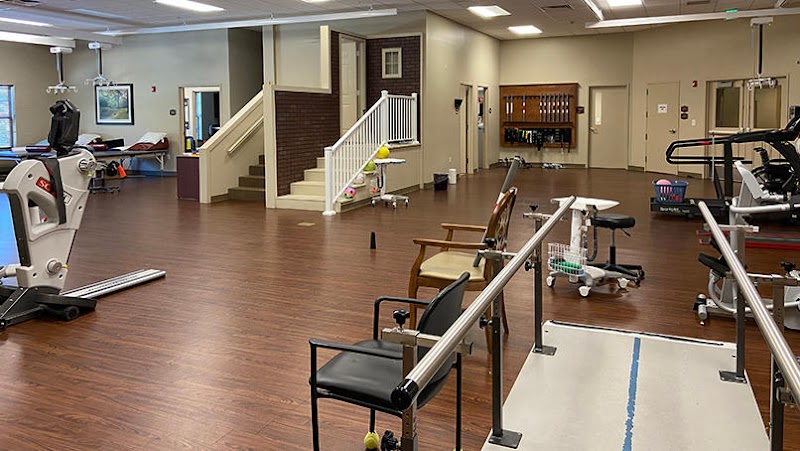
How Does Aspire Physical Recovery Center Of West Alabama Compare to Other Alabama Nursing Homes?

Compared to the 100 nursing homes in Alabama, ASPIRE PHYSICAL RECOVERY CENTER OF WEST ALABAMA's overall rating (4 stars) is above the state average of 3.0, staff turnover (67%) is significantly higher than the state average of 46%, and health inspection rating (4 stars) is above the national benchmark.

What Should Families Ask When Visiting Aspire Physical Recovery Center Of West Alabama?

Based on this facility's data, families visiting should ask: "How do you ensure continuity of care given staff turnover, and what is your staff retention strategy?" "Can I visit during a mealtime to observe dining assistance and food quality?" "How do you handle medical emergencies, and what is your hospital transfer rate?" "Can I speak with family members of current residents about their experience?" These questions are particularly relevant given the facility's high staff turnover rate.

Is Aspire Physical Recovery Center Of West Alabama Safe?

Based on CMS inspection data, ASPIRE PHYSICAL RECOVERY CENTER OF WEST ALABAMA has a clean safety record: no substantiated abuse findings (meaning no confirmed cases of resident harm), no Immediate Jeopardy citations (the most serious violation level indicating risk of serious injury or death), and is not on the Special Focus Facility watch list (a federal program monitoring the lowest-performing 1% of nursing homes). The facility has a 4-star overall rating and ranks #1 of 100 nursing homes in Alabama. While no facility is perfect, families should still ask about staff-to-resident ratios and recent inspection results during their visit.

Do Nurses at Aspire Physical Recovery Center Of West Alabama Stick Around?

Staff turnover at ASPIRE PHYSICAL RECOVERY CENTER OF WEST ALABAMA is high. At 67%, the facility is 21 percentage points above the Alabama average of 46%. Registered Nurse turnover is particularly concerning at 55%. RNs handle complex medical decisions and coordinate care — frequent RN changes can directly impact care quality. High turnover means new staff may not know residents' individual needs, medications, or preferences. It can also be disorienting for residents, especially those with dementia who rely on familiar faces. Families should ask: What is causing the turnover? What retention programs are in place? How do you ensure care continuity during staff transitions?

Was Aspire Physical Recovery Center Of West Alabama Ever Fined?

ASPIRE PHYSICAL RECOVERY CENTER OF WEST ALABAMA has no federal fines on record. CMS issues fines when nursing homes fail to meet care standards or don't correct problems found during inspections. The absence of fines suggests the facility has either maintained compliance or corrected any issues before penalties were assessed. This is a positive indicator, though families should still review recent inspection reports for the full picture.

Is Aspire Physical Recovery Center Of West Alabama on Any Federal Watch List?

ASPIRE PHYSICAL RECOVERY CENTER OF WEST ALABAMA is not on any federal watch list. The most significant is the Special Focus Facility (SFF) program, which identifies the bottom 1% of nursing homes nationally based on persistent, serious quality problems. Not being on this list means the facility has avoided the pattern of deficiencies that triggers enhanced federal oversight. This is a positive indicator, though families should still review the facility's inspection history directly.