FOREST MANOR HEALTH AND REHAB
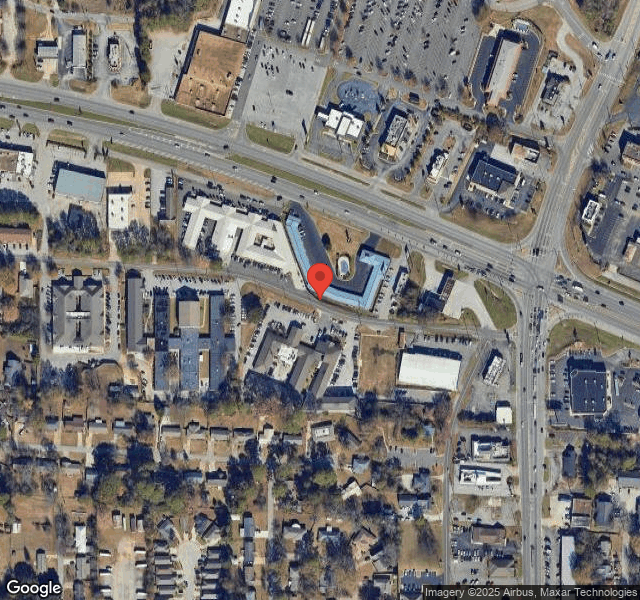
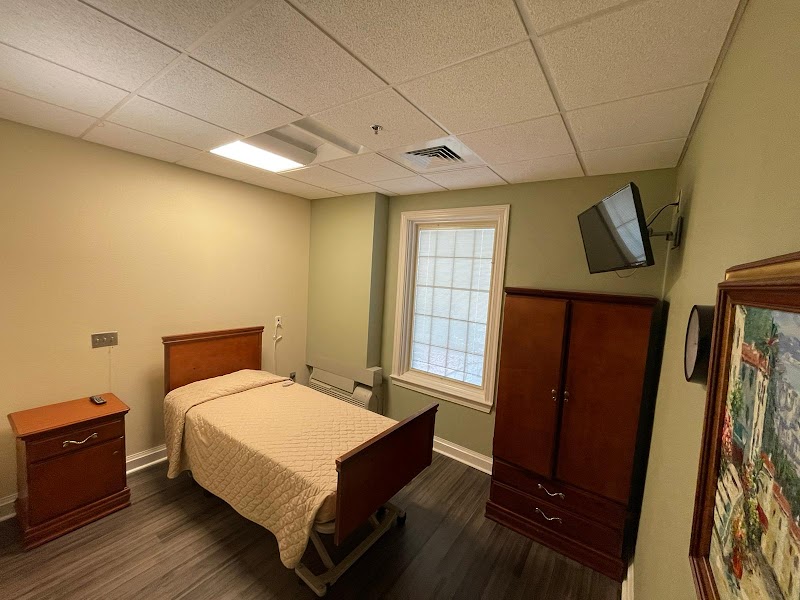
2215 32ND STREET, NORTHPORT, AL 35476 (205) 339-5400
For profit - Limited Liability company 182 Beds VENZA CARE MANAGEMENT Data: November 2025
Trust Grade
70/100
#107 of 223 in AL
Last Inspection: May 2021

Over 2 years since last inspection. Current conditions may differ from available data.

Overview

Forest Manor Health and Rehab has received a Trust Grade of B, indicating it is a good choice among nursing homes. It ranks #107 out of 223 facilities in Alabama, placing it in the top half, and #2 of 6 in Tuscaloosa County, meaning only one local option is better. The facility is improving, with issues decreasing from 2 in 2021 to just 1 in 2023. Staffing is average, with a 3 out of 5 rating and a turnover rate of 55%, which is higher than the state average. While there have been no fines, which is a positive sign, there have been concerns identified such as food items not being properly labeled and shower rooms not being well maintained, which could affect resident safety and comfort. Overall, the facility has strengths in its trust grade and lack of fines, but also has areas that need improvement, particularly in maintenance and food safety practices.

Trust Score
B
70/100
In Alabama
#107/223
Top 47%
Safety Record
Low Risk
No red flags
Inspections
Getting Better
2 → 1 violations
Staff Stability
⚠ Watch
55% turnover. Above average. Higher turnover means staff may not know residents' routines.
Penalties
✓ Good
No fines on record. Clean compliance history, better than most Alabama facilities.
Skilled Nurses
✓ Good
Each resident gets 44 minutes of Registered Nurse (RN) attention daily — more than average for Alabama. RNs are trained to catch health problems early.
Violations
○ Average
10 deficiencies on record. Average for a facility this size. Mostly minor or procedural issues.
★★★☆☆
3.0
Overall Rating
★★★☆☆
3.0
Staff Levels
★★★★☆
4.0
Care Quality
★★★☆☆
3.0
Inspection Score
Stable
2021: 2 issues
2023: 1 issues

The Good

  • 4-Star Quality Measures · Strong clinical quality outcomes
  • Full Sprinkler Coverage · Fire safety systems throughout facility
  • No fines on record

Facility shows strength in quality measures, fire safety.

The Bad

3-Star Overall Rating

Near Alabama average (2.9)

Meets federal standards, typical of most facilities

Staff Turnover: 55%

Near Alabama avg (46%)

Higher turnover may affect care consistency

Chain: VENZA CARE MANAGEMENT

Part of a multi-facility chain

Ask about local staffing decisions and management

The Ugly 10 deficiencies on record

Jun 2023 1 deficiency
CONCERN (E) 📢 Someone Reported This

A family member, employee, or ombudsman was alarmed enough to file a formal complaint

Potential for Harm - no one hurt, but risky conditions existed

Safe Environment (Tag F0584)

Could have caused harm · This affected multiple residents

Based on observation, interview, the facility's policies for Maintenance Service and Cleaning and Disinfection of Environmental Surfaces, and the facility's Housekeeper job description; the facility f...

Read full inspector narrative →
Based on observation, interview, the facility's policies for Maintenance Service and Cleaning and Disinfection of Environmental Surfaces, and the facility's Housekeeper job description; the facility failed to ensure 3 of 4 shower rooms in the long term care building were in good repair and free of grime build-up. In addition, the hallway at the entrance to the Station #2 Shower Room had water pooling under the linoleum tile, which was stained and peeling. This affected the shower rooms on Station #1, Station #2, and Station #3 and had the potential to affect 134 of 162 residents in the facility. Findings include: The facility's policy for Maintenance Service, with a revised date of December 2009, included the following: Policy Statement Maintenance service shall be provided to all areas of the building, grounds, and equipment. Policy Interpretation and Implementation 1. The maintenance department is responsible for maintaining the building, grounds, and equipment in a safe and operable manner at all times. 2. Functions of maintenance personnel include, but are not limited to: . b. maintaining the building in good repair and free from hazards. j. others that may become necessary or appropriate. The facility's policy for Cleaning and Disinfection of Environmental Surfaces, with a revised date of August 2019, included the following: Policy Statement Environmental surfaces will be cleaned and disinfected according to current CDC (Centers for Disease Control and Prevention) recommendations for disinfection of healthcare facilities and the OSHA (The Occupational Safety and Health Administration) bloodborne pathogens standard. Policy Interpretation and Implementation . 9. Housekeeping surfaces (e.g., floors, tabletops) will be cleaned on a regular basis, when spills occur, and when these surfaces are visibly soiled. 10. Environmental surfaces will be disinfected (or cleaned) on a regular basis (e.g., daily, three times per week) and when surfaces are visibly soiled. 11. Walls . will be cleaned when these surfaces are visibly contaminated or soiled. The facility's job description for Housekeeper, dated 01/01/2018, included the following: . Generally Reports to: Housekeeping Supervisor . SUMMARY Provides housekeeping services to ensure a safe, sanitary, and comfortable environment for residents . ESSENTIAL DUTIES AND RESPONSIBILITIES include the following. Other duties may be assigned. Cleans (dust, dry mop, wet mop, sanitize, scrub) assigned resident rooms, bathrooms, and common areas daily . Cleans walls . Disposes of trash and waste . An observation of the Station #2 Shower Room was made on 06/28/2023 at 4:20 PM. The linoleum floor tiles in the hall just in front of the shower room door were stained and peeling. Water was pooled beneath the linoleum floor tiles. Seventeen linoleum floor tiles, each approximately one-foot square, were affected by the standing water. In addition, the metal door frame at the entrance to the shower room was rusted and eroded at varying heights from the floor level, approximately one to three inches up the frame. Water also appeared to be pooled up under the ceramic tile of the shower room near the doorway. When the door sill/threshold was stood upon by an individual, water was pushed out onto the linoleum tiles in the hallway. Inside the shower room, there were two ceramic floor tiles missing by the floor drain and three more missing near the shower room doorway. In addition, there was a build-up of dark residue/grime around the ceramic floor tiles and the lower ceramic wall tiles. An observation of the Station #1 Shower Room was made on 06/28/2023 at 4:30 PM. Employee Identifier (EI) #4, an Licensed Practical Nurse, (LPN) said the residents on Station #1 were using both the Station #1 Shower Room and one on the [NAME] hallway, the Station #3 Shower Room. The Station #1 Shower Room had 29 missing ceramic floor tiles. The Station #1 Shower Room's floor drain had a build-up of grime and the room had a musty odor. The shower room contained a shower chair and a shower bed. The pad on the shower bed had five long cuts and some additional smaller cuts in the vinyl, which exposed the beige pad underneath. There was a build-up of black residue visible on the beige pad at the vinyl cut sites. An observation of the Station #3 Shower Room was made on 06/28/2023 at 4:42 PM. The framework for the ceiling tiles was rusted and there was one missing ceramic wall tile at a corner near the floor. In addition, there was a build-up of dark residue between the floor tiles. On 06/28/2023 at 4:48 PM, a tour of the shower rooms was conducted with EI #3, the Housekeeping Supervisor and Maintenance Director, beginning with the Station #3 Shower Room. EI #3 said the Station #3 Shower Room was used by the residents from both Stations #1 and #3. Upon viewing the shower floor with EI #3, it was observed that grout had eroded from between the actual shower area floor tiles. EI #3 said skin tears would be a concern due to the exposed tile edges. Upon viewing the status of the floor, the rusted ceiling framework, and the missing wall tile; EI #3 said the Station #3 Shower Room was not homelike. At 5:00 PM, the Station #1 Shower Room was viewed with EI #3. Upon seeing the missing floor tiles, the grime build-up, and the cuts with the dark residue in the shower bed pad; EI #3 said the Station #1 Shower Room was not sanitary, clean, or homelike. At 5:07 PM, the Station #2 Shower Room was viewed with EI #3. Upon viewing the damaged linoleum tile in the hallway, EI #3 said there had been a previous issue with drainage, but he did not know what was causing the water build-up beneath the tiles. After seeing the missing floor tiles, the ceiling rust, and the dark grime build-up between the ceramic floor and wall tiles; EI #3 said the Station #2 Shower Room had not been cleaned properly and that it was not sanitary or homelike. On 06/28/2023 at 6:10 PM, EI #1, the Administrator, said he was aware of the water under the linoleum tile building up, but he had not seen the crack in the tile until today. On 06/29/2023 at 9:25 AM, EI #8, a Housekeeper, was interviewed. EI #8 said the Station #1 Shower Room was currently in use. EI #8 said she knew the floor was a bit of a mess, and that the floor tiles needed to be replaced. On 06/29/2023 at 11:07 AM, EI #10, an LPN, was interviewed. EI #10 said she had known about the issue with the linoleum tile in the hall outside of the Station #2 Shower Room for about a week and a half. EI #10 said she reported it to (Name of EI #3), the Maintenance Director. On 06/29/2023 at 11:30 AM, EI #2, the Director of Nursing was interviewed while viewing the Station #1 Shower Room. EI #2 said the shower bed/stretcher pad had tears in the cushion and needed to be replaced. EI #2 said she would expect the CNAs to report to her or to Maintenance that the shower bed/stretcher pad needed to be looked at or replaced. EI #2 said the torn shower bed/stretcher pad was an infection control issue. EI #2 further said it could be a safety issue due to the potential for skin tears and skin breakdown.
May 2021 2 deficiencies
CONCERN (D)

Potential for Harm - no one hurt, but risky conditions existed

Respiratory Care (Tag F0695)

Could have caused harm · This affected 1 resident

**NOTE- TERMS IN BRACKETS HAVE BEEN EDITED TO PROTECT CONFIDENTIALITY** Based on observation, interview, record review and review of a facility policy titled Administering Medications through a Small ...

Read full inspector narrative →
**NOTE- TERMS IN BRACKETS HAVE BEEN EDITED TO PROTECT CONFIDENTIALITY** Based on observation, interview, record review and review of a facility policy titled Administering Medications through a Small Volume (Handheld) Nebulizer, the facility failed to ensure Resident Identifier (RI) #112's nebulizer mask was stored as per facility policy when not in use. This affected one of one resident sampled for respiratory care. Findings include: A review of the facility policy titled Administering Medications through a Small Volume (Handheld) Nebulizer with a revised date of October 2010 revealed, Purpose The purpose of this procedure is to safely and aseptically administer aerosolized particles of medication into the resident's airway.Steps in the Procedure .29. When equipment is completely dry, store in a plastic bag with the resident's name and the date on it. RI #112 was admitted to the facility on [DATE] with a diagnosis of Acute on Chronic Respiratory Failure with hypoxia. A review of RI #112's order summary report with a date of May 12, 2021 revealed, Ipratropium-Albuterol Solution 0.5-2.5 (3) MG (milligrams)/3 ML (milliliters) 3 ml inhale orally three times a day for bronchodilator . order date 4/14/21 . On 5/11/21 at 8:43 AM, an observation was made of RI #112's nebulizer mask sitting upright in the holder on a nebulizer machine. The nebulizer mask was not covered. On 5/12/21 at 9:37 AM, an observation was made of RI #112's nebulizer mask lying beside the nebulizer machine that was sitting on the bedside table. The mask was not covered and there was residue in the mask. On 5/12/21 at 9:40 AM, an interview was conducted the Employee Identifier (EI) #7, Registered Nurse (RN). EI #7 was called to RI #112's room. EI #7 was asked, what should the nebulizer mask be stored in. EI #7 replied, the mask was supposed to be stored in a plastic bag. On 5/13/21 at 8:17 AM, an interview was conducted with EI #2, Director of Nursing. EI #2 was asked, how should nebulizer masks be stored. EI #2 replied, in a plastic bag that was dated. EI #2 was asked, what was the risk to the resident when a nebulizer mask was not stored in a plastic bag. EI #2 replied, infection.
CONCERN (F)

Potential for Harm - no one hurt, but risky conditions existed

Food Safety (Tag F0812)

Could have caused harm · This affected most or all residents

Based on observations, interviews and a review of a facility policy titled, Labeling and Dating Foods (Date Marking), the facility failed to ensure food items in the cooler, freezer and dry storage ar...

Read full inspector narrative →
Based on observations, interviews and a review of a facility policy titled, Labeling and Dating Foods (Date Marking), the facility failed to ensure food items in the cooler, freezer and dry storage area were labeled. This had the potential to affect 121 of 121 residents who received meals from the kitchen. Findings Include: A review of a facility policy titled, Labeling and Dating Foods (Date Marking) with no effective date, revealed: Guideline: . 1. Date marking for dry storage food items . dry food items will be dated with the date the case was received into the facility and will be using, first in-first out .3. Frozen food packages removed from the case will be dated with the date, the item was received into the facility and will be stored using the first in-first out .4. Prepared food or opened food items should be discharged when: . the food item is older than the expiration date . On 5/11/21 at 8:26 AM, the surveyor observed in the dry storage area, two packages of taco shells out of the original container on shelves, with no date. The surveyor noted a discolored soft taco shell and the bottom of the taco package was hard. The surveyor also observed there to be tomatoes cut in half in a box with other tomatoes wrapped with saran wrap with no label in the cooler. In the freezer, the surveyor observed French fries out of the original container in a medium bag wrapped with saran wrap with no label on it. On 5/12/21 at 4:08 PM, an interview was conducted with EI (Employee Identifier) #5, Dietary Manager. EI #5 was asked, what was in the dry storage with no label on it. EI #5 said, tortilla wraps. EI #5 was asked, what was in the freezer with no label on it. EI #5 replied, French fries. EI #5 was asked, what was in the cooler with no label on it. EI #5 replied, a tomato. EI #5 was asked, why was there no label on the food items. EI #5 said, they did not date it. EI #5 was asked, what was the facility's policy on labeling food items in dry storage, the cooler and the freezer. EI #5 replied, label it as you open it. EI #5 was asked, who was responsible for labeling food items in dry storage, the cooler and the freezer. EI #5 said, the person that was utilizing the product. EI #5 was asked, when should food items be labeled. EI #5 replied, when they come in. EI #5 was asked, why was it important that food items be labeled. EI #5 said, do not want it to go bad, or get anyone sick.
Apr 2019 5 deficiencies
CONCERN (D)

Potential for Harm - no one hurt, but risky conditions existed

Comprehensive Care Plan (Tag F0656)

Could have caused harm · This affected 1 resident

**NOTE- TERMS IN BRACKETS HAVE BEEN EDITED TO PROTECT CONFIDENTIALITY** Based on observation, interviews and review of the facility policy titled, . Basic Care Protocol the facility failed to ensure b...

Read full inspector narrative →
**NOTE- TERMS IN BRACKETS HAVE BEEN EDITED TO PROTECT CONFIDENTIALITY** Based on observation, interviews and review of the facility policy titled, . Basic Care Protocol the facility failed to ensure baths were provided for Resident Identifier's (RI) #86 and #140, according to the individualized plan of care for these residents. This affected RI #s 86 and 140, two of thirty-one residents whose care plans were reviewed. Findings Include: A review of a facility policy titled, Basic Care Protocol, last revised date 12/5/18, revealed the policy was to provide basic care daily for all residents. The procedure included: . 7. Tub bath/shower as scheduled and as needed. 12. Nail care provided . as needed. 1) RI #86 was admitted to the facility on [DATE] with diagnosis to include: Quadriplegia and Type 2 diabetes mellitus. A review of RI #86's care plan documented the following: . Problem Onset: 4/5/17 . Requires total care for ADL's: Dressing, Grooming, Hygiene & Bathing R/T (related to) Quadriplegic. Goal: . To be clean, Groomed . Approaches: . Follow Basic Care Protocol . Assist for Grooming, Bathing & Hygiene Daily . An interview was conducted on 3/26/19 at 2:06 P.M. with RI #86. RI #86 stated that day was the first day he/she had had a bath in four days, since the resident had moved to that unit a week ago. RI #86 said he/she was supposed to have a bath on the eleven to seven shift, but the morning shift had to do it. The facility provided documentation to show that RI #86 had only received a bath on 3/20/19, plus the one provided on 3/26/19, on the 7-3 shift. 2) RI #140 was re-admitted to the facility on [DATE] with diagnoses to include Cognitive Communication Deficit, Dementia and Anxiety Disorder. A review of the Quarterly Minimum Data Set (MDS) assessment dated [DATE] revealed RI #140 was totally dependent on staff for bathing. RI #140 was coded as requiring extensive assistance for all ADLs with the exception of eating, that required limited assistance. A review of RI #140's care plan documented the following: . Problem Onset: 09/06/2018 I NEED ASSISTANCE WITH ACTIVITIES OF DAILY LIVING DUE . Approaches . Follow Basic Care Protocol . ASSIST X 1 (person) WITH BATHING, DRESSING, TOILETING, BED MOBILITY AND PERSONAL HYGIENE . An observation was made of RI #140 on 3/26/19 at 2:56 PM with Employee Identifier (EI) #6, a Certified Nursing Assistant (CNA). After the CNA washed her hands and put on gloves she exposed both of RI #140's feet. There was an excessive amount of dead skin that the CNA rubbed loose with her gloved hand. EI #6 reported, It's dead skin. All dead skin. It could come off during a bath. EI #6 was asked when should RI #140's feet be cared for. EI #6 answered every day, each shift. EI #6 was asked what she was trained regarding ADL care for dependent residents. EI #6 answered they are to do everything for them that they cannot do. EI #6 was asked what was the concern of ADL care not being provided for dependent residents. EI #6 answered possible breakdown, body odor or being depressed about the lack of care. EI #6 was asked what was the facility policy regarding following the plan of care. EI #6 answered. do what it says. On 03/27/19 at 10:33 AM, an interview was conducted with EI #23, a Registered Nurse/Care Plan Coordinator. EI #23 was asked what was the purpose of the person-centered plan of care. EI #23 answered to be individualized for the wants and needs of the resident. EI #23 was asked how was it supposed to be utilized. EI #23 answered it was supposed to be known and used for staff to care for the resident. EI #23 was asked what was the concern of not following the plan of care. EI #23 answered the residents needs and wants may not be adequately met.
CONCERN (D)

Potential for Harm - no one hurt, but risky conditions existed

Deficiency F0658 (Tag F0658)

Could have caused harm · This affected 1 resident

**NOTE- TERMS IN BRACKETS HAVE BEEN EDITED TO PROTECT CONFIDENTIALITY** Based on interviews, medical record review, review of the facility's policy titled, PHYSICIAN'S ORDER POLICY AND PROCEDURE, and ...

Read full inspector narrative →
**NOTE- TERMS IN BRACKETS HAVE BEEN EDITED TO PROTECT CONFIDENTIALITY** Based on interviews, medical record review, review of the facility's policy titled, PHYSICIAN'S ORDER POLICY AND PROCEDURE, and review of [NAME] NINTH EDITION, the facility failed to: 1. ensure physician's orders were followed by applying a three layer compression dressing from base of the toes to the knees for Resident Identifier (RI) #197 on the dates of 12/29/19, 12/30/19, and 12/31/19; 2. ensure a Physician's Order was complete with a route and frequency for RI #61 and 3. ensure RI#198 did not take an unsampled resident's medication home upon discharge from the facility. This had the potential to affect one of two resident's who were ordered compression dressing application, one of thirty-one residents whose physician's orders were reviewed for care and one discharged residents. Findings Include: 1. A review of the facility's policy titled, PHYSICIAN'S ORDER POLICY AND PROCEDURE, revealed: . PHYSICIAN'S ORDERS ARE CARRIED OUT UNLESS THE NURSE OR OTHER LICENSED PERSONNEL BELIEVE THE ORDER TO BE INACCURATE, NON EFFICACIOUS, OR CONTRAINDICATED. IN THIS CASE, THE NURSE OR OTHER LICENSED PERSONNEL WILL SEEK CLARIFICATION BY CONSULTING WITH THE PHYSICIAN. RI #197 was admitted to the facility on [DATE] with diagnoses to include Acute Embolism and Thrombosis of the Left Femoral Vein and Acute Embolism and Thrombosis of Right Tibial Vein. A review of the Physician's order dated 12/27/18 revealed: . 3-layered COMPRESSION DRESSING FROM BASE OF TOES TO KNEES BILATERAL LEGS FOR ONE WEEK. Discontinued Date: 12/31/18 . A review of RI #197's TAR (Treatment Administration Record) revealed RI #197 did not receive the compression dressing from the bilateral base of toes to the knees on 12/29/18, 12/30/18 and 12/31/18. A phone interview was conducted on 3/27/19 at 11:57 a.m. with Employee Identifier (EI) #8, a former employee and Licensed Practical Nurse/Wound Nurse. EI #8 was asked what was her position at the facility. EI #8 responded, Wound Nurse at the Rehabilitation Center. EI #8 was asked, did she remember RI #197. EI #8 replied, no. EI #8 was asked, where would a task regarding wound care be documented. EI #8 replied, it would be on the TAR in the computer. EI #8 went on to explain that if she had been pulled to work a medication cart and had to give medications, then she was unable to perform her duties as a Wound Care Nurse as listed in her job description. EI #8 explained the responsibilities of the wound treatments would be transferred to the nurse working on that specific cart. EI #8 was asked why there was no documentation on the TAR that the 3 layer compression dressings were applied on 12/29/18, 12/30/18 and 12/31/18. EI #8 responded, the 29 th and 30th were both on the weekend and she did not work the weekend, so it would be the responsibility of the nurse on the medication cart to provide the treatment. EI #8 further explained, she was probably on a medication cart on the 31 st because it was a holiday. 2. A review of [NAME] Fundamentals of Nursing Ninth Edition, Chapter 32, page 626, revealed: . STANDARDS Standards are actions that ensure safe nursing practice. Standards for medication administration are set by health care agencies and the nursing profession. Professional standards such as Nursing: Scope and Standards of Practice . apply to the activity of medication administration. To prevent medication errors, follow the six rights of medication administration consistently every time you administer medications. Many medication errors can be linked in some way to and inconsistency in adhering to these six rights: 1. The right medication 2. The right dose 3. The right patient 4. The right route 5. The right time 6. The right documentation . RI #61 was re-admitted to the facility on [DATE] with diagnoses to include Essential Hypertension, Cardiac Arrhythmia's and Edema. A review of the medication orders for RI #61 revealed, . Order Date 10/30/18 Start Date 10/30/18 . Interval Code PRN (as needed) Time Code PRN LASIX 20 MG (Milligrams) TABLET-(EDEMA) ****NOT TO EXCEED 2 TIMES PER WEEK***** MAKE SURE TO CHECK LAST ADMINISTRATION . An interview was conducted on 3/27/19 at 9:31 AM with EI #4, a Registered Nurse. EI #4 was asked who transcribed the PRN Lasix order for RI #61. EI #4 answered she did. EI #4 was asked what were the components of a complete medicine order. EI #4 answered dose, time, patient, route, diagnosis and frequency. EI #4 was asked what was missing from that order. EI #4 answered a frequency and the route. EI #4 was asked what was the concern of an incomplete medication order. EI #4 answered could possibly cause a medication error. 3. A review of the facility's policy titled, Medication Administration, revealed .12. Remember the 7 RIGHTS of medication administration. A. Right resident B. Right drug C. Right dose D. Right route E. Right time F. Right reason G. Right documentation . RI#198 was admitted to the facility on [DATE] and discharged on 2/22/19. A review of RI# 198 chart revealed the following: Nurses notes dated 2/25/2019 that the resident discharged with incorrect medication. A MEDICATION ERROR REPORT Date of error: 2/25/19. RI#198 CONTROLLED SUBSTANCE RECORD . Hydrocodone-APAP 5-325mg .amount remaining 34. Unsampled Resident Number #1 (USR#) CONTROLLED SUBSTANCE RECORD .Hydrocodone-APAP 7.5-325mg .amount remaining 10. RI#198 Discharge summary dated [DATE] was documented the resident was discharged with Hydrocodone/ Acetaminophen (Norco) 5mg/325 mg, (46) was handwritten beside the medication. An phone interview was conducted with the complainant 4/11/19 at 8:25 am. The complainant, stated they were sent home with USR #1(she named the resident's name) medication of Norco 7.5 mg. The complainant reported she discarded the medication and kept the package. On 4/11/19 at 10:29 the surveyors interview with EI #3, Director of Nursing. The surveyor asked what was the facility's policy regarding discharging a resident and dispensing medication or medication sent home with a resident. EI #3 responded, follow the order that was given for discharge. The surveyor asked did she have a system in place to document the medication sent home with a resident. EI #3 responded yes. The surveyor asked what was that system. EI #3 responded it was a print out of the meds sent, a computer print out. The surveyor asked where was that documented. EI #3 responded the family signs the control substance record and the other was a printed discharge summary. The actual number that was sent home with the resident was handwritten on the discharge summary beside each drug. The surveyor asked, regarding the control record for Norco 5mg for RI #198, how many tablets ere verified remaining that was signed by complainant. EI #3 replied thirty-four. The surveyor asked was that the record for RI #198's discharge. EI #3 replied yes, RI #198. The surveyor asked was the signature of RI# 198's family member on the control record for Norco 5 mg document. EI #3 replied it was RI #198's sponsor signature. The surveyor asked would that indicate that was the medication amount and dosage RI #198 took home. EI #3 responded yes. The surveyor asked what number was handwritten on RI #198 discharge summary of Norco 5 mg. EI #3 replied 46 tablets. The surveyor asked who was responsible for ensuring the resident was discharged with the correct medication. EI #3 responded the nurse discharging the resident. The surveyor asked how was that insured. EI #3 responded, the nurse should compare the actual medication to the discharge print out of medications ordered. The surveyor asked, was the medication compared and verified for RI #198. EI #3 responded, she was going to assume not because it was not correct. The surveyor asked was there a difference in the number of pills actually sent than what was documented. EI #3 replied, yes, she assumed the actual difference was the other resident's pills that were sent home with RI #198. The surveyor asked, what was the name on the other narcotic record. EI# 3 responded, USR #1(she gave resident's name). The surveyor asked what was the medication. EI #3 responded, Norco 7.5 mg. The surveyor asked what was the total amount remaining. EI#3 stated, ten tablets. She was asked whose signature was on the record. EI # 3 stated sponsor/ complainant. The surveyor asked, was the complainant the sponsor for USR #1. EI# 3 responded, no. The surveyor asked, was there a date for the signature documented on USR #1 narcotic record. EI# 3 responded, no. The surveyor asked why did she document the investigation on 2/26/19 (Medication Error Report). EI# 3 stated, because the wrong resident's medication was sent home with another resident. The surveyor asked, what did their investigation determine was the cause of sending the wrong medication home with RI #198. EI# 3 responded, failure to compare medication to the orders. The Surveyor asked, what was the potential harm for sending the wrong medication home with a resident. EI# 3 responded, resident receiving the wrong medication. The surveyor conducted a phone interview with EI #14 at 11:57 am. EI #14 was the nurse who discharged RI #198 home with another resident's medication. The surveyor asked did she remember the incident regarding RI #198's discharge. EI #14 responded yes. The surveyor asked what did she remember about it. EI #14 stated, she did RI #198 discharge, when she pulled the resident's medication, she pulled the wrong person's medication that had the same last name. The surveyor asked, what did she do with wrong the medication. EI #14 stated, she gave it to RI #198's family to take home. The surveyor asked did the facility have a policy regarding discharging residents. EI #14 responded, EI #3 gave her a policy and refresher on discharging residents and she did a write up on it. The survyeor asked, was the wrong medication she sent home with RI #198 a narcotic. EI #14 said yes, but it was the same medication RI #198 was taking, it was just the wrong person, the last name was the same. The surveyor asked, what was the potential harm for sending home the wrong resident's medication to another resident. EI #14 responded, anything from minor to reaction to death, depending on the resident's condition and the medication. This regulatory violation was cited as the result of the investigation of Complaint # AL00036204 and #AL00036205.
CONCERN (D)

Potential for Harm - no one hurt, but risky conditions existed

ADL Care (Tag F0677)

Could have caused harm · This affected 1 resident

**NOTE- TERMS IN BRACKETS HAVE BEEN EDITED TO PROTECT CONFIDENTIALITY** 2) RI #86 was admitted to the facility on [DATE] with diagnosis to include Quadriplegia and Type 2 diabetes mellitus. A review ...

Read full inspector narrative →
**NOTE- TERMS IN BRACKETS HAVE BEEN EDITED TO PROTECT CONFIDENTIALITY** 2) RI #86 was admitted to the facility on [DATE] with diagnosis to include Quadriplegia and Type 2 diabetes mellitus. A review of RI #86's care plan documented the following: . Problem Onset: 4/5/17 (RI #86) Requires total care for ADL's . Approaches: .Follow Basic Care Protocol . Bathing & Hygiene daily . An interview was conducted on 3/26/19 at 02:06 P.M. with RI #86. RI #86 stated that day was the first day he/she had had a bath in four days. He/she said he/she was supposed to have a bath on the 11-7 shift, but the morning shift had to do it. The facility provided documentation to show that RI #86 had only received a bath on 3/20/19, plus the one provided on 3/26/19, on the 7-3 shift. An interview was conducted on 3/27/19 at 07:46 A.M. with EI #15. EI #15 was asked, did she have difficulty giving residents their baths during her shift. EI #15 replied, she needed more time on the shift. EI #15 was asked did she know of any residents to miss their baths. EI #15 replied, it depended on how short they were. EI #15 was asked had anyone missed a bath. EI #15 replied, yes, when it was just her. This regulatory violation was cited as the result of the investigations of Complaint # AL00036092. Based on observation, interviews and review of the facility policy titled, Basic Care Protocol, the facility failed to ensure Activities of Daily Living (ADLs) care was provided regarding bathes for RI #140 and and RI #86. This affected RI #140 and #86, two of two residents who were not provided complete baths as scheduled. Findings Include: A facility policy titled, Basic Care Protocol, revised on 12/5/18, revealed, Objective: To maintain physical, mental and psychosocial well-being of residents. Policy: Basic care will be provided daily for all residents. Procedure: .7. Tub bath/shower as scheduled and as needed. 12. Nail care provided . as needed. 1) RI #140 was re-admitted to the facility on [DATE] with diagnoses to include Cognitive Communication Deficit, Dementia and Anxiety Disorder. A review of the Quarterly Minimum Data Set (MDS) assessment dated [DATE] revealed RI #140 was totally dependent on staff for bathing. RI #140 was coded as requiring extensive assistance for all ADLs with the exception of eating, that required limited assistance. A review of RI #140's care plan documented the following: . Problem Onset: 09/06/2018 I NEED ASSISTANCE WITH ACTIVITIES OF DAILY LIVING . Approaches *ASSIST . WITH BATHING . PERSONAL HYGIENE . An interview was conducted with the sponsor for RI #140 on 3/26/19 at 11:05 AM. The sponsor reported RI #140's toe nails needed attention. The sponsor added RI #140's hair looked greasy and RI #140 had a body odor. The sponsor also came often at lunch to assist with the resident's feeding, if staff were not available. On 3/26/19 at 2:56 PM, an observation was made of RI #140 being provided with care by Employee Identifier (EI) #6, a Certified Nursing Assistant (CNA). After EI #6 washed her hands and put on gloves she exposed both of RI #140's feet. There was an excessive amount of dead skin that the CNA rubbed loose with her gloved hand. On the end of the left small toe there was a piece of thick dead skin about the size of a pencil eraser that the CNA dislodged with her gloved finger. EI #6 reported, It's dead skin. All dead skin. It could come off during a bath. The CNA was asked about the condition of the toe nails. She reported the left great toe, third toe and fourth toe nails needed to be trimmed. The right fifth toe nail needed to be trimmed. EI #6 was asked when should RI #140's feet be cared for. EI #6 answered every day, each shift. EI #6 was asked when should RI #140 be bathed. EI #6 answered on the 11 PM - 7 AM shift. EI #6 was asked why would the bath not be done. EI #6 said, probably did not have enough workers, that was the only reason. EI #6 added when staff are rushing and trying to get things done, some things are neglected. EI #6 was asked what she was aware of regarding residents not getting baths on 11-7. EI #6 answered CNAs have said they were not able to give all the baths they were supposed to. An interview was conducted on 3/27/19 at 6:58 AM with EI #7, a CNA. EI #7 was asked if she was assigned to care for RI #140 the last shift and she answered yes. EI #7 was asked when RI #140 was supposed to get a bath and she answered on the 11-7 shift. EI #7 was asked to observe RI #140's feet and was then asked why there was a heavy build-up of dead flaky skin. EI #7 answered because they did not have time to give a thorough bath and lotion them up. EI #7 was asked why she had difficulty giving residents baths during her shifts. EI #7 answered they have to many residents with usually only two CNAs. EI #7 was asked what assignments she was not able to complete. EI #7 answered she had to give rushed baths.
CONCERN (D)

Potential for Harm - no one hurt, but risky conditions existed

Deficiency F0804 (Tag F0804)

Could have caused harm · This affected 1 resident

Based on observation and interviews the facility failed to serve a palatable food to the residents on 3/24/19 for the evening meal This had the potential to affect 8 of 139 residents who received meal...

Read full inspector narrative →
Based on observation and interviews the facility failed to serve a palatable food to the residents on 3/24/19 for the evening meal This had the potential to affect 8 of 139 residents who received meals from the kitchen. Findings Include: On 03/19/2019 the State Agency received a complaint that the facility food is awful. No other detail was given. On 03/24/19 at 5: 53 PM, the surveyor conducted a test of a food tray that was taken to the Station Two hall. The served country fried steak was noted to be tough and very bland to taste. On 03/24/19 at 6:16 PM, Resident Identifier #71 stated he/she did not like the food because it had no flavor. On 3/25/19 at 8:20 AM, an unsampled resident reported the food was not the quality it use be. She reported the food was good last August but in the last two months the food had changed. On 03/25/2019 at 10:30 AM, a Resident Council Meeting was conducted with nine residents in attendance. Of the nine, seven residents voiced there was no flavor to the food. On 03/27/2019 at 9:13 AM, an interview was conducted with Employee Identifier (EI) #20, the cook. EI #20 was asked if she tried the country fried steak on Sunday night. EI #20 answered, It was ok. She was asked if it was bland and she stated, some what. EI #20 was then asked if it was tough and she replied Not too tough. This regulatory violation was cited as the result of the investigation of Complaint # AL00036205.
CONCERN (E)

Potential for Harm - no one hurt, but risky conditions existed

Deficiency F0725 (Tag F0725)

Could have caused harm · This affected multiple residents

**NOTE- TERMS IN BRACKETS HAVE BEEN EDITED TO PROTECT CONFIDENTIALITY** Based on observations, interviews, medical record review and a review of the facility's policy titled, Staffing, the facility fa...

Read full inspector narrative →
**NOTE- TERMS IN BRACKETS HAVE BEEN EDITED TO PROTECT CONFIDENTIALITY** Based on observations, interviews, medical record review and a review of the facility's policy titled, Staffing, the facility failed to ensure there was sufficient staff available on a twenty four hour basis to meet the needs of the residents related to: 1. compression dressings not being applied to RI #197's bilateral legs as ordered; 2. baths and care not being provided for RI #s 140, 93 and 86 as care planned and 3. staff, residents and family members reporting the inability of staff to meet the needs of residents. This affected four of thirty-one sampled residents on 2 of 6 halls. Findings Include: A review of the facility's policy titled, Staffing, dated 3/27/19, revealed: . Policy Statement Our facility provides adequate staffing to meet the needed care and services for our resident population. Policy Interpretation and Implementation 1. Our facility maintains adequate staffing on each shift to ensure that our resident's needs and service are met. 2. Certified Nursing Assistants are available on each shift to provide the needed care and services of each resident as outlined on the resident's comprehensive care plan. 5. Inquires or concerns relative to our facility's staffing should be directed to the Administrator or his/her designee. 1) Resident Identifier (RI) #197 was admitted to the facility on [DATE] with diagnoses to include Acute Embolism and Thrombosis of the Left Femoral Vein and Acute Embolism and Thrombosis of the Right Tibial Vein. A review of the Physician's order dated 12/27/18 revealed: . 3-layered COMPRESSION DRESSING FROM BASE OF TOES TO KNEES BILATERAL LEGS FOR ONE WEEK. Discontinued Date: 12/31/18 . A review of RI #197's TAR (Treatment Administration Record) revealed RI #197 did not receive the compression dressing from the bilateral base of toes to the knees on 12/29/18, 12/30/18 and 12/31/18. On 3/27/19 at 11:57 AM, a phone interview was conducted with Employee Identifier (EI) #8 the Licensed Practical Nurse/Wound Nurse. EI #8 was asked, what was her position at the facility. EI #8 replied, she was the Wound Nurse at the Rehab (Rehabilitation Unit). EI #8 was asked, was there a reduction in the amount of staff assigned to the units. EI #8 responded, yes. EI #8 was asked if she recalled when the reduction started. EI #8 response was, it was a gradual process since the first of the year (2019). EI #8 was asked if she thought the reduction in staff affected the care the resident's received. EI #8 replied, yes, she did. EI #8 was asked how many residents were on each station. EI #8 responded, up to fifty four per nurse on the 11-7 shift, depending on the census. EI #8 was asked if she remembered RI #197. EI #8 replied, no. EI #8 was asked, if she performed a task regarding wound care, where would it be documented to verify it was completed. EI #8 responded, it would be on TAR in the computer. EI #8 went on to say if she was pulled to work on the medication cart to give medications, then she was unable to perform her duties as a wound care nurse. The responsibility would then be transferred to the nurse on that specific cart. EI #8 was asked why there was no documentation on the TAR that the compression dressing was applied to RI #197's legs on 12/29/18, 12/30/18, and 12/31/18. EI #8 replied, 12/29/18 and 12/30/18 were during the weekend and she did not work the weekend, it would be the responsibility of the nurse working the medication cart to apply the dressing. EI #8 stated she was probably working a medication cart on 12/31/18 because it was a holiday. 2) RI #140 was re-admitted to the facility on [DATE] with diagnoses to include Cognitive Communication Deficit, Dementia and Anxiety Disorder. A review of RI #140's care plan documented the following: . Problem Onset: 09/06/2018 I NEED ASSISTANCE WITH ACTIVITIES OF DAILY LIVING (ADL) *ASSIST X 1 (person) WITH BATHING, . PERSONAL HYGIENE . An interview was conducted with the sponsor for RI #140 on 3/26/19 at 11:05 AM. The sponsor reported RI #140's toe nails needed attention. The sponsor added RI #140's hair looked greasy and RI #140 has had a body odor. The sponsor reported she came at lunch often because she was not sure if there was enough staff to feed RI #140. An observation was made to follow up on the sponsor's concerns on 3/26/19 at 2:56 PM with EI #6, a Certified Nursing Assistant (CNA). After the CNA washed her hands and put on gloves she exposed both of RI #140's feet. There was an excessive amount of dead skin that the CNA rubbed loose with her gloved hand. EI #6 reported, It's dead skin. All dead skin. It could come off during a bath. EI #6 was asked when should RI #140's feet be cared for. EI #6 answered every day, each shift. EI #6 was asked when should RI #140 be bathed. EI #6 answered on the 11p-7a shift. EI #6 was asked why would the bath not be done. EI #6 probably did not have enough workers, that was the only reason. EI #6 added when staff were rushing and trying to get things done, some things were neglected. EI #6 was asked what she was aware of regarding residents not getting baths on 11-7 shift. EI #6 answered CNAs have said they were not able to give all the baths they were supposed to. EI #6 was asked which residents. EI #6 answered RI #86 and RI #93 both told her they had not had baths on Sunday. EI #6 reported she gave RI #93 a bath after she got to work on Sunday. She added RI #93 had said someone came in there and dried him/her and turned him/her, but just did not have time to give him/her their bath. EI #6 was asked what she was trained regarding ADL care for dependent residents. EI #6 answered we are to do everything for them that they(residents) cannot do. An interview was conducted on 3/27/19 at 6:58 AM with EI #7, a CNA. EI #7 was asked if she was assigned to care for RI #140 last shift and she answered yes. EI #7 was asked when RI #140 was supposed to get a bath and she answered on the 11-7 shift. EI #7 was asked to observe RI #140's feet and was asked why there was a heavy build-up of dead flaky skin. EI #7 answered because they did not have time to give a thorough bath and lotion them up. EI #7 added that on Monday March the 3rd she had 48 residents by herself and she was expected to provide baths. EI #7 was asked why she had difficulty giving residents baths during her shifts. EI #7 answered they have to many residents with usually only two CNAs. EI #7 was asked were the residents needs being met and she answered no. EI #7 was asked how many residents she was responsible for on a regular basis during her shift. EI #7 answered 22, with 48 one time. EI #7 was asked if she had enough time to complete her required assignments each day and she answered no. EI #7 was asked what assignments she was not able to complete. EI #7 answered she had to give rushed baths, could not put ice out, some residents are a 2 person assist and they could not do 2 person assist when they were the only aides. An interview was conducted on 3/27/19 at 7:19 AM with EI #5, a Licensed Practical Nurse. EI #5 was asked what other ADL tasks were CNAs expected to perform on the 11-7 shift. EI #5 answered to check and change (incontinent residents), check vital signs, turning residents, clean up the utility room and pantry, put out ice, empty trash and other duties. EI #5 was asked who she notified that 11-7 CNAs were unable to complete ADL care tasks on that shift. EI #5 answered she had told EI #3, the Director of Nursing, and EI #2, the Unit Manager/RN for Unit 2. EI #5 added she passed the information on to the oncoming shift staff. EI #5 was asked how could CNAs perform the same number of baths when staffing had been cut from 4 to 2. EI #5 answered they could not, it was impossible. EI #5 was asked how could CNAs check and change incontinent residents when they have half the staff of what they used to have, EI #5 answered they could not, it was impossible for them to do it effectively. EI #5 was asked how could residents be turned as routinely with half the staffing. EI #5 answered that was impossible. EI #5 was asked how CNAs handled residents that required 2-person assistance. EI #5 answered they work together but when you have anything going on, it was almost impossible. EI #5 was asked what was the most number of residents a CNA has had to provide care for on her shift. EI #5 answered 49 and that she helped the CNA. RI #93 was re-admitted to the facility on [DATE] with diagnoses to include Chronic Obstructive Pulmonary Disease, Chronic Respiratory Failure and Cervical Disc Disorder with Myelopathy. A review of RI #93's care plan documented the following: . Problem Onset: 08/02/2016 REQUIRES ASSISTANCE IN ADL PERFORMANCE . EXTENSIVE/TOTAL ASSIST X 1 WITH BATHING UPPER & LOWER BODY . An interview was conducted on 3/27/19 at 10:23 AM with RI #93. RI #93 reported he/she got a baths on the 11-7 shift. RI #93 was asked if he/she got a bath or shower on the prior Saturday night (3/23/19). RI #93 reported a CNA did it on Sunday morning. RI #93 was asked if the 11-7 CNA ever said they did not have time. RI #93 answered they said they were short of help on 11-7, so he had to wait for the 7-3 shift. RI #93 was asked how often he/she did you not get baths on 11-7 shift. RI #93 answered it has happened but he/she could not say how many times. RI #93 added the supervisors were aware. RI #86 was admitted to the facility on [DATE] with diagnosis to include: Quadriplegia and Type 2 diabetes mellitus. A review of RI #86's care plan documented the following: . Problem Onset: 4/5/17 (RI #86) Requires total care for ADL's: Dressing, Grooming, Hygiene & Bathing R/T Quadriplegic. Goal .To be clean, groomed . Approaches: . Bathing & Hygiene daily . An interview was conducted on 3/26/19 at 2:06 PM with RI #86. RI #86 stated that was the first day she/he had had a bath in four days. She/he said she/he was supposed to have a bath on the 11-7 shift, but the morning shift had to do it. 3) An interview was conducted on 03/24/19 at 4:32 PM, with EI #16 a Certified Nursing Assistant (CNA). EI #16 was asked, how many CNAs did she normally have on Station 3 on the 3-11 shift. EI #16 replied, just two, it used to be three. EI #16 was asked, when was staffing cut. EI #16 replied, January (2019), when the new owners took over. EI #16 was asked if she was able to meet the needs of the residents. EI #16 replied, sometimes, she had four feeders (eight feeders on the hall) and four baths (two bed baths and two showers). EI #16 further stated that one resident was a fall risk and took extra monitoring, some days were more hectic than others. There was just not enough help. An interview was conducted on 3/24/19 at 4:47 PM, with EI #17 CNA. EI #17 was asked, how many CNAs worked Station three on the 3-11 shift. EI #17 stated, It started out with three until January. EI #17 was asked if she was able to get all of her work done. EI #17 stated, To be honest, not like I should. EI #17 was asked, did the facility management ask her about staffing. EI #17 replied, I think they know, sometimes I feel like this is how it's going to be. It's hard, a lot of patients require two CNAs. EI #17 went on to say they asked her to stay over that day because they did not have anyone to work 3-11. Seven to three shift was her normal shift. EI #17 was asked, did they ask her to work over, stay late or come in early a lot. EI #17 stated, Yes, not just me, everyone. EI #17 was asked what happened if she did not get all her work done. EI #17 replied, It's passed on to the next shift. An interview was conducted on 3/27/19 at 07:46 A.M. with EI #15. EI #15 was asked, did she have difficulty giving residents their baths during her shift. EI #15 replied, she needed more time on the shift. EI #15 was asked did she know of any residents to miss their baths. EI #15 replied, it depended on how short they were. EI #15 was asked had anyone missed a bath. EI #15 replied, yes, when it was just her. An interview was conducted on 3/27/19 at 8:14 AM, with EI #4, the Unit Manager/ RN for Unit 2. EI #4 was asked what she was aware of regarding one CNA caring for 48 residents. EI #4 answered she had seen it on a staffing sheet when she came in at 7 AM. EI #4 was asked what day she observed one (1) CNA on the schedule for 48 residents. EI #4 answered she could not tell the exact day and would need to look at the book. EI #4 was asked what she was aware of regarding ADL care not being provided because staffing had gone from three to four CNAs on Unit 2, down to one or two. EI #4 answered residents had told her they had not had their shower. EI #4 was asked how many residents were scheduled for baths on the 11-7 shift on Unit 2. EI #4 answered on Monday, Wednesday and Friday, nine residents were scheduled for baths. EI #4 added on Tuesday, Thursday and Saturday nine residents were scheduled for baths. EI #2 was asked how could one or two CNAs give 9 baths and provide all other ADL care and housekeeping for the residents on Unit 2. EI #4 answered they could not. EI #4 answered they (nurses) have petitioned to upper management that staffing was inadequate several times. EI #4 was asked how could 7-3 shift CNAs perform the ADL tasks they had scheduled and also the baths that night shift CNAs were unable to finish because of not having time. EI #4 answered they could not either, that she has even had to help herself. EI #4 was asked who she had notified that 11-7 CNAs were unable to complete ADL care tasks on the shift. EI #4 answered upper management, as in EI #3, the DON, EI #2, the Administrator and EI #1, the Owner. EI #4 was asked when they were notified. EI #4 answered she was not sure. EI #4 was asked how management responded after they were made aware of staffing inadequacy. EI #4 answered EI #1 said he had looked around and the staffing should be adequate but were trying to hire more staff. EI #4 was asked how could CNAs check and change incontinent residents when they have half the staff of what they used to have. EI #4 answered they could not, they try. EI #4 was asked what was the concern of not having enough staffing to provide care for residents. EI #4 answered they are not getting the care they are used to or need. An interview was conducted on 3/27/19 at 10:59 AM, with EI #3, Director of Nursing. EI #3 was asked what was the difference in the number of Nurses and CNAs for each shift in the Facility Assessment from 2018 to 2019. EI #3 reported in the year 2018 for all stations for a 24 hour period it was: 7-3 shift 23-30 staff, 3-11 shift 19-23 staff and 11-7 shift 11-16 staff. EI #3 then reported for the year 2019 it fell to 7-3 shift 19-21 staff, 3-11 shift 14-16 staff and 11-7 shift 11 staff. EI #3 reported the difference in the total number of CNA's between 2018 Facility Assessment and the 2019 Facility Assessment was fourteen to twenty-one CNAs. EI #3 stated they had a big change in the number of CNAs with the same number of residents and saw very quickly that it was not going to work. They had disgruntled employees, they had a lot of resident falls. EI #3 was asked what was the concern of care not being provided. She replied, resident decline. This regulatory violation was cited as the result of the investigations of Complaints # AL00036202, # AL00036205 and # AL00034206.
Aug 2018 2 deficiencies
CONCERN (F)

Potential for Harm - no one hurt, but risky conditions existed

Food Safety (Tag F0812)

Could have caused harm · This affected most or all residents

Based on observations, review of the 2017 Food Code, review of the chemical manufacturer's Quat (chemical sanitizer) Sanitizer Technical Data Sheet, review of the facility's daily temperature log and ...

Read full inspector narrative →
Based on observations, review of the 2017 Food Code, review of the chemical manufacturer's Quat (chemical sanitizer) Sanitizer Technical Data Sheet, review of the facility's daily temperature log and staff interviews, the facility failed to assure: 1. a) chicken salad was not determined to be 49 degrees F (Fahrenheit) on the tray line and 52 degrees F stored in the refrigerator, b) milk temperature was monitored/documented when served from the tray line, 2. thawing of frozen diced pork was done per standards of practice, 3. facility staff followed correct manual dishwashing procedures (i.e. correct water temperature), 4. a) a male employee with a mustache working in the Dishroom wore a beard cover, b) eyeglasses were not placed on the cook preparation counter and 5. ice cream received frozen remained frozen. These failures had the potential to affect 147 of 156 residents who received meals from dining services. Findings Include: 1. a) A review of the Food and Drug Administration Food Code 2017 Section 3-501.16 Time/Temperature Control for Safety Food, Hot and Cold Holding revealed the following: . (A) Except during preparation, cooking, or cooling . TIME/TEMPERATURE CONTROL FOR SAFETY FOOD shall be maintained: (2) At 5 degrees C (Celsius) (41 degrees F) or less . An observation on 8/21/18 at 11:00 AM, of the noon meal tray line temperatures, revealed chicken salad was documented as 40 degrees F. A request to re-measure revealed the chicken salad placed on the tray line measured 49 degrees F. Croissants filled with chicken salad and stored in the refrigerator measured 52 degrees F and a pan with chicken salad (no Croissant) measured 59 degrees F. b) On 8/21/2018, during a review of the facility's noon meal temperature log (prior to the plating), it was revealed staff failed to record/document the tray line temperature of milk. During an interview on 8/21/2018 at 11:20 AM, EI (Employee Indentifer)#1, CDM (Certified Dietary Manager) was asked to show the surveyor where staff had recorded the tray line temperature of the milk. EI #1 said she did not see it (temperature). EI #1 was asked should they have recorded it (temperature). EI #1 responded, Yes, ma'am. EI #1 was asked why staff should record/document temperatures and EI #1 replied, to make sure (milk) was served at (the) designated temperature. 2. A review of the Food and Drug Administration Food Code 2017 revealed: .Section 3-501.13 Thawing Except as specified .TIME/TEMPERATURE CONTROL FOR SAFETY FOOD shall be thawed: .(b) completely submerged under running water . An observation on 8/21/2018 at 11:15 AM, revealed frozen diced pork packages in a sink filled with water. The faucet was turned off. At the above time, an interview with EI #2, the Cook, revealed someone must have turned the water off. 3. An observation on 8/21/2018 at 8:25 AM, revealed the facility used Oasis 144, a quaternary (Quat) ammonia chemical sanitizer in the manual dishwashing area for sanitizing in the pots/pan sink. The Quat Sanitizer Technical Data Sheet written by the chemical manufacturer revealed: . Quat test strips should be read at room temperature: (75 degrees F), higher temperatures will result in inaccurate readings. (A limit of the test strip, not the product) . On 8/22/2018 at 10:30 AM, in the pots/pan sink, manual dishwashing was observed by the surveyor. EI #1, CDM, was also observing. Staff used a test strip. EI #1 was asked, what was the water temperature. EI #1 stated 89.4 degrees F in the 3rd (sanitizing) sink. The water mixture flowing from the faucet measured 84 degrees F per facility digital thermometer. EI #1 was asked, what did the placard on the wall indicate. EI #1's response was water (measuring) between 65-75 degrees F. During the above time frame, EI #2 the Cook, who had been standing nearby was asked, did she ever add hot water to the 3rd compartment sink. EI #2 responded, Yes ma'am, sometimes she added a little bit. 4. a) A review of the 2017 Food Code revealed: .Hair Restraints Section 2-402.11 Effectiveness. (A) .FOOD EMPLOYEES shall wear hair restraints . beard restraints .worn to effectively keep their hair from contacting exposed FOOD; clean EQUIPMENT, UTENSILS, . During an observation on 8/21/2018, of the delivery of meal carts, a male staff member with a mustache was observed with his mustache not restrained. The male staff member had been observed to work both the dirty and clean side of the dishmachine. EI #1 was observed to direct the male staff member to cover the mustache. EI #1 was asked why the employee should cover the mustache and EI #1 said to prevent cross contamination. b) On 8/21/2018 at 8:25 AM, the surveyor observed a pair of eyeglasses laying on the cook's preparation table that was located opposite of the range. During the above time, EI #1 was asked about the eyeglasses found on the cook's preparation table across from the range. EI #1 said that staff should not place glasses on counters due to potential cross-contamination. 5. A review of the 2017 Food Code revealed: .Temperature and Time Control 3-501.11 Frozen Food. Stored frozen FOODS shall be maintained frozen . On 8/22/2018 at 9:45 AM, during an observation of ice cream in a walk-in freezer, the following was revealed: A cup was selected and when squeezed (pressure applied) finger indentations were left. The internal temperature was soft and measured +7 degrees F. At this time, an interview with the Cook, EI #2, who had accompanied the surveyor was asked if the ice cream frozen solid. EI #2 responded, No ma'am.
MINOR (C)

Minor Issue - procedural, no safety impact

Garbage Disposal (Tag F0814)

Minor procedural issue · This affected most or all residents

Based on observation, review of the 2017 Food Code and interview, the facility failed to assure a dumpster door was not left open and 1/2 of a lid cover was not missing on one of three dumpster units....

Read full inspector narrative →
Based on observation, review of the 2017 Food Code and interview, the facility failed to assure a dumpster door was not left open and 1/2 of a lid cover was not missing on one of three dumpster units. This had the potential to affect all 156 residents who reside in the facility by potentially attracting the harborage and feeding of pests and rodents. Findings include: A review of the 2017 Food Code revealed: .Section 5-501.15 Outside Receptacles .shall be designed and constructed to have tight-fitting lids,doors, or covers . 5-501.113 Covering Receptacles .waste handling units for REFUSE .shall be kept covered . An observation on 8/21/2018 at 2:30 PM, of the facility outside receptacles, revealed three dumpster units. One of the three units had the sliding door fully opened and white bagged waste was exposed. The units had flip tops and 1/2 of a unit top covering was missing. A few seconds later, the surveyor encountered the Consultant Dietitian, Employee Identifier (EI) #4. EI #4 was asked what were the regulatory requirements related to doors/lids. EI #4 said, they should be closed. .
Understanding Severity Codes (click to expand)
Life-Threatening (Immediate Jeopardy)
J - Isolated K - Pattern L - Widespread
Actual Harm
G - Isolated H - Pattern I - Widespread
Potential for Harm
D - Isolated E - Pattern F - Widespread
No Harm (Minor)
A - Isolated B - Pattern C - Widespread

Questions to Ask on Your Visit

  • "Can I speak with families of current residents?"
  • "What's your RN coverage like on weekends and overnight?"

Our Honest Assessment

Strengths
  • • No major safety red flags. No abuse findings, life-threatening violations, or SFF status.
  • • No fines on record. Clean compliance history, better than most Alabama facilities.
Concerns
  • • No major red flags. Standard due diligence and a personal visit recommended.
Bottom line: Mixed indicators with Trust Score of 70/100. Visit in person and ask pointed questions.

About This Facility

What is Forest Manor Health And Rehab's CMS Rating?

CMS assigns FOREST MANOR HEALTH AND REHAB an overall rating of 3 out of 5 stars, which is considered average nationally. Within Alabama, this rating places the facility higher than 99% of the state's 100 nursing homes. This mid-range rating indicates the facility meets federal standards but may have areas for improvement.

How is Forest Manor Health And Rehab Staffed?

CMS rates FOREST MANOR HEALTH AND REHAB's staffing level at 3 out of 5 stars, which is average compared to other nursing homes. Staff turnover is 55%, compared to the Alabama average of 46%.

What Have Inspectors Found at Forest Manor Health And Rehab?

State health inspectors documented 10 deficiencies at FOREST MANOR HEALTH AND REHAB during 2018 to 2023. These included: 9 with potential for harm and 1 minor or isolated issues.
Who Owns and Operates Forest Manor Health And Rehab?

FOREST MANOR HEALTH AND REHAB is owned by a for-profit company. For-profit facilities operate as businesses with obligations to shareholders or private owners. The facility is operated by VENZA CARE MANAGEMENT, a chain that manages multiple nursing homes. With 182 certified beds and approximately 153 residents (about 84% occupancy), it is a mid-sized facility located in NORTHPORT, Alabama.
How Does Forest Manor Health And Rehab Compare to Other Alabama Nursing Homes?

Compared to the 100 nursing homes in Alabama, FOREST MANOR HEALTH AND REHAB's overall rating (3 stars) is above the state average of 2.9, staff turnover (55%) is near the state average of 46%, and health inspection rating (3 stars) is at the national benchmark.

What Should Families Ask When Visiting Forest Manor Health And Rehab?

Based on this facility's data, families visiting should ask: "Can I visit during a mealtime to observe dining assistance and food quality?" "How do you handle medical emergencies, and what is your hospital transfer rate?" "Can I speak with family members of current residents about their experience?"

Is Forest Manor Health And Rehab Safe?

Based on CMS inspection data, FOREST MANOR HEALTH AND REHAB has a clean safety record: no substantiated abuse findings (meaning no confirmed cases of resident harm), no Immediate Jeopardy citations (the most serious violation level indicating risk of serious injury or death), and is not on the Special Focus Facility watch list (a federal program monitoring the lowest-performing 1% of nursing homes). The facility has a 3-star overall rating and ranks #1 of 100 nursing homes in Alabama. While no facility is perfect, families should still ask about staff-to-resident ratios and recent inspection results during their visit.

Do Nurses at Forest Manor Health And Rehab Stick Around?

FOREST MANOR HEALTH AND REHAB has a staff turnover rate of 55%, which is 9 percentage points above the Alabama average of 46%. Moderate turnover is common in nursing homes, but families should still ask about staff tenure and how the facility maintains care continuity when employees leave.

Was Forest Manor Health And Rehab Ever Fined?

FOREST MANOR HEALTH AND REHAB has no federal fines on record. CMS issues fines when nursing homes fail to meet care standards or don't correct problems found during inspections. The absence of fines suggests the facility has either maintained compliance or corrected any issues before penalties were assessed. This is a positive indicator, though families should still review recent inspection reports for the full picture.

Is Forest Manor Health And Rehab on Any Federal Watch List?

FOREST MANOR HEALTH AND REHAB is not on any federal watch list. The most significant is the Special Focus Facility (SFF) program, which identifies the bottom 1% of nursing homes nationally based on persistent, serious quality problems. Not being on this list means the facility has avoided the pattern of deficiencies that triggers enhanced federal oversight. This is a positive indicator, though families should still review the facility's inspection history directly.