DIVERSICARE OF PELL CITY
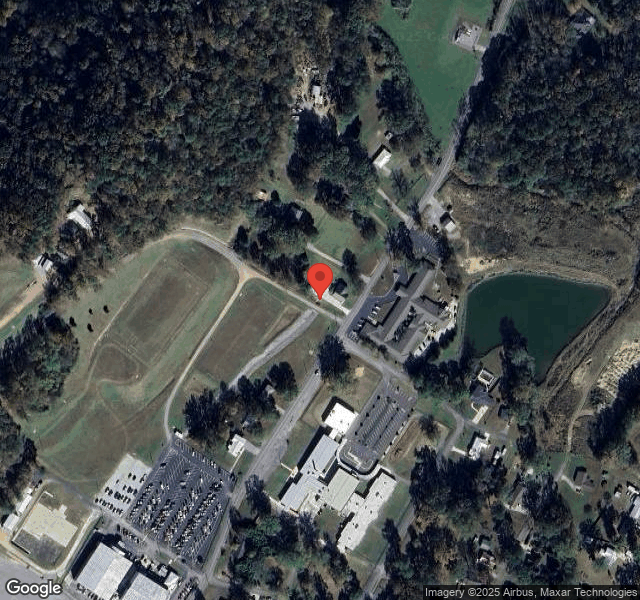
510 WOLF CREEK ROAD, NORTH, PELL CITY, AL 35125 (205) 338-3329
For profit - Corporation 94 Beds DIVERSICARE HEALTHCARE Data: November 2025
Trust Grade
50/100
#156 of 223 in AL
Last Inspection: March 2022

Over 2 years since last inspection. Current conditions may differ from available data.

Overview

Diversicare of Pell City has a Trust Grade of C, which means it is average compared to other facilities, falling in the middle of the pack. It ranks #156 out of 223 nursing homes in Alabama, placing it in the bottom half, and #3 out of 4 in St. Clair County, indicating only one other local option is better. The facility's performance trend is stable, with a consistent number of issues reported over the past few years. Staffing is rated 3 out of 5 stars, which is average, but the 78% turnover rate is concerning compared to the state average of 48%. Notably, there have been no fines, which is positive, and the facility has more RN coverage than 83% of similar establishments, suggesting good oversight. However, there are some issues to consider. Recent inspections revealed problems such as improper waste disposal, with trash bags not secured in a closed dumpster, and an opened bag of diced potatoes that lacked a "used by" date, which could affect food safety. Additionally, medications were not stored properly, with loose pills found in medication carts instead of their original containers, potentially risking patient safety. While there are strengths in RN coverage and no fines, families should weigh these concerns when considering this nursing home.

Trust Score
C
50/100
In Alabama
#156/223
Bottom 31%
Safety Record
Low Risk
No red flags
Inspections
Holding Steady
3 → 3 violations
Staff Stability
⚠ Watch
78% turnover. Very high, 30 points above average. Constant new faces learning your loved one's needs.
Penalties
✓ Good
No fines on record. Clean compliance history, better than most Alabama facilities.
Skilled Nurses
○ Average
Each resident gets 40 minutes of Registered Nurse (RN) attention daily — about average for Alabama. RNs are the most trained staff who monitor for health changes.
Violations
○ Average
9 deficiencies on record. Average for a facility this size. Mostly minor or procedural issues.
★★☆☆☆
2.0
Overall Rating
★★★☆☆
3.0
Staff Levels
★★☆☆☆
2.0
Care Quality
★★☆☆☆
2.0
Inspection Score
Stable
2019: 3 issues
2022: 3 issues

The Good

  • Full Sprinkler Coverage · Fire safety systems throughout facility
  • No fines on record

Facility shows strength in fire safety.

The Bad

2-Star Overall Rating

Below Alabama average (2.9)

Below average - review inspection findings carefully

Staff Turnover: 78%

31pts above Alabama avg (46%)

Frequent staff changes - ask about care continuity

Chain: DIVERSICARE HEALTHCARE

Part of a multi-facility chain

Ask about local staffing decisions and management

Staff turnover is very high (78%)

30 points above Alabama average of 48%

The Ugly 9 deficiencies on record

Mar 2022 3 deficiencies
CONCERN (D)

Potential for Harm - no one hurt, but risky conditions existed

Infection Control (Tag F0880)

Could have caused harm · This affected 1 resident

**NOTE- TERMS IN BRACKETS HAVE BEEN EDITED TO PROTECT CONFIDENTIALITY** Based on observation, interviews, resident record review and review of a facility policy titled Handwashing/Hand Hygiene, the fa...

Read full inspector narrative →
**NOTE- TERMS IN BRACKETS HAVE BEEN EDITED TO PROTECT CONFIDENTIALITY** Based on observation, interviews, resident record review and review of a facility policy titled Handwashing/Hand Hygiene, the facility failed to ensure Employee Identifier (EI) #8, a Certified Nursing Assistant (CNA), washed or sanitized her hands during lunch meal delivery and set up on 03/01/2022. EI #8 delivered and set up trays for Resident Identifier (RI) #29 and RI #13 without performing hand hygiene between residents. This had the potential to affect RI #13, one of two residents observed to have lunch meal trays passed to them by EI #8 on 03/01/2022. Findings Include: A facility policy titled Handwashing/Hand Hygiene, with an effective date of March 2020, documented: . POLICY This center considers hand hygiene the primary means to prevent the spread of infections. POLICY INTERPRETATION AND IMPLEMENTATION . 5. Use an alcohol-based hand rub or, alternatively, soap . and water for the following situations: . b. Before and after direct contact with residents; . m. Before and after eating or handling food; . RI #29 was readmitted to the facility on [DATE]. RI #13 was readmitted to the facility on [DATE]. On 03/01/2022 at 12:18 PM, an observation was made of EI #8, CNA, delivering a lunch tray to RI #29. EI #8 used RI #29's remote bed control to position RI #29 for lunch and set up RI #29's lunch tray, opening containers, removing lids from drinks and using the spoon from RI #29's hand to put condiments on food for RI #29. EI #8 then walked out to the hall, without sanitizing or washing her hands, and removed another lunch tray from the food cart and delivered the tray to RI #13. EI #8 used RI #13's remote bed control, set up RI #13's tray, removing lids from containers and passing silverware to RI #13. EI #8 then began to feed RI #13, but then stopped and exited RI #13's room without washing or sanitizing her hands. On 03/01/2022 at 12:27 PM EI #8 was asked when she sanitized or washed her hands when she exited RI #29's room. EI #8 replied, she did not. EI #8 was asked, what was the risk of not sanitizing her hands. EI #8 replied, infection. EI #8 was asked, what did the facility's policy say about hand washing. EI #8 replied, she was supposed to wash her hands or sanitize them when coming out of a room. On 03/03/2022 at 10:35 AM, EI #3, Infection Preventionist, was asked what was the policy for staff to wash or sanitize their hands after a meal tray was set up for a resident, before delivering another tray for another resident. EI #3 replied, a staff member should wash/sanitize their hands in between each resident. EI #3 was asked, when should a staff member not wash their hands after setting up a tray and picking up another tray. EI #3 replied, they should always wash or sanitize their hands. EI #3 was asked, what was the risk of a staff member not washing their hands after setting up a tray and picking up another residents tray. EI #3 replied, transmission of any contaminant from one resident to another. On 03/03/2022 at 11:03 AM an interview was conducted with EI #2, Director of Nursing (DON). EI #2 was asked, when should a staff member sanitize her hands after setting up a resident's tray and before picking up another resident's tray from the meal cart. EI #2 replied, she should sanitize her hands in between each resident and if the hands are visibly soiled she needed to wash them. EI #2 was asked, when did the policy say staff should sanitized their hands after setting up a resident's tray. EI #2 replied, she should have sanitized before and after touching a resident or touching a resident's tray. EI #2 was asked, what was the risk of not sanitizing or washing hands after setting up a resident's tray and before picking up another resident's tray. EI #2 replied, infection control and contamination.
CONCERN (E)

Potential for Harm - no one hurt, but risky conditions existed

Deficiency F0761 (Tag F0761)

Could have caused harm · This affected multiple residents

Based on observations, interviews and review of a facility policy titled Storage and Expiration Dating of Medications, Biologicals, the facility failed to ensure all resident medications were stored i...

Read full inspector narrative →
Based on observations, interviews and review of a facility policy titled Storage and Expiration Dating of Medications, Biologicals, the facility failed to ensure all resident medications were stored in the original containers on 03/03/2022, when loose pills and capsules were observed in drawers of all three resident medication carts. This affected three of three resident medication carts observed in the facility. Findings Include: Review of facility policy titled Storage and Expiration Dating of Medications, Biologicals, last revised 01/01/2022, revealed: . PROCEDURE . 2. Facility should ensure that medications and biologicals are stored in an orderly manner in cabinets, drawers, carts, . 10. Facility should ensure that the medications and biologicals for each resident are stored in the containers in which they were originally received. On 03/03/2022 at 7:55 AM, an observation of medication cart #2 was made with Employee Identifier (EI) #4, Licensed Practical Nurse (LPN). One loose white pill and one loose small white pill was found on the bottom of the second drawer. On 03/03/2022 at 7:55 AM, EI #4 was asked if she knew what the pills were. EI #4 replied, she did not know what medications they were. On 03/03/2022 at 8:00 AM, an interview with EI #4, LPN, was conducted. EI #4 was asked, what was the policy on medications being loose in the medication drawers. EI #4 replied, the loose pills should be disposed of. EI #4 was asked, should medication be loose in the drawers of the medication cart. EI #4 replied, no. EI #4 was asked, what was the risk of medications being loose in the drawers. EI #4 replied, medication errors. On 03/03/2022 at 11:19 AM, an observation was made of medication cart #1 with EI #5, LPN. In the second drawer one white loose pill and one loose blue and white capsule was observed in the bottom of the drawer. On 03/03/2022 at 11:22 AM, an interview with EI #5, LPN, was conducted. EI #5 was asked, should loose pills have been in the bottom of the drawer. EI #5 replied, no ma'am. EI #5 was asked, what was the risk of loose pills being on the bottom of the drawers. EI #5 replied, accidentally picking them up and giving them to a resident or the risk of them popping out of the cart onto the floor and a resident picking it up and taking the medication. On 03/03/2022 at 4:14 PM, a follow-up interview with EI #5 was conducted. EI #5 was asked did she know what medications were on the bottom of the drawer, the one white loose pill and the one loose blue and white capsule in the bottom of the second drawer. EI #5 replied, no. On 03/03/2022 at 11:30 AM, an observation was made of Medication cart #3 with EI #6, LPN. The second drawer slot had one loose oblong mauve colored pill and one round yellow loose pill. On 03/03/2022 at 11:30 AM, an immediate interview was conducted with EI #6, LPN. EI #6 was asked, should loose pills have been in the bottom of the medication cart drawers. EI #6 replied, no there should not have been. EI #6 was asked, what were the loose mauve colored oblong pill and the round yellow loose pill observed in cart #3. EI #6 replied, the mauve colored oblong pill might have been a Depakote (seizure medication) and she did not know what the yellow round one was. EI #6 was asked, what was the risk of the loose pills being on the bottom of the drawers. EI #6 replied, they could have been given to someone by accident. EI #6 was asked, what was the policy on loose pills being in the medication drawers. EI #6 replied, they should have been cleaned out and destroyed. On 03/03/2022 at 11:03 AM, an interview with EI #2, the Director of Nursing (DON)/Registered Nurse (RN) was conducted. EI #2 was asked, what was the policy on medication carts and loose pills. EI #2 replied, pick them up and then destroy the pills. EI #2 was asked, who should have looked for loose pills in the medication cart. EI #2 replied, any nurse could. EI #2 was asked, what was the risk of loose pills being in the bottom of the medication cart drawers. EI #2 replied, a nurse could pick it up and use it. When asked how many medication carts there were in the facility, EI #2 replied, three.
CONCERN (F)

Potential for Harm - no one hurt, but risky conditions existed

Garbage Disposal (Tag F0814)

Could have caused harm · This affected most or all residents

Based on observation, interviews, and review of a facility policy titled, Dispose of Garbage and Refuse the facility failed to ensure trash bags were placed in the refuse dumpster with a closed lid an...

Read full inspector narrative →
Based on observation, interviews, and review of a facility policy titled, Dispose of Garbage and Refuse the facility failed to ensure trash bags were placed in the refuse dumpster with a closed lid and a discarded mattress was not on the ground in the dumpster area. This was observed on 03/01/2022 and 03/02/2022, two of three days of the survey, and had the potential to affect all 64 residents in the facility. Findings Include: A facility policy titled Dispose of Garbage and Refuse dated 8/2017 documented: Policy Statement All garbage and refuse will be collected and disposed of in a safe and efficient manner. Procedures 1. The Dining Services Director coordinates . to ensure that the area surrounding the exterior dumpster area is maintained in a manner free of rubbish or other debris. 2. The Dining Services Director will ensure that: . Appropriate lids are provided for all containers. On 03/01/2022 at 8:50 AM, an observation was made of two closed dumpsters and a big open dumpster containing five clear plastic bags with Personal Protective Equipment (PPE) in bags on top of the big open dumpster that was higher than the container. On 03/02/2022 at 9:22 AM, an observation was made of two closed dumpsters and a big open dumpster containing five clear trash bags with PPE visible in the bags. The garbage was observed coming over the sides of the container and the container was not covered. There was also a mattress observed on the ground next to the dumpster. On 03/02/2022 at 9:22 AM, Employee Identifier (EI) #7 Dietary Manager was asked if the clear bags belonged in that dumpster. EI #7 replied, no. On 03/02/2022 at 12:24 PM EI #7 was asked what was in the big outside dumpster. EI #7 replied, bed parts, and construction stuff. EI #7 was asked what was the risk of those garbage bags being in that dumpster. EI #7 replied, pests and safety. EI #7 was asked if the dumpster was covered. EI #7 replied, no, she had never seen it covered. EI #7 was asked where the garbage belonged. EI #7 replied, in the regular dumpster. EI #7 was asked, what was the policy for garbage in the dumpsters. EI #7 replied, garbage should be in the cans and covered and the garbage was to be picked up around the dumpsters.
May 2019 3 deficiencies
CONCERN (D)

Potential for Harm - no one hurt, but risky conditions existed

Deficiency F0655 (Tag F0655)

Could have caused harm · This affected 1 resident

**NOTE- TERMS IN BRACKETS HAVE BEEN EDITED TO PROTECT CONFIDENTIALITY** Based on medical record review, review of Resident Identifier (RI) #47's Clinical Health Status Evaluation 1.0-V2 assessment, Re...

Read full inspector narrative →
**NOTE- TERMS IN BRACKETS HAVE BEEN EDITED TO PROTECT CONFIDENTIALITY** Based on medical record review, review of Resident Identifier (RI) #47's Clinical Health Status Evaluation 1.0-V2 assessment, Resident Assessment Instrument Manual and interview, the facility failed to ensure baseline care plans, including a risk for falls, were developed and implemented with instructions necessary to direct RI #47's care within 48 hours after RI #47's admission to the facility on [DATE]. This affected RI #47, one of 22 residents sampled for care plans. Findings Include: The Centers for Medicaid and Medicare, Resident Assessment Manual, Version 3.0, Chapter 2, page 2-41, documented: .2.7 The Care Area Assessment (CAA) Process and Care Plan Completion . Within 48 hours of admission to the facility, the facility must develop and implement a Baseline Care Plan for the resident that includes instructions needed to provide effective and person-centered care . A facility document titled, Clinical Health Status Evaluation 1.0-V2, Effective Date 04/29/2019, documented: .1. Evaluation Type 1. admission .2. Medications 1. Antipsychotic Yes .4. Psychosocial . 2. Behaviors .f. Resistant to care . 6. Fall Risk Factors 1. Impairment in gait or balance a. Yes . 6. Diminished awareness of safety a. Yes . 9. Medications include . Psychotropics . a. Yes . Any Yes answer indicates Fall Risk - Proceed to Care Plan . RI #47 was admitted to the facility on [DATE], with diagnoses including, Unspecified Dementia with Behavioral Disturbance, Unspecified Altered Mental Status, and Type 2 Diabetes Mellitus without Complications. A review of RI #47's medical record revealed no baseline care plans were present in the medical record. All care plans had an initiation date of 05/07/19; nine days after RI #47's admission. On 05/20/19 at 5:50 p.m., an interview was conducted with Employee Identifier (EI) #5, Registered Nurse/Director of Nursing. EI #5 was asked when was RI #47 admitted to the facility. EI #5 said 04/29/19. EI #5 was asked what baseline care plans were put in place at that time. EI #5 replied, none. EI #5 was asked according to RI #47's Clinical Health Status Evaluation assessment on admission, what care plans should have been put in place. EI #5 answered, Dementia, Diabetes, Constipation, Falls, Antipsychotic, Behaviors, ADLS( activity of daily living), Bowel and Bladder, were some. EI #5 was asked what was the concern with a resident not having baseline care plans to direct their care. EI #5 said, they (staff) would not know how to take care of them (residents). EI #5 was asked how many falls had RI #47 sustained since admission to the facility. EI #5 replied, four. EI #5 was asked when the fall care plan was initiated for RI #47. She replied, 05/07/19. EI #5 was asked what interventions were in place at the time of the resident's falls. She replied none.
CONCERN (D)

Potential for Harm - no one hurt, but risky conditions existed

Deficiency F0761 (Tag F0761)

Could have caused harm · This affected 1 resident

**NOTE- TERMS IN BRACKETS HAVE BEEN EDITED TO PROTECT CONFIDENTIALITY** Based on observations, record reviews, interviews and a facility policy titled, Medication Storage Storage of Medication, the fa...

Read full inspector narrative →
**NOTE- TERMS IN BRACKETS HAVE BEEN EDITED TO PROTECT CONFIDENTIALITY** Based on observations, record reviews, interviews and a facility policy titled, Medication Storage Storage of Medication, the facility failed to ensure vials of nebulization solutions were properly stored and not left on Resident Identifier (RI) # 68's bedside table. This affected 1 of 21 sampled residents. Findings Include: The facility policy titled, Medication Storage Storage of Medication, with a date of 09/18, revealed: POLICY: Medications and biological are stored properly . The medication supply shall be accessible only to licensed nursing personnel . PROCEDURES 1. Medications are to remain in these containers and stored in a controlled environment. . 3. In order to limit access to prescription medications, only licensed nurses . should remain locked when not in use . RI #68 was admitted to the facility on [DATE] with diagnoses to include Major Depressive Disorder, Cough, Hypertension, Paroxysmal Atrial Fibrillation, Dementia, Muscle Weakness and Need for assistance with Personal Care. Review of RI #68's May 2019 Physician Orders revealed an order for Albuterol Sulfate Nebulization Solution 1 unit inhale orally via nebulizer three times a day for congestion until 04/15/2018, start date 04/10/2018 and Albuterol Sulfate Nebulization Solution 1 unit inhale orally via nebulizer every 8 hours for wheezing, start date 04/11/2018 and end date 4/23/18 On 05/18/19 at 10:42 AM, the surveyor observed a nebulizer machine and 4 vials of Albuterol Sulfate lying on top of the resident's bedside night stand. On 05/18/19 at 3:42 PM, the surveyor observed the nebulizer machine and 4 vials of Albuterol Sulfate lying on top of resident's bedside night stand. On 05/19/19 at 10:23 AM, the surveyor observed the nebulizer and 4 vials of Albuterol Sulfate lying on top of resident's bedside night stand. On 05/19/19 at 10:38 AM, Employee Identifier (EI) #4 Licensed Practical Nurse (LPN), was asked if RI #68 was currently receiving breathing treatments. EI #4 replied, no ma'am, none right now. The surveyor asked EI #4 why was the nebulizer breathing machine and four vials of Albuterol Sulfate at the bedside of RI #68. EI #4 replied, she did not know. On 05/20/19 at 01:16 PM, EI #2 Registered Nurse (RN)/ Assistant Director Of Nursing, was asked was RI #68 currently receiving breathing treatments. EI #2 replied, no ma'am. The surveyor asked when was the last time RI #68 received a breathing treatment. EI #2 replied, 04/23/2018. Surveyor asked EI #2, on 05/19/19 was she aware of a nebulizer machine and 4 Vials of Albuterol Sulfate Inhalation Solution 3 milliliters removed from RI #68's room. EI #2 replied, yes. EI #2 was asked if RI #68 have an order for self administration for Albuterol Sulfate on 04/10/18. EI #2 replied, no. On 05/20/19 at 04:28 PM, EI #3 RN/ Clinical Educator, was asked what date was the last nebulizer treatment ordered for RI #68. EI #3 replied, 04/10/18. EI #3 was asked if medication should be stored in resident rooms upon completion of physician's order. EI #3 replied, no ma'am.
CONCERN (D)

Potential for Harm - no one hurt, but risky conditions existed

Infection Control (Tag F0880)

Could have caused harm · This affected 1 resident

**NOTE- TERMS IN BRACKETS HAVE BEEN EDITED TO PROTECT CONFIDENTIALITY** Based on observation, record review, interviews and review of the Potter and [NAME], Fundamentals of Nursing manual, the facilit...

Read full inspector narrative →
**NOTE- TERMS IN BRACKETS HAVE BEEN EDITED TO PROTECT CONFIDENTIALITY** Based on observation, record review, interviews and review of the Potter and [NAME], Fundamentals of Nursing manual, the facility failed to ensure RI #16's nasal spray and inhaler were cleaned after medication administration and prior to storing them in the medication cart. A review of POTTER AND [NAME], FUNDAMENTALS OF NURSING, NINTH EDITION, CHAPTER 32, Medication Administration, BOX 32-16 PROCEDURAL GUIDELINES, Administering Nasal Medications, documented: 16. Administer nasal spray: .18. Wipe tip of bottle with clean, dry tissue and replace the cap, .remove and dispose of gloves and perform hand hygiene. RI #16 was readmitted to the facility on [DATE], with diagnoses including, Unspecified Chronic Obstructive Pulmonary Disease and Unspecified Allergic Rhinitis. A review of RI #16's Physician Orders included the order for, DuoNeb Solution . 1 inhalation inhale orally . On 05/20/19 at 8:16 a.m., Employee Identifier (EI) #6 was observed during medication pass observation for RI #16. EI #6 was observed capping RI #16's nasal spray after it was administered without cleaning the tip and placing the cap back on RI #16's inhaler without wiping the mouthpiece and storing them in the medication cart. On 05/20/19 at 1:51 p.m., an interview was conducted with EI #6, RN (Registered Nurse). EI #6 was asked what should be done after administration of nasal spray. EI #6 said the bottle should be wiped down with antibacterial wipes and the tip should be wiped with a tissue. EI #6 was asked did she clean RI #16's nasal spray before she placed it in the box and into the medication cart. EI #6 replied, she did not. EI #6 was asked what should be done after an inhaler was administered. EI #6 stated, wipe it down and return it to the tray because RI #16's was in a metal tray. EI #6 was asked did she clean RI #16's inhaler before she placed it in the tray and back in the medication cart. EI #6 said no. EI #6 was asked what was the concern with not cleaning the nasal spray and inhaler prior to putting them back in the container and storing them in the medication cart. EI #6 answered, introducing bacteria in the rest of her cart and infection control. On 05/20/19 at 4:28 p.m., an interview was conducted with EI #3, RN/ Clinical Educator/ Infection Control. EI #3 was asked should nurses clean nasal sprays and inhalers after medication administration and before placing them in containers and storing them in the medication cart. EI #3 said yes.
Jun 2018 3 deficiencies
CONCERN (D)

Potential for Harm - no one hurt, but risky conditions existed

MDS Data Transmission (Tag F0640)

Could have caused harm · This affected 1 resident

**NOTE- TERMS IN BRACKETS HAVE BEEN EDITED TO PROTECT CONFIDENTIALITY** Based on interview, record review and a document titled, Centers for Medicare & Medicaid Services Long-Term Care Facility Reside...

Read full inspector narrative →
**NOTE- TERMS IN BRACKETS HAVE BEEN EDITED TO PROTECT CONFIDENTIALITY** Based on interview, record review and a document titled, Centers for Medicare & Medicaid Services Long-Term Care Facility Resident Assessment Instrument .Version 3.0, the facility failed to ensure RI (Resident Identifier) #1's Discharge MDS (Minimum Data Set) Tracking Entry was transmitted in a timely manner. This affected one of eighteen sampled residents whose MDS assessments were received. Findings Include: A review of a document titled, Centers for Medicare & Medicaid Services Long-Term Care Facility Resident Assessment Instrument .Version 3.0 with a date of [DATE] revealed: .CH 2 .Assessments for the Resident Assessment Instrument (RAI) . Assessment Management Requirements . for Entry Tracking Records: . 08. Death in Facility Tracking Record . Must be completed when the resident dies in the facility . Must be completed within 7 days after the resident's death, . Must be submitted within 14 days after the resident's death, . RI #1 was admitted to the facility on [DATE] with a diagnosis of Squamous Cell Carcinoma Of Skin Of Other Parts of Face. RI #1 died in the facility on [DATE]. RI #1's Discharge MDS was completed on [DATE], but not submitted to CMS. An interview was conducted with Employee Identifier (EI) #1, MDS Coordinator on [DATE] at 5:10 p.m. EI #1 was asked if RI 1's Discharge/Tracking MDS was transmitted after it was completed. EI #1 said, no it was not. EI #1 was asked when should RI #1's Discharge/Tracking MDS have been transmitted to CMS. EI #1 said 14 days after completion.
CONCERN (D)

Potential for Harm - no one hurt, but risky conditions existed

Pharmacy Services (Tag F0755)

Could have caused harm · This affected 1 resident

Based on record review, interview and review of a policy titled, Disposal of Medications, the facility failed to ensure two signatures were present on all of the non-controlled medication destruction ...

Read full inspector narrative →
Based on record review, interview and review of a policy titled, Disposal of Medications, the facility failed to ensure two signatures were present on all of the non-controlled medication destruction sheets for the month of April, 2018. This affected one of 12 months of non-controlled medication destruction sheets reviewed. Findings Include: A review of a facility policy titled, Disposal of Medications with a date of 12/12 revealed: .A non-controlled medication disposition log shall be used for documentation .The log shall contain the following information: .Signatures of the required witnesses . On 06/14/18 at 10:56 AM, the surveyor reviewed the non-controlled medication destruction record and found 11 of 29 pages for April 2018 had one signature present. 06/14/18 at 0:45 PM the surveyor conducted an interview with EI (Employee Identifier) #5, DON/Director of Nurses. The surveyor asked EI #5 how many signatures should be on the non-controlled medication destruction sheet. EI #5 said two. The surveyor asked EI #5 what month did not have two signatures as required. EI #5 said April 2018, 11 of 28 pages. On 06/14/18 at 02:29 PM, the surveyor conducted an interview with EI #6, the facility's Consultant Pharmacist. The surveyor asked EI #6 how many signatures should be on the non-controlled medication sheet. EI #6 said two.
CONCERN (F)

Potential for Harm - no one hurt, but risky conditions existed

Food Safety (Tag F0812)

Could have caused harm · This affected most or all residents

Based on observation, interview and a facility policy titled, Refrigerated Storage, the facility failed to ensure an opened bag of diced potatoes were labeled with a used by date. This was observed du...

Read full inspector narrative →
Based on observation, interview and a facility policy titled, Refrigerated Storage, the facility failed to ensure an opened bag of diced potatoes were labeled with a used by date. This was observed during the initial tour of the kitchen with Employee Identifier (EI) #3, Dietary Manager on 06/12/18 at 8:01 a.m. This had the potential to affect 64 residents receiving meals from the kitchen. The facility had a census of 66. Findings Include: A facility policy titled: Refrigerated Storage with an Effective Date: June 1, 2013, documented: POLICY . PROCEDURE . 7. All foods will be properly wrapped and/or stored . dated and labeled, . During the initial tour of the kitchen with EI #3 on 06/12/2018 at 8:01 a.m., the surveyor observed an opened bag of diced potatoes, not labeled with a used by date. On 06/12/2018 at 6:21 p.m., an interview was conducted with EI #3. EI #3 was asked should there be a used by date on the opened bag of diced potatoes. EI #3 said yes ma'am. The surveyor asked EI #3 what would happen when there was no used by date. EI #3 said if it was old and it was used, it could make the residents sick. EI #3 was asked what was the potential harm with food items not having a used by date. EI #3 said it could cause the resident to get sick. EI #3 was asked what type symptoms could a resident have. EI #3 replied nausea, vomiting and diarrhea.
Understanding Severity Codes (click to expand)
Life-Threatening (Immediate Jeopardy)
J - Isolated K - Pattern L - Widespread
Actual Harm
G - Isolated H - Pattern I - Widespread
Potential for Harm
D - Isolated E - Pattern F - Widespread
No Harm (Minor)
A - Isolated B - Pattern C - Widespread

Questions to Ask on Your Visit

  • "Why is there high staff turnover? How do you retain staff?"
  • "Can I speak with families of current residents?"
  • "What's your RN coverage like on weekends and overnight?"

Our Honest Assessment

Strengths
  • • No major safety red flags. No abuse findings, life-threatening violations, or SFF status.
  • • No fines on record. Clean compliance history, better than most Alabama facilities.
Concerns
  • • Grade C (50/100). Below average facility with significant concerns.
  • • 78% turnover. Very high, 30 points above average. Constant new faces learning your loved one's needs.
Bottom line: Mixed indicators with Trust Score of 50/100. Visit in person and ask pointed questions.

About This Facility

What is Diversicare Of Pell City's CMS Rating?

CMS assigns DIVERSICARE OF PELL CITY an overall rating of 2 out of 5 stars, which is considered below average nationally. Within Alabama, this rating places the facility higher than 0% of the state's 100 nursing homes. A rating at this level reflects concerns identified through health inspections, staffing assessments, or quality measures that families should carefully consider.

How is Diversicare Of Pell City Staffed?

CMS rates DIVERSICARE OF PELL CITY's staffing level at 3 out of 5 stars, which is average compared to other nursing homes. Staff turnover is 78%, which is 31 percentage points above the Alabama average of 46%. High turnover can affect care consistency as new staff learn residents' individual needs. RN turnover specifically is 58%, which is notably high. RNs provide skilled clinical oversight, so turnover in this role can affect medical care quality.

What Have Inspectors Found at Diversicare Of Pell City?

State health inspectors documented 9 deficiencies at DIVERSICARE OF PELL CITY during 2018 to 2022. These included: 9 with potential for harm.

Who Owns and Operates Diversicare Of Pell City?

DIVERSICARE OF PELL CITY is owned by a for-profit company. For-profit facilities operate as businesses with obligations to shareholders or private owners. The facility is operated by DIVERSICARE HEALTHCARE, a chain that manages multiple nursing homes. With 94 certified beds and approximately 71 residents (about 76% occupancy), it is a smaller facility located in PELL CITY, Alabama.

How Does Diversicare Of Pell City Compare to Other Alabama Nursing Homes?

Compared to the 100 nursing homes in Alabama, DIVERSICARE OF PELL CITY's overall rating (2 stars) is below the state average of 2.9, staff turnover (78%) is significantly higher than the state average of 46%, and health inspection rating (2 stars) is below the national benchmark.

What Should Families Ask When Visiting Diversicare Of Pell City?

Based on this facility's data, families visiting should ask: "How do you ensure continuity of care given staff turnover, and what is your staff retention strategy?" "Can I visit during a mealtime to observe dining assistance and food quality?" "How do you handle medical emergencies, and what is your hospital transfer rate?" "Can I speak with family members of current residents about their experience?" These questions are particularly relevant given the facility's high staff turnover rate.

Is Diversicare Of Pell City Safe?

Based on CMS inspection data, DIVERSICARE OF PELL CITY has a clean safety record: no substantiated abuse findings (meaning no confirmed cases of resident harm), no Immediate Jeopardy citations (the most serious violation level indicating risk of serious injury or death), and is not on the Special Focus Facility watch list (a federal program monitoring the lowest-performing 1% of nursing homes). The facility has a 2-star overall rating and ranks #100 of 100 nursing homes in Alabama. While no facility is perfect, families should still ask about staff-to-resident ratios and recent inspection results during their visit.

Do Nurses at Diversicare Of Pell City Stick Around?

Staff turnover at DIVERSICARE OF PELL CITY is high. At 78%, the facility is 31 percentage points above the Alabama average of 46%. Registered Nurse turnover is particularly concerning at 58%. RNs handle complex medical decisions and coordinate care — frequent RN changes can directly impact care quality. High turnover means new staff may not know residents' individual needs, medications, or preferences. It can also be disorienting for residents, especially those with dementia who rely on familiar faces. Families should ask: What is causing the turnover? What retention programs are in place? How do you ensure care continuity during staff transitions?

Was Diversicare Of Pell City Ever Fined?

DIVERSICARE OF PELL CITY has no federal fines on record. CMS issues fines when nursing homes fail to meet care standards or don't correct problems found during inspections. The absence of fines suggests the facility has either maintained compliance or corrected any issues before penalties were assessed. This is a positive indicator, though families should still review recent inspection reports for the full picture.

Is Diversicare Of Pell City on Any Federal Watch List?

DIVERSICARE OF PELL CITY is not on any federal watch list. The most significant is the Special Focus Facility (SFF) program, which identifies the bottom 1% of nursing homes nationally based on persistent, serious quality problems. Not being on this list means the facility has avoided the pattern of deficiencies that triggers enhanced federal oversight. This is a positive indicator, though families should still review the facility's inspection history directly.