PRATTVILLE HEALTH AND REHABILITATION, LLC
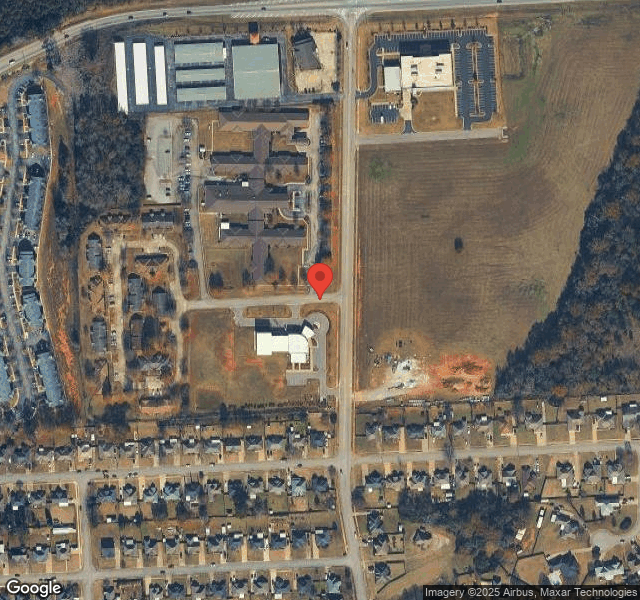

601 JASMINE TRAIL, PRATTVILLE, AL 36066 (334) 365-2241
For profit - Corporation 162 Beds NHS MANAGEMENT Data: November 2025
Trust Grade
40/100
#210 of 223 in AL
Last Inspection: June 2022

Over 2 years since last inspection. Current conditions may differ from available data.

Overview

Prattville Health and Rehabilitation, LLC has a Trust Grade of D, indicating below average performance with some concerns. It ranks #210 out of 223 facilities in Alabama, placing it in the bottom half, but it is the only option in Autauga County. The facility shows signs of improvement, with a decrease in issues from 9 in 2019 to 6 in 2022. Staffing is a relative strength, with a 4 out of 5-star rating, although turnover is at 58%, which is above the state average. While there have been no fines, some concerning incidents were reported, including failure to follow meal portion guidelines, inadequate sanitization of dishwashing equipment, and a buildup of grease in waste areas, which could impact resident safety. Overall, while there are positive aspects, families should weigh these concerns carefully.

Trust Score
D
40/100
In Alabama
#210/223
Bottom 6%
Safety Record
Low Risk
No red flags
Inspections
Getting Better
9 → 6 violations
Staff Stability
⚠ Watch
58% turnover. Above average. Higher turnover means staff may not know residents' routines.
Penalties
✓ Good
No fines on record. Clean compliance history, better than most Alabama facilities.
Skilled Nurses
✓ Good
Each resident gets 42 minutes of Registered Nurse (RN) attention daily — more than average for Alabama. RNs are trained to catch health problems early.
Violations
⚠ Watch
20 deficiencies on record. Higher than average. Multiple issues found across inspections.
★☆☆☆☆
1.0
Overall Rating
★★★★☆
4.0
Staff Levels
★★☆☆☆
2.0
Care Quality
★☆☆☆☆
1.0
Inspection Score
Stable
2019: 9 issues
2022: 6 issues

The Good

  • 4-Star Staffing Rating · Above-average nurse staffing levels
  • Full Sprinkler Coverage · Fire safety systems throughout facility
  • No fines on record

Facility shows strength in staffing levels, fire safety.

The Bad

1-Star Overall Rating

Below Alabama average (2.9)

Significant quality concerns identified by CMS

Staff Turnover: 58%

12pts above Alabama avg (46%)

Frequent staff changes - ask about care continuity

Chain: NHS MANAGEMENT

Part of a multi-facility chain

Ask about local staffing decisions and management

Staff turnover is elevated (58%)

10 points above Alabama average of 48%

The Ugly 20 deficiencies on record

Jun 2022 6 deficiencies
CONCERN (D)

Potential for Harm - no one hurt, but risky conditions existed

Resident Rights (Tag F0550)

Could have caused harm · This affected 1 resident

**NOTE- TERMS IN BRACKETS HAVE BEEN EDITED TO PROTECT CONFIDENTIALITY** Based on observation, interviews and review of a facility policy titled, Feeding the Impaired Resident, the facility failed to e...

Read full inspector narrative →
**NOTE- TERMS IN BRACKETS HAVE BEEN EDITED TO PROTECT CONFIDENTIALITY** Based on observation, interviews and review of a facility policy titled, Feeding the Impaired Resident, the facility failed to ensure Resident Identifier (RI) #25 was treated by staff in a manner to maintain dignity when Employee Identifier (EI) #11 Nursing Assistant (NA) stood up to feed RI #25, who was in bed during the breakfast meal on 6/8/2022. This affected one of 28 sampled residents. Findings Include: The facility policy titled Feeding the Impaired Resident with an effective date of 10/1/2010 documented: . Residents should eat in the location of their preference, and should be provided with a pleasant dining environment, regardless of the location. RI #25 was admitted to the facility on [DATE]. 6/8/2022 at 8:19 AM EI #11 NA was observed to enter RI #25's room and set up the breakfast meal tray for RI #25 who was in bed. EI #11 started to feed RI #25 while standing up on the left side of the bed. EI #11 fed the resident from the breakfast tray and provided sips from a cup with a straw all while standing up at RI #25's bedside. Four minutes later at 8:23 AM EI #11 removed the tray from RI #25. On 6/8/2022 at 8:23 AM EI #11 was asked how she fed RI #25. EI #11 stated, she stood up while she fed RI #25. EI #11 was asked what the correct way to feed a resident was. EI #11 replied, sitting. EI #11 was asked why should she sit while feeding a resident. EI #11 replied, for eye contact and dignity. EI #11 was asked should she have been sitting down while she fed RI #25. EI #11 replied, yes. On 6/10/2022 at 8:16 AM RI #25 was feeding him/herself breakfast and was asked about being fed by staff standing next to the bed. RI #25 said, it did bother him/her and the NA should have been sitting next to the bed in a chair. On 6/10/2022 at 10:21 AM the surveyor conducted an interview with EI #2, the Director of Nursing. EI #2 was asked, what was the procedure for feeding a resident. EI #2 replied, sitting down and very engaged with the residents, only touching utensils. EI #2 was asked, when should staff stand next to the bed and feed a resident. EI #2 replied, never. EI #2 was asked, what was the harm in staff standing next to the bed while feeding a resident. EI #2 replied, choking and dignity.
CONCERN (D)

Potential for Harm - no one hurt, but risky conditions existed

Pressure Ulcer Prevention (Tag F0686)

Could have caused harm · This affected 1 resident

**NOTE- TERMS IN BRACKETS HAVE BEEN EDITED TO PROTECT CONFIDENTIALITY** Based on record review, interviews and review of facility policy Pressure Ulcers, the facility failed to ensure weekly wound ass...

Read full inspector narrative →
**NOTE- TERMS IN BRACKETS HAVE BEEN EDITED TO PROTECT CONFIDENTIALITY** Based on record review, interviews and review of facility policy Pressure Ulcers, the facility failed to ensure weekly wound assessments were accurately completed for Resident Identifier (RI) #114's sacral wound that was documented as a stage three on 5/2/2022. This had the potential to affect RI #114, one of six residents reviewed for pressure ulcers. Findings Include: A review of a facility policy titled Pressure Ulcers with an effective date of October 1, 2010 revealed . Stage III (three) . Full thickness tissue loss. Subcutaneous fat may be visible . Slough may be present . May include undermining and tunneling. Documentation . c) The status of ulcers should be recorded on the Wound Flow Record weekly. RI #114 was admitted to the facility on [DATE] and readmitted on [DATE]. RI #114's Wound Assessment Report dated 5/2/2022 documented as sacral wound that had progressed to a stage three. There was not any documentation or description on the wound assessment to support progression of the wound to a stage three. On 6/10/2022 at 5:14 PM Employee Identifier (EI) #26 Treatment Nurse was asked what prompted RI #114's wound to be stage three. EI #26 replied, the wound had slough in it at that time. EI #26 was asked if she documented slough. EI #26 replied, she did not think she did, but she should have. EI #26 was asked if RI #114's wound assessment would be correct if slough that was observed was not documented. EI #26 replied, no, she guessed not. EI #26 was asked, what would potential harm be in the wound assessment not being accurate. EI #26 replied, if it was not staged correctly it could be worse than initially identified and if all the necessary areas were not completed accurately the information may misrepresent its stage. EI #26 was asked, who monitored her for accuracy in wound assessments and staging. EI #26 replied, they had a new wound care manager but she had only been there a month. On 6/10/22 at 5:51 PM EI #27, Wound Care Manager, RN was interviewed. She was asked how long she had been at the facility; she replied, since April. EI #27 was asked what were her duties. She replied, wound care supervisor. EI #27 was asked what did that entail; she replied, lead wound care meetings, look at the nurses' skin audits, talk to staff and assess residents. EI #27 was asked if she was familiar with RI #114; she replied yes, to the resident but not to the wounds. EI #27 was asked, when had she monitored treatment nurses. EI #27 replied, she had just started a week or so ago going with them. EI #27 was asked, if there was slough in a wound and was not indicated on the assessment sheet would that be an accurate assessment. EI #27 replied, no. EI #27 was asked what would the harm be in inaccurate assessments; she replied incorrect assessments. On 6/10/22 at 6:19 PM, an interview was conducted with the Director of Nursing EI #2. EI #2 was asked, how often treatment nurses were trained on wound assessments. EI #2 replied, nurse consultant comes randomly and does skills check off monthly. EI #2 was asked, how nurses were trained to assess wounds. EI #2 replied, by the nurse consultant, by the flow sheets, and were to enter information on flow sheet, size color and appearance. EI #2 was asked, how did the facility determine treatment nurses were assessing wounds accurately. EI #2 replied, by the nurse consultant training them and monitoring. EI #2 was asked, for RI #114's wound documented as a stage two then as a stage three, what indicated a change. EI #2 replied, she did not know, to go from a stage two to a stage three there would have needed to be slough. EI #2 was asked, if slough was present in a wound should that be indicated on the weekly assessment; she replied, yes. EI #2 was asked, if slough was not recorded, would that assessment be accurate; she replied, no. EI #2 was asked what was the harm in not having accurate weekly wound assessments. EI #2 replied, skin breakdowns and not an accurate assessment.
CONCERN (D)

Potential for Harm - no one hurt, but risky conditions existed

Infection Control (Tag F0880)

Could have caused harm · This affected 1 resident

**NOTE- TERMS IN BRACKETS HAVE BEEN EDITED TO PROTECT CONFIDENTIALITY** Based on observations, interviews, resident record review and review of a facility policy titled Hand Hygiene the facility faile...

Read full inspector narrative →
**NOTE- TERMS IN BRACKETS HAVE BEEN EDITED TO PROTECT CONFIDENTIALITY** Based on observations, interviews, resident record review and review of a facility policy titled Hand Hygiene the facility failed to ensure Employee Identifier (EI) #10, Certified Nursing Assistant (CNA), washed and sanitized her hands after delivering and setting up Resident Identifier (RI) #25's meal tray prior to delivering and setting up RI #94's meal tray. This had the potential to affect RI #94, one of 61 total residents on unit one who received meal trays. Findings include: The facility policy titled Hand Hygiene with an effective date of 6/11/2020 documented the following: . PURPOSE: To provide guidelines to employees for proper and appropriate hand washing techniques that will aide in the prevention of the transmission of infections. STANDARD: Hand washing should be performed between procedures with resident/guest(s) based upon the principle that all blood, body fluids, secretions, . may contain transmissible infectious agents. II. Hand Sanitizer If hands are not visibly soiled, use an alcohol-based sanitizer for routinely decontaminating hands . RI #25 was admitted to the facility on [DATE]. RI #94 was readmitted to the facility on [DATE]. On 6/08/2022 at 7:49 AM, EI #10 CNA was observed to take a tray off of the meal cart and enter RI #25's room. EI #10 set RI #25's head of the bed up, turned on a light and pulled the bedside tray over RI #25's bed, patting the bed with her bare hands. EI #10 then, without washing or sanitizing her hands, took a meal tray from the meal cart, to RI #94's room, set up the meal tray and opened milk for RI #94. EI #10 was then asked when she sanitized her hands as she came out of RI #25's room, before picking up another tray and going into RI #94's room. EI #10 said she did not sanitize her hands. When asked why she did not sanitize her hands before going into RI #94's room, EI #10 said, she knew she was supposed to but was busy and forgot. When asked what the risk was of not washing or sanitizing her hands after setting up a resident's meal and before picking up another resident's tray for delivery, EI #10 said, exposure of germs. On 6/10/2022 at 10:11 AM EI #12, Infection Control Nurse, was asked what the procedure was for resident tray delivery and set up. EI #12 said, hand hygiene, take the tray into the room, set up the tray, opening items, cutting meat, and hand hygiene. When asked what the risk was of not washing hands after assisting a resident up in bed without gloves and leaving the room, EI #12 said, there was a risk for the spread of infection. On 6/10/2022 at 10:21 AM EI #2, Director of Nursing (DON), was asked what the procedure was for meal tray delivery and set up. EI #2 said, the CNA should wash or sanitize her hands before and after. When asked what the risk was of not washing your hands after assisting a resident up in bed and leaving the room, EI #2 said, a spread of infection.
CONCERN (F)

Potential for Harm - no one hurt, but risky conditions existed

Menu Adequacy (Tag F0803)

Could have caused harm · This affected most or all residents

Based on observations, interviews, and review of the facility's policy for Cycle Menus, the facility's Week 4 Week-At-A-Glance menu for June 5-11, 2022, the facility's Diet Guide Sheet for Day 24 (Wee...

Read full inspector narrative →
Based on observations, interviews, and review of the facility's policy for Cycle Menus, the facility's Week 4 Week-At-A-Glance menu for June 5-11, 2022, the facility's Diet Guide Sheet for Day 24 (Week 4 - Tuesday), the facility's Diet Guide Sheet for Day 25 (Week 4 - Wednesday), and the facility's posted conversion information for portion control Dishers, the facility failed to ensure the menu was followed when: 1.) pears were not served at dinner on Tuesday, 6/7/2022, 2.) the specified 1/2 cup (4-ounce) serving of pudding for lunch on Wednesday, 6/8/2022, was being portioned with a #10 disher (3.25 ounces), and 3.) the Chicken and Dumpling alternate for dinner on Wednesday, 6/8/2022, had a 4-ounce (oz.) spoodle for trayline service, although the menu specified a 6 oz. portion was to be served. This had the potential to affect all residents receiving meals from the facility's kitchen, 136 of 138 residents. Findings Include: The facility's policy for Cycle Menus, dated 10/1/2005, included the following: . Purpose: To meet the nutritional needs of resident/guest(s), in accordance with the recommended dietary allowances (RDA) of the Food and Nutrition Board of the National Research Council, standard menus are utilized. Standard: The facility should use a minimum of a three-week cycle menu written and planned at least one week in advance. Process: . c. Menus should have portions stated in ounces, and/or measurements. d. Menus are revised by the Registered Dietitian and Dietary Manager based on resident/guest food preferences. Reasons for change should be noted and kept on file. f. Menus should be approved and signed by the Registered Dietitian. 1.) The facility's Diet Guide Sheet for dinner on Day 24 (Week 4 - Tuesday) included a 4-ounce serving of pears for each of the four diet menus listed: Regular, Mechanical Soft, Pureed, and Consistent Carbohydrate (Diabetic Meal Plan). On 6/7/2022 at 5:18 PM, the surveyor observed the residents' supper trayline in progress and being operated by the evening cook and two aides. The evening cook was Employee Identifier (EI) #19. The evening aides were EI #21 and a new employee, EI #20. At 5:24 PM, an observation revealed no pears on the trayline and no fruit substitute was being served. At 5:42 PM, the surveyor looked at a printed menu on one of the trays being prepared and saw pears listed as one of the printed menu items to be served. The surveyor asked EI #21 and EI #19 if they were putting pears on the trays. Both said no. On 6/7/2022 at 6:11 PM, the surveyor observed ten #10 cans of Pear Halves in the Dry Storeroom. The posted menu sheet listed pears, but no pears were dished up for service. EI #16, the Dietary Manager, was asked about the pears missing on the resident trays. EI #16 asked the staff on the dinner trayline why the pears were not prepared. EI #19, the cook, said they were not on her sheet. EI #16 was able to show EI #19 that Pears was the last item listed (after Iced Tea) on the Supper Menu for Tuesday, June 7th on the Week 4 Week-At-A-Glance menu and that it had been overlooked/missed. The Registered Dietitian (RD), EI #17, was interviewed on 6/9/2022 at 4:23 PM. When asked why it was important for the menu to be followed, EI #17 said, so the residents get the nourishment they need during the day. We have guidelines for all the essential nutrients needed for our residents. 2.) On 6/8/2022 at 9:27 AM, EI #22, a morning dietary aide, was observed dipping up Vanilla Pudding for Lunch. The facility's Diet Guide Sheet for lunch on Day 25 (Week 4 - Wednesday) documented a serving size of 1/2 cup (4 oz.) for Pudding at Lunch for each of the four diet menus listed: Regular, Mechanical Soft, Pureed, and Consistent Carbohydrate (Diabetic Meal Plan). EI #22 was using a #10 scoop/disher (3.25 oz.) instead of a #8 scoop/disher (4 oz.). When EI #22 was asked why she was using this size scoop, EI #16, the Dietary Manager, had EI #22 increase the serving amount. The surveyor observed that the document titled Dishers (the conversion sheet for scoop/disher numbers and portion sizes) posted on the kitchen wall did not include the conversion for a 1/2 cup serving. The RD, EI #17, was interviewed on 6/9/2022 at 4:23 PM. When asked what was the potential concern if correct portion sizes were not used, EI #17 said the residents will not get the nourishment that they needed. 3.)The facility's Diet Guide Sheet for dinner on Day 25 (Week 4 - Wednesday) documented a 6 oz. serving size for Chicken & (and) Dumplings, which was the alternate menu item. During a lull in serving at on 6/8/2022 at 5:15 PM, the surveyor asked EI #19 what size spoodle she was using for the Chicken & Dumplings. EI #19 looked at the spoodle and said it was a 4 oz. The RD, EI #17, was interviewed on 6/9/2022 at 4:23 PM. When asked what was the potential concern if correct portion sizes were not used, EI #17 said the residents will not get the nourishment that they needed.
CONCERN (F)

Potential for Harm - no one hurt, but risky conditions existed

Food Safety (Tag F0812)

Could have caused harm · This affected most or all residents

**NOTE- TERMS IN BRACKETS HAVE BEEN EDITED TO PROTECT CONFIDENTIALITY** Based on observations, interviews, and review of the 2017 Food Code of the United States (U.S.) Public Health Service and the U....

Read full inspector narrative →
**NOTE- TERMS IN BRACKETS HAVE BEEN EDITED TO PROTECT CONFIDENTIALITY** Based on observations, interviews, and review of the 2017 Food Code of the United States (U.S.) Public Health Service and the U.S. Food and Drug Administration (FDA), the facility's June 2022 refrigeration temperature logs for Unit 1, Unit 2, and the Dementia Unit, and the facility's policies for Dish Machine Sanitization, the policy for Foods from Families and Friends, and the policy titled, Nursing Pantry Foods, the facility failed to ensure 1.) the dishwashing machine consistently reached the minimum sanitizing temperature of 180 degrees Fahrenheit (F) on Wednesday, 6/8/2022, and Thursday, 6/9/2022; 2.) the air dryer used for drying clean dishes did not have a dirty filter on Tuesday, 6/7/2022, and Wednesday, 6/8/2022; 3.) the veneer of the door in the dishroom was not peeling away from the door surface in large pointed sections on Tuesday, 6/7/2022; 4.) the kitchen ceiling paint was not peeling away from the ceiling in the dishroom and over the three-compartment sink on Wednesday, 6/8/2022; 5.) there were lens covers over three fluorescent light fixtures in the kitchen, one in the dishroom and two over the trayline, to protect against shattering fluorescent light tubes on Wednesday, 6/8/2022; and 6.) nourishment refrigerators on Unit 1, Unit 2, and the Dementia Unit were being monitored for safe food-holding temperatures of 41 degrees F or below and did not contain unlabeled or expired items on Wednesday, 6/8/2022, and Thursday, 6/9/2022. This had the potential to affect 136 residents receiving meals from the kitchen, 136 of 138 residents. Findings Include: 1.) The 2017 Food Code of the U.S. Public Health Service and the FDA included the following: . 4-501.112 Mechanical Warewashing Equipment, Hot Water Sanitation Temperatures. (A) . in a mechanical operation, the temperature of the fresh hot water SANITIZING rinse as it enters the manifold may not be more than 90 [degrees] C [Centigrade] (194 [degrees] F), or less than: . (2) . 82 [degrees] C (180 [degrees] F). Th facility's policy Dish Machine Sanitization, dated 08/10/18, included the following: . Purpose: To prevent the spread of bacteria that may cause food borne illnesses. . Process: . c. Dish machine . rinse . temperatures should be recorded at the beginning of each dishwashing period and observed periodically during the dishwashing process. On 6/8/2022 at 9:43 AM, the machine dishwashing of breakfast dishes was observed. Employee Identifier (EI) #23, a dietary aide, was on the dirty side of the dishroom and EI #24, a dietary aide, was on the clean side. At 09:48 AM the Final Rinse dial on the dishwashing machine was observed. The temperature was not reaching 180 degrees F, instead it was holding at 162 degrees F. At 9:57 AM the Final Rinse temperature was still holding steady at 162 degrees F. Seven racks of dishes had gone through the dishwashing machine. The surveyor asked each aide what the Final Rinse temperature should be. EI #23 and EI #24 each said the Final Rinse temperature should be 180 degrees F. The surveyor asked EI #23 to watch Final Rinse dial. EI #23 saw it was not rising to 180 F. The surveyor asked EI #23 when was the Final Rinse checked for this wash period. EI #23 asked EI #24 if he checked it that morning. EI #24 said yes and pointed to the temperature log hanging on the dishroom wall. Surveyor asked EI #23 what was she supposed to do if the Final Rinse was not working. EI #23 said tell EI #16, the Dietary Manager. At 9:58 AM the Dietary Manager, EI #16, watched the Final rinse Dial with the surveyor. The Final Rinse temperature reached 180 degrees F once when an empty rack was sent through and there was no back-up of racks coming through the machine. At 10:05 AM the Registered Dietitian (RD), EI #17, and the surveyor watched the final rinse dial. As two racks of dishes were going through, the Final Rinse temperature was holding between 164 to 166 degrees F. The Final Rinse did not reach 180 degrees F. At 11:40 AM the dishwashing machine repair person arrived at the facility. At 12:30 PM the dishwashing machine repair person said hot water from the kitchen hot water tank was not hot enough and the booster heater was not able to compensate. On 6/9/2022 at 9:12 AM, EI #24 and EI #20, a dietary aide, began to start the machine dishwashing of breakfast dishes. The surveyor was observing with the RD, EI #17. At 9:15 AM the first rack of dirty dishes was sent through. The Final Rinse temperature was 178 degrees F. The rack was resent through the machine with the Final Rinse temperature reaching 186 F. Additional racks were sent through with the Final Rinse temperatures reaching 190 degrees F and 188 degrees F. At 9:22 AM the Final Rinse temperature reached 186 degrees F. At 9:32 AM EI #17, the RD, was no longer present in the dishroom. Two racks had gone through and were sitting at end of the dishmachine counter. EI #20 was putting up clean dishes. A third rack was sent through by EI #24. The Final Rinse temperature only reached 176 degrees F. Surveyor called EI #24's attention to this. The rack was sent through again after EI #20 removed the two racks blocking the dishwashing counter exit. The Final Rinse was 188 degrees F. The Dietary Manager, EI #16, was interviewed on 6/9/2022 at 3:25 PM. During the interview, EI #16 said the dishwashing machine repair person told her that the racks backing up could cause the machine to shut off. In addition, EI #16 said the plumber told her that the hot water tank for the kitchen needed to be set at 140 degrees F so the booster heater could boost the temperature up another 40 degrees. The RD, EI #17, was interviewed on 6/9/2022 at 4:23 PM. EI #17 was asked what was the problem with the Final Rinse of the dishwashing machine not reaching a minimum of 180 degrees F. EI #17 said the dishes would not be properly sanitized for our residents and through contamination it could potentially harm our residents. 2.) The 2017 Food Code of the U.S. Public Health Service and the FDA included the following: ,,, 6-202.13 Heating, Ventilating, Air Conditioning System Vents. . shall be installed so that . exhaust vents do not cause contamination of . FOOD-CONTACT SURFACES, EQUIPMENT, or UTENSILS. On 6/7/2022 at 5:40 PM the filter of the forced-air drying mechanism (SanAire) in the dishwashing area was observed to be blocked with debris. The mechanism was blowing air onto clean dishes at the exit of the dishwashing machine. On 6/8/2022 at 9:43 AM, the machine dishwashing of breakfast dishes was observed. A rack of cleaned plates and bowls were seen under the forced-air drying mechanism. Air was blowing over dishes. The filter of the forced air-drying mechanism was still partially clogged with debris. At 10:05 AM, the RD, EI #17, and the surveyor observed dishwashing and the air blowing on cleaned dishes from the forced-air drying mechanism was pointed out . When asked if the filter for this forced-air drying mechanism was clean, EI #7 said no. The Dietary Manager, EI #16, was interviewed on 6/9/2022 at 3:25 PM. During the interview, EI #16 said the forced-air drying mechanism's filter being clogged with debris was her fault because she had not trained the employees on how to clean it. EI #16 said the filter needed to be cleaned at least once weekly, but preferably daily. EI #16 further said she needed to work with Maintenance on getting a new filter. The RD, EI #17, was interviewed on 6/9/2022 at 4:23 PM. EI #17 was asked what was the problem with the forced-air drying mechanism's filter being clogged with debris and the unit being operated to blow air over washed dishes to dry them. EI #17 said we don't want dust particles or any foreign debris being blown onto clean dishes because of the potential for cross-contamination. 3.) The 2017 Food Code of the U.S. Public Health Service and the FDA included the following: . 6-101.11 Surface Characteristics. (A) . materials for indoor . wall . surfaces under conditions of normal use shall be: (1) Smooth, durable, and EASILY CLEANABLE for areas where FOOD ESTABLISHMENT operations are conducted; . On 6/7/2022 at 5:40 PM, the veneer of the door to the dishroom was observed to be peeling away from the surface in large pointed sections. The RD, EI #17, was interviewed on 6/9/2022 at 4:23 PM. When asked if the splintered veneer on the door in the dishwashing area would this be a problem, EI #17 said yes, because it cannot be cleaned properly. 4.) The 2017 Food Code of the U.S. Public Health Service and the FDA included the following: . 6-101.11 Surface Characteristics. (A) . materials for indoor . ceiling surfaces under conditions of normal use shall be: (1) Smooth, durable, and EASILY CLEANABLE for areas where FOOD ESTABLISHMENT operations are conducted; . On 6/8/2022 at 10:11 AM, paint was observed peeling from the ceiling in the dishroom. Some of the peeling ceiling paint was over the clean dish storage area. On 6/8/2022 at 12:34 PM, the Director of Maintenance, EI #18, was interviewed in the kitchen area. At 12:41 PM EI #18 was asked about the peeling ceiling paint in the dishwashing room and over the three-compartment sink. EI #18 said it was due to humidity and that he was ordering a new exhaust fan to deal with it. The RD, EI #17, was interviewed on 6/9/2022 at 4:23 PM. During the interview, EI #17 was asked what was the potential problem of peeling ceiling paint in the dishroom and over the three-compartment sink. EI #17 said potential contamination. 5.) The 2017 Food Code of the U.S. Public Health Service and the FDA included the following: . 6-202.11 Light Bulbs, Protective Shielding. (A) . light bulbs shall be shielded, coated, or otherwise shatter-resistant in areas where there is exposed FOOD; clean EQUIPMENT; UTENSILS, . On 6/8/2022 at 10:11 AM, one of four light fixtures in the dishroom was missing a lens cover. The fluorescent tube did not appear to have a sleeve cover. On 6/8/2022 at 12:34 PM, the Director of Maintenance, EI #18, was interviewed in the kitchen area. EI #18 was asked what means did the facility have to protect against shattered fluorescent bulbs/tubes. EI #18 said they just had the lens covers to protect from shattered fluorescent bulbs/tubes. He further said there were no sleeves for the bulbs/tubes. When asked to explain what was the problem with no protection from shatter, EI #18 said physical contamination and someone could be critically injured. the surveyor pointed out the three light fixtures in the kitchen without lens covers. EI #18 said he had no replacement lens covers. The RD, EI #17, was interviewed on 6/9/2022 at 4:23 PM. During the interview, EI #17 was asked what was the potential problem of having no lens cover for the fluorescent light fixtures in the dishwashing area and over the resident trayline. EI #17 said if a light burst there would be contamination. 6.) The facility's policy Foods from Families and Friends, dated 11/28/16, included the following: . Purpose: To preserve the resident/guest(s) right to receive gifts of food from family and friends, while reducing the potential for food borne illnesses. Process: . b. If food is to be stored, it should be labeled with resident/guest(s) name, dated and stored in airtight container. c. If refrigeration is necessary, food items should be stored in the nursing unit refrigerator . and discarded after 72 hours. The 2017 Food Code of the U.S. Public Health Service and the FDA included the following: . 3-501.16 Time/Temperature Control for Safety Food, Hot and Cold Holding. (A) . TIME/TEMPERATURE CONTROL FOR SAFETY FOOD shall be maintained: . (2) At 5 [degrees] C (41 [degrees] F) or less. 3-501.17 Ready-To-Eat, Time/Temperature Control for Safety Food, Date Marking. . (B) . (2) . the FOOD ESTABLISHMENT may not exceed a manufacturer's use-by date if the manufacturer determined the use-by date based on FOOD safety. 3-501.18 Ready-To-Eat, Time/Temperature Control for Safety Food, Disposition. (A) A FOOD . shall be discarded if it: . (2) Is in a container or PACKAGE that does not bear a date or day . The facility's policy Nursing Pantry Foods, dated 08/20/18, included the following: Purpose: Foods are made available at each nursing station for resident/guest(s) who may feel hungry between meals. Process: . b. Food items should be rotated (First In, First Out Method) to preserve freshness. c. Any temperature dependent foods should be stored properly on the nursing units; . During the initial kitchen tour on 6/7/2022 at 3:25 PM, the Milk Cooler in the Dry Storage Room was found to have five individual 8-ounce (oz.) Skim Milks with an expiration date of 6 June 22 (6/6/2022). The Dietary Manager, EI #16, said the Milk delivery person removed expired product and she expected him to come tomorrow 6/8/2022 (Wednesday). EI 16 said they marked items to be removed if items expired before Milk delivery person came. EI #16 said she was going to identify the five Skim Milks with a sign to alert dietary staff not to use it. On 6/8/2022 at 5:33 PM, an observation was made of the nourishment refrigerator on the Dementia Unit. The refrigerator contained bottled water, 4-oz. [NAME], and 8-oz. milk. Printed at the top of the temperature log posted on the refrigerator was the following: RECORD OF REFRIGERATION TEMPERATURES, RANGE IS 36-46 DEG. (degrees) F. The temperature log included a temperature of 42 degrees F noted on 6/4/2022. On 6/8/2022 at 5:39 PM, an observation was made of the nourishment refrigerator on Unit 2. At 05:42 PM the thermometer in the refrigerator read 41 degrees F. The refrigerator contents included the following items: one 8-oz. Skim Milk, expiration date: 6 June 22, three 8-oz. Whole Milk, expiration date: 4 June 22, two 8-oz. Whole Milk, expiration date: 5 June 22, an unmarked styrofoam food container in a black plastic bag, and an unmarked covered styrofoam cup with a straw. The temperature log did not have a printed temperature range. The last temperature recorded on the log was for 6/8/2022 at 0500 (5:00 AM) for 42 degrees F. On 6/8/2022 at 5:54 PM, an observation was made of the nourishment refrigerator on Unit 1. The refrigerator contents included the following items: one 8-oz. Skim Milk, expiration date: 06 Jun 22 and one 8-oz. Whole Milk, expiration date: 04 Jun 22 that had an AM (morning) nourishment label for a resident, dated Wednesday 06/08 (6/8/2022). The June 2022 temperature log on the front of the refrigerator had the following printed at the top: RECORD OF REFRIGERATION TEMPERATURES, RANGE IS 36-46 DEG. F. On 6/9/2022 at 11:25 AM, a Licensed Practical Nurse (LPN), EI #13, was interviewed on Unit 2. EI #13 worked on both the night and day shifts. When asked who recorded the temperature of the Nourishment Refrigerator, EI #13 said the night nurse. EI #13 said she had recorded the temperature when she worked night shift. Upon being asked how she knew what a safe refrigerator temperature was for storing food, EI #13 said it had a range on the temperature log. When asked who checks for and disposes of expired/outdated items, EI #13 said the night nurse or anybody who sees the outdated item. When asked what was allowed in the nourishment refrigerator, EI #13 said snacks brought from the Cafeteria for residents to eat, juices, drinks, Ensure, and ice cream. EI #13 was asked if a friend or family member brings in food that needs to be refrigerated for a resident, what is the procedure. EI #13 said the resident's name and the date is written on a sticky paper and put on the item. EI #13 further said the date and the time are included so they know when to discard it. Upon being asked when the item should be discarded, EI #13 said to let her check, it was on the paper. EI #13 referred to a memo posted on the front of the Unit 2 nourishment refrigerator and said three days. The temperature log posted on the Unit 2 nourishment refrigerator was observed to have the following printed across the top: ENTERAL STORAGE TEMPERATURE LOG. EI #13 was then asked why there was no temperature range on the Unit 2 nourishment refrigerator temperature log. EI #13 said the others have it, I don't know why it is not on there. When asked if she knew what temperature range was used for the refrigerator, EI #13 got a blank form titled Record of Refrigeration Temperatures and pointed to the documented temperature range listed, 36-46 degrees F. On 6/9/2022 at 11:53 AM, a LPN, EI #14, was interviewed on the Dementia Unit. The surveyor looked into the Dementia Unit nourishment refrigerator with EI #14 and found an opened bottle of Ionized Water without a name or date. EI #14 said the Night Shift Nurse usually records the refrigerator temperature around 2 or 3 AM and removes any unmarked items. EI #14 was asked how did she know what was a safe temperature for storing food. EI #14 said I know at home it should be 38 to 40 degrees Fahrenheit. EI #14 further said they do have it on the top of the Temperature Log, it says 36 to 46 degrees Fahrenheit on the June temperature log. When asked who would check for and dispose of expired/outdated items, EI #14 said in the refrigerator, the Night Shift Nurse did. EI #14 said the only things allowed in the nourishment refrigerator were snacks, milk, juice, and items belonging to a resident. EI #14 further said if an item was opened, it should be dated and covered. When asked what was the procedure if a friend or family member brought in food that needed to be refrigerated for a resident, EI #14 said it is covered and the name of the resident and date are placed on the item. When asked how long the brought in item can be kept, EI #14 said I think 2 days or 48 hours. On 6/9/2022 at 12:10 PM, a LPN, EI #15, was interviewed on Unit 1. When asked who recorded the temperature of the nourishment refrigerator, EI #15 said she believed it is the third shift (night) nurse. Upon being asked how she knew what a safe refrigerator temperature was for storing food, EI #15 said it should have a guideline on the top of the temperature log. When asked who checks for and disposes of expired/outdated items, EI #15 said Dietary staff would do that. EI #15 said the only items allowed in the nourishment refrigerator were the snacks for the residents and any food for a resident. When asked what was the procedure if a friend or family member brought in food that needed to be refrigerated for a resident, EI #15 said we date it, put the resident's name on it, put it in the refrigerator, and let the resident know it is in there. EI #15 further said the staff can get it for the resident when they want it. Upon being asked how long the item can be kept, EI #15 said it could not be kept past 3 days. EI #15 read from the temperature log that 36 to 46 degrees F was the acceptable refrigeration temperature. The surveyor observed the following in the Unit 1 nourishment refrigerator: one 8-oz. Skim Milk, expiration date: 06 Jun 22 and one 8-oz. Whole Milk, expiration date: 04 Jun 22. The Dietary Manager, EI #16, was interviewed on 6/9/2022 at 3:25 PM. EI #16 did not know who was responsible for recording the temperatures for the nourishment refrigerators on the Nursing Units. When asked if she provided any training or temperature logs for the nourishment refrigerators, EI #16 said no. When asked how would the the individuals recording the temperatures for the nourishment refrigerators know what the safe temperature range was for refrigerated food storage, EI #16 said she did not know because she did not know who trained them. Upon being asked who was responsible for checking for expired or out-dated items in the nourishment refrigerators, EI #16 said she do not know who was responsible, but when she restocked them, if she saw anything outdated, she throws it out. EI #16 was asked what was the potential problem with temperature sensitive foods, such as milk, being held in a refrigerator above 41 degrees F. EI #16 said it could cause sickness, especially if the milk gets hot or if it was way outdated. Upon being asked what was the potential problem with expired milk or other out-dated foods being served to a nursing home resident, EI #16 said we do not serve out-dated milk because it could cause illness. When asked if a temperature range of 36 to 46 degrees F was acceptable for refrigerated food storage, EI #16 said no, because it should be 41 degrees Fahrenheit or below. The RD, EI #17, was interviewed on 6/9/2022 at 4:23 PM. When asked who was responsible for recording the temperatures for the nourishment refrigerators on the nursing units, EI #17 said she did not know. She assumed it is Nursing. When asked how do staff know what the safe temperature range is for refrigerated food storage for the nourishment refrigerators, EI #17 said she would assume it is on the paper on which they document the temperatures. She had not seen it though. Upon being asked what was the potential problem with temperature sensitive foods, such as milk, being held in a refrigerator above 41 degrees F, EI #17 said it could get spoiled and potentially cause food borne illness. When asked what was the potential problem with expired milk or other out-dated foods being served to a nursing home resident, EI #17 said food borne illness.
CONCERN (F)

Potential for Harm - no one hurt, but risky conditions existed

Garbage Disposal (Tag F0814)

Could have caused harm · This affected most or all residents

Based on observations, interviews, and review of the facility's policy for Garbage and Refuse, and the 2017 Food Code of the United States (U.S.) Public Health Service and the U.S. Food and Drug Admin...

Read full inspector narrative →
Based on observations, interviews, and review of the facility's policy for Garbage and Refuse, and the 2017 Food Code of the United States (U.S.) Public Health Service and the U.S. Food and Drug Administration (FDA), the facility failed to ensure the oil/grease waste receptacle and the four by eight foot area around it did not have a buildup of oil/grease during June 7-9, 2022. This had the potential to affect all the residents in the facility, 138 of 138 residents. Findings Include: The facility's policy for Garbage and Refuse, dated 2/1/2002, included the following: . Purpose: To prevent the spread of bacteria that may cause food borne illnesses. Standard: Garbage and refuse containers should be free from cracks or leaks . The 2017 Food Code of the U.S. Public Health Service and the FDA included the following: . 5-501.13 Receptacles. (A) . receptacles and waste handling units for REFUSE . and for use with materials containing FOOD residue shall be durable, cleanable, insect- and rodent-resistant, leakproof . 5.501.111 Areas, Enclosures, and Receptacles, Good Repair. Storage areas, enclosures, and receptacles for REFUSE . shall be maintained in good repair. 5.501.116 Cleaning Receptacles. (B) Soiled receptacles and waste handling units for REFUSE . shall be cleaned at a frequency necessary to prevent them from developing a buildup of soil or becoming attractants for insects and rodents. During the initial kitchen tour with Employee Identifier (EI) #16, the Dietary Manager, on 6/7/2022 at 3:43 PM, the outside oil/grease waste receptacle was inspected. There was one oil/grease waste receptacle. It was half full. The receptacle was leaking from one of two pipes near the base, the one on the left. There was a buildup of oil/grease on the receptacle, curb, ground, and pavement. The Dietary Manager said EI #17, the consulting Registered Dietitian (RD), had previously told her that it needed to be pressure washed. EI #16 said Maintenance did the pressure washing and sometimes Housekeeping helped her with cleaning it. EI #16 further said she called the company when the oil container needed to be emptied. On 6/7/2022 at 3:45 PM, the surveyor asked EI #16 what was the problem with the container having a buildup of oil/grease and the approximate 7 to 8 foot length area having a buildup of oil/grease on the ground, pavement, and curb. EI #16 said it could cause slips and falls, it did not look appealing, and it could attract rodents. On 6/8/2022 at 12:44 PM, EI #18, the Director of Maintenance, inspected the oil/grease waste receptacle with the surveyor. The receptacle was still dripping oil/grease slowly. The oil/grease spill area was measured by EI #18 and found to be 4 feet by 8 feet. On 6/8/2022 at 12:49 PM, EI #18 was asked what was the potential problem with the oil/grease buildup and the receptacle leaking. EI #18 said it could attract rodents. On 6/9/2022 at 9:58 AM, the oil/grease waste receptacle was observed to be empty. It was the same container, but it not dripping oil/grease, as it was empty. The oil/grease buildup around the container was still present as seen on the two previous days. EI #17, the RD, was interviewed on 6/9/2022 at 4:23 PM. When asked what was the potential problem for a buildup of oil/grease around the outside oil/grease waste receptacle, EI #17 said to attract bugs and rodents.
Nov 2019 9 deficiencies
CONCERN (D)

Potential for Harm - no one hurt, but risky conditions existed

Deficiency F0567 (Tag F0567)

Could have caused harm · This affected 1 resident

**NOTE- TERMS IN BRACKETS HAVE BEEN EDITED TO PROTECT CONFIDENTIALITY** Based on interview, and a review of the facility's financial records titled, Resident Statement Landscape and Resident Fund Mana...

Read full inspector narrative →
**NOTE- TERMS IN BRACKETS HAVE BEEN EDITED TO PROTECT CONFIDENTIALITY** Based on interview, and a review of the facility's financial records titled, Resident Statement Landscape and Resident Fund Management Service, the facility failed to ensure Resident Identifier (RI) #103 was provided his/her thirty dollars from the trust fund account when requested. This affected one of 73 residents with money in their trust fund. Findings Include: A review of the facility's financial records revealed: The document tiltled, Resident Fund Management Sevice, dated 6/26/19 and signed by RI #103's sponsor and Employee Identifier (EI) #2, a Financial Specialist Assistant, authorized the facility to handle the residents' funds with a $30 monthly allowance. A review of the document titled, Resident Statement Landscape revealed a balance of $994.00 in RI #103's Trust Fund Account. RI #103 was admitted to the facility on [DATE] and re-admitted to the facility on [DATE]. RI #103 had diagnoses that included Type 2 Diabetes Mellitus and Peripheral Vascular Disease. On 11/05/19 at 09:45 a. m. RI #103's sponsor told the surveyor that she had gone to the business office to obtain RI #103's thirty dollars from his/her trust fund. RI #103's sponsor stated, (EI) #2 would not give the thirty dollars from his/her trust fund saying she passed the money out on the third of the month. An interview was conducted on 11/06/19 at 3:57 p.m,.with EI #2. EI #2 was asked, when could residents get their thirty dollars from the trust fund. EI #2 stated, Anytime. EI #2 was asked, why RI #103's sponsor was unable to collect his/her thirty dollars when she came to obtain it. EI #2 explained, when the money comes in the first of the month, Corporate gave her $250.00. EI #2 explained that she keyed it into the system, waited to get transaction report the next day, then faxed it to Corporate. EI #2 explained she got the petty cash check the next day and would then go to the bank and cash the check. EI #2 stated she would then pass out the money. EI #2 was asked, did that mean residents/sponsors were able to get the thirty dollars 24/7, holidays, evenings, and weekends? EI #2 stated, yes, it was kept on Unit Two. EI #2 was asked, why RI #103 was unable to get the money when he/she asked for it. EI #2 stated, Didn't have the money in the petty cash. EI #2 was asked, how many residents have a trust fund account. EI #2 replied, 73. EI #2 was asked, if RI #103's sponsor was able to get his/her thirty dollars last Monday. EI #2 stated, No. EI #2 was asked, should RI #103 have been able to get this money. EI #2 stated, Yes. EI #2 was asked, do you have enough petty cash to honor all the residents' requests. EI #2 stated, No.
CONCERN (D)

Potential for Harm - no one hurt, but risky conditions existed

Deficiency F0657 (Tag F0657)

Could have caused harm · This affected 1 resident

**NOTE- TERMS IN BRACKETS HAVE BEEN EDITED TO PROTECT CONFIDENTIALITY** Based on record review and interviews the facility failed to ensure Resident Identifier (RI) #17's care plan meetings were held ...

Read full inspector narrative →
**NOTE- TERMS IN BRACKETS HAVE BEEN EDITED TO PROTECT CONFIDENTIALITY** Based on record review and interviews the facility failed to ensure Resident Identifier (RI) #17's care plan meetings were held quarterly. This had the potential to affect RI #17, one of 28 sampled residents. Findings include: RI #17 was admitted to the facility on [DATE]. On 11/05/19 at 4:16 p.m., an interview was conducted with RI #17. RI #17 was asked if he/she had been invited to attend the care plan meetings. RI #17 replied, he/she had not been to a care plan meeting in a long time. RI #17 also stated no one had talked with him/her about care. A record review was conducted on 11/06/19 at 08:59 a.m. The last care meeting documented in the chart was dated 3/5/19. On 11/06/19 at 4:28 p.m., an interview was conducted with Employee Identifier (EI) #3, Social Services Assistant. The surveyor asked EI #3 who was responsible for setting up the care plan meetings. EI #3 replied she was; she did long term care and her supervisor did short term. EI #3 was asked, when was the last care meeting for RI #17 held. EI #3 replied, 5/21/19. On 11/06/19 at 4:28 p.m. EI #3 provided documentation of the 5/21/19 care plan meeting. EI #3 was asked, how often were care plan meetings supposed to be held. EI #3 replied every quarter and yearly. EI #3 was asked, why had RI #17 not had one since 5/21/19. EI #3 replied she may have over-looked it; it was skipped. RI #17 should have had one on 09/02/19. EI #2 said she did not know why she did not get it on the schedule. EI #3 was asked, what was the purpose of a care plan meeting. EI #17 replied, to go over the plan of care, code status, activities, dietary, therapy, the medication review and any issues the residents may have. EI #3 was asked, how were care plans updated. EI #3 replied, they were done in the care plan meetings. EI #3 was asked, what was the potential harm of not having a care plan meeting quarterly. EI 3 replied, not knowing any changes or updates on the care plan. EI #3 was asked, how could that affect the resident. EI #3 replied, the resident's care.
CONCERN (D)

Potential for Harm - no one hurt, but risky conditions existed

Incontinence Care (Tag F0690)

Could have caused harm · This affected 1 resident

**NOTE- TERMS IN BRACKETS HAVE BEEN EDITED TO PROTECT CONFIDENTIALITY** Based on record review, interviews and a facility policy titled, Bowel and Bladder Program, the facility failed to ensure Reside...

Read full inspector narrative →
**NOTE- TERMS IN BRACKETS HAVE BEEN EDITED TO PROTECT CONFIDENTIALITY** Based on record review, interviews and a facility policy titled, Bowel and Bladder Program, the facility failed to ensure Resident Identifier (RI) #17 had a bowel and bladder review after a change in physical ability. This affected RI #17, one of two residents sampled for bowel and bladder concerns. Findings include: A facility policy titled, Bowel and Bladder Program, with an effective date of October 1, 2010 revealed, PURPOSE: A resident who is incontinent of bowel and bladder receives appropriate treatment & services . to restore as much normal bowel/bladder function as possible.PROCESS: 1. A Bowel and Bladder Review should be conducted at admission, with a change in cognition, physical ability . RI #17 was admitted to the facility on [DATE]. A yearly Minimum Data Set (MDS) with an Assessment Reference Date of 8/21/19 revealed, . Section H- Bladder and Bowel . Urinary toileting program has been attempted 0. No . Urinary continence 3. Always incontinent . Bowel continence 3. Always incontinent . An interview was conducted with RI #17 on 11/05/19 at 4:26 p.m. RI #17 was asked about bladder and bowel incontinence. RI #17 replied he/she had worn briefs since he/she had a stroke. RI #17 stated he/she was not on a toileting program. RI #17 stated that he/she would rather use the restroom, that he/she was able to feel the urge to use the restroom and thought he/she would be able to use the toilet. On 11/07/19 at 9:17 a.m., an interview was conducted with EI #4, Certified Nursing Assistant (CNA). EI #4 was asked, how many person assist, was RI #17. EI #4 replied, with transfer, the resident only needed supervision. EI #4 was asked if RI #17 could stand. EI #4 replied yes, but not too long; enough to transfer. EI #4 was asked if RI #17 could move both legs. EI #4 replied he/she could. EI #4 was asked, had RI #17 ever asked her to take him/her to the toilet. EI #4 replied, no. EI #4 was asked if RI #17 had ever been on a toileting program. EI #4 replied. no. EI #4 was asked why. EI #4 replied she did not think he/she wanted to. EI #4 was asked did she think RI #17 was capable of using the toilet. EI #4 replied she thought so. On 11/07/19 at 10:11 a.m., an interview was conducted with EI #5 Registered Nurse (RN), MDS. EI #5 was asked, how long had she been doing MDS at the facility. EI #5 replied 3 years. EI #5 was asked, what could she tell the surveyor about RI #17, regarding activities of daily living (ADLs). RI #5 replied on the last assessment RI #17 needed limited assistance with transfers, was independent with rolling in the wheelchair on the unit and off the unit, RI #17 required set up with eating, was limited assist with toileting, needed assistance with personal hygiene and bathing. EI #5 was asked, how many people did it take to transfer RI #17. EI #5 replied, two people. EI #5 was asked why RI #17 was incontinent. EI #5 replied when she assessed RI #17, the nurses and CNAs said RI #17 was incontinent, but they did not say why. EI #5 was asked if RI #17 could transfer. EI #5 replied yes, with assistance. EI #5 was asked if RI #17 couldstand. EI #5 replied yes, with assistance. EI #5 was asked if RI #17 had been on a toileting program. EI #5 replied, not to her knowledge. On 11/07/19 at 10:21 a.m., an interview was conducted with EI #6, the Rehab Director regarding RI #17. EI #6 was asked, when did RI #17 have therapy. EI #6 replied May 2018 the resident had Physical Therapy (PT) through July 2018. EI #6 was asked, what was RI #17's functional status before the PT. EI #6 replied to sit and get to and from the edge of the bed was maximum assist; rolling side to side was partial assist; sit to stand, toilet transfer, chair and bed transfer was max assist. The resident was dependent for walking, and independent with the wheel chair. EI #6 was asked what was RI #17's functional status after PT. EI #6 explained RI #17 was moderate assistance with bed mobility and getting to and from the edge of the bed; sit to stand, chair and bed transfers, and toilet transfers was moderate assist; walking 50 feet required supervision; and independent with wheelchair. EI #6 was asked was the resident continent. EI #6 replied, she did not know. EI #6 was asked how was toilet transferring evaluated. EI #6 replied they had to transfer the resident to the toilet; now they could not use the MDS, they had to actually do it. EI #6 stated when this note was written, she was not sure if it was actually done. On 11/07/19 at 1:37 p.m., an interview was conducted with EI #7, Director of Nursing (DON). EI #7 was asked, who initiated toileting programs. EI #7 replied usually on admission they did a bowel and bladder (evaluation) and their restorative nurse initiated it. EI #7 was asked, what was the criteria. EI #7 replied it depended on what the bowel and bladder patterns were; that would determine what kind of program they would be on. EI #7 was asked, who assessed the residents for bowel and bladder functioning and toileting programs. EI #7 replied, restorative. EI #7 was asked if a resident was incontinent when they were admitted to the facility, at what point should they be re-evaluated. EI #7 replied usually it depended on what the care plan was, if there was a change in condition. EI #7 was asked, was RI #17 incontinent. EI #7 replied yes. EI #7 was asked why RI #17 was incontinent. EI #7 replied she would have to get her care plan team together to find out. EI #7 was asked was RI #17 able to transfer. EI #7 replied yes, requiring two people. EI #7 was asked could RI #17 stand. EI #7 replied yes. EI #7 was asked, had RI #17 been evaluated for a toileting program. EI #7 replied she did not see where RI #17 was ever reassessed to figure out whether or not he/she would be a candidate for a toileting program or not. EI #7 was asked what the potential concern was of not reassessing a resident for a toileting program. EI #7 replied that they could miss a decline. On 11/07/19 at 2:31 p.m., an interview was conducted with EI #8, Restorative Nurse. EI #8 was asked how long she had worked there. EI #8 replied she had been there eight years, but she had been restorative for one year. EI #8 was asked who was responsible for initiating a toileting program. EI #8 replied she was. EI #8 was asked why RI #17 was incontinent. EI #8 replied, RI #17 had come in as incontinent. EI #8 was asked when were residents assessed for being on a toileting program. EI #8 replied if they had a change of condition. EI #8 was asked, when was RI #17 assessed for a toileting program. EI #8 replied on 08/31/17. EI #8 was asked, had RI #17 ever been reassessed. EI #8 replied no. EI #8 was asked how she determined RI #17 was appropriate for a disposable brief program. EI #8 replied when residents came in and they were incontinent, they used briefs for everyone incontinent. EI #8 was asked why RI #17 had not been on a toileting program. EI #8 replied she could not answer that question. EI #8 was asked if RI # 17 went into therapy in May 2018 as a maximum assist for toileting transfer and was discharged in July 2018 from therapy as a moderate assist for toileting transfer, should RI #17 have been reassessed for a toileting program. EI #8 replied yes. EI #8 was asked what the potential concern was of not having a resident on a toileting program who may be capable of being on one. EI #8 replied, lowering their ability to be able to do for themselves.
CONCERN (D)

Potential for Harm - no one hurt, but risky conditions existed

Medication Errors (Tag F0758)

Could have caused harm · This affected 1 resident

**NOTE- TERMS IN BRACKETS HAVE BEEN EDITED TO PROTECT CONFIDENTIALITY** Based on a review of the facility policy titled Psychoactive Drug Monitoring, the pharmacist's recommendation for the considerat...

Read full inspector narrative →
**NOTE- TERMS IN BRACKETS HAVE BEEN EDITED TO PROTECT CONFIDENTIALITY** Based on a review of the facility policy titled Psychoactive Drug Monitoring, the pharmacist's recommendation for the consideration of antipsychotic dose reduction, and and an interview with the Certified Registered Nurse Practitioner (CRNP), the facility failed to provide justification for the continued use of an antipsychotic medication (Abilify) for Resident Identifier (RI) #23. This affected one of 5 sampled residents reviewed for the potential use of unnecessary medications. Findings include: The facility policy titled, Psychoactive Drug Monitoring, dated 03/2011, included the following: . Procedure . 1. Residents receive a psychoactive medication only if supporting documentation is provided in the medical record. 2. If continuation is deemed necessary, this is indicated in the medical record. Unless medically contraindicated, periodic dosage reductions are attempted and the results documented. 3. Non-pharmacological interventions are documented as a part of the medical record. RI #23 has resided in this facility since 8/31/18 with diagnoses including: Major Depressive Disorder, Recurrent Severe, without Psychological Features. RI #23's medication orders, dated 10/26/18, included an antipscychotic medication, Abilify, 5 milligrams daily, for the resident's Major Depressive Disorder. The most recent completed (annual) Minimum Data Set assessment, completed on 08/28/19, RI #23 as having no impairments in cognition and no evidence of depression or behavior symptoms. A review of a pharmacist's, Note to Attending Physician/Prescriber, dated 06/17/19, identified the daily use of Abilify 5 mg, for mood disorder. Per CMS (Centers for Medicare/Medicaid Services) guidelines, gradual dose reductions must be attempted towards the minimum effective dose in LTC (Long Term Care) residents receiving psychoactive medications. Please consider reducing the dose or frequency of this mediation order as well as provide rationale for risk/benefit of continued use of this medication. The CRNP's written response, was Disagree. Con't (continue) dose. No evidence of a prior attempt to reduce this dose, nor justification for the continued use at this dosage was noted on the review form. On 11/07/19 at 2:54 PM, the surveyor interviewed Employee Identifier (EI)#13 and asked what precipitated the initial order of Abilify for RI #23. EI #13 explained the resident had transferred from a psychiatric center with the order on 08/31/18. EI #13 stated the resident was then sent out and re-admitted on [DATE]. EI #13 stated the resident was stable, with no depression, thus the physician liked to keep his residents on the same dosage. When reviewing the resident's record, EI #13 stated the resident had no evidence of documented behavior problems; judgement and insight were intact, with no mood/behavior concerns. EI #14 explained the resident had disruptive behavior at the previous facility, and was stable at the current dose. When asked if she had attempted any dose reductions, EI #13 stated she had not; her rationale was to continue the dose as it had been. EI #13 affirmed she did not provide a rationale for the continued use of Abilify at the current 5 mg dosage. When asked what non-pharmacological measures had been attempted before the medication was ordered, EI #13 did not know. EI #13 stated the resident had exhibited no behavior or mood symptoms since admission to the facility on 8/31/18.
CONCERN (D)

Potential for Harm - no one hurt, but risky conditions existed

Deficiency F0761 (Tag F0761)

Could have caused harm · This affected 1 resident

Based on observation, interview, and a review of the facility's policy titled, Medication Storage, the facility failed to ensure the medication refrigerator on Unit 1 had a temperature that was mainta...

Read full inspector narrative →
Based on observation, interview, and a review of the facility's policy titled, Medication Storage, the facility failed to ensure the medication refrigerator on Unit 1 had a temperature that was maintained between 36 and 46 degrees Fahrenheit. This affected one of two medication refrigerators inspected. Findings Include: A review of the facility's policy titled, Medication Storage dated 03/011, revealed: . STORAGE OF MEDICATIONS AND BIOLOGICAL'S Policy Medications and Biological's are stored safely, securely and properly, following manufacturer's recommendations or those of the supplier. Procedures . 9. Medications requiring 'refrigeration' or temperatures between .36 degrees F {Fahrenheit} .and 46 degrees F are kept in a refrigerator with a thermometer to allow temperature monitoring. On 11/06/19 at 2:33 PM in the Unit 1, medication refrigerator was found to have an internal temperature of 30 degrees. Insulin was noted to be stored inside this refrigerator. An interview was conducted with Employee Identifier (EI) #1, a Licensed Practical Nurse on 11/06/19 at 02:41 PM. EI #1 was asked, what temperature was the medication refrigerator supposed to be. EI #1 stated, I'm not sure. EI #1 was asked, had the facility given her an in-service on the medication refrigerator. EI #1 stated, Not really; I've only been here a month. EI #1 was asked, what temperature was freezing. EI #1 stated, 32 degrees. EI #1 was asked, what happens to insulin when it freezes. EI #1 stated, I'm not really sure.
CONCERN (D)

Potential for Harm - no one hurt, but risky conditions existed

Medical Records (Tag F0842)

Could have caused harm · This affected 1 resident

**NOTE- TERMS IN BRACKETS HAVE BEEN EDITED TO PROTECT CONFIDENTIALITY** Based on interviews, record review and a facility policy titled, Medication Administration-General Guidelines, the facility fail...

Read full inspector narrative →
**NOTE- TERMS IN BRACKETS HAVE BEEN EDITED TO PROTECT CONFIDENTIALITY** Based on interviews, record review and a facility policy titled, Medication Administration-General Guidelines, the facility failed to ensure a Licensed Practice Nurse (LPN) documented Resident Identifier (RI) #64's administration of eye drops on 11/04/19 and 11/05/19. This deficient practice affected one of 28 residents reviewed for documentation on the Medication Administration Record. Findings Include: A review of a facility's policy titled, Medication Administration - General Guidelines, with a date of 03/11, included the following: .Procedures . 22. After administration, . document administration on the Medication Administration Record (MAR) . RI# 64 was admitted to the facility on [DATE]. RI #64 had diagnoses to include Unspecified Glaucoma. RI #64's Physician orders dated 09/19/19, included Combigan 0.2%-0.5% eye drops, one drop in each eye twice a day and Latanoprost 0.005% eye drop, one drop in each eye every day at bedtime. RI #64's admission Minimum Data Set Assessment (MDS) with an Assessment Reference Date of 09/25/19 revealed a Brief Interview for Mental Status score of 15, indicating intact cognition. On 11/06/19, a Resident Council meeting was conducted from 2:30 to 3:40 PM. At this meeting, RI #64 reported he/she had not received prescribed eye drops on November 4th. On 11/06/19 at 6:13 PM, the surveyor interviewed RI #64, who remembered receiving eye drops the night of 11/05/19, but not the night before on 11/04/19. The MAR for RI #64 dated 11/04/19 and 11/05/19 were blank at the 8:00pm administration time for the Latanoprost 0.005% eye drop. The MAR for RI #64, dated 11/05/19, was blank at the 4:00 PM administration time for Combigan 0.2%-0.5% eye drops. On 11/07/19 at 02:29 PM, Licensed Practical Nurse, Employee Identifier (EI) #17 confirmed he had worked on Monday, 11/04/19 and Tuesday, 11/05/19 from 2 PM until 10 PM. EI #17 was asked if he administered medication those nights and he responded that he had. When EI #17 was asked if he was responsible for giving RI #64 Combigan at 4 PM on 11/05/19, EI #17 responded, Yes. EI #17 was asked if Combigan was administered to RI #64 on 11/05/19 at 4 PM. EI #17 said, Yes. When asked if the MAR recorded that EI #17 gave the Combigan to RI #64, EI #17 responded, No. When asked why it was not listed on the MAR, EI #17 stated that he guessed he did not sign it out; he stated that he gave RI #64 medication twice-once between 3-5 PM and once between 7-9 PM. EI #17 was asked if he gave RI #64 the Latanoprost eye drops at 8 PM on 11/04/19 and 11/05/19. EI #17 said, Yes. When asked if the administrations were listed on the MAR, EI #17 said the medications were not listed. When asked why the administrations were not listed, EI #17 said he guessed he missed signing them out. When asked about the procedure for administering and documenting medication administration, EI #17 stated that the medication was to be given and then signed out right after. When asked why the Latanoprost was not signed out, EI #17 stated because he missed it. RI #64 was interviewed again on 11/07/19 at 04:09 PM. RI #64 remembered getting a large pill on 11/05/19 at 4 PM, but did not get the eye drops. When asked if RI #64 remembered getting a pill at bedtime with the eye drops on 11/4/19 and 11/05/19, RI #64 replied No.
CONCERN (F)

Potential for Harm - no one hurt, but risky conditions existed

Food Safety (Tag F0812)

Could have caused harm · This affected most or all residents

Based on observation, interviews, a review of facility policies including Sanitation Principles, Use of Gloves and Hairnets, Food Reheating, Calibrating and Sanitizing Thermometers and Foods from Fami...

Read full inspector narrative →
Based on observation, interviews, a review of facility policies including Sanitation Principles, Use of Gloves and Hairnets, Food Reheating, Calibrating and Sanitizing Thermometers and Foods from Families and Friends, as well as the 2017 FOOD CODE regulations, the facility failed to ensure: 1) Food preparation equipment and dishes were maintained in a clean condition; 2) Dietary staff covered hair while handling food and working in food distribution areas; 3) Foods served from the 11/06/19 supper tray line were re-heated to recommended temperatures prior to service, and the thermometer used to check each item was sanitized prior to use; 4) Nursing staff handled ready-to-eat (RTE) food for Resident Identifier (RI) #16 during the 11/06/19 lunch meal without directly contacting the item with bare hands and 5) Resident food was dated and labeled in one of three nursing pantry refrigerators. This had the potential to affect all 132 residents for whom meals were prepared and served at the time of this survey. Findings include: 1) CLEAN EQUIPMENT The 2017 Food Code, Regulation 4-601.11 Equipment, Food-Contact Surfaces, Non Food-Contact Surfaces, and Utensils specifies; (A) EQUIPMENT FOOD-CONTACT SURFACES and UTENSILS shall be clean to sight and touch. (B) The FOOD-CONTACT SURFACES of cooking EQUIPMENT and pans shall be kept free of encrusted grease deposits and other soil accumulations. (C) NONFOOD-CONTACT SURFACES of EQUIPMENT shall be kept free of an accumulation of dust, dirt, FOOD residue, and other debris. During the initial kitchen tour, on 11/05/19 at 8:58 AM, the following were observed: a) The drip heads over the coffee maker contained a significant accumulation of residue, evidence of the lack of recent cleaning. b) The grill grease drawer of the gas stove was filled nearly to the top with grease and debris. c) The drip pan beneath the range was in need of cleaning, containing more than one week's accumulation of burnt debris. On 11/06/2019 at 3:45 PM, the surveyor asked the Dietary Aide, EI #15 when the last time the drip pan under the burner had been cleaned. EI #15 stated it had been three weeks ago. When the Dietary Manager (EI #14) was questioned how often the drip pan was cleaned, she stated, They will come in once a month and spray it. On 11/06/19 at 4:03 PM, the Surveyor questioned the Dietary Manager (EI #14) about the heavy residue on the drip heads of the coffee maker. EI #14 explained staff clean them every day. On 11/06/19 at 4:22 PM, five of eight 4-ounce bowls containing the remains of dried food debris were observed stacked on a push cart by the tray line with other clean dishes. One bowl contained approximately 1/2 teaspoon of water inside. When questioned, the Dietary Manager, EI #14 confirmed the bowls had food debris which might be residue from the black eyed peas served earlier that day. EI #14 confirmed also the water in one of the bowls. 2) HAIR RESTRAINTS The facility policy titled, Use of Gloves and Hairnets dated 08/15/09 specified the purpose as; To prevent the spread of bacteria that may cause food borne illnesses. The process included; . i. Wear hair restraints (bonnets, caps, nets to cover hair) when preparing or handling food. On 11/06/2019 at 6:09 PM, two male Dietary Aides were observed handling resident trays and food on the supper tray line. Neither man's mustache was covered. When one of the men (EI #19) was questioned, he explained his mustache was not covered on the tray line because his facial hair restraint was too tight and gave him a headache. He stated it had been covered, but he pulled it down momentarily to get a release of pressure from his face. Following the interview with the dietary staff, the surveyor questioned the Dietary Manager who stated the men's mustaches were covered earlier. When asked if the aides usually wore facial hair restraints while in the kitchen, EI #14 replied yes and stated one of the men usually shaved all his facial hair. When asked what potential hazard could result from not covering mustache hair in the kitchen, EI #14 replied hair may fall into the food. 3) TRAY LINE FOOD TEMPERATURES a) The facility policy titled, Calibrating and Sanitizing Thermometers dated 02/01/02, cited a purpose as: Accurate, clean thermometers should be used for the measurement of food storage, cooking and serving temperatures. The standard specified: Thermometers should be sanitized before being used to test food and beverage temperatures. On 11/06/19 at 4:39 PM, the Dietary Aide wiped the probe of the thermometer used to check tray line food temperatures, with a paper towel. No alcohol wipe or other means of sanitization was used to sanitize the probe of the thermometer prior to a check of food temperatures on the tray line. The Surveyor alerted the staff, who then sanitized the thermometer, after five pans of food had been checked. On 11/06/19 at 4:46 PM, the Dietary Aide who checked the food temperatures (EI #20) was asked how she sanitized the thermometer. EI #20 stated she used an alcohol swab. EI #20 then got a box of swabs and started swabbing the thermometer after use of the remaining foods items on the tray line. When asked why she hadn't used a sanitizer on the thermometer probe to start with, EI #20 stated they had been told last year to just use a paper towel. b) The facility policy titled, Food Reheating dated 08/15/09, specified: . Process: a. Foods should be reheated rapidly to an internal temperature of 165 degrees F, within 2 hours. The 2017 Food Code, regulation 3-403.11 Reheating for Hot Holding. specified: (A) TIME/TEMPERATURE CONTROL FOR SAFETY FOOD that is cooked, cooled, and reheated for hot holding shall be reheated so that all parts of the FOOD reach a temperature of at least 165 degrees F (Fahrenheit) for 15 seconds. On 11/06/19 at 4:49 PM, tray line staff checked the temperature of each pan of food on the tray line. Concerns were noted with the following foods: a) Pureed Steak Fingers were found to be 102 degrees F. Staff reheated this food to 140 degrees F at 5:05 PM. b) Chopped Steak Fingers were found to be 102 degrees F. Staff reheated the chopped meat to 140 degrees F at 5:08 PM. c) Pureed Scalloped Potatoes were found to be 125 degrees F, and reheated to 145 degrees F at 5:06 PM. Each of these items were subsequently served at temperatures below 165 degrees F. 4) BARE HAND CONTACT WITH READY-TO-EAT (RTE) FOOD The Dietary policy titled, Use of Gloves and Hairnets dated 08/15/19,, specifies: . b. Wear gloves when direct contact between the hands and food occurs. No bare hand contact with food is allowed. The 2017 Food Code regulation, 3-301.11 Preventing Contamination from Hands specifies: (B) EMPLOYEES may not contact exposed, READY-TO-EAT FOOD with their bare hands and shall use suitable UTENSILS such as deli tissue, spatulas, tongs, single-use gloves, or dispensing EQUIPMENT. On 11/06/19, residents were observed in the main dining room during the lunch meal. At 12:17 PM, a Certified Nursing Assistant, EI #21 was assisting Resident Identifier/RI #16 with a sandwich. EI #21 removed a ham sandwich from a plastic bag with her bare hands and handed it to RI #16. The resident then ate the sandwich. At the completion of the meal observation (at 12:44 PM), the surveyor asked EI #21 how she had been trained to handle resident food, specifically sandwiches. EI #21 stated she cut the sandwich in half, or smaller portions. When asked why it was important to handle RTE food with utensils, napkins or gloves, rather than using bare hands, EI #21 explained the goal was not to contaminate with hands. EI #21 stated she was trained to remove a sandwich with a napkin, not to handle with bare hands. 5) DATING AND LABELING OF STORED RESIDENT FOOD The facility policy titled, Foods from Families and Friends, dated 11/28/16, directs staff as follows: . Process: . b. If food is to be stored, it should be labeled with resident/guest(s) name, dated and stored in airtight container. c. If refrigeration is necessary, food items should be stored in the nursing unit refrigerator or resident/guest(s) room refrigerator, and discarded after 72 hours. On 11/07/19 at 11:22 AM, the Charge Nurse, EI #22 accompanied the surveyor to the Rehab Unit refrigerator, identified by EI #22 as the one in which residents on that unit could store food brought into the facility by their family and friends. EI #22 withdrew a bag of food from the refrigerator, labeled with a resident's name and room number, but with no date. The bag included containers of Chili, Dip, and a home-made casserole (as described by EI #22). EI #22 stated the bag of food was placed in the refrigerator by one of the CNAs, but she did not recall who it was. EI #22 stated she did not know why the bag was undated. When asked what potential harm could result from the lack of dating, EI #22 explained the food could stay in the refrigerator more than three days.
MINOR (C)

Minor Issue - procedural, no safety impact

Deficiency F0680 (Tag F0680)

Minor procedural issue · This affected most or all residents

**NOTE- TERMS IN BRACKETS HAVE BEEN EDITED TO PROTECT CONFIDENTIALITY** Based on interview, and document review of Employee Identifier (EI), #16's certification, the facility failed to ensure the Acti...

Read full inspector narrative →
**NOTE- TERMS IN BRACKETS HAVE BEEN EDITED TO PROTECT CONFIDENTIALITY** Based on interview, and document review of Employee Identifier (EI), #16's certification, the facility failed to ensure the Activity Program was directed by a qualified licensed or registered professional from [DATE] (date of hire) through the current survey. This deficient practice had the potential to affect 137 of 137 residents in the facility. Findings Include: A review of the Activity Director, Employee Identifier (EI) #16's certification document titled, National Certification Council for Activity Professionals (NCCAP), revealed the certification had expired [DATE]. The certification also indicated renewal was required bi-annually. On [DATE] at 1:31 p.m., the surveyor asked EI #16 how long she had been the Activity Director with the facility. EI #16 stated that she previously worked 2007-2014 but was re-hired at the facility two weeks prior, on [DATE]. When asked if she was qualified as an activities professional, EI #16 responded that she was qualified at the Federal level but it expired in 2014. When asked if she currently met with an Activity Consultant, EI #16 stated that she did not. When asked if she was licensed or registered with the State of Alabama as an activities professional, EI #16 said, No. EI #16 was asked if she was a recreational therapist and she responded, No. When asked if EI #16 had a certificate as an activities professional from an accredited body, EI #16 said, No. EI #16 stated that she has not completed a training course approved by the State. When asked if she was told to apply prior to her hire date, EI #16 responded that she was not instructed prior to her hire date as EI #12 was under the impression that the national certification did not expire.
MINOR (C)

Minor Issue - procedural, no safety impact

Garbage Disposal (Tag F0814)

Minor procedural issue · This affected most or all residents

Based on observations, interview and a review of the facility policy titled, Sanitation Principles, the facility failed to ensure the side door of one dumpster was closed. Facility staff also failed t...

Read full inspector narrative →
Based on observations, interview and a review of the facility policy titled, Sanitation Principles, the facility failed to ensure the side door of one dumpster was closed. Facility staff also failed to ensure the interior garbage was securely contained in each bag prior to disposal to prevent the potential attraction of flies, ants and possible rodents. This affected two of two dumpster's on two of three days of the survey. Findings include: The facility policy titled, Sanitation Principles, with an effective date of 08/10/18, revealed the purpose as: To prevent the spread of bacteria that may cause food borne illnesses. The process specified: . d. Refuse containers and dumpster's outside the nursing facility should have tight fitting lids, and should be kept covered when not actually being loaded. The areas around the dumpster should be kept free of debris. The 2017 Food Code, regulation: 5-501.15 Outside Receptacles specified: (A) Receptacles and waste handling units for REFUSE, recyclables, and returnable's used with materials containing FOOD residue and used outside the FOOD ESTABLISHMENT shall be designed and constructed to have tight-fitting lids, doors, or covers. (B) Receptacles and waste handling units for REFUSE and recyclables such as an on-site compactor shall be installed so that accumulation of debris and insect and rodent attraction and harborage are minimized . During the initial tour of the facility on 11/05/19 at 9:00 AM, the facility's two garbage dumpster's were observed outside, in the back area of the facility. The side door of one dumpster was partially open, with a white, untied plastic bag of refuse partially hanging out of the open side. The second dumpster contained open white bags of garbage, including an orthotic carrot box and wadded paper towels. Ants were evident on the trash. Multiple plastic bags of debris were open (with nursing items debris) inside the receptacle. At least four flies were observed inside the dumpster. On 11/06/19 at 3:47 PM, the two dumpster's were again observed. At least three bags were identified by the Dietary Manager, Employee Identifier (EI) #14, as from the Certified Nursing Assistants, (white plastic bags), each untied. On 11/06/19 at 6:00 PM, the Dietary Manager (EI #14) was asked how staff had been trained to bag and dispose of the garbage in the dumpster's. EI #14 explained the staff were to tie the bags up. EI #14 explained the Dietary staff used black bags, none of the white/clear bags were theirs. When asked what concern untied bags would pose, EI #14 stated, that would attract flies, maggots and worms.
Oct 2018 5 deficiencies
CONCERN (D)

Potential for Harm - no one hurt, but risky conditions existed

Assessment Accuracy (Tag F0641)

Could have caused harm · This affected 1 resident

**NOTE- TERMS IN BRACKETS HAVE BEEN EDITED TO PROTECT CONFIDENTIALITY** Based on record review and interview, the facility failed to ensure Resident Identifier (RI) #10's Quarterly Minimum Data Set (M...

Read full inspector narrative →
**NOTE- TERMS IN BRACKETS HAVE BEEN EDITED TO PROTECT CONFIDENTIALITY** Based on record review and interview, the facility failed to ensure Resident Identifier (RI) #10's Quarterly Minimum Data Set (MDS) with an assessment reference date of 4/18/18 reflected the presence of an unhealed Stage 3 pressure ulcer. This affected one of 29 sampled residents for whom MDS assessments were reviewed. Findings include: RI #10 was admitted to the facility on [DATE]. RI #10's weekly Wound Assessment Report revealed RI #10 was identified with a Stage 3 pressure ulcer to the left wrist thumb area on 3/15/18, which measured 1.5 cm (centimeters) by 1.0 cm by 0.20 cm. RI #10's Quarterly MDS with an assessment reference date of 4/18/18, did not reflect the presence of a Stage 3 pressure ulcer. Employee Identifier (EI) #14, the MDS Coordinator, was interviewed on 10/19/18 at 9:22 AM. EI #14 was asked if RI #10's quarterly MDS assessment dated [DATE], reflected the presence of a pressure ulcer. EI #14 said, no it did not. EI #14 agreed the quarterly MDS was not accurate. When asked why it was important for MDS assessments to accurately reflect the status of a resident, EI #14 said the MDS assessments helped to generate the care plans.
CONCERN (D)

Potential for Harm - no one hurt, but risky conditions existed

Comprehensive Care Plan (Tag F0656)

Could have caused harm · This affected 1 resident

**NOTE- TERMS IN BRACKETS HAVE BEEN EDITED TO PROTECT CONFIDENTIALITY** 2) RI #118 was was readmitted to the facility on [DATE]. RI #118's SKILLED NURSING FACILITY/NURSING HOME TRANSFER RECORD, from t...

Read full inspector narrative →
**NOTE- TERMS IN BRACKETS HAVE BEEN EDITED TO PROTECT CONFIDENTIALITY** 2) RI #118 was was readmitted to the facility on [DATE]. RI #118's SKILLED NURSING FACILITY/NURSING HOME TRANSFER RECORD, from transfer from the hospital back to the facility on 9/14/18, documented the presence of a wound to the sacral area. A Departmental Note made by Employee Identifier (EI) #7, a Licensed Practical Nurse (LPN) on 9/14/18 at 10:30 PM documented RI #118 was admitted to the facility with a Stage 2 pressure ulcer to the sacrum. RI #118's initial Wound Assessment Report, dated 9/17/18, documented the presence of a Stage 2 pressure ulcer to the sacrum, which measured 1.0 cm (centimeter) by 1.50 cm with no redness, swelling or drainage noted. RI #118's care plan for Actual skin breakdown to sacrum, with a start date of 9/17/18, included interventions to perform wound care as ordered. RI #118's September 2018 and October 2018 Treatment Administration Record (TAR)s revealed ordered treatments were omitted on 9/20/18, 9/23/18, 10/6/18 and 10/8/18. EI #6, a LPN, was interviewed on 10/16/18 at 8:07 AM. EI #6 confirmed she had worked with RI #118 on 10/6/18 and would have been responsible for the wound care that day. EI #6 acknowledged she did not complete RI #118's treatment on 10/6/2018. When asked why it was important to ensure treatment orders for wounds are followed, EI #6 said that if the treatments are not done, the wound could worsen or become infected. On 10/10/18, the October 2018 TAR documented the treatment as completed by EI #8, a LPN; however, on 10/11/18 at 4:25 PM, the surveyor observed RI #118's dressing with the date of 10/9/18. EI #3, the Registered Nurse/Treatment Nurse was present, and stated the charge nurse should have changed it the day prior, but did not. EI #8, a LPN, was interviewed on 10/14/18 at 9:16 AM. When asked who had done the treatment on 10/10/18, EI #8 said she was going to do it, but was unable to, so she passed it off to the oncoming nurse, EI #5, LPN. EI #8 then stated prior to going to do the treatment, she initialed on the TAR that she had completed it. EI #8 could not say why she initialed off for completion when she did not do the treatment, but said she should have gone back in and changed it. When asked why it was important for TAR to accurately reflect the status of the treatments, EI #8 said so the next nurse would see it and be able to sign off on it. EI #8 also said it was important for the dressing to be changed daily as ordered so the pressure ulcer can heal. When asked what the harm could be in not having the dressing changed daily as ordered, EI #8 said the resident could get infection, become septic, and the wound can worsen. EI #8 agreed the wound care order had not been followed on her shift on 10/10/18. EI #3, the RN/Treatment Nurse, was interviewed on 10/16/18 at 11:05 AM. After reviewing the RI #118's TARs from September 2018, specifically the missing treatments on 9/20/18 and 9/23/18, EI #3 said the floor nurse would have been responsible for doing the treatments those days. EI #3 went on to explain she knew for a fact there was a problem with treatments not being done on the days she was not doing them because she would come in on Mondays and Tuesdays and find her dressings still in place from the week before. EI #3 said she reported this problem to the Director of Nursing (DON) on the 3rd or 4th of September. On 10/16/18 at 4:23 PM, EI #2, the DON, acknowledged she was aware of the concern that floor nurses were not doing treatments on the days the treatment nurse was not, but said she could not give an exact date of when she was informed of this concern. Based on observations, record reviews and interviews, the facility failed to ensure Resident Identifier (RI) #52's care plan was implemented for daily skin checks. The facility further failed to ensure RI #118's care plan was implemented for pressure ulcer treatment. This deficient practice affected RI #52 and RI #118, two of 12 sampled residents reviewed for pressure ulcers. Findings include: 1) RI #52 was admitted to this facility on 8/20/18 with diagnoses including: Acute respiratory failure, unsp (unspecified) with hypoxia or hypercapnia, pneumonia, rash, altered mental status and anorexia. Review of a RESIDENT RISK REVIEW FOR PRESSURE ULCERS completed by the facility on 8/20/18 revealed RI #52 was at risk of developing pressure ulcers. RI #52's care plan titled POTENTIAL FOR SKIN BREAKDOWN R/T (RELATED TO) FRAGILE SKIN with a start date of 8/21/18 had interventions of INSPECT SKIN FOR CHANGES DAILY. The facility's Protocol for CNA and Licensed Nurse Skin Inspections Guidelines with a review date of 10/1/10, revealed: Intent: To identify any skin concerns in residents immediately and implement early intervention. Frequency: CNAs will conduct body inspections of residents at risk for pressure sores on a daily basis . Procedure for CNA Daily Inspections: CNAs will conduct a body inspection on all assigned residents. Results of inspections will be documented on the body audit sheet or in Smart Charting bedside appropriate resident's name. Review of the New Skin Audit Report for RI #52 completed by Certified Nursing Assistants (CNAs) identifying Any NEW skin problem revealed missing daily documentation of skin audits by a CNA on 10/2/18, 10/4/18, 10/6/18, 10/7/18 and 10/9/18. On 10/18/18 at 1:54 PM, the surveyor entered EI #10's, the Administrator's, office and spoke to the Administrator and EI #15, the Regional Nurse Consultant. The surveyor asked for a list of CNA staff who worked from 10/1/18 to 10/10/18. The New Skin Audit Report was shown to EI #15 and pointed out that skin audits were not documented as per the care plan, daily. After showing EI #15 the documented dates with no indication of a skin inspection (10/2/18, 10/4/18, 10/6/18, 10/7/18 and 10/9/18), EI #15 stated, she saw that. EI #17, a CNA was interviewed on 10/18/18 at 4:19 PM. EI#17 was asked when skin audits are done. EI #17 responded by saying, every shift. EI #17 proceeded to show the surveyor the location in the smart chart, (the facility's electronic documentation record utilized by CNAs) where she would indicate yes or no that the skin check was completed/checked. The surveyor then provided EI #17 the document provided by EI #10, the Administrator, and pointed out the dates it was reported EI #17 worked. EI #17 worked on 10/2/18, 10/6/18 and 10/7/18 and did not document a skin check for RI #52. On 10/18/18 at approximately 4:35 PM, an interview was conducted with EI #2, the Director of Nursing (DON) regarding the Skin Audit Report. When asked how she ensured that staff performed and documented the daily skin audits on residents that were supposed to have them, EI #2 responded by saying the daily skin audits are documented in the Smart Chart and they report to the nurses and the nurses follow up on it. The surveyor provided the audit report on RI #52 for October, 2018. The dates where there was no documentation was shown. When asked if EI #2 agreed that they were not documented daily, EI #2 said yes.
CONCERN (D)

Potential for Harm - no one hurt, but risky conditions existed

Deficiency F0658 (Tag F0658)

Could have caused harm · This affected 1 resident

**NOTE- TERMS IN BRACKETS HAVE BEEN EDITED TO PROTECT CONFIDENTIALITY** Based on observation, interview, medical record review and review of the facility's policy titled Section: Documentation and Med...

Read full inspector narrative →
**NOTE- TERMS IN BRACKETS HAVE BEEN EDITED TO PROTECT CONFIDENTIALITY** Based on observation, interview, medical record review and review of the facility's policy titled Section: Documentation and Medical Records Policy Title: Charting and Documentation Guidelines, the facility failed to ensure Employee Identifier (EI) #8, a Licensed Practical Nurse (LPN) did not document completion of wound care on the Treatment Administration Record (TAR) before the treatment was administered. On 10/10/18, EI #8 signed that she completed RI #118's wound care treatment; however, she had not done it. This deficient practice affected RI #118, one of 12 sampled residents reviewed for pressure ulcers. Findings include: The facility's policy titled Section: Documentation and Medical Records Policy Title: Charting and Documentation Guidelines, effective 10/1/10, documented . PROCESS: . III. Charting Errors . g) Never chart nursing care or observations ahead of time . RI #118 was was readmitted to the facility on [DATE]. On 10/10/18, RI #118's October 2018 TAR documented the treatment as completed by EI #8, a LPN. However, on 10/11/18 at 4:25 PM, the surveyor observed RI #118's dressing with the date of 10/9/18. EI #3, the Registered Nurse/Treatment Nurse was present, and stated the charge nurse (later identified as EI #8) should have changed it the day prior, but did not. EI #8, a LPN, was interviewed on 10/14/18 at 9:16 AM. When asked who had done the treatment on 10/10/18, EI #8 said she was going to do it, but was unable to, so she passed it off to the oncoming nurse. EI #8 then stated prior to going to do the treatment, she initialed on the TAR that she had completed it. EI #8 could not say why she initialed off for completion when she did not do the treatment, but said she should have gone back in and changed it. When asked why it was important for the TAR to accurately reflect the status of the treatments, EI #8 said so the next nurse would see it and be able to sign off on it. EI #8 agreed the wound care order had not been followed on her shift on 10/10/18.
CONCERN (D)

Potential for Harm - no one hurt, but risky conditions existed

Pressure Ulcer Prevention (Tag F0686)

Could have caused harm · This affected 1 resident

**NOTE- TERMS IN BRACKETS HAVE BEEN EDITED TO PROTECT CONFIDENTIALITY** Based on record review, interviews, and review of a facility policy titled Section: Physician Services Policy Title: admission P...

Read full inspector narrative →
**NOTE- TERMS IN BRACKETS HAVE BEEN EDITED TO PROTECT CONFIDENTIALITY** Based on record review, interviews, and review of a facility policy titled Section: Physician Services Policy Title: admission Physician's Orders, the facility failed to ensure treatment orders were obtained for RI #118, a resident admitted to the facility with a Stage 2 pressure ulcer. The facility further failed to ensure RI #118's treatment orders were administered as ordered by the physician. This deficient practice affected RI #118, one 12 sampled residents reviewed for pressure ulcers. Findings include: The facility's policy titled Section: Physician Services Policy Title: admission Physician's Orders, effective 7/21/11, revealed the following: PURPOSE: admission Physician's Orders provide documentation of the Physician's Plan of Care at the time of admission. STANDARD: The Physician's Plan of Care on admission may include the following: . Treatments . PROCESS: . b) Notify . the physician of . information not addressed in orders . RI #118 was was readmitted to the facility on [DATE]. RI #118's SKILLED NURSING FACILITY/NURSING HOME TRANSFER RECORD, from transfer from the hospital back to the facility on 9/14/18, documented the presence of a wound to the sacral area. RI #118's departmental note made by Employee Identifier (EI) #7, a Licensed Practical Nurse (LPN) on 9/14/18 at 10:30 PM documented RI #118 was admitted to the facility with a Stage 2 pressure ulcer to the sacrum. RI #118's September 2018 Physician's Orders revealed no treatment orders were initiated until three days later, on 9/17/18. EI #7, a LPN, was interviewed on 10/14/18 at 9:44 AM. EI #7 said she did recall the Stage 2 pressure ulcer to RI #118's sacrum upon readmission on [DATE]. When asked why no treatment orders were initiated until 9/17/18, EI #7 said RI #118 came in over the weekend and the wound nurse was not in the facility until Monday. When asked what should be done if a resident is admitted with a pressure ulcer but no treatment orders, EI #7 said the nurse should call the Nurse Practitioner to get an order, but she had probably not done that. EI #7 said she did not know why she did not do that, but she should have so that the treatments would get done. When asked how not having treatment orders in place could affect the status of the wound, EI #7 said the wound could get worse or become infected. On 10/16/18 at 11:05, EI #3, the Treatment Nurse stated if a resident comes in with a wound, the nurse should contact the Nurse Practitioner to get treatment orders. EI #3 confirmed she noticed on 9/17/18 there were no treatment orders in place for RI #118's wound, so she initiated one. On 10/16/18 at 1:57 PM, EI #4, the Nurse Practitioner, said the nurses were expected to contact the Nurse Practitioner after hours to obtain treatment orders over the phone if a resident comes in with a wound, but no treatment orders. EI #4 said it was important to have orders initiated so therapy can be started to try to heal the wound. RI #118's initial Wound Assessment Report, dated 9/17/18, documented the presence of a Stage 2 pressure ulcer to the sacrum, measuring 1.0 cm (centimeter) by 1.50 cm with no redness, swelling or drainage noted. RI #118's care plan for Actual skin breakdown to sacrum, with a start date of 9/17/18, included interventions to perform wound care as ordered. Review of RI #118's September 2018 and October 2018 Treatment Administration Record (TARs) revealed the treatments were omitted on the following dates: 9/20/18, 9/23/18, 10/6/18 and 10/8/18. EI #6, a LPN, was interviewed on 10/16/18 at 8:07 AM. EI #6 was responsible for RI #118's treatment on 10/6/18. EI #6 stated the facility's wound nurse and also the other nurses. EI #6 confirmed she had worked with RI #118 on 10/6/18 and would have been responsible for the wound care that day. When asked why it was important to ensure treatment orders for wounds are followed, EI #6 said that if the treatments are not done, the wound can worsen or become infected. On 10/10/18, RI #118's October 2018 TAR documented the treatment as completed by EI #8, a LPN. However, on 10/11/18 at 4:25 PM, the surveyor observed RI #118's dressing with the date of 10/9/18. EI #3, the Registered Nurse/Treatment Nurse was present, and stated the charge nurse (later identified as EI #8) should have changed it the day prior, but did not. EI #8, a LPN, was interviewed on 10/14/18 at 9:16 AM. When asked who had done the treatment on 10/10/18, EI #8 said she was going to do it, but was unable to, so she passed it off to the oncoming nurse. EI #8 then stated prior to going to do the treatment, she initialed on the TAR that she had completed it. EI #8 could not say why she initialed off for completion when she did not do the treatment, but said she should have gone back in and changed it. When asked why it was important for TAR to accurately reflect the status of the treatments, EI #8 said so the next nurse would see it and be able to sign off on it. EI #8 agreed the wound care order had not been followed on her shift on 10/10/18. EI #3, the Treatment Nurse, was interviewed on 10/16/18 at 11:05 AM. After reviewing the RI #118's TARs from September 2018, specifically the missing treatments on 9/20/18 and 9/23/18, EI #3 said the floor nurse would have been responsible for doing the treatments those days. EI #3 explained she knew for a fact there was a problem with treatments not being done on the days she was not doing them because she would come in on Mondays and Tuesdays and find her dressings still in place from the week before. EI #3 said she reported this problem to the Director of Nursing (DON) on the 3rd or 4th of September. On 10/16/18 at 4:23 PM, EI #2, the DON, acknowledged she was aware of the concern that floor nurses were not doing treatments on the days the treatment nurse was not, but said she could not give an exact date of when she was informed of this concern.
CONCERN (D)

Potential for Harm - no one hurt, but risky conditions existed

Accident Prevention (Tag F0689)

Could have caused harm · This affected 1 resident

**NOTE- TERMS IN BRACKETS HAVE BEEN EDITED TO PROTECT CONFIDENTIALITY** On 10/12/18 at 9:11 AM, a white powder was observed in a medication cup on RI #50's bedside table. EI #24, a Licensed Practical...

Read full inspector narrative →
**NOTE- TERMS IN BRACKETS HAVE BEEN EDITED TO PROTECT CONFIDENTIALITY** On 10/12/18 at 9:11 AM, a white powder was observed in a medication cup on RI #50's bedside table. EI #24, a Licensed Practical Nurse, was interviewed on 10/12/18 at 9:20 AM. When asked what the white powder in the medication cup was on RI #50's bedside table, EI #24 said, It's Nystatin powder . EI #24 said she had not left the medication at the bedside, that the previous shift must have left it there. When asked what potential harm could occur, EI #24 said, Anyone can get to it. Anyone can wander in and get it. EI #24 also stated with a demented resident (such as RI #50) if the medication is left at the bedside, he/she might put it in his/her mouth or use it inappropriately. This deficiency was cited as a result of the investigation of complaint/report number AL00035675. Based on observation, record review, and interviews, the facility failed to ensure Resident Identifier (RI) #50 was not left unattended by facility staff at an offsite physician's office after transport to a previously cancelled appointment. Further, the facility failed to ensure Nystatin powder was not left on RI #50's bedside table on 10/12/2018. This affected one of three sampled residents sampled for transport to outside appointments, and one on one sampled resident's observed with medication at the bedside. Findings include: RI # 50 was admitted to the facility on [DATE] with diagnoses of Unspecified Dementia and Anxiety Disorder. RI #50's quarterly Minimum Data Set (MDS) assessment, with an Assessment Reference Date (ARD) of 2/26/18, documented RI #50 had severe cognitive impairment, was incontinent of bowel and bladder, and required the assistance of staff for Activities of Daily Living (ADLs). On 4/27/18 the State Agency received a complaint alleging the facility transported RI #50 to a doctor's appointment that had been cancelled and left the resident unattended/unsupervised in the lobby. The complainant stated the facility was aware of the cancelled appointment so she was unsure why the resident was sent there. The complainant stated the resident has Dementia and was left alone for approximately 30-40 minutes until she arrived. She stated the doctor's office called her and informed her, RI #50 was sitting alone in the waiting area and they did not know why. Review of Departmental Notes dated 4/15/18 at 1:48 PM revealed Employee Identifier (EI) #5, a Licensed Practical Nurse (LPN), documented RI #50's family was at the bedside and informed her that RI #50's upcoming surgical procedure would need to be cancelled/rescheduled due to a Urinary Tract Infection and treatment with antibiotics. On 10/16/2018 at approximately 9:00 AM, EI #5, LPN, was interviewed. When asked if she was aware RI #50 was transported to an appointment in April after it was cancelled, EI #5 said she was not there that day, but was aware of the incident because the family informed her the resident was sent to the appointment after it was canceled. On 10/15/18 at 3:10 PM, EI #10, the Administrator, was interviewed. When asked about RI #50 being transported to an appointment and left without a family member present, EI #10 said staff was not aware the appointment had been cancelled or the appointment sheet would have been removed from the appointment book. On 10/16/18 at 10:16 AM, an employee of the transportation company used to transport RI #50 to the appointment, was interviewed. This transportation employee said she did recall transporting RI #50 to an appointment that had been cancelled, and further explained on that day she picked up two residents from the facility. When dropping RI #50 off at the appointment, the transport company signed RI #50 in and let the receptionist know she had to go drop another resident off. The transportation company staff member verified the family was not present when she left RI #50 in the waiting room. On 10/17/18 at 10:40 AM, the Supervisor of the transportation company stated she had spoken to the facility after they were informed her RI #50 was transported to a cancelled appointment. The transportation Supervisor stated the Social Services aide at the facility had not pulled the appointment slip from their book.
Understanding Severity Codes (click to expand)
Life-Threatening (Immediate Jeopardy)
J - Isolated K - Pattern L - Widespread
Actual Harm
G - Isolated H - Pattern I - Widespread
Potential for Harm
D - Isolated E - Pattern F - Widespread
No Harm (Minor)
A - Isolated B - Pattern C - Widespread

Questions to Ask on Your Visit

  • "Why is there high staff turnover? How do you retain staff?"
  • "Can I speak with families of current residents?"
  • "What's your RN coverage like on weekends and overnight?"

Our Honest Assessment

Strengths
  • • No major safety red flags. No abuse findings, life-threatening violations, or SFF status.
  • • No fines on record. Clean compliance history, better than most Alabama facilities.
Concerns
  • • 20 deficiencies on record. Higher than average. Multiple issues found across inspections.
  • • Grade D (40/100). Below average facility with significant concerns.
  • • 58% turnover. Above average. Higher turnover means staff may not know residents' routines.
Bottom line: Trust Score of 40/100 indicates significant concerns. Thoroughly evaluate alternatives.

About This Facility

What is Prattville, Llc's CMS Rating?

CMS assigns PRATTVILLE HEALTH AND REHABILITATION, LLC an overall rating of 1 out of 5 stars, which is considered much below average nationally. Within Alabama, this rating places the facility higher than 0% of the state's 100 nursing homes. A rating at this level reflects concerns identified through health inspections, staffing assessments, or quality measures that families should carefully consider.
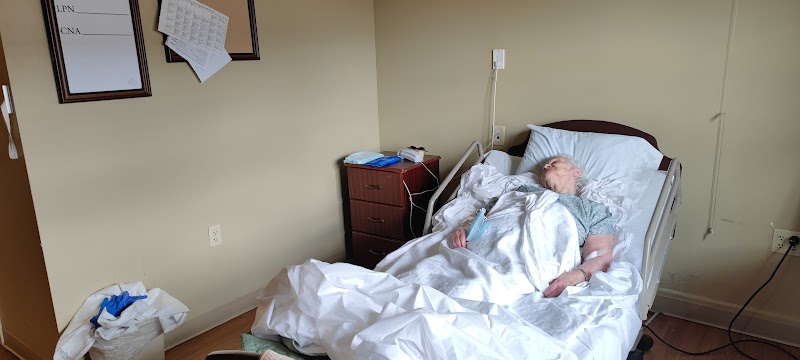
How is Prattville, Llc Staffed?

CMS rates PRATTVILLE HEALTH AND REHABILITATION, LLC's staffing level at 4 out of 5 stars, which is above average compared to other nursing homes. Staff turnover is 58%, which is 12 percentage points above the Alabama average of 46%. High turnover can affect care consistency as new staff learn residents' individual needs. RN turnover specifically is 58%, which is notably high. RNs provide skilled clinical oversight, so turnover in this role can affect medical care quality.

What Have Inspectors Found at Prattville, Llc?

State health inspectors documented 20 deficiencies at PRATTVILLE HEALTH AND REHABILITATION, LLC during 2018 to 2022. These included: 18 with potential for harm and 2 minor or isolated issues.
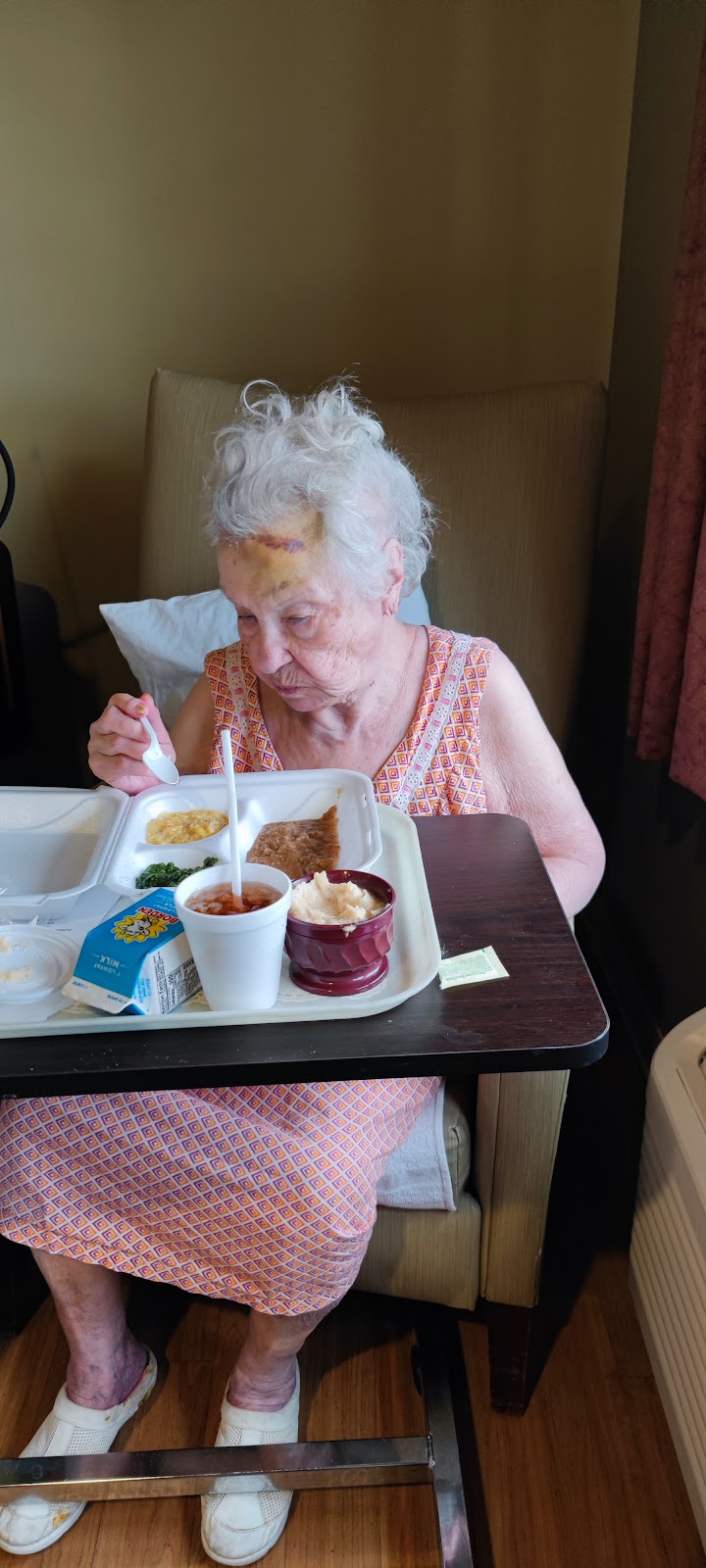
Who Owns and Operates Prattville, Llc?

PRATTVILLE HEALTH AND REHABILITATION, LLC is owned by a for-profit company. For-profit facilities operate as businesses with obligations to shareholders or private owners. The facility is operated by NHS MANAGEMENT, a chain that manages multiple nursing homes. With 162 certified beds and approximately 158 residents (about 98% occupancy), it is a mid-sized facility located in PRATTVILLE, Alabama.
How Does Prattville, Llc Compare to Other Alabama Nursing Homes?

Compared to the 100 nursing homes in Alabama, PRATTVILLE HEALTH AND REHABILITATION, LLC's overall rating (1 stars) is below the state average of 2.9, staff turnover (58%) is significantly higher than the state average of 46%, and health inspection rating (1 stars) is much below the national benchmark.

What Should Families Ask When Visiting Prattville, Llc?

Based on this facility's data, families visiting should ask: "How do you ensure continuity of care given staff turnover, and what is your staff retention strategy?" "Can I visit during a mealtime to observe dining assistance and food quality?" "How do you handle medical emergencies, and what is your hospital transfer rate?" "Can I speak with family members of current residents about their experience?" These questions are particularly relevant given the facility's high staff turnover rate.

Is Prattville, Llc Safe?

Based on CMS inspection data, PRATTVILLE HEALTH AND REHABILITATION, LLC has a clean safety record: no substantiated abuse findings (meaning no confirmed cases of resident harm), no Immediate Jeopardy citations (the most serious violation level indicating risk of serious injury or death), and is not on the Special Focus Facility watch list (a federal program monitoring the lowest-performing 1% of nursing homes). The facility has a 1-star overall rating and ranks #100 of 100 nursing homes in Alabama. While no facility is perfect, families should still ask about staff-to-resident ratios and recent inspection results during their visit.

Do Nurses at Prattville, Llc Stick Around?

Staff turnover at PRATTVILLE HEALTH AND REHABILITATION, LLC is high. At 58%, the facility is 12 percentage points above the Alabama average of 46%. Registered Nurse turnover is particularly concerning at 58%. RNs handle complex medical decisions and coordinate care — frequent RN changes can directly impact care quality. High turnover means new staff may not know residents' individual needs, medications, or preferences. It can also be disorienting for residents, especially those with dementia who rely on familiar faces. Families should ask: What is causing the turnover? What retention programs are in place? How do you ensure care continuity during staff transitions?

Was Prattville, Llc Ever Fined?

PRATTVILLE HEALTH AND REHABILITATION, LLC has no federal fines on record. CMS issues fines when nursing homes fail to meet care standards or don't correct problems found during inspections. The absence of fines suggests the facility has either maintained compliance or corrected any issues before penalties were assessed. This is a positive indicator, though families should still review recent inspection reports for the full picture.

Is Prattville, Llc on Any Federal Watch List?

PRATTVILLE HEALTH AND REHABILITATION, LLC is not on any federal watch list. The most significant is the Special Focus Facility (SFF) program, which identifies the bottom 1% of nursing homes nationally based on persistent, serious quality problems. Not being on this list means the facility has avoided the pattern of deficiencies that triggers enhanced federal oversight. This is a positive indicator, though families should still review the facility's inspection history directly.