TRAYLOR RETIREMENT COMMUNITY
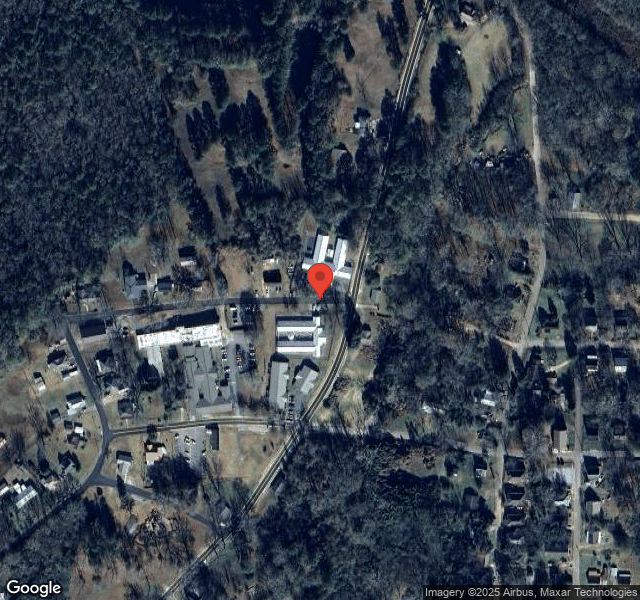

1235 YANCEY STREET, ROANOKE, AL 36274 (334) 863-3500
For profit - Corporation 123 Beds TRAYLOR PORTER HEALTHCARE Data: November 2025
Trust Grade
80/100
#73 of 223 in AL
Last Inspection: September 2019

Over 2 years since last inspection. Current conditions may differ from available data.

Overview

Traylor Retirement Community in Roanoke, Alabama has a Trust Grade of B+, indicating it is above average and recommended for families considering care options. It ranks #73 out of 223 facilities in Alabama, placing it in the top half, and is the best option among two facilities in Randolph County. The facility is improving, having reduced its issues from three in 2018 to two in 2019. Staffing is a significant strength, with a perfect 5/5 rating and a turnover rate of 38%, which is lower than the state average, meaning caregivers are familiar with the residents. While there have been no fines, the health inspection rating is only 2/5, indicating below-average performance, and there are several concerns regarding food safety practices. For example, a baking pan of macaroni and cheese was not discarded by its use-by date, and a dirty toaster was improperly stored, which could affect all residents. Additionally, there were concerns about food being reheated to inadequate temperatures, which also poses potential risks to residents’ health. Overall, while there are clear strengths in staffing and a positive trend, families should be aware of the noted food safety issues.

Trust Score
B+
80/100
In Alabama
#73/223
Top 32%
Safety Record
Low Risk
No red flags
Inspections
Getting Better
3 → 2 violations
Staff Stability
○ Average
38% turnover. Near Alabama's 48% average. Typical for the industry.
Penalties
✓ Good
No fines on record. Clean compliance history, better than most Alabama facilities.
Skilled Nurses
✓ Good
Each resident gets 49 minutes of Registered Nurse (RN) attention daily — more than average for Alabama. RNs are trained to catch health problems early.
Violations
○ Average
10 deficiencies on record. Average for a facility this size. Mostly minor or procedural issues.
★★★★☆
4.0
Overall Rating
★★★★★
5.0
Staff Levels
★★★★★
5.0
Care Quality
★★☆☆☆
2.0
Inspection Score
Stable
2018: 3 issues
2019: 2 issues

The Good

  • 5-Star Staffing Rating · Excellent nurse staffing levels
  • 5-Star Quality Measures · Strong clinical quality outcomes
  • Full Sprinkler Coverage · Fire safety systems throughout facility
  • No fines on record
  • Staff turnover below average (38%)

    10 points below Alabama average of 48%

Facility shows strength in staffing levels, quality measures, fire safety.

The Bad

Staff Turnover: 38%

Near Alabama avg (46%)

Typical for the industry

Chain: TRAYLOR PORTER HEALTHCARE

Part of a multi-facility chain

Ask about local staffing decisions and management

The Ugly 10 deficiencies on record

Sept 2019 2 deficiencies
CONCERN (F)

Potential for Harm - no one hurt, but risky conditions existed

Food Safety (Tag F0812)

Could have caused harm · This affected most or all residents

Based on observations, interview, review of the facility's policies titled, Food Storage, Cleaning Instructions: Food Preparation Appliances, and a facility document titled, Food Storage Guidelines, t...

Read full inspector narrative →
Based on observations, interview, review of the facility's policies titled, Food Storage, Cleaning Instructions: Food Preparation Appliances, and a facility document titled, Food Storage Guidelines, the facility failed to ensure: 1. a full size, two inch, baking pan of macaroni and cheese was discarded on the used by date, and 2. a dirty toaster was not stored in the Dry Goods Storage Room. These deficient practices were observed on 9/24/19, during the initial observation of the kitchen. This had the potential to affect all 106 residents in the facility. Findings Include: 1. A review of an undated facility policy titled, Food Storage, revealed: . Procedure: . 13. Leftover food is stored in covered containers or wrapped carefully and securely. Each item is clearly labeled and dated before being refrigerated. Leftover food is used within 3 days or discarded. 14. Refrigerated Food Storage: . f. All foods should be covered, labeled and dated. All foods will be checked to assure that foods (including leftovers) will be consumed by their safe use by dates, or frozen (where applicable), or discarded. A review of a facility document titled, Food Storage Guidelines with a revision date of 06/07/16, revealed: . Food Storage Rules Prepared In House Food Must Be Used or Discarded within 3 Days (72 hours) . During the initial tour of the kitchen on 09/24/2019 at 12:01 PM, the walk-in refrigerator contained a full size, two inch, baking pan with macaroni and cheese labeled with a prepared date of 09/14/2019 and a discard date of 09/17/2019. An interview with Employee Identifier (EI) #1, Assistant Dietary Manager (ADM) was conducted during the initial tour on 09/24/2019 at 12:01 PM. EI #1 removed the outdated dish of macaroni and cheese to be discarded. EI #1 was asked who was responsible to throw out the outdated dishes. EI #1 said that there was a new cook training and the dish may have been misdated. A follow-up interview was conducted on 09/26/2019 at 10:13 AM with EI #1. EI #1 was asked what the concern would be for the outdated macaroni and cheese in the walk-in refrigerator. EI #1 replied, a resident could get sick. 2. A review of an undated facility policy titled, Cleaning Instructions: Food Preparation Appliances revealed: Policy: Small appliances . will be cleaned and sanitized after each use. 9. Return the equipment to the appropriate area. During the initial tour of the kitchen on 09/24/2019 at 12:05 PM, which included observations in the Dry Goods Storage Room, a toaster was found stored dirty with food particles on the toaster. Upon entering the dry good storage room where paper products were stored, on 09/24/2019 at 12:09 PM, a toaster was observed sitting on top of a box on a shelf. The toaster was observed to be dirty with crumbs on the toaster. An interview was conducted during the initial tour on 09/24/2019 at 12:09 PM, with EI #1. EI #1 was asked, what was on the toaster. EI #1 replied, it was dirty. EI #1 was asked, what would be the concern of storing the dirty toaster in the dry goods room. EI #1 responded rodents or pests. EI #1 was asked, why would the toaster be stored in the dry good storage room. EI #1 replied, he did not know.
CONCERN (F)

Potential for Harm - no one hurt, but risky conditions existed

Garbage Disposal (Tag F0814)

Could have caused harm · This affected most or all residents

Based on observations, interview, and review of the facility's policies titled, Food-Related Garbage and Refuse Disposal and Waste Grease Disposable the facility failed to ensure: 1. the double lids o...

Read full inspector narrative →
Based on observations, interview, and review of the facility's policies titled, Food-Related Garbage and Refuse Disposal and Waste Grease Disposable the facility failed to ensure: 1. the double lids on the top of the dumpster were closed and secured on 09/24/19 and 2. the lid on the oil/grease disposal container was closed and secured on 09/24/19. These deficient practices had the potential to affect all 106 residents in the facility. Findings Include: 1. A review of a facility policy titled, Food-Related Garbage and Refuse Disposal, with a revised date of October 2017, revealed: Policy Statement Food-related garbage and refuse are disposed of in accordance with current state laws. Policy Interpretation and Implementation . 2. All garbage and refuse containers are provided with tight-fitting lids or covers and must be kept covered when stored or not in continuous use. . 5. Garbage and refuse containing food wastes will be stored in a manner that is inaccessible to pests. . 7. Outside dumpsters provided by garbage pickup services will be kept closed and free of surrounding litter . During the initial tour of the kitchen on 09/24/19 at 12:14 PM, the dumpster area was observed with Employee Identifier (EI) #1, Assistant Dietary Manager (ADM). Three dumpsters were observed. EI #1 stated the first dumpster was the kitchen's, the second was for laundry and the third was for housekeeping. The dumpsters were behind a closed fence. The first dumpster was observed to have both top lids opened. EI #1 closed the lids. An interview was conducted during the initial tour with EI #1 on 09/24/19 at 12:14 PM. EI #1 was asked, why the lids were not closed. EI #1 replied, he did not know why. EI #1 was asked, what would be a concern of having the dumpster open. EI #1 replied cats, dogs, rodents and pests. 2. A review of an undated facility policy titled, Waste Grease Disposable, revealed: Policy: Used oil/grease will be disposed of as needed. Procedure: . 3. Dispose of the oil into the outdoor waste grease container and wipe any spills as they occur. . 5. Container lids shall remain closed at all times when not in use. During the initial tour of the kitchen on 09/24/19 at 12:19 PM, the oil refuge area was observed. Three barrels for used oil disposal were observed. The second barrel was open and the lid was sitting on top of the first barrel. An interview was conducted during the initial tour with EI #1, on 09/24/19 at 12:19 PM. EI #1 was asked why the barrel was left open. EI #1 replied, he did not know but it should not have been left open. EI #1 was asked what was the concern with the oil barrel being left open. EI #1 replied, contamination, spills, fire and rodents.
Aug 2018 3 deficiencies
CONCERN (D)

Potential for Harm - no one hurt, but risky conditions existed

Deficiency F0761 (Tag F0761)

Could have caused harm · This affected 1 resident

Based on observation, interview and review of facility's policies titled, MEDICATION STORAGE IN THE FACILITY and SPECIFIC MEDICATION ADMINISTRATION PROCEDURES', the facility failed to ensure an expire...

Read full inspector narrative →
Based on observation, interview and review of facility's policies titled, MEDICATION STORAGE IN THE FACILITY and SPECIFIC MEDICATION ADMINISTRATION PROCEDURES', the facility failed to ensure an expired vial of flu vaccine was not stored in a medication room refrigerator. This affected one of three medication rooms in the facility. Findings include: The facility's policy titled, MEDICATION STORAGE IN THE FACILITY, with an effective date of July 1, 2009, revealed: . M. Outdated, contaminated, or deteriorated medications and those in containers that are cracked, soiled, or without secure closures are immediately removed from stock, disposed of according to procedures for medication disposal . The facility's policy titled, SPECIFIC MEDICATION ADMINISTRATION PROCEDURE, with an effective date of July 1, 2009, documented: . E. Check expiration date on package/container . On 08/08/18 at 4:47 p.m., during medication room observation with Employee Identifier (EI) #12, Registered Nurse (RN)/Unit Manager (UM), the surveyor observed a box containing a vial of Flulaval Quarivalent (flu vaccine) with an expiration date of 04/2018 in the medication room refrigeration on the locked unit. EI #12 asked what was the expiration date on the flu vaccine. EI #12 said April 2018. The surveyor asked what was the concern with expired medications being in the medication room. EI #12 replied medication error because someone might give it without checking the date and it might alter the effectiveness of the medication.
CONCERN (D)

Potential for Harm - no one hurt, but risky conditions existed

Infection Control (Tag F0880)

Could have caused harm · This affected 1 resident

**NOTE- TERMS IN BRACKETS HAVE BEEN EDITED TO PROTECT CONFIDENTIALITY** 3) The facility's policy titled, Personal Protective Equipment - Using Gloves revealed: Purpose To guide the use of gloves. Obje...

Read full inspector narrative →
**NOTE- TERMS IN BRACKETS HAVE BEEN EDITED TO PROTECT CONFIDENTIALITY** 3) The facility's policy titled, Personal Protective Equipment - Using Gloves revealed: Purpose To guide the use of gloves. Objectives 1. To prevent the spread of infection; . 3. To protect hands from potentially infectious material; . 5. Wash hands after removing gloves. (Note: Gloves do not replace handwashing.) . Resident Identifier (RI) #38 was readmitted to the facility on [DATE] with diagnoses including Alzheimer's Disease and Disorder of the Kidney and Ureter. During RI #38's incontinence care observation on 8/7/18 at 8:50 a.m., EI #1, a CNA did not wash her hands after she removed her soiled gloves. An interview was conducted on 8/7/18 at 9:15 a.m., with EI #1, a CNA. EI #1 was asked, what should be done after removing soiled gloves. EI #1 stated, wash your hands. On 8/9/18 at 10:30 a.m. and interview was conducted with EI #2, a Registered Nurse/Quality Assurance Nurse. EI #2 was asked, what should be done after cleaning stool when the CNA removes her gloves and before applying a clean pair of gloves during incontinence care. EI #2 stated, wash hands. EI #2 was asked, what should be done during incontinence care to prevent contaminating the disposable wipes container when multiple wipes are used. EI #2 stated, take out several wipes before starting when gloves are clean and lay on a clean pad to keep them clean. EI #2 was asked, what should be done before touching clean items such as the brief or the resident's clothing after wiping stool from the buttocks. EI #2 stated, she should take off gloves, clean hands, and put on clean gloves. EI #2 was asked, what the potential for harm was. EI #2 stated, infection, it being up toward the urethra, you could get a Urinary Tract Infection. Based on observations, interviews, medical record reviews, review of facility's policies titled, HANDWASHING, Fingerstick Blood Sugar Testing and Glucometer Disinfection, Personal Protective Equipment - Using Gloves, Nebulizer Therapy, SPECIFIC MEDICATION ADMINISTRATION PROCEDURES, INCONTINENT CARE and review of [NAME] AND PERRY'S FUNDAMENTALS OF NURSING, the facility failed to ensure: 1) a licensed nurse washed her hands prior to preparing Resident Identifier (RI) #69's medication and wore gloves during RI #69's nebulizer therapy; 2) a licensed nurse washed her hands before leaving RI #6's room after obtaining RI #6's fingerstick blood sugar (FSBS); and 3) a Certified Nursing Assistant (CNA) washed her hands after removing soiled gloves and did not touch clean items with soiled gloves or remove clean wipes from the dispenser with soiled gloves while performing incontinence care for RI #38. These deficient practices affected RI #69 and RI #6, two of seven residents observed during medication pass observations, and RI #38, one of one resident observed during incontinence care observation. Findings include: 1) The facility's policy titled, SPECIFIC MEDICATION ADMINISTRATION PROCEDURES, with an effective date of July 1, 2009, revealed: .Procedures .H. Cleanse hands before handling medication and before contact with resident . The facility's policy titled, Nebulizer Therapy, with a revised dated of 02/2018, documented: . 1. Care of the Resident . e. [NAME] gloves . On 08/07/18 at 11:22 a.m., during medication pass observation, Employee Identifier (EI) #13, a Licensed Practical Nurse (LPN), was observed preparing RI #69's medication without washing or her hands or using hand sanitizer. After administering RI #69's pain medication, EI #13 was observed setting up RI #69's nebulizer machine without wearing gloves. On 08/09/18 at 12:24 p.m., an interview was conducted with EI #13, a LPN. EI #13 was asked, what she should do before beginning a medication pass. EI #13 said, wash her hands. EI #13 was asked did she wash her hands before she began preparing medications for RI #69. EI #13 replied no she did not. EI #13 was asked what she should do when administering nebulizer treatments. EI #13 stated wash her hands and put gloves on. EI #13 was asked did she wear gloves when she set up RI #69's nebulizer treatment. EI #13 said no. EI #13 was asked what the concern was with not washing her hands and wearing gloves when indicated during medication pass. EI #13 said protection of the resident from transfer of bacteria. EI #13 was asked what the concern was with spreading bacteria. EI #13 answered infection control. 2) The facility's policy titled, Fingerstick Blood Sugar Testing and Glucometer Disinfection, dated 06/18, revealed: Purpose To obtain a blood sample to determine the resident's blood glucose level, ensure proper cleaning of glucometer and adherence to infection control standards . Policy .9. Remove gloves and wash hands prior to exiting room . On 08/08/18 at 4:08 p.m., during medication pass observation, EI #11, a Registered Nurse (RN), was observed not washing her hands before leaving RI #6's room after obtaining RI #6's fingerstick blood sugar (FSBS). On 08/09/18 at 2:54 p.m., an interview was conducted with EI #11, a RN. EI #11 was asked when obtaining a FSBS, when she should remove her gloves and wash her hands. EI #11 said after she finished before she left the room and after she came back and cleaned the glucometer wash them again. EI #11 was asked did she remove her gloves and wash her hands before leaving RI #6's room. EI #11 replied no she did not. EI #11 was asked what the was concern with not removing her gloves and washing her hands prior to leaving the room. EI #11 answered spreading infection.
CONCERN (F)

Potential for Harm - no one hurt, but risky conditions existed

Food Safety (Tag F0812)

Could have caused harm · This affected most or all residents

Based on observation, interview, record review, and a review of the facility's policies titled, Resource: Final Cooking, Holding and Reheating Temperatures, Kitchen Cloths and Food Storage, the facili...

Read full inspector narrative →
Based on observation, interview, record review, and a review of the facility's policies titled, Resource: Final Cooking, Holding and Reheating Temperatures, Kitchen Cloths and Food Storage, the facility failed to ensure: 1)chicken noodle soup was reheated to a temperature of 165 degrees Fahrenheit (F); 2) Wiping cloths were placed in a sanitizing solution when not in use; and 3) food items stored in the walk-in freezer were frozen solid. This had the potential to affect all resident' receiving meals from the kitchen. Findings include: 1) The facility's policy titled, Resource: Final Cooking, Holding and Reheating Temperatures, copyright 2013, revealed: . Reheated Foods: Food that is cooked, cooled and reheated All parts of the food must reach an internal temperature of 165 (degrees) F (Fahrenheit) 15 seconds . On 8/7/18 at 11:20 a.m., during tray line, the surveyor observed the chicken noodle soup was reheated to a temperature of 158 degrees Fahrenheit. An interview was conducted on 8/8/18 at 8:38 a.m. with Employee Identifier (EI) #4, the Dietary Manager (DM). EI #4 was asked, what was the temperature of food supposed to be after being reheated. EI #4 stated, 160. EI #4 was asked, what was the temperature of the chicken noodle soup after it was reheated. EI #4 stated, 158. EI #4 was asked, what was the potential for harm. EI #4 stated, bacteria growth making people sick. 2) The facility's policy titled, Kitchen Cloths, copyright 2013, revealed: Policy: Kitchen cloths will be clean and available as needed. Procedure: . 6. Cloths that are used for cleaning purposes should be stored in sanitizing solution between uses . On 8/6/18 at 5:22 p.m. during the initial tour of the kitchen, the surveyor observed three wiping cloths on the counter of the steam table. An interview was conducted on 8/8/18 at 8:38 a.m. with EI #4, the DM. EI #4 was asked where should wiping cloths be stored when not in use. EI #4 replied, in the rinse and sanitizing bucket, the buckets contain detergent in one and quaternary ammonia in the other. 3) The facility's undated policy titled, FOOD STORAGE revealed: POLICY Sufficient storage facilities are provided to keep foods safe, wholesome, and appetizing. Food is stored, prepared, and transported at an appropriate temperature and by methods designed to prevent contamination. PROCEDURES . 17. Freezer Temperatures: a. Temperatures for freezer should be 0 degrees or below and must be recorded daily. d. Every freezer must be equipped with an internal thermometer, even if equipped with an external thermometer . On 8/6/18 at 5:30 p.m. the surveyor observed the walk in freezer outside thermometer register at thirty degrees Fahrenheit. The inside walk in freezer thermometer was not working. Foods that were not completely frozen included mighty shakes, magic cups, and pizza. On 8/8/18 at 8:30 a.m. the surveyor observed the outside thermometer for the walk in freezer was reading eighteen degrees Fahrenheit. The inside walk in freezer thermometer was reading twenty degrees. The mighty shakes, magic cups, diced turkey, lasagna, and pizza were not frozen solid. An interview was conducted on 8/8/18 at 8:38 a.m. with EI #4, the DM. EI #4 was asked, what should the temperature in the walk in freezer be. EI #4 stated zero. EI #4 was asked, what was the temperature in the walk in freezer on 8/8/18. EI #4 stated, eighteen outside and twenty inside. EI #4 was asked, what was the temperature in the walk in freezer during initial tour on 8/6/18. EI #4 stated, thirty outside. EI #4 was asked what was not frozen solid in the walk in freezer on 8/8/18. EI #4 stated, Magic Cups, Mighty Shakes, Pizza, Diced Turkey. EI #4 was asked, how long the walk in freezer had not been working properly. EI #4 replied, she notified EI #5, the Maintenance Director, and EI #6, the Administrator, in June 2018 what the temperatures in the walk in freezer were. EI #4 was asked, what was the potential for harm. EI #4 stated, something thawing out, salmonella or some other bacteria, making everyone that eats it sick in the nursing home. An interview was conducted with EI #5, the Maintenance Director, on 8/9/18 at 3:50 p.m. EI #5 was asked if he had been notified that the walk in freezer was not functioning properly. EI #5 replied, it does this every summer, we have talked about replacing the condensing unit outside to a bigger unit. EI #5 also stated it had been discussed with the administrator. EI #5 said, a new freezer would cost $7800.00. EI #5 was asked how long had the freezer not been working properly. EI #5 stated, every summer for two to three summers. EI #5 was asked, when was the worse time for the freezer to not be working properly. EI #5 stated, the summer. EI #5 was asked, when were you notified this summer that the walk in freezer was not working properly. EI #5 replied, he had been notified by the Dietary Manager about a month ago. An interview was conducted on 8/9/18 at 4:10 p.m. with EI #6, the Administrator. EI #6 was asked, was she aware the walk in freezer wasn't working properly. EI #6 stated, that has been reported to me, not staying cold enough. EI #6 was asked, what was the concern with foods not being frozen. EI #6 stated, they could spoil.
Jul 2017 5 deficiencies
CONCERN (D)

Potential for Harm - no one hurt, but risky conditions existed

Deficiency F0315 (Tag F0315)

Could have caused harm · This affected 1 resident

**NOTE- TERMS IN BRACKETS HAVE BEEN EDITED TO PROTECT CONFIDENTIALITY** Based on observations, record reviews, interviews, and facility policy titled, Standard Precautions, the facility failed to ensu...

Read full inspector narrative →
**NOTE- TERMS IN BRACKETS HAVE BEEN EDITED TO PROTECT CONFIDENTIALITY** Based on observations, record reviews, interviews, and facility policy titled, Standard Precautions, the facility failed to ensure Certified Nursing Assistants (CNA) washed their hands and changed their gloves during the provision of incontinent care for Resident Identifier (RI) #3, a resident with a history of Urinary Tract Infections. This affected one of four observation of resident incontinent care. Finding include: A facility policy titled: Standard Precautions revealed: . Standard Precautions presume that all . body fluids, secretions, and excretions . mucous membranes may contain transmissible infectious agents. Standard precautions include the following practices: 1. Hand Hygiene . Hands shall be washed with soap and water . after direct or indirect contact . d. Wash hands after removing gloves . 2. Gloves a. Wear gloves . when . direct contact with . body fluids, mucous membranes .b. when in direct contact with a resident . e. change gloves, during the care of a resident to prevent cross-contamination from one body site to another (when moving from a dirty site to a clean one). RI #3 was re-admitted to the facility on [DATE] with diagnosis to include, Urinary Tract Infection. A quarterly Minimum Data Set (MDS) with an Assessment Reference Date (ARD) of 5/16/2017 revealed RI #3 required limited assistance with personal hygiene and was always incontinent of bowel and bladder. On 7/11/2017 at 3:42 p.m. an observation of incontinent care was made for RI #3. Upon entering RI #3's room, EI #3, CNA and EI #4, CNA failed to wash their hands before donning gloves. RI #3 was rolled to his/her right side by EI #4 while EI #3 cleaned RI #3's buttocks area where bowel movement was observed. After cleaning the buttock area RI #3 was rolled on his/her back and EI #4 cleaned RI #3's perineal area and removed the soiled waterproof pad and underpad. RI #3 was rolled to his/her right side and a clean underpad and waterproof pad was placed under the resident. RI #3 was then rolled to his/her left side where EI #3 unrolled and straightened the underpad and waterproof pad. The waterproof pad was then pulled up between RI #3's legs. Throughout the incontinent care observation, EI #3 and EI #4 did not change their soiled gloves or wash their hands. On 7/12/2017 at 5:13 p.m. an interview was conducted with EI #3, CNA. EI #3 was asked what did the facility's policy indicate about when gloves should have been changed and hand should have been washed during care of a resident. EI #3 said, change gloves and wash hands before touching clean items. EI #3 was asked when did she wash her hands and change her gloves. EI #3 said, after the care was done. EI #3 was asked should she have changed her gloves and washed her hands when performing incontinent care for RI #3. EI #3 said, yes. EI #3 was asked what was the potential harm to a resident when hands were not washed and gloves were not changed during incontinent care. EI #3 said, contamination. On 7/13/2017 at 9:34 a.m., an interview was conducted with EI #5, Infection Control Nurse. EI #5 was asked what did the facility's policy indicate regarding when hands should be washed and gloves changed when performing incontinent care. EI #5 said, hands should have been washed and gloves changed before care, after touching dirty, gloves should have been removed and hands washed and before touching clean items. EI #5 was asked was it an appropriate practice of that facility for a CNA to not change her gloves or wash her hands during incontinent care. EI #5 said, no. EI #5 was asked what was the potential harm to a resident when hands were not washed and gloves were not changed during incontinent care. EI #5 said, spread infection. On 7/13/2017 at 2:30 p.m., an interview was conducted with EI #4, CNA. EI #4 was asked when should hands have been washed and gloves changed when performing incontinent care. EI #4 said, before and after care. EI #4 was asked should she have washed her hands and changed her gloves during incontinent care of RI #3. EI #4 said, yes. EI #4 was asked what was the potential harm to a resident when hands were not washed and gloves were not changed during incontinent care. EI #4 said, germs.
CONCERN (D)

Potential for Harm - no one hurt, but risky conditions existed

Deficiency F0322 (Tag F0322)

Could have caused harm · This affected 1 resident

**NOTE- TERMS IN BRACKETS HAVE BEEN EDITED TO PROTECT CONFIDENTIALITY** Based on observation, interviews and a facility policy titled, GASTROSTOMY TUBE FEEDINGS the facility failed to ensure a license...

Read full inspector narrative →
**NOTE- TERMS IN BRACKETS HAVE BEEN EDITED TO PROTECT CONFIDENTIALITY** Based on observation, interviews and a facility policy titled, GASTROSTOMY TUBE FEEDINGS the facility failed to ensure a licensed staff member checked the placement of a percutaneous endoscopic gastrostomy (PEG) tube prior to administering a bolus feeding to Resident Identifier (RI) #5. This affected one of two residents sampled for feeding tubes. Findings include: A facility Policy titled: GASTROSTOMY TUBE FEEDINGS with a revision date of 2/25/04, revealed: . PROCEDURE . 5. Check for placement . Listen with stethoscope over upper quadrant while injecting 15-20 milliliters (ml) air into tube and aspirate back gastric content. To ensure gastrostomy tube in correct position . RI #5 was readmitted to the facility on [DATE] with diagnoses that included Cerebral Palsy, Muscle Weakness, and Gastrostomy. RI #5's quarterly MDS (Minimum Data Set) with an ARD of 6/13/2017 revealed RI #5 received tube feedings. On 7/11/2017 at 4:21 p.m. RI #5's tube feeding was observed. Employee Indentifer (EI) #2, LPN (Licensed Practical Nurse) exposed RI #5's feeding tube and provided a bolus feeding and flush. EI #2 failed to check the placement of the PEG tube before she administered the flushes and feeding. On 7/13/2017 at 9:30 a.m. an interview was conducted with EI #1, Director of Nursing (DON). EI #1 was asked what did the facility policy indicate about what should be done prior to administering a bolus feeding through a PEG tube. EI #1 said, check for placement by auscultation, check residual and ensure patency. EI #1 was asked what was the potential harm to a resident when the placement of a feeding tube was not checked prior to a bolus feeding. EI #1 said, the tube might not be in the stomach and cause the feeding to go somewhere else. On 7/13/2017 at 2:40 p.m. an interview was conducted with EI #2, Licensed Practical Nurse (LPN). EI #2 was asked what should have been done before administering a bolus feeding to RI #5. EI #2 said, check the placement of the tube. EI #2 was asked what did she fail to do when she administered a bolus feeding to RI #5. EI #2 said, I didn't check for placement or residual. EI #2 was asked what was the potential harm to a resident when the placement of a feeding tube was not checked prior to administering a bolus feeding. EI #2 said, the resident could have been too full or the tube could not be in the right place.
CONCERN (E)

Potential for Harm - no one hurt, but risky conditions existed

Deficiency F0312 (Tag F0312)

Could have caused harm · This affected multiple residents

**NOTE- TERMS IN BRACKETS HAVE BEEN EDITED TO PROTECT CONFIDENTIALITY** Based on observations, record reviews, interviews, and facility policies titled, Standard Precautions, the facility failed to en...

Read full inspector narrative →
**NOTE- TERMS IN BRACKETS HAVE BEEN EDITED TO PROTECT CONFIDENTIALITY** Based on observations, record reviews, interviews, and facility policies titled, Standard Precautions, the facility failed to ensure Certified Nursing Assistants (CNA) provided incontinent care in a manner to prevent cross-contamination. Resident Identifier (RI) #10 was provided incontinent care without hand hygiene or glove change before or during the care. This affected one of four sampled residents observed for incontinent care. Finding include: A facility policy titled: Standard Precautions revealed: . Standard Precautions presume that all . body fluids, secretions, and excretions . mucous membranes may contain transmissible infectious agents. Standard precautions include the following practices: 1. Hand Hygiene . Hands shall be washed with soap and water . after direct or indirect contact . d. Wash hands after removing gloves . 2. Gloves a. Wear gloves . when . direct contact with . body fluids, mucous membranes .b. when in direct contact with a resident . e. change gloves, during the care of a resident to prevent cross-contamination from one body site to another (when moving from a dirty site to a clean one). RI #10 was admitted to the facility on [DATE] with diagnosis to include Osteoarthritis, Chronic Obstructive Pulmonary Disease and Heart Failure. A quarterly MDS with an ARD of 4/18/2017 revealed, RI #10 required extensive assistance with personal hygiene and was always incontinent of bowel and bladder. On 7/12/2017 at 3:03 p.m. EI (Employee Identifier) #3 and EI #4, CNAs, entered RI #10's room and donned gloves, without washing their hands, to provide incontinent care. RI #10 was observed to be soiled with urine and the waterproof pad under RI #10 was noted to be soiled with urine. EI #3 and EI #4 used disposable wipes to perform the incontinent care of RI #10 and removed the soiled waterproof pad and underpad from under RI #10. While wearing the same gloves, EI #4 rolled RI #10 to the right side and EI #3 placed a clean underpad and waterproof pad under RI #10. The resident was then rolled to the left side and EI #3 straightened the underpad under RI #10. Throughout the incontinent care observation, EI #3 and EI #4 wore the same urine soiled gloves and did not wash their hands until the care was completed. On 7/12/2017 at 5:13 p.m. an interview was conducted with EI #3, CNA. EI #3 was asked what the facility's policy indicated about when gloves should have been changed and hands should have been washed during care of a resident. EI #3 said, change gloves and wash hands before touching clean items. EI #3 was asked when did she wash her hands and change her gloves. EI #3 said, after the care was done. EI #3 was asked should she have changed her gloves and washed her hands when performing incontinent care for RI #10. EI #3 said, yes. EI #3 was asked what was the potential harm to a resident when hands were not washed and gloves were not changed during incontinent care. EI #3 said, contamination. On 7/13/2017 at 9:34 a.m., an interview was conducted with EI #5, Infection Control Nurse. EI #5 was asked what did the facility's policy indicate regarding when hands should be washed and gloves changed when performing incontinent care. EI #5 said, hands should have been washed and gloves changed before care, after touching dirty, gloves should have been removed and hands washed and before touching clean items. EI #5 was asked was it an appropriate practice of that facility for a CNA to not change her gloves or wash her hands during incontinent care. EI #5 said, no. EI #5 was asked what was the potential harm to a resident when hands were not washed and gloves were not changed during incontinent care. EI #5 said, spread infection. On 7/13/2017 at 2:30 p.m., an interview was conducted with EI #4, CNA. EI #4 was asked when should hands have been washed and gloves changed when performing incontinent care. EI #4 said, before and after care. EI #4 was asked should she have washed her hands and changed her gloves during incontinent care of RI #10. EI #4 said, yes. EI #4 was asked what was the potential harm to a resident when hands were not washed and gloves were not changed during incontinent care. EI #4 said, germs.
CONCERN (E)

Potential for Harm - no one hurt, but risky conditions existed

Deficiency F0441 (Tag F0441)

Could have caused harm · This affected multiple residents

**NOTE- TERMS IN BRACKETS HAVE BEEN EDITED TO PROTECT CONFIDENTIALITY** Based on observations, record reviews, interviews, and facility policy titled, Standard Precautions, the facility failed to ensu...

Read full inspector narrative →
**NOTE- TERMS IN BRACKETS HAVE BEEN EDITED TO PROTECT CONFIDENTIALITY** Based on observations, record reviews, interviews, and facility policy titled, Standard Precautions, the facility failed to ensure Certified Nursing Assistants (CNA) washed their hands and changed their soiled gloves during the provision of incontinent care for Resident Identifier (RI) #'s 3, 5 and 10. This affected three of four observations of resident incontinent care and three of three residents residing on the 3rd hall in the facility. Finding include: A facility policy titled: Standard Precautions revealed: . Standard Precautions presume that all . body fluids, secretions, and excretions . mucous membranes may contain transmissible infectious agents. Standard precautions include the following practices: 1. Hand Hygiene . Hands shall be washed with soap and water . after direct or indirect contact . d. Wash hands after removing gloves . 2. Gloves a. Wear gloves . when . direct contact with . body fluids, mucous membranes .b. when in direct contact with a resident . e. change gloves, during the care of a resident to prevent cross-contamination from one body site to another (when moving from a dirty site to a clean one). 1. RI #3 was re-admitted to the facility on [DATE] with diagnosis to include, Urinary Tract Infection. A quarterly Minimum Data Set (MDS) with an Assessment Reference Date (ARD) of 5/16/2017 revealed RI #3 required limited assistance with personal hygiene and was always incontinent of bowel and bladder. On 7/11/2017 at 3:42 p.m. an observation of incontinent care was made for RI #3. Upon entering RI #3's room, EI #3, CNA and EI #4, CNA failed to wash their hands before donning gloves. RI #3 was rolled to his/her right side by EI #4 while EI #3 cleaned RI #3's buttocks area where bowel movement was observed. After cleaning the buttock area RI #3 was rolled on his/her back and EI #4 cleaned RI #3's perineal area and removed the soiled waterproof pad and underpad. RI #3 was rolled to his/her right side and a clean underpad and waterproof pad was placed under the resident. RI #3 was then rolled to his/her left side where EI #3 unrolled and straightened the underpad and waterproof pad. The waterproof pad was then pulled up between RI #3's legs. Throughout the incontinent care observation, EI #3 and EI #4 did not change their gloves or wash their hands. 2. RI #5 was readmitted to the facility on [DATE] with diagnoses that included Cerebral Palsy, Muscle Weakness, and Gastrostomy. RI #5's quarterly MDS (Minimum Data Set) with an ARD of 6/13/2017 revealed RI #5 was incontinent of bowel and bladder and totally dependent on staff for toileting and hygiene. On 7/12/2017 at 9:45 a.m. EI #6, CNA provided incontinent care for RI #5. EI #6, wearing gloves, cleaned stool from RI #5's perineum. While wearing the same soiled gloves, EI #6 continued care for RI #5, applied and fastened a clean brief, touching RI #5's skin, clothes, and gastrostomy tube. 3. RI #10 was admitted to the facility on [DATE] with diagnosis to include Osteoarthritis, Chronic Obstructive Pulmonary Disease and Heart Failure. A quarterly MDS with an ARD of 4/18/2017 revealed, RI #10 required extensive assistance with personal hygiene and was always incontinent of bowel and bladder. On 7/12/2017 at 3:03 p.m. an observation of incontinent care was observed on RI #10. Upon entering RI #10's room, EI #3, CNA and EI #4, CNA failed to wash their hands before donning gloves. Throughout the incontinent care observation, EI #3 and EI #4 failed to change their gloves or wash their hands. On 7/12/2017 at 5:13 p.m., an interview was conducted with EI #3, CNA, EI #3 was asked what did the facility's policy indicate about when gloves should have been changed and hands washed during care of a resident. EI #3 said, change gloves and wash hands before touching clean items. EI #3 was asked when did she wash her hands and change her gloves. EI #3 said, after the care was done. EI #3 was asked should she have changed her gloves and washed her hands when performing incontinent care for RI #3 and RI #10. EI #3 said, yes. EI #3 was asked what was the potential harm to a resident when hands were not washed and gloves were not changed during incontinent care. EI #3 said, contamination. On 7/13/2017 at 9:34 a.m., an interview was conducted with EI #5, Infection Control Nurse. EI #5 was asked what did the facility's policy indicate regarding when hands should be washed and gloves changed when performing incontinent care. EI #5 said, hands should have been washed and gloves changed before care, after touching dirty, gloves should have been removed and hands washed and before touching clean items. EI #5 was asked was it an appropriate practice of that facility for a CNA to not change her gloves or wash her hands during incontinent care. EI #5 said, no. EI #5 was asked what was the potential harm to a resident when hands were not washed and gloves were not changed during incontinent care. EI #5 said, spread infection. On 7/13/2017 at 2:30 p.m., an interview was conducted with EI #4, CNA. EI #4 was asked when should hands have been washed and gloves changed when performing incontinent care. EI #4 said, before and after care. EI #4 was asked should she have washed her hands and changed her gloves during incontinent care of RI #3 and RI #10. EI #4 said, yes. EI #4 was asked what was the potential harm to a resident when hands were not washed and gloves were not changed during incontinent care. EI #4 said, germs.
CONCERN (E)

Potential for Harm - no one hurt, but risky conditions existed

Deficiency F0498 (Tag F0498)

Could have caused harm · This affected multiple residents

Based on interview and review of the facility's record titled (Name of Facility)INSERVICE EDUCATION RECORD for Employee Identifier (EI) #s 7-9, the facility failed to ensure CNAs' (Certified Nursing A...

Read full inspector narrative →
Based on interview and review of the facility's record titled (Name of Facility)INSERVICE EDUCATION RECORD for Employee Identifier (EI) #s 7-9, the facility failed to ensure CNAs' (Certified Nursing Assistant), 12 hours of education per year included education related to Dementia. This affected three of five CNAs reviewed for training records. Findings Include: Review of the facility's undated record titled (Name of Facility) INSERVICE EDUCATION RECORD revealed the . Yearly Required . subjects did not include Dementia training. A review of EI #7's inservice education record revealed EI #7's hire date was 2/15/2002. EI #7's education training from 2/15/2016-2/15/2017 did not include documentation of Dementia training. A review of EI #8's inservice education record revealed EI #8's hire date was 8/16/2002. EI #8's education training record from 8/16/2015 through 8/16/2016 did not include documentation of Dementia training. A review of EI #9's inservice education record revealed EI #9's hire date was 2/16/2009. EI #9's education training record from 2/16/2016 through 2/16/2017 did not include documentation of Dementia training. On 7/13/2017 at 3:25 p.m., an interview was conducted with EI #10, Staff Development and EI #11 ADON (Assistant Director of Nursing). EI #10 reviewed the records the facility provided for EI #s 7-9 and agreed they did not have the required dementia training. EI #10 was asked which training topics were considered mandatory. EI #10 said, the subjects that were type printed on the inservice education record. EI #10 was asked why dementia training was not included on the yearly mandatory subjects. EI #6 stated, dementia was done when CNAs were first hired. When asked why it would be important to have yearly dementia training, EI #11 said, for the best quality of care.
Understanding Severity Codes (click to expand)
Life-Threatening (Immediate Jeopardy)
J - Isolated K - Pattern L - Widespread
Actual Harm
G - Isolated H - Pattern I - Widespread
Potential for Harm
D - Isolated E - Pattern F - Widespread
No Harm (Minor)
A - Isolated B - Pattern C - Widespread

Questions to Ask on Your Visit

  • "Can I speak with families of current residents?"
  • "What's your RN coverage like on weekends and overnight?"

Our Honest Assessment

Strengths
  • • Grade B+ (80/100). Above average facility, better than most options in Alabama.
  • • No major safety red flags. No abuse findings, life-threatening violations, or SFF status.
  • • No fines on record. Clean compliance history, better than most Alabama facilities.
  • • 38% turnover. Below Alabama's 48% average. Good staff retention means consistent care.
Concerns
  • • No significant concerns identified. This facility shows no red flags across CMS ratings, staff turnover, or federal penalties.
Bottom line: Generally positive indicators. Standard due diligence and a personal visit recommended.

About This Facility

What is Traylor Retirement Community's CMS Rating?

CMS assigns TRAYLOR RETIREMENT COMMUNITY an overall rating of 4 out of 5 stars, which is considered above average nationally. Within Alabama, this rating places the facility higher than 99% of the state's 100 nursing homes. This rating reflects solid performance across the metrics CMS uses to evaluate nursing home quality.

How is Traylor Retirement Community Staffed?

CMS rates TRAYLOR RETIREMENT COMMUNITY's staffing level at 5 out of 5 stars, which is much above average compared to other nursing homes. Staff turnover is 38%, compared to the Alabama average of 46%. This relatively stable workforce can support continuity of care.

What Have Inspectors Found at Traylor Retirement Community?

State health inspectors documented 10 deficiencies at TRAYLOR RETIREMENT COMMUNITY during 2017 to 2019. These included: 10 with potential for harm.

Who Owns and Operates Traylor Retirement Community?

TRAYLOR RETIREMENT COMMUNITY is owned by a for-profit company. For-profit facilities operate as businesses with obligations to shareholders or private owners. The facility is operated by TRAYLOR PORTER HEALTHCARE, a chain that manages multiple nursing homes. With 123 certified beds and approximately 70 residents (about 57% occupancy), it is a mid-sized facility located in ROANOKE, Alabama.

How Does Traylor Retirement Community Compare to Other Alabama Nursing Homes?

Compared to the 100 nursing homes in Alabama, TRAYLOR RETIREMENT COMMUNITY's overall rating (4 stars) is above the state average of 3.0, staff turnover (38%) is near the state average of 46%, and health inspection rating (2 stars) is below the national benchmark.

What Should Families Ask When Visiting Traylor Retirement Community?

Based on this facility's data, families visiting should ask: "Can I visit during a mealtime to observe dining assistance and food quality?" "How do you handle medical emergencies, and what is your hospital transfer rate?" "Can I speak with family members of current residents about their experience?"

Is Traylor Retirement Community Safe?

Based on CMS inspection data, TRAYLOR RETIREMENT COMMUNITY has a clean safety record: no substantiated abuse findings (meaning no confirmed cases of resident harm), no Immediate Jeopardy citations (the most serious violation level indicating risk of serious injury or death), and is not on the Special Focus Facility watch list (a federal program monitoring the lowest-performing 1% of nursing homes). The facility has a 4-star overall rating and ranks #1 of 100 nursing homes in Alabama. While no facility is perfect, families should still ask about staff-to-resident ratios and recent inspection results during their visit.

Do Nurses at Traylor Retirement Community Stick Around?

TRAYLOR RETIREMENT COMMUNITY has a staff turnover rate of 38%, which is about average for Alabama nursing homes (state average: 46%). Moderate turnover is common in nursing homes, but families should still ask about staff tenure and how the facility maintains care continuity when employees leave.

Was Traylor Retirement Community Ever Fined?

TRAYLOR RETIREMENT COMMUNITY has no federal fines on record. CMS issues fines when nursing homes fail to meet care standards or don't correct problems found during inspections. The absence of fines suggests the facility has either maintained compliance or corrected any issues before penalties were assessed. This is a positive indicator, though families should still review recent inspection reports for the full picture.

Is Traylor Retirement Community on Any Federal Watch List?

TRAYLOR RETIREMENT COMMUNITY is not on any federal watch list. The most significant is the Special Focus Facility (SFF) program, which identifies the bottom 1% of nursing homes nationally based on persistent, serious quality problems. Not being on this list means the facility has avoided the pattern of deficiencies that triggers enhanced federal oversight. This is a positive indicator, though families should still review the facility's inspection history directly.