ROBERTSDALE REHABILITATION & HEALTHCARE CTR
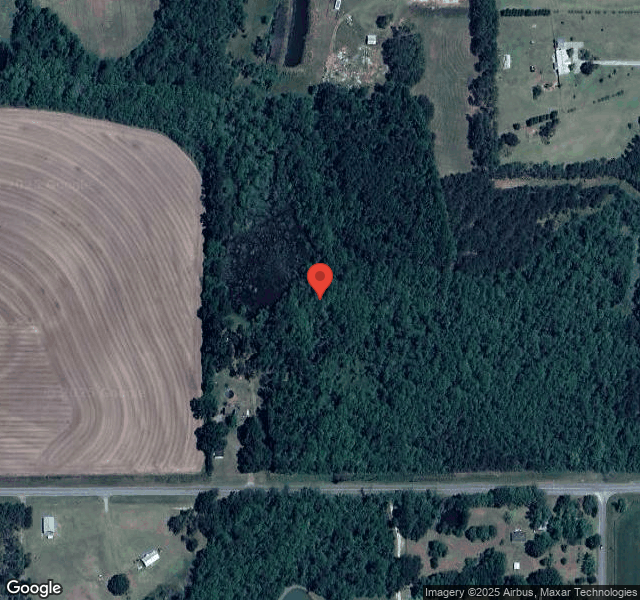
18700 U S HIGHWAY 90, ROBERTSDALE, AL 36567 (251) 947-1911
For profit - Corporation 152 Beds BALL HEALTHCARE SERVICES Data: November 2025
Trust Grade
35/100
#177 of 223 in AL
Last Inspection: August 2024

Within standard 12-15 month inspection cycle. Federal law requires annual inspections.

Overview

RobertsDale Rehabilitation & Healthcare Center has a Trust Grade of F, indicating significant concerns about the quality of care provided. Ranking #177 out of 223 facilities in Alabama places it in the bottom half, and it is #6 out of 7 in Baldwin County, meaning there is only one local option that is better. The facility's issues are worsening, increasing from 2 in 2019 to 7 in 2024. Although staffing is a strength with a 4/5 rating and a turnover rate of 40%-better than the state average-there have been serious incidents, such as a resident being improperly transferred, resulting in a fracture, and staff failing to assess a resident's pain properly. While there have been no fines, the overall poor performance raises concerns that families should consider when researching care options.

Trust Score
F
35/100
In Alabama
#177/223
Bottom 21%
Safety Record
High Risk
Review needed
Inspections
Getting Worse
2 → 7 violations
Staff Stability
○ Average
40% turnover. Near Alabama's 48% average. Typical for the industry.
Penalties
✓ Good
No fines on record. Clean compliance history, better than most Alabama facilities.
Skilled Nurses
✓ Good
Each resident gets 46 minutes of Registered Nurse (RN) attention daily — more than average for Alabama. RNs are trained to catch health problems early.
Violations
⚠ Watch
14 deficiencies on record. Higher than average. Multiple issues found across inspections.
★★☆☆☆
2.0
Overall Rating
★★★★☆
4.0
Staff Levels
★★★☆☆
3.0
Care Quality
★★☆☆☆
2.0
Inspection Score
Stable
2019: 2 issues
2024: 7 issues

The Good

  • 4-Star Staffing Rating · Above-average nurse staffing levels
  • Full Sprinkler Coverage · Fire safety systems throughout facility
  • No fines on record
  • Staff turnover below average (40%)

    8 points below Alabama average of 48%

Facility shows strength in staffing levels, fire safety.

The Bad

2-Star Overall Rating

Below Alabama average (2.9)

Below average - review inspection findings carefully

Staff Turnover: 40%

Near Alabama avg (46%)

Typical for the industry

Chain: BALL HEALTHCARE SERVICES

Part of a multi-facility chain

Ask about local staffing decisions and management

The Ugly 14 deficiencies on record

4 actual harm
Aug 2024 7 deficiencies
CONCERN (D)

Potential for Harm - no one hurt, but risky conditions existed

Deficiency F0558 (Tag F0558)

Could have caused harm · This affected 1 resident

**NOTE- TERMS IN BRACKETS HAVE BEEN EDITED TO PROTECT CONFIDENTIALITY** Based on record review, observation, interview, and facility policy review, the facility failed to ensure one of two residents (...

Read full inspector narrative →
**NOTE- TERMS IN BRACKETS HAVE BEEN EDITED TO PROTECT CONFIDENTIALITY** Based on record review, observation, interview, and facility policy review, the facility failed to ensure one of two residents (Resident (R) 83) observed for dining out of 35 sample residents was positioned to ensure the resident could access their food without difficulty and at a comfortable position. This had the potential for the resident to have a decline in nutritional status and a negative dining experience. Findings include: Review of the facility's policy titled, Dining Services with the last revision date of 10/17, revealed Meal service is provided for all residents in a safe and sanitary environment and in a manner that preserves the dignity and respect of each resident .Every effort is made to provide a homelike environment in the dining room .During meal service: 3. b. Residents shall be positioned by nursing staff to enable the resident to consume food served in the safest, most efficient, and more comfortable manner possible. Review of R83's undated Face Sheet provided by the facility revealed the resident was readmitted to the facility on [DATE] with diagnoses of abnormal posture and muscle weakness. Review of R83's annual Minimum Data Set (MDS) with an Assessment Reference Date (ARD) of 05/21/24 located in the electronic medical record (EMR) under the MDS tab revealed the resident had a Brief Interview for Mental Status (BIMS) score of three out of 15 which indicated the resident was severely cognitively impaired. She was noted to be independent with eating after set-up. During an observation on 08/05/24 at 11:30 AM, R83 was in the dining room at a table eating her lunch. She was in a chair that was in a reclined position. She was not sitting in an upright position. She had to lean forward and reach above her head to reach her utensils and the food on her plate. The resident's chin was level with the table. During an observation on 08/06/24 at 12:05 PM, R83 was in the dining room eating her lunch in the same chair that was in a reclined position. R83 reached up over her head and had to lean forward in order to reach her iced tea so she could drink it. She was observed to reach above her head to reach her utensils and her plate of food. R83 leaned forward to reach her cranberry juice and spilled some as she was trying to bring it closer to her mouth. She was observed to feed herself her lunch, however had to lean forward to reach it. During an interview on 08/06/24 at 12:05 PM, Licensed Practical Nurse (LPN) 6, who was in the dining room at the time of the observation, confirmed the table was too high for the resident to comfortably reach her food to feed herself. LPN6 said she tried to get R83 to move to a lower table, however the resident insisted on sitting at her current table with her friends. LPN6 confirmed other alternatives should be attempted so the resident could reach her utensils, plates, and beverages without leaning forward and reaching above her head so she could continue to sit at the table of her choosing. LPN6 then got a pillow and placed it behind R83's back so she was closer to the table. R83 thanked her and said it was much better and she could reach her food easier. During an observation on 08/08/24 at 12:13 PM, R83 was sitting at her usual table, in her chair that was reclined back. No pillow was observed behind the resident or any other assistive device so she would be positioned closer to the table to make it more comfortable. She again was having to reach above her head to reach her food and beverages. At the time of the observation the Speech Language Pathologist (SLP) was sitting at the table with R83. The SLP confirmed the resident was seated too low and she was struggling to see and reach her food. She confirmed she fed herself independently, however, could use some device so she was up higher and/or something behind her back, so she didn't have to lean forward to see her food and reach her utensils and beverage cups. The SLP confirmed R83 wanted to be at this particular table with her friends and said, so we need to figure out what adaptive devices we can use to make her more comfortable when she is eating.
CONCERN (D) 📢 Someone Reported This

A family member, employee, or ombudsman was alarmed enough to file a formal complaint

Potential for Harm - no one hurt, but risky conditions existed

ADL Care (Tag F0677)

Could have caused harm · This affected 1 resident

**NOTE- TERMS IN BRACKETS HAVE BEEN EDITED TO PROTECT CONFIDENTIALITY** Based on observations, record review, interview, and job description review, the facility failed to ensure two of four residents...

Read full inspector narrative →
**NOTE- TERMS IN BRACKETS HAVE BEEN EDITED TO PROTECT CONFIDENTIALITY** Based on observations, record review, interview, and job description review, the facility failed to ensure two of four residents (Residents (R) 5 and R 37) reviewed for activities of daily living received adequate assistance with shaving. This failure had the potential to negatively impact the quality of life and self esteem for the affected residents. Findings include: 1. Review of R5's undated Face Sheet located in the electronic medical record (EMR) under the Face Sheet tab, indicated he was admitted to the facility on [DATE] with diagnoses including paraplegia, anxiety, urinary tract infection, abnormal posture, and history of stroke. Review of R5's annual Minimum Data Set (MDS) with an Assessment Reference Date (ARD) of 05/31/24 and located in the EMR under the MDS tab, indicated he had a Brief Interview for Mental Status (BIMS) of 14 out of 15 which indicated the resident had intact cognition. R5 required extensive assistance by one staff member with personal hygiene. Review of R5's Care Plan, located in the EMR under the Care Plan tab, most recently revised on 05/31/24, revealed the resident had a self-care deficit related to his diagnoses of weakness and paraplegia, a required assistance with activities of daily living (ADL) including personal hygiene. During an interview on 08/05/24, at 10:58 AM, R5 was in his room in bed, he was alert and able to answer questions. He stated he was doing okay in the facility but needed a shave and was usure when he was last shaved. His face had approximately one-half inch long whiskers at that time. During an observation on 08/06/24 at 2:14 PM, R5 was in his room. He had whiskers on his face. During an observation on 08/07/24 at 10:07 AM, R5 was in his room in his wheelchair, his face was unshaven. During an interview on 08/07/24 at 11:08 AM, Certified Nursing Assistant (CNA) 2 stated she did not shave residents unless as needed. During an interview on 08/07/24 at 11:11 AM, CNA1 (assigned to R5) stated she did not shave residents and was not sure who was responsible for shaving residents. During an interview on 08/07/24 at 11:12 AM, Licensed Practical Nurse (LPN) 2 stated CNAs should have been shaving residents every other day and more often as needed. During an interview on 08/07/24 at 11:12 AM, LPN7 said CNAs should have been shaving residents every other day and more often as needed. During an interview on 08/07/24 at 2:20 PM, the Director of Nursing (DON) stated CNAs should have been shaving the residents. 2. Review of R37's undated Face Sheet located in the EMR under the Face Sheet tab, indicated he was admitted on [DATE] with diagnoses of left above the knee amputation (AKA), history of stroke, osteoporosis, and reduced mobility. Review of R37's quarterly MDS with an ARD of 05/24/24 and located in the EMR under the MDS tab, revealed a BIMS score of nine out of 15 which indicated the resident had moderately impaired cognition. R5 required substantial/ maximum assistance with personal hygiene. Review of R37's Care Plan, located in the EMR under the Care Plan tab, most recently revised on 05/24/24, revealed the resident had a self-care deficit related to his diagnoses of weakness, required assistance with activities of daily living including personal hygiene. During an observation and interview on 08/05/24 at 3:05 PM, R37 stated he needed a shave; he stated it took a week after you asked to be shaved. During an observation on 08/06/24 at 2:15 PM, the resident was in room in bed, unshaven. During an observation 08/07/24 at 10:15 AM, the resident was in room in bed awake watching TV, unshaven. During an interview on 08/07/24 at 11:58 AM, the DON stated CNAs should have shaved the residents on shower days and upon request. During an interview on 08/08/24 at 3:52 PM, the Administrator stated he did not have a policy on ADLs. He provided a policy titled Nursing Assistant Job Description, dated May 2003 which revealed Essential Job Functions: Personal Care Functions- Duties: Assist with daily bath, dressing, grooming, dental care, bowel and bladder functions.
CONCERN (D)

Potential for Harm - no one hurt, but risky conditions existed

Incontinence Care (Tag F0690)

Could have caused harm · This affected 1 resident

**NOTE- TERMS IN BRACKETS HAVE BEEN EDITED TO PROTECT CONFIDENTIALITY** Based on observations, interviews, and record review the facility failed to ensure staff were providing appropriate and timely u...

Read full inspector narrative →
**NOTE- TERMS IN BRACKETS HAVE BEEN EDITED TO PROTECT CONFIDENTIALITY** Based on observations, interviews, and record review the facility failed to ensure staff were providing appropriate and timely urinary catheter care for one of four residents (Resident (R) 5) reviewed for catheters and urinary tract infections of 35 sample residents. This failure placed the residents at risk for infection to the urinary tract and urethral trauma. Findings include: Review of R5's Face Sheet located in the electronic medical record (EMR) under the Face Sheet tab, indicated he was admitted to the facility on [DATE] with diagnoses including paraplegia, anxiety, urinary tract infection, abnormal posture, and history of stroke. Review of R5's annual Minimum Data Set (MDS) with an Assessment Reference Date (ARD) of 05/31/24 and located in the EMR under the MDS tab, revealed he had a Brief Interview for Mental Status (BIMS) of 14 out of 15 which indicated the resident had intact cognition. R5 required extensive assistance by one staff member with personal hygiene. Review of R5's physicians orders, located in the EMR under the Orders tab, indicated: provide catheter care every shift and as needed. Review of R5's Care Plan, located in the EMR under the Care Plan tab, most recently revised on 05/31/24, revealed the resident had alteration in elimination related to incontinence of bowel and bladder functions. He had a Foley catheter inserted for urinary retention. The care plan included R5 had a history of chronic urinary tract infections (UTIs) and received a maintenance dose of antibiotics. The goal was R5 would not be hospitalized due to a UTI through the next review. He was at risk for infection related to the Foley catheter. Approaches were to position catheter and tubing to facilitate proper drainage, provide catheter care every shift and as needed. During an observation and interview on 08/5/24 at 10:58 AM, R5 was in his room in bed, he was alert and able to answer questions. He had a Foley catheter in place. He stated he was unsure of why he had the catheter. During an interview on 08/07/24 at 11:08 AM, Certified Nursing Assistant (CNA) 2 stated she did not do catheter care. She stated she only emptied the drainage bag. During an interview on 08/07/24 at 11:11 AM, CNA1 stated she did not provide catheter care. She stated the nurses did catheter care and she only emptied the drainage bag and documented the amount of urine. During an interview on 08/07/24 at 11:12 AM, Licensed Practical Nurse (LPN) 2 stated CNAs should have been doing catheter care every shift. During an interview on 08/07/24 at 11:16 AM, with LPN7 stated CNAs should have been providing catheter care every shift and more often if the resident had a bowel movement and needed cleaning up. During an observation of catheter care on 08/07/24 at 3:05 PM provided by CNA1 and CNA2 revealed supplies were gathered. Staff Development (SD) was in the room during the catheter care. CNA2 cleaned tubing near penis, turned resident on right side leaving drainage bag attached to bed on the left side of the bed causing tension and pulling. SD told the CNAs to make sure they moved the drainage bag with the resident, they then moved it up in the bed close to the resident's head (above the bladder). SD told the CNAs to move the drainage bag. They moved it to the right side of the bed, they continued the catheter care, and turned the resident on his side causing tension to the tubing. During an interview on 08/07/24 at 4:45 PM when asked about the catheter care provided for R5 the SD stated CNAs needed to be aware of the catheter placement when providing care. SD stated the CNAs needed more training. Review of the Personal Hygiene Roster, provided by the facility, indicated R5 was provided catheter care on 08/01/24, 08/03/24, and 08/06/24. There was no evidence catheter care was provided every shift as ordered.
CONCERN (D)

Potential for Harm - no one hurt, but risky conditions existed

Food Safety (Tag F0812)

Could have caused harm · This affected 1 resident

Based on observation, interview, and facility policy review, the facility failed to ensure ceiling vents did not drip condensation onto the tray line and scoops were stored appropriately. This deficie...

Read full inspector narrative →
Based on observation, interview, and facility policy review, the facility failed to ensure ceiling vents did not drip condensation onto the tray line and scoops were stored appropriately. This deficient practice had the potential to affect 100 of 113 residents who received meals prepared in the facility's kitchen. Findings include: Review of the facility's policy titled, Supplies and Equipment, dated 11/08, revealed Equipment will be ready for use at all times day or night to serve the resident's needs. Review of the facility's policy titled, STORAGE OF CANNED AND DRY FOOD, revised 11/23, revealed Dry lbod [food] products such as flour, commeal [cornmeal], sugar, etc [etcetera], that are stored in bins are removed from their original packaging. These bins are cleaned and sanitized according to facility cleaning schedule. Scoops are stored in covered containers and not in thc [the] storage bin unless hanging on a hook and out offood [of food] product. 1. The tray line was observed on 08/07/24 from 11:14 AM through 12:53 PM. Two ceiling vents above the steam table were observed to drip condensation onto the shelf where meals were being prepared for delivery to residents. No condensation was observed to drip into food. The Dietary Manager (DM) and three Dietary Aides (DA1, DA2, and DA5) confirmed the dripping. During an interview on 08/08/24 at 10:45 AM, the Registered Dietitian (RD) stated that she inspected the kitchen once a month without being aware of the condensation from the ceiling vents. On 08/08/24 at 10:55 AM, the two ceiling vents were confirmed by the DM, RD, and Maintenance Director (MD), to drip onto the steam table. 2. During a tour of the kitchen on 08/05/24 at 9:25 AM, with the DM, a scoop was observed inside the flour container; a scoop was observed inside the cornmeal container; and an uncovered scoop was observed on top of the sugar container which had food particles on top. The observations were confirmed by the DM who stated, they know better, I'll have to remind them to put the scoops in the bags as expected.
CONCERN (E) 📢 Someone Reported This

A family member, employee, or ombudsman was alarmed enough to file a formal complaint

Potential for Harm - no one hurt, but risky conditions existed

Free from Abuse/Neglect (Tag F0600)

Could have caused harm · This affected multiple residents

**NOTE- TERMS IN BRACKETS HAVE BEEN EDITED TO PROTECT CONFIDENTIALITY** Based on record review, interview, and facility policy review, the facility failed to protect the resident's right to be free fr...

Read full inspector narrative →
**NOTE- TERMS IN BRACKETS HAVE BEEN EDITED TO PROTECT CONFIDENTIALITY** Based on record review, interview, and facility policy review, the facility failed to protect the resident's right to be free from abuse for seven of nine residents (Resident (R) 48, R83, R267, R15, R117, R76, and R80) reviewed for abuse. This failure had the potential to affect resident safety. Findings include: Review of the facility policy titled, Administrative Policy, Subject: Abuse, Neglect and Exploitation, last revised 11/17, revealed Each resident of any facility .has the right to be free from verbal, sexual, physical, or mental abuse, neglect, exploitation, and misappropriation of his or her property. 1. a. Review of R12's undated ''admission Record,'' provided by the facility revealed R12 was admitted to the facility on [DATE] with diagnoses including cognitive communication deficit, psychotic disorder with delusions due to known physiological condition, dementia without behavioral disturbance, anxiety disorder, and major depressive. Review of R12's quarterly Minimum Data Set (MDS) with an Assessment Reference Date (ARD) of [DATE] revealed a Brief Interview for Mental Status (BIMS) score of two out of 15 which indicated the resident was severely cognitively impaired. Review of R12's care plan, provided by the facility and dated [DATE], revealed exhibited following behaviors: attempted to bite staff, cursing and demeaning staff, and combative (hitting) at nursing staff. Refuses meds and BG's [blood glucose] DX. [diagnoses] Major Depressive Disorder: Psychotic diagnosis known psychological condition. Anxiety 1-10-24 hit another resident in response to that resident hitting her by accident, alteration in communication related to diagnosis of dementia. Residents have fragmented thought processes and slow processing, and resident was at risk for side effects from antidepressant medication use. b. Review of R48's undated ''admission Record,'' provided by the facility, revealed R48 was admitted to the facility on [DATE] with diagnoses including dementia, moderate with psychotic disturbance, cognitive communication deficit, diffuse traumatic brain injury without loss of consciousness subsequent encounter, anxiety disorders, delusional disorders, and macular degeneration. Review of R48's quarterly MDS with an ARD of [DATE] revealed a BIMS score of nine out of 15 which indicated resident was moderately cognitively impaired. Review of R48's care plan, provided by the facility and dated [DATE], revealed at risk for medication side effects related to psychotropic medication use, diagnosis of macular degeneration, she requires adapting of activities and assistance secondary to visual impairments, has behaviors: inappropriate behaviors, paranoia, delusions, nightmares, swatting at nurse, grabbing at nurse, yelling at staff, and increased Sundowner's. Refuses meds at times, combative with staff during care and trying to care for others. Diagnosis: Dementia with Psychotic Features- gets into others faces r/t [related to] unable to see or hear; REVISED [DATE] combative with other residents. Review of the Facility Reported Incident, provided by the facility and dated [DATE], revealed R48 was being pushed by Certified Nursing Assistant (CNA) 4 and R48 accidentally hit R12 as she was passing her in the hallway. R12 responded by hitting resident R48 in response. The residents were separated immediately, and CNA4 reported the incident to her charge nurse. The facility documented due to the cognitive status of both residents' intentional harm was deemed unlikely. During an interview on [DATE] at 4:42 PM, CNA4 stated R48 could not really see and did not intentionally hit R12. CNA4 stated R48 did swing her arm out to touch R12. CNA4 stated R48 was a touchy person, but her hand unintentionally landed wrong on R12. CNA4 stated R12 wasn't having a good day and struck R48 back in response. CNA4 stated she immediately pushed R48 away from R12 and told the charge nurse. CNA4 stated she checked on R12 to see if her day had gotten better and R12 did not have any memory or effects to the incident. 2. a. Review of R83's undated Face Sheet provided by the facility revealed the resident was readmitted to the facility on [DATE] with diagnoses of dementia, abnormal posture, and muscle weakness. Review of R83's annual MDS with an ARD of [DATE] located in the electronic medical record (EMR) under the MDS tab revealed the resident had a BIMS score of three out of 15 indicating the resident was severely cognitively impaired. b. Review of R269's undated Face Sheet provided by the facility revealed the resident was admitted to the facility on [DATE] with a diagnosis of dementia with other behavioral disturbances. R269 passed away while on hospice on [DATE]. Review of R269's quarterly MDS with an ARD of [DATE] revealed the resident's BIMS score was a nine out of 15 indicating she was moderately cognitively impaired. Review of a copy of the online form titled, Incident Reporting System, provided by the facility, revealed an incident occurred on [DATE] where R269 slapped R83 in the face in the sitting room by the nurses' station. R269 said she slapped her because it was her granddaughter, and she shouldn't move. R83 was noted with redness to the skin. Both residents were immediately separated. R269 was placed on one-on one until an order was obtained and she was sent to the hospital for evaluation where she was diagnosed with a urinary tract infection (UTI). Witness statements were obtained from staff and residents. R269 was readmitted to the facility and moved to another unit in an attempt to further separate the two residents. Since her re-admission there have been no further incidents. Given the incident was witnessed, abuse was substantiated. During an interview on [DATE] at 10:30 AM, R83 revealed she recalled she was slapped, and did not know why R269 slapped her. She confirmed she had not been abused previously or since the incident by any resident or staff member. During an interview on [DATE] at 2:25 PM, the Administrator confirmed the investigation showed the abuse happened to R83. He further confirmed there were no other incidents involving R269 or R83. 3. a. Review of R15's undated Face Sheet provided by the facility revealed the resident was admitted to the facility on [DATE] with a diagnosis of vascular dementia. Review of R15's quarterly MDS with an ARD of [DATE] (at the time of the incident) revealed a BIMS score of 11 out of 15 which indicated she was moderately cognitively impaired. Her quarterly MDS with an ARD of [DATE] revealed a BIMS score of 10 out of 15 which indicated she was moderately cognitively impaired. b. Review of R267's undated Face Sheet provided by the facility revealed the resident was admitted to the facility on [DATE] with a diagnosis of altered mental status. R267 passed away at the facility on [DATE]. Review of the facility's investigation, provided by the facility, revealed the incident between R15 and R267 occurred on [DATE]. R15 and R267 were roommates. Two nurses observed R15 slapping R267 and R267 retaliated by slapping her back. R267 sustained a skin tear. There was no serious bodily injury. R267's skin tear was assessed and treated. The residents were separated as they both continued to swing and yell at each other. R15 was discharged to a Senior Behavioral Health Hospital. Both residents were interviewed. R15 could not recall what was said that provoked the incident. However, R15 did say, she swung first so I hit her before she could hit me. R267 said she did not know why R15 came up to her and slapped her and did not know why she deserved it. Review of the conclusion of the investigation revealed R15 was separated from R267 and was sent to the Senior Behavioral Health Unit. It was determined she did have a UTI and was kept there for a three-day evaluation. R15 was readmitted to the facility on [DATE] and placed on the Rehab unit. Both women continued to be closely monitored, followed by the psych team, and remained in space away from each other. Interactions with other residents will be observed. The allegation was substantiated. During an interview on [DATE] at 10:30 AM, R15 revealed the resident did not recall the incident from five years ago. She revealed she had not been abused by any resident or staff member. During an interview on [DATE] at 2:30 PM, the Administrator revealed he was not employed at the facility five years ago when the incident occurred between R15 and R267. He confirmed the abuse did happen per the investigation. 4. Review of R117's Face Sheet located in the EMR under the Face Sheet tab, revealed R117 was admitted to the facility on [DATE]. Diagnoses included unspecified dementia, osteoporosis, difficulty in walking, not elsewhere classified, other lack of coordination, other abnormalities of gait and mobility, and anxiety disorder. Review of R117's Care Plan, dated [DATE] and located under the Care Plan tab of the EMR, indicated R117 had a history of episodes of psychosis, hallucinations, increased agitation, and going in and out of other resident's rooms. Interventions included encouraging resident's family to visit, involve resident in conversations, and psych consult as needed. Review of R117's record indicated she expired on [DATE] under the care of hospice services. Review of the facility investigation, provided by the facility and dated [DATE], revealed R117 was on the secure unit when another resident approached her, slapped her on the hand, cursed her, and told her to move. The residents were separated. R117 was assessed, and no injuries were noted. The facility staff attempted to interview R117, and the other resident involved. Neither resident was able to recall the incident and could not answer questions due to cognitive impairment. The facility substantiated abuse occurred. During an interview on [DATE] at 11:08 AM, CNA2 stated she did not remember R117 or any incident that occurred but knew to report any suspected abuse immediately. She stated she would tell the charge nurse or higher ups if nothing was done. During an interview on [DATE] at 11:16 AM, Licensed Practical Nurse (LPN) 7 stated she did not recall any incident related to R117 but would report any sort of abuse or suspected abuse immediately. She said CNAs reported any issues related to abuse or anything out of the ordinary to charge nurses. 5. Review of R76's undated Face Sheet in the EMR under the Face Sheet tab, revealed R76 was admitted to the facility on [DATE] with diagnoses including dementia with behavioral disturbance, mood disturbance, and depressed mood. Review of R76's quarterly MDS with an ARD of [DATE] located in the EMR under the MDS tab, revealed R76's BIMS score was three out of 15 which indicated the resident was severely cognitively impaired. R76 was documented as exhibiting behaviors, and required extensive assistance from one person for transfers, dressing and toilet use and limited assistance for personal hygiene. Review of R 76's Care Plan, last revised [DATE], located in the EMR under the Care Plan tab, indicated Resident experiences resisting care, combative with staff, and yelling at times. Interventions included observing resident for behavior triggers which might lead to combativeness, assess and approaches that worked with resident including tone of voice and mannerisms. Review of a facility reported incident, dated [DATE], indicated a nurse told R42 to shut up and go to his room. The facility investigated, took witness statements, and determined that R42 was nowhere around according to the witness statements. The nurse was speaking to R76 and told him to shut up and go to his room. The nurse was terminated. She denied saying anything to R42 or R76. The facility substantiated that verbal abuse occurred. During an interview on [DATE] at 11:08 AM, CNA4 stated she has been working at the facility seven years on the secure unit. She stated she recalled the incident related to R76. CNA4 stated she heard the nurse tell R76 to shut up and go to his room. She said it was reported R42 was the resident who was told to shut up and go to his room, but it was actually R76. She said neither resident remembered the incident and the nurse was terminated. 6. a. Review of R80's Face Sheet located in the EMR under the Face Sheet tab, revealed R80 was admitted on [DATE] with diagnoses that included unspecified dementia with behavioral disturbances. Review of the quarterly MDS dated [DATE], noted R80 had a BIMS score of one out of 15 which indicated R80 was severely cognitively impaired. b. Review of R101's Face Sheet located in the EMR under the Face Sheet tab, revealed R101 was initially admitted [DATE] and readmitted [DATE] with diagnoses that included vascular dementia with behavior disturbances, restlessness, and agitation. Review of the significant change MDS, dated [DATE], noted R101 had a BIMS score of zero out of 15 which indicated R101 was severely cognitively impaired. Review of a facility investigation, dated [DATE], revealed R80 was physically struck by R101 on [DATE] at 7:30 PM. The incident occurred, on the secured dementia care unit, after R101 wandered into R80's room and R80 yelled at R101 to get out. R101 was reported to have struck R80 on her left shoulder. During an observation on [DATE] at 2:48 PM, R80 was seated in a wheelchair moving herself about the secured dementia care unit using her feet. During an observation on [DATE] at 2:43 PM R101 was in bed, with the bedcovers up to her chin. R101 said she was very tired. During an interview on [DATE] at 2:51 PM, with the CNA4 revealed R80 generally wandered about the unit in her wheelchair and R101 was often in bed due to a fracture following a fall on [DATE]. During an interview on [DATE] at 12:21 PM, the Director of Nursing (DON) revealed R101 had not had other incidents of physical abuse of a resident. R101 was identified to have various incidents of increased agitation and physical aggression of unit property including windows. During those instances, the DON said R101 was transferred out to a Geri-psych unit for an evaluation. R101 received Geri-psych consults weekly to bi-monthly for medication management. During an interview on [DATE] at 1:27 PM, the Administrator stated that the incident was substantiated because it was witnessed by staff and was reported as a Facility Reported Incident.
CONCERN (E)

Potential for Harm - no one hurt, but risky conditions existed

Deficiency F0883 (Tag F0883)

Could have caused harm · This affected multiple residents

**NOTE- TERMS IN BRACKETS HAVE BEEN EDITED TO PROTECT CONFIDENTIALITY** Based on interview, record review, review of the Centers for Disease Control and Prevention (CDC) guidelines, and facility polic...

Read full inspector narrative →
**NOTE- TERMS IN BRACKETS HAVE BEEN EDITED TO PROTECT CONFIDENTIALITY** Based on interview, record review, review of the Centers for Disease Control and Prevention (CDC) guidelines, and facility policy review, the facility failed to ensure four of six residents (Resident (R) 15, R83, R93, and R94) reviewed for pneumococcal vaccines out of total sample of 35 residents were either offered pneumococcal vaccines or offered additional pneumococcal vaccines per CDC guidelines. Additionally, the facility failed to obtain consents and provide the risks and benefits to the residents and/or responsible party (RP) prior to administering pneumococcal vaccines. Additionally, the facility failed to ensure R93 was offered an influenza vaccine. The failure of not offering/providing pneumococcal vaccines increased the risk for residents to contract pneumonia. The failure for not offering influenza vaccine increased the risk for the resident to contract influenza. Findings include: Review of the facility's policy titled, Influenza, Pneumococcal, COVID-19 and Respiratory Syncytial Virus (RSV) Vaccines with a most recent revised date of 10/23, revealed PURPOSE: The facility offers all residents the Influenza, Pneumonia .vaccines unless medically contraindicated or the resident has already received the vaccines. STANDARD: Influenza Vaccine: All resident will be offered an influenza vaccine October 1 through March 31 annually, unless the vaccine is medially contraindicated or the resident has already been vaccinated during this time. Pneumonia Vaccine: All residents will be offered a pneumonia vaccine unless the vaccine is medically contraindicated, or the resident has already been vaccinated. There are multiple Pneumonia vaccines approved for use in the US [United States]. Prevnar 13 (PCV 13), Prevnar 15 (PCV15), Prevnar 20 (PCV20), and Pneumovax 23 (PPSV23). The vaccine will be administered based on the age of the resident and previous pneumonia vaccines administered. As an alternative, based on assessment and practitioner recommendation, a second pneumonia vaccine may be given after 5 years following the first vaccine, unless medically contraindicated or the resident or legal representative refused the second immunization .PROCESS: a) Upon admission and annually in September of each year the facility will send a letter to each resident, sponsor, or legal representative inform them that vaccinations are about to be administered to the residents. The letter will include a consent form and educational information, including benefits and potential side effects of the vaccinations . d) The resident or legal representative will have the opportunity to refuse vaccines and document the refusal on the Resident Acceptance/ Declination Form. e) The consent form for the vaccines will be made available for the resident or resident's legal representative. Benefits and potential side effects of the vaccines will be explained on the consent form. The consent form will be stored in the resident's medical record. Review of the CDC website titled Pneumococcal Vaccination: Summary of Who and When to Vaccinate, effective 01/28/22 and located at https://cdc.gov/vaccines/chp/acip-recs/vacc-specific/pneumo.html, indicated .CDC recommends pneumococcal vaccination for all adults 65 years or older .For adults 65 years or older who have not previously received any pneumococcal vaccine, CDC recommends you .Give 1 dose of PCV [Pneumococcal Conjugate Vaccine] 15 or PCV20 .If PCV15 is used, this should be followed by a dose of PPSV 23 at least one year later. The minimum interval is 8 weeks and can be considered in adults with an immunocompromising condition, cochlear implant, or cerebrospinal fluid leak .If PCV20 is used, a dose of PPSV23 is NOT indicated .For adults 65 years or older who have only received a PPSV23, CDC recommends you .May give 1 dose of PCV15 or PCV20 .The PCV15 or PCV20 dose should be administered at least one year after the most recent PPSV23 vaccination. Regardless of if PCV15 or PCV20 is given, an additional dose of PPSV23 is not recommended since they already received it. For adults 65 years or older who have only received PCV13, CDC recommends you .Give PPSV23 as previously recommended .For adults who have received PCV13 but have not completed their recommended pneumococcal vaccine series with PPSV23, one dose of PCV20 may be used if PPSV23 is not available. If PCV20 is used, their pneumococcal vaccinations are complete . 1. Review of R15's undated Face Sheet provided by the facility revealed the resident was admitted to the facility on [DATE] and was [AGE] years old at the time of admission. Diagnoses included chronic respiratory failure and chronic obstructive pulmonary disease (COPD). Review of R15's Physician Orders List, provided by the facility and dated 04/21/21, revealed the resident was ordered Prevnar 13 pneumococcal vaccine and it was administered on 04/21/21. There was no evidence in the medical record that a consent was obtained by the resident's RP prior to administering the Prevnar 13 pneumococcal vaccine or that risks and benefits were explained to the RP. Additionally, per CDC guidelines, there was no evidence R15 received one dose of PCV20 or PPSV23 at least one year after PCV13. 2. Review of R83's undated Face Sheet provided by the facility revealed the resident was admitted to the facility on [DATE] and was [AGE] years old at the time of admission. The Face Sheet also indicated R83 was given a pneumococcal vaccine, however, there was no date, or any indication of which vaccine was given. Additionally, there was no evidence the RP signed a consent for the vaccine or that the risks and benefits were explained to the RP. 3. Review of R93's undated Face Sheet provided by the facility revealed the resident was admitted to the facility on [DATE] and was [AGE] years old at the time of admission. There was no evidence in the resident's medical record that she was offered the influenza or pneumococcal vaccine. 4. Review of R94's undated Face Sheet provided by the facility revealed the resident was admitted to the facility on [DATE] and was [AGE] years old at the time of admission. There was no evidence in the resident's medical record that he was offered a pneumococcal vaccine. During an interview on 08/08/24 at 1:00 PM, the Assistant Director of Nursing (ADON)/ Infection Preventionist (IP) confirmed the above findings regarding pneumococcal vaccines for R15, R83, R93, R94, as well as R93 not being offered an influenza vaccine. During an interview on 08/08/24 at 1:54 PM, the Director of Nursing (DON) revealed she was not sure why the four residents were not offered the pneumococcal vaccines or why R93 was not offered an influenza vaccine.
CONCERN (F)

Potential for Harm - no one hurt, but risky conditions existed

Transfer Notice (Tag F0623)

Could have caused harm · This affected most or all residents

**NOTE- TERMS IN BRACKETS HAVE BEEN EDITED TO PROTECT CONFIDENTIALITY** Based on record review, interview, and facility policy review, the facility failed to notify the Ombudsman of hospital transfers...

Read full inspector narrative →
**NOTE- TERMS IN BRACKETS HAVE BEEN EDITED TO PROTECT CONFIDENTIALITY** Based on record review, interview, and facility policy review, the facility failed to notify the Ombudsman of hospital transfers in writing for three of three residents (Resident (R) 16, R38, and R93) out of a total sample of 35 residents reviewed for hospitalization. This had the potential for the residents to have no added protection if the residents were being inappropriately discharged or transferred so they could inform them of their rights and options. Findings include: Review of the facility's policy titled, Transfer and Discharge of a Resident (including AMA [against medical advice], revised 02/04, revealed no information regarding the facility's responsibility of notifying the Ombudsman of transfers and discharges. 1. Review of R16's undated Face Sheet provided by the facility revealed the resident was admitted to the facility on [DATE]. Review of a Departmental Note, provided by the facility and dated 07/24/24, revealed at 8:50 PM, R16's oxygen saturation (O2) was 60 percent (%). He was noted to be disoriented and projectile vomiting. The on-call physician was notified and gave an order to send the resident to the hospital for evaluation and treatment. There was no evidence in the medical record that the Ombudsman was notified of the transfer. The resident remained at the hospital. 2. Review of R38's undated Face Sheet provided by the facility revealed the resident was admitted to the facility on [DATE]. Review of a Departmental Note, provided by the facility and dated 05/30/24, revealed the resident was not able to be aroused and was unresponsive to commands. The physician was notified, and an order was received to send the resident to the hospital for evaluation and treatment. The resident was admitted to the hospital for respiratory failure. The resident was readmitted to the facility on [DATE]. Review of a Departmental Note, provided by the facility and dated 07/10/24, revealed the resident was noted to be lethargic, disoriented, and unable to complete full sentences. The resident was transported to the hospital. There was no evidence in the medical record that the Ombudsman was notified of either transfer. The resident was readmitted to the facility on [DATE]. 3. Review of R93's undated Face Sheet provided by the facility revealed the resident was admitted to the facility on [DATE]. Review of a Department Note, provided by the facility and dated 04/02/24, revealed upon entering the resident's room labored breathing was noted. An order was received to send the resident to the hospital for evaluation and treatment. The resident left the facility at 4:59 PM. The resident returned to the facility on [DATE] at 3:20 PM. At 4:23 PM the resident was having difficulty breathing and a new order was received to send the resident back to the hospital for evaluation and treatment. There was no evidence in the medical record that the Ombudsman was notified of the transfer. The resident was readmitted to the facility on [DATE]. During an interview on 08/08/24 at 1:10 PM, the Administrator confirmed no notices have been sent to the Ombudsman for transfers or discharges. He revealed they had not been doing that since COVID.
Jun 2019 2 deficiencies
CONCERN (D)

Potential for Harm - no one hurt, but risky conditions existed

Pharmacy Services (Tag F0755)

Could have caused harm · This affected 1 resident

Based on interview and review of the facility's RECORD OF MEDICATION DISPOSAL forms, the facility failed to ensure the controlled drug destruction records had three required signatures. This was noted...

Read full inspector narrative →
Based on interview and review of the facility's RECORD OF MEDICATION DISPOSAL forms, the facility failed to ensure the controlled drug destruction records had three required signatures. This was noted in 10/2018 and 5/2019, two of the six months of controlled drug destruction records reviewed. Findings Included: Review of the RECORD OF MEDICATION DISPOSAL forms, dated 10/16/18, revealed there were only two signatures present for the disposal of controlled medications. The section of the form for Signature of Witness (Only required for Controlled Drugs) was blank. Review of the RECORD OF MEDICATION DISPOSAL forms, dated 5/10/19, revealed there were only two signatures present for the disposal of controlled medications. The section of the form for Signature of Witness (Only required for Controlled Drugs) was blank. On 6/06/19 04:30 PM, the surveyor conducted an interview with Employee Identifier (EI) #1, Registered Nurse/Director of Nursing (DON). EI #1 was asked who was responsible for signing the controlled drug destruction sheets. EI #1 said the pharmacist, herself and the nurse assisting with destruction. EI #1 was asked when the sheets are signed, how many signatures should there be on the controlled drug destruction sheets, including witnesses. EI #1 said three. EI #1 reviewed the destruction records for 10/16/18 and 5/10/19, and said there were not three signatures present.
CONCERN (D)

Potential for Harm - no one hurt, but risky conditions existed

Medical Records (Tag F0842)

Could have caused harm · This affected 1 resident

**NOTE- TERMS IN BRACKETS HAVE BEEN EDITED TO PROTECT CONFIDENTIALITY** Based on interviews, medical record review and review of [NAME] and [NAME] Fundamentals of Nursing Ninth Edition, Chapter 23 Leg...

Read full inspector narrative →
**NOTE- TERMS IN BRACKETS HAVE BEEN EDITED TO PROTECT CONFIDENTIALITY** Based on interviews, medical record review and review of [NAME] and [NAME] Fundamentals of Nursing Ninth Edition, Chapter 23 Legal Implications in Nursing Practice, the facility failed to ensure a physician's order was accurately transcribed for Resident Identifier (RI) #175's bilateral lower extremity Doppler study. This affected RI #175, one of 27 sampled residents for whom medical records were reviewed. Findings Include: Review of [NAME] and [NAME] Fundamentals of Nursing Ninth Edition, Chapter 23 Legal Implications in Nursing Practice, copyright 2017, page 311, revealed the following: . Health Care Providers' Orders . Make sure that all health care provider orders are in writing . and transcribed correctly . RI #175 was re-admitted to the facility on [DATE]. RI #175 had diagnoses to include Cerebral Infarction, Surgical Aftercare following Surgery, and Hemiplegia. Review of Consultation Notes revealed RI #175 saw his/her oncologist on 4/3/19. This report documented the following: . PLAN . Biggest complaint today is . lower extremity edema. I suggest a great lower extremity Dopplers to rule out blood clot . An order for the following was written and signed on a CONSULTATION form. . LE (lower extremity) EDEMA- (check) LE Doppler . However, when RI #175's order for the Dopplers was transcribed onto the facility's written physician order form, it was transcribed as the following: . 4-3-19 Stat venous doppler LLE (Left Lower Extremity) (edema) . A DOPPLER REPORT, for date of service 4/04/19, indicated RI #175 only received a Doppler of the left lower extremity on this date. On 6/06/19 at 11:25 AM an interview was conducted with Employee Identifier (EI) #6, a Licensed Practical Nurse (LPN). EI #6 was asked what type of tests were ordered for RI #175 on 4/3/19 by the Oncologist. EI #6 answered lower extremity Doppler. EI #6 was asked what was transcribed from that order. EI #6 answered stat venous Doppler left lower extremity, EI #6 was asked if that was accurate. EI #6 answered no, the resident needed both lower extremities done. EI #6 was asked what was the facility policy regarding accuracy of the transcription of Physician's orders, and she answered to clarify if we are not sure. EI #6 was asked what was the concern of inaccurate transcription of Physician's orders. EI #6 answered we might not get both of them and the other one could have had a DVT (Deep Vein Thrombosis). On 6/06/19 at 12:07 PM an interview was conducted with EI #5, an LPN. EI #5 was asked what type of tests were ordered for RI #175 on 4/3/19 by the Oncologist. EI #5 answered lower extremity Dopplers. EI #5 was asked what was transcribed from that order. EI #5 answered stat venous Doppler of left lower extremity. EI #5 was asked if that was accurate. EI #5 answered no, that was not what the doctor had written. EI #5 was asked what was the facility policy regarding accuracy of transcription of Physician's orders. EI #5 answered to make sure it is transcribed accurately. EI #5 was asked what was the concern of inaccurate transcription of Physician's orders. EI #5 answered the test may not be done. On 6/06/19 at 4:34 PM an interview was conducted with EI #1, the Director of Nursing, (DON). EI #1 was asked what type of tests were ordered for RI #175 on 4/3/19 by the Oncologist. EI #1 answered a lower extremity venous Doppler study. EI #1 was asked what was transcribed from that order. EI #1 answered left lower extremity Doppler. EI #1 was asked if that was accurate and she answered no. EI #1 was asked what was the facility policy regarding accuracy of the transcription of Physician's orders. EI #1 answered it should be correct as it is written. EI #1 was asked what was the concern of inaccurate transcription of Physician's orders. EI #1 answered the Dr's orders were not followed.
Aug 2018 5 deficiencies 4 Harm
SERIOUS (G)

Actual Harm - a resident was hurt due to facility failures

Free from Abuse/Neglect (Tag F0600)

A resident was harmed · This affected 1 resident

**NOTE- TERMS IN BRACKETS HAVE BEEN EDITED TO PROTECT CONFIDENTIALITY** Based on interviews, review of Resident Identifier (RI) #25's medical record, the facility's investigation file and Employee Ide...

Read full inspector narrative →
**NOTE- TERMS IN BRACKETS HAVE BEEN EDITED TO PROTECT CONFIDENTIALITY** Based on interviews, review of Resident Identifier (RI) #25's medical record, the facility's investigation file and Employee Identifier (EI) #5's personnel file, EI #5, a CNA neglected to transfer RI #25 with a Hoyer lift and the assistance of another staff member on 5/17/2018. During the 3:00 PM to 11:00 PM shift on 5/17/2018, EI #5 failed to follow RI #25's plan of care when she transferred the resident by herself by picking the resident up and pivoting the resident to the bed. No Hoyer lift was used and no assistance was provided by another staff member. During the transfer the resident's right knee was twisted and the resident began to complain of pain. One day later, on 5/18/2018, RI #25's right leg between the knee and ankle was noted to be red, warm, swollen and painful. RI #25 was transferred to the local hospital for further evaluation. An X-ray showed a comminuted mildly displaced proximal tibia fracture as well as a proximal fibular fracture. This deficient practice affected RI #25, one of four sampled residents reviewed for neglect. Findings include: RI #25 was admitted to the facility on [DATE]. RI #25 has a medical history to include diagnoses of Multiple Sclerosis and Age related Osteoporosis. RI #25's Quarterly Minimum Data Set with an assessment reference date of 3/5/2018, indicated RI #25 was moderately impaired in cognitive skills with a Brief Interview for Mental Status (BIMS) score of 12. RI #25 was assessed as requiring extensive assistance of two plus persons for transfers. RI #25's care plan titled Potential for fall . with a problem onset date of 10/8/2014, had an approach of . 3-5-18 . Two person assist with transfers per hoyer lift . RI #25's Departmental Notes dated 5/18/2018 at 11:27 PM, documented Resident c/o (complained of) leg pain on last rounds tonight about 10:45 pm . called MD (Medical Doctor) (name of medical doctor) for order to transfer to (local hospital) - (RI #25's) R (right) leg between knee and ankle is red, warm, swollen and painful - called 911 for ambulance transfer at 11:15 (PM)- ambulance arrived at 11:23 (PM). RI #25's physician orders dated 5/18/2018, documented Transfer to (local hospital) for eval (evaluation) & tx (treatment) of (R) (right) lower leg . The local hospital documentation indicated RI #25 was admitted to the hospital on [DATE] at 12:13 AM with an admit diagnosis of pain in the right knee. The History of Present Illness indicated . [AGE] year-old with multiple chronic medical conditions here for evaluation of right knee pain. Patient states that (his/her) (aide was) transferring (him/her) in the bed and (he/she) twisted (his/her) right knee is having pain ever since that time . X-ray shows a comminuted mildly displaced proximal tibia fracture as well as a proximal fibular fracture. Patient is nonweightbearing at baseline. I do not think patient is a surgical candidate. I will place (him/her) in a knee immobilizer on that right leg give Norco for pain control . and have (him/her) follow-up with orthopedics as well as primary care provider . According to the hospital records, RI #25 was discharged back to the nursing facility on 5/19/2018 at 6:09 AM. The ROBERTSDALE REHABILITATION AND HEALTHCARE CENTER Summary of Investigation: Injury of Unknown Origin dated 5/24/2018, documented . (RI #25), is a long term resident of this facility since 10/8/2014 ) . On May 17, 2018, (RI #25) was out of bed due to a dental appointment to which the facility transported (him/her). At 4:04pm on the 17th, (RI #25) used (his/her) nurse call (system) which was responded to at 4:06 pm by (EI #5) CNA. (EI #5) was in the room for approximately 4 minutes. At 4:25pm (EI #5) again responded to the nurse call system and was in the room until 4:38pm. Per camera it shows that (EI #5) entered the room without assistive lifts and left at 4:38pm with soiled linens. (RI #25) is care planned and had on (his/her) profile sheet, used to communicate resident needs to the CNAs, to use a Hoyer lift and assistance of two. Later in the evening, a Nursing Assistant, (EI #15) went in to assist (RI #25) . (RI #25) reported to (EI #15) that (EI #5) had moved (him/her) from the wheelchair to the bed earlier in the evening, twisted (his/her) leg and it was now hurting . The following day, (RI #25) did not get out of bed during the day shift. On the 3-11p shift, (RI #25) complained of pain . The physician was contacted and orders were received to transfer to the hospital emergency room . At 4:20am the emergency room called the facility with a report of a fracture . It was determined during the investigation that (EI #5), on two separate interviews, was not forthright in reporting the type of transfer she provided (RI #25). There was no mechanical lift brought into (RI #25's) room per the security camera that visualizes the room entrance well. There was no one in the room with (EI #5) and (RI #25). (RI #25) has consistently reported that (he/she) was lifted by (EI #5) and transferred into the bed. This caused injury to (RI #25's) leg . The origin of injury is now known and it is due to neglect by (EI #5) CNA not following direction on the profile sheet for transfers . Based on performance and resident safety, . (EI #5) will be terminated . Contained within the facility's investigation file was RI #25's written statement dated 5/19/2018 at 7:45 AM, which documented . How did you become aware of the alleged incident? The CNA was putting me to bed . What did you observe concerning the alleged incident? I was in my chair and the CNA leaned down over me and picked me up. She hit my leg on the side of the bed. I told her not to do it by herself . In an interview with RI #25 on 8/9/2018 at 8:22 AM, the resident was asked what happened to his/her right leg. RI #25 said a girl put (him/her) to bed by herself. RI #25 explained that he/she told the girl that there was supposed to be two people. According to RI #25, the aide (EI #5) reached down and picked (him/her) up. RI #25 stated his/her foot got caught on the bed. RI #25 said it was not a smooth transfer. When asked why EI #5 transferred the resident by herself, RI #25 said EI #5 was in a hurry and thought she could do it by herself. When asked when did this happen, RI #25 stated it was back in May 2018. When asked how many times he/she had been transferred in that manner, RI #25 said that was the first time. RI #25 explained that he/she is usually transferred by two staff members. A telephone interview was conducted on 8/9/2018 at 10:31 AM, with EI #5, the CNA assigned to care for RI #25 during the 3:00 PM to 11:00 PM shift on 5/17/2018. EI #5 acknowledged that she had been terminated from the facility. When asked why, EI #5 stated because a resident (RI #25) was a two person assist and she transferred the resident by herself. When asked if she assisted RI #25 to bed on 5/17/2018, EI #5 said yes. EI #5 was asked, how she assisted the resident. EI #5 explained that RI #25 was sitting in the chair and she picked RI #25 up by herself and pivoted the resident to the bed. According to EI #5, when she pivoted RI #25, the resident told her to be careful as he/she had a diagnosis of Multiple Sclerosis. When asked how the resident was care planned to be assisted to bed, EI #5 said two persons. When asked why she transferred the resident by herself, EI #5 said she just decided to do it herself. EI #5 stated she didn't look at the resident profile sheet. When asked if she attempted to get someone else to assist in the transfer, EI #5 said no. EI #5 was asked if RI #25 was injured as the result of the transfer. EI #5 replied, the resident sustained a fracture. On 8/9/2018 at 6:53 PM, an interview was conducted with EI #2, the Director of Nursing (DON). EI #2 was asked when she was made aware RI #25 had sustained a fracture to his/her right leg. EI #2 said she was notified on 5/19/2018 at 5:00 AM. EI #2 explained that after the facility received noticed that RI #25 had a fracture, they started an investigation to determine how it could have happened. EI #2 said the facility's investigation concluded RI #25 sustained a fracture as the result of the transfer that occurred on 5/17/2018, when EI #5, a CNA, transferred the resident by herself, without the assistance of two people and the Hoyer lift. EI #2 said the CNA, EI #5, admitted to transferring RI #25 by herself because she thought she could do it. EI #2 was asked what has been done to ensure an incident such as this would not recur. EI #2 stated we (administrative staff) began educating/re-educating all the staff on reviewing and following the residents' profile sheets. A 100% staff education/re-education would be completed by the end of August 2018. All the residents had been identified who was assessed as requiring the use of an assistive device for transfers. Beginning next week on 8/24/2018, the facility would begin to randomly monitor in-room transfers.
SERIOUS (G)

Actual Harm - a resident was hurt due to facility failures

Comprehensive Care Plan (Tag F0656)

A resident was harmed · This affected 1 resident

**NOTE- TERMS IN BRACKETS HAVE BEEN EDITED TO PROTECT CONFIDENTIALITY** Based on interviews, review of Resident Identifier (RI) #25's medical record and the facility's investigation file, Employee Ide...

Read full inspector narrative →
**NOTE- TERMS IN BRACKETS HAVE BEEN EDITED TO PROTECT CONFIDENTIALITY** Based on interviews, review of Resident Identifier (RI) #25's medical record and the facility's investigation file, Employee Identifier (EI) #5, a Certified Nursing Assistant (CNA) failed to follow RI #25's plan of care when she transferred the resident by herself by picking the resident up and pivoting the resident to the bed. RI #25 is care planned for two person assist with transfers with the Hoyer lift. During the transfer the resident's right knee was twisted and the resident began to complain of pain. One day later, on 5/18/2018, RI #25's right leg between the knee and ankle was noted to be red, warm, swollen and painful. RI #25 was transferred to the local hospital for further evaluation. An X-ray showed a comminuted mildly displaced proximal tibia fracture as well as a proximal fibular fracture. This deficient practice affected RI #25, one of 39 sampled residents. Findings include: The facility's policy titled Care Plans with a revised date of September 2009, documented PURPOSE: Plans of Care are developed by the interdisciplinary team, to coordinate and communicate the plan of care for the resident . RI #25 was admitted to the facility on [DATE]. RI #25 has a medical history to include diagnoses of Multiple Sclerosis and Age related Osteoporosis. RI #25's Quarterly Minimum Data Set with an assessment reference date of 3/5/2018, indicated RI #25 was moderately impaired in cognitive skills with a Brief Interview for Mental Status (BIMS) score of 12. RI #25 was assessed as requiring extensive assistance of two plus persons for transfers. RI #25's care plan titled Potential for fall . with a problem onset date of 10/8/2014, had an approach of . 3-5-18 . Two person assist with transfers per hoyer lift . RI #25's Departmental Notes dated 5/18/2018 at 11:27 PM, documented Resident c/o (complained of) leg pain on last rounds tonight about 10:45 pm . called MD (Medical Doctor) (name of medical doctor) for order to transfer to (local hospital) - (RI #25's) R (right) leg between knee and ankle is red, warm, swollen and painful - called 911 for ambulance transfer at 11:15 (PM)- ambulance arrived at 11:23 (PM). RI #25's physician orders dated 5/18/2018, documented Transfer to (local hospital) for eval (evaluation) & tx (treatment) of (R) (right) lower leg . The local hospital documentation indicated RI #25 was admitted to the hospital on [DATE] at 12:13 AM with an admit diagnosis of pain in the right knee. The History of Present Illness indicated . [AGE] year-old with multiple chronic medical conditions here for evaluation of right knee pain. Patient states that (his/her) (aide was) transferring (him/her) in the bed and (he/she) twisted (his/her) right knee is having pain ever since that time . X-ray shows a comminuted mildly displaced proximal tibia fracture as well as a proximal fibular fracture. Patient is nonweightbearing at baseline. I do not think patient is a surgical candidate. I will place (him/her) in a knee immobilizer on that right leg give Norco for pain control . and have (him/her) follow-up with orthopedics as well as primary care provider . According to the hospital records, RI #25 was discharged back to the nursing facility on 5/19/2018 at 6:09 AM. The ROBERTSDALE REHABILITATION AND HEALTHCARE CENTER Summary of Investigation: Injury of Unknown Origin dated 5/24/2018, documented . (RI #25), is a long term resident of this facility since 10/8/2014 ) . On May 17, 2018, (RI #25) was out of bed due to a dental appointment to which the facility transported (him/her). At 4:04pm on the 17th, (RI #25) used (his/her) nurse call (system) which was responded to at 4:06 pm by (EI #5) CNA. (EI #5) was in the room for approximately 4 minutes. At 4:25pm (EI #5) again responded to the nurse call system and was in the room until 4:38pm. Per camera it shows that (EI #5) entered the room without assistive lifts and left at 4:38pm with soiled linens. (RI #25) is care planned and had on (his/her) profile sheet, used to communicate resident needs to the CNAs, to use a Hoyer lift and assistance of two. Later in the evening, a Nursing Assistant, (EI #15) went in to assist (RI #25) . (RI #25) reported to (EI #15) that (EI #5) had moved (him/her) from the wheelchair to the bed earlier in the evening, twisted (his/her) leg and it was now hurting . The following day, (RI #25) did not get out of bed during the day shift. On the 3-11p shift, (RI #25) complained of pain . The physician was contacted and orders were received to transfer to the hospital emergency room . At 4:20am the emergency room called the facility with a report of a fracture . It was determined during the investigation that (EI #5), on two separate interviews, was not forthright in reporting the type of transfer she provided (RI #25). There was no mechanical lift brought into (RI #25's) room per the security camera that visualizes the room entrance well. There was no one in the room with (EI #5) and (RI #25). (RI #25) has consistently reported that (he/she) was lifted by (EI #5) and transferred into the bed. This caused injury to (RI #25) leg . The origin of injury is now known and it is due to . (EI #5) not following direction on the profile sheet for transfers . RI #25's undated RESIDENT PROFILE indicated for mobility/transfer RI #25 required a Hoyer lift and two person assist. Contained within the facility's investigation file was RI #25's written statement dated 5/19/2018 at 7:45 AM, which documented . How did you become aware of the alleged incident? The CNA was putting me to bed . What did you observe concerning the alleged incident? I was in my chair and the CNA leaned down over me and picked me up. She hit my leg on the side of the bed. I told her not to do it by herself . In an interview with RI #25 on 8/9/2018 at 8:22 AM, the resident was asked what happened to his/her right leg. RI #25 said a girl put (him/her) to bed by herself. RI #25 explained that he/she told the girl that there was supposed to be two people. According to RI #25, the aide (EI #5) reached down and picked (him/her) up. RI #25 stated his/her foot got caught on the bed. RI #25 said it was not a smooth transfer. When asked why EI #5 transferred the resident by herself, RI #25 said EI #5 was in a hurry and thought she could do it by herself. When asked when did this happen, RI #25 stated it was back in May 2018. When asked how many times he/she had been transferred in that manner, RI #25 said that was the first time. RI #25 explained that he/she is usually transferred by two staff members. A telephone interview was conducted on 8/9/2018 at 10:31 AM, with EI #5, the CNA assigned to care for RI #25 during the 3:00 PM to 11:00 PM shift on 5/17/2018. EI #5 acknowledged that she had been terminated from the facility. When asked why, EI #5 stated because a resident (RI #25) was a two person assist and she transferred the resident by herself. When asked if she assisted RI #25 to bed on 5/17/2018, EI #5 said yes. EI #5 was asked, how she assisted the resident. EI #5 explained that RI #25 was sitting in the chair and she picked RI #25 up by herself and pivoted the resident to the bed. According to EI #5, when she pivoted RI #25, the resident told her to be careful as he/she had a diagnosis of Multiple Sclerosis. When asked how the resident was care planned to be assisted to bed, EI #5 said two persons. When asked why she transferred the resident by herself, EI #5 said she just decided to do it herself. When asked if she attempted to get someone else to assist in the transfer, EI #5 said no. EI #5 was asked if RI #25 was injured as the result of the transfer. EI #5 replied, the resident sustained a fracture. On 8/9/2018 at 6:53 PM, an interview was conducted with EI #2, the Director of Nursing (DON). EI #2 was asked when she was made aware RI #25 had sustained a fracture to his/her right leg. EI #2 said she was notified on 5/19/2018 at 5:00 AM. EI #2 explained that after the facility received noticed that RI #25 had a fracture, they started an investigation to determine how it could have happened. EI #2 said the facility's investigation concluded RI #25 sustained a fracture as the result of the transfer that occurred on 5/17/2018, when EI #5, a CNA, transferred the resident by herself, without the assistance of two people and the Hoyer lift. EI #2 said the CNA, EI #5, admitted to transferring RI #25 by herself because she thought she could do it. When asked how RI #25 was care planned to be transferred, EI #2 said two person Hoyer lift. EI #2 was asked when EI #5 transferred RI #25 by herself on 5/17/2018, was the CNA (EI #5) following the resident's care plan. EI #2 replied, no she was not. When asked what procedure the facility had in place to ensure staff knew the type of care a resident would require, EI #2 explained residents have a profile sheet inside their closet door and the staff was educated upon hire to follow the profile sheet. A review of EI #5's personnel file indicated the CNA began her employment with the facility on 4/23/2018. On 4/23/2018, EI #5 received training on Safe Patient Handling.
SERIOUS (G)

Actual Harm - a resident was hurt due to facility failures

Deficiency F0658 (Tag F0658)

A resident was harmed · This affected 1 resident

**NOTE- TERMS IN BRACKETS HAVE BEEN EDITED TO PROTECT CONFIDENTIALITY** Based on interviews, review of Resident Identifier (RI) #25's medical record and the facility's investigation file, Employee Ide...

Read full inspector narrative →
**NOTE- TERMS IN BRACKETS HAVE BEEN EDITED TO PROTECT CONFIDENTIALITY** Based on interviews, review of Resident Identifier (RI) #25's medical record and the facility's investigation file, Employee Identifier (EI) #6, a Licensed Practical Nurse (LPN) failed to assess RI #25 for a complaint of leg pain during the 3:00 PM to 11:00 PM shift on 5/17/2018. During the 3:00 PM to 11:00 PM shift on 5/17/2018, EI #5, a Certified Nursing Assistant (CNA) failed to follow the resident's plan of care, when she transferred the resident to the bed. During the transfer the resident's right knee was twisted and the resident began to complain of pain. EI #6 administered an over-the-counter headache pain reliever, Excedrin, to the resident for the resident's complaint of pain; however, failed to assess the resident's complaint of leg pain. One day later, on 5/18/2018, RI #25's right leg between the knee and ankle was noted to be red, warm, swollen and painful. RI #25 was transferred to the local hospital for further evaluation. An X-ray showed a comminuted mildly displaced proximal tibia fracture as well as a proximal fibular fracture. This deficient practice affected RI #25, one of three sampled residents reviewed for pain. Findings include: Chapter 44 titled Pain Management page 1022 of FUNDAMENTALS OF NURSING NINTH EDITION with a copyright date of 2017, documented . Assessment During the assessment process thoroughly assess each patient and critically analyze findings to ensure that you make patient-centered clinical decisions required for safe nursing care. A comprehensive assessment of pain aims to gather information about the cause of a person's pain and determine its effect on his or her ability to function . Patients expect nurses to accept their reports of pain and be prompt in meeting their pain needs. When assessing pain, be sensitive to the level of discomfort and determine which level will allow your patient to function . If pain is acute or severe, it is unlikely that a patient is able to provide a detailed description of the entire experience. During an episode of acute pain, streamline your assessment and assess its location, severity, and quality. Collect a more detailed acute pain assessment when the patient is more comfortable . RI #25 was admitted to the facility on [DATE]. RI #25 has a medical history to include diagnoses of Multiple Sclerosis and Age related Osteoporosis. RI #25's Departmental Notes dated 5/18/2018 at 11:27 PM, documented Resident c/o (complained of) leg pain on last rounds tonight about 10:45 pm . called MD (Medical Doctor) (name of medical doctor) for order to transfer to (local hospital) - (RI #25's) R (right) leg between knee and ankle is red, warm, swollen and painful - called 911 for ambulance transfer at 11:15 (PM)- ambulance arrived at 11:23 (PM). RI #25's physician orders dated 5/18/2018, documented Transfer to (local hospital) for eval (evaluation) & tx (treatment) of (R) (right) lower leg . The local hospital documentation indicated RI #25 was admitted to the hospital on [DATE] at 12:13 AM with an admit diagnosis of pain in the right knee. The History of Present Illness indicated . [AGE] year-old with multiple chronic medical conditions here for evaluation of right knee pain. Patient states that (his/her) (aide was) transferring (him/her) in the bed and (he/she) twisted (his/her) right knee is having pain ever since that time . X-ray shows a comminuted mildly displaced proximal tibia fracture as well as a proximal fibular fracture. Patient is nonweightbearing at baseline. I do not think patient is a surgical candidate. I will place (him/her) in a knee immobilizer on that right leg give Norco for pain control . and have (him/her) follow-up with orthopedics as well as primary care provider . According to the hospital records, RI #25 was discharged back to the nursing facility on 5/19/2018 at 6:09 AM. The ROBERTSDALE REHABILITATION AND HEALTHCARE CENTER Summary of Investigation: Injury of Unknown Origin dated 5/24/2018, documented . (RI #25), is a long term resident of this facility since 10/8/2014 ) . On May 17, 2018, (RI #25) was out of bed due to a dental appointment to which the facility transported (him/her). At 4:04pm on the 17th, (RI #25) used (his/her) nurse call (system) which was responded to at 4:06 pm by (EI #5) CNA. (EI #5) was in the room for approximately 4 minutes. At 4:25pm (EI #5) again responded to the nurse call system and was in the room until 4:38pm. Per camera it shows that (EI #5) entered the room without assistive lifts and left at 4:38pm with soiled linens. (RI #25) is care planned and had on (his/her) profile sheet, used to communicate resident needs to the CNAs, to use a Hoyer lift and assistance of two. Later in the evening, a Nursing Assistant, (EI #15) went in to assist (RI #25) . (RI #25) reported to (EI #15) that (EI #5) had moved (him/her) from the wheelchair to the bed earlier in the evening, twisted (his/her) leg and it was now hurting. (EI #15) then reported this to the nurse, (EI #6) LPN . Upon questioning, (RI #25) reports that (EI #6) did not look at (his/her) leg. The following day, (RI #25) did not get out of bed during the day shift. On the 3-11p shift, (RI #25) complained of pain . The physician was contacted and orders were received to transfer to the hospital emergency room . At 4:20am the emergency room called the facility with a report of a fracture . Both (EI #5) and (EI #6) were placed on Administrative Leave during the investigation. It was determined during the investigation that . (EI #6) failed to assess the resident despite being told of the leg pain by both (EI #15) and (RI #25). (EI #6) stated she did not recall hearing either of the people tell her this and that (RI #25) has numerous complaints so she did not pay attention . This lack of assessment delayed the care that this resident needed and the lack of documentation prevented continuity of care . Contained within the facility's investigation file was RI #25's written statement dated 5/19/2018 at 7:45 AM, which documented . How did you become aware of the alleged incident? The CNA was putting me to bed . What did you observe concerning the alleged incident? I was in my chair and the CNA leaned down over me and picked me up. She hit my leg on the side of the bed. I told her not to do it by herself . What immediate action did you take: I told (EI #6) the nurse about it and that my leg hurt and she gave me something for pain. She (EI #6) did not look at my leg . In an interview with RI #25 on 8/9/2018 at 8:22 AM, the resident was asked what happened to his/her right leg. RI #25 said a girl put (him/her) to bed by herself. When asked when did this happen, RI #25 stated it was back in May 2018. When asked who she told, RI #25 said she told the nurse, EI #6. RI #25 explained that other than giving him/her something for pain, the nurse didn't do anything. RI #25 stated that is the reason the nurse did not work at the facility anymore. In an interview on 8/22/2018 at 6:47 PM, EI #15, a Nurse Aide (NA) acknowledged that she had reported RI #25's complaints of pain to the nurse, EI #6. According to EI #15, EI #6 told her that she had already given RI #25 something for pain. In a telephone interview on 8/22/2018 at 10:01 PM, EI #6, the LPN assigned to care for RI #25 during the 3:00 PM to 11:00 PM shift on 5/17/2018 was asked why she was no longer employed by the facility. EI #6 stated she was let go because of poor work performance. When asked if she was familiar with RI #25, EI #6 said yes. EI #6 was asked if the resident or anyone reported to her RI #25's complaint of pain. EI #6 said the resident told her his/her legs were hurting when she responded to the resident's call light. When asked if the resident said which leg was hurting, EI #6 said no. When asked if she assessed the resident for his/her complaint of pain, EI #6 said no. When asked why not, EI #6 said she knew the resident had been up all day, so she figured that what the resident was complaining of. EI #6 was asked if she physically looked at RI #25's leg. EI #6 said no. EI #6 was asked how the facility's policy directed the staff to assess a resident after a complaint of pain. EI #6 explained, the staff was to assess the location of pain; have the resident, if applicable, rate the pain; description; and notify the physician if it is a new complaint of pain or unrelieved pain. When asked if she did this, EI #6 said no. In an interview on 8/23/2018 at 10:50 AM, EI #16, the LPN assigned to care for RI #25 during the 11:00 PM to 7:00 AM shift on 5/17/2018 acknowledged that no one reported to her RI #25 complained of pain. When asked if RI #25 complained of pain during the 11:00 PM to 7:00 AM shift on 5/17/2018, EI #16 said no. In an interview on 8/22/2018 at 3:32 PM, EI #17, the LPN assigned to care for RI #25 during the 7:00 AM to 3:00 PM shift on 5/18/2018 acknowledged that no one reported to her RI #25 complained of pain. When asked if RI #25 complained of pain during the 7:00 AM to 3:00 PM shift on 5/18/2018, EI #17 said no. During an interview on 8/23/2018 at 10:11 AM, EI #18, the Registered Nurse (RN) assigned to care for RI #25 during the 3:00 PM to 11:00 PM shift on 5/18/2018, acknowledged she was informed by a CNA that RI #25 was complaining pain. According to EI #18, the CNA had gone into RI #25's room to change the resident's incontinence brief. When the CNA flipped the covers back, RI #25 complained that his/her leg was hurting. EI #18 stated she immediately went to RI #25's room and assessed the resident's complaint of pain. EI #18 said RI #25's right leg was swollen, red, warm and painful to touch. The redness was under the knee but the entire leg was a little swollen. When asked what time was this, EI #18 said this was around 10:00 PM. EI #18 stated she asked the CNA to stay with the resident, while she reported to the house supervisor, EI #19, and get the vital sign machine. After assessing RI #25's vital signs, the physician was called and the resident was prepped for transport to the local hospital for further evaluation. According to EI #18, prior to the CNA reporting to her around 10:00 PM, RI #25's complaint of pain, the resident had not voiced any complaints of pain during the shift. On 8/9/2018 at 6:53 PM, an interview was conducted with EI #2, the Director of Nursing (DON). EI #2 was asked did RI #25 normally complain of pain. EI #2 said RI #25 normally complains of leg and headache pain. When asked if RI #25 complained of pain on 5/17/2018, EI #2 said yes. When asked if there was any documentation of the resident's complaint of pain, EI #2 said no. The only documentation was that an Excedrin (an over-the-counter headache pain reliever) was administered that evening. EI #2 acknowledged the nurse, EI #6, failed to assess the resident despite being informed of the complaint of pain. When asked why EI #6's employment with the facility was terminated, EI #6 said EI #6 neglected to assess RI #25 for an acute complaint of pain; ignored the report of the nursing assistant (EI #15) who reported RI #25 was injured; failed to fill out an incident report; failed to document the injury in RI #25's medical record; and failed to communicate the complaint of pain on the shift to shift communication report.
SERIOUS (G)

Actual Harm - a resident was hurt due to facility failures

Accident Prevention (Tag F0689)

A resident was harmed · This affected 1 resident

**NOTE- TERMS IN BRACKETS HAVE BEEN EDITED TO PROTECT CONFIDENTIALITY** Based on interviews, review of Resident Identifier (RI) #25's medical record and the facility's investigation file, the facility...

Read full inspector narrative →
**NOTE- TERMS IN BRACKETS HAVE BEEN EDITED TO PROTECT CONFIDENTIALITY** Based on interviews, review of Resident Identifier (RI) #25's medical record and the facility's investigation file, the facility failed to ensure Employee Identifier (EI) #5, a Certified Nursing Assistant (CNA) used a Hoyer lift and the assistance of another staff person, as determined by RI #25's assessment and plan of care, during a transfer on 5/17/2018. During the 3:00 PM to 11:00 PM shift on 5/17/2018, EI #5 failed to follow RI #25's plan of care when she transferred the resident by herself by picking the resident up and pivoting the resident to the bed. No Hoyer lift was used and no assistance was provided by another staff member. During the transfer the resident's right knee was twisted and the resident began to complain of pain. One day later, on 5/18/2018, RI #25's right leg between the knee and ankle was noted to be red, warm, swollen and painful. RI #25 was transferred to the local hospital for further evaluation. An X-ray showed a comminuted mildly displaced proximal tibia fracture as well as a proximal fibular fracture. The facility concluded in their investigation, RI #25's injury was caused by the transfer that occurred on 5/17/2018. This deficient practice affected RI #25, one of four sampled residents reviewed for accident hazards. Findings include: The facility's policy titled Lifting and Transferring Residents dated October 2013, documented PURPOSE: The purpose of this policy is to provide guidance regarding transferring residents in the safest manner and to minimize the risk of staff and resident injury. STANDARD: Resident transfers should be performed based on the resident's functional status as determined by the Resident Assessment Process . Extensive Assistance Residents All residents classified as extensive assistance should be lifted and transferred between beds, chairs, toilets, bathing and weighing equipment with the aid of a mechanical lift device . RI #25 was admitted to the facility on [DATE]. RI #25 has a medical history to include diagnoses of Multiple Sclerosis and Age related Osteoporosis. RI #25's Quarterly Minimum Data Set with an assessment reference date of 3/5/2018, indicated RI #25 was moderately impaired in cognitive skills with a Brief Interview for Mental Status (BIMS) score of 12. RI #25 was assessed as requiring extensive assistance of two plus persons for transfers. RI #25's care plan titled Potential for fall . with a problem onset date of 10/8/2014, had an approach of . 3-5-18 . Two person assist with transfers per hoyer lift . RI #25's Departmental Notes dated 5/18/2018 at 11:27 PM, documented Resident c/o (complained of) leg pain on last rounds tonight about 10:45 pm . called MD (Medical Doctor) (name of medical doctor) for order to transfer to (local hospital) - (RI #25's) R (right) leg between knee and ankle is red, warm, swollen and painful - called 911 for ambulance transfer at 11:15 (PM)- ambulance arrived at 11:23 (PM). RI #25's physician orders dated 5/18/2018, documented Transfer to (local hospital) for eval (evaluation) & tx (treatment) of (R) (right) lower leg . The local hospital documentation indicated RI #25 was admitted to the hospital on [DATE] at 12:13 AM with an admit diagnosis of pain in the right knee. The History of Present Illness indicated . [AGE] year-old with multiple chronic medical conditions here for evaluation of right knee pain. Patient states that (his/her) (aide was) transferring (him/her) in the bed and (he/she) twisted (his/her) right knee is having pain ever since that time . X-ray shows a comminuted mildly displaced proximal tibia fracture as well as a proximal fibular fracture. Patient is nonweightbearing at baseline. I do not think patient is a surgical candidate. I will place (him/her) in a knee immobilizer on that right leg give Norco for pain control . and have (him/her) follow-up with orthopedics as well as primary care provider . According to the hospital records, RI #25 was discharged back to the nursing facility on 5/19/2018 at 6:09 AM. The ROBERTSDALE REHABILITATION AND HEALTHCARE CENTER Summary of Investigation: Injury of Unknown Origin dated 5/24/2018, documented . (RI #25), is a long term resident of this facility since 10/8/2014 ) . On May 17, 2018, (RI #25) was out of bed due to a dental appointment to which the facility transported (him/her). At 4:04pm on the 17th, (RI #25) used (his/her) nurse call (system) which was responded to at 4:06 pm by (EI #5) CNA. (EI #5) was in the room for approximately 4 minutes. At 4:25pm (EI #5) again responded to the nurse call system and was in the room until 4:38pm. Per camera it shows that (EI #5) entered the room without assistive lifts and left at 4:38pm with soiled linens. (RI #25) is care planned and had on (his/her) profile sheet, used to communicate resident needs to the CNAs, to use a Hoyer lift and assistance of two. Later in the evening, a Nursing Assistant, (EI #15) went in to assist (RI #25) . (RI #25) reported to (EI #15) that (EI #5) had moved (him/her) from the wheelchair to the bed earlier in the evening, twisted (his/her) leg and it was now hurting . The following day, (RI #25) did not get out of bed during the day shift. On the 3-11p shift, (RI #25) complained of pain . The physician was contacted and orders were received to transfer to the hospital emergency room . At 4:20am the emergency room called the facility with a report of a fracture . It was determined during the investigation that (EI #5), on two separate interviews, was not forthright in reporting the type of transfer she provided (RI #25). There was no mechanical lift brought into (RI #25's) room per the security camera that visualizes the room entrance well. There was no one in the room with (EI #5) and (RI #25). (RI #25) has consistently reported that (he/she) was lifted by (EI #5) and transferred into the bed. This caused injury to (RI #25) leg . Contained within the facility's investigation file was RI #25's written statement dated 5/19/2018 at 7:45 AM, which documented . How did you become aware of the alleged incident? The CNA was putting me to bed . What did you observe concerning the alleged incident? I was in my chair and the CNA leaned down over me and picked me up. She hit my leg on the side of the bed. I told her not to do it by herself . In an interview with RI #25 on 8/9/2018 at 8:22 AM, the resident was asked what happened to his/her right leg. RI #25 said a girl put (him/her) to bed by herself. RI #25 explained that he/she told the girl that there was supposed to be two people. According to RI #25, the aide (EI #5) reached down and picked (him/her) up. RI #25 stated his/her foot got caught on the bed. RI #25 said it was not a smooth transfer. When asked why EI #5 transferred the resident by herself, RI #25 said EI #5 was in a hurry and thought she could do it by herself. When asked when did this happen, RI #25 stated it was back in May 2018. When asked how many times he/she had been transferred in that manner, RI #25 said that was the first time. RI #25 explained that he/she is usually transferred by two staff members. A telephone interview was conducted on 8/9/2018 at 10:31 AM, with EI #5, the CNA assigned to care for RI #25 during the 3:00 PM to 11:00 PM shift on 5/17/2018. EI #5 acknowledged that she had been terminated from the facility. When asked why, EI #5 stated because a resident (RI #25) was a two person assist and she transferred the resident by herself. When asked if she assisted RI #25 to bed on 5/17/2018, EI #5 said yes. EI #5 was asked, how she assisted the resident. EI #5 explained that RI #25 was sitting in the chair and she picked RI #25 up by herself and pivoted the resident to the bed. According to EI #5, when she pivoted RI #25, the resident told her to be careful as he/she had a diagnosis of Multiple Sclerosis. When asked how the resident was care planned to be assisted to bed, EI #5 said two persons. When asked why she transferred the resident by herself, EI #5 said she just decided to do it herself. When asked if she attempted to get someone else to assist in the transfer, EI #5 said no. EI #5 was asked if RI #25 was injured as the result of the transfer. EI #5 replied, the resident sustained a fracture. On 8/9/2018 at 6:53 PM, an interview was conducted with EI #2, the Director of Nursing (DON). EI #2 was asked when she was made aware RI #25 had sustained a fracture to his/her right leg. EI #2 said she was notified on 5/19/2018 at 5:00 AM. EI #2 explained that after the facility received noticed that RI #25 had a fracture, they started an investigation to determine how it could have happened. EI #2 said the facility's investigation concluded RI #25 sustained a fracture as the result of the transfer that occurred on 5/17/2018, when EI #5, a CNA, transferred the resident by herself, without the assistance of two people and the Hoyer lift. EI #2 said the CNA, EI #5, admitted to transferring RI #25 by herself because she thought she could do it. When asked if this was an avoidable accident, EI #2 replied, yes.
CONCERN (F)

Potential for Harm - no one hurt, but risky conditions existed

Food Safety (Tag F0812)

Could have caused harm · This affected most or all residents

Based on observation, interview, review of facility's policy titled, FOOD STORAGE LABELING and the 2017 Food Code, the staff failed to ensure food was consistently covered and stored with labels to id...

Read full inspector narrative →
Based on observation, interview, review of facility's policy titled, FOOD STORAGE LABELING and the 2017 Food Code, the staff failed to ensure food was consistently covered and stored with labels to identify contents, date of preparation and use-by date. This had the potential to affect all residents for whom meals were prepared and served at the time of the survey. Findings include: The facility's FOOD STORAGE LABELING policy, revised October 2017, documented POLICY: The facility will ensure the safety and quality of food by following good storage and labeling procedures. PROCEDURE: 1. All food items must be labeled with the date they are received. 2. All food items that are not in their original containers must be labeled with the common name of the food and the date they are received. TCS (Time/Temperature Control for Safety) food held for longer than 24 hours must be labeled and date marked to indicate the use by date . 2. Suggested labeling includes: a. Common Name b. Date of preparation or Use By Date . The 2017 Food Code, documented . 3-202.15 Package Integrity. FOOD packages shall be in good condition and protect the integrity of the contents so that the FOOD is not exposed to ADULTERATION or potential contaminants . During the initial kitchen tour on 8/7/2018 at 7:35 AM, the following items were stored in the reach-in refrigerator with no label as to contents and/or no date to indicate the use-by date: a) one gallon pitcher of light beige-colored thick liquid; b) a 1/3-size steam table pan with prepared egg salad, loosely covered by plastic wrap and partially open exposing the contents; and c) a container of undated, chopped fresh tomatoes without a date or label. On 8/8/2018 at 11:25 AM, the surveyor conducted an interview with EI #7, the Dietary Manager and EI #8, the Corporate Dietary Consultant. EI #7 explained the facility's policy was to store left-over foods for two to three days. EI #7 explained the pitcher most likely had contained soup or chicken gravy; each item should have had a dated label attached. EI #7 explained the potential hazard of no label could be contamination. EI #7 stated it was the responsibility of whomever placed the item in the refrigerator. EI #7 stated the lack of a complete covering over the food item could result in food spoilage.
Understanding Severity Codes (click to expand)
Life-Threatening (Immediate Jeopardy)
J - Isolated K - Pattern L - Widespread
Actual Harm
G - Isolated H - Pattern I - Widespread
Potential for Harm
D - Isolated E - Pattern F - Widespread
No Harm (Minor)
A - Isolated B - Pattern C - Widespread

Questions to Ask on Your Visit

  • "Can I speak with families of current residents?"
  • "What's your RN coverage like on weekends and overnight?"

Our Honest Assessment

Strengths
  • • No fines on record. Clean compliance history, better than most Alabama facilities.
  • • 40% turnover. Below Alabama's 48% average. Good staff retention means consistent care.
Concerns
  • • Multiple safety concerns identified: 4 harm violation(s). Review inspection reports carefully.
  • • 14 deficiencies on record, including 4 serious (caused harm) violations. Ask about corrective actions taken.
  • • Grade F (35/100). Below average facility with significant concerns.
Bottom line: Trust Score of 35/100 indicates significant concerns. Thoroughly evaluate alternatives.

About This Facility

What is Robertsdale Rehabilitation & Healthcare Ctr's CMS Rating?

CMS assigns ROBERTSDALE REHABILITATION & HEALTHCARE CTR an overall rating of 2 out of 5 stars, which is considered below average nationally. Within Alabama, this rating places the facility higher than 0% of the state's 100 nursing homes. A rating at this level reflects concerns identified through health inspections, staffing assessments, or quality measures that families should carefully consider.

How is Robertsdale Rehabilitation & Healthcare Ctr Staffed?

CMS rates ROBERTSDALE REHABILITATION & HEALTHCARE CTR's staffing level at 4 out of 5 stars, which is above average compared to other nursing homes. Staff turnover is 40%, compared to the Alabama average of 46%. This relatively stable workforce can support continuity of care.

What Have Inspectors Found at Robertsdale Rehabilitation & Healthcare Ctr?

State health inspectors documented 14 deficiencies at ROBERTSDALE REHABILITATION & HEALTHCARE CTR during 2018 to 2024. These included: 4 that caused actual resident harm and 10 with potential for harm. Deficiencies causing actual harm indicate documented cases where residents experienced negative health consequences.

Who Owns and Operates Robertsdale Rehabilitation & Healthcare Ctr?

ROBERTSDALE REHABILITATION & HEALTHCARE CTR is owned by a for-profit company. For-profit facilities operate as businesses with obligations to shareholders or private owners. The facility is operated by BALL HEALTHCARE SERVICES, a chain that manages multiple nursing homes. With 152 certified beds and approximately 119 residents (about 78% occupancy), it is a mid-sized facility located in ROBERTSDALE, Alabama.

How Does Robertsdale Rehabilitation & Healthcare Ctr Compare to Other Alabama Nursing Homes?

Compared to the 100 nursing homes in Alabama, ROBERTSDALE REHABILITATION & HEALTHCARE CTR's overall rating (2 stars) is below the state average of 2.9, staff turnover (40%) is near the state average of 46%, and health inspection rating (2 stars) is below the national benchmark.

What Should Families Ask When Visiting Robertsdale Rehabilitation & Healthcare Ctr?

Based on this facility's data, families visiting should ask: "Can I visit during a mealtime to observe dining assistance and food quality?" "How do you handle medical emergencies, and what is your hospital transfer rate?" "Can I speak with family members of current residents about their experience?"

Is Robertsdale Rehabilitation & Healthcare Ctr Safe?

Based on CMS inspection data, ROBERTSDALE REHABILITATION & HEALTHCARE CTR has a clean safety record: no substantiated abuse findings (meaning no confirmed cases of resident harm), no Immediate Jeopardy citations (the most serious violation level indicating risk of serious injury or death), and is not on the Special Focus Facility watch list (a federal program monitoring the lowest-performing 1% of nursing homes). The facility has a 2-star overall rating and ranks #100 of 100 nursing homes in Alabama. While no facility is perfect, families should still ask about staff-to-resident ratios and recent inspection results during their visit.

Do Nurses at Robertsdale Rehabilitation & Healthcare Ctr Stick Around?

ROBERTSDALE REHABILITATION & HEALTHCARE CTR has a staff turnover rate of 40%, which is about average for Alabama nursing homes (state average: 46%). Moderate turnover is common in nursing homes, but families should still ask about staff tenure and how the facility maintains care continuity when employees leave.

Was Robertsdale Rehabilitation & Healthcare Ctr Ever Fined?

ROBERTSDALE REHABILITATION & HEALTHCARE CTR has no federal fines on record. CMS issues fines when nursing homes fail to meet care standards or don't correct problems found during inspections. The absence of fines suggests the facility has either maintained compliance or corrected any issues before penalties were assessed. This is a positive indicator, though families should still review recent inspection reports for the full picture.

Is Robertsdale Rehabilitation & Healthcare Ctr on Any Federal Watch List?

ROBERTSDALE REHABILITATION & HEALTHCARE CTR is not on any federal watch list. The most significant is the Special Focus Facility (SFF) program, which identifies the bottom 1% of nursing homes nationally based on persistent, serious quality problems. Not being on this list means the facility has avoided the pattern of deficiencies that triggers enhanced federal oversight. This is a positive indicator, though families should still review the facility's inspection history directly.