HIGHLANDS HEALTH AND REHAB
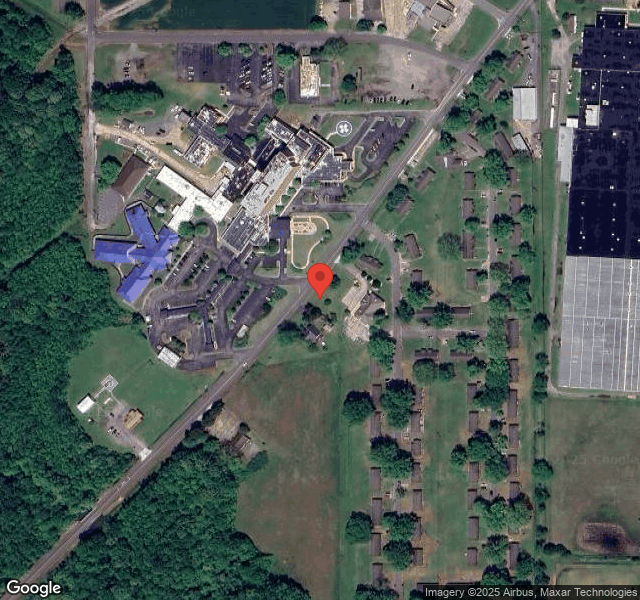

380 WOODS COVE ROAD, SCOTTSBORO, AL 35768 (256) 218-3708
Government - County 50 Beds HUNTSVILLE HOSPITAL HEALTH SYSTEM Data: November 2025
Trust Grade
75/100
#59 of 223 in AL
Last Inspection: March 2022

Over 2 years since last inspection. Current conditions may differ from available data.

Overview

Highlands Health and Rehab in Scottsboro, Alabama, has a B Trust Grade, indicating it is a good facility but not the best option available. It ranks #59 out of 223 nursing homes in Alabama, placing it in the top half, and #2 out of 3 in Jackson County, meaning only one local facility is rated higher. The trend is improving, with the number of issues dropping from 2 in 2019 to none in 2022, and they have a solid staffing rating with 4 stars and better RN coverage than 84% of Alabama facilities. Notably, there have been no fines, which is a positive sign. However, there were concerns about food safety, including expired food items found in storage and cleanliness issues in food preparation areas, which could impact residents' health. Overall, while there are strengths in staffing and compliance, families should consider these concerns when researching this facility.

Trust Score
B
75/100
In Alabama
#59/223
Top 26%
Safety Record
Low Risk
No red flags
Inspections
Getting Better
2 → 0 violations
Staff Stability
⚠ Watch
56% turnover. Above average. Higher turnover means staff may not know residents' routines.
Penalties
✓ Good
No fines on record. Clean compliance history, better than most Alabama facilities.
Skilled Nurses
✓ Good
Each resident gets 59 minutes of Registered Nurse (RN) attention daily — more than average for Alabama. RNs are trained to catch health problems early.
Violations
○ Average
6 deficiencies on record. Average for a facility this size. Mostly minor or procedural issues.
★★★★☆
4.0
Overall Rating
★★★★☆
4.0
Staff Levels
★★★★☆
4.0
Care Quality
★★★★☆
4.0
Inspection Score
Stable
2019: 2 issues
2022: 0 issues

The Good

  • 4-Star Staffing Rating · Above-average nurse staffing levels
  • 4-Star Quality Measures · Strong clinical quality outcomes
  • Full Sprinkler Coverage · Fire safety systems throughout facility
  • No fines on record

Facility shows strength in staffing levels, quality measures, fire safety.

The Bad

Staff Turnover: 56%

10pts above Alabama avg (46%)

Frequent staff changes - ask about care continuity

Chain: HUNTSVILLE HOSPITAL HEALTH SYSTEM

Part of a multi-facility chain

Ask about local staffing decisions and management

Staff turnover is elevated (56%)

8 points above Alabama average of 48%

The Ugly 6 deficiencies on record

Jun 2019 2 deficiencies
CONCERN (D)

Potential for Harm - no one hurt, but risky conditions existed

Infection Control (Tag F0880)

Could have caused harm · This affected 1 resident

**NOTE- TERMS IN BRACKETS HAVE BEEN EDITED TO PROTECT CONFIDENTIALITY** Based on observations, interviews, medical record reviews and review of facility policies titled, Universal Precautions and Hand...

Read full inspector narrative →
**NOTE- TERMS IN BRACKETS HAVE BEEN EDITED TO PROTECT CONFIDENTIALITY** Based on observations, interviews, medical record reviews and review of facility policies titled, Universal Precautions and Hand Hygiene, the facility failed to ensure: 1) a licensed nurse washed her hands when removing gloves after obtaining Resident Identifier (RI) # 9's fingerstick blood sugar (FSBS) and before leaving RI #9's room to return to the medication cart. Further, the nurse failed to use a barrier when laying an insulin syringe with RI #9's insulin and alcohol wipe on the bathroom sink; and 2) a licensed nurse did not place a medication cup containing medication for RI #23 inside another medication cup containing the remainder of RI #23's medication. Further, the nurse did not use a barrier before placing RI #23's Salonpas patches and Nitroglycerin patch on the top of the medication cart, computer and a shelf in RI #23's room. These deficient practices affected RI #9 and RI #23, two of four residents and two of three nurses observed during medication pass observations. Findings Include: 1) A review of a facility policy titled, Hand Hygiene, Last Revised: 02/2019, documented: .B. Indications for hand washing and hand antisepsis .3. Perform hand hygiene: a. before and after having direct contact with patients; b. after removing gloves; before handling an invasive device (regardless of whether or not gloves are used) for patient care; .f. after contact with inanimate objects (including medical equipment) in the immediate vicinity of the patient; . A review of a facility policy titled, Universal Precautions, Last Revised: 02/2019, revealed: .A. Hand Washing .3. Hands should be sanitized immediately after gloves are removed. B. 1. Gloves should be worn for touching blood and body fluids, . 1.) RI #9 was readmitted to the facility on [DATE] with diagnoses including, Type 2 Diabetes Mellitus without Complications. On 06/05/19 at 5:04 p.m., the surveyor observed Employee Identifier (EI) #7, Registered Nurse (RN), during medication pass for RI #9. The surveyor observed EI #7, RN, obtain RI #9's FSBS and remove her gloves without washing her hands and returned to the medication cart to prepare RI #9's insulin injection. EI #7 was then observed entering RI #9's bathroom and laying the syringe filled with insulin and the alcohol wipes beside the bathroom sink without a barrier. On 06/05/19 at 5:17 p.m., an interview was conducted with EI #7, RN. EI #7 was asked when should she wash her hands when wearing gloves. EI #7 said she should wash them when she takes them off. EI #7 was asked did she wash her hands after obtaining RI #9's FSBS and removing her gloves before returning to the medication cart. EI #7 stated no. EI #7 was asked what should she do before laying anything down on any surface. EI #7 replied she should put down a barrier. EI #7 was asked did she put down a barrier before she laid the insulin syringe and alcohol wipe beside the sink. EI #7 stated no she did not. EI #7 was asked what was the concern with laying things down on surfaces without a barrier. EI #7 answered, it could be dirty and there could be germs. 2.) RI #23 was readmitted to the facility on [DATE] with diagnoses including, Unspecified Heart Failure and Pain in Unspecified Joint. On 06/06/19 at 8:39 a.m., EI #3, RN, was observed during medication pass for RI #23. EI #3 was observed removing two of RI #23's Salonpas patches from the packet and laying them on top of the medication cart without a barrier to initial and date them. EI #3 removed the nitro dur patch from the packet and laid it on top of the computer on the medication cart to initial and date it. EI #3 was then observed placing a medication cup containing Coreg and placing it inside another medication cup containing the remainder of RI #23's pills. EI #3 entered RI #23's room and placed the items on a shelf unit inside the room without placing a barrier. On 06/06/19 at 9:21 a.m., an interview was conducted with EI #3, RN. EI #3 was asked what was the concern with placing a medication cup inside another medication cup containing medications. EI #3 said dirty stuff could be on them, infection control. EI #3 was asked what was the concern with placing Salonpas and nitro patches on the computer and on top of the medication cart to date them. EI #3 replied again, getting them dirty. EI #3 was asked did she place the Salonpas and nitro patch on her computer, top of the medication cart and on the shelving unit in RI #23's room without a barrier. EI #3 said yes. On 06/06/19 at 3:47 p.m., an interview was conducted with EI #5, RN/Director of Nursing. EI #5 was asked, when should nurses wash their hands when wearing gloves. EI #5 said as soon as the gloves come off the hands should be washed. EI #5 was asked should a medication cup containing medications be placed inside another medication cup containing medications. EI #5 replied no. EI #5 was asked should patches be placed on a shelving unit without a barrier. EI #5 stated no. EI #5 was asked what was the concern with those things. EI #5 answered infection control and cross contamination.
CONCERN (F)

Potential for Harm - no one hurt, but risky conditions existed

Food Safety (Tag F0812)

Could have caused harm · This affected most or all residents

**NOTE- TERMS IN BRACKETS HAVE BEEN EDITED TO PROTECT CONFIDENTIALITY** Based on observation, interview and review of a facility Policy Titled, Food Storage, the facility failed to ensure that expired...

Read full inspector narrative →
**NOTE- TERMS IN BRACKETS HAVE BEEN EDITED TO PROTECT CONFIDENTIALITY** Based on observation, interview and review of a facility Policy Titled, Food Storage, the facility failed to ensure that expired food items and undated food items were not present in the food storage area and walk-in cooler during the initial tour of the kitchen. Further, the facility failed to ensure expired Juven was not stored in a cabinet at the nurse's station. This deficient practice had the potential to affect 45 out of 45 residents who received meals from the kitchen. Findings include: Review of a facility policy titled, Food Storage with no date, revealed the following: . 2. Stock is rotated with each delivery to ensure freshness . c.) Stock should be dated . 7. Leftover food . clearly labeled, and dated . On 06/04/19 at 03:08 PM during the initial tour of the kitchen, observations of the dry storage area revealed the following items: - a container of graham crumbles prepared on 4/26/19 with a use by date of 5/26/19 - 1 bag of almonds opened 4/24, not labeled with a use by date - 2 out of 4 bags of almonds stamped with a best by date of 3/13/19 - a bag of macaroni opened and tied closed in a box with no open or use by date noted on the bag or box - one open box of Juven therapeutic nutrition powder with 9 packets inside, as well as 2 full boxes of 30 packets each, all with use by dates of [DATE] - 2 additional closed cases of Juven therapeutic nutrition powder with use by date of [DATE] - eight two-packs of baby food peaches with an expiration date of [DATE] - 3 individual cups of baby food sweet potato with no expiration stamp on the packs - one Pulmocare bottle (one liter) for tube feed which had a use before June 1, 2019 date stamped on the bottle On 06/04/19 at 03:39 PM an observation of the walk in freezer revealed frozen sweet peas and frozen breaded cod squares were in an open, clear plastic bag in a box, with no open or use by date noted. On 06/04/19 at 03:45 PM an observation of the walk in cooler to the right revealed the following items: - a block of cheese opened and rewrapped with use by date of 5/26/19 and prepared date of 5/16/19, - opened bag of feta cheese, resealed with a use by date 6/2/19, prepared on 5/28/19 - an opened package of provolone sliced cheese, resealed, with a use by date of 6/3/19 and a prepared date of 5/31/19. On 06/06/19 at 9:35 AM, the surveyor, along with Employee Identifier (EI) #3, Registered Nurse (RN), observed a case of Juven containing three unopened boxes of 30 packets and one opened box containing 17 packets with an expiration date of February 2019, in a cabinet at the nurses station. On 06/04/19 at 05:20 PM an interview with Employee Identifier (EI) #1, Supervisor for Dietary Aides, was conducted. EI #1 was asked to look at the cheese items on the shelf and tell the surveyor if there were any concerns. EI#1 replied, yes, some were expired; they should be thrown out. EI #1 was asked what the potential harm could be in serving food that is expired, and EI #1 replied a person could get food poisoning, or it could make the residents sick. EI #1 was then asked if there should be expired items available to serve to the residents. EI#1 replied, no there should not. EI #1 was asked to look at the Pulmocare bottle and if there was a concern. EI#1 replied that it had a date to use before June 1, 2019. EI #1 further stated it was expired and should be removed. On 06/06/19 at 09:32 AM, an interview was conducted with EI #2, the Food Service Director, regarding expired food items. EI #2 was asked, who was responsible for ensuring that expired items are not available. EI #2 answered that all of the supervisors, as well as herself, were responsible. EI #2 was further asked, why there were expired items found in the dry storage and the walk-in coolers. EI#2 replied that they did not do a thorough job in their inspections. EI #2 was then asked, what would be the potential harm in having expired food items available for use. EI #2 answered that the potential harm would be to potentially make someone sick.
May 2018 4 deficiencies
CONCERN (D)

Potential for Harm - no one hurt, but risky conditions existed

Resident Rights (Tag F0550)

Could have caused harm · This affected 1 resident

**NOTE- TERMS IN BRACKETS HAVE BEEN EDITED TO PROTECT CONFIDENTIALITY** Based on observations, interview, record review and review of a facility policy titled, Care of Urinary Catheter, the facility f...

Read full inspector narrative →
**NOTE- TERMS IN BRACKETS HAVE BEEN EDITED TO PROTECT CONFIDENTIALITY** Based on observations, interview, record review and review of a facility policy titled, Care of Urinary Catheter, the facility failed to ensure Resident Identifier (RI) #29's Foley catheter bag was in a privacy bag and not visible from the hallway on 05/02/18. This deficient practice affected RI #29, one of one resident sampled with a Foley catheter. Findings Include: A review of a facility policy titled, Care of Urinary Catheter, with an effective date of 12/09/04, and a revision date of 1/12, documented: . PROCEDURE: . 10. Assure the drainage bag is placed in a privacy bag. RI #29 was admitted to the facility on [DATE], and readmitted on [DATE], with diagnoses to include Quadriplegia and Neuromuscular Dysfunction of Bladder. RI #29's Foley catheter care plan, with a problem onset date of 03/10/10, documented the following approach: . * privacy bag . A Quarterly Minimum Data Set (MDS) assessment, with an Assessment Reference Date (ARD) of 04/09/18, assessed RI #29 as having an indwelling catheter. RI #29's May 2018 Physician Orders documented: . 16 french 10 cc (cubic centimeter) foley catheter to dependent drainage. Dx. (diagnoses) Neurogenic bladder s/t (secondary to) spinal cord injury . Privacy bag . On 05/01/18 at 4:15 p.m., RI #29's Foley urinary catheter bag was observed uncovered, attached to the left bed rail, and was visible from the hallway. On 05/01/18 at 5:44 p.m., RI #29's Foley urinary catheter bag remained uncovered and visible to anyone walking past RI #29's room. At this time, the surveyor conducted an interview with Employee Identifier (EI) #3, RI #29's assigned Certified Nursing Assistant (CNA). The surveyor asked EI #3 how should a resident's Foley catheter be when the resident was in bed. EI #3 said the Foley catheter should be attached to the bed frame. When asked should the Foley catheter bag be visible to any one walking past the resident's room, EI #3 said no. EI #3 said the Foley catheter bag should be on the opposite side of the door (bed) or covered. The surveyor asked EI #3 what type of concern/issue would it be considered when a resident's Foley catheter bag was not covered. EI #3 replied, it would be a dignity issue.
CONCERN (D)

Potential for Harm - no one hurt, but risky conditions existed

Infection Control (Tag F0880)

Could have caused harm · This affected 1 resident

**NOTE- TERMS IN BRACKETS HAVE BEEN EDITED TO PROTECT CONFIDENTIALITY** Based on observations, interviews, medical record review and review of facility policies titled, Medication Administration and n...

Read full inspector narrative →
**NOTE- TERMS IN BRACKETS HAVE BEEN EDITED TO PROTECT CONFIDENTIALITY** Based on observations, interviews, medical record review and review of facility policies titled, Medication Administration and nebulizer use, the facility failed to ensure: 1) licensed staff did not place Resident Identifier (RI) #21's container of eye drops in her pocket after instilling the drops; this was observed on 05/01/18; 2) licensed staff did not place a container of glucometer strips in her pocket, remove them to check a finger stick blood sugar for RI #146, return them to her pocket and place the container on the medication cart; this was observed on 05/01/18; and 3) RI #3's nebulizer mask was stored in a covering on two of four days of the survey. These deficient practices affected RI # 3, one of two residents observed with nebulizer masks, RI #21 one of one resident observed receiving eye drop medication; and RI #146, one of one residents observed receiving nebulizer medication. Findings Include: (1) A review of a facility policy titled Medication Administration, with an updated date of 06/12, revealed: . PROCEDURE: . 7. Return medication to medication cart and store according to the facility policy. RI #21 was readmitted to the facility on [DATE], with a diagnosis of Unspecified Visual Loss. A review of RI #21's May 2018 Physician Orders revealed: .1/29/18 ARTIFICIAL TEARS - INSTILL 2 DROPS TO EACH EYE 5 x (times)/DAY . On 05/01/18 at 10:15 a. m., Employee Identifier (EI) #4, Registered Nurse (RN) was observed administering medications to RI #21. EI #4 gave the medications by mouth then placed the eye drop bottle and the breathing treatment vial in her uniform pocket. EI #4 washed her hands, removed the eye drop bottle from her pocket and put on gloves. EI #4 instilled the eye drops then put the eye drop bottle back in her pocket after taking her gloves off. EI #4 washed her hands and removed the breathing treatment medication from her pocket, put on gloves and administered the medication. EI #4 removed her gloves and washed her hands. EI #4 returned to the medication cart and signed the medications off. EI #4 removed the eye drop bottle from her pocket and returned it to the Ziploc bag labeled for the medication and placed it in the medication cart. On 5/02/18 at 2:58 p.m., EI #4 was interviewed. EI #4 was given a recap of the observation on 5/1/18 and then asked if during the medication pass if she instilled eye drops for RI #21. EI #4 replied, yes. EI #4 was asked where should the eye drop container be stored while administering other medications or washing her hands. EI #4 replied, on the table on a barrier. EI #4 was asked what was the policy on storing the eye drop container. EI #4 replied, it should be placed on a barrier on the resident's table while in the room. EI #4 was asked if she put the eye drop container in her uniform pocket. EI #4 replied, yes. EI #4 was asked if the pocket of her uniform would be considered clean or dirty. EI #4 replied, dirty. EI #4 was asked what was the risk of storing the eye drop container in her uniform pocket. EI #4 replied, cross contamination and infection control. On 5/02/18 at 6:10 p.m., an interview was conducted with EI #2, the Director of Nursing (DON). EI #2 was asked what was the policy on where to place an eye drop container after instilling the eye drops. EI #2 replied, on a barrier if in the resident's room, then back on the cart. EI #2 was asked, when should a nurse put an eye drop container in her pocket. EI #2 replied, never. EI #2 was asked if a uniform pocket would be considered clean or dirty. EI #2 replied, dirty. EI #2 was asked what would the risk be in putting the eye drop container back on the medication cart after it was in the uniform pocket. EI #2 replied, the possibility of transferring germs. 2) RI #146 was readmitted to the facility on [DATE], with a diagnosis of Type 2 Diabetes Mellitus. On 5/01/18 at 10:48 a.m., EI #4, a Registered Nurse (RN) was observed obtaining a glucometer check on RI #146. After obtaining the blood sample, EI #4 placed the container of glucometer strips in her uniform pocket and went in to the bathroom to wash her hands. EI #4 returned to the cart cleaned the glucometer, then removed the container of glucometer strips from her pocket and placed it on the medication cart. On 5/2/18 at 5:41 p.m., EI #4 was given a recap of the medication observation on 5/1/18 at 10:48 a.m. and an interview was conducted. EI #4 was asked if she did a glucometer check on RI # 146 before lunch. EI #4 replied, yes. EI #4 was asked what did she do with the container of glucometer strips when she finished. EI #4 replied, she put them in her pocket. EI #4 was asked what was the policy on storing the glucometer strip container. EI #4 replied, on a clean barrier on the resident's table. EI #4 was asked if the pocket of her uniform would be considered a clean area. EI #4 replied, no. EI #4 was asked, why was the pocket of her uniform not considered clean. EI #4 replied, putting your hands in and out would have germs. EI #4 was asked, what would be a risk for storing/placing a glucometer strip container in the pocket of her uniform. EI #4 replied, spreading germs, contamination and infection control issues. On 5/02/18 at 6:10 p.m., an interview was conducted with EI #2, the DON. EI #2 was asked what was the policy on where to place the glucometer strip container when in a resident's room. EI #2 replied, on a barrier on the resident's table. EI #2 was asked when should a nurse put the container of glucometer strips in their pocket. EI #2 replied, never. EI #2 was asked if the pocket of a nurse's uniform would be considered clean or dirty. EI #2 replied, dirty. EI #2 was asked what was the risks of the nurse putting the glucometer strip container in their pocket then returning it to the medication cart. EI #2 replied, possible transferring of germs. (3) RI #3 was admitted to the facility on [DATE], and readmitted on [DATE], with a diagnosis of Acute and Chronic Respiratory Failure with Hypoxia. A review of a facility policy titled, nebulizer use, with an effective date of 04/17, documented: . PROCEDURE . 15. Nebulizer compressor and zip lock bag of tubing and accessories to be stored at bedside . RI #3's May 2018 Physician Orders documented: . IPRAT-ALBUT (Ipratropium Albuterol) 0.5(2.5) MG (milligram)/3ML (milliliter) - ADMINISTER 1 VIAL PER NEBULIZER TID (three times a day) . On 05/02/18 at 8:20 a.m., the surveyor observed RI #3's nebulizer mask hanging from the nebulizer machine. The mask was not in a covering. On 05/02/18 at 3:02 p.m., RI #3's nebulizer mask remained hanging from the nebulizer machine, and not in a covering. On 05/02/18 at 6:17 p.m., the surveyor again observed RI #3's nebulizer mask hanging from the nebulizer machine. The mask remained uncovered. On 05/03/18 at 7:37 a.m., RI #3's nebulizer mask was observed uncovered and continued to hang on the nebulizer machine. On 05/03/18 at 7:43 a.m., the surveyor conducted an interview with Employee Identifier (EI) #8, a Licensed Practical Nurse assigned to care for RI #3. The surveyor asked EI #8 was RI #3 receiving nebulizer treatments. EI #8 said yes. When asked how often RI #3 received the treatments, EI #8 replied, three times a day. The surveyor asked EI #8 how should the nebulizer mask be stored. EI #8 said in a Ziploc bag. The surveyor asked EI #8, when not stored in that manner, what was that a potential for. EI #8 replied, contamination and infection.
CONCERN (F)

Potential for Harm - no one hurt, but risky conditions existed

Food Safety (Tag F0812)

Could have caused harm · This affected most or all residents

Based on observations, interviews, and a review of a facility policy titled, Ice Handling of Ice Scoops and the 2017 Food Code U.S. (United States) Public Health Service FDA (Food and Drug Administrat...

Read full inspector narrative →
Based on observations, interviews, and a review of a facility policy titled, Ice Handling of Ice Scoops and the 2017 Food Code U.S. (United States) Public Health Service FDA (Food and Drug Administration), the facility failed to ensure: (1) the ice scoop was not stored on top of the ice machine, on three of four days of the survey; (2) a dark brown colored dust like substance was not on the pipes above the deep fryer, on three of four days of the survey; (3) dust was not on the pipes above the conventional oven, on three of four days of the survey; and (4) the meat slicer did not have food debris on it, on three of fours days of the survey. These deficient practices had the potential to affect all 44 residents receiving meals from the dietary department. Findings Include: (1) A review of an undated facility policy titled, Ice Handling/Cleaning of Ice Scoops, documented: POLICY: . Ice scoops are to be maintained in sanitary conditions in an effort to prevent the spread of infection. PROCEDURE: . 5. The ice scoop(s) in dietary shall be sanitized each day and placed next to the ice machine in a covered container . On 05/01/18 at 10:21 a.m., the surveyor observed a dietary staff member removing ice from the ice machine. The staff member was using a large blue colored ice scoop. When finished with removing ice from the cooler, the staff member placed the ice scoop on top of the ice machine. The ice scoop was not stored in any type of covering. On 05/02/18 at 8:58 a.m., the surveyor observed the large ice scoop to remain on top of the ice machine, not stored in any type of covering. On 05/03/18 at 8:27 a.m., the large ice scoop was again observed by the surveyor to be laying uncovered on top of the ice machine. On 05/03/18 at 8:28 a.m., the surveyor conducted an interview with Employee Identifier (EI) #6, the Food Service Director. The surveyor asked EI #6 how should the ice scoops be stored. EI #6 said the ice scoop should be stored up out of the bin. The surveyor asked EI #6 should the ice scoop be stored on top of the ice machine. EI #6 said, no. EI #6 said the ice scoop should be stored in a container where it could drain. The surveyor asked EI #6 what was there a potential for when the ice scoop was stored on top of the ice machine, and not in any type of covering. EI #6 replied, contamination. (2) A review of the 2017 FOOD CODE U.S. Public Health Service FDA, documented the following: . 4-6 CLEANING OF EQUIPMENT AND UTENSILS . 4-601.11 . Nonfood-Contact Surfaces . (C) NONFOOD-CONTACT SURFACES . shall be kept free of an accumulation of dust . On 05/01/18 at 10:39 a.m., the surveyor observed hanging dust, with a dark brown colored looking substance within the dust, on the pipes above the deep fryer. On 05/02/18 at 9:00 a.m., the hanging dust with the dark brown colored looking substance within the dust remained on the pipes above the deep fryer. On 05/03/18 at 8:22 a.m., the surveyor again observed the hanging dust, with the dark brown colored looking substance within the dust, on the pipes above the deep fryer. On 05/03/18 at 8:23 a.m., the surveyor conducted an interview with EI #6. The surveyor asked EI #6 what did the substance look like on the pipes above the deep fryer. EI #6 said she did not know what the brownish colored substance looked like. The surveyor asked EI #6 how often were the pipes cleaned. EI #6 said she did not know, and maintenance cleaned the pipes. On 05/03/18 at 8:47 a.m., the surveyor conducted an interview with EI #7, the Maintenance man. The surveyor asked EI #7 what did the brownish colored looking particles on the pipes above the deep fryer look like to him. EI #7 replied, greasy dust particles. The surveyor asked EI #7 what was there a potential for if the greasy dust particles came loose. EI #7 said the greasy dust particles could fall into whatever was beneath it. (3) On 05/01/18 at 10:53 a.m., the surveyor observed dust like looking particles on the pipes near the conventional oven as well as near the rice, flour, sugar and meal bins. On 05/02/18 at 9:04 a.m., the dust looking particles remained on the pipes near the conventional oven as well as near the rice, flour, sugar and meal bins. On 05/03/18 at 8:30 a.m., the surveyor again observed the dust like looking particles on the pipes near the conventional oven as well as near the rice, flour, sugar and meal bins. Covered bread sticks and rolls were observed in pans beneath the area where the pipes were. At this time an interview was conducted with EI #6. The surveyor asked EI #6 what was on the pipes. EI #6 said she did not know. When asked how often the pipes were cleaned, EI #6 said maintenance did that. On 05/03/18 at 8:47 a.m., the surveyor conducted an interview with EI #7. The surveyor asked EI #7 what did he see on the pipes above the conventional oven. EI #7 replied, dust. The surveyor asked EI #7 what was there a potential for if the dust would come loose. EI #7 said it could fall into what ever was beneath the pipes. When asked if his department was responsible for keeping the pipes clean, EI #7 said his department had never been given that task. (4) A review of the 2017 FOOD CODE U.S. Public Health Service FDA, documented the following: . 4-6 CLEANING OF EQUIPMENT AND UTENSILS . 4-601.11 Equipment, Food-Contact Surfaces . (A) EQUIPMENT FOOD-CONTACT SURFACES . shall be clean to sight and touch . On 05/01/18 at 10:32 a.m., the surveyor observed the meat slicer to have dried food debris on the slicer. On 05/02/18 at 9:02 a.m., the dried food debris remained on the meat slicer. On 05/03/18 at 8:16 a.m., the surveyor again observed the meat slicer to have dried food debris on it. On 05/03/18 at 8:17 a.m., the surveyor conducted an interview with EI #6. The surveyor asked EI #6 what did she see on the meat slicer. EI #6 replied, it kind of looked like meat. The surveyor asked EI #6 how often should the meat slicer be cleaned. EI #6 replied, after each use. When asked when was the meat slicer last used, EI #6 said three days ago. The surveyor asked EI #6 what was there a potential for when food particles were left on the meat slicer. EI #6 said it was a potential for contamination.
CONCERN (F)

Potential for Harm - no one hurt, but risky conditions existed

Garbage Disposal (Tag F0814)

Could have caused harm · This affected most or all residents

Based on observation and interview, the facility failed to ensure the above ground grease receptacle did not have grease and leaves on top of the receptacle, and on the ground in front of the receptac...

Read full inspector narrative →
Based on observation and interview, the facility failed to ensure the above ground grease receptacle did not have grease and leaves on top of the receptacle, and on the ground in front of the receptacle. This was observed on 04/30/18, during the initial tour of the facility. This has the potential to affect all 45 residents residing at the facility. Findings Include: On 04/30/18 at 4:35 p.m., the surveyor observed the above ground grease receptacle. There were leaves and grease observed on top of the grease receptacle, and on the area on the ground in front of the grease receptacle. At this time, the surveyor conducted an interview with Employee Identifier (EI) #6, the Food Service Director. The surveyor asked EI #6, what did she see on the top of the grease receptacle, and on the ground in front of the grease receptacle. EI #6 said it looked like leaves and grease to her. The surveyor asked EI #6 what was there a potential for when grease and leaves were left on top of the grease receptacle, and on the ground in front of the grease receptacle. EI #6 said the grease and leaves could attract pest.
Understanding Severity Codes (click to expand)
Life-Threatening (Immediate Jeopardy)
J - Isolated K - Pattern L - Widespread
Actual Harm
G - Isolated H - Pattern I - Widespread
Potential for Harm
D - Isolated E - Pattern F - Widespread
No Harm (Minor)
A - Isolated B - Pattern C - Widespread

Questions to Ask on Your Visit

  • "Why is there high staff turnover? How do you retain staff?"
  • "Can I speak with families of current residents?"
  • "What's your RN coverage like on weekends and overnight?"

Our Honest Assessment

Strengths
  • • No major safety red flags. No abuse findings, life-threatening violations, or SFF status.
  • • No fines on record. Clean compliance history, better than most Alabama facilities.
Concerns
  • • 56% turnover. Above average. Higher turnover means staff may not know residents' routines.
Bottom line: Generally positive indicators. Standard due diligence and a personal visit recommended.

About This Facility

What is Highlands Health And Rehab's CMS Rating?

CMS assigns HIGHLANDS HEALTH AND REHAB an overall rating of 4 out of 5 stars, which is considered above average nationally. Within Alabama, this rating places the facility higher than 99% of the state's 100 nursing homes. This rating reflects solid performance across the metrics CMS uses to evaluate nursing home quality.

How is Highlands Health And Rehab Staffed?

CMS rates HIGHLANDS HEALTH AND REHAB's staffing level at 4 out of 5 stars, which is above average compared to other nursing homes. Staff turnover is 56%, which is 10 percentage points above the Alabama average of 46%. High turnover can affect care consistency as new staff learn residents' individual needs.

What Have Inspectors Found at Highlands Health And Rehab?

State health inspectors documented 6 deficiencies at HIGHLANDS HEALTH AND REHAB during 2018 to 2019. These included: 6 with potential for harm.

Who Owns and Operates Highlands Health And Rehab?

HIGHLANDS HEALTH AND REHAB is owned by a government entity. Government-operated facilities are typically run by state, county, or municipal agencies. The facility is operated by HUNTSVILLE HOSPITAL HEALTH SYSTEM, a chain that manages multiple nursing homes. With 50 certified beds and approximately 44 residents (about 88% occupancy), it is a smaller facility located in SCOTTSBORO, Alabama.

How Does Highlands Health And Rehab Compare to Other Alabama Nursing Homes?

Compared to the 100 nursing homes in Alabama, HIGHLANDS HEALTH AND REHAB's overall rating (4 stars) is above the state average of 3.0, staff turnover (56%) is significantly higher than the state average of 46%, and health inspection rating (4 stars) is above the national benchmark.

What Should Families Ask When Visiting Highlands Health And Rehab?

Based on this facility's data, families visiting should ask: "How do you ensure continuity of care given staff turnover, and what is your staff retention strategy?" "Can I visit during a mealtime to observe dining assistance and food quality?" "How do you handle medical emergencies, and what is your hospital transfer rate?" "Can I speak with family members of current residents about their experience?" These questions are particularly relevant given the facility's high staff turnover rate.

Is Highlands Health And Rehab Safe?

Based on CMS inspection data, HIGHLANDS HEALTH AND REHAB has a clean safety record: no substantiated abuse findings (meaning no confirmed cases of resident harm), no Immediate Jeopardy citations (the most serious violation level indicating risk of serious injury or death), and is not on the Special Focus Facility watch list (a federal program monitoring the lowest-performing 1% of nursing homes). The facility has a 4-star overall rating and ranks #1 of 100 nursing homes in Alabama. While no facility is perfect, families should still ask about staff-to-resident ratios and recent inspection results during their visit.

Do Nurses at Highlands Health And Rehab Stick Around?

Staff turnover at HIGHLANDS HEALTH AND REHAB is high. At 56%, the facility is 10 percentage points above the Alabama average of 46%. High turnover means new staff may not know residents' individual needs, medications, or preferences. It can also be disorienting for residents, especially those with dementia who rely on familiar faces. Families should ask: What is causing the turnover? What retention programs are in place? How do you ensure care continuity during staff transitions?

Was Highlands Health And Rehab Ever Fined?

HIGHLANDS HEALTH AND REHAB has no federal fines on record. CMS issues fines when nursing homes fail to meet care standards or don't correct problems found during inspections. The absence of fines suggests the facility has either maintained compliance or corrected any issues before penalties were assessed. This is a positive indicator, though families should still review recent inspection reports for the full picture.

Is Highlands Health And Rehab on Any Federal Watch List?

HIGHLANDS HEALTH AND REHAB is not on any federal watch list. The most significant is the Special Focus Facility (SFF) program, which identifies the bottom 1% of nursing homes nationally based on persistent, serious quality problems. Not being on this list means the facility has avoided the pattern of deficiencies that triggers enhanced federal oversight. This is a positive indicator, though families should still review the facility's inspection history directly.