TROY HEALTH & REHABILITATION CENTER
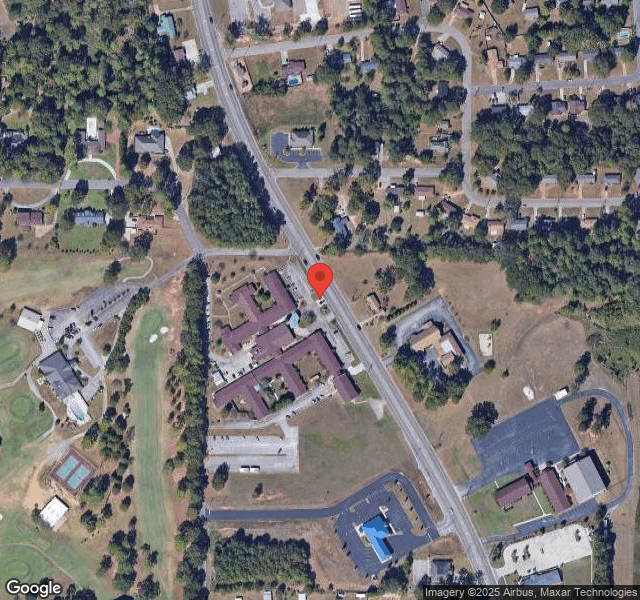
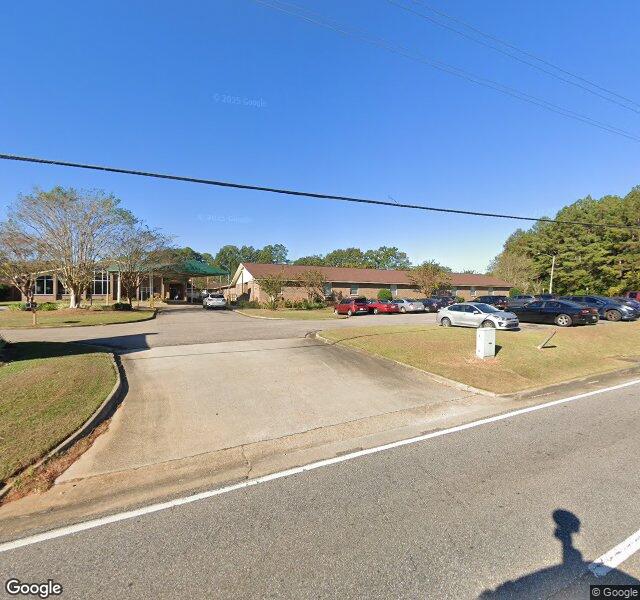
515 ELBA HIGHWAY, TROY, AL 36079 (334) 566-0880
For profit - Corporation 220 Beds Independent Data: November 2025
Trust Grade
50/100
#219 of 223 in AL
Last Inspection: October 2022

Over 2 years since last inspection. Current conditions may differ from available data.

Overview

Troy Health & Rehabilitation Center has a Trust Grade of C, which means it is average and sits in the middle of the pack among nursing homes. It ranks #219 out of 223 facilities in Alabama, placing it in the bottom half, but it is the only option in Pike County. The facility's trend is worsening, with issues increasing from 2 in 2019 to 6 in 2022. Staffing is rated average with a turnover of 38%, which is better than the state average, suggesting that staff tend to stay longer. Notably, the center has not incurred any fines, which is a positive sign. However, there are concerning issues such as failing to properly manage dietary staff qualifications, allowing potential cross-contamination in the kitchen, and not securing waste receptacles, which could attract vermin. While there are strengths, families should weigh these concerns carefully when considering this facility.

Trust Score
C
50/100
In Alabama
#219/223
Bottom 2%
Safety Record
Low Risk
No red flags
Inspections
Getting Worse
2 → 6 violations
Staff Stability
○ Average
38% turnover. Near Alabama's 48% average. Typical for the industry.
Penalties
✓ Good
No fines on record. Clean compliance history, better than most Alabama facilities.
Skilled Nurses
⚠ Watch
Each resident gets only 27 minutes of Registered Nurse (RN) attention daily — below average for Alabama. Fewer RN minutes means fewer trained eyes watching for problems.
Violations
○ Average
10 deficiencies on record. Average for a facility this size. Mostly minor or procedural issues.
★☆☆☆☆
1.0
Overall Rating
★★★☆☆
3.0
Staff Levels
★★☆☆☆
2.0
Care Quality
★☆☆☆☆
1.0
Inspection Score
Stable
2019: 2 issues
2022: 6 issues

The Good

  • Full Sprinkler Coverage · Fire safety systems throughout facility
  • No fines on record
  • Staff turnover below average (38%)

    10 points below Alabama average of 48%

Facility shows strength in fire safety.

The Bad

1-Star Overall Rating

Below Alabama average (2.9)

Significant quality concerns identified by CMS

Staff Turnover: 38%

Near Alabama avg (46%)

Typical for the industry

The Ugly 10 deficiencies on record

Oct 2022 6 deficiencies
CONCERN (D)

Potential for Harm - no one hurt, but risky conditions existed

Resident Rights (Tag F0550)

Could have caused harm · This affected 1 resident

**NOTE- TERMS IN BRACKETS HAVE BEEN EDITED TO PROTECT CONFIDENTIALITY** Based on observation, interviews and review of a facility policy titled, Promoting/Maintaining Resident Dignity During Mealtimes...

Read full inspector narrative →
**NOTE- TERMS IN BRACKETS HAVE BEEN EDITED TO PROTECT CONFIDENTIALITY** Based on observation, interviews and review of a facility policy titled, Promoting/Maintaining Resident Dignity During Mealtimes, the facility failed to ensure Resident identifier (RI) #92 received their meal at the same time as their roommate, RI #76 and the facility further failed to ensure Employee Identifier (EI) #9, Certified Nursing Assistant (CNA) did not stand while feeding RI #92. This affected one of 24 sampled residents. Findings Include: The facility policy titled Promoting/Maintaining Resident Dignity During Mealtimes with no effective date documented: . 1. All staff members involved in providing feeding assistance to residents promote and maintain resident dignity during mealtimes. 5. All staff will be seated, if possible, while feeding a resident. RI #92 was admitted to the facility on [DATE] and readmitted on [DATE]. On 10/18/2022 at 12:25 PM, RI #76 was observed feeding self the lunch meal in the bed and RI #92 was observed without a meal. On 10/18/2022 at 12:29, RI #92 was asked if it bothered him/her that RI #76 his/her roommate had his/her tray, and he/she did not have a tray. RI #92 responded, yes it did bother him/her. On 10/18/22 at 12:51 PM EI #9 brought the lunch tray into the room to RI #92. EI #9 was observed feeding ice cream and banana pudding while standing beside RI #92's bedside. On 10/18/2022 at 1:03 PM, an interview was conducted with EI #9 CNA. EI #9 was asked, how she was supposed to feed a resident. EI #9 replied, supposed to sit face to face and make eye contact with the resident. EI #9 was asked how the policy said to feed a resident. EI #9 replied, sit face to face. EI #9 was asked, why did she stand up to feed RI #92. EI #9 replied, the ice cream was watery. EI #9 was asked, what should have been done. EI #9 replied, she should have sat and feed RI #92. EI #9 was asked, what was the risk of standing and feeding a resident. EI #9 replied, RI #92 might think that she was in a hurry to get out of the room. EI #9 was asked, when should a resident receive a meal when the roommate was eating a meal. EI #9 replied, the residents that feed their selves are given the trays first so they could eat it hot, then they passed out the meals to the residents that needed to be feed. EI #9 was asked, should meal trays have been passed out to only one roommate. EI #9 replied, no ma'am. EI #9 was asked, why was one roommate not supposed to have a tray before the other roommate. EI #9 replied, because it was not fair for the other roommate to smell the food. EI #9 was asked, should RI #76 have a meal tray if RI #92 did not have a meal tray. EI #9 replied, no ma'am. On 10/20/22 at 3:10 PM, an interview was conducted with the EI #6 DON. EI #6 was asked, how should staff feed residents. EI #6 replied, sitting. EI #6 was asked, when should a staff member stand while feeding a resident. EI #6 replied, never. EI #6 was asked, what was the concern of standing while feeding a resident. EI #6 replied, dignity. EI #6 was asked, when should a staff member give a meal tray to one resident in a room and not the other resident. EI #6 replied, they should not. EI #6 was asked, why staff should not give a meal tray to one resident and not the other resident. EI #6 replied, dignity. EI #6 was asked, should EI #9 have stood to feed the resident. EI #6 replied, no. EI #6 was asked, should EI #9 have given a tray to RI #76 and not RI #92. EI #6 replied, no.
CONCERN (D)

Potential for Harm - no one hurt, but risky conditions existed

Pharmacy Services (Tag F0755)

Could have caused harm · This affected 1 resident

**NOTE- TERMS IN BRACKETS HAVE BEEN EDITED TO PROTECT CONFIDENTIALITY** Based on interview, record review and review of a facility policy titled B. Destruction of Medications, the facility failed to e...

Read full inspector narrative →
**NOTE- TERMS IN BRACKETS HAVE BEEN EDITED TO PROTECT CONFIDENTIALITY** Based on interview, record review and review of a facility policy titled B. Destruction of Medications, the facility failed to ensure the Non-Controlled Medication Destruction Sheets contained the two required signatures. This affected two of 12 months ([DATE] and [DATE]) of Non-Controlled Medication Destruction Sheets reviewed. Finding include: An undated facility policy titled B. Destruction of Medications, revealed the following: Policy: Expired, unusable, and discontinued medications must be destroyed in compliance with all state/federal laws and regulations. The facility is responsible for maintaining accurate records and appropriate witness signatures of destroyed medications. Procedure: . Non-controlled medication destruction must take place in the presence of two licensed nurses or one licensed nurse and a pharmacist. On [DATE] at 2:02 PM, the surveyor reviewed the Non-Controlled Medication Destruction Sheets for 10/2021, 11/2021, 12/2021, 01/2022, 02/2022, 03/2022, 04/2022, 05/2022, 06/2022, 07/2022, 08/2022 and 09/2022. On one of two of the Non-Controlled Medication Destruction Sheets for 06/2022, there was only one signature on the sheet; and on one of three of the Non-Controlled Medication Destruction Sheets for 07/2022, there was only one signature on the sheet. On [DATE] at 3:56 PM, the surveyor conducted an interview with the Director of Nursing, Employee Identifier (EI) #6. The surveyor asked EI #6 how many signatures should there be on the Non-Controlled Medication Destruction Sheet. EI #6 said two. The surveyor showed EI #6 the Non-Controlled Medication Destruction Sheets and asked which months did not have the required signatures. EI #6 said two, June and July of 2022. When asked why it would be important to ensure the sheets had the required signatures, EI #6 said it would show the medications were destroyed appropriately.
CONCERN (F)

Potential for Harm - no one hurt, but risky conditions existed

Deficiency F0801 (Tag F0801)

Could have caused harm · This affected most or all residents

Based on interview, document review, and the Rules of the Alabama State Board of Health, Alabama Department of Public Health (ADPH), Chapter 420-5-10, Nursing Facilities, original rules effective 8/23...

Read full inspector narrative →
Based on interview, document review, and the Rules of the Alabama State Board of Health, Alabama Department of Public Health (ADPH), Chapter 420-5-10, Nursing Facilities, original rules effective 8/23/1996 and last amendments effective 7/30/2016, the facility failed to ensure the full time Dietary Manager, Employee Identifier (EI) #1, met the definition of a Dietary Manager per the rules of the State of Alabama. This had the potential to affect 103 of 103 residents receiving meals from the facility kitchen. Findings Include: The Rules of the Alabama State Board of Health, ADPH, Chapter 420-5-10, Nursing Facilities, original rules effective 8/23/1996 and last amendments effective 7/30/2016 included the following: . 420-5-10-.01 Definitions. (1) Definitions - (a list of selected terms often used in connection with these rules): . (b) These Rules - Rules 420-5-10-.01 through 420-5-10-.11, Chapter 420-5-10, Nursing Facilities, Alabama Administrative Code. (l) Director of Food Services/Dietary Manager - . who is a full-time employee, and if not a qualified dietitian, is one who: (1) is a graduate of a dietary manager's training program, approved by the Dietary Manager's Association (name changed to Association of Nutrition & Foodservice Professionals in 2012), or (2) is a graduate of a dietetic technician program approved by the American Dietetic Association (name changed to Academy of Nutrition and Dietetics in 2012), or (3) is a graduate from a college or university who has received a B.S. (Bachelor of Science) degree in the field of dietetics, food and nutrition or food service management which included course work in diet therapy and quantity food production. On 10/18/22 at 09:57 AM, met EI #1, the Dietary Manager. EI #1 said he had been at the facility for 2 weeks. EI #1 further said he was an employee of the food service management company contracted by the facility. On 10/18/22 at 11:00 AM, the surveyor gave EI #1 a list of documents needed for review. When asked for his credentials, EI #1 said he was working on that. EI #1 said he had his ServSafe certification. EI #1 also stated he had a long history of food service in hospitals with a different management company, but this was his first job with a nursing home. When asked if he had a B.S. in food service or hospitality, EI #1 said no, just lots of experience in hospital food service. At this point, EI #2, the District Manager for the contracted food service company, joined us. EI #2 said EI #1 would be starting the credentialing class for becoming a Certified Dietary Manager (CDM) soon. EI #2 said he was a CDM. When asked if he was at this facility full time, EI #2 said no. EI #2 said that the contract company's Traveling CDM, EI #3, had been with the new Dietary Manager, EI #1, every day until this week. On 10/18/22 at 03:55 PM, EI #2 was interviewed. EI #2 said he had completed an approved dietary manager correspondence course through North Dakota. EI #2 said the certificate had hung in his old office, but he was not sure where it was located now. EI #2 said he would get documentation hopefully by tomorrow. The surveyor explained that EI #3's certificate would need to be seen also. On 10/18/22 at 04:40 PM, EI #2 provided a copy of his approved dietary manager correspondence course certificate from the University of North Dakota, dated September 28, 2016. On 10/19/22 at 01:50 PM, during a kitchen observation, met EI #3, the Traveling CDM. EI #3 provided a copy of his approved dietary manager training certificate from the University of Florida, dated January 11, 2005. EI #3 said EI #1 had been at the facility for 3 weeks now. EI #3 said EI #1 was to start his dietary manager training next month via computer/internet. EI #3 said he had been here at the facility during the previous two weeks and was now back for a couple of days. On 10/19/22 at 02:12 PM, EI #3 said the plan was to have EI #1 start the dietary manager training course and for EI #3 to check in on EI #1 two or three times per week. EI #3 said EI #2 and the Regional Director of Foodservice for the contract food service company had made this decision. When asked, EI #3 said EI #1 was working by himself on Monday 10/17/22. EI #3 said he was here a couple of days last week, Wednesday (10/12/22) and Thursday (10/13/22). EI #3 further said he had worked two days here at the facility the week before that. EI #3 verified the facility kitchen was feeding 103 residents per the diet list. During a phone conversation on 10/19/22 at 04:07 PM, EI #2 said the plan was to enroll EI #1 in school for the dietary manager training. EI #2 said they wanted to be sure EI #1 stayed (with the contract food service company at this facility) before enrolling him. EI #2 said, as the District Manager, he rotates between his units to monitor the managers. EI #2 said EI #3 helps to train and monitor new employees. When asked if he would be covering the food service unit at this facility full-time, EI #2 said, I will not.
CONCERN (F)

Potential for Harm - no one hurt, but risky conditions existed

Food Safety (Tag F0812)

Could have caused harm · This affected most or all residents

Based on observation, interview, and the 2017 Food Code of the United States (U.S.) Public Health Service and U.S. Food and Drug Administration (FDA); the facility failed to: 1.) prevent the potential...

Read full inspector narrative →
Based on observation, interview, and the 2017 Food Code of the United States (U.S.) Public Health Service and U.S. Food and Drug Administration (FDA); the facility failed to: 1.) prevent the potential for cross-contamination from a) dishwashing machine and scrap sink drainpipes extending into the floor drain, thereby creating the possibility for backflow, b) the ceiling of the Walk-in Cooler having an accumulation of dust, c) a plastic mug buried in the flour bin, and; 2.) prevent the potential from contamination from vermin or insects by a) a sugar bin not securely covered, and b) providing potential harbor in the Chemical Storeroom by placing containers directly on the floor so that half of the small floor area could not be easily swept or mopped; 3.) prevent the potential for physical contamination from light tubes in a ceiling light fixture without a cover; 4.) maintain kitchen equipment in good repair as evidenced by a) a preparation table with folded damp cardboard under two legs to level it and 5.) prevent expired milk possibly being served to residents. This had the potential to affect 103 of 103 residents being served meals from the kitchen. Findings Include: 1.) Potential cross-contamination. a) The 2017 Food Code of the U.S. Public Health Service and FDA included the following: . 5-402.11 Backflow Prevention. (A) . a direct connection may not exist between the SEWAGE system and a drain originating from EQUIPMENT in which FOOD, portable EQUIPMENT, or UTENSILS are placed. On 10/18/22 at 10:54 AM during an observation of the Dish room, it was observed that the dishwashing machine drainpipe and the scrap sink drainpipe each extended into the floor drain. There was no air gap between the end of the drainpipes and the top of the floor drain, thereby creating the possibility for backflow into the dish machine and the scrap sink. On 10/18/22 at 04:21 PM, Employee Identifier (EI) #4, the Maintenance Director, was asked to measure the distance each drainpipe extended into the Dish room floor drain, as measured from the floor level and then down the length of the pipe into the floor drain. Drainpipe from dish machine: 6 inches into floor drain. Drainpipe from scrap sink: 18 inches into floor drain. b) The 2017 Food Code of the U.S. Public Health Service and FDA included the following: . 3-305.11 Food Storage. (A) . FOOD shall be protected from contamination by storing the FOOD: (1) In a clean, dry location; (2) Where it is not exposed to . dust . During the initial tour on 10/18/22 at 10:03 AM, a significant build-up of dust was observed on ceiling of the Walk-in Cooler. At 10:53 AM, EI #1, the Dietary Manager was asked to look at the ceiling of the Walk-in Cooler. EI #1 said it looked like an accumulation of dust. By swiping a paper towel across the ceiling, EI #1 was able to remove some dust. When asked what was the problem with the dust build-up, EI #1 said it could circulate throughout the Walk-in Cooler. EI #1 said it needed to be cleaned. c) The 2017 Food Code of the U.S. Public Health Service and FDA included the following: . 3-304.11 Food Contact with Equipment and Utensils. FOOD shall only contact surfaces of: (A) EQUIPMENT and UTENSILS that are cleaned . and SANITIZED . 3-304.12 In-Use Utensils, Between-Use Storage. During pauses in FOOD preparation or dispensing, FOOD . dispensing UTENSILS shall be stored: . (B) In FOOD that is not TIME/TEMPERATURE CONTROL FOR SAFETY FOOD with their handles above the top of the FOOD within containers or EQUIPMENT that can be closed, such as bins of sugar, flour . While in the Dry Storeroom during the initial tour of the kitchen on 10/18/22 at 10:10 AM, the flour bin was observed to have a plastic mug/cup buried in the flour. 2.) Potential contamination by vermin or insects. a) The 2017 Food Code of the U.S. Public Health Service and FDA included the following: . 3-304.12 In-Use Utensils, Between-Use Storage. During pauses in FOOD preparation or dispensing, . shall be stored: . (B) In FOOD that is not TIME/TEMPERATURE CONTROL FOR SAFETY FOOD . within containers or EQUIPMENT that can be closed, such as bins of sugar, flour . While in the Dry Store Room during the initial tour of the kitchen on 10/18/22 at 10:10 AM, the sugar bin was observed to not be properly covered. A metal sheet pan was placed over the top of the sugar bin, but it was not covering the bin opening securely. At 10:14 AM, a small glue trap was observed on the floor along the wall in the Dry Store Room. When asked about the glue trap, EI #1, the Dietary Manager, said he was addressing roaches with the pest control company, and they had recently come out per his request. b) The 2017 Food Code of the U.S. Public Health Service and FDA included the following: . 6-501.111 Controlling Pests. The PREMISES shall be maintained free of insects, rodents . The presence of insects, rodents, . shall be controlled to eliminate their presence on the PREMISES by: . (D) Eliminating harborage conditions. A potential harbor for insects and rodents had been created in the Chemical Storeroom by placing containers directly on the floor, so that half of the small floor area could not be easily swept or mopped. On 10/18/22 at 10:50 AM the Chemical Closet/Janitor Closet was observed to have items on the floor to cover half of the small floor area. When asked what was the problem with containers of chemicals on the floor, EI #3 said everything, needs to be 6 inches off the floor. 3.) Potential from physical contamination. The 2017 Food Code of the U.S. Public Health Service and FDA included the following: . 6-202.11 Light Bulbs, Protective Shielding. (A) . light bulbs shall be shielded, coated, or otherwise shatter-resistant in areas where there is exposed FOOD, clean EQUIPMENT, UTENSILS, and LINENS; or unwrapped SINGLE-SERVICE and SINGLE-USE ARTICLES. During the initial kitchen tour on 10/18/22 at 10:28 AM, the ceiling light fixture in the hall by the Walk-in Cooler and the #2 Walk-in Freezer had no cover attached nor were there any sleeves on the light tubes. EI #1, the Dietary Manager, said these were neon light tubes and he confirmed there were no sleeves on the light tubes. EI #1 said he had not discussed this yet with Plant Operations (Maintenance). On 10/18/22 at 04:09 PM, EI #4, the Maintenance Director, was shown the light fixture missing a cover. EI #4 said he knew about it and had two light fixtures in the shop that he could replace it with. EI #4 said he had known about it for a week and a half or so. 4.) Maintain kitchen equipment in good repair. The 2017 Food Code of the U.S. Public Health Service and FDA included the following: . 4-501.11 Good Repair and Proper Adjustment. (A) EQUIPMENT shall be maintained in a state of repair . a) On 10/18/22 at 10:33 AM, a stainless steel preparation (prep) table was observed to have layers of folded cardboard underneath in order to level the table. At 04:09 PM EI #4, the Maintenance Director, was shown the Prep Table that was being supported under two legs by damp, folded cardboard. EI #4 said the table was missing the leveling devices for those two legs and said he did not know they were missing. EI #4 further said he had tried to adjust the leveling devices for those two legs about six months ago, but they would not adjust so the table remained unlevel at that time. When asked if the use of cardboard in this instance was appropriate or sanitary, he said no. 5.) Expired milk. The 2017 Food Code of the U.S. Public Health Service and FDA included the following: . 3-501.17 Ready-to-Eat, Time/Temperature Control for Safety Food, Date Marking. (B) . (2) . the FOOD ESTABLISHMENT may not exceed a manufacturer's use-by date . During the initial tour on 10/18/22 at 10:03 AM, one case of milk in individual cartons was observed to be out of date. The use by/sell by date was 10/16/22. EI #1, the Dietary Manager, said the milk delivery was made this morning and that the milkman would not be back again until Thursday (10/20/22). EI #1 said he did not know why the outdated case was not removed. There was no signage to indicate the case of milk should not be used. EI #1 was asked what was preventing the outdated milk from being used by staff for residents. EI #1 said I need to close it and label it.
CONCERN (F)

Potential for Harm - no one hurt, but risky conditions existed

Garbage Disposal (Tag F0814)

Could have caused harm · This affected most or all residents

Based on observation, interview, and the 2017 Food Code of the United States (U.S.) Public Health Service and U.S. Food and Drug Administration (FDA); the facility failed to ensure two of three dumpst...

Read full inspector narrative →
Based on observation, interview, and the 2017 Food Code of the United States (U.S.) Public Health Service and U.S. Food and Drug Administration (FDA); the facility failed to ensure two of three dumpsters were not open and one of one oil refuse container was not covered in a thick layer of oil/grease, which could attract vermin. This had the potential to affect 108 of 108 residents in the facility. Findings Include: The 2017 Food Code of the U.S. Public Health Service and FDA included the following: . 5-501.15 Outside Receptacles. (A) Receptacles and waste handling units for REFUSE . used with materials containing FOOD residue and used outside the FOOD ESTABLISHMENT shall be designed and constructed to have tight-fitting lids, doors, or covers. (B) Receptacles and waste handling units for REFUSE . shall be installed so that accumulation of debris and insect and rodent attraction and harborage are minimized and effective cleaning is facilitated . 5-501.111 Areas, Enclosures, and Receptacles, Good Repair. . receptacles for REFUSE . shall be maintained in good repair. 5-501.113 Covering Receptacles. Receptacles and waste handling units for REFUSE . shall be kept covered: . 5-501.116 Cleaning Receptacles. . (B) Soiled receptacles and waste handling units for REFUSE, . shall be cleaned at a frequency necessary to prevent them from developing a buildup of soil or becoming attractants for insects and rodents. During the initial kitchen observation on 10/18/22, the outside refuse area was observed at 10:41 AM with Employee Identifier (EI) #1, the Dietary Manager. Two of three garbage dumpsters were open. Each of the two dumpsters had one side door open. In addition, one of the two open dumpsters had one of its two top lids broken, so that it had fallen down into the dumpster and therefore was not covering half of the dumpster. When asked what was the problem with the two dumpsters being open, EI #1 said mice could be attracted to the area. A build-up of oil and grease was observed on the oil refuse container. EI #1 said that it needed to be cleaned by pressure washing. EI #1 said the build-up of oil and grease created the same problem as the dumpsters, it would attract mice.
CONCERN (F)

Potential for Harm - no one hurt, but risky conditions existed

Infection Control (Tag F0880)

Could have caused harm · This affected most or all residents

**NOTE- TERMS IN BRACKETS HAVE BEEN EDITED TO PROTECT CONFIDENTIALITY** Based on observation, interviews, record reviews and a review of facility policies titled Hand Hygiene Table, Hand Hygiene and L...

Read full inspector narrative →
**NOTE- TERMS IN BRACKETS HAVE BEEN EDITED TO PROTECT CONFIDENTIALITY** Based on observation, interviews, record reviews and a review of facility policies titled Hand Hygiene Table, Hand Hygiene and LAUNDRY PROCESS, the facility failed to ensure: 1) Facility staff did not go room to room when picking up resident trays wearing the same gloves on 10/19/22; and 2) Linens were stored in a sanitary manner. This affected Resident Identifier (RI) #52 one of one residents observed during meals, and laundry had the potential to affect 108 of 108 residents residing in the facility. Findings include: 1. RI #52 was admitted to the facility on [DATE] and readmitted on [DATE]. A review of an undated facility policy titled Hand Hygiene revealed, . 2. Hand hygiene is indicated and will be performed under the conditions listed in, but not limited to, the attached hand hygiene table. A review of an undated facility policy titled Hand Hygiene Table, revealed . Between resident contacts . After handling contaminated objects . 1) On 10/19/22 at 5:25 PM an observation was made of Employee Identifier (EI) #7 CNA as she came out of RI #53's room with clear plastic gloves on and the resident's dirty food tray in her hands and then she walked to the food cart and put the dirty tray on the cart, with the same gloves walked into RI #52's room and positioned the resident in the bed. EI #7 pulled the covers up over RI #52, used the remote control then picked up RI #52's dirty tray with the same gloves on and put it on the meal cart. EI #7 went back into the room removed her gloves and washed her hands. On 10/19/22 at 5:38 PM an interview was conducted with EI #7 CNA. EI #7 was asked, when should she come out of a room with gloves on with a dirty tray and go into another resident's room with the same dirty gloves on. EI #7 replied, never. EI #7 was asked, why did she go into RI #52's room with the same dirty gloves on as she had on coming out of RI #53's room. EI #7 replied, she was not thinking. EI #7 was asked, if she had been trained when to wash her hands. EI #7 replied, yes. EI #7 was asked, when did she wash her hands before going into RI #52's room. EI #7 replied, she washed them before going into room RI #53's room, she did not wash her hands before going into RI #52's room. EI #7 was asked, what should she have done. EI #7 replied, she should have put RI #53's tray on the cart, sanitized her hands and then went into RI #52's room and washed her hands. EI #7 was asked, what did you do in the room for RI #52. EI #7 replied, she let RI #52's head down, took the gown off, then put the bedside table beside the bed, then picked up a tray. EI #7 was asked, what was the risk of not washing or sanitizing her hands before going into a resident's room. EI #7 replied, carrying and transmitting infection. On 10/20/22 at 3:10 PM an interview was conducted with EI #6, Director of Nursing (DON). EI #6 was asked, when should staff wearing gloves bring a dirty tray out of a resident's room and put it on the dirty cart and then with the same gloves on and without sanitizing their hands enter another resident's room. EI #6 replied, they should not, they should change gloves before going into another resident's room. EI #6 was asked, why staff should not wear the same gloves into another resident's room. EI #6 replied, cross contamination. EI #6 was asked, what was the risk of wearing dirty gloves into another resident's room. EI #6 replied, spread of infection. EI #6 was asked, when should staff wash or sanitize their hands after coming out of a room. EI #6 replied, immediately before coming out of the room. 2) A review of an undated facility policy titled LAUNDRY PROCESS, revealed PURPOSE This process must be followed to ensure safe handling of laundry and eliminate cross contamination. RULES . Once folding is complete laundry should be properly stored . On 10/20/22 at 11:43 AM, an observation of laundry was made with (EI) #8, EVS (Environmental Services) Manager. The surveyor observed in the clean linen room a bag of linen on floor, a large cardboard box of socks on the ground under a folding table, a blue bin under the folding table with garbage in it, a large cardboard box with clean bariatric sheets, three cardboard boxes on the floor with clothes on the hanging rack touching the box, three heal protectors on the floor, flat sheets stacked up on the rack touching the wall, a feather duster with dust on it was propped against the wall and against the four turning pads, four turning pads on a rack were against the wall,; the wall had brown dried dripping streaks down the wall. On 10/20/22 at 11:45 AM, an interview was conducted with EI #8, the EVS Manager. EI #8 was asked how long he had been the Environmental services manager; he replied 11 years. EI #8 was asked, when should a duster with dust be leaned up against clean turning pads. EI #8 replied, it should not. EI #8 was asked, why not; he replied, contamination. EI #8 was asked, when should clean turning pads, heal protectors, and clean flat sheets be on a rack touching the wall. EI #8 replied, they should not, when asked why not; he replied contamination. EI #8 was asked what should have been done. EI #8 replied, it should not have been touching the wall. EI #8 was asked, when should clean linens be in boxes and be stored on the floor. EI #8 replied, they should not. EI #8 was asked, what was the harm in storing clean items in boxes and on the floor. EI #8 replied, they could get wet and dirty.
Oct 2019 2 deficiencies
CONCERN (D)

Potential for Harm - no one hurt, but risky conditions existed

Infection Control (Tag F0880)

Could have caused harm · This affected 1 resident

**NOTE- TERMS IN BRACKETS HAVE BEEN EDITED TO PROTECT CONFIDENTIALITY** Based on observation, interviews and review of a facility document titled Perineal Care, the facility failed to ensure: 1. a Ce...

Read full inspector narrative →
**NOTE- TERMS IN BRACKETS HAVE BEEN EDITED TO PROTECT CONFIDENTIALITY** Based on observation, interviews and review of a facility document titled Perineal Care, the facility failed to ensure: 1. a Certified Nursing Assistant (CNA) did not place the wipes used for incontinent care for Resident Identifier (RI) #84 on the resident's bed, 2. the same CNA did not cover the clean wipes with the resident's bed covers, and 3. the CNA did not place the soiled wipe container on the inside of a clean brief before placing it on RI #84. This was observed on 10/23/19 and affected one of two residents observed for incontinent care. Findings Include: A review of an undated facility document titled Perineal Care revealed Purpose The purposes of this procedure are to provide cleanliness and comfort to the resident, to prevent infections and skin irritation, . Steps in the Procedure 1. Place the equipment on the bedside stand. Arrange the supplies so they can be easily reached. RI #84 was admitted to the facility on [DATE]. The resident's diagnoses included Anxiety Disorder and Dementia without Behavioral Disturbances. On 10/22/19 during an interview with the surveyor, RI #84 expressed concerns of feeling like not being cleaned well during incontinent care. The surveyor asked for permission to observed incontinent care as staff did the check and change; RI #84 agreed. On 10/23/19 at 10:30 AM, the surveyor observed Employee Identifier(EI) #2, CNA and EI #3, CNA perform incontinent care for RI #84. EI #2 got the pack of wipes from the overbed table and placed them on the resident's bed. EI #2 took approximately 12 wipes from the pack and placed them on top of the wipe package. EI #2 picked up the wipes and removed RI #84's top covers and placed the wipes and the wipe package on RI #84's bed on the bottom sheet. While waiting for EI #3 to help her, EI #2 took RI #84's top covers and covered the resident with the covers, placing the covers on top of the wipes she had taken out of the wipe package. EI #3 returned to the room with a cloth pad, washed her hands and put on gloves. EI #2 uncovered RI #84 and the stack of wipes. EI #3 cleaned RI #84's front area. EI #2 took a clean brief from the closet, opened the brief and placed it on RI #84's bed. She then took more wipes from the package and put them on top of the wipe container. EI #2 took the wipes package with the wipes on top and put it on top of the clean brief and placed it on the other side of the resident on the bed. EI #2 turned RI #84 to the left side. EI #3 used the wipes from the top of the pack and cleaned RI #84's buttock area. EI #3 changed gloves after washing her hands. EI #3 put on clean gloves, moved the wipe package from the clean open brief and placed and secured the brief under RI #84. On 10/23/19 at 11:10 AM, an interview was conducted with EI #2, CNA,. EI #2 was asked, how should she prepare for incontinent care. EI #2 replied, prepare the resident, gather the supplies and place them on the overbed table or on the bed on a barrier. EI #2 was asked if she placed a barrier. EI #2 replied, no. EI #2 was asked where did she get the wipes from. EI #2 replied, off the table. EI #2 was asked, what did she do with the wipes. EI #2 replied, she took a lot of them out of the package and put them on top of the wipe package, she uncovered RI #84 and put the wipes on the bed on the bottom sheet next to RI #84. EI #2 said she was waiting for EI #3 to come back so she covered RI #84 back up with the wipes under the covers. EI #2 was asked if the resident covers touched the clean wipes. EI #2 replied, yes. EI #2 was asked, what would the harm be in the clean wipes being covered with the resident covers. EI #2 replied, there could have been something on the covers to contaminate the wipes. EI #2 was asked, when should the clean wipes be covered with resident covers then used on a resident. EI #2 replied never. EI #2 was asked what did she do with the wipes when she opened the clean brief and placed it on the bed. EI #2 replied,she put the package of wipes on top of the open clean brief. EI #2 was asked, what was the harm in that. EI #2 replied, where the wipe package was on the resident bed it could have something that got on it and then got on the brief which could have contaminated it. On 10/23/19 at 11:30 AM, an interview was conducted with EI #3, CNA. EI #3 was asked how should she prepare for incontinent care. EI #3 replied, prepare the resident, gather the supplies and place them on a barrier, wash hands, put on gloves and perform the care. EI #3 was asked where should the wipe package and wipes be placed during the incontinent care. EI #3 replied, on the barrier. EI #3 was asked where were the wipes. EI #3 replied, on the top of the wipes package and on the resident bed on the bottom sheet. EI #3 was asked what was the harm in the wipes being placed on the resident bed and being covered with the resident covers. EI #3 replied, possible contamination when EI #2 covered them with RI #84's cover and contaminated the package by placing it on the bed. EI #3 was asked, where did EI #2 place the wipes after she opened the clean brief. EI #3 replied, on top of the clean brief. EI #3 was asked if she used that brief. EI #3 replied, yes. EI #3 was asked, what was the harm in placing the brief on the resident after the wipe package was removed from the brief. EI #3 replied, the brief could have been contaminated from the wipes package. EI #3 added, they did not know what might have been on the bed sheets then transferred to the brief then to the resident, they should have used a barrier to avoid contamination of any kind. On 10/24/19 08:51 AM, EI #1 Registered Nurse (RN), Infection Control Nurse. EI #1 was asked how should staff prepare for incontinent care. EI #1 replied, the should gather the supplies, prepare a barrier, wash hands put on gloves and perform the care. EI #1 was asked, where should staff place the wipes to be used for incontinent care. EI #1 replied, on the barrier. EI #1 was asked, when should the CNA place loose wipes on top of the wipes package and the package on a resident bed. EI #1 replied, they should not. EI #1 was asked, when should the CNA place the wipes package on the inside part of a clean brief. EI #1 replied, never. EI #1 was asked when should clean wipes touch a resident's cover sheet or the package touch the resident's bottom sheet. EI #1 replied, they should not. EI #1 was asked what was the harm in wipes being covered with the resident's top sheet. EI #1 replied, contamination of the wipes. EI #1 was asked what was the harm in the wipe package being placed on the resident's bottom sheet then placed on the inside part of a clean brief. EI #1 replied, contamination of th brief.
CONCERN (F)

Potential for Harm - no one hurt, but risky conditions existed

Food Safety (Tag F0812)

Could have caused harm · This affected most or all residents

Based on observations, interviews and a review of facility's policies titled, Cleaning Dishes/Dish Machine and Buffet Style Dining, the facility failed to ensure: 1. utensils in bags were free of wate...

Read full inspector narrative →
Based on observations, interviews and a review of facility's policies titled, Cleaning Dishes/Dish Machine and Buffet Style Dining, the facility failed to ensure: 1. utensils in bags were free of water and food like substance at the tray line; 2. plates were free of spots and 3. staff did not add old food to new food at the tray line. This had the potential to affect 142 of 142 residents who received meals from the kitchen. Findings Include: 1) A review of a facility policy titled, Cleaning Dishes/Dish Machine, with the year date 2013, revealed: Policy: All flatware, serving dishes, and cookware will be washed, rinsed, and sanitized after each use.Procedure: .11. Flatware should be pre-soaked prior to washing.Staff should assure that silverware is not nested prior to washing in cylinders. On 10/22/19 at 9:46 a.m., at the tray line the surveyor observed wet nesting of spoons, forks and knives in ready to go bags (plastic bags, seven) on a tray to be placed on the residents trays. The surveyor also observed most of all the bags with silverware in them were wet on the tray. There were about 20 bags on the tray. Four of the bags with utensil in them had food debris on spoons and one fork had food debris on it. There were wet utensils also noted in the silverware holder. On 10/23/2019 at 2:36 p.m., an interview was conducted with (Employee Indentifer) EI #4, Dining Service staff. EI #4 was asked what was she packing wet into bags. EI #4 replied, silverware. EI #4 was asked what was on a fork and spoons in the silverware bags. EI #4 replied, it was grits on the spoons and forks. EI #4 was asked why was she packing the silverware wet. EI #4 replied, she did not know they were wet. EI #4 was asked how many bags were wet. EI #4 replied, 30. EI #4 was asked who was responsible for making sure utensils were dry. EI #4 replied, she was. EI #4 was asked how should utensils be allowed to dry. EI #4 replied, air dry. EI #4 was asked what was the facility policy regarding wet utensils. EI #4 replied, they were not suppose to send them out wet, everything was suppose to be air dried. EI #4 was asked why should resident's utensils be dry when putting them on the residents plates. EI #4 replied, because of cross contamination with the water and their food. EI #4 was asked how many spoons and forks had food debris on them. EI #4 replied, she did not remember. EI #4 was asked who was responsible for pulling the clean dishes. EI #4 replied she was. On 10/23/2019 at 2:53 p.m., an interview was conducted with EI #5, Dietary Manager. EI #5 was asked what did she observed wet in utensil bags. EI #5 replied, she saw moisture in the bags. EI #5 was asked why was it important not to place wet silverware on resident's trays. EI #5 replied, it could be cross contamination. EI #5 was asked what was the facility's policy regarding wet utensils at the tray line. EI #5 replied, all dishes should air dry. EI #5 was asked was all the silverware in the silverware holder dry. EI #5 replied, no. 2) A review of a facility policy titled, Cleaning Dishes/Dish Machine, with a year date if 2013, revealed: . Procedure: . 9. Allow the dishes to air dry on the dish rack.10. Remove the dishes, inspect for cleanliness and dryness, . On 10/23/2019 at 11:07 a.m., the surveyor observed spots in a plate. The cook put ham in the plate, squash in a bowl and placed the bowl in the plate. The cook pulled four other plates off the line with spots in the plates. On 10/23/2019 at 2:56 p.m., the surveyor conducted an interview with EI #6, Assistant Dietary Manager. EI #6 was asked what was in the plate that she placed food in. EI #6 replied, it looked like a speck. EI #6 was asked were the plates clean. EI #6 replied, no ma'am. EI #6 was asked how many plates did she pull off that were dirty. EI #6 replied, eight or ten. EI #6 was asked who was responsible for making sure dishes were clean and dry that day. EI #6 replied, whoever worked in the corner/dishroom on the clean side. EI #6 was asked why should residents not be served food on dirty plates. EI #6 replied, because it would be contaminated. EI #6 was asked what was the facility policy regarding wet plates and dirty plates at the tray line. EI #6 replied, they should be removed, do not serve on them and do not send them out of the kitchen. 3) A review of a policy titled, Buffet Style Dining, with a year date of 2013, revealed . Procedure: . 9. Dietary staff must be attentive to food holding times . Never add new food to older food that has been sitting on a buffet table. On 10/23/19 at 11:51 a.m., the surveyor observed EI #7, District Support Dietary, pour new fried squash over old squash in a pan on the steam table. On 10/24/19 at 12:52 p.m., the surveyor conducted an interview with EI #7. EI #7 was asked what did he put in a pan on the steam table. EI #7 replied, squash. EI #7 was asked why did he pour new squash over old squash. EI #7 replied, the pan was almost empty and he put the new squash in the pan on the serving line with the old squash still in the pan. EI #7 was asked what was the facility policy regarding new food being poured over old food. EI #7 replied, the old pan should be removed and the new pan placed on the steam table. EI #7 was asked why should he not pour new food over old food. EI #7 replied, to ensure the food was at the proper temperature and to help prevent food borne illness. EI #7 was asked who was responsible for adding foods to the tray line. EI #7 replied, the cook help. EI #7 was asked when should new food be added to the tray line. EI #7 replied, when the pan is depleted.
Oct 2018 2 deficiencies
CONCERN (D)

Potential for Harm - no one hurt, but risky conditions existed

Incontinence Care (Tag F0690)

Could have caused harm · This affected 1 resident

**NOTE- TERMS IN BRACKETS HAVE BEEN EDITED TO PROTECT CONFIDENTIALITY** Based on observation, interview, record review and review of a facility policy titled, Handwashing/Hand Hygiene, the facility fa...

Read full inspector narrative →
**NOTE- TERMS IN BRACKETS HAVE BEEN EDITED TO PROTECT CONFIDENTIALITY** Based on observation, interview, record review and review of a facility policy titled, Handwashing/Hand Hygiene, the facility failed to ensure a Certified Nursing Assistant (CNA) washed her hands between glove changes and did not use gloves she removed from her uniform pocket while performing incontinent care for Resident Identifier (RI) #126, a resident with a history of Urinary Tract Infection (UTI). This was observed on 10/23/18 and affected one of one residents observed for incontinent care. Findings Include: A review of an undated facility policy titled, Handwashing/Hand Hygiene, revealed . Policy Statement This facility considers hand hygiene the primary means to prevent the spread of infections.5. Employees must perform hand hygiene under the following conditions: . u. After removing gloves . 6. In most situations, the preferred method of hand hygiene is with alcohol-based hand rub. If hands are not visibly soiled, . for . the following situations: . b. Before donning sterile gloves; . 8. The use of gloves does not replace handwashing/hand hygiene. RI #126 was admitted to the facility on [DATE] and readmitted on [DATE] with a diagnosis of Hemiplegia following /cerebral Infarction affecting right dominant side. A review of a laboratory report, dated 9/23/18, revealed .URINALYSIS .BACTERIA 3+ .URINE CULTURE SOURCE . Organism #1 Escheria coli . A review of RI #126's Significant Change Minimum Data Set Assessment (MDS) dated [DATE] revealed .Section I .Urinary Tract infection .Last 30 days Checked . indicating RI #126 had a UTI in the last 30 days of the assessment reference date of 10/2/18. On 10/23/18 at 9:34 AM, Employee Identifier (EI) 2, CNA, was observed performing incontinent care for RI #126. EI #2 was observed to remove gloves from her uniform pocket, and put them on. EI #2 positioned RI #126. EI #2 then removed the soiled brief and cleaned RI #126's front area. EI #2 changed gloves, without washing her hands between changing her gloves. EI #2 turned RI #126 and cleaned the buttock area, where the resident was soiled with bowel movement (BM). EI #2 wiped the BM from RI #126. EI #2 then removed the gloves she had on and took gloves from her uniform pocket and put them on, again without washing her hand in between changing the gloves. EI #2 wiped RI #126's buttock area again assuring to be cleaned. EI #2 changed gloves again putting on gloves she took from her uniform pocket and applied moisture barrier, without washing her hands between the glove change. EI #2 removed her gloves, no hand washing or sanitizing, put on a clean pair of gloves and placed the clean brief on RI #126. On 10/23/18 at 10:00 AM, interview was conducted with EI #2, CNA. EI #2 was asked what was the policy on changing gloves during incontinent care. EI #2 replied, they should change gloves after cleaning the resident. EI #2 was asked when should hands be washed during incontinent care. EI #2 replied, before starting, after cleaning and when changing gloves, then when finished. EI #2 was asked if she washed her hands or used hand sanitizer between glove changes. EI #2 replied, no. EI #2 was asked if RI #126 had a bowel movement. EI #2 replied, yes. EI #2 was asked when should she use gloves from her uniform pocket. EI #2 replied, never, they are not supposed to. EI #2 was asked if she used gloves from her uniform pocket. EI #2 replied, yes. EI #2 was asked what was the harm in not washing or sanitizing hands between glove changes. EI #2 replied, it could contaminate things if she got BM on her, then transfer it to the clean items. EI #2 was asked what was the harm in using gloves from her uniform pocket. EI #2 replied, cross contamination. On 10/24/18 at 3:46 PM, an interview was conducted with EI #1, Director of Nursing (DON). EI #1 was asked when should staff use gloves pulled from their uniform pocket to provide care. EI #1 replied, never. EI #1 was asked when should staff wash their hands during the provision of incontinent care. EI #1 replied, before starting, between glove changes and when completed. EI #1 was asked what was the harm in staff using gloves they pulled from their uniform pocket. EI #1 replied, could possibly be contaminated. EI #1 was asked what was the harm in staff not washing their hands between glove changes. EI #1 replied, contamination. EI #1 was asked how could improper hand hygiene from a CNA, while cleaning bowel movement from a resident with a history of UTI, affect the resident. EI #1 replied, cross contamination of stool, possibly to urethra which could cause infection.
CONCERN (F)

Potential for Harm - no one hurt, but risky conditions existed

Food Safety (Tag F0812)

Could have caused harm · This affected most or all residents

Based on observation, interview and review of facility policy Food Storage and the Food Drug Administration (FDA) 2017 Food Code, the facility failed to ensure: 1. an open bag of corn nuggets and an ...

Read full inspector narrative →
Based on observation, interview and review of facility policy Food Storage and the Food Drug Administration (FDA) 2017 Food Code, the facility failed to ensure: 1. an open bag of corn nuggets and an open bag of pork riblets were not in the freezer without a label and use by date; 2. a pork roast in a large zip lock freezer bag was not in the freezer with a use by date of 9/14/18, a bag of pork patties in the freezer with a use by date of 10/2/18 and a half gallon container of peaches was not in the refrigerator with a use by date of 10/20/18; 3. 2 bags of hot dog buns were sealed, 1 pack contained 6 buns, while the other contained 5 buns; 4. a metal pan in the refrigerator containing super pudding was labeled and dated, and 5. a dietary/cook's hair was completely contained in a hair net. This was observed on 10/22/18 and 10/23/18 and had the potential to effect 146 of 146 residents receiving meals from the kitchen. Findings Include: A review of a facility policy titled, Food Storage, date 2013, revealed: Policy: .Food is stored, .by methods designed to prevent contamination .Procedure: .8. c. Food should be dated . d. Date marking to indicate the date or day by which a ready to eat, potentially hazardous food should be consumed, sold, or discarded will be visible on all high risks food . e. Foods will be stored and handled to maintain integrity of packaging . 14. Refrigerated Food Storage: . f. All foods should be covered, labeled and dated. All foods will be checked to assure that foods .will be consumed by their safe use by dates, or frozen ., or discarded. 15. Frozen Foods: c. All foods should be covered, labeled and dated. A review of the FDA 2017 Food Code revealed, Hair Restraints 2-402.11 .FOOD EMPLOYEES shall wear hair restraints .are designed and worn to effectively keep hair their from contacting exposed FOOD; clean EQUIPMENT . On 10/22/18 at 2:43 PM, the surveyor conducted the kitchen tour with Employee Identifier (EI) #3, Certified Dietary Manager (CDM). In the freezer the surveyor observed a bag of meat with a label and date of 10/2/18. The surveyor asked EI #3 what was the date on the bag. EI #3 replied, 10/2/18. EI #3 was asked what was the meat. EI #3 replied pork patties. The surveyor observed an open bag of corn nuggets with no label and no date. EI #3 was asked where was the label and date. EI #3 replied, it did not have one. The surveyor observed an open bag of pork riblets, with no open date or use by date. EI #3 was asked where was the label and date. EI #3 replied, it was not there. Also in the freezer, the surveyor observed a pork roast in a zip lock bag, the label indicated a pork roast with a date on the label of 9/14/18. The surveyor asked EI #3 what was that date for. EI #3 replied, that was when it should have been used. On 10/22/18 at 2:52 PM, the surveyor observed a metal table with bread stored on it. Two packs of hotdog buns were open, one pack had six buns and the second pack had five buns. On 10/22/18 at 2:55 PM, the surveyor observed in the refrigerator a half gallon container of peaches with a label reading use by date 10/20/18. The surveyor asked EI #3 what was that days date, EI #3 replied, 10/22/18. EI #3 was asked if the peaches had exceeded the use by date. EI #3 replied, yes. Also in the same refrigerator, a metal container covered with foil was observed without a label. EI #3 was asked what was in the container, EI #3 removed the foil cover and replied super pudding. EI #3 was asked where was the label and what was the use by date. EI #3 replied, it did not have a label. EI #3 was asked why, she replied, the staff did not put one on it . On 10/23/18 at 10:55, AM EI #5, dietary cook/aide, was observed removing pans of food from the stove and oven and placing the pans on the steam table/tray line. EI #5's hair was not completely under the hair net. EI #4, the Registered Dietitian was also observing. EI #4 was asked if all of EI #5's hair was under the hair net. EI #4 replied, no. On 10/23/18 at 11:05 AM during an interview with EI #5, she was asked if all her hair was under the hair net. EI #5 replied, she thought it was. EI #5 was asked what was the harm in all of her hair not contained under the hair net. EI #5 replied, it could get in the foods. On 10/24/18 at 10:41 AM, during an interview with EI #3, she was asked what was the policy on items in the freezer and the refrigerator past the use by dates. EI #3 replied, items should be checked and discarded. The surveyor reminded EI #3 of the observations made on 10/22/18 of the bag of pork patties, a pork roast and a container of peaches past the use by dates. EI #3 was then asked should those items have been in the refrigerator and freezer. EI #3 replied, no. EI #3 was asked who was responsible for removing items in the refrigerator and freezer with expired use by dates. EI #3 replied, any staff. EI #3 was asked what would the potential for harm be in items past the use by dates remaining in the refrigerator and freezer. EI #3 replied, some one could use it. EI #3 was asked what was the policy on labeling items in refrigerator and freezers. EI #3 replied, everything must have a label and date on it. EI #3 was asked who was responsible for labeling and dating items. EI #3 replied, any staff that opened or placed the items in refrigerator or freezer. EI #3 was reminded of the open bag of corn nuggets and the container of super pudding without labels or dates. EI #3 was asked when should those items have been labeled. EI #3 replied, the day they were opened or made. EI #3 was asked who was responsible for labeling those items. EI #3 replied, the staff that opened or made the pudding. EI #3 was asked what was the policy on sealing foods. EI #3 replied, all items should be sealed. EI #3 was asked what was potential for harm in the hot dog buns not being sealed. EI #3 replied, it could mold or something could get into the bags. EI #3 was asked what was the policy on wearing hair nets in the kitchen. EI #3 replied, must be worn anytime in the kitchen and all hair must be under the net. EI #3 was asked what was the potential for harm in the staff hair not completely contained under the hair net. EI #3 replied, hair could possibly get into the foods.
Understanding Severity Codes (click to expand)
Life-Threatening (Immediate Jeopardy)
J - Isolated K - Pattern L - Widespread
Actual Harm
G - Isolated H - Pattern I - Widespread
Potential for Harm
D - Isolated E - Pattern F - Widespread
No Harm (Minor)
A - Isolated B - Pattern C - Widespread

Questions to Ask on Your Visit

  • "Can I speak with families of current residents?"
  • "What's your RN coverage like on weekends and overnight?"

Our Honest Assessment

Strengths
  • • No major safety red flags. No abuse findings, life-threatening violations, or SFF status.
  • • No fines on record. Clean compliance history, better than most Alabama facilities.
  • • 38% turnover. Below Alabama's 48% average. Good staff retention means consistent care.
Concerns
  • • Grade C (50/100). Below average facility with significant concerns.
Bottom line: Mixed indicators with Trust Score of 50/100. Visit in person and ask pointed questions.

About This Facility

What is Troy Health & Rehabilitation Center's CMS Rating?

CMS assigns TROY HEALTH & REHABILITATION CENTER an overall rating of 1 out of 5 stars, which is considered much below average nationally. Within Alabama, this rating places the facility higher than 0% of the state's 100 nursing homes. A rating at this level reflects concerns identified through health inspections, staffing assessments, or quality measures that families should carefully consider.

How is Troy Health & Rehabilitation Center Staffed?

CMS rates TROY HEALTH & REHABILITATION CENTER's staffing level at 3 out of 5 stars, which is average compared to other nursing homes. Staff turnover is 38%, compared to the Alabama average of 46%. This relatively stable workforce can support continuity of care.

What Have Inspectors Found at Troy Health & Rehabilitation Center?

State health inspectors documented 10 deficiencies at TROY HEALTH & REHABILITATION CENTER during 2018 to 2022. These included: 10 with potential for harm.

Who Owns and Operates Troy Health & Rehabilitation Center?

TROY HEALTH & REHABILITATION CENTER is owned by a for-profit company. For-profit facilities operate as businesses with obligations to shareholders or private owners. The facility operates independently rather than as part of a larger chain. With 220 certified beds and approximately 117 residents (about 53% occupancy), it is a large facility located in TROY, Alabama.

How Does Troy Health & Rehabilitation Center Compare to Other Alabama Nursing Homes?

Compared to the 100 nursing homes in Alabama, TROY HEALTH & REHABILITATION CENTER's overall rating (1 stars) is below the state average of 2.9, staff turnover (38%) is near the state average of 46%, and health inspection rating (1 stars) is much below the national benchmark.

What Should Families Ask When Visiting Troy Health & Rehabilitation Center?

Based on this facility's data, families visiting should ask: "Can I visit during a mealtime to observe dining assistance and food quality?" "How do you handle medical emergencies, and what is your hospital transfer rate?" "Can I speak with family members of current residents about their experience?"

Is Troy Health & Rehabilitation Center Safe?

Based on CMS inspection data, TROY HEALTH & REHABILITATION CENTER has a clean safety record: no substantiated abuse findings (meaning no confirmed cases of resident harm), no Immediate Jeopardy citations (the most serious violation level indicating risk of serious injury or death), and is not on the Special Focus Facility watch list (a federal program monitoring the lowest-performing 1% of nursing homes). The facility has a 1-star overall rating and ranks #100 of 100 nursing homes in Alabama. While no facility is perfect, families should still ask about staff-to-resident ratios and recent inspection results during their visit.

Do Nurses at Troy Health & Rehabilitation Center Stick Around?

TROY HEALTH & REHABILITATION CENTER has a staff turnover rate of 38%, which is about average for Alabama nursing homes (state average: 46%). Moderate turnover is common in nursing homes, but families should still ask about staff tenure and how the facility maintains care continuity when employees leave.

Was Troy Health & Rehabilitation Center Ever Fined?

TROY HEALTH & REHABILITATION CENTER has no federal fines on record. CMS issues fines when nursing homes fail to meet care standards or don't correct problems found during inspections. The absence of fines suggests the facility has either maintained compliance or corrected any issues before penalties were assessed. This is a positive indicator, though families should still review recent inspection reports for the full picture.

Is Troy Health & Rehabilitation Center on Any Federal Watch List?

TROY HEALTH & REHABILITATION CENTER is not on any federal watch list. The most significant is the Special Focus Facility (SFF) program, which identifies the bottom 1% of nursing homes nationally based on persistent, serious quality problems. Not being on this list means the facility has avoided the pattern of deficiencies that triggers enhanced federal oversight. This is a positive indicator, though families should still review the facility's inspection history directly.