HERITAGE HEALTH CARE & REHAB INC
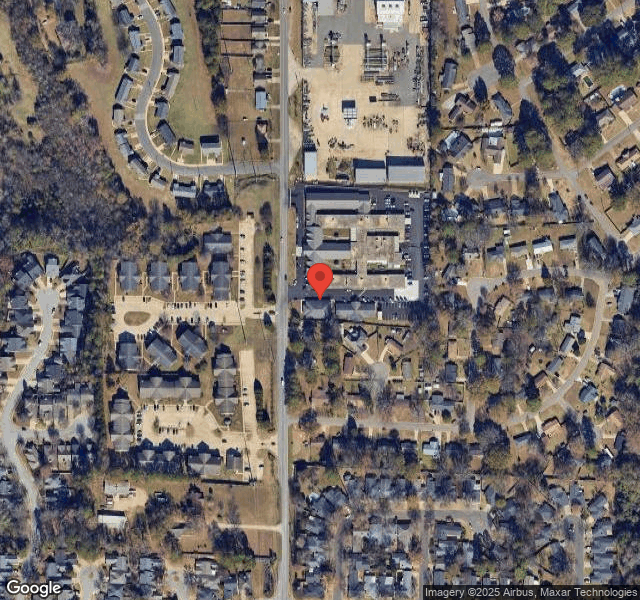

1101 SNOWS MILL AVENUE, TUSCALOOSA, AL 35406 (205) 759-5179
For profit - Corporation 216 Beds Independent Data: November 2025
Trust Grade
70/100
#112 of 223 in AL
Last Inspection: January 2022

Over 2 years since last inspection. Current conditions may differ from available data.

Overview

Heritage Health Care & Rehab Inc in Tuscaloosa, Alabama, has a Trust Grade of B, indicating it is a good facility, though not among the best. It ranks #112 out of 223 facilities statewide, placing it in the bottom half, but is #3 out of 6 in the county, meaning only two other local options are better. The facility is improving, with reported issues decreasing from four in 2019 to two in 2022. Staffing is a relative strength, rated 4 out of 5 stars, although the 53% turnover rate is on par with the state average. Notably, there have been no fines, which is a positive sign. However, less RN coverage than 93% of Alabama facilities is concerning, as RNs play a crucial role in resident care. Recent inspections revealed issues, such as a failure to properly update care plans for residents with swallowing difficulties and not providing adequate assistance during meals for two residents. Overall, while there are some strengths, families should be aware of these weaknesses when considering this facility.

Trust Score
B
70/100
In Alabama
#112/223
Top 50%
Safety Record
Low Risk
No red flags
Inspections
Getting Better
4 → 2 violations
Staff Stability
⚠ Watch
53% turnover. Above average. Higher turnover means staff may not know residents' routines.
Penalties
✓ Good
No fines on record. Clean compliance history, better than most Alabama facilities.
Skilled Nurses
⚠ Watch
Each resident gets only 25 minutes of Registered Nurse (RN) attention daily — below average for Alabama. Fewer RN minutes means fewer trained eyes watching for problems.
Violations
○ Average
9 deficiencies on record. Average for a facility this size. Mostly minor or procedural issues.
★★★☆☆
3.0
Overall Rating
★★★★☆
4.0
Staff Levels
★★★☆☆
3.0
Care Quality
★★★☆☆
3.0
Inspection Score
Stable
2019: 4 issues
2022: 2 issues

The Good

  • 4-Star Staffing Rating · Above-average nurse staffing levels
  • Full Sprinkler Coverage · Fire safety systems throughout facility
  • No fines on record

Facility shows strength in staffing levels, fire safety.

The Bad

3-Star Overall Rating

Near Alabama average (2.9)

Meets federal standards, typical of most facilities

Staff Turnover: 53%

Near Alabama avg (46%)

Higher turnover may affect care consistency

The Ugly 9 deficiencies on record

Jan 2022 2 deficiencies
CONCERN (D)

Potential for Harm - no one hurt, but risky conditions existed

Deficiency F0657 (Tag F0657)

Could have caused harm · This affected 1 resident

**NOTE- TERMS IN BRACKETS HAVE BEEN EDITED TO PROTECT CONFIDENTIALITY** Based on interviews, record review, and facility procedure review titled, Restorative Nursing Program, the facility failed to up...

Read full inspector narrative →
**NOTE- TERMS IN BRACKETS HAVE BEEN EDITED TO PROTECT CONFIDENTIALITY** Based on interviews, record review, and facility procedure review titled, Restorative Nursing Program, the facility failed to update Resident Identifier (RI) #48's care plan with recommendations from the speech therapy department. This deficient practice affected RI #48, one of 25 sampled residents whose care plans were reviewed. Findings Include: A review of a facility procedure titled, Restorative Nursing Program, written in November of 2016 and revised in November of 2017, revealed in part, Those residents on a restorative program will have a care plan developed to reflect the goal(s) of the restorative program. RI #48 was admitted to the facility on [DATE] and had diagnoses to include Dysphagia (difficulty swallowing). A review of RI #48's Care Plan, with a problem onset date of 09/27/18, indicated the resident was at risk for impaired nutrition and hydration related to issues including a history of cerebrovascular accident (CVA) and had a self-care deficit related to CVA with left-sided Hemiplegia (paralysis of half of the body). Interventions included Requires supervision with meals and Provide assistance with ADL's [activities of daily living]. The care plans regarding impaired nutrition and hydration and self-care deficit lacked updating since 09/27/18. The care plans also lacked interventions recommended in a functional maintenance plan (FMP) developed by the speech therapy department. A Speech Therapy Functional Maintenance Plan (FMP), with a run date of 01/11/21, indicated the patient presented with swallowing deficits, including pocketing, with recommendations to provide minimal verbal and visual cueing as needed to take one sip from a cup rim after one to two bites to improve oral clearance. Recommendations also included providing instruction and demonstration to use swish and swallow as needed at the end of meals to completely clear the oral cavity. An ST [Speech Therapy] - Therapist Progress & Discharge Summary, dated 01/15/21, indicated therapy staff designed and implemented an FMP with caregiver education provided. The summary identified that recommendations and education included providing verbal and visual cueing frequently to promote self-feeding during meals and providing verbal instruction to use one-to-one cyclic ingestion and/or swish-and-swallow technique to facilitate oropharyngeal clearance at meals to improve airway safety. During an interview on 01/27/22 at 10:55 a.m., EI #2, Director of Nursing (DON), stated that, when there were therapy recommendations, the nurses received communication from therapy and an order was entered. The DON stated supervisory nursing staff were responsible to ensure recommendations and/or orders were added to resident care plans. During an interview on 01/27/22 at 11:09 a.m., EI #11, Registered Nurse (RN) Supervisor, stated care plans should be updated within 24 hours after a new intervention was recommended. EI #11 noted that any information or intervention that needed to be communicated to staff should be included with the update. EI #11 stated that nursing staff were responsible for updating care plans. During an interview on 01/27/22 at 11:15 a.m., EI #1, Licensed Nursing Home Administrator (LNHA), stated that care plans should be reviewed quarterly. The LNHA stated resident care plans should be updated as needed with changes, and that nursing staff were responsible for updating the care plan.
CONCERN (D)

Potential for Harm - no one hurt, but risky conditions existed

Quality of Care (Tag F0684)

Could have caused harm · This affected 1 resident

**NOTE- TERMS IN BRACKETS HAVE BEEN EDITED TO PROTECT CONFIDENTIALITY** Based on observations, interviews, record review, and review of a facility policy titled, Activities of Daily Living (ADLs) the ...

Read full inspector narrative →
**NOTE- TERMS IN BRACKETS HAVE BEEN EDITED TO PROTECT CONFIDENTIALITY** Based on observations, interviews, record review, and review of a facility policy titled, Activities of Daily Living (ADLs) the facility failed to provide Resident Identifier (RI) #48 and RI #62 with necessary and appropriate care and services with eating. This deficient practice affected RI #48 and RI #62, two of three residents reviewed for assistance with ADLs. Findings Include: A review of the Activities of Daily Living (ADLs) policy, written in January of 2018 and last reviewed in January of 2020, which was provided by EI #2, revealed, . C. A resident who is unable to carry out activities of daily living will receive the necessary services to maintain good nutrition, grooming, and personal and oral hygiene. 1.) RI #62 was admitted to the facility on [DATE] with diagnoses that included Dysphagia, Schizophrenia, Anxiety Disorder, Major Depressive Disorder, Adult Failure To Thrive, Severe Protein Calorie Malnutrition, and Type 2 Diabetes Mellitus. RI #62's Annual Minimum Data Set (MDS) assessment, with an Assessment Reference Date of 12/03/21, revealed a Brief Interview for Mental Status (BIMS) score of 5, which indicated RI #62 had severe cognitive impairment. Further review of the MDS revealed RI #62 required total assistance with meals and received 51% or more daily calories from a feeding tube. A review of RI #62's Care Plan, dated 12/31/20, revealed the resident had an ADL self-care deficit related to issues including weakness and cognitive impairment and was dependent on staff for eating. The plan also identified that RI #62 was at risk for an alteration in respiratory status related to dysphasia. Interventions included providing assistance with ADLs. RI #62's Care Plan, dated 12/31/20, revealed the resident was at risk for impaired nutrition/hydration related to requiring assistance with eating, dysphagia, and use of a therapeutic diet. Interventions directed staff, in part, to observe RI #62 for nausea, vomiting, and shortness of breath and to provide speech therapy services as ordered. Review of a Fiberoptic Endoscopic Evaluation of Swallowing (FEES) document, dated 06/11/21, revealed that recommendations for RI #62 included providing small portions of pureed food with honey thick liquids per spoon presentation at a slow rate with cyclic ingestion. A review of RI #62's Speech Therapy Functional Maintenance Plan (FMP), dated 06/16/21, indicated RI #62 benefited from the use of strict safe swallow precautions and feeding strategies of feeding in ½ teaspoon quantities for both liquids and purees. RI #62 was not to be allowed to drink from a cup or straw. Per the plan, staff were to alternate bites and sips utilizing a slow rate and ensure RI #62's mouth was clear of all food and fluids following intake. A meal observation was conducted on 01/25/22 at 12:37 p.m. RI #62 was observed receiving assistance from EI #6, a Certified Nursing Assistant (CNA). The resident received thickened liquids per the speech therapy recommendation. RI #62 was observed to cough and gag after each bite of food. The serving size of the pureed food was observed to be a heaping serving filling the entire standard spoon. EI #6 was observed to hold a cup of tea to the lips of RI #62, though staff were to offer thickened liquids to the resident via spoon. The resident was observed to take a drink and start coughing. EI #6 was observed to give RI #62 two to three servings of pureed food and then hold the cup of fluid to the mouth of RI #62 to take a drink. EI #6 was observed to wipe the excess food coming out of the mouth of RI #62 with the edge of the spoon and place it in RI #62's mouth while RI #62 was actively coughing. EI #6 was observed to hold the cup of fluid to the mouth of RI #62 while RI #62 was actively coughing and encouraged RI #62 to take a drink, causing RI #62 to gag and continue to cough. An interview was conducted with EI #6 on 01/25/22 at 1:10 p.m. EI #6 stated that feeding responsibilities were rotated among all assigned CNAs. EI #6 stated there was no specific training for feeding RI #62, but noted instructions were posted on the wall above the bed, which EI #6 thought directed staff to use a spoon when feeding RI #62. An observation on 01/25/22 at 1:10 p.m. of the posted signage was made with EI #6. The posted signage contained the message, Please only feed [RI #62] ½ teaspoon quantities for both drinks and food. No cups or straws please. A nursing Departmental Note, dated 01/25/22 at 1:56 p.m., revealed staff reported RI #62 was coughing with lunch. EI #6 reported that she gave the resident a rest period after coughing episodes then resumed. The nursing note contradicted the observation made by the surveyor. An interview was conducted with EI #5, a CNA, on 01/26/22 at 10:07 a.m. EI #5 stated that, when assigned to a resident that needed assistance, staff were supposed to look at the posted instructions at the head of the bed. EI #5 stated that RI #62 got small bites of food, which was just a small amount at the end of the spoon. Per EI #5, if RI #62 coughed, they waited a few minutes and tried again, but if the coughing continued then the nurse was informed immediately. EI #5 stated that signs of gagging, facial expressions, and excessive coughing were signs to stop the feeding and notify the nurse. EI #5 stated that fluids were served from the cup they arrived in, and after peeling the lid off, the cup was held to the mouth of RI #62 from which to take small sips. An interview was conducted with EI #11, a Registered Nurse (RN) Supervisor, on 01/26/22 at 10:40 a.m. EI #11 stated that RI #62 received pleasure feedings because the family wanted RI #62 to eat, and RI #62 wanted to eat as well. EI #11 stated that EI #3, a Speech Language Pathologist (SLP), had informed them that coughing during the meal was beneficial to help keep the passage clear. However, if the cough was continuous or wet, the feeding should be stopped, and nursing needed to be informed. EI #11 stated that if the resident was coughing, nothing else should be put in the mouth, and the resident needed to rest and then be asked to continue. EI #11 stated that the main goal was to make sure RI #62 was safe during the meal. EI #11 stated that EI #6 had reported the continuous coughing of RI #62 the previous day after EI #6 had completed feeding RI #62. An observation of the lunch meal on 01/26/22 at 12:21 p.m. revealed EI #11 was feeding RI #62. EI #11 was using a standard spoon and feeding a small amount of puree at the tip of the spoon, allowing RI #62 to swallow between each bite of food. The same method was used to deliver the fluids during the meal and fluids and pureed food were alternated during the meal. There was no coughing noted during the meal. RI #62 was noted to clear their throat without coughing during the meal. An interview was conducted on 01/26/22 at 2:30 p.m. with EI #3. EI #3 stated they received a referral from nursing for RI #62 related to difficulty with the meals. EI #3 stated that the FEES report recommended small bites of solids and fluids served from a spoon for both pureed food and fluids. EI #3 stated that the posted signage was correct, and that no cups or straws should be used during the meal because there was no control of the portion consumed. EI #3 stated that coughing was beneficial and could help clear the throat. However, EI #3 noted that RI #62 should be monitored for signs and symptoms of aspiration. An interview was conducted with EI #14, a Registered Dietitian (RD), on 01/26/22 at 2:50 p.m. EI #14 stated RI #62 had swallowing problems and required total assistance with meals and depended on the staff to provide this care. An interview with EI #1, the Administrator, was conducted on 01/27/22 at 9:20 a.m. EI #1 stated it was their expectation that staff followed the diet orders for every resident and reported any problems to the nursing staff, who would then follow up with either an RD or SLP. An interview was conducted with EI #2 on 01/27/22 at 10:30 a.m. EI #2 stated that staff were to follow physician and SLP therapy orders, and staff were expected to report any problems or concerns to nursing staff, who would then follow up with an SLP, RD, or physician. 2.) The facility admitted RI #48 on 09/27/18 and RI #48 had a diagnosis of Dysphagia (difficulty swallowing). RI #48's Physician Orders for the month of January 2022 directed staff to change diet to regular, dysphagia advanced with thin liquids, with an order and start date of 12/22/20. A review of RI #48's Quarterly Minimum Data Set (MDS) assessment, with an Assessment Reference Date of 11/13/20, indicated a Brief Interview for Mental Status (BIMS) score of 8, indicating moderate cognitive impairment. The MDS also indicated RI #48 ate independently with set-up help. A review of RI #48's Care Plan, with a problem onset date of 09/27/18, indicated the resident was at risk for impaired nutrition and hydration related to issues including a history of cerebrovascular accident (CVA) and had a self-care deficit related to CVA with left-sided Hemiplegia (paralysis of half of the body). Interventions included Requires supervision with meals and Provide assistance with ADL's. A nursing Departmental Note, documented as written on 12/20/21 at 10:41 p.m. by Employee Identifier (EI) #15, Licensed Practical Nurse (LPN), indicated RI #48 was noted to be holding food in their mouth upon giving the resident their 4:00 p.m. medications. Per the note, RI #48 swallowed the remaining food when drinking fluids. A Speech Therapy Functional Maintenance Plan (FMP), with a run date of 01/11/21, indicated the patient presented with swallowing deficits, including pocketing, with recommendations to provide minimal verbal and visual cueing as needed to take one sip from a cup rim after one to two bites to improve oral clearance. Recommendations also included providing instruction and demonstration to use swish and swallow as needed at the end of meals to completely clear the oral cavity. A ST [Speech Therapy] - Therapist Progress & Discharge Summary, dated 01/15/21, indicated therapy staff designed and implemented a functional maintenance program with caregiver education provided. The summary identified recommendations including providing verbal and visual cueing frequently to promote self-feeding during meals and providing verbal instruction to use one-to-one cyclic ingestion and/or swish-and-swallow technique to facilitate oropharyngeal clearance at meals to improve airway safety. A review of RI #48's Completed Care Tasks, which showed ADL task documentation, revealed the resident ate independently with no setup or physical help from staff on 01/20/22 and ate independently after setup help on 01/21/22, 01/22/22, 01/23/22, 01/24/22 at 8:39 p.m., 01/25/22, and 01/26/22. Extensive one-person physical assistance was documented as required for RI #48 while eating on 01/24/22 at 11:48 a.m. A nursing Departmental Note, documented as written on 01/26/22 at 3:40 p.m. by EI #11, a Registered Nurse (RN) Supervisor, revealed that RI #48 was pocketing food at lunch and staff on the following shift were made aware to observe the resident during meals. A nursing Departmental Note, documented as written on 01/26/22 at 3:31 p.m. by EI #10 , LPN, revealed RI #48 had a large amount of food in their mouth and EI #10 had RI #48 take several sips of water before the resident was able to clear their mouth completely. On 01/25/22 at 12:28 p.m., observation revealed RI #48 had a lunch tray on an overbed table. While speaking with the resident, the surveyor identified that RI #48 had food in their mouth that they had not swallowed. On 01/25/22 at 1:13 p.m., RI #48 was observed in their room. The lunch tray had been removed. While speaking with the resident, the surveyor identified that RI #48 had food in their mouth that they had not swallowed. On 01/26/22 at 2:42 p.m., RI #48 was observed in their room. The lunch tray had been removed. While speaking with the resident, the surveyor identified that RI #48 had food in their mouth that they had not swallowed. During an interview on 01/26/22 at 2:49 p.m., EI #4, a Certified Nursing Assistant (CNA), said that RI #48 required set up and encouragement during meals. EI #4 said some people assisted RI #48 to finish eating and that RI #48 did fine swallowing their food, but would sometimes pocket food. EI #4 said that when RI #48 pocketed food, the resident needed to be encouraged to chew it up and wash it down. During a concurrent observation and interview on 01/26/22 at 2:54 p.m., EI #10 stated RI #48 required setup, supervision, and cueing when eating. EI #10 observed RI #48 with pocketed food in their mouth. EI #10 assisted RI #48 with clearing their mouth with cueing. During an interview on 01/26/22 at 3:04 p.m., EI #11 stated RI #48 would be assigned a CNA for assistance during meals, noting CNAs were currently supposed to provide supervision during meals. During an interview on 01/27/22 at 10:11 a.m., EI #10 stated that if residents required assistance following discharge from therapy, an FMP would be developed for restorative therapy. Per EI #10, if there were recommendations to be carried out on the floor, an order would be placed, which would be communicated to CNAs from therapy staff. During an interview on 01/27/22 at 10:55 a.m., EI #2, the Director of Nursing (DON), stated that when there were therapy recommendations, the nurses received communication and an order was entered. The DON stated the nursing staff were responsible to ensure orders were carried out. During an interview on 01/27/22 at 11:04 a.m., EI #3, Speech Language Pathologist (SLP), stated that if residents were appropriate for an FMP, one was put in place. EI #3 stated the nursing staff monitored staff to ensure the FMP was carried out. EI #3 clarified she had not worked with RI #48 and was not personally involved in the development of RI #48's FMP based on her hire date. EI #3 stated that, once staff were trained to implement an FMP, SLP staff did not conduct routine monitoring of facility staff's implementation of the FMP. During an interview on 01/27/22 at 11:15 a.m., EI #1, the Licensed Nursing Home Administrator (LNHA), stated that upon discharge from therapy, when an FMP was written, the CNAs were trained on carrying it out.
May 2019 4 deficiencies
CONCERN (D)

Potential for Harm - no one hurt, but risky conditions existed

Deficiency F0578 (Tag F0578)

Could have caused harm · This affected 1 resident

Based on observations, interview, medical record review and a facility's policy titled, COLOR CODES/LABELING, the facility failed to ensure the spine of the medical chart and the end of the bed for RI...

Read full inspector narrative →
Based on observations, interview, medical record review and a facility's policy titled, COLOR CODES/LABELING, the facility failed to ensure the spine of the medical chart and the end of the bed for RI (Resident Indentifer) #405 had the correct code status label. This deficient practice affected one out of 30 sampled residents. Findings include: A review of a facility's document titled, COLOR CODES/LABELING, with a revised date of 03-10 revealed: .I. Chart back will be labeled on the spine of the chart to indicate whether resident a full code or DNR. A. Black (label) No Code B. Red (label) Full Code . III. Procedure: . B. The color on the chart label should match the code status . D. Full code residents are to have their name and MD (Medical Doctor) name on the foot of the bed in red. RI # 405 was readmitted the facility on 5/15/19. On 05/15/19 at 08:15 am, a review of RI # 405 medical records revealed, a form titled Alabama Board of Health Administration Code . Appendix II Alabama Portable Physician Do Not Attempt Resuscitation (DNR). The form was signed and dated 5/1/19 by the RI #405 and signed by the Physician on 5/2/19. Surveyor asked EI #9 (Employee Identifier) Registered Nurse, how did the staff know what the code status was of RI #405. EI #9 replied, the label that was on the end of the bed and the spine that was on the end of the chart. Surveyor asked EI #9, what was the difference in the labels and spines for full code and DNR (Do Not Resuscitate) status. EI #9 replied, the color of them. Surveyor asked EI #9, what color label was on the spine of RI #405 chart. EI #9 replied, white with red writing. Surveyor asked EI #9, what code status did white with red writing represent. EI #9 replied, a full code. Surveyor asked EI #9, was RI #405 a full code. EI #9 replied, no, RI #405 was a DNR. Surveyor asked EI #9, was RI #405's chart labeled wrong. EI #9 replied, yes. Surveyor asked EI #9, what was the potential harm of the wrong code status label on RI# 405's chart and bed. EI #9 replied, coding someone that should not be coded. On 05/15/19 at 08:32 AM, Surveyor and EI #9 observed RI #405's room, including a red and white label on the end of RI #405's bed. Surveyor asked EI #9, what color writing was observed on the label on the end of the RI # 405's bed. EI #9 replied, white with red writing. Surveyor asked EI #9, what code status did that represent to the staff. EI #9 replied, full code.
CONCERN (D)

Potential for Harm - no one hurt, but risky conditions existed

ADL Care (Tag F0677)

Could have caused harm · This affected 1 resident

**NOTE- TERMS IN BRACKETS HAVE BEEN EDITED TO PROTECT CONFIDENTIALITY** Based on interviews, observations and a facility's document titled FEEDING THE IMPAIRED RESIDENT, the facility failed to ensure ...

Read full inspector narrative →
**NOTE- TERMS IN BRACKETS HAVE BEEN EDITED TO PROTECT CONFIDENTIALITY** Based on interviews, observations and a facility's document titled FEEDING THE IMPAIRED RESIDENT, the facility failed to ensure Resident Identifier (RI) #406 did not wait thirty minutes to receive assistance with the dinner meal on 05/14/2019. This deficient practice affected one out of five sample residents who required assistance with feedings Findings include: A facility document titled, FEEDING THE IMPAIRED RESIDENT, revealed: . Residents are assisted, as needed, to consume each meal so adequate nutrition is provided. III. SPECIAL POINTS D. Charge nurses are to supervise the feeding of residents to ascertain that all residents are fed in a timely fashion in order to meet individual needs of each resident . RI (Resident Identifier) #406 was admitted to the facility on [DATE]. RI # 406 diagnoses included cerebral palsy, muscle weakness, dysphagia, and respiratory failure with hypoxia. A review of RI #406's care plans included needing assistance with eating, date 4/30/19. On 05/14/19 at 06:00 pm, Surveyor observed, RI #406 sitting in the wheel chair in resident's room, with a dinner meal tray on the bedside table on a tray with a dome cover removed and lying on the bed. RI #406 reported, He/she was waiting on someone to help them eat. At 06:15 pm, Surveyor made a second observation of RI #406 sitting in the wheel chair in room with meal tray sitting on the bedside table. On 05/14/19 at 06:18 pm, Surveyor interviewed Employee Identifier (EI) #6, Licensed Practical Nurse (LPN) Supervisor. Surveyor asked EI# 6, how long did residents have to wait to eat their meals once they are delivered, if they need assistance. EI #6 replied, no more than five or ten minutes. Surveyor asked EI #6, had she known of residents waiting longer than five or ten minutes for assistance with their meals. EI# 6 replied, no ma'am. Surveyor asked EI# 6, did RI #406 require assistance with meals. EI# 6 replied, yes ma'am. Surveyor asked EI #6, did she know how long RI #406 had been waiting for assistance. EI# 6 replied, not that day. Surveyor asked EI# 6, what was the harm with a resident waiting for meal assistance. EI# 6 replied, the food would get cold, RI #406 was probably hungry and RI #406 would probably get a little upset. Surveyor asked, whose responsibility was it to ensure RI #406 received assistance with meals in a timely manner. EI #6 replied, it's all the staffs responsibility. The Certified Nursing Assistant that delivered the tray should ensure everything was ready for a resident to eat. On 05/14/19 at 06:26 pm, Surveyor made a third observation with EI #6 of RI #406 sitting in the wheel chair with dinner meal on the bedside table. RI #406 was waiting on assistance with the dinner meal. No food had been eaten or disturbed. Surveyor observed, the call light in resident's room. At 06:30 pm, EI#7, RN, entered RI #406's room and asked if the resident was ready to eat. On 05/15/19 at 03:27 pm, Surveyor interview with EI #7. Surveyor asked EI #7, what did she observe regarding RI #406 dinner on 5/14/19. EI #7 replied, staff reported RI #406 needed to be fed for supper. Surveyor asked EI #7, what was the facility's policy regarding delivering meal trays and residents that required assistance with meals. EI #7 replied, she thought the policy was to deliver the tray when you are ready to feed the resident and not before. Surveyor asked EI #7, did she observe RI # 406's dinner tray sitting on the bedside table uncovered and untouched. EI #7 replied, she did. Surveyor asked EI #7, did she see RI #406's call light on when she entered the room to assist with her dinner meal on 5/14/19. EI #7 replied, she did, she knew that was probably why the call light was on at that time. Surveyor asked EI #7, who delivered the dinner tray to the resident's room on 5/14/19. EI #7 replied, EI #8. Surveyor asked, who was responsible for ensuring residents were fed in a timely manner. EI #7 replied, the LPN Supervisor. Surveyor asked EI #7, did she consider thirty minutes, or more, a timely manner to receive assistance with a meal after it was delivered and uncovered. EI #7 replied, she thought that was too long. It was going to be ice cold. Surveyor asked EI #7, what was the potential harm when a resident waited thirty minutes for assistance with a meal that was delivered and uncovered. EI #7 replied, the food would be cold for sure and then they would not eat it. Eventually, weight loss if it continued. Surveyor asked, could RI #406 feed his/herself. EI #7 replied, no ma'am, not even a cracker. Surveyor asked, were both Resident # 406 's hands contracted. EI# 7 replied, yes they were. Surveyor asked, who fed RI #406 dinner meal on 5/14/19. EI #7 replied, she did. Surveyor interviewed with EI #8 on 05/15/19 at 04:33 pm. Surveyor asked EI #8, did she deliver a dinner tray to RI #406 on 5/14/19. EI #8 replied, yes she did. Surveyor asked EI #8, did she remove the dome cover over the plate and place it on the bed in the room. EI #8 replied, yes she did. Surveyor asked EI #8, what time was that. EI# 8 replied, she had no idea. Surveyor asked EI #8, what time were the dinner trays normally delivered to residents on the hall. EI #8 replied, on her unit where she worked it was about five thirty. Surveyor asked EI #8, did she deliver meal trays on her unit. EI #8 replied, no ma'am she was pulled to this unit yesterday. Surveyor asked EI #8, what was the facility's policy regarding residents that required assistance with meals. EI #8 replied, you wait till all the trays are out and then feed the feeders. Surveyor asked EI #8, did she deliver the meal tray to resident's that required assistance without assisting with the meal. EI #8 replied, no. Surveyor asked EI #8, how did the facility inform staff of resident's needs. EI #8 replied, through the patients charts and the nurse will notify you if they have special needs. Surveyor asked, did she look at RI #406's chart before delivering the resident's dinner meal tray on 5/14/19. EI #8 replied, no she did not. Surveyor asked, did the nurse notify her of the resident's. EI# 8 replied, no because the resident was not on her assignment. Surveyor asked EI # 8, whose responsibility was it to find out which resident's required assistance with meals. EI #8 replied, it was the CNA's responsibility. Surveyor asked EI # 8, hers. EI #8 replied, yes. Surveyor asked EI #8, did she know how long RI #406 waited with the meal delivered and uncovered, for assistance. EI# 8 replied, no. Surveyor asked, would she consider the resident waiting thirty minutes to be assisted with a dinner meal delivered and uncovered, in a timely manner or acceptable. EI #8 replied, no. Surveyor asked EI #8, what was the potential harm with a resident waiting thirty minutes to be assisted with their meal after being delivered and uncovered to their room. EI #8 replied, it was cold and who wants cold food. EI #8 stated, she did not. EI #8 further stated, RI #406 could have been hungry.
CONCERN (D)

Potential for Harm - no one hurt, but risky conditions existed

Infection Control (Tag F0880)

Could have caused harm · This affected 1 resident

**NOTE- TERMS IN BRACKETS HAVE BEEN EDITED TO PROTECT CONFIDENTIALITY** Based on observations, interviews, record reviews, review of the Potter and [NAME], Fundamentals of Nursing, Ninth Edition, and ...

Read full inspector narrative →
**NOTE- TERMS IN BRACKETS HAVE BEEN EDITED TO PROTECT CONFIDENTIALITY** Based on observations, interviews, record reviews, review of the Potter and [NAME], Fundamentals of Nursing, Ninth Edition, and review of facility policies titled, OXYGEN ADMINISTRATION, METERED DOSE INHALER ADMINISTRATION PROCEDURE and USING GLOVES, the facility failed to ensure: 1. a Certified Nursing Assistant (CNA) did not reapply Resident Identifier(RI) #88's nasal cannula after it was found on the floor under RI #88's bed, 2. a.) RI #89's oxygen tubing was dated, b.) a Licensed Practical Nurse (LPN) cleaned RI #89's inhaler after administration and before storing it in the medication cart, and 3. an LPN changed her gloves and washed her hands after touching potentially contaminated objects when obtaining RI #116's finger stick blood sugar, administering RI #116's nebulizer treatment and during administration of RI #116's medications via gastrostomy tube. These deficient practices affected RI #88, RI #89 and RI #116, three of 31 sampled residents. Findings Include: A review of Potter and [NAME], Fundamentals of Nursing, Ninth Edition, Unit V, Foundations for Nursing Practice, Chapter 29, Infection Prevention and Control, page 459, revealed the following: .Table 29-6, Centers for Disease Control . Standard Precautions . for Use with All Patients . Perform hand hygiene before, after, and between direct contact with patients. Perform hand hygiene after contact with . body fluids, mucous membranes, . excretions, . after contact with inanimate surfaces or articles in a patient room; and immediately after gloves are removed. A review of a facility policy titled, OXYGEN ADMINISTRATION, Revised: 12-17, documented: . VI. Follow up phase: . 3. Change humidifier bottle and O2 (oxygen) tubing weekly . A review of a facility policy titled, METERED DOSE INHALER ADMINISTRATION PROCEDURE, Revised: 04-01, revealed: Purpose: .VIII. Dry the mouthpiece and always replace cap . IX. Rinse the inhaler with warm water . A review of a facility policy titled, USING GLOVES, Reviewed: 11-16, documented: . IV. When to Use Gloves . C. Wash hands immediately after removing gloves to prevent cross-contamination with organisms, which could have passed through a defect in the gloves to the hands. D. Gloves must be changed as indicated between care procedures and treatments provided to the same resident . 1.) RI #88 was readmitted to the facility on [DATE], with diagnoses including, Unspecified Heart Failure. A review of RI #88's medical record and document titled, Physician Orders For the month of: May 2019, revealed the following order: .OXYGEN AT 2 LITERS PER MINUTE AS NEEDED FOR O2 SAT (Saturation) LESS THAN 90% . On 05/14/19 at 10:49 a.m., the surveyor observed RI #88's oxygen tubing on the floor under the bed with the 02 (oxygen) concentrator running. Resident asked surveyor to pick up tubing. Surveyor told resident she would get a staff member. Surveyor went out in hallway and asked a Certified Nursing Assistant (CNA) if she could help the resident. CNA into room and resident asked her to get oxygen tubing. The CNA was observed picking the nasal cannula with attached tubing up from the floor under the resident's bed and putting it in place for the resident at that time. On 05/16/19 at 8:51 a.m., an interview was conducted with Employee Identifier (EI) #13, CNA. EI #13 was asked, where was RI #88's oxygen tubing when she assisted him/her on 05/14/19. EI #13 said on the floor under the bed. EI #13 was asked what did she do when she found it on the floor. EI #13 stated she picked it up and put it back on, the resident. EI #13 was asked what was the concern with anything from the floor being given back to or placed on a resident. EI #13 answered, the floor has germs. 2.) RI #89 was readmitted [DATE], with diagnoses including, Chronic Systolic (Congestive) Heart Failure and Unspecified Chronic Obstructive Pulmonary Disease. a.) A review of RI #89's medical record and document titled, Physician Orders for the month of May 2019, revealed the following order: .OXYGEN AT 2.5 LITERS PER MINUTE VIA NASAL CANNULA ROUTINELY . Further review of RI #89's medical record revealed RI #89's Respiratory Care Plan with the following intervention: .Change oxygen tubing weekly . The following observations were documented by the surveyor: 05/14/19 10:16 AM Resident had O2 infusing at 2 L/M via nasal cannula from concentrator. There is no date noted on the tubing. 05/15/19 09:37 AM Oxygen tubing still not dated at this time. 05/16/19 08:59 AM Oxygen tubing still not dated at this time. EI #14, Director of Nursing was asked to accompany surveyor to room to look at tubing and confirmed that no date was on the tubing. EI #14 confirmed there was no date on the tubing. The policy provided by EI #14 revealed the tubing was to be changed weekly. b.) EI #6, LPN, was observed administering RI #89's Atrovent Inhaler on 05/15/19 at 3:05 p.m. and replacing the cap on the inhaler's mouthpiece without wiping or cleaning the inhaler and storing it in the medication cart drawer. On 05/16/19 at 11:13 a.m., a telephone interview was conducted with EI #6, LPN. EI #6 was asked, what should she do before recapping and storing an inhaler in the medication cart. EI #6 said, clean off the mouthpiece. EI #6 was asked if she cleaned off RI #89's mouthpiece after she administered RI #89's inhaler. EI #6 replied no. EI #6 was asked should she have, she replied yes. EI #6 was asked what was the concern with not cleaning the mouthpiece before recapping the inhaler. EI #6 answered, germs and contamination. 3. RI #116 was readmitted to the facility on [DATE], with diagnoses including, Encounter for Attention to Gastrostomy, Type 2 Diabetes Mellitus with Hypoglycemia without Coma and Chronic Respiratory Failure with Hypoxia. On 05/15/19 at 3:31 p.m., EI #11, LPN, was observed administering RI #116 medications. The surveyor made the following observations of EI #11: 1. opened door of room and out to cart to get cups for water, back into room, gloves on without washing hands after touching door knob; 2. gloves on, nebulizer mask taken out of bag, bed height adjusted via control on rail while wearing gloves, both vials of medication poured into reservoir and mask attached, mask placed on resident with band around head, nebulizer machine turned on; 3. while wearing same gloves, piston syringe taken out of plastic bag, 30 cc water drawn up, pump placed on hold, syringe placed in tube and water administered; 4. more water obtained from faucet to make 30 cc's (cubic centimeter) of water in meds, wearing same gloves used to turn faucet on and off, gloved finger over tip of syringe and plunger shaken to mix medications, and 5. while still wearing the same gloves, rinsed syringe in sink and dried with paper towels and placed syringe in plastic bag, On 05/15/19 at 6:03 p.m., an interview was conducted with EI #11, LPN. EI #11 was informed of the surveyor's observations during RI #116's medication pass provided by EI #11. EI #11 was asked when should she wash her hands and change gloves. EI #11 said before she started any task, when she removed gloves, between procedures and when she contaminated them. EI #11 was asked what was the concern with not changing gloves and washing her hands as stated in the observations. EI #11 answered, contamination and risk for infection. On 05/16/19 at 11:52 a.m., an interview was conducted with EI #12, Registered Nurse/Infection Control. EI #12 was asked, when should a nurse wash her hands and change her gloves when administering medications. EI #12 said, prior to and anytime they touch anything potentially contaminated in the room and before they leave the room. EI #12 was asked, should a nurse wear the same gloves after touching a door knob, faucet, and bed control when administering medications via tube and/or set up a nebulizer treatment for a resident. EI #12 replied, no, she should wash her hands and change her gloves because she was touching something potentially contaminated. EI #12 was asked, when should oxygen tubing be changed. EI #12 stated, weekly, if they go out, if it touches the floor and anytime it was contaminated. EI #12 was asked, should medications be mixed in the syringe with the tip of the syringe covered by gloves worn while touching potentially contaminated objects. EI #12 said, no. EI #12 was asked, what was the concern with touching potentially contaminated objects and administering medications without changing gloves and washing hands. EI #12 answered, they are potentially carrying whatever potential contamination to the resident getting the medication and with a gastrostomy tube it was direct contamination because when they touch the tip of the syringe it goes straight into the tube.
CONCERN (F)

Potential for Harm - no one hurt, but risky conditions existed

Food Safety (Tag F0812)

Could have caused harm · This affected most or all residents

Based on observations and interviews the facility failed to ensure: 1. dietary staff did not take food temperatures by sticking the thermometer through plastic wrap or foil and 2. staff dated residen...

Read full inspector narrative →
Based on observations and interviews the facility failed to ensure: 1. dietary staff did not take food temperatures by sticking the thermometer through plastic wrap or foil and 2. staff dated resident's food before placing it in the unit refrigerators. This had the potential to affect 140 of 156 residents receiving meals from dietary and two of four unit refrigerators. 1. The following observations were made on 05/15/19 of the lunch tray line service: At 11:15 a.m., of the tray line service. EI (Employee Identifier) #2 was observed taking the temperature of the black forest cake by placing the thermometer through the plastic wrap covering and into the cake. At 12:08 p.m., more cake was brought out and the temperature was taken of the cake by EI #3. EI #3 was observed taking the temperature by sticking the thermometer through the plastic wrap and into the cake. At 12:12 p.m., a second pan of chicken and dumplings was brought out to the tray line. EI #3 took the temperature of the chicken by sticking the thermometer through the foil wrapping. An interview was conducted on 05/16/19 at 10:20 a.m, with EI #2, Dietary Aide. EI #2 was asked how temperatures of the food should be taken. EI #2 replied, you take the thermometer and stick it into the biggest part of your food and hold it until it stops, then take it out and wipe it with an alcohol pad. EI #2 was asked, how did she take the temperature of the cake on 5/15/19. EI #2 replied, she took the thermometer and stuck it towards the middle of the cake. EI #2 was asked, should she stick a thermometer through plastic wrap to take a temperature. EI #2 replied, no. EI #2 was asked, did she stick the thermometer through the plastic wrap when taking the temperature of the cake on 5/15/19. EI #2 replied, she did not think she unwrapped it. EI #2 was asked, did you stick the thermometer through the plastic wrap. EI #2 replied, yes she did. EI #2 was asked, what was the potential concern, of taking the temperature of food, by sticking the thermometer through the plastic wrap. EI #2 replied, the outside of the wrap was probably not clean. On 05/16/19 at 10:26 a.m., an interview was conducted with EI #3, Dietary Aide. EI #3 was asked how temperatures of the food should be taken. EI #3 replied, with a calibrated thermometer. EI #3 was asked, should you stick a thermometer through plastic wrap to take a temperature. EI #3 replied, no. EI #3 was asked, should you stick a thermometer through foil to take a temperature. EI #3 replied, no. EI #3 was asked, did she stick the thermometer through the plastic wrap when taking the temperature of the cake on 5/15/19. EI #3 replied, yes. EI #3 was asked, did she stick the thermometer through foil to take the temperature of chicken and dumplings on 5/15/19. EI #3 replied, yes. EI #3 was asked, what was the potential concern of taking the temperature of food by sticking the thermometer through the plastic wrap. EI #3 replied, it could probably get stuck in there and caught in the food. EI #3 was asked, what was the potential concern of taking the temperature of food by sticking the thermometer through the foil. EI #3 replied, foil could get trapped in the food. On 05/16/19 at 10:30 a.m., an interview was conducted with EI #1, Dietary Manager. EI #1 was asked, should the temperature of food be taken by sticking a thermometer through plastic wrap or foil. EI #1 replied I guess we were not supposed to. EI #1 was asked, what was the potential concern of the temperature being taken by sticking the thermometer through plastic wrap or foil. EI #1 replied, cross contamination. 2. The USDA Food Code 2017 specifies regarding the labeling of food items: 3-501.17 Ready -to- Eat, Time/Temperature Control for Safety Food, Date Marking . Commercially processed food * open and hold cold . (D) A date marking system that meets the criteria . (3) Marking the date or day . with a procedure to discard the Food on or before the last date or day by which the Food must be consumed on the premises, . or discarded . On 05/16/19 at 08:36 a.m., during a tour of the Unit Three refrigerators with EI #4, RN Supervisor, an observation was made of a container from (name of deli) with a creamy, soupy substance in it with a resident's name and room number written on it, but no date. On 05/16/19 at 08:44 a.m., during tour of the Unit Four refrigerator with EI #5, RN, observed was a plastic bag with a food container of BBQ labeled with the name and room number of a resident, but no date. Also observed was two bags from (fast food eatery's) and a pizza box containing two slices of pizza, none of these items observed in the refrigerator had a name or date. On 05/16/19 at 10:10 a,m., an interview was conducted with EI #4. EI #4 was asked who was responsible for checking the unit refrigerators for expired foods. EI #4 replied, the Eleven to Seven shift. EI #4 was asked, how were foods supposed to be labeled. EI #4 replied, they should be labeled with the name and the date. EI #4 was asked, how many days could a food item remain in the refrigerator. EI #4 replied, three days if opened. EI #4 was asked, were any food items found in the refrigerator on 5/16/19 on Unit Three without a date. EI #4 replied, yes. EI #4 was asked, what was the potential concern of an item not being dated. EI #4 replied, that somebody unknowingly would feed it to a resident and it would have passed the expiration date. On 05/16/19 at 10:14 a.m., an interview was conducted with EI #5. EI #5 was asked, who was responsible for checking the unit refrigerators for expired foods. EI #5 replied, usually night shift but they all check them. EI #5 was asked, how were foods supposed to be labeled. EI #5 replied, with a name and a date on them. EI #5 was asked, how many days could a food item remain in the refrigerator. EI #5 replied, usually, they do not like to leave it in there more than four to five days. EI #5 was asked, were any food items found in the refrigerator on 5/16/19 on Unit Four without a date. EI #5 replied, yes a couple of things. EI #5 was asked, what was the potential concern of an item not being dated. EI #5 replied, maybe a resident getting a hold of something outdated or spoiled. On 05/16/19 at 10:30 a.m., an interview was conducted with EI #1, Dietary Manager. EI #1 was asked, who was responsible for checking the unit refrigerators for expired foods. EI #1 replied, the nurses. EI #1 was asked, how were foods supposed to be labeled. EI #1 replied, the date and the expiration date. EI #1 was asked, how many days could a food item remain in the refrigerator. EI #1 replied, it depended on what it was. EI #1 was asked, what was the potential concern of an item not being dated. EI #1 replied, spoilage or contamination.
May 2018 3 deficiencies
CONCERN (D)

Potential for Harm - no one hurt, but risky conditions existed

Deficiency F0658 (Tag F0658)

Could have caused harm · This affected 1 resident

**NOTE- TERMS IN BRACKETS HAVE BEEN EDITED TO PROTECT CONFIDENTIALITY** Based on interview, medical record review and a review of [NAME] and Perry's FUNDAMENTALS OF NURSING EIGHT EDITION, the facility...

Read full inspector narrative →
**NOTE- TERMS IN BRACKETS HAVE BEEN EDITED TO PROTECT CONFIDENTIALITY** Based on interview, medical record review and a review of [NAME] and Perry's FUNDAMENTALS OF NURSING EIGHT EDITION, the facility's policies titled, ADMISSIONS, and Procedure: MEDICATION ADMINISTRATION GUIDELINES, the facility failed to ensure Resident Identifier (RI) #313 received the Mestinon medication upon admission to the facility. The facility further failed to ensure RI #313 did not received an unsampled resident's medication. This affected one of 14 residents admitted to the facility with admission orders within the last 30 days. Findings Include: A review of [NAME] and Perry's FUNDAMENTALS OF NURSING EIGHT EDITION, page 584 -585, Box 31-6 PROCESS FOR MEDICATION RECONCILIATION, revealed the following: . 2. Clarify: Make sure that the list of medications . frequencies is accurate; clarify the list with as many people as necessary ( ., patient, caregiver, health care providers, pharmacist) to ensure accuracy . Attitudes To administer medications safely . Standards . follow the six rights of medication administration consistently every time you administer medications. 1. The right medication . 3. The right patient . Nurses verify medication information . or when patients transfer from one nursing unit or health care setting to another . A review of the facility's procedure titled, MEDICATION ADMINISTRATION GUIDELINES with a revised date of 02-16, revealed the following: . X. Nurses must remember the 5 Rights of medication administration. Right resident . Right medication . A review of the facility's policy titled, ADMISSIONS with a reviewed date of 08-15, revealed the following: . II. C. Facility must demonstrate ability to meet individuals' needs and that adequate, appropriate accommodations are available . III. Prior to admission, . the following documents (signed and dated by the attending physician) available to the facility for review: . B. Physician's orders, . IV. Prior to admission, orders are received from the discharging facility . the orders are faxed to (Name of Pharmacy) . and will be delivered to the facility that evening. If an admission occurs after 5 PM, staff notifies (Name of Pharmacy) by phone and any medication that is needed is ordered from back up and delivered. A review of the facility's document dated 05/23/18, signed by Infection Control/Quality Assurance, Registered Nurse/RN, Employee Identifier (EI) # 5, revealed the following: It was discussed with our medical director, Doctor ., about (RI #313s) daughters concern regarding a medication that she had stated (RI #313) needed but was not scheduled to be administered at the time she had questioned the nurse about it. Doctor . was informed of the medication name and the scheduled times for the medication while in our facility. Doctor . put in place a standing order for a resident or sponsor who requests a medication that is not scheduled for administration to give a one-time dose of that medication for . resident's only. All staff will be educated for any resident being admitted early to fax pharmacy and get the medication that is due from backup or pull from stat and if admitted late, still fax pharmacy and get from backup . RI #313 was admitted to the facility on [DATE] with diagnosis to include Encounter for Attention to Colostomy and Myasthenia Gravis Without Acute Exacerbation. A review of the RI #313's admission Minimum Data Set (MDS) dated [DATE] revealed RI #313 had a Brief Interview for Mental Status score of 15, indicating cognition intact. A review of the facility's Departmental Notes for RI #313's revealed the following: . 5/10/2018 10:27 PM Role: Nursing . Late entry 6:00 PM Resident arrived to facility by private auto with daughter . A review of RI #313's Post Hospitalization Patient Info,Referrals,Assessments revealed the following: Referrals (name of facility Service Date: 05/10/18 . Patient to CONTINUE taking the following meds: . Pyridostigmine Bromide (Mestinon) 60 MG (milligram) . by mouth, three (3) times per day . On 05/22/18 at 9:21 AM, during initial tour, RI #313's daughter complained the resident has a diagnosis of Myasthenia Gravis and the facility did not have the resident's medication on admission. The daughter and the resident said that they reported to EI #1, Licensed Practical Nurse/LPN and that EI #1 never did come back in the resident's room. The daughter stated around one or 2 am that morning, after the resident was admitted , she went ahead and remembered the resident had the Mestinon medication for the Myasthenia Gravis and she gave RI #313 one of the resident's pills herself. The daughter and the resident also said that the Mestinon was very important because, the levels has to be maintained and the medication needed to be given on schedule. On 05/23/18 at 8:57 AM, during an interview with EI #4, RN/Registered Nurse Supervisor, the surveyor asked what was her responsibility. EI #4 stated, I mainly help with admission, I look at hospital referrals. The surveyor asked what did that entail. EI #4 said she looked at hospital records, history and physicals, consultations, therapy notes, medication record, to see if the facility could meet the resident's needs and if the referral is accepted and/or if the resident is admitted to the facility. The surveyor asked what about the new admission orders. EI #4 stated, Yes, the hospital sends the orders prior to admission, we review to make sure we have therapy orders, we have prescription for narcotics, we have medications and the specifics/directions of how the medications should be taken, anything else pertinent to that resident. The surveyor asked when were the medications reviewed, who ensures that the medications or anything pertinent to that resident was available. EI #4 stated, Typically the station RN carry it from there. The surveyor asked when was that done. EI #4 stated, Prior to the resident's arrival. The surveyor asked was that policy and procedure for this facility to ensure that medications and anything pertinent to that resident's admission orders are available prior to the resident's arrival. EI #4 stated, Oxygen is available here, the medications are faxed before 5 o'clock pm, so they are delivered that evening, but if it was something that the resident needed prior to arrival, we have a backup, where the pharmacist is called and they get the medication and it is called in to our local pharmacy, like (name of local pharmacy). EI #4 said a nurse will run and pick the medication up, if it is something that they do not carry there in their stat box. EI #4 also said if the medication was not there, the pharmacy will get it from the back up pharmacy. The surveyor asked if a medication was not available in house, when was the back up pharmacist called and/or the information faxed to ensure the medication was available on time prior to the resident's arrival. EI #4 stated, If a patient comes in at 6 pm, and they needed a medication, if they needed it then, and we don't have it in the backup, we call the pharmacist and let the pharmacist know we can't wait until the tote comes on the night shift, and tell them we need the medication. On 05/23/18 at 3:01 PM, during an interview with EI #1, LPN/admitting nurse, the surveyor asked what did RI #313 and the resident's daughter tell her about the resident's medications when RI #313 was admitted on [DATE]. The surveyor provided a copy of the resident's computerized medications. EI #1 stated, They were asking me about the resident's medications and what time the medications would be in. EI #1 said she explained the medications came from another county, and the weather and construction slows the medications up. EI #1 stated, The daughter said they had the resident's medications with them. The surveyor asked what medications did the family have. EI #1 stated, I did not look at them but I told the daughter if she wanted I could look at the physician's admit orders, and see what the resident had ordered to see if the daughter had the medications that the physician had ordered. EI #1 said she told the daughter she would give the resident the medications, just one dose of each medication that was due for that evening, only if pharmacy had not brought the medication in. EI #1 said the pharmacy did not get in until between 9pm-10 pm. The surveyor asked which resident's personal medication did she administer. EI #1 stated, I didn't administer any of the resident's own medication. The surveyor asked what happened with the resident's Mestinon medication. EI #1 said, I did not even see on the MAR. The surveyor asked when did she review the physician's admission orders for this resident. EI #1 stated, We get the orders before the resident comes in and I had checked the orders before the resident arrived to the facility. The surveyor provided RI #313's admission physician's orders and asked was the Mestinon included in the orders and when should the resident have received the Mestinon, what time was it scheduled to be administered. After review, EI #1 stated, Yes, these are the orders, it was included and should be given three times a day. The surveyor asked what time should the resident have received the Mestinon. EI #1 stated, Our three times a day is 8, 12, and 4. The surveyor asked when did the family or the resident ask for the Mestinon. EI #1 stated, They did not. The surveyor asked should the dosage levels be maintained. EI #1 stated, Yes. The surveyor asked EI #1 who did she ask when was the resident last given a dose of the Mestinon. EI #1 stated,I didn't ask. The surveyor informed EI #1 the resident and the daughter said that EI #1 was told that the resident needed her Mestinon. EI #1 stated, I don't remember them telling me that. The surveyor informed EI #1 that an alert and oriented resident and a family member said that EI #1 was made aware that the resident needed the Mestinon medication and that she never came back with any information regarding the Mestinon. EI #1 stated, I did tell them that all of the resident's medication would be in between 9 and 10. The surveyor asked did the medications come in. EI #1 stated, Yes, between 9 and 10. The surveyor asked after the medications came in what did she administer and what did she tell the family. EI #1 stated, I gave (RI #313) the 2.5 Coumadin. On 05/23/18 at 4:17 PM, during an interview with EI #1, LPN, the surveyor asked where did she get the Coumadin from that she administered to RI #313. EI #1 said she borrowed it. The surveyor asked from whom and where. EI #1 stated, Off team 2, I forgot the resident's name. The surveyor asked was that policy and procedure. EI #1 stated,No. The surveyor asked why did she give RI #313 another resident's medication. EI #1 stated, Because (RI #313) was wanting (the) medicines. The surveyor asked was policy and procedure followed for administering correct resident's medication, five rights for medication administration. The LPN stated, No. The surveyor asked who had given her the other resident's medication. The LPN stated, (EI #3). On 05/23/18 at 4:41 PM, during an interview with EI #3, LPN, the surveyor asked when did she give a nurse a resident's medication to give to another resident. EI #3 stated, I did for (RI #313). The surveyor asked who was the nurse that asked for the medication. EI #3 stated, (EI #1). The surveyor asked what was the policy and procedure for giving one resident's medication to another resident. EI #3 stated, It's not part of the policy. The surveyor asked why did she give another resident medication to RI #313. EI #3 stated, Because (EI #1) said that the family and the resident were upset about getting the medicines. The surveyor asked what was the nursing standard regarding that issue. EI #3 stated, Don't use anyone else medications. The surveyor asked meaning what. EI #3 stated, I only used what is prescribed for that particular resident.
CONCERN (D)

Potential for Harm - no one hurt, but risky conditions existed

Pharmacy Services (Tag F0755)

Could have caused harm · This affected 1 resident

**NOTE- TERMS IN BRACKETS HAVE BEEN EDITED TO PROTECT CONFIDENTIALITY** Based on interview, medical record review and a review of [NAME] and Perry's FUNDAMENTALS OF NURSING EIGHT EDITION, and the faci...

Read full inspector narrative →
**NOTE- TERMS IN BRACKETS HAVE BEEN EDITED TO PROTECT CONFIDENTIALITY** Based on interview, medical record review and a review of [NAME] and Perry's FUNDAMENTALS OF NURSING EIGHT EDITION, and the facility's policy titled, ADMISSIONS, the facility failed to ensure Resident Identifier (RI) #313's Mestinon medication was available upon admission to the facility. This affected one of 14 residents admitted to the facility with admission orders within the last 30 days. Findings Include: A review of [NAME] and Perry's FUNDAMENTALS OF NURSING EIGHT EDITION, page 584 -585, Box 31-6 PROCESS FOR MEDICATION RECONCILIATION, revealed the following: . 22. Clarify: Make sure that the list of medications . frequencies is accurate; clarify the list with as many people as necessary ( ., patient, caregiver, health care providers. pharmacist) to ensure accuracy . Attitudes To administer medications safely . Standards . Nurses verify medication information . or when patients transfer from one nursing unit or health care setting to another . A review of the facility's policy titled, ADMISSIONS with a reviewed date of 08-15, revealed the following: . II. C. Facility must demonstration ability to meet individuals' needs and that adequate, appropriate accommodations are available . III. Prior to admission, . the following documents (signed and dated by the attending physician) available to the facility for review: . B. Physician's orders, . IV. Prior to admission, orders are received from the discharging facility . the orders are faxed to (Name of Pharmacy) . and will be delivered to the facility that evening. If an admission occurs after 5 PM, staff notifies (Name of Pharmacy) by phone and any medication that is needed is ordered from back up and delivered. A review of the facility's document dated 05/23/18, signed by the Infection Control/Quality Assurance, Registered Nurse/RN, Employee Identifier (EI) #5, revealed the following: It was discussed with our medical director Doctor ., about (RI #313s) daughters concern regarding a medication that she had stated (RI #313) needed but was not scheduled to be administered at the time she had questioned the nurse about it. Doctor . was informed of the medication name and the scheduled times for the medication while in our facility. Doctor . put in place a standing order for a resident or sponsor who requests a medication that is not scheduled for administration to give a one-time dose of that medication for . resident's only. All staff will be educated for any resident being admitted early to fax pharmacy and get the medication that is due from backup or pull from staff and if admitted late, still fax pharmacy and get from backup . RI #313 was admitted to the facility on [DATE] with diagnosis to Encounter for Attention to Colostomy and Myasthenia Gravis Without Acute Exacerbation. A review of the RI #313's admission Minimum Data Set (MDS) dated [DATE] revealed RI #313 had a Brief Interview for Mental Status score of 15, indicating cognition intact. A review of the facility's Departmental Notes for RI #313's revealed the following: . 5/10/2018 10:27 PM Role: Nursing . Late entry 6:00 PM Resident arrived to facility by private auto with daughter . A review of RI #313's Post Hospitalization Patient Info,Referrals,Assessments revealed the following: Referrals (name of facility Service Date: 05/10/18 . Patient to CONTINUE taking the following meds: . Pyridostigmine Bromide (Mestinon) 60 MG (milligram) . by mouth, three (3) times per day . On 05/22/18 at 9:21 AM, during initial tour, RI #313's daughter complained the resident has a diagnosis of Myasthenia Gravis and the facility did not have the resident's medication on admission. The daughter and the resident said that they reported to EI #1, Licensed Practical Nurse/LPN and that EI #1 never did come back in the resident's room. The daughter stated around one or 2 am that morning, after the resident was admitted , she went ahead and remembered the resident had the Mestinon medication for the Myasthenia Gravis and she gave RI #313 one of the resident's pills herself. The daughter and the resident also said that the Mestinon was very important because, the levels has to be maintained and the medication needed to be given on scheduled. On 05/23/18 at 8:57 AM, during an interview with EI #4, RN/Registered Nurse Supervisor, the surveyor asked what was her responsibility. EI #4 stated, I mainly help with admission, I look at hospital referrals. The surveyor asked what did that entail. EI #4 said she looked at hospital records, history and physicals, consultations, therapy notes, medication record, to see if the facility could meet the resident's needs and if the referral is accepted and/or if the resident is admitted to the facility. The surveyor asked what about the new admission orders. EI #4 stated, Yes, the hospital sends the orders prior to admission, we review to make sure we have therapy orders, we have prescription for narcotics, we have medications and the specifics/directions of how the medications should be taken, anything else pertinent to that resident. The surveyor asked when medications are reviewed, who ensures that the medications or anything pertinent to that patient is available. EI #4 stated, Typically the station RN carry it from there. The surveyor asked when is that done. EI #4 stated, Prior to the resident's arrival. The surveyor asked was that policy and procedure for this facility to ensure that medications and anything pertinent to that resident's admission orders are available prior to the resident's arrival. EI #4 stated, Oxygen is available here, the medications are faxed before 5 o'clock pm, so they are delivered that evening, but if it was something that the resident needed prior to arrival, we have a backup, where the pharmacist is called and they get the medication and it is called in to our local pharmacy, like (name of local pharmacy). EI #4 said a nurse will run and pick the medication up, if it was something that they do not carry there in their stat box. EI #4 also said if the medication is not there, the pharmacy will get it from the back up pharmacy. The surveyor asked if a medication was not available in house, when was the back up pharmacist called and/or the information faxed to ensure the medication was available on time prior to the resident's arrival. EI #4 stated, If a patient comes in at 6 pm, and they needed a medication, if they needed it then, and we don't have it in the backup, we call the pharmacist and let the pharmacist know, we can't wait until the tote comes on the night shift, and tell them we need the medication. On 05/23/18 at 3:01 PM, during an interview with EI #1, LPN/admitting nurse, the surveyor asked what did RI #313 and the resident's daughter tell her about the resident's medications when she was admitted on [DATE]. The surveyor provided a copy of the resident's computerized medications. EI #1 stated, They were asking me about the resident's medications and what time the medications would be in. EI #1 said she explained the medications came from another county, and the weather and construction slows the medications up. EI #1 stated, The daughter said they had the resident's medications with them. The surveyor asked what medications did the family have. EI #1 stated, I did not look at them but I told the daughter if she wanted I could look at the physician's admit orders and see what the resident had ordered to see if the daughter had the medications that the physician had ordered. EI #1 said she told the daughter she would give the resident the medications, just one dose of each medication that was due for that evening, only if pharmacy had not brought the medication in. EI #1 said the pharmacy did not get in until between 9pm-10 pm. The surveyor asked which resident's personal medication did she administer. EI #1 stated, I didn't administer any of the resident's own medication. The surveyor asked what happened with the resident's Mestinon medication. EI #1 said, I did not even see on the MAR. The surveyor asked when did she review the physician's admission orders for this resident. EI #1 stated, We get the orders before the resident comes in and I had checked the orders before the resident arrived to the facility. The surveyor provided RI #313's admission physician's orders and asked was the Mestinon included in the orders and when should the resident have received the Mestinon, what time was it scheduled to be administered. After review, EI #1 stated, Yes, these are the orders, it was included and should be given three times a day. The surveyor asked what time should the resident have received. EI #1 stated, Our three times a day is 8, 12, and 4. The surveyor asked when did the family or the resident ask for the Mestinon. EI #1 stated, They did not. The surveyor asked should the dosage levels be maintained. EI #1 stated, Yes. The surveyor asked EI #1 who did she asked when was the resident last given a dose of the Mestinon. EI #1 stated,I didn't ask. The surveyor informed EI #1 the resident and the daughter said that EI #1 was told that the resident needed her Mestinon. EI #1 stated, I don't remember them telling me that. The surveyor informed EI #1 that an alert and oriented resident and a family member said that EI #1 was made aware that the resident needed the Mestinon medication and that she never came back with any information regarding the Mestinon. EI #1 stated, I did tell them that all of the resident's medication would be in between 9 and 10. The surveyor asked did the medications come in. EI #1 stated, Yes, between 9 and 10. The surveyor asked after the medications came in what did she administer and what did she tell the family. EI #1 stated, I gave (RI #313) the 2.5 Coumadin. On 05/23/18 at 4:17 PM, during an interview with EI #1, LPN, the surveyor asked where did she get the Coumadin from that she administered to RI #313. EI #1 said she borrowed it. The surveyor asked from whom and where. EI #1 stated, Off team 2, I forgot the resident's name. The surveyor asked who had given her the other resident's medication. The LPN stated, (EI #3). On 05/23/18 at 4:41 PM, during an interview with EI #3, LPN, the surveyor asked when did she give a nurse a resident's medication to give to another resident. EI #3 stated, I did for (RI #313). The surveyor asked who was the nurse that asked for the medication. EI #3 stated, (EI #1). The surveyor asked what was the policy and procedure for giving one resident's medication to another resident. EI #3 stated, It's not part of the policy. The surveyor asked why did she give another resident medication to RI #313. EI #3 stated, Because (EI #1) said that the family and the resident were upset about getting the medicines.
CONCERN (D)

Potential for Harm - no one hurt, but risky conditions existed

Medical Records (Tag F0842)

Could have caused harm · This affected 1 resident

**NOTE- TERMS IN BRACKETS HAVE BEEN EDITED TO PROTECT CONFIDENTIALITY** Based on interview, medical record review and a review of the facility's policy titled, CHARTING AND DOCUMENTATION GUIDELINES, t...

Read full inspector narrative →
**NOTE- TERMS IN BRACKETS HAVE BEEN EDITED TO PROTECT CONFIDENTIALITY** Based on interview, medical record review and a review of the facility's policy titled, CHARTING AND DOCUMENTATION GUIDELINES, the facility failed to ensure licensed staff documented an assessment of Resident Identifier (RI) #313's colostomy and skin status on 05/20/18. This affected one of one sampled resident with a colostomy. Findings Include: A review of the facility's policy titled, CHARTING AND DOCUMENTATION GUIDELINES with a revised date of 04-16, revealed the following: . III. PROCESS: a. Rules for Charting and Documentation 1. Chart all pertinent changes in the resident's condition, . as well as routine observations . 4. Chart sufficient information to identify the resident's assessments, . and services provided. 5. Document . pertinent observations . RI #313 was admitted to the facility on [DATE] with diagnosis to Encounter for Attention to Colostomy and Myasthenia Gravis Without Acute Exacerbation. A review of the RI #313's admission Minimum Data Set (MDS) dated [DATE] revealed RI #313 had a Brief Interview for Mental Status score of 15, indicating cognition intact. A review of the facility's Departmental Notes for RI #313's revealed the following: . 5/10/2018 10:27 PM Role: Nursing . Late entry 6:00 PM Resident arrived to facility by private auto with daughter . A review of RI #313's May 2018's Physician Orders revealed the following: Order Date . 5/21/18 . Start Date 5/21/18 . Orders . FLUOCINOLONE 0.025% (PERCENT) OINTMENT CHANGE COLOSTOMY BAG AND WAFER EVERY DAY FOR 3 DAYS. APPLY FLUOCINOLONE OINTMENT TO IRRITATED AREA ONLY, CLEAN SKIN GENTLY . On 05/22/18 at 9:21 AM, during initial tour, RI #313 and the resident's daughter reported to the surveyor that on Sunday, May the 20th, the resident's colostomy was leaking and the nurse did not clean her up. RI #313 and the resident's daughter said the stool stayed on her skin all day and no one did anything. RI #313 said the skin got irritated and the doctor had to give some medications for the irritated area. The surveyor asked who did they report this to. The resident and the daughter said to Employee Identifier (EI) #1, LPN/Licensed Practical Nurse. On 05/23/18 at 8:17 AM, during an interview with EI #2, LPN, the surveyor asked when an assessment is made what is done with that assessment information. EI #2 stated, We document if there is nothing abnormal, do a nurse's note. The surveyor asked what if there was something abnormal, or she identified an abnormal finding. EI #2 stated, We still document and we contact (name of physician) if it's skin, he is our dermatologist here, anything other than skin we contact their primary physician. The surveyor asked prior to yesterday, when did she see RI #313 and why. EI #2 stated, I had her Sunday, she was my assigned resident. The surveyor and the LPN reviewed the computerized notes and the surveyor asked where was her assessment for Sunday, May 20, 2018. After reviewing the computerized notes, EI #2 stated, There is not one. The surveyor asked why not. EI #2 stated, I just didn't document. The surveyor asked should she have documented. EI #2 stated, I should have done a note, yes ma'am. The surveyor informed EI #2 that RI #313 had some issues regarding the resident's colostomy on Sunday, and asked when was she made aware. EI #2 stated, The resident did not voice any complaints to me on Sunday. Where is the documentation for Sunday, May 20th, to reflect the resident had no concerns regarding the colostomy. EI #2 stated, I did not do (document) a nurses' note. The surveyor asked regarding the facility's policy for documentation, was the policy followed for this resident's colostomy. EI #2 stated, No, ma'am.
Understanding Severity Codes (click to expand)
Life-Threatening (Immediate Jeopardy)
J - Isolated K - Pattern L - Widespread
Actual Harm
G - Isolated H - Pattern I - Widespread
Potential for Harm
D - Isolated E - Pattern F - Widespread
No Harm (Minor)
A - Isolated B - Pattern C - Widespread

Questions to Ask on Your Visit

  • "Can I speak with families of current residents?"
  • "What's your RN coverage like on weekends and overnight?"

Our Honest Assessment

Strengths
  • • No major safety red flags. No abuse findings, life-threatening violations, or SFF status.
  • • No fines on record. Clean compliance history, better than most Alabama facilities.
Concerns
  • • No major red flags. Standard due diligence and a personal visit recommended.
Bottom line: Mixed indicators with Trust Score of 70/100. Visit in person and ask pointed questions.

About This Facility

What is Heritage Health Care & Rehab Inc's CMS Rating?

CMS assigns HERITAGE HEALTH CARE & REHAB INC an overall rating of 3 out of 5 stars, which is considered average nationally. Within Alabama, this rating places the facility higher than 99% of the state's 100 nursing homes. This mid-range rating indicates the facility meets federal standards but may have areas for improvement.

How is Heritage Health Care & Rehab Inc Staffed?

CMS rates HERITAGE HEALTH CARE & REHAB INC's staffing level at 4 out of 5 stars, which is above average compared to other nursing homes. Staff turnover is 53%, compared to the Alabama average of 46%.

What Have Inspectors Found at Heritage Health Care & Rehab Inc?

State health inspectors documented 9 deficiencies at HERITAGE HEALTH CARE & REHAB INC during 2018 to 2022. These included: 9 with potential for harm.

Who Owns and Operates Heritage Health Care & Rehab Inc?

HERITAGE HEALTH CARE & REHAB INC is owned by a for-profit company. For-profit facilities operate as businesses with obligations to shareholders or private owners. The facility operates independently rather than as part of a larger chain. With 216 certified beds and approximately 137 residents (about 63% occupancy), it is a large facility located in TUSCALOOSA, Alabama.

How Does Heritage Health Care & Rehab Inc Compare to Other Alabama Nursing Homes?

Compared to the 100 nursing homes in Alabama, HERITAGE HEALTH CARE & REHAB INC's overall rating (3 stars) is above the state average of 2.9, staff turnover (53%) is near the state average of 46%, and health inspection rating (3 stars) is at the national benchmark.

What Should Families Ask When Visiting Heritage Health Care & Rehab Inc?

Based on this facility's data, families visiting should ask: "Can I visit during a mealtime to observe dining assistance and food quality?" "How do you handle medical emergencies, and what is your hospital transfer rate?" "Can I speak with family members of current residents about their experience?"

Is Heritage Health Care & Rehab Inc Safe?

Based on CMS inspection data, HERITAGE HEALTH CARE & REHAB INC has a clean safety record: no substantiated abuse findings (meaning no confirmed cases of resident harm), no Immediate Jeopardy citations (the most serious violation level indicating risk of serious injury or death), and is not on the Special Focus Facility watch list (a federal program monitoring the lowest-performing 1% of nursing homes). The facility has a 3-star overall rating and ranks #1 of 100 nursing homes in Alabama. While no facility is perfect, families should still ask about staff-to-resident ratios and recent inspection results during their visit.

Do Nurses at Heritage Health Care & Rehab Inc Stick Around?

HERITAGE HEALTH CARE & REHAB INC has a staff turnover rate of 53%, which is 7 percentage points above the Alabama average of 46%. Moderate turnover is common in nursing homes, but families should still ask about staff tenure and how the facility maintains care continuity when employees leave.

Was Heritage Health Care & Rehab Inc Ever Fined?

HERITAGE HEALTH CARE & REHAB INC has no federal fines on record. CMS issues fines when nursing homes fail to meet care standards or don't correct problems found during inspections. The absence of fines suggests the facility has either maintained compliance or corrected any issues before penalties were assessed. This is a positive indicator, though families should still review recent inspection reports for the full picture.

Is Heritage Health Care & Rehab Inc on Any Federal Watch List?

HERITAGE HEALTH CARE & REHAB INC is not on any federal watch list. The most significant is the Special Focus Facility (SFF) program, which identifies the bottom 1% of nursing homes nationally based on persistent, serious quality problems. Not being on this list means the facility has avoided the pattern of deficiencies that triggers enhanced federal oversight. This is a positive indicator, though families should still review the facility's inspection history directly.