EAMC LANIER NURSING HOME
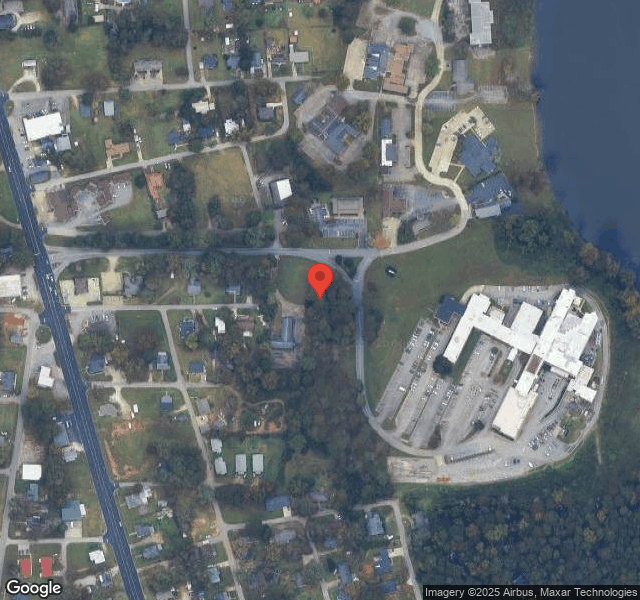

4800 48TH STREET, VALLEY, AL 36854 (334) 756-1401
Non profit - Corporation 103 Beds Independent Data: November 2025
Trust Grade
70/100
#100 of 223 in AL
Last Inspection: August 2021

Over 2 years since last inspection. Current conditions may differ from available data.

Overview

EAMC Lanier Nursing Home in Valley, Alabama, has a Trust Grade of B, indicating it is a good facility, solid but not elite. It ranks #100 out of 223 nursing homes in Alabama, placing it in the top half, and #3 out of 4 in Chambers County, meaning only one local option is better. The facility is improving, having reduced its issues from five in 2019 to just one in 2021. While staffing is a weakness with a low rating of 1 out of 5 stars, it has a turnover rate of 37%, which is better than the state average. Notably, there have been no fines recorded, which is a positive sign. However, there are concerns regarding specific incidents, such as failure to properly sanitize equipment and utensils, which could pose health risks to residents, and issues with privacy during wound care for a resident with severe cognitive impairment. Overall, EAMC Lanier Nursing Home has both strengths and weaknesses that families should consider.

Trust Score
B
70/100
In Alabama
#100/223
Top 44%
Safety Record
Low Risk
No red flags
Inspections
Getting Better
5 → 1 violations
Staff Stability
○ Average
37% turnover. Near Alabama's 48% average. Typical for the industry.
Penalties
✓ Good
No fines on record. Clean compliance history, better than most Alabama facilities.
Skilled Nurses
○ Average
Each resident gets 32 minutes of Registered Nurse (RN) attention daily — about average for Alabama. RNs are the most trained staff who monitor for health changes.
Violations
○ Average
9 deficiencies on record. Average for a facility this size. Mostly minor or procedural issues.
★★★☆☆
3.0
Overall Rating
★☆☆☆☆
1.0
Staff Levels
★★★★☆
4.0
Care Quality
★★★★☆
4.0
Inspection Score
Stable
2019: 5 issues
2021: 1 issues

The Good

  • 4-Star Quality Measures · Strong clinical quality outcomes
  • Full Sprinkler Coverage · Fire safety systems throughout facility
  • No fines on record
  • Staff turnover below average (37%)

    11 points below Alabama average of 48%

Facility shows strength in quality measures, fire safety.

The Bad

3-Star Overall Rating

Near Alabama average (2.9)

Meets federal standards, typical of most facilities

Staff Turnover: 37%

Near Alabama avg (46%)

Typical for the industry

The Ugly 9 deficiencies on record

Aug 2021 1 deficiency
MINOR (C)

Minor Issue - procedural, no safety impact

Deficiency F0868 (Tag F0868)

Minor procedural issue · This affected most or all residents

**NOTE- TERMS IN BRACKETS HAVE BEEN EDITED TO PROTECT CONFIDENTIALITY** Based on document review, interviews and review of the facility's policy, the facility failed to ensure that the Quality Assessm...

Read full inspector narrative →
**NOTE- TERMS IN BRACKETS HAVE BEEN EDITED TO PROTECT CONFIDENTIALITY** Based on document review, interviews and review of the facility's policy, the facility failed to ensure that the Quality Assessment and Assurance (QAA) committee met at least quarterly. This had the potential to affect the care and services for each of the 65 residents in the facility. Findings include: Review of a facility policy titled, Quality Assurance Performance Improvement for EAMC (Eastern Alabama Medical Center) Long Term Care, dated March 2017 indicated, .Procedure.The QAPI committee meets at least quarterly . Review of a facility document titled, Quality Assurance Performance Improvement Plan, dated November 2020 indicated, .The QAA committee will meet quarterly and as needed. Review of facility documents titled EAMC-[NAME] Nursing Home Quality Assessment & Assurance Committee Microsoft TEAMS Meeting, dated 10/20/20, 01/20/21, and 04/28/21 indicated the dates when the QAA committee members met. There was no evidence to show the QAA committee members met in July 2021 which would indicate the committee members did not meet quarterly. During an interview on 08/19/21 at 12:15 PM, Employee Identification (EI #3, the Quality Assurance (QA) nurse and EI #1, the Administrator stated that the past QA meetings have not been done face to face. EI #1 stated the QAPI team met across a secured electronic network. During an interview on 08/19/21 at 12:24 PM, EI #1 stated they had to cancel the QAPI meeting for July 2021 since the Medical Director was out of town and the facility had to reschedule the meeting in August 2021. EI #1 stated the quarterly QAPI meeting was scheduled on 08/18/21 but had to be rescheduled to 09/01/21 due to the current recertification survey. EI #1 confirmed it was four months since the last QAPI meeting was held. EI #1 stated the Medical Director has an assistant Medical Director who could have attended but did not attend.
Mar 2019 5 deficiencies
CONCERN (D)

Potential for Harm - no one hurt, but risky conditions existed

Resident Rights (Tag F0550)

Could have caused harm · This affected 1 resident

**NOTE- TERMS IN BRACKETS HAVE BEEN EDITED TO PROTECT CONFIDENTIALITY** Based on observation, interview, and record review, the facility failed to ensure a licensed staff member did not write on a dre...

Read full inspector narrative →
**NOTE- TERMS IN BRACKETS HAVE BEEN EDITED TO PROTECT CONFIDENTIALITY** Based on observation, interview, and record review, the facility failed to ensure a licensed staff member did not write on a dressing that Resident Identifier (RI) #67 was wearing during the wound care observation on 3/21/19. This affected RI #67, one of two sampled residents observed during wound care. Findings Include: RI #67 was admitted to the facility on [DATE], with diagnoses to include Pressure Ulcer of Right Upper Back, Stage 4 and Gastrostomy Status. A review of RI #67's most recent Quarterly Minimum Data Set (MDS), with an Assessment Reference Date (ARD) of 2/06/19, revealed the resident had a Brief Interview for Mental Status (BIMS) score of 3, which indicated severe cognitive impairment. The MDS also revealed RI #67 had one Stage 2 Pressure Ulcer (PU), one Stage 3 PU and two Stage 4 PU's. On 3/21/19 at 9:18 AM, Employee Identifier (EI) #2, Registered Nurse (RN), and another RN were observed performing wound care for RI #67. During the provision of wound care, EI #2 was observed to write the date, time and her initials on a dressing after she applied it to RI #67's right and left foot. On 3/21/19 at 1:16 PM, an interview was conducted with EI #2. During the interview, EI #2 stated there would be a potential for a dignity concern if treatments (dressings) were dated and initialed while the resident was wearing them. When asked what could have been done differently, EI #2 stated the treatments (dressings) could be initialed prior to putting it on the resident.
CONCERN (D)

Potential for Harm - no one hurt, but risky conditions existed

Deficiency F0583 (Tag F0583)

Could have caused harm · This affected 1 resident

**NOTE- TERMS IN BRACKETS HAVE BEEN EDITED TO PROTECT CONFIDENTIALITY** Based on observation, interview, record review and a facility policy titled, Privacy/Promoting Dignity, the facility failed to e...

Read full inspector narrative →
**NOTE- TERMS IN BRACKETS HAVE BEEN EDITED TO PROTECT CONFIDENTIALITY** Based on observation, interview, record review and a facility policy titled, Privacy/Promoting Dignity, the facility failed to ensure privacy was provided for Resident Identifier (RI) #67 during wound treatment, when other staff entered the resident's room and RI #67's privacy curtain was not pulled. This affected RI #67, one of two sampled residents observed during wound care. Findings Include: A review of a facility policy titled, Privacy/Promoting Dignity with a revised date of 8/17, revealed: .1. EAMC staff will knock on a patient's door prior to entering room, listen for response, and then enter patient's room respectfully .3. Prior to providing any care and/or treatments a staff member will .provide privacy for patient . RI #67 was admitted to the facility on [DATE], with diagnoses to include Pressure Ulcer of Right Upper Back, Stage 4 and Gastrostomy Status. A review of RI #67's most recent Quarterly Minimum Data Set (MDS), with an Assessment Reference Date (ARD) of 2/06/19, revealed the resident had a Brief Interview for Mental Status (BIMS) score of 3, which indicated severe cognitive impairment. The MDS also revealed RI #67 had one Stage 2 Pressure Ulcer (PU), one Stage 3 PU and two Stage 4 PU's. On 3/21/19 at 9:18 AM, Employee Identifier (EI) #2, Registered Nurse, (RN), and another RN were observed performing wound care for RI #67. EI #2 pulled the privacy curtain of RI #67's roommate, but did not pull RI #67's privacy curtain. EI #2 was providing wound care when EI #3, Licensed Practical Nurse (LPN), and a Certified Nursing Assistant (CNA) entered RI #67's room. EI #3 and the CNA knocked on the door prior to entering. EI #2 explained that resident care was being performed, but EI #3 and the CNA entered and explained they were going to provide care for RI #67's roommate. As they walked to the other side of the room, RI #67's scapula (upper back) was exposed during the wound care. RI #67's privacy curtain was not pulled. On 3/21/19 at 1:16 PM, an interview was conducted with EI #2. When asked what the facility policy was for privacy during care, EI #2 stated if the resident was not in a private room, pull the curtain. When asked why she would want to pull the curtain on the side of the room she was working, EI #2 stated in case someone was coming in and out of the room. EI #2 stated when staff heard a knock at the door and patient care was announced, staff should request permission to come in. EI #2 stated they (EI #3 and the CNA) should have paused and waited for permission after patient care was announced. When EI #2 was asked if they paused and waited, she stated she remembered them knocking, her saying resident care and they came on in. When asked how should the curtain have been pulled to provide privacy, EI #2 said it should have been for the entire length of the room. On 3/21/19 at 3:32 PM, an interview was conducted with EI #3. When EI #3 was asked what was the facility policy for resident privacy during patient care, she said they knock on the door and if no one said anything they walk in. EI #3 said if someone said patient care, she would announce herself and if they were providing care, their curtain would be pulled on their side and they (her and other staff) would do care on their side. When EI #3 was asked if she was granted permission to come in after patient care was announced, she said she looked in and said she needed to take care of her patient, and no one said anything so she proceeded to the patient's side of the room where the curtain was already pulled. When asked what should have been done differently in that room, EI #3 said since they were working with the A bed, the A bed privacy curtain should have been pulled.
CONCERN (D)

Potential for Harm - no one hurt, but risky conditions existed

Pressure Ulcer Prevention (Tag F0686)

Could have caused harm · This affected 1 resident

**NOTE- TERMS IN BRACKETS HAVE BEEN EDITED TO PROTECT CONFIDENTIALITY** Based on observation, interview, and record review, the facility failed to ensure wound care was provided for Resident Identifie...

Read full inspector narrative →
**NOTE- TERMS IN BRACKETS HAVE BEEN EDITED TO PROTECT CONFIDENTIALITY** Based on observation, interview, and record review, the facility failed to ensure wound care was provided for Resident Identifier (RI) # 67, a resident with multiple pressure ulcers, in a manner to prevent infection. Licensed staff failed to wash her hands after picking up tape dropped on the floor, and then proceeded to prepare supplies for the wound treatments, and failed to wash hands during treatment, before applying product to a wound. Further, licensed staff failed to clean the scissors before and during RI #67's treatments. These failures affected RI #67, one of two residents observed for wound care. Findings include: RI #67 was admitted to the facility on [DATE]. RI #67's quarterly Minimum Data Set (MDS) Assessment, with an Assessment Reference Date (ARD) of 2/06/19 documented RI #67 had severely impaired daily decision making skills. This assessment also indicated RI #67 had one Stage 2 pressure ulcer, one Stage 3 pressure ulcer, and two Stage 4 pressure ulcers at the time of the assessment. Progress Notes, dated 2/13/19, documented RI #67 had pressure ulcers on the right foot, involving the great toe, and on the left foot, involving the first and second toes. On 3/21/19 at 9:18 AM, Employee Identifier (EI) #2, the Wound Nurse, was observed performing wound care for RI #67. EI #5, Registered Nurse/Director of Nursing, assisted. While performing set-up for the treatments, EI #2 dropped a roll of tape on the floor. She then picked the tape up and used it to tape a bag down onto the overbed table as her barrier. EI #2 then put the tape on top of the treatment cart. Without washing her hands or performing any hand hygiene, EI #2 prepared supplies prior to beginning the treatments. EI #2 removed multiple items, including Aquacel Ag (silver), gauze, wound cleaner, rolled gauze, tape, medication cups, measuring strips, and Venelex ointment, from the treatment cart and placed them on the table for the treatment. EI #2 then reached into her jacket pocket and removed a pair of scissors and also placed those on her supply barrier. After the supplies were prepared, EI #2 washed her hands and forearms, placed gloves onto the barrier, gloved her hands, opened two rolls of gauze, and opened treatment supplies. Prior to beginning the treatment, RI #67's right heel pillow was removed. Without cleaning them, EI #2 used the scissors from her pocket to cut a bandage loose from the resident's right foot. Both EI #2 and #5 removed the bandage. The bandage was noted with minimal to moderate serosanguinous drainage. They then washed their hands and forearms, and measured the wound. After measuring, EI #2 and EI #5 again washed hands and put on gloves, and EI #2 began cleaning the wound to RI #67's right great toe with gauze and wound cleaner. EI #2 then measured the Aquacel Ag with a measuring strip and used the scissors to cut it. The scissors had not been cleaned. EI #2 used a tongue blade to apply Venelex ointment to the right toe. A second and third tongue blade were also used to apply Venelex to the remaining toes on the right foot. EI #2 then used her gloved hands to massage the ointment into RI #67's foot. Then, using the same gloves, EI #2 placed the Aquacel Ag onto the wound opening and applied rolled gauze. EI #2 did not remove gloves and wash hands until she dated the dressing. EI #2 then began the treatment to RI #67's outer left great toe. Using her right hand (just washed and gloved), EI #2 touched the feeding tube pump and bed control, repositioned the resident and removed the left heel boot and dressing from the left foot. EI #2 cleaned RI #67's wound with gauze and wound cleaner, and then performed measurements. EI #2 then washed hands and moved on to another wound, also located on the left foot. EI #2 said both areas would be dressed at the same time. EI #2 cut the Aquacel Ag with the previously used scissors, applied Venelex ointment with a tongue blade, in the same manner as the right foot, and massaged the ointment into the foot using her gloved hands. She then applied the Aquacel Ag and wrapped RI #67's foot in gauze. EI #2 did not wash hands until she was done applying the gauze dressing. EI #5 was observed cleaning the scissors after these treatments were completed. EI #2 and #5 then continued on to complete RI #67's last treatment for a wound to the scapula. On 3/21/19 at 1:16 PM EI #2, Wound Nurse, was interviewed. EI #2 said she used the tape dropped on the floor to tape down the trash bag onto the table (used as a barrier). When asked what happens when you pick up an item off the floor, EI #2 said it should be disposed of because the floor is a dirty surface. EI #2 further stated your hands would be considered dirty as well, after picking an item up off the floor. EI # 2 then went on to say that if you prepared supplies using contaminated hands, they would be considered dirty, too. EI #2 said it was important to use clean supplies and have a clean barrier during wound treatments for infection control purposes. EI #2 was then asked about the policy regarding the use of scissors during wound care. EI #2 said the scissors should be cleaned after finishing the wound care. EI #2 said the scissors were in her pocket because she brought them from her office, and she forgot to clean them before using them. After reviewing the steps taken during the wound care observation, EI #2 agreed she had used contaminated scissors during the treatment. When asked what should be done between treatments of different wounds, EI #2 said wash hands. EI #2 was then asked why she used gloved hands to massage the Venelex into RI #67's feet, then apply Aquacel wearing those same gloves. EI #2 said she should not have done that; she should have washed her hands and put on clean gloves. When asked what harm could occur in not washing hands and changing gloves, EI #2 said infection.
CONCERN (D)

Potential for Harm - no one hurt, but risky conditions existed

Tube Feeding (Tag F0693)

Could have caused harm · This affected 1 resident

**NOTE- TERMS IN BRACKETS HAVE BEEN EDITED TO PROTECT CONFIDENTIALITY** Based on observation, interview, record review and review of the facility policy titled, Enteral (to deliver nutrition directly ...

Read full inspector narrative →
**NOTE- TERMS IN BRACKETS HAVE BEEN EDITED TO PROTECT CONFIDENTIALITY** Based on observation, interview, record review and review of the facility policy titled, Enteral (to deliver nutrition directly to the stomach) Feeding Via (by way of) Gastrostomy Tube, the facility failed to ensure Resident Identifier (RI) #67's head of bed (HOB) was elevated at all times or the tube feeding pump was turned off, while wound care was provided. RI #67's tube feeding pump was running for 27 minutes with the HOB down during wound care on 3/21/19. This affected RI #67, one of two sampled residents who received tube feeding. Findings Include: A review of a facility policy titled, Enteral Feeding Via Gastrostomy Tube with a review date of 8/17, revealed: .Procedure: .3. The head of the bed must be elevated at least 30-45 degrees at all times if tube feeding is continuous . RI #67 was admitted to the facility on [DATE], with diagnoses to include Pressure Ulcer of Right Upper Back, Stage 4 and Gastrostomy Status. A review of RI #67's most recent Quarterly Minimum Data Set (MDS), with an Assessment Reference Date (ARD) of 2/06/19, revealed the resident had a Brief Interview for Mental Status (BIMS) score of 3, which indicated severe cognitive impairment. The MDS also revealed RI #67 had a feeding tube. A review of RI #67's March 2019 PHYSICIAN'S ORDERS revealed: .HEAD OF BED TO BE ELEVATED AT ALL TIMES ASPIRATION PRECAUTIONS .PERIACTIVE 40CC/HR (CUBIC CENTIMETER/HOUR) X (TIMES) 22HRS . On 3/21/19 at 9:18 AM, Employee Identifier (EI) #2, Registered Nurse (RN), and another RN were observed performing wound care for RI #67. During the provision of wound care, RI #67's tube feeding was infusing. At 10:57 AM, RI #67's HOB was observed to be down while the tube feeding pump was on. RI #67's HOB remained down with the tube feeding pump on from 10:57 AM to 11:24 AM, a total of 27 minutes. On 3/21/19 at 1:16 PM, an interview was conducted with EI #2. When asked what the facility protocol was for tube feeding when care was provided to a resident, EI #2 stated to put the tube feeding on hold for 30 minutes. When asked why RI #67's tube feeding pump was running from 10:57 AM to 11:24 AM with the HOB down flat, EI #2 said she did not realize it was running. EI #2 stated there was risk for aspiration when RI #67's tube feeding pump was running while the HOB was down flat. EI #2 stated she should have turned the tube feeding pump off completely.
CONCERN (D)

Potential for Harm - no one hurt, but risky conditions existed

Infection Control (Tag F0880)

Could have caused harm · This affected 1 resident

**NOTE- TERMS IN BRACKETS HAVE BEEN EDITED TO PROTECT CONFIDENTIALITY** Based on observation, record review, interview and a facility policy titled, Hand Hygiene for Long Term Care, the facility faile...

Read full inspector narrative →
**NOTE- TERMS IN BRACKETS HAVE BEEN EDITED TO PROTECT CONFIDENTIALITY** Based on observation, record review, interview and a facility policy titled, Hand Hygiene for Long Term Care, the facility failed to ensure a licensed staff member: a. did not place her bare fingers in a medicine cup prior to administering the medication to Resident Identifier (RI) #6, b. did not place the keys to the medication cart on top of the medication cart after they were dropped on the floor, c. washed her hands after picking up the medication cart keys off of the floor and prior to proceeding to prepare medication for RI #15 and d. did not pull the privacy curtain with her bare hands, then fail to wash her hands before administering medication to RI #15. These deficient practices affected RI #6 and RI #15, two of nine residents observed during medication administration. Findings Include: A review of the facility policy titled, Hand Hygiene for Long Term Care with a revised date of 08/17, revealed: .Indications for Hand Hygiene: .After: .having contact with inanimate objects near a patient . RI #6 was was admitted to the facility on [DATE], with diagnoses to include Type 2 Diabetes Mellitus and Chronic Kidney Disease. RI #15 was admitted to the facility on [DATE] and readmitted on [DATE], with diagnoses to include Cerebral Infarction and Type 2 Diabetes Mellitus. On 03/21/19 at 7:15 AM, Employee Identifier (EI) #1 was observed during the medication administration of RI #6. EI #1 prepared RI #6's medication and handed RI #6 the medication cup with her bare right thumb and right middle finger touching the rim of the medication cup. EI #1's bare right index finger was on the inside of the medication cup. On 03/21/19 at 7:40 AM, EI #1 dropped the keys to the medication cart on the floor. EI #1 picked the keys up and placed them on top of the medication cart. EI #1 proceeded to prepare medication for RI #15 without washing her hands. EI #1 entered RI #15's room and washed her hands in the resident's bathroom. EI #1 then pulled the privacy curtain with her bare hands and administered medication to RI #15 without washing her hands. On 03/21/19 at 1:21 PM, an interview was conducted with EI #1. During the interview, EI #1 stated her fingers should not be placed inside of the medication cup. When asked what should have been done after she dropped the keys on the floor before proceeding to prepare medications, EI #1 stated she should have used hand sanitizer. During the interview, EI #1 stated she should not have placed the keys on top of the medication cart after they had been on the floor. EI #1 stated she should have washed her hands after she pulled the privacy curtain in RI #15's room. When asked about the potential for harm during the medication administration, EI #1 stated, cross contamination.
Mar 2018 3 deficiencies
CONCERN (D)

Potential for Harm - no one hurt, but risky conditions existed

Comprehensive Care Plan (Tag F0656)

Could have caused harm · This affected 1 resident

**NOTE- TERMS IN BRACKETS HAVE BEEN EDITED TO PROTECT CONFIDENTIALITY** Based on record review and interviews, the facility failed to ensure individualized care plans were developed with measurable go...

Read full inspector narrative →
**NOTE- TERMS IN BRACKETS HAVE BEEN EDITED TO PROTECT CONFIDENTIALITY** Based on record review and interviews, the facility failed to ensure individualized care plans were developed with measurable goals and approaches for: 1. RI (Resident Identifier) #95's refusals of care, use of an antipsychotic medication, and behaviors of yelling and combativeness. 2. RI #78's use of an antipsychotic medication related to a diagnosis of Dementia with Agitation. This affected two of 19 sampled residents for whom care plans were reviewed. Findings included: 1.) RI #95 was admitted to the facility on [DATE] with a diagnosis of Dementia. RI #95's most recent quarterly MDS (Minimum Data Set) assessment with an Assessment Reference Date of 2/22/2018 documented a BIMS (Brief Interview for Mental Status) score of 8 which indicated moderate cognitive impairment. A review of RI #95's physician orders revealed the following . 3/5/18 3:35 pm (1) Start Risperdol 0.5 mg (milligrams) Q (every) AM. DX (diagnosis): Dementia (with) agitation . A review of RI #95's nurses notes revealed the following entries related to behaviors: . 2/12/18 1400 (2:00 PM) Resident refused to let writer retake . BP (blood pressure) . Resident very combative . . 2/17/18 0900 (9:00 AM) Resident refused to get out of bed. Resident refused to take medicine. . 3/3/18 1740 (5:40 PM) . Resident began to panic and become very anxious . began crying . .3/5/18 1530 (3:30 PM) New orders for Risperdal 0.5 mg Q AM (0.5 milligrams every morning). . 3/16/18 1300 (1:00 PM) . resident spit morning pills on the floor . . 3/17/18 0645 (6:45 AM) Resident noted to be hollering/yelling @ (at) residents. Noted to have bumped into a few residents. Was able to redirect but started back hollering @ residents. . 3/18/18 0500 (5:00 AM) . similar behaviors (hollering/yelling @ residents/staff.) . RI #95's care plans were reviewed and there was not an individualized plan of care with approaches/interventions for the types of behavior identified in the nurses notes or for the use of the antipsychotic medication Risperdal. On 3/22/18 at 10:45 AM, EI #6 RN (Registered Nurse) was asked what behaviors were documented for RI #95. EI #6 said, she would have to look but she knew RI #95 had been combative at times and previously hard to direct at times. EI #6 said, RI #95 was placed on Risperdal 0.5 Q AM for dementia with agitation, running into others with the wheel-chair, and yelling at staff and residents. On 3/22/18 10:54 AM, EI #7 LBSW (Licensed Bachelor of Social Work) was asked what care plan was put in place for RI #95's behaviors and use of Risperdal. EI #7 said, she would have to add one. EI #7 was asked why RI #95 did not have an individualized plan of care to address behavior of panic or anxiety with approaches for RI #95. EI #7 replied, maybe it had not been reported well and RI #95 needed a care plan for that. 2.) RI #78 was readmitted to the facility on [DATE] with a diagnosis of Alzheimer's Disease. Review of RI #78's most recent quarterly MDS (Minimum Data Set) assessment with an Assessment Reference Date of 2/8/2018 revealed a BIMS (Brief Interview for Mental Status) score of three which indicated severe cognitive impairment. A review of RI #78's March 2018 physician orders revealed an order for Risperdal 0.25 milligrams twice a day for agitation with Dementia. A review of RI #78's care plans revealed there was not a plan of care in place to address behaviors, agitation, or the use of Risperdal. On 3/22/18 at 4:54 PM, EI (Employee Identifier) #7 LBSW (Licensed Bachelor of Social Work) was asked why RI #78 was on Risperdal. EI #7 said, for behavior of being combative, fighting, and calling out. When asked where RI #78's behavior care plan was, EI #7 said, there may not have been one. On 3/22/18 at 8:13 PM, EI #7 was again interviewed and was asked, why should residents have care plans to address dementia and behaviors. EI #7 replied, so staff can effectively respond to behaviors and care for residents with dementia. On 3/22/18 at 9:01 PM, EI #5 MDS Coordinator was asked, if residents should have care plans to address the use of antipsychotics. EI #5 said, yes.
CONCERN (D)

Potential for Harm - no one hurt, but risky conditions existed

Medication Errors (Tag F0758)

Could have caused harm · This affected 1 resident

**NOTE- TERMS IN BRACKETS HAVE BEEN EDITED TO PROTECT CONFIDENTIALITY** Based on observation, interview, resident record review, and review of the facility policy Care of Residents with Behavioral and...

Read full inspector narrative →
**NOTE- TERMS IN BRACKETS HAVE BEEN EDITED TO PROTECT CONFIDENTIALITY** Based on observation, interview, resident record review, and review of the facility policy Care of Residents with Behavioral and Emotional Problems the Facility failed to ensure RI (Resident Identifier) #95 did not receive antipsychotic medications without first attempting non-pharmacological interventions to address emotional needs and behaviors. This affected one of five residents sampled for receiving antipsychotic medications. Findings include: A review of the facility policy titled Care of Residents with Behavioral and Emotional Problems with a revised date of 9/1/1998 revealed the following: . PURPOSE: To ensure that residents' behavioral and emotional problems are managed as much as possible with non-chemical interventions. POLICY: . 2. The LBSW (Licensed Bachelor of Social Work) . is responsible for overseeing the . Behavioral Management Program. RI #95 was admitted to the facility on [DATE] with a diagnosis of Dementia. RI #95's most recent quarterly MDS (Minimum Data Set) assessment with an Assessment Reference Date of 2/22/2018 documented a BIMS (Brief Interview for Mental Status) score of 8 which indicated moderate cognitive impairment. RI #95's March 2018 physician orders documented an order dated 3/5/2018 for Risperdal 0.5 milligrams to be administered daily for Dementia with Agitation. RI #95's care plans were reviewed and there was not an individualized plan of care with approaches/interventions for behavior or for the use of the antipsychotic medication Risperdal. On 3/21/2017 at 5:12 PM, RI #95 was observed near the nurses station, anxious and upset. The staff tried to redirect RI #95. On 3/22/18 at 10:45 AM EI #6 RN (Registered Nurse) was asked what behaviors RI #95 had exhibited. EI #6 said, she would have to look but she knew RI #95 had been combative at times and previously hard to direct at times. EI #6 said, RI #95 was placed on Risperdal 0.5 milligrams daily for Dementia with Agitation. On 3/22/18 at 10:54 AM EI #7 LBSW (Licensed Bachelor of Social Work), stated she was responsible for reviewing and monitoring behaviors prior to the use of antipsychotic medications. EI #7 said staff should notify her of any new or worsening behaviors exhibited by residents by utilizing a new behavior sheet. However, EI #7 said she did not have a behavior sheet for RI #95. EI #7 was asked what should have been done before RI #95 was placed on Risperdal. EI #7 said, they should have attempted different interventions prior to placing RI #95 on Risperdal; the nurse just notified the doctor of behaviors and medication was ordered.
CONCERN (F)

Potential for Harm - no one hurt, but risky conditions existed

Food Safety (Tag F0812)

Could have caused harm · This affected most or all residents

Based on observations, interviews, and review of the 2013 Food Code and the facility document titled: Record of Dishmachine Temperatures, the facility failed to ensure: 1) preparation equipment, dishe...

Read full inspector narrative →
Based on observations, interviews, and review of the 2013 Food Code and the facility document titled: Record of Dishmachine Temperatures, the facility failed to ensure: 1) preparation equipment, dishes and utensils were effectively sanitized to destroy potential food borne organisms; 2) the tea urn spigot was thoroughly cleaned every 24 hours; 3) wiping clothes were stored in a sanitizing solution when not in use; and 4) staff prevented potential cross-contamination by not storing a blue scoop on top of the powder for thickening liquids. These deficient practices had the potential to affect all 88 residents who received meal trays from dining services. Findings include: 1) A review of the Food Code, U.S.(United States) Public Health Service and FDA (Food and Drug Administration) 2013 revealed the following: . 4-501.112 Mechanical Warewashing Equipment, Hot Water Sanitization Temperatures. (A) .in a mechanical operation, the temperature of the fresh hot water SANITIZING rinse as it enters the manifold may not be more than 90 C (194 F), . (C/Centigrade, F/Fahrenheit) On 3/21/2018 at 9:45 AM, an observation was made of the operation of the dishmachine. The gauge for the rinse temperature exceeded the standard of 194 degrees F. The gauge read 210 degrees F. The March 2018 log titled, Record of Dishmachine Temperatures revealed a total of 61 recorded temperature opportunities: Breakfast: eight documented rinse temperatures exceeded 194 degrees F and numerous data reached 210 degrees F. Lunch: rinse temperatures exceeded 194 degrees F ten times; Supper: rinse temperatures exceeded 194 degrees F a total of eight times; On 3/21/2018 at 9:50 AM, the Registered Dietitian (RD), Employee Identifier (EI) #1, said they had problems with the booster heater. EI #1 explained the facility did not have a booster heater. 2) Regulation 4-602.11 of the 2013 FOOD CODE, specifies: . (A) EQUIPMENT FOOD-CONTACT SURFACES and UTENSILS shall be clean to sight and touch. (E) (2) At least every 24 hours for iced tea dispensers . On 3/21/2018 at 12:00 PM, one of two large empty tea urns was observed. The ServSafe Supervisor, EI #2, was asked to disassemble the faucet. The inside plunger was observed to have a solid brown build-up on the plunger. EI #2 was asked, is it clean, and was it being cleaned every 24 hours? EI #2 responded, No. 3) The 2013 Food Code revealed: .3-304.14 Wiping Cloths, Use Limitation . (B) Cloths in-use for wiping counters and other EQUIPMENT surfaces shall be: (1) Held between uses in a chemical sanitizer solution at a concentration specified . On 3/21/2018 at 10:10 AM, a wiping cloth was observed, not in use, near the blender. The cloth was wet and a ladle with food debris was resting on top of the cloth. The Dietitian (RD), EI #1, was asked what was the potential risk. EI #1 explained it was a potential for cross-contamination. On 3/21/2018 at 11:45 AM, a second wiping cloth was observed, not in use and on top of the preparation counter near the chopping machine. The cloth felt wet to touch. 4) On 3/21/2018 at 11:32 AM, a can of Thick n Easy was located on a counter top. Inside the can was a blue measuring scoop. The multi-use scoop was stored atop the powder. On 3/21/2018 at approximately 12:00 PM, the EI #1, the RD, was asked about the risk for the scoop stored in the can. The RD stated that she had never thought of the risk.
Understanding Severity Codes (click to expand)
Life-Threatening (Immediate Jeopardy)
J - Isolated K - Pattern L - Widespread
Actual Harm
G - Isolated H - Pattern I - Widespread
Potential for Harm
D - Isolated E - Pattern F - Widespread
No Harm (Minor)
A - Isolated B - Pattern C - Widespread

Questions to Ask on Your Visit

  • "Can I speak with families of current residents?"
  • "What's your RN coverage like on weekends and overnight?"

Our Honest Assessment

Strengths
  • • No major safety red flags. No abuse findings, life-threatening violations, or SFF status.
  • • No fines on record. Clean compliance history, better than most Alabama facilities.
  • • 37% turnover. Below Alabama's 48% average. Good staff retention means consistent care.
Concerns
  • • No major red flags. Standard due diligence and a personal visit recommended.
Bottom line: Mixed indicators with Trust Score of 70/100. Visit in person and ask pointed questions.

About This Facility

What is Eamc Lanier's CMS Rating?

CMS assigns EAMC LANIER NURSING HOME an overall rating of 3 out of 5 stars, which is considered average nationally. Within Alabama, this rating places the facility higher than 99% of the state's 100 nursing homes. This mid-range rating indicates the facility meets federal standards but may have areas for improvement.

How is Eamc Lanier Staffed?

CMS rates EAMC LANIER NURSING HOME's staffing level at 1 out of 5 stars, which is much below average compared to other nursing homes. Staff turnover is 37%, compared to the Alabama average of 46%. This relatively stable workforce can support continuity of care.

What Have Inspectors Found at Eamc Lanier?

State health inspectors documented 9 deficiencies at EAMC LANIER NURSING HOME during 2018 to 2021. These included: 8 with potential for harm and 1 minor or isolated issues.

Who Owns and Operates Eamc Lanier?

EAMC LANIER NURSING HOME is owned by a non-profit organization. Non-profit facilities reinvest revenue into operations rather than distributing to shareholders. The facility operates independently rather than as part of a larger chain. With 103 certified beds and approximately 85 residents (about 83% occupancy), it is a mid-sized facility located in VALLEY, Alabama.

How Does Eamc Lanier Compare to Other Alabama Nursing Homes?

Compared to the 100 nursing homes in Alabama, EAMC LANIER NURSING HOME's overall rating (3 stars) is above the state average of 2.9, staff turnover (37%) is near the state average of 46%, and health inspection rating (4 stars) is above the national benchmark.

What Should Families Ask When Visiting Eamc Lanier?

Based on this facility's data, families visiting should ask: "Can you walk me through typical staffing levels on day, evening, and night shifts?" "Can I visit during a mealtime to observe dining assistance and food quality?" "How do you handle medical emergencies, and what is your hospital transfer rate?" "Can I speak with family members of current residents about their experience?" These questions are particularly relevant given the below-average staffing rating.

Is Eamc Lanier Safe?

Based on CMS inspection data, EAMC LANIER NURSING HOME has a clean safety record: no substantiated abuse findings (meaning no confirmed cases of resident harm), no Immediate Jeopardy citations (the most serious violation level indicating risk of serious injury or death), and is not on the Special Focus Facility watch list (a federal program monitoring the lowest-performing 1% of nursing homes). The facility has a 3-star overall rating and ranks #1 of 100 nursing homes in Alabama. While no facility is perfect, families should still ask about staff-to-resident ratios and recent inspection results during their visit.

Do Nurses at Eamc Lanier Stick Around?

EAMC LANIER NURSING HOME has a staff turnover rate of 37%, which is about average for Alabama nursing homes (state average: 46%). Moderate turnover is common in nursing homes, but families should still ask about staff tenure and how the facility maintains care continuity when employees leave.

Was Eamc Lanier Ever Fined?

EAMC LANIER NURSING HOME has no federal fines on record. CMS issues fines when nursing homes fail to meet care standards or don't correct problems found during inspections. The absence of fines suggests the facility has either maintained compliance or corrected any issues before penalties were assessed. This is a positive indicator, though families should still review recent inspection reports for the full picture.

Is Eamc Lanier on Any Federal Watch List?

EAMC LANIER NURSING HOME is not on any federal watch list. The most significant is the Special Focus Facility (SFF) program, which identifies the bottom 1% of nursing homes nationally based on persistent, serious quality problems. Not being on this list means the facility has avoided the pattern of deficiencies that triggers enhanced federal oversight. This is a positive indicator, though families should still review the facility's inspection history directly.