POLARIS TRANSITIONAL CARE
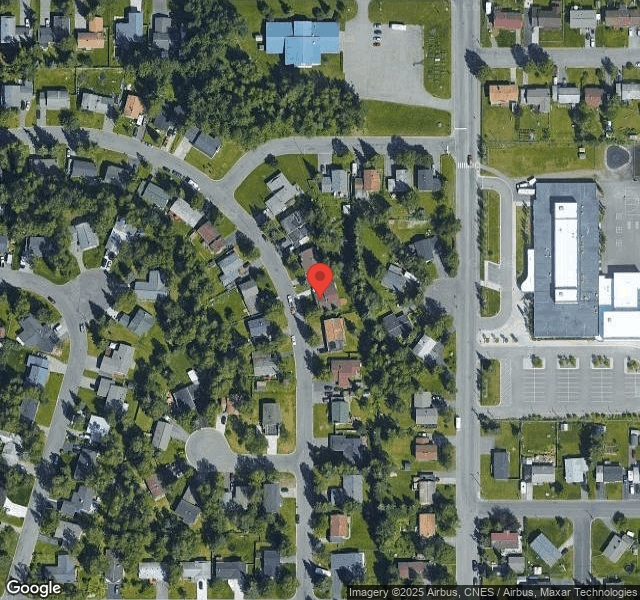
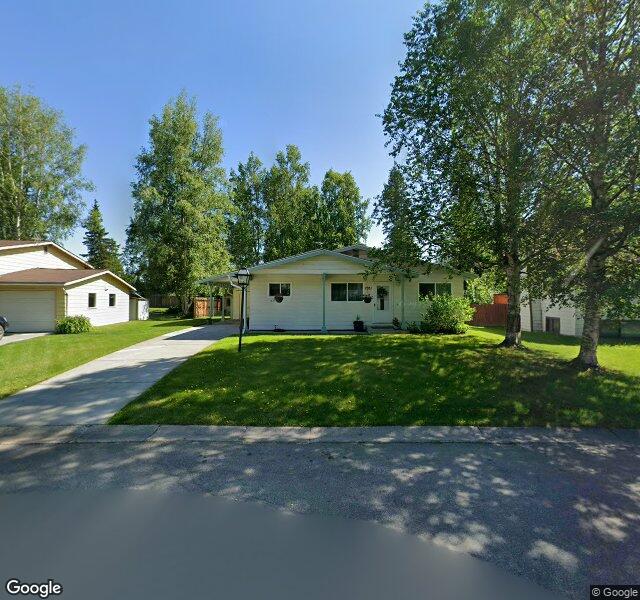
910 COMPASSION CIRCLE, ANCHORAGE, AK 99504 (907) 212-9200
Non profit - Corporation 50 Beds THE ENSIGN GROUP Data: November 2025 1 Immediate Jeopardy citation
Trust Grade
48/100
#8 of 20 in AK
Last Inspection: November 2024

Within standard 12-15 month inspection cycle. Federal law requires annual inspections.

Overview

Polaris Transitional Care in Anchorage, Alaska, has a Trust Grade of D, indicating below-average performance with some concerns. It ranks #8 out of 20 facilities in Alaska, which places it in the top half, and #1 out of 3 in Anchorage County, suggesting it is the best local option available. The facility is improving, having reduced its issues from 6 in 2024 to just 2 in 2025. Staffing is a strong point with a 5/5 rating and turnover at 46%, which is average for the state, meaning staff stability is decent. However, the facility has accumulated $109,382 in fines, which is higher than 95% of other Alaska facilities, indicating potential compliance problems. Additionally, there is good RN coverage, exceeding 94% of state facilities, which enhances resident care. On the downside, a critical incident revealed that Certified Nursing Assistants lacked the necessary training for using suction devices, posing serious risks to residents. There were also concerns regarding the facility's failure to maintain an accurate assessment of resident needs, and food safety issues, such as expired items not being discarded, which could lead to foodborne illnesses. Overall, while there are strengths in staffing and RN coverage, the facility still faces significant challenges that families should consider.

Trust Score
D
48/100
In Alaska
#8/20
Top 40%
Safety Record
High Risk
Review needed
Inspections
Getting Better
6 → 2 violations
Staff Stability
⚠ Watch
46% turnover. Above average. Higher turnover means staff may not know residents' routines.
Penalties
✓ Good
$109,382 in fines. Lower than most Alaska facilities. Relatively clean record.
Skilled Nurses
✓ Good
Each resident gets 131 minutes of Registered Nurse (RN) attention daily — more than 97% of Alaska nursing homes. RNs are the most trained staff who catch health problems before they become serious.
Violations
⚠ Watch
20 deficiencies on record. Higher than average. Multiple issues found across inspections.
★★★★☆
4.0
Overall Rating
★★★★★
5.0
Staff Levels
★★★★☆
4.0
Care Quality
★★★☆☆
3.0
Inspection Score
Stable
2024: 6 issues
2025: 2 issues

The Good

  • 5-Star Staffing Rating · Excellent nurse staffing levels
  • 4-Star Quality Measures · Strong clinical quality outcomes
  • Full Sprinkler Coverage · Fire safety systems throughout facility
  • No fines on record

Facility shows strength in staffing levels, quality measures, fire safety.

The Bad

Staff Turnover: 46%

Near Alaska avg (46%)

Higher turnover may affect care consistency

Federal Fines: $109,382

Well above median ($33,413)

Significant penalties indicating serious issues

Chain: THE ENSIGN GROUP

Part of a multi-facility chain

Ask about local staffing decisions and management

The Ugly 20 deficiencies on record

1 life-threatening
Jul 2025 2 deficiencies
CONCERN (D) 📢 Someone Reported This

A family member, employee, or ombudsman was alarmed enough to file a formal complaint

Potential for Harm - no one hurt, but risky conditions existed

Safe Environment (Tag F0584)

Could have caused harm · This affected 1 resident

**NOTE- TERMS IN BRACKETS HAVE BEEN EDITED TO PROTECT CONFIDENTIALITY** .Based on record review, observation, and interview, the facility failed to ensure a homelike environment was set up and maintai...

Read full inspector narrative →
**NOTE- TERMS IN BRACKETS HAVE BEEN EDITED TO PROTECT CONFIDENTIALITY** .Based on record review, observation, and interview, the facility failed to ensure a homelike environment was set up and maintained for 1 Resident (#1), out of 2 residents observed, who was admitted to the facility over a month ago. This failed practice denied the resident the right to a personalized homelike environment. Findings:During an interview on 7/28/25 at 4:06 PM, the Office of Public Advocacy (OPA) Guardian for Resident #1 stated she had been his/her Guardian since last year and she had visited Resident #1 at his/her prior facility (PEC - Polaris Extended Care) before he/she moved to Polaris Transitional Care (PTC) on 6/3/25. The OPA Guardian stated that when Resident #1 was at PEC, his/her room was beautifully set up with family pictures on the wall and personal belongings throughout his/her room. The OPA Guardian further stated she visited Resident #1 at PTC on 7/25/25 and his/her room was night and day compared to when he/she was at PEC. The OPA Guardian stated Resident #1 had been at PTC for over a month and his/her belongings were still in boxes in the corner of his/her room. The OPA Guardian stated Resident #1's room was not home-like at all, and it was disappointing that the facility had not personalized his/her room. Resident #1 Record review on 7/29/25 revealed Resident #1 was admitted to the facility on [DATE] with diagnoses that included anoxic brain damage (brain injury that occurs when the brain is deprived of oxygen), persistent vegetative state (a chronic disorder in which an individual with severe brain damage appears to be awake but shows no evidence of awareness of their surroundings), chronic respiratory failure (not enough oxygen or too much carbon dioxide in the body), and tracheostomy (a surgical procedure that creates an opening in the front of the neck into the trachea to facilitate breathing). An observation on 7/29/25 at 2:34 PM, of Resident #1's room, revealed 7 cardboard boxes containing personal items stacked along the wall that was directly across from the foot of Resident #1's bed. Further observation revealed the room had no personal items on the walls or situated around the room to create a home-like environment, except for about 7 to 8 pictures on a gray corkboard on the wall near the boxes. This corkboard was situated behind a TV that was mounted on the wall and approximately 5 feet away from the Resident's head, making it difficult to see clearly from across the room. During an interview on 7/29/25 at 1:50 PM, Nursing Supervisor (NS) #1 stated when a resident was admitted to a room, the CNA (Certified Nursing Assistant) assigned was responsible for inventorying personal items and putting personal items away in drawers, among their other tasks. He/she stated, it was the expectation that these tasks were done pretty much immediately. NS #1 added, they were unsure of what needed to be unpacked for this resident and family would usually help unpack. When asked if family was contacted to help unpack the boxes, he/she replied, I don't know. During an interview on 7/29/25 at 2:20 PM, Family Member (FM) #1 stated that he/she had been visiting the resident since 7/18/25 from out of state. When asked if staff had talked to him/her about the boxes of personal items in the resident's room, he/she replied no, and that he/she didn't know anything about the boxes or their contents. Record review on 7/29/25 was unable to find documentation that staff had contacted family or the representative for guidance or assistance in unpacking the resident's belongings or that the resident or representative had resisted the facilities attempts to facilitate a homelike environment. Review of the facility's policy Homelike Environment, dated 3/2025, revealed: . 3. The Social Service staff contact family, conservator, or responsible party and enlist their help in personalizing the resident's environment. A letter may be sent to encourage their cooperation in this process . 5. If a resident resists a homelike emphasis, the resident's wishes are honored and his/her resistance documented appropriately in the Social Services notes .
CONCERN (F) 📢 Someone Reported This

A family member, employee, or ombudsman was alarmed enough to file a formal complaint

Potential for Harm - no one hurt, but risky conditions existed

Deficiency F0838 (Tag F0838)

Could have caused harm · This affected most or all residents

.Based on record review and interview, the facility failed to ensure their facility assessment was up to date and accurate. This failed practice had the potential to place all residents (based on a ce...

Read full inspector narrative →
.Based on record review and interview, the facility failed to ensure their facility assessment was up to date and accurate. This failed practice had the potential to place all residents (based on a census of 49) at risk of not having the necessary care and resources from an accurate assessment. Findings:Record review on 7/29/25 of the facility's Polaris Transitional Care Facility Assessment, dated 2025, revealed: 1. Facility Capacity and Census: - Capacity: Our facility is licensed to provide care for 96 residents. The actual maximum number of residents allowable may be less at times to accommodate for safety resident care needs. Review of the facility's State of Alaska license, effective 3/1/25 through 3/1/26, revealed it was licensed for 50 beds. The facility assessment was not accurate. During an interview on 7/29/25 at 2:14 PM, the Director of Community Liaison stated the bed capacity for PTC was 50 beds. 2. Facility Resources Needed: Day to Day and During Emergencies: - Facility Description: Our facility is a 116,460 square foot nursing facility consisting of 8 cottages, 8 courtyards, and common's building . Review of the facility's initial licensing application, dated 1/3/25, revealed this facility was one building, Type V (000) construction, with two wings, each having one 12 bed hallway and one 13 bed hallway. Each wing also had a common room with tables and chairs and a nurse's station. The facility assessment was not accurate. Review of the facility-provided Polaris Transitional Care Facility Assessment, dated 2025, revealed: . The facility must conduct and document a facility-wide assessment to determine what resources are necessary to care for its residents competently during both day-to-day operations (including nights and weekends) and emergencies. The facility must review and update that assessment, as necessary, and at least annually .
Nov 2024 6 deficiencies
CONCERN (D)

Potential for Harm - no one hurt, but risky conditions existed

Deficiency F0552 (Tag F0552)

Could have caused harm · This affected 1 resident

. Based on record review and interview, the facility failed to obtain informed consent prior to administering psychotropic medications (medications in the class of either antipsychotics, antianxiety, ...

Read full inspector narrative →
. Based on record review and interview, the facility failed to obtain informed consent prior to administering psychotropic medications (medications in the class of either antipsychotics, antianxiety, or antidepressants that would have affected behavior, mood, thoughts, or perception). Specifically, the facility made changes to the medication orders for one resident (#8) out of 5 sampled residents for unnecessary medications. This failed practice denied the Resident and/or Resident's Representative the right to consent to medications and be informed of the risk and benefits for the medications use. Findings: Resident #8 Record review on 10/28/24-11/1/24 revealed Resident #8 was admitted to the facility with diagnoses that included schizophrenia (a disorder that affects a person's ability to think, feel, and behave clearly), anxiety, agitation, and insomnia. Hydroxyzine (brand name: Vistaril) classified as an antihistamine medication: Review of Psychotropic R[isks] & B[enefits], dated 8/7/24, revealed: Psychotherapeutic Drug Started: 8/7/24 . Hydroxyzine, Diagnosis of resident, Anxiety, Dose of Drug: 25mg BID [twice daily] as needed, Route: po [by mouth], Risk & Benefits Explained to: [Resident Representative (RR) #1], To Give Drug: Approved. Review of Physician Orders, dated 10/22/24, revealed: .3) Stop Vistaril 25mg PO BID, 4) Vistaril 25 mg po TID [three times daily], DX: Anxiety. Review of Physician Orders, dated 10/23/24, revealed: Order Clarification, Hydroxyzine 25mg PO [by mouth] TID [three times a day] PRN [as needed] x 21 days, DX [diagnosis]: Anxiety. Review of medication administration record, dated 10/2024, revealed Hydroxyzine 25mg was given on 10/25/24 (3 doses) and 10/28/24 (3 doses) for a total of 6 doses for anxiety. Record review on 10/29/24 at 12:30 PM, revealed no documentation of a Psychotropic R & B for Resident #8's increased administration frequency of hydroxyzine 25mg to three times daily. Aripiprazole (brand name: Abilify) classfied as an antipsychotic medication: Review of Psychotropic R & B, dated 9/10/24, revealed: Psychotherapeutic Drug Started: 9/10/24 . Aripiprazole, Diagnosis of Resident: Schizophrenia, Dose of Drug: Aripiprazole increase to 25mg to 20mg daily, Route: by mouth, Risk & Benefits Explained to: [RR #1] To Give Drug: Approved. Review of Physician Orders, dated 10/22/24, revealed: 1) Stop Abilify 25mg daily, 2) Abilify 30 mg Q [every] am PO, DX: Schizophrenia . Review of medication administration record, dated 10/24/24 revealed, Abilify 30mg was given daily on 10/24-31/24 (8 total doses) for schizophrenia. Record review on 10/29/24, at 12:30 PM, revealed no documentation of Psychotropic R & B for Resident #8's increased dosage of Aripiprazole to 30mg daily. During an interview on 10/29/24 at 11:59 AM, RR #1, stated the facility did not inform him/her that Resident #8's Abilify had been increased to 30 mg daily. During an interview on 10/30/24 at 3:40 PM, Nursing Supervisor (NS) #2 stated when psychotropic medications were started or changed, residents or the representatives were given the risk and benefits of the medication so they could make an informed decision before the start of the medication. NS #2 stated the family had not been notified that Resident #8's Abilify was increased to 30mg daily on 10/22/24. Review of the facility's policy Psychotropic Medications, last approved 7/2024, revealed: . B. Definition (s) Psychotropic Medication- Any drug that affects brain activities associated with mental process and behavior. This includes antipsychotics . In, addition, other mediations that affect brain activity when used as a substitute for a psychotropic medication. This includes antihistamines . C. General Provisions .2. Residents or their representative are advised of potential risks versus benefits of psychotropic medication therapy. .
CONCERN (D)

Potential for Harm - no one hurt, but risky conditions existed

Deficiency F0568 (Tag F0568)

Could have caused harm · This affected 1 resident

. Based on interview and record review, the facility failed to provide quarterly statements for personal fund accounts to one resident (#8's) Resident's Representative (RR), out of 1 sampled resident ...

Read full inspector narrative →
. Based on interview and record review, the facility failed to provide quarterly statements for personal fund accounts to one resident (#8's) Resident's Representative (RR), out of 1 sampled resident whose money was held by the facility. This failed practice placed the Resident and/or his/her RR at risk for not receiving a complete and accurate accounting of his/her personal funds entrusted to the facility. Findings: Record review on 10/28/24-11/1/24 revealed Resident #8 was admitted to the facility with diagnoses that included schizophrenia (serious mental illness that affects how a person thinks, feels and behaves). During an interview on 10/29/24 at 11:59 AM, Resident #8's Resident Representative (RR) #1stated that he/she had not received any bank statements from the facility. During an interview on 10/31/24 at 12:20 PM, LN #5 stated Resident #8 had a POA [RR #1] that was declared for financial obligations. LN #5 stated the resident's face sheet should identify who the financial POA was and not the resident. LN #5 stated that the financial POA should be receiving the resident's bank statements. During and interview on 10/31/24 at 12:57 PM, Business Officer (BO) #1 stated Resident #8 had a personal funds account with the facility. BO #1 stated quarterly statements were provided quarterly to the resident. When asked who the facility was sending the statements to, BO #1 stated the resident, we have been sending them to [his/her] home address in Valdez. When asked if BO #1 was aware the resident had a POA for his financial obligations, BO #1 stated, No, we do not have that information. Review on 10/31/24 of Resident #8's Face Sheet, revealed: . Financial Responsible Party, [Resident #8] . Review on 10/31/24 of Resident #8's Power of Attorney, dated 11/13/19, revealed: . Name of individual you choose as your agent: [RR #1] . Section 3. [NAME] the boxes below to indicate the powers you want to give your agent or agents . (D) Banking transactions . Review of the facility's policy Resident Trust Account, dated 3/2023, revealed: . 7. Statements are provided to the resident or resident's representative quarterly and upon request. Review of the Providence Transitional Care Center, A Handbook for Residents and Families, dated 1/2024, revealed: . Bank statements showing all transactions, including interest earnings, are provided quarterly. .
CONCERN (D)

Potential for Harm - no one hurt, but risky conditions existed

Grievances (Tag F0585)

Could have caused harm · This affected 1 resident

. Based on record review and interview, the facility failed to investigate and resolve a grievance for 1 resident (#18), out of 12 sampled residents. This failed practice violated the Resident's right...

Read full inspector narrative →
. Based on record review and interview, the facility failed to investigate and resolve a grievance for 1 resident (#18), out of 12 sampled residents. This failed practice violated the Resident's right to have a grievance investigated and resolved. Findings: During an interview on 10/28/24 at 12:00 PM, Resident #18 stated, I have been upset with cares . I was put into a sling [lift to transport resident to bathroom or transfer to a wheelchair from bed or chair] and given drugs . I was violated. The resident stated recalling waking up on a ceiling lift sling in February 2024 with a pain in the vaginal area and realized he/she was being catheterized without his/her permission or knowledge. Licensed Nurse (LN) #3 was the nurse. Resident #18 stated further, I was not hurt in the catheterization incident. Resident #18 stated his/her complaints were not always investigated and resolved. Review of the Resident Concern and Feedback Communication, dated 4/10/24, revealed the facility failed to show a grievance was fully investigated and the facility failed to document the resident was informed of the outcome of the facility's investigation. The complaint centered around the resident's complaint about being catheterized in a ceiling lift sling. There was no evidence that the complaint was investigated in the documentation provided by the facility. Review of the Notes, dated 2/25/24 revealed: Late Entry: 2/24/24, Purpose of Note: New or Sudden Onset/change in condition: somnolence [excessive sleepiness] . Noted patient somnolent also as per NOC [night] RN who was passing meds at 2000 [8:00 PM] . [Resident #18] said . needed to pee. Used the lift and took patient to bathroom with assistance. Patient tend to fall back asleep, reminded that [he/she] needed to void. Patient unable to void after staying with patient for almost 15 minutes. Patient placed back in bed . Encouraged patient to void, urinal provided with CNA [Certified Nursing Assistant] at bedside. Patient unable to void, explained to patient that [he/she] needs to be bladder scanned as [he/she] hasn't voided since last shift. Patient agreed. Bladder scanned performed on patient, obtained 590 mls [milliliter] . Patient still disoriented, saying [he/she] was saying [he/she] was seeing a 'tool' by the wall, told [him/her] it was the wall clock. Notified hospitalist of patient's change in condition, scanned of 590 ml. Obtained order for straight cath [catheter- a flexible tube inserted into the bladder to drain urine or collect a sample]1. Informed patient with CNA at bedside will need to straight cath to empty [his/her] bladder. Explained to patient that it is a one-time straight cath order. With CNA assisting, attempted to straight cath patient, unable to cath patient as patient felt uncomfortable and told us to stop. Informed patient that we will try to get [him/her] to the bathroom again which this RN and CNA did using the lift. Patient still not able to void after staying with patient in bathroom about 10-15 minutes. Patient was put back in bed, placed attends [incontinence briefs] on, kept [him/her] comfortable and [he/she] went back to sleep. Reported to incoming day RN that [he/she] wasn't able to void [urinate] just yet. This was signed by LN #3. A physician order dated 2/25/24 signed by the physician revealed: Straight cath patient X1. Further review of the Notes, dated 2/25/24 at 2:37 PM, revealed: Late entry 2/25/24 12:01 PM . Patient verbally requested to the Anchorage Fire Department with staff present to be sent via Anchorage Fire Department to the emergency room. The fire department assisted the patient in transferring to the gurney and transported patient leaving the facility at 12:40 PM. This was completed by LN #7. Further review of the Notes dated 2/25/24 at 5:07 PM, revealed: [Resident #18] returned to floor with EMTs [Emergency Medical Technicians] 5:11 PM While in ER [Emergency Room], they drew labs, labs came out good. They also tested [his/her] urine. No UTI [urinary tract infection]. They gave [him/her] a dose of Prednisone. This was completed by LN #6. Review of the Grievance Log for 2024 included a Resident Concern and Feedback Communication Form dated 4/11/24. Under the My Concern section on this form was written: [Resident #18] shared a concern that [he/she] was upset with LN #5 that [LN#5] wanted to put a cath [catheter] in [him/her] while [he/she] is a sling. [Resident #18] called APD [Anchorage Police Department] to report [LN #5]. This was signed by the prior administrator. The Follow Up . section was left blank in: Situation. Background. Assessment. Recommendation. Initial Contact with Person submitting concern: Date/Time/Name and 5 Day contact with person submitting concern: Date/Time/Name. Further review of the grievance log revealed: the prior administrator had completed a narrative describing the complaint: On April 10th I was notified that [Resident #18] wanted to speak with me . I met with [Resident #18] where [he/she] began to tell me [he/she] was upset with 4 caregivers, primarily [LN #5]. Before [Resident #18] could explain . concerns were the APD officer arrived to speak with [Resident #18]. [Resident #18] asked me to leave so [he/she] could talk to the officer. After the officer met with [Resident #18], [he/she] came out and stated that [he/she] took [his/her] concern and will be passing it off to a detective . [The officer] also stated that 'this was not a police matter' and [he/she] did not believe the detectives would have much to do with it. I went back to the conference room to talk with [Resident #18]. The conversation with [Resident #18] was all over the place, [he/she] was jumping from one topic to another and at times I had a challenging time following what [his/her] actual concern was. What [Resident #18] wanted to share with me was that [LN#5] and three other caregivers wanted to put a catheter in [him/her] while [he/she] was in a lift sling. I could not get any specific details about the event just that [he/she] was focused on [LN#5]. I met with [Resident #18] for an hour. After meeting with [Resident #18], I followed up with [the Director of Nursing (DON).] [The DON] shared that the event [Resident #18] is referring was in February and had already been followed up on. The ombudsman had been part of the follow up. I submitted a resident concern form on [his/her] behalf on the issue again and have forwarded it to our grievance official. Signed [prior administrator]. During an interview on 11/1/24 at 10:00 AM, the DON stated that he/she had explained to the patient that the catheterization was not done in the sling and the bed was the place for catheterization. The DON added that he/she had not documented anything on the follow up to the ombudsman or Resident #18. The DON stated the complaint was not thorough with its documented investigation and follow-up. During an interview on 11/1/24 at 1:24 PM, when asked the grievance process, the Director of Quality (DOQ) stated, the resident would bring the concern to the nursing department and then the nursing department addressed the issue and then formed a complaint. There were five days to address the complaint and update the complainant about the resolution. Sometimes a letter will be sent. Some complaints were addressed immediately like lost dentures or a missing phone. The DOQ further stated significant complaints would take significant work. The prior administrator asked the DOQ to follow up after APD visited Resident #18. APD informed the resident there was no crime, which concluded the police investigation. The DOQ stated her interaction with Resident #18 was limited because of a previous encounters between the DOQ and the resident. The DOQ agreed that the documented investigation and resident follow-up in the grievance log were not complete. Review of the Resident Concerns and Grievances, dated 5/2024, revealed, All residents have the right to file concerns and prompt resolution . 2. Grievance Officer or Designee a. Oversees the grievance process .b. Monitors for completeness and timeline for completion when receives notification c. leads and supports investigations d. reviews concern and investigation with Administrator and Director of Nursing as appropriate; determines any need for further follow-up . f. ensures written follow-up of decisions when appropriate. Written response to a grievance must include 1. The date the grievance was received; 2. A summary of pertinent findings or conclusions; 3. A statement as to whether the grievance was confirmed or not; 4. The steps taken to resolve the grievance 6. The date the written decision was issued . PEC Cottage Manager/designee or PTCC Nurse manager/ shift supervisor . in coordination with the grievance officer . b. contacts the individual lodging concern within 24 hours to acknowledge receipt and pending investigation, c. investigates the concern; d. prevents potential violations of resident's rights during investigation; e. contacts the individual lodging the concern to report findings and outcome of the issue within 5 days f. completes written response g. sends copy to the director of nursing within 5 days . .
CONCERN (D)

Potential for Harm - no one hurt, but risky conditions existed

Deficiency F0657 (Tag F0657)

Could have caused harm · This affected 1 resident

. Based on record review and interview, the facility failed to ensure a comprehensive care plan was updated according to the resident's current dental status for 1 resident (#3), out of 12 sampled res...

Read full inspector narrative →
. Based on record review and interview, the facility failed to ensure a comprehensive care plan was updated according to the resident's current dental status for 1 resident (#3), out of 12 sampled residents. This failed practice placed the resident at risk of not receiving appropriate care. Findings: Record review on 10/28/24 -11/1/24, revealed Resident #3 was admitted to the facility with diagnoses that included fracture of the femur (thigh bone), facial weakness and dysphagia (difficulty swallowing). During an interview on 10/28/24 at 2:30 PM, Resident #3 stated he/she lost his/her dentures in his/her room. Resident #3 stated he/she reported it to the staff. The facility staff including the Director of Nursing (DON) searched for the missing dentures but were not found. Review of the ST [Speech Therapy] NOTES (all), dated 9/17/24, revealed: . [Resident #3] reporting lost dentures Friday afternoon, increased difficulty [and] effectively chewing foods. Nurse supervisor[unknown] downgrading [Resident] to soft and bite size diet textures. Review of the Nutrition Notes, dated 10/9/24, revealed: .Nutrition Consult: re: dental soft diet, . [Resident #3] edentulous (lack of teeth), unable to chew. Status/Assessment: Staff reports . [Resident #3] lost [his/her] dentures. [Resident] states [he/she] is unable to eat this (pointing to [his/her] soft and bite sized lunch), provided . [Resident] with [his/her] request for lunch of mashed potatoes with gravy and ranch dressing, cream of wheat with brown sugar . Review of the Minimum Data Set (MDS) Note, dated 10/29/24 at 12:46 PM, revealed: . [Resident #3] states [his/her] dentures were lost, making it difficult for others to understand [him/her] and to chew [his/her] food. [He/she] states because [he/she] lost [his/her] dentures, [he/she] has to be on 'soft diet that really sucks.' [he/she] is aware [he/she] has a dental appointment . [on] December 31st [2024] . Review of Resident #3's Care Plan, on 10/30/24 at 11:54 AM, revealed the care plan was dated 9/6/24 . I need to wear dentures because I have problem swallowing, have lost all my teeth I show this by having easy to chew consistency diet, having upper dentures. I need my aides to take care of my dentures as needed, help me wear my dentures comfortably, I need my Dietary staff to mechanically altered food so I can eat without choking, I need everyone to .make sure I'm wearing my dentures. During an interview on 10/30/24 at 1:55 PM, the DON stated the facility investigated Resident #3's dental concern. The facility was not able to find the missing dentures so the facility set-up the Resident's dental appointment in November 2024 and the Resident would get his/her dentures in December 2024. During an interview on 11/1/24 at 11:55 AM, when asked if the Resident #3's comprehensive care plan should have been updated according to his/her current dental status, the DON stated the care plan should have indicated no dentures. She further stated the MDS nurse or nursing staff should have changed the care plan. The DON confirmed on 11/1/24 at 1:09 PM that the comprehensive care plan was not updated according to Resident #3's current dental status and the MDS nurse would update the care plan. Review of the facility's policy Individualized Care Plan, dated 2/2024, revealed: . The Plan of Care is kept up to date every 90 days and as changes happen. .
CONCERN (D)

Potential for Harm - no one hurt, but risky conditions existed

Deficiency F0761 (Tag F0761)

Could have caused harm · This affected 1 resident

. Based on observation, interview, and record review, the facility failed to ensure inappropriately labeled medications and supplies were not used for wound care for one resident (#17) out of 1 reside...

Read full inspector narrative →
. Based on observation, interview, and record review, the facility failed to ensure inappropriately labeled medications and supplies were not used for wound care for one resident (#17) out of 1 resident observed for wound care. This failed practice placed the resident at risk for receiving expired medications and expired wound cleansing solution. Findings: An observation, during Resident #17's wound care, on 10/31/24 at 2:45 PM, revealed Licensed Nurse (LN) #2 and LN #1 placed wound care dressing supplies onto a bedside table with a clean field draped over the table. LN #2 placed an opened tube of Triamcinolone Acetonide Ointment with a manufacturer's expiration date of 1/2027 onto this field. This tube had a black handwritten ink letter, B and no other labeled identification of the initials of who opened the tube or date of when the tube had been opened. LN #2 also placed two opened bottles of Vashe wound cleansing solution with the same manufacturer's expiration date of 8/31/25 onto this clean field. These bottles of Vashe wound cleansing solution had no label of when the bottles were opened or initials of whom opened these bottles. LN #2 with the assistance of LN #1 completed the wound care on the Resident's buttocks area using the Vashe wound cleansing solution placed on gauze to cleanse the wound, applied of the ointment onto the wound, and covered the wound with a Mepilex dressing. During an interview on 10/31/24 at 3:00 PM, LN #2 stated, when asked if the ointment and wound cleanser were labeled with the initials of who opened the bottles of wound cleanser and tube of ointment and date when the items were opened, he/she stated that the items had not been labeled with an open date or the complete initials of who opened the wound care cleanser bottles and the ointment tube and should have been appropriately labeled. Review of Providence Anchorage Long Term Care Nursing Protocol Medication Labeling, dated 3/2024, revealed, This protocol promotes labeling medications that have defined expiration periods with open and expiration dates . Nursing will place a label on the medication once opened that has an open date, expiration date and initials. .
CONCERN (F)

Potential for Harm - no one hurt, but risky conditions existed

Food Safety (Tag F0812)

Could have caused harm · This affected most or all residents

. Based on observation, interview, and record review the facility failed to ensure foods were stored and labeled in accordance with professional standards for food safety for all residents (based on ...

Read full inspector narrative →
. Based on observation, interview, and record review the facility failed to ensure foods were stored and labeled in accordance with professional standards for food safety for all residents (based on a census of 43). Specifically, the facility failed to ensure: 1) foods were labeled and dated; 2) foods were being stored at safe temperatures in the Northside and Southside dining room kitchens and 3) expired foods were discarded. These failed practices had the potential of causing or spreading foodborne illness to all residents, who received food from the affected kitchens. Findings: Main Kitchen: An observation, during the initial main kitchen tour, on 10/28/24 at 8:35 AM, revealed: 1) Dry Storage/Pantry area: - Two 7lbs cans of expired Monarch Pork & Beans cans labeled with Rec [Received], dated 8/23/23 and UB [Used By], dated 8/23/24; 2) Walk-In Cooler: - Six 11-ounce container of expired Premier Protein Chocolate Shakes with a manufacture expiration date of 10/2/24; - One plastic bag of green and red whole apples without Rec or UB dates labeled; - One large clear glass jar of unidentified contents without open date; Rec or UB dates labeled; 3) Walk-In Freezer: - One expired large clear plastic container labeled, Fries without Rec date; but had UB 10/20/24; - Three expired aluminum containers labeled, Goat Meat with UB, 8/11/24; An observation, during the main kitchen tour, on 10/30/24 at 8:32 AM, revealed: 1) Walk-In Cooler: - One expired small metal pan, labeled Ham UB 10/28/24; - One expired medium metal pan, labeled Can Corn Open [ed] 10/15/24 UB 10/29/24. North Side Dining Room Kitchen: An observation, during a North Side kitchen tour, on 10/30/24 at 9:30 AM, revealed: 1) Refrigerator: North Side temperature log had 6 temperatures missing for the following dates: 10/8-9/24, 10/15/24, 10/23-24/24 and 10/29/24. 2) Freezer: North Side temperature log had 6 temperatures missing for the following dates: 10/8-9/24, 10/15/24, 10/23-24/24 and 10/29/24. 3) Kitchen cabinet: - One half full 0.11-ounce package Crystal Light Sugar Free Fruit Punch, without open date label; - One half full 60-ounce Ocean Spray 100% Apple Juice, without open date label. South Side Dining Room Kitchen: An observation, during a South Side kitchen tour, on 10/30/24 at 9:34 AM, revealed: 1) Refrigerator: South Side, temperature log had 4 temperatures missing for the following dates: 10/15/24, 10/23-24/24, 10/29/24. 2) Freezer: South Side, temperature log had 4 temperatures missing for the following dates: 10/15/24, 10/23-24/24, 10/29/24. 3) Small Refrigerator: - One half gallon of milk without open date and UB date label; - Six expired half Turkey sandwiches, labeled 10-29 [10/29/24]; - Two expired half Peanut Butter sandwiches, labeled 10-29 [10/29/24] During an interview on 10/28/24 at 9:20 AM, the Dietary Manager (DM) stated all containers should have been labeled with a received date, open date, and use by date. If the food was not used by the used by date, then the food should have been thrown away. The DM further stated the refrigerator and freezers required daily documentation of the temperature. Review of the facility's policy LABELING FOR RECEIVING AND STORAGE OF FOOD ITEMS, revised on 5/2024, revealed: 1. All items received in the department will be labeled with a U. B. (use by) date . 2. Dry storage items will be discarded in following the shelf-life list from the use by date unless expiration date is noted on the item and the expiration date will be used as the date of discarding . 4. Items left in their original containers will have an opened date . The date will say Open Date . use by date . 7. Items repackaged or processed within the department will be labeled with a use by date for 3 days later. The Label will say use by . (example: Month/Day/Year must be written). .
Sept 2023 2 deficiencies
CONCERN (D)

Potential for Harm - no one hurt, but risky conditions existed

ADL Care (Tag F0677)

Could have caused harm · This affected 1 resident

. Based on record review and interview, the facility failed to ensure the necessary services to maintain good personal hygiene were provided to 1 resident (#31), out of 14 sampled residents. Specifica...

Read full inspector narrative →
. Based on record review and interview, the facility failed to ensure the necessary services to maintain good personal hygiene were provided to 1 resident (#31), out of 14 sampled residents. Specifically, the resident was not always provided a shower on scheduled shower days. This failed practice denied the resident from maintaining his/her highest practicable physical, mental, and psychosocial well-being. Findings: Record review from 8/28/23 to 9/1/23 revealed Resident #31 was admitted to the facility with diagnoses that included cerebral infarction (stroke) affecting the resident's right dominant side. During an interview on 8/28/23 at 3:19 PM, Resident # 31 stated he/she had not received a shower on two Sundays, which were his/her shower days. Record review on 8/30/23 at 10:56 AM, of the CNA (Certified Nursing Assistant) shower documentation revealed Resident #31 received: - 8 showers during the month of June, with one shower being done on Sunday (6/11/23), and 1 missed shower the 3rd week of June. No refusals were documented. - 6 showers during the month of July, with one shower being done on Sunday (7/9/23). Further review revealed a documented refusal for a shower on 7/30/23 (Sunday), and the next documented shower was on 8/1/23. - Two showers were missed during the month of July, one shower was missed during the first week of July and another shower was missed during the 3rd week of July. Further review revealed: - 8 showers were given during the month of August; no showers were received on Sundays, and 1 shower was missed during the 3rd week of August. No refusals were documented. Review of Resident #31's current BASELINE CARE PLAN/RDCP [Resident Daily Care Plan] revealed: I BATHE: with the help of 1 person. I prefer baths. I like my hair washed when bathing. BATH/SHOWER Sunday evening, BATH/SHOWER Thursday evening. Review of Resident #31's Physical Therapy (PT) note, dated 7/31/23, revealed: ASSESSMENT: Pt with poor participation in therapy today, perseverating [repeat continually] on incidence with not getting a shower when [he/she] was supposed to. Educated pt on importance of participating in therapy today and offered resolution to speak with [nursing] supervisor once session ended, but pt adamant about speaking with supervisor . During an interview on 8/30/23 at 1:53 PM, CNA #1 stated if a resident refused their shower, he/she would have delegated the shower to the night shift or would have offered the resident a bed bath. CNA #1 further stated if a resident had refused a shower, the refusal would have been documented in the medical record. When asked the process if a resident regularly refused their showers, the CNA stated the process was to alert the Licensed Nurse (LN) and inform the supervisor. During a follow-up interview on 8/30/23 at 4:00 PM, when asked about his/her showers, Resident #31 stated the staff never came and offered him/her a shower on Sundays, but the next day he/she had reported the lack of shower to the PT and to the supervisor. The resident further stated he/she had never refused a shower and he/she had also complained to a family member. The resident stated when he/she asked why he/she didn't get a shower, staff told him/her that he/she had refused. The resident further stated he/she was a clean person and wouldn't refuse, stating he/she used to shower 7 days a week at home and wanted his/her showers. The resident further stated when he/she told the CNAs that he/she wasn't receiving the services he required, the CNAs would get mad at him/her and told him/her they would take care of it, but staff didn't come back, telling him/her they needed more help to shower him/her. The resident stated he/she had been bothered mentally because he/she was labeled as a problem. During a phone interview on 8/30/23 at 4:29 PM, when asked if Resident #31 informed him/her regarding lack of showers, the resident's family member stated the resident did report this issue to him/her stating the resident told him/her that when he/she asked for his/her shower, the staff told him/her they would come back but they never did. The resident's family member further stated he/she informed the head nurse and director about the resident's complaints. During an interview on 8/31/23 at 1:36 PM, when asked how staff were monitored to ensure they were carrying out the resident's care plan, the Director of Nursing (DON) stated the facility used safety huddles (a meeting to discuss Resident cares). When asked the process if a resident was refusing cares, the DON stated if a resident had refused a shower, the supervisor would have spoken to that resident to ask if they wanted to shower at a different time. When asked about Resident #31's complaint of missed showers, the DON stated PT#3 had written out a concern form yesterday (8/30) and she reached out to PT#3 and stated the resident was receiving his/her showers. Review of RESIDENT CONCERN AND FEEDBACK COMMUNICATION, form, dated 8/29/23, written by PT #3 on behalf of Resident #31 revealed: Resident [complained] night time CNA staff recording that [he/she] refused a shower when patient reports [he/she] never has done this. Feels like [he/she] always has to ask for a shower otherwise would not consistently get one. Has limited participation in therapy partially due to this 'why would I do what you want me to do when you guys aren't giving me proper services.' Review of the facility's policy, Providence Anchorage Long Term Care STANDARDS OF CARE, dated 5/2023, revealed: Shower/Bath as scheduled. Provide complete bed bath if scheduled shower cannot be given (report to PCN [primary care nurse]) . .
CONCERN (D)

Potential for Harm - no one hurt, but risky conditions existed

Deficiency F0883 (Tag F0883)

Could have caused harm · This affected 1 resident

. Based on record review and interview, the facility failed to ensure 2 residents (#3 and #249), out of 5 residents reviewed for immunization, were educated of the risks and benefits of immunizations....

Read full inspector narrative →
. Based on record review and interview, the facility failed to ensure 2 residents (#3 and #249), out of 5 residents reviewed for immunization, were educated of the risks and benefits of immunizations. This failed practice had the potential to not fully educate the residents on the risk and benefits of the vaccination. Findings: Resident #3 Record review on 8/28/23- 9/1/23 revealed Resident #3 was admitted to the facility with a primary diagnosis of cerebral infarction (stroke). Review on 9/1/23 at 2:00 PM, of Resident #3's vaccination status, revealed the resident's Prevnar 20 (pneumococcal conjugate vaccine that protects against 20 strains of pneumococcus) status was unknown during admission. Prevnar 20 and Covid-19 vaccine was offered but the Resident declined. Resident #249 Record review on 8/28/23- 9/1/23 revealed Resident #249 was admitted to the facility with a primary diagnosis of orthopedic aftercare following surgical amputation. Review on 9/1/23 at 2:00 PM, of Resident #249 vaccination status, revealed the resident's Prevnar 13 (pneumococcal conjugate vaccine that protects against 13 strains of pneumococcus), Prevnar 20, and Pneumovax status were unknown during admission. The vaccines were offered but the Resident declined. Further review revealed no documentation of education of the risks and benefits provided to Resident #3 or #249, nor the reason of the Residents refusals of the vaccinations. During an interview on 8/31/23 at 2:30 PM, the Infection Preventionist (IP) stated vaccines were offered to the residents if they were eligible. If the resident refused, education was provided. During an interview on 9/1/23 at 12:30 PM, when asked if there was documentation of risks and benefits education provided to Residents #3 and #249, the IP stated there was no risk and benefits documentation. She stated the nurses would have provided the benefit of the vaccination. If the resident declined, the declination would have been documented in the medical record. The IP added if the resident consented to receive the vaccination, the facility would have provided the Centers for Disease Control and Prevention (CDC) vaccination information sheet (VIS). Review of the facility's policy Immunization of Residents ., dated 2/2023, revealed: .Vaccination .[is] given to all residents according to the schedules recommended by .(CDC). Residents not receiving the vaccines are those with medical contraindications, those who have already been immunized, and those who decline .On admission, prior to receiving vaccinations, or at the time of vaccination the resident or resident representative will be provided information and education regarding the benefits and potential side effects of the vaccinations provision of such education will be documented in the resident's electronic health record. If vaccines are declined, the declination and reason for declination shall be documented in the resident's electronic health record . .
May 2022 10 deficiencies 1 IJ
CRITICAL (J)

Immediate Jeopardy (IJ) - the most serious Medicare violation

Deficiency F0726 (Tag F0726)

Someone could have died · This affected 1 resident

**NOTE- TERMS IN BRACKETS HAVE BEEN EDITED TO PROTECT CONFIDENTIALITY** . Based on record review, observation, and interview, the facility failed to ensure that Certified Nursing Assistants (CNAs) wer...

Read full inspector narrative →
**NOTE- TERMS IN BRACKETS HAVE BEEN EDITED TO PROTECT CONFIDENTIALITY** . Based on record review, observation, and interview, the facility failed to ensure that Certified Nursing Assistants (CNAs) were able to demonstrate competency in skills and techniques necessary to care for residents' needs, as identified through resident assessments, and described in the care plan for 1 Resident (#17), out of 12 sampled residents. Specifically, the facility failed to ensure CNAs had appropriate competency for the use of suction toothbrushes (toothbrushes with suction to quickly remove excess fluids from the mouth to prevent choking) and appropriate training and competency for the use of yaunker suctions (a hard plastic oral suctioning tool). This failed practice placed 2 of 42 residents, at risk for inappropriate use of suction devices that could lead to choking, mouth/throat tissue damage that could result in swelling and inhibit breathing, and/or death which constituted an immediate jeopardy at 483.35(c) Proficiency of Nurse Aides. This situation was brought to the attention of the facility's administration on 5/6/22 at 3:20 PM, at which time the facility was notified of identified potential physical harm and immediate jeopardy. The facility submitted an acceptable immediacy removal plan on 5/6/22 at 5:15 PM. The State Agency verified, onsite, that the immediacy was removed on 5/8/22 at 3:16 PM. Findings: Record review on 5/2-6/22 revealed Resident #17 was admitted on [DATE] with diagnoses that included unspecified dementia with behavioral disturbance, hemiplegia (paralysis of one side of the body after a stroke), and dysphagia (difficulty swallowing). Record review of Resident #17's Comprehensive Care Plan, dated 3/31/22, revealed: I need: extra oral care Because I: have lost all my teeth, I have dysphagia and am aphasic [inability to comprehend or formulate language due to brain damage] . I need my aides to- help me brush .use a suction toothbrush . Record review of Resident #17's Baseline Care Plan (a working care plan in the resident's rooms and used during daily cares), printed on 5/4/22, revealed: Oral care: with the help of 1 person. Provide mouth care twice daily in AM [morning] and HS [evening]. Use yaunker suction as needed. During an observation/interview on 5/4/22 at 3:46 PM, when asked about Resident #17's oral cares, CNA #1 read from the resident's Baseline Care Plan and stated yaunker suctioning was used. During an interview on 5/5/22 at 4:06 PM, CNA #2 stated he/she used an oral care sponge with mouth wash and used a yaunker suction during Resident #17's oral care. During an observation on 5/6/22 at 10:46 AM, CNA #4 used the suction toothbrush, with the assistance of CNA #2, during Resident #17's oral care. CNA #4 then used the Yaunker suction around Resident's gums and in the back of the mouth, and lastly used a sponge and washcloth to clean and dry resident's face and lips. During an interview on 5/6/22 at 12:17 PM, when asked what training was provided for the suction toothbrush and the yaunker suction, CNA #3 stated he/she only observed a brief demonstration for both suction devices during orientation. CNA #3 stated he/she did not get to repeat back demonstration nor was there a competency checkoff for the suction devices completed during training. During an interview on 5/6/22 at 12:20 PM, when asked what training was provided for the suction toothbrush and the yaunker suctioning, CNA #4 stated he/she had worked at the facility for years and could not remember the orientation training for suction devices. He/she stated there was no competency checkoff completed for the suction devices during training. CNA #4 stated he/she would appreciate a refresher as suctioning was rarely used because he/she forgot how to do them. During an interview on 5/6/22 at 1:26 PM, the Staff Development Manager stated the Staff Educator provided education on the suction toothbrush at orientation for CNAs. The Staff Development Manager stated the training consisted of a demonstration using the suction toothbrush after reviewing a handout on steps taken to use the suction toothbrush. The Staff Development Manager further stated that there was a facility competency check off document entitled Using the Plak-Vak Suction Toothbrush, but the Staff Educator did not use this competency check off at training. In addition, the Staff Development Manager stated that CNAs do no use the yaunker suction and the Staff Educator did not train CNAs on the yaunker suction. During an interview on 5/6/22 at 1:46 PM, the Director of Nursing (DON) stated that CNAs were able do oral (mouth) suctioning on residents and could operate the yaunker suction equipment. During an interview on 5/6/22 at 2:32 PM, the DON and Staff Development Manager, stated there was the potential for harm to residents if the CNAs did not perform appropriate and correct yaunker suction technique. During an interview on 5/6/22 at 2:52 PM, Provider #1 stated suctioning with a yaunker suction would be considered a nursing task. He/she further stated that there was a risk of damage to the mouth and throat tissues if suctioning was completed incorrectly or inappropriately, which could affect breathing. Record Review of the facility's Certified Nursing Assistant (CNA) Job Description, revised on 9/5/19 revealed, . General Summary: The Certified Nursing Assistant performs basic routine nursing duties/tasks which do not require professional training and education. These duties/tasks center around the resident by assisting them in all activities of daily living. The CNA performs under the supervision of a licensed nurse (RN or LPN) at all times . Essential Functions . For direct patient care roles: Performs and maintains currency of essential competencies as required by specific area of hire and populations served . Resident Care: Demonstrates understanding of and carries out individual resident's care according to Standards of Care and Residents Daily Care Plan. Uses techniques as taught in facility orientation . Review of the facility's Facility Assessment, dated 2022, revealed: . Function - Care Requirements . 4. Staff Competencies required . CNA: safe patient handling, dining/speech . oral care . Care Plan . aspirations precautions. Further review revealed no indication for suctioning care. Further review revealed: . Nursing . swallowing difficulty . safe patient handling, physical assessment, aspiration precautions . Further review of the Facility Assessment revealed: . B. Acuity-Diseases, Conditions, [and] Treatments . Conditions . Swallowing Difficulty . Frequency Related to Benchmark: Very High . Treatments . Suctioning . Frequency Related to Benchmark: High . B.2. Acuity - Care Requirements . Staff Competencies required . CNA . feeding/speech . oral care . Care Plan . Nurse . swallowing difficulty . cough assist . Review of the State of Alaska Statutes and Regulations: Nursing, dated January 2022, revealed: 12 AAC 44.950. Standards for delegation of nursing duties to other persons . A nurse licensed under AS 08.68 may delegate the performance of nursing duties to other persons, including unlicensed assistive personnel [which includes the CNAs], if the following conditions are met: . (4) the person to whom the nursing duty is to be delegated has received the training needed to safely perform the delegated duty, and this training has been documented;(5) the nurse determines that the person to whom a nursing duty is to be delegated is competent to perform the delegated duty correctly and safely . Further review revealed: . 12 AAC 44.960. Delegation of Specialized Nursing Duties . Specialized nursing duties are those duties that do not require professional nursing education to correctly perform, but require more training and skill than routine nursing duties. Specialized nursing duties may be delegated to another person under the standard set out in 12 AAC 44.950 . Specialized nursing tasks that may be delegated include . suctioning of the oral pharynx . Review of the facility's policies concerning suction devices revealed only two policies: Suction Machines Cleaning and Disinfecting, last revised 7/2019, and Replacement of Suction Canister and Tubing, last revised 8/2017. The Quality Director stated the facility had no other policies or protocol for suction devices. .
CONCERN (D)

Potential for Harm - no one hurt, but risky conditions existed

Deficiency F0561 (Tag F0561)

Could have caused harm · This affected 1 resident

Deficiency Text Not Available

Read full inspector narrative →
Deficiency Text Not Available
CONCERN (D)

Potential for Harm - no one hurt, but risky conditions existed

Comprehensive Care Plan (Tag F0656)

Could have caused harm · This affected 1 resident

**NOTE- TERMS IN BRACKETS HAVE BEEN EDITED TO PROTECT CONFIDENTIALITY** . Based on record review, observation, and interview the facility failed to implement the comprehensive care plan effectively to...

Read full inspector narrative →
**NOTE- TERMS IN BRACKETS HAVE BEEN EDITED TO PROTECT CONFIDENTIALITY** . Based on record review, observation, and interview the facility failed to implement the comprehensive care plan effectively to meet resident care needs for 1 Residents (#17), out of 12 sampled residents. Specifically, the facility failed to include the use a suction toothbrush (a toothbrush with suction to quickly remove excess fluids from the mouth to prevent choking) during oral care on the resident's baseline care plan (a working care plan in the resident's rooms and used during daily cares) to ensure it coincided with the comprehensive care plan for oral care interventions. This failed practice placed the resident at risk for not receiving the necessary interventions to prevent choking and possible harm. Findings: Resident #17 Record review on 5/2-6/22 revealed Patient #17 was admitted on [DATE] with diagnoses that included unspecified dementia with behavioral disturbance, hemiplegia (paralysis of one side of the body after a stroke), and dysphagia (difficulty swallowing). Record review of Resident #17's Comprehensive Care Plan, dated 3/31/22, revealed: I need: extra oral care Because I: have lost all my teeth, I have dysphagia and am aphasic [inability to comprehend or formulate language due to brain damage] . I need my aides to- help me brush .use a suction toothbrush . Record review of Resident #17's Baseline Care Plan, printed on 5/4/22, revealed: Oral care: with the help of 1 person. Provide mouth care twice daily in AM [morning] and HS [evening]. Use Yaunker suction [a hard plastic oral suctioning tool] as needed. Further review revealed no documentation for the use of a suction toothbrush. During an observation/interview on 5/4/22 at 3:46 PM, when asked about Resident #17's oral cares, Certified Nursing Assistant (CNA) #1 read from the resident's Baseline Care Plan and stated Yaunker suctioning was used. CNA #1 proceeded to show this surveyor that there was a regular/standard toothbrush and toothpaste in Resident #17's bathroom. CNA #1 did not indicate a suction toothbrush was to be used during Resident #17's oral care. During an interview on 5/5/22 at 1:02 PM, the Director of Nursing (DON) confirmed that the suction toothbrush and Yaunker suction were two different items and that the suction toothbrush was supplied by the facility. During an interview on 5/5/22 at 4:06 PM, CNA #2 stated he/she used an oral care sponge with mouth wash and used a Yaunker suction during Resident #17's oral care. During an interview on 5/6/22 at 10:01 AM, MDS Nurse #1 stated Resident #17's Comprehensive Care Plan did document a suction toothbrush, and not a Yaunker suction, as an intervention for oral care and the suction toothbrush was not included in Resident #17's Baseline Care Plan used during daily cares. Review of the facility's [Facility Name] A handbook for residents and families, dated 02/2022, revealed: As a resident at [Facility Name] you have an individualized care plan, based on your unique capabilities and needs . An interdisciplinary team of professional staff meets with the resident and family to assess needs . The care plan is developed as a joint effort to help each resident attain the best quality of life . .
CONCERN (E)

Potential for Harm - no one hurt, but risky conditions existed

Deficiency F0568 (Tag F0568)

Could have caused harm · This affected multiple residents

. Based on interview and record review, the facility failed to ensure the residents' trust account was managed by the facility in accordance with facility's residents trust account policy. Specificall...

Read full inspector narrative →
. Based on interview and record review, the facility failed to ensure the residents' trust account was managed by the facility in accordance with facility's residents trust account policy. Specifically, a quarterly statement report was not issued to 2 residents (#s 38 and 26) out of 12 sampled residents and 2 unsampled residents (#s 18 and 15) who had trust accounts in the facility. This failed practice had the potential to deny 4 residents out of 4 residents of their right to be informed of the status of their account. Findings: During an interview on 5/3/22 at 12:40 PM, Resident #38 stated he/she had money managed by the facility. When asked if he/she received a quarterly statement report from the facility, the Resident stated he/she had not received a quarterly statement report. During an interview on 5/6/22 at 11:55 AM, the Quality Director (QD) stated there was no quarterly statement issued to the residents. The QD added this was not completed by the finance staff. A document review on 5/6/22 at 12:00 PM of the Resident Trust Account Current Balance, dated 5/5/20, revealed 4 Residents (#s 38, 26, 18 and 15) had a Trust Account in the facility. During an interview on 5/6/22 at 1:16 PM, the Resident Banker (RB) stated each resident had separate accounts. When asked the reason of not issuing the quarterly statement report to the Residents, the RB explained there should have been a quarterly statement report but he/she honestly forgetting to do it. Review on 5/6/22 at 1:30 PM of the facility's policy Residents Trust Account, dated 03/2022, revealed .Statements are provided to the resident or resident representative quarterly or upon request. .
CONCERN (E)

Potential for Harm - no one hurt, but risky conditions existed

Deficiency F0657 (Tag F0657)

Could have caused harm · This affected multiple residents

**NOTE- TERMS IN BRACKETS HAVE BEEN EDITED TO PROTECT CONFIDENTIALITY** . Based on interview and record review the facility failed to develop and prepare a comprehensive care plan that included the pa...

Read full inspector narrative →
**NOTE- TERMS IN BRACKETS HAVE BEEN EDITED TO PROTECT CONFIDENTIALITY** . Based on interview and record review the facility failed to develop and prepare a comprehensive care plan that included the participation of the resident, or the resident's representative, for 2 Residents (#'s 12 and 147), out of 12 sampled residents. This failed practice denied the resident, or resident's representative, the opportunity to participate in their care to formulate a person-centered plan of care. Findings: Resident #12 Record review from 5/2-6/22 revealed Resident #12 was admitted to the facility on [DATE] with diagnoses that included necrotizing fasciitis (a serious bacterial infection that destroys tissue under the skin), type 2 diabetes, and major depressive disorder. Review of Resident #12's MDS (Minimum Data Set - A federally mandated nursing assessment), an admission assessment dated [DATE], revealed Resident #12 had a BIMS (Brief Interview for Mental Status) score of 15 (a score of 13 - 15 indicate intact cognition). During an interview on 5/3/22 at 9:34 AM, Resident #12 stated he/she did not know who his/her doctor was. Resident #12 further stated he/she had not been invited to attend any care plan meetings. He/she stated the Social Worker had visited him/her at the bedside. Record review of Resident #12's Social Worker notes, from admission date to 4/13/22, revealed the Social Worker met to complete Resident #12's initial assessment on 3/24/22, 7 days after admission. Further review revealed no documentation that the resident was informed he/she had an option for a care conference. Record review of Resident #12's Nurses Note, dated 3/28/22, revealed: . Patient is reporting being upset that physician has not made patient contact since admission [12 days prior] and is requesting in person consultation for follow up . Review of Resident #12's Physician Notes, from admission to 5/9/22, revealed no documentation from the physician he/she met with the Resident as his/her request. Resident #147 Record review on 5/2-6/22 revealed Resident #147 was admitted to the facility 4/12/22 with diagnoses that included puncture wound with foreign body of lower back and pelvis with penetration into retroperitoneum (the space in the abdominal cavity behind the peritoneum). During an interview on 5/3/22 at 10:22 AM, Resident #147's representative (RR), stated he/she had not been in a care conference. The RR explained he/she was not informed that there was a care conference. The RR stated not knowing what the care conference comprised. The RR admitted he/she never had a large group to talk about care but was able to individually talk to people like therapist, nurse, and physician during their visit or provision of care and therapy. When asked about his/her participation in the development of the care plan, the RR stated he/she was aware there was a care plan on the wall, pointing to the baseline care plan in the room. The RR also admitted he/she had not read the baseline care plan because nobody offered that he/she could read the care plan. During an interview on 5/4/22 at 11:11 AM, the Quality Director (QD) stated the care conference was conducted if the resident or family requested for it. The QD further explained that there was an interdisciplinary team meeting (IDT) every Tuesday participated by the Rehabilitation staff, social worker, physician or nurse practitioner, Director of Nursing, and the admission Nurse. The QD stated there was no resident or family participation in that meeting. The QD added that every Thursday, there was another IDT meeting participated by the social worker, Director of Nursing and Rehabilitation staff. The QD added that in that meeting, the IDT reviewed what was discussed in Tuesday's IDT meeting then, the social worker would determine if there was a need for a care conference, if not requested by the resident or resident's family. In the same interview, the QD stated that the resident and family were informed, through the admission packet, that they could request a care conference anytime. During a joint interview on 5/5/22 at 11:50 AM with the Social Workers (SW) #s 1 and 2, stated a care conference was conducted anytime if the family requested for it. SW #s 1 and 2 explained that the residents or resident's family were not consistently informed of the option to have care conference. SW #2 stated not all residents need a care conference and if the resident did not request a care conference, there would be no care conference conducted. Review of the admission packet revealed a [Facility Name] A handbook for residents and families, dated 2/2022. Review of this handbook revealed . Care Plan and Care Conferences . Resident and family members are encouraged to participate in the care plan development and to choose care that will help you reach your goals. The care plan is developed as a joint effort to help each resident attain the best quality of life. An interdisciplinary team of professional staff meets with the resident and family to assess needs and understand the resident's wishes . You may request a care conference meeting with your team at any time . During an interview on 5/5/22 at 3:22 PM, the Health Information Services (HIS) Supervisor stated one of his/her duties was to review the resident admission packet with each resident upon admission. The HIS Supervisor stated that there was a Resident Handbook within the admission packet, however this was not gone through page by page with residents or their families. When asked if the HIS Supervisor went over the option of having a care conference, he/she stated they only reviewed non-clinical information when they reviewed the admission packet, and that care planning would be on the clinical side of the resident's care. .
CONCERN (E)

Potential for Harm - no one hurt, but risky conditions existed

Deficiency F0804 (Tag F0804)

Could have caused harm · This affected multiple residents

. Based on interview and record review the facility failed to consistently prepare pureed meals by methods that conserve nutritive value for 2 Residents (#'s 2 and 17), out of 2 sampled residents with...

Read full inspector narrative →
. Based on interview and record review the facility failed to consistently prepare pureed meals by methods that conserve nutritive value for 2 Residents (#'s 2 and 17), out of 2 sampled residents with pureed diets. Specifically, the facility failed to have standardized guidelines for preparing pureed meals which created an inconsistency in the use of nutritive liquids to thin down meats. This inconsistency led to water being used to puree meats. This failed practice has the potential to compromise or diminish the nutritive value of foods and effect the resident's weight and overall health. Findings: During an interview on 5/4/22 at 1:35 PM, [NAME] #1 stated that he/she used hot water to thin down meats for pureed meals. During an interview on 5/6/22 at 9:30 AM, Kitchen Manager #1 stated juices from cooking meat would be used to puree the meats. During an interview on 5/6/22 at 10:26 AM, Dietician #1 stated that fluids that would best compliment the food would be used to puree foods: broth for meat, juice for fruit, milk for oatmeal, etc. Dietician #1 further stated that water would be used if it complimented the meal. Dietician #1 further stated the standardized guideline for facility meal recipes came from an online recipe system called Meal Suite. Dietician #1 further stated that Meal Suite did not have standardized guidelines for pureed meals, it only provided regular diet meals that the kitchen modified for therapeutic diets. When asked what training or education the cooks received to ensure consistency was used for pureed meal preparation, both Kitchen Manager #1 and Dietician #1 were unable to verbalize specific training curriculum provided or provide proof of training. Review of the facility's dietary guide Alternatives: A Diet Manual for Long Term Care, no date, revealed: . Food Texture Modifications: Indications. Food choices of the regular and therapeutic diets may have their texture modified through the process of pureeing . Adjusting the consistency of the food may . Increase the ability of the resident to consume adequate calories . Composition. The Nutritional composition of a diet that has been modified in consistency will be approximately the same as that diet in its whole consistency. Nutritional adequacy of a diet that has been modified in consistency will be approximately the same as that diet in its whole consistency . .
CONCERN (F)

Potential for Harm - no one hurt, but risky conditions existed

Deficiency F0658 (Tag F0658)

Could have caused harm · This affected most or all residents

**NOTE- TERMS IN BRACKETS HAVE BEEN EDITED TO PROTECT CONFIDENTIALITY** Based on record review, observations, and interview, the facility failed to meet professional standards of quality by failing to...

Read full inspector narrative →
**NOTE- TERMS IN BRACKETS HAVE BEEN EDITED TO PROTECT CONFIDENTIALITY** Based on record review, observations, and interview, the facility failed to meet professional standards of quality by failing to ensure that Certified Nursing Assistants (CNAs) were able to demonstrate competency in skills and techniques necessary to care for residents' needs, as identified through resident assessments, and described in the care plan for 1 Resident (#17), out of 12 sampled residents. Specifically, the facility failed to ensure CNAs had appropriate competency for the use of suction toothbrushes (toothbrushes with suction to quickly remove excess fluids from the mouth to prevent choking) and appropriate training and competency for the use of yaunker suctions (a hard plastic oral suctioning tool). This failed practice placed all residents, based on a census of 42, at risk for inappropriate or inconsistent use of suction devices. Findings: Record review on 5/2-6/22 revealed Resident #17 was admitted on [DATE] with diagnoses that included unspecified dementia with behavioral disturbance, hemiplegia (paralysis of one side of the body after a stroke), and dysphagia (difficulty swallowing). Record review of Resident #17's Comprehensive Care Plan, dated 3/31/22, revealed: I need: extra oral care Because I: have lost all my teeth, I have dysphagia and am aphasic [inability to comprehend or formulate language due to brain damage] . I need my aides to- help me brush .use a suction toothbrush . Record review of Resident #17's Baseline Care Plan (a working care plan in the resident's rooms and used during daily cares), printed on 5/4/22, revealed: Oral care: with the help of 1 person. Provide mouth care twice daily in AM [morning] and HS [evening]. Use yaunker suction as needed. During an observation/interview on 5/4/22 at 3:46 PM, when asked about Resident #17's oral cares, CNA #1 read from the resident's Baseline Care Plan and stated yaunker suctioning was used. During an interview on 5/5/22 at 4:06 PM, CNA #2 stated he/she used an oral care sponge with mouth wash and used a yaunker suction during Resident #17's oral care. During an observation on 5/6/22 at 10:46 AM, CNA #4 used the suction toothbrush, with the assistance of CNA #2, during Resident #17's oral care. CNA #4 then used the Yaunker suction around Resident's gums and in the back of the mouth, and lastly used a sponge and washcloth to clean and dry resident's face and lips. During an interview on 5/6/22 at 12:17 PM, when asked what training was provided for the suction toothbrush and the yaunker suction, CNA #3 stated he/she only observed a brief demonstration for both suction devices during orientation. CNA #3 stated he/she did not get to repeat back demonstration nor was there a competency checkoff for the suction devices completed during training. During an interview on 5/6/22 at 12:20 PM, when asked what training was provided for the suction toothbrush and the yaunker suctioning, CNA #4 stated he/she had worked at the facility for years and could not remember the orientation training for suction devices. He/she stated there was no competency checkoff completed for the suction devices during training. CNA #4 stated he/she would appreciate a refresher as suctioning was rarely used because he/she forgot how to do them. During an interview on 5/6/22 at 1:26 PM, the Staff Development Manager stated the Staff Educator provided education on the suction toothbrush at orientation for CNAs. The Staff Development Manager stated the training consisted of a demonstration using the suction toothbrush after reviewing a handout on steps taken to use the suction toothbrush. The Staff Development Manager further stated that there was a facility competency check off document entitled Using the Plak-Vak Suction Toothbrush, but the Staff Educator did not use this competency check off at training. In addition, the Staff Development Manager stated that CNAs do no use the yaunker suction and the Staff Educator did not train CNAs on the yaunker suction. During an interview on 5/6/22 at 1:46 PM, the Director of Nursing (DON) stated that CNAs were able do oral (mouth) suctioning on residents and could operate the yaunker suction equipment. During an interview on 5/6/22 at 2:32 PM, the DON and Staff Development Manager, stated there was the potential for harm to residents if the CNAs did not perform appropriate and correct yaunker suction technique. During an interview on 5/6/22 at 2:52 PM, Provider #1 stated suctioning with a yaunker suction would be considered a nursing task. He/she further stated that there was a risk of damage to the mouth and throat tissues if suctioning was completed incorrectly or inappropriately, which could affect breathing. Record Review of the facility's Certified Nursing Assistant (CNA) Job Description, revised on 9/5/19 revealed, . General Summary: The Certified Nursing Assistant performs basic routine nursing duties/tasks which do not require professional training and education. These duties/tasks center around the resident by assisting them in all activities of daily living. The CNA performs under the supervision of a licensed nurse (RN or LPN) at all times . Essential Functions . For direct patient care roles: Performs and maintains currency of essential competencies as required by specific area of hire and populations served . Resident Care: Demonstrates understanding of and carries out individual resident's care according to Standards of Care and Residents Daily Care Plan. Uses techniques as taught in facility orientation . Review of the facility's Facility Assessment, dated 2022, revealed: . Function - Care Requirements . 4. Staff Competencies required . CNA: safe patient handling, dining/speech . oral care . Care Plan . aspirations precautions. Further review revealed no indication for suctioning care. Further review revealed: . Nursing . swallowing difficulty . safe patient handling, physical assessment, aspiration precautions . Further review of the Facility Assessment revealed: . B. Acuity-Diseases, Conditions, [and] Treatments . Conditions . Swallowing Difficulty . Frequency Related to Benchmark: Very High . Treatments . Suctioning . Frequency Related to Benchmark: High . B.2. Acuity - Care Requirements . Staff Competencies required . CNA . feeding/speech . oral care . Care Plan . Nurse . swallowing difficulty . cough assist . Review of the State of Alaska Statutes and Regulations: Nursing, dated January 2022, revealed: 12 AAC 44.950. Standards for delegation of nursing duties to other persons . A nurse licensed under AS 08.68 may delegate the performance of nursing duties to other persons, including unlicensed assistive personnel [which includes the CNAs], if the following conditions are met: . (4) the person to whom the nursing duty is to be delegated has received the training needed to safely perform the delegated duty, and this training has been documented;(5) the nurse determines that the person to whom a nursing duty is to be delegated is competent to perform the delegated duty correctly and safely . Further review revealed: . 12 AAC 44.960. Delegation of Specialized Nursing Duties . Specialized nursing duties are those duties that do not require professional nursing education to correctly perform, but require more training and skill than routine nursing duties. Specialized nursing duties may be delegated to another person under the standard set out in 12 AAC 44.950 . Specialized nursing tasks that may be delegated include . suctioning of the oral pharynx . Review of the facility's policies concerning suction devices revealed only two policies: Suction Machines Cleaning and Disinfecting, last revised 7/2019, and Replacement of Suction Canister and Tubing, last revised 8/2017. The Quality Director stated the facility had no other policies or protocol for suction devices. .
CONCERN (F)

Potential for Harm - no one hurt, but risky conditions existed

Accident Prevention (Tag F0689)

Could have caused harm · This affected most or all residents

Deficiency Text Not Available

Read full inspector narrative →
Deficiency Text Not Available
CONCERN (F)

Potential for Harm - no one hurt, but risky conditions existed

Deficiency F0700 (Tag F0700)

Could have caused harm · This affected most or all residents

Deficiency Text Not Available

Read full inspector narrative →
Deficiency Text Not Available
CONCERN (F)

Potential for Harm - no one hurt, but risky conditions existed

Infection Control (Tag F0880)

Could have caused harm · This affected most or all residents

. Based on observation, interview, and record review, the facility failed to ensure proper infection control procedures and practices were observed to provide a safe and sanitary environment. Specific...

Read full inspector narrative →
. Based on observation, interview, and record review, the facility failed to ensure proper infection control procedures and practices were observed to provide a safe and sanitary environment. Specifically, the facility failed to ensure: 1) Certified Nurse Aides (CNAs) changed soiled gloves after performing dirty to clean perineal (a space between the anus and the genitals) care for 2 unsampled residents (#143 and 1); and 2) CNAs offered hand hygiene prior to dining for 2 samples residents (#s 12 and 147), out of 12 sampled residents, and 6 unsampled residents (#s 144, 41, 28, 31, 18 and 60). This failed practice had the potential to place all residents, based on a census of 42, at risks of contamination and transmission of communicable diseases and infections. Findings: Hand Hygiene and Gloving during Perineal care (Pericare) Resident #143 An observation on 5/2/22 at 10:26 AM, revealed CNA #5 performing peri care for Resident #143. As the CNA was wearing gloves, he/she transferred Resident #143 from the wheelchair to the bed by Hoyer lift (an assisted device to help patient transfer). Then, the CNA moved to the left side of the bed. The CNA pulled the brief adhesive tape tabs loose and rolled the soiled brief down between the resident's legs. Then, the CNA took a cleansing bottle and poured the contents unto a wet washcloth. The CNA wiped the resident's peri area with the wet washcloth and put the soiled washcloth in the plastic bag. The CNA repeated the procedure 2 more times using a new wet washcloth each time. After, cleaning the peri area, the CNA wiped the peri area with a dry washcloth. Then, the CNA returned the cleansing bottle on top of the dresser. The CNA was not observed to remove his/her soiled gloves at any time and did not perform hand hygiene. During the same observation, while the CNA was still wearing the same soiled gloves, the CNA took a new clean brief and secured it on the resident's left side, then turned the resident onto his/her right side. The CNA moved to the right side of the bed to continue to secure the brief. The CNA had difficulty turning the resident. Wearing the same soiled gloves, the CNA pulled the Hoyer sleeve under the resident's back and buttocks and repositioned the resident. After several attempts to reposition and turn the resident, the CNA was able to place and secure the brief on the right side. Then, the CNA removed the dirty brief and placed in the plastic bag. During the same observation, the CNA, while still wearing the same soiled gloves, put the resident's pants on him/her. Then, the CNA repositioned the Hoyer sleeve and sling, took the Hoyer lift control, and pressed the button to bring the Hoyer lift, which was above resident's bed, into position. The CNA hooked the Hoyer lift sling onto the Hoyer. The CNA started to transfer the resident to the wheelchair. Then, the CNA stopped, gave the Hoyer control to the resident, then moved behind the resident, and guided the resident to the proper position into the wheelchair while the resident pressed the Hoyer lift control button. After the resident was properly seated in the wheelchair, the CNA unhooked the Hoyer sling then took the Hoyer control from the resident. During the same observation, the CNA, still wearing the same soiled gloves, put a blanket over Resident #143's lap, placed a pillow behind the back of the resident, pulled table in front of the resident, and gave the call light button to the resident. The CNA then tied the garbage bag, removed the soiled gloves, and sanitized his/her hands. The CNA took the garbage bag, with his/her bare hands, out of the room. During an interview on 5/6/22 at 8:19 AM, when asked about hand hygiene and gloving procedures during pericare provided to the residents, CNA #6 stated he/she would wash hands, put on double gloves, change resident's brief, collect trash, remove the gloves, and then wash hands. The CNA further stated he/she was not trained to wear double gloves when providing pericare, but he/she preferred to use double gloves because he/she did not know what to expect during the procedure. The CNA stated after providing pericare he/she would remove the first set of gloves, then put new brief onto the resident. Resident #1 An observation on 5/6/22 at 8:40 AM, revealed CNA #6 provided pericare to Resident #1. Resident #1 was sitting on the toilet, after completing a bowel movement. CNA #6 sanitized his/her hands and put on one pair of new gloves then prepared the wet washcloths in the sink. The CNA assisted the resident to stand up then wiped the resident's anal area. The CNA placed the soiled washcloth in the plastic bag. The CNA repeated the procedure using another wet washcloth. Then, the CNA wiped the resident's anal area with a dry washcloth. The CNA did not remove the soiled gloves after completing anal care. The CNA proceeded complete his/her tasks while still wearing the soiled gloves. The CNA assisted the resident to get up using a Sara Steady (a manual patient transfer aid), folded the bench, and pushed the Sara Steady away from the resident to help the resident to put on a new brief and reapply his/her pants. The CNA then repositioned the Sara Steady in front of the resident and assisted the resident to step up. The CNA unfolded the bench and assisted the resident to sit on the bench. The CNA then pulled the Resident, while on the Sara Steady, out of the bathroom. While the Resident was on the Sara Steady, the CNA pulled the wheelchair closer to the Resident. While the CNA was still wearing the same soiled gloves, he/she assisted the resident to transfer to the wheelchair. The CNA took the gait belt and hung it on the bathroom door. Then, the CNA attached the pedal support to the wheelchair. After which, the CNA removed the soiled gloves, performed hand hygiene using hand sanitizer, and put on a new pair of gloves to prepare the resident's food tray. During a joint interview on 5/6/22 at 9:00 AM, when asked about the hand hygiene procedure and policy of the facility, the Regional Infection Prevention Director (IP #1) stated hand hygiene was a standardized process according to Centers for Disease Control and Prevention (CDC). The facility Infection Preventionist (IP #2) and the Quality Director (QD) stated that staff were trained on hand hygiene during orientation and skills fair. IP #1 further explained that staff were to perform hand hygiene before provision of pericare. When asked the process of hand hygiene and gloving procedure during a pericare, IP #2 and QD stated that staff would wash hands before collecting supply, then provide pericare, discard the soiled items, remove the gloves then perform hand hygiene before touching the resident again. During the same interview, when asked if the gloves should be changed when working on dirty to clean environments, IPs (#'s 1 and 2) and QD stated to change gloves. The QD stated leadership would include gloving procedures in the next skills fair and during the huddle. QD also added that he/she would notify the supervisor after the interview to monitor the staff on gloves use. Document review on 5/6/22 at 1:30 PM of the Hand hygiene policy dated 9/2019, revealed, all caregivers are responsible for maintaining adequate hand hygiene by adhering to specific infection control practices .Indications for Hand Hygiene .if moving between contaminated body sites to another body site during care of the same patient. According to Centers for Disease Control and Prevention (CDC) Handwashing Guidelines Hand Hygiene in Health Care Settings last reviewed date: January 30, 2020, accessed at his link https://www.cdc.gov/handhygiene/providers/guideline.html, revealed .Healthcare personnel should use an alcohol-based hand rub or wash with soap and water for the following clinical indications: .Before moving from work on a soiled body site to a clean body site on the same patient; After touching a patient or the patient's immediate environment; After contact with blood, body fluids, or contaminated surfaces; and Immediately after glove removal. According to Centers for Disease Control and Prevention (CDC) Handwashing Guidelines Hand Hygiene in Health Care Settings last reviewed date: January 8, 2021, accessed at his link https://www.cdc.gov/handhygiene/providers/index.html, revealed .Wear gloves, according to Standard Precautions, when it can be reasonably anticipated that contact with blood or other potentially infectious materials, mucous membranes, non-intact skin, potentially contaminated skin or contaminated equipment could occur .If your task requires gloves, perform hand hygiene prior to donning gloves, before touching the patient or the patient environment .Change gloves and perform hand hygiene during patient care, if .gloves become visibly soiled with blood or body fluids following a task, moving from work on a soiled body site to a clean body site on the same patient. Hand Hygiene at Meals An observation on 5/4/22 at 1:00 PM, revealed Certified Nursing Assistant (CNA) #7 delivered a lunch tray to Resident #144. No hand hygiene was offered to the resident prior to eating the meal. An observation on 5/4/22 at 1:08 PM, revealed CNA #8 delivered lunch trays to Resident #s 41 and 147. No hand hygiene was offered to the residents prior to eating the meal. During an interview on 5/6/22 at 8:19 AM, CNA #6 stated the CNAs were trained to wash hands before and after passing food trays. CNA #6 also added they were also trained to offer residents washcloths for hand washing before dining. An observation on 5/6/22 at 12:32 PM, revealed CNA #10 delivered lunch trays to Resident #s 12, 28, 31, and 36. No hand hygiene was offered to the residents prior to eating the meal. An observation on 5/6/22 at 12:35 PM, revealed CNA # 3 delivered lunch trays to Resident #s 18 and 60. No hand hygiene was offered to the residents prior to eating the meal. During an interview on 5/6/22 at 12:40 PM, CNA #3 stated hand hygiene should have been offered to residents prior to eating the meals. An observation on 5/6/22 at 12:44 PM, revealed CNA #9 delivered lunch trays to Resident #s 13 and 25. No hand hygiene was offered to the residents prior to eating the meal. During an interview on 5/6/22 at 12:59 PM, CNA #9 stated that he/she would normally offer hand hygiene to residents before meals but since Resident #'s 13 and 25 were independent, they could do it themselves. Document review on 5/6/22 at 1:30 PM of the Hand hygiene policy dated 9/2019, revealed, all caregivers are responsible for maintaining adequate hand hygiene by adhering to specific infection control practices .Indications for Hand Hygiene . will be performed before and after the following activities .before and after eating or drinking . The policy further revealed Patient Hand Hygiene: 1. Patients should be offered the opportunity to clean their hands before meals. Review of the Centers for Disease Control and Prevention (CDC), located at https://www.cdc.gov/handhygiene/patients/index.html and last reviewed on 3/15/16, revealed: Clean Hands Count for Patients: As a patient in a healthcare setting, you are at risk of getting an infection while you are being treated for something else . Your hands can spread germs too, so protect yourself by cleaning your hand often . When you should clean your hands: Before preparing or eating food . after touching hospital surfaces such as bed rails, doorknobs, remote controls, or the phone . .
Understanding Severity Codes (click to expand)
Life-Threatening (Immediate Jeopardy)
J - Isolated K - Pattern L - Widespread
Actual Harm
G - Isolated H - Pattern I - Widespread
Potential for Harm
D - Isolated E - Pattern F - Widespread
No Harm (Minor)
A - Isolated B - Pattern C - Widespread

Questions to Ask on Your Visit

  • "What changes have you made since the serious inspection findings?"
  • "Can I speak with families of current residents?"
  • "What's your RN coverage like on weekends and overnight?"

Our Honest Assessment

Strengths
  • • Licensed and certified facility. Meets minimum state requirements.
Concerns
  • • Multiple safety concerns identified: 1 life-threatening violation(s), $109,382 in fines. Review inspection reports carefully.
  • • 20 deficiencies on record, including 1 critical (life-threatening) violation. These warrant careful review before choosing this facility.
  • • $109,382 in fines. Extremely high, among the most fined facilities in Alaska. Major compliance failures.
  • • Grade D (48/100). Below average facility with significant concerns.
Bottom line: Trust Score of 48/100 indicates significant concerns. Thoroughly evaluate alternatives.

About This Facility

What is Polaris Transitional Care's CMS Rating?

CMS assigns POLARIS TRANSITIONAL CARE an overall rating of 4 out of 5 stars, which is considered above average nationally. Within Alaska, this rating places the facility higher than 99% of the state's 100 nursing homes. This rating reflects solid performance across the metrics CMS uses to evaluate nursing home quality.

How is Polaris Transitional Care Staffed?

CMS rates POLARIS TRANSITIONAL CARE's staffing level at 5 out of 5 stars, which is much above average compared to other nursing homes. Staff turnover is 46%, compared to the Alaska average of 46%.

What Have Inspectors Found at Polaris Transitional Care?

State health inspectors documented 20 deficiencies at POLARIS TRANSITIONAL CARE during 2022 to 2025. These included: 1 Immediate Jeopardy (the most serious level, indicating potential for serious harm or death) and 19 with potential for harm. Immediate Jeopardy findings are rare and represent the most serious regulatory concerns. They require immediate corrective action.

Who Owns and Operates Polaris Transitional Care?

POLARIS TRANSITIONAL CARE is owned by a non-profit organization. Non-profit facilities reinvest revenue into operations rather than distributing to shareholders. The facility is operated by THE ENSIGN GROUP, a chain that manages multiple nursing homes. With 50 certified beds and approximately 46 residents (about 92% occupancy), it is a smaller facility located in ANCHORAGE, Alaska.

How Does Polaris Transitional Care Compare to Other Alaska Nursing Homes?

Compared to the 100 nursing homes in Alaska, POLARIS TRANSITIONAL CARE's overall rating (4 stars) is above the state average of 3.5, staff turnover (46%) is near the state average of 46%, and health inspection rating (3 stars) is at the national benchmark.

What Should Families Ask When Visiting Polaris Transitional Care?

Based on this facility's data, families visiting should ask: "What changes have been made since the serious inspection findings, and how are you preventing similar issues?" "Can I visit during a mealtime to observe dining assistance and food quality?" "How do you handle medical emergencies, and what is your hospital transfer rate?" "Can I speak with family members of current residents about their experience?" These questions are particularly relevant given the facility's Immediate Jeopardy citations.

Is Polaris Transitional Care Safe?

Based on CMS inspection data, POLARIS TRANSITIONAL CARE has documented safety concerns. Inspectors have issued 1 Immediate Jeopardy citation (the most serious violation level indicating risk of serious injury or death). The facility has a 4-star overall rating and ranks #1 of 100 nursing homes in Alaska. Families considering this facility should ask detailed questions about what corrective actions have been taken since these incidents.

Do Nurses at Polaris Transitional Care Stick Around?

POLARIS TRANSITIONAL CARE has a staff turnover rate of 46%, which is about average for Alaska nursing homes (state average: 46%). Moderate turnover is common in nursing homes, but families should still ask about staff tenure and how the facility maintains care continuity when employees leave.

Was Polaris Transitional Care Ever Fined?

POLARIS TRANSITIONAL CARE has been fined $109,382 across 1 penalty action. This is 3.2x the Alaska average of $34,173. Fines at this level are uncommon and typically indicate a pattern of serious deficiencies, repeated violations, or failure to correct problems promptly. CMS reserves penalties of this magnitude for facilities that pose significant, documented risk to resident health or safety. Families should request specific documentation of what issues led to these fines and what systemic changes have been implemented.

Is Polaris Transitional Care on Any Federal Watch List?

POLARIS TRANSITIONAL CARE is not on any federal watch list. The most significant is the Special Focus Facility (SFF) program, which identifies the bottom 1% of nursing homes nationally based on persistent, serious quality problems. Not being on this list means the facility has avoided the pattern of deficiencies that triggers enhanced federal oversight. This is a positive indicator, though families should still review the facility's inspection history directly.