YUKON KUSKOKWIM ELDER'S HOME
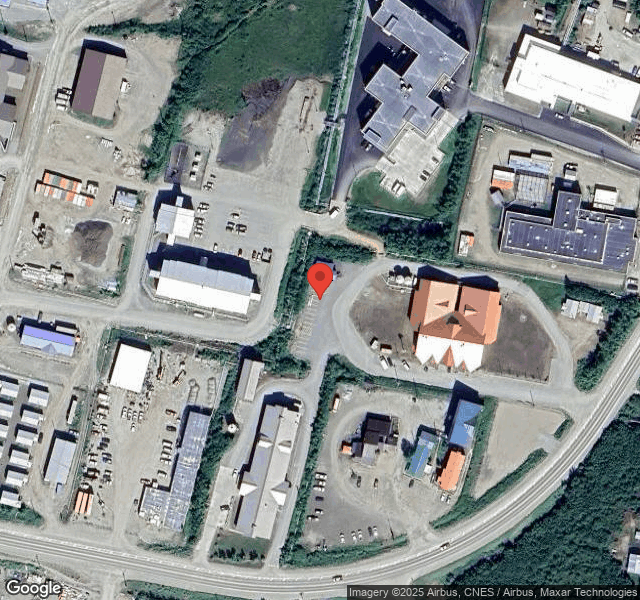
1100 CHIEF EDDIE HOFFMAN HWY, BETHEL, AK 99559 (907) 543-6782
Non profit - Corporation 18 Beds Independent Data: November 2025
Trust Grade
38/100
#20 of 20 in AK
Last Inspection: January 2025

Within standard 12-15 month inspection cycle. Federal law requires annual inspections.

Overview

Yukon Kuskokwim Elder's Home has received a Trust Grade of F, indicating significant concerns about care quality. They rank #20 out of 20 facilities in Alaska, placing them in the bottom tier among state options, and are the only nursing home in Bethel County. The facility is worsening, with issues increasing from 6 to 9 over two years, which is alarming for families considering care options. Staffing is a significant weakness, with a poor rating of 1 out of 5 stars and a high turnover rate of 59%, much worse than the state average. Additionally, there have been serious concerns regarding food safety, as expired items were found in storage, and proper hand hygiene practices were not followed before meals, increasing the risk of infection among residents.

Trust Score
F
38/100
In Alaska
#20/20
Bottom 1%
Safety Record
Low Risk
No red flags
Inspections
Getting Worse
6 → 9 violations
Staff Stability
⚠ Watch
59% turnover. Above average. Higher turnover means staff may not know residents' routines.
Penalties
⚠ Watch
$10,117 in fines. Higher than 90% of Alaska facilities. Major compliance failures.
Skilled Nurses
○ Average
RN staffing data not reported for this facility.
Violations
⚠ Watch
19 deficiencies on record. Higher than average. Multiple issues found across inspections.
★☆☆☆☆
1.0
Overall Rating
★☆☆☆☆
1.0
Staff Levels
★★☆☆☆
2.0
Care Quality
★★☆☆☆
2.0
Inspection Score
Stable
2023: 6 issues
2025: 9 issues

The Good

  • Full Sprinkler Coverage · Fire safety systems throughout facility
  • No fines on record

Facility shows strength in fire safety.

The Bad

1-Star Overall Rating

Below Alaska average (3.5)

Significant quality concerns identified by CMS

Staff Turnover: 59%

13pts above Alaska avg (46%)

Frequent staff changes - ask about care continuity

Federal Fines: $10,117

Below median ($33,413)

Minor penalties assessed

Staff turnover is elevated (59%)

11 points above Alaska average of 48%

The Ugly 19 deficiencies on record

Jan 2025 9 deficiencies
CONCERN (D)

Potential for Harm - no one hurt, but risky conditions existed

Deficiency F0657 (Tag F0657)

Could have caused harm · This affected 1 resident

. Based on record review, interview, and observation, the facility failed to revise the care plan for 2 residents (#'s 6 and 117), out of 8 sampled residents. Specifically, the facility failed to: 1) ...

Read full inspector narrative →
. Based on record review, interview, and observation, the facility failed to revise the care plan for 2 residents (#'s 6 and 117), out of 8 sampled residents. Specifically, the facility failed to: 1) include interventions to address edema (swelling of the legs) for Resident #6; and 2) include interventions to address a urinary tract infection (bladder infection) for Resident #117. This failed practice placed the Resident #6 at risk of exacerbation of edema and discomfort; and Resident #117 at risk for not receiving the necessary and/or appropriate care and services. Findings: Resident #6 Record review on 1/27-31/25 revealed Resident #6 was admitted to the facility with diagnoses that included vascular dementia (loss of cognitive functioning) and cardiovascular accident (CVA-stroke), seizure disorder, congestive heart failure (CHF - inability of the heart to supply blood to organs and tissues) and asthma. During an interview with Resident #6's representative (RR) #1, he/she stated Resident #6 had edema in his/her legs. Review of Resident #6's Alert Note, dated 11/23/24, revealed: Resident [#6] has bilateral lower extremity 2+ pitting edema. Review of Resident #6's progress notes, Comprehensive Assessments, revealed edema was noted on the following days: 11/25/24 11:01 PM; 12/3/24 12:25 PM; 12/17/24 5:59 PM; 12/23/24 8:26 PM; 12/30/24 9:59 AM; 1/20/25 8:25 PM. During an interview on 1/29/25 at 10:45 AM, Licensed Nurse (LN) #1 stated Resident #6 was taking Furosemide 20 mg (miligram) for swelling of the legs. He/she stated the nurses would notify the physician if Resident #6's weight increased over 5 lbs. When asked if the Resident's care plan included interventions for edema of the legs, LN #1 stated yes and he/she further stated they are located in the CHF Care Plan. When LN #1 was asked when Resident #6's edema had started, he/she stated it's been a couple of months. Review of Resident #6's Care Plan, dated 12/3/24, the CHF identified problem, revealed no interventions for edema. During an observation on 1/29/25 at 11:20 AM, revealed Resident #6 was in his/her wheelchair. Further observed Resident #6 was wearing sneakers without socks and his/her legs appeared to be swollen. During an interview on 1/31/25 at 8:30 AM, the Director of Nursing (DON) stated the Minimum Data Set (MDS) Coordinator created the care plan. The DON further stated the MDS Coordinator would review the care plan once a week and quarterly for MDS quarterly assessment. When asked about Resident #6's edema not included in the care plan, the DON stated that the [NAME] hose was just ordered. The DON, who was currently covering for the MDS Coordinator, stated she will update the care plan next week. Resident #117 Record review on 1/27-31/25, revealed Resident #117 was admitted to the facility with diagnoses that included history of malnutrition and CVA. During an interview on 1/27/25 at 4:30 PM, Resident #117 stated he/she had difficulty urinating, unable to void at times, and was incontinent. He/she stated that the symptoms started a couple days ago, and he/she was upset for not being able to hold his/her urine. Resident #117 further stated that staff were not listening to his/her concerns. During an interview on 1/28/25 at 1:30 PM, LN #2 stated Resident #117 was diagnosed with a urinary tract infection (UTI). LN #2 further stated the Resident had not started on the ordered antibiotic because it had not arrived at the facility but was expected to arrive later in the day. During an interview on 1/30/25 at 2:00 PM, the DON stated, Care plans are to be updated quarterly but anytime a change of condition occurs. Nurses cannot update care plans, but they reach out to myself to be updated . A UTI should be care planned and when a resident is on an antibiotic . Review of Resident #117's Nursing Progress Note, dated 1/27/25 at 7:02 PM, revealed: c/o not urinating . Md [medical doctor] made aware order[ed] some labs . Review of Resident #117's Nursing Progress Note, dated 1/27/25 at 7:27 PM, revealed: Resident noted with round and hard abdomen. M.D. made aware. Review of Resident #117's Alert Note, dated 1/27/25 at 8:38 PM, revealed: [UTI] SBAR [Situation, Background, Assessment, Recommendation] criteria are met with dysuria, urinary urgency, and suprapubic pain. Lab testing is ordered: urinalysis with urine culture if positive. Review of Resident #117's Nursing Progress Note, dated 1/27/25 at 10:28 PM, revealed: UTI SBAR complete . criteria is met. Urinalysis with reflex is ordered. Urine is collected via clean catch method. Urine is yellow and cloudy . Resident complains of urgency/frequency and suprapubic pain. Urine is sent to YKDRH [Yukon Kuskokwim Delta Regional Hospital]-Lab for analysis. Review of Resident #117's Nursing Progress Note, dated 1/28/25 at 4:25 PM, revealed: . New order given for Nitrofurantoin 100mg bid [two times daily] for UTI with no adverse reaction. Review of Resident #117's Alert Note, dated 1/28/25, revealed: . urinary tract infection . Give Nitrofurantoin 100 mg by mouth twice daily for 5 days . Review of the facility provided Care Plan for Resident #117, dated 1/28/25, revealed no care plan for the UTI. An updated care plan was requested on 1/29/25 but was not provided prior the survey exit date. Review of the facility's policy Person Centered Care Planning, dated 1/6/22, revealed: . It is the policy of [Facility's name] to provide an individualized, interdisciplinary plan of care for all residents that shall be appropriate to the resident's needs, strengths.and goals. The purpose of this policy is to ensure that each resident will have a person-centered comprehensive care plan developed and implemented to . address the residents' medical, physical, mental, and psychosocial needs. .
CONCERN (E)

Potential for Harm - no one hurt, but risky conditions existed

Deficiency F0700 (Tag F0700)

Could have caused harm · This affected multiple residents

. Based on record review, observation, and interview, the facility failed to obtain the residents' consent for bedrails use and conduct accurate risks and benefits assessments for 7 residents (#'s 1, ...

Read full inspector narrative →
. Based on record review, observation, and interview, the facility failed to obtain the residents' consent for bedrails use and conduct accurate risks and benefits assessments for 7 residents (#'s 1, 2, 5, 6, 8, 12, and 167), out of 8 sampled residents and 2 unsampled residents (#s 11 and 13), reviewed for bedrails use. This failed practice had the potential to place the residents at risk of falls, entrapment, and other preventable accidents and potentially place residents at risk of feelings of isolation and helplessness. Findings: Resident #1 Record review on 1/27-31/25 revealed, Resident #1 was admitted to the facility with diagnoses of Alzheimer's disease (progressive mental deterioration that can occur in middle or old age, due to generalized degeneration of the brain), chronic kidney disease (CKD), type 2 diabetes mellitus (DM, non-insulin-dependent diabetes), and cognitive deficits following a cerebrovascular accident (CVA, also known as stroke, is when blood flow to a part of the brain is stopped either by a blockage or the rupture of a blood vessel). An observation on 1/29/25 at 10:30 AM, revealed Resident #1's bed had the two upper side rails raised. Review of Resident #1's most recent MDS (Minimum Data Set, a federally required nursing assessment), OBRA Annual Assessment, dated 12/15/24, revealed: . Section P - Restraints, P0100 . Used in Bed. A. Bed rail. 0 = Not used. Review of Resident #1's Long Term ADL [Activities of Daily Living] Function Rehab IPOC [Interdisciplinary Plan of Care], last updated on 11/4/24, revealed: .impaired ADL function . x1-2 assist with ADLs . Further review of Resident #1's medical record revealed no physician order, no risk and benefits and/or no informed consent regarding the use of bed rails was found. Resident #2 Record review on 1/27-31/25 revealed, Resident #2 was admitted to the facility with diagnoses of major depressive disorder (MDD- mood disorder characterized by depressed mood and loss of interest and/or pleasure in activities), hallucinations (the perception of the presence of something that is not actually there, it may be auditory or visual or involve smells, tastes or touch), and expressive aphasia (characterized by partial loss of the ability to produce language). An observation on 1/29/25 at 10:30 AM, revealed Resident #2's bed had the two upper side rails raised. Review of Resident #2's most recent MDS, OBRA Quarterly Review Assessment, dated 11/9/24, revealed: . Section P - Restraints, P0100 . Used in Bed. A. Bed rail. 0 = Not used. Review of Resident #2's Long Term ADL Function Rehab IPOC, last updated on 12/16/24, revealed: .dependent with all ADLs . x1-2 assist with ADLs . Further review of Resident #2's medical record revealed no physician order, no risk and benefits and/or no informed consent regarding the use of bed rails was found. Resident #5 Record review on 1/27-31/25 revealed, Resident #5 was admitted to the facility with diagnoses of aortic valve regurgitation (a heart valve disease that causes blood to leak backward to the heart), CKD, gait disorder, and MDD. An observation on 1/29/25 at 10:30 AM, revealed Resident #5's bed had the two upper side rails raised. During an interview with Resident #5 on 1/31/25 at 09:34 AM, he/she stated it's always been up. I don't remember it being down. Review of Resident #5's most recent MDS, OBRA Quarterly Review Assessment, dated 12/11/24, revealed: . Section P - Restraints, P0100 . Used in Bed. A. Bed rail. 0 = Not used. Review of Resident #5's Long Term ADL Function Rehab IPOC, last updated on 12/16/24, revealed: .has impaired ADL function . x1-2 assist with ADLs . Further review of Resident #5's medical record revealed no physician order, no risk and benefits and/or no informed consent regarding the use of bed rails was found. Resident #6 Record review on 1/27-31/25 revealed Resident #6 was admitted to the facility with diagnoses of dementia (loss of cognitive functioning), CVA, seizure disorder, and asthma. An observation on 1/29/25 at 10:30 AM, revealed Resident #5's bed had the left upper side rail raised. Review of Resident #6's most recent MDS, OBRA admission Assessment, dated 11/13/24, revealed: . Section P - Restraints, P0100 . Used in Bed. A. Bed rail. 0 = Not used. Review of Resident #6's Long Term ADL Function Rehab IPOC, last updated on 12/10/24, revealed: .has impaired ADL function . x1 assist with ADLs . Further review of Resident #6's medical record revealed no physician order, no risk and benefits and/or no informed consent regarding the use of bed rails was found. Resident #8 Record review on 1/27-31/25 revealed, Resident #8 was admitted to the facility with diagnoses of impaired mobility, rheumatoid arthritis (a chronic inflammatory disorder that affects the joints and other body systems), and Lewy body dementia (a progressive brain disorder that is characterized by the buildup of proteins into masses which affects thinking, memory, movement, and sleep). An observation on 1/29/25 at 10:30 AM, revealed Resident #8's bed had the two upper side rails raised. Review of Resident #8's most recent MDS, OBRA Quarterly Review Assessment, dated 12/11/24, revealed: . Section P - Restraints, P0100 . Used in Bed. A. Bed rail. 0 = Not used. Review of Resident #8's Long Term ADL Function Rehab IPOC, last updated on 12/9/24, revealed: .impaired ADL function . x1-2 assist with ADLs . Further review of Resident #8's medical record revealed no physician order, no risk and benefits and/or no informed consent regarding the use of bed rails was found. Resident #11 Record review on 1/27-31/25 revealed, Resident #11 was admitted to the facility with diagnoses of dementia, type 2 DM, and aortic valve stenosis (narrowing of the heart's aortic valve). During an observation on 1/29/25 at 10:30 AM, revealed Resident #11's bed had the left upper side rail raised. Review of Resident #11's most recent MDS, OBRA Quarterly Review Assessment, dated 1/7/25, revealed: . Section P - Restraints, P0100 . Used in Bed. A. Bed rail. 0 = Not used. Review of Resident #11's medical record revealed no care plan for Long Term ADL Function Rehab IPOC. Further review of Resident #11's medical record revealed no physician order, no risk and benefits and/or no informed consent regarding the use of bed rails was found. Resident #12 Record review on 1/27-31/25 revealed, Resident #12 was admitted to the facility with diagnoses of dementia, anxiety and insomnia (a sleep disorder). During an observation on 1/29/25 at 10:30 AM, revealed Resident #12's bed had the left upper side rail, and the right lower side rail raised. Review of Resident #12's most recent MDS, OBRA Annual Assessment, dated 10/23/24, revealed: . Section P - Restraints, P0100 . Used in Bed. A. Bed rail. 0 = Not used. Review of Resident #12's Long Term ADL Function Rehab IPOC, last updated on 2/5/24, revealed: .has impaired ADL function . x1 assist with ADLs . Further review of Resident #12's medical record revealed no physician order, no risk and benefits and/or no informed consent regarding the use of bed rails was found. Resident #13 Record review on 1/27-31/25 revealed, Resident #13 was admitted to the facility with diagnoses of dementia, depression, and benign prostatic hyperplasia (BPH- a condition in which the flow of urine is blocked due to the enlargement of prostate gland). During an observation on 1/29/25 at 10:30 AM, revealed Resident #13's bed had both upper side rails raised. Review of Resident #13's most recent MDS, OBRA Quarterly Review Assessment, dated 10/18/24, revealed: . Section P - Restraints, P0100 . Used in Bed. A. Bed rail. 0 = Not used. Review of Resident #13's Long Term ADL Function Rehab IPOC, last updated on 12/9/24, revealed: .mostly independent with ADLs but is forgetful at times . may require x1 assist . Further review of Resident #13's medical record revealed no physician order, no risk and benefits and/or no informed consent regarding the use of bed rails was found. Resident #167 Record review on 1/27-31/25 revealed, Resident #167 was recently admitted to the facility with diagnoses of dementia, CKD, and BPH. During an observation on 1/29/25 at 10:30 AM, revealed Resident #167's bed had the left upper side rail raised. No MDS assessment was available during record review on 1/27-31/25. Review of Resident #167's Long Term ADL Function Rehab IPOC, last updated on 1/17/25, revealed: .1-2 assist with ADLs . Further review of Resident #167's medical record revealed no physician order, no risk and benefits and/or no informed consent regarding the use of bed rails was found. During an interview on 1/30/25 at 2:20 PM, the Director of Nursing (DON) stated that the facility did not obtain consent or complete assessments for risks and benefits of side rail usage. A bedrail assessment policy was requested from the DON. She stated the facility had no policy on bedrails. During an interview with Certified Nursing Assistant (CNA) #1 on 1/31/25 at 9:45 AM, he/she stated that the residents that utilized the bed side rails were to help promote mobility while in bed. .
CONCERN (E)

Potential for Harm - no one hurt, but risky conditions existed

Deficiency F0712 (Tag F0712)

Could have caused harm · This affected multiple residents

. Based on record review and interview, the facility failed to ensure 5 residents (#s 3, 5, 8, 9, and 14), out of 8 sampled residents, were examined in person by a medical provider within the required...

Read full inspector narrative →
. Based on record review and interview, the facility failed to ensure 5 residents (#s 3, 5, 8, 9, and 14), out of 8 sampled residents, were examined in person by a medical provider within the required interval of at least 60 days, or no later than 10 days after the date the visit was required. This failed practice placed the residents at risk for substandard medical care. This further placed the residents at risk for exacerbation of health conditions. Findings: Resident #3 Record review on 1/27-31/25, revealed Resident #3 was admitted to the facility with diagnoses that included osteoarthritis (degenerative joint disease), congestive heart failure (CHF- a chronic condition that results when the heart muscle is unable to pump blood efficiently), dementia (a decline in intellectual functioning, including problems with memory, reasoning and thinking), and depression. Review of Resident #3's medical record on 1/29/25 at 2:00 PM, revealed during the last 12 months of physician progress notes, he/she was seen in person on 3/28/24, 5/23/24, 7/10/24, 8/19/24 and 1/29/25. Further review revealed there was 163 calendar days between the Physician's in person visits on 8/19/24 and 1/29/25. Resident #5 Record review on 1/27-31/25, revealed Resident #5 was admitted to the facility with diagnoses that included CHF, aortic valve regurgitation (a heart valve disease that causes blood to leak backward to the heart), chronic kidney disease, gait disorder, and major depressive disorder (mood disorder characterized by persistent feelings of sadness, loss of interest, and changes in sleep and/or appetite). Review of Resident #5's medical record on 1/29/25 at 2:00 PM, revealed during the last 12 months of physician progress notes, he/she was seen in person on 3/28/24, 5/16/24, 6/11/24 and 8/2/24. Further review revealed there was 180 calendar days between the Physician's in person visit on 8/2/24 and the record review conducted on 1/29/25. Resident #8 Record review on 1/27-31/25, revealed Resident #8 was admitted to the facility with diagnoses that included impaired mobility, rheumatoid arthritis (a chronic inflammatory disorder that affects the joints and other body systems), CHF, peripheral vascular disease (a disorder of the blood vessels outside the heart), and Lewy body dementia (a progressive brain disorder that is characterized by the buildup of proteins into masses which affects thinking, memory, movement, and sleep). Review of Resident #8's medical records on 1/29/25 at 2:00 PM, revealed during the last 12 months of physician progress notes, he/she was seen in person on 3/28/24 and 7/10/24. Further review revealed there was 104 calendar days between these visits. Resident #9 Record review on 1/27-31/25, revealed Resident #9 was admitted to the facility with diagnoses that included dementia and chronic kidney disease. Review of Resident #9's medical record on 1/29/25 at 2:00 PM, revealed during the last 12 months, a medical provider in person visits occurred on 2/27/24, 7/26/24 and 1/13/25. Further review revealed there was 170 calendar days between the Physician's in person visits on 2/7/24 and 7/26/24 and 171 calendar days between 7/26/24 and 1/13/25. Resident #14 Record review on 1/27-31/25, revealed Resident #14 was admitted to the facility with diagnoses that included dementia, diabetes mellitus, paroxysmal atrial tachycardia (abnormal heart rhythm) and adenocarcinoma of colon (cancer in large intestine). Review of Resident #14's medical record on 1/29/25 at 2:00 PM, revealed during the last 12 months, a medical provider in person visits occurred on 4/24/24, 8/19/24, and 12/16/24. Further review revealed there was 117 calendar days between the Physician's in person visits on 4/24/24 and 8/19/24 and 119 calendar days between 8/19/24 and 12/16/24. During an interview on 1/30/25 at 2:00 PM, when asked how often the residents were seen in person by a medical provider, the Director of Nursing (DON) stated: minimum quarterly and within the first week of admission. When asked to clarify how often the residents were seen, the DON stated, on admission and 4 times per year, quarterly. When the facility policy for provider visits was requested from the DON on 1/31/25 at 10:20 AM, she stated the facility did not have a policy specific to provider visits. Review of the email from the facility's DON on 1/31/25 at 2:30 PM, revealed: .the Medical Director uses the federal guidelines for the timing of his visits. It is not in a written policy . .
CONCERN (E)

Potential for Harm - no one hurt, but risky conditions existed

Deficiency F0726 (Tag F0726)

Could have caused harm · This affected multiple residents

. Based on record review and interview, the facility failed to ensure that the staff received education and training of the Q-Straint QRT-1 Series Wheelchair Restraint. This securement system was used...

Read full inspector narrative →
. Based on record review and interview, the facility failed to ensure that the staff received education and training of the Q-Straint QRT-1 Series Wheelchair Restraint. This securement system was used to secure wheelchair bound residents during transport in the facility vehicle. Specifically, 1 resident (#67) out of 2 closed records obtained a superficial injury after his/her wheelchair tipped over in the facility's vehicle. This failed practice had the potential to affect all 8 out of 8 sampled residents and 2 unsampled residents who utilized wheelchairs for mobility at risk for injury during transportion in the facility's vehicle. Findings: Resident #67 Record review on 1/27-31/25 revealed Resident #67 was admitted to the facility with diagnoses of Alzheimer's disease (progressive mental deterioration that can occur in middle or old age, due to generalized degeneration of the brain), anemia (a decrease in the number of red blood cells or hemoglobin, resulting in a lower ability for the blood to carry oxygen to body tissues and organs), and atrial fibrillation (a quivering or irregular heartbeat that can lead to blood clots, stroke, heart failure and death). Record review of Resident #67's Nurse's Note, dated 8/5/24 at 5:09 PM, revealed: Resident #67's wheelchair was placed in the facility's transport vehicle, and it tipped over while the vehicle was going around a curve. The resident sustained a superficial laceration to the right temple. Further review revealed the wheelchair was confirmed to had been secured by two Licensed Nurses (LNs). During random interviews from 1/27-31/25, the facility leadership was not able to identify the two LNs annotated in the nurses note above. Record review of the facility-provided self-reported incident document report, dated 8/9/24, revealed a corrective action plan was initiated by the facility which stated, .Instructions for use of wheelchair securement continues to be posted on the back of the transport van where wheelchairs are secure . All nurses and the activity coordinator have been assigned a skills check off using the instructions for use within HealthStream [an online education platform] with a due date of 8/16/24 . Record review on 1/29/25 of the HealthStream assignment completion report of the 2024 LTC [Long Term Care] Transport Restraint Training, revealed that this training was assigned to eight staff members (LN #s 2, 3, 4, 5, 6, and 7, CNA #6). Further review revealed six staff members (LN #s 3, 4, 5, 6, 7) were past due and had not completed the training. Record review on 1/27-31/25 of the facility staffing schedule revealed: staff members (LN #s 2, 3, 4, 5, 6, and 7, CNA #6) were active employees working with residents. During an interview on 1/30/25 at 2:15 PM, when asked about the overdue completion of the HealthStream assignment, the Director of Nursing (DON) stated only three staff members have been trained to secure wheelchair bound residents in the facility vehicle, herself and Certified Nursing Assistants (CNAs) # 1 and #5. When proof of this training was requested, the DON stated the training was completed by a previous employee and was not able to produce the proof. When further inquired about the incident with Resident #67 and the investigation process of the facility, the DON stated she was out on leave when the incident occurred and did not have access to the interim DON's investigation as he/she was no longer an employee. During an interview on 1/31/25 at 9:34 AM, CNA #1 stated that he/she secured residents in the facility's transport vehicle when needed. When asked if he/she had any HealthStream skills check-off for the Q-Straint QRT-1 Series Wheelchair Restraint, he/she stated that there was none. Record review of Resident #67's medical record from 1/27-31/25, revealed the Resident was not longer at the facility and unable to be interviewed. .
CONCERN (E)

Potential for Harm - no one hurt, but risky conditions existed

Drug Regimen Review (Tag F0756)

Could have caused harm · This affected multiple residents

. Based on record review and interview, the facility failed to ensure the Monthly Regimen Review (MRR) were completed for 3 Residents (#s 3, 8, and 12), out of 8 sampled residents. This failed practic...

Read full inspector narrative →
. Based on record review and interview, the facility failed to ensure the Monthly Regimen Review (MRR) were completed for 3 Residents (#s 3, 8, and 12), out of 8 sampled residents. This failed practice placed residents at risk for adverse consequences related to medication therapy. Findings: Resident #3 Resident #3 was admitted to the facility with diagnoses of osteoarthritis (degenerative joint disease), congestive heart failure (CHF) (a chronic condition that results when the heart muscle is unable to pump blood efficiently), dementia (a decline in intellectual functioning, including problems with memory, reasoning and thinking), and depression. Record review of Resident #3's Pharmacy Consult notes, dated January 2024 through January 2025, revealed no MRRs were completed for September 2024 and December 2024. Resident #8 Resident #8 was admitted to the facility with diagnoses of impaired mobility, rheumatoid arthritis (a chronic inflammatory disorder that affects the joints and other body systems), CHF, peripheral vascular disease (a disorder of the blood vessels outside the heart), and Lewy body dementia (a progressive brain disorder that is characterized by the buildup of proteins into masses which affects thinking, memory, movement, and sleep). Record review of Resident #8's Pharmacy Consult notes, dated January 2024 through January 2025, revealed no MRRs were completed for September 2024 and December 2024. Resident #12 Resident #12 was admitted to the facility with diagnoses of dementia, anxiety and insomnia (a sleep disorder). Record review of Resident #12's Pharmacy Consult notes, dated January 2024 through January 2025, revealed no MRRs were completed for September 2024 and December 2024. During an interview on 1/30/25 at 1:46 PM, Pharmacist #2 stated that every month the resident's medications were reviewed and documented in the chart by Pharmacists. He/she added that the standard of MRRs were to be completed monthly. The Pharmacist further stated the pharmacy was previously short staffed, however the department is currently fully staffed. During an interview 1/30/25 at 4:37 PM, Pharmacist #1 stated that the MRRs would be documented under Pharmacy Consult notes. Pharmacist #1 further stated the MRRs were not completed for September and December 2024 due to the pharmacy being short staffed. Record review of the facility's policy, LTC Pharmacy Services & Medication Management, last review dated 6/2/21, revealed: .Complete a monthly drug regimen review of each resident's medical chart . Complete a Medication Regimen Review as often as is needed . .
CONCERN (E)

Potential for Harm - no one hurt, but risky conditions existed

Deficiency F0761 (Tag F0761)

Could have caused harm · This affected multiple residents

**NOTE- TERMS IN BRACKETS HAVE BEEN EDITED TO PROTECT CONFIDENTIALITY** . Based on observation, interview and record review, the facility failed to ensure expired medical supplies in 1 medical supply ...

Read full inspector narrative →
**NOTE- TERMS IN BRACKETS HAVE BEEN EDITED TO PROTECT CONFIDENTIALITY** . Based on observation, interview and record review, the facility failed to ensure expired medical supplies in 1 medical supply storage room (room [ROOM NUMBER]), out of 2 medical supply storage rooms were removed. This failed practice placed all residents (based on census of 18) at risk for adverse effects and/or complications from receiving expired medical supplies. Findings: An observation on [DATE] at 12:35 PM, of the facility's room [ROOM NUMBER], a medical supplies storage room, revealed the following expired medical supplies: - 8- BARD (brand name) 70cc (cubic centimeter) Syringes with Catheter Tip and Luer Tip Adaptors with a use by date of 1/2022; - 1- BARD 70cc Syringe with Catheter Tip and Luer Tip Adaptors with a use by date of 7/2021; - 2- CardinalHeatlh Self-Adherent Bandages 3-inch x 5 yard with an expiration date of [DATE]; - 15- PolyMem 4 x 4 Non- Adhesive Pads with an expiration date of 3/2024; - 34- Tefla 8 x 3 Non-adherent Pad Prepacks with an expiration date of [DATE]; - 1- ConMed 6' Long Suction Connection Tubing with an expiration date of [DATE]; - 1- [NAME] Distilled Water, 3 Liters, with a best by date of [DATE]; and - 1- Arrowhead Distilled Water, 1 Liter, with a best by date of [DATE]. During an interview on [DATE] at 1:10 PM, Licensed Nurse (LN) #1 stated that the medical supplies mentioned above were expired. During an interview on [DATE] at 2:05 PM, the Director of Nursing (DON) stated that LNs were expected to have audited the medical supplies and discard supplies that were expired. When asked about the frequency of this auditing, she stated that it should have been done each shift but predominantly expected to be completed by the night shift LNs. Record review of the facility's policy on LTC Audit of Expired Items, last reviewed [DATE], revealed: . Designated staff shall inspect storage areas . Products that have expired or are within 30 days of expiration or have been damaged shall be removed from inventory and stored in a secure area until the product is disposed of by the facility . .
CONCERN (F)

Potential for Harm - no one hurt, but risky conditions existed

Deficiency F0727 (Tag F0727)

Could have caused harm · This affected most or all residents

. Based on interview and record review, the facility failed to designate a registered nurse to serve as the Director of Nursing (DON) on a full-time basis. Specifically, from the end of March 2024 thr...

Read full inspector narrative →
. Based on interview and record review, the facility failed to designate a registered nurse to serve as the Director of Nursing (DON) on a full-time basis. Specifically, from the end of March 2024 through the end of May 2024, there was no full-time DON for the facility. This failed practice of not providing a full-time DON to oversee daily management and the monitoring of care practices, had the potential to place all residents (based on a census of 18) at substantial risk for subquality of care. Findings: During an interview on 1/30/25 at 12:45 PM, the Yukon Kuskokwim Delta Regional Hospital's (YKDRH) Chief Nursing Officer (CNO) stated she had resigned as the DON at the Yukon Kuskokwim Elder's Home (YKEH) on 3/2024. When asked who the designated YKEH DON was, the CNO stated the new DON started in 5/2024. When further asked who the designated DON was from 3/2024 to 5/2024, the CNO provided no response. During an interview on 1/30/25 at 2:00 PM, the DON stated she worked at YKEH as a charge nurse from 10/2023 to 5/2024. The DON further stated she accepted the DON position at YKEH the end of May 2024. When asked who the designated DON was for YKEH from 3/2024 to 5/2024, the DON stated [the YKDRH CNO] was a resource if the facility needed. Review of the facility-provided email, Announcement of my New Role within YKHC, dated 2/23/24 and written by the YKDRH CNO, revealed: . I will be transitioning from my current position as the Director of Nursing at YK Elders Home to take on a new role as the Chief Nurse Executive for YKHC. This change will take effect on 3/17/24 . Review of the facility's job description Director of Nursing Services, dated 8/2012, revealed: . D. Position Responsibilities. 1. Responsible for the delivery of the nursing services .of each resident . 2. Oversee that the residents' dignity and right to privacy are upheld .3. Responsible for making sure that there is adequate staff . 4. Keeps the facility in compliance . 5. Develops and evaluates with the health care team and administration resident goals and policies . 6. Maintains safety rules and procedures . 7. Responsible for keeping the department on budget . 8. Observes, mentors, and trains new and current staff . 9. Keeps the administrator up to date on resident changes, staffing changes and service plan changes . 11. Supports a dignified and caring atmosphere . 13. Maintains a safe and secure working environment . 16. Assist with special projects . Record review of the facility's job description LTC [Long-term Care] Registered Nurse Charge Nurse, undated, revealed: . D. Position Responsibilities . 13. Report changes in resident condition to the DNS [Director of Nursing Services/DON] . in a timely manner . .
CONCERN (F)

Potential for Harm - no one hurt, but risky conditions existed

Food Safety (Tag F0812)

Could have caused harm · This affected most or all residents

. Based on observation, interview and record review the facility failed to ensure that food was stored, labeled, and prepared foods in accordance with professional standards for food safety. Specifica...

Read full inspector narrative →
. Based on observation, interview and record review the facility failed to ensure that food was stored, labeled, and prepared foods in accordance with professional standards for food safety. Specifically, the facility failed to ensure: 1) foods were labeled and dated; and 2) expired foods were discarded. These failed practices had the potential of causing or spreading foodborne illness to residents, based on a census of 18, who received food from the kitchen. Findings: Main Kitchen An observation, during the initial main kitchen tour, on 1/27/25 at 1:15 PM, revealed: 1) Walk-in Cooler: - 3- expired Darigold Heavy Whipping Cream- 64-ounce carton- with manufacture best by date of 1/22/25; - 2- expired Yoplait Light Strawberries & Banana Yogurt - 6-ounce single serving container- with manufacture best if used by date of 1/12/25; and - 2- expired Monarch Chopped Garlic in Oil- 32-ounce plastic container-with manufacture best if used by date of 10/15/24. 2) Walk-in Freezer: -1- clear plastic bag, food not identified, not labeled, no best used by date or expiration date. Food & Nutrition Service staff (FNS) #2 stated contents were oxtail; -1- clear plastic bag, Duck, no best used by date or expiration date; -1- white paper package, HB no best used by date or expiration date; and -6- expired Monarch Chopped Garlic in Oil- 32-ounce plastic container-with manufacture best if used by date of 10/15/24. 3) Dry Storage: - 1- plastic container Sweet Baby Rays Barbecue Sauce-1 gallon container, open 1/3 full, no open date. - 14- expired C&H Confectioner Sugar -16-ounce box- with manufacture best if used by date of 11/4/23; - 6- expired Monarch Honey Grade A - 12-ounce plastic bottle- with manufacture best by date of 8/4/24; - 6- expired Monarch Honey Grade A - 12-ounce plastic bottle- with manufacture best by date of 11/6/24; - 2- expired Jif Natural Low Sodium Creamy Peanut Butter Spread - 28-ounce plastic container - with manufacture best by date of 8/5/24; - 4- expired Gold Medal [NAME] Cake Mix - 5 lb. box- with manufacture best by date of 10/13/24; - 5- expired Gold Medal Yellow Cake Mix - 5 lb. box- with manufacture best by date of 1/26/25; - 1- expired box General Mills [NAME] Chex Gluten Free - 1.4-ounce plastic single serve container- with manufacture best by date of 10/15/24; - 1- box Sysco Creamy Fudge Icing Mix open box- 1/4 full- 4/10/24 [written in black marker], no best used by date or expiration date; - 1- box Sysco Creamy Fudge Icing Mix open box- 3/4 full- 4/10/24 [written in black marker], no best used by date or expiration date; - 1- large white bin container with clear lid, not labeled, contained 1- 25 lb. [pound] bag, Panko and 1 - 25 lb. bag, All Purpose Flour noted substance that appeared to be white rice on the bottom of the container. 4) Meal Prep Area: - 1- expired Simply Thick Easy Mix Instant Food Thickener - 55-ounce plastic container- with manufacture best by date of 7/27/24. During interview on 1/27/25 at 1:15 PM, FNS #2 stated food was rotated to prevent expired products, old in front and new in the back when asked about expiration dates. FNS #2 was unable to provide expiration dates or how long products are kept without expiration dates. 5) Wing B Kitchen: - 3- clear plastic bags appeared to be white bread, no best by used date or expiration date. Review of the Food and Drug Administration (FDA) guidelines (Food labeling 2020), accessed at this link: https://www.FDA.gov, revealed: . concerning food storage and labeling, while the FDA does not mandate expiration dates, it encourages to use best by, use by, or sell by dates to indicate peak quality and safety as well as practices of inventory management such as First In, First Out (FIFO), inventory management practice that helps ensuring that older stock is used before newer stock, reducing waste and spoilage . Review of the facility's policy LTC - Safe Food Procurement, Handling, and Storage, dated 1/20/23, revealed: . Yukon-Kuskokwim Health Corporation (YKHC) that all Food & Nutrition Service staff and cooks will procure, store, handle, prepare, distribute, and serve food in accordance with the safe food handling and storage practices established by the State of Alaska Food Safety & Sanitation Program, the United States Department of Agriculture (USDA), the U.S. Food and Drug Administration (FDA), and the Centers for Disease Control and Prevention (CDC). II. Purpose: Unsafe food handling practices represent a potential source of pathogen exposure . CMS [Centers for Medicare & Medicaid Services] recognizes the [FDA] Food Code and the [CDC] food safety guidance as national standards to procure, store, prepare, distribute and serve food in long term care facilities in a safe and sanitary manner. Review of the facility's policy LTC- Native Foods Donation, dated 2/6/21, revealed: . I. Policy: It is the policy of the [YKHC] Elder Home to provide guidance on traditional native foods. Both federal law and CMS set guidelines on foods which are allowed to be brought into the facility by families and/or donated to the Elder Home. the food once in the Kitchen is labeled, dated, and stored separately from other food . .
CONCERN (F)

Potential for Harm - no one hurt, but risky conditions existed

Infection Control (Tag F0880)

Could have caused harm · This affected most or all residents

. Based on observation, interview, and record review, the facility failed to ensure infection prevention and control practices were followed. Specifically, the facility failed to: 1) provide hand hygi...

Read full inspector narrative →
. Based on observation, interview, and record review, the facility failed to ensure infection prevention and control practices were followed. Specifically, the facility failed to: 1) provide hand hygiene to 7 residents (#s 1, 5, 6, 9, 11, 12, and 13), out of 8 residents observed for hand hygiene before meals; and 2) ensure clean laundry of all (census of 18) residents was transported with appropriate measures to prevent contamination. This failed practice had the potential for the transmission of infectious disease and place residents at risk of acquiring communicable diseases. Findings: Hand hygiene before meals: A dining observation on 1/27/25 at 4:55 PM, on the Wing A unit, revealed Certified Nurse Assistants (CNAs) were serving dinner meals to the residents. Further observation revealed the CNAs did not offer hand hygiene to the residents before meals as follows: - 5:00 PM: CNA #1 served the plate of food to Resident #1 without offering hand hygiene; - 5:01 PM: CNA #4 served the plate of food to Resident #13 without offering hand hygiene; - 5:02 PM: CNA #4 served the plate of food to Resident #6 without offering hand hygiene; and - 5:04 PM: CNA #4 served the plate of food to Resident #12 without offering hand hygiene. An observation on 1/29/25 at 11:30 AM, during the dining observation on the Wing A unit, revealed Resident #6 was sitting in the wheelchair in the dining area while waiting for lunch. Licensed Nurse (LN) #1 placed Resident #6's meal on the table and then informed Resident #6 that lunch was ready at the table. Further observation revealed Resident #6 was not offered hand hygiene before meals. An observation on 1/30/25 at 11:30 AM, during the dining observation on the Wing A unit, revealed Resident #1 was sitting in the dining area while waiting for lunch. CNA #1 set up lunch for the resident and did not offer hand hygiene. Further observation revealed Residents #5 and #6 were sitting in their wheelchairs in the dining area while waiting for lunch. LN #1 placed Resident #6's meal on the table and CNA #2 placed Resident #5's meal on the table. Further observation revealed Residents #5 and #6 were not offered hand hygiene before meals. Hand hygiene after bathroom use: Resident #12 Record review on 1/27-31/25 revealed Resident #12 was admitted to the facility with diagnoses of dementia (neurological disease characterized by a general decline in memory, thinking, and social abilities), anxiety, and insomnia (a sleep disorder). A continuous observation on 1/29/25 between 11:04 AM to 11:10 AM, revealed CNA #3 wheeled Resident #12 to the bathroom to check if he/she had a BM (bowel movement). Once in the bathroom, CNA #3 had Resident #12 stand and hold on the straight grab bar on the wall next to the toilet. As CNA #3 checked his/her brief, feces fell from the brief onto the floor. The feces was picked up by Student #1 (a student CNA assisting CNA #3). The floor surface was not cleaned after. The Resident was given perineal care and was changed to a new clean brief. CNA #3 had Resident #12 sit back down on the wheelchair after and then CNA #3 removed his/her gloves and instructed Student #1 to take the Resident to the dining area for the lunch service. No hand hygiene was offered to the Resident prior to leaving the bathroom. Resident #12 was served his/her lunch shortly after and no hand hygiene was offered prior to the Resident eating. A continuous observation on 1/30/25 between 11:10 AM to 11:15 AM, revealed CNA #1 wheeled Resident #12 to the bathroom to check if the Resident needed a change of brief. CNA #1 had the Resident stand up and hold to the straight grab bar and CNA #2 checked Resident #12's brief, which was noted to be dry. CNA #1 had the Resident sit back down in his/her wheelchair and asked CNA #2 to take the Resident to the dining room for lunch service. No hand hygiene was offered to the resident prior to leaving the bathroom. CNA #2 served Resident #12's lunch shortly after and no hand hygiene was offered prior to the Resident eating. During a joint interview on 1/30/25 at 11:38 AM, the Chief Nursing Executive (CNE) stated residents were offered hand hygiene before and after meals. The Director of Nursing (DON) added that the facility used Sani wipes (a disposable disinfecting cloth) for resident's hand hygiene. During an interview on 1/31/25 at 8:30 AM, the DON confirmed that hand hygiene was to be offered to the residents before and after meals and when the resident used the bathroom. Review of the facility's policy Hand Hygiene, dated 10/13/22, revealed: .the following CDC [Centers for Disease Control and Prevention] recommendations are the [facility's] policy for hand hygiene.before and after eating and after using a restroom, wash hands with non-antimicrobial soap and water or with antimicrobial soap and water. Laundry Services: During the laundry area tour, on 1/30/25 at 12:30 PM with the Environmental Services Manager (ESM) and Environmental Services (EVSW) #1, the ESM stated that there were two laundry rooms in the facility, one in each unit (Wing A and B). EVSW #1 stated that the clean laundry was placed in a clean blue bin and transported from the dryer to the folding room uncovered. EVSW #1 stated he/she would push the blue bin with clean clothes out of the dryer area to the folding area. The folding area was in another room passing through the hallway of the common area of the unit. When asked how the residents clean clothing was transported into residents' rooms, EVSW #1 stated, he/she would place the clean clothing in the blue bin and push the bin to each of the residents' room and put the clothes in the resident closet. When asked if the blue bin was covered during the transport, EVSW #1 stated no. Review of the facility's policy Procedure: on YKDRH [Yukon Kuskokwim Delta Regional Hospital] and LTC [Long Term Care] Linen Management, dated 8/8/24, revealed: .Laundry should be delivered to the units in a clean covered container. .
Dec 2023 6 deficiencies
CONCERN (D)

Potential for Harm - no one hurt, but risky conditions existed

Transfer Notice (Tag F0623)

Could have caused harm · This affected 1 resident

**NOTE- TERMS IN BRACKETS HAVE BEEN EDITED TO PROTECT CONFIDENTIALITY** . Based on record review and interview, the facility failed to ensure a copy of 1 Resident's (#11) transfer to the hospital on 8...

Read full inspector narrative →
**NOTE- TERMS IN BRACKETS HAVE BEEN EDITED TO PROTECT CONFIDENTIALITY** . Based on record review and interview, the facility failed to ensure a copy of 1 Resident's (#11) transfer to the hospital on 8/25/23 was sent to the Office of the State Long Term Care (LTC) Ombudsman, out of 1 resident reviewed for hospitalization. This failed practice had the potential to deny the resident access to an advocate who could have informed him/her of their rights and options after transfer or discharge with hospitalization. Findings: Record review on 12/11-15/23 revealed Resident #11 was admitted to the facility with diagnoses that included dementia. Review of Resident #11's MDS (Minimum Data Set, a federally required nursing assessment), discharge assessment dated [DATE], revealed: Status - discharged : Return anticipated. Further review of Resident #11's record revealed no documentation that the State LTC Ombudsman was notified of Resident's transfer to the hospital on 8/25/23. During an interview on 12/14/23 at 5:38 PM, the Administrator stated the facility had not sent written notice to the ombudsman of Resident #11's transfer to the hospital on 8/25/23. During an interview on 12/15/23 at 9:40 AM, the Administrator stated the facility did not have a policy concerning ombudsman notifications. .
CONCERN (D)

Potential for Harm - no one hurt, but risky conditions existed

Quality of Care (Tag F0684)

Could have caused harm · This affected 1 resident

. Based on record review and interview, the facility failed to ensure 1 resident (#13), out of a 8 sampled residents, was assessed per the physician's orders after a fall with a potential head injury....

Read full inspector narrative →
. Based on record review and interview, the facility failed to ensure 1 resident (#13), out of a 8 sampled residents, was assessed per the physician's orders after a fall with a potential head injury. This failed practice had the potential to delay treatment if the resident had a change in status. Findings: Record review on 12/11-15/23 revealed Resident #13 was admitted to the facility with diagnoses that included stroke and osteoarthritis (degenerative joint disease). During a phone interview on 12/12/23 at 12:55 PM, Resident #13's power of attorney (POA) stated the resident had fallen twice in the last couple of months. Review of Resident #13's Progress Note-Nursing, dated 11/22/23 at 6:47 PM, revealed: Around 1300 [1:00PM] pt [patient] yelled help and was discovered on the floor .Pt said [he/she] bumped [his/her] head no bleeding or bruising visible at initial assessment. Per Provider: Post-fall Please do 'neuro checks' [look for responsiveness, equal pupils, and weakness on one side]. Monitoring after a fall will include neuro checks, blood pressure, pulse, and respirations every 15 minutes for 1 hour, then every 30 minutes for 1 hour, then every 2 hours for a minimum of 8 hours or longer until stable as determined by RN [Registered Nurse] or provider. Review of Resident #13's vital sign flowsheets, dated 11/22-23/23, revealed an initial set of vital signs (blood pressure, pulse and respirations) were taken when the resident was first discovered after the fall at 1:00 PM, and another blood pressure was documented at 1:50 PM. Further review revealed no other vital signs were documented until 8:00 PM that evening, 6 hours after the last documented check. Review of Resident #13's Progress Note-Nursing, dated 11/22/23 at 6:26 PM, revealed: [Resident] complained that [his/her] head hurts and nothing else. [He/She] has been and still is active and alert .no changes to [his/her] level of consciousness . Further review revealed no documented assessments of pupillary response or weakness of the resident's extremities. Review of Resident #13's Progress Note-Nursing, dated 11/23/23 at 6:07 AM, almost 12 hours after the last note with documented assessment of status post fall, revealed: Resident is alert and responsive .Continues on Neuro check. No change in LOC [level of consciousness] . Further review revealed no documented assessments of pupillary response or weakness of the resident's extremities. Further review revealed no other Progress Notes with neurological checks for responsiveness, equal pupils, or weakness were documented. During an interview on 12/13/23 at 4:35 PM, the Director of Nursing (DON) stated she reviewed the nursing notes and stated there were some holes in the documentation of Resident #13's neurological checks. The DON stated the facility moved from the vital sign flowsheet form with neurological checks to the narrative form to document these checks, and that could have been the reason why the checks were incomplete. Review of the facility's procedure on Fall with the Possibility of Head Injury, dated 11/20/22, revealed: This post-fall monitoring will include: 1. Blood Pressure, Heart Rate, and Respirations every a. Fifteen (15) minutes for one (1) hour, b. Then every thirty (30) minutes for 1 hour, c. Then every two (2) hours for a minimum of eight (8) hours. 2. The Certified Nursing Assistant's (CNA's) will be responsible for obtaining the vital signs and entering them into Caretracker [electronic health record]. 3. Neurological checks will follow the same schedule as the vital signs and include: a. Level of Consciousness utilizing the Glasgow Coma Scale (GCS) Score [tool used to score impairment of consciousness], b. Pupillary Response, c. Movement and Motor Strength in all four extremities, and d. Evaluation of speech. During a follow up interview on 12/14/23 at 3:00 PM, the DON stated when the fall occurred, the physician ordered the facility to follow their fall protocol. .
CONCERN (E)

Potential for Harm - no one hurt, but risky conditions existed

Deficiency F0565 (Tag F0565)

Could have caused harm · This affected multiple residents

. Based on interview and record review, the facility failed to ensure Resident Council meetings were held regularly for those who wished to attend. Specifically, Resident Council meetings were not hel...

Read full inspector narrative →
. Based on interview and record review, the facility failed to ensure Resident Council meetings were held regularly for those who wished to attend. Specifically, Resident Council meetings were not held for 12 consecutive months, citing declination without rationale for each month. This failed practice had the potential to limit the voicing of the residents' collective concerns, based on a census of 17. Findings: During the Resident Council meeting held on 12/13/23 at 11:01 AM, Resident #3, the Resident Council President, stated the Resident Council did not meet on a regular basis. Resident #3 further stated the Council only met if there was a need, and he/she had wanted to attend all the meetings that were scheduled. During an interview on 12/13/23 at 11:35 AM, when asked how often the Resident Council met, the Administrative Assistant (AA), who was the former Activity Coordinator (AC), and the new AC both stated usually monthly. The new AC stated the last 2 meetings (October and November) were held with individual residents and herself because the facility had a Covid outbreak. The AC stated there was no meeting in August because she was not at the facility. When asked about coverage, the AA stated she did not coordinate a meeting for that month. When asked if the meetings were scheduled on the Residents' activity calendar, the AC stated the meetings were scheduled on the calendar. Review on 12/15/23 at 8:55 AM of the facility's procedure on LTC Resident Council, dated 9/30/23, revealed: The Administrator/Designee or Activity Coordinator will inform residents of meetings; notices should be posted at least 7 days in advance . The Administrator/Designee will ensure that designed staff are present to help facilitate the meetings as desired by the group. Review on 12/15/23 at 9:30 AM of the Activity Calendar, for the month of August 2023, revealed no scheduled Resident Council meeting. Further review of the bottom of the calendar in an undated slot revealed Residents and family interested in holding Resident or Family Council should contact the facility at (907) 543- . Review on 12/15/23 at 9:33 AM of the facility's binder containing Resident Council meeting minutes revealed meeting minutes for the months of November, October, and September 2023. Further review of each month prior revealed a blank Resident Council template. Handwritten in the upper right-hand corner of each blank template revealed: - August 7th 2023 Declined - July 3rd 2023 Declined - June 5th 2023 Declined - May 8th, 2023 Declined - April 3rd, 2023 DECLINED - MARCH 3rd, 2023 DECLINED - FEBRUARY 1st, 2023 DECLINED - JANUARY 9th, 2023 DECLINED - DECEMBER 5th, 2022 DECLINED - November 7th, 2022 DECLINED - October 10th 2022 10:00 AM DECLINED - September 10, 2022 10:00 AM Declined No further information was documented on the templates to include the facility's efforts to hold the meetings for those who wished to attend, the announcement of those meetings, the rationale for declination, or any response by the Resident Council President. Review on 12/15/23 at 8:55 AM of the facility's policy LTC [Long Term Care] Resident Council, dated 9/21/21, revealed: It is this center's policy that a resident has the right to organize and participate in resident groups in the center. .
CONCERN (E)

Potential for Harm - no one hurt, but risky conditions existed

Deficiency F0761 (Tag F0761)

Could have caused harm · This affected multiple residents

**NOTE- TERMS IN BRACKETS HAVE BEEN EDITED TO PROTECT CONFIDENTIALITY** . Based on observation, interview, and record review, the facility failed to ensure that all medical supplies stored in the faci...

Read full inspector narrative →
**NOTE- TERMS IN BRACKETS HAVE BEEN EDITED TO PROTECT CONFIDENTIALITY** . Based on observation, interview, and record review, the facility failed to ensure that all medical supplies stored in the facility were not expired. This failed practice had the potential to affect all residents, based on a census of 17, with the potential to receive expired medical supplies. Findings: An observation and concurrent interview on [DATE] at 4:20 PM, revealed the medication storage closet contained a Cotton Swab BBL Culture swab (Lab culture supply) with an expiration date of [DATE]. The Director of Nursing (DON) stated this item was expired and was stored in the wrong spot. It was further observed that a Dover Silicone Foley Catheter 14 French with a 5 milliliter/2-way retention (a medical device that helps drain urine from the bladder) had an expiration date of [DATE]. The DON stated this item was expired and would be discarded. Review of the facility's policy Audit for Expired Items, dated [DATE], revealed: In order to ensure that expired items are never present in the inventory of any department in the corporation, all items in each department with an expiration date will be audited on a monthly basis for expiration dates. .
CONCERN (E)

Potential for Harm - no one hurt, but risky conditions existed

Infection Control (Tag F0880)

Could have caused harm · This affected multiple residents

. Based on observation, interview, and record review, the facility failed to ensure infection control protocols were followed for 3 residents (#'s 2, 3, and 15), out of 17 residents observed. These fa...

Read full inspector narrative →
. Based on observation, interview, and record review, the facility failed to ensure infection control protocols were followed for 3 residents (#'s 2, 3, and 15), out of 17 residents observed. These failed practices had the potential to place all residents, based on a census of 17, at increased risk for the development and transmission of communicable diseases and infections. Findings: Medication Administration Observations Resident #2: During an observation of medication administration on 12/13/23 at 9:20 AM, Licensed Nurse (LN) #2 placed Resident #2's nasal spray into his/her left side pants pocket, and carried Resident #2's eye drop medication in his/her hand. LN #2 approached Resident #2, who was seated in the resident dining area, where Resident #2 accepted the eye drops but refused the nasal spray. LN #2 administered the eye drops to the Resident. After this, LN #2 returned the nasal spray to the top drawer of the medication cart without cleansing this nasal spray bottle. During an interview on 12/14/23 at 11:27 AM, the Director of Nursing (DON) stated medication bottles such as nasal spray should not be kept in pockets due to cross-contamination concerns. Resident #3: During an observation on 12/14/23 at 9:22 AM, LN #1 greeted Resident #3 in the common area. The LN administered the resident his/her inhaler. After the resident received the medication, LN #1 placed the inhaler into his/her pocket, then transported Resident #3 into his/her room to administer an insulin injection. Once in the room, the LN removed gloves kept in his/her front pockets, put the gloves on, and administered the injection in Resident #3 abdomen. During an interview on 12/14/23 at 11:05 AM, when asked about cross contamination, the DON stated the facility provided glove stations throughout the units and in the resident's rooms. The staff should have been utilizing gloves from these stations for use, unless there was an emergency, such as a fall. The DON further stated using gloves stored in pockets created a risk of cross contamination, and carrying the resident's inhaler in a pocket also created a risk of cross contamination. Wheelchair Damage During an observation on 12/12/23 at 10:52 AM, Resident #15 was seated in his/her wheelchair. The wheelchair armrests, on both sides, had damage to the plastic overlay, revealing the foam padding under the cracked plastic. The resident's arm was resting directly on the foam. During an interview on 12/14/23 at 10:05 AM, when asked about damaged equipment and informed about the foam showing through the resident's armrest, the Physical Therapist stated the armrests posed a sanitation issue, and he/she would have ordered and replaced the wheelchair immediately. During an interview on 12/14/23 at 11:05 AM, when asked about the armrest damage, the DON stated the armrests posed an infection control risk because the armrests could not have been disinfected properly. During a follow-up interview on 12/14/23 at 12:42 PM, the DON stated she examined Resident #1's wheelchair and agreed the damaged armrests posed an infection control issue. The DON further stated she requested a new wheelchair be ordered for the resident. Review of the facility's procedure Applying Aseptic Technique, copyright 2023, revealed: Applying appropriate aseptic technique promotes patient safety by reducing risk of health-care associated infections. Recognizing infection-prevention techniques and using them properly is a critical component of breaking the chain of infection . It is critical for nurses to always follow infection prevention and aseptic technique and infection control practices . the goal of asepsis to break the chain of infection by decreasing the numbers of microbes through using infection prevention strategies at each of the 6 points: agent, reservoir, point of exit, mode of transmission, point of entry and host. .
CONCERN (F)

Potential for Harm - no one hurt, but risky conditions existed

Food Safety (Tag F0812)

Could have caused harm · This affected most or all residents

. Based on observation, interview, and record review, the facility failed to ensure: 1) food was stored and/or labeled properly; and 2) food was stored away from chemicals. These failed practices had ...

Read full inspector narrative →
. Based on observation, interview, and record review, the facility failed to ensure: 1) food was stored and/or labeled properly; and 2) food was stored away from chemicals. These failed practices had the potential of causing or spreading food-borne illnesses to all residents, based on a census of 17, who utilized the kitchen services. Findings: Food Storage An observation of the walk-in freezer in the kitchen on 12/11/23 at 2:05 PM, revealed a whole King Salmon fish stored in a black garbage bag which was not sealed or labeled with the date it had been placed into the freezer or brought to the facility. During an interview on 12/11/23 at 2:06 PM, the Food Nutrition Supervisor stated the fish was not properly stored and would be discarded. During an interview on 12/14/23 at 3:30 PM, the Food Nutrition Supervisor stated the fish would have been processed if it came in the correct way and then served. However, since the fish did not come in correctly, it would never be served and had been thrown away. Food and Chemical Storage An observation on 12/11/23 at 2:15 PM, revealed Dawn Dishwater detergent and Dawn Pot and Pans detergent were stored next to a bottle of Worcestershire sauce, a container of garlic powder, and a container of Simply Thick thickening powder in the cooking area of the kitchen. During an interview on 12/11/23 at 2:16 PM, the Food Nutrition Supervisor stated the bottles of dishwashing detergent should not have been stored with food items. Review of the facility's policy LTC [long term care] - Native Foods Donation, dated 11/2/18, revealed: Storing Traditional Native Foods, a. Food brought into the facility will be stored in a traditional kitchen / Freezer or in the resident's room. 1. Frozen food will be kept frozen at or below 0 degrees F and be kept in the freezer for up to 3 months . Donated foods to Elder Home . if food and game are dropped off at the Elder Home without the proper receipt, the food must be discarded. The food once in the kitchen is labeled, dated, and stored separately from other food. Review of the facility's policy Safe Food Procurement, Handling and Storage, dated 11/7/18, revealed: Unsafe food handling practices represent a potential source of pathogen exposure. Sanitary conditions must be present in health care food service settings to promote safe food handling . All foods stored in the refrigerator or freezer will be covered, labeled and dated ['use by date'] . Soaps, detergents, cleaning compounds or similar substances will be stored in separate storage areas from food storage and labeled clearly. .
Oct 2022 4 deficiencies
CONCERN (D)

Potential for Harm - no one hurt, but risky conditions existed

Deficiency F0657 (Tag F0657)

Could have caused harm · This affected 1 resident

**NOTE- TERMS IN BRACKETS HAVE BEEN EDITED TO PROTECT CONFIDENTIALITY** . Based on record review, observation, and interview, the facility failed to ensure the comprehensive care plan was revised to m...

Read full inspector narrative →
**NOTE- TERMS IN BRACKETS HAVE BEEN EDITED TO PROTECT CONFIDENTIALITY** . Based on record review, observation, and interview, the facility failed to ensure the comprehensive care plan was revised to meet the changing needs of 1 resident (# 11), out of 9 sampled residents. Specifically, the facility failed to revise the care plan to reflect the level of assistance required during meals for adequate nutritional intake. This failed practice had the potential to cause an inconsistent level of assistance with meals, causing a fluctuation in adequate nutrition, which could affect the resident's weight and health. Findings: Record review on 10/10-14/22 revealed Resident #11 was admitted to the facility on [DATE] with diagnoses that included Dementia with Lewy Bodies Disease (a neuro-degenerative disease characterized by the presence of Lewy bodies, or abnormal proteins, in certain regions of the brain) and congestive heart disease (a chronic condition that results when the heart muscle is unable to pump blood efficiently). During an observation on 10/10/22 at 4:42 PM, Resident #11 was fully assisted with dinner by Certified Nursing Assistant (CNA) #1. CNA #1 fed the Resident the entire meal by feeding each bite to the Resident with a utensil and provided liquids by placing the cup to the Resident's mouth for him/her to drink. Review of Resident #11's dietary orders revealed the Resident ate Regular Diet for Older Adults, Level 5 Food - Minced and Moist, Level 0 Liquids - Regular/Thin. Review of Resident #11's admission MDS (Minimum Data Set - A Federally required nursing assessment) Assessment, dated 1/14/22, revealed: Functional Status: Eating, Self-performance: Supervision - Oversight, encouragement or cueing. Support provided: One-person physical assist. Review of Resident #11's Initial Nutrition Assessment, dated 1/21/22, revealed: .Feeding Status: Supervision/Cueing .Nutritional Status IPOC [Individual Plan of Care]: [Resident #11] will have adequate PO [by mouth] intake at majority of meals and snacks to meet [his/her] nutritional needs, [Resident #11] will avoid significant changes to [his/her] weight (>/= [more or equal to] 5% x 30 days and/or >/= 10% x 180 days). Further review revealed Resident #11's weight at the time of this assessment was 49.4kg (108.9 lbs.[pounds]). Review of Resident #11's Nutrition Care History note, dated 6/10/22, revealed: Weight loss noted . Significant change discussed with IDT [Interdisciplinary Team] but this determination is yet to be decided. However, function at meals and adequacy of PO intake has been declining . Further review revealed Resident #11 had a 10% weight loss within 30 days: from 5/3/22: 53kg (116.8 lbs.) to 6/9/22: 47.6kg (104.9 lbs.). Review of Resident #11's Significant Change Nutrition Assessment, dated 7/12/22, revealed: . Feeding Status: Supervision/Cueing to limited assistance at meals per nursing documentation . [Resident #11] is meeting one out of [his/her] two nutrition goals through this period in review at LTC [Long Term Care]; failing to meet [his/her] weight stability goal between the months of May and July. Significant change identified by [IDT] following a decline in [Resident #11's] function with ADLs [activities of daily living]. Further review revealed Resident #11's weight at the time of this assessment was 47.1kg (103.8 lbs.). Review of Resident #11's Significant Change MDS, dated [DATE], revealed an increase in the level of assistance staff were to provide during meals: .Functional Status: Eating, Self-performance: Limited Assistance - Resident highly involved in activity; staff provide guided maneuvering of limbs or other non-weight bearing assistance. Support provided: One-person physical assist. Review of Resident #11's Quarterly Assessment MDS, dated [DATE], revealed another increase to the level of assistance staff were to provide during meals: .Functional Status: Eating, Self-performance: Extensive Assistance - Resident involved in activity, staff provide weight-bearing support. Support provided: One-person physical assist . Review of Resident #11's Care Plan, last evaluated 10/12/22 , revealed outcomes of Nutritional Intake Meets Needs and [Resident #11] will avoid significant changes to [his/her] weight. Further review of the Care Plan revealed no interventions for the level of assistance Resident #11 required during meals. During an interview on 10/12/22 at 2:37 PM, the Dietician stated Resident #11 had a significant change due to functional decline with ADLs which effected his/her intake of nutrition during meals, and which caused weight loss. When asked how staff are informed of the required level of assistance during meals for each resident, the Dietician stated that the resident's level of assistance for meals was usually communicated during morning huddles and also placed on a whiteboard in the staff lounge. During an interview on 10/12/22 at 4:05 PM, the MDS Nurse stated a resident's level of assistance during meals should be an intervention in their care plan. The MDS Nurse further stated that she relied on the Dietician for all nutrition interventions for MDS assessments and care plans, as she does not make decisions based on nutrition. An observation on 10/13/22 at 8:25 AM, revealed Resident #11's level of required assistance during meals was not listed on the whiteboard in the staff lounge. During an interview on 10/13/22 at 10:15 AM, the Dietician stated that Resident #11's level of assistance during meals should have been included in the Resident's Care Plan interventions for Nutrition. Review of the facility's policy LTC Nutrition Risk Review, last reviewed 9/23/21, revealed: . An assessment will be completed for resident who are identified as having nutritional risk. The Minimum Data Set Coordinator (MDSC) or designee will be responsible to review the resident's medical record, observe the resident's physical condition, and review current nutrition interventions in place prior to meeting with the team. A weekly meeting . will occur to discuss the resident's individual assessment, make referrals to other health professionals, and plan appropriate, individualized interventions. The MDSC or designee will ensure implementation of interdisciplinary team recommendations and update care plan as required. Effectiveness of planned interventions will be documented as an interdisciplinary progress note. Revisions to the care plan will be made as indicated . .
CONCERN (D)

Potential for Harm - no one hurt, but risky conditions existed

Accident Prevention (Tag F0689)

Could have caused harm · This affected 1 resident

. Based on record review, observation, and interview, the facility failed to: 1) identify and implement appropriate protocols for reheating food for 1 resident (Resident #6), out of 9 sampled resident...

Read full inspector narrative →
. Based on record review, observation, and interview, the facility failed to: 1) identify and implement appropriate protocols for reheating food for 1 resident (Resident #6), out of 9 sampled residents; and 2) ensure a call light device was within reach for one resident (#8), out of 9 sampled residents. These failed practices placed a resident at risk for thermal burn injury and inhibited a resident from being able to call for help if needed, both of which increased the residents' risk for accidents and hazards. Findings: Resident #6 Record review on 10/10-14/22 revealed Resident #6 was admitted to the facility with diagnoses that included dementia and depressive disorder. An observation on 10/10/22 at 5:04 PM, revealed Certified Nursing Assistant (CNA) #5 was in the unit's kitchenette. CNA #5 took out a bag of food from the refrigerator, scooped out food from a styrofoam container and placed the food on a dinner plate. CNA #5 then reheated the food in the microwave. CNA #5 served the reheated food to Resident #6. The CNA did not check the temperature of the reheated food before serving it to Resident #6. Further observation revealed Resident #6 ate the food using his/her bare hands. An observation on 10/10/22 at 5:11 PM, revealed CNA #5 reheated a bowl of soup in the microwave for Resident #6. Further observation revealed the CNA did not check the temperature of the reheated soup before serving it to Resident #6. During an interview on 10/10/22 at 5:17 PM, CNA #5 stated Resident #6 had leftover food bought from a restaurant on 10/9/22. The resident asked the CNA to reheat the food. When asked about the procedure for reheating food, the CNA stated the food would be reheated for 45 seconds. The CNA further explained he/she would ensure the food was not too hot. When asked if the food temperature was checked before serving, the CNA said yes. When asked if a thermometer was used to check the temperature, the CNA said no and explained the food was checked by feeling the container. CNA #5 stated the food would be checked by placing of a small amount on the staff's hand. This technique, of checking the temperature by placing a small amount on the staff's hand, was not used during either time when CNA #5 reheated food for Resident #6. During an interview on 10/12/22 at 10:43 AM, when asked about food preferences for Resident #6, CNA #3 stated the Resident liked to order Chinese food. When asked how the food was served, CNA #3 stated he/she would serve the food with the take out [Styrofoam] container. Leftovers would be kept in the refrigerator [in the kitchenette]. Staff would reheat the food when the Resident asked for it. When asked the process of reheating leftover food, CNA #3 replied that he/she would place the food on a plate and reheat for 30 seconds to 2 minutes in the microwave. When asked if the temperature would be checked after reheating the food, CNA #3 explained I don't know the temperature. CNA #3 added that there was no device to know the temperature. The CNA also stated that he/she would serve the food after it was reheated. When asked if there was a policy or procedures for checking temperatures of the reheated food, the CNA stated I don't know but stated he/she would ask the kitchen staff. After that interview, the CNA provided a copy of the policy and stated there was a thermometer in the unit's kitchenette to be used to check the food temperature. An observation with concurrent interview on 10/13/22 at 9:30 AM, revealed CNA #3 showed the surveyor the thermometer in the unit's kitchenette. Further observation revealed, the thermometer was in a Ziploc [resealable] bag with a handwritten 165 degrees on the bag. When asked what that handwritten temperature meant, CNA #3 stated it should be the temperature of the food reheated in the microwave. Review of the facility's policy Procedure on Food Preparation, dated 4/11/19, revealed .F. Previously cooked food must be reheated to an internal temperature of 165 degrees F for at least 15 seconds . During an interview on 10/12/22 at 2:50 PM, when asked if the CNA should check the food temperature before serving reheated food in the microwave, the Dietitian stated yes. During a joint interview on 10/13/22 at 1:30 PM with the Administrator and Director of Nursing (DON), when asked about the policy and procedures for checking food temperature, the DON stated there was a lack of education in that area and the facility would re-educate the staff on checking food temperature. According to WebMD, Burn Injuries and Alzheimer's Disease, dated 7/26/20, accessed at this link: https://www.webmd.com/alzheimers/burn-injuries#:~:text=People%20with%20Alzheimer%E2%80%99s%20disease%20can%20sometimes%20burn%20themselves,hot%20bath%20water%2C%20hot%20foods%2C%20or%20cooking%20liquids, revealed .People with Alzheimer's disease can sometimes burn themselves because they don't realize they're in danger . the most common causes include . hot foods . According to Food and Drug Food Code 2017 accessed on this link: https://www.fda.gov/food/cfsan-constituent-updates/fda-releases-2017-food-code#:~:text=The%202017%20Food%20Code%20provides%20uniform%20standards%20for,to%20the%202017%20Food%20Code%20include%20the%20following%3A, revealed in Chapter 3-401.12 Microwave cooking .although some microwave ovens are designed and engineered to deliver energy more evenly to the food than others, the important factor is to measure and ensure that the final temperature reaches 74oC (165oF) throughout the food . Chapter 4-A Summary Chart for Minimum Food Temperatures and Holding Times Required by Chapter 3 for Reheating Foods for Hot Holding revealed food that was cooked, cooled and reheated, the minimum temperature was 165 degrees F and minimum holding time was 15 seconds. It also revealed food that was reheated in a microwave oven, the minimum temperature was 165 degrees F and minimum holding time was to hold for 2 minutes after reheating. Resident #8 Record review on 10/10-14/22 revealed Resident #8 was admitted to the facility with diagnoses that included dementia (loss of cognitive functioning), seizure disorder, and Hemiplegia (paralysis of one side of the body). Review of Resident #8's MDS (Minimum Data Set- a federally required nursing assessment) Quarterly Assessment, dated 7/13/2022, revealed extensive assistance for G0110 Activities of Daily Living (ADL) Assistance, two-person physical assist for transfers, dressing, personal hygiene and toileting. Review of Resident #8's Care Plan, updated 7/25/22, revealed: [Resident #8] has impaired ADL function r/t [related to] dementia and flaccid paralysis of left arm . Interventions- [Resident #8] is x1-2 assist with ADL's. [Resident #8] cannot walk or use left arm. A gerichair [medical recliner] or W/C [wheelchair] for mobility . An observation on 10/10/22 at 4:20 PM, revealed Resident #8 sitting in a recliner chair in his/her bedroom watching television. Additional observation revealed the resident's call light was positioned on the bed across the room. Another observation at 4:48 PM, revealed the same observation. An observation on 10/12/22 at 10:49 AM, revealed CNA #1 and CNA #2 transferring Resident #8 from the wheelchair to the recliner in the bedroom to watch tv. CNA #1 placed the call light on the chair next to Resident #8. An observation on 10/12/22 at 11:07 AM, revealed Resident #8 was able to use the call light. As Licensed Nurse (LN) #1 answered the call request by Resident #8, to lay down in bed, LN #1 informed Resident #8 that lunch was on the way and so Resident #8 agreed to remain in the recliner until lunch. Before leaving the room LN #1 placed the call light across the room on the bed out of the reach from Resident #8. An observation with concurrent interview on 10/12/22 at 12:46 PM, revealed CNA #1 stated the call light should be next to Resident #8 on the recliner chair and placed the call light next to Resident #8. During a joint interview on 10/13/22 at 1:32 PM, when asked the process for call light checks, the Administrator and Director of Nursing (DON) stated call light placement was checked during resident rounding, when toileting was offered and as needed. They further stated that during the night, rounds were made every 15 minutes, but during the day hours there wasn't a set time. Prior to the survey exit, a policy or procedure for resident cares regarding call light use was requested and the below procedure was obtained. Review of facility procedure on Utilization of the Nursing and Allied Health Skills Database, reviewed 3/17/22, revealed Admitting Patients to Long-Term Care . Procedure Steps . Demonstrate use of equipment, including bed, lighting, television controls, telephone, and nurse call light . Postprocedure steps . Maintain patient safety. For example, position for safety, verify alarms are audible, verify call light is in easy reach, and follow facility protocol for fall prevention. .
CONCERN (F)

Potential for Harm - no one hurt, but risky conditions existed

Food Safety (Tag F0812)

Could have caused harm · This affected most or all residents

. Based on observation, interview, and record review, the facility failed to store food under proper sanitation and food handling practices in the central kitchen. This failed practice placed all resi...

Read full inspector narrative →
. Based on observation, interview, and record review, the facility failed to store food under proper sanitation and food handling practices in the central kitchen. This failed practice placed all residents (based on a census of 13) at risk for foodborne illnesses and communicable diseases. Findings: An observation of the central kitchen on 10/10/22 at 2:00 PM, revealed: 1) Walk-in Refrigerator: - Mayonnaise, 1 gallon container: 3/4 empty - No open date - Dill Pickle Relish, 1 gallon container: 3/4 empty - No open date - Premium Sweet Pickle Relish, 1 gallon container: very little relish at the bottom - No open date - Chopped Garlic Oil, 32 oz container: 1/4 empty - No open date, plastic spoon stored in container - Sauteed Vegetable Base, 16 oz container: 1/4 empty - No open date - Pork Base, 16 oz container: 1/4 empty - No open date - Clam Base, 16 oz container: very little base at the bottom - No open date - Turkey Base, 16 oz container: 1/4 empty - No open date - Beef Base, 5lb (pound) container: 3/4 empty - No open date, plastic spoon stored in container - Chicken Base, 5lb container: 3/4 empty - No open date, plastic spoon stored in container 2) Dry Storage Bins: - [NAME] Bin: No label on the outer container identifying contents. No date. Four large bags of rice in this one container; two Uncle Bens rice, two [NAME] rice. A Styrofoam cup was stored inside an open Uncle Bens rice bag. A metal scoop was stored inside an open [NAME] rice bag. - Cornmeal Bin: No label on the outer container identifying contents. Large open bag of cornmeal inside the container. No date. - Flour Bin: No label on the outer container identifying contents. No date. - Sugar Bin: No label on the outer container identifying contents. No date. During an interview on 10/10/22 at 2:28 PM, the Kitchen Manager stated all open containers of food required an open date once the seal was opened. The Kitchen Manager further stated that no spoons, cups, or scoops should be stored directly inside food containers. Review of the facility's policy Procedure on Safe Food Procurement, Handling, and Storage, last reviewed 2/1/22, revealed: . Dry foods that are stored in bins will be removed from original packaging, labeled and dated (use by date) . All foods stored in the refrigerator or freezer will be covered, labeled and dated (use by date) . .
CONCERN (F)

Potential for Harm - no one hurt, but risky conditions existed

Infection Control (Tag F0880)

Could have caused harm · This affected most or all residents

. Based on observation, interview, and record review, the facility failed to ensure acceptable professional standards of infection control. Specifically, the facility failed to: 1) ensure staff perfor...

Read full inspector narrative →
. Based on observation, interview, and record review, the facility failed to ensure acceptable professional standards of infection control. Specifically, the facility failed to: 1) ensure staff perform acceptable professional standards for hand hygiene/glove use during peri cares (cleaning the private areas of the resident) for 1 resident (#8), out of 9 sampled residents; and 2) adhere to professional standards of practice with glove use throughout patient care. These failed practices had the potential to affect all residents, based on a census of 13, for risk of the spread of infectious diseases. Findings: Hand hygiene/glove use with peri cares An observation on 10/10/22 at 4:51 PM, revealed Licensed Nurse (LN) #3 and Certified Nursing Assistant (CNA) #4 performed peri care with Resident #8. LN #3 reminded CNA #4 to have the glove box close by for glove changes. After the resident was cleaned, who had a soiled brief with urine and feces, CNA #4 stated aloud no poop on my hand. CNA #4 proceeded to change only the one glove, the right-hand glove, without doing hand hygiene in-between glove changes. CNA #4 then put new pants on Resident #8, handled the peri care supplies (a cleaner spray bottle and package of wipes), and then hit the call light to call for another nurse to help with a bladder scan. CNA #4 then removed both gloves and left Resident #8's room. During an interview on 10/10/22 at 4:55 PM, LN #3 stated hand hygiene should be completed during peri cares and that CNA #4 did a glove change. During an interview with concurrent observation on 10/12/22 at 10:36 AM, when asked what the second sink outside the bathroom and across from the bed in resident rooms was for, LN #1 said those were used for resident hygiene and for staff to perform hand hygiene. Resident rooms had dispensers of hand sanitizer on the wall outside the room. It was observed on multiple occasions during this survey that staff (CNAs and LNs) used this second sink in the resident room for hand hygiene. An observation on 10/12/22 at 3:59 PM, revealed CNA #2 transferred Resident #7 to his/her room's bathroom for toileting. CNA #2 helped to position resident on the toilet and aided in the pulling down and up of the resident's undergarments and clothing. Then with the same gloves, CNA #2 pushed Resident #7's wheelchair out of the bathroom and to a table in the common area. Once out in the common area CNA #2 removed his/her gloves and performed hand hygiene. At this time Resident #7 asked for a sani-hand wipe and performed hand hygiene. During an interview on 10/13/22 at 1:07 PM, when asked during and after peri cares was it ok to change just one glove, the Director of Nursing (DON) stated no after a dirty procedure both gloves should be changed. Professional glove use An observation on 10/12/22 at 8:27 AM, revealed LN #1 prepared oral medications for Resident #10. LN #1 donned clean gloves and entered Resident #10's room with the medications. After having given Resident #10 the oral medications, LN #1 then changed his/her gloves in preparation for eye medication to be administered. These new gloves were retrieved from LN #1's scrub shirt pocket. Additional observation revealed there were boxes of new gloves located at the room's second sink/counterspace right near this occurrence. An observation on 10/12/22 at 8:31 AM, revealed LN #1 prepared to administer morning medications to Resident #5 outside Resident #5's room. Additional observation revealed LN #1 put on one glove retrieved from LN #1's pocket and the second from a new glove box on the medication cart. During an interview on 10/12/22 at 8:50 AM, LN #2 stated gloves should never be in a staff's pocket to be utilized for resident cares. LN #2 further stated there were plenty of accessible boxes of gloves throughout the facility. During an interview with concurrent observation on 10/12/22 at 10:36 AM, when asked about having gloves in staff's pockets to use for care of residents, LN #1 confirmed gloves were kept in his/her scrub pocket for resident cares and knew not to do that. At that time LN #1 then emptied his/her pockets of any gloves and threw them in the trash. An observation on 10/12/22 at 4:45 PM, revealed a student CNA brought out a used cup and flatware from Resident #5's room with gloved hands and put them on the dirty food cart in the common area. In the process of this task being performed, the student CNA was asked by CNA #1 to get thickened orange juice from the Unit A Wing kitchen refrigerator for another resident. Without changing gloves this request was performed. Next, the student prepared a new drink for Resident #5 with the same gloves on and brought it to Resident #5's room. As the student CNA came out of Resident #5's room, the gloves were removed, and hand hygiene performed. The student CNA then obtained gloves from his/her scrub pocket, put them on, and went to help Resident #10. During an interview on 10/13/22 at 1:07 PM, the Director of Nursing (DON) stated gloves should not be kept in staff's pockets, as pockets were considered dirty. The DON further stated that there were plenty of boxes of gloves all throughout the facility. Review of facility procedure on Hand Hygiene, reviewed 9/13/22, revealed: .Hand washing sinks will be made available, in convenient and accessible locations for healthcare workers . Review of facility policy Using Standard Precautions, dated 2002, revealed: . Perform hand hygiene in the following situations: - Prior to and following all patient care activities - When hands are visibly soiled - When contamination is suspected - When moving from a dirty to a clean body area or activity - After using the bathroom - After glove removal . Review of facility policy Standard Precautions, effective 2/2006 revealed: Hand hygiene- After touching blood, body fluids, secretions, excretions, contaminated items; immediately after removing gloves; between patient contacts . Gloves- For touching blood, body fluids, secretions, excretions, contaminated items, for touching mucous membranes and nonintact skin . Soiled patient-care equipment- Handle in a manner that prevents transfer of microorganisms to others and to the environment; wear gloves if visible contaminated; perform hand hygiene . .
Understanding Severity Codes (click to expand)
Life-Threatening (Immediate Jeopardy)
J - Isolated K - Pattern L - Widespread
Actual Harm
G - Isolated H - Pattern I - Widespread
Potential for Harm
D - Isolated E - Pattern F - Widespread
No Harm (Minor)
A - Isolated B - Pattern C - Widespread

Questions to Ask on Your Visit

  • "Why is there high staff turnover? How do you retain staff?"
  • "Can I speak with families of current residents?"
  • "What's your RN coverage like on weekends and overnight?"

Our Honest Assessment

Strengths
  • • No major safety red flags. No abuse findings, life-threatening violations, or SFF status.
Concerns
  • • 19 deficiencies on record. Higher than average. Multiple issues found across inspections.
  • • $10,117 in fines. Above average for Alaska. Some compliance problems on record.
  • • Grade F (38/100). Below average facility with significant concerns.
  • • 59% turnover. Above average. Higher turnover means staff may not know residents' routines.
Bottom line: Trust Score of 38/100 indicates significant concerns. Thoroughly evaluate alternatives.

About This Facility

What is Yukon Kuskokwim Elder'S Home's CMS Rating?

CMS assigns YUKON KUSKOKWIM ELDER'S HOME an overall rating of 1 out of 5 stars, which is considered much below average nationally. Within Alaska, this rating places the facility higher than 0% of the state's 100 nursing homes. A rating at this level reflects concerns identified through health inspections, staffing assessments, or quality measures that families should carefully consider.

How is Yukon Kuskokwim Elder'S Home Staffed?

CMS rates YUKON KUSKOKWIM ELDER'S HOME's staffing level at 1 out of 5 stars, which is much below average compared to other nursing homes. Staff turnover is 59%, which is 13 percentage points above the Alaska average of 46%. High turnover can affect care consistency as new staff learn residents' individual needs. RN turnover specifically is 71%, which is notably high. RNs provide skilled clinical oversight, so turnover in this role can affect medical care quality.

What Have Inspectors Found at Yukon Kuskokwim Elder'S Home?

State health inspectors documented 19 deficiencies at YUKON KUSKOKWIM ELDER'S HOME during 2022 to 2025. These included: 19 with potential for harm.

Who Owns and Operates Yukon Kuskokwim Elder'S Home?

YUKON KUSKOKWIM ELDER'S HOME is owned by a non-profit organization. Non-profit facilities reinvest revenue into operations rather than distributing to shareholders. The facility operates independently rather than as part of a larger chain. With 18 certified beds and approximately 17 residents (about 94% occupancy), it is a smaller facility located in BETHEL, Alaska.

How Does Yukon Kuskokwim Elder'S Home Compare to Other Alaska Nursing Homes?

Compared to the 100 nursing homes in Alaska, YUKON KUSKOKWIM ELDER'S HOME's overall rating (1 stars) is below the state average of 3.5, staff turnover (59%) is significantly higher than the state average of 46%, and health inspection rating (2 stars) is below the national benchmark.

What Should Families Ask When Visiting Yukon Kuskokwim Elder'S Home?

Based on this facility's data, families visiting should ask: "How do you ensure continuity of care given staff turnover, and what is your staff retention strategy?" "Can you walk me through typical staffing levels on day, evening, and night shifts?" "Can I visit during a mealtime to observe dining assistance and food quality?" "How do you handle medical emergencies, and what is your hospital transfer rate?" These questions are particularly relevant given the facility's high staff turnover rate and the below-average staffing rating.

Is Yukon Kuskokwim Elder'S Home Safe?

Based on CMS inspection data, YUKON KUSKOKWIM ELDER'S HOME has a clean safety record: no substantiated abuse findings (meaning no confirmed cases of resident harm), no Immediate Jeopardy citations (the most serious violation level indicating risk of serious injury or death), and is not on the Special Focus Facility watch list (a federal program monitoring the lowest-performing 1% of nursing homes). The facility has a 1-star overall rating and ranks #100 of 100 nursing homes in Alaska. While no facility is perfect, families should still ask about staff-to-resident ratios and recent inspection results during their visit.

Do Nurses at Yukon Kuskokwim Elder'S Home Stick Around?

Staff turnover at YUKON KUSKOKWIM ELDER'S HOME is high. At 59%, the facility is 13 percentage points above the Alaska average of 46%. Registered Nurse turnover is particularly concerning at 71%. RNs handle complex medical decisions and coordinate care — frequent RN changes can directly impact care quality. High turnover means new staff may not know residents' individual needs, medications, or preferences. It can also be disorienting for residents, especially those with dementia who rely on familiar faces. Families should ask: What is causing the turnover? What retention programs are in place? How do you ensure care continuity during staff transitions?

Was Yukon Kuskokwim Elder'S Home Ever Fined?

YUKON KUSKOKWIM ELDER'S HOME has been fined $10,117 across 1 penalty action. This is below the Alaska average of $33,180. While any fine indicates a compliance issue, fines under $50,000 are relatively common and typically reflect isolated problems that were subsequently corrected. Families should ask what specific issues led to these fines and confirm they've been resolved.

Is Yukon Kuskokwim Elder'S Home on Any Federal Watch List?

YUKON KUSKOKWIM ELDER'S HOME is not on any federal watch list. The most significant is the Special Focus Facility (SFF) program, which identifies the bottom 1% of nursing homes nationally based on persistent, serious quality problems. Not being on this list means the facility has avoided the pattern of deficiencies that triggers enhanced federal oversight. This is a positive indicator, though families should still review the facility's inspection history directly.