CORDOVA COMMUNITY MED LTC
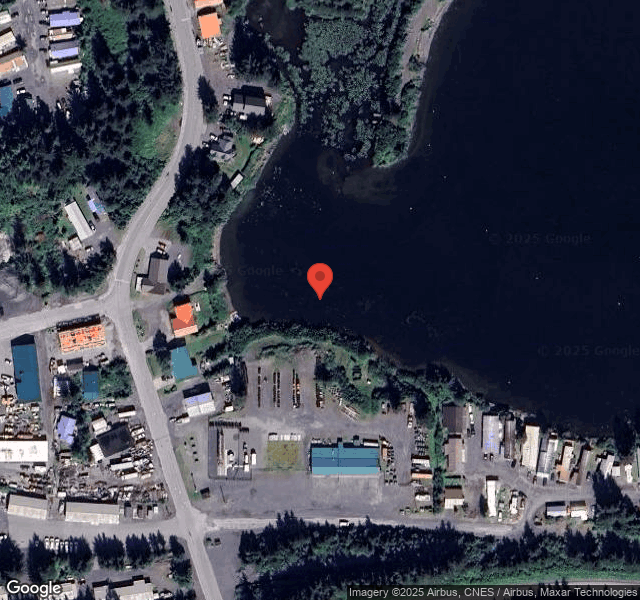
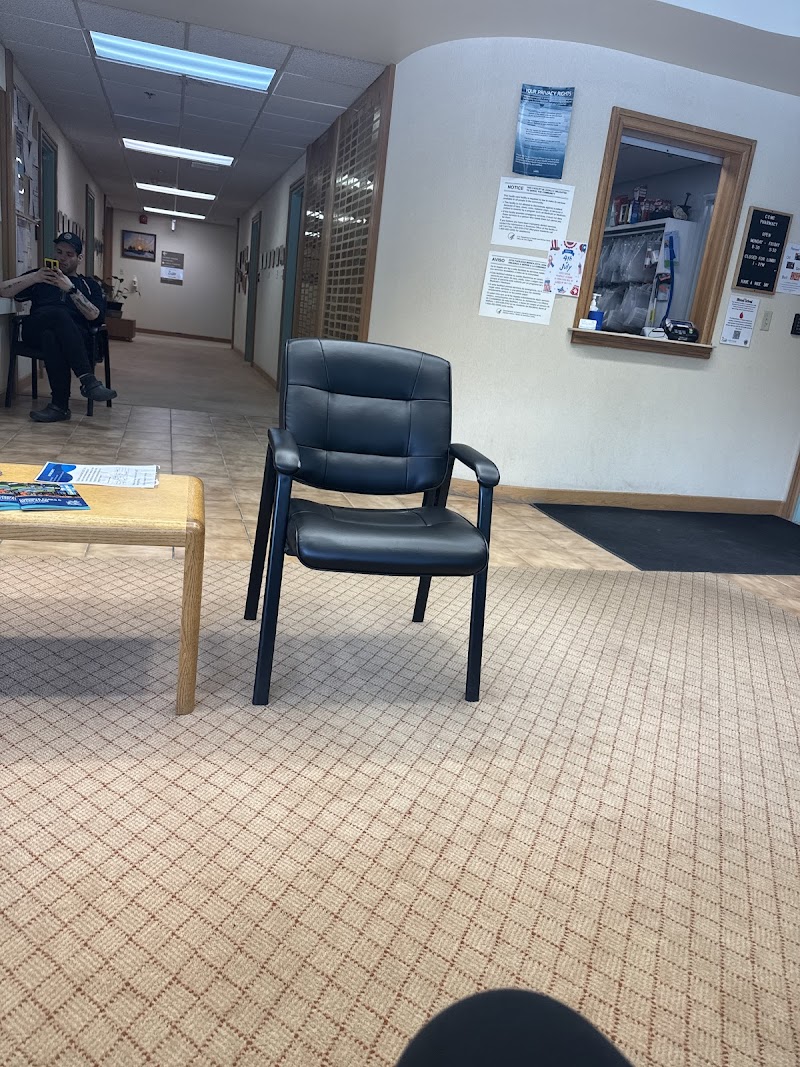
602 CHASE AVE, CORDOVA, AK 99574 (907) 424-8000
Government - City/county 10 Beds Independent Data: November 2025
Trust Grade
85/100
#1 of 20 in AK
Last Inspection: January 2025

Within standard 12-15 month inspection cycle. Federal law requires annual inspections.

Overview

Cordova Community Medical LTC has a Trust Grade of B+, which means it is above average and recommended for families researching nursing homes. It ranks #1 out of 20 facilities in Alaska, indicating that it is the top choice in the state and #1 out of 2 in Chugach County, suggesting there are limited options locally. The facility is improving, with issues decreasing from 6 in 2023 to just 2 in 2025. Staffing is a notable strength, with a perfect 5/5 rating and a turnover rate of 41%, which is lower than the state average, indicating that staff tend to stay and build relationships with residents. While there are no fines, which is a positive sign, there have been some concerns, including failing to check background registries for Certified Nurse Aides, which could pose a risk to residents, and issues with expired medical supplies and food sanitation that could affect resident health.

Trust Score
B+
85/100
In Alaska
#1/20
Top 5%
Safety Record
Low Risk
No red flags
Inspections
Getting Better
6 → 2 violations
Staff Stability
○ Average
41% turnover. Near Alaska's 48% average. Typical for the industry.
Penalties
✓ Good
No fines on record. Clean compliance history, better than most Alaska facilities.
Skilled Nurses
✓ Good
Each resident gets 223 minutes of Registered Nurse (RN) attention daily — more than 97% of Alaska nursing homes. RNs are the most trained staff who catch health problems before they become serious.
Violations
⚠ Watch
13 deficiencies on record. Higher than average. Multiple issues found across inspections.
★★★★★
5.0
Overall Rating
★★★★★
5.0
Staff Levels
★★★★★
5.0
Care Quality
★★★★☆
4.0
Inspection Score
Stable
2023: 6 issues
2025: 2 issues

The Good

  • 5-Star Staffing Rating · Excellent nurse staffing levels
  • 5-Star Quality Measures · Strong clinical quality outcomes
  • Full Sprinkler Coverage · Fire safety systems throughout facility
  • No fines on record
  • Staff turnover below average (41%)

    7 points below Alaska average of 48%

Facility shows strength in staffing levels, quality measures, fire safety.

The Bad

Staff Turnover: 41%

Near Alaska avg (46%)

Typical for the industry

The Ugly 13 deficiencies on record

Jan 2025 2 deficiencies
CONCERN (D)

Potential for Harm - no one hurt, but risky conditions existed

Deficiency F0625 (Tag F0625)

Could have caused harm · This affected 1 resident

**NOTE- TERMS IN BRACKETS HAVE BEEN EDITED TO PROTECT CONFIDENTIALITY** . Based on record review and interview, the facility failed to provide written notice of the bed hold policy and provide the fac...

Read full inspector narrative →
**NOTE- TERMS IN BRACKETS HAVE BEEN EDITED TO PROTECT CONFIDENTIALITY** . Based on record review and interview, the facility failed to provide written notice of the bed hold policy and provide the facility's bed hold form (policy of reserving a resident's bed for a specified period when the resident is temporarily transferred to a hospital or another healthcare setting) for two residents (#'s eight and nine), out of nine residents reviewed, who were transferred to the emergency department (ED) and/or hospital, for medical treatment. This failed practice had the potential for the residents and/or their resident representatives to not be informed of the facility's bed hold policy, placing these residents at risk for losing their beds at the facility due to an extended stay at another healthcare facility. Findings: Resident #8 Record review from 1/27- 31/25 revealed Resident #8 was admitted to the facility with diagnoses that included sequelae of central nervous system tuberculosis (long-term complications or residual effects that persist after an individual has recovered from tuberculosis infection) and gastrostomy (a surgical opening in the stomach that allows for the insertion of a feeding tube) status. Review of Resident #8's Discharge Assessment MDS (Minimal Data Assessment - a federally required nursing assessment), dated 10/6/24, revealed: Discharge assessment-return anticipated 10/6/24. This assessment showed the resident had been transferred out of the facility and was expected to return. Further review of Resident #8's Discharge Assessment MDS, dated [DATE], revealed: Discharge assessment-return anticipated 12/17/24. This assessment showed the resident had been transferred out of the facility and was expected to return. Further review revealed Resident #8 was transferred from the LTC (Long Term Care) facility and admitted to the hospital due to a dislodged gastrotomy tube (feeding tube) on 10/7/24 and discharged back to the facility on [DATE]. Resident #8 was also transferred to the hospital on [DATE] for another dislodged gastrotomy tube and discharged back to the facility on [DATE]. Further review revealed no documentation a bed hold policy or bed hold form was provided to the patient's representative for either of these transfers to the hospital. During an interview on 1/29/25 at 3:10 PM, the Director of Nursing (DON) stated, I do not see bed hold [forms] for [Resident #8] were sent to the POA [Power of Attorney] who we reach by email. The DON further stated .we give a bed hold letter with an emergency transfer. The bed hold form should be given to the POA. Resident #9 Closed record review on 1/28-30/25, revealed Resident #9 was admitted to the facility with diagnoses that included adult failure to thrive (condition characterized by unintentional weight loss, decreased appetite, poor nutrition, and inactivity); anemia (condition in which the blood lacks enough healthy red blood cells to carry adequate oxygen to the body's tissues); and heart failure (condition in which the heart is unable to pump blood effectively). Further review revealed no evidence that a bed hold notice was provided to Resident #9 when he/she was transferred to a hospital for a medical emergency on 1/26/25. During an interview on 1/29/25 at 3:10 PM, when asked about the process for providing bed hold notices to a resident upon transfer to another facility due to a medical emergency, the DON stated, Our policy is to give the resident a written letter. My guess is that it wasn't given to [Resident #9] because the transfer was an emergency. Review of the facility policy, Bed Hold, dated 5/24/23, revealed: Purpose and/or Policy statement: Cordova Community Medical Center will provide resident and/or legal representative written notice of the bed hold policy on admission and prior to transfer. Further plans for readmission are addressed after an absence of more than 10 days from the facility . Definitions: Bed-hold: Holding or reserving a resident's bed while the resident is absent from the facility for therapeutic leave or hospitalization . Policy: Cordova Community Medical Center will hold LTC beds for up to twelve (12) days for a therapeutic leave and up to fourteen (14) days for a transfer to an acute care facility. Procedure: The resident and/or their legal representative will be notified of the bed hold policy upon admission to the facility. If the resident has not returned to the facility by day (10), the Director of Nursing or LTC Coordinator will follow up with the resident/representative and reassess the situation. If it is apparent that the absence will be longer than fourteen (14) days, and the bed is needed for another resident, The Director of Nursing will notify the resident or their representative that the bed will not be held. Review of the facility document titled, Cordova Community Medical Center Bed Hold Letter, undated, revealed: Dear _______________ . A transfer to the hospital can be a stressful circumstance for people. Medicaid and Medicare will not pay for holding a bed during hospitalization of a resident. In order to alleviate some of the anxiety and stress to the residents of Cordova Community Medical Center [CCMC] we have listed basic guidelines that are intended to assist people in their decision-making and to provide a smoother transfer process. 1. We are able to hold a resident's room for up to fourteen [14] days. Residents have the option of hold the room indefinitely by arranging private payment on a daily basis. For more information, please contact the Business Office or the Director of Nursing . Your room will be held for fourteen (14) days. The last day the room will be held is _______________. If you have any questions, please contact the Director of Nursing. This form was to be signed by the Resident or Resident Representative and the Director of Nursing or Long Term Care Coordinator. . .
CONCERN (F)

Potential for Harm - no one hurt, but risky conditions existed

Deficiency F0729 (Tag F0729)

Could have caused harm · This affected most or all residents

. Based on record review and interview, the facility failed to provide proof that the Alaska Nurse Aide Abuse Registry was checked before hiring Certified Nurse Aides (CNAs). This failed practice plac...

Read full inspector narrative →
. Based on record review and interview, the facility failed to provide proof that the Alaska Nurse Aide Abuse Registry was checked before hiring Certified Nurse Aides (CNAs). This failed practice placed all residents, based on a census of eight, at potential risk of abuse by individuals who may have had a documented history of misconduct. Findings: Record review on 1/30/25 revealed the facility had 13 CNAs working at the Long-Term Care (LTC). Review of the CNA employee records revealed no documentation that the Alaska Nurse Aide Abuse Registry was checked, prior to the CNAs starting work with residents of the LTC. During the course of this survey, proof was requested that the Alaska Nurse Aide Abuse Registry was checked for all CNAs working at the LTC. Review of the facility-provided form,Nurse Aides Abuse Registry, revealed this form was dated 1/29/16. During an interview on 1/30/25 at 8:30 AM, the facility's Chief Executive Officer (CEO) stated the Human Resources (HR) staff took screenshots of the abuse registry to confirm that an employee was not listed and placed this documentation in the employee's file. The CEO further stated that no such screenshots were available for any CNA employed at the facility. Review of the facility policy, Background Check, last reviewed 11/14/24, revealed: . 3. Nurse Aide Abuse Registry: A. The HR director will perform a check on the Nurse Aide Abuse Registry on all CNA's prior to making an Offer of Employment. Review of the facility's Policy and Procedure, Abuse Prevention, Recognition, and Reporting, last revised on 5/31/23, revealed: all candidates for employment will be screened by checking the licensing registry prior to hiring. The policy further stated that, these steps will be documented and maintained. Review of the Alaska Nurse Abuse Registry at https://www.commerce.alaska.gov/web/Portals/5/pub/NUA_NurseAideAbuseRegistry.pdf on 2/5/25, revealed it was last updated on 5/1/24. .
Dec 2023 6 deficiencies
CONCERN (D)

Potential for Harm - no one hurt, but risky conditions existed

Deficiency F0883 (Tag F0883)

Could have caused harm · This affected 1 resident

**NOTE- TERMS IN BRACKETS HAVE BEEN EDITED TO PROTECT CONFIDENTIALITY** . Based on record review and interview, the facility failed to ensure pneumococcal and influenza immunizations documentation (ad...

Read full inspector narrative →
**NOTE- TERMS IN BRACKETS HAVE BEEN EDITED TO PROTECT CONFIDENTIALITY** . Based on record review and interview, the facility failed to ensure pneumococcal and influenza immunizations documentation (administered or declined) were completed for 1 resident (#5), of 5 residents sampled for pneumococcal and influenza immunizations. This failed practice denied the resident or resident representative the opportunity to receive education on the benefits and potential side effects, and to accept or decline the immunizations. Findings: Record review on 12/11-15/23 revealed Resident #5 was admitted to the facility with diagnoses that included cerebral infarction (where a cluster of brain cells do not receive enough blood supply and die), and chronic obstructive pulmonary disease (a chronic inflammatory lung disease that cause obstructed airflow in the lungs). Further record review revealed Resident #5 did not have any allergies listed for the pneumococcal and influenza immunizations. Review of Resident #5's immunization record on 12/14/23 at 8:12 AM, revealed the resident was overdue for pneumococcal and influenza immunizations. Further review of the immunization record revealed no documentation that the facility: offered the pneumococcal and influenza immunizations, provided education of the risks and benefits of receiving the immunizations, the resident or resident representative declined the immunizations, or administered the pneumococcal or influenza immunizations. During an interview on 12/14/23 at 12:13 PM, the orienting Director of Nursing/Licensed Nurse reviewed Resident #5's immunization record in the medical record with the surveyor, and found the immunizations and education were not up to date since Resident #5's admission in October 2023. She stated she was unable to locate the records where the facility educated and offered the pneumococcal and influenza immunizations to Resident #5 or his/her representative. She conferred with other colleagues who were also unable to locate the records. Review of the facility's policy Immunizations for LTC [Long Term Care] and Swing Bed Residents, revised on 5/25/23, revealed, .All residents admitted to Long-term care and skilled nursing facility will be screened within seven days of admission .Following providers orders any needed vaccines will be administered .after having been informed of the risks and benefits of each immunization .Refusals will be documented on the immunization record .Document the vaccination on the Medication administration Record (MAR), the immunization record, and online at Alaska Vactrak. Review of the Centers for Disease Control and Prevention (CDC) article, Who should get a flu vaccine this season?, dated 8/25/23, retrieved from: https://www.cdc.gov/flu/prevent/vaccinations.htm, revealed: Everyone 6 months and older should get a flu vaccine every season . Vaccination is particularly important for people who are at higher risk of serious complications from influenza . Review of the CDC article, Pneumococcal Vaccination: Summary of Who and When to Vaccinate, dated 9/22/23, retrieved from: https://www.cdc.gov/vaccines/vpd/pneumo/hcp/who-when-to-vaccinate.html#adults-19-64, revealed: . Adults 19 through [AGE] years old with certain risk conditions .Chronic lung disease, including chronic obstructive pulmonary disease . .
CONCERN (D)

Potential for Harm - no one hurt, but risky conditions existed

Deficiency F0887 (Tag F0887)

Could have caused harm · This affected 1 resident

. Based on record review and interview, the facility failed to ensure COVID-19 vaccination documentation (administered or declined) was completed for 1 resident (#5), of 5 residents sampled for COVID-...

Read full inspector narrative →
. Based on record review and interview, the facility failed to ensure COVID-19 vaccination documentation (administered or declined) was completed for 1 resident (#5), of 5 residents sampled for COVID-19 vaccinations. This failed practice denied the resident or resident representative the opportunity to receive education on the benefits and potential side effects, and to accept or decline the immunizations. Findings: Record review on 12/11-15/23 revealed Resident #5 was admitted to the facility with diagnoses that included cerebral infarction (where a cluster of brain cells do not receive enough blood supply and die), and chronic obstructive pulmonary disease (a chronic inflammatory lung disease that cause obstructed airflow in the lungs). Further record review revealed Resident #5 did not have an allergy listed for the COVID-19 vaccine. Review of Resident #5's immunization record on 12/14/23 at 8:12 AM, revealed the resident was overdue for the COVID-19 vaccine. Further review of the immunization record revealed no documentation that the facility: offered the COVID-19 vaccine, provided education of the risks and benefits of receiving the vaccine, the resident or resident representative declined the vaccine, or administered the COVID-19 vaccine. During an interview on 12/14/23 at 12:13 PM, the orienting Director of Nursing/Licensed Nurse reviewed Resident #5's immunization record in the medical record with the surveyor, and found the immunizations and education were not up to date since Resident #5's admission in October 2023. She stated she was unable to locate the records where the facility educated and offered the COVID-19 vaccine to Resident #5 or his/her representative. She conferred with other colleagues who were also unable to locate the records. Review of the facility's policy Immunizations for LTC [Long Term Care] and Swing Bed Residents, revised on 5/25/23, revealed, .All residents admitted to Long-term care and skilled nursing facility will be screened within seven days of admission .Following providers orders any needed vaccines will be administered .after having been informed of the risks and benefits of each immunization .Refusals will be documented on the immunization record .Document the vaccination on the Medication administration Record (MAR), the immunization record, and online at Alaska Vactrak. .
CONCERN (F)

Potential for Harm - no one hurt, but risky conditions existed

Deficiency F0761 (Tag F0761)

Could have caused harm · This affected most or all residents

**NOTE- TERMS IN BRACKETS HAVE BEEN EDITED TO PROTECT CONFIDENTIALITY** . Based on observation, interview, and record review, the facility failed to: 1) ensure expired medical products were removed fr...

Read full inspector narrative →
**NOTE- TERMS IN BRACKETS HAVE BEEN EDITED TO PROTECT CONFIDENTIALITY** . Based on observation, interview, and record review, the facility failed to: 1) ensure expired medical products were removed from the medical supply storage room; and 2) ensure the medication cart drawers were locked when unsupervised. These failed practices placed all residents (based on a census of 9) at risk for: 1) adverse effects or complications from use of expired products; and/or 2) potential loss, diversion, or accidental exposure to medications. Findings: Expired medical products: An observation on [DATE] at 3:27 PM, of the medical supply storage room, revealed the following expired medical supplies: 1- Copan eSWAB collection and preservation swab, expired on [DATE]; 3- BD Vacutainer Serum red top vials, expired on [DATE]; and 1- BD Vacutainer Serum green top vial, expired on [DATE]. During an interview on [DATE] at 3:27 PM, Licensed Nurse (LN) #2 stated the night shift LN was responsible to check the medical supply room for expiration dates but was unsure of the frequency it was checked. LN #2 was not aware of the expired items. During an interview on [DATE] at 3:47 PM, the orienting Director of Nursing (DON)/LN stated when items from the medical supply room were expired, the supplies should have been replaced. Medication cart drawers: An observation and concurrent interview on [DATE] at 3:27 PM, revealed LN #2 standing in front of the medication cart, located within the nurses station, with several medication cart drawers slightly pulled out. Without locking the cart, the LN went into the medical supply room with the surveyor. Upon returning to the medication cart after approximately 10 minutes, the LN was asked by the surveyor to demonstrate how to lock the medication cart. The LN demonstrated by flipping inward the vertical locking bars located on the corners of the cart and locking the cart with a key. The LN attempted to demonstrate the medication drawers were locked by pulling on several drawers, however, the final drawer opened. The drawer contained multiple daily medication packs for one resident. The LN then pushed the drawer back in, which locked it into place. Then the surveyor reached out and pulled open another drawer containing multiple daily medication packs belonging to a different resident. The drawer was then pushed back into the cart and locked into place by the surveyor. The LN stated that he/she always locked up the medication cart but did not regularly check to see if any drawers would open after the cart was locked and was not trained to do so. During an interview on [DATE] at 2:15 PM, the orienting DON/LN stated that LN's were trained to lock the medication cart every time the LNs walked away from the cart, and that medications should have been locked up at all times in the cart. Review of the facility's policy, Order Processing and Medication Administration in LTC [Long Term Care], revised [DATE], revealed All medications will be stored behind locked units. .
CONCERN (F)

Potential for Harm - no one hurt, but risky conditions existed

Food Safety (Tag F0812)

Could have caused harm · This affected most or all residents

. Based on observation, interview, and record review, the facility failed to 1) store food under proper sanitary conditions; and 2) regularly maintain the ice machine based on manufacturer's instructi...

Read full inspector narrative →
. Based on observation, interview, and record review, the facility failed to 1) store food under proper sanitary conditions; and 2) regularly maintain the ice machine based on manufacturer's instructions. This failed practice placed 6 residents (#s 1, 2, 5, 6, 7, and 8) out 6 residents who received meals from the kitchen, at risk for foodborne illnesses and communicable disease. Findings: Food Storage An observation, during the initial kitchen tour on 12/11/23 at 4:00 PM, revealed the following spoiled fruits and vegetables in the walk-in cooler: 1 open pack of Kale had yellow leaves; 1 tomato with a dime-sized black spot ; 3 whole cantaloupes containing multiple silver dollar sized black spots and several soft brown spots; and 7 whole cantaloupes containing multiple various sized soft brown spots. During an interview on 12/11/23 at 4:25 PM, Dietary Staff (DS) #1 stated he/she was responsible to check expired and spoiled items in the walk-in cooler. He/she stated the facility's process was to remove the spoiled and expired items from the cooler. For spoiled fruits, he/she stated they would cut out the rotten spots and serve the good parts of the fruit. DS #1 asked the Dietary Manager (DM) if he/she was supposed to discard the 3 spoiled cantaloupes. The DM stated he/she would show DS #1 how to take care of the cantaloupes later. The DM stated, they would still use the fruit if other parts of the fruit were ok. During an interview on 12/14/23 at 12:53 PM, the DM stated the fruits and vegetables with the black spots were thrown away. Review of the facility's policy Storage and Receiving Food Items, dated 9/21/18, revealed: .Fruits and vegetables are refrigerated . These items are sorted regularly, and damaged or spoiled pieces are discarded . Ice Machine Maintenance During an observation on 12/13/23 at 5:15 PM, [NAME] #1 filled the pitcher with ice from the ice machine, added water and delivered the iced water with the prepared meal trays to the long- term care unit. During an interview on 12/14/23 at 2:17 PM, when asked if he was responsible for the ice machine maintenance, the Maintenance Manager (MM) stated yes, but he only changed the ice machine filter every 6 months but did not keep an ice machine maintenance log. During an interview on 12/14/23 at 2:22 PM, the DM stated the ice machine was used for residents. During an interview on 12/15/23 at 9:00 AM, the DM stated the Dietary staff (DS) cleaned the outside surface of the ice machine weekly. When asked if the DS cleaned the interior compartment of the ice machine based on manufacturer's instruction, the DM stated he/she was not aware that there was a manufacturer's manual. He/she also stated he/she was not aware there was a need to clean the interior compartments of the ice machine. Review of the Scotsman Meridian ice machine manual revealed: Maintenance . the water and ice vending systems will need to be periodically sanitized and de-mineralized. The air-cooled condenser will also need to be kept clean, schedule the sanitation, cleaning, and de-mineralization on a regular basis to keep the ice clean and the machine operating efficiently. .
CONCERN (F)

Potential for Harm - no one hurt, but risky conditions existed

Infection Control (Tag F0880)

Could have caused harm · This affected most or all residents

. Based on observation, interview, and record review, the facility failed to ensure infection prevention and control protocols were performed during food preparation, medication administration, and en...

Read full inspector narrative →
. Based on observation, interview, and record review, the facility failed to ensure infection prevention and control protocols were performed during food preparation, medication administration, and enteral feeding (receiving nutrition through a gastrostomy tube [a tube inserted through the stomach]). These failed practices had the potential to affect all residents (based on census of 9) for the development and/or transmission of communicable diseases and infections. Findings: Food Preparation During an observation on 12/13/23 between 4:30 PM to 5:15 PM, [NAME] #1 prepared dinner menu items such as sausage patties, gravy, waffles, and hot fruit compote. [NAME] #1 wore gloves when he/she started the food preparation. The cook removed the steam table tray lid and dished out one sausage patty. He/she covered the steam table with the lid then took milk from the walk-in cooler. The cook cut the sausage patty into chunks and with the same gloved hands, the cook placed the chunks into a blender. [NAME] #1 returned to the steam table, uncovered the sausage patty tray and measured the temperature of the patties. With the same gloved hands, he/she continued the puree process. He/she added gravy, milk, and thickener into the blender. He/she poured the pureed food into a small bowl then placed the bowl into the warmer. Next, [NAME] #1, rinsed the blender in the sink by holding the blender in his/her left hand while holding the spray nozzle with his/her right hand. With his/her wet gloved hands, he/she took a bowl of pears from the walk-in cooler, uncovered the bowl, placed the pears in the blender, sprinkled cinnamon, and returned the cinnamon bottle to the cabinet. He/she continued the puree process by adding milk to the pears . [NAME] #1 then placed the pureed pears into a small bowl then placed the bowl into the cooler. With the same gloved hands, [NAME] #1 rinsed the blender (in the same manner as mentioned above). The [NAME] then replaced his/her gloves without performing hand hygiene in between glove changes and continued preparing food. During an interview on 12/14/23 at 12:53 PM, Dietary Manager (DM) #1 stated the dietary staff were expected to wash their hands before putting on gloves. He/she also stated dietary staff should have changed gloves before starting a new task. Review of the Food Code 2022, 2-301.14 When to Wash., dated 1/18/23, revealed: .FOOD EMPLOYEES shall clean their hands and exposed portions of their arms as specified under § 2-301.12 immediately before engaging in FOOD preparation . and . (E) After handling soiled EQUIPMENT or UTENSILS; (F) During FOOD preparation, as often as necessary to remove soil and contamination and to prevent cross contamination when changing tasks . (H) Before donning gloves to initiate a task that involves working with FOOD; and (I) After engaging in other activities that contaminate the hands. Medication Administration During a Meal Resident #2 Record review on 12/11 - 15/23 revealed Resident #2 was admitted to the facility with diagnoses that included dementia, allergic rhinitis (allergic reactions that causes sneezing, congestion, runny and itchy nose), and dry eye syndrome. During an observation on 12/13/23 at 10:56 AM, while Resident #2 was eating breakfast, Licensed Nurse (LN) #2, with gloved hands, fed Resident #2 various crushed medications mixed in applesauce in between bites of bacon. LN #2 then offered Resident #2 his/her scheduled nose spray. The resident agreed to the administration, stopped eating, and the nose spray was administered by the LN using the same gloved hands. Then LN #2 adjusted the resident's clothing protector, which had a piece of bacon on it. Next, the LN asked the resident to remove his/her glasses so he/she could administer eye drops. The resident stated he/she wanted to eat some more. The LN offered Resident #2 eye drops again at 10:57 AM, where the resident declined because he/she was still eating, then again at 11:00 AM where the resident agreed to take the drops. With a piece of bacon in one hand, the resident removed his/her glasses with the other. Using the same gloved hands, the LN administered the eye drops. Without replacing his/her gloves or performing hand hygiene, the LN used a tissue to wipe away the excess drops from the resident's eyes. Medication administration/tube feeding Resident #9 Record review on 12/11-15/23 revealed Resident #9 was admitted to the facility with diagnoses the included miliary tuberculosis (a condition where tuberculosis bacteria enter the bloodstream and spread to different parts of the body), and tuberculosis meningitis (a form of tuberculosis that infects the membrane of the brain and spinal cord). Review of the Minimum Data Set (MDS- and federally required assessment for all long-term care residents) quarterly assessment, dated 9/23/23, revealed Resident #9 received enteral feeding. During an observation on 12/15/23 at 7:00 AM, LN #1 checked Resident #9's gastric residual volume (the amount of fluid remaining in the stomach after enteral feeding) with the use of a syringe (this syringe was kept at the bedside). Afterwards, the LN placed the syringe in a cup, removed his/her gloves but did not perform hand hygiene. Next, the LN placed a stethoscope around her neck and then put on new gloves. Then the LN checked the placement of the gastrostomy tube. The LN removed his/her gloves, sanitized his/her hands, and prepared the resident's medications. With new gloves on, the LN elevated the resident's bed and administered medication and water one at a time. The LN rinsed the syringe and the cup, then removed his/her gloves. While holding the used gloves, he/she covered Resident #9 with a blanket and lowered the resident's bed. He/she then recorded the medication administered in the computer. Without hand hygiene, the LN put on new gloves, hung a bag filled with 1000 ml of water, then hung the bag of parenteral nutrition. Next, the LN primed the tubing with water and parenteral nutrition, where the excess fluid flowed into the cup with a syringe in it. The LN did not rinse the cup and syringe after priming. The LN stated the syringe would be changed every Sunday night. Then, the LN left the room. Resident #3 Record review on 12/11-15/23 revealed Resident #3 was admitted to the facility with diagnoses the included anoxic brain damage (complete loss of oxygen flow to the brain) and dysphagia (difficulty swallowing). Review of the MDS quarterly assessment, dated 9/23/23, revealed Resident #3 received enteral feeding. During an observation on 12/15/23 at 7:27 AM, LN #1 rinsed a syringe and cup with gloves on after lowering the bed, then the LN checked the gastric residuals with wet gloves. After removing one glove, the LN checked the gastric tube placement with a stethoscope then removed his/her other glove. Without performing hand hygiene, the LN began preparing medications on the medication cart in the room. The LN removed the medications from a medication drawer and placed the medication into a medication cup and added water to dissolve it. While waiting for the pill to dissolve, the LN rinsed the syringe and cup, removed his/her gloves, and put on new gloves without performing hand hygiene. Next, the LN removed Resident #3's right arm splint and assessed the skin. The LN removed his/her gloves, performed hand hygiene, put on new gloves and gave the medications with water through the tube. Then LN reattached the tube feeding tubing, rinsed the syringe and cup, removed his/her gloves and without hand hygiene, he/she lowered the bed. During the same observation, Resident #3 coughed, which disconnected the tube feeding tubing from the gastric tube. The LN immediately closed the gastric tube, discontinued the tube feeding and wiped up the spilled fluid on Resident #3's bed. The LN then removed his/her gloves without performing hand hygiene. The CNAs were called to change the soiled absorbent pad under the resident's buttocks and pillowcase. With gloved hands, the LN prepared another tube feeding bag, connected and primed the tubing, where the excess fluid flowed from the tubing into a cup with a syringe in it. Next the LN attached the tube feeding to the resident's gastric tube and then he/she removed his/her gloves and performed hand hygiene. The LN did not rinse the cup and syringe. Then, the LN moved to the next resident in the room. Review of the facility's policy Hand Hygiene, dated 11/9/18, revealed: .indications .employees must wash their hands immediately or as soon as possible: before and after patient contact, after contact with inanimate objects and surfaces that are likely to be contaminated, after gloves are removed, between tasks and procedures on the same patient to prevent cross-contamination to different body sites . Review of Centers for Disease Control and Prevention Hand Hygiene Guidance, dated 1/30/20, found in this link: https://www.cdc.gov/handhygiene/providers/guideline.html, revealed: .Healthcare personnel should use an alcohol-based hand rub or wash with soap and water for the following clinical indications: immediately before touching a patient, before performing an aseptic task or handling invasive medical devices, before moving from work on a soiled body site to a clean body site on the same patient, after touching a patient or the patient's immediate environment, after contact with blood, body fluids, or contaminated surfaces, and immediately after glove removal . .
MINOR (C)

Minor Issue - procedural, no safety impact

Staffing Data (Tag F0851)

Minor procedural issue · This affected most or all residents

. Based on interview and record review the facility failed to ensure accurate staffing data for the 3rd quarter of 2023 (April - June 2023) was reported to Centers for Medicare and Medicaid (CMS) Payr...

Read full inspector narrative →
. Based on interview and record review the facility failed to ensure accurate staffing data for the 3rd quarter of 2023 (April - June 2023) was reported to Centers for Medicare and Medicaid (CMS) Payroll Based Journal (PBJ). This failed practice potentially denied residents and/or representatives (based on census of 9), and the public, accurate staffing data when accessing the Nursing Home Compare website. Findings: During an interview on 12/14/23 at 10:22 AM, Accounts Payable and Payroll staff stated the facility used an online service for payroll called ADP (Automatic Data Processing). She stated the facility coded the worked LN (licensed nurse) hours to specific departments (such as Long-Term Care, and other departments, etc.) in the ADP. She further stated all the LTC (Long Term Care) LN hours from ADP were then pulled out and submitted to the CMS PBJ every quarter. She confirmed that the reported PBJ LN hours were less than 24-hours on certain days during the 3rd quarter. Record review on 12/14/23 at 10:32 AM, of the facility's PBJ staffing report revealed the facility did not meet the LTC LN 24-hour staffing requirement for 19 days in the 2023 3rd quarter on the following dates: 4/8/23 20.5 hours reported worked; 4/15/23 13 hours reported worked; 4/23/23 12.5 hours reported worked; 4/30/23 16.75 hours reported worked; 5/6/23 20.5 hours reported worked; 5/13/23 12.75 hours reported worked; 5/14/23 13.5 hours reported worked; 5/23/23 21.75 hours reported worked, 5/24/23 12.25 hours reported worked; 5/25/23 0 hours reported worked; 5/26/23 12.5 hours reported worked; 5/27/23 12.5 hours reported worked; 5/28/23 12.5 hours reported worked; 6/4/23 12.5 hours reported worked; 6/8/23 13.5 hours reported worked; 6/14/23 0 hours reported worked; 6/18/23 12.5 hours reported worked; 6/23/23 12.5 hours reported worked and; 6/25/23 22 hours reported worked. During an interview on 12/14/23 at 3:55 PM, the Director of Nursing (DON) stated the LTC had 24 hours LN coverage each day. She stated that if there were no LN hours in the PBJ report, the hours could have been coded incorrectly. She also stated a travel LN who worked hours from May-June 2023 might have been missed in the report because the travel LN used a paper timecard, which was paid to the travelling nurse's company instead of through the ADP process. Record review of the facility's ADP 3rd quarter timesheet report, revealed multiple travel LN's paper timecards from May-June 2023, showed LNs worked in the LTC unit but were coded to another department on the following dates: 4/8/23, 4/15/23, 4/23/23, 4/30/23, and 5/6/23. Further review revealed, LNs, employed by the facility, worked in the LTC unit but were not coded to the LTC department or reported in the 3rd quarter timesheet report on the following dates: 5/13/23, 5/14/23, 5/23/23, 5/24/23, 5/25/23, 5/26/23, 5/27/23, 5/28/23, 6/4/23, 6/8/23, 6/14/23, 6/23/23, and 6/25/23. During a joint interview with the Administrator and DON on 12/14/23 at 4:22 PM, the Administrator stated the nurse leadership would provide LN coverage if there were staff who called-in[sick], but the coding for that coverage was not reported correctly. The DON stated the facility should change their timekeeping process. Review of the facility's untitled new nurse work hours report (no date) with a signed note (no date), provided by the Administrator on 12/15/23 at 11:00 AM (after the exit conference) revealed: PBJ reporting error identified. The report pulled from ADP time keeping system and submitted to PBJ only included nurses with their home department as LTC. A new report has been run that includes nurses with other home department, but time coded to LTC. It demonstrates 24/7 coverage for LTC. Review of the facility's employee handbook dated 6/22/23 revealed: Timekeeping .Time worked is all the time actually spent on the job performing assigned duties . .
Sept 2022 5 deficiencies
CONCERN (D)

Potential for Harm - no one hurt, but risky conditions existed

Resident Rights (Tag F0550)

Could have caused harm · This affected 1 resident

**NOTE- TERMS IN BRACKETS HAVE BEEN EDITED TO PROTECT CONFIDENTIALITY** . Based on record review, observation, and interview, the facility failed to provide respect and dignity during dining for 1 res...

Read full inspector narrative →
**NOTE- TERMS IN BRACKETS HAVE BEEN EDITED TO PROTECT CONFIDENTIALITY** . Based on record review, observation, and interview, the facility failed to provide respect and dignity during dining for 1 resident (#5), out of 4 residents observed while eating in the dining room. Specifically, the facility failed to provide the resident with a small plate for a baked potato during dinner, rather than placing it directly on the table. This failed practice placed the resident at risk of not receiving care that promotes dignity, respect, and quality of life. Findings: Record review on 9/24-28/22 revealed Resident #5 was admitted to the facility with diagnoses that included dementia (loss of cognitive functioning), dysphagia (difficulty swallowing), and osteoarthritis (inflammation of one or more joints). An observation on 9/24/22 at 5:09 PM, revealed Resident #5 was eating dinner in the dining room. Resident #5 had steak, carrots, baked potato, pears, and a cup of coffee. Further observation revealed, a whole piece of steak and pieces of carrots were served on a small plate. The carrots filled half of the plate up to the rim of the plate. The baked potato was open resting on the foil it was cooked in directly on the table. Half of the potato was cut into big chunks. The Resident was observed cutting the potato into smaller pieces and ate one piece at a time. The Resident was also observed cutting the steak on a small plate. Further observation revealed there was not enough space on the plate for the resident to work on the steak. CNA #1 approached the resident and asked if Resident #5 needed help to cut the steak in which the Resident agreed. During an interview on 9/24/22 at 5:33 PM, when asked the reason Resident #5's baked potato was on the table, CNA #1 stated the kitchen staff delivered dinner on a tray. CNA #1 showed the sample of trays inside the cart. CNA #1 described that the food was on a small plate with a cover and that the baked potato was wrapped in foil placed on the tray but not on a plate. When asked if the dinner plate was too small to hold the food, CNA #1 stated yes. Record review of Resident #5's Care Plan, dated 7/6/22, revealed: Focus: [Resident #5] has an ADL self-care performance deficit . weakness, needing assistance in all ADLS r/t [related to] Dementia, Left Wrist OA[Osteoarthritis]. Goal: [Resident #5] will maintain current level of function and participation with . ADLs on a daily basis through review date (supervision with eating .). Intervention: [Resident #5 requires staff to setup . meal and cut .food into small bites.[Res] is able to feed .himself/herself with staff supervision/encouragement . Further review of the care plan interventions on nutritional problem, dated 8/1/22, revealed: .[Res] will be provided diet as ordered . w/ food cut up by Nursing . small portions for . dinner on a small plate. During an interview on 9/27/22 at 2:05 PM, Dietary Personnel #4 stated the baked potato was wrapped in foil and placed on the tray. The baked potato was delivered to the dining room without a plate. During an interview on 9/27/22 at 2:07 PM, CNA #4 stated the baked potato was wrapped in foil when delivered to the dining room. CNA #4 added that the CNAs should have gotten a plate from the Long-Term Care (LTC) kitchenette [small kitchen in the dining room], removed the foil, placed the baked potato on a plate, and then cut the potato into pieces so that it was ready to eat. During a joint interview with the LTC Director of Nursing (DON) and Chief Nursing Officer (CNO)/Quality Improvement Nurse ([NAME]) on 9/28/22 at 8:45 AM, when asked if a baked potato should have been served in foil on the table. [NAME] stated it depends on the resident's preference or choice, but a plate should have been offered. Review of the admission packet on 9/28/22 at 9:30 AM, revealed the facility had .adopted the following statement of patient rights .to be treated with respect, dignity and recognition .of individuality and personal needs, and sensitivity to .psychosocial needs . .
CONCERN (D)

Potential for Harm - no one hurt, but risky conditions existed

Accident Prevention (Tag F0689)

Could have caused harm · This affected 1 resident

. Based on record review, interviews, and observation the facility failed to identify and implement safety interventions to prevent thermal injuries from hot liquids for 1 sampled resident (Resident #...

Read full inspector narrative →
. Based on record review, interviews, and observation the facility failed to identify and implement safety interventions to prevent thermal injuries from hot liquids for 1 sampled resident (Resident #5) out of 1 observed having hot coffee. This failed practice placed 8 residents, out of census of 10, at risk for burn injury. Findings: Record review on 9/24/22-9/28/22 revealed Resident #5 was admitted to the facility with diagnoses that included dementia (impairment of brain function), dysphagia (difficulty swallowing), and age-related physical debility. Review of the MDS quarterly assessment (Minimum Data Set- a federally required nursing assessment) dated 6/25/22, revealed: Section G. Functional Status, ADL [activities of daily living] Assistance H. EATING 1- Supervision- oversight, encouragement or cuing 1- setup help only. Review of Resident #5's Care Plan, revised on 7/6/22, revealed [Resident #5 (R5)] requires staff to setup [R5's] meal and cut [R5's] food into small bites. [Resident #5] is able to feed self with staff supervision/encouragement. Staff will remind [R5] to sit up straight, tuck [R5's] chin, and keep [R5's] feet on the footrests when eating. Distractions will be kept to a minimum or removed. Review of Resident #5's Physician/Dietary Orders, revised 7/30/21, revealed Regular diet, Regular texture, Regular consistency. During an interview on 9/25/22 at 10:05 AM, Certified Nursing Assistant (CNA) #3 stated that the temperature of the coffee did not need to be checked as it came from the kitchen downstairs, and they made sure all the temperatures were good. CNA #3 further stated that if food and drinks were microwaved on the Long-Term Care (LTC) unit, the CNAs would then take the temperature before serving the item. During an interview on 9/25/22 at 1:50 PM, CNA #1 stated that he/she did not ever heat up coffee in the microwave and that a new cup of coffee was just ordered from the kitchen. CNA #1 further stated that if food and drinks were microwaved, he/she would take the temperature of the item before serving to the resident. An observation on 9/27/22 at 3:40 PM, revealed Resident #5 sitting in the activity room working on a puzzle with a cup of coffee on the table that visibly had steam rising from the cup. During an interview and concurrent observation on 9/28/22 at 8:16 AM, CNA #4 was asked the process of how coffee was made and served. CNA #4 stated that it was made in the coffee pot of the kitchenette on the LTC unit. When asked to prepare a cup of black coffee for this surveyor as if he/she were a resident, CNA #4 poured a cup from the pot and handed it to this surveyor. When asked to get a temperature of the coffee, CNA #4 could not find a facility thermometer in the kitchenette and had to have the kitchen staff send one up. After a new cup of coffee was poured and handed to this surveyor, CNA #4 took a temperature that revealed 169 degrees Fahrenheit. When asked if the coffee would be served like that to a resident, CNA #4 said no and that CNAs would use their best judgement before serving hot items. During an interview on 9/28/22 at 8:30 AM, the Director of Nursing (DON) stated the facility did not have a policy for hot liquid preparation and that the temperature of hot drinks made on the unit were not taken before being served. The DON further stated that the facility had not had any issues from hot drinks but could see how that could be an issue. According to the American Burn Association, accessed at www.ameriburn.org, revealed Thinner skin of older adults burn faster and deeper. Preventing a burn injury is always better than the pain and trauma of medical treatment afterward.
CONCERN (D)

Potential for Harm - no one hurt, but risky conditions existed

Antibiotic Stewardship (Tag F0881)

Could have caused harm · This affected 1 resident

. Based on record review and interview, the facility failed to establish an infection prevention and control program (IPCP) that includes an Antibiotic Stewardship Program (ASP) for the Long-Term Car...

Read full inspector narrative →
. Based on record review and interview, the facility failed to establish an infection prevention and control program (IPCP) that includes an Antibiotic Stewardship Program (ASP) for the Long-Term Care (LTC) Unit. Specifically, the facility failed to have its own long-term care-based ASP. This failed practice had the potential to place all residents, based on a census of 10, at risk of adverse events, including the development of antibiotic-resistant organisms from unnecessary or inappropriate antibiotic use. Findings: Record review of the facility's Antibiotic Stewardship Program, dated 11/11/18, revealed: .Policy: The CDC reports 20-50% of antibiotics in acute care hospitals are either unnecessary, appropriate, or used for too long. This policy is designed to help prevent avoidable side effects and complications arising from antibiotic overuse .prevent growing antibiotic resistance. Member: Medical Director (MD) will serve as Head .make a report quarterly to the Infection Control Committee, QA (Quality Assurance) committee and CEO (Chief Executive Officer) on hospital antibiotic usage .The Pharmacist will review all hospital antibiotic prescriptions .Lab Director .report the results of all hospital cultures and resistance patterns to the MD . Further review of the same document revealed: Requirements: Meet quarterly as part of the Infection Control Committee meeting to assess hospital antibiotic usage data and progress of process improvement develop, implement, and review the progress of the current action plans for improving hospital antibiotic usage. During a joint interview with Chief Nursing Officer (CNO)/Quality Improvement Nurse/ Acting Infection Preventionist and LTC Director of Nursing (DON) on 9/27/22 at 12:59 PM, when the surveyor verified a copy of the antibiotic stewardship program was hospital-based and asked if the facility had a LTC-based antibiotic stewardship program, the CNO stated No. .
CONCERN (E)

Potential for Harm - no one hurt, but risky conditions existed

Food Safety (Tag F0812)

Could have caused harm · This affected multiple residents

. Based on observations, interviews, and record review the facility failed to store, prepare, and serve food in accordance with professional standards for food service safety. Specifically, the facili...

Read full inspector narrative →
. Based on observations, interviews, and record review the facility failed to store, prepare, and serve food in accordance with professional standards for food service safety. Specifically, the facility failed to ensure: 1) the use of professional standards of manual washing and sanitizing using the 3-sink method; 2) concentrations of sanitizing solution buckets were prepared using non expired test strips; 3) dating refrigerated and frozen foods to monitor for growth of microorganisms; 4) rotation of stock for dry storage, and 5) professional temperatures of prepared foods to be served. These failed practices placed 8 residents that received meals from the kitchen at risk of foodborne illness. Findings: Manual Washing- 3-sink method An observation on 9/26/2022 at 12:25 PM, revealed dishes submerged in the first sink. A laminated sign above the sinks read Dishwashing- 1. Pre-Rinse, scrape or soak to remove large food particles 2. Wash in a clean hot (110 [degrees Fahrenheit (F)]) detergent solution 3. Rinse in another compartment with warm clear water 4. Sanitize. For household bleach use 1 tablespoon per 5 gallons water. Check solution with appropriate test strips. 5. Air Dry to prevent contamination from towels or hands. During an interview on 9/26/22 at 12:27 PM, Dietary Personnel (DP) #3 was asked about the temperatures of the 3 sinks. DP #3 obtained a facility thermometer and tested the first sink of soapy water that revealed a temperature of 102 degrees F. The second sink, which DP #3 stated was rinse water, revealed a temperature of 90 degrees F. The third sink, which DP #3 stated was bleach water, revealed a temperature of 82 degrees F. DP #3 stated these temperatures appeared to be low. During an interview on 9/26/22 at 12:41 PM, when asked about the 3-sink method, DP #1 stated the sinks were usually drained and refilled after lunch and before more dishes were processed but that task was not completed today. DP #1 was made aware of the observed temperatures for the individual sinks and agreed they were not at standard temperatures. Review on 10/3/22 of the Food Code 2017 Recommendations of the United States Public Health Service Food and Drug Administration, accessed from https://www.fda.gov/media/110822/download revealed, 4-501.19 Manual Warewashing Equipment, Wash Solution Temperature. The temperature of the wash solution in manual WAREWASHING EQUIPMENT shall be maintained at not less than 43oC (110oF) or the temperature specified on the cleaning agent manufacturer's label instructions. Sanitation buckets During an interview and concurrent observation on 9/24/22 at 5:18 PM, DP #2 tested the sanitation bucket with a Chlorine Test Paper. It revealed a 200 PPM (parts per million) reading. Also observed at this time, was the expiration date of the Chlorine Test Papers being 2/2022. DP #2 obtained three other containers of Chlorine Test Papers that were all expired. These strips were used to test the sanitation buckets as well as the sanitation sink of the 3-sink method. During an interview on 9/26/22 at 12:27 PM, DP #3 was asked about the concentration of the sanitation bucket. DP #3 obtained a facility Chlorine Test Paper [expired 05/2022] and tested the sanitation bucket. The paper came out of the solution the same color and revealed no purple coloring [indicative of a chemical reaction]. An observation on 9/26/22 at 12:29 PM, of the Sink Sanitizing Log, revealed the sink and sanitation bucket were last changed at 9:30 AM that morning. During an interview on 9/26/22 at 12:41 PM, DP #1 stated the sanitation bucket needed to be changed every 2 hours and that it was not done since 9:30 AM. During at interview on 9/27/22 at 12:08 PM, DP #1 stated non expired Chlorine Testing Strips were obtained and put into use. Review of the facility policy Sanitation & Safety-Appropriate Food and Equipment Handling, revised 9/21/18, revealed Sanitation- . The dietary manager is responsible for supervising all sanitation and housekeeping procedures within the dietary department. The dietary manager develops a cleaning schedule and is responsible for seeing that it is followed satisfactorily . Review of facility policy Food Services Work Responsibilities, revised 9/21/18, revealed Procedure- . Follow the cleaning schedule and accomplish the task(s) assigned . Change sanitizing solution bucket every 2 hours or as needed. Check with a test strip and document . Labeling of items in the walk-in refrigerator and walk-in freezer An observation on 9/24/22 at 4:30 PM revealed: Sour Cream 24 oz, opened and undated Extra Heavy Mayonnaise 1 gallon, opened and undated Most open items revealed only use by dates, no open dates and no expiration dates. Hash browns quantity 10, in plastic bag with zip tie, undated Hot dogs quantity 14, in a zip lock bag, use by date of 11/11/22, had built up ice all around the hot dogs Saranwrap bundle of dozens of meat chunks with an illegible date Tray of three individually wrapped ham steaks, undated Large storage container of individually zip locked bags of black cod that was donated from Fish and Game, no use by date During an interview and concurrent observation on 9/24/22 at 4:40 PM, DP #2 stated items should be properly labeled and that leftovers were not kept longer than 3 days. DP #2 removed the sour cream, mayonnaise, hash browns and hot dogs. During an interview on 9/27/22 at 12:08 PM DP #1 stated a use by date was researched and put on the black cod in the walk-in freezer. Review on 10/3/22 of the Food Code 2017 Recommendations of the United States Public Health Service Food and Drug Administration, accessed from https://www.fda.gov/media/110822/download revealed, § 3-502.12, and except as specified in (E) and (F) of this section, refrigerated, READY-TOEAT, TIME/TEMPERATURE CONTROL FOR SAFETY FOOD prepared and held in a FOOD ESTABLISHMENT for more than 24 hours shall be clearly marked to indicate the date or day by which the FOOD shall be consumed on the PREMISES, sold, or discarded when held at a temperature of 5ºC (41ºF) or less for a maximum of 7 days. The day of preparation shall be counted as Day 1. Pf commercially processed food o open and hold cold (B) Except as specified in (E) - (G) of this section, refrigerated, READY-TO-EAT TIME/TEMPERATURE CONTROL FOR SAFETY FOOD prepared and PACKAGED by a FOOD PROCESSING PLANT shall be clearly marked, at the time the original container is opened in a FOOD ESTABLISHMENT and if the FOOD is held for more than 24 hours, to indicate the date or day by which the FOOD shall be consumed on the PREMISES, sold, or discarded, based on the temperature and time combinations specified in (A) of this section and: Pf (1) The day the original container is opened in the FOOD ESTABLISHMENT shall be counted as Day 1; Pf and (2) The day or date marked by the FOOD ESTABLISHMENT may not exceed a manufacturer's use-by date if the manufacturer determined the use-by date based on FOOD safety. Pf Dry Storage An observation on 9/24/22 at 4:30 PM of the dry storage goods, revealed multiple large, canned goods as well as large plastic containers with no labeled expiration dates and only codes. During an interview on 9/24/22 at 4:35 PM, DP #2 was not able to provide exact expiration dates of these items and would further investigate these dates. DP #2 further stated that when new items arrived a taped marking of the received date was placed in front of those items. During an interview on 9/26/22 at 12:41 PM, DP #1 also stated the same as above for the process of rotating dry goods. DP #1 followed up with this writer on 9/27/22 at 12:08 PM, stating he/she was in contact with US Foods trying to get the expiration dates of all those items in the dry storage area. By end of this survey those dates were not provided. Review of facility policy Storage and Receiving Food Items, revised 9/21/18, revealed Procedure- . The stock is rotated on a first in, first out (FIFO) basis. The FIFO system will be used every time stocking occurs. Food items already stored will be moved forward and the new items will be placed behind the already stored foods. All foods being moved in the FIFO manner will be checked for expiration dates. Expired foods will be discarded . All food items in refrigerators are properly dated, labeled, and placed in containers with lids, or are loosely wrapped. All frozen food is dated, labeled, and wrapped. Moisture-proof, tight-fitting materials are used to prevent freezer burn . Review of policy Use of Traditional Game Foods in Public Facilities, revised 9/23/18 revealed Handling- . The food will be labeled with type of food and Use By date . Temperatures of prepared foods An observation on 9/26/22 at 11:35 AM, of the plating of lunch revealed a menu of orange chicken, fluffy rice, and Asian vegetable mix. DP #1 took temperatures of the orange chicken but not the vegetables or rice. An observation on 9/26/22 at 11:59 AM, revealed lunch had arrived on the Long-Term Care (LTC) Unit. CNA #1 then went around to all the residents in the dining room and washed their hands with warm washcloths. No temperatures of food items were taken before being served. During an interview on 9/26/22 at 12:41 PM, DP #1 confirmed that temperatures were not taken of the vegetables or rice. DP #1 further stated the process was to temp just the meats and that everything else went into the warmer. When asked about a log to document temperatures it revealed only the meat temperature documented. During an interview on 9/28/22 at 8:30 AM, the Director of Nursing stated breakfast used to be buffet style on the LTC in which staff took temperatures of the food items, but this had been changed months ago giving that responsibility back to the kitchen as far as food items being tempted. Review of the facility policy Infection Control in Food Preparation, revised 9/21/18, revealed Procedure- All food is cooked to the standard temperature of required internal temperature . Adequate thermometers are available to check the internal temperature of food items . All food is served as soon after preparation as possible. Hot foods are held at 140 degrees F. Or above; cold foods, at 45 degrees. Or below. Food is not held at room temperature .
CONCERN (F)

Potential for Harm - no one hurt, but risky conditions existed

Infection Control (Tag F0880)

Could have caused harm · This affected most or all residents

. Based on observation, interview, and record review, the facility failed to establish and maintain an infection prevention and control program designed to provide a safe, sanitary, and comfortable en...

Read full inspector narrative →
. Based on observation, interview, and record review, the facility failed to establish and maintain an infection prevention and control program designed to provide a safe, sanitary, and comfortable environment and to help prevent the development and transmission of communicable diseases and infections. Specifically, the facility failed to: 1) screen or identify visitors who may have a positive viral test for SARS CoV-2, symptoms of COVID-19, or close contact with someone with SARS CoV-2 infection when entering the facility according to CDC recommendations; and 2) use face masks and gloves appropriately. This failed practice placed all residents, based on a census of 10, at risk of contamination and development of COVID-19 infection. Findings: Review of the facility campus revealed the Long-Term Care (LTC) Center was housed inside the Critical Access Hospital building. Screening of visitors An observation on 9/24/22 at 4:00 PM when entering the facility, revealed Unit Clerk #1 asked the surveyors to write their names in the visitors' logbook at the nurse's station. Unit Clerk #1 took each surveyor's temperature, verbalized the temperature reading, and then asked the surveyors to write the temperature in the logbook. This same observation and instruction occurred on 9/25-28/22 when surveyors were screened by other Unit clerks. During an interview and concurrent record review on 9/27/22 at 10:25 AM, when asked the screening process for when a visitor comes in the facility, Unit Clerk #2 stated visitors were instructed to sign in the logbook, asked if the visitor had signs or symptoms of COVID-19, and had their temperature taken. When asked if the process was the same for visitors seeing a resident at the LTC unit, Unit Clerk #2 stated the LTC unit had a separate logbook for visitors. When asked where information for visitors experiencing signs and symptoms and possible exposure to people with COVID-19 infection would be placed in the logbook, Unit Clerk #2 stated he/she would assume the visitors would not come to visit if they have had signs and symptoms. The unit clerk further stated, if the visitor said he/she had signs and symptoms, follow-up questions would be asked (such as if he/she had recently tested positive for COVID-19 or was in close contact with someone with COVID-19 infection). When asked the reason for the surveyors not being questioned regarding COVID -19 signs and symptoms that morning, Unit Clerk #2 stated I assumed that surveyors would not come in if they had signs and symptoms. Unit Clerk #2 added he/she was supposed to screen the surveyors with the same process as visitors. On the same interview and concurrent record review, when asked to identify the LTC visitors who signed-in the logbook, Unit Clerk #2 showed the following: 9/24/22 Visitor #1 and Visitor #2 9/25/22 Visitor #3 9/26/22 Visitor #3 All visitors had temperature readings and no other screening questions entered in the logbook. Review of the facility's COVID-19 Transmission Mitigation policy, dated 6/30/22, revealed: .Screening: visitors shall be screened at check-in .Procedure .visitors .will be screened for current SARS-CoV-2 infection; symptoms of COVID-19; Prolonged close contact .with someone with SARS-CoV-2 infection in the prior 14 days or have otherwise met criteria for quarantine. During an interview on 9/27/22 at 10:35 AM, when asked the screening process for LTC visitors, Licensed Nurse (LN) #2 stated visitors were screened by taking their temperature and asked questions as indicated on the sign-in sheet at the emergency room nurses' station. LN #2 added there was also a sign-in sheet in the dining room. When asked if there was a separate sign-in sheet for the LTC visitors, LN #2 stated the LTC used the same questions as in the ER nurse's station sign-in sheet. The LN #2 further explained that if visitors were screened at the ER nurses' station there was no need to screen the visitors again at the LTC unit. During a joint interview with Chief Nursing Officer (CNO)/Quality Improvement Nurse/ Acting Infection Preventionist and LTC Director of Nursing (DON) on 9/27/22 at 12:59 PM, when asked the screening process, the CNO stated visitors were screened at the ER nurses' station or LTC. The Certified Nurse Aide (CNA) or LN would screen the visitors. According to Centers for Disease Control and Prevention (CDC) Interim Infection Prevention and Control Recommendations for Healthcare Personnel During the Coronavirus Disease 2019 (COVID-19) Pandemic, dated 9/23/22, at this link https://www.cdc.gov/coronavirus/2019-ncov/hcp/infection-control-recommendations.html?CDC_AA_refVal=https%3A%2F%2Fwww.cdc.gov%2Fcoronavirus%2F2019-ncov%2Fhcp%2Fnursing-home-long-term-care.html revealed: . Establish a Process to Identify . Individuals with Suspected or Confirmed SARS-CoV-2 Infection . Establish a process to make everyone entering the facility aware of recommended actions to prevent transmission to others if they have any of the following three criteria: 1) a positive viral test for SARS-CoV-2 2) symptoms of COVID-19, or 3) close contact with someone with SARS-CoV-2 infection (for patients and visitors) or a higher-risk exposure (for healthcare personnel (HCP)). Use of Face Masks An observation on 9/24/22 at 4:10 PM, when entering the facility, revealed Housekeeper #1, as well as, LN #3 had their face masks down under their chins while they walked in the hallway. An observation on 9/25/22 at 11:49 AM, revealed CNA #3 had his/her mask pulled down on his/her chin while charting in the activity room. Further observation revealed, there were 2 residents in the room. An observation on 9/25/22 at 12:30 PM, revealed LN #1 talked with another surveyor with his/her mask pulled down and asked that surveyor to pull down his/her mask as well to hear better. Two other staff working at the front desk were also observed to be talking with their masks pulled down. During an interview on 9/25/22 at 1:30 PM, when asked how Resident #2 was doing, LN #1 pulled his/ her mask down and stated the Resident was ok. Then, LN #1 pulled his/her mask back up. An observation on 9/26/22 at 10:07 AM, revealed a front desk worker was throwing items away in the lobby area with his/her mask pulled down on his/her chin. Once the surveyor walked by, he/she put the mask back into place. An observation on 9/26/22 at 3:10 PM, revealed LN #1 was sitting at the LTC nurses' station without a mask. LN #1 put the mask back on when the surveyor entered the LTC unit. Observations throughout the survey period, 9/24-28/22, revealed laminated signs throughout the building, noted specifically near the elevator and report room that read, Please wear your face mask at all times. Review of the facility's COVID-19 Transmission Mitigation policy, dated 6/30/22, revealed: .Source control: use of cloth masks or facemasks to cover a person .mouth and nose to prevent spread of respiratory secretions when they are talking, sneezing, or coughing . During an interview on 9/27/22 at 10:12 AM, when asked what PPE (Personal Protective Equipment) were required to wear to prevent COVID-19 infection, CNA #3 stated the staff were required to wear a mask. CNA #3 further explained he/she took the mask off at his/her own discretion to take breaths. During a joint interview with Chief Nursing Officer (CNO)/Quality Improvement Nurse/ Acting Infection Preventionist and LTC Director of Nursing (DON) on 9/27/22 at 12:59 PM, the CNO and DON stated everyone should wear a mask during patient care and depending on the situation. The facility recommended that staff should wear mask in the residents' area and staff may remove mask whenever they were in the break room or offices. Glove Use An observation on 9/25/22 at 1:33 PM, revealed LN #1 took a pair of gloves from his/her pocket and put them on. LN #1 took a bar of chocolate, opened the wrapper then took a piece of chocolate and offered to Resident #9 by holding the piece of cholate in front of the resident's mouth. The Resident did not take it. LN #1 removed the gloves and threw them away in the trash can. Further observation revealed LN #1 offered the chocolate again that time with no gloves on. An observation on 9/25/22 at 1:41 PM, revealed LN #1 was at the nurse's station. LN #1 prepared dressing supplies such as gloves, scissors, bandage [sealed], gauze [sealed] and placed on top of the nurse's counter. LN #1 then gathered the supplies and entered Resident #8's room. LN #1 was observed to place the gloves and other supplies on top of a notebook and tv remote control on the bedside table. LN #1 then performed hand hygiene and put on the gloves. LN #1 placed the sealed gauze and extra gloves on top of the bed. LN #1 then removed the bandage around resident's head, opened the gauze and patted the wound on the left ear. LN #1 stated the wound was dry. After that, LN #1 removed the gloves, threw them in the trash can, washed hands, and put on two layers of gloves. The LN #1 went back to the nurse's station and grabbed Bacitracin ointment. The LN #1 placed the sealed bandage, tape, and scissors on top of the bed. The LN #1 then applied the ointment to Resident #8's left ear and removed the first layer of gloves then threw them away. LN #1 then opened the bandage and wrapped it around Resident #8's ear and around the head and secured the bandage. During an interview on 9/25/22 at 2:05 PM, when asked if there was a need to use a pad to lay the dressing supplies on, LN #1 stated no because it was a clean wound dressing change. LN #1 further explained that if he/she would do a lot more wound care, he/she would use a padding. During an interview on 9/25/22 at 2:09 PM, LN #1 stated he/she put gloves in her pocket because there was something that came up. LN #1 further stated the gloves were put in his/her pocket just for one time use and that he/she usually would acquire them from the box. During a joint interview with Chief Nursing Officer (CNO)/Quality Improvement Nurse/Acting Infection Preventionist and LTC Director of Nursing (DON) on 9/27/22 at 12:59 PM, when asked if there was a need to use pads to lay dressing supplies during clean dressing change, the CNO stated there was no need if the wound was dry. When asked if gloves should be placed on top of a table or bed, the CNO stated the supplies including gloves must be placed on a clean area. According to Centers for Disease Control and Prevention (CDC) Hand Hygiene in health care settings, dated 1/8/21, accessed on 9/27/22 at this link: https://www.cdc.gov/handhygiene/providers/, revealed: .Glove use .wear gloves according to Standard Precautions, when it can be reasonably anticipated that contact with .other potentially infectious materials, mucous membrane, and .contaminated equipment . .
Understanding Severity Codes (click to expand)
Life-Threatening (Immediate Jeopardy)
J - Isolated K - Pattern L - Widespread
Actual Harm
G - Isolated H - Pattern I - Widespread
Potential for Harm
D - Isolated E - Pattern F - Widespread
No Harm (Minor)
A - Isolated B - Pattern C - Widespread

Questions to Ask on Your Visit

  • "Can I speak with families of current residents?"
  • "What's your RN coverage like on weekends and overnight?"

Our Honest Assessment

Strengths
  • • Grade B+ (85/100). Above average facility, better than most options in Alaska.
  • • No major safety red flags. No abuse findings, life-threatening violations, or SFF status.
  • • No fines on record. Clean compliance history, better than most Alaska facilities.
  • • 41% turnover. Below Alaska's 48% average. Good staff retention means consistent care.
Concerns
  • • 13 deficiencies on record. Higher than average. Multiple issues found across inspections.
Bottom line: Generally positive indicators. Standard due diligence and a personal visit recommended.

About This Facility

What is Cordova Community Med Ltc's CMS Rating?

CMS assigns CORDOVA COMMUNITY MED LTC an overall rating of 5 out of 5 stars, which is considered much above average nationally. Within Alaska, this rating places the facility higher than 99% of the state's 100 nursing homes. This rating reflects solid performance across the metrics CMS uses to evaluate nursing home quality.
How is Cordova Community Med Ltc Staffed?

CMS rates CORDOVA COMMUNITY MED LTC's staffing level at 5 out of 5 stars, which is much above average compared to other nursing homes. Staff turnover is 41%, compared to the Alaska average of 46%. This relatively stable workforce can support continuity of care.

What Have Inspectors Found at Cordova Community Med Ltc?

State health inspectors documented 13 deficiencies at CORDOVA COMMUNITY MED LTC during 2022 to 2025. These included: 12 with potential for harm and 1 minor or isolated issues.
Who Owns and Operates Cordova Community Med Ltc?

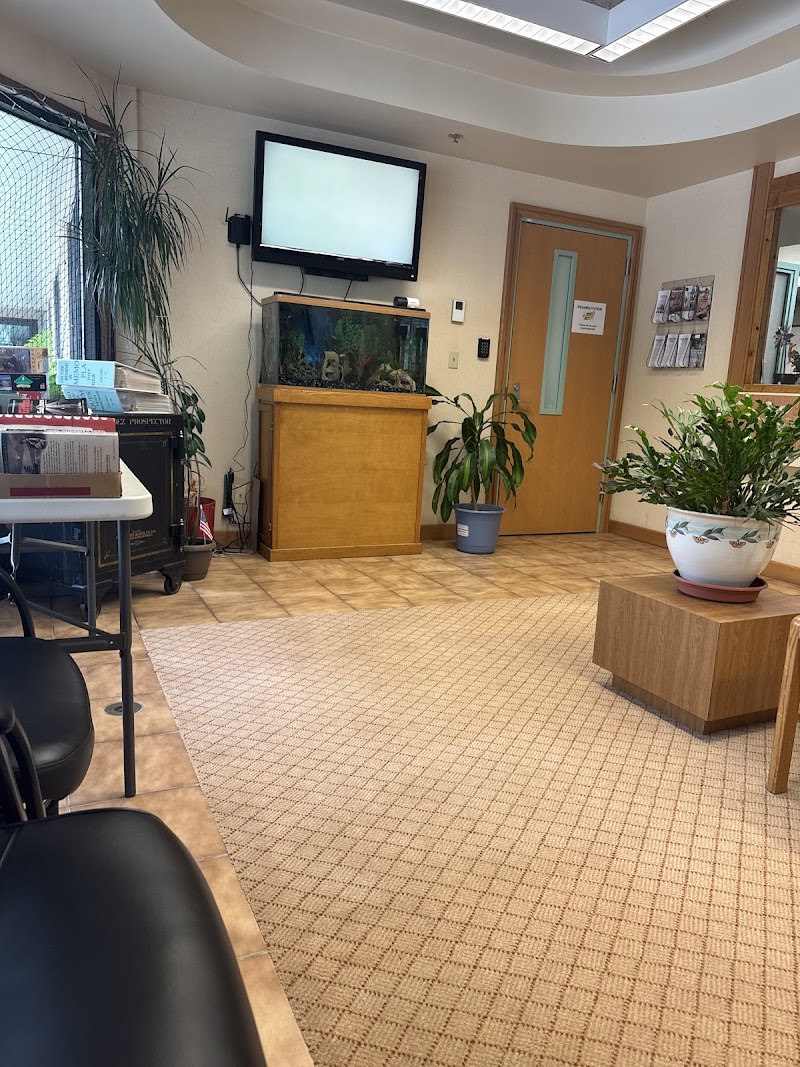
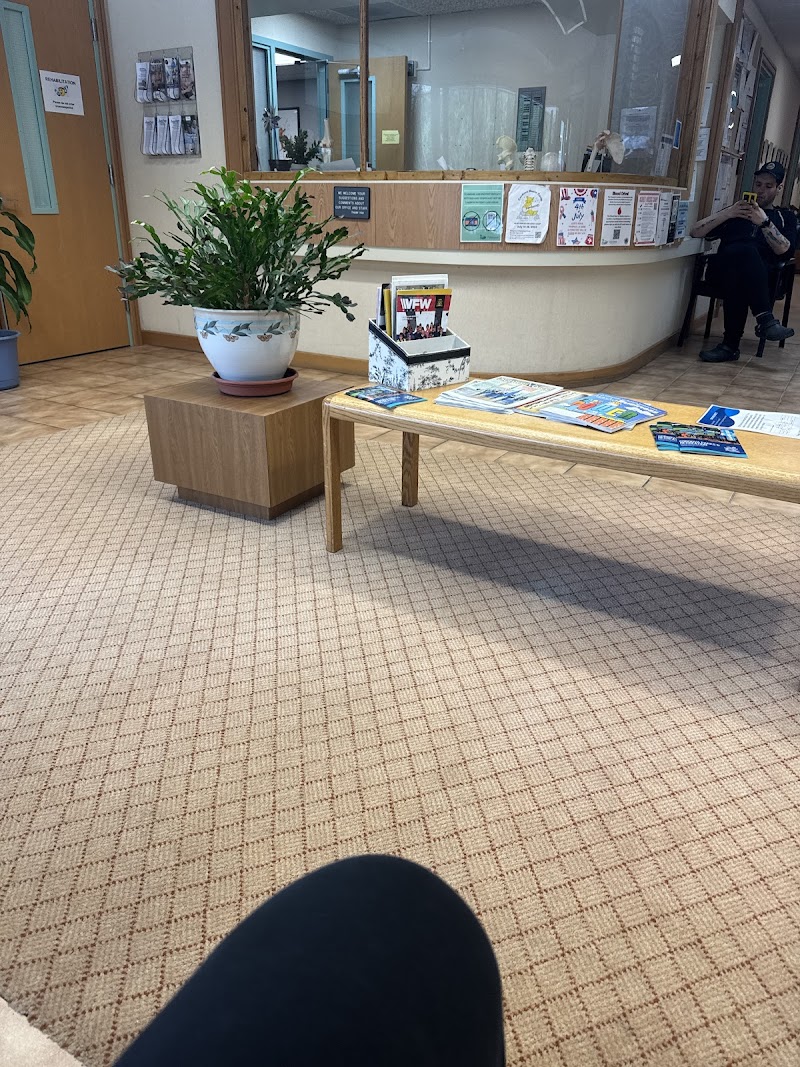
CORDOVA COMMUNITY MED LTC is owned by a government entity. Government-operated facilities are typically run by state, county, or municipal agencies. The facility operates independently rather than as part of a larger chain. With 10 certified beds and approximately 8 residents (about 80% occupancy), it is a smaller facility located in CORDOVA, Alaska.
How Does Cordova Community Med Ltc Compare to Other Alaska Nursing Homes?

Compared to the 100 nursing homes in Alaska, CORDOVA COMMUNITY MED LTC's overall rating (5 stars) is above the state average of 3.5, staff turnover (41%) is near the state average of 46%, and health inspection rating (4 stars) is above the national benchmark.

What Should Families Ask When Visiting Cordova Community Med Ltc?

Based on this facility's data, families visiting should ask: "Can I visit during a mealtime to observe dining assistance and food quality?" "How do you handle medical emergencies, and what is your hospital transfer rate?" "Can I speak with family members of current residents about their experience?"

Is Cordova Community Med Ltc Safe?

Based on CMS inspection data, CORDOVA COMMUNITY MED LTC has a clean safety record: no substantiated abuse findings (meaning no confirmed cases of resident harm), no Immediate Jeopardy citations (the most serious violation level indicating risk of serious injury or death), and is not on the Special Focus Facility watch list (a federal program monitoring the lowest-performing 1% of nursing homes). The facility has a 5-star overall rating and ranks #1 of 100 nursing homes in Alaska. While no facility is perfect, families should still ask about staff-to-resident ratios and recent inspection results during their visit.

Do Nurses at Cordova Community Med Ltc Stick Around?

CORDOVA COMMUNITY MED LTC has a staff turnover rate of 41%, which is about average for Alaska nursing homes (state average: 46%). Moderate turnover is common in nursing homes, but families should still ask about staff tenure and how the facility maintains care continuity when employees leave.

Was Cordova Community Med Ltc Ever Fined?

CORDOVA COMMUNITY MED LTC has no federal fines on record. CMS issues fines when nursing homes fail to meet care standards or don't correct problems found during inspections. The absence of fines suggests the facility has either maintained compliance or corrected any issues before penalties were assessed. This is a positive indicator, though families should still review recent inspection reports for the full picture.

Is Cordova Community Med Ltc on Any Federal Watch List?

CORDOVA COMMUNITY MED LTC is not on any federal watch list. The most significant is the Special Focus Facility (SFF) program, which identifies the bottom 1% of nursing homes nationally based on persistent, serious quality problems. Not being on this list means the facility has avoided the pattern of deficiencies that triggers enhanced federal oversight. This is a positive indicator, though families should still review the facility's inspection history directly.