SOUTH PENINSULA HOSPITAL LTC
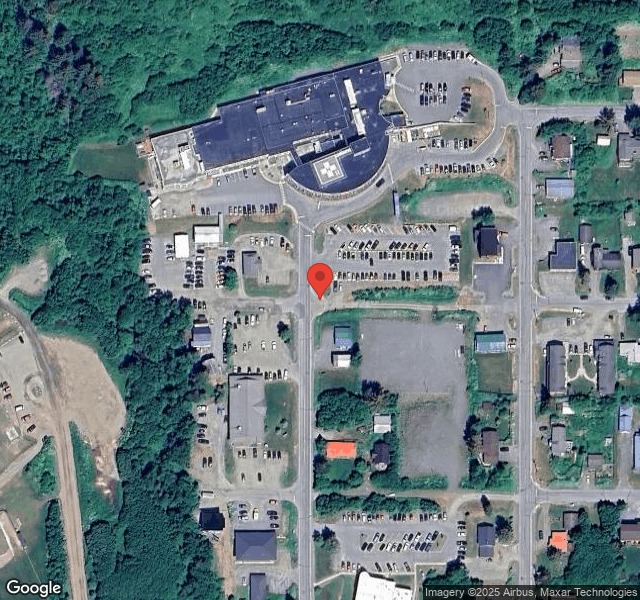
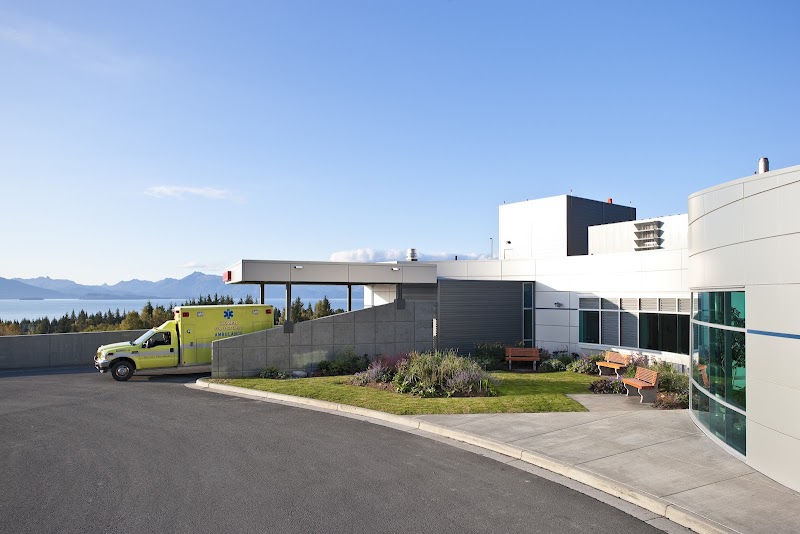
4300 BARTLETT STREET, HOMER, AK 99603 (907) 235-0235
Non profit - Corporation 28 Beds Independent Data: November 2025
Trust Grade
90/100
#5 of 20 in AK
Last Inspection: August 2024

Within standard 12-15 month inspection cycle. Federal law requires annual inspections.

Overview

South Peninsula Hospital LTC has received a Trust Grade of A, indicating it is excellent and highly recommended for families seeking care. It ranks #5 out of 20 nursing homes in Alaska, placing it in the top half of facilities in the state, and is the best option among the three facilities in Kenai Peninsula County. The facility's trend is stable, with the same number of issues reported in both 2023 and 2024. Staffing is a strong point, with a 5-star rating and 35% turnover, significantly lower than the state average, meaning staff are likely to stay longer and build relationships with residents. However, there are some concerns: several incidents involved food safety practices that could put residents at risk for foodborne illness, such as improperly labeled food and meals served at inappropriate temperatures, along with a failure to report allegations of abuse in a timely manner. Despite these weaknesses, the absence of fines and strong staffing indicate a commitment to resident care.

Trust Score
A
90/100
In Alaska
#5/20
Top 25%
Safety Record
Low Risk
No red flags
Inspections
Holding Steady
2 → 2 violations
Staff Stability
○ Average
35% turnover. Near Alaska's 48% average. Typical for the industry.
Penalties
✓ Good
No fines on record. Clean compliance history, better than most Alaska facilities.
Skilled Nurses
✓ Good
Each resident gets 142 minutes of Registered Nurse (RN) attention daily — more than 97% of Alaska nursing homes. RNs are the most trained staff who catch health problems before they become serious.
Violations
○ Average
9 deficiencies on record. Average for a facility this size. Mostly minor or procedural issues.
★★★★★
5.0
Overall Rating
★★★★★
5.0
Staff Levels
★★★☆☆
3.0
Care Quality
★★★★☆
4.0
Inspection Score
Stable
2023: 2 issues
2024: 2 issues

The Good

  • 5-Star Staffing Rating · Excellent nurse staffing levels
  • Full Sprinkler Coverage · Fire safety systems throughout facility
  • No fines on record
  • Staff turnover below average (35%)

    13 points below Alaska average of 48%

Facility shows strength in staffing levels, fire safety.

The Bad

Staff Turnover: 35%

10pts below Alaska avg (46%)

Typical for the industry

The Ugly 9 deficiencies on record

Aug 2024 2 deficiencies
CONCERN (F)

Potential for Harm - no one hurt, but risky conditions existed

Food Safety (Tag F0812)

Could have caused harm · This affected most or all residents

**NOTE- TERMS IN BRACKETS HAVE BEEN EDITED TO PROTECT CONFIDENTIALITY** . Based on observations, interview, and record review the facility failed to ensure storage and preparation of food in accordanc...

Read full inspector narrative →
**NOTE- TERMS IN BRACKETS HAVE BEEN EDITED TO PROTECT CONFIDENTIALITY** . Based on observations, interview, and record review the facility failed to ensure storage and preparation of food in accordance with professional standards for food service safety for 24 residents (#1, #2, #3, #4, #5, #6, #7, #8, #9, #10, #11, #12, #13, #14, #15, #16, #17, #18, #19, #20, #21, #23, #24, #25) out of 25 residents who received meals from the kitchen. This failed practice placed all residents at risk to receive contaminated food and placed these 24 residents at risk of foodborne illnesses. Findings: Food Storage: During an initial tour of the kitchen, on 8/19/24 at 11:03 AM, revealed in the stand-alone refrigerator near the preparation station in the main kitchen, unlabeled food items were stored such as: one unlabeled bag of frozen breaded items resembling chicken, one unlabeled bag of frozen breaded items resembling Chicken Cordon Blue, one unlabeled brown bag resembling frozen potato fries, one unlabeled rectangular container of what appeared to be pre-made chicken salad wrapped in saran wrap. During an interview on 8/19/24 at 11:10 AM, [NAME] #1 stated he/she thought the salad is a mystery salad referring to the chicken salad and that the other items were unlabeled prior to his/her arrival: I just started my shift, it's my Monday . have no idea of what's going on in these fridges. An observation on 8/19/24 at 11:15 AM, revealed in the walk-in refrigerator #1, expired and dented food items were stored such as: one package of Almond Original Milk Barista had an open date 7/12/24, which should have been discarded one month after this date, and one dented package (roughly 1 inch wide of the lower portion of this package) of 100% Prune Juice. An observation on 8/19/24 at 11:19 AM, revealed in the walk-in refrigerator #2 unlabeled, moldy, and uncovered vegetables were stored such as: one unlabeled bag of multicolor shredded carrots, one package of several strawberries with mold (roughly 0.5 inches of mold spread through each strawberry in the package), two yellow bell peppers with mold (roughly 0.5 inches of mold at the bottom of both peppers), eight green cabbage heads with mold (roughly 1.5 inches of mold unevenly spread), one tray containing seven uncovered peeled [NAME]. An observation on 8/19/24 at 11:25 AM, revealed in the dry storage, one package of Pretzel salt with a compromised, cracked lid and punctured package's seal, and seven containers of Grey Poupon Dijon Mustard each with an expiration date of 8/11/24. An observation on 8/19/24 at 11:30 AM, in the walk-in freezer #1, revealed boxes of food were stacked up to the ceiling such as: seven boxes of Jumbo Beef Ravioli, five boxes of Tricolor Cheese Tortellini, three boxes of Ground [NAME], two boxes of Beyond Burger, and seventeen card boxes of different frozen foods. The boxes were stacked about in some cases 0.5 to 6 inches from the ceiling and in other cases touching the ceiling with the top lid being open that could compromise air circulation inside the refrigerator. During an interview on 8/20/24 at 2:05 PM, the Kitchen Manager acknowledged the surveyors' concerns regarding all the above-mentioned items, agreeing to remove all perished and expired items as well as addressing these findings with the lack of labeling in the upcoming Thursday huddle meeting, to which surveyors were provided a copy of the minutes after it happened. At the same interview, on 8/20/24 at 2:05 PM, the KM acknowledged that frozen food items were stack up to the ceiling and stated [he/she] was aware of the policy, but they just have to organize it better. Under no circumstance should there be stacking, and we will fix it immediately. During an interview on 8/22/24 at 9:30 AM, the Dietary Manager (DM) stated, the hospital has an 18 inches clearance policy for items to be off the ceiling; it's standard practice that if there is a sprinkler in the room, everything in the room has to be 18 inches cleared off the ceiling; the walk-ins are considered individual small rooms. She/he also added that magnetic blue tape has been purchased for it to stick to the freezer walls and then it's visible it marks the limits. Review of the checklist titled Environmental Safety Rounds, dated 11/19/13, revealed: Items are stored at least 18 inches clearance around sprinkler heads. Review of the policy and procedure titled: Job Safety Observations and Environmental Safety Rounds, last revised on 7/28/22, revealed, . Job safety observations will be conducted by department staff, with peer-to-peer observation and documentation of correct or incorrect performance of the targeted procedure. Review of the document Huddle Notes, dated 8/22/24, revealed: Fire code states there must be a clearance of 18 inches from finished ceiling height in a space to the top of shelving/products. This is including coolers and freezers; Hairnets or a clean hat, and beard nets, are required when in the kitchen. If there are any stray hair/ponytails it must be restrained; Watch out for, and dispose of, moldy or rancid produce/leftovers, and out of date food items. Use of Hairnet: During an observation on 8/19/24 at 11:00 AM, [NAME] #1 was observed to be in the kitchen preparing food at a prep table. [NAME] #1 was observed to have a cap on that covered the top half of his/her head. [NAME] #1's hair was observed to be tied back into a short ponytail about 1 ½ inches long and 1 inch wide. The bottom section of the hair, both on the sides of the head and rear of the head, were not covered with a hairnet. During an interview on 8/20/24 at 2:00 PM, the KM stated that hair should be completely covered with a hair net or a cap. During an interview on 8/22/24 at 9:45 AM, the DM stated that hair not completely covered with a hair net, or a cap was a concern and would be addressed. This was verified on the following days surveyors were on site. The DM stated, We follow the Serv-Safe course for food handlers and these hair nets are a part of the attire, we go through it in every orientation checklist to the kitchen with every employee. Review of the document Nutrition Services Department Orientation Check Off sheet, dated 10/17/23 and 4/16/24 , for both cooks (#1 and #2) revealed signed documents acknowledging New hire will dress in appropriate department uniform when ordered and has arrived for use, respectively signed by the employees on 10/17/23 for [NAME] #1 and 4/16/24 for [NAME] #2. Review of the document provided by the DM titled The Safe Food Handler - table 3.2: Work Attire Guidelines, undated, regarding Hair Restraints: wear a clean hat or other restraint when in a food-prep area. This can keep hair from falling into food and onto food-contact surfaces; Do NOT wear hair accessories that could become physical contaminants. Hair accessories should be limited to items that keep hands out of hair and hair out of food.
MINOR (C)

Minor Issue - procedural, no safety impact

Deficiency F0568 (Tag F0568)

Minor procedural issue · This affected most or all residents

Based on interview and record review, the facility failed to ensure full and complete accounting of personal funds were reported quarterly to all 25 residents (#s 1, 2, 3, 4, 5, 6, 7, 8, 9, 10,11,12, ...

Read full inspector narrative →
Based on interview and record review, the facility failed to ensure full and complete accounting of personal funds were reported quarterly to all 25 residents (#s 1, 2, 3, 4, 5, 6, 7, 8, 9, 10,11,12, 13, 14, 15, 16, 17, 18, 19, 20, 21, 22, 23, 24, 26) out of 25 residents residing at the facility, or their representatives with personal funds being managed by the facility. This failed practice denied the residents and/or representatives the right to be informed of a detailed accounting of their personal funds. Findings: During a joint interview on 8/21/24 at 4:09 PM with Account Specialist (AS) #1, Business Office Supervisor (BOS), Activities Coordinator (AC), Director of Nursing (DON), and Social Worker (SW), AS #1 stated the facility managed the residents' personal funds. The BOS stated each resident had an individual personal fund account recorded in Point Click Care (PCC). She stated all residents' personal funds were deposited in one trust account at the bank. The trust account was an interest-bearing account. The interest would be divided based on the individual accounts of the residents. The monthly statements were sent to the resident or representatives. When asked if the residents could withdraw money from their personal fund accounts, AS #1 stated yes, the resident could request for withdrawal through a petty cash account at any time. The resident would submit a receipt of their expenditures to AS #1, and then the AS #1 would record the expenses in the resident's individual trust account. During an interview on 8/22/24 at 1:46 PM, when asked to explain the account statements, AS #1 stated the facility would send monthly statements to the residents and/or representatives. AS #1 confirmed the trust balance was listed, but the following withdrawal transactions: for example: massages, outings, haircuts and shopping money, were not included. He/She stated residents could get the details of the withdrawal transactions/expenditures if they requested it. When asked if the interest was included in the statement, AS #1 stated no, only the trust balance was in the statement. During an interview on 8/23/24 at 10:10 AM, when asked to define the difference between trust accounts and personal fund accounts, the BOS stated trust accounts meant personal funds. The BOS also confirmed that the trust balance listed in the monthly statements of account would mean personal funds account. In the same interview, the BOS confirmed that personal funds were deposited into one bank account. The bank account had an interest-accruing component, and the interest was distributed to each resident's trust account and recorded in Point Click Care. When asked what accounting principles the business office used, the BOS stated accounting principles meant complete itemized statements. When asked to specify what complete itemized meant, she stated credits (an entry recording a sum received), debits (an entry recording an amount owed), expenditures, current balance and interest would be included in the statements of account. Review of the monthly statements of resident accounts, from May to August 2024, for Resident #s 1, 2, 3, 4, 5, 6, 7, 8, 9, 10,11,12, 13, 14, 15, 16, 17, 18, 19, 20, 21, 22, 23, 24, 26, revealed the statements only reflected the payments and balances due for costs of care. Further review revealed, the trust balance was listed on the statements, but the full and complete accounting of the trust funds (personal funds), including credits, debits, and interest accrued, were not listed. During an interview on 8/23/24 on 10:56 AM with AS #1 through phone interview in the presence of BOS in the room, when asked if he/she sent quarterly statements to the resident or its representatives, AS #1 stated he/she provided monthly statements with complete accounting of the personal funds to one resident representative, because Resident #6's Power of Attorney (POA) wanted to know of every penny spent. AS #1 stated, nobody else requested it; therefore, he/she just sent all other residents and/or representatives a monthly statement that showed the trust account balance. Further review of the statements of account revealed only Resident #6 had expenses listed. Review of the facility's policy Management of Resident Personal Funds by LTC [Long Term Care] and PFS [Patient Financial Services] Department, dated 5/16/24, revealed: .POLICY: A. In accordance with .483.10 (f)(10)(iii) Accounting and Records (F568): 1.PFS on behalf of the facility and its Residents will: a) Establish and maintain a system that assures a full and complete accounting , according to generally acceptable accounting principles. c) The individual financial record will be available to the resident through quarterly statements and upon request. PROCEDURE: A. Residents Accounts . 3. The PFS staff will set up an individual interest-bearing account for funds in excess of $50.00 (fifty). All interest earned must be credited to that account. 6. PFS will assure that the Resident and/or her/his financial POA will receive minimally, a quarterly accounting of the money held in trust in the Resident's personal account. .
May 2023 2 deficiencies
CONCERN (D)

Potential for Harm - no one hurt, but risky conditions existed

Unnecessary Medications (Tag F0759)

Could have caused harm · This affected 1 resident

. Based on record review, observation and interview, the facility failed to ensure their medication error rate was below 5%. Specifically, errors for 3 out of 27 medication opportunities during medica...

Read full inspector narrative →
. Based on record review, observation and interview, the facility failed to ensure their medication error rate was below 5%. Specifically, errors for 3 out of 27 medication opportunities during medication administration review resulted in a 11% error rate. This failed practice placed 2 residents (#'s 77 and 18) at risk for adverse effects. Findings: Resident #77: Record review from 5/8-12/23 revealed Resident #77 was admitted to the facility with diagnoses that included dementia and hypothyroidism. Review of Resident #77's current Physician's Orders revealed an order for Levothyroxine Sodium Oral Tablet [Synthroid-a thyroid medication] 75 mcg [micrograms] .one time a day related to HYPOTHYROIDISM, UNSPECIFIED. During an observation on 5/10/23 at 8:50 AM, Licensed Nurse (LN) #3 began preparing Resident #77's morning medications, which included the Levothyroxine Sodium Oral Tablet. The Resident was observed to be seated in the dining room eating his/her breakfast when LN #3 administered the medications to the resident. During an interview on 5/11/23 at 10:42 AM, when asked the recommended administration time for the levothyroxine medication, Pharmacist #1 stated the medication should have been given on an empty stomach. When asked the risk of taking the medication during a meal, the Pharmacist stated the medication would have been absorbed differently, and the electronic medication record (eMAR) should have included the recommendation for the medication to be given on an empty stomach. Further review of Resident #77's current Physician's Orders revealed no recommendations for the Levothyroxine medication. During an interview on 5/11/23 at 1:37 PM, Pharmacist #2 clarified if a Resident was to take the levothyroxine medication at the same time every day and that time was during a meal, then it would have been okay to give that medication with food, if it was consistently given that way. During a second observation on 5/11/23 at 9:40 AM, Resident #77 was observed to be seated at the dining room table. LN #2 delivered the Resident's medications, which included the levothyroxine medication. During an interview on 5/11/23 at 2:19 PM, LN #1 stated Resident #77 had a snack at 4:30 AM that morning, and then ate his/her breakfast at 8:00 AM. Review of HIGHLIGHTS OF PRESCRIBING INFORMATION, revised 10/2022, accessed at https://www.rxabbvie.com/pdf/synthroid.pdf revealed Administer SYNTHROID as a single daily dose, on an empty stomach, one-half to one hour before breakfast. Resident #18: Record review from 5/8-12/23 revealed Resident #18 was admitted to the facility with diagnoses that included heart failure and hypertension. Review of Resident #18's current Physician's Orders revealed an order for Losartan Potassium Tablet [blood pressure medication] 50 mg [milligrams] .one time a day related to HYPERTENSIVE HEART AND CHRONIC KIDNEY DISEASE WITH HEART FAILURE . During an observation and interview on 5/11/23 at 9:28 AM, LN #2 was preparing Resident #18's morning medications. The LN prepared 25 mg of Losartan Potassium Tablet and administered the incorrect dose to Resident #18. After the medication pass for Resident #18 was completed, the LN was made aware of the error and verified the incorrect dosage was given to the resident. Further Review of Resident #18's current Physician's Orders revealed an order for Ferrous Sulfate Syrup [iron supplement] and Levothyroxine Sodium Tablet. During an observation on 5/11/23 at 9:28 AM, LN #2 was preparing Resident #18's morning medications which included the Ferrous Sulfate Syrup and Levothyroxine Sodium Tablet. The resident was observed to take his/her morning medications at the same time, including the Ferrous Sulfate syrup and Levothyroxine tablet. Review of HIGHLIGHTS OF PRESCRIBING INFORMATION, revised 10/2022, accessed at https://www.rxabbvie.com/pdf/synthroid.pdf revealed: Concurrent use may reduce the efficacy of SYNTHROID by binding and delaying or preventing absorption, potentially resulting in hypothyroidism .Phosphate Binders (e.g., .ferrous sulfate .) .may bind to levothyroxine. Administer SYNTHROID at least 4 hours apart from these agents.
CONCERN (F)

Potential for Harm - no one hurt, but risky conditions existed

Deficiency F0804 (Tag F0804)

Could have caused harm · This affected most or all residents

**NOTE- TERMS IN BRACKETS HAVE BEEN EDITED TO PROTECT CONFIDENTIALITY** . Based on observation, interview, and record review, the facility failed to ensure food was served at a palatable temperature. ...

Read full inspector narrative →
**NOTE- TERMS IN BRACKETS HAVE BEEN EDITED TO PROTECT CONFIDENTIALITY** . Based on observation, interview, and record review, the facility failed to ensure food was served at a palatable temperature. This failed practice had the potential to place all residents, based on a census of 25, at risk for poor nutrition due to foods served outside of palatable temperatures. Findings: During an observation beginning in the main kitchen on 5/8/23 at 12:20 PM, [NAME] #1 placed all the food from the steam table onto a cart and delivered the food to the Long-Term Care (LTC) kitchen. Upon reaching the LTC kitchen he/she washed his/her hands, put on gloves, prepared a pail of bleach water, wiped the steam table and placed the pans from the cart onto the steam table. He/she removed gloves, sanitized his/her hands and put on new gloves. Then, the cook began plating food according to each resident's diet card. The [NAME] did not check the temperature of the food which included mechanically altered food such as pork, potato, gravy, and soup. During an interview on 5/8/23 at 1:10 PM, Resident #17 stated the chicken was cold on his/her lunch tray. During an interview on 5/8/23 at 3:16 PM, Resident #17 stated a lot of time the food was served cold, especially the meat. The Resident further stated the potato was hot, but the meat was cold during lunch on 5/8/23. During an interview on 5/9/23 at 10:50 AM, Resident #14 stated sometimes the food was cold when it was served. During an interview on 5/9/23 at 12:00 PM, when asked the procedure to check the temperature of the food, [NAME] #1 stated he/she would have checked the temperature of the food before placing the food in the steam table and would have recorded the temperature in the log. When asked if he/she checked the temperature of the food at the LTC kitchen steam table on 5/8/23, the [NAME] stated he/she did not check the temperature of the food during lunch on 5/8/23. During an interview on 5/10/23 at 12:40 PM, the Nutrition Services Manager (NSM) stated food temperatures should have been checked 3 times during the food preparation process. The food temperature should have been checked: 1) before taking the food from the oven; 2) in the steam table in the main kitchen; 3) after the food was delivered to LTC kitchen. The NSM stated after each temperature check, the temperature should have been recorded in the hot line log. She also stated the current log had two temperature readings for acute care and LTC recorded and she planned to revise the log to add a temperature check before taking the food from the oven. Pureed food: An observation on 5/9/23 at 11:25 AM revealed [NAME] #1 prepared the following pureed food: -pureed open faced roast beef sandwich The [NAME] pureed together a slice of bread, mashed potato, slices of roast beef, gravy, and a cup of hot tap water in the blender. Then, the cook poured the pureed food in the bowl, then placed the bowl in the steam table. The [NAME] did not check the temperature of the pureed food. -pureed baked vegetables The [NAME] pureed the baked vegetables with one-half cup of hot tap water in the blender. Then, the cook poured the pureed food in a bowl, then placed the bowl in the steam table. The [NAME] did not check the temperature of the pureed food. -pureed rockfish The [NAME] pureed the rockfish with one-half cup of hot tap water in the blender. Then, the cook poured the pureed food in a bowl, then placed the bowl in the steam table. The [NAME] did not check the temperature of the pureed food. -pureed mashed potatoes The [NAME] pureed mashed potatoes with one-half cup of hot tap water in the blender. Then, the cook poured the pureed food in a bowl, then placed the bowl in the steam table. The [NAME] did not check the temperature of the pureed food. During an interview on 5/9/23 at 12:00 PM, [NAME] #1 stated he/she was not taught to check the temperature of the pureed food. This surveyor asked [NAME] #1 to check the temperature of the pureed food in the steam table. The [NAME] stated the food must have been cooled down after pureeing it. The temperature checks revealed: Pureed mashed potato- 132 degrees F, Pureed baked vegetables- 136 degrees F Pureed open faced roast beef sandwich - 132 degrees F Pureed rock fish- 123 degrees F Record review on 5/9/23 at 12:30 PM of TRACKING FORM: ACUTE & LTC HOT LINE DAILY REPORT, revealed the recommended temperatures for the following: Vegetables - 160 degrees F; Roast Beef- 130-145 degrees F; Beef, Pork, Fish- 145 degrees F During an interview on 5/10/23 at 12:40 PM, when asked if the pureed food temperature should have been recorded, the NSM stated the procedure for checking the food temperature was the same in all food types including mechanically altered/pureed food and liquids. The NSM further stated that if the food temperature was not within the set parameters, the food should have been reheated. Food heated in the microwave During an observation and interview on 5/9/23 at 11:25 AM, [NAME] #1 opened a can of cream of chicken soup, poured the soup in a bowl, and heated the soup in the microwave. Then, the cook left to get the fish from the oven and transferred the fish to the steam table. The [NAME] returned to the microwave and reheated the soup again without checking the temperature. The [NAME] removed the bowl from the microwave, covered it, labeled the lid, and then placed the bowl in the steam table. The [NAME] did not check the temperature of the reheated soup. When asked the amount of time he/she reheated the cream of chicken soup in the microwave, the [NAME] stated he/she reheated the soup for 1 and a half minutes. When asked the temperature of the reheated cream of chicken soup, the [NAME] stated he/she did not check the temperature. This surveyor asked the [NAME] to check the temperature. The temperature read 158 degrees F. Further review of TRACKING FORM: ACUTE & LTC HOT LINE DAILY REPORT, revealed the recommended temperatures for the soup was 165 degrees F. During an interview on 5/10/23 at 12:40 PM, when asked what the temperature parameters for heating canned soup in the microwave, the NSM stated the soup should have been heated to 165 degrees F. She further stated the food should have been reheated once, and the [NAME] should have started over, using a new can of soup instead of reheating a second time. Review of the facility's policy Reheating liquids, dated 4/4/19, revealed: .any liquid that is re-heated must be temperature checked . Review of the Centers for Disease Control and Prevention (CDC), Four Steps to Food Safety: Clean, Separate, Cook, Chill, [NAME] to the right temperature, dated 3/24/23. Accessed at https://www.cdc.gov/foodsafety/keep-food-safe.html, revealed: .Microwave food thoroughly .when reheating, use a food thermometer to make sure that microwaved food reaches 165°F. Review of the Food and Drug Administration Food Code 2022, dated 1/18/23. Accessed at https://www.fda.gov, revealed: . TIME/TEMPERATURE CONTROL FOR SAFETY FOOD reheated in a microwave oven for hot holding shall be reheated so that all parts of the FOOD reach a temperature of at least 74oC (165oF) and the FOOD is rotated or stirred, covered, and allowed to stand covered for 2 minutes after reheating . Test Tray On 5/9/23 at 11:25 AM, the surveyor requested a test tray from the LTC kitchen. During an observation on 5/9/23 at 1:35 PM, two test trays were delivered from the LTC kitchen to room [ROOM NUMBER] [this room was used by the surveyors]. The first test tray had a regular meal consisting of fish covered with gravy, mashed potatoes and gravy, roasted vegetables, and a bowl of orange-colored soup. The second test tray had a chopped meal plate consisting of hamburger in gravy on soft bread, mashed potatoes, and vegetables. At 1:37 PM, the surveyor tasted the food on the tray. The soup, fish and hamburger with gravy were cool to the taste and not at a palatable temperature. Review of the facility's policy, Meal Service for Long Term Care Residents, dated 9/9/21, revealed, Each Resident receives, and the facility provides food prepared by methods that conserve nutritive value, flavor & appearance; and . at proper temperature . .
Nov 2021 5 deficiencies
CONCERN (D)

Potential for Harm - no one hurt, but risky conditions existed

Free from Abuse/Neglect (Tag F0600)

Could have caused harm · This affected 1 resident

**NOTE- TERMS IN BRACKETS HAVE BEEN EDITED TO PROTECT CONFIDENTIALITY** . Based on interview, record review, and review of the facility policy, the facility failed to ensure residents were free from a...

Read full inspector narrative →
**NOTE- TERMS IN BRACKETS HAVE BEEN EDITED TO PROTECT CONFIDENTIALITY** . Based on interview, record review, and review of the facility policy, the facility failed to ensure residents were free from abuse for two of 13 residents (Resident #1 and Resident #2). Resident #1 and Resident #2 were involved in a resident-to-resident altercation. Findings: Review of the facility's policy titled Abuse, Neglect, Exploitation, and Misappropriation of Property- Identifying, Reporting, and Investigating revised 12/21/2020, revealed Definition(s) Abuse: The willful infliction of injury, unreasonable confinement, intimidation, or punishment with resulting physical harm, pain, or mental anguish. Physical Abuse: includes hitting, slapping, pinching, and kicking. It also includes controlling behavior through corporate punishment . All residents .have the right to be free from abuse .This includes but is not limited to freedom from corporal punishment, involuntary seclusion, verbal, mental, sexual, or physical abuse . Review of Resident #1's undated admission Record under the Profile tab in the electric medical record (EMR) revealed Resident #1 was admitted to the facility on [DATE] with diagnoses which included vascular dementia without behavioral disturbance and Alzheimer's disease. Review of Resident #1's quarterly Minimum Data Set (MDS) with an assessment reference date (ARD) of 10/15/21, located in the resident's EMR under the MDS tab revealed Resident #1 had a Brief Interview Mental Status (BIMS) score of 10 out of 15, which indicated the resident was moderately cognitively impaired. Review of Resident #1's Progress Notes dated 8/8/21, located in the resident's EMR under the Progress Notes tab revealed, Verbal altercation with another resident after dinner that escalated to physical (swinging/clawing at each other) in hallway. Review of Resident #2's undated admission Record under the Profile tab in the EMR revealed Resident #2 was admitted on [DATE] with diagnoses which included dementia with behavioral disturbance. Review of Resident #2's quarterly MDS with an ARD of 10/8/21, located in the resident's EMR under the MDS tab revealed Resident #2 had a BIMS score of nine out of 15, which indicated the resident was moderately cognitively impaired. Review of the facility's internal investigation report for an allegation of abuse between Resident #1 and Resident #2 revealed Incident Summary: .verbal altercation between two wheelchair- bound residents as it escalated to physical altercation in the hallway. Both residents were in route to their rooms (able to self- propel) following dinner. These two residents have been seen arguing in the day room in recent past and social worker has been involved . During an interview on 11/16/21 at 3:15 PM, Resident #1 was asked if he/she recalled the incident. Resident #1 stated, Yes. I was going to my room and as I went by, He/she called me a Son of a bitch. I told him I was not and hit him. During an interview on 11/17/21 at 10:43 am, the DON was asked about the incident. The DON stated he/she had worked the night that the resident-to-resident altercation occurred. The DON stated he/she did not actually see it at the time but heard a staff member yelling, Stop and ran over to the residents. When asked what he/she thought the cause was, the DON stated they thought it was because the two residents were from different tribes. The DON added, There had been issues in the past involving the two residents. .
CONCERN (D)

Potential for Harm - no one hurt, but risky conditions existed

Assessment Accuracy (Tag F0641)

Could have caused harm · This affected 1 resident

. Based on interview and record review, the facility failed to ensure the accuracy of Minimum Data Set (MDS) assessments for one of 14 residents (Resident #3) whose assessments were reviewed. The faci...

Read full inspector narrative →
. Based on interview and record review, the facility failed to ensure the accuracy of Minimum Data Set (MDS) assessments for one of 14 residents (Resident #3) whose assessments were reviewed. The facility failed to accurately assess the use of anticoagulant (blood-thinning) medication. Findings: Review of the Centers for Medicare and Medicaid Services Long-Term Care Facility Resident Assessment Instrument (RAI) 3.0 Manual, dated October 2019 revealed .The intent of the items in this section is to record the number of days, during the last 7 days (or since admission/entry or reentry if less than 7 days) that any type of injection, insulin, and/or select medications were received by the resident .Review the resident's medication administration records for the 7-day look-back period (or since admission/entry or reentry if less than 7 days). 2. Review documentation from other health care locations where the resident may have received injections while a resident of the nursing home (e.g., flu vaccine in a physician's office, in the emergency room - as long as the resident was not admitted ). 3. Determine if any medications were received by the resident via injection. If received, determine the number of days during the look-back period they were received .Medications are an integral part of the care provided to residents of nursing homes. They are administered to try to achieve various outcomes, such as curing an illness, diagnosing a disease or condition, arresting or slowing a disease's progress, reducing or eliminating symptoms, or preventing a disease or symptom. Residents taking medications in these medication categories and pharmacologic classes are at risk of side effects that can adversely affect health, safety, and quality of life. While assuring that only those medications required to treat the resident's assessed condition are being used, it is important to assess the need to reduce these medications wherever possible and ensure that the medication is the most effective for the resident's assessed condition . Review of Resident #3's admission MDS with an Assessment Reference Date (ARD) of 8/30/21, revealed that it documented the resident received an anticoagulant medication and had physical restraints for seven out of seven days during the assessment period. Review of the Physician Orders located in the Orders tab of the electronic medical record (EMR) revealed Resident #3's was administered Plavix (an antiplatelet medication and not an anticoagulant medication) 75 milligrams (mg) daily. In an interview on 11/16/21 at 1:25 PM, the MDS Coordinator was asked if he/she was aware that Plavix was an antiplatelet medication and not an anticoagulant. He/she stated he/she did not think to question the Plavix as an anticoagulant but agreed that it should not have been coded as such. .
CONCERN (D)

Potential for Harm - no one hurt, but risky conditions existed

Medication Errors (Tag F0758)

Could have caused harm · This affected 1 resident

**NOTE- TERMS IN BRACKETS HAVE BEEN EDITED TO PROTECT CONFIDENTIALITY** . Based on interview, record review, and facility policy review, the facility failed to ensure one resident (Resident #12) of fi...

Read full inspector narrative →
**NOTE- TERMS IN BRACKETS HAVE BEEN EDITED TO PROTECT CONFIDENTIALITY** . Based on interview, record review, and facility policy review, the facility failed to ensure one resident (Resident #12) of five residents reviewed for unnecessary medication, had an order for an as-needed (PRN) psychotropic medication (a medication that affects a person's mental state) that did not extend beyond 14 days, without a Stop Date as to the need for the PRN medication, as required. This failure placed the resident at risk of adverse side effects from unnecessary medications. Findings: Review of the facility's policy titled, Psychotropic Medication Use, revised 11/20/18, showed, .A psychotropic drug that affects the brain activities associated with mental processes and behavior .These drugs include, but are not limited to anti-psychotic, anti-depressant, antianxiety and hypnotics .PRN orders for psychotropic drugs are limited to 14 days. If the attending physician believes that it is appropriate for the PRN order to be extended beyond 14 days, he or she should document their rationale in the resident's medical record and indicate the duration for the PRN orders . Review of Resident #12's undated Face Sheet located in the Profile tab of the electronic medical record (EMR), revealed Resident #12 was admitted to the facility on [DATE] with diagnoses which include anxiety disorder. Review of Resident #12's annual Minimum Data Set (MDS) with an Assessment Reference Date (ARD) of 9/3/21, located in the MDS tab of the EMR, revealed Resident #12 was administered an antianxiety medication daily during the assessment period. Review of Resident #12's Physician Orders located in the Orders tab of the EMR, revealed the physician had prescribed lorazepam (an antianxiety medication) 0.5 milligrams (mg) every eight hours as needed (PRN) for anxiousness on 8/18/21. The order did not contain a Stop Date, as required. During an interview on 11/16/21 at 5:11 PM, the Assistant Director of Nursing (ADON) was asked if he/she was aware that PRN psychotropic medications required a Stop Date. He/she stated he/she was not aware the PRN psychotropic medications required a Stop Date. During an interview on 11/17/21 at 12:48 PM, the Pharmacist stated that he/she reviewed the monthly medication records and checked to ensure that PRN's have an expected duration, however, he/she was not aware that psychotropic medications required a Stop Date. .
CONCERN (E)

Potential for Harm - no one hurt, but risky conditions existed

Report Alleged Abuse (Tag F0609)

Could have caused harm · This affected multiple residents

. Based on interview, and record review the facility failed to report allegations of abuse to the Administrator and State Survey Agency (SSA) immediately, but not later than two hours; and failed to r...

Read full inspector narrative →
. Based on interview, and record review the facility failed to report allegations of abuse to the Administrator and State Survey Agency (SSA) immediately, but not later than two hours; and failed to report findings of their investigations within five working days of the allegations for four of four sampled residents reviewed for abuse/neglect (Resident #1, Resident #2, Resident #3, and Resident #117). This failed practice placed the residents at risk for potential abuse and/or neglect. Findings: Review of the facility's policy titled, Abuse, Neglect, Exploitation, and Misappropriation of Property-Identifying, Reporting, and Investigating, Revised 11/17/21, revealed, .An alleged violation of abuse, neglect, exploitation or mistreatment (including injuries of unknown source and misappropriation of resident property) will be reported immediately, but not later than: two (2) hours if the alleged violation involves abuse OR has resulted in serious bodily injury; or twenty-four (24) hours if the alleged violation does not involve abuse AND has not resulted in serious bodily injury .The Administrator, or his/her designee, will provide the appropriate agencies or individuals listed above with a final written report of the findings of the investigation within five (5) working days of the occurrence of the incident . Resident #1: Review of the facility's internal investigation report for an allegation of abuse involving Resident #1, dated 7/19/21, revealed Incident Summary: Resident [Resident #1 by name] was involved with an incident with CNA [by name] during lunch, Saturday 7/17 [7/17/21]. One staff member believes resident dropped his fork and asked CNA to pick it up, who said it could wait while he/she finished another task. Another staff member believes resident was attempting to pick it up himself and continue to use it, and CNA intervened. What staff does agree on, however, is that the incident escalated and [name of resident] began to yell and curse at [CNA by name]. he/she raised her voice back and got her face close to his/her (he/she is in a wheelchair). Another CNA intervened by taking the resident to his/her room. During an interview on 11/16/21 at 1:58 PM, the Director of Nursing (DON) was asked about the incident. The DON stated it occurred on a Saturday 7/17/21. The DON stated he/she was not aware of the alleged abuse until Monday 7/19/21. The DON was asked how he/she found out about the alleged abuse. The DON stated he/she received an e-mail from one of the CNA's that worked that day. The DON was asked if he/she was aware that the alleged abuse should have been reported with a two-hour time frame after the alleged abuse occurred. The DON stated, I have never done that. I did not know that. During an interview on 11/16/21 at 3:21 PM, the consulting Administrator stated the Abuse Coordinator was the DON, was clinically responsible, and usually ran the first report within 24 hours. Resident #s 1 and 2 Review of the facility's internal investigation report for an allegation of abuse between Resident #1 and Resident #2 dated 8/9/21 revealed Incident Summary .verbal altercation between two wheelchair- bound residents as it escalated to physical altercation in the hallway. Both residents were in route to their rooms (able to self- propel) following dinner. These two residents have been seen arguing in the day room in recent past and social worker has been involved . During an interview on 11/17/21 at 10:16 am, the ADON (Assistant Director of Nursing) stated the facility did not send in the initial report to State Agency (SA) of the resident-to-resident altercation until today when the facility realized the report did not go through back in August. Resident # 3: Review of Resident #3's undated Face Sheet revealed Resident #3 was admitted to the facility with a diagnosis of a stroke. Review of the facility's Final Report of Harm, dated 10/9/21, provided to the survey team by the Director of Nursing (DON), showed the date and time of the incident was 10/2/21 at 10:00 PM. The incident summary showed that, Resident (and daughter, subsequently) alleged that a CNA [Certified Nursing Assistant] #2 refused to toilet resident while he/she was in recliner in the day room one night. Resident #3 reportedly had two episodes of incontinence and accused CNA of roughly repositioning him/her, telling him/her to be quiet, and threatening to have him/her kicked out of the facility. According to the fax transmission report of the facility's 5-day completed investigation, dated 10/11/21 at 12:39 PM, showed only the Long-Term Ombudsman (LTC Ombudsman) was notified and not the State Agency (SA) as required. During an interview on 11/16/21 at 12:56 PM, the DON stated that when the initial report was faxed, it went to both the State Agency and the LTC Ombudsman however, when the final report was faxed, it was only faxed to the Ombudsman and not the SA, as required. Resident #117: Review of Resident #117's undated Face Sheet revealed Resident #117 was admitted to the facility with diagnoses that included dementia and diabetes. Review of the facility's Final Report of Harm, which showed an allegation of Other, provided to the survey team by the DON, showed a Date of Initial Report of 8/13/21 at 2:00 PM. The Incident Summary documented, Resident was found to have a blanchable reddened area to her/his toe approximately two months ago. Despite multiple interventions and frequent observation, including weekly rounds by a wound care nurse, the resident underwent an unsuccessful surgical debridement and required an amputation of the toe on Friday, August 13, 2021. A fax cover sheet, dated 08/16/21, showed that both the SA and the LTC Ombudsman were to be notified of the final report however, the fax transmission sheet showed only the LTC Ombudsman was notified. In an interview on 11/16/21 at 4:30 PM, the DON stated that only the LTC Ombudsman was notified of the 5- day findings, and the report was never sent to the SA. .
CONCERN (E)

Potential for Harm - no one hurt, but risky conditions existed

Investigate Abuse (Tag F0610)

Could have caused harm · This affected multiple residents

. Based on facility policy review, record review, and interview the facility failed to ensure allegations of abuse and/ or neglect were thoroughly investigated, and a 5-Day investigation report was su...

Read full inspector narrative →
. Based on facility policy review, record review, and interview the facility failed to ensure allegations of abuse and/ or neglect were thoroughly investigated, and a 5-Day investigation report was submitted to the State Agency for three of four sampled residents reviewed for abuse and/or neglect (resident #s 1, 2 and 3). The failure to complete a thorough investigation of potential abuse and/or neglect and report the resulting investigation to the State Agency, places residents at risk of harm from abuse and/or neglect. Findings: Review of the facility's policy titled Abuse, Neglect, Exploitation, and Misappropriation of Property- Identifying, Reporting, and Investigating revised 12/21/2020, revealed, . Procedure: II. Management of Suspected Abuse. C. An alleged violation of abuse . will be reported immediately, but no later than: i) Two (2) hours if the alleged violation involves abuse . 2. Role of the Licensed Nursing Home Administrator (LNHA): . D. The LTC Director, with the approval from the LNHA, will work collaboratively with Human Resources and suspend immediately any employee who has been accused of the resident abuse, neglect, pending the outcome of the investigation. The employee will be placed in administrative leave and will remain in leave until the investigation is complete . 3. Role of the LTC Director (the Investigator): A. The LTC Director will conduct the investigation which includes, as a minimum: Review the resident's medical record to determine events leading up to the incident; . iii) Interview any witnesses to the incident; iv) Interview the resident's non-cognitively impaired residents who may be involved as appropriately); vi) Interview staff members (on all shifts) who have had contact with the resident during the period of the alleged incident (including the residents attending nurse, all licensed professionals and certified nurse aides); vii) Interview other residents to whom the accused employee provides care or services; . B. The following guidelines will be used when conducting interviews: .v) Witness reports will be obtained in writing. Either the witness will write his/her statement and sign and date it, or the investigator may obtain a statement, read it to the member and have him/her sign and date it . Additional Consideration(s): 7. Staff Education: All staff education at orientation, and as needed, addressing how to recognize signs of possible abuse and neglect, reporting of abuse/neglect, and follow-up . Resident #1 1. Review of the facility's internal investigation report for an allegation of abuse dated 7/19/21, involving Resident #1 revealed Current Status of the Resident(s) involved: Baseline: Resident was observed smiling/talking through the incident with charge RN [Registered Nurse] immediately following .Incident Summary: Resident [by name] was involved with an incident with CNA [by name] during lunch Saturday 7/17 [7/17/21]. One staff member believes resident dropped his fork and asked CNA to pick it up, who said it could wait while he/she finished another task. Another staff member believes resident was attempting to pick it up himself/herself and continue to use it, and CNA intervened. What staff does agree on, however, is that the incident escalated and [name of resident] began to yell and curse at [CNA by name]. He/she raised her voice back and got her face close to his (he is in a wheelchair). Another CNA intervened by taking the resident to his room . Further review of the investigation revealed no written statements with dates times of when the interviews were conducted. There were no interviews with residents included. Under actions taken, training was marked. Under conclusions: While this situation did not end in immediate or obvious harm to [name of resident], it shed light on an educational opportunity for LTC staff, as well as room for improvement in [name of CNA] professional behavior . The date of the investigation was 7/19/21. Review of Resident #1's quarterly Minimum Data Set (MDS) assessment with an Assessment Reference Date (ARD) 10/15/21 indicated Resident #1 had a Brief Interview Mental Status (BIMS) score of 10 out of 15, which indicated the resident was moderately cognitively impaired. During an interview on 11/16/21 at 1:58 PM, the DON was asked about the incident. The DON stated it occurred on a Saturday [7/17/21]. The DON stated he/she was not aware of the alleged abuse until Monday [7/19/21]. The DON was asked how he/she found out about the alleged abuse. The DON stated he/she received an e-mail from one of the CNA's that worked that day. The DON was asked about a complete investigation with statements, dated and timed. The DON stated, I conducted the interviews, but did not date or time them nor did I get written statements. Review of the e-mail sent to the DON on 7/18/21 at 6:47 am revealed that a CNA had reported a interaction between Resident #1 and another CNA. During an interview on 11/16/21 at 3:21 PM, the consulting Administrator stated the Abuse Coordinator was the DON. Resident #1 & Resident #2 Review of the facility's internal investigation report for an allegation of abuse between Resident #1 and Resident #2 revealed Incident Summary: .verbal altercation between two wheelchair- bound residents as it escalated to physical altercation in the hallway. Both residents were in route to their rooms (able to self- propel) following dinner. These two residents have been seen arguing in the day room in recent past and social worker has been involved . Continued review of the facility's internal investigation revealed no documented evidence the facility completed an investigation and reported the results of the investigation to the State Agency (SA) within five working days. Review of Resident #1's quarterly MDS with an ARD of 10/15/21, located in the resident's EMR, under the MDS tab indicated Resident #1 had a BIMS score of 10 out of 15 which indicated the resident was moderately cognitively impaired. Review of Resident #1's Progress Notes dated 8/8/21, revealed, Verbal altercation with another resident after dinner that escalated to physical (swinging/clawing at each other) in hallway. Resident #2's quarterly MDS assessment dated , 10/8/21, indicated Resident #2 had a BIMS score of nine out of 15, which indicated the resident was moderately cognitively impaired. During an interview on 11/16/21 at 3:15 PM, Resident #1 was asked if he/she recalled the incident. Resident #1 stated, Yes. I was going to my room and as I went by, He/she called me a Son of a bitch. I told him I was not and hit him. During an interview on 11/17/21 at 10:43 am, the DON was asked about the incident. The DON stated he/she had worked the night that the resident-to-resident altercation occurred. The DON stated he/she did not actually see it at the time but heard a staff member yelling, Stop and ran over to the residents. When asked what he/she thought the cause was, the DON stated they thought it was because the two residents were from different tribes. The DON added, There had been issues in the past involving the two residents. Resident #3 Review of Resident #3's admission MDS with an ARD of 8/30/21, showed Resident #3 had a BIMS score of 14 out of 15 which indicated he/she was cognitively intact. Review of the facility's Final Report of Harm, dated 10/9/21, provided to the survey team by the DON, showed that on 10/3/21 at 4:15 PM, that .Resident's [Resident #3] daughter asked to speak with the Nurse. Both Licensed Nurse (LN) #2 and LN #4 called daughter on speaker phone, with resident present. The daughter was concerned with night shift CNA #2 taking care of him/her [Resident #3]. Last evening, he/she got a phone call from him/her [Resident #3] talking about CNA #2. Resident said CNA #2 would not take him/her to the bathroom when he/she needed to urinate. He/she stated that she [CNA #2] told him/her that he/she had already gone an hour ago. Resident said he/she was not able to wait and urinated in his/her pants and sat in wet pants for a while. He/she also stated he/she tried to get up to [sic] bathroom and [CNA #2] jerked him/her back into his/her chair. Daughter stated that this may be a personality conflict. He/she would prefer that [CNA #2] not take care of her [Resident #3] . In an interview on 11/16/21 at 1:58 PM, the DON was asked if there was an allegation of abuse, what should he/she do. The DON stated the staff person would be immediately placed on suspension pending investigation. The DON was asked if, during his/her investigation, if he/she had asked other residents on the hall if they had received rough care by CNA #2. The DON stated, I did not. According to the fax transmission report of the facility's 5-day completed investigation, dated 10/11/21 at 12:39 PM, showed only the Long-Term Ombudsman (LTC Ombudsman) was notified and not the State Agency (SA) as required. .
Understanding Severity Codes (click to expand)
Life-Threatening (Immediate Jeopardy)
J - Isolated K - Pattern L - Widespread
Actual Harm
G - Isolated H - Pattern I - Widespread
Potential for Harm
D - Isolated E - Pattern F - Widespread
No Harm (Minor)
A - Isolated B - Pattern C - Widespread

Questions to Ask on Your Visit

  • "Can I speak with families of current residents?"
  • "What's your RN coverage like on weekends and overnight?"

Our Honest Assessment

Strengths
  • • Grade A (90/100). Above average facility, better than most options in Alaska.
  • • No major safety red flags. No abuse findings, life-threatening violations, or SFF status.
  • • No fines on record. Clean compliance history, better than most Alaska facilities.
  • • 35% turnover. Below Alaska's 48% average. Good staff retention means consistent care.
Concerns
  • • No significant concerns identified. This facility shows no red flags across CMS ratings, staff turnover, or federal penalties.
Bottom line: Generally positive indicators. Standard due diligence and a personal visit recommended.

About This Facility

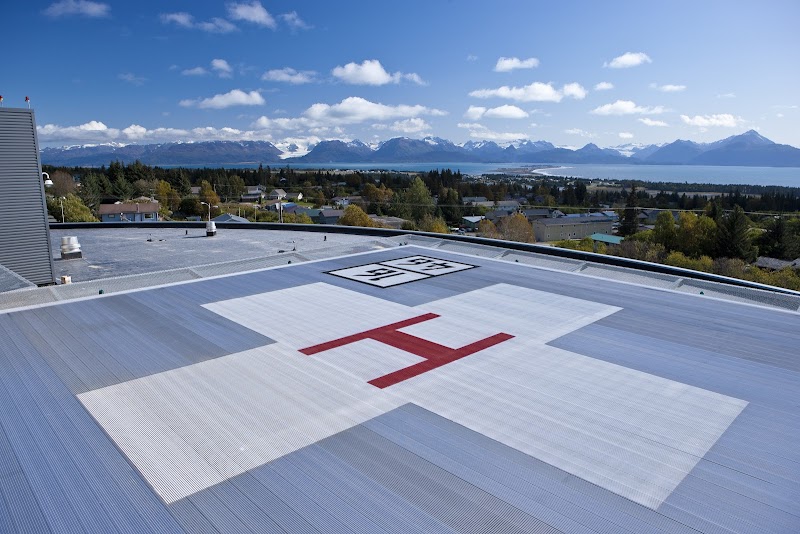
What is South Peninsula Hospital Ltc's CMS Rating?

CMS assigns SOUTH PENINSULA HOSPITAL LTC an overall rating of 5 out of 5 stars, which is considered much above average nationally. Within Alaska, this rating places the facility higher than 99% of the state's 100 nursing homes. This rating reflects solid performance across the metrics CMS uses to evaluate nursing home quality.
How is South Peninsula Hospital Ltc Staffed?

CMS rates SOUTH PENINSULA HOSPITAL LTC's staffing level at 5 out of 5 stars, which is much above average compared to other nursing homes. Staff turnover is 35%, compared to the Alaska average of 46%. This relatively stable workforce can support continuity of care.

What Have Inspectors Found at South Peninsula Hospital Ltc?

State health inspectors documented 9 deficiencies at SOUTH PENINSULA HOSPITAL LTC during 2021 to 2024. These included: 8 with potential for harm and 1 minor or isolated issues.
Who Owns and Operates South Peninsula Hospital Ltc?

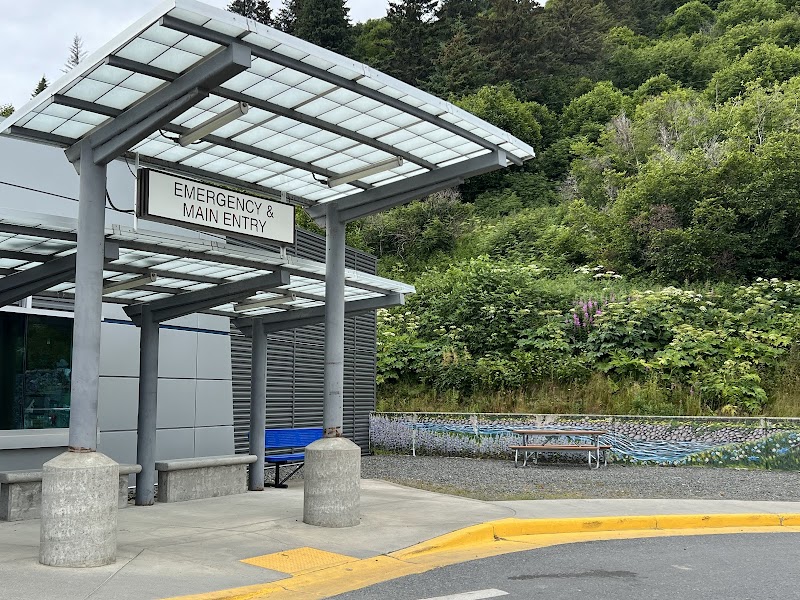
SOUTH PENINSULA HOSPITAL LTC is owned by a non-profit organization. Non-profit facilities reinvest revenue into operations rather than distributing to shareholders. The facility operates independently rather than as part of a larger chain. With 28 certified beds and approximately 26 residents (about 93% occupancy), it is a smaller facility located in HOMER, Alaska.
How Does South Peninsula Hospital Ltc Compare to Other Alaska Nursing Homes?

Compared to the 100 nursing homes in Alaska, SOUTH PENINSULA HOSPITAL LTC's overall rating (5 stars) is above the state average of 3.5, staff turnover (35%) is significantly lower than the state average of 46%, and health inspection rating (4 stars) is above the national benchmark.

What Should Families Ask When Visiting South Peninsula Hospital Ltc?

Based on this facility's data, families visiting should ask: "Can I visit during a mealtime to observe dining assistance and food quality?" "How do you handle medical emergencies, and what is your hospital transfer rate?" "Can I speak with family members of current residents about their experience?"

Is South Peninsula Hospital Ltc Safe?

Based on CMS inspection data, SOUTH PENINSULA HOSPITAL LTC has a clean safety record: no substantiated abuse findings (meaning no confirmed cases of resident harm), no Immediate Jeopardy citations (the most serious violation level indicating risk of serious injury or death), and is not on the Special Focus Facility watch list (a federal program monitoring the lowest-performing 1% of nursing homes). The facility has a 5-star overall rating and ranks #1 of 100 nursing homes in Alaska. While no facility is perfect, families should still ask about staff-to-resident ratios and recent inspection results during their visit.

Do Nurses at South Peninsula Hospital Ltc Stick Around?

SOUTH PENINSULA HOSPITAL LTC has a staff turnover rate of 35%, which is about average for Alaska nursing homes (state average: 46%). Moderate turnover is common in nursing homes, but families should still ask about staff tenure and how the facility maintains care continuity when employees leave.

Was South Peninsula Hospital Ltc Ever Fined?

SOUTH PENINSULA HOSPITAL LTC has no federal fines on record. CMS issues fines when nursing homes fail to meet care standards or don't correct problems found during inspections. The absence of fines suggests the facility has either maintained compliance or corrected any issues before penalties were assessed. This is a positive indicator, though families should still review recent inspection reports for the full picture.

Is South Peninsula Hospital Ltc on Any Federal Watch List?

SOUTH PENINSULA HOSPITAL LTC is not on any federal watch list. The most significant is the Special Focus Facility (SFF) program, which identifies the bottom 1% of nursing homes nationally based on persistent, serious quality problems. Not being on this list means the facility has avoided the pattern of deficiencies that triggers enhanced federal oversight. This is a positive indicator, though families should still review the facility's inspection history directly.