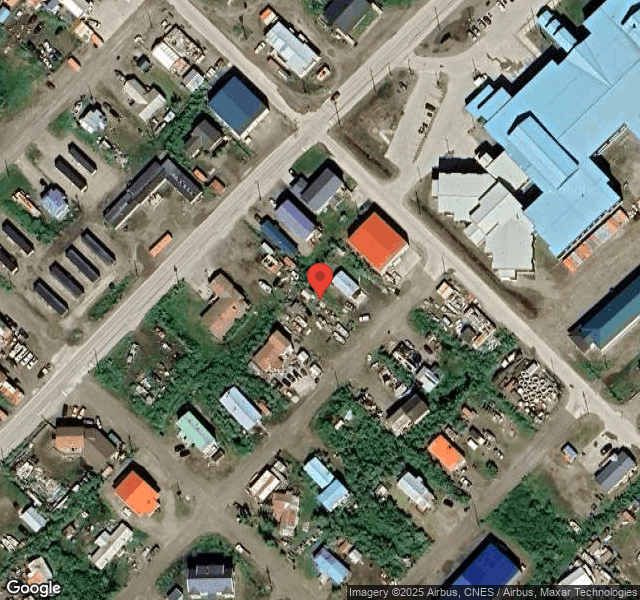
UTUQQANAAT INAAT

436 MISSION STREET, KOTZEBUE, AK 99752 (907) 442-3321
Non profit - Other 18 Beds Independent Data: November 2025
Trust Grade
70/100
#11 of 20 in AK
Last Inspection: April 2024

Within standard 12-15 month inspection cycle. Federal law requires annual inspections.

Overview

UTUQQANAAT INAAT has a Trust Grade of B, which means it is considered a good option for care, though there are some areas of concern. It ranks #11 out of 20 facilities in Alaska, placing it in the bottom half, but it is the only facility in Northwest Arctic County, indicating that families have no local alternatives. The facility's performance has been stable, with 13 issues reported in both 2023 and 2024, but it does have a concerning staffing turnover rate of 68%, significantly above the state average. While there have been no fines reported, which is a positive sign, the facility has less RN coverage than 94% of state facilities, meaning residents may miss out on critical nursing oversight. Some specific issues include the failure to administer insulin on time for two residents, which could lead to serious health risks, and not sending transfer notices to the state ombudsman, potentially limiting residents' rights and protections. Additionally, the care plan for one resident was incomplete, leaving out important medical information that could affect their care. Overall, while there are strengths in staffing and a lack of fines, the facility has notable weaknesses that families should consider carefully.

Trust Score
B
70/100
In Alaska
#11/20
Bottom 45%
Safety Record
Low Risk
No red flags
Inspections
Holding Steady
3 → 3 violations
Staff Stability
⚠ Watch
68% turnover. Above average. Higher turnover means staff may not know residents' routines.
Penalties
✓ Good
No fines on record. Clean compliance history, better than most Alaska facilities.
Skilled Nurses
✓ Good
Each resident gets 43 minutes of Registered Nurse (RN) attention daily — more than average for Alaska. RNs are trained to catch health problems early.
Violations
⚠ Watch
13 deficiencies on record. Higher than average. Multiple issues found across inspections.
★★★★☆
4.0
Overall Rating
★★★★☆
4.0
Staff Levels
★★★☆☆
3.0
Care Quality
★★★★☆
4.0
Inspection Score
Stable
2023: 3 issues
2024: 3 issues

The Good

  • 4-Star Staffing Rating · Above-average nurse staffing levels
  • Full Sprinkler Coverage · Fire safety systems throughout facility
  • No fines on record

Facility shows strength in staffing levels, fire safety.

The Bad

Staff Turnover: 68%

22pts above Alaska avg (46%)

Frequent staff changes - ask about care continuity

Staff turnover is elevated (68%)

20 points above Alaska average of 48%

The Ugly 13 deficiencies on record

Apr 2024 3 deficiencies
CONCERN (D)

Potential for Harm - no one hurt, but risky conditions existed

Transfer Notice (Tag F0623)

Could have caused harm · This affected 1 resident

**NOTE- TERMS IN BRACKETS HAVE BEEN EDITED TO PROTECT CONFIDENTIALITY** . Based on record review and interview, the facility failed to ensure a copy of 2 residents' (#8 and #12) transfer notices were ...

Read full inspector narrative →
**NOTE- TERMS IN BRACKETS HAVE BEEN EDITED TO PROTECT CONFIDENTIALITY** . Based on record review and interview, the facility failed to ensure a copy of 2 residents' (#8 and #12) transfer notices were sent to the Office of the State Long Term Care (LTC) Ombudsman. This failed practice had the potential to affect all residents, based on a census of 17, by: 1) denying residents the added protection from being inappropriately discharged ; 2) providing the residents with access to an advocate who can inform them of their options and rights; and 3) ensuring the Office of the State LTC Ombudsman was aware of facility practices and activities related to transfers and discharges. Findings: Resident #8: Record review from 4/22-25/24 revealed Resident #8 was admitted to the facility with diagnoses that included dementia, epilepsy, stroke, and a history of falls. Further review revealed Resident #8 was hospitalized and discharged from the facility on 12/12/23 with a return anticipated and readmitted on [DATE]; discharged and hospitalized on [DATE] with a return anticipated and readmitted on [DATE]; and discharged and hospitalized on [DATE] with a return anticipated and readmitted on [DATE]. During an interview on 4/23/24 at 4:00 PM, when asked about the process of notifying the Ombudsman for discharges or transfers to the hospital, the Director of Nursing (DON) stated the facility just became aware of the need to notify the Ombudsman this year. During an interview on 4/23/24 at 5:02 PM, when asked for the notification documentation for December 2023 and March 2024, the DON stated the facility just started the Ombudsman notification for hospital discharges in January (2024), so there were no notifications for the December hospitalizations. Review of Notification of discharge: Month: March, 2024, revealed No Discharges for the Month of March. The DON further stated the facility had not alerted the Ombudsman of Resident #8's hospitalization transfer in March because the resident was not admitted to the hospital, but remained in the Emergency Department in observation status. During an email correspondence with the Ombudsman on 4/25/24 at 11:30 AM, the Ombudsman wrote: A notice of transfer must be provided to the resident and resident representative as soon as practicable .Copies of notices for emergency transfers must also be sent to the Ombudsman when practicable such as on a monthly basis. Resident #12 Record review on 4/22-25/24 revealed Resident #12 was admitted to the facility with diagnoses that included dementia, mild cognitive impairment, chronic obstructive pulmonary disease (chronic lung disorders resulting in blocked air flow in the lungs), hypertension (high blood pressure), and a history of myocardial infarction (heart attack). Further review revealed Resident #12 was admitted to the hospital on 1/17-20/24 for sepsis (a life-threatening complication of an infection), pneumonia, and acute kidney injury. Review of the facility's Notification of Discharge, dated 1/2024, that was sent to the Ombudsman, revealed Resident #12's discharge to the hospital was not included. During an interview on 4/25/24 at 1:21 PM, the Administrator stated, in January 2024, the facility had implemented a new monthly process of notifying the Ombudsman, which included a form with every resident that was admitted to the hospital for the entire month. She further stated Resident #12 should have been on the Ombudsman's notification form, but it was missed somehow. Review of the facility's policy, Transfer or Discharge, dated 1/23/24, revealed: Upon receiving the provider [physician] order to transfer or discharge the patient, the Charge Nurse will notify the patient, their family and/or representative, and Social Services .The patient will be given written notice of the reason for the discharge or transfer .The transfer notice is to include an explanation of the right to appeal the transfer to the State as well as the name, address, and phone number of the State Long Term Care Ombudsman . .
CONCERN (D)

Potential for Harm - no one hurt, but risky conditions existed

Comprehensive Care Plan (Tag F0656)

Could have caused harm · This affected 1 resident

. Based on record review and interview, the facility failed to ensure a comprehensive care plan was developed and implemented with specific medical care needs for 1 resident (#8), out of 9 sampled res...

Read full inspector narrative →
. Based on record review and interview, the facility failed to ensure a comprehensive care plan was developed and implemented with specific medical care needs for 1 resident (#8), out of 9 sampled residents. Specially, the facility failed to address risk factors or include specific information concerning the resident's prescribed anti-platelet medication (that inhibits the ability of platelets to clump together as part of a blood clot and could cause the risk of bleeding) in the resident's care plan. This failed practice had the potential to place the resident at risk for inconsistent care that could result from the many risk factors of the anti-platelet medication. Findings: Record review from 4/22-25/24 revealed Resident #8 was admitted to the facility with diagnoses that included dementia, epilepsy, stroke, and anemia. Further review revealed the resident had a history of falls. Review of Resident #8's Skin/Wound Note, dated 12/10/23, revealed: When Elder came to lunch, noticed left eye to be black and swollen. Palpated [felt] eye and around eye, Elder denies any pain or discomfort. When asked Elder denies any fall or injury. Noted both of Elders eyes watering and Elder aggressively wiping them with tissue . During an interview on 4/23/24 at 2:35 PM, Licensed Nurse (LN) #1 recalled the incident and stated the facility alerted the physician who assessed Resident #8's eye and thought the blood thinners and aggressive rubbing of the eyes caused the bruising. LN #1 further stated the physician concluded since the Resident was taking blood thinners, he/she had busted a capillary under the skin around his/her eye, which was black, and looked like a hematoma (an abnormal pooling of blood under the skin that results from a broken or ruptured blood vessel). Review of Resident #8's current Physician's orders, active as of 4/23/24, revealed the Resident was prescribed Clopidogrel Bisulfate (Plavix- an anti-platelet medication) once a day, with a start date of 3/11/23. Review of Resident #8's current Care Plan revealed no documentation of the Resident taking the Clopidogrel medication, nor interventions regarding the medication and the potential side effects or risks, such as bleeding. During an interview on 4/23/24 at 5:19 PM, when asked about the Resident's injury, the Director of Nursing (DON) stated the facility reviewed the resident's medical record which included the note about the resident aggressively wiping his/her eyes, and the physician was notified. When asked if the blood-thinning medication should have been included on the Resident's care plan, the DON stated it was not included because that medication was discontinued. When shown Resident #8's physician's orders which included the medication, the DON further stated, yes, the Resident's care plan should have included the blood thinning medication. Review of the facility's policy CARE PLANNING, dated 11/2023, revealed: It is the policy of Manillaq Health Center to provide an individualized nursing care plan for all patients to provide continuous, consistent care .The written plan of care is based on the patient's goals and the time frames, settings, and services required to meet those goals . .
CONCERN (E)

Potential for Harm - no one hurt, but risky conditions existed

Unnecessary Medications (Tag F0759)

Could have caused harm · This affected multiple residents

. Based on record review, observation, and interview, the facility failed to ensure insulin (a medication for blood sugar maintenance) orders were followed for 2 residents (#5 and #10), out of 3 resid...

Read full inspector narrative →
. Based on record review, observation, and interview, the facility failed to ensure insulin (a medication for blood sugar maintenance) orders were followed for 2 residents (#5 and #10), out of 3 residents reviewed who received insulin. Specifically, the insulin orders were written to be administered before meals, and the insulin was administered after meals. This failed practice placed these residents at risk for experiencing potential adverse effects for not receiving insulin per the physician's orders. Findings: Resident #5: Resident #5 was admitted with diagnoses that included Type 2 Diabetes Mellitus with unspecified complications and essential hypertension (high blood pressure). Record review on 4/22/24 of Resident #5's insulin order, dated 2/14/24, revealed: Novolog Flex Pen [insulin] Subcutaneous [injection under the skin] Solution Pen-Injector 100 unit/ml [milliliter] (insulin aspart). Inject 8 unit subcutaneously before meals related to Type 2 Diabetes Mellitus with unspecified complications . (This medication is a rapid-acting anti-diabetic medication to help regulate blood sugar needs in the body. Type 2 Diabetes is a condition because of a problem the way the body regulates and uses sugar as a fuel). An observation on 4/22/24 at 11:30 AM, revealed Licensed Nurse (LN) #1 checked Resident #5's blood sugar. The blood sugar result was 290 (normal blood sugar results are about 70-100). An observation on 4/22/24 at 12:42 PM, revealed LN #1 administered the insulin injection into the Resident's abdomen after the resident had finished eating lunch. During an interview and concurrent observation on 4/24/24 at 1:03 PM, LN #1 stated Resident #5's blood sugar was 225. LN #1 was observed to administer insulin to Resident #5 after the resident had finished eating lunch. Resident #10: Resident #10 was admitted with diagnoses that included Type 2 Diabetes Mellitus without complications and essential hypertension. Record review on 4/22/24 revealed Resident #10's insulin order, dated 4/19/24, revealed: Novolog Flex Pen Subcutaneous Solution Pen-Injector 100 unit/ml (insulin aspart). Inject 8 unit subcutaneously before meals related to Type 2 Diabetes Mellitus without complications . During an interview on 4/22/24 at 11:50 AM, LN #1 stated Resident #10's blood sugar was 153. LN #1 further stated insulin would be administered after the resident was finished eating. An observation on 4/22/24 at 1:01 PM, revealed LN #1 administered the insulin injection into Resident #10's abdomen after the resident had finished eating lunch. During an interview on 4/22/24 at 1:05 PM, LN #1 stated the insulin order had been written to administer the insulin before meals. During an interview on 4/24/24 at 4:00 PM, when asked about Resident #5 and #10's insulins being given after lunch and not before lunch, the Director of Nursing (DON) stated Residents #5 and #10 blood sugars would bottom out and so the insulin was given after the meals instead of before. During an interview on 4/25/24 at 9:45 AM, when asked if giving Resident #5 and Resident #10 the insulin after lunch instead of before was a medication error, the Administrator stated these were medication errors. She further stated the reason for the late administration of the insulin had been discussed with the physician, and this was due to the bottoming out of the blood sugars if the insulin was given before meals. During an interview on 4/25/24 at 12:20 PM, the Physician stated the late administration of these insulins was a timing issue. He also stated, I have told nursing they can give the insulins before, during, or after meals. The nurses can use their own judgement with how the patient is eating. We could have written after meals. If that is difficult to interpret, then this should be written differently. The expectation is for the nurse to follow their nursing judgement with the order. We want to prevent hypoglycemic (low blood sugar) episodes. I talk to [the DON] three times a month about blood sugar levels. Review of the facility's policy Medication Administration, dated 10/27/23, revealed: Medications are administered by Registered Nurses and Licensed Practical Nurses in accordance with the State and Federal regulations and the Alaska Board of Nursing .the nurse will follow up and check the 'eight rights' before administering medications, right medication, time, resident, dose, route, documentation, reason, and response. .
Feb 2023 3 deficiencies
CONCERN (D)

Potential for Harm - no one hurt, but risky conditions existed

Assessment Accuracy (Tag F0641)

Could have caused harm · This affected 1 resident

**NOTE- TERMS IN BRACKETS HAVE BEEN EDITED TO PROTECT CONFIDENTIALITY** . Based on record review and interview, the facility failed to ensure the MDS (Minimum Data Set-a Federally required assessment)...

Read full inspector narrative →
**NOTE- TERMS IN BRACKETS HAVE BEEN EDITED TO PROTECT CONFIDENTIALITY** . Based on record review and interview, the facility failed to ensure the MDS (Minimum Data Set-a Federally required assessment) was coded accurately for 2 residents (#s 4 and 12), out of 9 sampled residents, and 1 resident (#19), out of 2 closed record reviews. The failure to ensure the MDS was accurately coded placed the residents at risk for ineffective care planning. Findings: Diagnosis miscoding: Record review on 1/30/23-2/2/23 revealed both Resident #'s 4 and 12 were admitted to the facility with diagnoses that included dementia. Review of Resident #4's MDS assessment, a quarterly assessment dated [DATE], revealed the resident's dementia diagnosis was not coded. Further review of the resident's previous MDS assessments, dated 9/6/22 and 6/6/22, revealed the dementia diagnosis was coded. Review of Resident #12's MDS assessment, a quarterly assessment dated [DATE], revealed the resident's dementia diagnosis was not coded. Further review of the resident's previous MDS assessments, dated 9/19/22 and 6/19/22, revealed the dementia diagnosis was coded. During an interview on 2/2/23 at 12:33 PM, the MDS Coordinator stated if the resident was actively receiving treatment for dementia, it would have been a coding error if the diagnosis was not included in the quarterly MDS assessments. Wound infection miscoding: Further review of Resident #4's MDS assessment, a quarterly assessment dated [DATE], revealed the resident was coded as having a wound infection-other than foot. During an interview on 1/31/23 at 11:03 AM, Licensed Nurse (LN) #1 stated Resident #4 had an ingrown toenail months ago, which was now healed. The LN further stated the resident was receiving foot soaks and antibiotics months ago. Record review of Resident #4's Health Status Note, dated 4/4/22 at 11:31 PM, revealed: .infected [right] great toe, soaking per instructions, no [complaints] antibiotic end 4-8-2022. During an interview on 2/2/23 at 12:33 PM, the MDS Coordinator stated she did not remember Resident #4 being treated for a wound infection in December. The MDS Coordinator further stated she remembered the Resident had an ingrown toenail in April of 2022, but she thought she had removed the wound from the MDS assessment for December. The MDS Coordinator verified the data and stated the wound infection was coded in error. Discharge miscoding: Record review on 2/1/23 revealed Resident #19 was admitted in the facility with diagnoses that included failure to thrive and atherosclerotic heart disease (a condition where the arteries become narrowed and hardened due to buildup of plaque [fats] in the artery wall.) Review on 2/1/23 at 4:25 PM of Resident #19's Discharge Summary, dated 11/2/22, revealed the resident was discharged to home. Review of Resident #19's MDS assessment, a discharge assessment dated [DATE], revealed the resident was discharged to an acute hospital. During an interview on 2/2/23 at 10:51 AM, when asked about Resident #19's discharged status, the MDS Coordinator checked the MDS and confirmed it was coded as discharged to acute hospital. The MDS Coordinator stated the coding should have been discharged to community. The MDS Coordinator further stated the coding needed to be modified. Review of the facility's policy, Quarterly MDS/Care Plan Review, dated 6/6/22, revealed: .This quarterly review is to ensure the care plan is reflective of the resident's current needs and also identify if there have been significant changes in the resident's condition which may warrant a more comprehensive assessment .Care plans will be updated at least quarterly with the quarterly MDS . .
CONCERN (D)

Potential for Harm - no one hurt, but risky conditions existed

Comprehensive Care Plan (Tag F0656)

Could have caused harm · This affected 1 resident

. Based on record review and interview, the facility failed to ensure comprehensive care plans were individualized for 1 resident (#13), out of 9 sampled residents. This failed practice placed the res...

Read full inspector narrative →
. Based on record review and interview, the facility failed to ensure comprehensive care plans were individualized for 1 resident (#13), out of 9 sampled residents. This failed practice placed the resident at risk for not receiving the necessary care and services to address his/her individual needs. Findings: Record review on 1/30/23-2/2/23 revealed Resident #13 was admitted to the facility with diagnoses that included adult failure to thrive and chronic kidney disease. During an interview on 1/31/23 at 11:30 AM, Resident #13 stated he/she asked the staff for water when he/she was thirsty because the staff watched how much fluid he/she drank. Review of Resident #13's current comprehensive care plan, revised on 12/3/22, revealed: Encourage fluids during the day to promote prompted voiding responses. Review of the Resident's current physician orders revealed an order for a 2 Liter Fluid restriction [related to] hyponatremia [low blood sodium levels] with a start date of 4/29/22. During an interview on 2/1/23 at 4:07 PM, Licensed Nurse (LN) #1 stated Resident #13 was on a fluid restriction. When asked if the fluid restriction would have been documented in the care plan, LN #1 stated it should have been. During an interview on 2/2/23 at 11:53 AM, the Director of Nursing (DON) stated the fluid restriction should have been added to the comprehensive care plan. Review of the facility provided document, Care plan preparation, long-term care, dated 5/20/22, revealed: Care planning is driven by a resident' conditions and issues as well as a resident's unique characteristics. Each resident's care plan should be based on assessment of the resident, effective clinical decision making, and must be compatible with current standards of clinical practice. These three pillars can provide a strong base for quality of care and quality of life for residents . .
CONCERN (D)

Potential for Harm - no one hurt, but risky conditions existed

Infection Control (Tag F0880)

Could have caused harm · This affected 1 resident

. Based on observation, interview, and policy review, the facility failed to ensure infection control procedures were properly implemented. Specifically, the facility failed to ensure staff removed so...

Read full inspector narrative →
. Based on observation, interview, and policy review, the facility failed to ensure infection control procedures were properly implemented. Specifically, the facility failed to ensure staff removed soiled gloves and performed hand hygiene after completing dirty tasks to clean tasks. This failed practice had the potential to affect all residents, based on a census of 17, for risk of the spread of infectious disease. Findings: An observation on 2/1/23 at 9:38 AM revealed Certified Nurse Assistant (CNA) #s 2 and 3 assisted Resident #10 to use the bathroom. Both CNAs wore gloves. CNA #2 was assisting the resident on one side to hold onto the handrail, while CNA #3 prepared the wet wipes. CNA #2 assisted the resident to a standing position after Resident #10 had a bowel movement. CNA #3 wiped the resident's anal area with wet wipes three times and discarded the soiled wipes in the trash can. CNA #3, while still wearing the soiled gloves, pulled Resident #10's brief and pants up, fixed the resident's jacket, and touched one of the handles of the wheelchair. Further observation revealed CNA #3, while still wearing the soiled gloves, removed the trash bag from the trash can and placed the bag on the floor. CNA #3 then put a new bag in the trash can. CNA #3 was observed removing his/her gloves one at a time while tying the trash bag. The CNA, with one ungloved hand, held the soiled gloves while continuing to hold the trash bag. CNA #3 then carried the trash bag outside the bathroom and placed it on the floor. Then, CNA #3 turned on the water at a sink [located outside the bathroom] and had the water flowing for the resident's use. CNA #3 was not observed to perform hand hygiene during this observation. During the same observation, CNA #2 pushed Resident #10's wheelchair out of the bathroom and assisted the resident to wash his/her hands. After the resident washed his/her hands, CNA #3 wiped the resident's hands with a paper towel. Then, CNA #3 pushed the wheelchair away from the sink. CNA #2 took over and pushed the wheelchair out of the room. Both CNAs sanitized their hands with alcohol-based hand sanitizer from a dispenser attached on the wall outside the room. During a joint interview on 2/1/23 at 9:49 AM, CNA #'s 2 and 3 stated they were trained to wash their hands before going into the residents' rooms and bathrooms. The CNA's further stated they were also trained to wear gloves before performing resident cares. After performing resident cares, they would have removed their gloves and performed hand hygiene with soap and water for 20 seconds and then dried their hands with paper towels. Record review on 2/2/23 at 8:40 AM of the Hand hygiene policy, dated 6/19/22, revealed: .performing hand hygiene as promptly and thoroughly as possible between direct or indirect contact .body fluids, and any other potentially infectious materials .hand hygiene is necessary between glove changes after coming in contact with any of the following, regardless if hands become visibly soiled or not .after toileting a patient .Gloves should always be changed when moving from dirty tasks to clean tasks even when hands or gloves are not visibly soiled. During an interview on 2/2/23 at 1:45 PM, the Administrator stated staff should have removed gloves after completing a dirty task and then should have performed hand hygiene. .
Oct 2021 7 deficiencies
CONCERN (D)

Potential for Harm - no one hurt, but risky conditions existed

Deficiency F0637 (Tag F0637)

Could have caused harm · This affected 1 resident

**NOTE- TERMS IN BRACKETS HAVE BEEN EDITED TO PROTECT CONFIDENTIALITY** . Based on record review and interview, the facility failed to complete a comprehensive reassessment within two weeks after the ...

Read full inspector narrative →
**NOTE- TERMS IN BRACKETS HAVE BEEN EDITED TO PROTECT CONFIDENTIALITY** . Based on record review and interview, the facility failed to complete a comprehensive reassessment within two weeks after the Resident experienced a significant change in physical or condition for 1 of 9 sampled residents (#14). As a result, the Resident's altered physical needs were at risk for not being addressed in a timely manner and therefore putting the Resident at risk for potential decline in health and functioning. Findings: Resident #14 Review of the Electronic Health Record (EHR) Medical Diagnoses between 10/4-8/21, revealed Resident #14 diagnoses included essential hypertension, hyperlipidemia, and unspecified dementia with behavioral disturbance. The review showed that Resident #14 was transferred out of the facility due to a fall, had left hip surgery on 9/6/21, and returned to the facility for readmission on [DATE]. Review of the Significant Change in Status Assessment (SCSA) Minimum Data Assessment (MDS) for Resident #14 occurred on 10/6/21. An SCSA MDS was not completed for the change in status for Resident #14 since his / her return to the facility on 9/11/21. SCSA MDS is a federally mandated process comprehensive assessment that is required when the Interdisciplinary Team has determined that a resident meets the significant change guidelines for either major improvement or decline. Regarding the change in ambulation status decline: Further review revealed the Resident had a loss of mobility due to a left hip surgery. An In - room care plan dated 9/15/21 evidenced the Resident was non-weight bearing and needed assist with 2 - 3 person assist with transfer. The Resident's Care Plan dated 8/24/21 revealed the Resident had been assessed to safely ambulate in a Merry [NAME] and was able to scoot around on the floor when out of bed at times. Regarding change in pain management status: Also, the Resident's pain status showed a change since the fall, hip surgery, and return to the facility. The MDS assessment on 8/18/21 revealed no pain indicators or need for scheduled or as needed pain medications. The Care plan dated 8/24/21 revealed no care planning goals or tasks for pain management. After the Resident's return to the facility, the need for pain medication was documented in the medication administration record and a pain interview 3.0 document with severe pain was noted on the Pain Interview 3.0 document dated 9/11/21 at 2:35 PM and signed by the Director of Nursing on 9/29/21. This document revealed, Pain management, Been on a scheduled pain medication regimen . Tylenol 975 mg [milligrams] TID [three times a day] and oxycodone 5 mg TID prn [as needed.] . Elder had some relief from current medication regimen, will continue assessment to note if pain regimen will remain effective . Received non - medication intervention for pain . reposition, distraction, comforting . Elder had a girdle stone surgical procedure performed and the pain associated with this procedure is worse than expected with a traditional hip replacement. During an interview on 10/6/21 at 4:04 PM, the MDS nurse stated there was confusion with the surgery and this delayed the assessments including the significant change assessment. When questioned about what date this significant change assessment should have occurred by, the MDS nurse stated, I am not sure. The MDS nurse also explained that personal leave had delayed the assessment's completion. .
CONCERN (D)

Potential for Harm - no one hurt, but risky conditions existed

Comprehensive Care Plan (Tag F0656)

Could have caused harm · This affected 1 resident

**NOTE- TERMS IN BRACKETS HAVE BEEN EDITED TO PROTECT CONFIDENTIALITY** . Based on record review, interview, and observation, the facility failed to develop an individualized care plan that addressed ...

Read full inspector narrative →
**NOTE- TERMS IN BRACKETS HAVE BEEN EDITED TO PROTECT CONFIDENTIALITY** . Based on record review, interview, and observation, the facility failed to develop an individualized care plan that addressed residents' care needs. Specifically, the facility failed to 1) develop a fall risk care plan for Resident #66 and 2) develop a pain management care plan for Resident #14. This failed practice places 2 residents out of 9 sampled residents at risk of not receiving timely response and care. Findings: Resident # 66 Review of the Electronic Health Record (EHR) Medical Diagnoses between 10/4-6/21, revealed Resident #66 diagnoses included hypertension and history of falling. Review of the Resident #66's Minimum Data Set admission Assessment (MDS), dated [DATE], revealed J1700 Fall History on Admission, Did the resident have fall any time in the last month prior to admission? Yes; Did the resident have fall any time in the last 2- 6 months prior to admission? Yes; Did the resident have any fracture related to fall in the 6 months prior to admission? Yes During an interview on 10/05/21 at 1:04 PM, Resident #66 stated he/she fell and broke his/her leg last month. Resident #66 explained it happened when he/she was in their room alone and slipped. All [staff] came into Resident's room and took him/her to the physician. The Resident further stated that he/she was brought to the hospital in Anchorage and had his/her leg fixed. During the same interview, Resident #66 stated when he/she came back from the hospital, the Long-Term Care staff helped the Resident to the bathroom and assisted him/her to do everything. Review on 10/06/21 at 10:59 AM of the Care Plan on admission, revealed fall risk was not included. Review on 10/06/21 at 11:39 AM of the Morse Fall assessment dated [DATE] 8:35 AM, revealed Post Fall Score: 80.0. Has the Resident ever fallen before? Yes, what ambulatory aids if any, does the resident use? 2. Uses crutches, cane, or walker; Does the resident . know the limits of their abilities to ambulate safely? 2.Overestimates or forgets limits. During an interview on 10/06/21 at 3:30 PM, when asked if fall risk should be included in the care plan, the MDS Nurse replied there was an Interdisciplinary Team (IDT) care plan meeting after the fall. The MDS Nurse explained that during the IDT meeting, the IDT discussed what happened and the care to be done. IDT care plan was different from the regular care plan. It was kept in the binder in the office. The surveyor requested a copy of the IDT care plan in which the MDS Nurse provided after the interview. During the same interview, when asked why fall risk was not included on Resident #66's care plan, the MDS nurse stated any interventions applied to the Resident were written in the in-room care plan then transferred to a regular care plan which was done quarterly or annually. Review on 10/06/21 at 4:45 PM of the IDT Care plan Conference Summary dated 9/14/21, revealed Other discussed with the Resident's Representative was marked with a comment Transferred to ER. In the Summary of care plan conference section, a handwritten note Elder did not call for assistance when exiting [the] bathroom [res] is very forgetful, elder fell while ambulating from bathroom to bed. All facility staff who attended the conference signed the document. There was no documentation on what care was to be done after the fall. Review on 10/06/21 at 4:54 PM of the In-room care plan, revealed on 9/14 fall-transferred out to the hospital; 9/14 Q15 checks when elder is awake in room [lined out] Dc' d [discontinued] 9/21/21. 9/21 Q15 minutes checks at night. There was no documentation on other interventions to prevent fall prior to 9/14/21. Resident #14 Review of the Electronic Health Record (EHR) Medical Diagnoses between 10/4-8/21, revealed Resident #14 diagnoses included essential hypertension, hyperlipidemia, and unspecified dementia with behavioral disturbance. The review showed that Resident #14 was transferred out of the facility due to a fall, had left hip surgery on 9/6/21, and returned to the facility for readmission on [DATE]. The care plan review failed to reveal the care plan had been updated to include pain management. This care plan included three parts: an in - room care plan, a care plan from the EMR, and a care plan conference summary which was completed with the family and the IDT. Review of Resident #14's MDS assessment, dated 8/18/21 revealed . J0100 Pain Management at anytime in the last 5 days, has the resident A. Been on a scheduled pain medication regimen? No. B. Received prn pain medication? No C. Received non - medication interventions for pain? No. D. Should pain interview be conducted? No. E. Indicators of pain or possible pain in last 5 days? No During an interview on 10/5/21 at 10:18 AM, the Resident Representative for Resident #14 stated that pain has been an issue for Resident #14 since he / she returned home for hospital after having hip surgery in early September 2021. The nursing staff had discussed the need to manage the Resident's pain with him / her, and the Resident's pain status and condition were constantly monitored. The representative stated it was very important to not have the Resident in any pain or discomfort. During an observation on 10/5/21 at 12:10 PM, loud crying was heard from Resident #14's room. The door was closed. After the surveyor knocked on the door, an unknown staff, who was behind the closed door, stated the staff were transferring Resident #14 from the bed to a Geri chair. After the door was opened, staff brought out Resident #14 in a Geri chair to the dining room and wheeled him to the dining room. The Resident was quiet and when asked about pain, did not respond. During an observation on 10/6/21 at 11:04 AM, Resident #14 was observed lying in bed. Two Certified Nursing Assistants (CNAs) were observed to wash their hands and don clean gloves. CNA # 1 and #5 pulled the privacy curtain and turned Resident #14 side - to - side by rolling the Resident back and forth in bed to complete incontinence care and apply a clean incontinence brief. As Resident #14 was rolled to his / her right side, Resident #14 grabbed and shook the bedrail and tried to grab both CNAs. The Resident #14 was observed to grimace and cry. The Resident #14's face was red and tightened and the neck veins were noted to be distended and taut. When asked if the Resident was always in pain with transfers and incontinence care, the CNA #1 nodded affirmatively. The CNA #5 stated it had been hit and miss with incontinence care and how much pain the Resident had prior to the Resident's fall and surgery but now the pain was continuous. The CNA #5 stated the nurses are aware of the Resident's severe pain and help at times with the transfers and care. Review on 10/6/21 at 1 PM of the Care Plan in the Electronic Medical Record dated 8/24/21 revealed no pain management on this document. Review on 10/6/21 at 3 PM of the In - Room Care Plan updated 9/15/21 failed to reveal any pain management interventions or tasks. An update note dated 9/6/21 revealed Elder in [hospital] for surgery at this time. Will evaluate ambulation, merry walker use, etc. upon [his / her] return . 9/15/21 Elder is non - weight bearing, transfer to Geri chair via 2 - 3 person assist. During an interview on 10/6/21 at 3:46 PM, the MDS Nurse stated the In-room Care Plan was to be used and stated a care plan meeting had occurred with Resident #14's Representative and family. The MDS Nurse stated the care plan will be updated quarterly when it is due for the quarterly update. During an interview on 10/6/21 at 4:04 PM, the MDS Nurse stated there was confusion with the surgery and this delayed the completion of the assessments and update to the care plans. The MDS nurse stated that the family wished the Resident would not be in any pain and this was discussed at a recent IDT conference with the family. The recommendation was to give pain management. Review on 10/6/21 at 4:20 PM of a Care Plan Conference Summary document signed by the Resident Representative on 9/27/21 revealed Met with elder and family r / t [related to] elder's current pain management regimen to about surgical procedure performed, also [his / her] rehab and prognosis following girdle stone procedure. This was also signed by the DON, Administrator, Social Worker, and MDS Nurse on this date. There were no care plan elements completed on this document. No pain management tasks, or interventions were documented. Review on 10/7/21 at 2:30 PM of Pain interview 3.0 dated 9/11/21 2:35 PM revealed, Pain management, Been on a scheduled pain medication regimen . Tylenol 975 mg (milligrams) TID (three times a day) and oxycodone 5 mg TID prn [as needed.] . Elder had some relief from current medication regimen, will continue assessment to note if pain regimen will remain effective . Received non - medication intervention for pain . reposition, distraction, comforting . Elder had a girdle stone surgical procedure performed and the pain associated with this procedure is worse than expected with a traditional hip replacement. This was signed by the Director of Nursing (DON) on 9/29/21. Review on 10/7/21 at 2:30 PM of a progress note titled Health Status Note dated 9/12/21 12:30 PM revealed, Oxycodone HCL Tablet 5 mg (milligrams) Give 1 tablet by mouth as needed for pain TID [ three times a day] severe pain [Score 8-10]. Pain noted on movement . A review on 10/7/21 at 2:30 PM of the PAINAD Assessment (with pain level of 0 being for no pain and 10 being severe pain) showed pain assessments completed from 9/11/21 - 10/7/21. On 9/17/21 at 8:07 PM, the pain level was recorded as a ten. On 10/6/21 at 10:42 PM pain was recorded at a level 6. On 9/28/21 at 2:20 PM, pain was recorded at a level 8. At 9/27/21 at 4:20 PM pain was recorded at level 9. Pain levels recorded ranged from 0 - 10 with the many pain assessments recorded onto this document. Review on 10/8/21 at 9:30 AM of an Orthopedic Provider clinic note dated 9/27/21 at 2:37 PM revealed, Chief complaint: Left hip girdle stone [a surgical procedure on the left hip] . spoke with head of nursing for the patient's [pt.] LTC due to the pt.'s severe dementia . [Director of Nursing (DON)] has significant concerns that the pt is in a large amount to pain when [he / she] is ambulating . now when the pt is out of bed, [he / she] screams and cries due to the large amount of pain [he / she] is in . the staff at the facility is concerned that the pt did not undergo the right procedure and this is the cause of [his / her] significant pain. Review on 10/8/21 at 8:45 AM of the facility policy titled Care Plan Preparation, long term care revised 5/21/21 revealed, Evaluate the resident's progress, and revise the care plan as appropriate.
CONCERN (D)

Potential for Harm - no one hurt, but risky conditions existed

Deficiency F0657 (Tag F0657)

Could have caused harm · This affected 1 resident

**NOTE- TERMS IN BRACKETS HAVE BEEN EDITED TO PROTECT CONFIDENTIALITY** . Based on record review, interview, and observation the facility failed to develop a comprehensive care plan that addressed res...

Read full inspector narrative →
**NOTE- TERMS IN BRACKETS HAVE BEEN EDITED TO PROTECT CONFIDENTIALITY** . Based on record review, interview, and observation the facility failed to develop a comprehensive care plan that addressed residents' care needs. Specifically, the facility failed to 1) develop a fall risk care plan for Resident # 66. This failed practice placed 1 resident out of 9 sampled residents at risk of not receiving appropriate care. Findings: Review of the Electronic Health Record (EHR) Medical Diagnoses between 10/4-6/21, revealed Resident #66 diagnoses included hypertension and history of falling. Review of the Resident #66's Minimum Data Set admission Assessment (MDS), dated [DATE], revealed J1700 Fall History on Admission, Did the resident have fall any time in the last month prior to admission? Yes; Did the resident have fall any time in the last 2- 6 months prior to admission? Yes; Did the resident have any fracture related to fall in the 6 months prior to admission? Yes During an interview on 10/05/21 at 1:04 PM, Resident #66 stated he/she fell and broke his/her leg last month. Resident #66 explained it happened when he/she was in their room all by alone and slipped. All [staff] came into Resident's room and took him/her to the physician. The Resident further stated that he/she was brought to the hospital in Anchorage and had his/her leg fixed. During the same interview, Resident #66 stated when he/she came back from the hospital, the Long-Term Care staff helped the Resident to the bathroom and assisted him/her to do everything. Review on 10/06/21 at 10:59 AM of the Care Plan on admission, revealed fall risk was not included. Review on 10/06/21 at 11:39 AM of the Morse Fall assessment dated [DATE] 8:35 AM, revealed Post Fall Score: 80.0. Has the Resident ever fallen before? Yes, what ambulatory aids if any, does the resident use? 2. Uses crutches, cane, or walker; Does the resident's . know the limits of their abilities to ambulate safely? 2.Overestimates or forgets limits. During an interview on 10/06/21 at 3:30 PM, when asked if fall risk should be included in the care plan, the MDS Nurse replied there was an Interdisciplinary Team (IDT) care plan meeting after the fall. The MDS Nurse explained that during the IDT meeting, the IDT discussed what happened and the care to be done. IDT care plan was different from the regular care plan. It was kept in the binder in the office. The surveyor requested for a copy of the IDT care plan in which the MDS Nurse provided after the interview. During the same interview, when asked why fall risk was not included on Resident #66's care plan, the MDS nurse stated any interventions applied to the Resident were written in the in-room care plan then transferred to a regular care plan which was done quarterly or annually. Review on 10/06/21 at 4:45 PM of the IDT Care plan Conference Summary dated 9/14/21, revealed Other discussed with resident representative was marked with a comment transferred to ER. In the Summary of care plan conference section, a handwritten note Elder did not call for assistance when exiting [the] bathroom [res] is very forgetful, elder fell while ambulating from bathroom to bed. All facility staff who attended the conference signed the document. There was no documentation on what care was to be done after the fall. Review on 10/06/21 at 4:54 PM of the In-room care plan, revealed on 9/14 fall-transferred out to the hospital; 9/14 Q15 checks when elder is awake in room [lined out] Dc'd [discontinued] 9/21/21. 9/21 Q15 minutes checks at night. There was no documentation on other interventions to prevent fall prior to 9/14/21. .
CONCERN (D)

Potential for Harm - no one hurt, but risky conditions existed

Deficiency F0757 (Tag F0757)

Could have caused harm · This affected 1 resident

. Based on record review and interviews, the facility failed to ensure 1 resident (#14), out of the 9 sampled residents was free from unnecessary medications. Specifically, the resident received more ...

Read full inspector narrative →
. Based on record review and interviews, the facility failed to ensure 1 resident (#14), out of the 9 sampled residents was free from unnecessary medications. Specifically, the resident received more medication than prescribed. This failed practice resulted in the resident receiving unnecessary medication for 5 days. Findings: Record review on 10/4-8/21 revealed Resident #14 was admitted to the facility with diagnoses that included failure to thrive, hypertension and dementia. Review of a Physician's Orders, dated 9/13/21, revealed Clarification: Elder [Resident #14] remains on Seroquel PO 50mg (milligram) BID (twice a day) for DX F03.91. Review of Resident #14's eMAR on 10/07/21 at 10:01 am, revealed that Resident #14 received Quetiapine Fumarate (Seroquel) 2 tablets of 25mg (50mg total) at 6:00 am on 10/1-7/21. Resident #14 also received Quetiapine Fumarate (Seroquel) 2 tablets of 25mg (50mg total) in the morning of 10/2-7/21 and another 2 tablets in the afternoon of 10/1-6/21 and administration of Quetiapine tablet 25mg. Thus, Resident #14 received a total of 150mg of Seroquel a day from 10/2-6/21. During an interview on 10/07/21 at 11:35 am, the Director of Nursing (DON) stated the Resident #14 should be receiving Seroquel 50mg BID (twice a day). When asked how many milligrams Resident #14 was currently receiving, the DON reviewed the eMAR. He/she acknowledged that Resident #14 received Seroquel 150mg a day since 10/2/21. During an interview on 10/07/21 at 6:07 pm, the Licensed Nurse (LN) # 3 confirmed that he/she had administered the 6:00 am medications to residents. He/she confirmed that he/she provided 2 tablets of 25 mg of Seroquel to Resident #14 as requested by the eMAR at 6:00am from 10/1-7/21. During an interview on 10/07/21 at 7:17 pm, the Director of Pharmacy (DoP) confirmed that Resident #14 received 150mg a day of Seroquel, 50mg more than the physician's order from 10/2-6/21. In addition, the DoP stated the extra doses resulted in medication errors. .
CONCERN (D)

Potential for Harm - no one hurt, but risky conditions existed

Medical Records (Tag F0842)

Could have caused harm · This affected 1 resident

. Based on record review and interview, the facility failed to ensure that medical records were accurate and in accordance with physician orders for 1 resident (#14) out of the 9 sampled residents. Sp...

Read full inspector narrative →
. Based on record review and interview, the facility failed to ensure that medical records were accurate and in accordance with physician orders for 1 resident (#14) out of the 9 sampled residents. Specifically, the facility failed to ensure the physician's order and the Electronic Medication Administration Record (eMAR) was accurate. This failed practice resulted in the resident receiving the wrong dose of medication for 5 days. Findings: Record review on 10/4-8/21 revealed Resident #14 was admitted to the facility with diagnoses that included failure to thrive, hypertension and dementia. Review of a Physician's Orders, dated 9/13/21, revealed Clarification: Elder [Resident #14] remains on Seroquel PO [by mouth] 50mg [milligram] BID [twice a day] for DX [diagnosis] F03.91. Review of Resident #14's eMAR on 10/07/21 at 10:01 am, revealed that Resident #14 received Quetiapine Fumarate (Seroquel) 2 tablets of 25mg (50mg total) at 6:00 am on 10/1-7/21. Resident #14 also received Quetiapine Fumarate (Seroquel) 2 tablets of 25mg (50mg total) in the morning of 10/2-7/21 and another 2 tablets in the afternoon of 10/1-6/21 and administration of Quetiapine tablet 25mg. Thus, Resident #14 received a total of 150mg of Seroquel a day from 10/2-6/21. During an interview on 10/07/21 at 11:35 am, the Director of Nursing (DON) stated the Resident #14 should be receiving Seroquel 50mg twice a day. When asked how many milligrams the Resident #14 was currently receiving, the DON reviewed the eMAR. He/she acknowledged that Resident #14 received Seroquel 150mg a day since 10/2/21. The DON then proceeded to review the Pharmacy Record and stated the physician order was accurate on the pharmacy system. The DON noted a discrepancy between the eMAR, the physician order and the pharmacy system. During an interview on 10/07/21 at 6:07 pm, the Licensed Nurse (LN) # 3 confirmed that he/she had administered the 6:00 am medications to residents. He/she confirmed that he/she provided 2 tablets of 25 mg of Seroquel to Resident #14 as requested by the eMAR at 6:00am from 10/1-7/21. During an interview on 10/07/21 at 7:17 pm, the Director of Pharmacy said that there is a discrepancy between the CERNER [Pharmacy System] and the eMAR order the way the Seroquel order was entered. .
CONCERN (D)

Potential for Harm - no one hurt, but risky conditions existed

Infection Control (Tag F0880)

Could have caused harm · This affected 1 resident

. Based on observation, interview and policy review the facility failed to ensure infection control procedures were properly implemented during peri care for 1 resident (#6), out of 1 resident observe...

Read full inspector narrative →
. Based on observation, interview and policy review the facility failed to ensure infection control procedures were properly implemented during peri care for 1 resident (#6), out of 1 resident observed. Specifically, the Certified Nurse Aide (CNA) failed to: 1) change gloves in between handling contaminated items to touching clean items and 2) perform hand hygiene after the removal of soiled gloves. This failed practice had the potential to transfer contaminated items throughout the resident's room, as well as the entire facility, which could affect all residents to be at risk of transmission of communicable infection. Findings: An observation on 10/04/21 at 4:31 PM, revealed CNA #1 asked the assistance of CNA #4 to transfer Resident #6 to bed from a recliner. CNA #1 had gloves on, and CNA #4 performed hand hygiene and put on new gloves. Both CNAs transferred the Resident from the recliner to the bed using a Hoyer lift (an assistive medical device used to transfer an individual requiring 90% - 100% assistance to move from a bed to a wheelchair, toilet, or chair). After Resident #6 was positioned in bed comfortably, CNA #4 left the room. CNA #1 told the Resident that the CNA would check his/her brief. The CNA told the Resident the brief was soiled so there was a need to change the brief. Resident #6 agreed. CNA #1, while wearing the same gloves, took a clean brief and placed the clean brief on the bed next to the Resident's left hip. The CNA removed the brief tape and pulled the brief open. The CNA requested the Resident to turn onto his/her right side so the CNA could roll the soiled brief out and apply the clean brief. The CNA rolled the soiled brief under the resident's buttocks, then requested the resident to roll on the opposite side to remove the soiled brief completely. At no time did the CNA perform peri care prior to donning the clean brief. The CNA rolled up the soiled brief and threw it in the trash can. While wearing the same soiled gloves, CNA #1 went back to the Resident's bedside and requested the resident turn on his/her left side. Once the resident turned, CNA #1 unrolled the clean brief under the Resident's buttocks, unfolded the brief and secured the brief by fastening the tape on both sides. The CNA removed the soiled gloves and threw them in the trash can. The CNA did not perform hand hygiene. CNA #1 then straightened the Resident's clothes and told the Resident that the CNA would reposition the Hoyer lift sling that the resident was still laying on. The CNA requested the Resident to roll onto his/her right side. The CNA rolled the sling under the resident's back. Then, the CNA requested the resident to turn on the opposite side. The CNA unrolled the sling on the opposite side and adjusted the sling until it was positioned correctly under the Resident's back. The sling remained under the Resident's back per Resident's request. The CNA performed hand hygiene after this was completed and left then the room. During an interview on 10/07/21 at 10:11 AM, the Infection Preventionist (IP) who was also the Director of Nursing (DON), when asked about the staff training on hand hygiene and use of Personal Protective Equipment (PPE), IP stated the staff were trained on hand hygiene and use of PPE during their on-the job training in the facility. When asked how they would evaluate staff compliance to hand hygiene and PPE use, IP stated performing random audits. During the same interview, when asked about the hand hygiene and gloves use policy and procedure in the facility, the IP stated hand hygiene should be performed when going in and out of the resident's room, in between residents, when hands were soiled and in between tasks on and off the unit. IP also added, hand hygiene should be performed in between glove changes, between glove use, during peri care and with the handling of trash and biohazards. Observation on 10/07/21 at 3:07 PM, Resident #6 asked the surveyor to inform the nurse that he/she needed to get his/her [brief] changed. The surveyor informed the Licensed Nurse #1, who then informed CNA #2 to help the Resident. CNA #2 came from another resident's room and pushed Resident #6's recliner into the bedroom. CNA #2 closed the door. CNA #2 and CNA #3 performed hand hygiene and then put on gloves. Both CNAs prepared and transferred the Resident to bed with a Hoyer lift. When the Resident was comfortably positioned in the bed, CNA #3 filled the basin with water and sat the basin on top of the hamper close to the foot of the bed. CNA #2 handed a few stacks of wipes to CNA #3. Then CNA #3 put the wipes in the basin with water. CNA #3 started removing the brief tape. Resident told the CNA to close the curtain because somebody might peek [demonstrating by covering part of the face and looking]. CNA #3 closed the curtain. CNA #3 then took wet wipes from the basin and wiped the Resident's peri area while wearing the same gloves which was already wet and soiled. CNA #3 took another wet wipe and wiped the resident's peri area. Then CNA #3 rolled the soiled brief and then requested the resident to turn on the left side, then CNA #3 rolled the soiled brief inserted under the Resident's buttocks and with the same soiled gloves, CNA #3 inserted a clean brief. CNA #3 requested the Resident to turn on the opposite side, then CNA #2 removed the soiled brief and threw in the trash can. With same soiled gloves, CNA #2 unrolled the clean brief on the opposite side and secured the brief by fastening the tape. Both CNAs assisted the Resident straightened the brief, clothes, and Hoyer lift sling. CNA #2 removed the right-hand glove and took the trash, tied the trash bag, and removed the left-hand glove. CNA #2, with his/her bare hands, placed a new garbage bag in the trash can. CNA #3 took the basin with water and went to the bathroom. Surveyor heard water was emptied. CNA #3 did not perform hand hygiene. CNA #3 entered the room again with new gloves, put on the new gloves and helped transferred Resident #6 with the Hoyer lift to the recliner. CNA #3 put away the hamper, removed gloves and washed hands at the sink. CNA #2 did not perform hand hygiene. CNA #2 pulled the Resident's recliner out of his/her bedroom and pushed the recliner to the common area. CNA #2 then took the garbage bag into the utility room. Review of the facility's Infection Control Policy dated 3/1/21, revealed . soap and water will be used when hands are visibly soiled with dirt, blood and bodily fluids, or after direct contact with blood or bodily fluids . hand hygiene will be performed after removing gloves . change gloves during resident care to prevent cross contamination from one body site to another (when moving from 'dirty' site to 'clean' one) . remove gloves after use, before touching non-contaminated items and environmental surfaces . wash hands immediately after removing gloves. According to Centers for Disease Control and Prevention (CDC), Hand Hygiene in Health Care Settings at this link https://www.cdc.gov/handhygiene/providers/index.html. Accessed on 10/8/21, revealed Use an Alcohol-Based Hand Sanitizer immediately before touching a patient; before performing an aseptic task .; before moving from work on a soiled body site to a clean body site on the same patient; after touching a patient or the patient's immediate environment; after contact with blood, body fluids or contaminated surfaces; immediately after glove removal; and wash with soap and water when hands are visibly soiled. Glove use .change gloves and perform hand hygiene during patient care; gloves become visibly soiled with blood or body fluids following a task; and moving from work on a soiled body site to a clean body site on the same patient or if another clinical indication for hand hygiene occurs. .
MINOR (C)

Minor Issue - procedural, no safety impact

Deficiency F0574 (Tag F0574)

Minor procedural issue · This affected most or all residents

**NOTE- TERMS IN BRACKETS HAVE BEEN EDITED TO PROTECT CONFIDENTIALITY** . Based on interview and observation the facility failed to ensure accurate contact information for state representatives was ma...

Read full inspector narrative →
**NOTE- TERMS IN BRACKETS HAVE BEEN EDITED TO PROTECT CONFIDENTIALITY** . Based on interview and observation the facility failed to ensure accurate contact information for state representatives was made available to all residents within the facility. Specifically, the facility failed to: 1) include the Ombudsman office information in the resident admission packets; 2) ensure the residents were made aware of who their Ombudsman was; 3) post the State Health Facilities Licensing and Certification complaint number for the residents and families; and 4) post accurate email addresses for the Office of the Long-Term Care Ombudsman and the State of Alaska Health Facilities Licensing and Certification office. This failed practice violated all resident's legal rights to be informed of notices and contact information for state regulatory and informational agencies and resident advocacy groups. Finding: During the resident council meeting on 10/4/21 at 1:30 PM, the Residents who were present stated a lack of knowledge of who the Long-Term Care Ombudsman was, the role of the Ombudsman, and how to contact the Ombudsman's office. The Residents also stated a lack of knowledge on how to complain to the state department's hotline number. During an observation on 10/4/21 at 3:00 PM, the bulletin board was observed to include inaccurate information. The State of Alaska Health Facilities Licensing and Certification (SOA HLFC) office contact information included the email address of the Ombudsman, and the email address of a SOA HFLC manager was listed under the Office of Long-Term Care's Ombudsman contact information. Also included in error on the bulletin board was a direct line phone number for the Ombudsman instead of a general contact number for the Office of the Long-Term Care Ombudsman. During an interview on 10/6/21 at 9:06 AM, the Ombudsman for the facility stated the phone number for the State Ombudsman office should be included in the packet and should be posted on the bulletin board at a comfortable reading level for the residents and families. The Ombudsman for the facility stated the number used to call was his / her direct line and not the general number for the ombudsman which is [PHONE NUMBER]. During an interview on 10/6/21 at 2:00 PM, the Social Worker stated that there were inaccuracies with the bulletin board postings to consider and review including the correct email addresses of the SOA HFLC manager, the State Ombudsman office phone number and email addresses. The Social Worker stated that the State Ombudsman brochure was not always included in the admission packet given to the residents and families. During an interview on 10/7/21 at 9 AM, the Director of Nursing stated the information listed for the federal and state agencies needed to be updated on the bulletin board at the entry way, and there was confusion over these contact information postings. .
Understanding Severity Codes (click to expand)
Life-Threatening (Immediate Jeopardy)
J - Isolated K - Pattern L - Widespread
Actual Harm
G - Isolated H - Pattern I - Widespread
Potential for Harm
D - Isolated E - Pattern F - Widespread
No Harm (Minor)
A - Isolated B - Pattern C - Widespread

Questions to Ask on Your Visit

  • "Why is there high staff turnover? How do you retain staff?"
  • "Can I speak with families of current residents?"
  • "What's your RN coverage like on weekends and overnight?"

Our Honest Assessment

Strengths
  • • No major safety red flags. No abuse findings, life-threatening violations, or SFF status.
  • • No fines on record. Clean compliance history, better than most Alaska facilities.
Concerns
  • • 13 deficiencies on record. Higher than average. Multiple issues found across inspections.
  • • 68% turnover. Above average. Higher turnover means staff may not know residents' routines.
Bottom line: Mixed indicators with Trust Score of 70/100. Visit in person and ask pointed questions.

About This Facility

What is Utuqqanaat Inaat's CMS Rating?

CMS assigns UTUQQANAAT INAAT an overall rating of 4 out of 5 stars, which is considered above average nationally. Within Alaska, this rating places the facility higher than 99% of the state's 100 nursing homes. This rating reflects solid performance across the metrics CMS uses to evaluate nursing home quality.

How is Utuqqanaat Inaat Staffed?

CMS rates UTUQQANAAT INAAT's staffing level at 4 out of 5 stars, which is above average compared to other nursing homes. Staff turnover is 68%, which is 22 percentage points above the Alaska average of 46%. High turnover can affect care consistency as new staff learn residents' individual needs.

What Have Inspectors Found at Utuqqanaat Inaat?

State health inspectors documented 13 deficiencies at UTUQQANAAT INAAT during 2021 to 2024. These included: 12 with potential for harm and 1 minor or isolated issues.

Who Owns and Operates Utuqqanaat Inaat?

UTUQQANAAT INAAT is owned by a non-profit organization. Non-profit facilities reinvest revenue into operations rather than distributing to shareholders. The facility operates independently rather than as part of a larger chain. With 18 certified beds and approximately 17 residents (about 94% occupancy), it is a smaller facility located in KOTZEBUE, Alaska.

How Does Utuqqanaat Inaat Compare to Other Alaska Nursing Homes?

Compared to the 100 nursing homes in Alaska, UTUQQANAAT INAAT's overall rating (4 stars) is above the state average of 3.5, staff turnover (68%) is significantly higher than the state average of 46%, and health inspection rating (4 stars) is above the national benchmark.

What Should Families Ask When Visiting Utuqqanaat Inaat?

Based on this facility's data, families visiting should ask: "How do you ensure continuity of care given staff turnover, and what is your staff retention strategy?" "Can I visit during a mealtime to observe dining assistance and food quality?" "How do you handle medical emergencies, and what is your hospital transfer rate?" "Can I speak with family members of current residents about their experience?" These questions are particularly relevant given the facility's high staff turnover rate.

Is Utuqqanaat Inaat Safe?

Based on CMS inspection data, UTUQQANAAT INAAT has a clean safety record: no substantiated abuse findings (meaning no confirmed cases of resident harm), no Immediate Jeopardy citations (the most serious violation level indicating risk of serious injury or death), and is not on the Special Focus Facility watch list (a federal program monitoring the lowest-performing 1% of nursing homes). The facility has a 4-star overall rating and ranks #1 of 100 nursing homes in Alaska. While no facility is perfect, families should still ask about staff-to-resident ratios and recent inspection results during their visit.

Do Nurses at Utuqqanaat Inaat Stick Around?

Staff turnover at UTUQQANAAT INAAT is high. At 68%, the facility is 22 percentage points above the Alaska average of 46%. High turnover means new staff may not know residents' individual needs, medications, or preferences. It can also be disorienting for residents, especially those with dementia who rely on familiar faces. Families should ask: What is causing the turnover? What retention programs are in place? How do you ensure care continuity during staff transitions?

Was Utuqqanaat Inaat Ever Fined?

UTUQQANAAT INAAT has no federal fines on record. CMS issues fines when nursing homes fail to meet care standards or don't correct problems found during inspections. The absence of fines suggests the facility has either maintained compliance or corrected any issues before penalties were assessed. This is a positive indicator, though families should still review recent inspection reports for the full picture.

Is Utuqqanaat Inaat on Any Federal Watch List?

UTUQQANAAT INAAT is not on any federal watch list. The most significant is the Special Focus Facility (SFF) program, which identifies the bottom 1% of nursing homes nationally based on persistent, serious quality problems. Not being on this list means the facility has avoided the pattern of deficiencies that triggers enhanced federal oversight. This is a positive indicator, though families should still review the facility's inspection history directly.