MAPLE SPRINGS OF PALMER
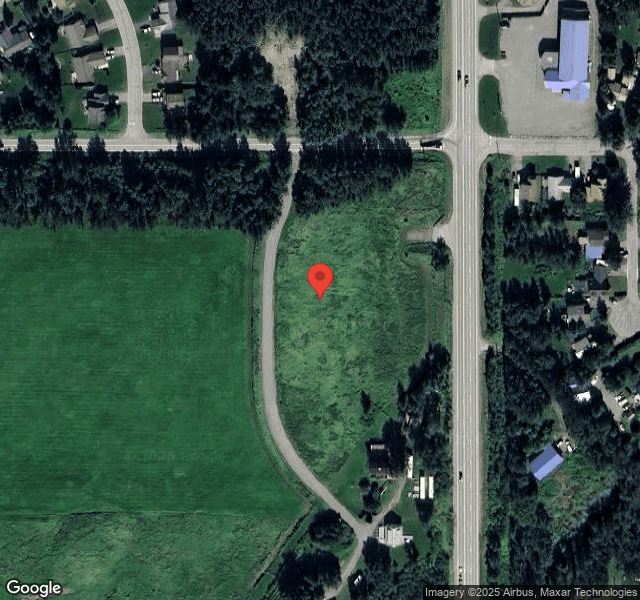
12130 EAST MAPLE SPRINGS WAY, PALMER, AK 99645 (907) 802-6641
For profit - Limited Liability company 67 Beds MAPLE SPRINGS LIVING Data: November 2025 2 Immediate Jeopardy citations
Trust Grade
11/100
#17 of 20 in AK
Last Inspection: March 2025

Within standard 12-15 month inspection cycle. Federal law requires annual inspections.

Overview

Maple Springs of Palmer has received a Trust Grade of F, indicating significant concerns and a poor reputation in care quality. Ranked #17 out of 20 facilities in Alaska and #2 out of 2 in Matanuska-Susitna County, this places them in the bottom half of available options. The facility's trend is worsening, with reported issues increasing from 5 in 2024 to 17 in 2025. While staffing is a strength, boasting a 5/5 star rating and a turnover rate of 38%, which is better than the state average, the facility has been fined $96,596, a troubling figure higher than 90% of Alaska facilities. Notable incidents include a resident suffering a compound fracture due to improper securement during transport and another resident being harmed after using scissors found in their room, highlighting serious safety lapses that families should consider.

Trust Score
F
11/100
In Alaska
#17/20
Bottom 15%
Safety Record
High Risk
Review needed
Inspections
Getting Worse
5 → 17 violations
Staff Stability
○ Average
38% turnover. Near Alaska's 48% average. Typical for the industry.
Penalties
⚠ Watch
$96,596 in fines. Higher than 100% of Alaska facilities. Major compliance failures.
Skilled Nurses
✓ Good
Each resident gets 81 minutes of Registered Nurse (RN) attention daily — more than 97% of Alaska nursing homes. RNs are the most trained staff who catch health problems before they become serious.
Violations
⚠ Watch
41 deficiencies on record. Higher than average. Multiple issues found across inspections.
★★☆☆☆
2.0
Overall Rating
★★★★★
5.0
Staff Levels
★★☆☆☆
2.0
Care Quality
★☆☆☆☆
1.0
Inspection Score
Stable
2024: 5 issues
2025: 17 issues

The Good

  • 5-Star Staffing Rating · Excellent nurse staffing levels
  • Full Sprinkler Coverage · Fire safety systems throughout facility
  • No fines on record
  • Staff turnover below average (38%)

    10 points below Alaska average of 48%

Facility shows strength in staffing levels, fire safety.

The Bad

2-Star Overall Rating

Below Alaska average (3.5)

Below average - review inspection findings carefully

Staff Turnover: 38%

Near Alaska avg (46%)

Typical for the industry

Federal Fines: $96,596

Well above median ($33,413)

Moderate penalties - review what triggered them

Chain: MAPLE SPRINGS LIVING

Part of a multi-facility chain

Ask about local staffing decisions and management

The Ugly 41 deficiencies on record

2 life-threatening 1 actual harm
Aug 2025 2 deficiencies
CONCERN (E) 📢 Someone Reported This

A family member, employee, or ombudsman was alarmed enough to file a formal complaint

Potential for Harm - no one hurt, but risky conditions existed

Report Alleged Abuse (Tag F0609)

Could have caused harm · This affected multiple residents

.Based on record review and interview, the facility failed to immediately report an allegation of verbal abuse to the State Survey Agency in accordance with CFR (Code of Federal Regulations) S483.12 (...

Read full inspector narrative →
.Based on record review and interview, the facility failed to immediately report an allegation of verbal abuse to the State Survey Agency in accordance with CFR (Code of Federal Regulations) S483.12 (b)(5) for 1 resident (#2), out of 4 sampled residents reviewed. Specifically, the facility failed to notify the State Survey Agency of alleged violations involving abuse no later than two hours after allegation was made. This failed practice had the potential for continued abuse and placed vulnerable residents at risk of harm .Record review on 8/4-5/25 revealed Resident #2 was admitted to the facility with diagnoses that included Parkinson's disease (a brain disorder that affects movement and causes tremors, stiffness and slowness), anxiety disorder (a mental disorder characterized by uncontrollable feeling of anxiety and fear), post-traumatic stress disorder (a mental health condition that is caused by extremely stressful or terrifying event) and depression.Review of the IDT [Interdisciplinary Team] Care Conference 1.0 note, dated 7/17/25 at 2:01 PM, revealed: [Resident #2] has also verbalized concerns about the use of profanities and inappropriate names during interactions.During an interview on 8/4/25 at 2:45 PM, the Resident Advocate (RA) stated the Administrator, Director of Nursing (DON), and RA attended the IDT Conference on 7/17/25. RA further stated, regarding Resident #2's expressed concerns of profanity, when IDT members inquired further about the profanity Resident #2 mumbled it was one nurse, Resident #2 was not so sure who it was, and that he/she would prefer not to work with him/her if he/she had to. RA stated Resident #2 later stated the staff member was LN#1. The RA further stated there was no formal investigation conducted in relation to the allegation. During an interview on 8/5/25 at 1:20 PM, the Administrator stated he was aware of the allegations made during the IDT meeting. He further stated the alleged verbal abuse was not reported to the State Survey Agency.Review of the facility's Abuse Policies, dated 6/2025, revealed: .Maple Springs strives to achieve and maintain an abuse free-environment. There is zero tolerance for the abuse.of a resident.promptly investigating all reported incidents of resident abuse and allegations of abuse . Allegations of abuse. can be reported to any employee at any time by resident's [sic], family and or legal representative[s].All allegations of abuse.will be reported immediately to the Administrator and/or designee.the Administrator or designee will ensure that all violations involving abuse.are reported immediately, but not later than 2 hours after the allegation is made.
CONCERN (E) 📢 Someone Reported This

A family member, employee, or ombudsman was alarmed enough to file a formal complaint

Potential for Harm - no one hurt, but risky conditions existed

Investigate Abuse (Tag F0610)

Could have caused harm · This affected multiple residents

.Based on record review and interview, the facility failed to respond to an allegation of verbal abuse for 1 resident (2), out of 4 sampled residents reviewed, in accordance with CFR (Code of Federal ...

Read full inspector narrative →
.Based on record review and interview, the facility failed to respond to an allegation of verbal abuse for 1 resident (2), out of 4 sampled residents reviewed, in accordance with CFR (Code of Federal Regulations) S483.12(c). Specifically, the facility failed to:1) thoroughly investigate allegations of verbal abuse;2) prevent further potential abuse while the investigation was in progress; and3) report results of an investigation to the State Survey Agency within 5 working days of the incident to include verification of allegations and corrective actions taken.This failed practice resulted in Resident #2's unhappiness in the facility and fear of retaliation. This failed practice also placed Resident #2 at risk of continued abuse and receiving care in a less-than-optimal setting .Record review on 8/4-5/25 revealed Resident #2 was admitted to the facility with diagnoses that included Parkinson's disease (a brain disorder that affects movement and causes tremors, stiffness and slowness), anxiety disorder (a mental disorder characterized by uncontrollable feeling of anxiety and fear), post-traumatic stress disorder (a mental health condition that is caused by extremely stressful or terrifying event) and depression.Verbal Abuse AllegationsDuring a joint interview on 8/5/25 at 12:30 PM with Resident #2 and Resident #2's Representative (RR), RR stated Licensed Nurse (LN) #1 called Resident #2 a FAH [Fucking Ass Hole] on 5/20/25 and an idiot on 6/12/25. Resident #2 stated he/she was unhappy in the facility and was afraid of speaking up for himself/herself due to the fear of retaliation. Resident #2 further stated every time LN#1 entered the room for cares he/she doesn't say anything, and that he/she would rather put himself/herself to bed at night.Review of the IDT [Interdisciplinary Team] Care Conference 1.0 note, dated 7/17/25 at 2:01 PM revealed: [Resident #2] has also verbalized concerns about the use of profanities and inappropriate names during interactions.Lack of InvestigationReview on 8/4-5/25 of the facility's incident report log for 2025, revealed no investigation was conducted about the allegations of verbal abuse after the IDT meeting.During an interview on 8/4/25 at 2:45 PM, the Resident Advocate (RA) stated the Administrator, Director of Nursing (DON), and RA attended the IDT Conference on 7/17/25. RA further stated, regarding Resident #2's expressed concerns of profanity, when IDT members inquired further about the profanity Resident #2 mumbled it was one nurse, Resident #2 was not so sure who it was, and that he/she would prefer not to work with him/her if he/she had to. RA stated Resident #2 later stated the staff member was LN#1. The RA further stated there was no formal investigation conducted in relation to the allegation. During an interview on 8/4/25 at 3:46 PM, the DON stated there was an investigation inquiry about LN#1 regarding the profanity but not a formal one. There was no documentation provided at the end of the survey.During an interview on 8/5/25 at 1:20 PM, the Administrator stated he was aware of the allegations made during the IDT meeting on 7/17/25. He further stated the alleged verbal abuse was not reported to the state agency nor was a thorough investigation conducted. The Administrator further stated LN #1 was not taken off the work schedule after the IDT meeting.LN #1's Work ScheduleReview of LN #1's schedule on 8/5/25 at 1:20 PM, revealed LN#1 worked as a charge nurse on 7/20-22/25, 7/26-29/25, 8/3-4/25 and was scheduled to work on 8/5/25. During an interview on 8/5/25 at 2:07 PM, the DON stated when LN#1 was assigned to work as the charge nurse, he/she could be working in the unit where Resident #2 resided, depending on the needs of the facility.Abuse PolicyDuring an interview on 8/5/25 at 1:20 PM, the Administrator stated if there was an allegation of verbal abuse, the facility would follow the normal process based on the facility's Abuse Policy. The Administrator further stated an allegation of abuse should be reported to the State Agency within two hours, and a final report of the investigation should be submitted 5 calendar days after the incident took place.Review of the facility's Abuse Policies, dated 6/2025, revealed: .Maple Springs strives to achieve and maintain an abuse free-environment. There is zero tolerance for the abuse.of a resident.promptly investigating all reported incidents of resident abuse and allegations of abuse . Allegations of abuse .can be reported to any employee at any time by resident's [sic], family and or legal representative[s].All allegations of abuse.will be reported immediately to the Administrator and/or designee.the Administrator or designee will ensure that all violations involving abuse.are reported immediately, but not later than 2 hours after the allegation is made. As appropriate, the state agencies.will be contacted. All pertinent information will be reviewed during the investigation. Maple Springs will notify the resident, designated family members and/or legal representative [s] of the investigation. A list of witnesses and other persons knowledgeable about the event will be compiled.interviews will be conducted. The alleged perpetrator will be placed on administrative leave and/ or denied access until the investigation is resolved. Results from the report will be sent to the State Agency within 5 working days of the incident. resident's designated family member [s] and/or legal representative [s] will be notified.
Jun 2025 5 deficiencies
CONCERN (D) 📢 Someone Reported This

A family member, employee, or ombudsman was alarmed enough to file a formal complaint

Potential for Harm - no one hurt, but risky conditions existed

Investigate Abuse (Tag F0610)

Could have caused harm · This affected 1 resident

**NOTE- TERMS IN BRACKETS HAVE BEEN EDITED TO PROTECT CONFIDENTIALITY** Based on interview, record review, and review of facility policy, the facility failed to thoroughly investigate an allegation of...

Read full inspector narrative →
**NOTE- TERMS IN BRACKETS HAVE BEEN EDITED TO PROTECT CONFIDENTIALITY** Based on interview, record review, and review of facility policy, the facility failed to thoroughly investigate an allegation of abuse and bruising of unknown origin for two of five residents (Resident (R) 3 and R1) reviewed for abuse and neglect out of a total sample of six. Failure to thoroughly investigate allegations of neglect and injuries of unknown origin places residents at risk for potential continued abuse. Findings include: Review of the facility's policy titled, Abuse Policies, dated 12/2023, revealed, . All allegations of abuse and/or neglect will be reported to the Administrator and/or designee, including incidents involving injured resident's where the origin of the injury in [sic] unknown . All pertinent information will be reviewed during the investigation . A list of witnesses and other persons knowledgeable about the event will be compiled . Interviews will be conducted with the following individuals: a. The individual(s) making the report. B. The individual(s) alleged to be involved with the incident. C. If they are capable of and/or willing to be interviewed, the resident . 1. Review of R3's Profile tab of the electronic medical record (EMR) revealed R3 was admitted to the facility on [DATE] with diagnoses that included unspecified dementia without behavioral disturbance. Review of R3's Care Plan, revised 04/03/25 and located under the Care Plan tab of the EMR, revealed R3 had behavior problems of grabbing, yelling, and rejection of care. It was recorded that the resident had the potential to be physically aggressive towards staff. Interventions included explaining all procedures before starting, to maintain an appropriate distance as possible, and assess and anticipate resident's needs. Review of R3's quarterly Minimum Data Set (MDS), with an Assessment Reference Date (ARD) of 04/11/25 and located under the MDS tab of the EMR, revealed R3 had a Brief Interview for Mental Status (BIMS) score of two out of 15, which indicated the resident was severely cognitively impaired. It was recorded R3 was dependent on staff for toileting hygiene, required substantial to maximum assistance with most activities of daily living (ADLs), and was always incontinent of bladder and bowel. Review of the facility's Initial Incident Report, dated 05/06/25 and provided by the Resident Advocate (RA), revealed, . [CNA2] reports helping [CNA1] change [E3]'s brief last night. During this brief change [CNA2] reports that the resident became combative. [CNA2] states that [CNA1] was rough with the resident grabbing her wrist and forcefully shoving the brief underneath her . Review of the investigative file of the alleged incident revealed no documented evidence that R3 was assessed for signs of physical abuse. There was no documented evidence that non-interviewable residents cared for by CNA1 were assessed for signs of physical abuse. There was documentation that four residents were interviewed regarding abuse. It was recorded that Licensed Practical Nurse (LPN) 1, the nurse on duty at the time of the alleged incident, CNA1, and CNA2 were interviewed; however, no other staff members were interviewed. The final report indicated the facility had been unable to verify the allegation. During an interview on 06/04/25 at 10:36 AM, the Resident Advocate (RA), who was the facility's abuse coordinator, stated CNA1, CNA2, and LPN1 were interviewed regarding the incident but there were no written statements. RA stated CNA1 and CNA2 were called to get their statements. RA confirmed that four residents were interviewed but that the non-interviewable residents were not assessed for signs of physical abuse. RA confirmed CNA1 was suspended pending the investigation and that abuse education was assigned to CNA1. During an interview on 06/04/25 at 11:16 AM, CNA2 stated that on 05/05/25, she assisted CNA1 in providing incontinent care to R3. CNA2 stated that CNA1 had her hand balled in a fist and was forcefully shoving an incontinent brief under the resident. CNA2 reported that the resident often screamed out and yelled during care, but during this care, the resident yelled ouch in a different manner that indicated to her that the action had caused the resident pain. CNA2 reported during the care, R3 had reached out to grab her arm, and CNA1 grabbed R3's wrist and pretty aggressively pushed it back down. CNA2 stated that she did not remember anyone asking her to provide a statement of the alleged incident after she first reported it. During an interview on 06/04/25 at 11:36 AM, the Human Resources Director (HR) confirmed CNA1 was suspended during the investigation and was cleared to return to work on 05/12/25. HR confirmed CNA1 was assigned abuse training on 05/12/25 but stated CNA1 had not completed the training yet. HR stated CNA1 was sent daily electronic reminders to complete the training and that staff checked daily to see if it was done. HR stated CNA1 had 90 days to complete the training before she would be pulled from the schedule. Review of timecards and staff schedules revealed from 05/19/25 through 06/04/25, CNA1 worked nine shifts without having completed the assigned abuse education. CNA1 was on duty on 06/04/25. During an interview on 06/04/25 at 12:04 PM, CNA1 denied the allegation and stated she had completed the assigned abuse training. During an interview on 06/04/25 at 12:25 PM, the HR stated CNA1 did complete the training on this day, but she could not provide a time at which it was completed. During an interview on 06/05/25 at 1:19 PM with the RA, Administrator, and Corporate Quality Nurse (CQN), the RA, who was the facility's abuse coordinator, confirmed that R3 and the other non-interviewable residents on R3's hall had not been assessed for bruising or signs of abuse. The Administrator and CQN confirmed all non-interviewable residents on R3's hall should have been assessed for bruising and signs of abuse and neglect. They confirmed that all interviewable residents should have been interviewed related to abuse. 2. Review of R1's Profile tab of the EMR revealed R1 was admitted to the facility on [DATE] with diagnoses that included dementia, nondisplaced fracture of the sacrum, hallucinations, and unspecified fracture of the thoracic vertebrae. Review of R1's Care Plan, revised 03/15/25 and located under the Care Plan tab of the EMR, revealed R1 had a potential behavior problem related to anxiety, hallucinations, and behaviors such as repetitive movements, grabbing, and rejection of care. Interventions included anticipating and meeting the resident's needs. Review of R1's quarterly MDS, with an ARD of 03/20/25 and located under the MDS tab of the EMR, revealed R1 had a BIMS score of three out of 15, which indicated the resident was severely cognitively impaired. It was recorded that R1 was dependent on staff for toileting hygiene and showers/baths and required substantial to maximum assistance with transfers. It was recorded R1 was always incontinent of bladder and bowel. Review of R1's Progress Note, dated 04/13/25 at 2:48 AM and located under the Progress Notes tab of the EMR, revealed, . This writer was called to resident's room by CNA to see resident's right leg. On the resident's right outer leg there were several areas of bluish-purple bruising observed. When questioned, resident stated she didn't know it was there. Denies pain . Provider and acting DON [Director of Nursing] notified via Tiger connect [facility's text communication system] at 04:42 [AM] . Review of R1's Skilled Charting, dated 04/13/25 at 7:18 AM and located under the Assessments tab of the EMR, revealed, . 6 [six] bruises to rt [right] lateral thigh, different colors ranging from yellow to darker purple in central areas of the bruise; bruise lateral and proximal distal lt [left] elbow, light purple; 2 smaller bruises distal to previous noted bruise with one small scab in bruising path; lt lower back redness discoloration over bony prominence; yellow bruising medial lt lower leg proximal to ankle; small scab rt shin . Review of the facility's investigative file related to R1's bruising of unknown origin revealed LPN2, CNA4, who was assigned to the resident on the shift the bruising was identified, and CNA4, who was also working on the floor on that shift, were interviewed regarding the resident's bruising. It was also documented Registered Nurse (RN) 1 performed the skin assessment on 04/13/25. There was evidence that three alert and oriented residents on R1's floor were interviewed regarding abuse and neglect. There was no documented evidence that any staff members who had taken care of R1 in the preceding days had been interviewed in an effort to determine their knowledge of the origin of R1's bruising or why the bruising had not been reported earlier. There was no documented evidence that other non-interviewable residents on R1's floor had been assessed for bruising and signs of abuse and neglect. During an interview on 06/05/25 at 1:00 PM with the RA, Administrator, and the CQN, the RA confirmed that no other staff members had been interviewed regarding R1's bruising of unknown origin. The RA confirmed that the other non-interviewable residents located on R1's floor had not been assessed for bruising or signs of abuse and neglect. The Administrator and CQN confirmed their expectation that all staff who had been caring for the resident would have been interviewed. The Administrator and CQN confirmed all non-interviewable residents on R1's hall should have been assessed for bruising and signs of abuse and neglect.
CONCERN (D) 📢 Someone Reported This

A family member, employee, or ombudsman was alarmed enough to file a formal complaint

Potential for Harm - no one hurt, but risky conditions existed

Quality of Care (Tag F0684)

Could have caused harm · This affected 1 resident

**NOTE- TERMS IN BRACKETS HAVE BEEN EDITED TO PROTECT CONFIDENTIALITY** Based on interview, record review, and facility policy review, the facility failed to complete skin assessments for one of six s...

Read full inspector narrative →
**NOTE- TERMS IN BRACKETS HAVE BEEN EDITED TO PROTECT CONFIDENTIALITY** Based on interview, record review, and facility policy review, the facility failed to complete skin assessments for one of six sampled residents (Resident (R) 1) whose records were reviewed. Failure to complete routine skin assessments placed residents at increased risk of alterations in skin integrity. Findings include: Review of the facility's policy titled, Resident Assessment, revised 02/2024, revealed, . Head-to-toe assessments will be performed by nursing staff at least weekly on all residents . Physical Exam: . Skin: a. intactness; b. moisture; c. color; d. texture; e. presence of bruises . The following information should be recorded in the resident's medical record . All assessment data obtained during the procedure . Review of R1's Profile tab of the electronic medical record (EMR) revealed R1 was admitted to the facility on [DATE] with diagnoses that included dementia, nondisplaced fracture of the sacrum, hallucinations, and unspecified fracture of the thoracic vertebrae. Review of R1's Care Plan, revised 01/28/25 and located under the Care Plan tab of the EMR, revealed R1 had impaired skin integrity and the potential for pressure ulcer development related to fissure to the heels, episodes of incontinence, and impaired mobility. The goal was the resident would have intact skin, free of redness, blisters, or discoloration through the review date. Interventions included following facility policies/protocols for the prevention/treatment of skin breakdown. Review of R1's quarterly Minimum Data Set (MDS), with an Assessment Reference Date (ARD) of 03/20/25 and located under the MDS tab of the EMR, revealed R1 had a Brief Interview for Mental Status (BIMS) score of three out of 15, which indicated the resident was severely cognitively impaired. It was recorded that R1 was dependent on staff for toileting hygiene and showers/baths and required substantial to maximum assistance with transfers. It was recorded R1 was always incontinent of bladder and bowel. Review of R1's Assessment tab of the EMR revealed a Skilled Charting document, dated 04/01/25. The Skill Charting revealed no documented evidence that R1 had any bruising on her body. There was no documented evidence of skin assessments from 04/02/25 through 04/13/25. Review of R1's Progress Note, dated 04/13/25 at 2:48 AM and located under the Progress Notes tab of the EMR, revealed, . This writer was called to resident's room by CNA [Certified Nurse Aide] to see resident's right leg. On the resident's right outer leg there were several areas of bluish-purple bruising observed. When questioned, resident stated she didn't know it was there. Denies pain . Provider and acting DON [Director of Nursing] notified via Tiger connect [facility's text communication system] at 04:42 [AM]. Will pass on to day shift nurse . Review of R1's Skilled Charting, dated 04/13/25 at 7:18 AM and located under the Assessments tab of the EMR, revealed, . 6 [six] bruises to rt [right] lateral thigh, different colors ranging from yellow to darker purple in central areas of the bruise; bruise lateral and proximal distal lt [left] elbow, light purple; 2 smaller bruises distal to previous noted bruise with one small scab in bruising path; lt lower back redness discoloration over bony prominence; yellow bruising medial lt lower leg proximal to ankle; small scab rt shin . During an interview on 06/03/25 at 2:40 PM, CNA6, who was assigned to R1, confirmed any changes in skin integrity, including bruising, were to be reported to the nurse immediately. CNA6 stated R1 did not have any bruising at this time. CNA6 denied knowledge of the bruising that was found on R1 on 04/13/25. During an interview on 06/04/25 at 9:50 AM, Licensed Practical Nurse (LPN) 3 confirmed skin assessments were to be completed weekly and that the information was documented on the Skill Charting form. LPN3 confirmed that any changes should be reported immediately. LPN3 denied any knowledge that R1's skin assessments were not completed as per policy. LPN3 stated all staff should report any changes in skin integrity, including bruising, immediately. During an interview on 06/04/25 at 5:18 PM, the Corporate Quality Nurse (CQN) confirmed there was no documented evidence that R1's skin had been assessed after 04/01/25 until 04/13/25 when the resident was noted with bruising. The CQN confirmed weekly skin assessments should have been completed. The CQN confirmed that if the weekly assessment between 04/01/25 and 04/13/25 had been completed, the bruising might have been noted quicker. The CQN confirmed she expected skin assessments to be completed weekly and for any abnormality to be reported immediately. The CQN stated she did not know why the assessment had not been completed or why the bruising was not reported sooner.
CONCERN (D) 📢 Someone Reported This

A family member, employee, or ombudsman was alarmed enough to file a formal complaint

Potential for Harm - no one hurt, but risky conditions existed

Accident Prevention (Tag F0689)

Could have caused harm · This affected 1 resident

**NOTE- TERMS IN BRACKETS HAVE BEEN EDITED TO PROTECT CONFIDENTIALITY** Based on observation, interview, record review, and review of facility policy, the facility failed to ensure one of three reside...

Read full inspector narrative →
**NOTE- TERMS IN BRACKETS HAVE BEEN EDITED TO PROTECT CONFIDENTIALITY** Based on observation, interview, record review, and review of facility policy, the facility failed to ensure one of three residents (Resident (R) 2) reviewed for the use of mechanical lifts out of a total sample of six was transferred in a safe manner, using two people as per facility policy. Failure to transfer residents in a safe manner placed R2 at risk for injury. Following the incident, the facility identified and implemented a Performance Improvement Plan (PIP) to ensure staff followed the facility's policy requiring two staff members when using a mechanical lift. Findings include: Review of the facility's policy titled, Lifting Machine, Using a Mechanical, dated 07/2017, revealed, . At least two (2) nursing assistants are needed to safely move a resident with a mechanical lift . Review of R2's Profile tab of the electronic medical record (EMR) revealed the resident was admitted to the facility on [DATE] with diagnoses that included hypertensive heart and chronic kidney disease with heart failure. Review of R2's Care Plan, dated 12/08/23, revealed staff was to use a Hoyer lift to transfer R2. Review of R2's annual Minimum Data Set (MDS), with an Assessment Reference Date (ARD) of 03/30/25 and located under the MDS tab of the EMR, revealed R2 was dependent on staff for chair-to-bed and bed-to-chair transfers. It was recorded that R2 had a Brief Interview for Mental Status (BIMS) score of 15 out of 15, which indicated the resident was cognitively intact. Review of R2's Progress Note, dated 05/11/25 at 6:52 PM, revealed, . CNA [Certified Nurse Aide 7] was transferring from bed to wheelchair using Hoyer lift. While resident was in the air the Hoyer lift suddenly fell onto its side with resident still in it. Resident fell straight on the ground. Nurse was at nursing station when CNA called for urgent help. Writer went to the Residents room immediately, to find Resident on the floor with CNA next to them. Brief neuro check completed with resident request to get into bed before completing assessment. Extra staff collected to ensure safe transfer process from floor to bed. Once transfer was completed Vitals and neuros re-collected, along with complete head to toe assessment. Noted findings are tenderness of crown of head along with palpable tenderness to mid/lower back following spinal column. Resident offered ER visit for further evaluation but refused. Education provided to notify staff for any changes or symptoms, reported willingness and understanding. Provider and DON notified . Review of R2's Plan of Care Note, dated 05/14/25 at 9:43 AM, revealed, . The IDT [Interdisciplinary Team] met to review fall prevention measures for the resident. The resident has had no falls since last review. Staff continue to use Hoyer x 2 for transfers. Therapy working with resident on strengthening and ROM. No new concerns or changes in resident condition noted. Will continue current interventions as planned . Review of the facility's investigative file of the incident revealed: a. A statement from CNA 7, dated 05/11/25, that recorded, . Resident stated she needed a brief change. I then grab resident [sic] Hoyer and hook her up [sic]. I then asked resident if they are [sic] ready to transfer. Resident stated yes. As I am conversing with Resident I press the up button to lift her up. We were doing her normal transfer (she only allows 1 [one] CNA for transfer) All CNAs do it. As we are conversing about the day I rotate the lift to the left towards her bed as her normal routine is. As I push [sci] lift to bed it tipped over. I then as a reflex try to catch resident from falling. She then landed on ground and on my right leg. I immediately call [sic][Licensed Practical Nurse (LPN) 3] the nurse [and] told him help now! [LPN3] came in and then grabbed [CNA10] and [Nurse Educator]. [CNA10] and I got the okay to get her into bed. No pain has been stated by resident. As we got her in bed, [LPN3] then does a skin assessment. No marks were visual. Lower back to the touch was tender per resident. I asked resident if they wanted to stay in bed or get back up. [CNA6] then came in and helped me transfer because I refuse to due [sic] x1 transfer per resident. Resident complained of back hurt and head hurting. CNA7 recorded on the statement that she was the only CNA assigned to the resident's hall. b. A statement from LPN3, dated 05/12/25, that recorded he received a call on his personal cell phone from CNA7 who reported that she was transferring R2 and they both fell. LPN found R2 and CNA7 on the floor with the Hoyer tipped over on top of them. LPN completed a head-to-toe assessment on the resident and recommended that she be seen at the hospital. c. A statement from CNA8, dated 05/12/25, that recorded she only transferred residents using mechanical lifts with two staff. CNA8 reported she would call over the radio for additional assistance if needed. CNA8 reported she was not working with R2 on the day of the incident but does work with her regularly. d. A statement from CNA9, dated 05/12/25, that recorded she knew two staff were to be present for all Hoyer lifts. CNA9 reported she would call for assistance with all transfers. e. A statement from CNA11, dated 05/12/25, that confirmed all lifts should be operated by two people. f. A statement from R2, dated 05/13/25, that recorded CNA7 was helping her transfer with the Hoyer lift when the feet of the lift got stuck, causing the lift to fall over. R2 reported no one was available to help CNA7 but that she did call for assistance prior to moving her. g. A copy of CNA7's agreement, dated 01/08/25, to follow the facility's lift safety policy. CNA7 agreed that she had been trained and understood her responsibility for her safety and the resident's safety. h. A copy of CNA7's Hoyer Lift Training Skills Checkoff, dated 01/08/25, which recorded CNA7 had demonstrated competent skills in performing Hoyer lift transfers, including the use of two staff members. i. A copy of an employee file audit results which showed all nursing staff members had been assessed to be competent in the use of mechanical lifts. j. A copy of morning meeting notes, dated 05/12/25 through 05/16/25, that recorded staff were reminded that all residents who use Hoyer lifts MUST be completed by 2 staff. k. May Staff Meeting notes, dated 05/22/25, that recorded, . Any mechanical lift must be operated by two [in bold] licensed staff every single time . l. Audit results from the weeks of 05/19/25, 05/26/25, and 06/02/25, showing staff had been observed to ensure two people were present for mechanical lift transfers and that the resident remained safe during the transfers. During an observation on 06/03/25 at 12:15 PM, CNA8 and CNA10 were observed transferring R3 from her bed to her chair with a mechanical lift, using proper lifting techniques. On 06/03/25 at 12:37, the Corporate Quality Nurse (CQN) provided staffing records for 05/11/25. Review of the staff records showed for the 6:00 AM to 6:00 PM shift, there were 10 aides and four nurses to care for 64 residents. The staff records showed for the 6:00 PM to 6:00 AM (05/12/25) shift, there were six nurses and four aides to care for 64 residents. During an interview on 06/03/25, CNA9 confirmed two people were required for transfers using a mechanical lift. CNA9 confirmed she had received training on proper lift techniques and had been observed using the lift. CNA9 confirmed there had recently been an incident when R2 was transferred by one person using a mechanical lift, and the lift tipped over. CNA9 stated following the incident, all staff received education and reminders of the facility's policy that required the use of two staff members with a mechanical lift. During an interview on 06/03/25 at 2:34 PM, CNA12 confirmed two people were required for transfers using a mechanical lift. CNA12 confirmed she had received training on proper lift techniques recently and stated she had been observed using the lift. During an interview on 06/03/25 at 2:40 PM, CNA6 confirmed two people were required for transfers using a mechanical lift. CNA6 confirmed she had received training on proper lift techniques following the incident with R2 and had been observed using the lift. During an interview on 06/03/25 at 3:45 PM, R2 confirmed there had been an incident on 05/11/25 when she was being transferred by CNA7 where the lift tipped over. R2 stated she had been asking the staff to transfer her using only one person, but after the incident, the staff had talked to her, and she no longer asked for just one person to transfer her. R2 stated the aides were using two people to complete the transfers. During an observation on 06/04/25 at 9:50 AM, R1 was observed being transferred from the shower chair to her bed. CNA13 and CNA14 were observed transferring R1, using proper lifting techniques. During an interview on 05/03/25 at 5:05 PM, the CQN confirmed the incident with R2 did occur. The CQN stated the resident was assessed to need a Hoyer lift for transfers, and facility policy required two staff members when using mechanical lifts. The CQN reported CNA7 had been assessed to be competent in lifting techniques and had signed that she was aware of the facility's policy requiring two staff members for mechanical lifts. The CQN stated CNA7's employment had been terminated following the incident due to the failure of not following facility policy. The CQN stated following the incident, a PIP had been implemented that included providing re-education to all nursing staff and reminders of the facility's policy requiring the use of two staff members when using a mechanical lift. The CQN stated the care plans for all residents were reviewed to ensure the proper mode of transfers/lifting had been identified for each resident. The CQN stated audits had been conducted for three weeks, with the last week of audits being 06/02/25, to ensure staff were using two people for transfers and were using proper lifting techniques. The CQN reported there had been no further incidents related to the mechanical lifts.
CONCERN (E) 📢 Someone Reported This

A family member, employee, or ombudsman was alarmed enough to file a formal complaint

Potential for Harm - no one hurt, but risky conditions existed

Report Alleged Abuse (Tag F0609)

Could have caused harm · This affected multiple residents

**NOTE- TERMS IN BRACKETS HAVE BEEN EDITED TO PROTECT CONFIDENTIALITY** Based on interview, record review, and review of facility policy, the facility failed to report injuries of unknown origin and a...

Read full inspector narrative →
**NOTE- TERMS IN BRACKETS HAVE BEEN EDITED TO PROTECT CONFIDENTIALITY** Based on interview, record review, and review of facility policy, the facility failed to report injuries of unknown origin and allegations of abuse and neglect immediately to the Resident Advocate (RA) and within two hours to the State Survey Agency (SSA) for three of three residents (Resident (R) 3, R1, and R5) reviewed for abuse and neglect out of a total sample of six. Failure to report injuries of unknown origin and allegations of abuse and neglect places residents at risk for continued potential abuse. Findings include: Review of the facility's policy titled, Abuse Policies, dated 12/2023, revealed, . All allegations of abuse and/or neglect will be reported to the Administrator and/or designee, including incidents involving injured resident's where the origin of the injury in [sic] unknown . Facility will report immediately, but not later than two hours after forming the suspicion or allegation, if the events that cause the suspicion or allegation result in serious bodily injury, or not later than 24 hours if the events that cause the suspicion do not result in serious bodily injury . 1. Review of R3's Profile tab of the electronic medical record (EMR) revealed R3 was admitted to the facility on [DATE] with diagnoses that included unspecified dementia without behavioral disturbance. Review of R3's quarterly Minimum Data Set (MDS), with an Assessment Reference Date (ARD) of 04/11/25 and located under the MDS tab of the EMR, revealed R3 had a Brief Interview for Mental Status (BIMS) score of two out of 15, which indicated the resident was severely cognitively impaired. It was recorded R3 was dependent on staff for toileting hygiene, required substantial to maximum assistance with most activities of daily living (ADLs), and was always incontinent of bladder and bowel. Review of the facility's investigative file, provided by the RA, for an incident of alleged abuse involving R3 revealed that on 05/05/25 at approximately 11:04 PM, Certified Nurse Aide (CNA) 2 was assisting CNA1 in changing R3's brief. CNA2 reported that R3 became combative and CNA1 grabbed R3's wrist and forcefully shoved the incontinent brief under the resident. The investigative file contained: a. An Initial Report, with a submission date and time of 05/06/25 at 5:44 PM. Review of the Initial Report revealed the report was blank and did not contain any information regarding the allegation. This blank form was submitted to the SSA approximately 18.75 hours after the incident was alleged to occur. b. A Follow-up Investigation Report, with a submission date and time of 05/13/25 at 5:48 PM, that revealed, . [CNA2] reports that she was assisting [CNA1] with changing [R3]'s brief when [R3] became combative. [CNA2] states that [CNA1] grabbed [R3] wrist and forcibly placed the chuck pad and brief underneath [R3] . During an interview on 06/04/25 at 11:16 AM, CNA2 stated that on 05/05/25, she was assisting CNA1 with providing incontinent care for R3. CNA2 stated CNA1 had her hand balled in a fist and was forcefully shoving an incontinent brief under the resident. CNA2 reported that the resident often screamed out and yelled during care, but during this care, the resident yelled ouch in a different manner that indicated to her that the action had caused the resident pain. CNA2 reported during the care, R3 had reached out to grab her arm, and CNA1 grabbed R3's wrist and pretty aggressively pushed it back down. CNA2 confirmed the incident occurred around 11:00 PM. CNA2 stated she did not report the incident to the nurse until close to the end of her shift, which ended at 6:00 AM. CNA2 stated the nurse instructed her to notify the nurse educator, which she did at 5:57 AM. CNA2 stated the nurse educator instructed her to notify the Human Resources Director (HR), which she did at 6:17 AM. CNA2 stated allegations of abuse were supposed to be reported as soon as possible, not to exceed two hours. CNA2 first reported the allegation of abuse approximately seven hours after the alleged incident occurred. During an interview on 06/04/25 at 11:36 AM, the HR Director confirmed that she was notified of the alleged incident on 05/06/25 at 6:17 AM. HR confirmed she reported the alleged incident to the Resident Advocate (RA) during the afternoon of 05/06/25. HR confirmed allegations of abuse were to be reported immediately, as soon as possible. HR reported the alleged incident to the RA at least six hours after learning of the incident. During an interview with the RA, Administrator, and Corporate Quality Nurse (CQN) on 06/05/25 at 1:19 PM, the RA, who was the facility's abuse coordinator, confirmed she was responsible for submitting incident reports to the SSA. She confirmed the incident was reported to the state survey agency on 05/06/25 at 5:44 PM. RA stated she did not receive the information from HR until the afternoon of 05/06/25 and then she reported it within the first couple of hours after she received knowledge of the allegation. The Administrator confirmed allegations of abuse should be reported immediately and to the SSA within two hours. 2. Review of R1's Profile tab of the EMR revealed R1 was admitted to the facility on [DATE] with diagnoses that included dementia, nondisplaced fracture of the sacrum, hallucinations, and unspecified fracture of the thoracic vertebrae. Review of R1's quarterly MDS, with an ARD of 03/20/25 and located under the MDS tab of the EMR, revealed R1 had a BIMS score of three out of 15, which indicated the resident as severely cognitively impaired. It was recorded that R1 was dependent on staff for toileting hygiene and showers/baths and required substantial to maximum assistance with transfers. It was recorded R1 was always incontinent of bladder and bowel. Review of R1's Progress Note, dated 04/13/25 at 2:48 AM and located under the Progress Notes tab of the EMR, revealed, . This writer was called to resident's room by CNA to see resident's right leg. On the resident's right outer leg there were several areas of bluish-purple bruising observed. When questioned, resident stated she didn't know it was there. Denies pain . Provider and acting DON [Director of Nursing] notified via Tiger connect [facility's text communication system] at 04:42 [AM] . Review of the investigative file for R1 related to the bruising of unknown origin, provided by the RA, revealed an Initial Report of the bruising was submitted to the SSA on 04/13/25 at 9:36 AM. This was approximately five hours after the bruising was first identified. During an interview on 06/04/25 at 5:18 PM, the CQN confirmed staff should have reported R1's bruising as soon as it was noted. The CQN stated she did not know why staff had not identified and reported R1's bruising prior to 04/13/25, as the colors of the bruises showed they were not new. During an interview on 06/05/25 at 1:00 PM with the RA, Administrator, and CQN, the RA confirmed the initial incident report was not submitted to the SSA until 04/13/25 at 9:36 AM. The Administrator confirmed the initial report should have been sent to the SSA within two hours after the bruises were identified. 3. Review of R5's Profile tab of the EMR revealed R5 was admitted to the facility on [DATE] with diagnoses that included hemiplegia and hemiparesis following cerebral infarction and vascular dementia. Review of R5's quarterly MDS, with an ARD of 04/12/25 and located under the MDS tab of the EMR revealed R5 had a BIMS score of eight out of 15, with indicated the resident was moderately cognitively impaired, was dependent on staff for toileting hygiene, and was frequently incontinent of bladder, and always incontinent of bowel. Review of an Initial Report, provided by the SSA and with a received fax date stamp of 05/29/25 at 5:13 PM, revealed, . Allegation Type Neglect . Information about when the Facility became aware of the incident 5/28/25 8:25 pm [CNA5] notified [Nurse Educator] . Date/Time administrator was notified of the incident and by whom 5/28/25 8:52 pm [Nurse Educator] notified [Administrator] of the allegations . Alleged Victim(s) . [R5] . [CNA5] reported that [R5]'s brief and bedding were saturated with urine when she came on to shift yesterday. [CNA5] believes that the resident's brief wasn't changed for several hours . Name/title of person submitting report [RA] . Date/time (am/pm) report was submitted 5/29/25 3:00 PM . This was 18.5 hours after the allegation of neglect was first made by CNA5. During an interview with the RA, Administrator, and CQN on 06/05/25 at 1:26 PM, the RA reviewed the Initial Report and confirmed the allegation was an allegation of neglect and stated that it was reported to the SSA on 05/29/25 at 3:00 PM. The RA stated she reported it as soon as she received knowledge of the allegation. The RA stated she was notified of the allegation on the morning of 05/29/25. The RA was asked to provide the time she was notified. RA left the room and returned and stated the Nurse Educator had notified her at 2:00 PM on 05/29/25 (it was documented on the Initial Report that the Nurse Educator had notified the Administrator on 05/28/25 at 8:52 PM). The RA was asked why Initial Reports involving allegations of abuse, neglect, and injuries of unknown origin were not reported within two hours to the SSA. The RA did not comment. The Administrator confirmed he was responsible for monitoring to ensure the timely submission of Initial Reports related to abuse, neglect, and injuries of unknown origin. He stated the facility had not identified a problem with submissions before today.
CONCERN (F) 📢 Someone Reported This

A family member, employee, or ombudsman was alarmed enough to file a formal complaint

Potential for Harm - no one hurt, but risky conditions existed

Room Equipment (Tag F0908)

Could have caused harm · This affected most or all residents

**NOTE- TERMS IN BRACKETS HAVE BEEN EDITED TO PROTECT CONFIDENTIALITY** Based on observation, interview, record review, facility policy review, and review of the manufacturer's manual, the facility fa...

Read full inspector narrative →
**NOTE- TERMS IN BRACKETS HAVE BEEN EDITED TO PROTECT CONFIDENTIALITY** Based on observation, interview, record review, facility policy review, and review of the manufacturer's manual, the facility failed to conduct monthly inspections of seven of seven facility owned Hoyer (mechanical) lifts and of lifts owned by two of two (Resident (R) 2 and R6) residents with personal mechanical lifts. This failure increased the risks of accidents due to mechanical failure. Findings include: Review of the facility's policy titled, Specialized Medical Equipment, dated 04/04/24, revealed, . Maple Springs will ensure that all specialized medical equipment is identified and assessed for safety and necessity . Review of the undated MedLine Battery Operated Patient Lift manual, provided by the Maintenance Director (MD), revealed, . At least once a month, the patient lift should be thoroughly inspected to recognize any signs of wear, and/or looseness of bolts or parts. Replace any worn parts immediately . Always follow the maintenance and cleaning schedule closely and fully while including any specific state regulations should they apply. Keep a logbook of maintenance times and work performed or parts replaced . 1. During an interview on 06/03/25 at 3:46 PM, the Maintenance Director (MD) stated he did not conduct inspections on the facility's Hoyer lifts. He stated, I check on them and tighten them, clean hair out of the wheels. He stated, If they break, and they don't, we have a company come in. The MD was asked if he kept logs of his checks. He stated, No. The MD was asked if there were manufacturers' manuals for the lifts. He stated yes, left the room, and retrieved a manual. Continuing with the interview on 06/03/25 at 4:03 PM, the MD provided a manufacturer's manual for the Hoyer lifts. Review of the manual revealed the lifts were to be inspected monthly and a logbook recording maintenance services should be kept. The MD was asked how often he completed his checks of the lifts. He stated, Not as frequently as it says in there (pointing to the manual). During an interview on 06/05/25 at 1:47 PM, the Administrator was asked what the expectation was related to inspections of the mechanical lifts. He stated, Per the manual, monthly. The Administrator confirmed there were no logbooks for any maintenance or inspection of the lifts. On 06/05/25 at 12:30 PM, the Corporate Quality Nurse (CQN) confirmed the facility had seven Hoyer lifts. 2. Review of R2's Profile tab of the electronic medical record (EMR) revealed R2 was readmitted to the facility on [DATE] with diagnoses that included hypertensive heart and chronic kidney disease with heart failure. Review of R2's Care Plan, dated 12/08/23, revealed staff was to use a Hoyer lift for transfers. There was no documentation R2 had her own personal lift. Review of R2's annual Minimum Data Set (MDS), with an Assessment Reference Date (ARD) of 03/30/25 and located under the MDS tab of the EMR, revealed R2 was dependent on staff for chair-to-bed and bed-to-chair transfers. It was recorded that R2 had a Brief Interview for Mental Status (BIMS) score of 15 out of 15, which indicated the resident was cognitively intact. Review of R2's Physician Orders, dated 10/22/23 through 06/04/25 and located under the Orders tab of the EMR, revealed no physician's order for the use of a personal mechanical lift. Review of R2's Misc (Miscellaneous) tab of the EMR revealed no documentation of monthly inspections of a personal mechanical lift. Review of R2's Progress Note, dated 05/11/25 at 6:52 PM, revealed, . CNA [Certified Nurse Aide] was transferring from bed to wheelchair using Hoyer lift. While resident was in the air the Hoyer lift suddenly fell onto its side with resident still in it . It was recorded that the resident did not have any injuries and refused to go to the emergency room for assessment. Review of the investigative file of the incident, provided by the Resident Advocate (RA), revealed documentation of an interview with R2 on 05/13/25, where R2 agreed to no longer use her personal mechanical lift. During an interview on 06/03/25 at 3:45 PM, R2 stated the lift being used at the time of the incident was her personal lift. R2 denied any knowledge of the facility completing inspections on the lift. She stated her family member had taken the lift for repairs, but the facility did not do anything with the lift as far as she knew. During an interview on 06/03/25 at 4:03 PM, the Maintenance Director (MD) was asked if he completed any inspections on R2's lift while she had it. He stated, No. 2. Review of R6's Profile tab of the EMR revealed R6 was admitted to the facility on [DATE] with diagnoses that included quadriplegia. Review of R6's Care Plan, dated 09/26/23 and located under the Care Plan tab of the EMR, revealed staff was to use a Hoyer lift for transfers to the shower chair and commode. Review of R2's Physician Orders, dated 09/26/23 through 06/04/25 and located under the Orders tab of the EMR, revealed no physician's order for the use of a person mechanical lift. Review of R2's Misc (Miscellaneous) tab of the EMR revealed no documentation of monthly inspections of the personal mechanical lift. Review of R6's quarterly MDS, with an ARD of 04/10/25 and located under the MDS tab of the EMR, revealed R6 was dependent on staff for chair-to-bed and bed-to-chair transfers. It was recorded R6 had a BIMS score of seven out of 15, which indicated the resident was severely cognitively impaired. On 06/03/25 at 4:00 PM, a personal mechanical lift was noted in R6's room. R6 stated he thought his family member had brought the lift to the facility. During an interview on 06/03/25 at 4:03 PM, the MD confirmed R6 had a personal lift. He was asked if he had completed inspections on the lift. He stated, No. During an interview on 06/05/25 at 1:47 PM, the Administrator stated there was no documented evidence that either R2 or R6's mechanical lifts had been assessed for safety. He stated that neither resident had a physician's order for the use of a personal mechanical lift. The Administrator confirmed there was no documentation that either lift had been inspected monthly by the facility. The Administrator stated staff did not use the personal lift with R6, but he did not know how long it had been in the resident's room. The Administrator stated his expectation was for staff to try and discourage the use of personal lifts, but if the resident insisted, he should be notified so that the policy could be implemented. The Administrator stated the mechanical lifts should be inspected monthly.
Mar 2025 10 deficiencies 1 IJ (1 affecting multiple)
CRITICAL (K)

Immediate Jeopardy (IJ) - the most serious Medicare violation

Accident Prevention (Tag F0689)

Someone could have died · This affected multiple residents

**NOTE- TERMS IN BRACKETS HAVE BEEN EDITED TO PROTECT CONFIDENTIALITY** . Based on observation, interview, and record review, the facility failed to ensure the resident environment was free of acciden...

Read full inspector narrative →
**NOTE- TERMS IN BRACKETS HAVE BEEN EDITED TO PROTECT CONFIDENTIALITY** . Based on observation, interview, and record review, the facility failed to ensure the resident environment was free of accident hazards. Specifically, the facility failed to: 1) Establish safety measures for proper cigarette disposal and the use of required adaptive devices, identified during smoking safety assessments, for residents who smoke tobacco on the facility's campus for 5 residents (#'s 9, 10, 21, 32, and 47), out of 7 total residents who smoked; 2) Complete annual smoking safety screening assessments for 4 residents (#'s 9, 21, 32, and 47), out of 7 total residents who smoked; 3) Complete smoking safety screening assessments for 3 residents (#'s 12, 25, and 54), out of 3 total residents who used electronic cigarettes (known as vapes); and 4) Secure lighters within the facility for 6 residents (#'s 9, 10, 21, 32, 47, and 53), out of 7 total residents who smoked. These failed practices placed all 9 residents at immediate risk of injury and/or death and placed all residents (based on a census of 60) at immediate risk for exposure to a smoke/fire environment which could have resulted in injury and/or death, which constituted an immediate jeopardy at CFR 483.25(d) Accidents. This situation was brought to the attention of the facility's administration on 3/26/25 at 1:30 PM, at which time the facility was notified of the identified immediate jeopardy. The facility submitted an acceptable removal plan on 3/26/25 at 6:17 PM. The State Agency verified onsite that the immediacy was removed on 3/26/25 at 8:30 PM. Following the removal of the immediacy, noncompliance remained at isolated actual harm that was not immediate. Findings: Campus Layout Observations on 3/23-27/25 revealed the facility campus was situated on a property with maintained grass around the front of the building within 6 feet of the entrances and within 1 foot of the building walls. Further observation revealed a rock border, with planted foliage, was positioned flush against the building's walls, which extended approximately one foot to the grass border and around the grass to the sidewalks that led to the entrances. The facility had two entrances, most often used, at the front of the building: the main entrance (which entered the main lobby of the building) and a secondary entrance (which entered a resident common space and dining room area for the facility). There was a third entrance as well, which lead directly into the hospice wing of the building. Surrounding the property, directly off the paved driveway, parking lot, and sidewalks of the building was tall, dry grass-like foliage and trees that were not maintained. It was observed that, due to the time of the year, this grass-like foliage was last year's growth and was yellow, dry and brittle in appearance. Further observation revealed no designated smoking area with a fire-proof receptable for cigarette butts on campus, nor was there any directly off the campus property. During an interview on 3/24/25 at 10:26 AM, the Director of Nursing (DON) stated the facility was a smoke-free facility and residents were to smoke off property. Facility Smoking Policy Review of the facility-provided smoking policy, received on 3/24/25, revealed: Smoking/Vaping Policy. Maple Springs is a smoke-free and vape-free campus. Smoking and vaping are not permitted on Maple Springs property. Employees and residents who wish to smoke or vape must do so off the property. There are no designated smoking times or locations. During an interview on 3/27/25 at 12:32 PM, the DON stated this smoking policy was signed by all residents upon admission. Tobacco Use During an interview on 3/26/25 at 1:52 PM, the DON stated when a resident was identified as a smoker, a smoking safety screening assessment was completed, and smoking interventions were placed in care plans. The DON further stated smoking safety screening assessments were to be completed annually. Resident #9 Record review on 3/23-27/25 revealed Resident #9 was admitted in the facility with diagnoses that included hemiplegia (paralysis on one side of the body), hemiparesis (weakness on one side of the body), unspecified epilepsy (unprovoked seizures caused by abnormal electrical activity in the brain), GERD (gastric esophagial reflux disease) and major depressive disorder. Review of Resident #9's Smoking - Safety Screen (a screening assessment to determine if a resident was safe to smoke), revealed the resident was last assessed on 12/8/23. Further review revealed the resident had visual and dexterity problems and Resident #9 needed to use adaptive equipment of a smoking apron to smoke safely. An observation on 3/25/25 at 5:33 PM, revealed Resident #9 was smoking by the secondary entrance and was positioned by a handicapped parking space. Further observation revealed the resident was not wearing a smoking apron. Resident #9 was observed extinguishing his/her cigarette on the wheelchair's right wheel [NAME]. He/she discarded the cigarette by throwing it into the parking space. An observation on 3/25/25 at 4:30 PM, outside, near the secondary entrance, revealed more than 200 cigarette butts, lying 6 feet from the right side of the entrance and 9 feet from the left side of the entrance, scattered on the grass and rock borders of the sidewalk to the entrance. Most of these butts were not flattened, or crushed, to indicate they were not extinguished prior to being discarded on the grass or rocks. Further observation revealed there was no fireproof receptacle in the vicinity to which cigarette butts could be deposited. Further observation revealed there was one non-fireproof trash can, with a lid that had a circular, uncovered hole at its center, with a non-fire proof black, plastic garbage bag in the trash can near the entrance. There was ignitable paper products within this trash can. Further observation revealed a sign on the entrance door Smoking on premises prohibited by law including vapes. Fine $50. Smokefree.alaska.gov AS [Alaska Statute] 18.35.301. During an interview on 3/26/25 at 10:10 AM, Resident #9 stated that he/she smoked nearly every day and that he/she kept his/her supplies (cigarettes and lighters) in the side pouch of his/her wheelchair or in his/her room. He/she stated that he/she usually smoked by the front of the main entrance or in front of the secondary entrance. Resident #9 stated that he/she put out his/her cigarette butts by extinguishing them on the wheelchair's control panel or on the wheelchair's [NAME]. He/she further stated he/she discarded the cigarettes by throwing them into the parking lot or the trash can by the entrances of the facility. Resident #9 stated that he/she had gotten burned before and proceeded to show two burn holes on the left side of the shirt he/she was wearing. He/she further stated that most of his/her clothing had these types of burn holes. Resident #9 further stated that he/she didn't like the apron because it flaps everywhere in the wind outside. Review of Resident #9's Behavior Note, dated 3/26/25 (the day the immediate jeopardy was issued), revealed: .Resident was smoking outside facility and somehow [his/her] fire fell off to [his/her] lap burning a hole in [his/her] jeans through to [his/her] brief and through the brief to [his/her] L [left] side scrotum. Small blister noted to skin, provider made aware as well . as nursing administration. Area dry without noted weeping, cleansed with soap and water LOA [left open to air]. Will evaluate area shift by shift to determine possible tx [treatment] options. Review of Resident #9's care plan, last revised 2/29/24, revealed: .Goal: The resident will not suffer injury from unsafe smoking practices through the review date . Interventions: Observe clothing and skin for signs of cigarette burns . resident safe to smoke without supervision as long as smoking apron is used when smoking. Resident #10 Record review on 3/23-27/25 revealed Resident #10 was admitted to the facility with diagnoses that included left leg below the knee amputation, type 2 diabetes, dementia, COPD (chronic obstructive pulmonary disease - a lung disease that blocks airflow making it difficult to breathe), and kidney disease. Review of Resident #10 Smoking - Safety Screen, dated 10/29/24, revealed the resident needed to use adaptive equipment of a smoking apron to smoke safely. Resident is able to get [himself/herself] outside to smoke on [his/her] own and can light [his/her] own cigarette to smoke. During an interview and concurrent observation on 3/26/25 at 9:25 AM, when asked about smoking, Resident #10 stated, I'm a smoker, and I've smoked here for longer than most people have worked here. I smoke outside and don't go with anyone. I put my cigarette butts in the trash can outside, there are several trash cans for that out there. I've never been told I can't smoke outside, but the staff have asked me to move away from the premises. I've also had problems getting back in the building because nobody would help me. I keep a full pack of cigarettes in my night drawer, but there's no lighter there. The doctor tells me I shouldn't smoke, but that's what I do. A full pack of [NAME] cigarettes was observed in the first drawer of the resident's nightstand. Review of Resident #10's care plan, last revised on 3/23/25, revealed: the resident is a cigarette smoker .will not suffer injury from unsafe smoking practices through the review date .interventions: instruct resident about smoking risks and hazards and about smoking cessation aids that are available; instruct resident about the facility policy on smoking: locations, times, safety concerns; notify charge nurse immediately if it is suspected resident has violated facility smoking policy; observe clothing and skin for cigarette burns; offer/encourage/assist resident with the use of smoking apron while smoking as resident allows; resident can smoke unsupervised; the resident is able to light own cigarette safely. Resident #21 Record review on 3/23-27/25 revealed Resident #21 was admitted to the facility with diagnoses that included hemiplegia and hemiparesis following a cerebral infarction (stroke that is caused by lack of blood flow to the brain) that affected the left non-dominant side, left above the knee amputation, and mild cognitive impairment. Review of Resident #21's Smoking - Safety Screen, revealed the resident was last assessed on 1/2/24. Further review revealed the resident had cognitive loss and Resident #21 needed to use adaptive equipment of a smoking apron to smoke safely. During an interview on 3/27/25 at 11:57 AM, the DON stated that all smokers in the facility should have a Smoking-Safety Screen completed annually. When asked if Resident #21's 2025 annual Smoking-Safety Screen was completed, the DON stated it was not. Resident #32 Record review on 3/23-27/25 revealed Resident #32 was admitted to the facility with diagnoses that included nontraumatic chronic subdural hemorrhage (a slow-developing collection of blood beneath the dura mater, the outermost layer of the brain's covering), dysphagia (difficulty swallowing), acute kidney failure, and repeated falls. Review of Resident #32's Smoking - Safety Screen, revealed the resident was last assessed on 1/2/24. Further review revealed the assessment indicated the resident was able to smoke safely independently. During an interview on 3/26/25 at 8:53 AM, Resident #32 stated he/she had been at the facility for about 5 years. He/she stated he/she smoked daily for the last 2 years here at the facility. Resident #32 stated he/she smoked outside by the handicap parking on the sidewalk in front of the building. Resident #32 stated staff have never told him/her he/she couldn't smoke on the facility's property. When asked how he/she deposited his/her cigarette butts, Resident #32 stated he/she crushed the butt and threw it into the trash can by the entrances to the building. Resident #32 further stated that other residents throw their butts all over the ground and residents have complained repeatedly to leadership about this and asked for a cigarette butt canister with sand in it. When asked how leadership had responded, Resident #32 stated leadership would not do it. An observation on 3/25/25 at 4:40 PM, outside near the main entrance, revealed more than 150 cigarette butts, lying 6 feet 8 inches from the right side of the entrance and 5 feet from the left side of the entrance, scattered on the grass and rock borders of the sidewalk to the entrance. Most of these butts were not flattened, or crushed, to indicate they were not extinguished prior to being discarded on the grass or rocks. Further observation revealed there was no fireproof receptacle in the vicinity to which cigarette butts could be deposited. Further observation revealed there was one non-fireproof trash bin, with a lid that had a circular, uncovered hole at its center, with a non-fire proof, black plastic garbage bag in the trash can. There was ignitable paper products within this trash can. Further observation revealed a sign on the entrance door Smoking on premises prohibited by law including vapes. Fine $50. Smokefree.alaska.gov AS 18.35.301. Resident #47 Record review on 3/23-27/25 revealed Resident #47 was admitted to the facility with diagnoses that included quadriplegia (paralysis of all four limbs), orthopedic aftercare following surgical amputation, stage 4 (deep wound that may impact muscle, tendons, ligaments and bone) pressure ulcer of the sacral region, unspecified neuromuscular dysfunction of the bladder, and GERD. Review of Resident #47's Smoking - Safety Screen, revealed the resident was last assessed on 1/19/24. Further review revealed the assessment indicated the resident had dexterity problems and Resident #47 needed to use adaptive equipment of a smoking apron and cigarette holder to smoke safely. Resident wears smoking apron and able to light up [his/her] cigarette independently and hold [his/her] cigarette his own as well . Resident is able to use electric wheelchair to ambulate outside and able to use holder to hold cigarette and light up cigarette [himself/herself]. An observation on 3/23/25 at 8:26 AM, as the survey team was entering the facility to initiate the survey, revealed Resident #47 sitting in his/her wheelchair approximately 15 feet from the main entrance of the building smoking a cigarette. Further observation revealed the resident had the cigarette between the tines of a plastic fork taped to the resident's hand brace. Further observation revealed no smoking apron was used. An observation on 3/25/25 at 4:40 PM, as surveyors were exiting the main entrance, revealed Resident #47 smoking approximately 20 feet directly in front of the entrance. Cigarette smoke entered the building on an incoming current of air from the outside as the sliding doors opened. Further observation revealed Resident #47 had the cigarette between the tines of a plastic fork taped to the resident's hand brace. Further observation revealed no smoking apron was used. An observation on 3/25/25 at 8:05 AM revealed Resident #47 was smoking by the facility's emergency generator located off to the side of the secondary entrance. Further observation revealed the resident's cigarette was skewered on one of the tines of the plastic fork. He/she stated that he/she utilized the fork to keep the cigarette stable which was taped onto a small grey Velcro hand brace. Further observation revealed no smoking apron was used. Resident #47 further stated he/she declined using the smoking apron because the apron flaps in the wind. Resident #47 further stated it was very windy all the time. An observation on 3/26/25 at 8:20 AM, revealed Resident #47 was smoking by the facility's emergency generator located off to the side of the secondary entrance. Resident #47 was not wearing an apron, and the cigarette was lodged in the space between the tines of the plastic fork. During an interview on 3/25/25 at 3:15 PM, Resident #47 stated that he/she smoked daily. During a follow-up interview on 3/26/25 at 8:22 AM, Resident #47 stated that he/she kept his/her supplies in his/her own room by his/her nightstand. He/she stated he/she usually smoked by the front of the main entrance or by the secondary entrance where the generators were located. He/she extinguished and disposed of the cigarettes in his/her own ashtray that was located on the left side of his/her wheelchair. Resident #47 denied any injuries from smoking but further added due to his/her diagnoses, he/she waited on the wind to blow the cigarette ash away when it fell on his/her clothing. Review of Resident #47's care plan, last revised on 3/23/25, revealed: .Goal: The resident will not suffer injury from unsafe smoking practices through the review date . Interventions: .resident safe to smoke without supervision as long as smoking apron and cigarette holder is used when smoking . Smoking Aprons During an interview with a concurrent observation, on 3/26/25 at 2:52 PM, when asked how a resident could obtain a smoking apron, the MDS Nurse pulled a smoking apron from her desk drawer and stated residents would need to come to her office and ask for one. The MDS Nurse's office was in the main dining plaza area (by the secondary entrance). During an interview with a concurrent observation, on 3/26/25 at 2:57 PM, the receptionist stated she would be able to provide a smoking apron if a resident asked for one. The receptionist stated they were kept behind the receptionist's desk. She also stated if a resident from the second floor wanted to grab one on the way down, they could grab one from a drawer in the main plaza area by the elevator. Vapes Resident #12 Record review on 3/23-27/25 revealed Resident #12 was admitted to the facility with diagnoses that included type 2 diabetes, depression, chronic pain, atrial fibrillation (irregular heart rhythm), hepatic encephalopathy (brain dysfunction from liver failure) and alcoholic cirrhosis of the liver with ascites (liver scarring from alcohol with fluid buildup). During an interview on 3/26/25 at 9:08 AM, when asked about smoking, Resident #12 stated, I'd vape, but they (the facility) put me on a patch and weaned me off. I'd rather smoke indoors, but they won't let you. He/she said, Currently, I don't go out to smoke, but I have used the ashtrays by the front desk and another by the side door (referring to the trash cans outside). They just told me I had to stay away from the door. Resident #12 also stated that when he/she needed help getting back inside, he/she had to wait by the door (it locks if you go out). Otherwise, you just sit there and freeze in the winter. This happened to me about three or four months ago. Resident #12 also stated he/she does not currently have a vape in his/her room. Resident #12 stated that he/she vaped but no longer kept the vape in his/her room. He/she mentioned the doctor recently prescribed patches to help with smoking cessation, then discontinued the patch altogether. The resident further stated he/she, does not remember signing any waivers for smoking in the facility. Review of Resident #12's medical record revealed no smoking safety screening assessment. Review of Resident #12's care plan, last revised on 3/23/25, revealed: the resident is at risk for nicotine dependence r/t [related to] nicotine vape use. The resident will not suffer injury from unsafe vaping practices through the review date . interventions: instruct resident about smoking/vaping and hazards and about nicotine cessation aids that are available; instruct resident about the facility policy on smoking/vaping: locations, times, safety concerns; monitor oral hygiene; notify charge nurse immediately if it is suspected resident has violated facility smoking/vaping policy. Resident #25 Record review on 3/23-27/25 revealed Resident #25 was admitted to the facility with diagnoses that included paraplegia (paralysis of the lower half of the body), cellulitis of the lower limb (potentially serious bacterial skin infection), orthopedic aftercare following surgical amputation, and neuromuscular dysfunction of bladder (a condition where the bladder's ability to store and empty urine is impaired due to nerve damage or dysfunction). During an interview on 3/26/25 at 8:50 AM, Resident #25 stated that he/she quit smoking when he/she was admitted and switched to vape products. The resident stated that he/she usually went with his/her sister to the smoke shop to smoke. The resident further stated that he/she did not smoke while in the facility. The resident further added that his/her vaping products were kept near his/her nightstand. Review of Resident #25's medical record revealed no smoking safety screen assessment. Review of Resident #25's care plan, last reviewed 3/23/25, revealed: .Goal: The resident will not suffer injury from unsafe vaping practices through the review date .Interventions . Instruct resident about smoking/vaping risks and hazards and about smoking/nicotine cessations aids that are available . Instruct resident about the facility policy on smoking/vaping: locations, times, safety concerns . Notify charge nurse immediately if it is suspected resident has violated facility smoking/vaping policy. Review of the Food and Drug Administration article, Tips to Help Avoid Vape Battery Fires or Explosions, dated 4/12/23, at https://www.fda.gov/tobacco-products/products-ingredients-components/tips-help-avoid-vape-battery-fires-or-explosions, revealed: You may have heard that e-cigarettes, or vapes, can catch on fire or explode and seriously hurt people. Although these incidents are uncommon, vape fires and explosions are dangerous to the person using the vape product and others around them . The exact causes of fires or explosions are not yet clear, but some evidence suggests that battery-related issues may be a cause . Until all vapes and vape batteries conform to strong and consistent safety standards, your best protection against vape battery fires or explosions may be knowing as much as possible about your device and how to properly handle and charge its batteries . Charge your vape on a clean, flat surface, away from anything that can easily catch fire and someplace you can clearly see it - not on a couch or pillow where it may more easily overheat or get turned on accidentally . Protect your vape from extreme temperatures by not leaving it in direct sunlight . Don't vape around flammable gasses or liquids, such as oxygen . Make sure you know how to safely dispose of e-cigarettes . Resident #54 Record review on 3/23-27/25 revealed Resident #54 was admitted to the facility with diagnoses that included anoxic brain damage (damage to the brain caused by a complete lack of oxygen, which may lead to serious and permanent neurological problems), unspecified convulsions (sudden, involuntary muscle contractions or movements of unknown cause or type), alcoholic cirrhosis of the liver without ascites (chronic liver disease caused by excessive alcohol use where the liver becomes scarred and impairs liver function), and pulmonary hypertension (high blood pressure in the artery of the lungs that makes the heart work harder to pump blood and can lead to heart failure). Review of Resident's #54's care plan, last revised on 3/23/25, revealed: Focus .The resident is at risk for nicotine dependence r/t [related to] nicotine vape use .Goal .The resident will not suffer injury from unsafe vaping practices through the review date .Interventions . Instruct resident about smoking/vaping risks and hazards and about smoking/nicotine cessations aids that are available . Instruct resident about the facility policy on smoking/vaping: locations, times, safety concerns . Notify charge nurse immediately if it is suspected resident has violated facility smoking/vaping policy. Review of Resident #54's medical record revealed no smoking safety screening assessment. Review of Resident #54's Plan of Care Note, a late entry note effective 12/20/24 at 3:20 PM, but was created on 3/26/25 at 3:25 PM, revealed: CNA [Certified Nursing Assistant] brought to this writer's attention that Resident frequently goes outside with significant other to use [his/her] nicotine vape. This writer had discussion with resident and provided to education to resident about the risks of nicotine dependence and the option for nicotine cessation if [he/she] would like. Resident declines nicotine cessation at this time. During an interview on 3/26/25 at 1:26 PM, the DON stated that residents who vape should have smoking safety assessments performed. During an interview on 3/26/25 at 4:05 PM, the DON stated Resident #54 did not smoke or vape on admission. Resident #54 was observed on 12/20/24 to have family putting a cigarette to his/her lips during visits outside. During an interview on 3/27/25 at 11:36 AM, the DON stated Resident #54 should have had a smoking safety assessment performed earlier. Lighters in the Building During an interview on 3/26/25 at 1:52 PM, the DON stated that resident lighters were allowed to stay with the residents who smoked cigarettes. The DON stated the facility did not maintain accountability of these lighters because the facility was a smoke-free campus. Resident #9 Review of Resident #9's Smoking - Safety Screen, dated 12/8/23, revealed: . Does resident need facility to store lighter and cigarettes? Answer: No. During an interview on 3/26/25 at 10:11 AM, Resident #9 stated that his/her cigarettes and lighters were all self-purchased. He/she further stated that these were typically stored in the side pouch of his/her wheelchair and proceeded to show the pouch containing his/her cigarettes and 4 pocket style BiC (brand name) lighters. He/she also stated that there were extra lighters stored in his/her room. Resident #10 Review of Resident #10 Smoking - Safety Screen, dated 10/29/24, revealed: . Does resident need facility to store lighter and cigarettes? Answer: No. Resident #21 Review of Resident #21's Smoking - Safety Screen, dated 1/2/24, revealed: . Does resident need facility to store lighter and cigarettes? Answer: No. Resident #32 Review of Resident #32's Smoking - Safety Screen, dated 1/19/24, revealed: . Does resident need facility to store lighter and cigarettes? Answer: No. During an interview on 3/26/25 at 8:53 AM, Resident #32 stated he/she purchased his/her own cigarettes and lighters and has them hidden in his/her bedroom. Resident #47 Review of Resident #47's Smoking - Safety Screen, dated 1/19/24, revealed: . Does resident need facility to store lighter and cigarettes? Answer: No. An observation on 3/25/25 at 3:15 PM, revealed Resident #47's electric arc lighter and cigarettes were unsecured on his/her nightstand. During an interview on 3/25/25 at 3:16 PM, Resident #47 stated his/her cigarettes and lighters were all self-purchased. He/she further added these were usually stored by his/her nightstand or by the wheelchair for ease of access as he/she smoked daily. Resident #53 Review of Resident #53's Smoking - Safety Screen, dated 2/19/25, revealed: . Does resident need facility to store lighter and cigarettes? Answer: No. During an interview and concurrent observation on 3/26/25 at 9:27 AM, revealed Resident #53 indicated he/she kept his/her cigarette and lighters in his/her coat pocket. Resident #53 also indicated to the surveyor that he/she kept his/her coat in his/her wardrobe. While talking with Resident #53 an empty [NAME] cigarette pack was lying on the floor of Resident #53's room. Observations on 3/23-27/25 revealed the facility had 69 resident rooms. These rooms were unsecure an often the bedroom doors were left open and accessible to all current 60 residents of the facility. Resident room doors were left open when the residents who resided in them were elsewhere in the facility. Review of the MDS Resident Matrix (a form used to identify pertinent care categories during a survey), completed by the facility on 3/23/25, revealed 17 residents in the facility had some form of Alzheimer's or dementia (increasing the risk of exposure to unsecure lighters and introducing a smoke/fire environment within the facility). .
CONCERN (D)

Potential for Harm - no one hurt, but risky conditions existed

Resident Rights (Tag F0550)

Could have caused harm · This affected 1 resident

. Based on record review, observation, and interview, the facility failed to ensure one resident (#48), out 15 sampled residents, was provided care in a manner that promoted dignity and respect. Speci...

Read full inspector narrative →
. Based on record review, observation, and interview, the facility failed to ensure one resident (#48), out 15 sampled residents, was provided care in a manner that promoted dignity and respect. Specifically, staff failed to cover the resident's buttocks and genitals, for dignity, while staff walked away to empty a urinal. This failed practice had the potential to cause the resident humiliation and shame. Findings: Record review from 3/23-27/25 revealed Resident #48 was admitted to the facility with diagnoses that included Parkinsons disease (a degenerative disorder of the central nervous system characterized by tremor and impaired muscular coordination), left femur fracture, osteoporosis (a disorder characterized by abnormal loss of bone density and deterioration of bone tissue), history of strokes, and heart failure. Review of Resident #48's care plan Interventions, revised on 10/7/24, revealed: The resident requires extensive assistance on (1) staff for toilet use . An observation on 3/23/25 at 9:26 AM, revealed Resident #48 in his/her room, standing up in front of his/her recliner on a Sara Steady (a manual sit-to-stand lift support aid, which encouraged the user to pull themselves up into a standing position). Certified Nursing Assistant (CNA) #2 pulled up the resident's shirt, then pulled down the resident's shorts to his/her shins. CNA #2, then, detached one side tab of the resident's brief and pulled it down as well. Next, the CNA placed the resident's penis into a urinal and held the urinal in place while the resident urinated. Once Resident #48 finished urinating, the CNA carried the full urinal into the bathroom to empty and rinse the urinal. While waiting for the CNA to return, Resident #48's buttocks and genitals were exposed. When the CNA returned, the CNA wiped the resident's genitals, pulled up and secured the brief, then pulled up his/her shorts, and, lastly, pulled down the resident's shirt. The CNA then helped Resident #48 sit back into his/her recliner. During an interview on 3/24/25 at 4:15 PM, Resident #48 stated there were some CNA's that needed more training with caring for private parts. The resident further stated that being exposed while the CNA walked away made him/her, a little uncomfortable. During an interview on 3/25/24 at 5:13 PM, the Director of Nursing emphasized that leaving a resident exposed during care was not ideal. Review of the facility's employee training agreement titled Safe Lifting and Movement of Residents, revised 7/2017, revealed: Resident safety, dignity, comfort and medical condition will be incorporated into goals and decisions regarding the safe lifting and moving of residents. Review of the facility's Resident Rights, undated, revealed: Each Resident has a right to be treated with dignity and respect . .
CONCERN (D)

Potential for Harm - no one hurt, but risky conditions existed

Deficiency F0558 (Tag F0558)

Could have caused harm · This affected 1 resident

. Based on record review, interview, and observation, the facility failed to ensure reasonable accommodation of needs, of always having a call light within reach, was maintained for 1 resident (#39), ...

Read full inspector narrative →
. Based on record review, interview, and observation, the facility failed to ensure reasonable accommodation of needs, of always having a call light within reach, was maintained for 1 resident (#39), out of 15 sampled residents reviewed. This failed practice placed the resident at risk for not being able to call for help if needed. Findings: Resident #39 Record review on 3/23-27/25 revealed Resident #39 was admitted to the facility with diagnoses that included dysphagia following nontraumatic intracerebral hemorrhage (difficulty swallowing due to bleeding in the brain not caused by trauma, due to damage affecting the brain regions responsible for controlling swallowing), unspecified dementia, unspecified severity, with other behavioral disturbance (a decline in intellectual functioning, including problems with memory, reasoning and thinking without enough information to identify a specific type or cause), seizures and anemia. During an interview on 3/24/25 at 9:34 AM, Resident #39's Resident Representative (RR) stated he/she video-called with Resident #39 frequently. The RR further stated, I will be on FaceTime, and [he/she] is yelling because [he/she] needs help, when I tell [him/her] to use the call light, [he/she] can't find it or it is on [his/her] left side, so [he/she] whistles really loud. It happens often that the call light is not within reach. Observations on 3/25/25 at 8:28 AM, 3/25/25 at 11:28 AM, and 3/25/25 at 4:40 PM revealed Resident #39 lying in bed with the resident's call light out of reach between the headboard and mattress. During an observation and interview on 3/25/25 at 4:40 PM, Resident #39 stated, most of the time I can't reach the call light, so I start whistling. I would whistle right now but my mouth is dry. When asked to reach for the call light, which was clipped to the right side of his/her pillow but hanging in the gap between the mattress and the headboard, Resident #39 was not able to reach the call light. Resident #39 further stated he/she was unable to use the left side of his/her body because of a stroke. Record review of the Skilled Charting-V2 Nursing Assessment, dated 3/19/25 at 8:10 AM, revealed: ADL's [Activities of Daily Living]/FUNCTIONAL STATUS . Weakness . Paralysis .Decreased Sensation . Requires assistance with bed mobility . Review of Resident #39's care plan, last revised 1/6/23, revealed: The resident is totally dependent on (1) staff for repositioning and turning in bed .Be sure the resident's call light is within reach and encourage the resident to use it for assistance as needed. The resident needs prompt response to all requests for assistance . Every 1 hour safety checks. During an interview on 3/26/25 at 11:13 AM, Certified Nursing Assistant (CNA) #2 stated Resident #39 could push his/her call light but usually he/she will yell out for help. During an interview on 3/27/25 at 11:36 AM, the Director of Nursing (DON) stated Resident #39 should have safety checks every hour and ensure call light is within reach. Review of the facility's policy Routine Resident Checks, last revised 7/2013, revealed: Staff shall make routine resident checks to help maintain resident safety and well-being . 1. To ensure the safety and well-being of our residents, nursing staff shall make a routine resident check at least once per each 8-hour shift. 2. Routine resident checks involve entering the residents' room and/or identifying if the residents' needs are being met, identify any change in the resident's condition, identify whether the resident has any concerns, and see if the resident is sleeping, needs toileting assistance, etc . Further review of the policy revealed no procedure to ensure the call light was always within reach of the residents. Review of the facility policy Call Light Policy, last reviewed 12/2024, revealed: Purpose: To ensure that residents have a quick and effect[ive] way to request assistance and that staff respond in a timely and professional manner. All resident rooms are equipped with a call light system that allows residents to request assistance. A visual and/or audible signal will alert staff to the resident's request . Further review of the policy revealed no procedure to ensure the call light was always within reach of the residents. .
CONCERN (D)

Potential for Harm - no one hurt, but risky conditions existed

Comprehensive Care Plan (Tag F0656)

Could have caused harm · This affected 1 resident

. Based on record review, interview, and observation, the facility failed to ensure care plans were individualized to meet the communication needs for 1 resident (#34), out of 15 sampled residents. Sp...

Read full inspector narrative →
. Based on record review, interview, and observation, the facility failed to ensure care plans were individualized to meet the communication needs for 1 resident (#34), out of 15 sampled residents. Specifically, the care plan failed to: 1) address how staff should communicate with this nonverbal resident; and 2) contain interventions that were individualized or resident-centered for Resident #34. This failed practice placed the resident at risk for not receiving the necessary interventions to attain the highest practicable physical, mental, and psychosocial well-being. Findings: Record review on 3/23-27/25 revealed Resident #34 was admitted to the facility with diagnoses that included hemiplegia (paralysis on one side of the body) and hemiparesis (weakness on one side of the body) following a nontraumatic intracerebral hemorrhage (brain bleed) affecting the left non dominant side. Resident #34 was nonverbal with contractures of all limbs and hands and relied entirely on staff for every aspect of cares and interactions. During an interview on 3/24/25 at 9:23 AM, Resident #34's Power of Attorney (POA) stated Resident #34 was unable to move any part of his/her body. The POA expressed concern that staff may have been misinterpreting Resident #34's facial expressions and sounds as signs of pain, leading to regular administration of non-scheduled pain medication. The POA preferred non-medication interventions to manage the resident's pain before considering the use of medication. During an interview on 3/25/25 at 10:10 AM, Certified Nursing Assistant (CNA) #3 stated there was no written guidance on how to communicate with Resident #34 or guidance on how to know if Resident #34 was not well. CNA #3 stated, You would have to know her. When asked if Resident #34 was able to use a call light, the CNA stated the resident could not. Review of Resident #34's care plan, last revised on 5/14/24, revealed: The resident is (high) risk for falls r/t [related to] hemiplegia/hemiparesis of left side . with the following interventions: Be sure The resident's call light is within reach and encourage the resident to use [it] for assistance as needed . Further review of Resident #34's care plan did not address communication for Resident #34. During an interview on 3/27/25 at 11:52 AM, the Director of Nursing (DON) stated the care plans should be individualized for each resident. The DON stated communication should have been included for Resident #34. The DON stated Resident #34 could not use a call light because the resident was non-reactionary. She further stated call light interventions for Resident #34 should not be on the care plan. Review of the facility policy Care Plans, Comprehensive Person-Centered, revised on 3/2022, revealed: A comprehensive, person-centered care plan that includes measurable objectives and timetables to meet the resident's physical, psychosocial and functional needs is developed and implemented for each resident. .
CONCERN (D)

Potential for Harm - no one hurt, but risky conditions existed

Deficiency F0657 (Tag F0657)

Could have caused harm · This affected 1 resident

. Based on observation, interview, and record review, the facility failed to update and revise the care plan for 2 residents (#'s 47 and 54), out of 15 sampled residents. Specifically, the facility fa...

Read full inspector narrative →
. Based on observation, interview, and record review, the facility failed to update and revise the care plan for 2 residents (#'s 47 and 54), out of 15 sampled residents. Specifically, the facility failed to update and revise the care plans to reflect: 1) Discontinuation of contact barrier precautions and antibiotic medication use for Resident #47; and 2) Initiation of anticonvulsant (medication used to prevent or control seizures) medication use and discontinuation of enteral feedings (process of delivering nutrition directly into the gastrointestinal tract, usually through a tube, for individuals who cannot eat enough by mouth but have a functioning digestive system) for Resident #54. These failed practices placed the residents at risk for not receiving appropriate and/or accurate care and services. Findings: Resident #47 Record review on 3/23-27/25 revealed Resident #47 was admitted to the facility with diagnoses that included quadriplegia (paralysis of all four limbs), orthopedic aftercare following surgical amputation, and a stage 4 pressure ulcer of the sacral region (most severe type of bedsore with full-thickness skin and tissue loss with exposure of muscle, tendon, or bone located near base of the spine). Contact Precautions An observation on 3/23/25 at 10:25 AM, revealed a magnetic sign posted by Resident #47's doorway that stated, Enhanced Barrier Precautions [EBP]. During an interview on 3/23/25 at 12:10 PM, Licensed Nurse (LN) #1 stated EBP's were implemented for residents who had wounds or indwelling medical devices. Review of Resident #47's care plan, revised on 3/4/25, revealed: Focus .The resident has MRSA [Methicillin-resistant Staphylococcus aureus- a type of staph bacteria that is resistant to many antibiotics] infection to stage 4 pressure injury to coccyx . Goal .The resident's infection will resolve with minimal complications . Interventions .Contact Isolation: Wear gowns and masks when changing contaminated linens. Placed soiled linens in bags marked biohazard. Bag linens and close bag tightly before taking to laundry . During an interview on 3/23/25 at 12:15 PM, LN #2 stated Resident #47 was not on contact precautions. Discontinuation of Doxycycline Review of Resident #47's care plan, revised on 3/4/25, revealed: Focus .The resident is on antibiotic therapy Doxycycline r/t [related to] MRSA to stage 4 pressure injury to coccyx . Goal . The resident will be free of any discomfort or adverse side effects of antibiotic therapy . Interventions . Administer antibiotic medications as ordered by physician . Review of Resident #47's Orders revealed Doxycycline Hyclate Oral Tablet 100 MG [milligram] with directions of: Give 100mg by mouth two times a day for MRSA for 10 days . with a start date of 3/3/25 and end date on 3/13/25. During an interview on 3/27/25 at 12:18 PM, the Director of Nursing (DON) stated that Resident #47 was not on contact precautions or on doxycycline. The DON further added that after the discontinuation of the medication, the resident would have been monitored for 48 hours after the last dose, and the care plan should have been updated. Review of the facility's policy Care Plans, Comprehensive Person-Centered, last revised 3/2022, revealed: .11. Assessments of residents are ongoing and care plans are revised as information about the resident and the resident's conditions change . Resident #54 Record review on 3/23-27/25 revealed Resident #54 was admitted to the facility with diagnoses that included anoxic brain damage (damage to the brain caused by a complete lack of oxygen, which may lead to serious and permanent neurological problems) and unspecified convulsions (sudden, involuntary muscle contractions or movements of unknown cause or type). Anticonvulsant Medication Use Review of Resident #54's provider's orders revealed: Keppra (Levetiracetam - an anti-epileptic used to treat seizures) Oral Tablet 750 MG . Directions Give 1500 mg by mouth two times a day for seizure activity . Start Date 11/27/24 21:00 [9:00 PM]. Further review of the provider's orders revealed: Clobazam (a medication used to treat seizures) Oral Tablet 10 MG . Give 10 mg by mouth two times a day for ANTICONVULSANTS .Revision 9/11/2024 09:00 [9:00 AM] . Review of the electronic Medication Administration Record (eMAR), from 11/2024 to 3/2025, revealed Resident #54 had received Keppra oral tablet 750 mg since 11/27/24 and clobazam oral tablet 10 mg since 9/11/24 as ordered. Review of Resident #54's care plan revealed it did not include care planning for anticonvulsant medication use. During an interview on 3/27/25 at 11:36 AM, the DON confirmed Resident #54's anticonvulsant use was not included on the care plan but should have been. Discontinuation of Enteral Feedings Record review on 3/23-27/25 revealed that Resident #54 was admitted with a PEG tube (percutaneous endoscopic gastronomy tube - a feeding tube that is inserted through the abdominal wall into the stomach to provide nutrition, fluids and medications to individuals who cannot eat or swallow safely by mouth). Review of the Orders-Administration Note, dated 2/1/25 at 7:26 PM, revealed: Enteral Feed Order .no PEG. Review of Resident #54's Nurse's Note, dated 2/6/25 at 1:33 PM, revealed: New TO [telephone order] from [provider] for Peg site care every shift for peg tube care Remove old [gauze with] drainage. Cleanse peg-tube site with NS [normal saline], dry with gauze. Apply new drainage [gauze] with paper tape to secure. Due to removal of D/C [discontinue] promote [Fiber] Nutritional Supplementation. D/C order for meds given by peg tube as needed order. D/C [enteral] Feed orders. Updated all orders for peg tube. Review of Resident #54's written Physician's Orders paper slip, dated 2/6/25, revealed: Due to PEG tube removal D/C Promote [Fiber] Nutritional Supplementation. D/C Order for meds given by peg tube as needed order. D/C Enteral Feed orders. PEG site care: Remove old gauze [with] drainage, cleanse site with NS, dry with gauze. Apply new gauze [with] paper tape [and] secure. Review of Resident #54's General Surg[ery] Consult note, dated 2/10/25 at 7:01 PM, revealed: [Resident #54] was referred to surgery clinic for discussion of PEG tube removal. It was placed during a recent hospitalization .[on] 5/24[2024]. [He/she] is now eating well and [his/her] primary care providers feel that [he/she] could be ready for the tube to come out. Today [he/she] states that the tube fell out on its own 9 days ago. [He/she] has been eating well. The tube site has fully healed. Review of Resident #54's provider's order, dated 2/25/25 at 9:49 PM, revealed: Regular diet, 7 Regular/Easy to Chew texture, Thin/Regular consistency . Supervision. Cut all foods to bite size. Encourage dining room. Cue for small, single sips. Lipped plate at meals for intake Review of Resident #54's most current care plan, revised on 9/30/24, revealed: The resident requires tube feeding r/t [related to] physical deficits associated with anoxic brain damage . Q [every] Night Shift Tube Feeding: OPEN system bag or gravity feeding - Change feeding administration set and syringe daily. Label the formula container, syringe and administration set with date, time, and nurse's initials. During an interview on 3/27/25 at 11:36 AM, the DON stated that Resident #54 no longer had a PEG tube, and the care plan should have been updated. Review of the facility's policy Care Plans, Comprehensive Person-Centered, revised on 3/2022, revealed: A comprehensive, person-centered care plan that includes measurable objectives and timetables to meet the resident's physical, psychosocial and functional needs is developed and implemented for each resident . 7. The comprehensive, person-centered care plan . e. reflects currently recognized standards of practice for problem areas and conditions . 11. Assessments of residents are ongoing and care plans are revised as information about the residents and the residents' conditions change . .
CONCERN (D)

Potential for Harm - no one hurt, but risky conditions existed

Infection Control (Tag F0880)

Could have caused harm · This affected 1 resident

**NOTE- TERMS IN BRACKETS HAVE BEEN EDITED TO PROTECT CONFIDENTIALITY** . Based on observation, interview, and record review, the facility failed to maintain an infection prevention and control progra...

Read full inspector narrative →
**NOTE- TERMS IN BRACKETS HAVE BEEN EDITED TO PROTECT CONFIDENTIALITY** . Based on observation, interview, and record review, the facility failed to maintain an infection prevention and control program designed to provide a sanitary environment to help prevent the development of infections. Specifically, the facility failed to ensure: 1) Suction tubing and a yankauer tip (a hard plastic handle, placed on the suction tubing, with a rounded, open tip for suctioning in a resident's mouth) remained clean and sanitary for 1 resident (#29), out of 15 sampled residents; and 2) A urinary catheter (a medical device that helps drain urine from the bladder) bag was hung in a manner to remain clean and sanitary for 1 resident (#55), out of 14 residents with catheters. These failed practices placed the residents at risk for infection which could have affected his/her overall health and wellbeing. Findings: Resident #29 Record review on 3/23-27/25 revealed Resident #29 was admitted to the facility with diagnoses that included central pontine myelinolysis (a neurological condition involving severe damage to the myelin sheath of nerve cells in the [NAME], characterized by acute paralysis, dysphagia [difficulty swallowing], dysarthria [difficulty speaking] and other neurological symptoms), contractures (an abnormal and usually permanent shortening of a muscle, resulting in distortion or deformity; stiffness of the joints that causes deformity and prevents full extension), and muscles spasms. An observation on 3/24/25 at 10:42 AM, revealed a suction canister on Resident #29's wall, hooked up to the suction valve of the facility, with 500 milliliters (mL) of a light brown liquid (in an 1100 mL container). Further observation revealed the suction canister's tubing was looped around the canister with the yankauer suction tip attached to the tubing. The tubing had brown colored staining throughout the inside of the tubing and the yankauer tip was not covered and was touching the wall. An observation on 3/26/25 at 10:02 AM, of Resident #29's suction canister and tubing, revealed it was in the same state as originally observed. The canister was still holding 500 mL of light brown liquid and the tubing and yankauer was hung in the same position and condition. During an interview on 3/26/25 at 12:00 PM, the Infection Preventionist (IP) stated tubing for oxygen and suction canisters was changed monthly. The IP further stated the tubing should also be changed when soiled and nurses could change this when needed. When informed of Resident #29's suction tubing condition, the IP stated the expectation would have been to change the tubing when soiled and should have been changed. When asked about how the yankauer tip of the suction tubing should be stored, the IP stated the yankauer should be kept in the packaging it came in or stored in a canister of water. When told the yankauer was unpackaged and touching the wall, the IP stated this was not a standard used in the facility. When asked when the last time Resident #29's suction tubing and yankauer were changed, the IP stated it was changed on 3/7/25. Review of the facility policy Suctioning the Upper Airway (Nasopharyngeal [upper part of the throat behind the nose] or Oropharyngeal [middle part of the throat behind the mouth] Suctioning), last revised 2024, revealed: . Oropharyngeal suctioning is performed using aseptic technique [any health care procedure in which added precautions, such as the use of sterile gloves and instruments, are used to prevent contamination of a person, object, or area by microorganisms]. Suction tubing and yankauer should be replaced every 7 days or when visibly soiled . Resident #55 Record review on 3/23-27/25 revealed Resident #55 was admitted to the facility with diagnoses that included quadriplegia (paralysis of all four limbs), cerebral palsy (a neurological condition that affected muscle movement and development), neuromuscular dysfunction of the bladder (a condition where the bladder's ability to store and empty urine was impaired due to nerve damage or dysfunction), and major depressive disorder. An observation on 3/23/25 at 9:48 AM, revealed Resident #55 had a urinary catheter. During this observation, it was noted the drainage bag was on the floor. During an interview on 3/23/25 at 12:10 PM, Licensed Nurse (LN) #1 stated urinary catheters were assessed each shift. He/she further stated this could include the positioning of the bag and also ensured that it was free of kinks. LN #1 also stated drainage bags were usually positioned on the side of the resident's bed to ensure it was below the bladder and should not be positioned on the floor. During an interview on 3/25/25 at 8:30 AM, Certified Nursing Assistant (CNA) #1 stated drainage bags should not be on the floor. He/she further stated if the resident preferred to have the bed lowest position, closest to the floor, where it would have caused the drainage bag to hit the floor, a basin must be placed underneath. During an interview on 3/26/25 at 12:07 PM, the IP and the Director of Nursing (DON) stated a drainage bag on the floor would be an infection control concern and it should not be placed on the floor. Review of the facility's policy Catheter Care, Urinary, last revised August 2024, revealed: . Use aseptic technique when handling and manipulating the drainage system .Be sure the catheter tubing and drainage bag are kept off the floor . .
CONCERN (F)

Potential for Harm - no one hurt, but risky conditions existed

Deficiency F0726 (Tag F0726)

Could have caused harm · This affected most or all residents

. Based on observation and interview, the facility failed to ensure nursing staff had the appropriate skill sets to administer medications accurately for 1 resident (#8), out of 9 residents observed f...

Read full inspector narrative →
. Based on observation and interview, the facility failed to ensure nursing staff had the appropriate skill sets to administer medications accurately for 1 resident (#8), out of 9 residents observed for medication administration. Specifically, the Licensed Nurse (LN) removed and administered a medication from a blister pack (a 30-day supply of medications in a card with bubbled packaging for individual doses of the medication) that was not labeled for the intended recipient. This failed practice placed the resident at risk for potential adverse outcomes of medication errors, or the possibility of running out of medications that were borrowed. Findings: Resident #8 Record review on 3/23-27/25 revealed Resident #8 was admitted to the facility with diagnoses that included unspecified injury at C1 level of cervical spinal cord, sequela (past injury at the top of the spinal cord in the neck that has resulted in long term or residual effects, such as weakness, paralysis, or other neurological impairments) and quadriplegia, unspecified (partial or complete paralysis of all four limbs, often caused by spinal cord injuries or diseases, without specifying the level of injury or the completeness of the paralysis) and GERD (Gastric Esophagial Reflux Disease). During a concurrent observation of medication administration and interview, on 3/26/25 at 7:41 AM, LN #3 stated Resident #8's scheduled pantoprazole (a proton pump inhibitor used to treat GERD) was not available so he/she would borrow the medication from someone else's blister pack. LN #3 then removed a pantoprazole tablet from a blister pack that was labeled for Resident #28. LN #3 then proceeded to administer it to Resident #8. LN #3 stated when a resident was out of a medication, he/she would see if he/she could borrow the medication from another resident that was also prescribed the same medication. When asked how the LNs would keep track of medications that were taken from another resident's blister pack, LN #3 stated he/she would tell the oncoming nurse so they could replace it once the medication was restocked, or he/she would give it back the next day if he/she were scheduled to work the next day. Review of Resident #8's physician's orders revealed: Pantoprazole Sodium Oral Tablet Delayed Release (Pantoprazole Sodium) Give 20 mg [milligrams] by mouth one time a day for GERD .Start Date .12/22/2023 09:00 [9:00 AM]. Review of Resident #28's physician's orders revealed: Pantoprazole Sodium Oral Tablet Delayed Release 20 MG (Pantoprazole Sodium) Give 1 tablet by mouth one time a day for GERD . Start Date . 3/30/2024 09:00. During an interview, on 3/26/25 at 2:41 PM, LN #4 stated he/she often worked as a charge nurse in the facility. When asked if it was appropriate to take medication from another resident's blister pack to administer it to another resident that was out of that same medication, LN #4 stated, Absolutely not. During an interview on 3/27/25 at 11:36 AM, the Director of Nursing (DON) stated nurses should not take medications from a resident's blister pack and administer it to another resident. Review of the facility's policy Administering Medications, revised 4/2019, revealed: 26. Medications ordered for a particular resident may not be administered to another resident . .
CONCERN (F)

Potential for Harm - no one hurt, but risky conditions existed

Food Safety (Tag F0812)

Could have caused harm · This affected most or all residents

**NOTE- TERMS IN BRACKETS HAVE BEEN EDITED TO PROTECT CONFIDENTIALITY** . Based on observation, record review, and interview, the facility failed to ensure: 1) concentrations of kitchen sanitizing sol...

Read full inspector narrative →
**NOTE- TERMS IN BRACKETS HAVE BEEN EDITED TO PROTECT CONFIDENTIALITY** . Based on observation, record review, and interview, the facility failed to ensure: 1) concentrations of kitchen sanitizing solutions were maintained within acceptable parameters to ensure it adequately cleaned kitchen surfaces; and 2) concentrations of fruit and vegetable cleaning solution was maintained within acceptable parameters to ensure produce was appropriately cleaned prior to being served to residents. These failed practices created a potential for food borne illness and/or cross contamination for 57 residents who received food from the kitchen. Findings: Sink & Surface Cleaner Sanitizer An observation on 3/25/25 at 11:15 AM, revealed three red buckets that were labeled on the front that stated, Ecolab Sanitizing Solution Only. One bucket was located on the bottom shelf of the food preparation line table used by the cooks while plating meals, one was located by the dishwashing station, and one bucket was located by the food preparation sinks. During an interview on 3/25/25 at 11:25 AM, [NAME] #1 stated the red buckets contained a solution that was located by the dishwasher. He/she stated this solution was called, Ecolab SMARTPOWER Sink & Surface Cleaner Sanitizer. He/she further stated this solution was used to clean surfaces in the kitchen. [NAME] #1 stated the solution in the red buckets were to be changed .every hour . and when the solution was tested with the test strips, there was no log that documented when those tests were completed and/or the results of the tests. Review of Ecolab Sink & Surface Cleaner Sanitizer FAQ [Frequently Asked Questions], accessed at https://www.ecolab.com/offerings/sink-surface-cleaner-sanitizer, revealed the active ingredients in the solution were Dodecylbenzenesulfonic Acid (DDBSA) and Lactic Acid. When the mixed solution was tested, the recommended color on the test strip would be a dark to bright green color which indicated the target concentration of 272-700 ppm (parts per million) of DDBSA and [PHONE NUMBER] ppm of Lactic Acid. Further review revealed: .Are the ingredients approved for food-contact surface sanitizing? .all ingredients in Sink & Surface Cleaner Sanitizer have been reviewed .for use in food-contact surface sanitizing solutions and are approved for use on food-contact surfaces . Review on 3/25/25 of the Ecolab Sink & Surface Cleaner Sanitizer Test Strip used by the facility, with an expiration date of November 2026, revealed the following instructions: .Immerse the test strip in sample for 5 seconds. Excess sample should be shaken off of strip .Evaluate the color 10 seconds after removing the test strip from the sample .Match the center of the test strip pad to the color chart to determine concentration . During an interview on 3/25/25 at 11:49 AM, [NAME] #2 stated that the buckets were to be changed .every two hours . He/she further added that it was tested intermittently but there was no log that could be reviewed for times when tested or the results of the tests. During an interview on 3/26/25 at 7:40 AM, Dietary Aide (DA) #2 stated that the buckets were to be changed .every two hours . and further added that the test strips were used to check the concentration level. He/she stated that it was checked when the buckets were made. DA #2 stated that the results were not logged. Sanitation Bucket by Food Preparation Line An observation on 3/25/25 at 11:49 AM, revealed [NAME] #2 used the red sanitizing bucket's solution to clean a kitchen knife that was being utilized to chop food on the line for the lunch service. Review of the test strip results, on 3/25/25 at 11:51 AM, of the red sanitizing bucket used by [NAME] #2, revealed a bright blue color. According to the Sink & Surface Cleaner Sanitizer Test Strip color chart located on the test strip kit, a bright to dark blue color would be indicative of 0-170 ppm DDBSA and 0-452 ppm Lactic Acid (below the required target concentration level). During an interview 3/25/25 at 11:52 AM, [NAME] #1 stated that the red sanitizing bucket was last replaced an hour ago. Sanitation Bucket by the Dishwashing Station An observation on 3/25/25 at 12:07 PM, revealed DA #3 used the red sanitizing bucket's solution to clean a black, wheeled cart from the kitchen. DA #3 washed down the handles and surfaces of the cart. Review of the test strip results, on 3/25/25 at 12:08 PM, of the red sanitizing bucket used by DA #3, revealed a bright blue color (which was below the required target concentration level). Sanitation Bucket by the Food Preparation Sinks An observation on 3/25/25 at 4:32 PM, revealed [NAME] #3 stated the red sanitizing buckets on the line and by the preparation sink, was just changed, and [NAME] #1 stated, about 30 or so minutes ago. Review of the test strip results on 3/25/25 at 4:33 PM, revealed a bright blue color, which was again below required target concentration level. During a follow up interview on 3/26/25 at 1:05 PM, the Kitchen Manager (KM) attempted to try to test the solution that was labeled, Ecolab SMARTPOWER Sink & Surface Cleaner Sanitizer and found that the container of the solution was empty. He then replaced the solution, instructed staff in the vicinity to monitor, and change accordingly. An observation on 3/26/25 at 1:07 PM, DA #1 came back to the kitchen with a red sanitizing bucket which he/she stated was just made 30 minutes ago. When asked what the red sanitizing bucket was used for, DA #1 stated it was used to wipe the table surfaces in the main dining room. The solution in the bucket was tested with the Sink & Surface Cleaner Sanitizer Test Strips and the result was a bright blue color which indicated it was below the target concentration level. The KM then instructed DA #1 to throw away the solution in the bucket. During an interview on 3/27/25 at 9:33 AM, the KM stated the sanitation solution .should be changed every two hours or when visibly soiled . Review of a wall poster next to the ECOLAB dispensing device in the kitchen, on 3/25/25 at 10:30 AM, revealed the device was identified as an Ecolab SMARTPOWER Sink & Surface Sanitizer. The poster indicated to use Ecolab SMARTPOWER Sink & Surface Cleaner test strips to test the concentration levels of sanitation solution. The poster indicated the sanitation solution should be tested at or above room temperature of 65 degrees F [Fahrenheit], and the test paper strip should be placed in solution for 5 seconds, and the acceptable range for sanitation solution concentration is .between 272-700 ppm DDBSA and [PHONE NUMBER] ppm Lactic Acid . Review of facility's Sanitation Bucket Policy, undated, revealed: .Purpose .the policy establishes procedures for maintaining and using sanitation buckets to prevent cross-contamination and effectiveness to ensure a safe and sanitary environment . The sanitizer solution must be changed every two (2) hours or sooner if it becomes visibly soiled . A test strip should be used to verify that the sanitizer concentration is within the appropriate range as per manufacturer guidelines .Supervisors or designated personnel will perform routine checks to ensure compliance with this policy .Any non-compliance must be reported and corrected immediately . Antimicrobial Fruit & Vegetable Treatment An observation on 3/25/25 at 11:18 AM, revealed a produce wash solution dispenser labeled, Ecolab Antimicrobial Fruit & Vegetable Treatment to the right side of the food preparation sinks. It was also observed that there were test strips on top of the dispenser, and it was noted that a blue water pipe was on the right side of the dispenser with a water line connecting to the dispenser. During an interview on 3/25/25 at 11:25 AM, [NAME] #1 stated this solution was used to wash produce prior to being prepared and served to the residents. Review on 3/26/25 of the Ecolab Antimicrobial Fruit & Vegetable Treatment Test Strip, used by the facility, with an expiration date of February 2026 and November 2026, revealed the following instructions: .Immerse the strip in sample .Evaluate the color .Match the center of the test strip pad to the color chart to determine Antimicrobial Fruit & Vegetable Treatment concentration . Further review of the Antimicrobial Fruit & Vegetable Treatment Test Strip, revealed the manufacturer's target result for recommended concentrations was a green color, and the manufacturer indicated on the bottom of the green color that this result had a dilution ratio (a proportion of the solution's concentration to water) of 1:170. During an observation and concurrent interview, on 3/26/25 at 12:55 PM, the KM tested the running solution of the Ecolab Antimicrobial Fruit & Vegetable Treatment, straight from the dispenser with a test strip. The test strip's color result was bright blue with a dilution ratio of 0, according to the test strip kit. The KM stated a bright blue color result meant that the Antimicrobial Fruit & Vegetable Treatment solution was not at the recommended concentration per the manufacturer. The KM tested the dispensed solution three more times and received the same color result. Afterwards, the KM looked underneath the sink and realized that the produce wash solution was empty. He then replaced the empty container with a new container of Antimicrobial Fruit & Vegetable Treatment solution. The KM tested the solution again, which resulted in bright blue. This result was identical to all the previous results. Next, the KM opened the dispenser to troubleshoot and upon inspection, he stated that he believed there was air in the line which was preventing the solution from dispensing. The KM further stated that there were no logs kept for testing the solution to ensure the proper concentration of the produce wash solution was completed. He stated that he would periodically come in during each dining service to test the solution for compliance. He further added that an Ecolab technician came in every one to one and a half months to conduct maintenance on the Ecolab products to include the produce wash solution dispenser. During an interview on 3/26/25 at 3:35 PM, the KM stated the vegetable wash dispenser is working properly and was serviced by an Ecolab technician. He stated the technician found the motor was not properly functioning, which caused the solution to not cycle through the dispenser. During an interview on 3/27/25 at 3:29 PM, the KM was asked if the facility had a policy or process to monitor the solution. He deferred to the Maintenance Director, who stated that staff should be following the manufacturer's wall poster located on the kitchen wall to the left of the preparation sink. Review of a facility poster Ecolab Antimicrobial Fruit & Vegetable Treatment, undated, revealed: . Periodically check wash solution for proper concentration . use test strip or test kit supplied . .
CONCERN (F)

Potential for Harm - no one hurt, but risky conditions existed

Room Equipment (Tag F0908)

Could have caused harm · This affected most or all residents

. Based on observation, record review, and interview, the facility failed to ensure a produce wash solution dispenser was in operating condition. This failed practice placed 57 residents that received...

Read full inspector narrative →
. Based on observation, record review, and interview, the facility failed to ensure a produce wash solution dispenser was in operating condition. This failed practice placed 57 residents that received food from the kitchen at risk for foodborne illnesses and communicable diseases from subquality cleaning of fresh produce. Findings: An observation on 3/25/25 at 11:18 AM, revealed a produce wash solution dispenser labeled, Ecolab Antimicrobial Fruit & Vegetable Treatment to the right side of the food preparation sinks. It was also observed that there were test strips on top of the dispenser, and it was noted that a blue water pipe was on the right side of the dispenser with a water line connecting to the dispenser. During an interview on 3/25/25 at 11:25 AM, [NAME] #1 stated this solution was used to wash produce prior to being prepared and served to the residents. Review on 3/26/25 of the Ecolab Antimicrobial Fruit & Vegetable Treatment Test Strip, used by the facility, with an expiration date of February 2026 and November 2026, revealed the following instructions: .Immerse the strip in sample .Evaluate the color .Match the center of the test strip pad to the color chart to determine Antimicrobial Fruit & Vegetable Treatment concentration . Further review of the Antimicrobial Fruit & Vegetable Treatment Test Strip, revealed the manufacturer's target result for recommended concentrations was a green color, and the manufacturer indicated on the bottom of the green color that this result had a dilution ratio (a proportion of the solution's concentration to water) of 1:170. During an observation and concurrent interview, on 3/26/25 at 12:55 PM, the KM tested the running solution of the Ecolab Antimicrobial Fruit & Vegetable Treatment, straight from the dispenser with a test strip. The test strip's color result was bright blue with a dilution ratio of 0, according to the test strip kit. The KM stated a bright blue color result meant that the Antimicrobial Fruit & Vegetable Treatment solution was not at the recommended concentration per the manufacturer. The KM tested the dispensed solution three more times and received the same color result. Afterwards, the KM looked underneath the sink and realized that the produce wash solution was empty. He then replaced the empty container with a new container of Antimicrobial Fruit & Vegetable Treatment solution. The KM tested the solution again, which resulted in bright blue. This result was identical to all the previous results. Next, the KM opened the dispenser to troubleshoot and upon inspection, he stated that he believed there was air in the line which was preventing the solution from dispensing. The KM further stated that there were no logs kept for testing the solution to ensure the proper concentration of the produce wash solution was completed. He stated that he would periodically come in during each dining service to test the solution for compliance. He further added that an Ecolab technician came in every one to one and a half months to conduct maintenance on the Ecolab products to include the produce wash solution dispenser. During an interview on 3/26/25 at 3:35 PM, the KM stated the vegetable wash dispenser is working properly and was serviced by an Ecolab technician. He stated the technician found the motor was not properly functioning, which caused the solution to not cycle through the dispenser. During an interview on 3/27/25 at 3:29 PM, the KM was asked if the facility had a policy or process to monitor the solution. He deferred to the Maintenance Director, who stated that staff should be following the manufacturer's wall poster located on the kitchen wall to the left of the preparation sink. Review of a facility poster Ecolab Antimicrobial Fruit & Vegetable Treatment, undated, revealed: . Periodically check wash solution for proper concentration . use test strip or test kit supplied . .
MINOR (C)

Minor Issue - procedural, no safety impact

Deficiency F0836 (Tag F0836)

Minor procedural issue · This affected most or all residents

. Based on observation and interviews, the facility failed to ensure state laws were followed regarding posting variance decisions. Specifically, the facility failed to ensure variance decisions were ...

Read full inspector narrative →
. Based on observation and interviews, the facility failed to ensure state laws were followed regarding posting variance decisions. Specifically, the facility failed to ensure variance decisions were displayed in a conspicuous location where the posting could be readily viewed. This failed practice violated 7 Alaska Administrative Code (AAC) 10.940 and denied all residents (based on a census of 60) and resident representatives the right to the knowledge of criminal history of facility employees. Findings: Random observations on 3/23/25, revealed there were no visible variance decision postings in areas that were readily accessible to residents and/or the public throughout the facility. During an interview and concurrent observation on 3/25/25 at 3:31 PM, when asked about the location of the variance decision posting, the Human Resource (HR) Director pointed out its location on a wall beside the office supply shelves, which were located at the end of a back hallway by the Administration offices (which consisted of, but not limited to, the Administrator and Human Resource offices). Access to this location was restricted to either walking behind the receptionist's desk or through a conference room. When asked if this location by the office supply shelves was conspicuous and open to the public, she stated that it was. During an interview on 3/25/25 at 5:13 PM, the Director of Nursing (DON) stated the variance decision posting, located near the office supply shelves was not accessible to the public. During an interview on 3/26/25 at 1:57 PM, the HR Director stated the variance decision posting was relocated to a wall in the main plaza area by the dining room entrance. Review of 7 AAC 10.940, accessed at https://www.akleg.gov/basis/aac.asp#7.10.940, and effective 6/29/17, revealed: Posting of variance decision required . if the department grants a variance under 7 AAC 10.935, the provider shall post a copy of the variance decision with the copy of the license, certification, approval, or finding of eligibility to receive payments. The posting must be in a conspicuous place where the copy of the variance can be readily viewed by persons interested in obtaining the services offered by the provider . .
Jan 2024 5 deficiencies
CONCERN (F)

Potential for Harm - no one hurt, but risky conditions existed

Drug Regimen Review (Tag F0756)

Could have caused harm · This affected most or all residents

. Based on record review, interview, and observation, the facility failed to ensure: 1) monthly medication regimen reviews (MRR) were completed for 5 residents (#'s 2, 3, 14, 16, and 29), out of 5 res...

Read full inspector narrative →
. Based on record review, interview, and observation, the facility failed to ensure: 1) monthly medication regimen reviews (MRR) were completed for 5 residents (#'s 2, 3, 14, 16, and 29), out of 5 residents reviewed for unnecessary medications; and 2) a physician order included all the required medication concentration parameters for 1 resident (#10), out of 14 sampled residents. These failed practices had the potential to decrease oversight of the residents' medication orders, which could have led to medication errors and adverse consequences. Findings: Medication Regimen Review: Record review on 1/2-5/24 and 1/8/24 revealed Residents #2, #3, #14, #16, and #29's monthly medication regimen reviews, for July and October 2023, were not completed by the facility's pharmacist. During an interview on 1/8/24 at 1:20 PM, Pharmacist #1 stated the monthly medication regimen reviews had not been completed in July or October 2023. The pharmacist also stated this was not the normal process and was an oversight. Medication Administration Observation: During the medication administration observation on 1/8/24 at 8:58 AM, Licensed Nurse (LN) #1 was preparing medications for Resident #10. The LN stated Resident #10 had run out of his/her lidocaine patches (pain patch). LN #1 further stated he/she checked with the charge nurse and was instructed to dispense a lidocaine patch not assigned under the resident's name. Further observation revealed that Resident #10's Lidocaine medication order was transcribed, in the electronic medication record, as: Lidocaine External Patch (Lidocaine) Apply to R [right] knee topically one time a day for pain . There was no concentration documented for that medication. The LN gathered a Lidocaine 4% patch to administer to the Resident. When asked if this was the concentration ordered for Resident #10, LN #1 verified the physician's order did not include the concentration and stated the physician orders usually contained the concentration. The LN further stated he/she informed the charge nurse and requested to have the order corrected. Further review of Resident #10's physician's orders revealed the Lidocaine patch was originally ordered on 11/29/23 and was first administered to the resident on 11/30/23. During an interview on 1/8/24 at 1:13 PM, Pharmacist #1 stated the lidocaine order needed to include the concentration, and this order should have been clarified. Review on 1/8/24 at 2:40 PM of Resident #10's Our Doctor's Pharmacy Drug Regimen Review, dated 12/8/23, revealed the medications were reviewed with no irregularities. Review of the facility's policy Medication Regimen Review, dated 12/2022, revealed: .Maple Springs pharmacist will perform a comprehensive drug regimen review upon resident admission and at least monthly thereafter, sharing findings to the medical director and director of nursing .pharmacist will conduct MRR monthly and more often if needed on all facility residents. Pharmacist will inform medical director and director of nursing / RN Designee of irregularities and / or recommendations upon conducting MRR. Pharmacist will notify medical director and director of nursing / RN designee of immediate needs at the time of MRR. .
CONCERN (F)

Potential for Harm - no one hurt, but risky conditions existed

Deficiency F0761 (Tag F0761)

Could have caused harm · This affected most or all residents

. Based on observation, interview, and record review, the facility failed to ensure expired medical products were removed and replaced from the second-floor medical emergency code cart (crash cart/eme...

Read full inspector narrative →
. Based on observation, interview, and record review, the facility failed to ensure expired medical products were removed and replaced from the second-floor medical emergency code cart (crash cart/emergency cart/equipment used for resuscitation). This failed practice placed residents in the facility (based on a census of 54), that had a full code status, at risk for adverse effects or complications from use of expired products during an emergency. Findings: Expired medical products: An observation and concurrent interview with Licensed Nurse (LN) #3 on 1/4/24 at 1:38 PM, of the second-floor crash cart, revealed the following expired medical supplies: 1 - EvenCare glucose controls 8 ml bottle, expired on 7/1/23; and 1 - Proview tests strips 50 count, expired on 12/9/23. LN #3 stated the expired items should have been replaced right away. LN #3 then disposed and replaced the items in the second-floor emergency code cart. LN #3 stated the nurse educator was responsible to check the crash cart for expired medications but did not know how often it happened. He/She also stated he/she was not sure if there were crash cart logs to show that they were checked regularly. During an interview on 1/5/24 at 2:37 PM, the Director of Nursing (DON) stated the charge nurses were currently responsible for checking the crash carts weekly for expired medication. The DON stated the facility did not keep records of checking the emergency code cart. She further stated she was assured the task was completed regularly because she takes their word for it. Review of the facility's protocol Charge Nurse Duties, undated, revealed: Weekly .Perform Crash Cart Audit. Check for expired meds. Check Suction machine and Oxygen tank [and] supplies are in place. Review of the facility's policy Crash Carts, dated 12/2022, revealed: Maple Springs will ensure facility crash carts and emergency equipment/supplies are maintained and ready to be used in case of emergency .Expiration dates of supplies and medication will be checked routinely. .
CONCERN (F)

Potential for Harm - no one hurt, but risky conditions existed

Food Safety (Tag F0812)

Could have caused harm · This affected most or all residents

**NOTE- TERMS IN BRACKETS HAVE BEEN EDITED TO PROTECT CONFIDENTIALITY** . Based on observation, interview, and record review, the facility failed to: 1) store food in proper sanitary condition; and 2)...

Read full inspector narrative →
**NOTE- TERMS IN BRACKETS HAVE BEEN EDITED TO PROTECT CONFIDENTIALITY** . Based on observation, interview, and record review, the facility failed to: 1) store food in proper sanitary condition; and 2) ensure hairnets were worn and handwashing was performed by staff handling food. These failed practices placed residents, based on a census of 54, who received food from the kitchen, at risk for foodborne illnesses and communicable disease. Findings: Food Storage: An observation on 1/2/24 at 9:25 AM, of the main kitchen, revealed several food items were expired or not labeled correctly in the following storage areas: Walk in refrigerator: - Partially cut green onion bunches in a quart sized zip lock bag, expired date 12/27/23; - Shelf width plastic container containing approximately 12 pieces of thawed cod in a plastic bag with a used by date of 12/30/23; - 1 gallon [NAME] Fine Red Wine Vinegar, opened, no opened or used by dates; - 1 container of clam base opened 9/25/23, no used by date; - 1-quart sized zip lock bag containing 16 oz package of Saf-Instant instant yeast, no open or used by dates; - 1 opened Thai Kitchen Premium Fish Sauce 23.66 oz bottle, no open date, manufacturer stamped best used by date 12/24/23; - 2-liter square plastic container containing chopped onions, and chopped green and yellow peppers, undated, with the label, Spagetti; - 1 [NAME] Whole Sweet Gherkins, 24 oz jar, no opened or use by dates; - 1 [NAME] Balsamic Vinegar, 5-liter bottle, no opened date; Dry Storage: - 1 12-quart clear plastic container labeled, White Chocolate Chips use by date 9/20/23; Main Kitchen: - Large white plastic bin under a food preparation table containing 2 plastic containers of flour, no label. During an interview on 1/2/24 at 9:25 AM, Kitchen Staff (KS) #1 identified the items in the large white plastic bin under the food preparation table was flour. KS #1 stated it should have been labeled and then prepared a label and placed it on the bin. During an interview on 1/2/24 at 9:30 AM, the Dietary Manager stated the staff were responsible for checking all the food in all storage areas daily. The expired items should have been thrown away, and any open items should have been labeled with an opened date and an expired or use by date. Review of the facility's policy, Food Storage, dated 2019, revealed: All foods should be covered, labeled, and dated. All foods will be checked to assure that foods .will be consumed by their safe use by dates, or frozen (where applicable), or discarded. Hairnets and Handwashing: An observation on 1/4/24 at 12:25 PM, during the lunch service in the main kitchen revealed, Housekeeping Aide (HA) #1 entered the food service line through the open dining room service door with a Styrofoam cup in hand. HA #1 was not wearing a hairnet and gloves. Without performing hand hygiene, he/she opened the soup warmer lid and ladled soup into his/her cup. HA #1, then, placed the ladle back into the soup and closed the lid. HA #1 then continued further down the food service line and over to the handwashing station to speak with Dietary Aide (DA)#1. DA #1 informed HA #1 that a surveyor was present, then HA #1 left through the dining room service door. Further observation of the lunch service, on 1/4/24 at 12:35 PM, Driver #1 entered the food service line through the dining room service door. Driver #1 was not wearing a hairnet and gloves. Without performing hand hygiene, Driver #1 removed a plate of food from the service line. There were 2 other assembled plates on the food service line. Next, Driver #1 walked over to the soup warmer, placed his/her plate down on the counter, opened the lid and ladled out a cup of soup. Driver #1 then placed the ladle back in the soup and closed the lid. Driver #1 exited the food service line through the dining room service door and, with several residents eating lunch at other tables, sat down at a booth in the main dining room and began eating lunch. Further observation on 1/4/24 of the dining room service door revealed a sign posted on the door that read, KITCHEN STAFF ONLY .PLEASE WASH HANDS BEFORE ENTRY. This sign was visible only when the door was closed. During an interview on 1/5/24 at 9:30 AM, the Dietary Manager (DM) stated everyone in the kitchen must wear hairnets and wash their hands. He further stated there were marked lines on the kitchen floor where non-kitchen staff must not enter. The food service area was one of them. Employees who did not work in the kitchen should have entered the kitchen from the door that opened to the main hallway, especially during meal service. The DM also stated employees were welcome to get a lunch from the kitchen only after all residents meals had been served. During an interview on 1/8/24 at 5:50 PM, the Director of Nursing stated non-kitchen staff were not allowed to be in the food service area during any meal service. Review of the facility's policy, Food Safety and Sanitation, dated 2019, revealed: Hair restraints are required and should cover all hair on the head .Employees will wash their hands . .
MINOR (C)

Minor Issue - procedural, no safety impact

Deficiency F0577 (Tag F0577)

Minor procedural issue · This affected most or all residents

. Based on interview, observation, and record review, the facility failed to ensure notice of the availability of the State inspection results were posted in an area of the facility that was prominent...

Read full inspector narrative →
. Based on interview, observation, and record review, the facility failed to ensure notice of the availability of the State inspection results were posted in an area of the facility that was prominent and accessible to the public. This failed practice had the potential to deny the residents (based on a census of 54) and public knowledge of the location of the most recent survey results and plans of correction the facility had put into place. Findings: A resident council meeting with the State surveyor was called to order on 1/4/24 at 2:32 PM. Resident #'s 1; 3; 6; 12; 16; 17; 29; 31; and 41 were in attendance and each resident stated they attended the meetings regularly. When asked if the State inspection results were available to read, without having to ask, all residents in attendance stated they were unaware of the location of the State inspection results. One resident in attendance stated the State worker told him/her there was a binder with the results in the facility, but that resident stated he/she had not been able to locate the binder. An observation on 1/4/24 at 4:08 PM, of all public areas of the facility, on the first and second floor, revealed no binders containing State inspection results were located. During an interview on 1/4/24 at 4:15 PM, Certified Nursing Assistant (CNA) #1 stated he/she did not know where the survey binder containing the State inspection results were located. During an interview on 1/8/24 at 10:57 AM, when asked the location of the State inspection results, the Director of Nursing (DON) stated the facility kept a survey binder which needed to be placed in a public area. The DON further stated she thought maybe the survey binder was moved when the facility updated the front living room to a more comfortable, home like environment for the residents to use. An observation on 1/8/24 at 11:35 AM with the DON, revealed the survey binder containing the State inspection results was located in the front living room. An observation on 1/8/24 at 3:15 PM, revealed no signage was observed informing the residents or public as to the location of the survey binder containing the State inspection results. During an interview on 1/8/24 at 3:22 PM, Administrative Assistant #1 confirmed the facility lacked signage informing the residents or public as to the location of the survey binder containing the State inspection results and offered to make a sign. Review of a facility's admission package document entitled RESIDENT RIGHTS, dated 2/2022, revealed: Each Resident has a right to examine the results of the most recent survey outcomes of the facility (conducted by Federal or State of Alaska surveyors) as well as any plan of correction in effect for the facility. .
MINOR (C)

Minor Issue - procedural, no safety impact

Staffing Data (Tag F0851)

Minor procedural issue · This affected most or all residents

. Based on interview and record review, the facility failed to ensure accurate staffing data for the 4th quarter of 2023 (July to September 2023) was reported to Centers for Medicare and Medicaid (CMS...

Read full inspector narrative →
. Based on interview and record review, the facility failed to ensure accurate staffing data for the 4th quarter of 2023 (July to September 2023) was reported to Centers for Medicare and Medicaid (CMS) Payroll Based Journal (PBJ). This failed practice potentially denied residents and/or representatives (based on census of 54), and the public, accurate staffing data when accessing the Nursing Home Compare website. Findings: During an interview on 1/5/24 at 1:03 PM, Administrative Assistant (AA) #1 stated the facility used an online time clock system. She explained the staff hours and job codes were reported to the PBJ every quarter. Review of the facility's PBJ report for the 4th quarter of 2023 (July to September) revealed the following incorrect weekend job codes were reported: 16 entries were coded as 108- Registered Nurse (RN), 1 entry was coded as 116- RN NOC (Night shift), 2 entries coded as 111-RN On-call, 4 entries were coded as 126- LPN (License Practical Nurse) on Call, 1 entry was coded 107- Licensed Practical Nurse, 20 entries were coded as 103- SNF (Skilled Nursing Facility) CNA (Certified Nurse Assistant), 15 entries were coded as 110- CNA On call. During an interview on 1/8/24 at 4:08 PM, AA #1 stated the staff should have used the correct weekend code as the staff clocked out after each shift. The correct weekend codes were 117- RN Weekend, 118- RN WKND (Weekend) NOC, 119- LPN Weekend, 120-LPN Weekend NOC, 121- SNF CNA Weekend and 122- SNF CNA WKND NOC. AA #1 stated the CNA On-call code was correct but would not reflect in the PBJ report that the CNA worked on a weekend. AA #1 stated if the staff hours were not coded as weekend staff, it may not have been reported to the PBJ correctly. .
Jun 2023 2 deficiencies 1 Harm
SERIOUS (G) 📢 Someone Reported This

A family member, employee, or ombudsman was alarmed enough to file a formal complaint

Actual Harm - a resident was hurt due to facility failures

Accident Prevention (Tag F0689)

A resident was harmed · This affected 1 resident

. Based on record review, interview and observation, the facility failed to ensure the resident's environment for 1 resident (#1), out of 5 sampled residents, was free of accident hazards. Specificall...

Read full inspector narrative →
. Based on record review, interview and observation, the facility failed to ensure the resident's environment for 1 resident (#1), out of 5 sampled residents, was free of accident hazards. Specifically, a pair of scissors was found in the resident's room, who had a history of cutting his/her medical devices. This failed practice of not monitoring the resident environment caused harm as the resident used scissors to cut his/her foley catheter (a sterile tube inserted into the bladder to drain urine), causing a segment of the catheter tubing to be left in the bladder and requiring further interventions to remove the tubing. Findings: Record review on 6/20/23 revealed Resident #1 was admitted to the facility with diagnoses that included dementia and anxiety disorder. Review of a Nurse's Note, dated 6/15/23 at 6:00 AM, revealed Resident #1 was found in [his/her] room with [his/her] Foley [catheter] cut off. The bag and base of the foley were found in the trash next to [his/her] bed. The remainder of the Foley was not located and is assumed to be still inside the resident. Resident was sent to MATSU ED [Mat-Su Regional Medical Center Emergency Department] via ambulance . During an interview on 6/20/23 at 9:39 AM, Resident #1 was confused and disoriented to time and place, and the events leading up to his/her Emergency Department visit. During an interview on 6/20/23 at 12:08 PM, Certified Nursing Assistants (CNAs) #1 and #2 stated they went into the Resident's room and had initially thought the Resident had pulled out his/her Foley catheter, but then realized the Foley catheter had been cut . The CNA's stated they did not find any scissors in the resident's room. When asked what interventions were put in place after the incident, the CNAs stated no new interventions were put in place, but the Resident had increased supervision and liked to follow staff around the facility. The CNAs stated the Resident liked to sit with them and wanted a job (the Resident enjoyed having a purpose). During an interview on 6/20/23 at 12:13 PM, Licensed Nurse (LN) #3 stated Resident #1 had dementia and forgot why he/she had a Foley catheter, he/she just knew the catheter had bothered him/her. When asked about the incident of the Resident cutting the Foley catheter, LN #3 stated the Resident had cut his/her Foley catheter in the past and a pair of scissors was found in the Resident's room. When asked what interventions were put in place to prevent further accidents, the LN stated the facility had gone through the resident's room after the incident and removed any sharp objects. The LN further stated staff kept a close eye on the resident because he/she was mobile, and staff provided the resident with activities, such as stapling fliers. The LN further stated the resident attended activities where he/she could have picked up a pair of scissors. The interview continued while performing an observation of Resident #1's room. A pair of bandage scissors was found in the resident's unlocked bathroom closet, located in a basin with nursing supplies. LN #3 removed the scissors from the resident's room. The LN stated the Resident was not closely monitored while in his/her room because he/she would go to his/her room to lay down, but the Resident would wander about in his/her room instead of lying in bed. When asked if the facility checked the resident's room for sharp objects outside of the incidents, the LN stated he/she had not checked the Resident's room for sharp objects. Review of Resident #1's Nurse's Note from the previous incident of cutting his/her catheter, dated 3/13/23 at 6:30 PM, revealed: Resident foley catheter was cut approximate 1 ½ [inches] above urethral opening [the tube that carries urine out of the bladder], making deflation and removal of catheter difficult, provider [physician name] MD notified and approved transfer of resident to ED. Suspected resident cut [his/her] own catheter due to proximity of open nail cutters on residents side table and previous reported [history] of resident cutting catheter in past . Review of Resident #1's current Care Plan revealed no documentation for care of the Resident's Foley catheter, nor any documentation regarding the Resident's history of cutting his/her catheter or interventions to address or prevent future accidents. During an interview on 6/20/23 at 12:40 PM, the Director of Nursing (DON) stated the facility was aware Resident #1 had a history of cutting his/her equipment and the resident had used fingernail clippers in the past to cut his/her foley catheter. When asked what interventions were put in place to prevent future accidents, the DON replied the facility increased safety checks, which included room checks, every 2 hours. When asked if these interventions should have been included in the Resident's care plan, the DON replied yes, interventions should have been documented in the Resident's care plan. During a follow up interview on 6/20/23 at 2:00 PM, LN #3 stated the scissors found in the resident's room were bandage scissors used by the nursing staff to cut pieces of medical equipment for use by the resident. Review of ED Physician Documentation, dated 6/15/23 at 6:37 AM, revealed There is a visible Foley catheter balloon in the middle of the bladder . for which the resident will likely require a cystoscopy (a hollow tube (cystoscope) equipped with a lens is inserted into the urethra and slowly advanced into the bladder) for the removal of the retained Foley catheter segment. Review of the facility's policy Safety and Supervision of Residents, dated 12/2022, revealed: 1. Our individualized, resident-centered approach to safety addresses safety and accident hazards for individual residents. 2. The interdisciplinary care team shall analyze information obtained from assessment and observations to identify any specific accident hazards or risks for individual residents. 3. The care team shall target interventions to reduce individual risks related to hazards in the environment, included adequate supervision and assistive devices. 4. Implementing interventions to reduce accident risks and hazards shall include the following: a. Communicating specific interventions to all relevant staff; b. Assigning responsibility for carrying out interventions; c. Providing training, as necessary; d. Ensuring that interventions are implemented; and e. Documenting interventions. .
CONCERN (D) 📢 Someone Reported This

A family member, employee, or ombudsman was alarmed enough to file a formal complaint

Potential for Harm - no one hurt, but risky conditions existed

Comprehensive Care Plan (Tag F0656)

Could have caused harm · This affected 1 resident

. Based on record review, interview, and observation, the facility failed to ensure the care plan was individualized for 1 resident (#1) out of 5 sampled residents. Specifically, the resident's histor...

Read full inspector narrative →
. Based on record review, interview, and observation, the facility failed to ensure the care plan was individualized for 1 resident (#1) out of 5 sampled residents. Specifically, the resident's history of cutting his/her medical devices was not documented in the care plan. This failed practice placed resident at risk for not receiving necessary services to address their individual needs. Findings: Record review on 6/20/23 revealed Resident #1 was admitted to the facility with diagnoses that included dementia and anxiety disorder. Review of Resident #1's Nurse's Note, dated 3/13/23 at 6:30 PM, revealed: Resident foley catheter [a sterile tube inserted into the bladder to drain urine] was cut approximate 1 ½ [inches] above urethral opening [the tube that carries urine out of the bladder], making deflation and removal of catheter difficult, provider [physician name] MD notified and approved transfer of resident to ED [Emergency Department]. Suspected resident cut [his/her] own catheter due to proximity of open nail cutters on resident's side table and previous reported [history] of resident cutting catheter in past . Review of Resident #1's current Care Plan revealed no documentation regarding the Resident's history of cutting his/her Foley catheter or interventions to address or prevent future cutting accidents. Review of a Nurse's Note, dated 6/15/23 at 6:00 AM, revealed Resident #1 was found in [his/her] room with [his/her] Foley [catheter] cut off. The bag and base of the foley were found in the trash next to [his/her] bed. The remainder of the Foley was not located and is assumed to be still inside the resident. Resident was sent to MATSU ED [Mat-Su Regional Medical Center Emergency Department] via ambulance . During an interview and observation on 6/20/23 at 12:13 PM, Licensed Nurse (LN) #3 stated Resident #1 had dementia and forgot why he/she had a Foley catheter, he/she just knew the catheter had bothered him/her. During the observation of Resident #1's room, a pair of bandage scissors was found in the resident's unlocked bathroom closet, located in a basin with nursing supplies. LN #3 removed the scissors from the resident's room. During an interview on 6/20/23 at 12:40 PM, the Director of Nursing (DON) stated the facility was aware Resident #1 had a history of cutting his/her equipment and the Resident had used fingernail clippers in the past to cut his/her Foley catheter. When asked what interventions were put in place to prevent future accidents, the DON replied the facility increased safety checks, which included room checks, every 2 hours. When asked if these interventions should have been included in the Resident's care plan, the DON replied yes, interventions should have been documented in the Resident's care plan. Review of the facility's policy Goals and Objective, Care Plans, dated 12/2022, revealed Goals and objectives are entered on the resident's care plan so that all disciplines have access to such information . Review of the facility's policy, Care Plans, Comprehensive Person-Centered, dated 12/2022, revealed Assessments of residents are ongoing and care plans are revised as information about the residents and the residents' conditions change. .
Feb 2023 1 deficiency 1 IJ (1 affecting multiple)
CRITICAL (K) 📢 Someone Reported This

A family member, employee, or ombudsman was alarmed enough to file a formal complaint

Immediate Jeopardy (IJ) - the most serious Medicare violation

Accident Prevention (Tag F0689)

Someone could have died · This affected multiple residents

**NOTE- TERMS IN BRACKETS HAVE BEEN EDITED TO PROTECT CONFIDENTIALITY** . Based on record review, interview, and observation the facility failed to identify and implement safe application, as well as,...

Read full inspector narrative →
**NOTE- TERMS IN BRACKETS HAVE BEEN EDITED TO PROTECT CONFIDENTIALITY** . Based on record review, interview, and observation the facility failed to identify and implement safe application, as well as, education and training for staff on appropriate utilization of a seatbelt securement system used for securing wheelchair bound residents during transport in the facility van and/or bus. This failed practice led to 1 resident (#1) obtaining a significant injury, specifically, a compound fracture of the lower leg after sliding out of his/her wheelchair. This failure placed 3 resident's (#'s 2;3;4) who were observed using the facility transportation on 2/14/23 and 9 resident's (#s' 5; 6; 7; 8; 9; 10; 11; 12; 13) scheduled to use the van and/or bus transportation during the week of 2/14/23, including wheelchair-bound residents using the facility transportation for activities, at immediate risk for serious harm and or injury from possible ejection, dislodgment, or injury during a sudden stop and/or accident while riding in the facility vehicle. Findings: Record review on 2/14/23 revealed Resident #1 had diagnoses that included osteoarthritis, depression, and anxiety. Review of Nurses Notes, dated 1/25/23 at 1:55 PM, revealed Facility transportation staff called the facility to let them know the res [Resident #1] slid forward when [he/she] stopped and [his/her] ankle is injured. [He/she] had already pulled over and called 911. This RN [Registered Nurse] notified [Resident Representative] via phone at 1328 [1:28 PM]. Notified [him/her] that the res has an injury to [his/her] ankle and an ambulance was on their way to pick [his/her] up and would be taking [him/her] to [hospital emergency room]. During an interview on 2/14/23 at 10:19 AM, the Administrator stated the facility provided a shuttle bus and a [NAME] van to transport residents to appointments. The Administrator stated Resident #1 was riding in the [NAME] van and was injured when the driver came to an abrupt stop at a red light. Further stating Resident #1 had slid out of the seatbelt and ended up sitting on the pedals of the wheelchair. He stated the Resident was admitted to the hospital for an open fracture of the right leg and other injuries. The Administrator stated Resident #1 had not returned to the facility after admission to the hospital. Observations of the [NAME] van, with the Administrator, revealed the backseats of the van were removed and there was enough space to accommodate 2 wheelchairs. The Administrator demonstrated how the wheelchairs were secured using the Q'Straint Securement System and further explained the process that a resident in a wheelchair is brought into the van, and the brakes on the wheelchair are locked. The wheelchair is then secured to the floor using 4 tie-downs with the Q'Straint system. The 2 tie-downs for the rear of the wheelchair had a lap belt that is to be placed through the armrests and over the resident and connected in front of the resident. When asked about the seatbelts observed hanging on the left side of the van wall, the Administrator stated the one pre-installed by the manufacturer was not used and the other seatbelt, a Q'Straint shoulder belt was not used. During an observation on 2/14/23 at 11:00 AM, Driver #2 pushed Resident #2 out to the [NAME] van in his/her wheelchair. The Driver pushed the wheelchair up the ramp and secured the wheelchair in the van using the Q'Straint tie-downs. Driver #2 then pulled the lap belt over the top of the wheelchair armrests and snapped the buckle in front of the Resident. A gap between the resident and the lap belt was observed. A shoulder strap was not used. During a second interview on 2/14/23 at 12:35 PM, the Administrator was asked for the manufacturer's instructions or education on the use of the Q'Straint Securement System. The Administrator stated he would have to check, when asked if he knew of any Q'Straint training videos, he stated that he had never seen them. No information on the manufacturer's instructions or education was provided by the facility prior to the survey exit on 2/14/23 at 5:00 PM. During an interview on 2/14/23 at 12:35 PM, Driver #1 stated he/she drove Resident #1 to an appointment when the incident occurred. He/she stated he/she used both the [NAME] van and the facility bus when transporting residents. When asked what training the facility had provided, he/she stated Driver #3 trained him/her by demonstrating how to secure the residents in the vehicles. Driver #1 stated he had also shadowed Driver #3 and did ride-alongs for a couple of days. Driver #1 further stated that on 1/25/23 he/she loaded Resident #1 in the van as usual. The Resident was seated in a wheelchair and positioned on a blue sling and the resident was leaning to one side. Driver #1 stated he/she locked the wheels of the chair, attached the tie-downs to the front and back wheels and positioned the lap belt over Resident #1. The Driver stated because of the Resident's larger size, there was no room to run the lap belt between the arm rest and the back of the wheelchair. While driving he/she looked back and asked the Resident if he/she was okay, to which the Resident replied, Yeah. Driver #1 further stated he/she had come to an abrupt stop at a red light, he/she looked back and saw that Resident #1 had slid out of the wheelchair and was sitting on the foot pedals of the wheelchair and the lap belt was up around the Resident's chin. He/she pulled over and removed the strap from around the Resident's neck. The Resident was unable to get up or move, at which point the Driver noticed the Resident's right leg was bleeding. Driver #1 stated he/she called 911, then the Administrator of the facility. During an observation on 2/14/23 at 12:52 PM, Driver #1 demonstrated, using the wheelchair, used by Resident #1, how he/she had locked the wheels, tied down the wheelchair and had placed the lapbelt between the back of the wheelchair and the armrests and in front of the resident. The wheelchair was large and had a blue nylon cushion in the seat. During an interview on 2/14/23 at 1:22 PM, Driver #3 stated he/she had been training facility staff on how to secure and transport the residents in the facility van. When asked what training had been provided and utilized, the Driver stated his/her training consisted of verbal instruction and shadowing another driver. Driver #3 stated the facility started conducting audits after the incident with Resident #1. When asked about specific training on the Q'Straint system, the Driver stated he/she had not reviewed any Q'Straint videos, and his/her training had been verbal. Observation on 2/14/23 at 1:39 PM revealed Resident #3 arrived in the van with Driver #2 driving. When the door opened, the Resident was observed seated in a wheelchair in the van. The wheelchair was anchored to the floor with the Q'Straint anchor straps, and the lap belt came up from the two back anchors, between the seat and the wheels and around the outside of the armrest panel. The seat belt was buckled in the front and was not touching the Resident, leaving a large gap between the resident's abdomen and the lapbelt. The shoulder strap was not attached to the seatbelt system. During an interview on 2/14/23 at 2:00 PM, Occupational Therapist and the Physical Therapist (PT) stated the facility had not asked their department to review the seatbelt securement system since the incident with Resident #1. Further stating they had not been involved in the facility investigation nor trainings with securement systems. During an interview on 2/14/23 at 3:35 PM, when asked about his/her van ride, Resident #3 stated the drivers have straps everywhere with one over his/her lap. The Resident stated they did not use a shoulder strap. Resident #3 stated he/she feels like he/she is going to fall out of the wheelchair at times. An observation on 2/14/23 at 4:10 PM, revealed Driver #2 returned to the facility with Resident #4. During an interview at 4:20 PM, when asked about the use of the lap belt and the shoulder harness, Driver #2 stated he/she was unsure how it attached and stated he/she had never used the shoulder harness. Review of the transport schedule on 2/14/23 revealed 9 residents were scheduled to use the facility transportation from 2/15-17/23, for activities. Review on 2/14/23 of a facility Follow-up Investigation report, dated 1/30/23, revealed secured resident in the van and departed to [his/her] doctor's visit. While the van was breaking routinely for a traffic light, the Resident slid from [his/her] seat twisting [his/her] right ankle and becoming stuck on the seatbelt. Driver then pulled over, removed seatbelt, and called 911 for assistance. if Systemic actions . While our investigation did not find abuse or neglect, increased training and oversight will be implemented to ensure the safe transport of our residents. Non-emergency braking procedures will be reviewed with all transport drivers. Proper securing of residents being transported will also be reviewed with all transport drivers. Spot audits will be conducted within the next 60 days to ensure that residents or property secured when being transported in a Maple vehicle. Review of employee training records on 2/14 /23 revealed that Drivers #'s 1; 2; 3; 4 and the Administrator had no documented training on how to utilize the Q'Straint Securement Systems for securing wheelchair bound residents in the facility provided van and/or bus. Review of the Transportation Safety Competency Checklist for Driver #3, dated 1/27/23, signed off by the Director of Nursing (DON), revealed Pre-Transport Checklist .6. Resident's seatbelt is appropriately fastened, positioned and tight prior to departure. Review of the Transportation Safety Competency Checklist for Driver #1, dated 1/27/23, signed off by Driver #3 and the DON revealed Pre-Transport Checklist .6. Resident's seatbelt is appropriately fastened, positioned and tight prior to departure. Review of the Transportation Safety Competency Checklist for Driver #2, dated 1/27/23, signed off by Driver #3 and the DON revealed Pre-Transport Checklist .6. Resident's seatbelt is appropriately fastened, positioned and tight prior to departure. Review of the Transportation Safety Competency Checklist for Driver #4, dated 1/27/23, signed off by Driver #3 and the DON revealed Pre-Transport Checklist .6. Resident's seatbelt is appropriately fastened, positioned and tight prior to departure. Review of the Administrator's training record revealed there was not a Transportation Safety Competency Checklist or information about the use of the Q'Straint Securement System. The review of the checklist's revealed there was no information specific to the Q'straint securement system for the wheelchairs. Review of the facility Driver Safety Policy -General Industry policy, effective 4/26/2019, revealed Basic Vehicle Operation Guidelines: Employees are required to adhere to the following basic vehicle operation principles: Always use seat belts. There was no manufacturer information about the use of the Q'Straint Securement System and employee education. .
Jan 2023 16 deficiencies
CONCERN (D) 📢 Someone Reported This

A family member, employee, or ombudsman was alarmed enough to file a formal complaint

Potential for Harm - no one hurt, but risky conditions existed

Report Alleged Abuse (Tag F0609)

Could have caused harm · This affected 1 resident

. Based on record review and interview, the facility failed to ensure that an allegation of abuse was reported to the facility administration and the State agency within the 24-hour mandated timeframe...

Read full inspector narrative →
. Based on record review and interview, the facility failed to ensure that an allegation of abuse was reported to the facility administration and the State agency within the 24-hour mandated timeframe from occurrence of the incident, for 1 resident (#5), out of a census of 39 residents. This failed practice had the potential to place the resident at further risk for potential abuse and/or delay in treatment or care. Findings: Record review on 1/8-12/23 revealed Resident #5 was admitted to the facility with a diagnosis that included Alzheimer's disease (a progressive mental deterioration, due to generalized degeneration of the brain). Record review of the MDS (Minimum Data Set- a federally required nursing assessment), a quarterly assessment, dated 9/19/22, revealed: Section G. Functional Status G0110. Activities of Daily Living (ADL) Assistance . I. Toilet use was marked 3= extensive assistance . 3= Two persons physical assist Review of the facility's Initial report, for Resident #5, dated 9/27/22 revealed: Date of incident: 9/24/22 Description of Incident: .CNA [Certified Nurse Aide #4] reports that . [he/she] was helping . [the resident] with . brief change .[CNA #6] entered the room and grabbed . [the resident] by . [his/her] arms and pressed them against .[his/her] chest while yelling 'I can yell and scream too.' .Initial Actions: The witness reported this to the MDS coordinator [on] 9/27/22 .Attending physician [Medical Director] notified .Date/Time 9/27/22 [at] 8:00 am .Administrator/DON (Director of Nursing) notified . Date/Time 9/27/22 [at] 8:00 am .POA (Power of Attorney)/family notified .Date /Time 9/27/22 [at] 10:00 am. Review of the fax confirmation page revealed initial report for an allegation of abuse was sent to the State of Alaska Health Facilities Licensing and Certification office on 9/27/22. During an interview on 1/12/23 at 10:08 AM, the Resident Advocate (RA) stated the incident occurred on 9/24/22. The RA explained CNA #6 reported the incident to the MDS Nurse on 9/27/22. The RA further stated during the staff meeting on 9/27/22 the Administrator, DON, MD, and Resident #5's POA were informed of the incident. During this same interview, the RA further explained the incident occurred on a weekend night shift. The RA stated the Licensed Nurse (LN) was on duty and an on-call nurse was available by phone. When asked if the staff were trained to report incidents during the weekend, the RA stated yes, the CNAs were educated to report to the LNs if there was an incident. The RA further stated there were posters in the building of how to report abuse. Review on 1/17/23 at 10:45 AM of the facility's Abuse Policy, dated 10/2022, revealed: . 1. Prevention of Resident Abuse .Policy statement . Each resident has the right to be free from verbal ., physical . abuse . all allegations of abuse . will be reported to the Administrator and/or designee . as appropriate state agencies . will be contacted . Facility will report immediately . not later than 24 hours if the events that cause the suspicion do not result in serious bodily injury . .
CONCERN (D) 📢 Someone Reported This

A family member, employee, or ombudsman was alarmed enough to file a formal complaint

Potential for Harm - no one hurt, but risky conditions existed

Investigate Abuse (Tag F0610)

Could have caused harm · This affected 1 resident

. Based on record review and interview, the facility failed to provide evidence that an allegation of abuse was thoroughly investigated for 1 resident (#5), out of a census of 39 residents. This faile...

Read full inspector narrative →
. Based on record review and interview, the facility failed to provide evidence that an allegation of abuse was thoroughly investigated for 1 resident (#5), out of a census of 39 residents. This failed practice placed the resident at risk for potential continued abuse/mistreatment. Findings: Record review on 1/8-12/23 revealed Resident #5 was admitted to the facility with a diagnosis that included Alzheimer's disease (a progressive mental deterioration, due to generalized degeneration of the brain). Review of the MDS (Minimum Data Set- a federally required nursing assessment), a quarterly assessment, dated 9/19/22, revealed: Section G. Functional Status G0110. Activities of Daily Living (ADL) Assistance . I. Toilet use was marked 3= extensive assistance . 3= Two persons physical assist . Review of the facility's Initial report for Resident #5, dated 9/27/22, revealed: . Date of incident: 9/24/22 Description of Incident: .CNA [Certified Nurse Assistant #4] reports that . [he/she] was helping . [the resident] with . brief change . [CNA #6] entered the room and grabbed . [the resident] by . [his/her] arms and pressed them against . [his/her] chest while yelling 'I can yell and scream too' . Review of the facility's Final report, dated 9/30/22, revealed the facility's findings and conclusion: . Two CNAs performed a brief change on a resident with a diagnosis of dementia. The resident has a history of being aggressive with staff when they are performing brief changes. Behaviors include yelling, scratching [,] and hitting. Multiple CNAs were asked about providing care for the resident. It is common for the staff to hold the resident ['] s hands or have . [him/her] hold something to avoid being scratched or hit. The two CNAs that were performing the care included a newly hired CNA and one that has a history of working with the resident. Both CNAs reported that the resident was yelling at them while they were attempting to perform brief change. One CNA is reporting that the other CNA raised . [his/her] voice and yelled at the resident. The other CNA reported that . [he/she] did not raise .[his/her] voice and yell at the resident. The resident is unable to provide details of the event. The nurse that was working [on] the floor did not witness the event. Based upon these facts we are unable to substantiate the allegation of abuse. Further review of the final report revealed no evidence of interview statements of other CNAs who worked with Resident #5, no evidence of interview of other residents cared by the alleged CNA #6, and no evidence of observation and monitoring of the CNAs performing cares of brief change to Resident #5 after the alleged incident. During an interview on 1/12/23 at 10:08 AM, the Resident Advocate (RA) stated the Administrator and himself/herself conducted a brief interview of CNAs. The RA explained CNAs interviewed answered the Resident's care questions consistently. The RA added Licensed Nurse (LN) #4 conducted an individual interview of the CNAs who took care of Resident #5. The requested documentation of the LN's interviews was not provided before the end of the survey. During the same interview, when asked if other residents were interviewed, the RA stated I did not interview other residents because CNA #6 admitted to holding Resident #5's hands and there were not a lot of residents who needed brief change based on the census at the time of the alleged incident. The RA further explained other residents were checked weekly, but these observations were not documented. During an interview on 1/12/23 at 11:39 AM, when asked if the CNAs' performance of Resident #5's brief changes after the alleged incident were observed and monitored, the DON stated he/she did not document the follow-up observation and monitoring of Resident #5's brief changes. Review on 1/17/23 at 10:45 AM of the facility's Abuse Policy, dated 10/2022, revealed: .Prevention of Resident Abuse .Policy statement . Each resident has the right to be free from verbal ., physical .abuse . promptly investigating all reported incidents of resident abuse and allegations of abuse Investigating allegations of resident abuse .Interviews will be conducted with the following individuals .if they are capable and/or willing to be interviewed, the resident .residents who received care and/or services from the individual(s) alleged of abuse and/or neglect .
CONCERN (D) 📢 Someone Reported This

A family member, employee, or ombudsman was alarmed enough to file a formal complaint

Potential for Harm - no one hurt, but risky conditions existed

Transfer Notice (Tag F0623)

Could have caused harm · This affected 1 resident

**NOTE- TERMS IN BRACKETS HAVE BEEN EDITED TO PROTECT CONFIDENTIALITY** . Based on record review and interview, the facility failed to ensure 3 (#'s 31; 139; and 140) of 4 discharged records reviewed...

Read full inspector narrative →
**NOTE- TERMS IN BRACKETS HAVE BEEN EDITED TO PROTECT CONFIDENTIALITY** . Based on record review and interview, the facility failed to ensure 3 (#'s 31; 139; and 140) of 4 discharged records reviewed were provided with a complete discharge notice which included a location for a safe discharge. Failure to provide the required information at the time of discharge may have prevented a resident and / or resident representative from active participation in decisions regarding the resident's care and may have prevented the resident and / or resident representative from exercising their right to appeal the transfer and to ascertain knowledge that the discharge was facilitated to a safe location. Findings: Resident #139 Record review on 1/8-12/23 and 1/17/23 revealed Resident #139 was admitted to the facility with diagnoses that included Guillain-Barre syndrome (a disorder of the immune system where the nerves are attacked by immune cells that causes weakness and tingling in arms and legs) and a history of encephalitis (a life-threatening inflammation of the brain). Record Review of Resident #139's Notice of Transfer/Discharge, dated 9/23/22, revealed Transfer/Discharge to: ALH [assisted living home]/HOME-Apartment and The transfer or discharge is appropriate because your health has improved sufficiently so that you no longer require services. Resident can complete [his/her] ADL'S [activities of daily living] independently. Further review revealed no address was listed for an ALH or home. During a message exchange on 1/10/23 at 2:00 PM, the Long-Term Care Ombudsman (LTCO) stated the facility did not have a safe discharge location for Resident #139. The discharge notice initially provided to the Resident indicated ALH/ Home-Apartment; however, no address was documented on the form. The LTCO informed the facility the notice was invalid without an address. Record review of an Interdisciplinary Discharge Summary, signed by Licensed Nurse (LN ) #14 dated 11/11/23, did not document where the resident would be discharged . Further review revealed the social service summary was blank and did not document where the resident would be discharged ; services required upon discharge; equipment needed after discharge; and agency names and contact information. Resident #140 Record review on 1/8-12/23 and 1/17/23 revealed Resident #140 was admitted to the facility with diagnoses that included hypertensive (high blood pressure) heart disease with heart failure and epilepsy (seizure disorder). Review of the Notice of Transfer / Discharge for Resident #140 revealed a Transfer / Discharge to ALF (Assisted Living Facility) dated 11/28/21. The name and location were not listed. Resident #31: Record review from 1/8/23 - 1/12/23 and 1/17/23 revealed Resident #31 was admitted to the facility with diagnosis that included a healing traumatic fracture. Further review revealed the medical record did not contain documentation that a discharge / transfer notice was given to the resident / resident representative. Review of the MDS (Minimum Data Set, a federally required nursing assessment), a discharge assessment dated [DATE], revealed Status - discharged , Location: Hospital, dated 10/11/22, Return Not Anticipated. Record review of Resident #31's medical record contained an orthopedic facility note, dated 10/11/22 at 10:35 AM, which revealed We recommend the patient presents to the emergency department for admission to the hospital and advanced imaging. Further review of Resident #31's progress notes in the medical record revealed the following: 10/13/22 [Facility nurse] spoke with the [hospital nurse] taking care of this resident at [local hospital] today. [Hospital nurse] reported that [he/she] was stable, still NPO [nothing by mouth] and going for [his / her] wash out [surgical procedure] this afternoon. 10/14/22 Update given from [local hospital] that resident has Right I & D (irrigation and debridement) surgery done yesterday 10/13 and wound VAC [vacuum assisted wound closure device] placed. Plan to keep resident in hospital over the weekend. Updated MD [Medical Doctor] and [Nurse Practitioner] on above. 10/14/22 Update given from [local hospital] that resident has Right I & D surgery done yesterday 10/13 and wound VAC placed. Plan to keep resident in hospital over the weekend. Updated MD [Medical Doctor] and [Nurse Practitioner] on above. 10/17/22 Update from the [local hospital] Charge Nurse . that Resident is getting wound VAC changed today. Currently has PICC line [peripherally inserted central catheter] and on IV ABX [intravenous antibiotics] that will end on 10/27/22. Resident awaiting surgeon to decide if need for another wash out to incision site. No plan for discharge at this time. Update [Primary Physician] on above. During an interview on 1/12/23 at 2:45 PM, the Director of Nursing stated she was responsible for discharge review and further stated the Resident had gone to an appointment [at the orthopedic clinic] and did not return. Resident #31 was sent to the emergency room directly from the [orthopedic clinic]. Resident #31 did not receive a discharge notice from the facility following admission to the hospital. Review of a policy titled Transfer or Discharge Documentation, dated 2/2022 stated, When a resident is transferred or discharged , details of the transfer or discharge will be documented in the medical record and appropriate information will be communicated to the receiving health care facility or provider . When a resident is transferred or discharged , the following information will be documented in the medical record. a. the basis for the transfer or discharge; 1). If the resident is being transferred or discharged because his or her needs cannot be met at the facility, documentation will include a) the specific resident needs that cannot be met . b) that an appropriate notice was provided to the resident and / or legal representative c) the date and time of the transfer or discharge d. the new location of the resident. Review of the facility's procedure Transfer to Hospital / ER Checklist, not dated, revealed Fill out 'Notice of Transfer / Discharge' form and resident or resident representative sign it. .
CONCERN (D)

Potential for Harm - no one hurt, but risky conditions existed

Quality of Care (Tag F0684)

Could have caused harm · This affected 1 resident

. Based on observation, interview, and record review, the facility failed to ensure professional standards of practice with flushing a PEG (percutaneous endoscopic gastronomy) tube (a flexible feeding...

Read full inspector narrative →
. Based on observation, interview, and record review, the facility failed to ensure professional standards of practice with flushing a PEG (percutaneous endoscopic gastronomy) tube (a flexible feeding tube placed through the abdominal wall into the stomach or other locations of the intestines for feeding and/or medications) for 1 resident (#133) of 2 residents observed with PEG tubes. This failed practice had the potential to cause discomfort to the resident. Findings: An observation with concurrent interview on 1/10/23 at 2:10 PM, revealed Licensed Nurse (LN) #6 gathering supplies and medication for a scheduled medication administration and water flush through Resident #133's PEG tube. For the flush, LN #6 poured cold water from a community water pitcher at the nursing station into an 8 oz white paper cup. Ample amounts of ice were observed floating in the community water pitcher. Once in Resident #133's room, LN #6 stated the flush syringe (held in a volumized measuring container obtained from Resident #133's bathroom counter sink) did not have volume measurements, and the 8oz white paper cup was placed next to the resident's volumized drink cup to eyeball the flush amount. Prior to the administration of the medication followed by the flush, Resident #133 asked that warm flush water be given. LN #6 administered the prepared flush utilizing the cold water obtained from the nursing station water pitcher. Next, LN #6 cleaned around the PEG tube site and changed the dressing. As LN #6 cleaned the site, Resident #133 stated ouch and asked for pain medication. LN #6 returned to the nursing medication cart to obtain the pain medication. Prior to preparation of the pain medication, LN #6 refilled the community water pitcher downstairs in the community dining area. LN #6 used this new cold water to administer the pain medication. Further observation with interview on 1/10/23 at 2:30 PM, of the flush syringe revealed clear volumetric measurements that were not easy to read due to being to close in color to the color of the syringe. LN #6 stated he/she did not see the volumetric measurements of the flush syringe or the volumized measuring container holding Resident #133's supplies. During an interview on 1/11/23 at 9:22 AM, the Director of Nursing (DON) stated that PEG tube flushes should have been completed with room temperature water or warm water. The DON stated ice cold water should never be used. Record Review of Resident #133's Physician Order, start date of 1/5/23, revealed: 150 ml water flush via PEG tube TID [three times daily] during the daytime for hydration. Record Review of facility's policy Administering Medications through an Enteral Tube, revised February 2022, revealed: . General Guidelines . Use warm water for diluting medications and for flushing . A review of Nursing Practice and Skill- Feeding Tube Irrigation: Performing, accessed at https://www.ebscohost.com/assets-sample-content/Feeding_Tube_Irrigation_Performing_-_NSP.pdf, date published unknown, revealed: .Facility-approved irrigant (e.g. tap water or sterile water) at room temperature . .
CONCERN (D)

Potential for Harm - no one hurt, but risky conditions existed

Deficiency F0698 (Tag F0698)

Could have caused harm · This affected 1 resident

. Based on record review and interview, the facility failed to ensure communication with the dialysis clinic for 1 resident (#6), out of 2 dialysis residents sampled, regarding a significant event. Sp...

Read full inspector narrative →
. Based on record review and interview, the facility failed to ensure communication with the dialysis clinic for 1 resident (#6), out of 2 dialysis residents sampled, regarding a significant event. Specifically, the facility failed to notify the dialysis clinic of a bleeding event from the Resident's fistula site (a surgical connection between an artery and vein, usually in the arm, to allow blood from the body to be pulled out and into the dialysis machine and then returned using needles). The failure to notify the dialysis clinic regarding significant bleeding events incurred by the resident, denied the opportunity for potential treatment plan changes, and placed the resident at risk of harm and complications due to continued bleeding episodes. Findings: Record review from 1/8-12/23 and 1/17/23 revealed Resident #6 was admitted to the facility with diagnoses that included End Stage Renal Disease (ESRD) and anemia (lack of healthy red blood cells to carry adequate oxygen to the body's tissues). During an interview on 1/8/23 at 12:51 PM, Resident #6 stated he/she would sometimes have bleeding from his/her fistula site. When asked what staff did if the fistula site bled, Resident #6 stated staff would have applied pressure. During an interview on 1/10/23 at 10:13 AM, when asked if Resident #6 had problems with bleeding, Certified Nursing Assistant (CNA) #8 stated he/she received a report that the fistula was squirting blood about 3 days ago. Review of a Nurse's Note, dated 12/28/22 at 3:23 PM revealed [Staff] from [Mat-Su Regional Medical Center] called in [with] regard to the resident as [he/she] was there for a paracentesis [procedure to remove fluid from the abdominal cavity] today. [Staff] informed this [LN] that the resident's fistula site was bleeding significantly and it took about 2 hours for the bleeding to completely resolve. It was reported to ooze, not spray during active bleeding. Currently, the resident has [his/her] left arm in a sling to encourage [him/her] to not use it. Staff will proceed with cares in a fashion that allows the resident to avoid using the [left] arm. Review of a Nurse's Note, dated 12/28/22 at 4:59 PM revealed .[Resident] arrived at facility with saturated [left] arm dressing that was running down [resident's] arm. Dressing was removed and direct pressure was applied to fistula site to control bleeding. Direct pressure was applied for 2 hours before bleeding was controlled. A non-circumferential pressure dressing was applied. [Resident's] coat was drenched with blood on the internal sleeve . Review of a Nurse's Note, dated 12/28/22 at 5:04 PM, revealed It was passed on by [night shift nurse] that the resident had bleeding off and on through the night from the fistula site . During an interview on 1/10/23 at 3:40 PM, when asked the process of communication between the facility and the dialysis clinic, Licensed Nurse (LN) #4 stated the facility sent a form with the resident, which was then scanned into the medical record. Record review of Resident #6's dialysis communication form, dated 12/29/22, the day after the bleeding event, revealed no documentation regarding the blood loss. During an interview on 1/11/23 at 12:57 PM, when asked about Resident #6's bleeding incident, the Director of Nursing (DON) stated it was common for the Resident to bleed after dialysis and was told the bleeding occurred because the resident moved around a lot while receiving dialysis. Further review of the dialysis communication forms, dated 12/1/22- 1/10/23 revealed no documentation of blood loss or bleeding complications from the resident's fistula. During an interview on 1/11/23 at 2:07 PM, when asked about communication between the facilities, the Resident's primary dialysis nurse at the dialysis clinic stated the facility normally sent a folder over where he/she would have documented weights, vital signs or complications that arose. The dialysis nurse stated sometimes he/she would receive a call from the facility and would also receive information from Resident #6. When asked if he/she was aware of the bleeding incident from the Resident's fistula, the dialysis nurse stated he/she was not aware of the bleeding. When asked if the facility had called to inform the dialysis clinic, and if a note would have been recorded in the medical record, the dialysis nurse stated a note would have been recorded. The dialysis nurse stated he/she reviewed the Resident's record and found no notes documented. When asked if treatment changes would have occurred if the dialysis clinic was aware of the bleeding, the dialysis nurse stated yes, the dialysis clinic would have decreased the amount of blood thinners the resident received or would have consulted the vascular surgeon. Review of Fresenius Kidney Care (dialysis clinic's) Managing Anemia and Chronic Kidney Disease: What You Should Know, dated 2016-2022, accessed at https://www.freseniuskidneycare.com/thrive-central/anemia-chronic-kidney-disease, revealed Tell your care team if you have any symptoms or if you recently had: Blood loss . .
CONCERN (D)

Potential for Harm - no one hurt, but risky conditions existed

Deficiency F0757 (Tag F0757)

Could have caused harm · This affected 1 resident

. Based on record review and interview, the facility failed to ensure duplicative medications, ordered for constipation, were administered per facility protocol for 1 resident (#29) out of 5 residents...

Read full inspector narrative →
. Based on record review and interview, the facility failed to ensure duplicative medications, ordered for constipation, were administered per facility protocol for 1 resident (#29) out of 5 residents sampled for unnecessary medication review. Specifically, as needed bowel medication orders did not include specific parameters for use and the bowel protocol was not followed. This failed practice had the potential to inadequately medicate the resident and prolong the resident's constipation. Record review from 1/8-12/23 and 1/17/23 revealed Resident #29 was admitted to the facility with a diagnosis that included heart failure, hypertension, and respiratory failure. Review of Resident #29's Order Summary Report, dated 1/10/23, revealed orders for: 1. Bisacodyl Suppository - Insert 1 suppository rectally every 24 hours, as needed, for constipation; 2. Milk of Magnesia Suspension - give 30 cc by mouth every 24 hours, as needed, for constipation; 3. Miralax powder- give 17 gram by mouth every 12 hours, as needed, for constipation. During an interview on 1/12/23 at 9:18 AM, when asked how staff would know which medication to administer first to Resident #29 for constipation, the Pharmacist stated the facility used a bowel protocol with instructions to guide the staff. During an interview on 1/12/23 at 10:02 AM, Licensed Nurse (LN) #3 stated he/she had not seen a bowel protocol but would have used resident preference when determining which medication to give. The LN also stated his/her nursing judgment would tell him/her to start with the oral medication first, since it was less invasive. During an interview on 1/12/23 at 10:05 AM, LN #4 obtained the BOWEL PROTOCOL. LN # 4 stated he/she would have given prune juice first, and by night shift, if the resident did not have a bowel movement, the resident would have received Senna (constipation medication), but he/she would have given Miralax. LN #3 stated some residents did not like Miralax. Review of the facility's BOWEL PROTOCOL, not dated, revealed If no bowel movement reported follow the following protocol: 1. If no bowel movement for 3 days the nurse will administer Miralax and prune juice in the morning. 2. If no BM by night shift administer another dose of Miralax. 3. Day 4 no bowel movement nurse will give suppository and if no results will notify the MD (Medical Doctor) for further instructions. Review of Resident #29's MEDICATION ADMINISTRATION RECORD, and Orders- Administration Note, dated 9/1-30/22, revealed: 1. On 9/19/22- Miralax was administered once per the Resident's request for constipation and the medication was not effective. A second dose was not documented to be administered that day. 2. On 9/20/22- Miralax was administered once, and the medication was not effective. 3. On 9/21/22- Biscodyl Suppository was administered once with results documented as Unknown. 4. On 9/22/22- No medications for constipation were administered. 5. On 9/23/22- Bisacodyl Suppository was administered at 2:02 PM due to the resident not having a bowel movement since 9/17/22. Further review revealed Milk of Magnesia was administered at 4:59 PM. At 5:00 PM, Miralax powder was administered. At 7:52 PM, a Fleets Enema was administered. Review of a Nurse's Note, dated 9/23/22 at 5:03 PM revealed a standing order for milk of magnesia and fleets enema were activated. Further review of the facility's BOWEL PROTOCOL, revealed no documentation regarding when to administer milk of magnesia or fleets enema.
CONCERN (D)

Potential for Harm - no one hurt, but risky conditions existed

Unnecessary Medications (Tag F0759)

Could have caused harm · This affected 1 resident

. Based on observation, interview, and record review, the facility failed to ensure the medication error rate was not 5% or greater. During the Medication Administration Task, the facility failed to c...

Read full inspector narrative →
. Based on observation, interview, and record review, the facility failed to ensure the medication error rate was not 5% or greater. During the Medication Administration Task, the facility failed to correctly administer 2 of 27 opportunities (7.41% error rate) of medications observed. Specifically, 1) Resident #12 was not offered an ordered medication; and 2) staff failed to ensure dosage for a medication administered to Resident #18 was measured. These failures placed the residents at risk for experiencing potential adverse effects of medications or not receiving medications as ordered. Findings: Resident #12 An observation on 1/10/23 at 9:03 AM, revealed LN #7 prepared medications for Resident #12. LN #7 did not offer the ordered medication for the resident to take nor provided education for the Trelegy Ellipta Aerosol Powder (an inhaled medication for asthma). Review of Resident #12's physician order, started 4/5/22, revealed: Trelegy Ellipta Aerosol Powder Breath Activated 200-62.5-25 MCG/INH (Fluticasone-Umeclidin-Vilant) 1 inhalation inhale orally one time a day for Asthma Rinse mouth after use. During an interview on 1/10/23 at 9:10 AM, LN #7 confirmed Resident #12 was not offered this medication and stated Resident #12 refused the medication yesterday, and frequently refused this medication. Resident #18 An observation on 1/10/23 at 1:00 PM revealed LN #6 applied Diclofenac Sodium Gel 1% (topical gel for arthritis pain) to the left knee of Resident #18 without measuring the gel. During an interview with concurrent observation on 1/10/23 at 1:03 PM, LN #6 reviewed the physician order which did not indicate a measurement of the gel. LN #6 stated staff did not usually measure this gel when prepared for topical administration. Review of Resident #18's physician order, started 2/26/22, revealed: Diclofenac Sodium Gel 1 % Apply to left knee, ankle and foot 3 times a day for pain. During an interview on 1/12/23 at 9:00 AM, the pharmacist stated this medication should have been measured with a tape/card that was included with the tube of medication. The pharmacist further stated a dose in grams should have been included in the physician's order. During an interview on 1/11/23 at 1:45 PM, LN #11 stated that the facility utilized Drugs.com as a reference for medication questions and could have been accessed on the facility computers. Review of Drugs.com website, accessed at http://www.drugs.com/voltaren-gel.html, revealed: .To treat osteoarthritis pain with Voltaren Arthritis Pain gel: This medicine is supplied with dosing cards that show you how much gel to use for a 2-gram dose or a 4-gram dose. Squeeze the gel onto this card along the line for your dose . .
CONCERN (D)

Potential for Harm - no one hurt, but risky conditions existed

Deficiency F0761 (Tag F0761)

Could have caused harm · This affected 1 resident

**NOTE- TERMS IN BRACKETS HAVE BEEN EDITED TO PROTECT CONFIDENTIALITY** . Based on observation, interview, and policy review, the facility failed to ensure expired products were removed from use. Spec...

Read full inspector narrative →
**NOTE- TERMS IN BRACKETS HAVE BEEN EDITED TO PROTECT CONFIDENTIALITY** . Based on observation, interview, and policy review, the facility failed to ensure expired products were removed from use. Specifically, products used to treat wounds, and supply trays used for bladder catheter insertion had expired. This failed practice placed the residents who required such services, out of a census of 39, at risk complications from utilizing expired products. Findings: An observation on [DATE] at 12:54 PM, of the medication storage room, revealed a box containing Skintegrity Hydrogel (wound care product) with an expiration date of 10/2022. Further observation revealed all 49 one-ounce containers had the same expiration date. During an interview on [DATE] at 12:56 PM, Licensed Nurse (LN) #2 stated the Skintegrity Hydrogel was a product that provided moisture to wound beds. The LN further verified the expiration date and counted the number of expired containers. The LN stated the entire case had expired. When asked how the facility prevented expired products from reaching the residents, the LN stated the charge nurses periodically reviewed the medication rooms and carts to check for expired supplies. Further observation of the medication storage room revealed 2 Urethral catheterization tray 14 fr [French-catheter size-tube used for bladder insertion] had expired. The trays contained a cleansing solution. LN #2 observed the products and confirmed the catheterization trays had expired. Review on [DATE] at 4:42 PM of the facility's policy Storage of Medications, dated 2/2022, revealed The facility shall not use discontinued, outdated, or deteriorated drugs or biologicals . .
CONCERN (E)

Potential for Harm - no one hurt, but risky conditions existed

Resident Rights (Tag F0550)

Could have caused harm · This affected multiple residents

. Based on observation, interview, and record review, the facility failed to ensure a culture where residents were treated with dignity and respect for 5 residents (#'s 283; 133; 25; 12; and 286) out ...

Read full inspector narrative →
. Based on observation, interview, and record review, the facility failed to ensure a culture where residents were treated with dignity and respect for 5 residents (#'s 283; 133; 25; 12; and 286) out of 39 residents. This failed practice placed the residents at risk for psychological harm from feelings of poor self-esteem and/or self-worth and a potential for a poor quality of life. Findings: Resident #283 Record review on 1/8-12/23 and 1/17/23 revealed Resident #283 had diagnoses which included stroke and right sided hemiplegia (weakness on one side of the body). During an observation on 1/8/23 at 11:55 AM, Resident #283 was served a meal that included beans and chicken enchilada. Resident #283's silverware was tightly wrapped in a cloth napkin which was set on the right side of the table. The resident used his/her left hand to begin eating, with his/her hands, and wiped his/her food-soiled hand on a tissue from a box of Kleenex placed on the table. Resident #283 was unable to lift his/her right arm, due to the stroke, and was unable to open the napkin wrapped silverware placed on their right side. At 12:30 PM, the staff unwrapped Resident #283's silverware, then the resident ate the rest of his/her lunch with the silverware. Resident #133 Record review on 1/8-12/23 and 1/17/23 revealed Resident #133 was admitted to the facility with a diagnosis of dysphagia (difficulty swallowing). During an observation on 1/8/23 at 11:55 AM, Resident #133 was seated at the table and was not being assisted with eating a bowl of pureed chicken enchilada and beans that was placed uncovered in front of him/her. Continued observation at 12:30 PM, revealed Resident #133 had still not been assisted to eat the pureed food, and the bowl of food remained untouched. Resident #25 Record review on 1/8-12/23 and 1/17/23 revealed Resident #25 was admitted to the facility with a diagnosis of congenital malformation syndrome predominantly affecting facial appearance. Review of the MDS (Minimum Data Set- a federally required nursing assessment), a quarterly assessment, dated 10/8/22, revealed Section G. Functional status G0110. Activities of Daily living H. Eating was marked 3=extensive assistance and 2=one-person physical assist. Review of Physician's Order dated 10/16/22, revealed administer 1/3 of baby food container by mouth with meals .Family to supply. An observation and interview on 1/8/23 at 12:03 PM, revealed Licensed Nurse (LN) #3 was feeding Resident #25 directly from a jar of peach baby food. After feeding the resident for several minutes, the food was placed in a small bowl. A dietary staff member stated the resident had a feeding tube, was on a gluten free diet, and received jars of baby food to supplement his/her diet. An observation on 1/10/23 at 12:18 PM revealed baby food was served at Resident #25's table. Certified Nursing Assistant (CNA) #7 opened a jar of baby food, scooped the baby food, and added pureed potato into a bowl and then CNA #7 fed Resident #25 using a plastic spoon. After which, CNA #7 was observed using the clothing protector to wipe Resident #25's mouth. Further observation on 1/10/23 at 12:23 PM, 12:27 PM, and 12:33 PM, revealed CNA #7 continued to feed Resident #25 a mixture of baby food and pureed potato using a plastic spoon. The clothing protector continued to be used to wipe the excess food around Resident #25's mouth. During an observation on 1/10/23 at 12:38 PM, CNA #7 moved to another table, 2 tables away from Resident #25. Resident #25 was left alone at the table with 2 bowls of pureed food and an iPad in front of him/her. At 12:41 PM, while Resident #25 was seated alone at the table, this surveyor approached the Resident at the table and observed 50% of the mixed baby food and pureed potato was consumed and 0% of the pureed green peas consumed. Further observation revealed CNA #7 was feeding another resident at another table. On 1/10/23 at 12:48 PM, CNA #7 returned to Resident #25's table. The CNA started to feed Resident #25 pureed food using a plastic spoon. At 12:52 PM, CNA #7 was observed using a plastic spoon to wipe excess food from around Resident #25's mouth and fed the collected excess food to the Resident. At 12:57 PM, CNA #7, while seated at Resident #25's table, talked to other staff in front of Resident #25. CNA #7 did not verbally interact with the Resident during the meal. During an observation on 1/10/23 at 12:59 PM, CNA #7 wiped Resident #25's mouth with his/her clothing protector. The CNA removed the clothing protector and took the bowls away without communicating with the Resident. Resident #12 Record review on 1/8-12/23 and 1/17/23 revealed Resident #12 was admitted to the facility with diagnoses that included seizure disorder and behaviors which included delusions (misconceptions or beliefs that are firmly held, contrary to reality). During an observation on 1/10/23 at 12:38 PM, Resident #12 was observed seated in a geri-chair (chair designed to assist those with limited mobility) having just finished lunch. CNA #3 was observed carrying a lunch tray in one hand and pulling Resident #12 out of the dining room backwards in his/her geri-chair with her other hand. During an interview on 1/12/23 at 3:14 PM, the Director of Nursing (DON) stated staff had received dignity training and pulling a resident backwards in a chair would have gone against the dignity training and policy. Resident #286 During an observation on 1/8/23 at 12:07 PM, CNA #1 and CNA #2 had exited Resident #286's room after assisting with cares. Once in the hallway, the CNA's conversed with LN #1 stating [Resident #286] was a pain in the a_ _ (a derogatory statement). Further observation revealed Resident #286's door was partially open. The conversation took place near the Resident's partially opened door. A review of the facility's policy Quality of Life, dated 2/2022 revealed, Residents shall be treated with dignity and respect at all times. 'Treatment with dignity' means the resident will be assisted in maintaining his or her self-esteem and self-worth. .
CONCERN (E)

Potential for Harm - no one hurt, but risky conditions existed

Deficiency F0568 (Tag F0568)

Could have caused harm · This affected multiple residents

. Based on interview and record review, the facility failed to 1) provide quarterly statements of personal fund accounts to 3 residents (#'s 6; 10; and 26) and/or their representatives, out of 3 resid...

Read full inspector narrative →
. Based on interview and record review, the facility failed to 1) provide quarterly statements of personal fund accounts to 3 residents (#'s 6; 10; and 26) and/or their representatives, out of 3 residents sampled for personnel funds; and 2) obtain consent to open and maintain a trust account in the facility for 1 resident (#10) out of 14 sampled residents. These failed practices placed all residents wanting the facility to manage their funds (based on a census of 39) at risk for not receiving a complete and accurate accounting of their personal funds entrusted to the facility; and not maintaining acceptable accounting principles. Findings: Quarterly statements: During an interview on 1/8/23 at 11:26 AM, Resident #6 stated he/she had not received quarterly statements from the facility. During an interview on 1/12/23 at 11:57 AM, the Business Office Manager (BOM) stated 3 residents had a trust account with the facility. The BOM further stated she did not send quarterly statements to the Residents' guardians. The BOM stated she sent the guardians an email with the interest rates and what she had spent the money on, and the balances. The BOM further stated the facility's electronic health system had a trust account function that revealed an itemized list, but that list was not sent to the Resident's guardians. Review on 1/12/23 at 4:00 PM of the facility's policy Resident Right-Accounting and Records of Personal Funds, not dated, revealed The individual financial record will be available to the resident through quarterly statements and upon request. Trust Fund: During an interview on 1/12/23 at 11:57 AM, the BOM stated Resident #10 had a trust fund with the facility. Record review on 1/12/23 at 12:15 PM of RESIDENT admission AGREEMENT, dated 6/8/20, revealed Resident #10 filled out the standardized box stating he/she did not want authorization to establish a resident trust fund. During the same interview on 1/12/23 at 12:15 PM, the BOM stated the RESIDENT admission AGREEMENT form should have been sent to Resident #10's guardian. The BOM further stated Resident #10 had signed the form; however, the resident did not have the capacity to consent. During a follow-up interview on 1/12/23 at 1:15 PM, the BOM stated she contacted Resident #10's guardian via email on 10/26/21 to request authorization to set up the trust fund. The BOM further stated she never received a response from the guardian to set up the account. Review on 1/12/23 at 4:00 PM of the facility's policy Resident Right-Accounting and Records of Personal Funds, not dated, revealed It is the policy of the facility to protect and manage the personal funds of the resident in such a manner to acknowledge and respect rights. Exercising rights means that residents have autonomy and choice . .
CONCERN (E)

Potential for Harm - no one hurt, but risky conditions existed

Deficiency F0583 (Tag F0583)

Could have caused harm · This affected multiple residents

. Based on observation, record review and interview, the facility failed to ensure that 8 residents' rights to privacy (#s 1; 4; 8; 21; 23; 29; 30; and 101) were maintained out of a census of 39 resid...

Read full inspector narrative →
. Based on observation, record review and interview, the facility failed to ensure that 8 residents' rights to privacy (#s 1; 4; 8; 21; 23; 29; 30; and 101) were maintained out of a census of 39 residents. This failed practice violated the residents' right to personal privacy of his / her protected health information (PHI). Findings: During an observation on 1/11/23 at 9:48 AM, a report sheet with eight resident names including Residents # 1; 4; 8; 21; 23; 29; 30; and 101 was observed laying face up on a medication cart on the hospice hall. Included on the report sheet were code status (documents whether the resident would choose resuscitation if his/her heart stopped), diagnoses, diet orders, bowel and bladder status, transfer ability, assistive devices used, limitations, therapy ordered, and other notes for these eight names listed on the report sheet. Anyone passing by in the hall had the potential to read / view this document, which had private confidential information on it. The staff returned at 9:50 AM and placed the report sheet face down. Review of the facility's policy HIPAA [Health Insurance Portability and Accountability Act], date illegible, revealed Health Insurance Portability and Accountability Act [HIPAA] and Proprietary Information Agreement: Maple Springs employees, contractors, and volunteers have an obligation to maintain the confidentiality of patient information in accordance with applicable laws and contract regulations. Confidential information included protected health information [PHI] as defined by HIPAA. Employees, contractors, and volunteers are prohibited from revealing any PHI or other personal or confidential information regarding patients or their families unless permitted by HIPAA or other applicable law . (HIPAA protects the Health Information of everyone regardless of race, color, national origin, disability, age, or sex in health and human services. This is a Federal law and a civil right.) During an interview on 1/12/23 at 1:50 PM, the Director of Nursing stated the report sheet face up on the medication cart was a breach of the Residents' privacy. .
CONCERN (E)

Potential for Harm - no one hurt, but risky conditions existed

Food Safety (Tag F0812)

Could have caused harm · This affected multiple residents

. Based on observation and interview, the facility failed to ensure food was stored under proper sanitary conditions. This failed practice placed the residents (from a total census of 39) who ate chic...

Read full inspector narrative →
. Based on observation and interview, the facility failed to ensure food was stored under proper sanitary conditions. This failed practice placed the residents (from a total census of 39) who ate chicken and bacon in their diets at risk of food-borne illnesses. Findings: An observation of the walk-in refrigerator on 1/8/23 at 9:20 AM revealed 6 slices of bacon were left on top of a plastic bag and open to air. The plastic bag and the bacon were inside an opened cardboard box marked as containing 15 pounds of bacon. The box of bacon was dated as received on 1/3/23. Further observation with concurrent interview revealed there were 6 pieces of chicken in a plastic bag which had been opened and were thawing. Part of the plastic strip of the opening of the bag was on the floor and the bag was opened and not sealed. The Weekend Kitchen Supervisor stated the chicken and the bacon were incorrectly stored. During an interview on 1/8/23 at 10:25 AM, the Weekend Kitchen Supervisor stated there were no policies regarding safe thawing of meat and further stated the bacon was to be kept in the box until thawed. Review of the Alaska Food Code as amended through 6/6/21 revealed, 18 AAC 31.222 Food protection: food and ingredients . (3) cover food during storage using packages, containers, or wrapping. .
CONCERN (E)

Potential for Harm - no one hurt, but risky conditions existed

Infection Control (Tag F0880)

Could have caused harm · This affected multiple residents

. Based on observation, record review, and interview, the facility failed to ensure acceptable professional standards of infection prevention and control were followed. Specifically, the facility fail...

Read full inspector narrative →
. Based on observation, record review, and interview, the facility failed to ensure acceptable professional standards of infection prevention and control were followed. Specifically, the facility failed to ensure: 1) staff performed hand hygiene with glove use during perineal cares (cleaning the genital areas of the resident) for 1 resident (#284) out of 14 sampled residents; 2) community glucometers were cleaned and disinfected properly in between resident use for 1 sampled resident (#13) and 2 unsampled residents (#2 and #16); 3) staff used Personal Protective Equipment (PPE) during transfer of a resident on enhanced barrier precautions (EBP) for 1 resident ( #13) out of 4 residents on EBP; and 4) the Hospice Licensed Nurse (LN) performed standard precautions with wound care for 1 hospice resident (#4) out of 2 hospice residents observed. These failed practices had the potential to affect all residents, based on a census of 39, for risk of contamination and spread of infectious diseases. Findings: Hand Hygiene During an observation on 1/10/23 at 3:31 PM, Certified Nursing Aide (CNA) #9 performed perineal cares for Resident #284 who was lying in bed. CNA #9 removed a soiled brief containing urine and feces, while wearing the same soiled gloves, CNA #9 then removed Resident #284's bedsheets and moved a package of cleaning wipes to the bedside table. Review of the CDC (Centers for Disease Control and Prevention) website accessed at https://www.cdc.gov/handhygiene/providers/index.html, published 1/8/21, revealed: Healthcare personnel should use an alcohol-based hand rub or wash with soap and water for the following clinical indications .After contact with blood, body fluids, or contaminated surfaces . Review of the facility's policy, Handwashing/Hand Hygiene, revised 9/2022, revealed: .Use an alcohol-based hand rub containing at least 62% alcohol; or, alternatively soap (antimicrobial or non-antimicrobial) and water for the following situations: . After contact with blood or bodily fluids . Glucometer (device used to measure blood sugar levels) cleaning/disinfection An observation on 1/8/23 at 11:47 AM, revealed LN #1 performed a blood glucose check on Resident #13. LN #1 placed the glucometer and supplies directly on Resident #13's bedside table as a blood glucose sample was obtained from Resident #13. Afterwards, LN #1 moved the glucometer and supplies into Resident #13's bathroom and placed the supplies on the sink countertop while he/she removed his/her personal protective equipment (PPE). Lastly, LN #1 cleaned the glucometer and the container of testing strips with a single small square alcohol wipe before these supplies were put away in a bin of supplies located in a hallway cabinet. Further observation revealed the glucometer was wet for 2-3 seconds. Record review of Cleaning And Disinfecting- Medline Evencare ProView Operator's Manual, accessed from https://www.manualslib.com/manual/1958519/Medline-Evencare-Proview.html?page=12#manual, published 1/19/21, revealed: .squeeze the excess liquid from the cloth before you wipe the meter . glucose meters used in a clinical setting for testing multiple persons must be cleaned and disinfected between patient . An observation on 1/10/23 at 11:30 AM, revealed CNA #12 used a community glucometer (EvenCare ProView) retrieved from a supply cart attached to a vitals machine. CNA #12 then obtained a blood glucose sample from Resident #16. Afterwards CNA #12 wiped the glucometer with a single Ecolab disinfectant wipe. The glucometer had not remained wet to allow for the 1-minute disinfectant contact time as the Ecolab disinfectant wipe label indicated. Further observation of the Ecolab disinfectant wipe label revealed a wet contact time of 1-minute required to disinfect against viruses. An observation on 1/10/23 at 11:33 AM, revealed CNA #12 obtained a blood glucose sample from Resident #2 following Resident #16. Afterwards CNA #12 wiped the glucometer with a single Ecolab disinfectant wipe. The glucometer had not remained wet to allow for the 1-minute disinfectant contact time as the Ecolab disinfectant wipe label indicated During an interview on 1/11/23 at 3:03 PM, the Director of Nursing (DON) stated the Infection Preventionist (IP) and the Infection Preventionist's assistant did project teaching in September on cleaning the glucometers. The DON further stated that there were three options for cleaning and disinfection of the glucometers: EPA alcohol wipes, Ecolab wipes, and Cavi wipes, and the small square white alcohol wipes for skin should not be used. The DON further stated the contact times were different for these three products and staff should have been looking at the directions of the wipes for the specific contact times the glucometer must remain wet to be properly disinfected. Record Review on 1/16/23 of the facility policy, Obtaining a Fingerstick Glucose Level, revised 12/2022, revealed: .Always ensure that blood glucose meters intended for reuse are cleaned and disinfected between resident uses . Clean and disinfect reusable equipment between uses according to the manufacturer's instructions and current infection control standards of practice. Use a Microkill Alcohol Wipe, Cavi Wipe, or other EPA disinfectant . Enhanced Barrier Precautions (EBP) Record review from 1/8-12/23 and 1/17/23 revealed Resident #13 was admitted to the facility with diagnoses that included chronic kidney disease requiring hemodialysis (A blood purifying treatment recieved when kidney function has failed) and diabetes mellitus. An observation on 1/8/23 at 10:06 AM, revealed signage on the outside of Resident #13's door indicated use for EBP. The required PPE was to wear a gown and gloves with resident cares. During an interview on 1/11/23 at 3:03 PM, the IP stated these precautions were put into place for residents who had catheters, wounds, and feeding tubes. The DON stated EBP processes and procedures were recently put into place, and the staff were getting used to them. The DON continued to say that signage on the outside of the resident doors and found in resident care plans were in place to guide staff on proper use of PPE. An observation on 1/12/23 at 1:39 PM, revealed LN #7 and CNA #11 were not wearing PPE when transferring/assisting Resident #13 into his/her room upon return from an appointment. During an interview on 1/12/23 at 2:20 PM, CNA #11 confirmed that he/she and LN #7 did not wear the PPE during cares with Resident #13. Review of Resident #13's Care Plan, initiated on 10/25/22, revealed: Staff utilize enhanced barrier precautions to care for resident at times to prevent spread of multi-drug resistant microorganisms due to [hemodialysis] infection prevention and control . Interventions- . Staff will wear gown and gloves when performing high contact activities such as dressing, bathing, transferring, providing hygiene, changing linens, toileting, performing device care, or wound care . Record review of the Centers for Disease Control and Prevention accessed at https://www.cdc.gov/hai/containment/faqs.html, reviewed 7/27/22, revealed: .Enhanced Barrier Precautions are an infection control intervention designed to reduce transmission of multidrug-resistant organisms (MDROs) in nursing homes. Enhanced Barrier Precautions involve gown and glove use during high-contact resident care activities for residents known to be colonized or infected with a MDRO as well as those at increased risk of MDRO acquisition (e.g., residents with wounds or indwelling medical devices) . Pressure Wound Dressing Change During an observation on 1/10/23 at 2:30 PM, Hospice LN#1 was observed to complete Resident 4's wound care to pressure wound and great toe wounds. Hospice LN #1 placed the wound care supplies on a clean field on a bedside table and donned (put on) clean gloves without sanitizing or washing his / her hands. Hospice LN #1 performed oral care with mint swabs for Resident #4 and then removed gloves. Hospice LN #1 did not perform hand sanitizing or hand washing after the Resident #4's oral cares. Hospice LN #1 then donned clean gloves and removed a soiled dressing from Resident #4's right hip area and placed this soiled dressing on the clean field near clean supplies including gauze and fibrous collagen strips. Without first changing his/her gloves, Hospice LN #1 obtained scissors from Resident #4's supplies in a nearby drawer. Hospice LN #1 then donned clean gloves and assessed the resident's feet. Hospice LN #1 removed a podus boot (a boot to prevent feet deformities) from Resident #4's right foot and a sock from the Resident's left foot. As Hospice LN #1 washed the left great toe with wound wash, the left great toenail came free of the nail bed. This removed toenail was also placed on the clean field near the soiled dressing. Hospice LN #1 applied a dressing to the left great toe and then covered with Medipore, wound dressing tape. Hospice LN #1 took off both gloves and without performing hand hygiene, he/she exited the room. Further observation revealed Hospice LN #1 returned to room and did not wash or sanitize his/her hands. Hospice LN #1 pulled the bedside table close to Resident #4 and discarded soiled dressings and the rest of debris into a waste can. Hospice LN #1 opened a 4 X 4 gauze with the same soiled gloves on, then opened another 4 X 4 gauze. Next, with the same soiled gloves on, Hospice LN #1 used the call button to call for assistance. LN #9 assisted turning Resident #4 onto his/her right side. Hospice LN #1 removed dressings from Resident #4's left upper leg, left hip, and coccyx (lower back area near the tailbone) regions and then cleansed wounds with the same soiled gloves. Hospice LN #1 applied foam on left upper hip and taped the foam into place. Hospice LN #1 placed collagen dressing onto coccyx area and left upper leg / hip area and sure prep, a preparation for the surrounding wound bed, around each wound. Hospice LN #1 then removed his / her gloves. Hospice LN #1 donned clean gloves without washing or sanitizing hands and gathered the supplies that remained on the clean field and returned them to the supply drawer. Hospice LN #1 cleansed the scissors with an alcohol pad and then put away the scissors, wound wash, and sure prep. Hospice LN #1 then removed his / her gloves and exited the room. During an interview on 1/11/23 at 2:16 PM, LN # 10 stated the clean field was not to be used for soiled dressings. LN #10 further stated hand sanitizing should have been done after any task which soils the gloves including going from a dirty task or body part to a clean task. During an interview on 1/12/23 at 1:50 PM, the DON agreed that handwashing or sanitizing should always be done after degloving. The DON further stated a clean field should have been maintained with clean supplies and not soiled dressings. A review of the facility's Hospice Inpatient Services Agreement, dated 4/1/20 and signed by the Chief Executive Officer (CEO) of a hospice agency and the CEO of the facility, revealed: Responsibilities of the Facility, Provision of Services . Professional Standards. Facility shall ensure that all Inpatient Services are provided competently and efficiently, and in a safe and effective manner. Inpatient services shall meet or exceed the standards of care for providers of such services and shall be in compliance with all applicable laws, rules, regulations, professional standards and licensure requirements. A review of the facility's Infection Control Procedures Personal Protective Equipment - Using Gloves, dated 6/2019, revealed: Purpose - To guide the use of gloves, Objectives - To prevent the spread of infection, to protect wounds from contamination, to protect hands from potentially infectious material; . Miscellaneous . Wash hands after removing gloves [Note: Gloves do not replace handwashing.] . The facility's policy entitled Wound care, dated 2/2022, revealed: Use disposable cloth [paper towel is adequate] to establish clean field on resident's overbed table. Place all items to be used during procedure on the clean field . Wash and dry your hands thoroughly . Position resident. Place disposable cloth next to resident [under the wound] to serve as a barrier to protect the bed linen and other body sites . Put on exam glove. Loosen tape and remove dressing . Pull glove over dressing and discard into appropriate receptacle. Wash and dry your hands thoroughly . .
MINOR (C)

Minor Issue - procedural, no safety impact

Deficiency F0574 (Tag F0574)

Minor procedural issue · This affected most or all residents

**NOTE- TERMS IN BRACKETS HAVE BEEN EDITED TO PROTECT CONFIDENTIALITY** . Based on observation and record review, the facility failed to ensure information regarding residents' legal rights for all pe...

Read full inspector narrative →
**NOTE- TERMS IN BRACKETS HAVE BEEN EDITED TO PROTECT CONFIDENTIALITY** . Based on observation and record review, the facility failed to ensure information regarding residents' legal rights for all pertinent State regulatory and informational agencies were correctly provided. This failed practice had the potential to delay reporting. Findings: Observations, throughout the survey from 1/8-12/23, revealed documents posted on the wall near the first and second floor elevators with instructions on how to contact state and federal agencies for concerns or complaints. An observation on 1/12/23 at 2:30 PM revealed the posters had incorrect contact information for the State of Alaska Adult Protective Services (APS), with a listed address as 550 W 8th Ave, Anchorage, Alaska 99501. Review of contact information for APS accessed at State of Alaska Adult Protective Services website on 1/12/23, revealed the current address was 1835 Bragaw Street, Suite 350, Anchorage, AK 99508. Further observation of the posters revealed an incorrect phone number for the State of Alaska Health Facilities Licensing and Certification, listed as Toll free Phone number: [PHONE NUMBER]. Review of the Health Facilities Certification & Licensing and Certification website accessed at https://health.alaska.gov/dhcs/Pages/hflc/contact.aspx, on 1/12/23, listed the correct number was Toll Free Phone number: [PHONE NUMBER]. .
MINOR (C)

Minor Issue - procedural, no safety impact

Deficiency F0582 (Tag F0582)

Minor procedural issue · This affected most or all residents

. Based on record review and interview, the facility failed to 1) ensure the Notice of Medicare Non-Coverage [NOMNC] form was delivered to 1 resident (#3) or the resident representative, out of 5 Bene...

Read full inspector narrative →
. Based on record review and interview, the facility failed to 1) ensure the Notice of Medicare Non-Coverage [NOMNC] form was delivered to 1 resident (#3) or the resident representative, out of 5 Beneficiary Notification sampled residents, in a timely manner; and 2) inform each Medicaid-eligible resident, 38 residents out of a total census of 39, in writing, at the time of admission or when they became eligible for Medicaid, of charges for other items and services, not covered by Medicaid, that the facility offered. These failed practices 1) denied the resident a timely opportunity to appeal a denial of Medicare coverage and placed the resident at risk for not receiving covered services, and 2) had the potential to affect all Medicaid-eligible residents and their ability to be aware of potential charges that could have incurred during their admission. Findings: Notice of Medicare Non-coverage: Review on 1/12/23 at 10:00 AM of Resident #3's NOTICE OF MEDICARE NON-COVERAGE [NOMNC], revealed the resident's coverage of current services was ending on 9/25/22. Further review revealed the resident was not notified the coverage of services was ending with the right to appeal until the document was signed on 10/14/23. During an interview on 1/12/23 at 2:21 PM, the Administrator stated the process for the NOMNC notification was to notify the Resident 2 days in advance, and the NOMNC for Resident #3 had not been signed on time. Review of the facility provided Form Instructions for the Notice of Medicare Non-Coverage (NOMNC) CMS-10123, not dated, revealed The NOMNC must be delivered at least two calendar days before Medicare covered services end or the second to last day of service if care is not being provided daily. Items and services: A review on 1/10/23 at 10:00 AM of the facility's admission packet (a packet of documents to review and/or sign with residents upon admission) revealed no written notice to Medicaid-eligible residents of the items and services to be charged to Medicaid, or a list of items and services the resident may be charged, that are not covered by Medicaid, and the amount of charges for those services. During an interview on 1/12/23 at 11:57 AM, when asked if the Residents received a list of covered items, the Business Office Manager (BOM) stated everything was covered. When asked if the Residents received this information in writing, the BOM stated no, but if there was a form in writing it would have been in the admission packet. During an interview on 1/12/23 at 3:19 PM, when asked about the list of covered and uncovered services, the Director of Nursing (DON) stated there had been a form that included haircuts, but the facility removed the form from the package because the facility had covered those services. The DON reviewed the admission package and verified the list of services was not included in the admission package. Review on 1/12/23 at 4:00 PM of the facility's policy Resident Right-Protection/Management of Personal Funds, not dated, revealed The resident has a right to manage his or her financial affairs. This includes the right to know, in advance, what charge a facility may impose against a resident's personal funds . .
MINOR (C)

Minor Issue - procedural, no safety impact

Staffing Information (Tag F0732)

Minor procedural issue · This affected most or all residents

. Based on observation and interview, the facility failed to post the daily total number and the actual hours for resident care per shift worked by the Certified Nurse Aides (CNA), Licensed Practical ...

Read full inspector narrative →
. Based on observation and interview, the facility failed to post the daily total number and the actual hours for resident care per shift worked by the Certified Nurse Aides (CNA), Licensed Practical Nurses (LPN), and Registered Nurses (RN). This failed practice provided inaccurate information to the residents and their families. Findings: An observation of the Direct Care staffing hours, from 1/8-12/23, posted outside of the Director of Nursing's office, revealed information which included the facility's census and the nursing staff (CNA, LPN, and RN) scheduled for the day. Further observation revealed on each nursing staff category the daily scheduled hours, previous days scheduled hours, previous days actual hours, and then the total nursing hours. Further review of the postings revealed the total number and actual work hours of nursing staff per shift was not documented. During an interview on 1/12/23 at 1:42 PM, when asked about the staffing hours poster, the Administrator stated the facility was required to post staffing hours of CNAs, LPNs, and RNs. The Administrator further explained the posting included scheduled and actual work hours per day. .
Understanding Severity Codes (click to expand)
Life-Threatening (Immediate Jeopardy)
J - Isolated K - Pattern L - Widespread
Actual Harm
G - Isolated H - Pattern I - Widespread
Potential for Harm
D - Isolated E - Pattern F - Widespread
No Harm (Minor)
A - Isolated B - Pattern C - Widespread

Questions to Ask on Your Visit

  • "What changes have you made since the serious inspection findings?"
  • "Can I speak with families of current residents?"
  • "What's your RN coverage like on weekends and overnight?"

Our Honest Assessment

Strengths
  • • 38% turnover. Below Alaska's 48% average. Good staff retention means consistent care.
Concerns
  • • Multiple safety concerns identified: 2 life-threatening violation(s), 1 harm violation(s), $96,596 in fines, Payment denial on record. Review inspection reports carefully.
  • • 41 deficiencies on record, including 2 critical (life-threatening) violations. These warrant careful review before choosing this facility.
  • • $96,596 in fines. Extremely high, among the most fined facilities in Alaska. Major compliance failures.
  • • Grade F (11/100). Below average facility with significant concerns.
Bottom line: Trust Score of 11/100 indicates significant concerns. Thoroughly evaluate alternatives.

About This Facility

What is Maple Springs Of Palmer's CMS Rating?

CMS assigns MAPLE SPRINGS OF PALMER an overall rating of 2 out of 5 stars, which is considered below average nationally. Within Alaska, this rating places the facility higher than 0% of the state's 100 nursing homes. A rating at this level reflects concerns identified through health inspections, staffing assessments, or quality measures that families should carefully consider.

How is Maple Springs Of Palmer Staffed?

CMS rates MAPLE SPRINGS OF PALMER's staffing level at 5 out of 5 stars, which is much above average compared to other nursing homes. Staff turnover is 38%, compared to the Alaska average of 46%. This relatively stable workforce can support continuity of care.

What Have Inspectors Found at Maple Springs Of Palmer?

State health inspectors documented 41 deficiencies at MAPLE SPRINGS OF PALMER during 2023 to 2025. These included: 2 Immediate Jeopardy (the most serious level, indicating potential for serious harm or death), 1 that caused actual resident harm, 32 with potential for harm, and 6 minor or isolated issues. Immediate Jeopardy findings are rare and represent the most serious regulatory concerns. They require immediate corrective action.

Who Owns and Operates Maple Springs Of Palmer?

MAPLE SPRINGS OF PALMER is owned by a for-profit company. For-profit facilities operate as businesses with obligations to shareholders or private owners. The facility is operated by MAPLE SPRINGS LIVING, a chain that manages multiple nursing homes. With 67 certified beds and approximately 65 residents (about 97% occupancy), it is a smaller facility located in PALMER, Alaska.

How Does Maple Springs Of Palmer Compare to Other Alaska Nursing Homes?

Compared to the 100 nursing homes in Alaska, MAPLE SPRINGS OF PALMER's overall rating (2 stars) is below the state average of 3.5, staff turnover (38%) is near the state average of 46%, and health inspection rating (1 stars) is much below the national benchmark.

What Should Families Ask When Visiting Maple Springs Of Palmer?

Based on this facility's data, families visiting should ask: "What changes have been made since the serious inspection findings, and how are you preventing similar issues?" "Can I visit during a mealtime to observe dining assistance and food quality?" "How do you handle medical emergencies, and what is your hospital transfer rate?" "Can I speak with family members of current residents about their experience?" These questions are particularly relevant given the facility's Immediate Jeopardy citations.

Is Maple Springs Of Palmer Safe?

Based on CMS inspection data, MAPLE SPRINGS OF PALMER has documented safety concerns. Inspectors have issued 2 Immediate Jeopardy citations (the most serious violation level indicating risk of serious injury or death). The facility has a 2-star overall rating and ranks #100 of 100 nursing homes in Alaska. Families considering this facility should ask detailed questions about what corrective actions have been taken since these incidents.

Do Nurses at Maple Springs Of Palmer Stick Around?

MAPLE SPRINGS OF PALMER has a staff turnover rate of 38%, which is about average for Alaska nursing homes (state average: 46%). Moderate turnover is common in nursing homes, but families should still ask about staff tenure and how the facility maintains care continuity when employees leave.

Was Maple Springs Of Palmer Ever Fined?

MAPLE SPRINGS OF PALMER has been fined $96,596 across 5 penalty actions. This is above the Alaska average of $34,045. Fines in this range indicate compliance issues significant enough for CMS to impose meaningful financial consequences. Common causes include delayed correction of deficiencies, repeat violations, or care failures affecting resident safety. Families should ask facility leadership what changes have been made since these penalties.

Is Maple Springs Of Palmer on Any Federal Watch List?

MAPLE SPRINGS OF PALMER is not on any federal watch list. The most significant is the Special Focus Facility (SFF) program, which identifies the bottom 1% of nursing homes nationally based on persistent, serious quality problems. Not being on this list means the facility has avoided the pattern of deficiencies that triggers enhanced federal oversight. This is a positive indicator, though families should still review the facility's inspection history directly.