PETERSBURG MEDICAL CENTER LTC

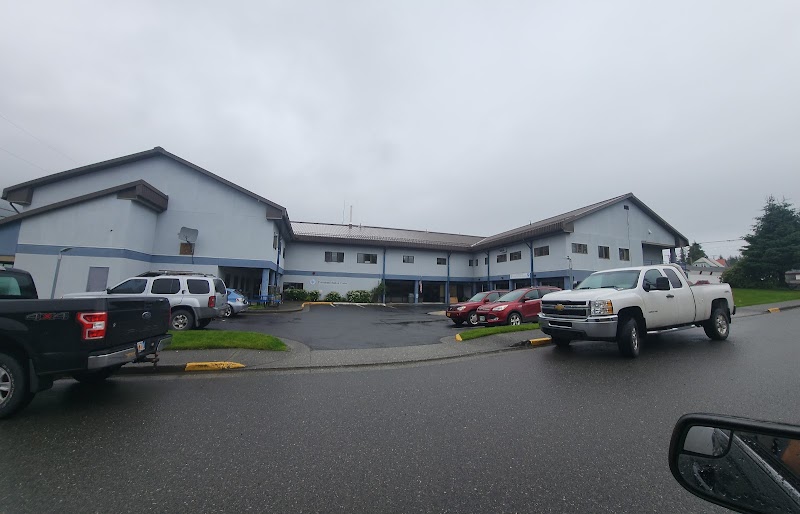
103 FRAM STREET, PETERSBURG, AK 99833 (907) 772-4291
Government - City/county 15 Beds Independent Data: November 2025
Trust Grade
85/100
#2 of 20 in AK
Last Inspection: March 2024

Within standard 12-15 month inspection cycle. Federal law requires annual inspections.

Overview

Petersburg Medical Center Long-Term Care has a Trust Grade of B+, indicating it is above average and recommended for families considering options. It ranks #2 out of 20 nursing homes in Alaska, placing it in the top half of facilities in the state, and is the only option in Petersburg County. The facility is improving, with issues decreasing from 7 in 2021 to 4 in 2024. Staffing is a strength, earning a 5/5 star rating, although the turnover rate is concerning at 57%, which is above the state average of 46%. There have been no fines recorded, which is a positive sign, and the facility has better RN coverage than average, ensuring quality care. However, there are some weaknesses; for instance, the facility failed to submit accurate staffing information, resulting in a one-star staffing rating, which could mislead families seeking information. Additionally, there were concerns about not attempting gradual dose reductions for psychotropic medications for some residents, which may expose them to unnecessary risks. Lastly, the grievance submission process was hindered by the location of the drop box, limiting residents' ability to voice complaints anonymously.

Trust Score
B+
85/100
In Alaska
#2/20
Top 10%
Safety Record
Low Risk
No red flags
Inspections
Getting Better
7 → 4 violations
Staff Stability
⚠ Watch
57% turnover. Above average. Higher turnover means staff may not know residents' routines.
Penalties
✓ Good
No fines on record. Clean compliance history, better than most Alaska facilities.
Skilled Nurses
✓ Good
Each resident gets 130 minutes of Registered Nurse (RN) attention daily — more than 97% of Alaska nursing homes. RNs are the most trained staff who catch health problems before they become serious.
Violations
⚠ Watch
11 deficiencies on record. Higher than average. Multiple issues found across inspections.
★★★★★
5.0
Overall Rating
★★★★★
5.0
Staff Levels
★★★☆☆
3.0
Care Quality
★★★★☆
4.0
Inspection Score
Stable
2021: 7 issues
2024: 4 issues

The Good

  • 5-Star Staffing Rating · Excellent nurse staffing levels
  • Full Sprinkler Coverage · Fire safety systems throughout facility
  • No fines on record

Facility shows strength in staffing levels, fire safety.

The Bad

Staff Turnover: 57%

11pts above Alaska avg (46%)

Frequent staff changes - ask about care continuity

Staff turnover is elevated (57%)

9 points above Alaska average of 48%

The Ugly 11 deficiencies on record

Mar 2024 4 deficiencies
CONCERN (D)

Potential for Harm - no one hurt, but risky conditions existed

Deficiency F0805 (Tag F0805)

Could have caused harm · This affected 1 resident

. Based on record review, observation, and interview, the facility failed to ensure: 1) a Minced and Moist (MM5) diet was provided as ordered for 1 resident (#12), out of 8 residents reviewed; and 2) ...

Read full inspector narrative →
. Based on record review, observation, and interview, the facility failed to ensure: 1) a Minced and Moist (MM5) diet was provided as ordered for 1 resident (#12), out of 8 residents reviewed; and 2) an alternative, of MM5 texture, was offered when needed to the same resident. This failed practice created a potential to receive food in a form that did not meet the resident's needs and poses a risk of compromised preferences and satisfaction with meals. Findings: Resident #12 Record review on 3/4-8/24 and 3/11/24 revealed Resident #12 was admitted to the facility with diagnoses that included malnourished (characterized by inadequate intake of protein and energy, resulting in a state of deficiency), weakness (characterized by a reduced strength or energy in the body), dysphagia (refers to difficulty or discomfort in swallowing food, liquids or saliva), cerebral palsy (group of neurological disorders that affect movement and posture), and poor dentition (condition of teeth and overall oral health). Review of the physician orders for Resident #12 revealed a diet order, dated 8/24/23, for Minced & Moist/IDDSI [International Dysphagia Diet Standardization Initiative] 5, Thin/IDDSI0, NAS [no added salt], food in bowls, built-up utensils, mug with lid & straw. MM5 Diet An observation on 3/5/24 at 12:45 PM and during lunch, revealed Resident #12 seated in the dining room eating what appeared to be dessert. Further observation revealed the remainder of the food on the lunch tray was untouched. The meal of spiral pasta with red sauce, cauliflower, and garlic toast looked soft and had a smooth, paste-like texture. Review of the diet card on the tray revealed Minced & Moist diet texture. A review of the recorded menus for the week revealed the menu for lunch included: banana, rotini pasta w/ meat sauce, cauliflower, and garlic bread. An observation on 3/6/24 at 5:05 PM during dinner, revealed Resident #12 seated in the dining room. After the dinner tray was placed in front of Resident #12, he/she became tearful and appeared upset. Resident #12 verbalized he/she did not want his/her food smashed. Certified Nursing Assistant (CNA) #7 appeared to console the resident, rubbing his/her back and told him/her it will be ok. Further observation of the meal tray revealed all food items looked soft and had a smooth past-like texture. A review of the recorded menus for the week revealed the menu for dinner included: apple ginger pork roast, baked beans, butternut squash, and old-fashioned fruit pie. An observation on 3/7/24 at 8:45 AM and during breakfast, revealed Resident #12 did not eat the presented meal. A review of the recorded menus for the week revealed the menu for breakfast included: applesauce, oatmeal, cheese quiche, and fruit yogurt. During an interview on 3/7/24 at 8:14 AM, when asked about Resident #12's meal tray and the texture of the meal, CNA #20 stated, I think it's supposed to be minced and moist . that would be something more like finely chopped and this breakfast is looking like pureed; it doesn't really have form or crumble to it. During an interview on 3/7/24 at 9:20 AM, regarding therapeutic diets and the difference between regular, minced & moist (MM5), and pureed, the Dietary Manager (DM) stated the IDDSI level parameters were used as a reference for their approach at the facility. When asked to describe the textures of these diets, the DM stated, Pureed is a completely smooth, spoon texture, no lumps, no texture and sometimes needs to be thickened for a spoon test where as soon as you drop it, it should fall like pudding would, we call it a plop test. Then referring to the MM5 diet: the DM stated, .needs to be of a specific size, these need to be able to be smashed through the gaps of a fork, we call it the fork test, when you lift the fork, the food needs to be able to stay on the fork and not fall, also food can't crumble -if some foods cannot be minced then we have to pureed it (like bread, corn, peas), although that does not happen often here; . other foods like cottage cheese are a natural MM5 diets . [and] to explain how we obtain that MM5 texture I would say, first we chop, then we use the Vitamix Blender and dial the speed on a lower speed (5 or 6) to mince it. During an interview on 3/6/24 at 5:00 PM, [NAME] #3 stated that the process used to obtain a MM5 diet included, using the Vitamix blender pulsing at a dial speed of 6, 7, or 8 whereas a speed of 9 or 10 would be used to puree the meals. During an interview on 3/7/24 at 9:20 AM, and when provided a sample of quiche from Resident #12 uneaten breakfast of that morning, the DM stated that it looked pureed and stated it was pureed because breads cannot be minced & moist. Review of the facility's policy Diet formulary, revised on 10/2023, revealed: . all departments will use the standardized diet formulary provided by the facility registered dietitian . when ordering an altered texture diet, both liquid and solid consistency must be indicated in the order. Names of altered textures follow the International Dysphagia Diet Standardization Initiative (IDDSI) . Alternative Choice Review of the facility's policy Dietary Services, LTC [Long Term Care], dated 7/2023, revealed: .PMC [Petersburg Medical Center] prepares food by methods that conserve nutritive value, flavor, and appearance for each resident. PMC serves food that is palatable, attractive, and is the proper temperature . Food is prepared and served in a form that is designed to best meet the needs of each individual resident, i.e. pureed, ground, etc. Food substitutes that are of similar nutritive value will be offered to residents who refuse the food that is served . Therapeutic diets will be prescribed by the resident's attending physician and are assessed by the interdisciplinary team to support the treatment needs of the resident and plan of care. Review of the facility's policy Menu Substitutions, dated 6/2019, revealed: . All efforts will be made to serve the menu as posted or a substitute of similar nutritive value will be served to patients/residents who refuse the food served in accordance with CMS Rev. 167, 2/10/2017 . 483.60(d)(5) . If a substitution must be made, then a food item of similar nutritional value will be used. During an interview on 3/7/24 at 9:20 AM, when asked about the alternatives available to the therapeutic diets like the MM5 diet, the DM stated, we don't do alternatives for foods that can't be minced, they [referring to the kitchen staff] just pureed it. Regarding Resident #12's emotional reactions when he/she gets food that was pureed instead of MM5 as per diet order, the DM stated: I am aware [he/she] has been crying, just not sure it is about the food, I have asked the SLP [Speech Language Pathologist] therapist to review Resident #12 multiple times and I am just following the SLP notes . I know Resident #12 doesn't care for [his/her] diet, but [he/she] chocked before, so I think the reactions are a mix of things. Review of Resident #12's SLP Progress Summary note, dated 2/14/24, revealed: . resident is also very emotional and upset about current diet level (MM5, thin liquids). Pt [patient] observed to self-administer > [more than] 20 PO [by mouth] trials comprised of soup, MM5 foods, and thin liquid. [He/she] did not demonstrate any s/s [signs or symptoms] of aspiration. Recommending Pt remain on MM5/thin liquid diet. Random observations on 3/4-8/24 revealed Resident #12 seemed overall joyful and happy except when it was time to eat. He/she was observed twice, getting tearful after seeing his/her food pureed and stated to the surveyors that he/she did not care for eating the provided food when the texture appeared pureed, which Resident #12 referred to as smashed. Record review of Resident's Council meeting minutes on 1/31/24 revealed Resident #12 does not like their food smashed up. Record review of Resident's Council meeting minutes on 2/28/24 revealed that Resident #12 spoke up about how [he/she] does not like the food smashed. According to these notes, Resident #12 was very emotional talking about food. Review of a Phone Message - Final Report, dietary note, dated 3/7/24 by the DM to Resident #12's physician, revealed: Over the past quarter Resident #12 has been expressing that [he/she] no longer likes the Minced and Moist diet and becomes easily tearful when talking about it. I have reported it to the SLP a couple of times, who has assessed Resident #12 to be safe from choking on the MM5 diet, does not recommend a diet upgrade . with resident's recent weight gain and now dental care, hopefully [he/she] will be able to get stronger muscle control and hopefully diet upgrades will be safe in the future. Do you have any new orders or direction regarding this diet? Review of the facility's IDDSI book, dated 2021 and adopted at the facility, revealed the following IDDSI food and texture descriptions: Pureed diet: - Usually eaten with a spoon; - Does not require chewing; - Shows some very slow movement under gravity but cannot be poured; - Falls off spoon in a single spoonful when tilted and continues to hold shape on a plate; - No lumps; and - Not sticky. Minced & Moist: - Can be eaten with a fork or a spoon; - Could be eaten with chopsticks if the individual has good hand control; - Can be scooped and shaped (e.g.,[exempli gratia - for example] into a small ball shape) on a plate; - For an adult, equal to or less than 4mm [millimeters] width and no longer than 15mm in length; and - Lumps are easy to squash with tongue. Also, per IDDSI Level 5: Minced and Moist: . This diet may be appropriate for individuals with swallowing or dental problems and requires no chewing or biting. Foods are chopped, minced, ground, shredded, cooked, or altered to make them easier to chew and swallow . to achieve optimal intakes, diets should be planned with the individual's preferences and cultural norms in mind. This form also details those certain foods like vegetables may need pureed; Grains at least half of grains should be whole, at proper consistency: breads are gelled or pureed following a recipe. And Protein Foods, should be chopped or ground, moisten with sauce/gravy . .
CONCERN (D)

Potential for Harm - no one hurt, but risky conditions existed

Infection Control (Tag F0880)

Could have caused harm · This affected 1 resident

. Based on record review, observation, and interview, the facility failed to ensure proper hand hygiene was performed during wound care treatment for 1 resident (#11), out of 8 residents reviewed. Thi...

Read full inspector narrative →
. Based on record review, observation, and interview, the facility failed to ensure proper hand hygiene was performed during wound care treatment for 1 resident (#11), out of 8 residents reviewed. This failed practice created a potential risk for infection, wound healing, and quality of care. Findings: Record review on 3/4-8/24 and 3/11/24 revealed Resident #11 was diagnosed with erythema to lateral edge and ingrown toenail to right great toe on 2/13/24. Review of Resident #11's physician orders revealed an active order for: Bacitracin [an antibiotic ointment commonly used to prevent infection in skin injuries such as cuts, scrapes, and burns] topical, 0.9 g [gram] 1 app [application], Topical, ointment, BID [two times a day], First Dose: 02/22/24 . Review of Resident #11's EMAR (electronic medication administration record) revealed an active order for Bacitracin topical ointment two times a day BID. Review of the comment section of the order revealed: apply pea size amount to erythematous area of right great toe and right third toe and cover with adhesive bandage. An observation on 3/7/24 at 8:30 AM, of Resident #11's Bacitracin application, revealed Licensed Nurse (LN) #6 removed the adhesive bandage from Resident #11's right toe while wearing gloves. LN #6 was observed to palpate the toe and exposed wound. Without changing gloves, and without cleaning the site, LN #6 applied fresh Bacitracin ointment by placing the Bacitracin directly on the contaminated glove he/she wore and applied it directly to the wound. After this, LN #6 removed the gloves and executed hand hygiene. Review of Resident #11's wound care notes, dated 3/3/24 and 2/13/24, revealed: .open wound noted to treated areas; addressed with wound cleanser and gauze initially and finished with chlorhexidine to clean wound and surrounding skin. Bacitracin applied to bilateral lateral nails folds and covered with adhesive bandage . Resident to be seen again to assess and clean wounds and change dressings if needed. An interview on 3/7/24 at 2:30PM regarding the above findings, the Infection Preventionist stated the practice that the facility would promote in this type of scenario would include, I would change gloves and have performed hand hygiene before applying the Bacitracin on the glove and then back to the patient to make sure there wasn't any contamination. Review of the facility's resource instructions provided on 3/8/24 at 9:13 AM titled Lippincott procedures - Topical skin drug application - implementation, revised 5/22/23, revealed the following pertaining the topical skin drug application: put on gloves and as needed, other personal protective equipment to comply with standard precautions and prevent medication absorption through the skin . Expose the area to be treated. Make sure that the skin or mucous membrane is intact . if necessary, clean the skin of debris, including crusts and epidermal scales, with mild soap and water and a washcloth .Remove medication from skin, if it remains from a previous dose, to prevent skin irritation from medication accumulation . Change your gloves if they become soiled. Perform hand hygiene before putting on a new pair of gloves . Apply the medication to the affected area with long, smooth strokes that follow the direction of hair growth . Review of the facility's policy Hand hygiene, LTC [Long Term Care], last revised on 10/2018, revealed: . Hospital personnel shall practice hand hygiene to prevent the spread of infections . Before applying and after removing gloves . Before and after touching a patient/resident and/or their surroundings and when changing tasks (from dirty to clean) . .
CONCERN (E)

Potential for Harm - no one hurt, but risky conditions existed

Medication Errors (Tag F0758)

Could have caused harm · This affected multiple residents

**NOTE- TERMS IN BRACKETS HAVE BEEN EDITED TO PROTECT CONFIDENTIALITY** . Based on record review and interview, the facility failed to attempt gradual dose reductions (GDRs) on psychotropic medication...

Read full inspector narrative →
**NOTE- TERMS IN BRACKETS HAVE BEEN EDITED TO PROTECT CONFIDENTIALITY** . Based on record review and interview, the facility failed to attempt gradual dose reductions (GDRs) on psychotropic medications for 3 residents (#'s 5, 7, and 10), out of 8 selected residents. This failed practice had the potential to place the residents at risk for unnecessary medications. Findings: Resident #5 Record review on 3/4-8/24 and 3/11/24 revealed Resident #5 was admitted to the facility on [DATE] with an identified problem of depression. Further review revealed Resident #5 was taking Citalopram (Celexa - an antidepressant medication) 20mg (milligrams) PO (by mouth) daily. This medication was started on 5/3/22. Review of Resident #5's medical record revealed a psychotropic medication consent form for Celexa was signed on 5/2/22. Further review of the medical record revealed no documentation that a GDR was attempted for this medication. No contraindication for a GDR for Celexa was documented in the medical record. Review of Resident #5's care plan revealed an identified problem of LTC [Long Term Care] Mood State, dated 6/5/22. One outcome listed for this problem was shows interest and interacts with others. One intervention listed for this problem was Citalopram 20mg daily, dated 5/30/22. Review of Resident #5's physician notes, dated 12/27/23 and 2/20/24, revealed no documentation of the identified problem of depression or the use of Celexa. Resident #7 Record review on 3/4-8/24 and 3/11/24 revealed Resident #7 was admitted to the facility on [DATE] with a diagnosis of aggression in dementia and an identified problem of dementia in Alzheimer's disease with depression. Further review revealed Resident #7 was taking the following psychotropic medications: 1. Divalproex (Depakote - a medication used to treat seizures and bipolar disorder, can be used to treat mood) 250 mg PO BID (twice a day). This medication was started in 2022. 2. Clonazepam (Klonopin - A sedative used to treat seizures, panic disorder, and anxiety) 0.5mg PO TID (three times a day). This medication was started in 2022. 3. Citalopram (Celexa) 20mg PO daily. This medication was started in 2022. Review of Resident #7's medical record revealed a psychotropic medication consent form for Depakote, Klonopin, and Celexa was signed on 1/10/23. Further review revealed a GDR was attempted for Celexa on 11/2/22, however this attempt failed and was returned to the current 20mg dose daily on 1/12/23. A GDR was attempted for Klonopin in 10/2023, however this attempt failed and was returned to the current 0.5mg TID daily on 10/10/23. Further review revealed no documentation that a GDR was attempted for Depakote. No contraindication for a GDR was documented for Depakote in the medical record. Review of Resident #7's care plan revealed an identified problem of LTC Psychosocial Well-Being, dated 1/6/23. The outcome listed for this problem was appropriate social interactions with others. Interventions listed for this problem were Citalopram daily - see EMAR [electronic medication administration record] .; Depakote - See EMAR. Combative unsafe behaviors; and Clonazepam - See EMAR. Combative unsafe behaviors, all dated 1/6/23. Resident #10 Record review on 3/4-8/24 and 3/11/24 revealed Resident #10 was admitted to the facility on [DATE] with a diagnosis of dementia with aggressive behavior. Further review revealed Resident #10 was taking the following psychotropic medications: 1. Divalproex (Depakote) Delayed Release 125 mg PO BID. This medication started on 5/25/23. 2. Olanzapine (Zyprexa - an antipsychotic medication) 5mg PO every night at bedtime. This medication started on 5/25/23. 3. Escitalopram (Lexapro - an antidepressant medication) 10mg PO daily. This medication started on 5/25/23. Review of Resident #10's medical record revealed a psychotropic medication consent form for Depakote, Zyprexa, and Lexapro was signed on 5/25/23. Further review of the medical record revealed no documentation that GDRs were attempted for any of these medications. No contraindications for GDRs were documented in the medical record. Review of Resident #10's care plan revealed an identified problem of LTC Psychosocial Well-Being, dated 6/26/23. The outcome listed for this problem was appropriate social interactions with others. Interventions listed for this problem were Lexapro - See EMAR; Depakote sprinkles - See EMAR; and Olanzapine d/t [due to] [extreme] aggression and combative behaviors, all dated 6/26/23. During an interview on 3/8/24 at 8:20 AM, Physician #8 stated he/she had not attempted GDRs of these medications. Physician #8 further stated he/she was not aware of any documentation in Resident #10's medical record to indicate a GDR would have been contraindicated for these medications. Review of the facility's policy Unnecessary Drugs, LTC, dated 7/2023, revealed: . Tapering of a Medication Dose/Gradual Dose Reduction (GDR) . Medications will be reviewed for potential tapering or GDR monthly during the pharmacist's medication regimen review, quarterly at care planning assessments, and as needed for changes in resident condition or behavior . Antipsychotic Medications. Within the first year for resident admitted on an antipsychotic medication or after the facility has initiated an antipsychotic medication, the facility will attempt a GDR in two separate quarters (with at least one month between the attempts), unless clinically contraindicated. After the first years, GDR must be attempted annually, unless clinically contraindicated . Tapering considerations specific to sedative/hypnotics. For as long as a resident remains on a sedative/hypnotic that is used routinely and beyond the manufacturer's recommendations for duration of use, the facility should attempt to taper the medication quarterly unless clinically contraindicated . Psychopharmacological Medication considerations (other than antipsychotics and sedatives/hypnotics). Within the first year for residents admitted on a psycho-pharmacological medication or after the facility has initiated an antipsychotic medication, the facility will attempt a GDR in two separate quarters (with at least one month between the attempts), unless clinically contraindicated. After the first years, GDR must be attempted annually, unless clinically contraindicated . .
CONCERN (F)

Potential for Harm - no one hurt, but risky conditions existed

Staffing Data (Tag F0851)

Could have caused harm · This affected most or all residents

. Based on record review and interview, the facility failed to ensure the mandatory submission of staffing information based on payroll-based journal (PBJ) data was submitted for the Fiscal Year (FY) ...

Read full inspector narrative →
. Based on record review and interview, the facility failed to ensure the mandatory submission of staffing information based on payroll-based journal (PBJ) data was submitted for the Fiscal Year (FY) Quarter 4 2023 (July 1 - September 30, 2023). This failed practice potentially denied residents and/or representatives (based on a census of 12), and the public, accurate staffing data when accessing the Nursing Home Compare website. Findings: Review on 3/4-8/24 and 3/11/24 of the facility's PBJ Staffing Data Reported, FY Quarter 4 2023 (July 1 - September 30), revealed the facility failed to submit data for the Quarter and had a one-star staffing rating due to the failure to submit the data. During an interview on 3/7/24 at 3:12 PM, the Interim Administrator stated the FY Quarter 4 2023 PBJ data submission was missed. .
Jul 2021 7 deficiencies
CONCERN (D)

Potential for Harm - no one hurt, but risky conditions existed

Deficiency F0637 (Tag F0637)

Could have caused harm · This affected 1 resident

**NOTE- TERMS IN BRACKETS HAVE BEEN EDITED TO PROTECT CONFIDENTIALITY** . Based on record review and interview, the facility failed to identify a significant change for one (#2) out of 8 sampled resid...

Read full inspector narrative →
**NOTE- TERMS IN BRACKETS HAVE BEEN EDITED TO PROTECT CONFIDENTIALITY** . Based on record review and interview, the facility failed to identify a significant change for one (#2) out of 8 sampled residents. This failed practice had the potential to decrease the identified resident's quality of life and jeopardized potential for maintaining functional independence at the highest possible level. Findings: Record review from 7/19-23/21 revealed Resident #2 was admitted to the facility with diagnoses that included Cerebrovascular Accident (CVA- stroke), heart failure and depression. Review of the MDS (Minimum Data Set, a federally required nursing assessment) assessment, a quarterly assessment dated [DATE], revealed the Resident was coded as requiring extensive assistance with two or more persons physically assisting the Resident to transfer between surfaces and ambulate in his/her room or in the corridor of the facility. During an interview on 7/19/21 at 5:43 pm, when asked if he/she was able to ambulate, Resident #2 stated that he/she was able to ambulate before the pandemic screwed things up. The Resident stated he/she needed to learn how to ambulate again. During an interview on 7/21/21 at 10:34 am, Certified Nursing Assistant (CNA) #4 stated Resident #2 had a decline in his/her activity of daily living (ADL). CNA #4 stated the Resident used to help stand and go on short walks. In December of 2020, the Resident was no longer pulling him/herself up in the bed. CNA #4 further recalled that in January 2021 the Resident was ambulating less, and currently the Resident is not ambulating at all. Review of CNA PATIENT CARE note, dated 1/8/21 at 10:35 am revealed Re[sident] had hard time standing during transfer with [Licensed Nurse (LN) #2] and I. Review of DAILY PROGRESS NOTES dated 1/8/21 at 1:51 pm revealed [Resident] had weakness days after [his/her] first COVID vaccine and recovered after days. [He/She received his/her] second COVID vaccine yesterday and has been noted to be more weak with transfers today. Further review revealed [Resident is] somewhat frustrated that [he/she] is having a harder time with transfers today. Skipped [his/her] walk since [he/she] is feeling weak and having more difficulty transferring today. Review of CNA PATIENT CARE note dated 1/9/21 at 4:21 pm revealed Resident could not move own feet during transfer, asked CNA to move both feet, extensive assistance required. Review of CNA PATIENT CARE note dated 1/10/21 at 7:00 am revealed Resident's transfer went poorly. Resident struggled to move [his/her] right foot and asked CNA to pick up [his/her] foot and move it for [him/her]. After one step resident then pivoted and sat on the edge of [his/her] wheelchair. Review of CNA PATIENT CARE note dated 1/12/21 at 11:42 am revealed Distance ambulated: 75 [feet], Number of minutes ambulated 22. Level of assistance required: 2 staff assist [with] gait belt [assistive device to help prevent falls] and wheelchair to follow, ambulated with walker .got tired quickly during the walk, took 5 stops. Further review of CNA PATIENT CARE notes dated 1/12/21 through 2/5/21 revealed Resident continued to ambulate 61-150 feet with 2-5 rest breaks documented. Review of CNA PATIENT CARE note dated 2/9/21 at 11:30 am revealed Resident is having a hard time standing. Had to use Sara lift [assistive lifting device] to get [him/her] off the NuStep [exercise bike] and into [his/her] chair. Review of CNA PATIENT CARE note dated 2/9/21 at 6:45 pm revealed [The Resident] could not stand up. Review of CNA PATIENT CARE note dated 2/10/21 at 7:00 am revealed [The Resident] could not stand up. Review of DAILY PROGRESS NOTES, dated 2/10/21 at 9:53 am revealed Resident calm and cooperative, wants to try walking today to increase [his/her] strength since [he/she] has been needing the standup lift occasionally this week for transfers between [wheelchair] and bed. Review of CNA PATIENT CARE notes dated 2/11/21 at 1:00 pm and 2/11/21 at 4:00 pm revealed Walked 2 steps, resident had a hard time walking or standing. Review of CNA PATIENT CARE notes dated 2/12/21 at 6:10 pm and 2/13/21 at 5:30 pm revealed [The Resident] did not ambulate on this shift but made 3 steps when transferring to bed. Review of CNA PATIENT CARE notes dated 2/15/21 at 8:21 am revealed change in function noted, [the Resident] Not able to stand on own [and] had to use Sara lift. Review of PAIN ASSESSMENT note, dated 2/15/21 at 9:22 am revealed [The Resident] was not able to stand even for a few seconds [,] the sit-stand [lift] was needed to place [him/her] in [his/her wheelchair]. Review of CNA PATIENT CARE notes dated 2/19/21 at 8:21 am revealed Distance ambulated: approx[imately] 4 feet, Level of assistance required: 2 to stand up then one with gait belt and one with [wheelchair] to follow, Ambulates with walker, stood approx[imately] 5 times to ambulate and had a difficult time taking steps. [He/She] has been using the Nustep and not ambulating on walking days, last recorded ambulation is 2 weeks ago . Review of DAILY PROGRESS NOTES, dated 2/20/21 at 11:53 am revealed [Physician #5] notified of [Residents] declining ability to transfer and less walking in the last 2 weeks resulting in very weak [lower extremities]. During a joint interview on 7/22/21 at 8:41 am, when asked to classify a significant change in a Resident's status, the MDS Nurse stated a significant change was when a Resident had a change in their ADLs. The change from baseline was either improved or declined to the point the Resident had required more help, with the status change lasting 2 weeks. When asked if transferring and ambulation were two different areas that could trigger a significant change, the MDS RN stated they were. When asked if Resident #2 required a significant change assessment due to changes in transfer and ambulation, the MDS RN stated she was waiting to see if the Resident would bounce back. When asked if the Resident did bounce back, the MDS RN stated the Resident had not. Review of the Long-Term Care Facility Resident Assessment Instrument 3.0 User's Manual Version 1.17.1 dated 10/2019, revealed A significant change is a major decline or improvement in a resident's status that: 1. Will not normally resolve itself without intervention by staff or by implementing standard disease-related clinical interventions, the decline is not considered self-limiting; 2. Impacts more than one area of the resident's health status; and 3. Requires interdisciplinary review and/or revision of the care plan. .
CONCERN (D)

Potential for Harm - no one hurt, but risky conditions existed

Assessment Accuracy (Tag F0641)

Could have caused harm · This affected 1 resident

. Based on record review and interview, the facility failed to ensure a quarterly MDS (Minimum Data Set, a federally required nursing assessment), accurately represented the resident's status for 1 re...

Read full inspector narrative →
. Based on record review and interview, the facility failed to ensure a quarterly MDS (Minimum Data Set, a federally required nursing assessment), accurately represented the resident's status for 1 resident (#3) out of 8 sampled residents. Specifically, the facility coded the Resident as having a major infection in error. This failed practice placed the Resident at risk for an inaccurate care plan. Findings: Record review from 7/19/21 - 7/23/21 of Resident #3's two most recent MDS quarterly assessments dated 2/24/21 and 5/27/21 Section I revealed the Resident with Active Diagnoses of Infections: Multidrug - Resistant Organism (MDRO- this is a type of staphylococcus bacteria that is resistant to some antibiotics). Review of Resident #3's Problem list on 7/22/21 revealed, problems included carrier or suspected carrier of Methicillin -resistant staphylococcus aureus was addressed on 11/20/17. Review of an untitled laboratory record dated 10/18/15, revealed Resident #3 was positive for MRSA (Methicillin - Resistant Staphylococcus aureus). Review of physician progress note dated 5/28/21, revealed Resident #3 had no documented major infections at this time. During an interview on 07/22/21 9:12 AM the MDS Coordinator stated that Resident #3's MDS records were inaccurate and coded in error and that Resident #3 had no history of major infection in past year as the coding evidenced. The MDS Coordinator when questioned about the major infection coding error stated, It shouldn't be there. The Director of Nursing was present at this interview. Review of Resident #3's care plan review dated 4/28/21. There was no mention of Resident's infection status. A review of the Resident #3's Care Conference dated 2/24/21 with attendees including the Resident, Care Coordinator, Physician, Family representative, Licensed Nurse (LN) #2 and Activity Director, revealed there was no mention of Resident's infection status. A review of the Resident #3's Care conference review dated 5/25/21 with attendees including the Resident, Care Coordinator, Physician, Family Representative, LN #2 and Activity Director, revealed there was no mention of Resident's infection status. .
CONCERN (D)

Potential for Harm - no one hurt, but risky conditions existed

Deficiency F0676 (Tag F0676)

Could have caused harm · This affected 1 resident

**NOTE- TERMS IN BRACKETS HAVE BEEN EDITED TO PROTECT CONFIDENTIALITY** . Based on record review and interview, the facility failed to ensure appropriate treatment and services were provided to mainta...

Read full inspector narrative →
**NOTE- TERMS IN BRACKETS HAVE BEEN EDITED TO PROTECT CONFIDENTIALITY** . Based on record review and interview, the facility failed to ensure appropriate treatment and services were provided to maintain the resident's ability to carry out activities of daily living for 1 resident out of 8 sampled residents. Specifically, the resident was not evaluated after a significant change in transfer and ambulation status. This failed practice placed the resident at risk for less than optimal quality of life and decrease in activities of daily living. Findings: Record review from 7/19-23/21 revealed Resident #2 was admitted to the facility with diagnoses that included Cerebrovascular Accident (CVA- stroke), heart failure and depression. Review of the MDS (Minimum Data Set, a federally required nursing assessment) assessment, a quarterly assessment dated [DATE], revealed the Resident was coded as requiring extensive assistance with two or more persons physically assisting the Resident to transfer between surfaces and ambulate in his/her room or in the corridor of the facility. During an interview on 7/19/21 at 5:43 pm, when asked if he/she was able to ambulate, Resident #2 stated that he/she was able to ambulate before the pandemic screwed things up. The Resident stated he/she needed to learn how to ambulate again. During an interview on 7/21/21 at 10:34 am, Certified Nursing Assistant (CNA) #4 stated Resident #2 had a decline in his/her activity of daily living (ADL). CNA #4 stated the Resident used to help stand and go on short walks. In December of 2020, the Resident was no longer pulling him/herself up in the bed. In January 2021, CNA # 4 recalled the Resident was ambulating less, and currently the Resident was not ambulating at all. Review of CNA PATIENT CARE note, dated 1/8/21 at 10:35 am revealed Re[sident] had hard time standing during transfer with [Licensed Nurse (LN) #2] and I. Review of DAILY PROGRESS NOTES dated 1/8/21 at 1:51 pm revealed [Resident] had weakness days after [his/her] first COVID vaccine and recovered after days. [He/She received his/her] second COVID vaccine yesterday and has been noted to be more weak with transfers today. Further review revealed [Resident is] somewhat frustrated that [he/she] is having a harder time with transfers today. Skipped [his/her] walk since [he/she] is feeling weak and having more difficulty transferring today. Review of CNA PATIENT CARE note dated 1/9/21 at 4:21 pm revealed Resident could not move own feet during transfer, asked CNA to move both feet, extensive assistance required. Review of CNA PATIENT CARE note dated 1/10/21 at 7:00 am revealed Residents transfer went poorly. Resident struggled to move [his/her] right foot and asked CNA to pick up [his/her] foot and move it for [him/her]. After one step resident then pivoted and sat on the edge of [his/her] wheelchair. Review of CNA PATIENT CARE note dated 1/12/21 at 11:42 am revealed Distance ambulated: 75 [feet], Number of minutes ambulated 22. Level of assistance required: 2 staff assist [with] gait belt [assistive device to help prevent falls] and wheelchair to follow, Ambulated with walker .got tired quickly during the walk, took 5 stops. Further review of CNA PATIENT CARE notes dated 1/12/21 through 2/5/21 revealed Resident continued to ambulate 61-150 feet with 2-5 rest breaks documented. Review of CNA PATIENT CARE note dated 2/9/21 at 11:30 am revealed Resident is having a hard time standing. Had to use Sara lift [assistive lifting device] to get [him/her] off the NuStep [exercise bike] and into [his/her] chair. Review of CNA PATIENT CARE note dated 2/9/21 at 6:45 pm revealed [The Resident] could not stand up. Review of CNA PATIENT CARE note dated 2/10/21 at 7:00 am revealed [The Resident] could not stand up. Review of DAILY PROGRESS NOTES, dated 2/10/21 at 9:53 am revealed Resident calm and cooperative, wants to try walking today to increase [his/her] strength since [he/she] has been needing the standup lift occasionally this week for transfers between [wheelchair] and bed. Review of CNA PATIENT CARE notes dated 2/11/21 at 1:00 pm and 2/11/21 at 4:00 pm revealed Walked 2 steps, resident had a hard time walking or standing. Review of CNA PATIENT CARE notes dated 2/12/21 at 6:10 pm and 2/13/21 at 5:30 pm revealed [The Resident] did not ambulate on this shift but made 3 steps when transferring to bed. Review of CNA PATIENT CARE notes dated 2/15/21 at 8:21 am revealed change in function noted, [the Resident] Not able to stand on own [and] had to use Sara lift. Review of PAIN ASSESSMENT note, dated 2/15/21 at 9:22 am revealed [The Resident] was not able to stand even for a few seconds [,] the sit-stand [lift] was needed to place [him/her] in [his/her wheelchair]. Review of CNA PATIENT CARE notes dated 2/19/21 at 8:21 am revealed Distance ambulated: approx[imately] 4 feet, Level of assistance required: 2 to stand up then one with gait belt and one with [wheelchair] to follow, Ambulates with walker, stood approx[imately] 5 times to ambulate and had a difficult time taking steps. [He/She] has been using the Nustep and not ambulating on walking days, last recorded ambulation is 2 weeks ago. PT notified and encouraged [Resident] to stop Nustep for now and ambulate as much as [he/she] can daily at [his/her] preferred time [at 11:00 am]. Will continue to encourage and assist [him/her] to ambulate daily. Further review of the Resident's electronic health record revealed no PT notes for Resident #2 during the entire month of February. Review of DAILY PROGRESS NOTES, dated 2/20/21 at 10:58 am, revealed Resident calm and cooperative, weaker in [his/her] legs, requiring standup lift for most transfers this morning. Encouraged [him/her] to do [lower extremity] exercises with stand up and sit downs while in [wheelchair] . Review of DAILY PROGRESS NOTES, dated 2/20/21 at 11:53 am revealed [Physician #5] notified of [Residents] declining ability to transfer and less walking in the last 2 weeks resulting in very weak [lower extremities]. Review of CNA PATIENT CARE notes dated 2/20/21 at 5:30 pm revealed change in function noted- Unable to stand, Nurse notified. Review of CNA PATIENT CARE notes dated 2/21/21 at 9:32 am revealed .change in function noted, unable to transfer from bed to chair- used stand to sit lift, Nurse notified. Review of CNA PATIENT CARE notes dated 2/22/21 at 7:22 am revealed .change in function noted: unable to stand for longer than a few seconds. Review of CNA PATIENT CARE notes dated 2/24/21 at 9:21 am and 6:30 pm revealed resident was not able to ambulate or pivot transfer. Review of DAILY PROGRESS NOTES, dated 2/24/21 at 11:51 am revealed [Resident] Weaker in the past few weeks and is now using only the standup lift for all transfers. Review of CNA PATIENT CARE notes dated 2/25/21 at 12:35 pm and 4:41 pm revealed resident was not able to ambulate or pivot transfer. During an interview on 7/22/21 at 11:28 am, Physical Therapist (PT) #6 stated Resident #2's goals were to return to ambulation and be able to stand and pivot. PT #6 stated the Resident had been ambulating prior to COVID. The Resident reported to PT #6 that he/she was using the NuStep bike to exercise because staffing was too low to accommodate ambulating him/her. PT #6 stated a PT referral was placed on 3/11/21 by Physician #5, and the Resident was evaluated on 3/17/21. The PT stated that the Resident was last seen in 2020, and the Resident should have had quarterly assessments done via zoom (virtual platform). When asked the process if a Resident had experienced a significant change in function, PT #6 stated a quarterly assessment would have been completed. PT #6 further stated that a decrease in ambulation is considered a significant change. The PT stated the Resident wound not be evaluated until a referral was received from the physician. The PT further stated that recommendations would not have been given to staff unless the Resident was evaluated, and the Resident would only have been evaluated after the physician wrote the referral. The PT further stated he/she was still trying to figure out the best way to receive Resident information. Review of the Resident's electronic health record on 7/22/21 at 2:14 pm revealed the last quarterly assessment for Resident #2 was done on 10/2/20. Further review revealed no PT assessments or evaluations were done again until 3/17/21. Review of PHYSICAL THERAPY QUARTERLY EVALUATION/ASSESSMENT, dated 10/2/20, revealed PROBLEMS: CONTINUE AMBULATION 5/7 DAYS A WEEK .PLAN: REASSESS IN 3 MONTHS UNLESS NEW ISSUES ARISE. Further review of the Resident's electronic health record revealed no quarterly assessment notes found for the month of January. Further review revealed no assessment notes after the LN alerted PT to the Residents change of status on 2/19/21. Further review revealed no assessment notes after the LN alerted the Physician on 2/20/19. Review of PHYSICAL THERAPY INITIAL EVALUATION, dated 3/17/21, revealed Problems: 1. Unable to transfer sit to stand [;] 2. Unable to ambulate [;] 3. Unable to roll in bed . During an interview on 7/22/21 at 3:28 pm, The DON stated if the PT performed a quarterly assessment and found the Resident to not be at their baseline, the PT would pick them up (evaluate and treat). The DON further stated the facility was in red status (no visitors) for COVID on 2/21/21, but the PT could have done an assessment via zoom. .
CONCERN (D)

Potential for Harm - no one hurt, but risky conditions existed

Deficiency F0760 (Tag F0760)

Could have caused harm · This affected 1 resident

. Based on observation, record review and interview, the facility failed to ensure residents were free of medication preparation and administration errors for 1 of 1 resident (#3) observed for medicat...

Read full inspector narrative →
. Based on observation, record review and interview, the facility failed to ensure residents were free of medication preparation and administration errors for 1 of 1 resident (#3) observed for medication preparation and administration of a liquid potassium supplement. This failed practice placed the resident at risk for gastrointestinal irritation and had the potential to affect any resident taking a liquid potassium supplement. Findings: Observation on 7/22/21 at 8:20 am, Licensed Nurse (LN) #3 was observed to pour a small amount of liquid potassium supplement into a clear medication cup and give this to Resident #3 without diluting in water. The bottle directions stated, Dissolve completely in 4 - 8 oz [ounces] of water. LN #3 told the resident what the medication was and then asked the resident to take the liquid potassium supplement. The resident attempted to drink the potassium supplement and then after tasting the liquid, Resident #3 spit the liquid into an Ensure supplement that had been set before him/her. Review on 7/22/21 at 2:55 pm revealed, Resident #3 medication orders included Potassium Chloride 20 MEQ [milliequivalents) / 15 ML (milliliter) oral solution, Dose 7.5 ml. No other instructions were present on this document. During an interview on 7/22/21 at 3:00 pm, the pharmacy technician stated the liquid potassium should be diluted in water with the preparation of the medication since it is very acidic. During an interview on 7/22/21 at 3:00 pm, the LN #3 agreed the medication should have been given with water. Review on 7/22/21 at 3:00 pm of the Nursing Drug 2019 Handbook published by Wolters Kluwer dated 2019, stated Potassium Chloride . Available forms . Oral liquid 20 MEQ / 15 ML . Indication: to prevent hypokalemia [low potassium] . Administration . Patients should take with meals and a full glass of water or other liquid to minimize GI [gastrointestinal] irritation . Nursing Consideration, Patients at increased risk for GI lesions when taking oral potassium including . elderly and immobile patients. This drug book was present on the medication cart at the facility. .
CONCERN (E)

Potential for Harm - no one hurt, but risky conditions existed

Grievances (Tag F0585)

Could have caused harm · This affected multiple residents

. Based on policy review, observation and interview, the facility failed to support the resident's right to voice a grievance anonymously. Specifically, the drop box for the residents to submit a grie...

Read full inspector narrative →
. Based on policy review, observation and interview, the facility failed to support the resident's right to voice a grievance anonymously. Specifically, the drop box for the residents to submit a grievance was located behind a barrier outside the long-term care (LTC) unit. This failed practice had the potential to deny 3 residents (#s 2, 4, and 109) out of 8 sampled residents, the ability to submit a grievance anonymously through the drop box method. Findings: Review on 7/20/21 at 2:36 pm of the facility's policy Grievances, LTC, revised 12/2019, revealed Grievances/complaints may be presented .Anonymously, may use red drop boxes located throughout Petersburg Medical Center . An observation on 7/20/21 at 2:41 pm revealed a moveable barrier separating the LTC from the acute care side of the facility. The red drop box for the Residents to submit an anonymous grievance was located on the opposite side of the barrier, on the acute care side of the facility. During an interview on 7/21/21 at 10:31 am, when asked if the Residents could have crossed the barrier to the acute side of the facility, Certified Nursing Assistant (CNA) #4 stated the Residents were not allowed to cross the barrier wall separating the LTC from the acute care side. The CNA further stated when Resident #8 had attempted to cross the barrier, he/she had escorted the Resident across the barrier to the door and back. CNA #4 clarified the Residents were not allowed to cross the barrier without staff present. During a Resident council meeting on 7/21/21 at 1:16 pm, when asked if there was a drop box to file a grievance, Resident #2 stated he/she did not know where the drop box was located. During an interview on 7/21/21 at 1:57 pm, when asked if the Residents could have crossed the barrier, Licensed Nurse (LN) #2 stated the Residents were not allowed to cross the barrier. LN #2 further stated that if a Resident had to go past the barrier, the Resident would have been escorted by staff. The LN further stated that if a patient with COVID was admitted to the acute side of the facility, the Residents were not to cross the barrier at all. When asked how the Residents would have submitted an anonymous grievance, LN #2 stated he/she was not aware of that process. Review on 7/21/21 at 12:00 pm of the facility's grievance log for the past year, revealed 2 grievances from the same complainant, a Resident's family member, filed in November of 2020. There were no other grievances submitted by the Residents during the past year. During an interview on 7/22/21 at 3:15 pm, when asked if the Residents were able to cross the barrier to access the drop box, the Director of Nursing (DON) stated that the Residents could have crossed the barrier, but access to the acute side was minimized. When asked if the Residents could have crossed the barrier if there was a COVID patient on the acute side, the DON stated that the Residents would not have access to the drop box during that time. .
CONCERN (E)

Potential for Harm - no one hurt, but risky conditions existed

Pharmacy Services (Tag F0755)

Could have caused harm · This affected multiple residents

. Based on observation and interview, the facility failed to ensure safe and appropriate disposal of medications. Specifically, disposing of medications refused by 1 of 1 resident (#3) observed during...

Read full inspector narrative →
. Based on observation and interview, the facility failed to ensure safe and appropriate disposal of medications. Specifically, disposing of medications refused by 1 of 1 resident (#3) observed during a medication pass. This failed practice placed the residents at risk for having access to improperly discarded medications. Findings: Observation on 7/21/21 at 9:30 am Licensed Nurse (LN) #2 attempted to give Resident #3 medications which included a potassium tablet, Vitamin B12 tablet, and Vitamin D3 tablet. Resident #3 refused these medications. LN #2 placed the medications into a glove and then into the medication cart's open trash container located on the side of the medication cart. During an interview on 7/22/21 at 8:30 am, LN #3 stated discarded medications should have been placed in the All-Purpose Destroyer (a medication destruction liquid) container located at the nurses' station on the hospital side of the building and not in the trash. During an interview on 07/23/21 at 08:48 am, the Director of Nursing stated discarded medications should not be placed in the trash. A review on 7/22/21 of the policy titled The Medication Administration, CAH, date 3/2019, revealed 7. Oral Medication Administration . i. Dispose of unused portions of medication according to PMC policy. A review on 7/22/21 of the policy titled Destructions of Materials, date 7/21, revealed Non - controlled medications 1. Medications are wasted by removing them from package or vial and placing them in a medication disposal bottle. .
MINOR (C)

Minor Issue - procedural, no safety impact

Staffing Information (Tag F0732)

Minor procedural issue · This affected most or all residents

. Based on observation and interview, the facility failed to ensure residents were provided access to the daily nurse staffing data. Specifically, the posting was located behind a barrier between the ...

Read full inspector narrative →
. Based on observation and interview, the facility failed to ensure residents were provided access to the daily nurse staffing data. Specifically, the posting was located behind a barrier between the Acute Care and the Long-Term Care (LTC). This failed practice had the potential to deny all residents, based on a census of 9, of readily accessible and accurate nurse staffing data. Findings: Random observations from 7/19-23/21 revealed information of staff working hours was written on a whiteboard mounted on the wall in the hallway between the Acute Care and the LTC. The posting further revealed the name of the facility; date; shift time; name of staff which included Licensed Nurse (LN); and Certified Nurse Aide (CNA); activity coordinator and LTC census. Random observations from 7/19-23/21, revealed a movable barrier between the Acute Care and the LTC. The posting was located behind the barrier. Further observation revealed no residents observed crossing the barrier. During an interview on 7/21/21 at 10:31 am, when asked if the Residents could have crossed the barrier to the acute side of the facility, Certified Nursing Assistant (CNA) #4 stated the Residents were not allowed to cross the barrier wall separating the LTC from the acute care side. The CNA further stated when Resident #8 had attempted to cross the barrier, he/she had escorted the Resident across the barrier to the door and back. CNA #4 clarified the Residents were not allowed to cross the barrier without staff present. During an interview on 7/22/21 10:42 am, the Director of Nursing (DON) stated the whiteboard showed the staff name and work hours and LTC census for the day. The staff information included LTC and Acute Care staff. The clerk updated the information on the board every morning. When asked of the purpose of the posting, DON stated to give information to the family, residents and others of the staff working for the day. .
Understanding Severity Codes (click to expand)
Life-Threatening (Immediate Jeopardy)
J - Isolated K - Pattern L - Widespread
Actual Harm
G - Isolated H - Pattern I - Widespread
Potential for Harm
D - Isolated E - Pattern F - Widespread
No Harm (Minor)
A - Isolated B - Pattern C - Widespread

Questions to Ask on Your Visit

  • "Why is there high staff turnover? How do you retain staff?"
  • "Can I speak with families of current residents?"
  • "What's your RN coverage like on weekends and overnight?"

Our Honest Assessment

Strengths
  • • Grade B+ (85/100). Above average facility, better than most options in Alaska.
  • • No major safety red flags. No abuse findings, life-threatening violations, or SFF status.
  • • No fines on record. Clean compliance history, better than most Alaska facilities.
Concerns
  • • 11 deficiencies on record. Higher than average. Multiple issues found across inspections.
  • • 57% turnover. Above average. Higher turnover means staff may not know residents' routines.
Bottom line: Generally positive indicators. Standard due diligence and a personal visit recommended.

About This Facility

What is Petersburg Medical Center Ltc's CMS Rating?

CMS assigns PETERSBURG MEDICAL CENTER LTC an overall rating of 5 out of 5 stars, which is considered much above average nationally. Within Alaska, this rating places the facility higher than 99% of the state's 100 nursing homes. This rating reflects solid performance across the metrics CMS uses to evaluate nursing home quality.

How is Petersburg Medical Center Ltc Staffed?

CMS rates PETERSBURG MEDICAL CENTER LTC's staffing level at 5 out of 5 stars, which is much above average compared to other nursing homes. Staff turnover is 57%, which is 11 percentage points above the Alaska average of 46%. High turnover can affect care consistency as new staff learn residents' individual needs.

What Have Inspectors Found at Petersburg Medical Center Ltc?

State health inspectors documented 11 deficiencies at PETERSBURG MEDICAL CENTER LTC during 2021 to 2024. These included: 10 with potential for harm and 1 minor or isolated issues.
Who Owns and Operates Petersburg Medical Center Ltc?

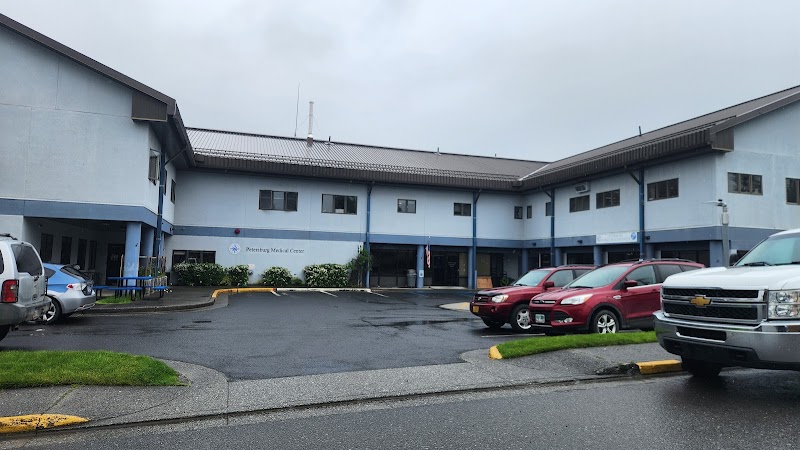
PETERSBURG MEDICAL CENTER LTC is owned by a government entity. Government-operated facilities are typically run by state, county, or municipal agencies. The facility operates independently rather than as part of a larger chain. With 15 certified beds and approximately 13 residents (about 87% occupancy), it is a smaller facility located in PETERSBURG, Alaska.

How Does Petersburg Medical Center Ltc Compare to Other Alaska Nursing Homes?

Compared to the 100 nursing homes in Alaska, PETERSBURG MEDICAL CENTER LTC's overall rating (5 stars) is above the state average of 3.5, staff turnover (57%) is significantly higher than the state average of 46%, and health inspection rating (4 stars) is above the national benchmark.

What Should Families Ask When Visiting Petersburg Medical Center Ltc?

Based on this facility's data, families visiting should ask: "How do you ensure continuity of care given staff turnover, and what is your staff retention strategy?" "Can I visit during a mealtime to observe dining assistance and food quality?" "How do you handle medical emergencies, and what is your hospital transfer rate?" "Can I speak with family members of current residents about their experience?" These questions are particularly relevant given the facility's high staff turnover rate.

Is Petersburg Medical Center Ltc Safe?

Based on CMS inspection data, PETERSBURG MEDICAL CENTER LTC has a clean safety record: no substantiated abuse findings (meaning no confirmed cases of resident harm), no Immediate Jeopardy citations (the most serious violation level indicating risk of serious injury or death), and is not on the Special Focus Facility watch list (a federal program monitoring the lowest-performing 1% of nursing homes). The facility has a 5-star overall rating and ranks #1 of 100 nursing homes in Alaska. While no facility is perfect, families should still ask about staff-to-resident ratios and recent inspection results during their visit.

Do Nurses at Petersburg Medical Center Ltc Stick Around?

Staff turnover at PETERSBURG MEDICAL CENTER LTC is high. At 57%, the facility is 11 percentage points above the Alaska average of 46%. High turnover means new staff may not know residents' individual needs, medications, or preferences. It can also be disorienting for residents, especially those with dementia who rely on familiar faces. Families should ask: What is causing the turnover? What retention programs are in place? How do you ensure care continuity during staff transitions?

Was Petersburg Medical Center Ltc Ever Fined?

PETERSBURG MEDICAL CENTER LTC has no federal fines on record. CMS issues fines when nursing homes fail to meet care standards or don't correct problems found during inspections. The absence of fines suggests the facility has either maintained compliance or corrected any issues before penalties were assessed. This is a positive indicator, though families should still review recent inspection reports for the full picture.

Is Petersburg Medical Center Ltc on Any Federal Watch List?

PETERSBURG MEDICAL CENTER LTC is not on any federal watch list. The most significant is the Special Focus Facility (SFF) program, which identifies the bottom 1% of nursing homes nationally based on persistent, serious quality problems. Not being on this list means the facility has avoided the pattern of deficiencies that triggers enhanced federal oversight. This is a positive indicator, though families should still review the facility's inspection history directly.