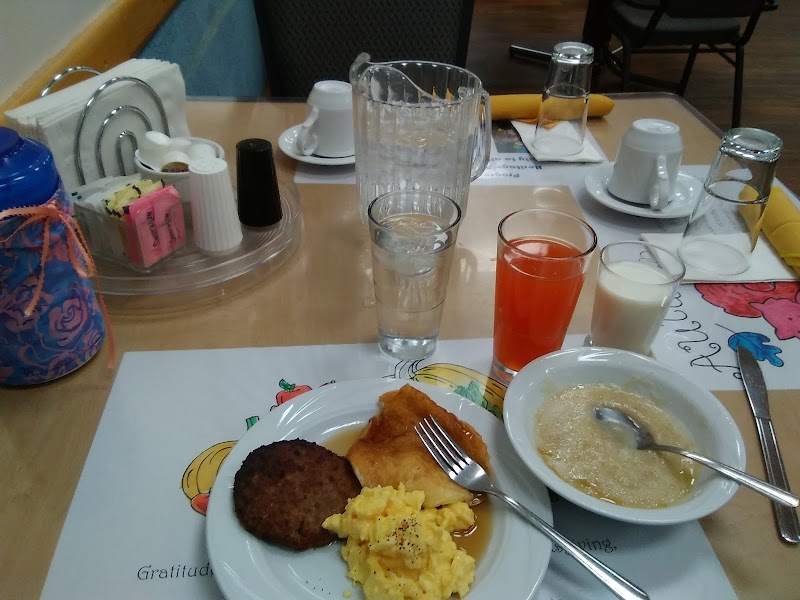
HERITAGE PLACE

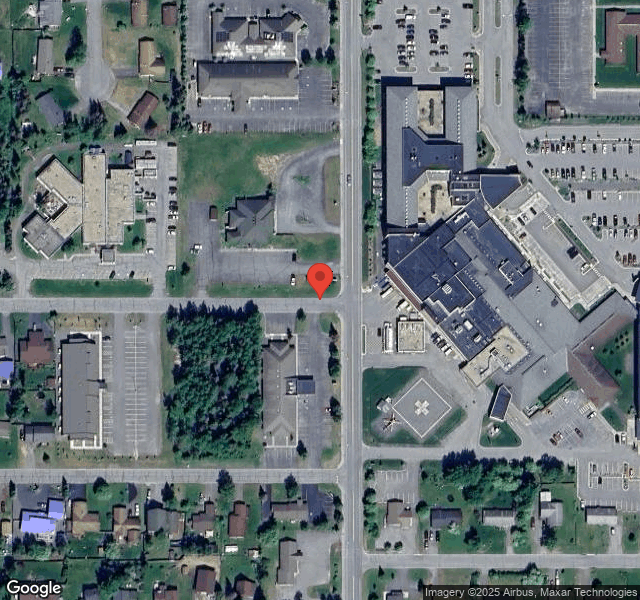
232 ROCKWELL AVENUE, SOLDOTNA, AK 99669 (907) 262-2545
For profit - Corporation 60 Beds Independent Data: November 2025
Trust Grade
70/100
#13 of 20 in AK
Last Inspection: June 2025

Inspected within the last 6 months. Data reflects current conditions.

Overview

Heritage Place in Soldotna, Alaska, has a Trust Grade of B, which indicates it is a good choice for families, offering solid care. It ranks #13 out of 20 facilities in Alaska, placing it in the bottom half statewide, and #3 out of 3 in Kenai Peninsula County, meaning only one local option is better. Unfortunately, the facility's trend is worsening, with issues increasing from 5 in 2024 to 8 in 2025. Staffing is a concern, as it received a poor rating of 1 out of 5 stars, though turnover is relatively low at 22%, which is below the state average. On a positive note, there have been no fines reported, indicating compliance with regulations. However, there are specific areas of concern. The facility failed to ensure the Director of Nursing worked the required hours, potentially impacting oversight and quality of care for the 44 residents. Additionally, medical supplies were found to be expired and improperly labeled, posing risks to residents' health. Lastly, food storage practices were inadequate, with items not being stored under sanitary conditions, increasing the risk of foodborne illness. Families should weigh these strengths and weaknesses carefully when considering Heritage Place for their loved ones.

Trust Score
B
70/100
In Alaska
#13/20
Bottom 35%
Safety Record
Low Risk
No red flags
Inspections
Getting Worse
5 → 8 violations
Staff Stability
✓ Good
22% annual turnover. Excellent stability, 26 points below Alaska's 48% average. Staff who stay learn residents' needs.
Penalties
✓ Good
No fines on record. Clean compliance history, better than most Alaska facilities.
Skilled Nurses
✓ Good
Each resident gets 90 minutes of Registered Nurse (RN) attention daily — more than 97% of Alaska nursing homes. RNs are the most trained staff who catch health problems before they become serious.
Violations
⚠ Watch
19 deficiencies on record. Higher than average. Multiple issues found across inspections.
★★★☆☆
3.0
Overall Rating
★☆☆☆☆
1.0
Staff Levels
★★★★★
5.0
Care Quality
★★★☆☆
3.0
Inspection Score
Stable
2024: 5 issues
2025: 8 issues

The Good

  • 5-Star Quality Measures · Strong clinical quality outcomes
  • Low Staff Turnover (22%) · Staff stability means consistent care
  • Full Sprinkler Coverage · Fire safety systems throughout facility
  • No fines on record
  • Staff turnover is low (22%)

    26 points below Alaska average of 48%

Facility shows strength in quality measures, staff retention, fire safety.

The Bad

3-Star Overall Rating

Near Alaska average (3.5)

Meets federal standards, typical of most facilities

The Ugly 19 deficiencies on record

Jun 2025 8 deficiencies
CONCERN (D)

Potential for Harm - no one hurt, but risky conditions existed

Deficiency F0657 (Tag F0657)

Could have caused harm · This affected 1 resident

. Based on record review, observation, and interview the facility failed to ensure comprehensive care plans were revised to meet the changing needs of 3 residents (#'s 26, 31, and 33), out of 12 sampl...

Read full inspector narrative →
. Based on record review, observation, and interview the facility failed to ensure comprehensive care plans were revised to meet the changing needs of 3 residents (#'s 26, 31, and 33), out of 12 sampled residents. Specifically, the facility failed to revise care plans to reflect: 1) the use of a foot cradle for Resident #26; 2) a change in cognition and activities of daily living (ADLs) for Resident #31, and; 3) the use of enhanced barrier precautions (EBP) for Resident #33. This failed practice placed the residents at risk for less than the highest practicable mental, physical, and psychosocial well-being. Findings: Resident #26 Record review on 6/9-13/25 revealed Resident #26 was admitted to the facility with diagnoses that included vascular dementia (reduced blood flow to the brain affecting cognition and brain function), major depressive disorder, delusional disorder (a condition in which a person has one or more fixed persistent beliefs that are not based on reality), and disorders of bone density and structure. Random observations on 6/9-11/25 revealed Resident #26's feet were in a foot cradle (frame installed at the end of the bed to keep sheets/ blankets off the legs/feet), covered with a blanket. Review of Resident #26's Care Plan, revised on 5/13/25, revealed: [Resident #26] has an arterial ulcer of the Left middle Toe r/t[related to] poor circulation . Interventions Monitor/document/report PRN [as needed] any s/sx[signs and symptoms] of infection . The use of the foot cradle was not in the care plan. During an interview on 6/9/25 at 2:25 PM, Resident #26 stated he/she had hammertoes [a foot condition where an imbalance of the muscles and ligaments around the toe joint causes the toes to bend in a downward position], the foot cradle was protecting his/her toes from touching the blanket. During an interview on 6/11/25 at 1:44 PM, Certified Nursing Assistant (CNA) #1 stated the foot cradle was in place for at least three weeks to protect Resident #26's left toes from touching the blanket. During an interview on 6/13/25 at 11:26 AM, the Director of Nursing (DON) stated there was no need for a physician's order for the use of the foot cradle because that was a nursing intervention. When asked if the use of foot cradle should be care planned, she stated it should be. Resident #31 Record review on 6/9-13/25 revealed Resident #31 was admitted to the facility with diagnoses that included dementia (a decline in cognitive function), congestive heart failure (a long term condition where the heart is unable to pump blood efficiently), and ischemic cardiomyopathy (a condition where the heart muscle is weakened as a result of a heart attack or coronary artery disease). During a joint interview with Resident #31 and Resident #31's Resident Representative (RR) on 6/9/25 at 2:25 PM, Resident #31 would begin to speak but would stop mid-sentence. The RR stated Resident #31 had experienced a decline in cognition and ability to perform activities of daily living (ADLs) beginning around 5/26/25. The RR further stated the change had affected Resident #31's dexterity, eating, and mobility which resulted in increased dependence on staff to perform oral hygiene, feeding, dressing, amongst other ADLs. The RR added Resident #31 had used a walker but was not able to since his/her decline. The RR stated he/she was concerned Resident #31 was not receiving oral care on a regular basis. Review of Resident #31's care plan, focus last revised on 11/12/24, revealed, . [Resident #31 is independent for meeting emotional, intellectual, physical, and social needs . is independent for most activities of daily living . There were no interventions listed on the care plan regarding the resident's oral hygiene needs, or the resident's new needs for additional assistance with cognition or ADLs. Review of the MDS (Minimum Data Set, a federally required nursing assessment), dated 5/9/25, revealed the resident used a walker or a manual wheelchair for mobility. Further review of the assessment revealed: - . Eating .Setup or clean-up [staff] assistance .resident completes the activity .; - . Oral Hygiene . Setup or clean-up [staff] assistance .resident completes the activity .; - . Toileting Hygiene . Partial/moderate [staff] assistance .Helper does LESS THAN HALF the effort .; - . Upper body dressing . [staff] provides VERBAL CUES or TOUCHING/STEADYING assistance as resident completes activity .; - . Lower body dressing . Partial/moderate [staff] assistance .Helper does LESS THAN HALF the effort .; - . Personal hygiene . [staff] provides VERBAL CUES or TOUCHING/STEADYING assistance as resident completes activity .; - . Walk 10 feet . supervision or touching assistance .; - . Walk 50 feet . Walk 150 feet . [staff] provides VERBAL CUES or TOUCHING/STEADYING assistance as resident completes activity .; During an interview on 6/12/25, at 4:15 PM, the MDS nurse stated he/she was aware the resident had a decline in functionality and the last interdisciplinary team (IDT) meeting held for Resident #31 was on 6/9/25. The MDS nurse further stated a significant change would have been decided during the IDT meeting but no significant change assessment was completed. Review of Resident #31's progress note, dated 6/9/25, revealed an IDT Collaboration regarding Resident #31's, . global decline and now has a physician prognosis of 6 months or less . The note further spoke about discontinuing the resident's thyroid medication, but did not mention completing a significant change assessment or updating the care plan to comprehensively reflect the resident's new needs. During an interview on 6/13/25 at 10:52 AM, the DON confirmed Resident #31's health decline and stated Resident #31 was not currently independent with ADLs or mobility, and that the care plan should have been updated to reflect the resident's changes. Resident #33 Record review on 6/9-13/25 revealed Resident #33 was admitted to the facility with diagnoses that included cellulitis (a bacterial infection of the skin and soft tissues underneath), peripheral vascular disease (a condition where blood circulation is reduced to body parts outside of the brain and heart), and was under palliative care (a treatment approach for individuals living with a life-limiting illness). During an interview and concurrent observation on 6/9/25 at 12:28 PM, Resident #33 stated he/she had a bad infection, but it was getting better. The resident was sitting on the side of the bed with both feet on a cushioned pad on the floor. Both feet and lower legs were red and swollen, with areas of flaky broken skin that wept an odorous opaque tan fluid. An observation and concurrent interview on 6/9/25 at 12:53 PM, revealed Resident #33 had his/her name on the outside of his/her room with a small square picture of fireworks underneath. CNA #5 stated the fireworks meant the resident was on enhanced barrier precautions (EBP), meaning that staff would need to put on a gown and gloves if they were going to come in direct contact with the resident or the resident's body fluids. Review of Resident' #33's care plan, dated 4/7/25, revealed the EBP were not included in the care plan. During an interview on 6/12/25 at 2:23 PM, the Assistant Director of Nursing (ADON) stated EBP was active in Resident #33's electronic medical record. The ADON further stated EBP was not reflected in the care plan but should have been. Review of the facility's policy, Care Plans - Comprehensive Person-Centered [CPCCP], reviewed on 5/2025, revealed: The CPCCP will: . describe the services that are to be furnished to attain or maintain the resident's highest practicable physical, mental, and psychosocial wellbeing . Incorporate identified problem areas . Assessments of residents are ongoing and care plans are revised as information about the resident and residents' condition change . .
CONCERN (D)

Potential for Harm - no one hurt, but risky conditions existed

ADL Care (Tag F0677)

Could have caused harm · This affected 1 resident

. Based on record review, interview, and observation, the facility failed to ensure consistent oral care was provided to 1 resident (# 31), out of 12 residents sampled. This failed practice had the po...

Read full inspector narrative →
. Based on record review, interview, and observation, the facility failed to ensure consistent oral care was provided to 1 resident (# 31), out of 12 residents sampled. This failed practice had the potential to place the resident at risk of poor oral health outcomes. Findings: Record review on 6/9-13/25 revealed Resident #31 was admitted to the facility with diagnoses that included dementia (a decline in cognitive function), congestive heart failure (a long term condition where the heart is unable to pump blood efficiently), and ischemic cardiomyopathy (a condition where the heart muscle is weakened as a result of a heart attack or coronary artery disease). During an interview and concurrent observation on 6/9/25 at 2:25 PM, Resident #31's Resident Representative (RR) stated he/she was concerned Resident #31 was not receiving oral care on a regular basis. The RR also stated Resident #31 had experienced a health decline during the last two weeks, which affected the resident's cognition and activities of daily living, such as his/her dexterity. The change had resulted in the resident relying on staff to perform oral hygiene amongst other regular daily activities. During the interview, it was noted that Resident #31 had bad breath that was very notable. Review of Resident #31's Task Description list, undated, revealed: . Oral Hygiene . Frequency . Every Shift [twice a day] . Review of Resident #31's Oral Hygiene Task sheet, dated 5/15/25 through 6/12/25 (28 days), revealed Resident #31 only received oral care once daily on ten occasions (out of 56 opportunities per orders of twice daily). Review of Resident #31's Kardex sheet (a summary of a resident's care plan used by certified nursing assistants to provide care), dated 6/12/25, revealed no instructions regarding assistance with oral hygiene. Review of Resident #31's care plan, last revised on 11/12/24, revealed there were no interventions listed on the care plan regarding the resident's oral hygiene needs. During an interview on 6/13/25 at 10:52 AM, the Director of Nursing (DON) stated oral care was to be performed at least once per 12-hour shift and as needed. The care plan should have been updated to reflect Resident #31's current needs. .
CONCERN (D)

Potential for Harm - no one hurt, but risky conditions existed

Medical Records (Tag F0842)

Could have caused harm · This affected 1 resident

. Based on record review and interview, the facility failed to ensure medical records were complete for 1 sampled resident (#33), out of 12 sampled residents. Specifically, physician signatures on wri...

Read full inspector narrative →
. Based on record review and interview, the facility failed to ensure medical records were complete for 1 sampled resident (#33), out of 12 sampled residents. Specifically, physician signatures on written orders were not dated. This failed practice created incomplete medical records which placed the resident at risk for inconsistencies in treatment and care provided. Findings: Record review on 6/9-13/25 revealed Resident #33 was admitted to the facility with diagnoses that included cellulitis (a bacterial infection of the skin and soft tissues underneath), peripheral vascular disease (a condition where blood circulation is reduced to body parts outside of the brain and heart), and was under palliative care (a treatment approach for individuals living with a life-limiting illness). Review of Resident #33's physician telephone/verbal order sheets, from 1/3/25 to 5/8/25, revealed the following: A telephone/verbal order slip, dated 1/3/25, was written to: Hold KCl [potassium chloride - a mineral supplement] Repeat BMP [lab work: basic metabolic panel] in 1 wk [week] . The handwritten orders contained a physician's signature with no date or time associated with the signature; A telephone/verbal order slip, dated 1/6/25, was written to: Stop: Hydromorphone [an opioid medication used to treat pain] 2mg Tablet . Start: Hydromorphone 4mg Tablet . The handwritten orders contained a physician's signature with no date or time associated with the signature; A telephone/verbal order slip, dated 1/6/25, was written for the following: Prognosis [less than or equal to] 6 months to live . The handwritten order contained a physician's signature with no date or time associated with the signature; A telephone/verbal order slip, dated 1/13/25, was written to: Stop: Potassium. The handwritten order contained a physician's signature with no date or time associated with the signature; A telephone/verbal order slip, dated 4/9/25, was written to: Stop: lactulose [a medication used to treat constipation] 15 ml [milliliters] .; miralax [a medication used to treat constipation] .; sertraline [an antidepressant] 100 mg .; tizanidine [a muscle relaxer] 2mg .; torsemide [a diuretic medication used to treat edema] 20mg . The handwritten orders contained a physician's signature with no date or time associated with the signature; and A telephone/verbal order slip, dated 5/8/25, revealed two medication orders for: Cephalexin [an antibiotic] 1gram . [and] Doxycycline [an antibiotic] 100 mg [milligrams] . The handwritten orders contained a physician's signature with no date or time associated with the signature. Review of Resident #33's electronic orders revealed all the above orders were entered into the resident's electronic medical record (EMR) by the facility's Resident Care Coordinator (RCC). The different ordering physicians for all the above orders were Ordered By: GROUP, THE ALASKA HOSPITALIST . There were no individual electronic physician signatures with a designated time or date stamp on any of the orders. During an interview on 6/13/25 at 8:50 AM, the RCC stated when physicians gave verbal orders, she would fill out a telephone/verbal order slip and then enter the order in the EMR. She further stated the physicians signed the telephone order slips when they rotated through for their weekly visits to the facility. The RCC stated that she would check the order slips to ensure completeness after the physician signed the slip. During an interview on 6/13/25 at 11:20 AM, the Director of Nursing (DON) stated all physician signatures on verbal orders should have a date and time. The DON further explained the facility's physicians do not enter orders or physician progress notes directly into the facility's EMR but wrote their notes into another EMR associated with the hospital. Review of The American Health Information Management Association (AHIMA)'s article Ethical Standards of Clinical Documentation Integrity (CDI) Professionals, dated 2020, at https://www.ahima.org/media/r2gmhlop/ethical-standards-for-clinical-documentation-integrity-cdi-professionals-2020.pdf?oid=301868 revealed: . Facilitate accurate, complete, and consistent clinical documentation within the health record to demonstrate quality care, support coding, and reporting to high-quality healthcare data used for both individual patients and aggregate reporting . .
CONCERN (D)

Potential for Harm - no one hurt, but risky conditions existed

Infection Control (Tag F0880)

Could have caused harm · This affected 1 resident

Based on observation, interview and record review, the facility failed to ensure infection control procedures were properly implemented in the facility. Specifically, the Certified Nurse Assistants (C...

Read full inspector narrative →
Based on observation, interview and record review, the facility failed to ensure infection control procedures were properly implemented in the facility. Specifically, the Certified Nurse Assistants (CNAs) failed to change gloves and perform hand hygiene while providing personal cares, for 2 residents (#s 26 and 35), out of 2 residents observed for personal cares. This failed practice had the potential to place all residents at risk of contamination and transmission of infections. Findings: Resident #26 An observation on 6/10/25 at 9:04 AM, revealed both CNAs were wearing gloves. CNA #1 and CNA #2 began to assist the resident put on brief and pants up to Resident #26's lower legs while the resident was on lying position. Next, CNA #1 inserted an absorbent pad liner in between the resident's legs. Then the CNAs helped the resident change into a clean shirt. Next, CNA #1 wiped Resident #26's abdominal skin folds with wet wipes and applied cream on the skin and then inserted dry wipes in between the skin folds. Afterwards, CNA #1 and CNA #2 turned the resident onto his/her right side, then CNA #1 wiped Resident #26's perianal area. Next, CNA #1 pulled out a soiled absorbent pad liner and inserted a Hoyer lift (a mobility tool to assist individuals with limited mobility to safely transfer) sling under the Resident's back. While still wearing the same soiled gloves, CNA #1 and CNA #2, pulled the resident's pants and brief up. Both CNAs repositioned the Resident to the center of the bed, then pulled the brief and pants up more ensuring a good fit. Then CNA #1 and CNA #2 turned the resident onto his/her left side and secured placement of the Hoyer lift sling under the resident and positioned the resident to a lying position. CNA #1 removed his/her soiled gloves, sanitized his/her hands, put on new gloves, then continued to transfer the resident to his/her wheelchair. Resident #35 An observation on 6/11/25 at 9:15 AM, revealed CNA #3 provided Resident #35's perineal care. CNA #3 started by sanitizing his/her hands and put on gloves. Resident #35 was lying on bed. Then, while a soiled brief was still on the resident, CNA #3 assisted the resident with putting on his/her socks, placed a new brief around the resident's thighs, and placed clean pants onto the resident lower legs. Next, CNA #3 removed a pillow from resident's right side and placed a clean absorbent pad liner onto the bed. Then, CNA #3 removed Resident #35's soiled absorbent pad liner and wiped Resident #35's peri-area. While still wearing the same soiled gloves, CNA #3 removed Resident #35's eyeglasses and set them aside, repositioned the resident's head, then, repositioned the resident's arms towards his/her body. Afterwards, the CNA turned Resident #35 onto his/her left side, then CNA #3 cleaned Resident #35's anal area, wiped off the zinc oxide from the skin, applied new zinc oxide onto resident's skin, and then removed the soiled bed pad and turned Resident #35 to his/her back. While still wearing the same soiled gloves, CNA #3 placed a new absorbent pad liner over the resident's peri-area and pulled the new brief and pants up. CNA #3 continued to wear the same soiled gloves until Resident #35 was ready to be transferred through a Hoyer lift. While still wearing the same soiled gloves, CNA #3 brought the resident's wheelchair over to the bedside. Then the CNA removed his/her soiled gloves, wiped his/her hands with a sanitizing wipe, and continued to transfer the Resident into his/her wheelchair. During a joint interview on 6/12/25 at 1:58 PM, the Resident Care Coordinator (RCC) stated hand hygiene should be performed based on the facility's policy and procedures and Centers for Disease Control and Prevention (CDC). She stated hand hygiene should be performed after contact with the residents, after removal of gloves, and after a task was completed. The Director of Nursing (DON) and RCC were asked if the CNAs were expected to change gloves and wash hands after providing residents perineal care and before touching the resident, both DON and RCC replied, Yes. Review of the facility's policy, Hand Hygiene, dated 11/2024, revealed: . Use alcohol- based hand rub containing at least 62% alcohol.for the following situations.before moving from a contaminated body site to a clean body site during resident care.after contact with a resident's skin.after contact with blood or bodily fluids. Review of CDC's guidelines on clean hands Clinical Safety: Hand Hygiene for Healthcare Workers, dated 2/27/24, accessed on this link: https://www.cdc.gov/clean-hands/hcp/clinical-safety/index.html, revealed: . know when to clean your hands . Before moving from work on a soiled body site to a clean body site on the same patient, after touching a patient or patient's surroundings, After contact with blood, body fluids, or contaminated surfaces, immediately after glove removal. .
CONCERN (E)

Potential for Harm - no one hurt, but risky conditions existed

Deficiency F0805 (Tag F0805)

Could have caused harm · This affected multiple residents

. Based on record review, observation, and interview the facility failed to ensure pureed food was prepared to the appropriate consistency to meet 3 resident's (#6, #15, and #19 ) individual needs out...

Read full inspector narrative →
. Based on record review, observation, and interview the facility failed to ensure pureed food was prepared to the appropriate consistency to meet 3 resident's (#6, #15, and #19 ) individual needs out of 3 residents on a pureed diet. This failed practice had the potential to place the residents at risk for aspiration and compromised nutritional intake. Findings: Record review on 6/9-13/25 revealed Resident #6 was admitted to the facility with diagnoses that included multiple sclerosis (a disease of the central nervous system marked by numbness, weakness, loss of muscle coordination, and problems with vision, speech, and bladder control), Alzheimer's disease (progressive mental deterioration that can occur in middle or old age, due to generalized degeneration of the brain), and dysphagia (difficulty swallowing). Further review revealed Resident #6 was on a pureed/level four texture diet (foods that are blended to a smooth, thick consistency without lumps, making them safe and easy to swallow for individuals with chewing or swallowing difficulties). Record review on 6/9-13/25 revealed Resident #15 was admitted to the facility with diagnoses that included dementia (a decline in intellectual functioning, including problems with memory, reasoning and thinking) and anxiety. Further review revealed Resident #15 was on a pureed/level four texture diet. Record review on 6/9-13/25 revealed Resident #19 was admitted to the facility with diagnoses that included dementia, depression and dysphagia. Further review revealed Resident #19 was on a pureed/level four texture gluten free diet. An observation and concurrent interview in the main kitchen on 6/11/25 at 3:05 PM, [NAME] #2 prepared pureed ham and pureed tomato soup. [NAME] #2 blended diced ham with an unmeasured amount of chicken broth in a blender and stated the mixture was pureed ham. The ham had a runny, pourable consistency; when a serving spoon was inserted and stirred, the mixture ran off the spoon like a thin sauce. [NAME] #2 then blended an unmeasured amount of tomato soup with mashed potatoes and stated the mixture was pureed tomato soup. The tomato soup also exhibited a runny, pourable consistency, running off the spoon like a thin sauce. When asked how he/she determined if the correct puree consistency had been achieved, [NAME] #2 stated he/she eyeballs the mixture and did not use any tests or tools to ensure proper puree consistency. During an interview on 6/11/25 at 4:15 PM, the Food Services Supervisor (FSS) stated IDDSI (International Dysphagia Diet Standardization Initiative) guidelines should have been followed when preparing pureed food. The FSS further stated cooks were supposed to follow recipes to make pureed food. Review of the facility's recipe book revealed: P.[Puree]Ham Breakfast .Combine ¾ Gravy with prepared Meat in blender or food processor. Continue blending until pudding-like consistency is reached. Further review revealed no recipe for pureed tomato soup. During an observation in the Sitka [NAME] unit on 6/12/25 at 4:27 PM, pureed corn, served for dinner, did not hold its shape on the spoon and did not fall off the spoon in one shape when it was tilted. Further observation revealed the pureed corn dripped continuously through fork prongs. Review of the facility's IDDSI handouts, dated 1/2019, revealed: Level 4-Pureed Food [should] Hold shape on a spoon .Fall off a spoon in a single spoonful when tilted .Liquid (like sauces) must not separate from solids . How do I test my food to make sure it is Level 4 Pureed? It is safest to test Pureed Food using the IDDSI Fork Drip Test and the IDDSI Spoon Tilt Test . IDDSI Fork Drip Test Liquid does not dollop, or drip continuously through the fork prongs . IDDSI Spoon Tilt Test Sample holds its shape on the spoon and falls off fairly easily if the spoon is tilted or lightly flicked .Pureed foods must pass both tests! Review of the facility's policy, Therapeutic Diets, effective date 12/2024 revealed: Food is cut, chopped, ground, pureed, or liquidized according to individual's resident needs . For diets ordered with a Dysphagia Diet, the IDDSI guidelines will be followed: . 4- Pureed Foods & Extremely Thick Liquids. .
CONCERN (F)

Potential for Harm - no one hurt, but risky conditions existed

Deficiency F0727 (Tag F0727)

Could have caused harm · This affected most or all residents

. Based on interview and record review, the facility failed to ensure the designated Director of Nursing (DON) worked 40 hours a week. This failed practice had the potential to place all residents (ba...

Read full inspector narrative →
. Based on interview and record review, the facility failed to ensure the designated Director of Nursing (DON) worked 40 hours a week. This failed practice had the potential to place all residents (based on a census of 44) at risk of not receiving quality nursing services due to a lack of oversight. Findings: During the entrance conference interview on 6/9/25 at 10:45 AM, the DON stated she was designated as the DON and Administrator of the facility. She further stated she worked 35 hours per week as the DON and 5 hours per week as the Administrator. During a follow-up interview on 6/11/25 at 2:03 PM, the DON stated she did not complete a timecard because she was not required to clock-in. She stated she used Monday mornings to perform Administrator duties and the rest of the hours for DON time. During an interview on 6/13/25 at 9:30 AM, the DON stated she assumed the Administrator role since October 2024 after the previous Administrator retired. Record review on 6/11/25 at 2:35 PM, of the POSITION DESCRIPTION [PD], version 2024.04 Title: Administrative/Director, Heritage Place, revealed: POSITION SUMMARY: The Administrator/Director of Clinical Services provides leadership, and oversight to ensure the planning, organizing, and management of all aspects of the nursing home. Supervises and evaluates the care provided to residents to ensure the highest possible quality and compliance with state and federal regulations. In compliance with Long Term Care regulation F354, this position must include a minimum of 35 hours a week to be spent performing Director of Nursing (i.e., Director of Nursing duties). Further review revealed a handwritten note attached to the PD that read: no appoint [appointment] letters available. Org [organization] doesn't use. Another note attached read: 8-4:30 MF [Monday to Friday] 35 hours- wk [week] Focus on DON role 5 hr per wk focusing on Admin [administrator] role. .
CONCERN (F)

Potential for Harm - no one hurt, but risky conditions existed

Deficiency F0761 (Tag F0761)

Could have caused harm · This affected most or all residents

**NOTE- TERMS IN BRACKETS HAVE BEEN EDITED TO PROTECT CONFIDENTIALITY** . Based on observation and interview, the facility failed to ensure medical supplies were labeled appropriately and removed from...

Read full inspector narrative →
**NOTE- TERMS IN BRACKETS HAVE BEEN EDITED TO PROTECT CONFIDENTIALITY** . Based on observation and interview, the facility failed to ensure medical supplies were labeled appropriately and removed from storage if expired. These failed practices placed all residents (based on a census of 44) at risk for adverse effects or complications from use of the expired products. Findings: Central Medical Supply Room: An observation on [DATE] at 10:05 AM, of the central medical supply room, revealed the following expired medical supplies: 1 - Bard 16 french (diameter size) urethral catheters with a coude tip (meaning, the tip is slightly bent, helping the catheter bypass obstructions within the urethra that would hinder a straight catheter's path), expired on [DATE]; and 2 - Bard 24 french urethral catheter, expired on [DATE]. Further observation revealed the following sterile suction catheters without documented expiration dates: 4 - AirLife Tri Flo 5/6 french suction catheters, with no expiration date; and 1 - AirLife Tri-Flo 14 french suction catheter, with no expiration date. During an interview on [DATE] at 12:30 PM, the Support Services Manager (SSM) stated he ordered and stocked the central supply room and that some medical supplies were sourced from the hospital. When asked what the process was for ensuring medical supplies had not expired, the SSM stated the expiration dates were checked once a week and medical supplies from the hospital were stocked weekly. When asked about the products lacking expiration dates, the SSM acknowledged there was no facility process for verifying expiration dates on supplies without a visible date and stated that lot numbers could be used as a reference. During a follow-up interview on [DATE] at 1:38 PM, the SSM stated the expired foley catheters and the suction catheters without expiration dates were stocked by the hospital. The SSM stated there was not a good process in place to verify expiration dates. During an interview on [DATE] at 10:25 AM, Licensed Nurse (LN) #1 stated if nurses found an expired item, they were expected to dispose of the item. LN#1 further stated if he/she found a product with no expiration date, he/she would notify the nurse manager. Review of the facility's policy Monitoring Supply Dates, last reviewed on 11/2024, revealed: Procedure .4. All department manager/supervisors are responsible [for] monitoring supplies stocked in their department. However, the Supports Services Manager will conduct spot inspections of storage areas during the bi-weekly Housekeeping inspection to ensure proper rotation of materials stocked in the Sitka storage area, and the Med-room [medication room] .5. During spot checks, items which will expire before next check are removed from inventory. .
CONCERN (F)

Potential for Harm - no one hurt, but risky conditions existed

Food Safety (Tag F0812)

Could have caused harm · This affected most or all residents

. Based on observation, interview, and record review, the facility failed to ensure food was stored under proper sanitary conditions in the main kitchen and in the Sitka [NAME] unit. This failed pract...

Read full inspector narrative →
. Based on observation, interview, and record review, the facility failed to ensure food was stored under proper sanitary conditions in the main kitchen and in the Sitka [NAME] unit. This failed practice placed all residents (based on a census of 44), who received food from both kitchens at risk for foodborne illness and communicable disease. Findings: Main Kitchen An observation, during the initial kitchen tour, on 6/9/25 at 8:09 AM, revealed: 1) Dry Storage/Pantry: - 1 opened 25 ounce bottle of Traditional Style Rotisserie Seasoning, 3/4 full, received on 11/12/20, no open date; - 1 opened 16 ounce bottle of Whole Celery Seeds, 5/6 full, received on 10/12/20, no open date; - 1 opened 4 ounce bottle of Whole Tarragon Leaves, 3/4 full, received on 10/3/20, no open date, and; - 1 opened 18 ounce bottle of Mild Chili Powder, 5/6 full, received on 10/11/21, no open date. 2) Food Preparation area: - 1 opened 25 ounce bottle of Traditional Style Rotisserie Seasoning, 1/2 full, received on 11/12/20, no open date; - 1 opened 5 ounce bottle of Dill Weed, 3/4 full, received on 10/5[no year], no open date; - 1 opened 16 ounce bottle of Whole Celery Seeds, 1/4 full, received on 10/12/20, no open date; - 1 opened 16 ounce bottle of Whole Caraway Seed, 1/4 full, received on 10/5/21, no open date; - 1 opened 12 ounce bottle of Crushed Red Pepper, 1/3 full, received on 9/18/22, no open date; - 1 opened 14 ounce bottle of Whole Fennel Seed, 3/4 full, received date was smudged and unreadable, no open date; - 1 opened 20 ounce bottle of Poppy Seed, 1/3 full, received date was smudged and unreadable, no open date; - 1 opened 18 ounce bottle of Whole Sesame Seeds, 2/3 full, received on 4/7/25, no open date; - 1 opened 6 ounce bottle of Ground Cloves, received on 1/10/19, no open date; - 1 opened 16 ounce bottle of Ground Nutmeg, 3/4 full, received on 12/21/23, no open date; - 1 opened 16 ounce bottle of Ground Cayenne Pepper, 1/2 full, received on 6/25 [no year], no open date; - 1 opened 15 ounce bottle of Ground Ginger, 1/2 full, received on 2/12[no year], no open date; - 1 opened 14 ounce bottle of Ground Coriander, 1/4 full, received on 9/10/21, no open date; - 1 opened 6 ounce bottle of Rubbed Sage, 1/4 full, received on 10/9[no year] no open date; and, - 1 opened 1 pound box of Corn Starch, 1/2 full, received on 4/1/24, no open date. 3) Resident/Family Refrigerator - 1 opened 22 ounce bottle of Hershey's Syrup, received on 11/1/24, no open date; and, - A 1/2 loaf of white bread, no open date. During an interview on 6/9/25 at 8:46 AM, the Food Service Supervisor (FSS) stated every container should be labeled with a received date and open date. When asked how staff determined when to replace items without expiration dates, the FSS explained that staff would notify her if the item looked close to being empty. Sitka [NAME] Unit An observation of the Sitka [NAME] unit's kitchenette on 6/9/25 at 2:30 PM, revealed: Refrigerator: - A 1/2 loaf of cinnamon raisin bread, with torn packaging exposing the bread, opened on 6/3/25. Review of the facility's policy Food Labeling and Dating, effective date 11/2024, revealed: . All food items are dated before they are stored. The manufacturer's date of expiration or use by will be the date to dispose the product Items opened and stored in their original container will have the letters OP on them, with the date that the product was opened . Review of the facility's policy Monitoring Supply Dates, effective date 11/2024, revealed: . Food Service will monitor all groceries in the Dietary department storeroom, cabinets, refrigerators, and freezers (including Sitka Rose). The Dietary Supervisor will perform weekly inspections of all areas where food is stored to ensure proper rotation and fresh dates are maintained During spot-checks, items which will expire before next check are removed from inventory . Review of the facility's policy Shelf Stable Food Safety, effective date 6/2025, revealed: Heritage Place Kitchen follows the USDA [United States Department of Agriculture] recommendations of food storage and recommended shelf life . Spices remain in original manufacturer's container and are clearly labeled with the name of the spice, the receiving date and the opened date to track freshness . .
May 2024 5 deficiencies
CONCERN (E)

Potential for Harm - no one hurt, but risky conditions existed

Quality of Care (Tag F0684)

Could have caused harm · This affected multiple residents

**NOTE- TERMS IN BRACKETS HAVE BEEN EDITED TO PROTECT CONFIDENTIALITY** . Based on record review, interview, and observation, the facility failed to ensure: 1) a properly sized sling was used in trans...

Read full inspector narrative →
**NOTE- TERMS IN BRACKETS HAVE BEEN EDITED TO PROTECT CONFIDENTIALITY** . Based on record review, interview, and observation, the facility failed to ensure: 1) a properly sized sling was used in transfers for 1 resident (#195), out of 12 sampled residents; and 2) neurological (or neuro) checks (assessments to determine if any neurological symptoms arose from potential head injuries) were performed after unwitnessed falls for 2 residents (#'s 18 and 20), out of 4 sampled residents for falls. These failed practices had the potential to: 1) cause pain and distress to the resident; and 2) delay treatment if the resident had a change in neurological status. Findings: Transfer Sling Record review from 5/13-17/24 revealed Resident #195 was admitted to the facility with diagnoses that included lung cancer, chronic obstructive pulmonary disease (COPD, a disease making breathing difficult, which involves impaired gas exchange in the lungs), peripheral vascular disease (a condition that cause blood vessels to narrow, block or spasm), and atrial fibrillation (an abnormal heart rhythm characterized by rapid and irregular beating of the atrial chambers of the heart). Review of Resident #195's progress note, dated 5/14/24 at 6:03 PM, revealed: . [Resident #195] stayed in bed all shift. [He/she] requested a shower today but stated [he/she] is 'petrified to get out of the bed using the lift', several attempts made to help [him/her] shower and reassurance given about getting up using the lift but [he/she] refused every offer, will attempt shower tomorrow. Review of Resident #195's progress notes, dated 5/15/24 at 4:43 PM, revealed: .[Resident #195] expressed anxiety [with] transferring using the lift again this morning, MD [physician] notified and PRN [as needed] Ativan order received. During an interview 5/15/24 at 11:29 AM, Resident #195 stated he/she had to work on getting used to how the staff transferred him/her. When he/she first arrived, the staff used a lift to assist with getting him/her out of bed that hurt his/her breasts. The resident stated, It was an awful experience. During an observation and concurrent interview on 5/15/24 at 3:19 PM, Licensed Nurse (LN) #2 and Resident Assistant (RA) #2 used a Sara3000 (sit to stand lift) to transfer Resident #195 from the resident's bed to his/her wheelchair. From a sitting position on the edge of the bed, LN #2 and RA #2 placed a light blue sling with a green border (the green border indicated the sling size was large) around the torso of Resident #195. The staff placed the resident closer to edge of bed, where his/her lower legs were buckled to the standing platform on the lift. The staff then attached the sling to the lift with clips built into the sling. With the resident holding onto the handles, RA #2 advised the resident to lean forward, as the lift assisted the resident into a standing position. In doing so, the sling pulled up the resident's shirt, exposing the entire midsection of the resident and bunched up the shirt in the underarm area. While being lifted, Resident #195 said, Ouch. While LN #2 handled the oxygen tubing, the resident was turned around to align with his/her wheelchair and was lowered down into the wheelchair's seat. The resident was unbuckled, and the sling was removed. When asked how they knew what sling to use, RA#2 stated they use the sling compatible with the lift, which was placed in the room. During an interview on 5/15/24 at 3:44 PM, RA Supervisor #1 stated the RA Supervisors would choose an appropriate lift sling for residents after physical therapy evaluated the residents for the type of lift to be used. The facility had two different types of lifts, the full body lift (called a Hoyer) and the sit to stand lifts. RA Supervisors #1 and #2 would choose the sling size based on the resident's weight as soon as possible after admission, however, the sling sizes were not documented in the medical record. Staff would use what was placed in the room. When asked if a resident weighed 143.6 lbs. (pounds) which sit to stand sling would be selected, RA Supervisor #1 stated a yellow sling should be utilized, according to the sizing guide. Review of the facility's Sling Color Guide, no date, revealed: .Clip style hoyer and [NAME] sling sizes. Trim Color . M [medium] .Yellow . 121-165 lbs (55-75 kg [kilograms]) . L [large] . [NAME] . 154-264 lbs (75-120 kg) . Record review from 5/13-17/24 revealed Resident #195's weight on 5/14/24 (date of admission) was 143.6 lbs. During an interview on 5/16/24 at 12:35 PM, the Director of Nursing (DON) stated it was the expectation of the RA Supervisors to size residents for lift slings when they were admitted . If the resident did not like the sling, staff would work with the resident to find something that would work. The DON further stated that Resident #195 developed anxiety over lifts when he/she was in the hospital, and it continued here at the facility. The DON stated that the reason a sit to stand sling bunched up into Resident #195's armpits was because the resident was not engaging his/her legs. Review of Lippincott procedures - Transfer with a mechanical lift, long-term care, revised 5/21/23, revealed: .Preparation of Equipment .Check the size of the sling before applying it to the resident because improper sizing could result in injury. Neuro Checks Resident #18 Record review from 5/13-17/24 revealed Resident #18 was admitted to the facility with diagnoses that included cerebral infarction (a brain lesion in which a cluster of brain cells die when they don't get enough blood flow), aphasia (impaired speech due to damage in the brain), atrial fibrillation, and unspecified symptoms and signs involving cognitive functions and awareness. Further review of the Resident #18's medical record revealed the resident had seven falls in the facility since 10/29/23. Four of these falls were unwitnessed, dated 11/7/23; 12/9/23; 1/4/24; and 1/7/24. Review of Resident #18's Minimum Data Set (MDS - a federally mandated nursing assessment) assessment, an admission assessment dated [DATE] (and prior to any unwitnessed falls), revealed Resident #18 was not able to verbally speak, rarely or never made self understood, and rarely or never understood others. Fall Incident on 11/7/23 A review of Resident #18's Incident Audit Report, dated 11/7/23 at 11:30 PM, revealed: Staff alerted this nurse to resident being noted on floor laying flat on back with [his/her] [wheelchair] behind [him/her]. [He/she] was laying in doorway of double doors leading out into hallway from Town Square. Doors were closed previously. This nurse assessed. no injuries noted nor indicated from resident. Does not appear to have hit [his/her] head as no injuries were noted there either. A review of Resident #18's #683 Un-witnessed Fall Incident report, dated 11/7/23 at 11:30 PM, revealed: Resident Description: Resident Unable to give Description. A review of Resident #18's Post Fall Charting, dated 11/8/23 at 12:19 AM, revealed vital signs were taken. Further review revealed: . Did the resident hit their head? Answer, No. A review of Resident #18's Post Fall Charting, dated 11/8/23 at 3:21 PM, revealed vital signs were taken. Further review revealed: . Did the resident hit their head? Answer, No. A review of Resident #18's Post Fall Charting, dated 11/9/23 at 12:28 PM, revealed vital signs were taken. Further review revealed: . Did the resident hit their head? Answer, No. Further review of the medical record revealed no neuro checks were documented for this unwitnessed fall. Fall Incident on 12/9/23 A review of Resident #18's Incident Audit Report, dated 12/9/23 at 9:05 AM, revealed: At approximately [9:05 AM] [Resident #18] was found on the floor near the far end of Sunset; we examined [him/her]; took [his/her] vitals, and lifted [him/her] back into [his/her] wheelchair; [he/she] has a small skin tear on [his/her] left hand and a minor abrasion on [his/her] right knee. Factors. Cognitively impaired; [he/she] must have either tried to walk or leaned forward and fell. A review of Resident #18's #694 Un-witnessed Fall Incident report, dated 12/9/23, revealed: the Resident Description section of the report was left blank. A review of Resident #18's Post Fall Charting, dated 12/9/23 at 12:56 PM, revealed vital signs were taken. Further review revealed: . Did the resident hit their head? Answer, No. A review of Resident #18's Post Fall Charting, dated 12/10/23 at 3:29 AM, revealed vital signs were taken. Further review revealed: . Did the resident hit their head? Answer, No. A review of Resident #18's Post Fall Charting, dated 12/11/23 at 5:22 PM, revealed vital signs were taken. Further review revealed: . Did the resident hit their head? Answer, No. Further review of the medical record revealed no neuro checks were documented for this unwitnessed fall. Review of Resident #18's MDS assessment, a quarterly assessment dated [DATE], revealed Resident #18 was not able to verbally speak, rarely or never made self understood, and sometimes understood others. Fall Incident on 1/4/24 A review of Resident #18's Incident Audit Report, dated 1/4/24 at 9:33 AM, revealed: The RA [Resident Assistant] found [Resident #18] on the floor next to [his/her] bed looking toward the door with [his/her] feet straight out in front of [him/her]. A review of Resident #18's #705 Un-witnessed Fall Incident report, dated 1/4/24, revealed: Resident Description: Resident Unable to give Description. Review of Resident #18's Progress Note, dated 1/4/24 at 9:47 AM, revealed: [Resident #18] was found on the floor sitting with [his/her] back at [his/her] bed and feet stretched out in front of [him/her]. No demonstration of pain noted with active and passive ROM [range of motion]. [He/she] is resistant to care and combative during skin check, [morning] care, and toileting. No new bruise, redness, or apparent injury is found. A review of Resident #18's Post Fall Charting, dated 1/4/24 at 10:06 AM, revealed vital signs were taken. Further review revealed: . Did the resident hit their head? Answer, No. A review of Resident #18's Post Fall Charting, dated 1/5/24 at 4:00 AM, revealed vital signs were taken. Further review revealed: . Did the resident hit their head? Answer, No. A review of Resident #18's Post Fall Charting, dated 1/5/24 at 10:08 AM, revealed vital signs were taken. Further review revealed: . Did the resident hit their head? Answer, No. Further review of the medical record revealed no neuro checks were documented for this unwitnessed fall. Fall Incident on 1/7/24 A review of Resident #18's Incident Audit Report, dated 1/7/24 at 2:48 AM, revealed: Resident was noted to be sitting on buttocks [with] legs spread out in front of [him/her]. [He/she] was assessed but no injuries nor [signs/symptoms] of pain/discomfort noted. Head was not hit. [Wheelchair] was not far behind [him/her]. A review of Resident #18's #706 Un-witnessed Fall Incident report, dated 1/7/24 at 2:48 AM, revealed: Resident Description: Resident Unable to give Description. A review of Resident #18's Post Fall Charting, dated 1/7/24 at 2:54 AM, revealed vital signs were taken. Further review revealed: . Did the resident hit their head? Answer, No. A review of Resident #18's Post Fall Charting, dated 1/7/24 at 12:42 PM, revealed vital signs were taken. Further review revealed: . Did the resident hit their head? Answer, No. A review of Resident #18's Post Fall Charting, dated 1/8/24 at 3:36 AM, revealed vital signs were taken. Further review revealed: . Did the resident hit their head? Answer, No. A review of Resident #18's Post Fall Charting, dated 1/8/24 at 3:11 PM, revealed vital signs were taken. Further review revealed: . Did the resident hit their head? Answer, No. A review of Resident #18's Post Fall Charting, dated 1/9/24 at 3:08 AM, revealed vital signs were taken. Further review revealed: . Did the resident hit their head? Answer, No. A review of Resident #18's Post Fall Charting, dated 1/9/24 at 3:51 PM, revealed vital signs were taken. Further review revealed: . Did the resident hit their head? Answer, No. Further review of the medical record revealed no neuro checks were documented for this unwitnessed fall. Review of Resident #18's care plan revealed an identified focus of ADL [Activities of Daily Living] Function/Risk for Falls, dated 9/6/23. Further review of the interventions for this identified problem revealed no intervention to follow fall protocols. During an interview on 5/17/24 at 8:52 AM, when asked what he/she would do if a resident was rarely or never understood, and there was a fall, LN #4 stated he/she would ask what happened, assess the resident for injuries, and for unwitnessed falls he/she would do neuro checks because you didn't know if the person could even remember if they hit their head. Resident #20 Record review from 5/13-17/24 revealed Resident #20 was admitted to the facility with diagnoses that included dementia (a decline in intellectual functioning, including problems with memory, reasoning and thinking). Further review of the Resident #20's medical record revealed the resident had three falls in the facility since 3/30/23. One of these falls was unwitnessed, dated 2/16/24. Review of Resident #20's MDS assessment, a quarterly assessment dated [DATE] (prior to the unwitnessed fall), revealed Resident #20's speech was unclear, rarely or never made self understood, and rarely or never understood others. Fall Incident on 2/16/24 A review of Resident #20's Incident Audit Report, dated 2/16/24 at 2:48 AM, revealed: [Resident #20] had an unwitnessed fall after awakening from [his/her] nap. A loud thud was heard in [his/her] room. [Resident #20] was found sitting quietly on the floor of [his/her] room. [He/she] was wearing grippy socks and there was nothing in the environment that could have caused the fall. [Resident #20] was assisted to [his/her] feet and returned to bed. [He/she] was assessed for pain and injury. A minor abrasion and a 3.9cm [centimeter] [by] 1.8cm contusion was noted on [his/her] right elbow. [He/she] had no complaint of pain and no non-verbal complaint of pain until the contusion was palpated. A review of Resident #20's #721 Un-witnessed Fall Incident report, dated 2/16/24 at 5:42 PM, revealed: Resident Description: Resident Unable to give Description. A review of Resident #20's Post Fall Charting, dated 2/16/24 at 6:19 PM, revealed vital signs were taken. Further review revealed: . Did the resident hit their head? Answer, No. A review of Resident #18's Post Fall Charting, dated 2/17/24 at 5:52 PM, revealed vital signs were taken. Further review revealed: . Did the resident hit their head? Answer, No. A review of Resident #18's Post Fall Charting, dated 2/18/24 at 4:20 AM, revealed vital signs were taken. Further review revealed: . Did the resident hit their head? Answer, No. A review of Resident #18's Post Fall Charting, dated 2/18/24 at 5:57 PM, revealed vital signs were taken. Further review revealed: . Did the resident hit their head? Answer, No. A review of Resident #18's Post Fall Charting, dated 2/19/24 at 4:37 AM, revealed vital signs were taken. Further review revealed: . Did the resident hit their head? Answer, No. A review of Resident #18's Post Fall Charting, dated 2/19/24 at 5:23 PM, revealed vital signs were taken. Further review revealed: . Did the resident hit their head? Answer, No. Review of Resident #18's care plan revealed an identified focus of Falls. Further review of the interventions revealed follow facility fall protocols. During an interview on 5/16/24 at 3:02 PM, the Assistant Director of Nursing (ADON) stated there were no neuro checks completed with Resident #20's unwitnessed fall on 2/16/24. Fall Protocol During an interview on 5/15/24 at 2:20 PM, LN #3 stated when a resident falls, there was a risk evaluation, in the occurrence reporting system, that was completed. This would allow the LN to document the details of the incident, including injuries; factors; witnesses; action; notes; and sign off. LN #3 further stated there was a huddle form, located in the main nursing room, that was filled out as well. From this huddle form, a huddle meeting occurred to review the incident and discuss the situation and what could be improved. During an interview on 5/15/24 at 2:40 PM, LN #1 stated there was a checklist in a binder at the main nurses' station to help nurses follow called, PCC [point click care] workflow: Risk Management/Resident Fall. For unwitnessed falls, LN #1 stated nurses would assess the resident, call 911 if needed, call the physician, and completed three days of vitals, neuro checks, and skin checks. LN #1 further stated that an order for neuro checks could be placed in the electronic records as an order. Review of the facility's Fall Action Lesson Learned (Huddle Form) form, undated, revealed this blank form had a section to check off interventions completed due to a fall: Huddle Form, Accident/Injury Report; Fall Risk Assessment; 48[hour]/72[hour] monitoring nurse order; faxed MD; called family; care plan. Further review revealed no neuro check option to select. Review of the facility's PCC [point click care] workflow: Risk Management/Resident Fall, dated 1/29/19, revealed steps taken when a fall occurred: . Under the Clinical tab go to Care Management and choose Risk Management. Click Activate and New. Fill out the incident box-Resident name, date and time, type of incident and incident location. Save. Fill out the information in each tab section across the top of the screen. complete the Morse Fall Scale and initial Post Fall Charting assessment. Review care plan. If serious injury occurred [fracture] or head injury, notify the state. fill out fall huddle form. add order for post fall charting. Further review revealed no guidance for unwitnessed falls, or any time neuro checks would be initiated. Review of the facility's policy Falls Assessment and Intervention, effective September 2023, revealed: . Applies To: Identify residents at risk for falls, establishing the plan of care for those residents and following up on any incidents of falling.Policy: Residents will be assessed for fall risk. Interventions will be used and monitored as appropriate. Evaluation. The Falls Huddle Form will be used within 30 minutes of the fall, whenever possible, to evaluate causes and initiate interventions. Post-Fall Assessment. The incident will be entered into incidents in EMR [electronic medical record] by staff involved. Notification of physician and family will be completed. The Falls Huddle will be held and the completed form will be submitted to the Director of Clinical Services. Orders for follow up assessment will be entered in the EMR. The administrator will be the only one to click the finalize button in the EMR. Further review revealed no guidance for unwitnessed falls, or any time neuro checks would be initiated. Review of the facility's policy Neurological Assessment, effective April 2024, revealed: Applies to: Resident care guidelines for a neurological assessment of a resident when a head trauma or change in neurological status is suspected or confirmed. Policy: A neurological assessment is completed by a licensed nurse when clinically indicated, including but not limited to post-unwitnessed fall. Completed neuro checks Q [every] 15min [minutes] x[times] 2, Q30minx2 and Q60minx2 UNLESS otherwise indicated by provider. .
CONCERN (E)

Potential for Harm - no one hurt, but risky conditions existed

Accident Prevention (Tag F0689)

Could have caused harm · This affected multiple residents

**NOTE- TERMS IN BRACKETS HAVE BEEN EDITED TO PROTECT CONFIDENTIALITY** . Based on record review and interview, the facility failed to adequately monitor the functional status of wander guard tags (a ...

Read full inspector narrative →
**NOTE- TERMS IN BRACKETS HAVE BEEN EDITED TO PROTECT CONFIDENTIALITY** . Based on record review and interview, the facility failed to adequately monitor the functional status of wander guard tags (a safety assistance device placed on a resident at risk for wandering and possible elopement. This device would trigger an alarm at any exit equipped with a wander guard sensor, alerting staff to a possible elopement attempt). Specifically, the facility used an outdated, obsolete tag battery tester, incapable of accurately indicating battery level status, for 1 Resident's (#30) tag device, out of 3 residents reviewed with wander guards, and which resulted in an elopement from the facility. This failed practice placed all residents with wander guard safety precautions (based on a census of 6) at risk for wander guard tag failure and possible elopement. Findings: Resident #30 Record review on 5/13-17/24 revealed Resident #30 was admitted to the facility with a diagnosis of dementia (a decline in intellectual functioning, including problems with memory, reasoning and thinking). Review of Resident #30's care plan revealed an identified focus for Behavior. [Resident #30] has history of wandering related to dementia, dated [DATE]. Further review revealed interventions that included, [Resident #30] has a wander guard on [his/her] [left] ankle. Ensure the device is in place [every] shift. RA [Resident Aide] supervisor to check function weekly. Review of Resident #30's medical record revealed two separate elopement attempts and two successful elopements: - [DATE] at 5:40 PM, Incident Note: [Resident #30] exited out the alarmed sunset door. was immediately escorted back in the same doorway. was wearing [his/her] wander guard during [his/her] elopement. - [DATE] at 6:32 PM, Behavior Note: Resident intended to leave out the front door but the wander guard alarmed and staff was able to redirect [him/her]. - [DATE] at 8:34 PM, Behavior Note: Attempted to lead another resident out the front doors this evening. Alarms alerted staff and was able to redirect without issue. - [DATE] at 6:01 PM, Communication with Physician: [Resident #30] was found to have eloped and was found walking in the parking lot ambulating with wheeled walker by staff member and was easily escorted back into building. Wander guard battery was not working, so door did not alarm. Review of Resident #30's wander guard tag testing log, revealed his/her tag was tested the day prior, on [DATE], and passed the test as being functional. Review of the facility's Incident Audit Report, dated [DATE] through [DATE], revealed: Description of Action Taken: [Resident #30] was helped back into building and [Resident #30's] [wander guard] was in place on [his/her] left ankle. The battery in [his/her] [wander guard] was found to be not working so that is why the front door alarm did not go off. [RA Supervisor #1] said [he/she] had checked the battery on [his/her] [wander guard] yesterday and it was working. Wander Guard Battery Tester During an interview on [DATE] at 3:18 PM, the Assistant Director of Nursing (ADON) stated the wander guard tag batteries were not rechargeable and the whole tag device must be replaced if the battery died. The ADON further stated that RA Supervisors checked the batteries for all wander guard tags weekly to ensure they were functioning. During an interview on [DATE] at 3:21 PM, when asked how the wander guard tag batteries were tested, RA Supervisor #1 stated he/she used an Accutech Tag Activator/Deactivator device to check all wander guard tags weekly every Wednesday. After turning the device on, RA Supervisor #1 held the wander guard tag to the back of the device and pressed a button labeled TAD and waited for the Signal Strength lights to appear. There were two lights under the Signal Strength label, one labeled Tag is very near and one labeled Tag in Area. If the two lights activated, RA Supervisor #1 interpreted the tags as functioning. RA Supervisor #1 further stated he/she also looked for a light labeled Active Band Removal or Low Battery on Tag. If this light activated, RA Supervisor #1 interpreted the tag as having a low battery and replaced it. Record review on [DATE] at 4:08 PM, revealed the facility used an Accutech wander guard system. Further review revealed the device to check the wander guard tag batteries was an Accutech Tag Activator/Deactivator, FCC ID: JM7-IGWT-6660021. During an interview on [DATE] at 9:02 AM, Accutech Representative #1 stated the Accutech Tag Activator/Deactivator model the facility was using was [AGE] years old and obsolete. It was not recommended to be used anymore, as there had been 3 or 4 revisions since that particular model was in use. Accutech Representative #1 further stated that the model the facility was using was limited and would not give an accurate determination of the tag's battery status, the device will tell you the light is flashing and currently working but does not tell you how low the battery currently is. If the tag is weak or close to shutting down due to low battery, the device won't tell you that. It will tell you it is functioning, but the tag [could] shut down an hour later. Accutech Representative #1 further stated, when the tag goes weak it may not accurately trip the wander guard system at the door. During an interview on [DATE] at 10:10 AM, the Support Services Manager stated the wander guard system in the facility was about [AGE] years old and it was very expensive to update. Review of the facility's policy Resident Elopement Prevention, effective [DATE], revealed: . Proper functioning of the device is checked weekly and the results are recorded. Maintenance is notified of the need for any repair/replacement of the device. .
CONCERN (E)

Potential for Harm - no one hurt, but risky conditions existed

Deficiency F0761 (Tag F0761)

Could have caused harm · This affected multiple residents

**NOTE- TERMS IN BRACKETS HAVE BEEN EDITED TO PROTECT CONFIDENTIALITY** . Based on observation, interview, and record review, the facility failed to ensure expired medical products were removed from t...

Read full inspector narrative →
**NOTE- TERMS IN BRACKETS HAVE BEEN EDITED TO PROTECT CONFIDENTIALITY** . Based on observation, interview, and record review, the facility failed to ensure expired medical products were removed from the medical supply storage areas. This failed practice placed all residents (based on a census of 43) at risk for adverse effects or complications from use of the expired products. Findings: Central Medical Supply Room: An observation and concurrent interview on [DATE] at 9:09 AM, revealed the following expired medical supplies: 5 - Bard Urethral Catheterization trays (contains a flexible tube that is inserted through the urethra to help drain urine from the bladder) with preconnected drain bag, 15 french (size of the tube), expired on [DATE]; 3 - Bard 14 french urethral catheters with a coude tip (meaning, the tip is slightly bent, helping the catheter bypass obstructions within the urethra that would hinder a straight catheter's path), expired on [DATE]; and 1 - Bard 14 french urethral catheter with a coude tip, expired on [DATE]. Licensed Nurse (LN) #1 stated the maintenance department was responsible for stocking the central supply room, however, the nurses checked the expiration dates as they gathered their supplies to stock the nurses' stations. LN #1 further stated the nurses stocked the main nurses' station/med room and the Sitka [NAME] Unit medication/supply corner. If the nurses found an expired item, they were expected to properly dispose of the item. Sitka [NAME] Unit Medication/Supply Corner: An observation and concurrent interview on [DATE] at 10:10 AM, revealed the following expired medical supplies: 1 - BD 5 ml (milliliter) syringe, expired on [DATE]; and 1 - Bard Urethral Catheterization tray with preconnected drain bag, 15 french, expired [DATE]. LN #3 stated the staff would have checked the expiration date as the supplies were stocked. The supplies were gathered from the central medical supply room. During an interview on [DATE] at 9:23 AM, the Support Services Manager (SSM), stated he ordered and stocked the central supply room and staff stocked their work area. When asked what the process was for ensuring products for the facility had not expired, the SSM stated the expiration dates were checked while he ordered the supplies twice a week. When asked about the multiple expired Bard Urethral Catheterization tray with preconnected drain bags, the SSM stated they must have received an expired case. Review of the facility's policy Monitoring Supply Dates, last reviewed on 11/2023, revealed: Procedure .All department manager/supervisors are responsible [for] monitoring supplies stocked in their department. However, the Supports Services Manager will conduct spot inspections of storage areas during the bi-weekly Housekeeping inspection to ensure proper rotation of materials stocked in the Sitka storage area, and the Med-room [medication room] .During spot checks, items which will expire before next check are removed from inventory. .
CONCERN (E)

Potential for Harm - no one hurt, but risky conditions existed

Deficiency F0802 (Tag F0802)

Could have caused harm · This affected multiple residents

. Based on observation, interview, and record review, the facility failed to ensure appropriate competencies and skills sets were properly established for Resident Aides (RAs), Licensed Nurses (LNs), ...

Read full inspector narrative →
. Based on observation, interview, and record review, the facility failed to ensure appropriate competencies and skills sets were properly established for Resident Aides (RAs), Licensed Nurses (LNs), and Food Service Staff who prepared modified diets for Sitka [NAME] residents. Specifically, the facility failed to ensure: 1) the RAs and LNs, as well as food service staff, were trained to operate a Cuisinart chopper/grinder food processor used on the Sitka [NAME] unit for preparing modified diets; and 2) RAs and LNs had food worker cards to certify they were appropriately trained to prepare modified diets. These failed practices placed 3 unsampled Sitka [NAME] residents (#s 15, 21, and 38) who were on modified diets, and potentially future residents placed on modified diets, at risk for improper food preparation and food borne illnesses. Findings: Food Processor Training and Operation During an interview on 5/13/24 at 11:46 AM, the Dietary Manager stated all personnel in the kitchen preparing food were required to wear a hairnet. An observation on 5/13/24 at 3:32 PM, revealed RA #1 prepared a minced and moist modified diet for Resident #15 on the Sitka [NAME] unit. Further observation revealed RA #1 placed approximately 3/8-inch by 1 1/2-inch round pieces of sausage into a Cuisinart chopper/grinder food processor and started the appliance by pushing a button. After the food processor automatically stopped, RA #1 then opened the processor's lid and pulled out and discarded larger pieces of sausage, that did not chop or grind down, and sausage casein out of the bowl with his/her gloved fingers. RA #1 was not wearing a hair net during this meal preparation. RA #1 then plated the rest of the meal and served the resident. During an interview and simultaneous observation on 5/14/24 at 10:46 AM, RA #1 stated the food processor appliance was used for residents with modified diets. He/she demonstrated the chopper/grinder process by placing one full-link sausage, during the breakfast meal, in the Cuisinart appliance. He/she stated the sausage was for a resident on a modified diet of minced and moist. RA #1 stated the texture of food was determined and gauged by the order and knowing their residents well and what they could handle. Further observation revealed RA #1 was not wearing a hair net during this meal preparation. During an interview on 5/16/24 at 11:03 AM, the Dietician initially stated that modified diets were to be completed by kitchen staff in the kitchen. When told of the observations from 5/13/24 and 5/14/24 of the RAs on Sitka [NAME] preparing minced and moist diets with a Cuisinart food processor, the Dietician stated she had never seen a food processor used on the unit before. The Dietician further stated that the International Dysphagia Diet Standardisation Initiative (IDDSI) training the RAs and LNs received would have prepared them to make modified diets. During an interview on 5/16/24 at 11:03 AM, the Administrator stated that RAs and LNs were trained on the consistencies of modified diets. During an interview on 5/16/24 at 11:49 AM, LN #3 stated 3 residents (#s 15, 21, and 38) had minced and moist diets. LN #3 further stated that staff used a food processor for minced and moist diets and food was ground in the processor till it stopped and staff would add gravy or broth for moisture if needed. When asked how RAs and LNs were trained to use the food processor, LN #3 stated RAs taught each other. Record review of Resident #15's provider diet order, dated 6/14/22, revealed: Resident choice/texture as tolerated diet. Easy to Chew/Level 7 texture. Further review revealed: finger foods. There was no minced and moist diet ordered for Resident #15. Record review of Resident #21's provider diet order, dated 8/19/19, revealed: Minced and Moist/Level 5 texture. Further review revealed: . texture as tolerated ranging mechanical soft to puree. Record review of Resident #38's provider diet order, dated 5/2/24, revealed: Minced and Moist level 5 texture. Further review revealed: . Resident choice/texture as tolerated. Diet is MM5 [minced and moist, level 5]/PU4 [pureed, level 4] depending on [resident's] alertness and abilities. An observation on 5/16/24 at 2:14 PM, of Sitka Rose's Cuisinart chopper/grinder food processor revealed there were two buttons on the processor, one labeled chop and one labeled grind. The opening of the processor bowl was wide, allowing for contact with blades of the processor with fingers. During an interview on 5/16/24 at 2:15 PM, when asked about the Cuisinart food processor and what level of diet the processor made, the Dietary Manager stated level 3 (IDDSI level 3 - liquidized diets). The Dietary Manager stated the staff would add gravy or broth and push the processor's button for 3 to 4 minutes until you reach grind level. When asked if the food processor would make level 5 minced and moist modified diets, the Dietary Manager stated, yes, you would add gravy or broth and process for 10 minutes. Review of the Cuisinart Instruction [and] Recipe Booklet, dated 2015, revealed: . - Important Safeguards: When using an electrical appliance, basic safety precautions should always be adhered to. Read all instructions. - Tips for Processing Food. Size. Always cut large pieces of food into smaller pieces for even size - about 1/2 inch. or as specified under Operation/Technique. if you don't start with pieces that are small and uniform, you will not get an even chop. Selecting the Right Operating Control. Use the Chop function for chopping, pureeing and mixing. It is the right choice, for example, for chopping soft, fragile food. Pulse action is best when you are using the Chop function. Two or three pulses are often enough. Use the Grind function for grinding spices, and for chopping hard food. Continuous-hold action is best when you are using Grind function. Never operate the. Chopper/Grinder continuously for longer than 1 minute at a time. - The Cuisinart Elite Collection Chopper/Grinder is intended for HOUSEHOLD USE ONLY. - Operation/Technique Chart: Meats. Chop. Pulse to chop, or process continuously to puree. Cooked meat. cut up to 8 ounces into 1/2-inch pieces. Review of the facility's policy Safety in Food Service, effective date November 2023, revealed: . Equipment Hazards. Never use machinery you have not been [trained] to use. Food Grinders. Food grinders should be equipped with narrow necks to make it impossible to reach the cutters with the fingers. General Precautions. Keep clean. Wash hands thoroughly before handling food or dishes. Food service personnel must wear hairnets while on duty. Food Worker Cards During an interview on 5/16/24 at 11:03 AM, when asked if RAs and/or LNs who prepared modified diets had food worker cards, the Administrator stated no RAs or LNs had food worker cards. Review of the State of Alaska web site for food worker cards, accessed on 5/16/24 at https://dec.alaska.gov/eh/fss/food-worker-card#about, revealed: . The Alaska Food Code requires food workers to obtain a food worker card. About the Food Worker Card Program. The goal of the Food Worker Card program is to educate food workers in Alaska about safe food practices and verify they have the essential knowledge needed to protect public health in food facilities. Food Worker Card is Required. Any person working with unpackaged food, potentially hazardous food, or food-contact surfaces is considered a food worker and needs a food worker card. .
CONCERN (F)

Potential for Harm - no one hurt, but risky conditions existed

Food Safety (Tag F0812)

Could have caused harm · This affected most or all residents

**NOTE- TERMS IN BRACKETS HAVE BEEN EDITED TO PROTECT CONFIDENTIALITY** . Based on observation, interview, and record review, the facility failed to ensure that food was stored, prepared, and served i...

Read full inspector narrative →
**NOTE- TERMS IN BRACKETS HAVE BEEN EDITED TO PROTECT CONFIDENTIALITY** . Based on observation, interview, and record review, the facility failed to ensure that food was stored, prepared, and served in accordance with professional standards for food safety. Specifically, the facility failed to ensure: 1) food was stored under proper sanitation and food handling practices in the main kitchen; 2) food was stored under proper sanitation and food handling practices on the Sitka [NAME] unit; and 3) the dishwasher water temperature was at appropriate temperature range, prior to washing dishes, for proper sanitation of all dishware and food service equipment. These failed practices had the potential of causing or spreading foodborne illness to all residents, based on a census of 43. Findings: Main Kitchen An observation, during the initial kitchen tour, on 5/13/24 at 11:05 AM, revealed: 1) Dry Storage/Pantry area: - 4- 28-ounce containers of Danish Orchards Blackberry Fruit Preserves, manufacture expiration date was 4/9/24; - Penne Noodles loose, in Rubbermaid bin, no packaging and no open date on bin; and - Fettuccine Noodles loose, in Rubbermaid bin, no packaging and no open date on bin. 2) Refrigerator: - 1- 16-ounce container of Roseli Parmesan Cheese - 1/2 full - no open date; - 1- 1 quart container of Beaver Horseradish - 1/2 full - no open date; - 1- 48-ounce container of Real Lemon Juice - 1/3 full - no open date; - 1- 1-gallon container of Sliced Pepperoncini - 3/4 full - no open date; - 1- 5-pound container of Sour Cream - 1/2 full - no open date; - 1- 4.5-pound container of Minors Sweet and Sour Sauce - 1/2 full - no open date; - 1- 1-gallon container of Monarch 3/16-inch Crinkle Cut Dill Pickles - 1/4 full - no open date; and - 1- 1-gallon container of Monarch Sweet Pickle Relish - 1/4 full - no open date. 3) Freezer: - 1- Ziploc bag of one brown meat roast, labeled Roast Beef, dated 3/17; - 1- clear plastic bag with frozen slices of garlic bread labeled Garlic Bread - use first - no open date. 3) Central Kitchen area: - 1 Large rolling white container with clear lid labeled Peas - contained a mix of open individual bags marked: pearl barley, great northern beans, pinto beans, and navy beans, no open dates. - 1 Large rolling white container with clear lid labeled Pancake Mix - contained a large plastic bag with loose white powder, no packaging, no label, no open date. - 1 Large rolling white container with clear lid that did not close and not labeled - contained a mix of open individual bags marked: powdered sugar, granulated sugar, and cinnamon sugar, no open dates. - 1 Pan of cooked food, set on top of a pan filled with ice, on kitchen prep table. No lid on pan, open to air, filled with contents of orange, white, brown chunks with brownish liquid (gravy like) with spoon in the contents. An observation on 5/13/24 at 11:44 AM, revealed Food Service Assistant (FSA) #1 was preparing food-filled plastic cups labeled egg salad and tuna salad in the kitchen. FSA #1 was not wearing a hairnet. During an interview on 5/13/24 at 11:46 AM, the Dietary Manager stated every container should be labeled with an open date when the container was opened. The Dietary Manger further stated all personnel in the kitchen and preparing food were required to wear a hairnet. Sitka [NAME] Unit An observation of the Sitka [NAME] unit kitchenette on 5/15/24 at 2:10 PM, revealed: 1) Cupboards and Countertop: - 1- opened box of Pedialyte electrolyte powder (6 individual packets in a box) with a manufacture use by date of 01 [DATE]; - 1- unopened box of Pedialyte electrolyte powder (6 individual packets in a box) with a manufacture use by date of 01 [DATE]; - 1- opened box of [NAME] Microwave Popcorn Movie Theatre Butter (1 package in box) with a manufacture expiration date of 11/30/21; - 1- 5-fluid ounce container of Kikkoman Soy Sauce - 1/2 full - No open date; - 1- 12-ounce container of Sue Bee Pure Honey Clover - 1/4 full - No open date; and - 1- container of Local Raw Unfiltered Honey - 1/4 full - No open date. 2) Refrigerator: - 1- 20-ounce container of ketchup - 1/2 full - no open date; - 1- 13-ounce container of mustard - 3/4 full - no open date; - 1- 20-ounce container of mayonnaise - 1/2 full - open date not readable (smudged); - 1- 12-ounce container of tabasco sauce - 1/4 full - dated 11/10/22. 3) Freezer: - 1 Ziploc bag with 13 blueberry muffins - dated 7/10. Review of the facility's policy Food Labeling and Dating, effective date November 2023, revealed: .All food items are dated before they are stored. The manufacturer's date of expiration or use by will be the date to dispose the product. Items opened and stored in their original container. will have the letters OP on them, with the date that the product was opened. Once foods have been cooked to the proper temperature, held, and properly cooled; they may be labeled, dated, and may be frozen. Review of the facility's policy Monitoring Supply Dates, effective date November 2023, revealed: . the food services will monitor all groceries in the dietary department storeroom, cabinets, refrigerators, and freezers (including Sitka Rose). The dietary supervisor will perform weekly inspections of all areas where food is stored to ensure proper rotation and fresh dates are maintained. During spot-checks, items which will expire before next check are removed from inventory. Review of the facility's policy Safety in Food Service, effective date November 2023, revealed: General Precautions. Keep clean. Wash hands thoroughly before handling food or dishes. Food service personnel must wear hairnets while on duty. Dishwasher An observation and concurrent record review on 5/13/24 at 11:45 AM, revealed a May 2024 temperature log posted in the main kitchen near the dishwasher. A review of the log revealed the dishwasher temperatures for each cycle (wash, rinse, and sanitize) were documented for each meal of the day (breakfast, lunch, and dinner). Further review revealed a temperature target range of 120 degrees Fahrenheit (F) was under each cycle name on the log, however many of the temperatures logged for May 2024 were below this target temperature. An observation on 5/15/24 at 9:43 AM, revealed the label on the facility's dishwasher identified it as an American Dish Service dishwasher, model series AFC-3D-S. Further review of the label revealed: wash temperature 120 degree F minimum and rinse temperature 120 degree F minimum. An observation on 5/15/24 at 9:44 AM, FSA #4 demonstrated the steps of a dishwasher cycle: rinse off the dishes of any food particles, place dishes in a standard dish rack and put into the dishwasher, and then lower the dishwasher cover which initiated the wash, rinse, and sanitize cycles. Further observation revealed the wash cycle water temperature was 113 degrees F and the rinse cycle was 117 degrees F. During an interview on 5/15/24 at 9:44 AM, when asked if he/she knew the target temperature range for the dishwasher to properly clean and sanitize the dishes, FSA #4 stated he/she did not know what the target temperature should be. Record review of the facility kitchen's temperature logs for the dishwasher, dated 1/1/24 through breakfast of 5/17/24, revealed the number of times a dishwasher cycle was below 120 degrees for each meal: 1) January 2024: (93 total opportunities) - Breakfast: Wash cycle - 24 out of 31 times; Rinse cycle - 25 out of 31 times; Sanitization cycle - 15 out of 31 times. - Lunch (three days were not documented): Wash cycle - 22 out of 28 times; Rinse cycle - 20 out of 28 times; Sanitization cycle - 13 out of 28 times. - Dinner: Wash cycle - 16 out of 31 times; Rinse cycle - 16 out of 31 times; Sanitization cycle 8 out of 31 times. 2) February 2024 (87 total opportunities): - Breakfast: Wash cycle - 24 out of 29 times; Rinse cycle - 25 out of 29 times; Sanitization cycle - 19 out of 29 times. - Lunch: Wash cycle - 22 out of 29 times; Rinse cycle - 21 out of 29 times; Sanitization cycle - 10 out of 29 times. - Dinner (one day was not documented): Wash cycle - 23 out of 28 times; Rinse cycle - 16 out of 28 times; Sanitization cycle - 6 out of 28 times. 3) March 2024 (93 total opportunities): - Breakfast: Wash cycle - 30 out of 31 times; Rinse cycle - 25 out of 31 times; Sanitization cycle - 16 out of 31 times. - Lunch: Wash cycle - 23 out of 31 times; Rinse cycle - 20 out of 31 times; Sanitization cycle - 10 out of 31 times. - Dinner (two days were not documented): Wash cycle - 19 out of 29 times; Rinse cycle - 15 out of 29 times; Sanitization cycle - 6 out of 29 times. 4) April 2024 (90 total opportunities): - Breakfast: Wash cycle - 27 out of 30 times; Rinse cycle - 30 out of 30 times; Sanitization cycle - 19 out of 30 times. - Lunch (one day was not documented): Wash cycle - 23 out of 29 times; Rinse cycle - 19 out of 29 times; Sanitization cycle - 13 out of 29 times. - Dinner (one day was not documented): Wash cycle - 21 out of 29 times; Rinse cycle - 22 out of 29 times; Sanitization cycle - 5 out of 29 times. 5) May 2024 (49 total opportunities): - Breakfast: Wash cycle - 15 out of 17 times; Rinse cycle - 11 out of 17 times; Sanitization cycle - 4 out of 17 times. - Lunch: Wash cycle - 11 out of 16 times; Rinse cycle - 10 out of 16 times; Sanitization cycle - 3 out of 16 times. - Dinner: Wash cycle - 10 out of 16 times; Rinse cycle - 4 out of 16 times; Sanitization cycle - 2 out of 16 times. During an interview and concurrnet observation on 5/15/24 at 10:10 AM, the Support Services Manager (SSM) stated the dishwasher was a chemical sanitizing dishwasher machine. An observation revealed the SSM ran the dishwasher and monitored the temperature with a facility maintenance temperature gauge. The first wash cycle revealed the wash temperature to be 112.4 degrees F and the rinse temperature to be 124.4 degrees F. The second wash cycle revealed the wash temperature to be 129 degrees F and the rinse temperature to be 130.2 degrees F. The third wash cycle revealed the wash temperature to be 126.6 degrees F and the rinse temperature to be 132.2 degrees F. The SSM stated he would like to see the dishwasher temperature reach 130 degrees F for proper washing and sanitation of dishes. The SSM further stated the food service staff needed to run the dishwasher a couple of times to get the water temperature up to the target temperature range prior to using it to wash dishes. An observation on 5/15/24 at 3:32 PM, revealed FSA #8 was preparing to wash dishes. FSA #8 ran an empty cycle which revealed a wash temperature of 104 degrees F and a rinse temperature of 113 degrees F. Further observation revealed FSA #8 ran the dishwasher 3 times in a row before preparing to wash a set of dishes. The next cycle with dishes, which was the fourth time the dishwasher was run in a row, revealed a wash temperature of 118 degrees F and a rinse temperature of 122 degrees F. During an interview on 5/15/24 at 4:08 PM, FSA #8 stated, I have to run them [meaning dishes] through multiple times if I step away to get more dishes. If I keep running the dishwasher it holds the temperature, if I stop, it drops. Review of the latest provided, facility dishwasher routine service report from Ecolab, dated 1/9/24, revealed the dishwasher was working well and sanitizing effectively at a documented wash temperature of 130 degrees F. Review of the facility's owner's manual for the American Dish Service, Upright Dishwashers. AF/AFC-3DS. , dated 10/1/22, revealed: . General. The chemical sanitizing agent provides comparable germ killing ability in 140 degree rinse water as in the conventional machines with 180 degree rinse. If water temperature gauge has not reached 120 [degrees] F. when the water level is just below overflow, drain water from the machine and continue to fill until proper temperature is attained. Review of the facility's General Operating Instructions for the American Dish Service dishwasher, undated, revealed: . It is recommended that 140 [degrees] water be used. Report to your supervisor if it is lower than 120 [degrees] or higher than 160 [degrees]. Review of the facility's policy Dish Room Procedures [and] Sanitation Regulations, effective date November 2023, revealed: . Serving ware and utensils will be sanitized according to the procedures outlines below. Low Temp. Dish Machines minimum requirements: Wash cycle - 120 [degrees] F. .
Mar 2023 6 deficiencies
CONCERN (D)

Potential for Harm - no one hurt, but risky conditions existed

Transfer Notice (Tag F0623)

Could have caused harm · This affected 1 resident

**NOTE- TERMS IN BRACKETS HAVE BEEN EDITED TO PROTECT CONFIDENTIALITY** . Based on record review and interview the facility failed to ensure the discharge status of resident (#55), out of 3 closed rec...

Read full inspector narrative →
**NOTE- TERMS IN BRACKETS HAVE BEEN EDITED TO PROTECT CONFIDENTIALITY** . Based on record review and interview the facility failed to ensure the discharge status of resident (#55), out of 3 closed records reviewed, was updated. Specifically, the facility failed to update the discharge location of the resident. This failed practice provided inaccurate discharge information. Findings: Resident #55 Record review on 3/6-10/23 revealed Resident #55 was admitted to the facility with diagnoses that included dementia (loss of cognitive functioning), psychotic disturbance (a severe mental disorder that causes abnormal thinking and perceptions), and heart failure. Review of the resident's Care Plan, dated 1/1/23, revealed: .Discharge to another care setting Assisted living facility [ALF] when bed/room available . Review of the Discharge summary, dated [DATE], revealed Resident #55 will transfer to an ALF. Review of the Progress notes, dated 2/1/23, revealed: . [Resident # 55's representative] decided to have [Resident #55] sent to the ER [Emergency Room] for evaluation prior to discharge to [Assisted Living Facility]. Review of Resident #55's Minimum Data Set (MDS -a federally required nursing assessment) discharged Assessment, dated 2/1/23, revealed: A2100. Discharge Status .Acute hospital was marked. During an interview on 3/9/23 at 11:27 AM, when asked about the MDS discharge assessment for Resident #55, the MDS Coordinator (MC) stated the Resident was discharged and his/her return to the nursing home facility was not anticipated. The initial plan was that the Resident would discharge to an ALF. The MC further stated that the Resident was sent to the ER so the MDS discharge status was marked discharged to the hospital. During the interview, the (MC) referred the issue to the Administrator. The Administrator stated the resident was discharged to the hospital then transferred to the ALF. The administrator further explained the discharge summary indicated transfer to the ALF because the plan was to discharge the Resident to ALF but there was a last-minute change because the Resident needed to go the hospital. Review of the facility's Discharge Due to Transfer or Discharge Home policy, dated 3/2020, revealed: .Prior to discharge or transfer, the Discharge Planning review will be completed. The form is intended to document what the facility has done in anticipation of discharge, as well as providing information for the family, the Resident or the new facility for follow-up care. .
CONCERN (D)

Potential for Harm - no one hurt, but risky conditions existed

Deficiency F0657 (Tag F0657)

Could have caused harm · This affected 1 resident

**NOTE- TERMS IN BRACKETS HAVE BEEN EDITED TO PROTECT CONFIDENTIALITY** . Based on observation, interview, and record review the facility failed to ensure the comprehensive care plan was updated to m...

Read full inspector narrative →
**NOTE- TERMS IN BRACKETS HAVE BEEN EDITED TO PROTECT CONFIDENTIALITY** . Based on observation, interview, and record review the facility failed to ensure the comprehensive care plan was updated to meet the needs of 2 residents (#1 and #39) out of 13 sampled residents. This failed practice had the potential to cause an inconsistent provision of treatment and services. Findings: Resident #1 Record review on 3/6-10/23 revealed Resident #1 was admitted with diagnoses that included Malignant Neoplasm of Rectum, other specified injuries of head, post traumatic seizures, Stevens-Johnson Syndrome (a rare, serious disorder of the skin and mucous membranes), and aphasia (a disorder that affects how you communicate.) Review of the Minimum Data Set (MDS, a federal mandated nursing assessment) quarterly assessment, dated 12/19/22, revealed the resident needed extensive assistance with eating. A review of the Care plan, dated 12/22/22, revealed that this care plan was not followed on two separate dining room observations on 3/6/22 including providing timely assistance to the resident during the meal. This care plan stated, Special instructions: Uses Scoop plate, left weighted spoon, and dycem (a grippy pad) pad. Staff to assist with feeding during all meals, remaining with [Resident #1] during entire meal. Assist [Resident #1] with all meals. Date initiated: 3/29/21. Revision on 3/8/23 . During a continuous observation on 3/6/23 from 11:36-12:15 PM, Resident #1 was observed eating at a table in the main dining room. Resident #1 was seated in a wheelchair, bent forward with his/her head and neck at approximately a 90-degree angle, over the table. Resident #1 had no fork or spoon. Resident #1 had a Sippy cup with a dark liquid in it. The resident had not touched the sandwich which was cut into bite-sized pieces in front of him/her. The Resident occasionally looked up from his/her seated position in the wheelchair. Resident #1 had his/her forehead down on his/her arm. Resident #1 was observed to reach for cut up pieces of the sandwich and then placed these portions slowly into his/her mouth. The sandwich pieces fell out of the resident's mouth onto an apron around his/her front chest area. There were four pieces of sandwich on his/her apron. No food was observed to have been swallowed. Resident #1 moaned, and there were no staff next to the resident to provide assistance. At 12:08 PM, Certified Nursing Assistant #3 (CNA) gave Resident #1 a hug but did not assist the resident to eat or drink at this time. At 12:14 PM, CNA #3 was observed to give the resident a fork and assisted the resident to eat the sandwich and drink the sippy cup contents. During an observation on 3/6/23 at 4:00 PM, Kitchen Staff #1 was observed to bring Resident #1 a plate with a peanut butter and jelly sandwich cut into 8 bite-sized pieces. Resident #1 was observed to attempt to eat and was unable to assist himself/herself to successfully swallow. At 4:37 PM, 8 pieces of the sandwich remained on the plate. The silverware was wrapped in a napkin at the Resident's table. The Resident was unable to reach the sippy cup and did not drink from the cup. At 4:45 PM, the resident was observed to put food into his/her mouth and that food fell out of the mouth again. During an interview on 3/6/23 at 4:45 PM, this writer asked the resident if he/she was able to get the sandwich pieces into his/her mouth and if assistance from staff was needed. The resident nodded affirmatively that help was needed. During an interview on 3/6/23 at 4:46 PM, Licensed Nurse (LN) #6 was asked if adaptive equipment was available for the Resident and LN #6 stated the Resident does not use silverware but prefers finger foods. LN #6 assisted the resident to eat the meal and drink fluids from the sippy cup. During an interview on 3/9/23 at 12:00 PM, LN #7 stated Resident #1 was to receive help with eating at meals with adaptive silverware and a weighted scoop plate with a grip pad underneath the plate. During an interview on 3/10/23 at 9:06 AM, the Dietary Manager (DM) stated that Resident #1 used a scoop plate that was always provided. The DM further stated that the Resident preferred to eat with his/her fingers. When asked about why the care plan did not include finger foods, the DM had no reply but did state the resident was left-handed and used left-handed adaptive equipment. During an interview on 3/10/23 at 9:22 AM, when asked about the Resident's slow eating at meals and need for assistance, the Resident Care Manager (RCM) stated that the Resident and Resident Representative requested that Resident #1 eat what he/she wants. The RCM further stated adaptive devices was used for the Resident's needs. During an interview on 3/10/23 at 11:10 AM, the Director of Nursing (DON) stated that the care plan had been changed to have 1 on 1 staff feeding Resident #1 and that this change was discussed with the Resident Representative for Resident #1. Care plan policy was requested on 3/10/23 at 11:20 AM; no care plan policy was presented by survey exit on 3/10/23 at 1:30 PM. Resident #39 Record review on 3/6-10/23 revealed Resident #39 was admitted to the facility with diagnoses that included Cerebral Infarction (a condition where a blood vessel that supplies the brain becomes blocked and impairs blood flow to part of the brain.) During an interview on 3/7/23 at 11:13 AM, Resident #39 stated he/she had total loss of vision in the left eye. The resident added that he/she needed eyeglasses. Resident #39 further stated the eyeglasses used to be kept in the drawer but had been missing for about 1 to 2 months. During the same interview, the Resident stated the Social Worker (SW) had tried to help find the missing eyeglasses in his/her room without success. The Resident explained that it would be nice to get his/her glasses back. It was important to him/her to be able to read large print. The Resident also stated the Director of Nursing (DON) had stated he/she would do something to find the eyeglasses, but the Resident had not received any information yet from the DON. Review of Minimum Data Set (MDS -a federally required nursing assessment) Annual assessment dated [DATE] and Quarterly assessment dated [DATE] revealed B1000. Vision 2. Moderately impaired was marked. Limited vision: not able to see newspaper headlines but can identify objects. was marked; B1200. Corrective lenses 0. No was marked. V0200.03 Visual Function Care Area triggered was marked and Addressed in Care Plan was marked. Review of the Progress Notes, dated 9/1/22, revealed the Resident had eyeglasses with a blue plastic frame. Review of the Care Plan, dated 12/22/22 revealed Focus: .vision . [Resident #39] has impaired visual function r/t [related to] Partial Blindness Left eye, right eye vision difficulties d/t [due to] CVA [Cerebrovascular Accident]. Intervention: . [Resident #39] has glasses, blue/plastic frame .tell [Resident #39] where you are placing [his/her] items. Be consistent. During an interview on 3/8/23 at 11:28 AM, the SW stated he/she personally searched the Resident's room. The SW stated the Resident did not have sufficient funds to purchase eyeglasses. The SW was trying to order inexpensive eyeglasses online. This surveyor verified the care plan that indicated the Resident had eyeglasses. The SW answered that the care plan needed to be updated to show that eyeglasses were missing and needed to be replaced. Review of the care conference communication with the Resident #39's guardian, dated 12/19/22, revealed . [Resident #39's] [eye]glasses were lost and [he/she] does not have sufficient funds to replace them at this time . .
CONCERN (D)

Potential for Harm - no one hurt, but risky conditions existed

ADL Care (Tag F0677)

Could have caused harm · This affected 1 resident

**NOTE- TERMS IN BRACKETS HAVE BEEN EDITED TO PROTECT CONFIDENTIALITY** . Based on record review, observation, and interview, the facility failed to provide assistance with dining for 2 of 2 dining o...

Read full inspector narrative →
**NOTE- TERMS IN BRACKETS HAVE BEEN EDITED TO PROTECT CONFIDENTIALITY** . Based on record review, observation, and interview, the facility failed to provide assistance with dining for 2 of 2 dining observations with Resident #1. This failed practice placed dependent residents at risk for potential harm from weight loss, hunger, dehydration, and decreased quality of life. Findings: Resident #1 Record review on 3/6/-10/23 revealed Resident #1 was admitted with diagnoses of Malignant Neoplasm of rectum, other specified injuries of head, post traumatic seizures, [NAME] - [NAME] Syndrome (disorder of the skin and mucous membranes), and aphasia (a disorder that affects how you communicate). Review of the Minimum Data Set (MDS, a federal mandated nursing assessment) quarterly assessment, dated 12/19/22, revealed the resident needed extensive assistance with eating. A review of the Care plan, dated 12/22/22, revealed that this care plan was not followed on two separate dining room observations on 3/6/22 including providing timely assistance to the resident during the meal. This care plan stated, Special instructions: Uses Scoop plate, left weighted spoon, and dycem (a grippy pad) pad. Staff to assist with feeding during all meals, remaining with [Resident #1] during entire meal. Assist [Resident #1] with all meals. Date initiated: 3/29/21. Revision on 3/8/23 . During a continuous observation on 3/6/23 from 11:36-12:15 PM, Resident #1 was observed eating at a table in the main dining room. Resident #1 was seated in a wheelchair, bent forward with his/ her head and neck at approximately a 90-degree angle. Resident #1 had no fork or spoon. Resident #1 had a Sippy cup with a dark liquid in it. The resident had not touched the sandwich which was cut into bite-sized pieces in front of him/her. The Resident occasionally looked up from his/her seated position in wheelchair. Resident #1 had his/her forehead down on his/her arm. Resident #1 was observed to reach for cut up pieces of the sandwich and then placed these portions slowly into his / her mouth. The sandwich pieces fell out of the resident's mouth onto an apron around his / her front chest area. There were four pieces of sandwich on his / her apron. At 12:03 PM, Resident #1 was observed reaching for sandwich pieces. No food was observed to have been swallowed. Resident #1 moaned, and there were no staff next to the resident to provide assistance. At 12:08 PM, Certified Nursing Assistant #3 (CNA) gave Resident #1 a hug but did not assist the resident to eat or drink at this time. Further observation revealed at 12:14 PM, CNA #3 was observed to give the resident a fork and assisted the resident to eat the sandwich and drink the sippy cup contents. During an observation on 3/6/23 at 4:00 PM, Kitchen Staff #1 was observed to bring Resident #1 a plate of a peanut butter and jelly sandwich cut into 8 bite-sized pieces. Resident #1 was observed to attempt to eat and was unable to assist himself/herself to successfully swallow. At 4:37 PM, 8 pieces of the sandwich remained. The silverware was wrapped in a napkin at the Resident's table. The Resident was unable to reach his / her sippy cup and did not drink from the cup. At 4:45 PM, the resident was observed to put food into his/her mouth and that food fell out of the mouth again. During an interview on 3/6/23 at 4:45 PM, this writer asked the resident if he/she was able to get the sandwich pieces into his / her mouth and if assistance from staff was needed. The resident nodded affirmatively that help was needed. During an interview on 3/6/23 at 4:46 PM, Licensed Nurse (LN) #6 was asked if adaptive equipment was available for the Resident and LN #6 stated the Resident does not use silverware but prefers finger foods. LN #6 assisted the resident to eat the meal and drink fluids from the sippy cup. During an interview on 3/9/23 at 12:00 PM, LN #7 stated Resident #1 was to receive help with feeding at meals with adaptive silverware and a weighted scoop plate with a grip pad underneath the plate. During an interview on 3/10/23 at 9:06 AM, the Dietary Manager (DM) stated that Resident #1 used a scoop plate that was always provided. The DM further stated that the Resident preferred to eat with his / her fingers. When asked about why the care plan did not include finger foods, the DM had no reply but did state the resident was left-handed and used left-handed adaptive equipment. During an interview on 3/10/23 at 9:22 AM, when asked about the Resident's slow eating at meals and need for assistance, the Resident Care Manager (RCM) stated that the Resident and Resident Representative requested that Resident #1 eat what he / she wants. The RCM further stated adaptive devices are used for the Resident's needs. Review of the facility policy titled Assistive Devices, dated October 2022 stated, The facility shall provide special eating equipment and utensils for residents as appropriate .if the therapy staff or nursing makes a recommendation for adaptive utensils or assistive devices, they will be provided to residents to help to maintain or improve their ability to eat independently. If a recommended assistive device is not used, the therapist or nursing will be asked to re-evaluate the resident to make an alternative recommendation as appropriate. .
CONCERN (D)

Potential for Harm - no one hurt, but risky conditions existed

Accident Prevention (Tag F0689)

Could have caused harm · This affected 1 resident

. Based on observation and interview, the facility failed to ensure the resident environment was free of accidents and hazards. Specifically, the facility failed to: 1) assess and identify potential h...

Read full inspector narrative →
. Based on observation and interview, the facility failed to ensure the resident environment was free of accidents and hazards. Specifically, the facility failed to: 1) assess and identify potential hazards before the installation of a wooden shelf in a resident room, above the resident's bed, for 1 resident (#4), out of 13 sampled residents; and 2) ensure staff monitored the temperature of reheated food for 1 unsampled resident (#40), out of 1 observation for reheated food. These failed practices placed all residents, based on a census of 51, at risk of having an avoidable accident such as a burn or other injury. Findings: Resident #4 Record review on 3/6-10/23, revealed Resident #4 was admitted to the facility with diagnoses that included Dementia (loss of cognitive functioning), and Multiple Sclerosis (an autoimmune disease in which the body's immune system attacks its own tissues.) An observation and interview on 3/7/23 at 9:03 AM, revealed Resident #4 was laying down on his/her bed. When asked about how he/she would call the staff if he/she needed assistance, Resident #4 stated he/she would use a call light. The Resident stated, It's somewhere here, while pointing to the cords hanging on the wall. The Resident stated the call light cord was blue. Further observation revealed there were two cords hanging on the wall, one black and one blue. The Resident then reached and pulled on the black cord. This cord was connected to a cordless phone on a docking charger located on a wooden shelf, approximately 18 inches above the Resident's upper half of the bed, which caused the cordless phone to fall onto the resident's abdomen. The Resident stated, That is not the call light; I don't know what that is. Further observation revealed the call light was tangled in the blanket, but the Resident could not reach it. This surveyor attempted to help put back the cordless phone and the docking charger on the shelf when the motion sensor alarm went off. The Activity staff (AS) #1 came into the room and asked the Resident if he/she needed any help. AS #1 replaced the docking charger on the shelf. AS #1 then pulled the call light out of the blankets and gave it to the Resident. An observation on 3/8/23 at 9:35 AM, revealed Resident #4 was sleeping in bed. The bed was positioned against the wall (on the left side). Further observation revealed an open wooden shelf was attached on the wall just above the bed approximately 18 inches. The wooden shelf had two shelves. The bottom shelf had stuffed toys and the top shelf had the cordless phone and docking charger, picture frame, bottle of perfume, bottle of nail polish and an empty glass flower vase. The phone docking charger had a cord that was attached to the telephone outlet on the wall. The cord was observed hanging down towards the bed. Next to the telephone outlet was a call light outlet with a blue cord. The blue cord was also hanging down towards the bed. Review on 3/8/23 at 9:50 AM, of Resident #4's Minimum Data Set (MDS -a federally required nursing assessment) quarterly assessment, dated 1/11/23, revealed: Resident #4 had Brief Mental Status (BIMS) score of 10 which indicates moderately impaired cognition. During an interview with concurrent observation on 3/8/23 at 3:41 PM, When asked if the Resident could reach the telephone on the shelf, CNA #6 stated No. CNA #6 explained that the phone was cordless, and that facility staff would charge the phone at night. When asked who decorated the room, CNA #6 stated the Resident's daughter. The daughter requested the facility maintenance staff to install the wooden shelf on the wall. The CNA added that the wooden shelf had been there ever since the Resident was in that room. During an interview on 3/9/23 at 11:10 AM, this surveyor showed the Director of Nursing (DON) the wooden shelf attached to the wall and the personal items on the shelf. This surveyor informed the DON of the incident that happened on 3/7/23 where the cordless phone and the docking charger fell on the Resident when the Resident pulled the phone cord instead of call light cord. The DON stated that the wooden shelf needed to be moved to different location. The DON also stated he/she would talk to the Resident's daughter. The DON agreed that there was a potential for injury to the resident if items on the shelf were to fall. When asked if the facility conducted an accident and hazards assessment before installing a shelf or other items in the resident's room, the DON stated he/she would need to get back to the surveyor. During an interview on 3/10/23 at 8:50 AM, the DON stated the Resident's daughter doesn't want to move the shelf because the Resident had visual problems and didn't want to disorient the Resident. The DON stated the maintenance staff secured the phone cord to the wall so the resident could not mistakenly pull the cord. During the same interview, the DON stated the current facility process was to submit a work order if the resident or representative would like to install a fixture or an electronic device. There was no documentation of the work order for the installation of the wooden shelf for Resident #4's room because they were using a paper-based order years ago. The surveyor asked for a risk assessment policy and procedure. There was no policy provided by the end of survey. Resident #40 Record Review from 3/6-10/23, revealed Resident #40 was admitted to the facility with a diagnosis of dementia. An observation on 3/6/23 at 4:10 PM, revealed CNA #4 reheated leftover vegetable soup from lunch in the microwave located in the resident and family kitchen area for Resident #40. After the bowl was removed from the microwave, the contents were stirred with a spoon for a couple seconds. Then, taken to the Resident's room and CNA #4 assisted the Resident to eat the soup. The temperature of the soup was not taken by means of a thermometer or skin touch. During an interview on 3/6/23 at 4:11 PM, CNA #4 stated that the soup was heated for about a minute. During an interview on 3/6/23 at 4:15 PM, CNA #5 stated that residents would provide their input as to the temperature of the reheated food items. CNA #5 further stated that usually food items were reheated in the microwave for 30 seconds to 1 minute. During an interview with concurrent observation on 3/6/23 at 4:25 PM, the Dietary Manager (DM) stated that food items were rarely reheated in the microwave located in the resident and family kitchen area, and that he/she was unaware that food items for residents were being reheated in this location. The DM stated that after food items were reheated, a temperature should be taken. The DM proceeded to show this surveyor two thermometers located in the main kitchen. When asked if there were thermometers by the microwave in the resident and family kitchen area, the DM stated no. An observation on 3/8/23 at 10:59 AM, revealed no instructions on/near the microwave in the resident and family kitchen for reheating food items. Review of facility policy Reheating Food, reviewed 4/22, revealed: .Test the temperature by touching a small sample against your own skin. Examples: Drop a small sample on a side-plate or napkin and touch the back of your finger to the sample or drop a small sample on inside of your wrist. DO NOT put your fingers into or contaminate the resident's food . .
CONCERN (D)

Potential for Harm - no one hurt, but risky conditions existed

Deficiency F0757 (Tag F0757)

Could have caused harm · This affected 1 resident

. Based on record review and interview, the facility failed to ensure medication orders did not contain excessive dosing or duplicate drug therapy for 1 resident (#24) out of 5 sampled residents for ...

Read full inspector narrative →
. Based on record review and interview, the facility failed to ensure medication orders did not contain excessive dosing or duplicate drug therapy for 1 resident (#24) out of 5 sampled residents for unnecessary medications. Specifically, the facility failed to ensure: 1) scheduled and PRN (as needed) Tylenol orders were within the recommended daily maximum dose for the same resident; and 2) multiple PRN medications for pain had appropriate parameters for administration. These failed practices placed the resident at risk of receiving unnecessary medication, excessive dosage, or uncontrolled pain relief. Findings: Record Review from 3/6/23-3/10/23, revealed Resident #24 was admitted to the facility with diagnoses that included aftercare following joint replacement surgery, osteoarthritis, epigastric pain (stomach pain) and other chest pain. Review of a Physician order, dated 9/11/20 revealed Tylenol Tablet (Acetaminophen) Give 1000 mg by mouth two times a day for CHRONIC RT KNEE PAIN. Review of a Physician order, dated 9/11/20 revealed Tylenol Tablet 325 MG (Acetaminophen) Give 650 mg by mouth every 4 hours as needed for Pain - Moderate. Review of a Physician order, dated 9/11/20 revealed TraMADol HCl Tablet 50 MG Give 50 mg by mouth every 6 hours as needed for PAIN. No parameters of pain provided or an indication for source of pain designated in the order. Review of the Medication Administration Record (MAR) for January 2023 for Tylenol PRN use revealed: 1 PRN dose given on: 1/1-3/23, 1/12/23, 1/16-17/23, 1/19-21/23, 1/23/23, 1/28/23 and 1/30/23 (12 days for the month of January). The pain level was notated as 1 or 2 out of a rating of 10 (the scale indicates 0 as no pain and 10 the worst pain). 2 PRN doses given on 2 days: 1/8/23 and 1/22/23. Review of the MAR for the month for February 2023 for Tylenol PRN use revealed: 1 PRN dose given on: 2/2-3/23, 2/5-7/23, 2/9-12/23, 2/14/23, 2/17-18/23, 2/23-26/23 and 2/28/23 (17 days for the month of February). The pain level was notated as 1 or 2 for the majority documented, and one documented level 3 pain. 2 PRN doses given on: 2/4/23, 2/8/23 and 2/22/23 (3 days for the month of February). Review of the MAR for the month of January 2023 for TraMADol PRN revealed pain levels notated with the majority of 4. During an interview on 3/9/23 at 4:36 PM, Licensed Nurse (LN) #1 and LN #4 stated they knew the 4,000 mg maximum dose limit for Tylenol. LN #1 and LN #4 further stated if a drug order for a resident ever came across as not clear, the order would be clarified with the Physician. When asked if the Tylenol order written for Resident #24 would exceed the daily maximum dose, LN #1 and LN #4 agreed that the dose would be exceeded. During an interview on 3/10/23 at 9:00 AM, the Pharmacist stated that the Tylenol orders for Resident #24 would exceed the limit for daily use and he/she would work with the Physician to adjust the order. When asked about the parameters for when to give either the PRN Tylenol or PRN Tramadol, the Pharmacist stated the orders for Tramadol had recently been changed and that the goal was to stop the PRN Tramadol. During an interview on 3/10/23 at 11:11 AM, LN #5 stated that the facility in general would not want too many PRN orders for residents. LN #5 further stated anyone who administered the residents Tylenol knew the dose limits. When asked which PRN pain medication to be tried first, LN #5 stated it would depend on what medication was last given. Review of facility policy Pain Assessment, reviewed 2/21, revealed .Each time a PRN pain intervention is initiated, the nurse is required to document interventions used and effectiveness of any prn medication administered . Review of Nursing Drug Handbook Wolters Kluwer, L. (2016). Nursing 2017 Drug Handbook. LWW., revealed .Black Box Warning: Drug can cause acute liver failure, which may require a liver transplant or cause of death. Most cases of liver injury are associated with drug doses exceeding 4,000 mg/day and often involve more than one acetaminophen-containing product . Review of Drugs.com, accessed from https://www.drugs.com/acetaminophen.html, revealed .Adults and teenagers who weigh at least 110 pounds should not take more than 1000 milligrams (mg) at one time, or more than 4000 mg in 24 hours . .
CONCERN (E)

Potential for Harm - no one hurt, but risky conditions existed

Infection Control (Tag F0880)

Could have caused harm · This affected multiple residents

Based on observation, interview, and policy review, the facility failed to ensure infection control procedures were properly implemented. Specifically, the facility failed to: 1) ensure staff removed ...

Read full inspector narrative →
Based on observation, interview, and policy review, the facility failed to ensure infection control procedures were properly implemented. Specifically, the facility failed to: 1) ensure staff removed soiled gloves and performed hand hygiene after completing dirty tasks to clean tasks for 1 unsampled resident (#10), out of 3 residents (1 unsampled and 2 sampled) observed for residents' care; and 2) ensure soiled personal protective equipment (PPE) were disposed of safely for 1 unsampled resident (#44), out of 2 residents (1 unsampled and 1 sampled) observed for transmission-based precautions (TBP). These failed practices had the potential to affect all residents, based on a census of 51, for risk of the spread of the Covid-19 virus and other infectious diseases. Findings: Hand Hygiene An observation on 3/6/23 at 1:34 PM, revealed Resident #10 was sitting in a wheelchair. A Hoyer sling was behind and under the Resident. CNA #1 (Certified Nursing Assistant) placed the sling's straps onto the hooks of the hanger bar on the Hoyer lift (an assistive device used by caregivers to safely transfer patients) and raised the Resident from the wheelchair approximately 1 ft to 1 1/2 ft above the wheelchair. The CNA then placed the peri-care supplies onto the wheelchair seat. The CNA wiped Resident #10's anal area with wet wipes and then dry wipes. The CNA rolled up the brief and discarded it in the trash can. While wearing the soiled gloves, the CNA removed the peri-care supplies from the wheelchair seat. He/she then placed a new brief on the wheelchair seat. Wearing the same soiled gloves, the CNA then pressed the Hoyer lift button to bring down the resident onto the wheelchair. The CNA secured the brief. While still wearing the same soiled gloves, the CNA unhooked the sling from the Hoyer lift. The CNA pulled and straightened the resident's shirt down. Then, the CNA tucked the Hoyer sling down each side of the resident and then resident's sides and then placed 2 blankets, one pillow, and a lap board on the resident's lap and legs. The CNA placed a pen onto the board for the resident to use with a puzzle book that was already on the lap board. During the same observation, while wearing the same soiled gloves, CNA #1 moved the Hoyer lift away from the Resident and then moved the wheelchair by holding the wheelchair's handles. After completing the tasks, the CNA removed the soiled gloves and discarded those gloves in the trash can. The CNA was not observed to perform hand hygiene after removing the soiled gloves. With his/her bare hands, the CNA tied the trash bag and placed a new trash bag in the trash can. Then, the CNA performed hand hygiene. During an interview on 3/9/23 at 1:00 PM, when asked about hand hygiene procedures during peri-care, the IP #1 (Infection Preventionist) stated the staff would perform hand hygiene when coming into the Residents' room and put on gloves prior to assisting the residents with toileting. The IP explained the staff would remove the gloves and perform hand hygiene when going out of the bathroom [to provide the resident time for toileting.] Before going back into the bathroom, the staff would perform hand hygiene and put gloves on, clean the Resident, and then perform hand hygiene after removal of the gloves. Review of the facility's Hand Hygiene policy, dated 11/2022, revealed: .[facility] follows CDC guidelines related to hand hygiene. [facility] considers hand hygiene the primary means to prevent the spread of infection .use .ABHR for the following situations .before and after direct contact with the Resident .before moving from the contaminated body sites to a clean body site during resident care .after contact with objects .in the vicinity of the Resident .after removing gloves . Review of the Centers for Disease Control and Prevention (CDC) website: https://www.cdc.gov/handhygiene/providers/index.html,revealed the policy / procedure dated 1/8/21 Hand hygiene in Healthcare Settings revealed .use an alcohol-based hand sanitizer .before moving from work on a soiled body site to a clean body site on the same patient . after touching a patient or the patient's immediate environment .immediately after glove removal. Personal Protective Equipment (PPE) During an interview with concurrent observation on 3/9/23 at 8:02 AM, CNA #2 stated Resident #44 had tested positive for COVID-19. Observation revealed a contact and airborne precautions sign was posted on the resident's door. Further observation revealed an uncovered trash can and an uncovered laundry hamper lined with a plastic bag placed just outside of the outlined blue taped square area. The hamper had a sign indicating dirty cloth gown. The CNA stated he/she would discard the used gown into the hamper. During an observation on 3/9/23 at 8:25 AM, IP #1 was rearranging the table and the uncovered hamper outside Resident #44's room. IP #1 moved the uncovered dirty cloth gown hamper in between Resident #44 and Residents #12 and #19's room (both of whom were COVID-19 negative residents). An observation on 3/9/23 at 12:00 PM, revealed LN #1 removed his/her gown in the hallway outside Resident #44's room and placed the used cloth gown into the uncovered hamper. During an interview on 3/9/23 at 1:00 PM, when asked about guidelines for the use of PPE when caring for Residents on transmission-based precautions (TBP), IP #1 stated the staff would put on gowns, change the surgical mask to N95 face mask or powered air purifying respirators (PAPR) before entering resident's room. The staff would remove PPE outside of the residents' rooms. The staff were also expected to perform hand hygiene after removal of used gloves, after removal of face shields and masks, and after removal of gowns. On the same interview, when asked about the hamper outside Resident #44's room, the IP stated the used cloth gown would be discarded into the hamper. He/she explained the hamper would be emptied when full or at the end of each shift. An observation on 3/9/23 at 2:00 PM, revealed a portion [approximately 6 inches] of used cloth gown was hanging out of the uncovered hamper. The gown was hanging out towards Residents #12 and #19's room. An observation on 3/9/23 at 2:41 PM, revealed Resident #52's room had a TBP sign on the door. A PPE cart, uncovered trash can, and uncovered hamper were placed in the hallway outside the Resident's room. An observation on 3/9/23 at 2:42 PM, revealed outside Resident #44's room, a portion of a used cloth gown was hanging out of the hamper. An observation on 3/10/23 at 9:27 AM revealed a cuff of a discarded cloth gown was hanging out of the uncovered hamper outside Resident #44's room. According to Centers for Disease Control and Prevention (CDC), Isolation Precautions, dated 7/22/19. Accessed at https://www.cdc.gov/infectioncontrol/guidelines/isolation/index.html, revealed .Remove gown and perform hand hygiene before leaving the patient's environment . .
Understanding Severity Codes (click to expand)
Life-Threatening (Immediate Jeopardy)
J - Isolated K - Pattern L - Widespread
Actual Harm
G - Isolated H - Pattern I - Widespread
Potential for Harm
D - Isolated E - Pattern F - Widespread
No Harm (Minor)
A - Isolated B - Pattern C - Widespread

Questions to Ask on Your Visit

  • "Can I speak with families of current residents?"
  • "What's your RN coverage like on weekends and overnight?"

Our Honest Assessment

Strengths
  • • No major safety red flags. No abuse findings, life-threatening violations, or SFF status.
  • • No fines on record. Clean compliance history, better than most Alaska facilities.
  • • 22% annual turnover. Excellent stability, 26 points below Alaska's 48% average. Staff who stay learn residents' needs.
Concerns
  • • 19 deficiencies on record. Higher than average. Multiple issues found across inspections.
Bottom line: Mixed indicators with Trust Score of 70/100. Visit in person and ask pointed questions.

About This Facility

What is Heritage Place's CMS Rating?

CMS assigns HERITAGE PLACE an overall rating of 3 out of 5 stars, which is considered average nationally. Within Alaska, this rating places the facility higher than 0% of the state's 100 nursing homes. This mid-range rating indicates the facility meets federal standards but may have areas for improvement.

How is Heritage Place Staffed?

CMS rates HERITAGE PLACE's staffing level at 1 out of 5 stars, which is much below average compared to other nursing homes. Staff turnover is 22%, compared to the Alaska average of 46%. This relatively stable workforce can support continuity of care.

What Have Inspectors Found at Heritage Place?

State health inspectors documented 19 deficiencies at HERITAGE PLACE during 2023 to 2025. These included: 19 with potential for harm.

Who Owns and Operates Heritage Place?

HERITAGE PLACE is owned by a for-profit company. For-profit facilities operate as businesses with obligations to shareholders or private owners. The facility operates independently rather than as part of a larger chain. With 60 certified beds and approximately 45 residents (about 75% occupancy), it is a smaller facility located in SOLDOTNA, Alaska.

How Does Heritage Place Compare to Other Alaska Nursing Homes?

Compared to the 100 nursing homes in Alaska, HERITAGE PLACE's overall rating (3 stars) is below the state average of 3.5, staff turnover (22%) is significantly lower than the state average of 46%, and health inspection rating (3 stars) is at the national benchmark.

What Should Families Ask When Visiting Heritage Place?

Based on this facility's data, families visiting should ask: "Can you walk me through typical staffing levels on day, evening, and night shifts?" "Can I visit during a mealtime to observe dining assistance and food quality?" "How do you handle medical emergencies, and what is your hospital transfer rate?" "Can I speak with family members of current residents about their experience?" These questions are particularly relevant given the below-average staffing rating.

Is Heritage Place Safe?

Based on CMS inspection data, HERITAGE PLACE has a clean safety record: no substantiated abuse findings (meaning no confirmed cases of resident harm), no Immediate Jeopardy citations (the most serious violation level indicating risk of serious injury or death), and is not on the Special Focus Facility watch list (a federal program monitoring the lowest-performing 1% of nursing homes). The facility has a 3-star overall rating and ranks #100 of 100 nursing homes in Alaska. While no facility is perfect, families should still ask about staff-to-resident ratios and recent inspection results during their visit.

Do Nurses at Heritage Place Stick Around?

Staff at HERITAGE PLACE tend to stick around. With a turnover rate of 22%, the facility is 23 percentage points below the Alaska average of 46%. Low turnover is a positive sign. It means caregivers have time to learn each resident's needs, medications, and personal preferences. Consistent staff also notice subtle changes in a resident's condition more quickly. Registered Nurse turnover is also low at 19%, meaning experienced RNs are available to handle complex medical needs.

Was Heritage Place Ever Fined?

HERITAGE PLACE has no federal fines on record. CMS issues fines when nursing homes fail to meet care standards or don't correct problems found during inspections. The absence of fines suggests the facility has either maintained compliance or corrected any issues before penalties were assessed. This is a positive indicator, though families should still review recent inspection reports for the full picture.

Is Heritage Place on Any Federal Watch List?

HERITAGE PLACE is not on any federal watch list. The most significant is the Special Focus Facility (SFF) program, which identifies the bottom 1% of nursing homes nationally based on persistent, serious quality problems. Not being on this list means the facility has avoided the pattern of deficiencies that triggers enhanced federal oversight. This is a positive indicator, though families should still review the facility's inspection history directly.